

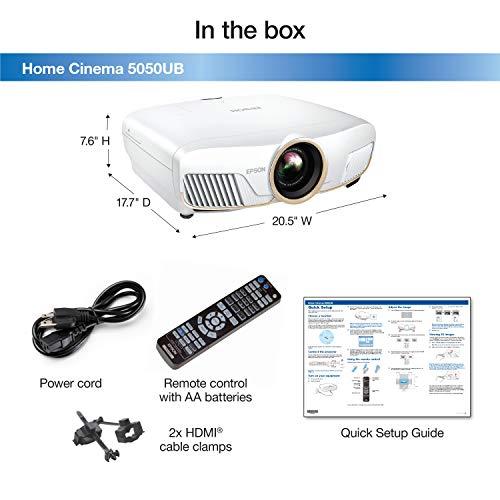
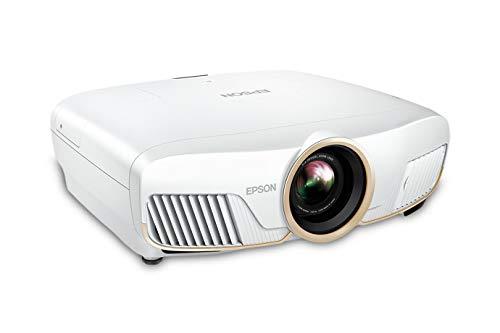
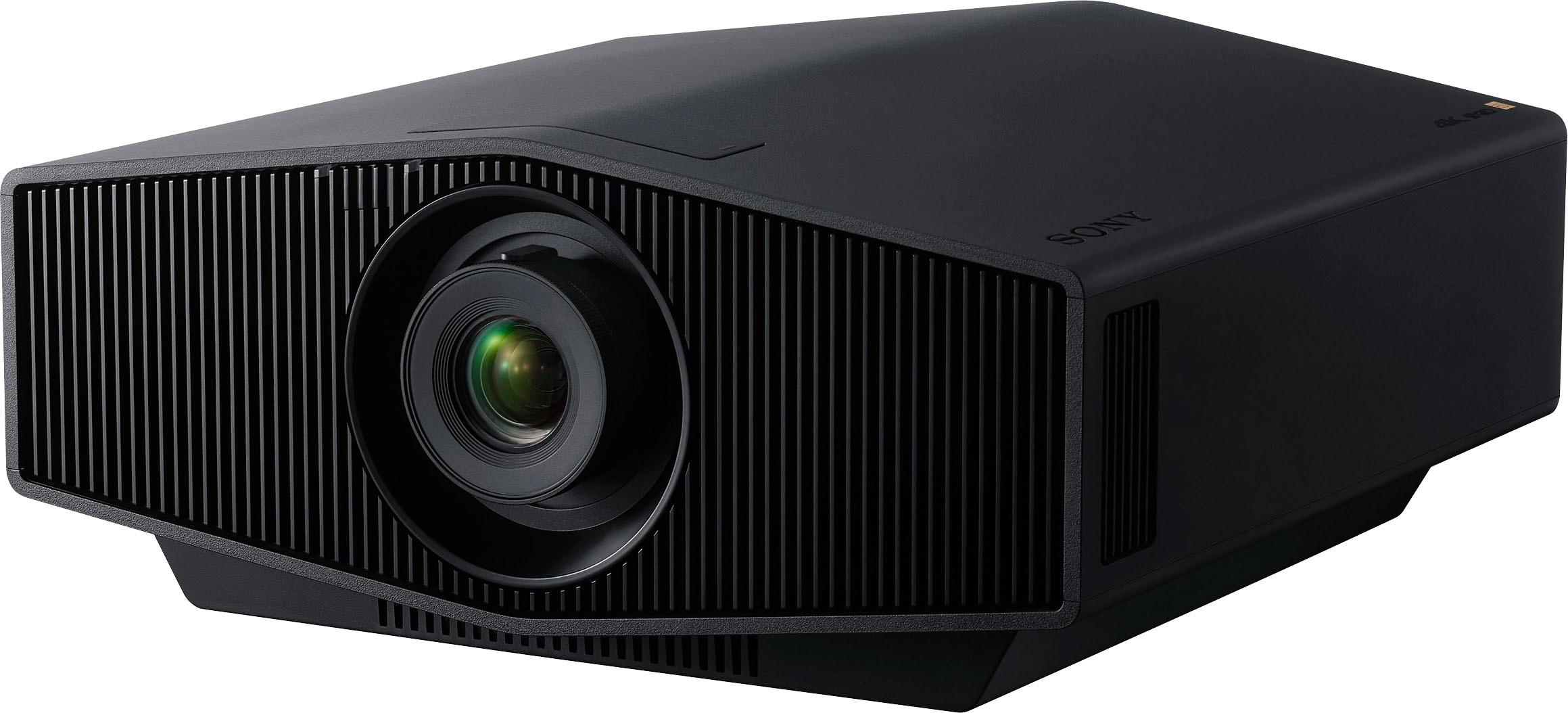
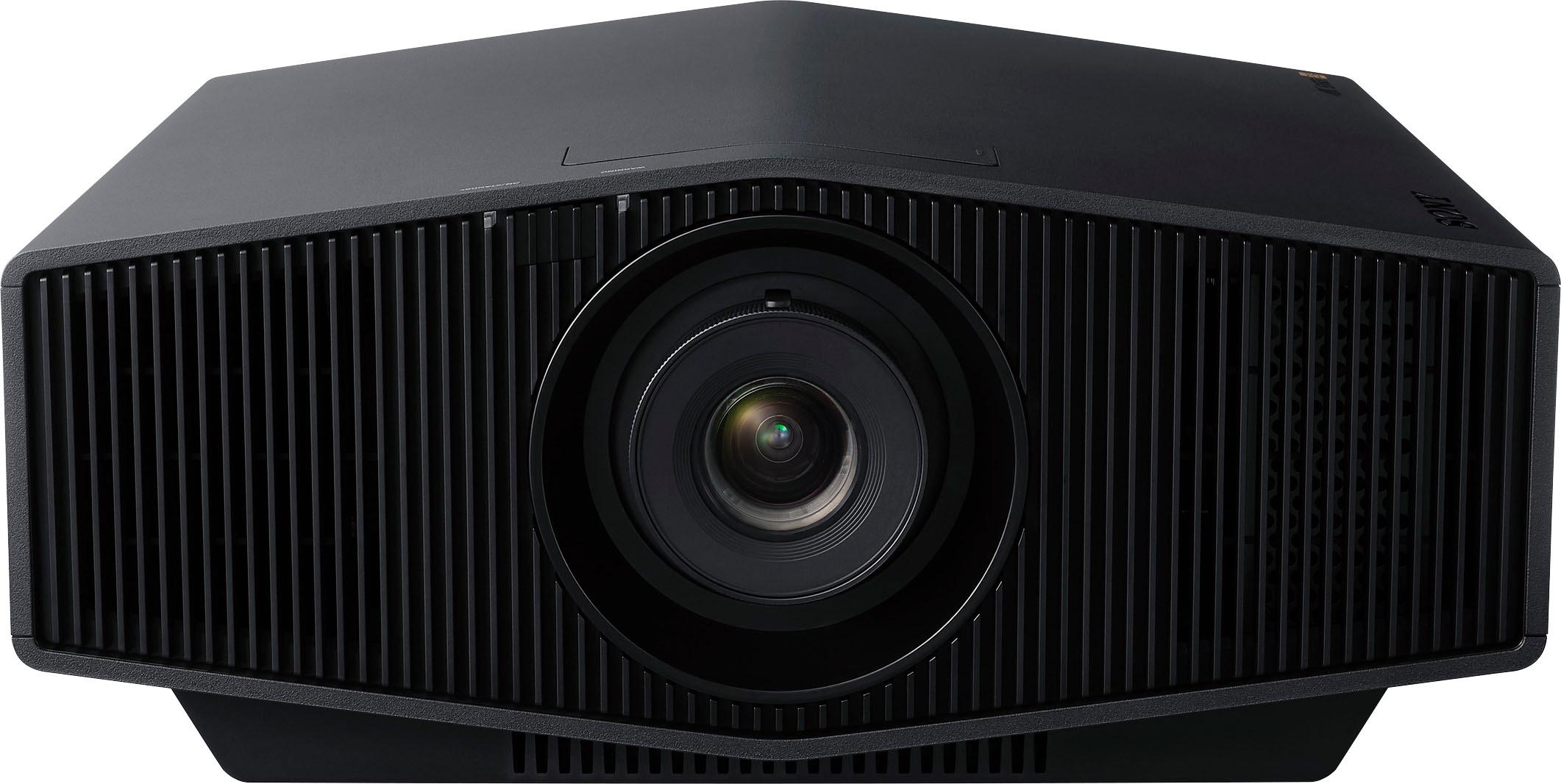
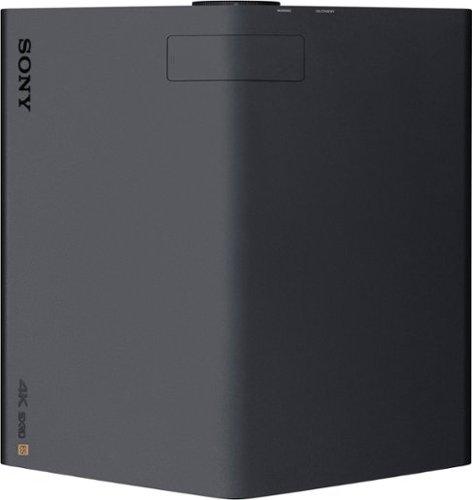
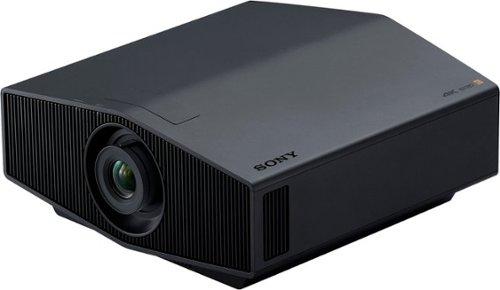
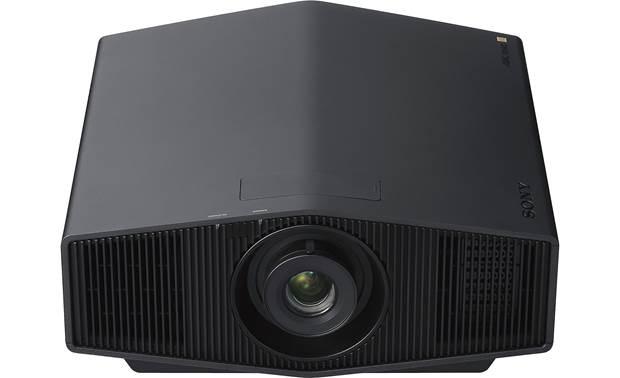
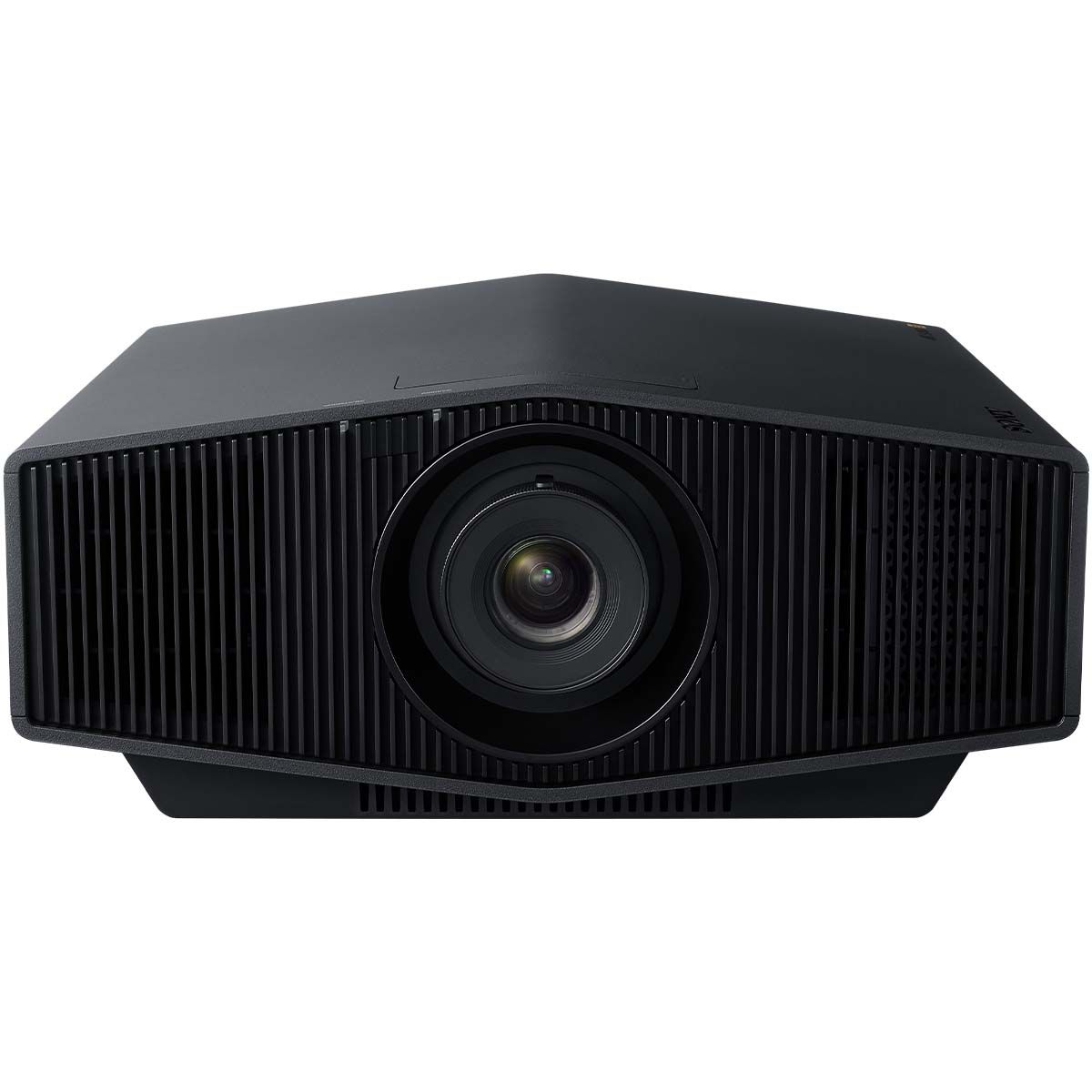
When you're ready to transform your living space into a true home theater, choosing the right projector can feel overwhelming. Two standout options that consistently appear in discussions about premium home theater projection are the Epson Home Cinema 5050UB and the Sony VPL-XW5000ES. These projectors represent fundamentally different approaches to achieving stunning large-screen entertainment, and understanding their differences will help you make the best choice for your specific situation.
Before diving into specifics, it's important to understand what makes a great home theater projector. Unlike the projectors you might remember from school presentations, modern home theater projectors are sophisticated devices capable of producing images that rival or exceed what you'd see in commercial movie theaters.
The most critical factors include brightness (measured in lumens, which determines how well the image shows up in various lighting conditions), contrast ratio (the difference between the darkest blacks and brightest whites), color accuracy (how true-to-life colors appear), and resolution (how sharp and detailed the image looks). Installation flexibility matters too – you want a projector that can fit in your space without compromising image quality.
These two projectors approach these challenges very differently, which is what makes comparing them so interesting.
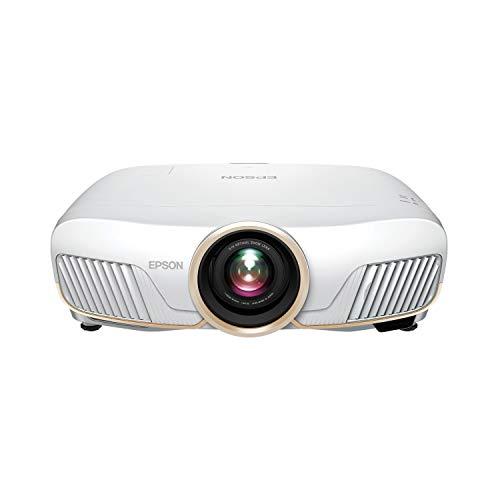
The Epson Home Cinema 5050UB, released around 2019, represents the pinnacle of traditional lamp-based projection technology combined with innovative pixel-shifting to achieve 4K-like resolution. Despite being several years old at the time of writing, it continues to compete effectively with much newer projectors, which speaks to how well-engineered it is.
The Sony VPL-XW5000ES, introduced in 2022, showcases Sony's entry into more affordable laser projection with true native 4K panels. It brings technologies previously reserved for projectors costing tens of thousands of dollars down to a more accessible price point.
Understanding these different approaches is crucial because each has distinct advantages that appeal to different users and situations.
This is where the two projectors take completely different paths, and it's worth understanding both approaches.
The Sony VPL-XW5000ES uses true native 4K SXRD panels – think of these as tiny, incredibly precise mirrors that can individually control each of the 8.3 million pixels that make up a 4K image. SXRD stands for Silicon X-tal Reflective Display, which is Sony's version of LCoS (Liquid Crystal on Silicon) technology. When you feed it a 4K signal, every single pixel in that signal has its own dedicated spot on the panel. This means text is razor-sharp, fine details in textures are crisp, and there's no question about the image quality.
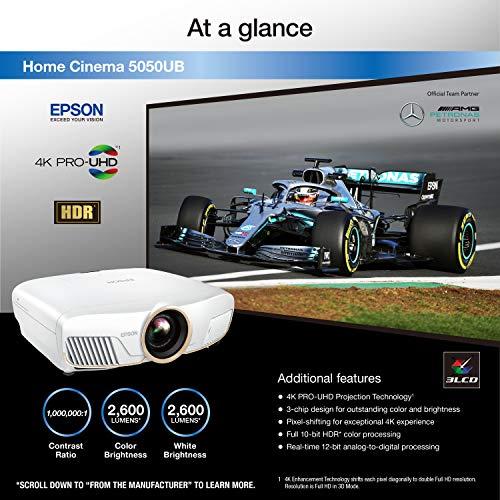
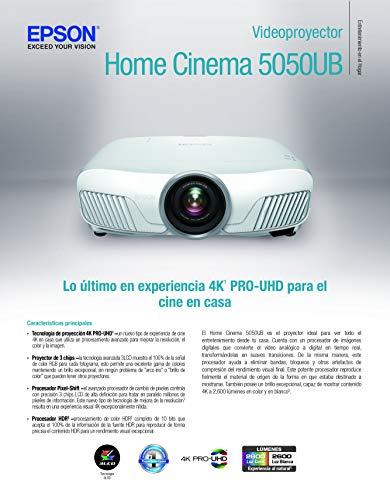
The Epson Home Cinema 5050UB takes a different but clever approach. It starts with three high-quality 1080p LCD panels (that's about 2.1 million pixels each) and uses something called 4K PRO-UHD pixel-shifting. The projector rapidly shifts each pixel by half a pixel width diagonally, effectively creating four positions for each physical pixel. This happens so fast your eye perceives it as a single, much sharper image with approximately 4.15 million effective pixels.
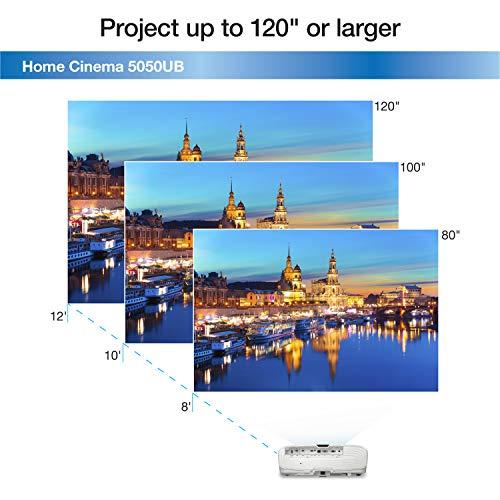
In practice, the difference is noticeable but not dramatic at typical viewing distances. The Sony definitely looks sharper, especially with fine text or detailed textures, but the Epson's pixel-shifting is remarkably effective. If you're sitting 10-12 feet from a 120-inch screen, both will look impressively detailed. Move closer or use larger screens, and the Sony's resolution advantage becomes more apparent.
This might be the most significant practical difference between these projectors, affecting everything from ongoing costs to daily operation.
The Epson 5050UB uses a traditional 250-watt UHE (Ultra High Efficiency) bulb. These bulbs are remarkably bright and can produce stunning images, but they have limitations. They typically last 3,500 to 5,000 hours depending on usage mode, gradually dimming over time. When they finally die, you'll need to replace them, and replacement bulbs aren't cheap – expect to spend several hundred dollars.
The Sony XW5000ES uses a laser light source rated for 20,000 hours of operation. That's roughly equivalent to watching movies for 4 hours every day for over 13 years. Lasers maintain consistent brightness throughout their lifespan, turn on instantly (no warm-up time), and don't require replacement during normal use.
The practical implications are significant. Over a 10-year period, you might replace the Epson's bulb 3-4 times, adding substantial cost and occasional downtime. The Sony just keeps running. However, the Epson's initial purchase price is considerably lower, which offsets some of this long-term cost difference.
Both projectors deliver impressive brightness, but in different ways. The Epson 5050UB produces 2,600 lumens, while the Sony XW5000ES outputs 2,000 lumens. That 600-lumen difference might not sound huge, but it can matter in real-world use.
Higher brightness gives you more flexibility with room lighting and screen size. If you're planning a 150-inch screen or can't completely control room lighting, the Epson's extra brightness is genuinely helpful. The Epson uses 3LCD technology, which means its color brightness matches its white brightness – something that's not always true with other projection technologies.
The Sony's laser provides more consistent brightness over time. While the Epson starts brighter, its bulb will gradually dim over thousands of hours. The Sony maintains steady output throughout its 20,000-hour lifespan.
This is where the Epson 5050UB demonstrates its most significant advantage. Contrast ratio measures the difference between the darkest blacks and brightest whites a projector can produce, and it's arguably the most important factor in creating immersive, three-dimensional images.
The Epson achieves an exceptional 1,000,000:1 dynamic contrast ratio using proprietary UltraBlack technology. This system uses a compensation filter to control light polarization within the projector, dramatically reducing light leakage and creating some of the deepest blacks available in any projector at this price level. When you're watching a scene with stars against a night sky, or a dimly lit interior, the Epson's superior black levels make details pop and create genuine depth.
The Sony XW5000ES produces good contrast typical of quality SXRD technology, but it can't match the Epson's exceptional black level performance. Sony doesn't publish specific contrast figures for this model, but based on expert reviews and measurements, it delivers solid but not extraordinary contrast.
In practice, this difference is most noticeable in dark scenes. The Epson makes shadows look truly black while maintaining detail in dark areas. The Sony is good, but side-by-side comparisons consistently favor the Epson for contrast performance.
Both projectors excel at color reproduction, but again take different approaches.
The Sony XW5000ES covers 95% of the DCI-P3 color space (the standard used in digital cinemas) using its Triluminos Pro color engine and maintains this wide color gamut without sacrificing brightness. DCI-P3 is significantly wider than the standard Rec. 709 color space used by most TVs, meaning you'll see more saturated, lifelike colors. The X1 Ultimate processor analyzes individual objects in each frame and optimizes their color and contrast in real-time, which is remarkably sophisticated technology borrowed from Sony's high-end TVs.
The Epson 5050UB can achieve 97% DCI-P3 coverage, slightly wider than the Sony, but there's a catch – achieving maximum color gamut requires engaging a color filter that reduces overall brightness. For most content, you'll likely use a balanced setting that provides excellent color with minimal brightness compromise.
Both projectors deliver professional-grade color accuracy straight out of the box, though the Epson offers more extensive calibration options including 11-point white balance adjustment for perfectionists who want to fine-tune performance.
Modern projectors have become surprisingly good for gaming, and both of these options deliver performance that would have been unimaginable just a few years ago.
The Sony XW5000ES achieves 21ms input lag at 4K/60Hz and an impressive 13ms at 2K/120Hz. Input lag is the delay between when your gaming console sends a signal and when it appears on screen – lower is better for responsive gaming. These figures are excellent for a home theater projector.
The Epson 5050UB delivers 22.5ms input lag, which is nearly identical to the Sony for practical purposes. Both projectors are perfectly suitable for gaming, though competitive gamers might appreciate the Sony's slight edge and future-ready HDMI 2.3 inputs.
Setting up a projector properly is crucial for optimal image quality, and this is where the Epson 5050UB really shines.
The Epson offers exceptional lens shift capabilities: ±96.3% horizontal and ±47.1% vertical. Lens shift lets you move the image position without physically moving the projector or introducing digital distortion. This massive range means you can mount the Epson significantly off-center from your screen and still get a perfectly rectangular image.
The Sony XW5000ES provides ±25% horizontal and ±71% vertical lens shift, which is good but much more limiting for unusual installations. If you're ceiling mounting in a standard configuration, either works fine. If you need to place the projector significantly to one side of your screen, the Epson's flexibility becomes invaluable.
Both projectors include powered zoom, focus, and lens shift with memory settings for different aspect ratios – features typically found only on much more expensive models.
Home theater environments demand quiet operation, and there's a clear winner here. The Epson 5050UB operates at just 20-31 dB depending on lamp mode, making it remarkably quiet for a lamp-based projector. The Sony XW5000ES runs at 30-35 dB, which is still acceptably quiet but noticeably louder than the Epson.
This difference matters in smaller rooms or if you're sensitive to fan noise during quiet movie scenes.
At the time of writing, these projectors occupy different price tiers, with the Epson 5050UB positioned as a high-value option and the Sony XW5000ES commanding a premium for its laser technology and true 4K panels.
However, calculating true value requires considering total cost of ownership. The Epson's lower initial cost is offset by ongoing bulb replacement expenses and higher power consumption. Over a 10-year period, the gap between total ownership costs narrows considerably.
The Sony's higher upfront investment pays dividends in convenience, consistency, and long-term reliability. If you're planning to keep your projector for many years, the laser technology increasingly makes financial sense.
After extensive research into expert reviews, user feedback, and technical specifications, clear usage patterns emerge for each projector.
Choose the Epson Home Cinema 5050UB if you prioritize exceptional contrast and black levels, need maximum installation flexibility, or want the best immediate image quality per dollar spent. It's ideal for dedicated home theater rooms where you can control lighting and appreciate its outstanding contrast performance. The ongoing maintenance requirements are manageable if you're comfortable with occasional bulb changes.
The Sony VPL-XW5000ES makes sense if true native 4K resolution is important to you, you want maintenance-free operation, or you're planning long-term ownership. It's particularly appealing for users who value convenience and consistency over maximum contrast performance.
Both projectors deliver genuinely cinematic experiences that will transform your home entertainment. The Epson offers more dramatic image quality with deeper blacks and better contrast, while the Sony provides sharper resolution, maintenance-free operation, and long-term peace of mind.
Your specific room, viewing habits, and priorities will ultimately determine which approach serves you better. Either choice represents a significant step up from typical home display technology and will provide years of impressive large-screen entertainment.
| Epson Home Cinema 5050UB | Sony VPL-XW5000ES |
|---|---|
| Display Technology - Core difference affecting image sharpness | |
| 1080p 3LCD panels with 4K PRO-UHD pixel-shifting | True native 4K SXRD panels (8.3M pixels each) |
| Light Source - Major factor in maintenance and longevity | |
| 250W UHE lamp (3,500-5,000 hours) | Laser light source (20,000 hours maintenance-free) |
| Brightness - Critical for room lighting flexibility | |
| 2,600 lumens (better for bright rooms/large screens) | 2,000 lumens (adequate for most home theaters) |
| Contrast Ratio - Most important for image depth and blacks | |
| 1,000,000:1 with UltraBlack technology (exceptional) | Unspecified but good SXRD performance (very good) |
| Color Gamut - Determines color vibrancy and accuracy | |
| 97% DCI-P3 (with brightness trade-off) | 95% DCI-P3 (no brightness compromise) |
| Input Lag - Essential for gaming responsiveness | |
| 22.5ms at 4K/60Hz (excellent for gaming) | 21ms at 4K/60Hz, 13ms at 2K/120Hz (slightly better) |
| Lens Shift Range - Critical for installation flexibility | |
| Horizontal ±96.3%, Vertical ±47.1% (exceptional flexibility) | Horizontal ±25%, Vertical ±71% (good but more limited) |
| Noise Level - Important for quiet movie watching | |
| 20-31 dB (remarkably quiet operation) | 30-35 dB (acceptably quiet but louder) |
| Power Consumption - Ongoing operating costs | |
| 373W (higher electricity usage) | 295W (more energy efficient) |
| HDR Processing - Enhanced contrast and color handling | |
| HDR10/HLG with 16-step real-time adjustment | HDR10/HLG with X1 Ultimate processor and Dynamic HDR Enhancer |
| Connectivity - Future-proofing and device compatibility | |
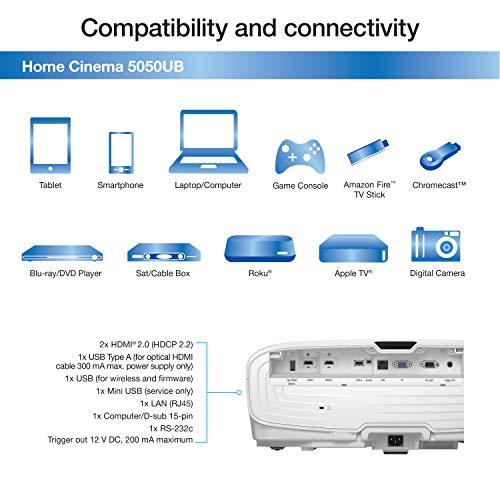
| 2x HDMI 2.0 (one with HDCP 2.2) | 2x HDMI 2.3 (better future compatibility) |
| 3D Support - For 3D movie enthusiasts | |
| Full HD 3D support with optional glasses | No 3D support |
| Release Year - Technology generation and current availability | |
| 2019 (mature, proven technology) | 2022 (newer with latest Sony innovations) |
Both the Epson Home Cinema 5050UB and Sony VPL-XW5000ES are excellent for home theater, but they excel in different areas. The Epson Home Cinema 5050UB offers superior contrast with deeper blacks and more dramatic image depth, making it ideal for dark room viewing. The Sony VPL-XW5000ES provides true native 4K resolution and maintenance-free laser operation, making it better for long-term ownership and sharper image detail.
The Epson Home Cinema 5050UB uses a traditional lamp that lasts 3,500-5,000 hours and requires periodic replacement. The Sony VPL-XW5000ES uses a laser light source rated for 20,000 hours with no maintenance required. Laser projectors offer consistent brightness, instant on/off, and lower long-term costs, while lamp projectors typically cost less upfront but have ongoing bulb replacement expenses.
Picture quality depends on your priorities. The Epson Home Cinema 5050UB delivers exceptional contrast with deeper blacks thanks to UltraBlack technology, creating more immersive images in dark scenes. The Sony VPL-XW5000ES offers true native 4K resolution with sharper detail and Sony's advanced X1 Ultimate processing for optimized colors and contrast. Both provide professional-grade color accuracy.
The Sony VPL-XW5000ES uses true native 4K with 8.3 million pixels, while the Epson Home Cinema 5050UB uses pixel-shifting to create 4K-like resolution from 1080p panels. True 4K provides sharper text and finer details, but the Epson's pixel-shifting delivers surprisingly good results at typical viewing distances. The difference is most noticeable on large screens or when sitting close.
The Epson Home Cinema 5050UB produces 2,600 lumens compared to the Sony VPL-XW5000ES at 2,000 lumens. The Epson's higher brightness makes it better for rooms with ambient light or larger screens. However, both projectors perform best in controlled lighting environments for optimal image quality and contrast performance.
The Epson Home Cinema 5050UB has lower upfront costs but requires bulb replacements every few years at several hundred dollars each. The Sony VPL-XW5000ES costs more initially but has virtually no maintenance costs over its 20,000-hour laser lifespan. Over 10+ years, the total ownership costs become more comparable, with the Sony offering better long-term value.
The Epson Home Cinema 5050UB offers superior installation flexibility with ±96.3% horizontal and ±47.1% vertical lens shift, allowing significant off-center placement. The Sony VPL-XW5000ES provides ±25% horizontal and ±71% vertical lens shift, which is good but more limiting. Both include powered zoom, focus, and lens memory for easy setup.
Both projectors excel for gaming with low input lag. The Sony VPL-XW5000ES achieves 21ms at 4K/60Hz and 13ms at 2K/120Hz, while the Epson Home Cinema 5050UB delivers 22.5ms. These figures are excellent for home theater projectors and suitable for most gaming, including next-generation consoles. The Sony has a slight edge for competitive gaming.
The Epson Home Cinema 5050UB operates much quieter at 20-31 dB compared to the Sony VPL-XW5000ES at 30-35 dB. The Epson's quieter operation makes it better for noise-sensitive environments and smaller rooms where fan noise might be distracting during quiet movie scenes.
Both projectors support HDR10 and HLG formats. The Epson Home Cinema 5050UB features 16-step real-time HDR adjustment for fine-tuning, while the Sony VPL-XW5000ES uses Dynamic HDR Enhancer with object-based processing. Neither supports Dolby Vision, but both deliver excellent HDR performance with wide color gamuts covering 95-97% of the DCI-P3 color space.
Value depends on your timeframe and priorities. The Epson Home Cinema 5050UB offers exceptional immediate value with superior contrast and bright, accurate images at a lower entry price. The Sony VPL-XW5000ES provides better long-term value with true 4K resolution, maintenance-free operation, and consistent performance over 20,000 hours. Consider your budget and planned ownership duration.
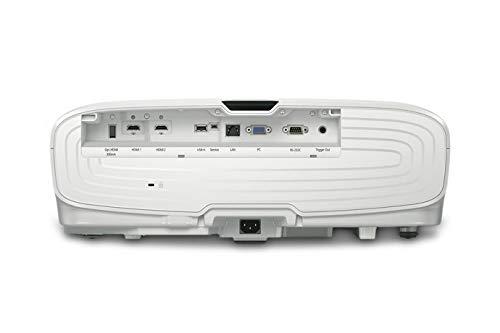
The Epson Home Cinema 5050UB includes 2 HDMI 2.0 ports (one with HDCP 2.2), VGA input, and USB connectivity. The Sony VPL-XW5000ES features 2 HDMI 2.3 ports for better future compatibility with next-generation devices. The Sony also supports advanced home automation systems like Control4 and Crestron, while the Epson includes 3D support that the Sony lacks.
We've done our best to create useful and informative comparisons to help you decide what product to buy. Our research uses advanced automated methods to create this comparison and perfection is not possible - please contact us for corrections or questions. These are the sites we've researched in the creation of this article: rtings.com - projectorscreen.com - hometechnologyreview.com - thesmarthomehookup.com - youtube.com - rtings.com - techgearlab.com - projectorcentral.com - projectorreviews.com - projectorcentral.com - avsforum.com - rtings.com - projectorreviews.com - projectorreviews.com - avsforum.com - avsforum.com - audiogeneral.com - hifiheaven.net - manuals.plus - crutchfield.com - projectorcentral.com - epson.com - mediaserver.goepson.com - bestbuy.com - ngxptech.com - projectorcentral.com - projectorreviews.com - whathifi.com - pro.sony - projectorscreen.com - bestbuy.com - bestbuy.com - bestbuy.com - bestbuy.com - pro.sony - abt.com - projectorreviews.com - merlinstv.com - hometheaterhifi.com

Privacy Policy
Terms and Conditions - Affiliate Policy
Home Security
© Copyright 2008-2026.
11816 Inwood Rd #1211, Dallas, TX 75244