

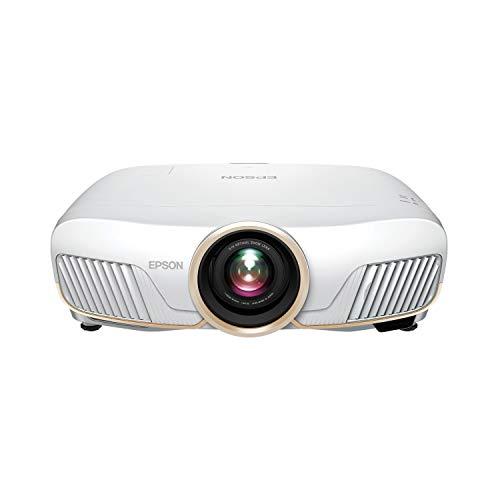
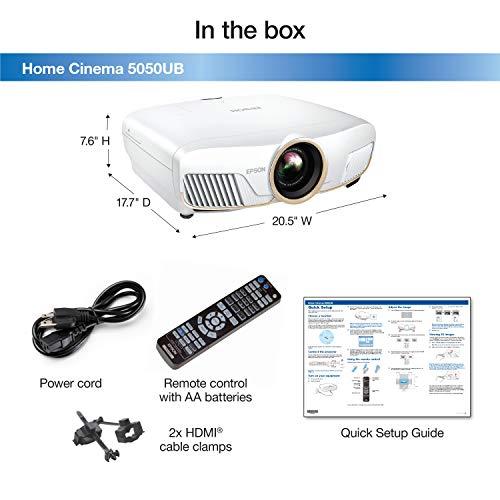
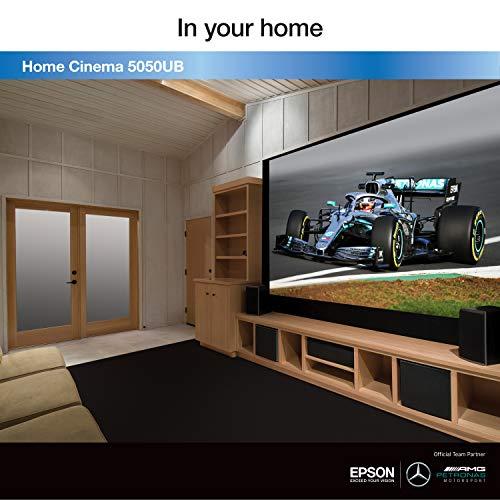
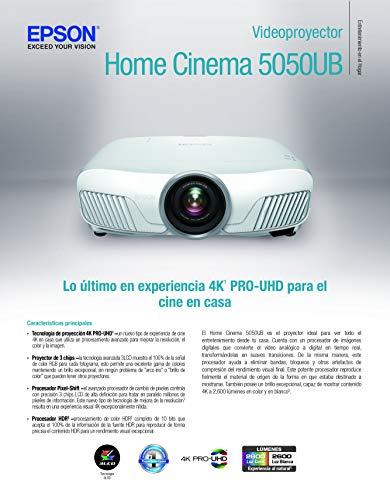
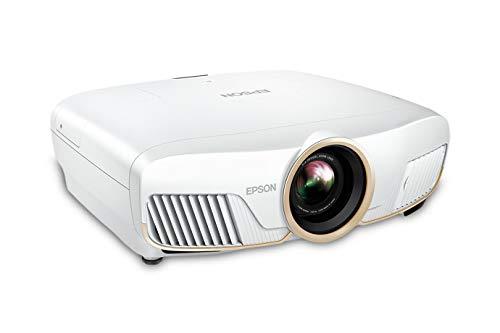
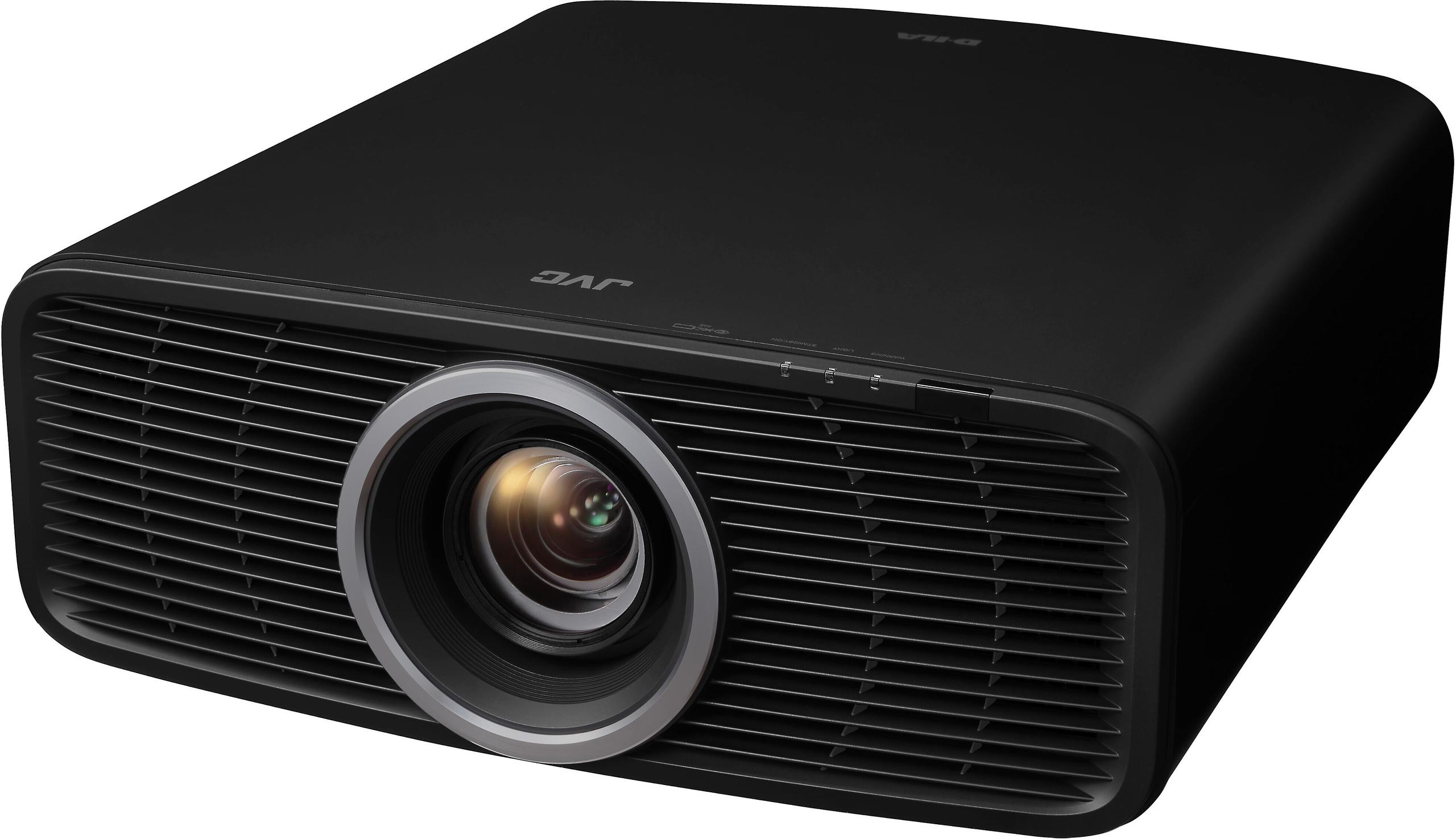
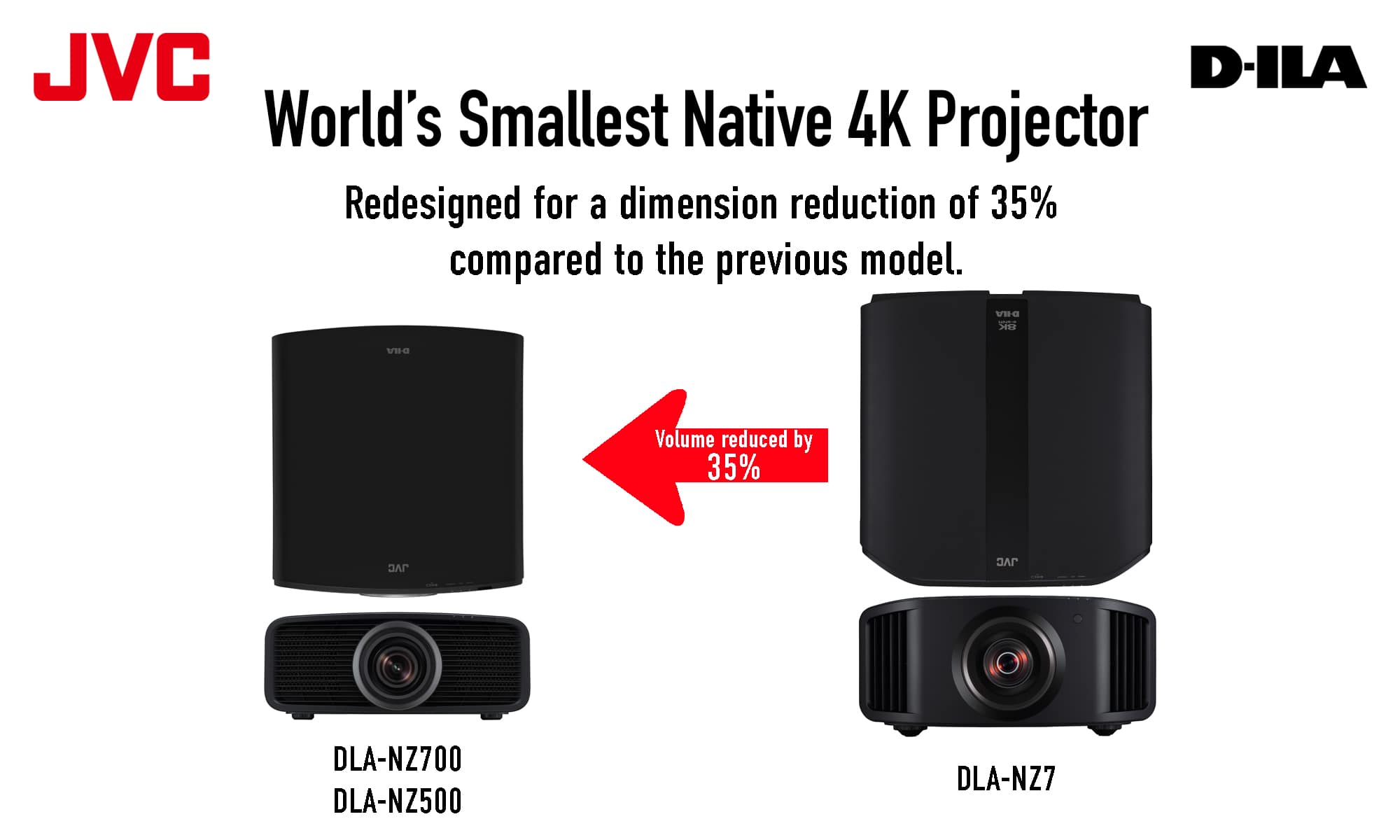
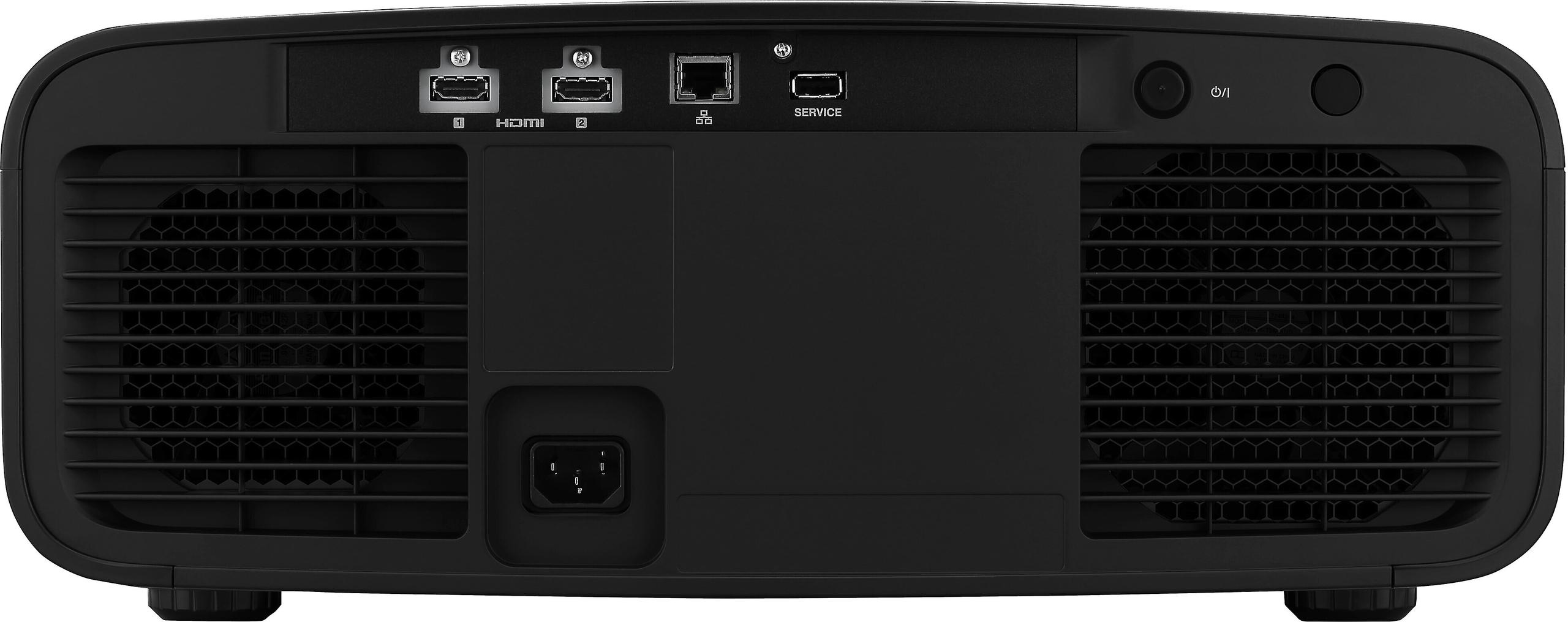
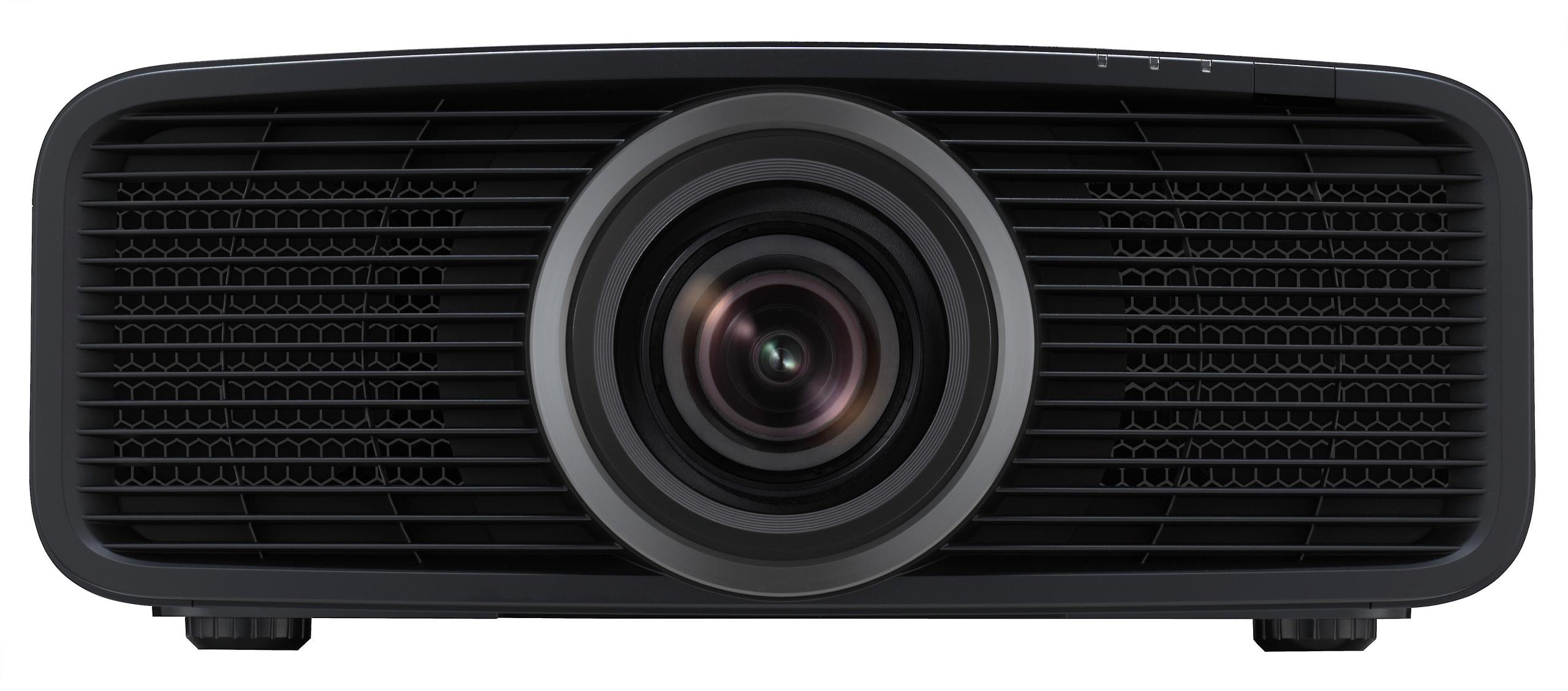
When you're ready to transform your living room or dedicated theater into a cinematic experience, the projector you choose becomes the heart of your entire setup. Two standout options have captured the attention of home theater enthusiasts: the Epson Home Cinema 5050UB and the JVC DLA-NZ700. While both deliver impressive large-screen entertainment, they represent fundamentally different philosophies in projector design—and dramatically different price points.
The home theater projector market has evolved significantly over the past decade. Traditional lamp-based projectors dominated for years, but laser technology has matured into a compelling alternative. At the time of writing, the Epson 5050UB sits in the premium lamp-based category, while the JVC DLA-NZ700 represents the growing laser projector segment that's becoming more accessible to serious home theater enthusiasts.
Before diving into specifics, it's worth understanding what makes a great home theater projector. Unlike the TV on your wall, projectors must create brilliant images by throwing light across a room onto a screen. This fundamental challenge shapes every design decision manufacturers make.
The most critical specifications include resolution (how sharp the image appears), brightness (measured in lumens—think of it as how well the image cuts through ambient light), contrast ratio (the difference between the darkest blacks and brightest whites), and color accuracy (how faithfully colors match what filmmakers intended). These aren't just numbers on a spec sheet; they directly impact whether you'll feel immersed in a movie or distracted by a mediocre image.
Modern projectors also face the challenge of supporting High Dynamic Range (HDR) content. HDR dramatically expands the range of brightness and color information in movies and shows, but projectors can't match the peak brightness of premium TVs. This makes HDR implementation particularly challenging—and important to evaluate.
The fundamental difference between the Epson 5050UB and JVC DLA-NZ700 lies in their light sources, and this choice affects everything from image quality to long-term costs.
The Epson 5050UB, released around 2018, uses a traditional 250-watt Ultra High Efficiency (UHE) lamp. These bulbs burn extremely hot and bright, generating the lumens needed for large-screen projection. However, they gradually dim over their 3,500 to 5,000-hour lifespan and require periodic replacement. When the lamp dies, you're looking at several hundred dollars for a new one—assuming you can still find replacement bulbs years later.
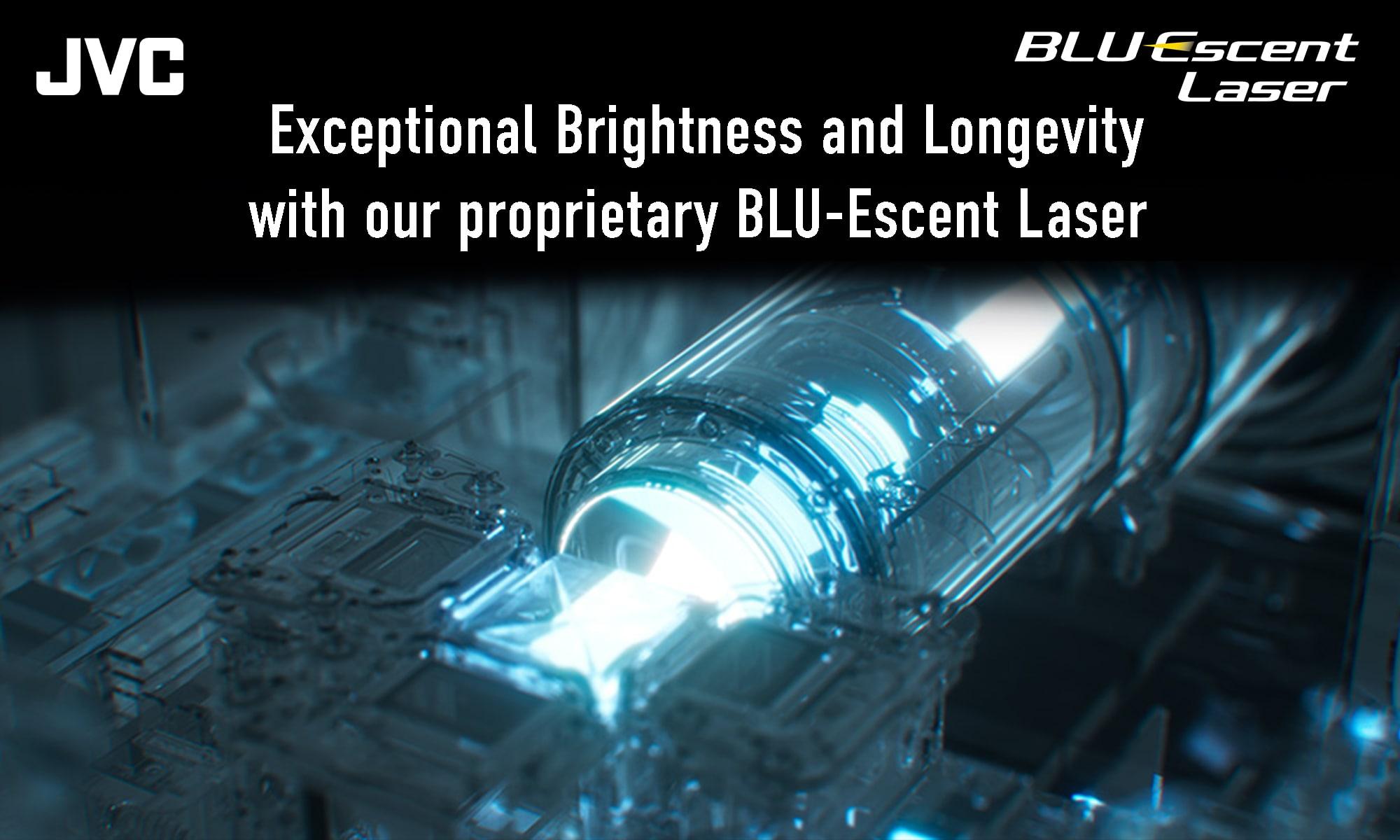
The JVC DLA-NZ700, part of JVC's newer laser lineup from around 2022, eliminates this concern entirely. Its BLU-Escent laser system uses blue laser diodes to generate light, lasting approximately 20,000 hours at maximum brightness. In practical terms, if you watch three hours of content daily, the laser should outlast the projector's useful life. There's no gradual dimming, no sudden failures, and no replacement costs.
This difference in light source technology shapes the entire ownership experience. Lamp projectors require you to factor in ongoing maintenance costs and potential downtime when bulbs fail at inconvenient moments. Laser projectors offer set-it-and-forget-it reliability but command significantly higher upfront investment.
Perhaps no specification generates more confusion than resolution claims. Both projectors market themselves as "4K," but they achieve this through entirely different approaches.
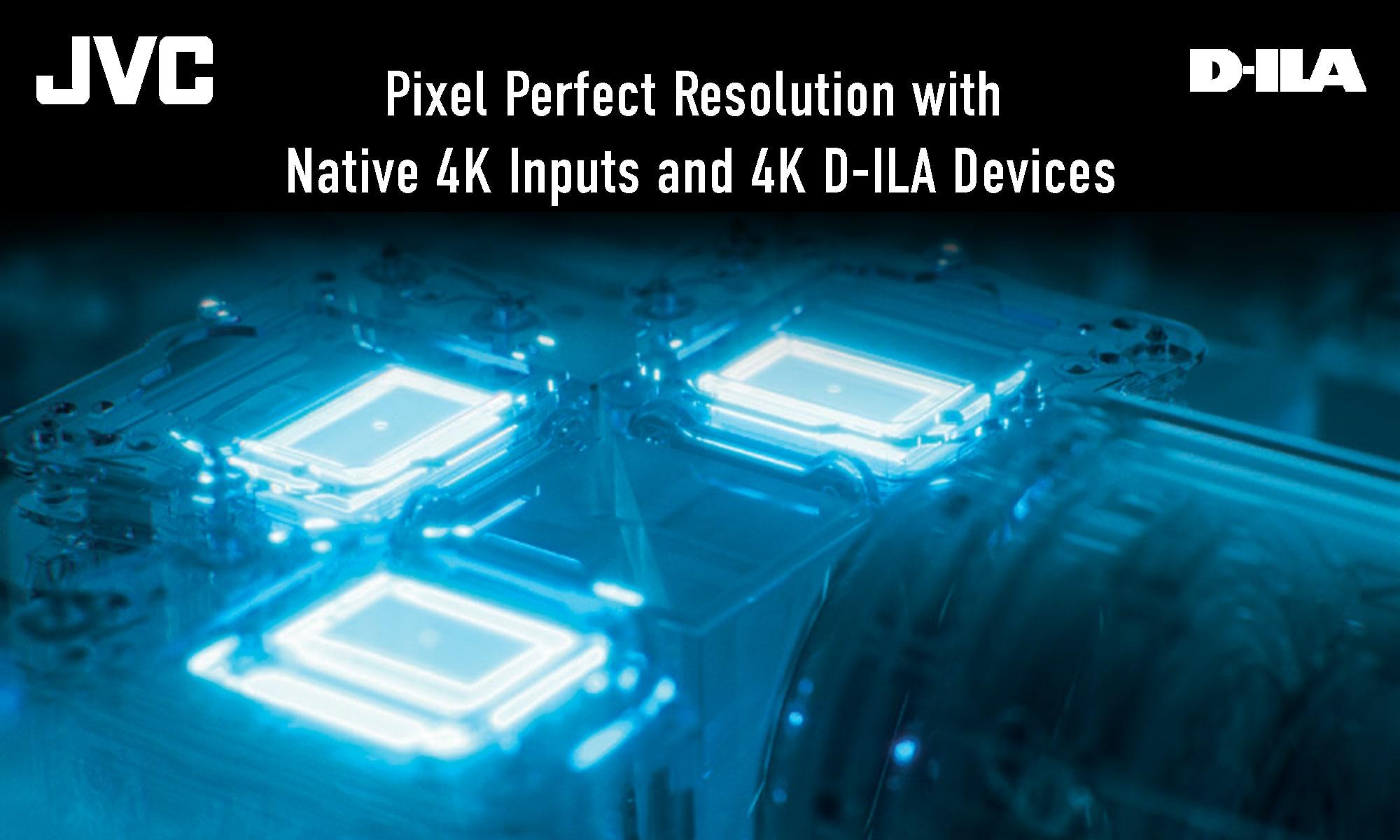
The JVC DLA-NZ700 uses genuine native 4K chips—specifically, JVC's third-generation 0.69-inch D-ILA devices. Each chip contains over 8.8 million individual mirrors that can be positioned to create light or dark pixels. When you feed it a 4K source, every pixel gets displayed exactly as intended, with no processing tricks or approximations.
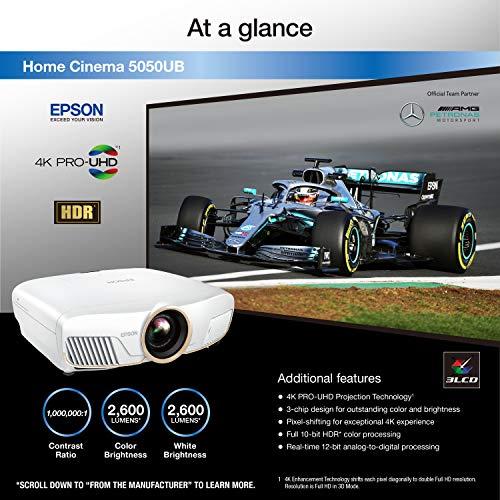
The Epson 5050UB takes a more creative approach. It uses native 1080p LCD chips—the same resolution as Blu-ray discs—but employs sophisticated pixel-shifting technology called 4K PRO-UHD. The projector rapidly shifts each pixel diagonally by half a pixel width, effectively doubling the information density. While not truly native 4K, this technique creates approximately 4.1 million distinct points of light on screen.
Based on extensive user feedback and professional reviews, the difference between these approaches varies depending on content and viewing distance. For fine details like text, architectural elements, or intricate textures, the JVC's native 4K provides noticeably sharper results. However, for typical movie viewing at appropriate distances, the Epson's pixel-shifting produces convincingly sharp images that satisfy most viewers.
The practical takeaway: if you're a pixel-peeper who scrutinizes image quality from close viewing distances, native 4K matters. For most home theater applications, both approaches deliver satisfying sharpness that far exceeds what you'd get from a 1080p projector.
Brightness determines how large your screen can be and how much ambient light your room can have while maintaining a watchable image. This is where the Epson 5050UB demonstrates one of its key advantages.
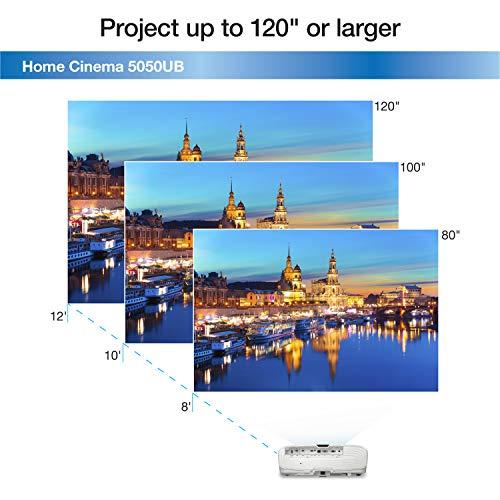
At 2,600 lumens, the Epson provides enough light output for screens up to 300 inches diagonal in moderately lit rooms. This flexibility makes it suitable for multi-purpose spaces where you might want to watch sports during the day or have some accent lighting during movie nights. The high brightness also helps HDR content look more impactful, since HDR benefits from brighter peak highlights.
The JVC DLA-NZ700 produces 2,300 lumens—still substantial, but with an important caveat. To achieve its widest color gamut, JVC includes a cinema filter that reduces light output by approximately 25%. With the filter engaged for optimal color accuracy, you're looking at roughly 1,725 effective lumens. This pushes the JVC into dedicated home theater territory where you need light control for optimal performance.
From our research into user experiences, the brightness difference becomes most apparent with larger screen sizes above 120 inches. The Epson maintains vibrant, punchy images on massive screens, while the JVC requires careful room design to avoid washed-out highlights in larger installations.
If brightness determines where you can use a projector, contrast ratio determines how immersive the experience feels. This is where the technology differences between our two projectors create the most dramatic performance gap.
The Epson 5050UB achieves its impressive 1,000,000:1 dynamic contrast through a combination of technologies. Its UltraBlack filter system controls light polarization within the projector, reducing stray light that would otherwise elevate black levels. An auto iris dynamically opens and closes based on scene content, further improving contrast in dark scenes. These technologies work together to produce deeper blacks than you'd expect from a 3LCD projector.
However, multiple professional reviews consistently note that the Epson doesn't achieve true black levels. Letterbox bars in widescreen movies appear as very dark gray rather than disappearing entirely. In dedicated home theater environments with complete light control, this limitation becomes more apparent.
The JVC DLA-NZ700 approaches contrast differently, relying on its native 80,000:1 contrast ratio without dynamic tricks. JVC's D-ILA technology inherently produces deeper blacks than LCD or DLP alternatives. Combined with precise manufacturing tolerances and advanced optical design, the result is genuinely dark blacks that make image content appear to float in space.
Professional calibrators and enthusiast reviews consistently praise the JVC's black level performance as transformative for the viewing experience. Dark scenes reveal shadow detail that remains invisible on lesser projectors, while bright highlights appear more brilliant against the truly dark backgrounds.
The practical impact extends beyond specifications. Better contrast creates a more three-dimensional image with improved depth perception. Colors appear more saturated against darker backgrounds. The overall sense of realism increases dramatically, which explains why videophiles prioritize contrast over almost any other specification.
Both projectors achieve excellent color reproduction, but through different strengths. The Epson 5050UB covers 100% of the DCI-P3 color space—the same standard used in commercial movie theaters. Its 3LCD design inherently produces vibrant, saturated colors without the color wheel artifacts that can affect some single-chip projectors.
The Epson's out-of-box color accuracy consistently receives praise from professional reviewers, often requiring minimal calibration to achieve reference-quality results. This makes it particularly appealing for users who want great color without hiring a professional calibrator.
The JVC DLA-NZ700 achieves 98% DCI-P3 coverage when its cinema filter is engaged, though this comes at the brightness cost mentioned earlier. Without the filter, coverage drops to approximately 93% DCI-P3—still excellent, but not quite matching the Epson's wider gamut.
However, the JVC includes 101-step laser brightness control, allowing incredibly precise image adjustments. This granular control, combined with JVC's reputation for color accuracy, enables expert-level calibration results that can exceed the Epson's capabilities in the hands of experienced users.
For most home theater applications, both projectors deliver color performance that exceeds what you'd experience in most commercial movie theaters. The choice comes down to whether you prefer the Epson's vibrant, saturated look straight from the box or the JVC's more controlled, film-accurate presentation.
One area where the Epson 5050UB truly excels is installation flexibility. Its fully motorized lens system includes 2.1x zoom range and extreme lens shift capabilities: ±96.3% vertical and ±47.1% horizontal. In practical terms, this means you can place the projector almost anywhere in your room and still achieve proper screen alignment.
This flexibility proves invaluable in real-world installations. Need to ceiling mount the projector off-center due to a structural beam? The lens shift handles it. Want to place it on a rear shelf but your ceiling height isn't ideal? The extensive zoom range adapts to various throw distances. The Epson includes lens memory settings, so you can save different configurations for various aspect ratios or screen sizes.
The JVC DLA-NZ700 includes motorized lens adjustments as well, though specific shift ranges aren't as extensively documented. JVC's higher-end projectors typically offer substantial flexibility, but likely not matching the Epson's extreme range.
For many buyers, installation flexibility determines whether a projector works in their space at all. The Epson's accommodation of challenging room layouts can be the deciding factor that makes a home theater possible where it otherwise wouldn't be.
High Dynamic Range content presents unique challenges for projectors, which can't match the peak brightness levels of premium TVs. Both projectors handle HDR, but with different approaches and effectiveness.
The Epson 5050UB supports HDR10 and HLG formats with full 10-bit color processing. Its standout feature is a dedicated HDR brightness adjustment button on the remote, providing 16 steps of real-time tone mapping control. This practical solution addresses the reality that HDR content varies wildly in brightness mastering, allowing you to adjust the presentation for your specific room conditions and personal preferences.
User feedback consistently praises this HDR adjustment feature as solving many HDR viewing problems. Too dark content can be brightened while preserving HDR's expanded color information, and overly bright content can be tamed for comfortable viewing in dark rooms.
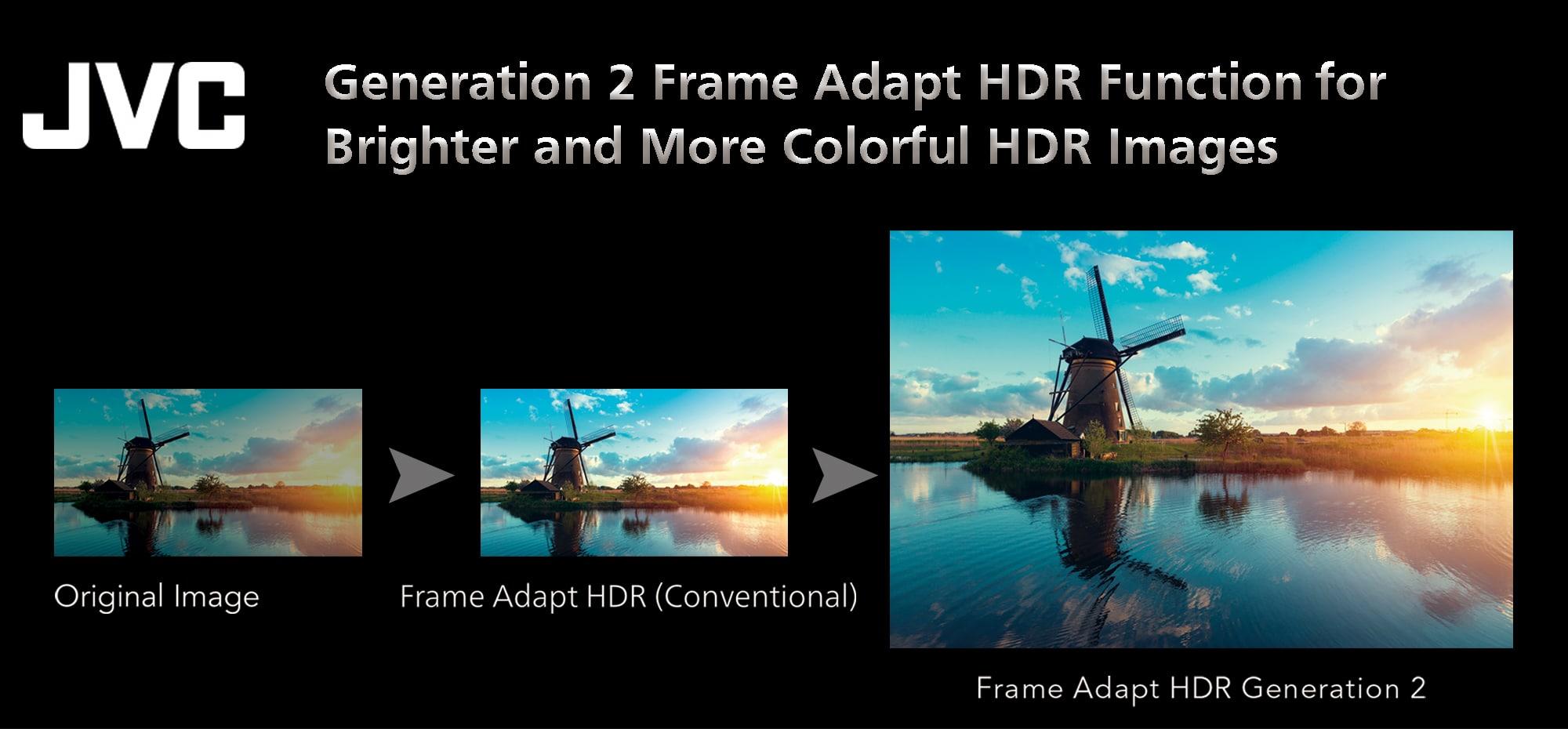
The JVC DLA-NZ700 includes HDR10 and HDR10+ support with advanced tone mapping capabilities, though specific implementation details vary. JVC's typically provide more sophisticated processing options, including frame-by-frame analysis for dynamic tone mapping.
The Epson's higher brightness gives it an advantage in HDR presentation, since it can achieve brighter peak highlights that make HDR's expanded dynamic range more apparent. However, the JVC's superior black levels create better shadow detail, which is equally important for HDR's full impact.
Neither projector targets competitive gaming, but both handle console gaming adequately for single-player and casual multiplayer experiences. The Epson 5050UB delivers 22.5ms input lag at 4K/60Hz, suitable for most gaming except competitive first-person shooters or fighting games where every millisecond matters.
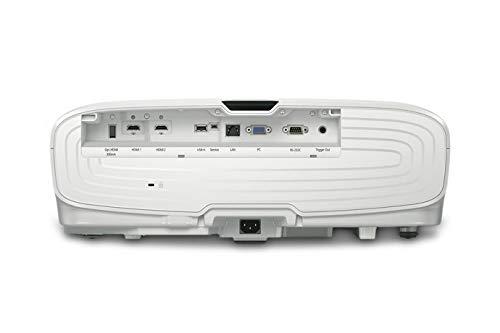
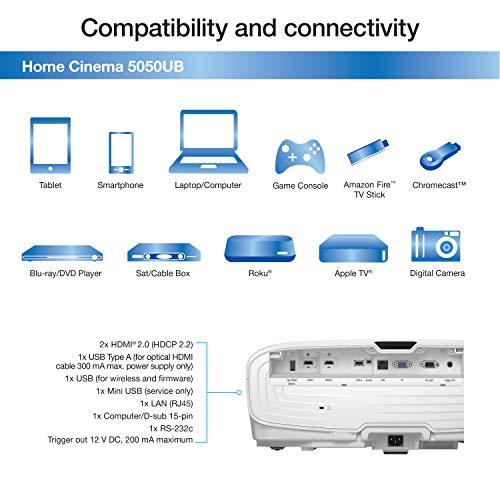
The Epson includes two HDMI 2.0 inputs supporting 4K at 60Hz, with HDCP 2.2 compatibility for playing protected content from modern consoles. While it lacks modern gaming features like Variable Refresh Rate or Auto Low Latency Mode, it provides a solid gaming experience for the vast majority of console games.
The JVC DLA-NZ700 includes Clear Motion Drive technology for smoother motion handling, though this focuses more on cinema content than gaming responsiveness. Specific gaming performance metrics aren't as widely documented, but JVC projectors typically prioritize image quality over gaming optimization.
For serious gamers, neither projector should be the primary choice. However, for home theater setups that occasionally include gaming, both provide acceptable performance for casual play.
The ownership experience differs dramatically between these projectors due to their light source technologies. The Epson 5050UB requires lamp replacement every 3,500 to 5,000 hours, depending on usage patterns. At typical home theater usage rates (2-3 hours daily), you'll replace the lamp every 3-5 years.
Replacement lamps cost several hundred dollars, and availability can become an issue as projectors age. Factor in potential service calls if you're uncomfortable replacing lamps yourself, and the total cost of ownership increases significantly over a decade of use.
The JVC DLA-NZ700 eliminates these concerns entirely. Its 20,000+ hour laser life means most users will never need any maintenance during the projector's useful life. The laser maintains consistent brightness throughout its life, unlike lamps that gradually dim and shift color temperature as they age.
At the time of writing, the JVC commands approximately 2.5-3x the price of the Epson. However, when factoring in lamp replacement costs over 10-15 years of ownership, the effective price gap narrows considerably. For users planning long-term ownership, the laser's convenience and consistency provide significant value beyond just cost savings.
Projector noise and heat output affect room comfort, particularly in smaller dedicated theaters. The Epson 5050UB operates at 20-31 dB depending on lamp mode, with higher brightness settings producing more fan noise. Its 373-watt power consumption generates substantial heat, requiring adequate ventilation and potentially affecting room temperature during long viewing sessions.
The JVC DLA-NZ700 runs at a consistent 24 dB—quieter than the Epson in normal mode. Laser projectors generally run cooler than lamp-based units since they don't require aggressive cooling systems for hot bulbs. This makes the JVC more suitable for smaller dedicated theater rooms where noise control matters most.
The decision between the Epson Home Cinema 5050UB and JVC DLA-NZ700 ultimately comes down to budget, room requirements, and long-term priorities.
Choose the Epson 5050UB if you're building your first serious home theater setup or need maximum performance per dollar spent. Its exceptional brightness makes it suitable for multi-purpose rooms with some ambient light, while its extreme lens flexibility solves challenging installation scenarios. The Epson delivers genuinely impressive image quality that competes with projectors costing significantly more, making it an outstanding value proposition.
The Epson also makes sense for users who prefer spreading costs over time rather than making a large upfront investment. While lamp replacements add to long-term costs, they allow you to start with a lower initial budget and upgrade gradually.
Choose the JVC DLA-NZ700 if you have a dedicated home theater room with excellent light control and budget allows for the premium investment. Its native 4K resolution provides ultimate detail clarity, while its superior black levels create the most cinematic viewing experience possible. The laser's maintenance-free operation appeals to users who want set-it-and-forget-it reliability over decades of ownership.
The JVC represents the choice for videophiles who prioritize absolute image quality over all other considerations. If you're upgrading from a previous projector and want a substantial improvement in picture quality, the JVC's combination of native 4K and exceptional contrast delivers that upgrade.
Both projectors excel in their respective market positions, making this comparison less about one being definitively better and more about matching the right tool to your specific needs and budget. The Epson 5050UB maximizes performance per dollar while providing installation flexibility that makes home theater possible in challenging spaces. The JVC DLA-NZ700 provides ultimate image quality with laser convenience for users willing to invest in long-term performance.
The dramatic price difference reflects fundamentally different approaches to the home theater projector market. Neither choice is wrong—they simply serve different priorities and budgets in the pursuit of bringing the cinema experience home.
| Epson Home Cinema 5050UB | JVC DLA-NZ700 |
|---|---|
| Native Resolution - Determines image sharpness and detail clarity | |
| Enhanced 4K via pixel-shifting (1080p chips) | True Native 4K (4096×2160) |
| Light Source Technology - Affects maintenance costs and longevity | |
| 250W UHE Lamp (3,500-5,000 hour life) | BLU-Escent Laser (20,000+ hour life) |
| Brightness Output - Critical for screen size and ambient light tolerance | |
| 2,600 lumens (excellent for larger screens) | 2,300 lumens (1,725 with cinema filter) |
| Contrast Ratio - Determines black level depth and image dimensionality | |
| 1,000,000:1 dynamic (very dark gray blacks) | 80,000:1 native (true deep blacks) |
| Color Gamut Coverage - Affects color vibrancy and cinema accuracy | |
| 100% DCI-P3 (matches commercial theaters) | 98% DCI-P3 with filter, 93% without |
| Lens Flexibility - Determines installation ease and room compatibility | |
| 2.1x zoom, ±96.3% vertical/±47.1% horizontal shift | 1.6x zoom with substantial lens shift |
| HDR Support - Important for modern streaming and UHD content | |
| HDR10, HLG with 16-step brightness adjustment | HDR10, HDR10+, HLG with advanced tone mapping |
| Input Lag - Matters for gaming performance | |
| 22.5ms at 4K/60Hz (acceptable for casual gaming) | Clear Motion Drive (cinema-focused processing) |
| Operating Noise - Affects viewing comfort in quiet rooms | |
| 20-31 dB (quieter in eco mode, louder when bright) | 24 dB consistent (quieter overall operation) |
| Long-term Costs - Total ownership expense beyond initial purchase | |
| Lamp replacements every 3-5 years (~$400 each) | No maintenance required for decades |
| Best Use Case - Ideal buyer and room scenarios | |
| Multi-purpose rooms, first serious home theater | Dedicated theaters with light control |
The Epson Home Cinema 5050UB is more beginner-friendly due to its lower entry cost, excellent out-of-box color accuracy, and extreme lens flexibility that makes installation easier in challenging rooms. The JVC DLA-NZ700 requires more expertise to optimize and is better suited for experienced home theater enthusiasts.
The Epson 5050UB uses a traditional lamp that needs replacement every 3,500-5,000 hours and gradually dims over time. The JVC DLA-NZ700 uses a laser light source that lasts 20,000+ hours with consistent brightness throughout its life, eliminating maintenance costs but requiring a higher upfront investment.
The JVC DLA-NZ700 delivers superior picture quality with native 4K resolution, deeper black levels, and better contrast ratio. However, the Epson Home Cinema 5050UB offers excellent image quality for its price point and may be sufficient for most viewers, especially those new to premium projection.
The Epson 5050UB handles ambient light better with 2,600 lumens of brightness, making it suitable for multi-purpose rooms. The JVC DLA-NZ700 requires a dedicated, light-controlled theater room for optimal performance, especially when using its cinema filter for best color accuracy.
Both projectors work for casual gaming, but the Epson Home Cinema 5050UB has documented 22.5ms input lag at 4K/60Hz. Neither projector targets competitive gaming, as they prioritize movie performance over gaming features like high refresh rates or variable refresh rate support.
The Epson 5050UB requires lamp replacements every few years, with each replacement bulb costing several hundred dollars. The JVC DLA-NZ700 has virtually no maintenance costs over its lifespan, as the laser is designed to outlast the projector's useful life.
The Epson Home Cinema 5050UB offers exceptional installation flexibility with ±96.3% vertical and ±47.1% horizontal lens shift, plus 2.1x zoom range. This makes it much easier to position in challenging room layouts compared to the JVC DLA-NZ700, which has more limited placement options.
Yes, but differently. The JVC DLA-NZ700 displays true native 4K with all 8.3 million pixels. The Epson 5050UB uses pixel-shifting technology to enhance 1080p content to 4K-like quality, which looks very good but isn't technically native 4K resolution.
The JVC DLA-NZ700 operates at a consistent 24 dB, making it quieter overall. The Epson Home Cinema 5050UB ranges from 20-31 dB depending on brightness settings and generates more heat, requiring more aggressive cooling that can be audible during bright scenes.
Both excel for home theater use. The Epson 5050UB works well in various room types and lighting conditions, making it ideal for multi-purpose spaces. The JVC DLA-NZ700 is specifically designed for dedicated home theaters where you can control lighting and want the ultimate viewing experience.
The Epson Home Cinema 5050UB handles HDR well with higher brightness and a convenient 16-step HDR adjustment feature. The JVC DLA-NZ700 offers more sophisticated HDR processing with better black levels for shadow detail, but may require more technical knowledge to optimize properly.
The Epson 5050UB can last many years with proper lamp maintenance, typically requiring 2-3 lamp replacements over a decade of use. The JVC DLA-NZ700 should operate maintenance-free for 15-20 years of typical home theater use, making it a true long-term investment.
We've done our best to create useful and informative comparisons to help you decide what product to buy. Our research uses advanced automated methods to create this comparison and perfection is not possible - please contact us for corrections or questions. These are the sites we've researched in the creation of this article: rtings.com - projectorscreen.com - hometechnologyreview.com - thesmarthomehookup.com - youtube.com - rtings.com - techgearlab.com - projectorcentral.com - projectorreviews.com - projectorcentral.com - avsforum.com - rtings.com - projectorreviews.com - projectorreviews.com - avsforum.com - avsforum.com - audiogeneral.com - hifiheaven.net - manuals.plus - crutchfield.com - projectorcentral.com - epson.com - mediaserver.goepson.com - bestbuy.com - ngxptech.com - projectorcentral.com - projectorreviews.com - simplehomecinema.com - soundapproach.com - jvc.com - projectorreviews.com - valueelectronics.com - youtube.com - crutchfield.com - stereonet.com - projectorcentral.com - manual3.jvckenwood.com

Privacy Policy
Terms and Conditions - Affiliate Policy
Home Security
© Copyright 2008-2026.
11816 Inwood Rd #1211, Dallas, TX 75244