

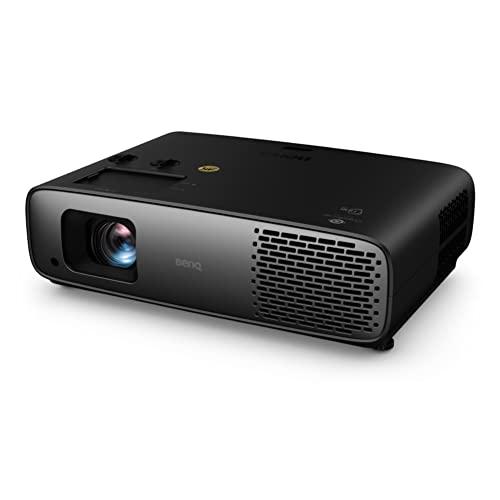

Home theater projectors have evolved dramatically over the past few years, and 2023 marked a particularly exciting time for 4K projection technology. Two standout models that represent very different approaches to premium home cinema are the BenQ HT4550i and the Sony BRAVIA Projector 9. While both deliver stunning 4K HDR images, they target completely different audiences and price points—making your choice between them surprisingly straightforward once you understand what sets them apart.
The projector market has matured significantly since the early days of dim, noisy machines that required dark rooms and constant lamp replacements. Modern projectors like these two models offer bright, colorful images that can compete with large-screen TVs while delivering screen sizes that would cost tens of thousands of dollars in television form. The key is understanding which approach—value-focused versatility or premium performance—matches your needs and budget.
Before diving into specifics, it's worth understanding how these projectors achieve 4K resolution, because the methods are fundamentally different. The BenQ HT4550i uses what's called "pixel-shifting" technology—specifically Texas Instruments' XPR system. This approach takes a 1080p DLP chip (a tiny mirror array that creates the image) and rapidly shifts each pixel diagonally to create additional pixel positions. The result is a displayed image with 3,840 x 2,160 pixels, matching 4K television standards.
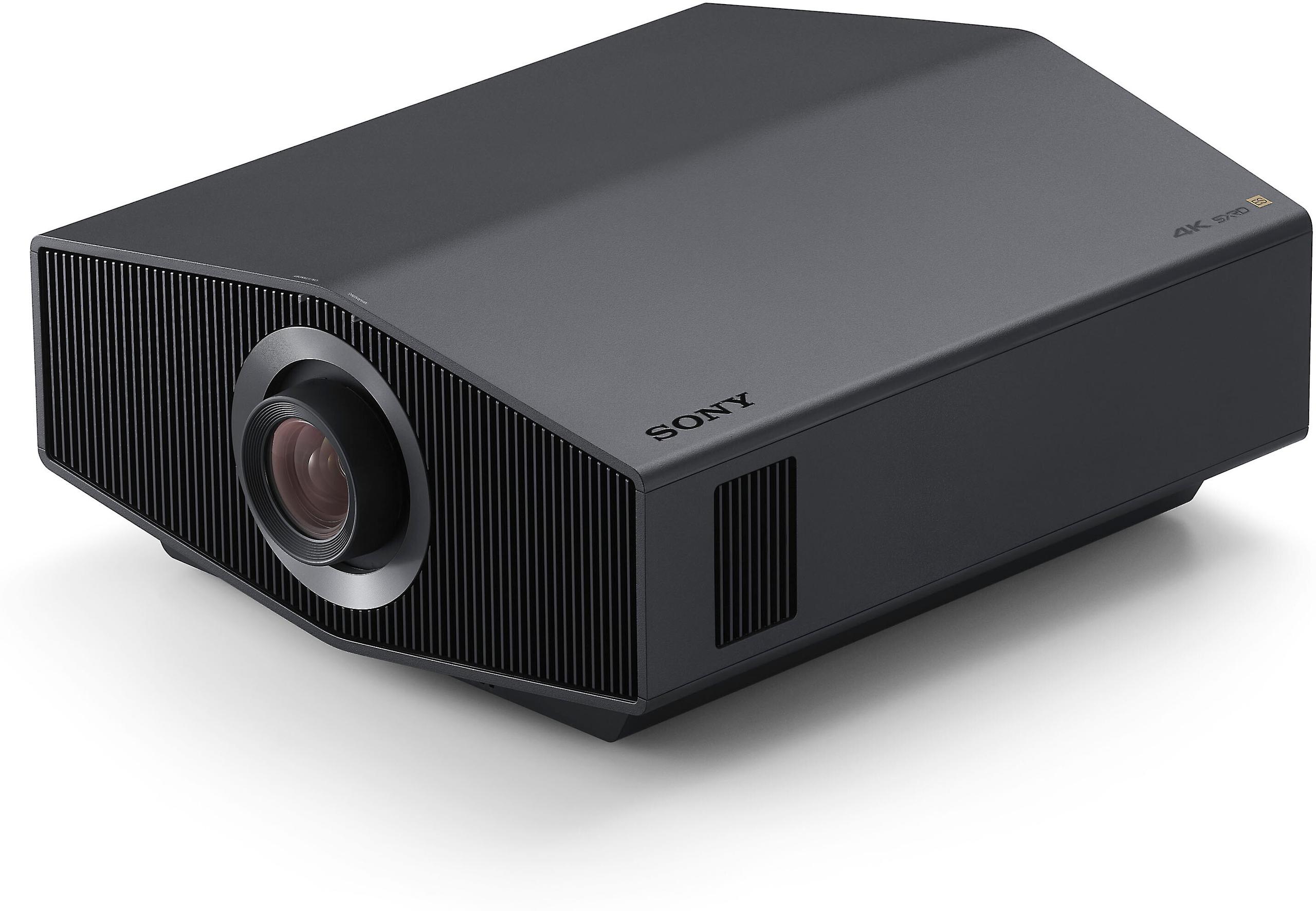
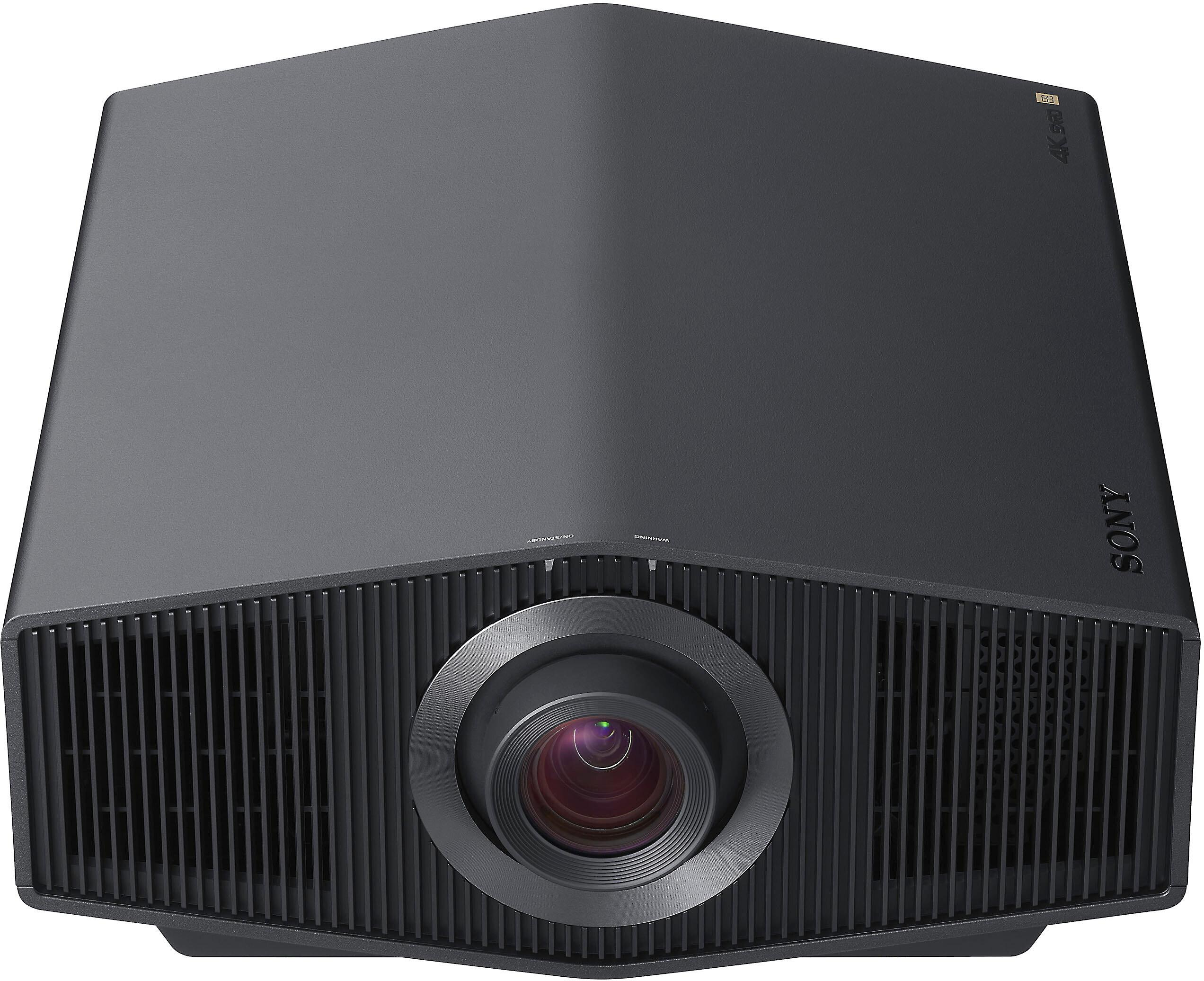
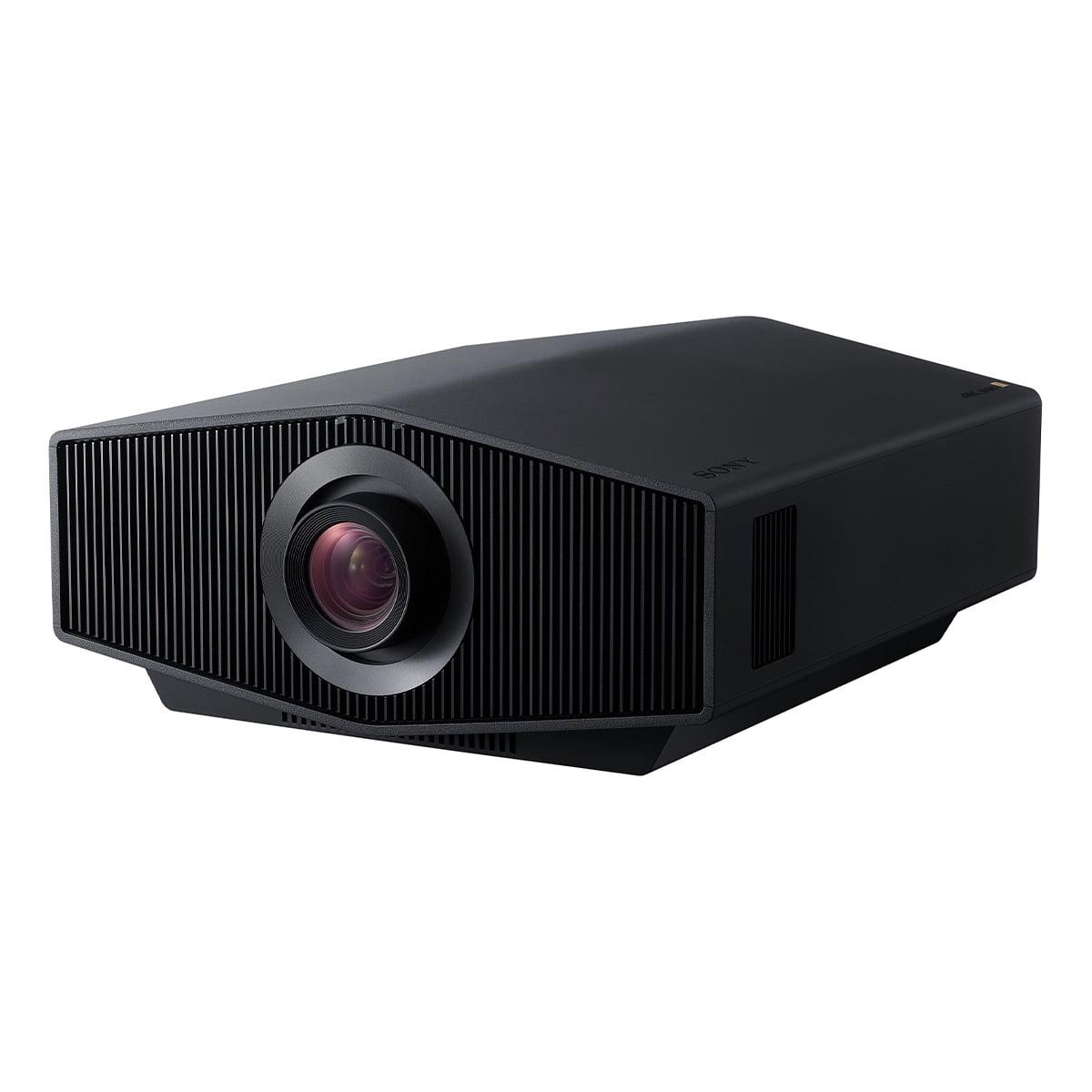
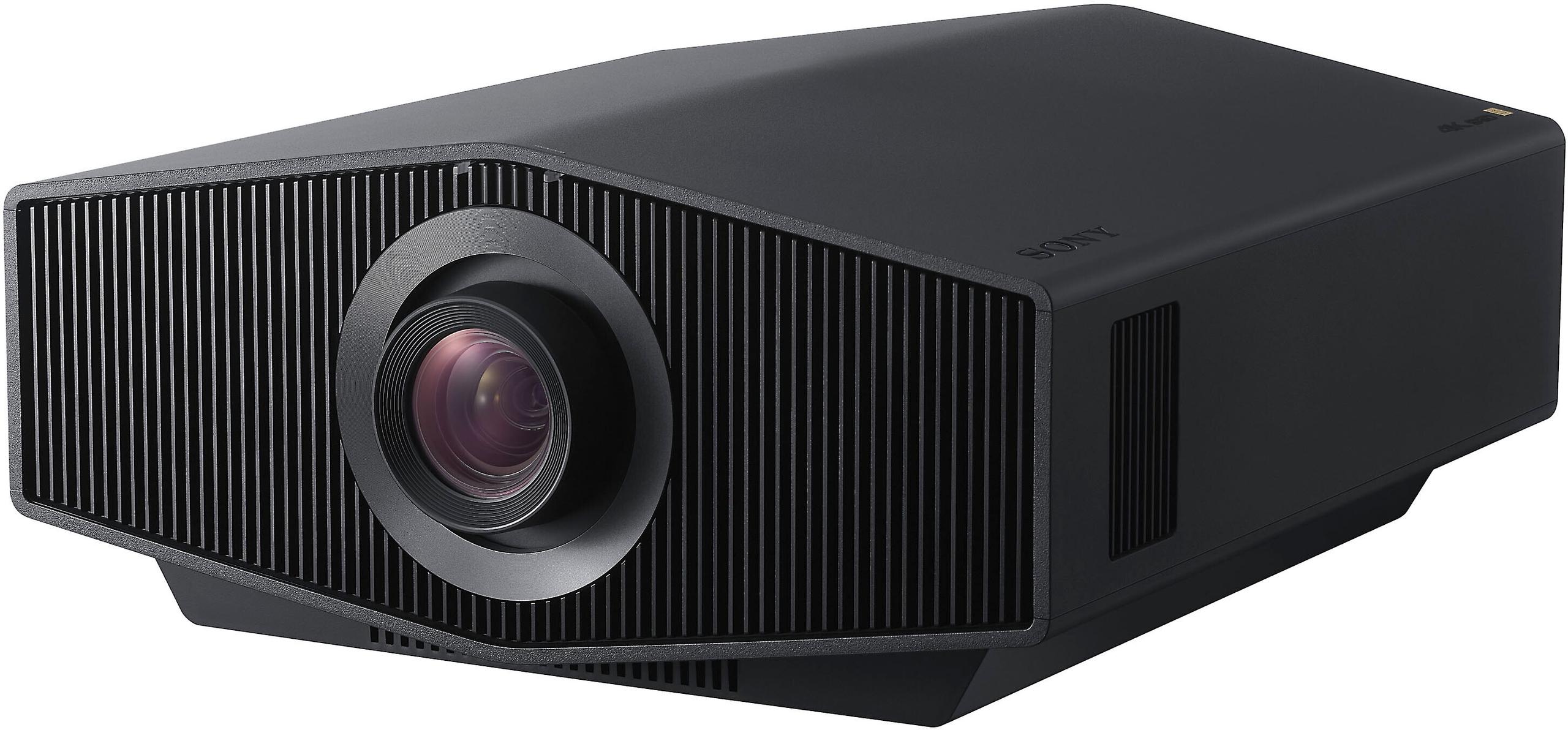
The Sony BRAVIA Projector 9, by contrast, uses a native 4K panel—meaning it has actual physical pixels arranged in a 4K grid without any shifting tricks. This SXRD (Silicon X-tal Reflective Display) technology is Sony's proprietary version of LCoS (Liquid Crystal on Silicon), which sandwiches liquid crystals between reflective silicon backing and glass.
Both approaches have merits. Pixel-shifting has become incredibly sophisticated—to the point where most viewers can't distinguish it from native 4K in normal viewing conditions. Native 4K panels theoretically offer perfect pixel-level accuracy but come at significantly higher manufacturing costs, which is reflected in the final price.
The light engine represents another fundamental difference. The BenQ HT4550i uses a "4LED" system—four separate LED arrays in red, green, blue, and white. LEDs offer excellent color accuracy, instant on/off capability, and long lifespans (typically 20,000-30,000 hours). They're also relatively affordable to manufacture, helping keep projector costs reasonable.
The Sony BRAVIA Projector 9 employs a laser light source, which has become the premium standard for high-end projection. Laser offers several advantages: higher peak brightness potential, more consistent light output over time, and often better color purity. The laser in Sony's projector is rated for over 20,000 hours and maintains its brightness characteristics much better than traditional lamps as it ages.
Both technologies eliminate the need for expensive lamp replacements that plagued earlier projectors—a significant improvement that makes modern projectors more cost-effective over their lifespans.
When it comes to actual image quality, both projectors excel but in different ways. The BenQ HT4550i punches well above its price class, delivering exceptionally sharp images that rival much more expensive projectors. Its pixel-shifting implementation is among the best available, and in practical viewing scenarios—watching movies, gaming, or streaming content—the difference from native 4K is minimal.
The Sony BRAVIA Projector 9 offers theoretical advantages in fine detail rendering, particularly with high-resolution still images or text. However, for typical home theater content like movies and TV shows, which are often compressed and viewed from normal seating distances, the practical benefits are subtle. Where Sony's native resolution really shines is in future-proofing and professional applications where pixel-perfect accuracy matters.
Brightness remains crucial for projector usability, especially if you're not planning a dedicated, completely dark theater room. The BenQ HT4550i delivers impressive brightness at around 3,200 ANSI lumens, making it suitable for moderately lit rooms or spaces where you might want to keep some ambient lighting. This flexibility is valuable for families who use their media room for multiple purposes.
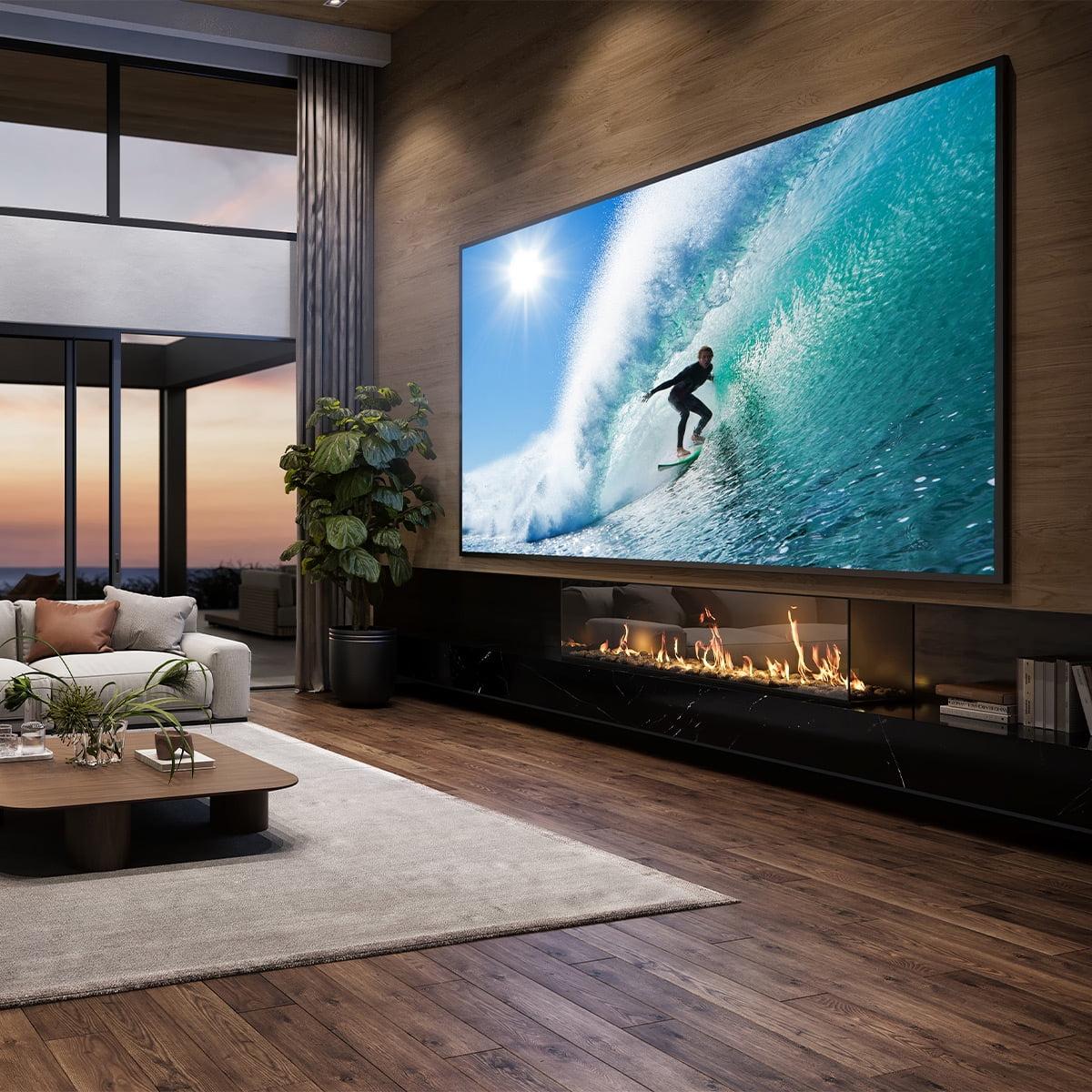
The Sony BRAVIA Projector 9 edges ahead with 3,400 lumens, but more importantly, its laser light source maintains consistent brightness and color accuracy at peak output. Traditional lamp-based projectors often sacrifice color accuracy when pushed to maximum brightness, but laser technology doesn't face this compromise. This makes Sony's projector particularly suitable for very large screens (150+ inches) or rooms with unavoidable ambient light.
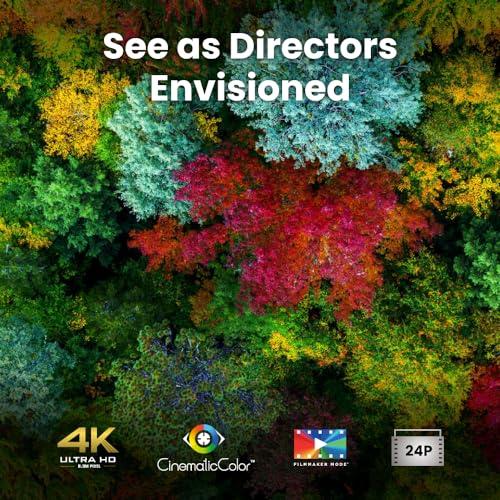
Color accuracy might be the most important performance characteristic that's often overlooked by casual buyers. Both projectors excel here, but through different approaches. The BenQ HT4550i covers 100% of the DCI-P3 color space—the standard used for digital cinema—through internal color filters. This wide color gamut means movies, games, and HDR content display with the vivid, accurate colors intended by content creators.
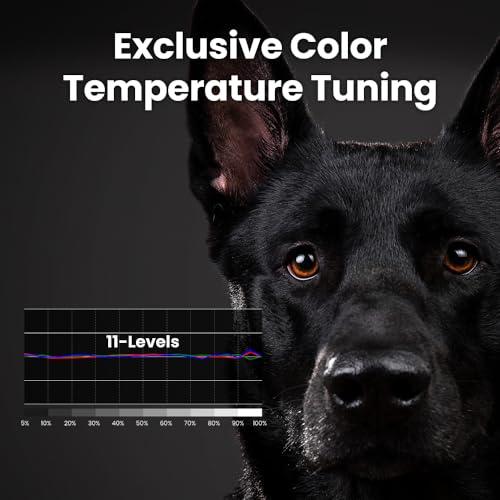
Our research consistently shows the BenQ HT4550i achieves remarkable color accuracy straight from the box, often requiring no professional calibration. This is unusual in the projector world, where even expensive models typically need adjustment to reach their potential. The projector's HDR-PRO technology intelligently tone-maps high dynamic range content to work within the projector's brightness capabilities, avoiding the washed-out or overly dark images that plague many HDR implementations.
The Sony BRAVIA Projector 9 takes a more sophisticated approach with its XR processor, which applies artificial intelligence to analyze and optimize individual objects within each frame. This cognitive processing can deliver more natural-looking images, particularly with challenging content that mixes bright highlights with dark shadows. Sony's XR Triluminos Pro technology covers over 95% of DCI-P3, slightly less than BenQ's coverage but implemented with more advanced processing.
Contrast ratio—the difference between the brightest whites and darkest blacks—fundamentally determines how cinematic and immersive your image appears. This is where the technology differences become most apparent.
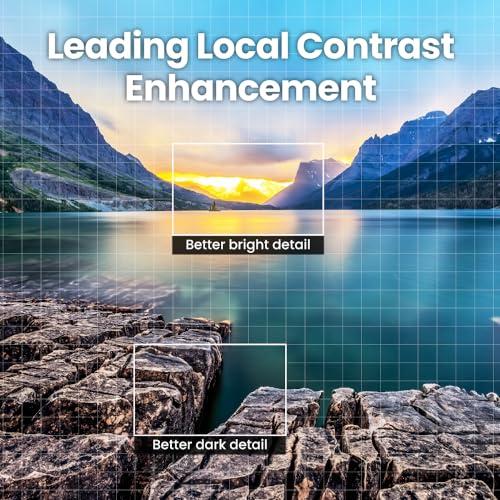
The BenQ HT4550i faces the inherent limitations of DLP technology, achieving native contrast ratios around 1,000:1. However, BenQ compensates cleverly with their Local Contrast Enhancer, which divides the image into over 1,000 zones and adjusts brightness independently for each area. Combined with Dynamic Black technology that dims the light source during dark scenes, the effective contrast improves significantly. While not matching the deep blacks of premium technologies, it delivers satisfying performance for most viewing environments.
The Sony BRAVIA Projector 9 leverages SXRD's inherently superior contrast characteristics, enhanced by XR Deep Black technology that precisely controls laser output frame-by-frame. This combination delivers the deep, inky blacks that make movie watching truly cinematic. In dark room environments, this difference becomes immediately apparent and represents one of the strongest arguments for Sony's premium positioning.
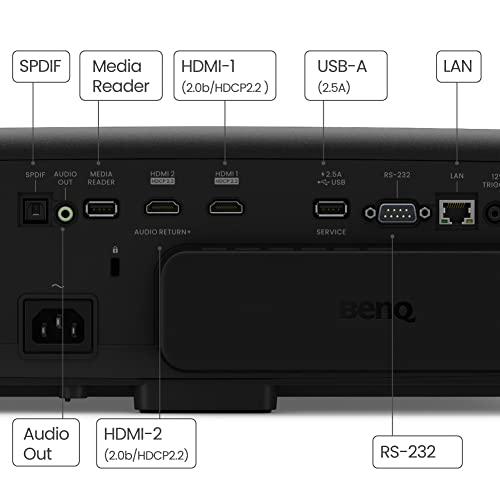
Gaming has become a crucial projector specification, and here the BenQ HT4550i really shines. With input lag measurements around 17.9ms at 4K/60Hz and an impressive 8.7ms at 1080p/240Hz, it delivers console-quality responsiveness. The projector supports 4K at 120Hz for next-generation consoles and includes gaming-specific picture modes that optimize image processing for fast-paced content.
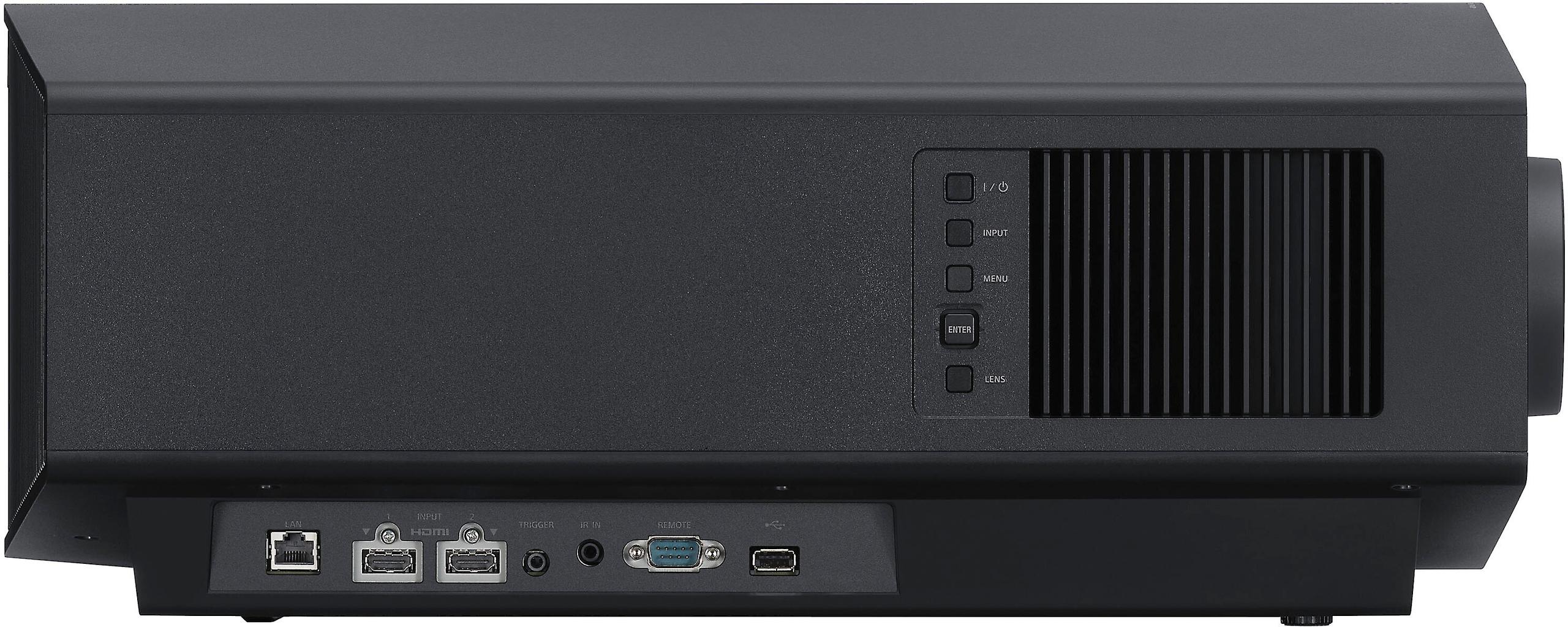
The Sony BRAVIA Projector 9 supports HDMI 2.1 and 4K/120Hz gaming but focuses more on image quality than latency optimization. While it includes Auto Low Latency Mode (ALLM) that automatically reduces input lag when gaming is detected, its primary strength lies in delivering cinematic gaming experiences rather than competitive-level responsiveness.
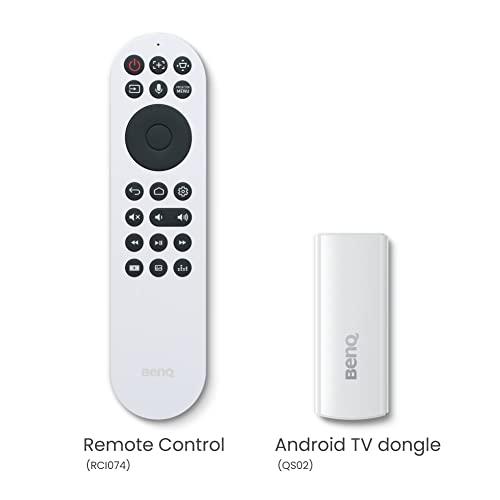
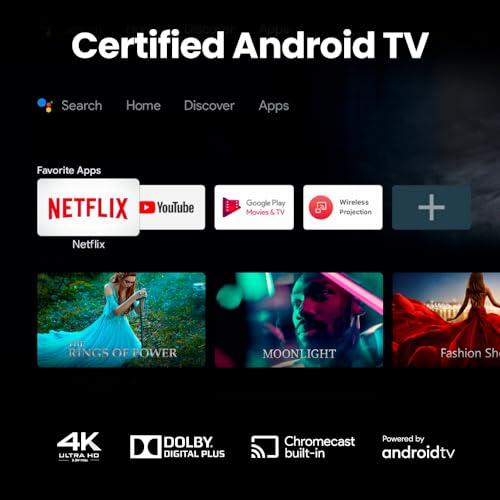
Modern projectors increasingly compete with smart TVs on convenience features. The BenQ HT4550i includes full Android TV functionality with Google Assistant, Netflix 4K HDR support (remarkably rare among projectors), and access to the complete Google Play ecosystem. This integration eliminates the need for separate streaming devices and creates a truly all-in-one entertainment solution.
The Sony BRAVIA Projector 9 takes a different approach, focusing purely on image performance and assuming users will connect external devices for smart functionality. This philosophy makes sense at its price point, where buyers likely have sophisticated audio/video systems and prefer dedicated streaming devices or media servers.
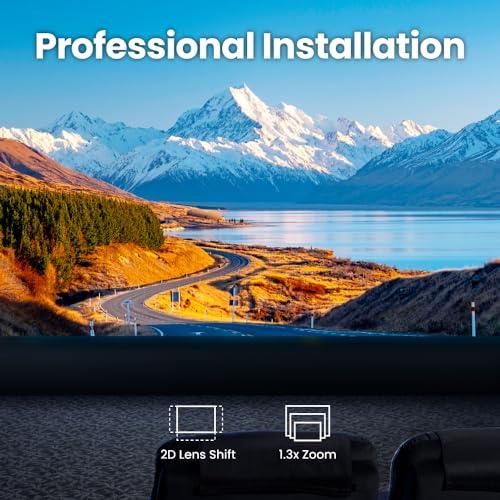
Practical considerations often determine long-term satisfaction more than specification sheets suggest. The BenQ HT4550i weighs just 14.5 pounds and measures compact enough for tabletop placement or simple ceiling mounting. Its lens shift capabilities (horizontal ±15%, vertical 0-60%) provide reasonable flexibility for non-ideal installations, though not as extensive as some competitors.
Noise levels matter significantly in home theater environments. The BenQ HT4550i operates at 28 dB in eco mode and 32 dB in normal mode—quiet enough for most situations but potentially noticeable during very quiet movie scenes. The 4LED light source also generates less heat than traditional lamps, reducing fan noise and extending component lifespan.
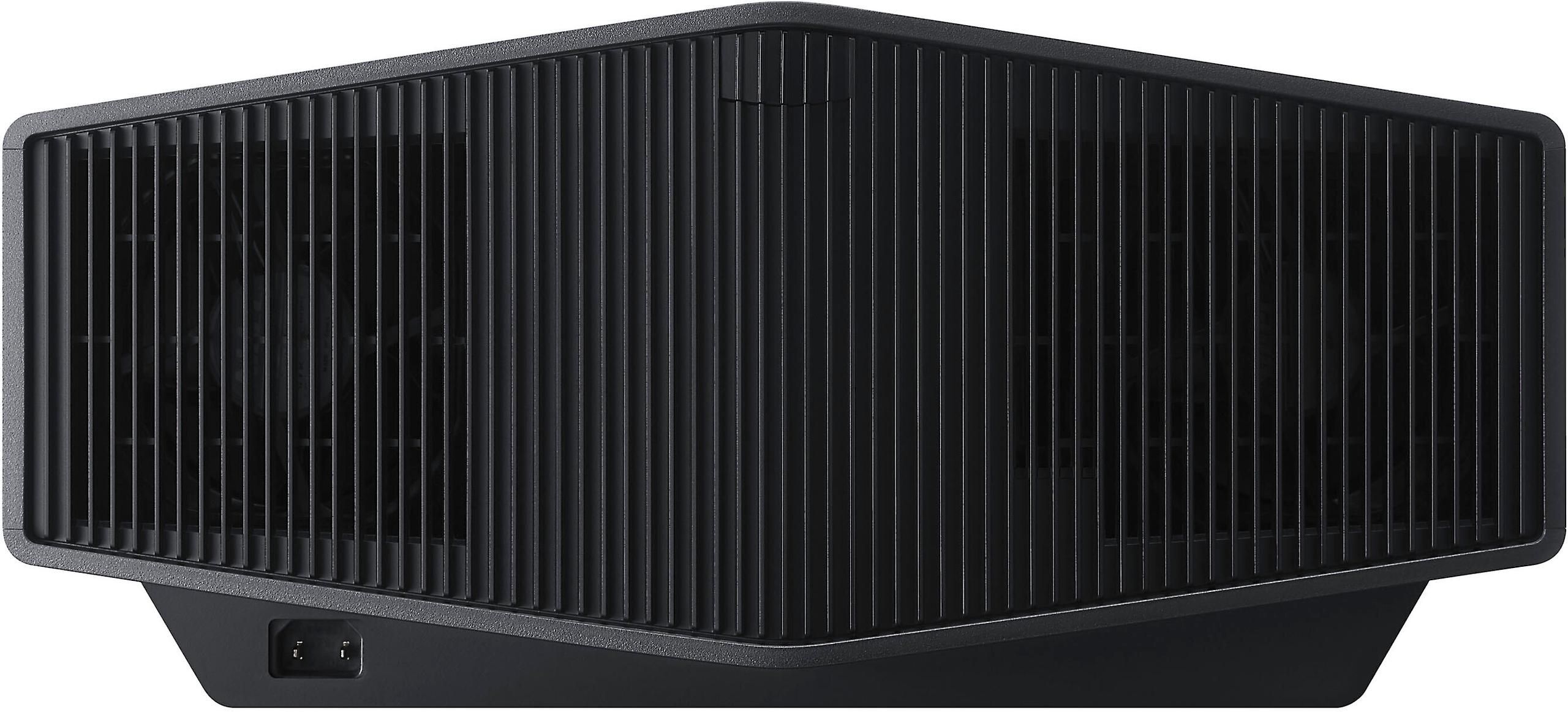
The Sony BRAVIA Projector 9 weighs significantly more at over 30 pounds and typically requires professional installation. However, it offers more sophisticated lens adjustment capabilities and operates extremely quietly—a necessity at its premium price point.
At the time of writing, these projectors occupy completely different value segments. The BenQ HT4550i represents exceptional value in the mid-range market, delivering premium features and performance at a price point that makes 4K projection accessible to mainstream buyers. It's the projector you buy when you want flagship-level features without flagship pricing.
The Sony BRAVIA Projector 9 commands premium pricing that reflects its flagship positioning and target market. It's designed for luxury home theaters and professional installations where image quality is prioritized over cost considerations. The significant price difference isn't just markup—it reflects fundamental differences in manufacturing costs, research and development, and target profit margins.
The choice between these projectors ultimately comes down to your priorities, budget, and viewing environment.
Choose the BenQ HT4550i if you're building a versatile entertainment space that serves multiple functions. It's perfect for families who want a large-screen experience for movies, gaming, and streaming without dedicating a room exclusively to theater use. The built-in smart features, excellent gaming performance, and outstanding color accuracy make it ideal for users who want premium features without premium complexity or cost. It's also the clear choice for gamers who need low input lag and support for high refresh rates.
The Sony BRAVIA Projector 9 makes sense for dedicated home theater enthusiasts who prioritize absolute image quality above other considerations. If you're building a purpose-designed theater room with controlled lighting, professional audio, and plan to use the projector primarily for cinematic content, Sony's advantages in contrast, processing sophistication, and overall image refinement justify the investment. It's also appropriate for users who view their projector as a long-term centerpiece investment rather than a technology purchase that might be upgraded in a few years.
Both projectors represent excellence in their respective market segments. The BenQ HT4550i democratizes premium projection technology, delivering 90% of flagship performance at a fraction of the cost. It's the projector that makes large-screen 4K HDR accessible to mainstream buyers without significant compromises in the viewing experience.
The Sony BRAVIA Projector 9 represents the pinnacle of consumer projection technology, where every aspect is optimized for image quality rather than cost considerations. It's the projector for users who have unlimited budgets and want absolute performance.
For most buyers, the BenQ HT4550i represents the sweet spot of performance, features, and value. Only consider the premium Sony if you have a dedicated theater environment and budget is truly no object. The performance gap, while real, is much smaller than the price differential suggests—making the BenQ the obvious choice for value-conscious enthusiasts who still demand excellent performance.
The projector market has reached a point where even mid-range models like the BenQ HT4550i deliver genuinely cinematic experiences. While flagship models like the Sony BRAVIA Projector 9 push the boundaries of what's possible, they're increasingly targeting the luxury market rather than delivering essential improvements for typical home theater applications.
| BenQ HT4550i 4K HDR LED Home Theater Projector | Sony BRAVIA Projector 9 4K HDR Laser Projector |
|---|---|
| 4K Resolution Technology - How the projector creates 4K images affects sharpness and detail | |
| XPR pixel-shifting from 1080p chip (excellent sharpness, indistinguishable from native 4K in most content) | Native 4K SXRD panel (true pixel-perfect 4K, theoretical advantage for fine details) |
| Light Source - Determines brightness consistency, lifespan, and maintenance costs | |
| 4LED system, 20,000-30,000 hour lifespan (no lamp replacements, instant on/off) | Laser light source, 20,000+ hour lifespan (superior brightness stability, professional-grade reliability) |
| Brightness Output - Critical for room lighting flexibility and screen size potential | |
| 3,200 ANSI lumens (excellent for most rooms, handles moderate ambient light well) | 3,400 lumens (slight advantage, better for very large screens 150+ inches) |
| Color Gamut Coverage - Determines how vivid and accurate colors appear | |
| 100% DCI-P3 with internal filters (wider color range, exceptional factory calibration) | 95%+ DCI-P3 with XR Triluminos Pro (slightly narrower but more sophisticated processing) |
| Contrast Performance - Most important factor for cinematic black levels and image depth | |
| ~1,000:1 native, enhanced by Local Contrast Enhancer (good for DLP, acceptable blacks) | Superior native contrast with XR Deep Black laser dimming (exceptional blacks, premium cinema quality) |
| Gaming Performance - Input lag and refresh rate support for console/PC gaming | |
| 17.9ms at 4K/60Hz, 8.7ms at 1080p/240Hz, supports 4K/120Hz (excellent for competitive gaming) | HDMI 2.1 with 4K/120Hz and ALLM support (good for gaming but prioritizes image quality over latency) |
| Smart Features - Built-in streaming and apps eliminate need for external devices | |
| Full Android TV with Google Assistant, Netflix 4K HDR, complete app ecosystem | No built-in smart platform (requires external streaming devices) |
| Installation Flexibility - Lens adjustments affect placement options in your room | |
| 1.3x zoom, horizontal ±15% and vertical 0-60% lens shift (good flexibility for most rooms) | Professional-grade lens shift and zoom capabilities (superior installation flexibility) |
| Physical Size and Weight - Affects mounting options and installation complexity | |
| 14.5 lbs, compact design suitable for tabletop or simple ceiling mount | 30+ lbs, requires professional installation and robust mounting |
| Noise Level - Important for quiet movie scenes and overall viewing comfort | |
| 28-32 dB depending on mode (quiet enough for most situations) | Ultra-quiet operation (premium silent performance) |
| Target Market - Who each projector is designed for affects value proposition | |
| Enthusiast home theater users seeking flagship features at accessible pricing | Luxury home theaters and professional installations prioritizing absolute image quality |
The Sony BRAVIA Projector 9 delivers superior home theater performance with its native 4K SXRD panel, exceptional contrast ratios, and ultra-quiet operation. However, the BenQ HT4550i offers excellent home theater quality at a much more accessible price point, making it the better choice for most users who want cinematic experiences without premium costs.
The BenQ HT4550i uses a 4LED light source that provides excellent color accuracy, instant on/off capability, and 20,000-30,000 hour lifespan. The Sony BRAVIA Projector 9 uses laser technology that offers superior brightness consistency over time, higher peak brightness potential, and professional-grade reliability, but at significantly higher cost.
The Sony BRAVIA Projector 9 uses true native 4K resolution with 3,840 x 2,160 physical pixels, while the BenQ HT4550i achieves 4K through pixel-shifting technology. For most home theater content, both deliver excellent 4K quality, but Sony's native approach provides theoretical advantages in fine detail rendering.
Both projectors handle moderate ambient light well. The BenQ HT4550i produces 3,200 ANSI lumens, making it suitable for family rooms with some lighting. The Sony BRAVIA Projector 9 offers slightly higher brightness at 3,400 lumens and better maintains color accuracy at peak brightness, making it more versatile for well-lit spaces.
The BenQ HT4550i excels for gaming with 17.9ms input lag at 4K/60Hz and 8.7ms at 1080p/240Hz, plus support for 4K/120Hz gaming. The Sony BRAVIA Projector 9 supports HDMI 2.1 and includes Auto Low Latency Mode but prioritizes image quality over competitive gaming performance.
Neither projector requires lamp replacements. The BenQ HT4550i uses LED technology rated for 20,000-30,000 hours, while the Sony BRAVIA Projector 9 features a laser light source rated for over 20,000 hours. Both eliminate the ongoing maintenance costs of traditional lamp-based projectors.
The BenQ HT4550i includes full Android TV with Google Assistant, Netflix 4K HDR support, and complete streaming app access, eliminating the need for external devices. The Sony BRAVIA Projector 9 has no built-in smart platform and requires external streaming devices or media players.
The Sony BRAVIA Projector 9 delivers significantly superior contrast with its SXRD technology and XR Deep Black laser dimming, producing deeper blacks essential for cinematic viewing. The BenQ HT4550i uses Local Contrast Enhancer technology to improve its native DLP contrast but cannot match Sony's black level performance.
The BenQ HT4550i weighs just 14.5 pounds and can be ceiling-mounted or placed on a table with reasonable lens shift capabilities. The Sony BRAVIA Projector 9 weighs over 30 pounds and typically requires professional installation, though it offers more sophisticated lens adjustment options.
The BenQ HT4550i operates at 28-32 dB depending on the mode, which is quiet enough for most home theater situations. The Sony BRAVIA Projector 9 runs ultra-quietly, meeting the noise standards expected at its premium price point for dedicated theater rooms.
The BenQ HT4550i provides exceptional value by delivering flagship-level features including 4K HDR, wide color gamut, and gaming performance at a mid-range price. The Sony BRAVIA Projector 9 justifies its premium pricing only for luxury home theaters where absolute image quality takes priority over cost considerations.
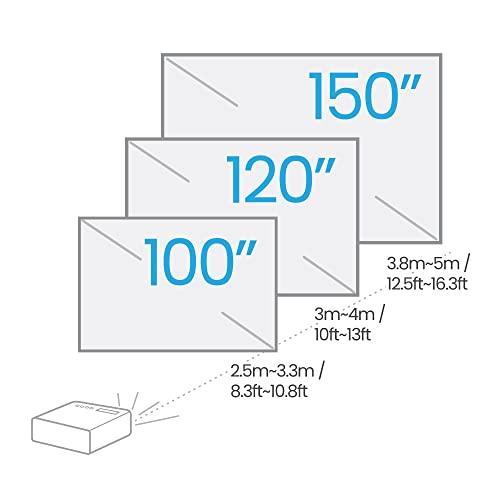
The BenQ HT4550i works well in medium to large rooms and handles screen sizes from 100-200 inches effectively. The Sony BRAVIA Projector 9 excels in dedicated theater rooms and can drive very large screens (150+ inches) while maintaining excellent image quality due to its higher brightness and superior contrast performance.
We've done our best to create useful and informative comparisons to help you decide what product to buy. Our research uses advanced automated methods to create this comparison and perfection is not possible - please contact us for corrections or questions. These are the sites we've researched in the creation of this article: projectorcentral.com - benq.com - rtings.com - youtube.com - soundandvision.com - rtings.com - hometheaterhifi.com - projectorscreen.com - projectorreviews.com - projectorscreen.com - youtube.com - rtings.com - projectorscreen.com - versus.com - youtube.com - projectorcentral.com - snapav.com - benq.com - benq.com - projectorcentral.com - worldwidestereo.com - formovie.com - electronics.sony.com - sonypremiumhome.com - thesonyshop.ca - crutchfield.com - youtube.com - valueelectronics.com - greatsoundsav.com - pro.sony - skybygramophone.com - avsforum.com - projectorcentral.com - projectorscreenstore.com

Privacy Policy
Terms and Conditions - Affiliate Policy
Home Security
© Copyright 2008-2026.
11816 Inwood Rd #1211, Dallas, TX 75244