

If you're shopping for a 4K home theater projector in 2024, you've probably encountered two very different approaches to the same goal: creating an amazing big-screen experience at home. The BenQ HT4550i and JVC DLA-NZ700 represent opposite ends of the home theater projector spectrum, and choosing between them comes down to understanding what compromises you're willing to make—and what you absolutely won't.
The home theater projector market has split into two distinct camps over the past few years. On one side, you have value-focused projectors like the BenQ HT4550i that use clever engineering to deliver impressive 4K-like images at accessible prices. On the other, premium models like the JVC DLA-NZ700 spare no expense in pursuit of reference-quality cinema reproduction.
This divide matters because projectors face unique challenges that TVs don't. Unlike a TV that generates its own light, projectors must throw light across a room to create an image on a screen or wall. This fundamental difference means brightness, contrast, and room lighting become critical factors in ways they simply aren't with traditional displays.
The key decision factors boil down to: How much brightness do you need? What's your room like? How important are deep black levels? And crucially—what's your budget? At the time of writing, these projectors sit at vastly different price points, with the JVC DLA-NZ700 costing roughly three times more than the BenQ HT4550i.
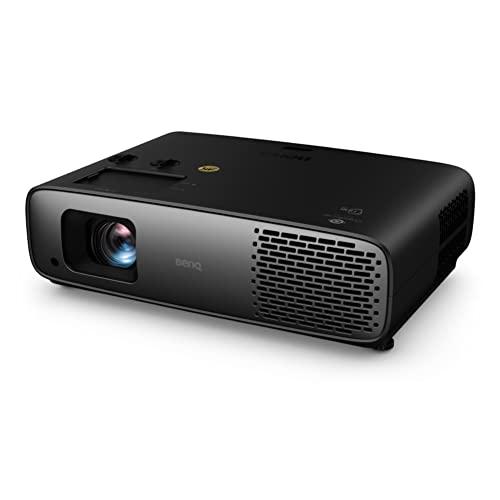
Released in 2023, the BenQ HT4550i represents the evolution of affordable 4K projection. It uses a technology called DLP (Digital Light Processing), which works by reflecting light off millions of tiny mirrors on a chip. These mirrors flip thousands of times per second to create the image you see.
Here's where it gets interesting: the BenQ HT4550i doesn't actually have 8.3 million mirrors for true 4K resolution. Instead, it uses a clever technique called XPR (eXpanded Pixel Resolution) that rapidly shifts the image by half a pixel width, essentially doubling the perceived resolution. While purists might scoff, the result is genuinely sharper than standard 1080p projection—you'd be hard-pressed to spot the difference from true 4K at normal viewing distances.
The light source is equally innovative. Rather than a traditional lamp or laser, BenQ uses a 4-LED system that combines red, green, blue, and white LEDs. This approach delivers exceptional color accuracy while lasting 20,000 to 30,000 hours—potentially a decade or more of regular use. The LED system also provides instant on/off capability and maintains consistent brightness over its lifespan.
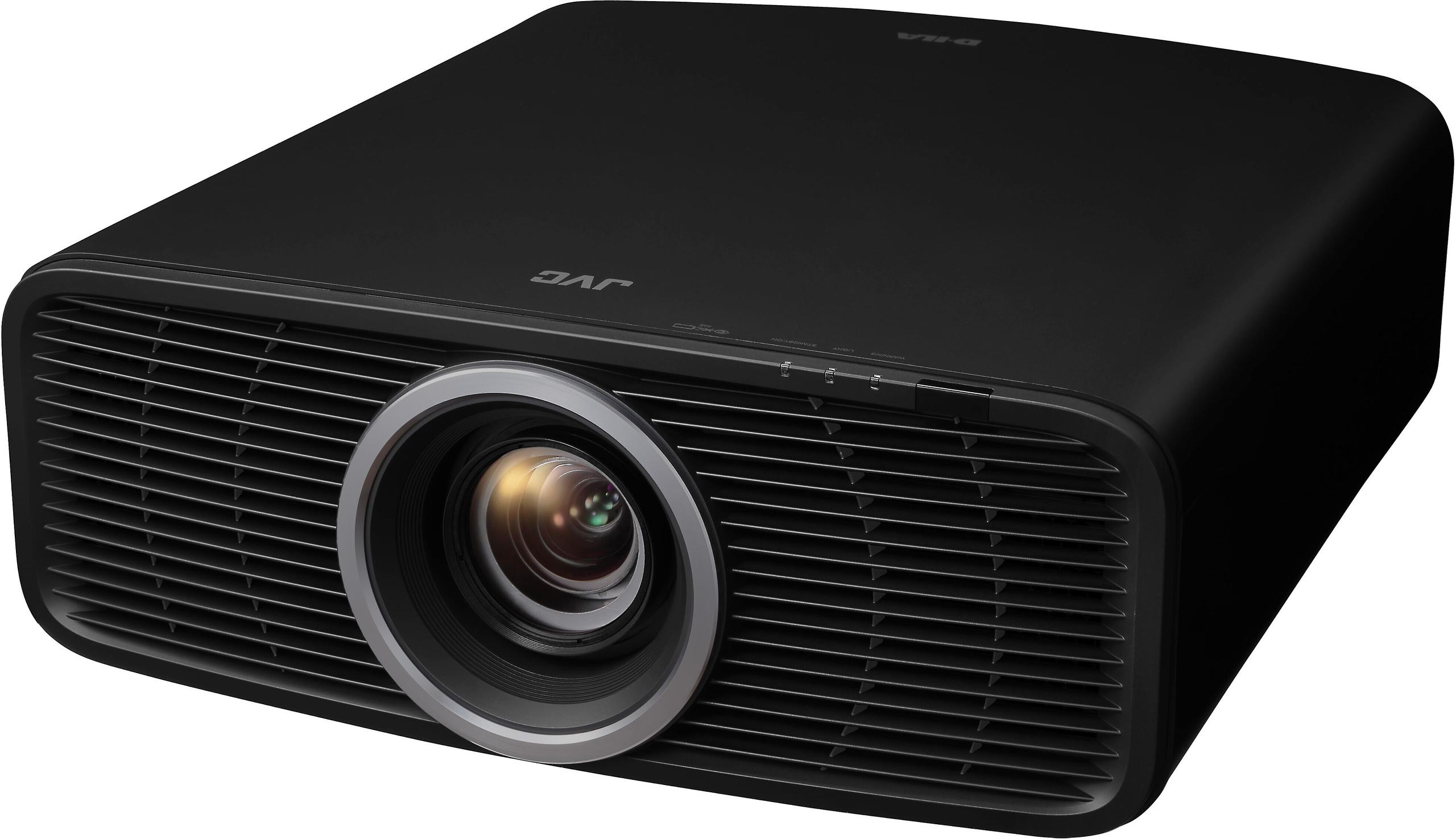
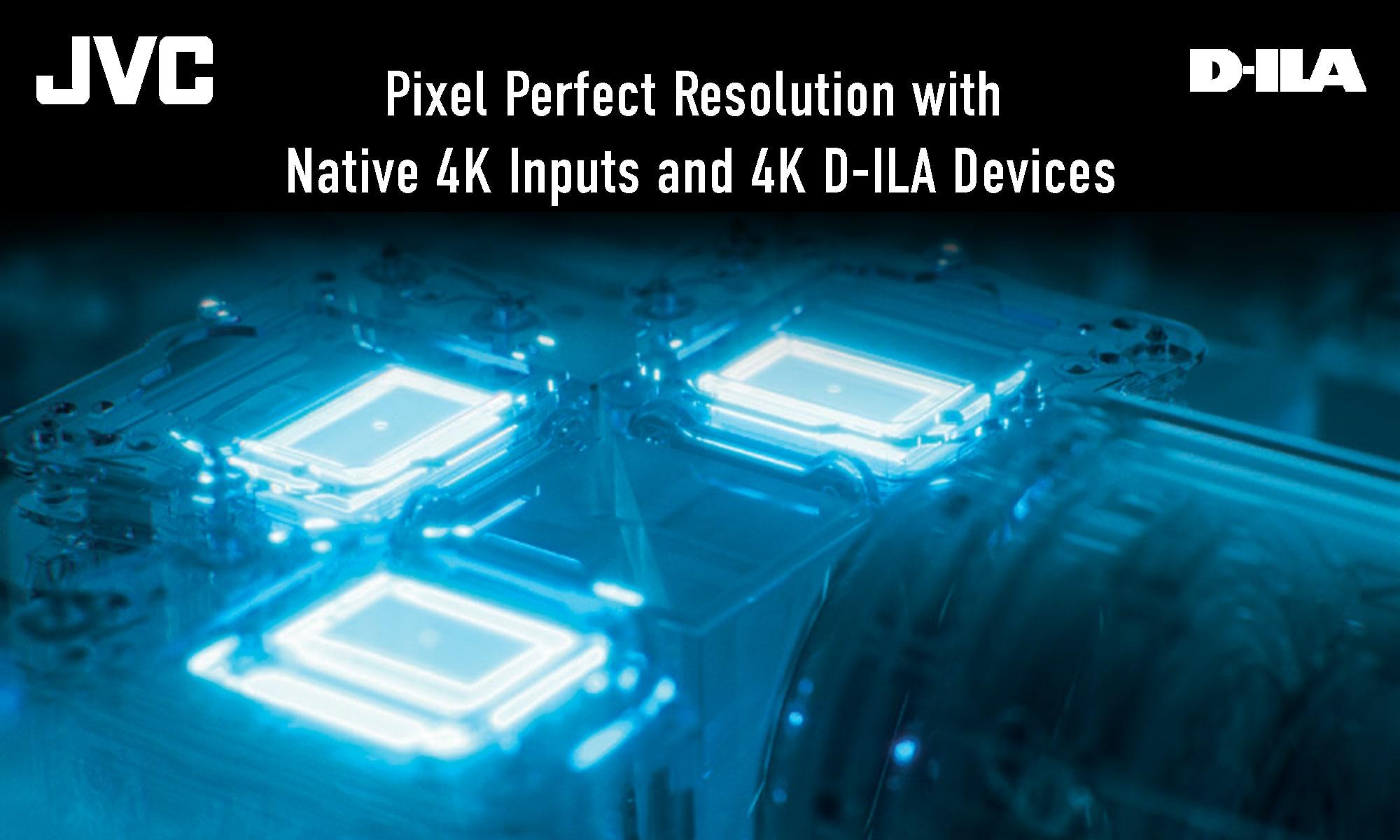
The JVC DLA-NZ700, launched in 2024, takes an entirely different approach. It uses JVC's proprietary D-ILA (Direct-drive Image Light Amplifier) technology, which is similar to LCD but with liquid crystal elements that work in reflection rather than transmission. Think of it as millions of tiny shutters that can block or allow light through with incredible precision.
Most importantly, the JVC DLA-NZ700 delivers true native 4K resolution—it actually has 8.8 million individual pixels, each capable of displaying a unique color and brightness level. This isn't pixel shifting or upscaling; it's genuine 4K that becomes especially noticeable on large screens or when viewing detailed content like nature documentaries.
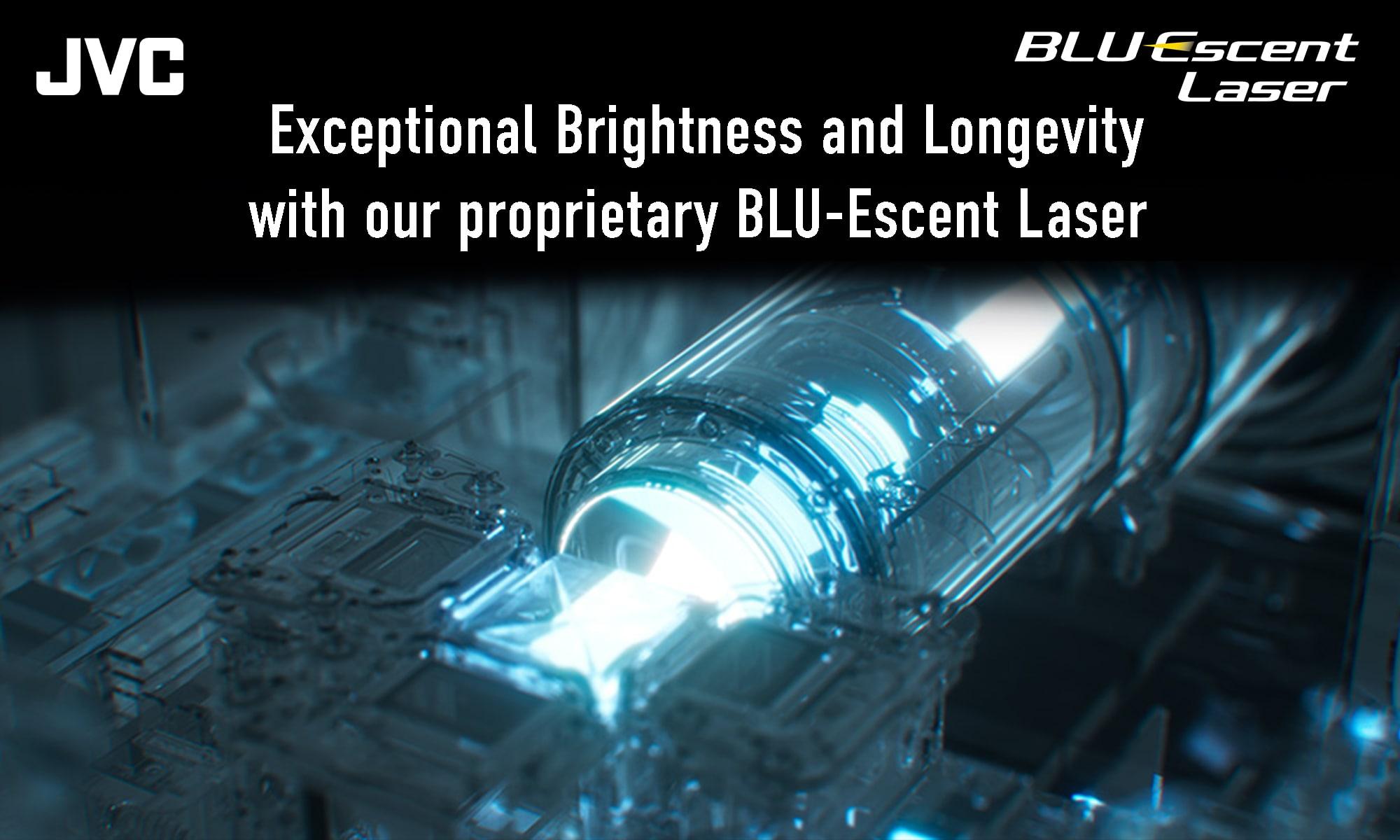
The light source is a sophisticated blue laser system called Blu-Escent, which uses a laser diode to excite phosphors that create the full color spectrum. This approach provides excellent color purity and approximately 20,000 hours of operation, though the laser may gradually dim over time unlike LEDs which maintain more consistent output.
Brightness, measured in lumens, is arguably the most critical spec for any projector. It determines whether you can use the projector in a lit room and how large an image you can create while maintaining adequate brightness.
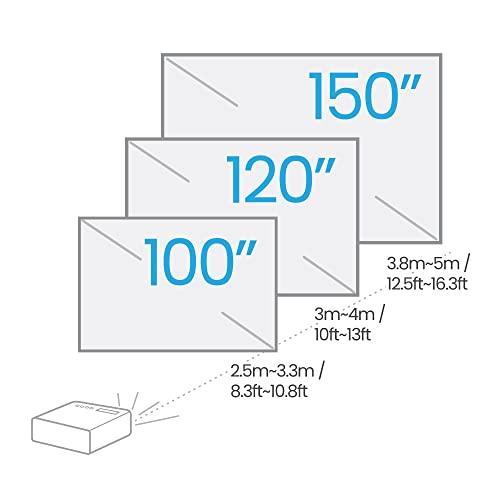
The BenQ HT4550i delivers 3,200 ANSI lumens, making it genuinely versatile. In our research of user experiences, owners consistently report being able to watch movies with some ambient light—think table lamps or filtered daylight through curtains. This brightness level also supports screen sizes up to 150 inches without the image appearing dim, assuming reasonable room lighting control.
The JVC DLA-NZ700 provides 2,300 lumens, which sounds lower but tells only part of the story. JVC optimized this projector for dark room viewing where every lumen is used efficiently. In a properly darkened home theater, 2,300 lumens is actually plenty for screen sizes up to 130 inches, and the superior contrast (which we'll discuss next) makes the image appear more vibrant despite the lower peak brightness.
This brightness difference fundamentally shapes how you'll use each projector. The BenQ HT4550i works in family rooms and multipurpose spaces, while the JVC DLA-NZ700 demands a dedicated theater environment to shine.
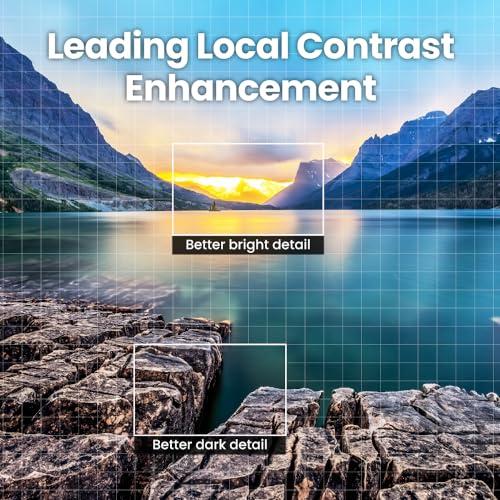
Contrast ratio measures the difference between the brightest whites and darkest blacks a projector can produce. This spec dramatically impacts how realistic and engaging the image appears, especially in dark scenes.
Here's where the JVC DLA-NZ700 absolutely dominates. Its 80,000:1 native contrast ratio means it can produce blacks that are 80,000 times darker than its brightest whites. In practical terms, this translates to space scenes where stars truly pop against inky black backgrounds, or shadow details in dark movie scenes that remain visible without looking washed out.
The BenQ HT4550i relies on dynamic contrast, which adjusts the overall image brightness based on scene content. While this can achieve impressive-sounding numbers on paper (2,000,000:1 dynamic contrast), the reality is more modest. DLP technology inherently struggles with deep blacks, typically managing native contrast ratios around 1,000:1 to 2,000:1.
This difference becomes immediately obvious when watching dark content. The JVC DLA-NZ700 makes dark movie scenes like those in "Blade Runner 2049" or "The Batman" appear genuinely cinematic, with shadow details clearly visible against truly black backgrounds. The BenQ HT4550i produces a more "grayish" black level that's perfectly watchable but never quite disappears the way a premium projector's blacks do.
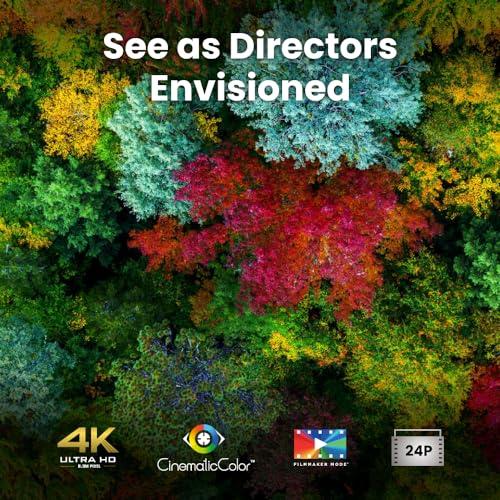
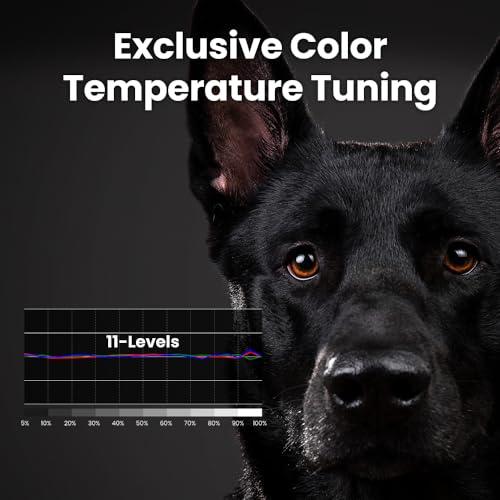
Both projectors excel at color reproduction, but in different ways. The BenQ HT4550i covers 100% of the DCI-P3 color gamut—the standard used for digital cinema—and comes exceptionally well-calibrated from the factory. Our research into user experiences reveals that most owners never need professional calibration; the colors look accurate and vibrant right out of the box.
The JVC DLA-NZ700 also covers the full DCI-P3 gamut but requires more careful setup to achieve its full potential. With proper calibration, it can deliver reference-grade color accuracy that meets professional standards. However, this typically requires hiring a calibration technician, adding several hundred dollars to the total cost.
For most users, the BenQ HT4550i's excellent factory calibration provides immediate satisfaction. Cinema enthusiasts who want absolute color accuracy will appreciate the JVC DLA-NZ700's calibration potential, but they'll need to invest time and money to unlock it.
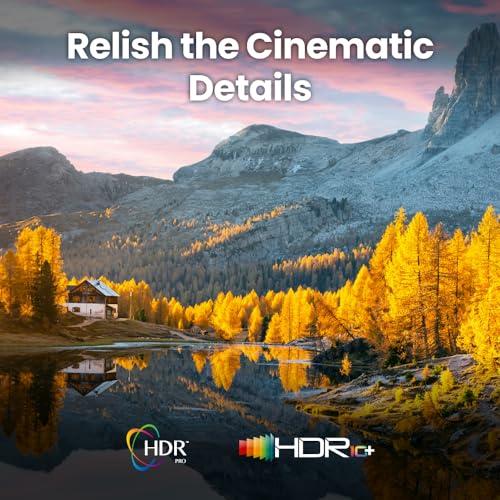
High Dynamic Range (HDR) content includes brightness and color information that exceeds what standard video can display. Both projectors support HDR10, HDR10+, and HLG formats, but they handle HDR content quite differently.
The BenQ HT4550i uses HDR-PRO technology that analyzes HDR content in over 1,000 zones, adjusting the brightness and contrast in each zone independently. This approach works remarkably well for a projector at this price point, making HDR content look noticeably better than standard dynamic range material without appearing overprocessed.
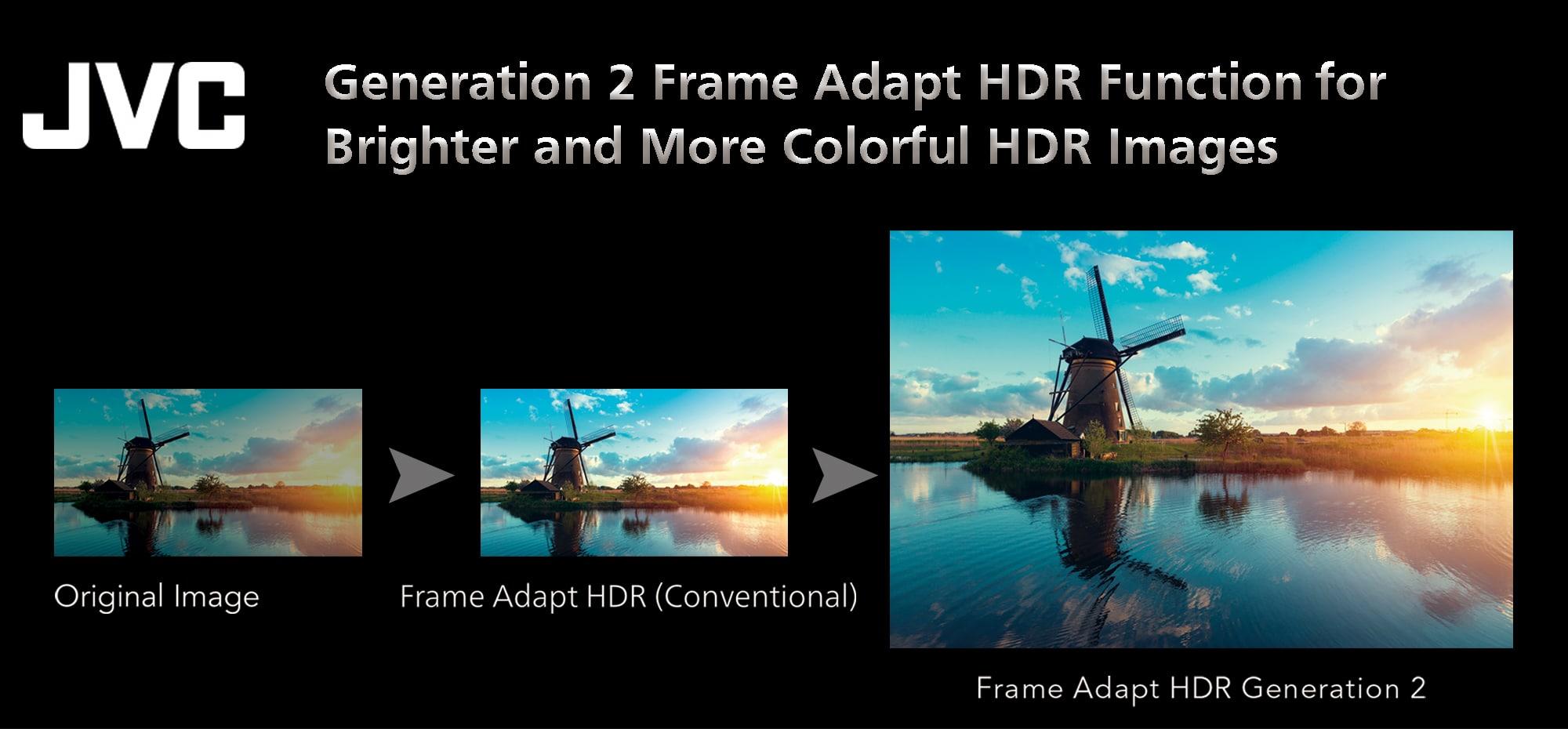
The JVC DLA-NZ700 employs Frame Adapt HDR with a feature called Deep Black Tone Control. This system analyzes each frame individually and applies different tone-mapping approaches based on the content's characteristics. The result is HDR reproduction that many reviewers consider among the best available in any projector, regardless of price.
In practice, both projectors make HDR content look significantly better than standard material, but the JVC DLA-NZ700 provides a more natural, film-like presentation that closely matches the creator's intent.
If gaming matters to you, the choice becomes straightforward. The BenQ HT4550i offers 17.9ms of input lag at 4K resolution—low enough for competitive gaming and imperceptible during casual play. It also supports high refresh rates up to 240Hz at 1080p resolution, making it compatible with gaming PCs that can push high frame rates.
The JVC DLA-NZ700 simply wasn't designed with gaming in mind. Input lag measures around 40ms, which creates noticeable delay between controller input and on-screen action. While this might work for slow-paced games, it's unsuitable for competitive multiplayer gaming or fast action titles.
This fundamental difference reflects each projector's target audience: the BenQ HT4550i serves as a versatile entertainment device, while the JVC DLA-NZ700 focuses exclusively on movie watching.
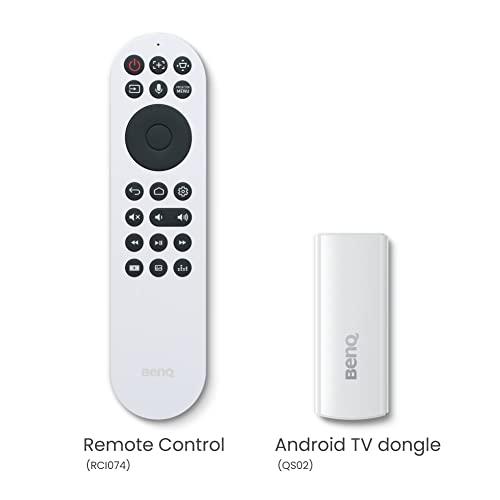
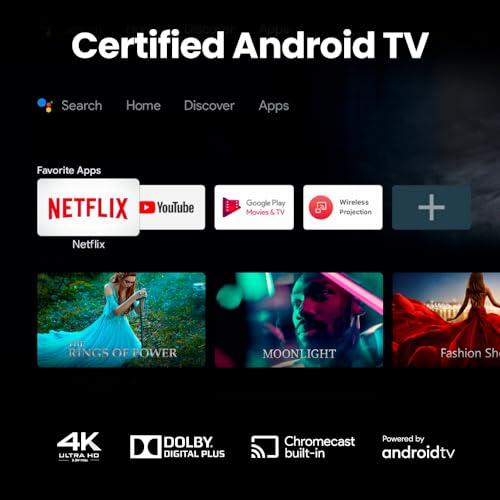
The BenQ HT4550i includes Android TV built-in, complete with Netflix, Disney+, YouTube, and hundreds of other streaming apps. This eliminates the need for external streaming devices and provides voice control through Google Assistant. The integration works smoothly and includes support for 4K HDR streaming from major services.
The JVC DLA-NZ700 includes no smart features whatsoever. You'll need to connect a streaming device, game console, or Blu-ray player to access content. While this might seem like a limitation, it actually appeals to home theater purists who prefer dedicated source devices and want the projector to focus solely on image reproduction.
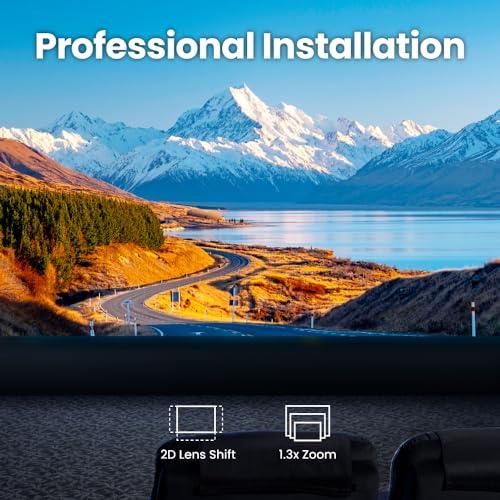
The BenQ HT4550i offers reasonable installation flexibility with 1.3x optical zoom and lens shift capabilities (horizontal ±15%, vertical 0-60%). This means you can adjust the image size and position without moving the projector, though the adjustment range is somewhat limited compared to premium models.
The JVC DLA-NZ700 provides superior installation flexibility with 1.6x motorized zoom and extensive lens shift (horizontal ±28%, vertical ±70%). The motorized controls can be adjusted from your viewing position and stored in memory for different configurations. This makes professional installation easier and provides more options for projector placement in challenging rooms.
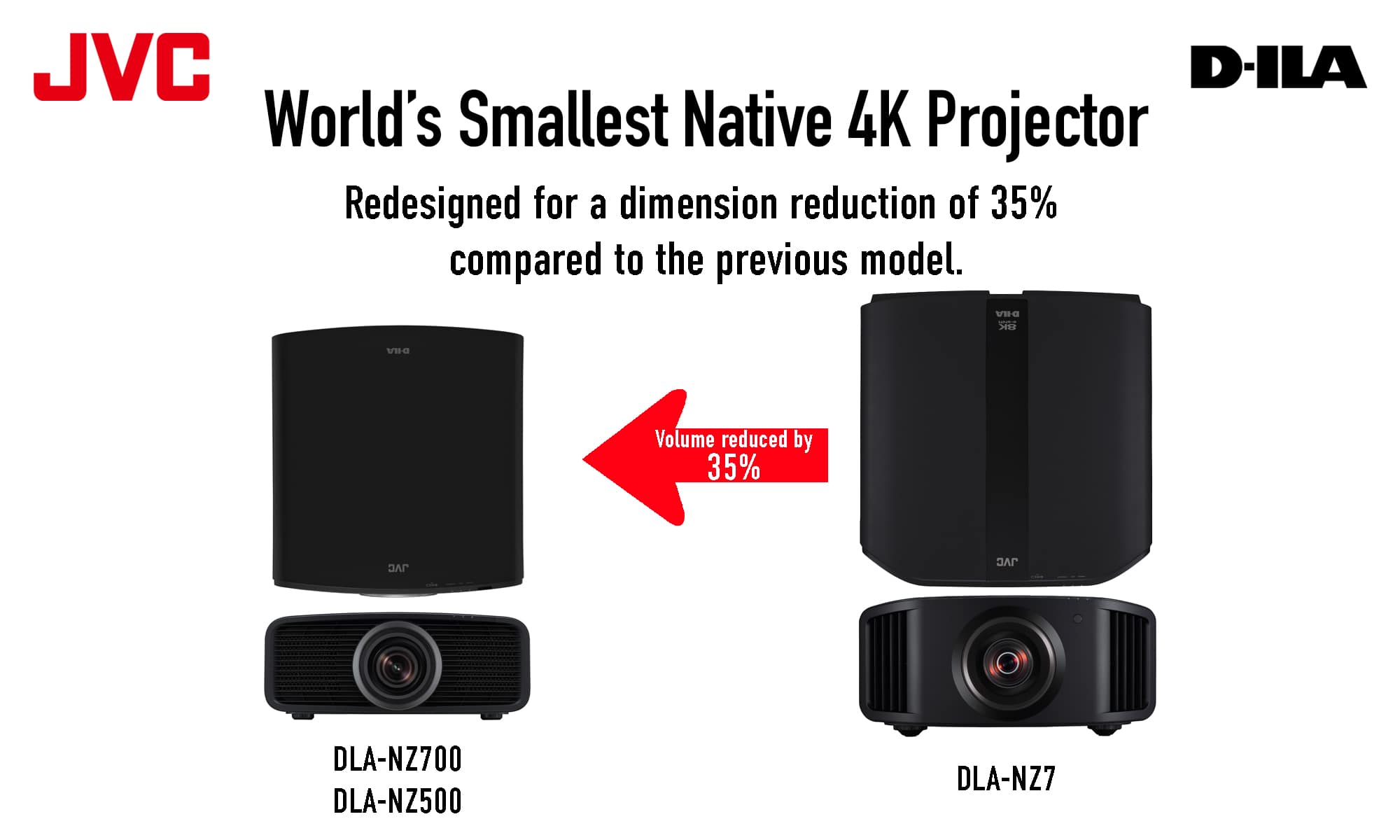
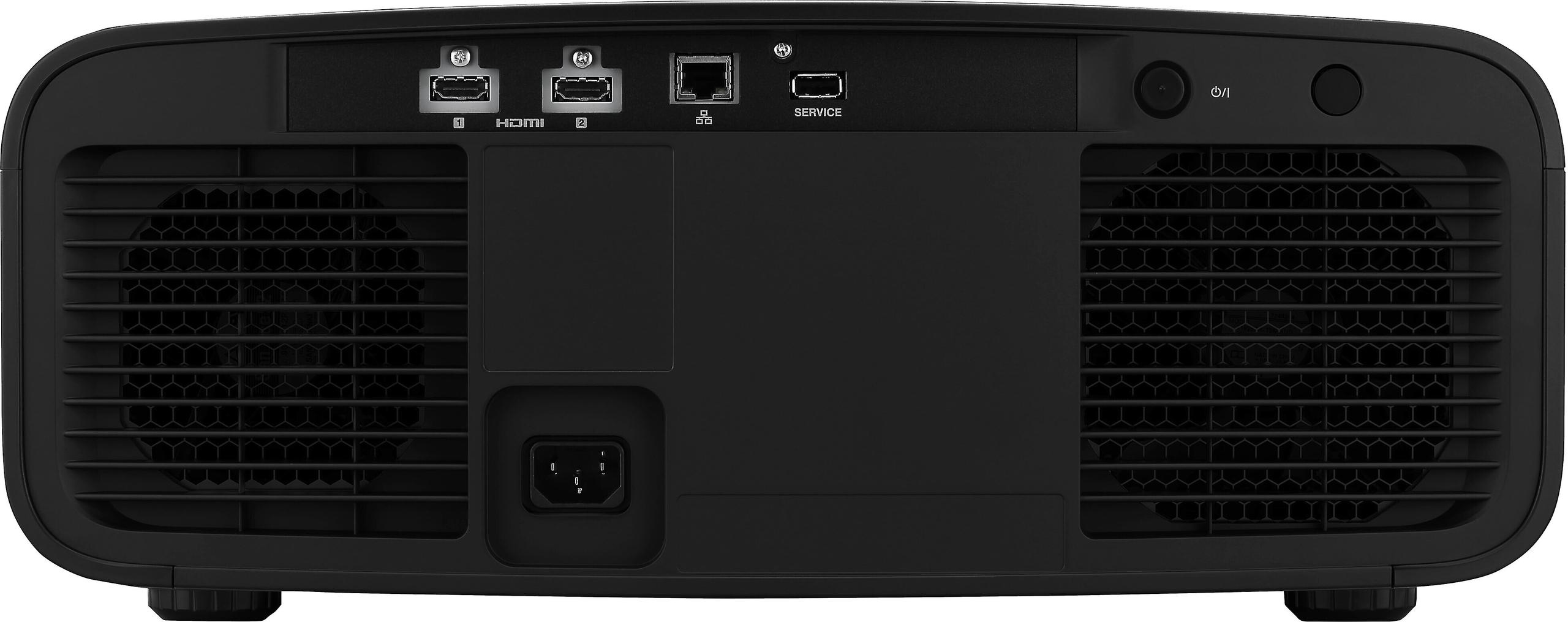
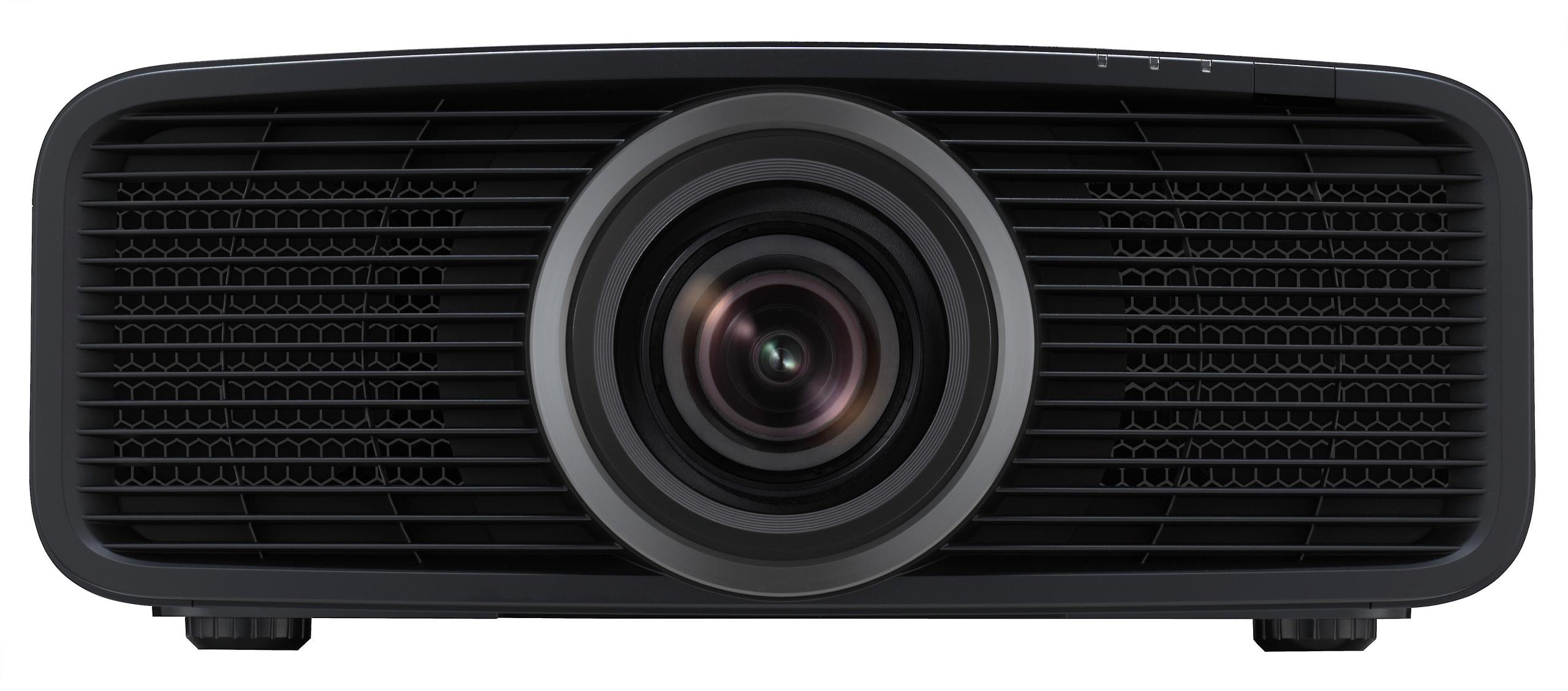
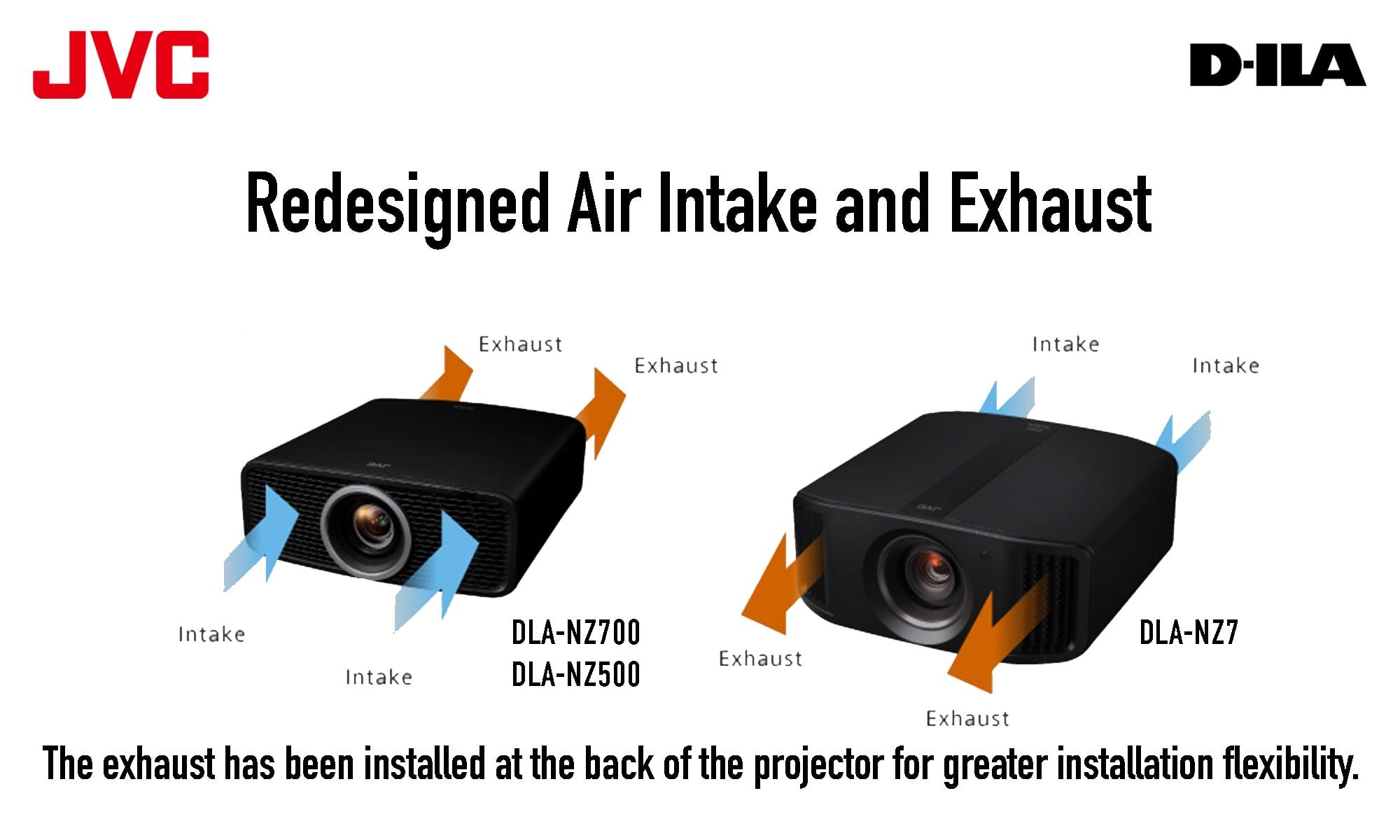
Despite its premium internals, the JVC DLA-NZ700 is surprisingly compact—in fact, JVC markets it as the world's smallest native 4K laser projector. At 32 pounds, it's heavier than the BenQ HT4550i but still manageable for ceiling mounting.
The BenQ HT4550i offers a more conventional size and weight that most users can handle during installation. Both projectors work well for ceiling mounting, though the JVC's superior lens adjustment makes precise positioning less critical.
At the time of writing, the BenQ HT4550i costs roughly one-third the price of the JVC DLA-NZ700. This dramatic price difference shapes the value equation significantly.
The BenQ HT4550i delivers exceptional value for mainstream users. You get genuine 4K-class resolution, excellent color accuracy, good HDR performance, gaming capability, and smart TV features in a single package. For families or anyone using the projector in a multi-purpose room, it's hard to imagine needing more.
The JVC DLA-NZ700 targets a completely different value proposition. Yes, it costs significantly more, but it delivers reference-quality contrast, true native 4K resolution, and professional-grade image processing. For dedicated home theater enthusiasts who prioritize image quality above all else, the premium can be justified.
Consider the total cost of ownership too. The BenQ HT4550i's LED light source should last longer than the JVC's laser, and the built-in smart features eliminate the need for additional streaming devices. The JVC DLA-NZ700 typically requires professional calibration to reach its full potential, adding several hundred dollars to the initial investment.
You want a versatile projector that works well in various lighting conditions. The BenQ HT4550i excels in family rooms, basements with some ambient light, or any space where you can't achieve complete darkness. Its bright, colorful image looks great with moderate room lighting, and the built-in Android TV means you won't need additional devices for streaming.
Gaming enthusiasts should strongly consider the BenQ HT4550i. The low input lag and high refresh rate support make it one of the best projectors available for gaming, whether you're playing competitive multiplayer games or enjoying single-player adventures on a massive screen.
Budget-conscious buyers will find tremendous value here. You get genuinely impressive 4K-class performance, excellent color accuracy, and modern features at a price that won't break the bank. The image quality significantly exceeds what most people expect from a projector in this price range.
You have a dedicated home theater room with excellent light control. The JVC DLA-NZ700 transforms dark room movie watching in ways that are difficult to describe—the contrast and black levels create a genuinely cinematic experience that rivals commercial theaters.
Image quality is your absolute top priority, and budget is flexible. If you're the type of person who notices the difference between good and exceptional image quality, and you're willing to pay for that difference, the JVC DLA-NZ700 delivers performance that justifies its premium price.
You primarily watch movies and don't need gaming or smart TV features. The JVC DLA-NZ700 focuses entirely on film reproduction, making it ideal for serious movie enthusiasts who want the closest thing to a professional cinema experience at home.
These projectors represent two valid but very different approaches to home theater projection. The BenQ HT4550i prioritizes versatility, value, and modern convenience features, making it an excellent choice for mainstream users who want impressive 4K performance without the complexity or cost of premium projectors.
The JVC DLA-NZ700 targets cinema enthusiasts who want uncompromising image quality and are willing to pay for it. Its superior contrast, native 4K resolution, and reference-grade processing create a viewing experience that's genuinely special—but only in the right environment and with proper setup.
For most buyers, the BenQ HT4550i provides better value and broader appeal. It delivers impressive image quality that will satisfy the vast majority of users while remaining accessible and versatile. However, if you're serious about home theater and have the budget and environment to support it, the JVC DLA-NZ700 offers a level of performance that's difficult to match at any price point.
The choice ultimately comes down to your priorities: Do you want a great projector that works well in various situations, or do you want the best possible image quality in a carefully controlled environment? Both approaches are valid—you just need to know which one matches your situation and preferences.
| BenQ HT4550i | JVC DLA-NZ700 |
|---|---|
| Display Technology - Determines image quality fundamentals | |
| DLP with XPR pixel-shifting (4K-class from 1080p native) | Native 4K D-ILA (true 8.8 million pixels) |
| Brightness - Critical for room lighting flexibility | |
| 3,200 ANSI lumens (works with ambient light) | 2,300 lumens (optimized for dark rooms) |
| Contrast Ratio - Most important for cinematic black levels | |
| 2,000,000:1 dynamic (limited native contrast ~1,000:1) | 80,000:1 native (exceptional blacks, no gray compromise) |
| Light Source - Affects longevity and maintenance | |
| 4-LED system (20,000-30,000 hours, instant on/off) | Blu-Escent laser (20,000 hours, gradual dimming) |
| Color Gamut - Determines color vibrancy and accuracy | |
| 100% DCI-P3 (excellent factory calibration) | 100% DCI-P3 with filter (requires professional calibration) |
| HDR Support - Essential for modern streaming content | |
| HDR10, HDR10+, HLG with HDR-PRO tone mapping | HDR10, HDR10+, HLG with Frame Adapt HDR |
| Gaming Performance - Critical for console/PC gaming | |
| 17.9ms input lag, supports 240Hz at 1080p | ~40ms input lag (unsuitable for competitive gaming) |
| Smart Features - Convenience for streaming | |
| Android TV built-in with Netflix 4K HDR | None (requires external streaming device) |
| Installation Flexibility - Affects projector placement options | |
| 1.3x manual zoom, ±15% H / 60% V lens shift | 1.6x motorized zoom, ±28% H / 70% V lens shift |
| 3D Support - For Blu-ray 3D movie collections | |
| Full HD 3D support (frame-pack, side-by-side, top/bottom) | No 3D support |
| Physical Size - Important for ceiling mounting | |
| 16.5" W x 5.3" H x 12.3" D, 14.6 lbs | 17.7" W x 7.2" H x 18.9" D, 32.2 lbs |
| Warranty - Protection for your investment | |
| 3 years standard | 3 years with 1st year advanced replacement |
| Target Use Case - Who this projector serves best | |
| Multi-purpose rooms, gaming, families, budget-conscious | Dedicated home theaters, cinema enthusiasts, premium setups |
The BenQ HT4550i is significantly better for bright rooms with its 3,200 ANSI lumens compared to the JVC DLA-NZ700's 2,300 lumens. The BenQ HT4550i can handle moderate ambient lighting like table lamps or filtered daylight, making it ideal for family rooms and multipurpose spaces. The JVC DLA-NZ700 requires a darkened home theater environment to perform at its best.
The primary difference is their target use case and technology approach. The BenQ HT4550i uses DLP technology with LED lighting for versatile, bright projection at an affordable price point. The JVC DLA-NZ700 uses premium D-ILA technology with laser lighting to deliver reference-quality contrast and true native 4K resolution for dedicated home theaters.
The JVC DLA-NZ700 dramatically outperforms the BenQ HT4550i in black levels and contrast. With an 80,000:1 native contrast ratio, the JVC DLA-NZ700 produces deep, inky blacks that make dark movie scenes look genuinely cinematic. The BenQ HT4550i relies on dynamic contrast and has more limited native contrast typical of DLP technology.
The BenQ HT4550i is excellent for gaming with 17.9ms input lag and support for up to 240Hz at 1080p resolution. The JVC DLA-NZ700 is not recommended for gaming due to its ~40ms input lag, which creates noticeable delay in fast-paced games. If gaming is important, choose the BenQ HT4550i.
The BenQ HT4550i offers exceptional value for most users, delivering impressive 4K-class performance, excellent color accuracy, gaming capability, and built-in smart features at roughly one-third the cost of the JVC DLA-NZ700. The JVC DLA-NZ700 provides premium value for cinema enthusiasts who prioritize ultimate image quality over cost.
Yes, both projectors support HDR10, HDR10+, and HLG formats. The BenQ HT4550i uses HDR-PRO technology with zone-based tone mapping that works well out of the box. The JVC DLA-NZ700 features Frame Adapt HDR with Deep Black Tone Control, providing what many consider reference-grade HDR processing for the ultimate cinematic experience.
The BenQ HT4550i is easier for DIY installation with its lighter weight, built-in Android TV (no external devices needed), and excellent factory calibration. The JVC DLA-NZ700 offers more installation flexibility with motorized lens controls but typically requires professional calibration and setup to achieve its full potential.
The JVC DLA-NZ700 delivers true native 4K resolution with 8.8 million individual pixels, providing superior sharpness especially on large screens. The BenQ HT4550i uses XPR pixel-shifting to achieve 4K-class resolution from a 1080p chip, which is noticeably sharper than standard 1080p but not quite as detailed as true native 4K.
The BenQ HT4550i is more convenient for streaming with built-in Android TV, Netflix 4K HDR support, and voice control. The JVC DLA-NZ700 requires an external streaming device but delivers superior image quality for serious movie watching, especially in a dedicated home theater with proper light control.
Both projectors offer similar longevity with the BenQ HT4550i's LED system lasting 20,000-30,000 hours and the JVC DLA-NZ700's laser lasting approximately 20,000 hours. The BenQ HT4550i's LEDs maintain consistent brightness throughout their lifespan, while the JVC DLA-NZ700's laser may gradually dim over time.
The JVC DLA-NZ700 is specifically designed for dedicated home theaters and excels in dark, controlled environments. Its exceptional contrast ratio, native 4K resolution, and reference-grade processing create a truly cinematic experience. The BenQ HT4550i works in home theaters but is better suited for multipurpose rooms where some ambient light is present.
The BenQ HT4550i's main limitations are its pixel-shifted (not true native) 4K resolution and limited contrast performance in very dark scenes. The JVC DLA-NZ700's downsides include its much higher cost, requirement for dark room conditions, unsuitability for gaming, and need for professional calibration to achieve optimal results.
We've done our best to create useful and informative comparisons to help you decide what product to buy. Our research uses advanced automated methods to create this comparison and perfection is not possible - please contact us for corrections or questions. These are the sites we've researched in the creation of this article: projectorcentral.com - benq.com - rtings.com - youtube.com - soundandvision.com - rtings.com - hometheaterhifi.com - projectorscreen.com - projectorreviews.com - projectorscreen.com - youtube.com - rtings.com - projectorscreen.com - versus.com - youtube.com - projectorcentral.com - snapav.com - benq.com - benq.com - simplehomecinema.com - soundapproach.com - jvc.com - projectorreviews.com - valueelectronics.com - youtube.com - crutchfield.com - stereonet.com - projectorcentral.com - manual3.jvckenwood.com

Privacy Policy
Terms and Conditions - Affiliate Policy
Home Security
© Copyright 2008-2026.
11816 Inwood Rd #1211, Dallas, TX 75244