

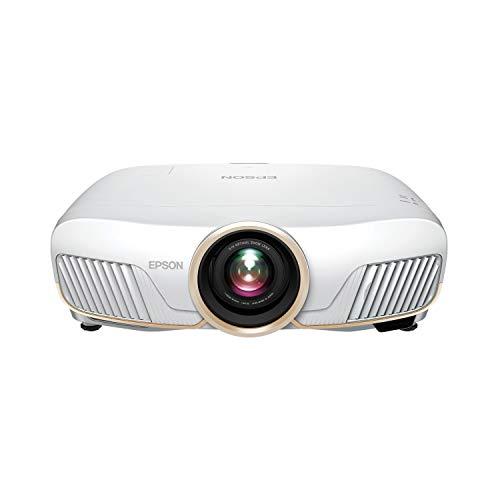
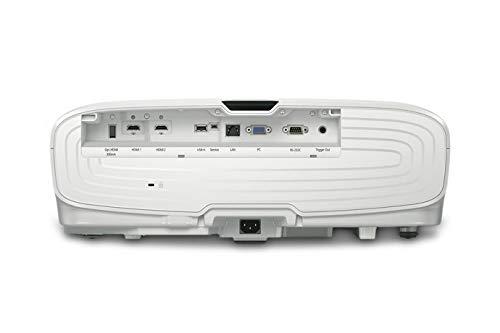
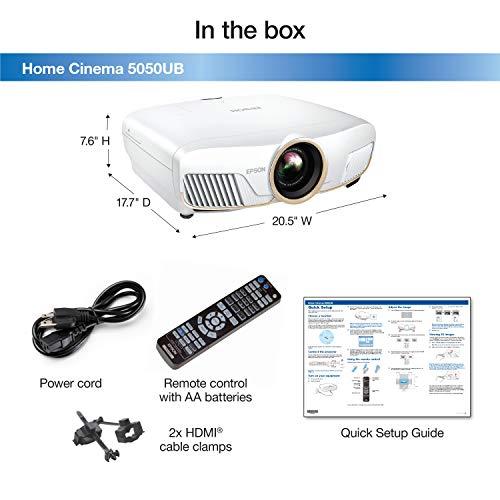
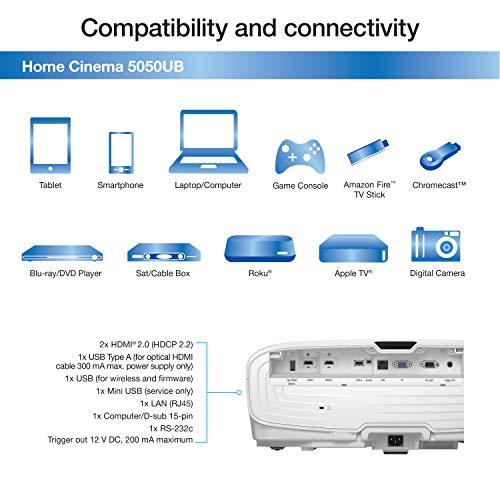
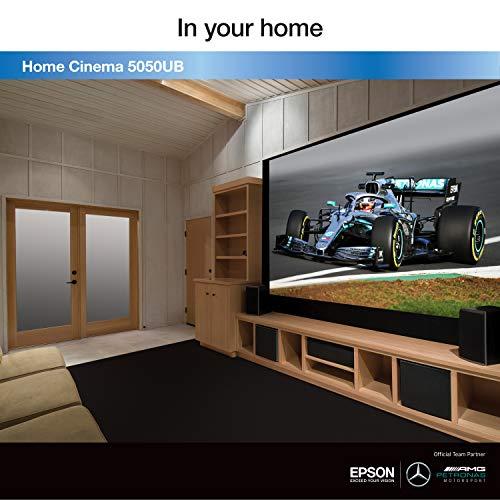
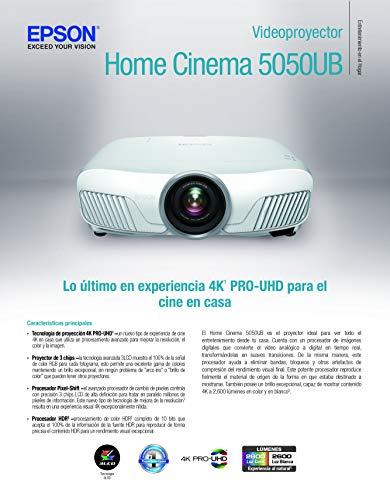
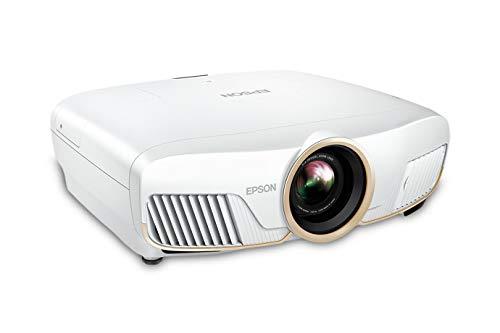
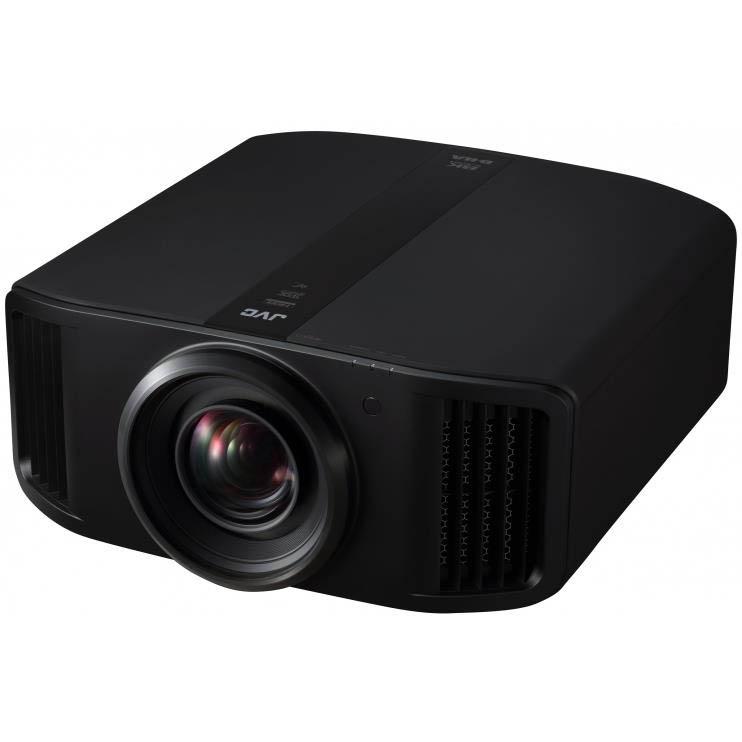
When it comes to creating the perfect home theater experience, the projector you choose can make or break the magic. After researching dozens of models and analyzing countless user reviews, two projectors consistently rise to the top of enthusiast discussions: the Epson Home Cinema 5050UB and the JVC DLA-NX9. These represent two different philosophies in premium home theater projection – one focused on delivering exceptional value, the other on absolute reference quality.
At the time of writing, these projectors sit in different price brackets, with the Epson 5050UB positioned as a premium mainstream option while the JVC DLA-NX9 commands a significant premium for its advanced technology. The question isn't which is better – it's which approach matches your priorities, room, and budget.
Before diving into specifics, it's worth understanding what separates good projectors from great ones. The fundamental goal is recreating the cinema experience at home, which means displaying movies as the director intended. This requires exceptional contrast (the difference between the darkest blacks and brightest whites), accurate colors that match film standards, and enough resolution to show fine details without artifacts.
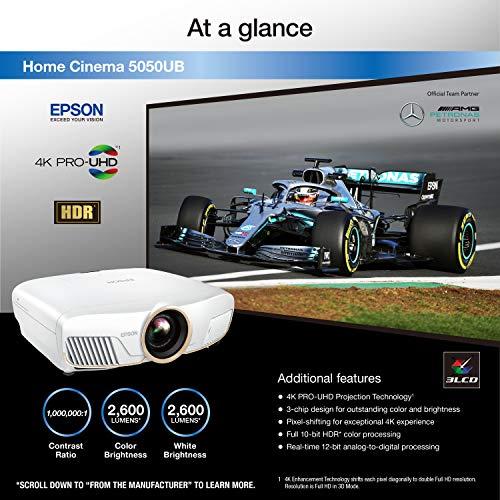
The Epson 5050UB, released in 2018, uses 3LCD technology – essentially three separate liquid crystal display panels that handle red, green, and blue light independently. This approach eliminates the "rainbow effect" (brief flashes of color) that some people see with competing single-chip projectors. To achieve 4K-like resolution from its native 1080p panels, it uses pixel-shifting technology, rapidly moving the image by half a pixel diagonally to effectively double the perceived resolution.
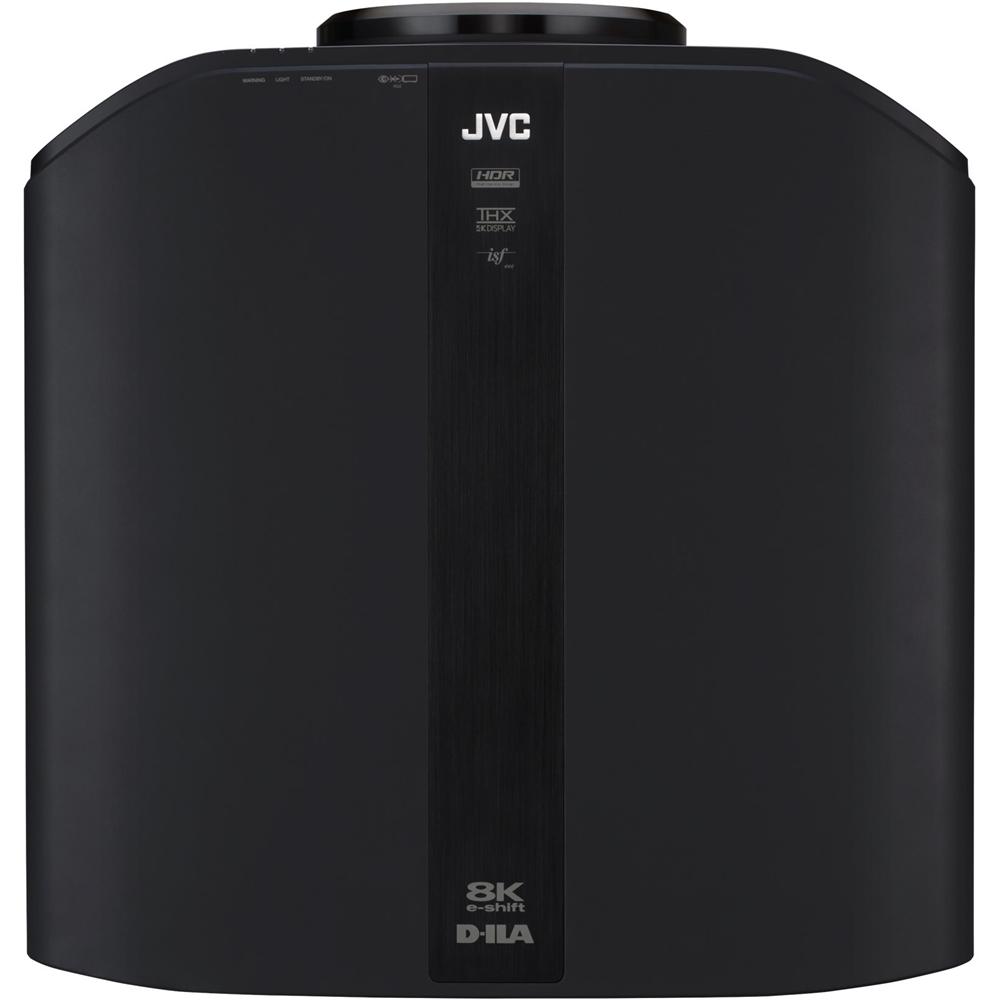
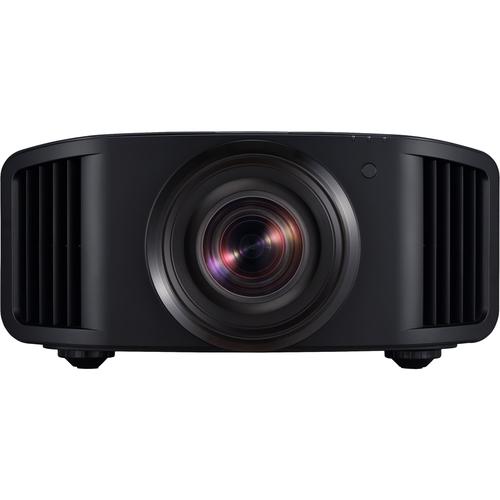
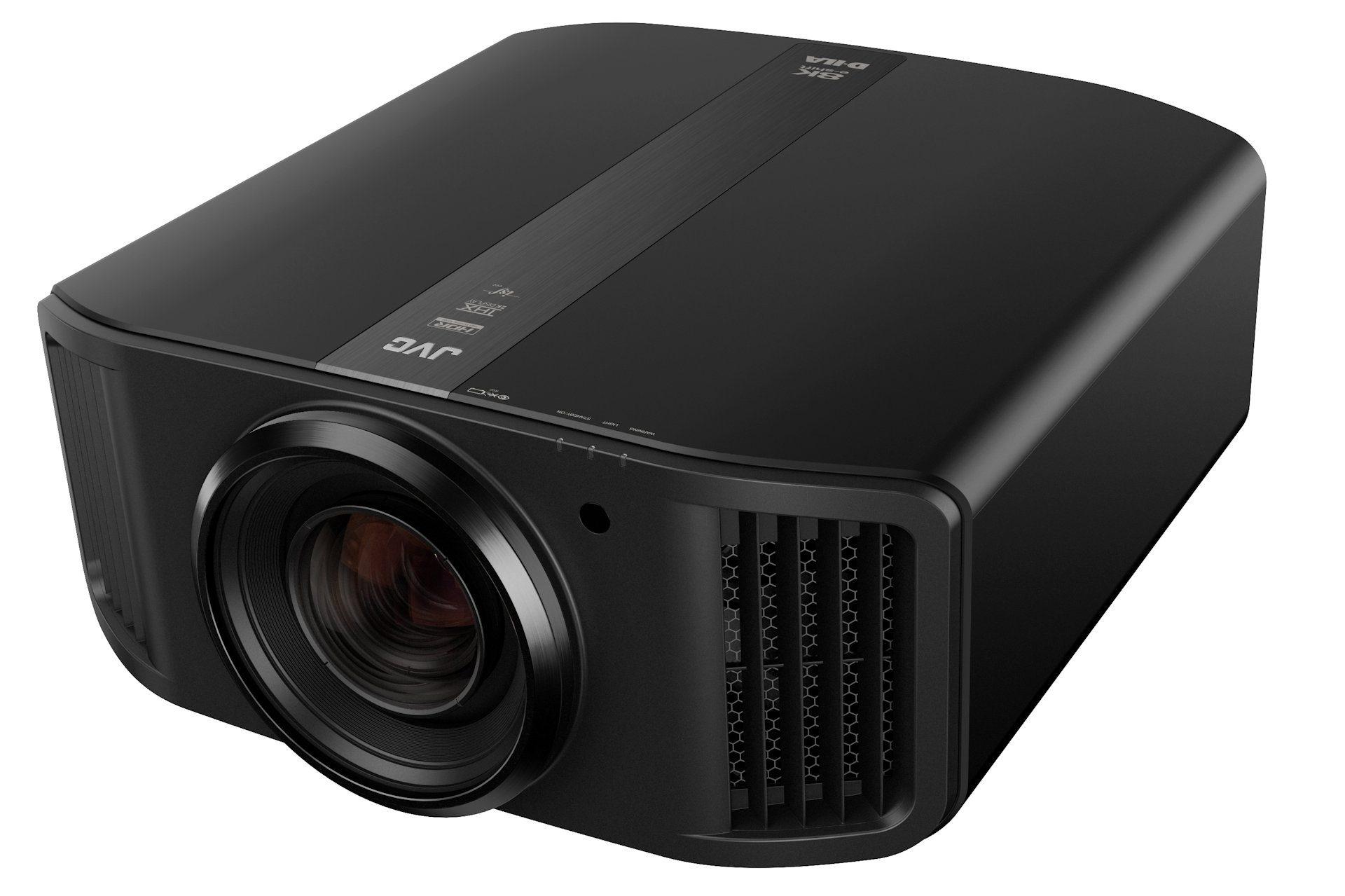
The JVC DLA-NX9, part of JVC's newer generation released in 2019, takes a different approach entirely. It uses native 4K D-ILA panels (JVC's version of liquid crystal on silicon technology), meaning it can actually display true 4K resolution without tricks. Then it goes further, using 8K e-shift technology to quadruple the pixel density, creating an even sharper image than standard 4K.
The resolution story is where these projectors diverge most dramatically. The Epson 5050UB creates its 4K-like image through clever engineering rather than brute force. Its pixel-shifting system moves the entire 1920x1080 image diagonally by 0.5 pixels at high speed, effectively creating four slightly offset images that your eye perceives as higher resolution. It's remarkably effective – in normal viewing, most people cannot tell the difference between this and native 4K.
However, the JVC DLA-NX9 starts with true 4K panels capable of displaying 4096x2160 pixels natively, then adds its 8K e-shift technology on top. This means it can resolve single-pixel 4K test patterns that the Epson cannot, and the 8K processing adds another layer of perceived sharpness through Multiple Pixel Control (MPC) – an algorithm that analyzes and corrects blur patterns in the original source material.
In practical terms, both deliver sharp, detailed images that far exceed 1080p projectors. The JVC has a measurable advantage in fine detail reproduction and texture rendering, particularly noticeable on large screens above 120 inches. But the Epson's pixel-shifting is so well-executed that many viewers prefer its punchy, sharp presentation to some true 4K projectors from other brands.
Contrast ratio might be the single most important specification for home theater projectors, yet it's often misunderstood. It's the difference between the deepest black your projector can produce and its brightest white. Higher contrast creates more three-dimensional, lifelike images with better shadow detail and more impactful bright scenes.
The Epson 5050UB achieves its excellent contrast through UltraBlack technology, which uses a specialized filter to control light polarization within the projector. This suppresses stray light that would otherwise leak through and create washed-out blacks. Combined with a dynamic iris that physically closes during dark scenes, it achieves measured contrast ratios around 8,000:1 natively – exceptional for LCD technology.
The JVC DLA-NX9 uses D-ILA technology, which inherently produces superior contrast. D-ILA (Direct Drive Image Light Amplifier) uses liquid crystal on silicon instead of traditional LCD panels, allowing for tighter pixel control and virtually no light leakage between pixels. This results in a native contrast ratio exceeding 100,000:1 without needing a dynamic iris, though it still includes one for even deeper blacks.
Based on professional measurements and user consensus, the JVC produces noticeably deeper blacks and better shadow detail, particularly in dark movie scenes. The difference is most apparent in dimly lit or completely dark rooms where the superior contrast can shine. However, the Epson's UltraBlack technology punches well above its weight class, delivering blacks that surpass much more expensive LCD projectors.
Brightness, measured in lumens, determines how large a screen you can use and how much ambient light your room can have. The Epson 5050UB outputs 2,600 lumens, while the JVC DLA-NX9 produces 2,200 lumens. This 400-lumen difference might not sound significant, but it translates to meaningful flexibility in real-world use.
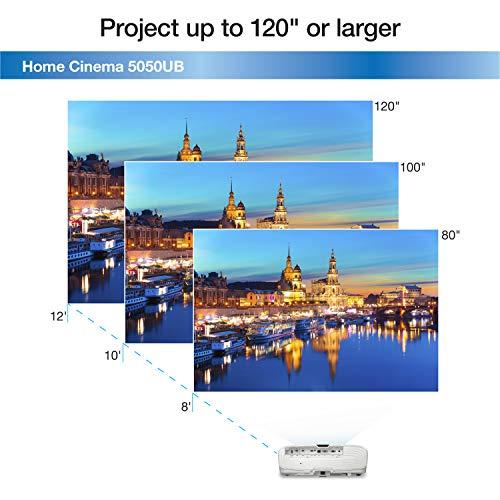
The Epson's higher brightness makes it more versatile for rooms that aren't completely light-controlled. It can handle larger screens (up to 300 inches) in rooms with some ambient light, making it suitable for multi-purpose spaces that serve as both entertainment rooms and living areas. This extra brightness also helps showcase the wide color gamut – brighter projectors can display more vibrant colors within HDR content.
The JVC's slightly lower brightness isn't a weakness – it's optimized for dedicated theater rooms with complete light control. In these environments, the superior contrast becomes more important than raw brightness. Professional reviewers consistently note that the JVC produces more film-like images in proper theater conditions, where every detail in shadow areas becomes visible and bright scenes have proper impact without being overwhelming.
Both projectors excel at color reproduction but take different approaches. The Epson 5050UB covers 97% of the DCI-P3 color space used in commercial cinemas, which is about 50% wider than the standard Rec. 709 color space used in regular HDTVs. Its 3LCD design ensures that color brightness matches white brightness, preventing the washed-out colors that can plague other projection technologies.
The JVC DLA-NX9 goes even further, covering color gamuts that exceed DCI-P3 standards. More importantly, it includes advanced color management systems that allow for precise calibration to match professional standards. Its Frame Adapt HDR technology can adjust tone mapping on a scene-by-scene or even frame-by-frame basis, ensuring that HDR content displays with optimal dynamic range regardless of how it was mastered.
Both projectors support HDR10 and HLG (Hybrid Log-Gamma) formats, though neither supports Dolby Vision at the time of writing. The Epson includes a particularly useful feature: 16-step real-time HDR adjustment that lets you optimize the HDR presentation for your specific room and screen combination without needing professional calibration.
Professional installation can cost thousands of dollars, so projector flexibility matters enormously. Both projectors excel here, but in different ways. The Epson 5050UB offers a 2.1x motorized zoom range with extensive lens shift capabilities – you can move the image ±96% vertically and ±47% horizontally without physically moving the projector. This means you can mount it on a rear shelf, ceiling mount it off-center, or place it in various positions while still getting a perfectly centered, properly sized image.
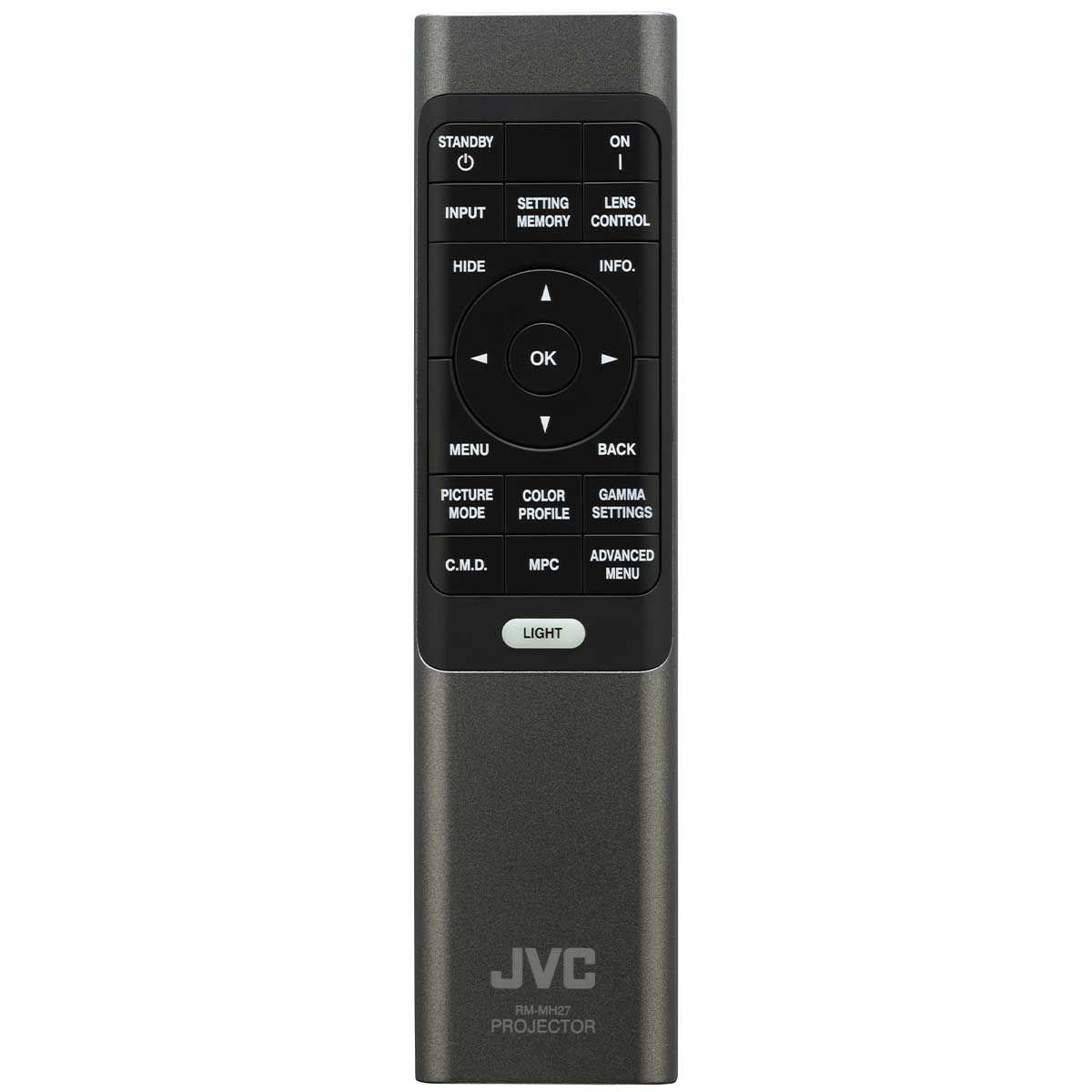
The JVC DLA-NX9 matches this flexibility with ±100% vertical and ±43% horizontal lens shift, plus a premium 100mm diameter all-glass lens system. More significantly, it includes 10 installation memory presets that can save different combinations of zoom, focus, and lens shift settings. This is particularly valuable for users who want to switch between different aspect ratios (like 2.35:1 for movies and 16:9 for TV content) or different screen configurations.
Both projectors include lens memory functions, but the JVC's system is more comprehensive, allowing you to save complete picture settings alongside the mechanical adjustments. This level of flexibility typically requires professional installation to fully utilize, but it means the projector can adapt to almost any room configuration.
While primarily designed for movies, both projectors are capable gaming displays. The Epson 5050UB delivers 22.5ms input lag at 4K/60Hz, which is acceptable for most gaming but not ideal for competitive online gaming where every millisecond counts. The JVC DLA-NX9 achieves slightly better performance at around 20ms input lag.
Both projectors are limited to 60Hz refresh rates and lack support for variable refresh rate technologies like FreeSync or G-Sync. This positions them as excellent choices for single-player gaming or casual multiplayer, but dedicated gamers might prefer projectors specifically designed for gaming with sub-20ms input lag and higher refresh rates.
The superior brightness of the Epson can be advantageous for gaming, particularly in games with dark areas where the extra brightness helps maintain visibility. However, the JVC's superior contrast can make games more immersive, with better shadow detail and more three-dimensional visuals.
Both projectors use replaceable lamps, which need replacement every 3,500-5,000 hours depending on usage patterns. The Epson 5050UB uses a 250W UHE (Ultra High Efficiency) bulb that costs several hundred dollars to replace, while the JVC DLA-NX9 uses a 265W NSH lamp that typically costs more due to its premium specifications.
Power consumption differs slightly, with the Epson drawing 373W in normal mode and the JVC consuming somewhat less. Over thousands of hours of use, this can translate to meaningful differences in electricity costs, though both are relatively efficient for their brightness levels.
The JVC requires more careful handling and potentially professional service for optimal performance, while the Epson is designed for easier user maintenance. This reflects their different market positions – the JVC is engineered like a piece of professional equipment, while the Epson balances performance with user-friendly operation.
The decision between these projectors ultimately comes down to your priorities, room, and budget. The Epson Home Cinema 5050UB represents exceptional value engineering – it delivers about 80% of reference-quality performance at roughly 40% of the cost. It excels in rooms with some ambient light, works beautifully with larger screens, and provides a user-friendly experience that doesn't require professional calibration to look stunning.
Choose the Epson 5050UB if you're building your first serious home theater, want flexibility for a multi-purpose room, or prioritize getting the best performance per dollar. It's particularly compelling for users upgrading from basic projectors or flat-panel displays who want a dramatic improvement without the complexity of professional-grade equipment.
The JVC DLA-NX9 is for the perfectionist who wants the absolute best image quality available. It produces reference-quality images that can compete with commercial cinema systems, with native 4K resolution, industry-leading contrast, and color accuracy that satisfies the most demanding viewers. However, it requires a dedicated, light-controlled theater room to reach its full potential.
Choose the JVC DLA-NX9 if image quality is your absolute priority, you have a dedicated theater space with complete light control, and you're willing to invest in professional calibration and setup. It's the choice for serious cinephiles who can appreciate the subtle but meaningful improvements it offers over more mainstream options.
Both projectors excel at what they're designed to do. The Epson 5050UB democratizes premium home theater performance, bringing exceptional image quality to mainstream budgets while remaining user-friendly and versatile. The JVC DLA-NX9 pushes the boundaries of what's possible, delivering reference-quality performance that satisfies the most demanding applications.
For most home theater enthusiasts, the Epson provides the better balance of performance, features, and value. Its combination of brightness, contrast, and color accuracy creates genuinely cinematic experiences that will satisfy all but the most critical viewers. However, for those who demand absolute perfection and have the budget and room to support it, the JVC delivers meaningfully superior image quality that justifies its premium positioning.
The home theater projector market has evolved significantly since these models were released, but both remain relevant because they represent mature, refined implementations of their respective technologies. As newer models emerge with laser light sources and advanced HDR formats, these projectors continue to offer compelling performance that proves great engineering doesn't become obsolete – it becomes a value.
| Epson Home Cinema 5050UB | JVC DLA-NX9 8K e-shift |
|---|---|
| Display Technology - Core approach to image creation | |
| 3LCD with 4K pixel-shifting from 1080p panels | Native 4K D-ILA with 8K e-shift enhancement |
| Resolution Capability - Actual detail reproduction | |
| 4K-like via pixel-shifting (cannot resolve single-pixel 4K patterns) | True native 4K plus 8K e-shift (resolves all 4K content perfectly) |
| Brightness Output - Room flexibility and screen size potential | |
| 2,600 lumens (better for rooms with ambient light) | 2,200 lumens (optimized for dedicated dark theaters) |
| Contrast Ratio - Most critical spec for cinematic image quality | |
| 1,000,000:1 dynamic, ~8,000:1 native with UltraBlack technology | 1,000,000:1+ dynamic, 100,000:1 native via D-ILA technology |
| Color Gamut - Ability to display vivid, accurate colors | |
| 97% DCI-P3 coverage (excellent for the price point) | Exceeds DCI-P3 standards (reference-quality color reproduction) |
| HDR Processing - How well it handles high dynamic range content | |
| HDR10/HLG with 16-step real-time adjustment | HDR10/HLG with Frame Adapt scene-by-scene processing |
| Lens System - Installation flexibility and image quality | |
| 2.1x motorized zoom, ±96% vertical/±47% horizontal shift | Premium 100mm all-glass lens, ±100% vertical/±43% horizontal shift |
| Input Lag - Gaming performance | |
| 22.5ms at 4K/60Hz (acceptable for casual gaming) | ~20ms (slightly better but still not gaming-focused) |
| Lamp Life - Long-term operating costs | |
| 3,500-5,000 hours (250W UHE bulb replacement ~$300-400) | ~4,500 hours (265W NSH lamp, premium replacement cost) |
| Installation Memory - Setup convenience for different content | |
| Basic lens memory for aspect ratios | 10 comprehensive presets saving all picture and lens settings |
| Target Market - Who this projector is designed for | |
| Enthusiasts wanting premium performance at mainstream pricing | Perfectionists requiring reference-quality in dedicated theaters |
| Value Proposition - Performance per dollar spent | |
| Exceptional value - 80% of reference quality at 40% of the cost | Premium pricing justified by measurably superior image quality |
The Epson Home Cinema 5050UB is significantly better for beginners. It offers excellent out-of-box performance without requiring professional calibration, has user-friendly menus, and provides more forgiving installation requirements. The JVC DLA-NX9 delivers superior image quality but requires more expertise to set up properly and achieve optimal performance.
The JVC DLA-NX9 uses true native 4K panels with 8K enhancement, delivering sharper detail and superior contrast with deeper blacks. The Epson Home Cinema 5050UB uses 4K pixel-shifting technology that creates excellent 4K-like images from 1080p panels, though it cannot match the JVC's native resolution capability or contrast performance.
The Epson Home Cinema 5050UB performs better in rooms with ambient light due to its higher 2,600-lumen output compared to the JVC DLA-NX9's 2,200 lumens. The Epson can handle larger screens and moderate lighting conditions, while the JVC is optimized for dedicated, dark theater rooms.
Both projectors offer acceptable gaming performance with the JVC DLA-NX9 providing slightly better input lag at around 20ms versus the Epson Home Cinema 5050UB's 22.5ms. However, neither is optimized for competitive gaming, and both are limited to 60Hz refresh rates, making them better suited for casual gaming and single-player experiences.
The Epson Home Cinema 5050UB provides exceptional value, delivering approximately 80% of reference-quality performance at a much lower cost than the JVC DLA-NX9. While the JVC offers superior image quality, the Epson represents better performance per dollar for most home theater enthusiasts.
The JVC DLA-NX9 significantly outperforms with 100,000:1 native contrast using D-ILA technology, compared to the Epson Home Cinema 5050UB's approximately 8,000:1 native contrast with UltraBlack technology. This translates to deeper blacks and better shadow detail on the JVC, though the Epson still delivers excellent contrast for its price range.
Both projectors offer excellent installation flexibility, but the Epson Home Cinema 5050UB is generally easier to install due to its higher brightness tolerance and user-friendly setup process. The JVC DLA-NX9 offers more advanced installation features including 10 memory presets, but typically benefits from professional installation to maximize its capabilities.
Yes, both the Epson Home Cinema 5050UB and JVC DLA-NX9 support HDR10 and HLG formats. The Epson features 16-step real-time HDR adjustment for easy optimization, while the JVC offers more advanced Frame Adapt HDR processing with scene-by-scene tone mapping for potentially superior HDR performance.
Both projectors use replaceable lamps lasting 3,500-5,000 hours for the Epson Home Cinema 5050UB and approximately 4,500 hours for the JVC DLA-NX9. Replacement costs are higher for the JVC's premium lamp, and the JVC may require more specialized service, while the Epson is designed for easier user maintenance.
The JVC DLA-NX9 offers superior color accuracy with professional-grade color management and coverage exceeding DCI-P3 standards. The Epson Home Cinema 5050UB provides excellent color accuracy covering 97% of DCI-P3 space with outstanding out-of-box performance, making it easier for users to achieve good results without professional calibration.
Both projectors can handle large screens, with the Epson Home Cinema 5050UB supporting up to 300-inch diagonal screens thanks to its higher brightness output. The JVC DLA-NX9 also works well with large screens but performs best in completely dark rooms where its superior contrast and native resolution advantages are most apparent.
For a dedicated home theater with complete light control, the JVC DLA-NX9 delivers reference-quality performance with superior contrast, native 4K resolution, and professional-grade features. However, the Epson Home Cinema 5050UB still provides excellent cinematic performance at a more accessible price point, making it ideal for enthusiasts who want premium results without the premium cost.
We've done our best to create useful and informative comparisons to help you decide what product to buy. Our research uses advanced automated methods to create this comparison and perfection is not possible - please contact us for corrections or questions. These are the sites we've researched in the creation of this article: rtings.com - projectorscreen.com - hometechnologyreview.com - thesmarthomehookup.com - youtube.com - rtings.com - techgearlab.com - projectorcentral.com - projectorreviews.com - projectorcentral.com - avsforum.com - rtings.com - projectorreviews.com - projectorreviews.com - avsforum.com - avsforum.com - audiogeneral.com - hifiheaven.net - manuals.plus - crutchfield.com - projectorcentral.com - epson.com - mediaserver.goepson.com - bestbuy.com - ngxptech.com - projectorcentral.com - projectorreviews.com - youtube.com - projectorscreen.com - avsforum.com - crutchfield.com - avnirvana.com - flanners.com - projectorcentral.com - soundandvision.com - jvc.com - eu.jvc.com - directappliance.com

Privacy Policy
Terms and Conditions - Affiliate Policy
Home Security
© Copyright 2008-2026.
11816 Inwood Rd #1211, Dallas, TX 75244