

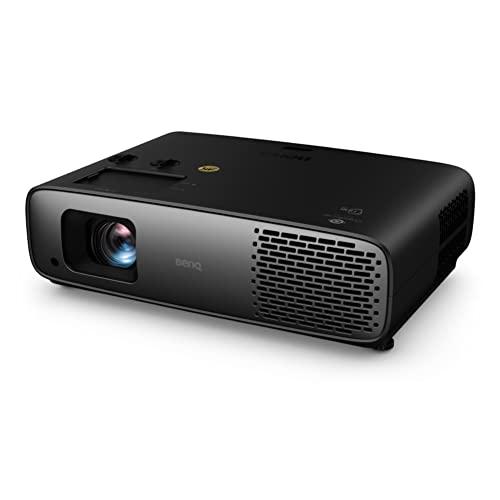
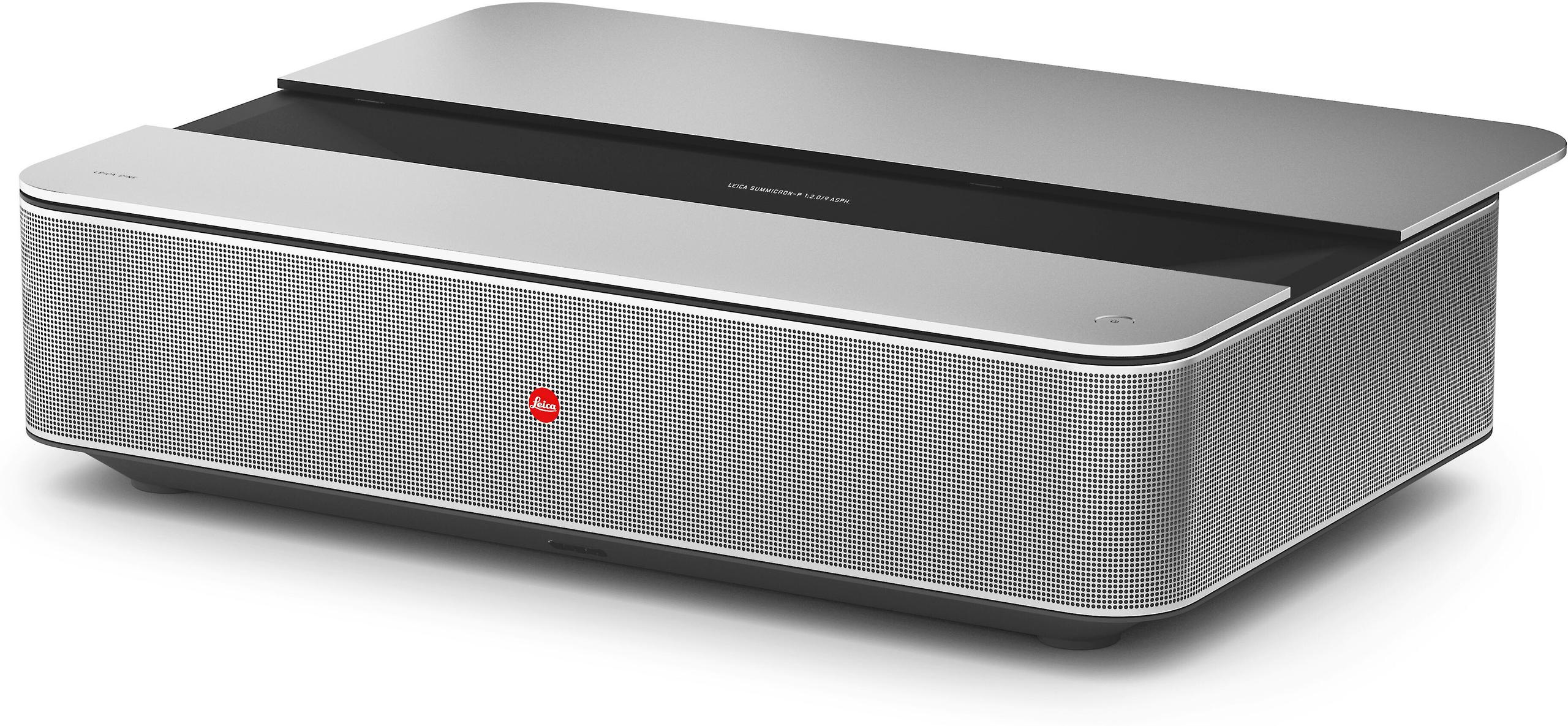

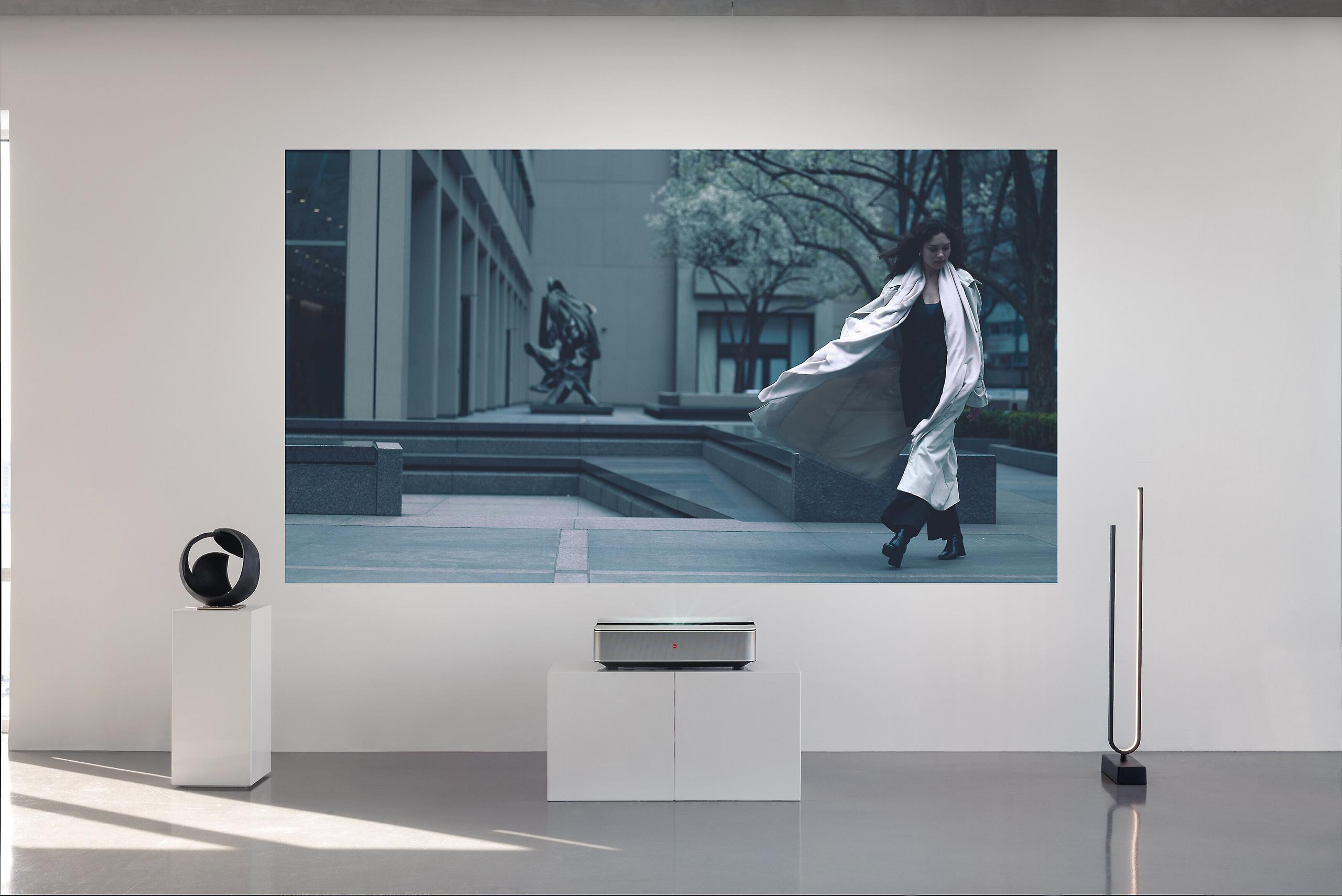
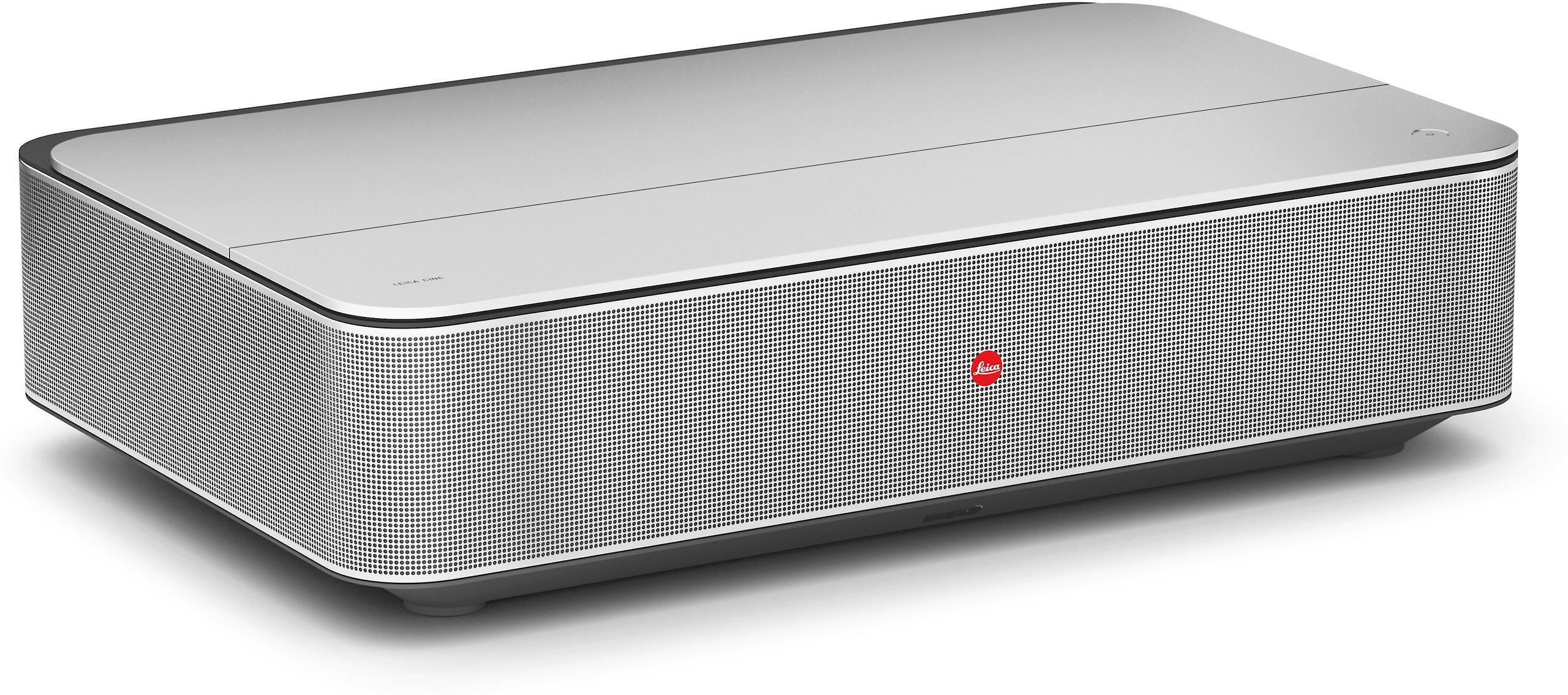
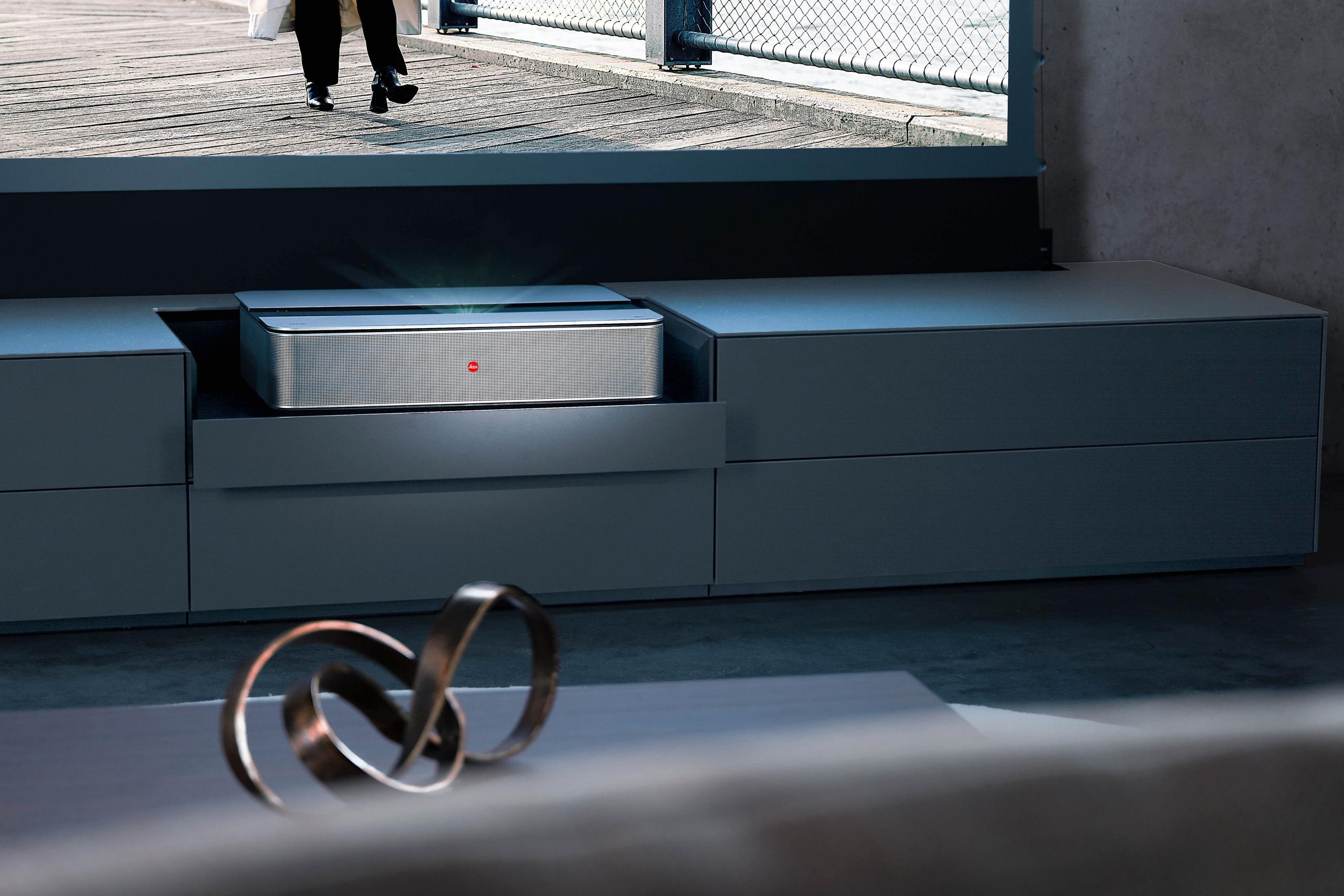
Shopping for a home theater projector in 2024 means navigating two very different approaches to big-screen entertainment. You've got traditional long-throw projectors that deliver exceptional image quality with flexible installation options, and ultra-short-throw (UST) models that promise cinema-sized images from just inches away from your wall. The BenQ HT4550i and Leica Cine 1 represent these competing philosophies perfectly—and at very different price points.
At the time of writing, these projectors sit in completely different market segments despite both delivering 4K resolution. The BenQ HT4550i targets serious home theater enthusiasts who want maximum performance for their dollar, while the Leica Cine 1 appeals to buyers seeking premium convenience and brand prestige at roughly triple the cost.
Before diving into specifics, let's clarify what makes these projectors tick. Both use DLP (Digital Light Processing) technology, which relies on millions of tiny mirrors on a chip to reflect light and create images. Think of it like an incredibly sophisticated array of microscopic disco balls, each one tilting to either reflect light toward the screen (creating bright pixels) or away from it (creating dark pixels).
The key difference lies in their light sources and installation approach. The BenQ HT4550i uses a 4-LED system—combining red, green, blue, and white LEDs to create its light output. This newer approach replaces traditional high-pressure mercury lamps with longer-lasting, more efficient LEDs. The Leica Cine 1, meanwhile, employs triple-RGB laser technology, using separate red, green, and blue lasers to generate extremely pure colors.
Both projectors achieve 4K resolution (3840 x 2160 pixels) through pixel-shifting technology called XPR. Since true native 4K DLP chips remain prohibitively expensive, manufacturers use this clever workaround where a 1080p chip rapidly shifts each pixel to four different positions, effectively quadrupling the resolution. It's like having a painter who can make four brush strokes in the time it normally takes for one.
The BenQ HT4550i has a significant advantage here with its larger 0.65-inch DMD (Digital Micromirror Device) chip compared to the Leica's 0.47-inch chip. This translates to better focus uniformity across large screens and less visible pixel structure when you're sitting close to the image. If you're planning a dedicated home theater where you might sit 10-12 feet from a 120-inch screen, the BenQ's superior sharpness becomes immediately apparent.
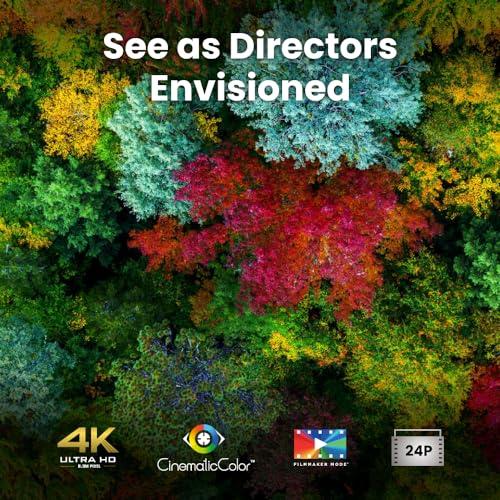
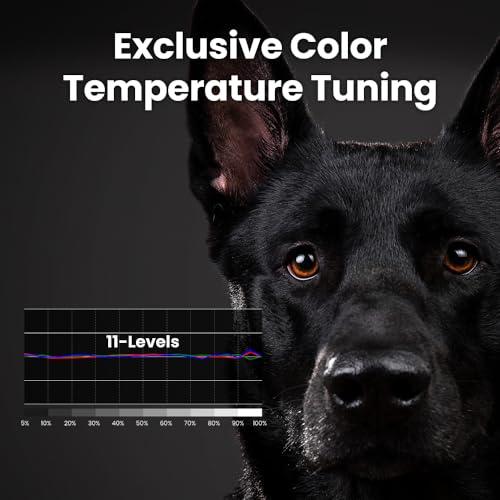
Color accuracy separates good projectors from great ones, and both models excel here but through different approaches. The BenQ HT4550i covers 100% of the DCI-P3 color gamut—the same standard used in commercial movie theaters. Its factory calibration is impressive, typically achieving Delta E values under 2, which means colors appear virtually identical to the filmmaker's intent. Delta E measures color accuracy on a scale where anything under 3 is considered excellent.
The Leica Cine 1 pushes even further, claiming 100% BT.2020 color space coverage—a wider gamut that encompasses more colors than DCI-P3. This is where Leica's optical heritage shines through their Summicron lens design, which uses four aspherical lens elements to minimize color fringing and maintain accuracy across the entire image. Based on professional reviews, the Leica often achieves Delta E values below 1 straight from the factory, which is remarkable for any display technology.
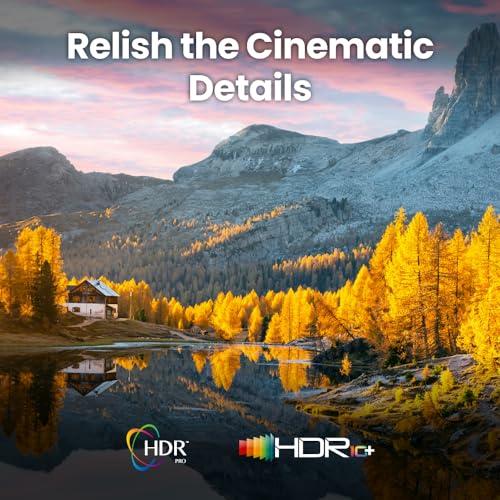
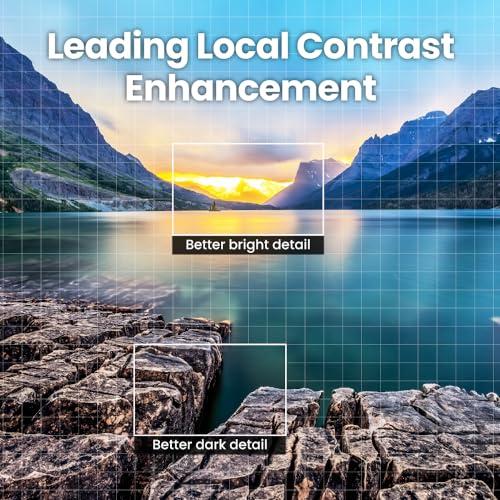
High Dynamic Range (HDR) represents the biggest leap in image quality since the jump to high definition. It's not just about brighter highlights—HDR preserves detail in both the brightest and darkest parts of an image simultaneously, creating more lifelike contrast.
The BenQ HT4550i supports HDR10, HDR10+, and HLG formats through its HDR-PRO technology, which uses tone mapping to optimize HDR content for the projector's brightness capabilities. Since even the brightest projectors can't match the 1000+ nits that HDR content is mastered for, this intelligent processing becomes crucial. The projector divides images into over 1,000 zones, analyzing each section's brightness and adjusting it independently—similar to how premium TVs handle local dimming.
The Leica Cine 1 goes further by supporting Dolby Vision, the premium HDR format that uses dynamic metadata to optimize every scene individually. Dolby Vision content tells the projector exactly how each frame should look, rather than applying one setting to an entire movie. For streaming enthusiasts with Netflix, Disney+, or Apple TV+ subscriptions, this support proves valuable since these platforms increasingly offer Dolby Vision content.
Here's where installation philosophy creates practical differences. The BenQ HT4550i delivers 3,200 ANSI lumens, though real-world measurements in accurate picture modes typically yield around 1,800-1,900 lumens. This brightness works excellently in dedicated home theaters with controlled lighting but struggles in living rooms with significant ambient light.
The Leica Cine 1 provides 3,000 ANSI lumens optimized specifically for ultra-short-throw performance. UST projectors face unique challenges because they project upward at extreme angles, making them more susceptible to ambient light washing out the image. However, when paired with an ALR (Ambient Light Rejecting) screen—which costs an additional $500-2000—the Leica can maintain excellent image quality even in moderately lit rooms.
Gaming on projectors has transformed dramatically since 2020, when next-generation consoles began demanding low input lag and high refresh rates. Input lag measures the delay between when you press a controller button and when the action appears on screen—crucial for competitive gaming where milliseconds matter.
The BenQ HT4550i excels here with measured input lag as low as 17.9ms at 4K resolution and an impressive 8.7ms at 1080p/240Hz. These numbers rival dedicated gaming monitors and make the projector suitable for serious competitive play. It supports refresh rates up to 240Hz at 1080p, perfect for PC gaming with high-end graphics cards.
The Leica Cine 1 takes a more casual approach with 35.3ms input lag at 60Hz. While acceptable for single-player adventures and casual multiplayer games, this latency would frustrate competitive gamers. The Leica positions itself more as a premium entertainment solution than a gaming powerhouse.
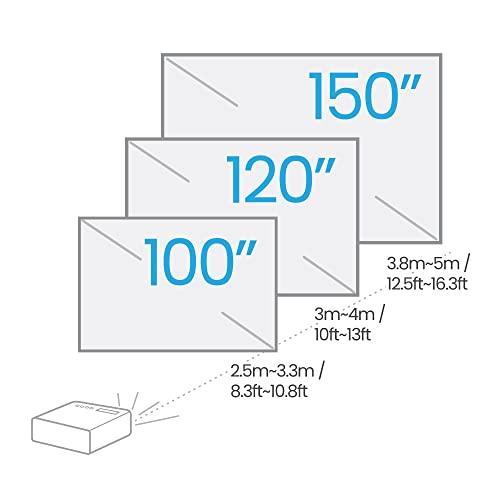
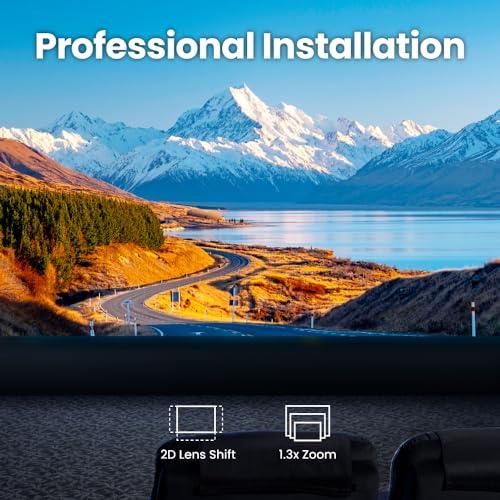
This is where these projectors diverge most dramatically. The BenQ HT4550i requires 10-13 feet of throw distance for a 100-inch image, demanding either ceiling mounting or rear shelf placement. However, this traditional approach offers significant advantages: generous lens shift (±15% horizontal, 0-60% vertical) and 1.3x zoom provide installation flexibility that can accommodate most rooms without perfect alignment.
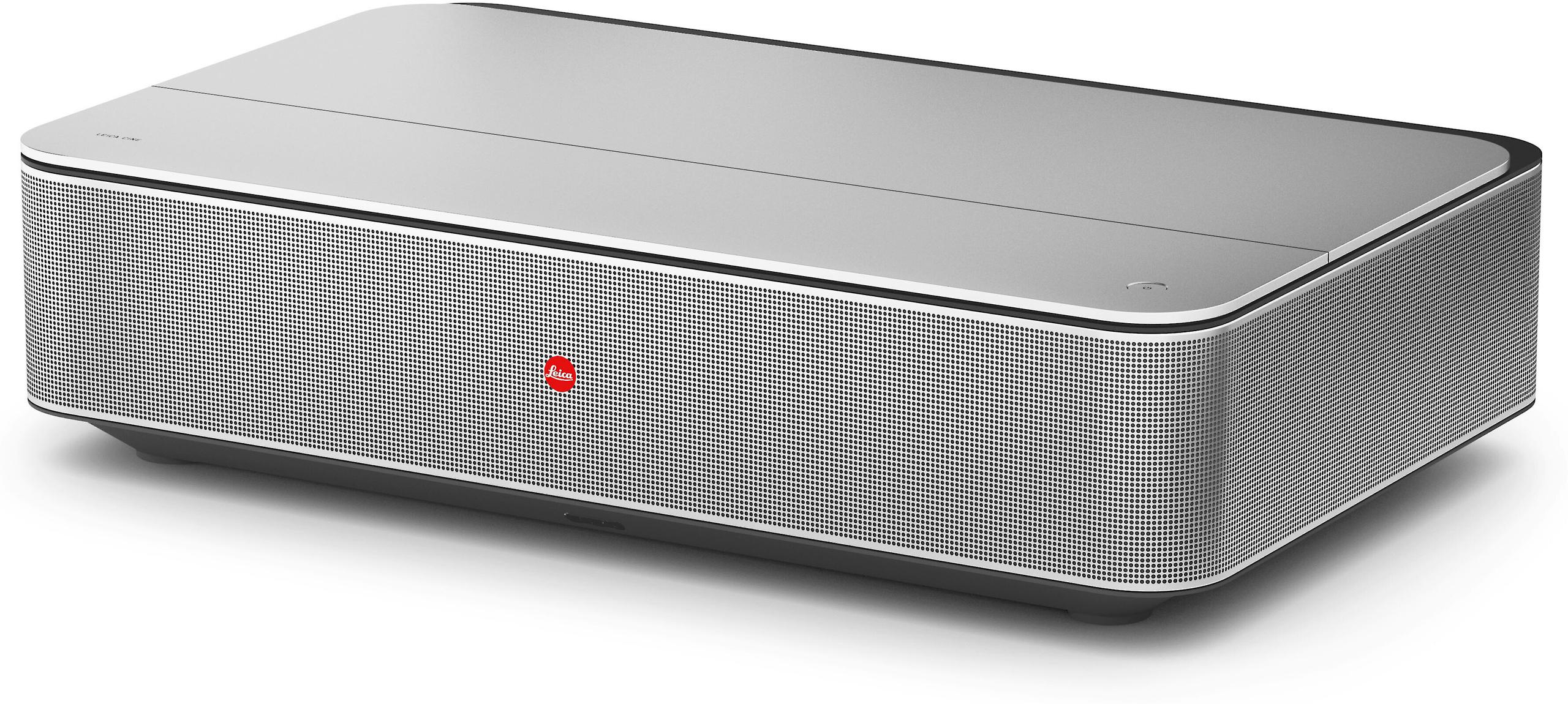
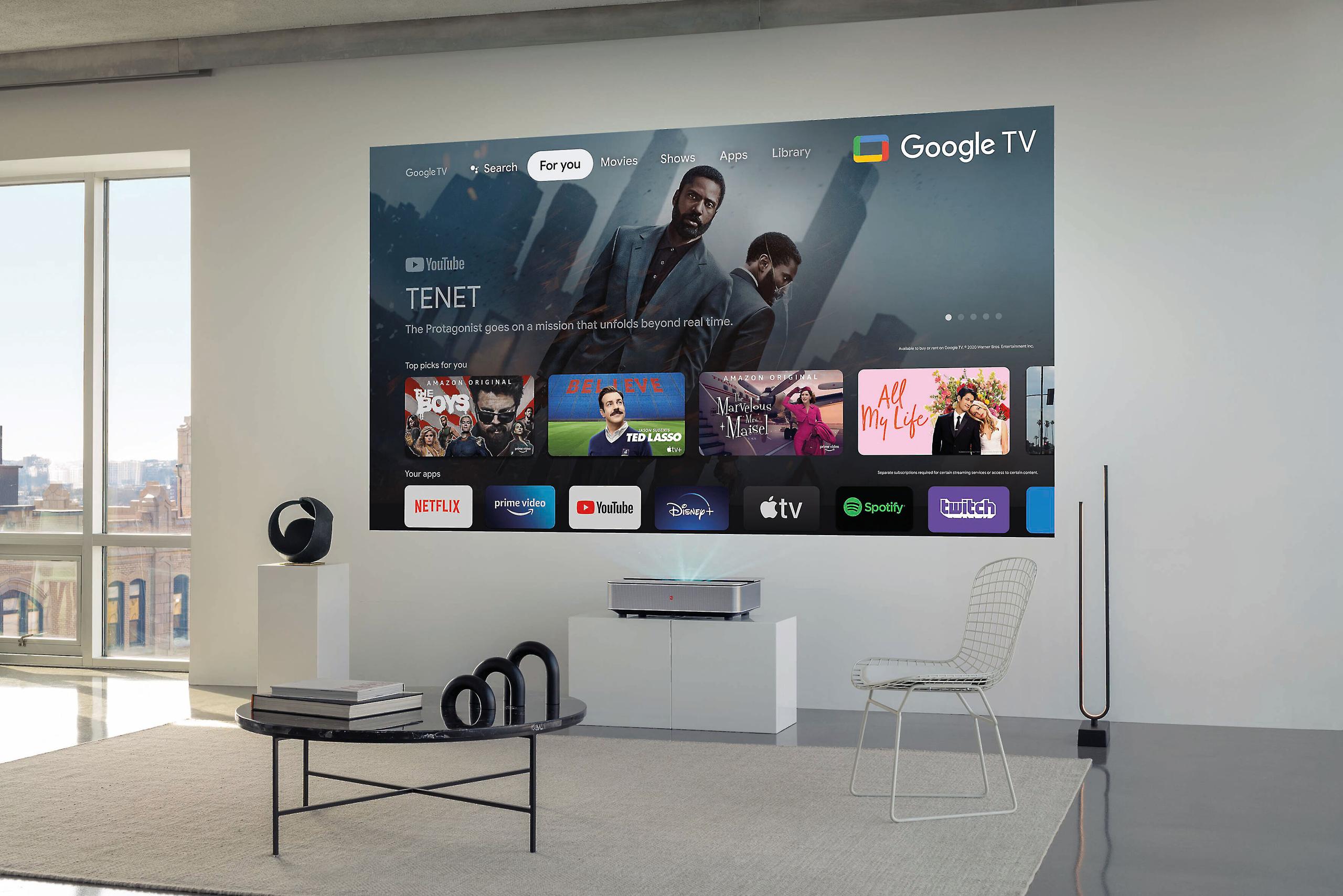
The Leica Cine 1 revolutionizes placement by sitting just 14.3 inches from the wall to create a 120-inch image. This ultra-short-throw capability enables massive screens in small spaces—imagine a 100-inch display in a 10-foot deep room. The convenience factor is undeniable, especially for renters who can't install ceiling mounts or homeowners who want to avoid construction.
However, UST installation demands precision. The projector must align perfectly with the screen, and any slight misalignment becomes immediately obvious. Unlike traditional projectors that can compensate with lens adjustments, UST models rely on digital correction, which can reduce image quality.
Traditional projectors like the BenQ HT4550i work with any white wall or basic projection screen, though dedicated screens improve performance significantly. You can expect excellent results with screens ranging from $200-800.
The Leica Cine 1 essentially requires an ALR screen for optimal performance. These specialized screens use optical coatings or physical structures to reject ambient light while directing projected light toward viewers. Quality ALR screens start around $500 for 100 inches but can exceed $2000 for premium models. This represents a significant additional investment that affects the total cost of ownership.
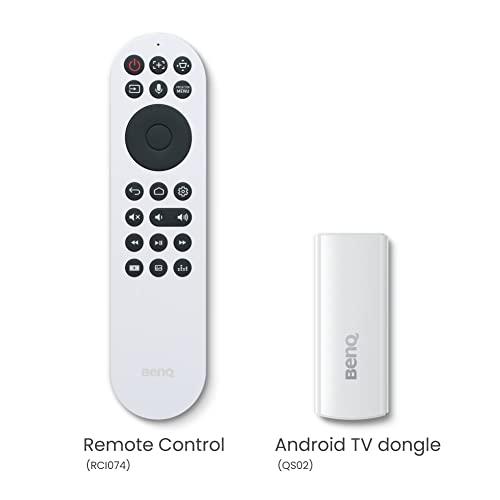
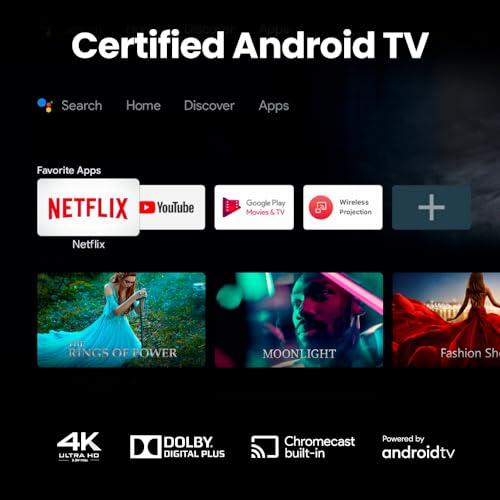
Both projectors embrace modern connectivity expectations. The BenQ HT4550i includes certified Android TV with full access to streaming platforms, including Netflix in 4K HDR—a rarity among projectors due to licensing restrictions. Google Assistant integration enables voice control, and the platform receives regular updates.
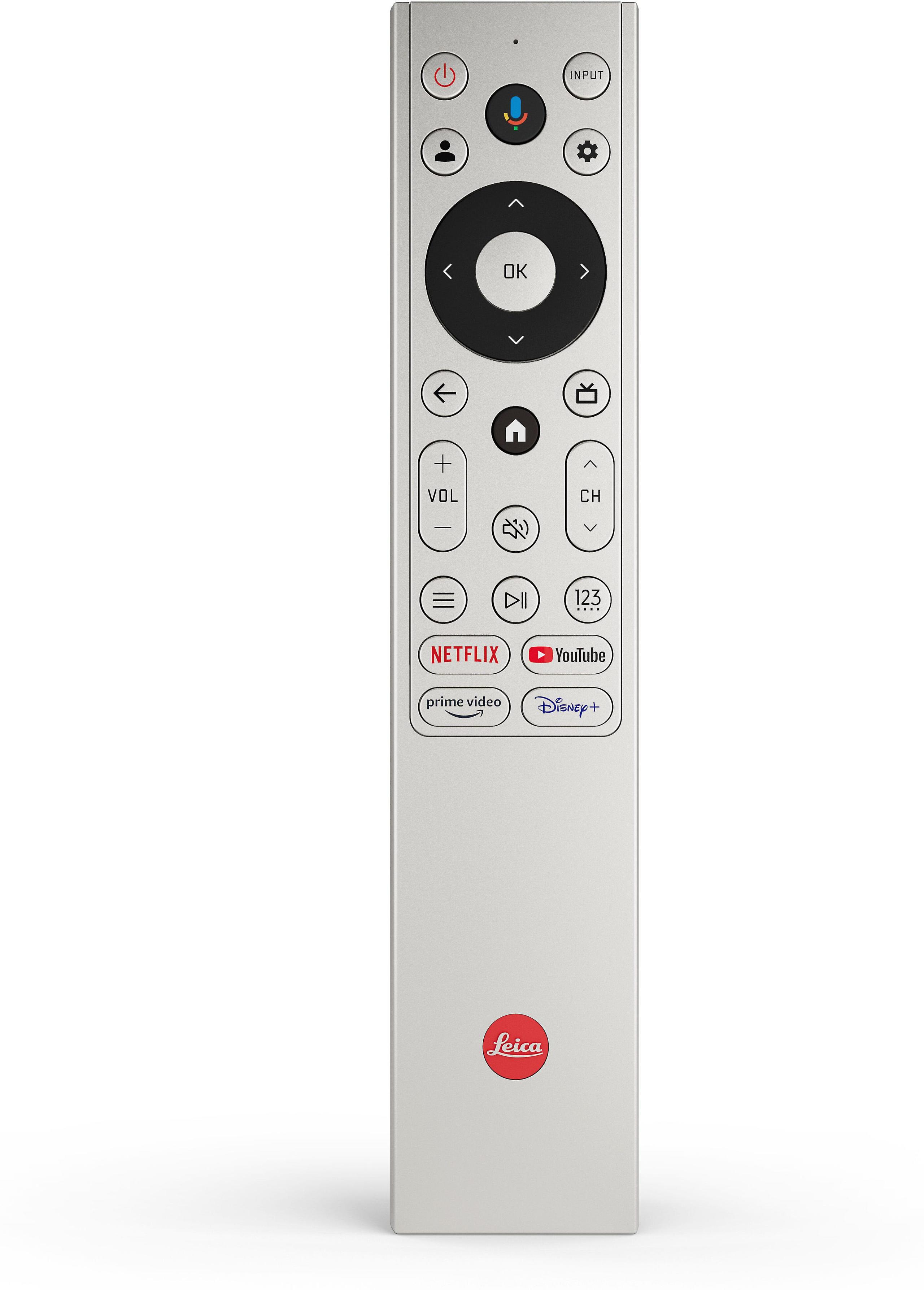
The Leica Cine 1 offers Google TV (Android TV's newer iteration) plus Apple AirPlay 2 support, appealing to mixed-device households. Its built-in TV tuner adds traditional broadcast capability, though this feature becomes less relevant as streaming dominates.
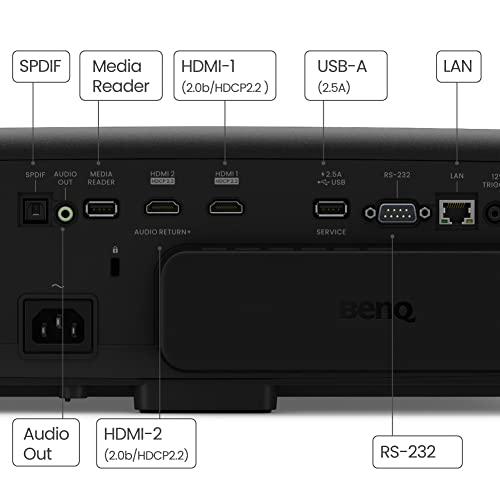
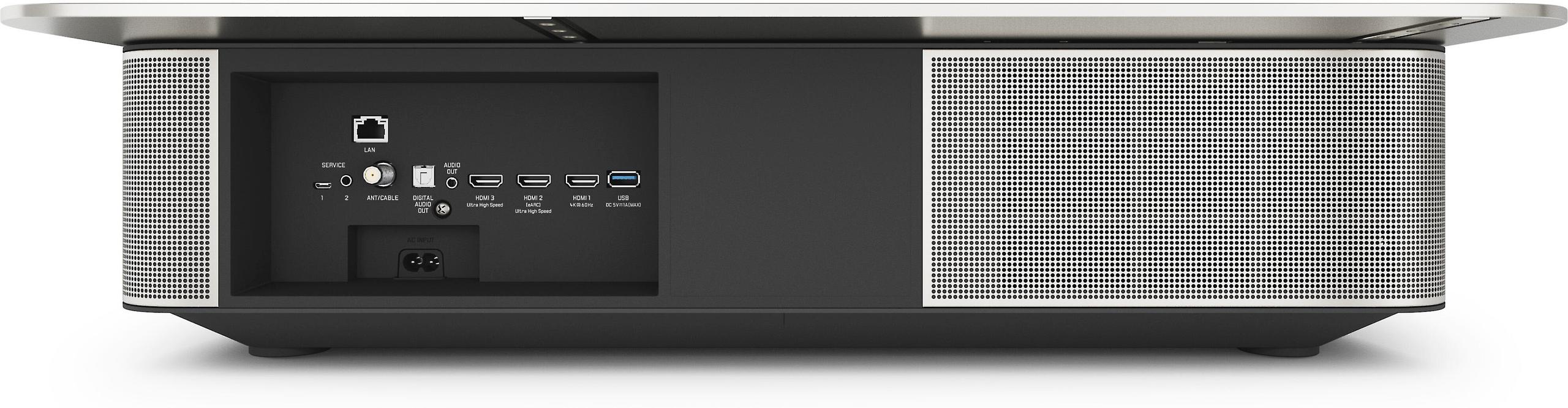
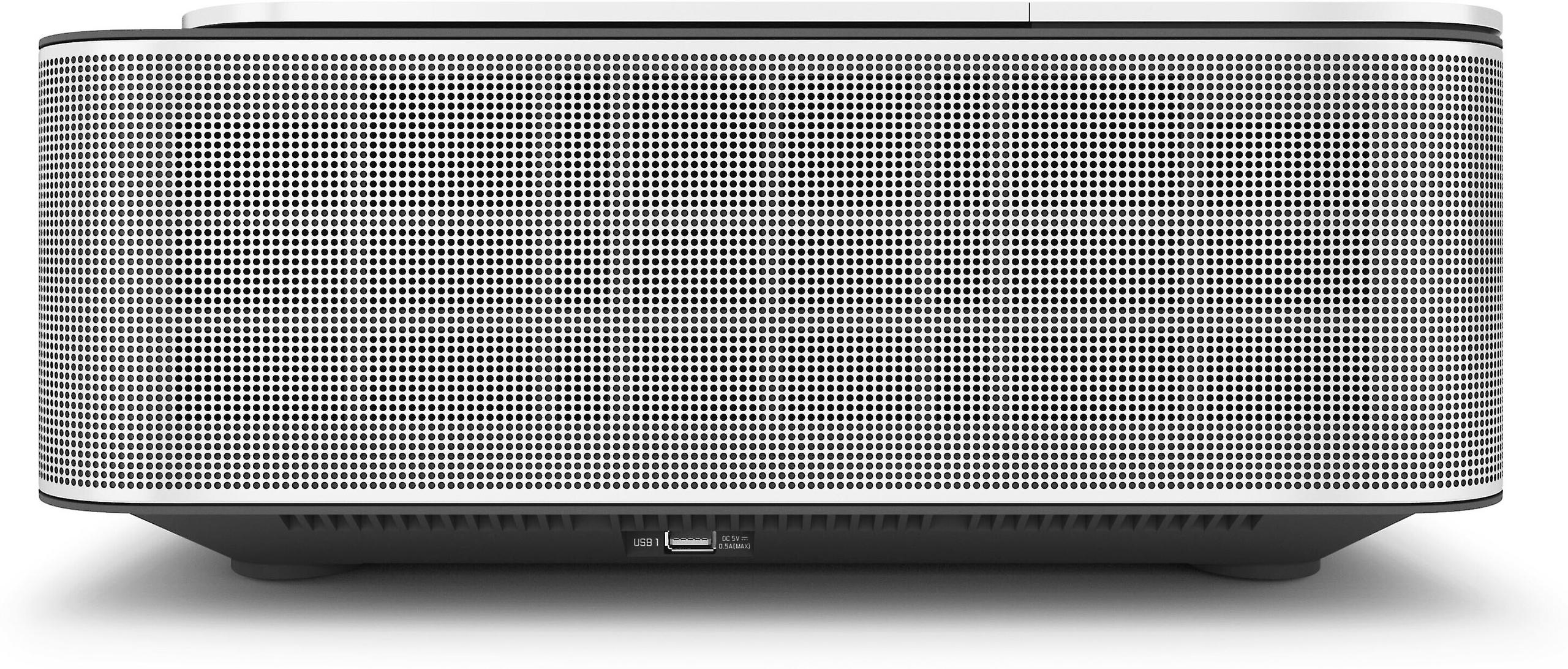
Physical connectivity proves similar: both offer multiple HDMI 2.0+ ports with eARC support for sending audio to soundbars or receivers. The BenQ HT4550i includes comprehensive 3D support for those maintaining 3D movie collections.
Both projectors use solid-state light sources rated for 20,000+ hours—roughly 10-15 years of typical use. This eliminates the lamp replacement costs that plagued earlier projectors, where $300-500 lamp changes every 2-3 years made ownership expensive.
The BenQ HT4550i's 4-LED system provides multiple light modes, allowing users to balance brightness with longevity. SmartEco mode automatically adjusts brightness based on content, potentially extending life beyond rated specifications.
The Leica Cine 1's laser system typically maintains brightness consistency longer than LED solutions, though both technologies far exceed traditional lamp performance.
BenQ has established itself as a major projector manufacturer with comprehensive support networks and regular firmware updates. The company's home theater projector lineup provides clear upgrade paths, and replacement parts remain available for years after discontinuation.
Leica entered the projector market more recently, leveraging their century-plus optical expertise but with less established projector-specific support infrastructure. However, their premium positioning typically ensures excellent customer service experiences.
You're building a dedicated home theater where image quality takes priority over convenience. The superior sharpness from its larger DLP chip, exceptional gaming performance, and outstanding value proposition make it ideal for enthusiasts who can accommodate traditional throw distances. At roughly one-third the price of the Leica, it delivers 90% of the image quality while offering greater installation flexibility.
This projector excels for households where multiple family members game, where the low input lag and high refresh rate support prove valuable. The comprehensive smart TV platform eliminates the need for external streaming devices, simplifying the setup.
Space constraints or aesthetic preferences make ultra-short-throw projection necessary. The convenience of table placement, combined with Leica's premium build quality and superior color accuracy, justifies the significant price premium for buyers prioritizing luxury and convenience over pure performance.
The Dolby Vision support appeals to streaming enthusiasts with premium service subscriptions, while the wider color gamut provides future-proofing as content creators embrace expanded color spaces.
However, factor the ALR screen cost into your budget—the projector's full potential requires this additional investment.
The BenQ HT4550i represents exceptional value for serious home theater enthusiasts, delivering reference-quality images and gaming performance at a competitive price. The Leica Cine 1 targets a different market entirely, offering premium convenience and brand prestige for buyers where budget flexibility allows prioritizing ease of use over pure performance per dollar.
Both projectors excel in their intended applications, but the massive price difference means they rarely compete directly. The BenQ proves that outstanding image quality doesn't require premium pricing, while the Leica demonstrates how installation convenience and luxury positioning can command substantial premiums in the projector market.
For most enthusiasts building dedicated home theaters, the BenQ HT4550i provides the better overall package. For those needing UST convenience or wanting luxury brand positioning, the Leica Cine 1 delivers premium features that justify its cost—assuming the budget accommodates both the projector and necessary ALR screen investment.
| BenQ HT4550i | Leica Cine 1 |
|---|---|
| Price Category - Major factor in decision making | |
| Mid-range enthusiast projector | Premium luxury projector (roughly 3x cost) |
| Technology Type - Determines installation and performance characteristics | |
| Traditional long-throw DLP with 4-LED light source | Ultra-short-throw DLP with triple-RGB laser |
| Resolution & Image Quality - Core viewing experience | |
| 4K UHD via 0.65" DMD pixel shifting (sharper detail) | 4K UHD via 0.47" DMD pixel shifting (smaller chip) |
| Brightness - Critical for ambient light performance | |
| 3,200 ANSI lumens (measured ~1,900 in accurate modes) | 3,000 ANSI lumens (optimized for UST performance) |
| Color Accuracy - Determines how realistic colors appear | |
| 100% DCI-P3, excellent factory calibration (Delta E <2) | 100% BT.2020, exceptional factory calibration (Delta E <1) |
| HDR Support - Future-proofing for premium content | |
| HDR10, HDR10+, HLG with advanced tone mapping | HDR10, HDR10+, HLG, Dolby Vision (premium format) |
| Gaming Performance - Essential for console and PC gaming | |
| Excellent: 17.9ms input lag, supports 240Hz at 1080p | Good: 35.3ms input lag, standard 60Hz refresh |
| Installation Requirements - Space and setup complexity | |
| 10-13 feet throw distance, ceiling mount typical | 14 inches from wall, table placement possible |
| Installation Flexibility - Accommodation for room limitations | |
| High: lens shift, zoom, keystone correction | Low: requires precise alignment, digital correction only |
| Screen Requirements - Additional costs to consider | |
| Works with any screen or white wall ($200-800 screens) | Requires ALR screen for best results ($500-2000+) |
| Light Source Lifespan - Long-term operating costs | |
| 4-LED system: 20,000-30,000 hours | Triple laser: 25,000+ hours |
| Smart Features - Built-in streaming capabilities | |
| Android TV with Netflix 4K, Google Assistant | Google TV, Apple AirPlay 2, built-in TV tuner |
| 3D Support - Bonus feature for existing content | |
| Full HD 3D support (multiple formats) | Not specified in available documentation |
| Physical Size - Storage and portability considerations | |
| Compact and portable (14.55 lbs) | Larger UST design (33.3 lbs) |
| Best For - Target user and use case | |
| Dedicated home theaters, gaming enthusiasts, value seekers | Living rooms, space-constrained setups, luxury buyers |
The BenQ HT4550i is significantly better for gaming with its 17.9ms input lag at 4K and support for 240Hz refresh rates at 1080p. The Leica Cine 1 has higher input lag at 35.3ms, making it less suitable for competitive gaming but adequate for casual play.
The biggest difference is installation approach: the BenQ HT4550i is a traditional projector requiring 10-13 feet of space, while the Leica Cine 1 is an ultra-short-throw model that sits just 14 inches from your wall to create large images.
Both deliver excellent 4K image quality, but the BenQ HT4550i has advantages in sharpness due to its larger 0.65" DLP chip. The Leica Cine 1 excels in color accuracy with superior factory calibration and wider BT.2020 color gamut coverage.
The BenQ HT4550i works well with any white wall or standard projection screen. The Leica Cine 1 requires an ambient light rejecting (ALR) screen for optimal performance, which adds significant cost to your setup.
The BenQ HT4550i rates at 3,200 ANSI lumens while the Leica Cine 1 delivers 3,000 ANSI lumens. Both provide sufficient brightness for most viewing environments, though the BenQ has a slight edge in total light output.
The Leica Cine 1 handles ambient light better when paired with an ALR screen, making it more suitable for living room use. The BenQ HT4550i performs best in darker, dedicated home theater environments with controlled lighting.
The BenQ HT4550i provides exceptional value with professional-grade image quality at roughly one-third the cost of the Leica Cine 1. The premium you pay for the Leica is primarily for ultra-short-throw convenience and luxury branding.
The BenQ HT4550i includes Android TV with Netflix 4K HDR support and comprehensive app selection. The Leica Cine 1 offers Google TV platform with Apple AirPlay 2 compatibility for broader device integration.
The Leica Cine 1 is much easier to install since it sits on a table or cabinet near your wall. The BenQ HT4550i typically requires ceiling mounting and precise distance calculations, though it offers more placement flexibility once installed.
Both support HDR10, HDR10+, and HLG formats. The Leica Cine 1 additionally supports Dolby Vision, the premium HDR format used by Netflix and other streaming services. The BenQ HT4550i uses advanced HDR-PRO tone mapping for excellent HDR performance.
The BenQ HT4550i's 4-LED system lasts 20,000-30,000 hours depending on usage mode. The Leica Cine 1's laser light source is rated for 25,000+ hours. Both eliminate the need for expensive lamp replacements common in older projectors.
For dedicated home theaters, the BenQ HT4550i is typically the better choice due to superior image sharpness, excellent gaming performance, and outstanding value. Choose the Leica Cine 1 only if space constraints require ultra-short-throw installation or you prioritize luxury branding over performance per dollar.
We've done our best to create useful and informative comparisons to help you decide what product to buy. Our research uses advanced automated methods to create this comparison and perfection is not possible - please contact us for corrections or questions. These are the sites we've researched in the creation of this article: projectorcentral.com - benq.com - rtings.com - youtube.com - soundandvision.com - rtings.com - hometheaterhifi.com - projectorscreen.com - projectorreviews.com - projectorscreen.com - youtube.com - rtings.com - projectorscreen.com - versus.com - youtube.com - projectorcentral.com - snapav.com - benq.com - benq.com - trustedreviews.com - leicacamerausa.com - hometechnologyreview.com - projectorreviews.com - richersounds.com - whathifi.com - crutchfield.com - projectorcentral.com - cdn11.bigcommerce.com - leicarumors.com - leica-camera.com

Privacy Policy
Terms and Conditions - Affiliate Policy
Home Security
© Copyright 2008-2026.
11816 Inwood Rd #1211, Dallas, TX 75244