

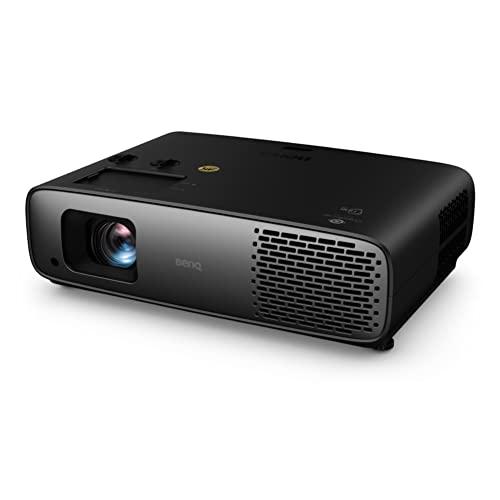
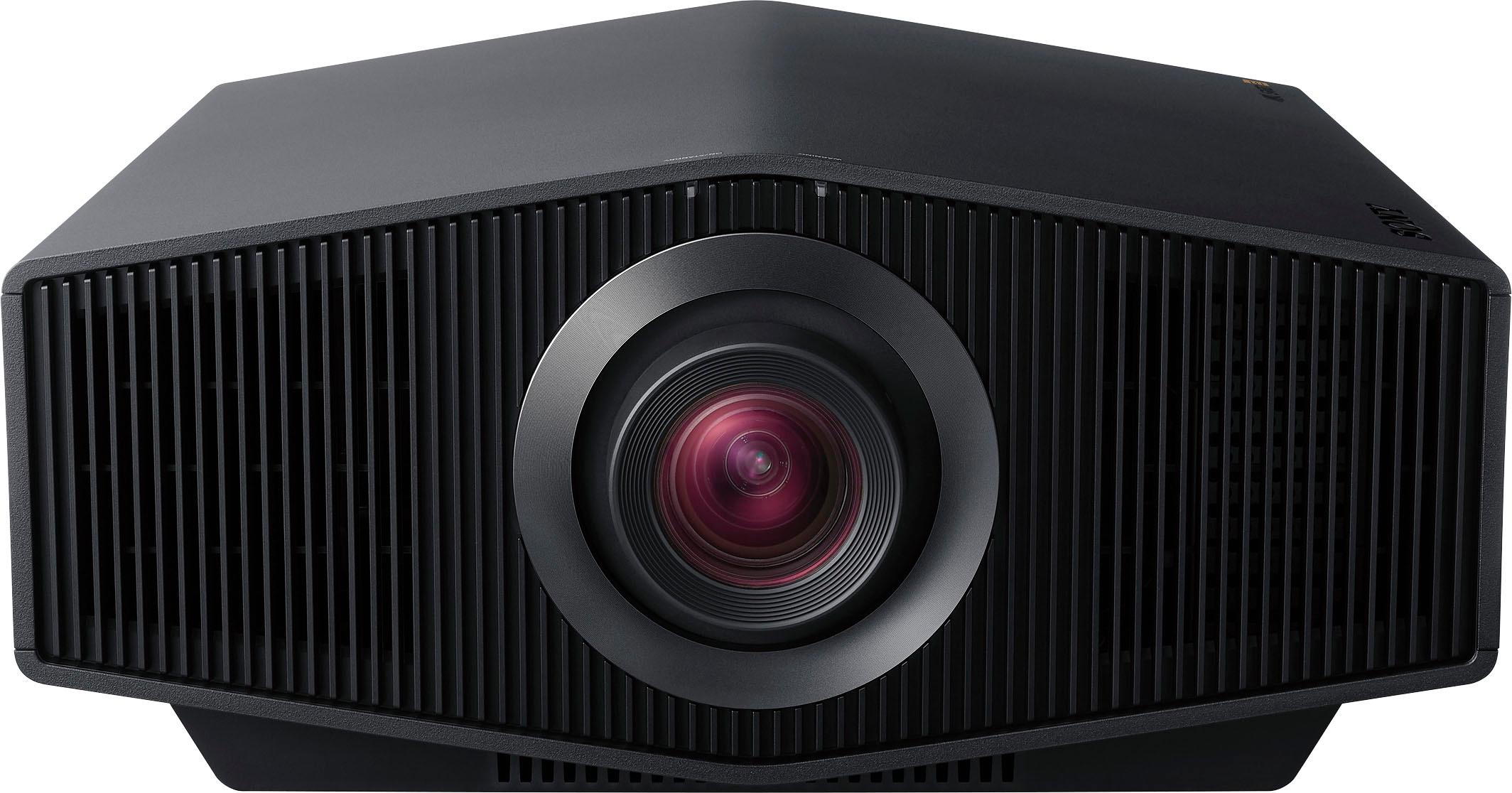
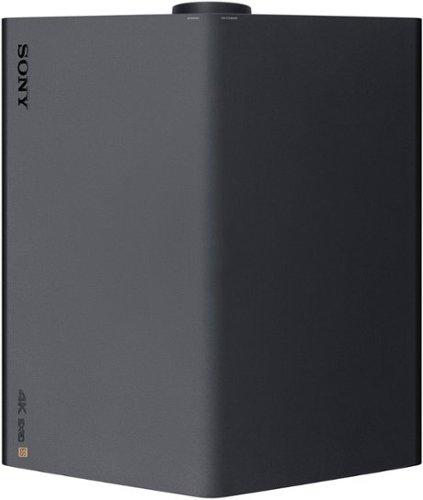
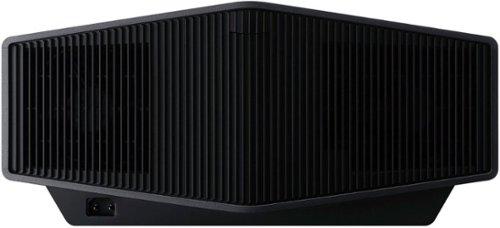
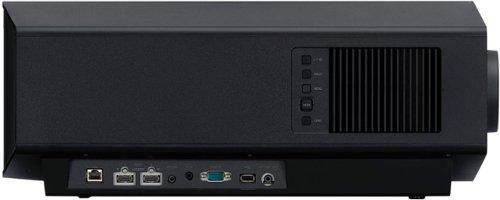
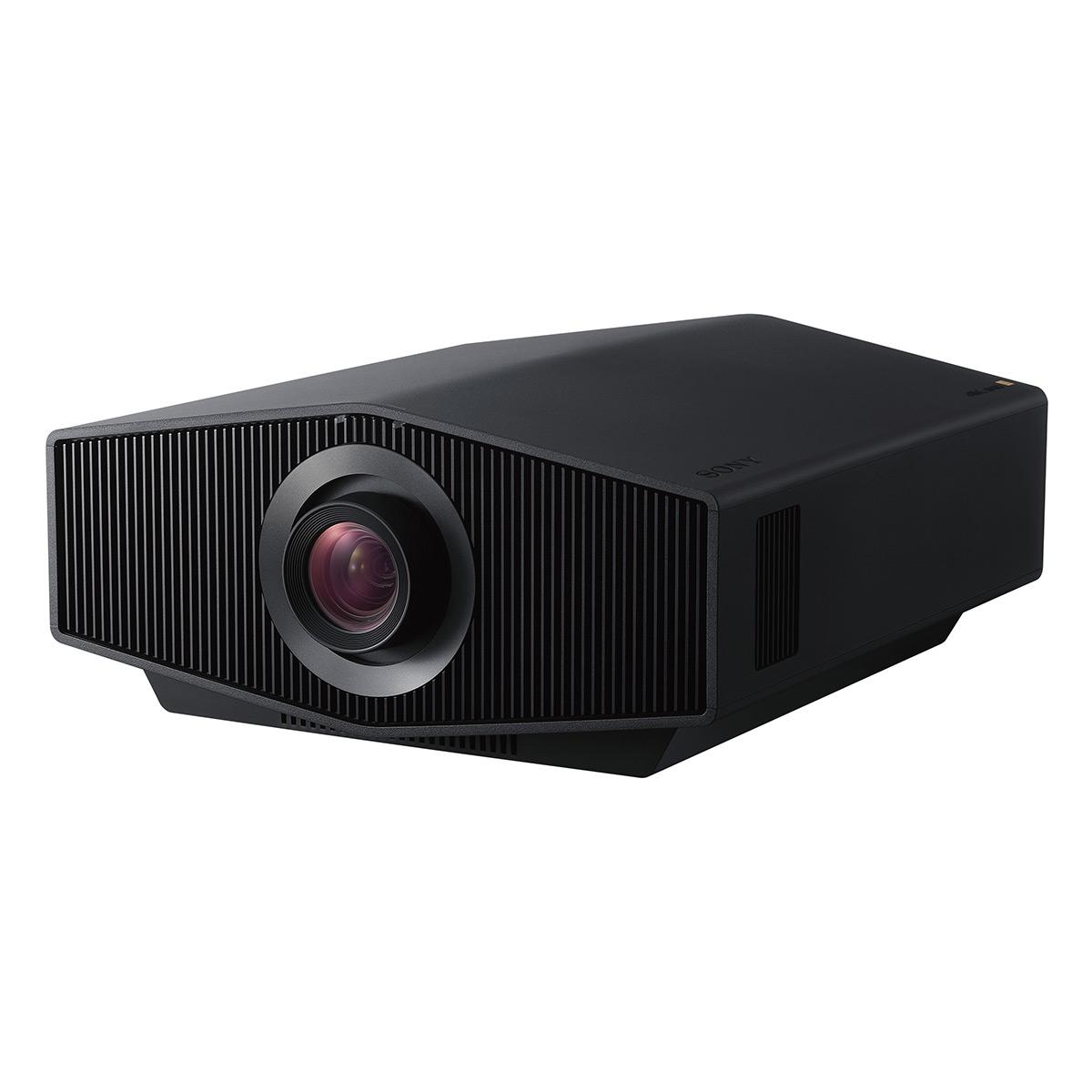
The home theater projector market has evolved dramatically over the past few years, with manufacturers pushing boundaries in brightness, color accuracy, and smart features. Two standout models that exemplify this evolution are the BenQ HT4550i, released in 2023, and the Sony VPL-XW7000ES, which hit the market in 2022. While both target serious home theater enthusiasts, they take notably different approaches to delivering that coveted cinematic experience.
Before diving into the specifics, it's worth understanding what sets premium home theater projectors apart from their business or portable counterparts. These projectors prioritize image quality above all else, focusing on accurate color reproduction, deep contrast ratios, and HDR (High Dynamic Range) performance that can rival high-end televisions.
The key factors that matter most in this category include native contrast ratio—essentially how well the projector can display pure blacks alongside bright whites—color gamut coverage, which determines how vivid and accurate colors appear, and HDR performance, which controls how well the projector handles the brightest highlights and darkest shadows in modern content.
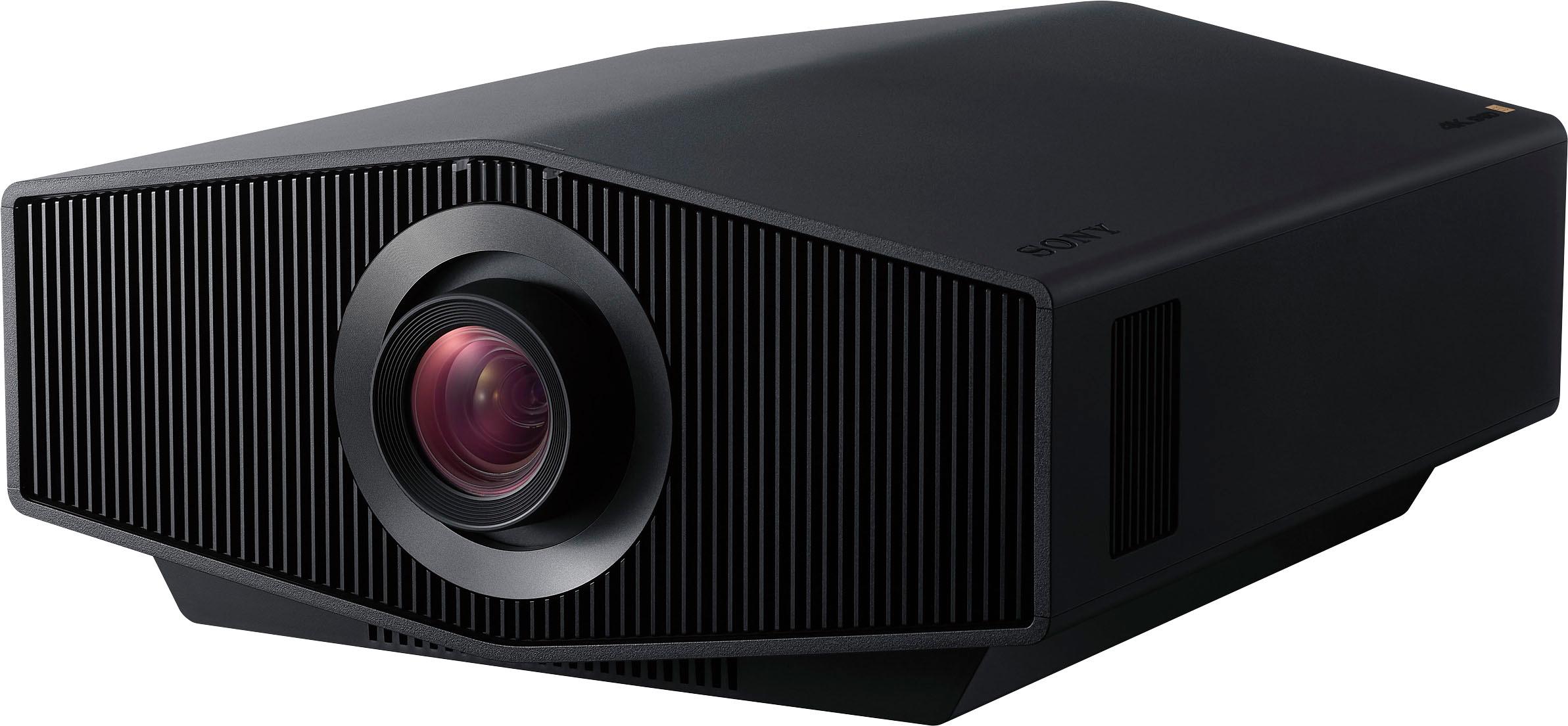
The fundamental difference between these projectors lies in their display technologies. The BenQ HT4550i uses a single-chip DLP (Digital Light Processing) system, while the Sony VPL-XW7000ES employs Sony's SXRD panels, which are a variant of LCoS (Liquid Crystal on Silicon) technology.
DLP technology works by using millions of tiny mirrors that tilt to reflect light toward or away from the lens. It's known for sharp images and excellent motion handling, but traditionally struggles with contrast ratios. The BenQ HT4550i uses a 0.65-inch DMD (Digital Micromirror Device) with XPR pixel-shifting technology, which takes a native 1080p resolution and rapidly shifts pixels to create a 4K image. While not "true" 4K, this pixel-shifting approach produces noticeably sharper images than standard 1080p projectors.
Sony's SXRD technology is fundamentally different. It uses reflective liquid crystal panels that modulate light by twisting liquid crystals. This approach allows for true native 4K resolution—all 8.3 million pixels are physically present on the panel. SXRD panels excel at producing deep blacks because they can completely block light, giving them a theoretical infinite contrast ratio.
Perhaps the most significant technological advancement in recent projector design involves light sources. Both models have moved away from traditional UHP lamps, but they've chosen different paths.
The BenQ HT4550i features a 4LED system—using separate red, green, blue, and white LEDs. This approach eliminates the color wheel found in traditional DLP projectors, reducing the rainbow effect some viewers notice and allowing for more accurate color reproduction. The 4LED system is rated for 20,000 to 30,000 hours of operation depending on the brightness mode used.
The Sony VPL-XW7000ES uses a laser light source with Z-Phosphor technology. Laser projectors have become increasingly popular because they maintain consistent brightness throughout their lifespan and offer excellent color purity. Sony's implementation provides approximately 20,000 hours of operation with minimal maintenance required.
Both light sources represent a major improvement over lamp-based projectors, eliminating the need for expensive lamp replacements every 3,000-5,000 hours. This significantly reduces the total cost of ownership over the projector's lifetime.
Both projectors are rated at 3,200 lumens, but real-world performance tells a more nuanced story. Our research into user experiences and professional reviews suggests the BenQ HT4550i delivers approximately 1,800-1,900 lumens in its most color-accurate modes, while the Sony VPL-XW7000ES can achieve around 200 nits on a 150-inch screen, which translates to impressive brightness levels for large screen applications.
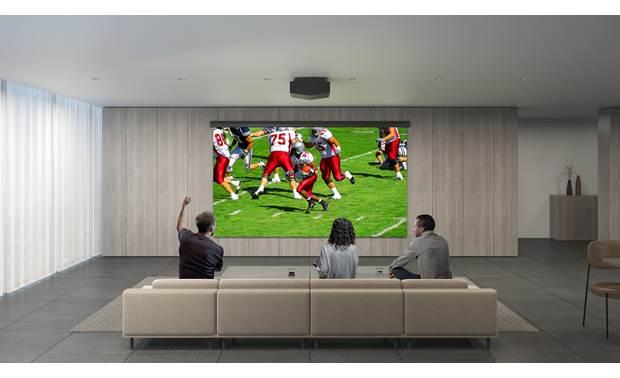
This brightness level makes both projectors suitable for moderately lit rooms, especially when paired with an ambient light-rejecting (ALR) screen. However, the Sony VPL-XW7000ES seems better optimized for larger screen sizes—think 120 inches and beyond—where its superior contrast ratio becomes more apparent.
For dedicated home theater rooms where you can control ambient light, both projectors will perform excellently. The BenQ HT4550i might actually be preferable in multi-purpose family rooms where complete darkness isn't always possible, thanks to its slightly more flexible brightness characteristics.
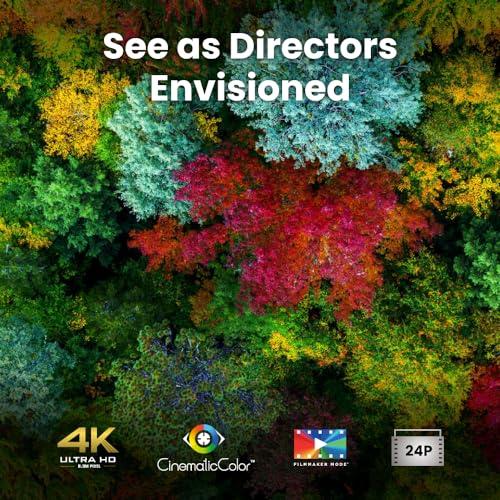
Color performance is where these projectors truly differentiate themselves. The BenQ HT4550i covers 100% of the DCI-P3 color space, which is the standard used in digital cinema. This wide color gamut coverage is remarkable at its price point—many projectors costing significantly more struggle to achieve complete DCI-P3 coverage.
DCI-P3 encompasses a much wider range of colors than the older Rec.709 standard used for standard dynamic range content. When watching modern 4K movies with HDR, this translates to more vibrant reds, deeper greens, and more nuanced color gradations throughout the spectrum.
The Sony VPL-XW7000ES covers 95% of DCI-P3, which is still excellent but slightly less comprehensive. However, Sony compensates with sophisticated color processing through their Triluminos Pro technology and X1 Ultimate processor, which analyzes individual objects on screen and optimizes their color presentation in real-time.
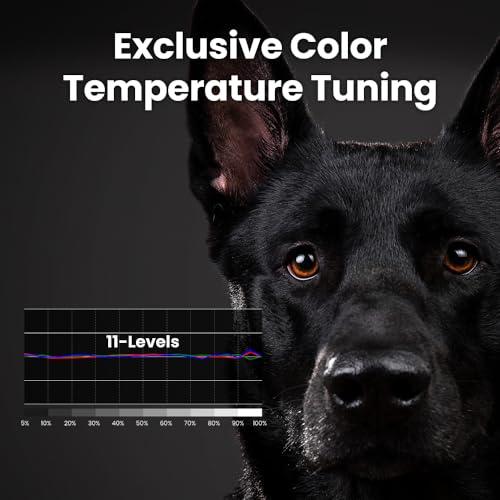
Both projectors arrive well-calibrated from the factory. The BenQ HT4550i includes individual calibration reports ensuring Delta E values (a measure of color accuracy) below 2, meaning most users won't need professional calibration. Professional reviews consistently praise Sony's color accuracy as well, with the projector achieving extremely low Delta E values across both grayscale and color measurements.
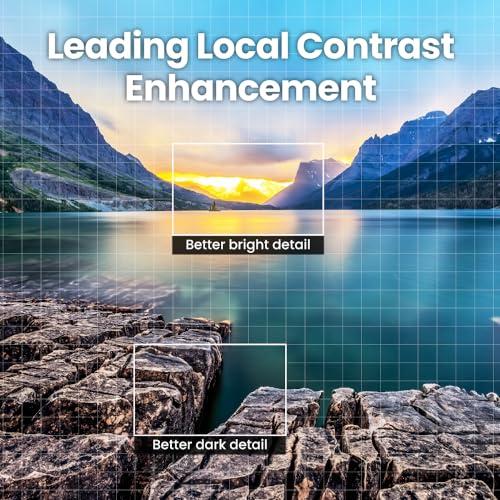
Contrast ratio represents the biggest performance gap between these projectors. The BenQ HT4550i, being a DLP projector, achieves native contrast ratios around 900-1,140:1—typical for single-chip DLP technology. BenQ has implemented several technologies to compensate for this limitation, including a Local Contrast Enhancer that divides the image into over 1,000 zones and adjusts brightness dynamically.
The Sony VPL-XW7000ES leverages SXRD's inherent advantage, achieving what Sony claims is infinite contrast. In practical terms, this means significantly deeper blacks and more convincing shadow detail, especially in very dark scenes. The difference is most apparent when watching content in a darkened room—star fields look truly black, not dark gray, and shadow details in dark scenes remain visible without looking washed out.
This contrast advantage gives Sony a significant edge for traditional home theater applications where you're watching movies in a dedicated, darkened room. The BenQ HT4550i performs admirably but simply cannot match the deep blacks that SXRD technology provides.
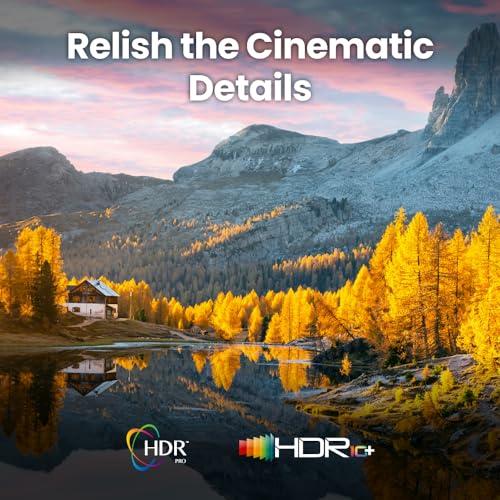
Both projectors support modern HDR formats including HDR10, HDR10+, and HLG (Hybrid Log-Gamma), but they handle HDR content differently. The BenQ HT4550i uses HDR-PRO technology with advanced tone mapping that analyzes HDR content and optimizes it for the projector's brightness capabilities. The multi-zone processing works in conjunction with the Local Contrast Enhancer to create convincing HDR imagery despite the inherent limitations of DLP contrast.
The Sony VPL-XW7000ES employs Object-Based HDR Remaster, which identifies individual objects in each frame and processes them separately. Combined with Dynamic HDR Enhancer that can adjust laser output in real-time, Sony creates HDR presentations that many reviewers describe as reference-quality.
In practice, both projectors handle HDR content well, but the Sony's superior native contrast gives it a noticeable advantage in scenes with both very bright highlights and deep shadows—exactly where HDR content is designed to excel.
Gaming has become an increasingly important consideration for projector buyers, especially with the popularity of large-screen gaming. The BenQ HT4550i excels in this area, offering input lag as low as 8.7 milliseconds at 1080p resolution running at 240Hz refresh rate. At 4K resolution and 60Hz, input lag measures approximately 17.9 milliseconds, which is excellent for a 4K projector.
The Sony VPL-XW7000ES offers respectable gaming performance with input lag under 21 milliseconds for 4K content at 60Hz and under 13 milliseconds for 2K content at 120Hz. While good, it doesn't quite match the BenQ HT4550i for competitive gaming applications.
For context, anything under 20 milliseconds is generally considered excellent for projectors, and both models perform well enough for serious gaming. However, competitive gamers who prioritize response time above all else will prefer the BenQ's performance.
Installation flexibility often determines which projector works best in real-world scenarios. The Sony VPL-XW7000ES offers significantly more mounting options with its 2.1x motorized zoom lens and extensive lens shift capabilities—vertical adjustment of ±85% and horizontal adjustment of ±36%. This flexibility means you can place the projector in more locations while maintaining proper image geometry.
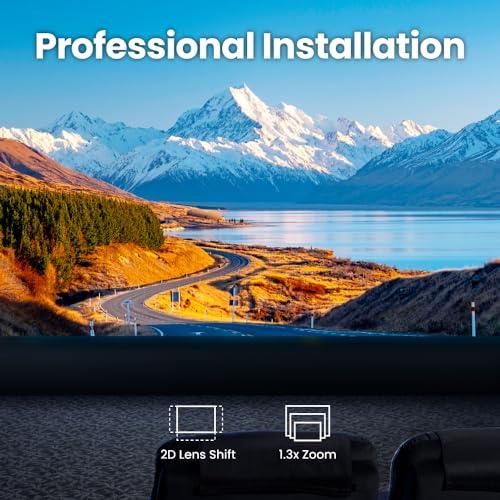
The BenQ HT4550i provides more modest flexibility with 1.3x manual zoom and lens shift limited to 0-60% vertical and ±15% horizontal adjustment. While adequate for many installations, it requires more precise projector placement to achieve optimal results.
For custom installation environments or situations where the projector must be placed in non-ideal locations, Sony's superior lens flexibility provides significant value. However, for straightforward ceiling or shelf mounting, the BenQ's capabilities are generally sufficient.
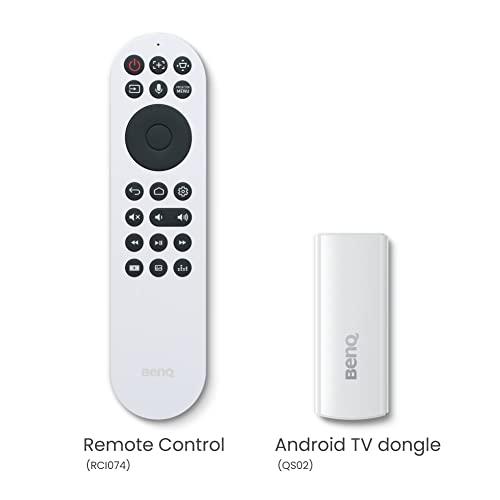
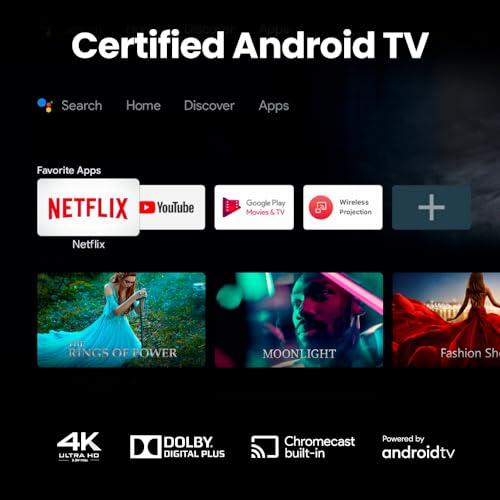
Modern projector buyers increasingly expect smart features, and this is where the BenQ HT4550i takes a commanding lead. It includes certified Android TV functionality with access to major streaming services, including Netflix in full 4K HDR—a rarity among projectors. Google Assistant integration allows voice control, and the system supports over 700,000 movies and TV shows through various streaming platforms.
The Sony VPL-XW7000ES takes a more traditional approach, focusing purely on projection performance without built-in streaming capabilities. This means you'll need external streaming devices like Apple TV, NVIDIA Shield, or gaming consoles to access content services.
For many users, the BenQ's integrated approach eliminates cable clutter and simplifies the overall system. However, some enthusiasts prefer Sony's approach, arguing that dedicated external streaming devices often provide better performance and more frequent updates.
At the time of writing, these projectors occupy different price segments, with the BenQ HT4550i positioned as a premium value option while the Sony VPL-XW7000ES commands a significant premium for its superior performance characteristics.
The BenQ HT4550i represents exceptional value for users seeking wide color gamut performance, gaming capabilities, and smart features in a single package. It's particularly well-suited for multi-purpose entertainment rooms where versatility matters as much as image quality.
The Sony VPL-XW7000ES justifies its premium pricing through superior contrast performance, installation flexibility, and reference-quality image reproduction. It's the clear choice for dedicated home theaters where image quality is paramount and budget is less constraining.
Choose the BenQ HT4550i if you want a feature-rich projector that excels at gaming, includes comprehensive smart features, and delivers impressive color performance at a more accessible price point. It's ideal for family entertainment rooms and users who value convenience and versatility.
Select the Sony VPL-XW7000ES if you're building a dedicated home theater, plan to use screens larger than 120 inches, or prioritize the deepest possible blacks and most film-accurate contrast. The superior installation flexibility also makes it preferable for challenging mounting situations.
Both projectors represent the current state-of-the-art in their respective approaches to home theater projection. Your choice ultimately depends on whether you prioritize the BenQ HT4550i's versatility and value or the Sony VPL-XW7000ES's uncompromising image quality and installation flexibility. Either way, you'll be getting a projector that delivers a genuinely cinematic experience that rivals the best home theaters.
| BenQ HT4550i 4K HDR LED Home Theater Projector | Sony VPL-XW7000ES 4K SXRD Laser Home Cinema Projector |
|---|---|
| Display Technology - Determines image sharpness and contrast capabilities | |
| Single-chip DLP with XPR pixel shifting (enhanced 1080p to 4K) | Native 4K SXRD panels (true 8.3 million pixels) |
| Light Source - Affects color accuracy, maintenance, and lifespan | |
| 4LED system (Red, Green, Blue, White LEDs) | Laser with Z-Phosphor technology |
| Brightness - Critical for room lighting compatibility | |
| 3,200 lumens rated (~1,800-1,900 in accurate modes) | 3,200 lumens rated (optimized for large screens) |
| Native Contrast Ratio - Most important for deep blacks and shadow detail | |
| ~900-1,140:1 (typical DLP limitation) | ∞:1 (SXRD advantage for true blacks) |
| Color Gamut Coverage - Determines color vibrancy and accuracy | |
| 100% DCI-P3 (exceptional at this price point) | 95% DCI-P3 with Triluminos Pro processing |
| HDR Processing - How well bright highlights and dark shadows are handled | |
| HDR-PRO with 1,000+ zone Local Contrast Enhancer | Object-Based HDR Remaster with Dynamic HDR Enhancer |
| Gaming Performance - Input lag for responsive gaming | |
| 8.7ms at 1080p@240Hz, 17.9ms at 4K@60Hz (excellent) | <21ms at 4K@60Hz, <13ms at 2K@120Hz (good) |
| Lens Flexibility - Installation placement options | |
| 1.3x manual zoom, limited lens shift (±15% H, 0-60% V) | 2.1x motorized zoom, extensive lens shift (±36% H, ±85% V) |
| Smart Features - Built-in streaming and connectivity | |
| Android TV 11.0 with Netflix 4K HDR support | No built-in streaming (requires external devices) |
| Light Source Life - Maintenance-free operation period | |
| 20,000-30,000 hours (mode dependent) | 20,000 hours laser life |
| HDMI Connectivity - Modern device compatibility | |
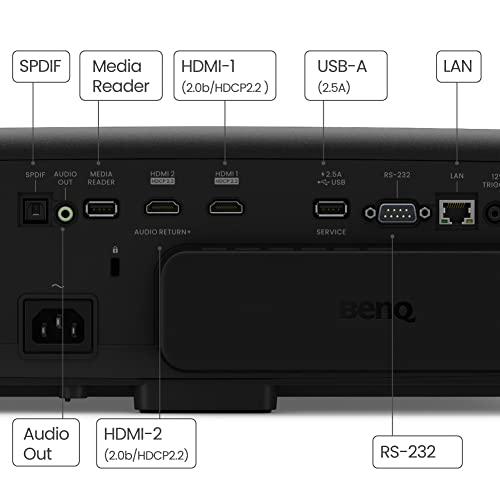
| 3x HDMI 2.0b ports (one with eARC) | 2x HDMI 2.0 ports |
| Best For - Ideal use scenarios | |
| Multi-purpose rooms, gaming, smart features, value seekers | Dedicated theaters, large screens (120"+), contrast priority |
The Sony VPL-XW7000ES delivers superior picture quality for dedicated home theaters due to its native 4K SXRD panels and infinite contrast ratio. It produces true blacks and exceptional shadow detail that the BenQ HT4550i cannot match despite its excellent color accuracy and 100% DCI-P3 coverage.
The BenQ HT4550i uses DLP technology with millions of tiny mirrors and pixel shifting to create 4K images, while the Sony VPL-XW7000ES uses SXRD (reflective liquid crystal) panels for true native 4K resolution. SXRD provides better contrast and deeper blacks, while DLP offers sharp motion and eliminates rainbow effects with its 4LED system.
The BenQ HT4550i is significantly better for gaming with input lag as low as 8.7ms at 1080p@240Hz and 17.9ms at 4K@60Hz. The Sony VPL-XW7000ES offers decent gaming performance at under 21ms for 4K content, but competitive gamers will prefer the BenQ's faster response times.
Both projectors handle moderately lit rooms well with their 3,200-lumen rating, but work best with controlled lighting. The BenQ HT4550i may be slightly more versatile for multi-purpose family rooms, while the Sony VPL-XW7000ES excels in dedicated theater environments with its superior contrast performance.
The BenQ HT4550i dominates with built-in Android TV 11.0, Netflix 4K HDR support, Google Assistant, and comprehensive streaming apps. The Sony VPL-XW7000ES has no built-in streaming capabilities and requires external devices like Apple TV or gaming consoles for content access.
The Sony VPL-XW7000ES offers superior installation flexibility with 2.1x motorized zoom and extensive lens shift (±85% vertical, ±36% horizontal). The BenQ HT4550i provides more basic options with 1.3x manual zoom and limited lens shift, requiring more precise placement for optimal results.
The BenQ HT4550i provides exceptional value with its wide color gamut, smart features, gaming performance, and 4LED technology at a more accessible price point. The Sony VPL-XW7000ES commands a premium but justifies it with reference-quality contrast and superior installation flexibility for dedicated home theaters.
Both projectors eliminate lamp replacement costs with solid-state light sources. The BenQ HT4550i uses a 4LED system lasting 20,000-30,000 hours, while the Sony VPL-XW7000ES features a laser light source rated for 20,000 hours. Both offer virtually maintenance-free operation throughout their lifespan.
The Sony VPL-XW7000ES handles HDR content better due to its superior native contrast ratio and Object-Based HDR Remaster technology. While the BenQ HT4550i offers impressive HDR performance with its HDR-PRO processing and 1,000+ zone enhancement, it cannot match Sony's deep blacks for true HDR impact.
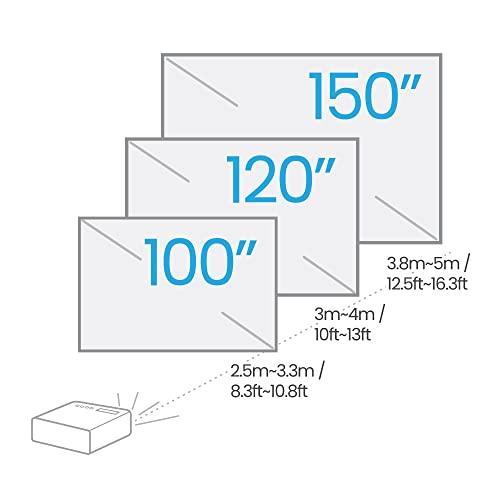
The BenQ HT4550i works well with screens from 100-150 inches in most home environments. The Sony VPL-XW7000ES excels with larger screens of 120+ inches where its superior contrast becomes more apparent and its higher light output can maintain brightness across bigger displays.
For pure movie watching, the Sony VPL-XW7000ES is superior due to its native 4K resolution, infinite contrast ratio, and reference-quality image reproduction. However, the BenQ HT4550i offers excellent movie performance with wider color gamut coverage and integrated streaming, making it more convenient for casual movie nights.
The BenQ HT4550i provides more comprehensive connectivity with 3x HDMI 2.0b ports (including eARC), USB ports, and wireless capabilities for its Android TV platform. The Sony VPL-XW7000ES offers 2x HDMI 2.0 ports and focuses on pure projection performance rather than extensive connectivity options.
We've done our best to create useful and informative comparisons to help you decide what product to buy. Our research uses advanced automated methods to create this comparison and perfection is not possible - please contact us for corrections or questions. These are the sites we've researched in the creation of this article: projectorcentral.com - benq.com - rtings.com - youtube.com - soundandvision.com - rtings.com - hometheaterhifi.com - projectorscreen.com - projectorreviews.com - projectorscreen.com - youtube.com - rtings.com - projectorscreen.com - versus.com - youtube.com - projectorcentral.com - snapav.com - benq.com - benq.com - whathifi.com - electronics.sony.com - us.puretheatre.com - pro.sony - stereonet.com - pro.sony - valueelectronics.com - projectorreviews.com - pro.sony - leisuretheory.com

Privacy Policy
Terms and Conditions - Affiliate Policy
Home Security
© Copyright 2008-2026.
11816 Inwood Rd #1211, Dallas, TX 75244