

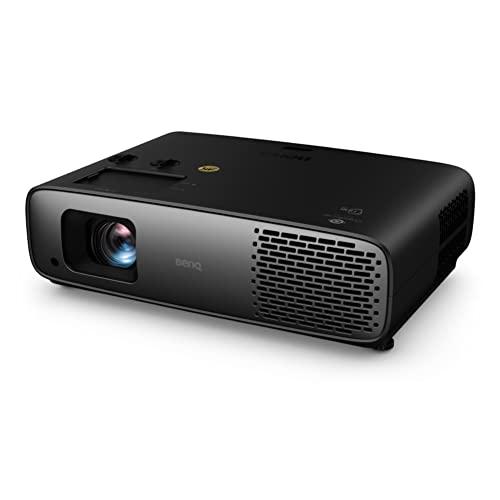
When it comes to creating that dream home theater experience, projectors have become the go-to choice for anyone wanting truly massive screens without the eye-watering price tag of a 100+ inch TV. But choosing between different projector technologies can feel overwhelming, especially when you're comparing two fundamentally different approaches like the BenQ HT4550i and the Samsung Premiere 9.
Released in 2023, these projectors represent two distinct philosophies in home theater design. The BenQ HT4550i follows the traditional projector playbook—exceptional picture quality at a reasonable price point for dedicated theater rooms. Meanwhile, the Samsung Premiere 9 breaks the mold entirely with ultra-short throw technology that lets you enjoy massive screens in spaces where traditional projectors simply won't work.
At the time of writing, there's roughly a $3,000 price difference between these models, with the Samsung commanding a significant premium. But before you assume more expensive equals better, let's dive into what each projector actually delivers and who should choose what.
The projector world has undergone massive changes in recent years. Gone are the days when you'd need to replace expensive bulbs every couple of years. Both the BenQ HT4550i and Samsung Premiere 9 use advanced light sources—LED and laser respectively—that can run for 20,000 to 30,000 hours. That's roughly a decade of typical use without any maintenance.
But the real revolution has been in brightness and color accuracy. These aren't your dad's dim projectors that required a cave-dark room. Modern units can produce images bright enough for living rooms with ambient light, while delivering color accuracy that rivals premium TVs.
The BenQ HT4550i uses what's called a 4-LED light source, combining red, green, blue, and white LEDs to create its image. This approach eliminates the rainbow effect that some people notice with traditional single-chip projectors—those brief flashes of color that appear when you move your eyes quickly across the screen.
The Samsung Premiere 9 takes a different approach with RGB laser technology. Each primary color (red, green, blue) gets its own dedicated laser, creating incredibly pure colors and eliminating rainbow artifacts entirely. Laser systems also tend to maintain their brightness and color accuracy better over time compared to other technologies.
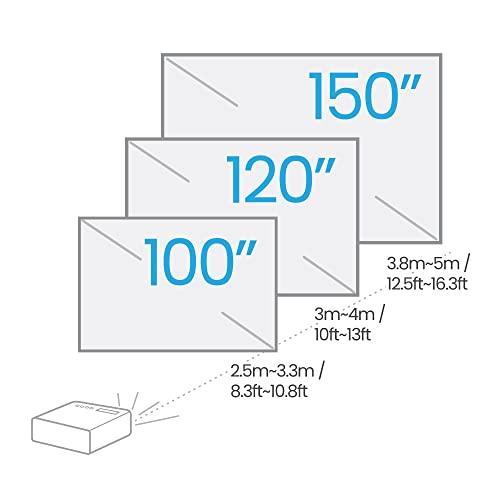
Here's where these projectors diverge dramatically. The BenQ HT4550i is a traditional throw projector, meaning it needs to sit 6-15 feet away from your screen to create a 100-150 inch image. This requires either ceiling mounting or a rear shelf setup, along with running cables across your room.
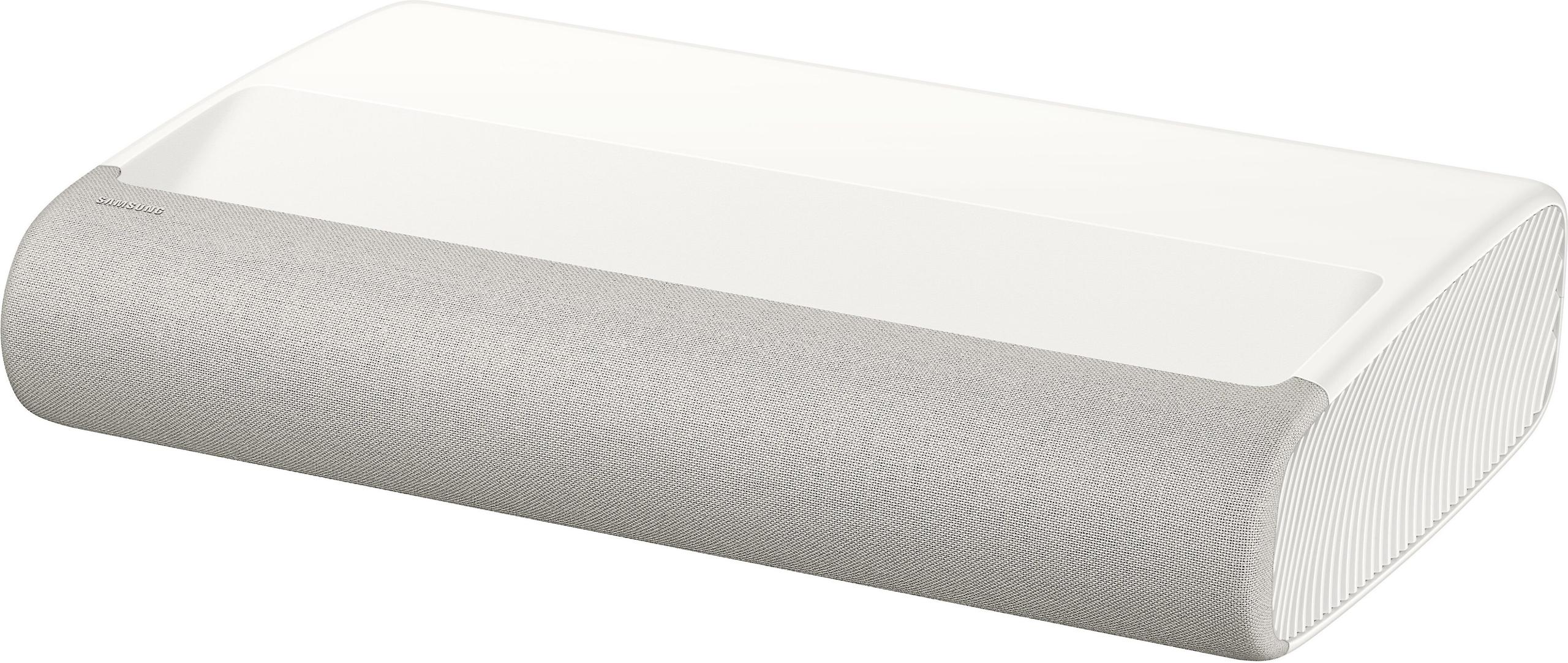
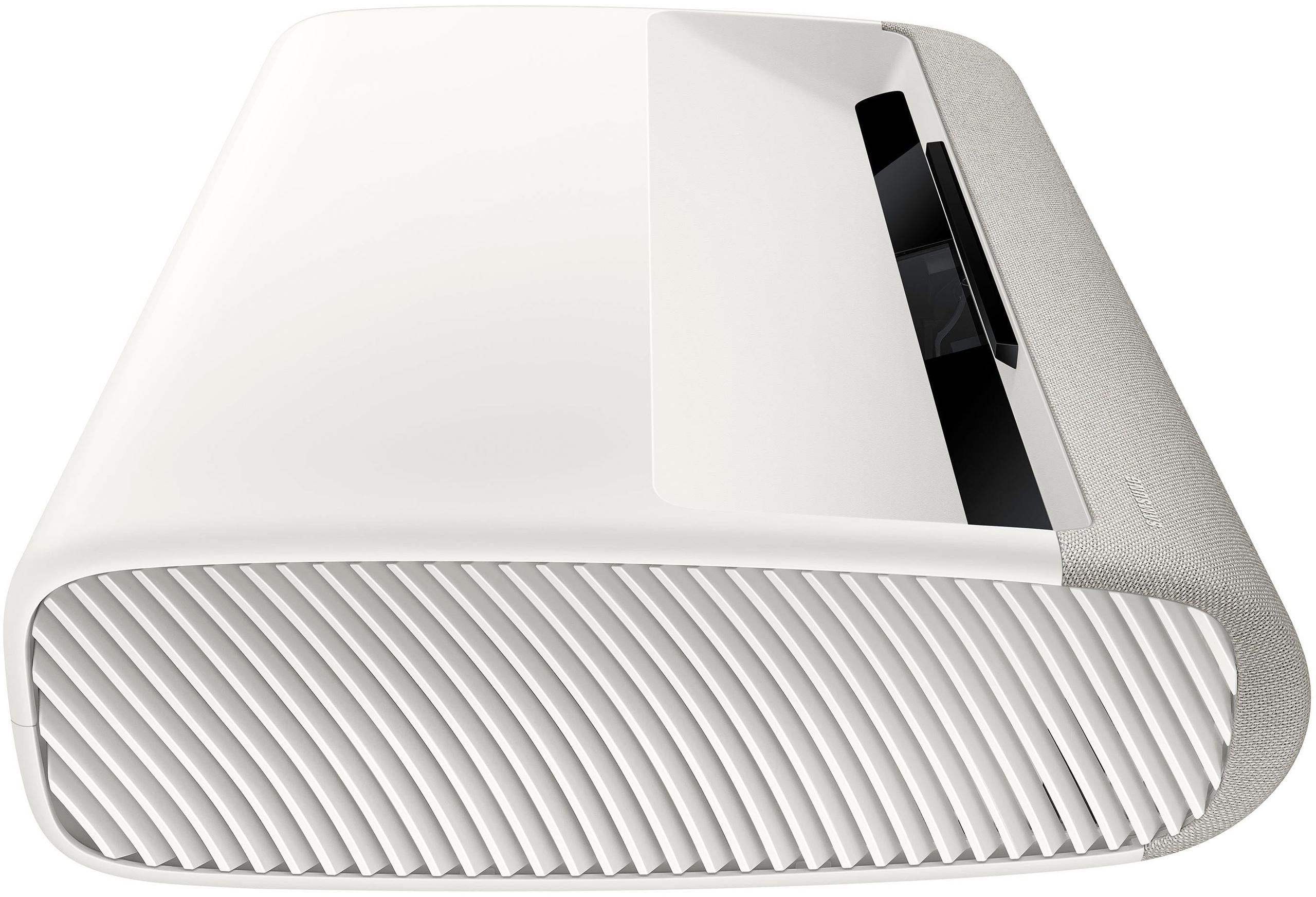
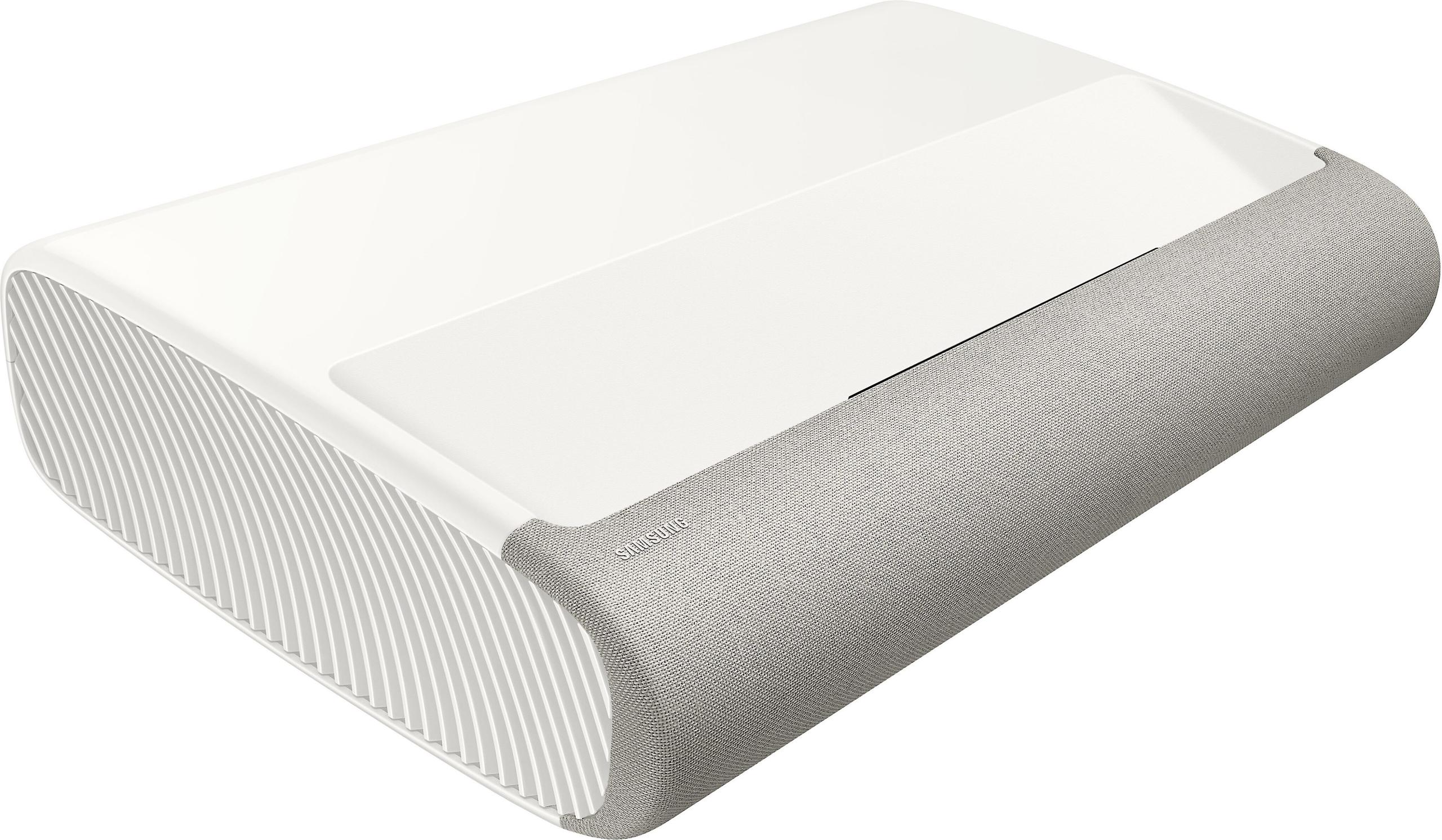
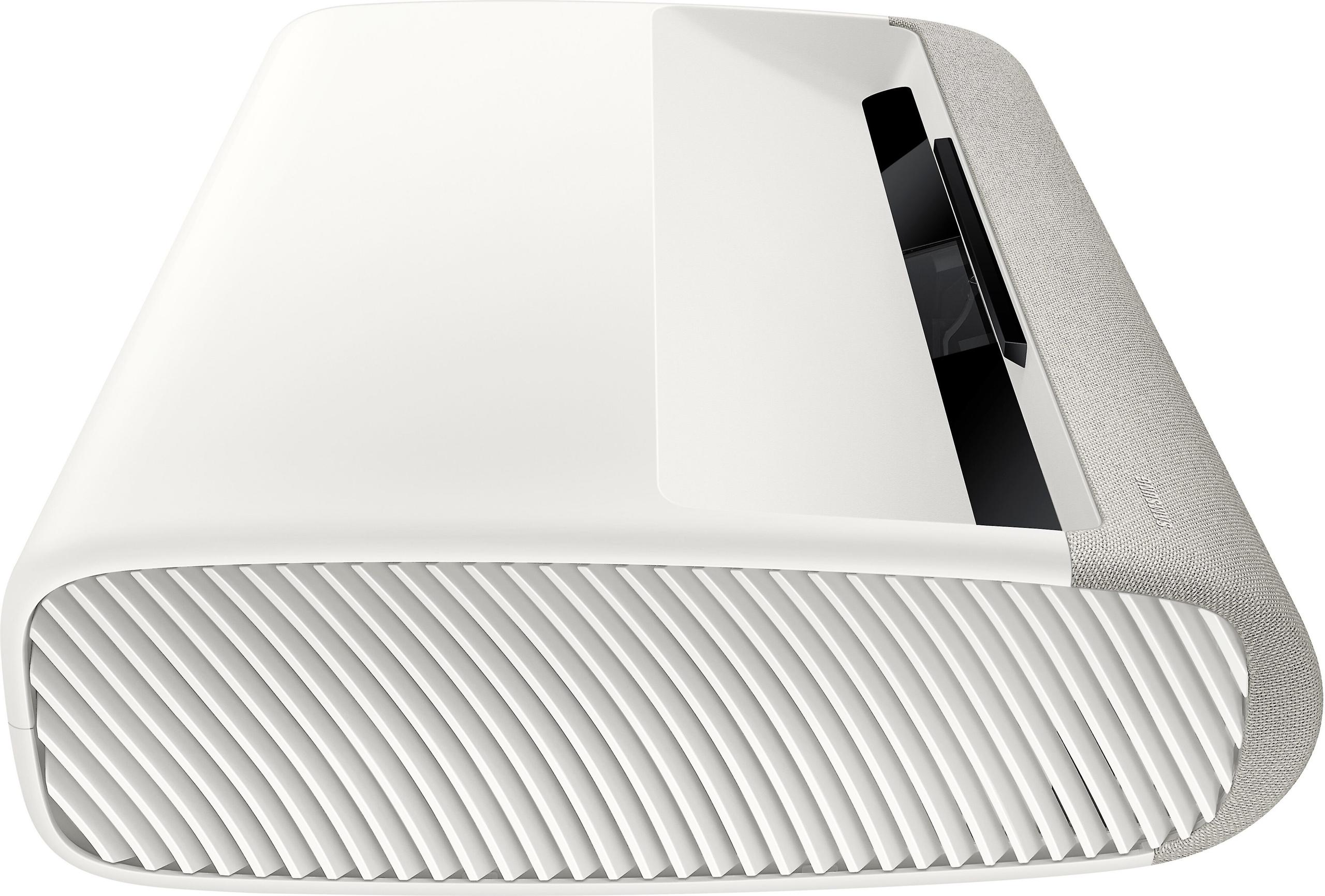
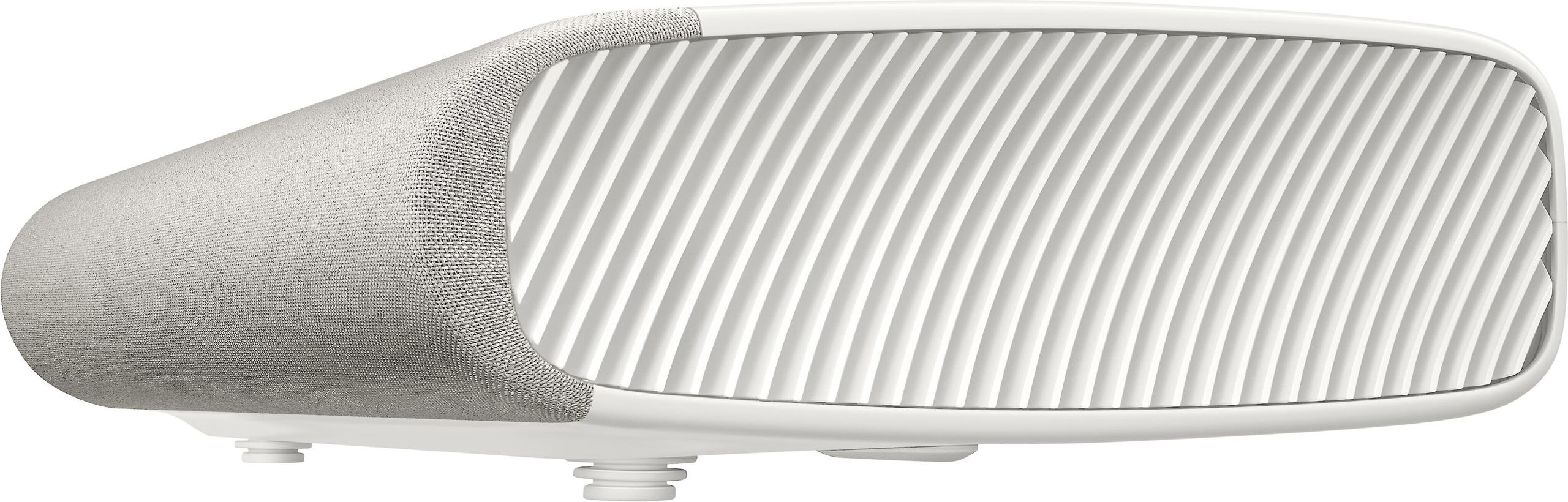
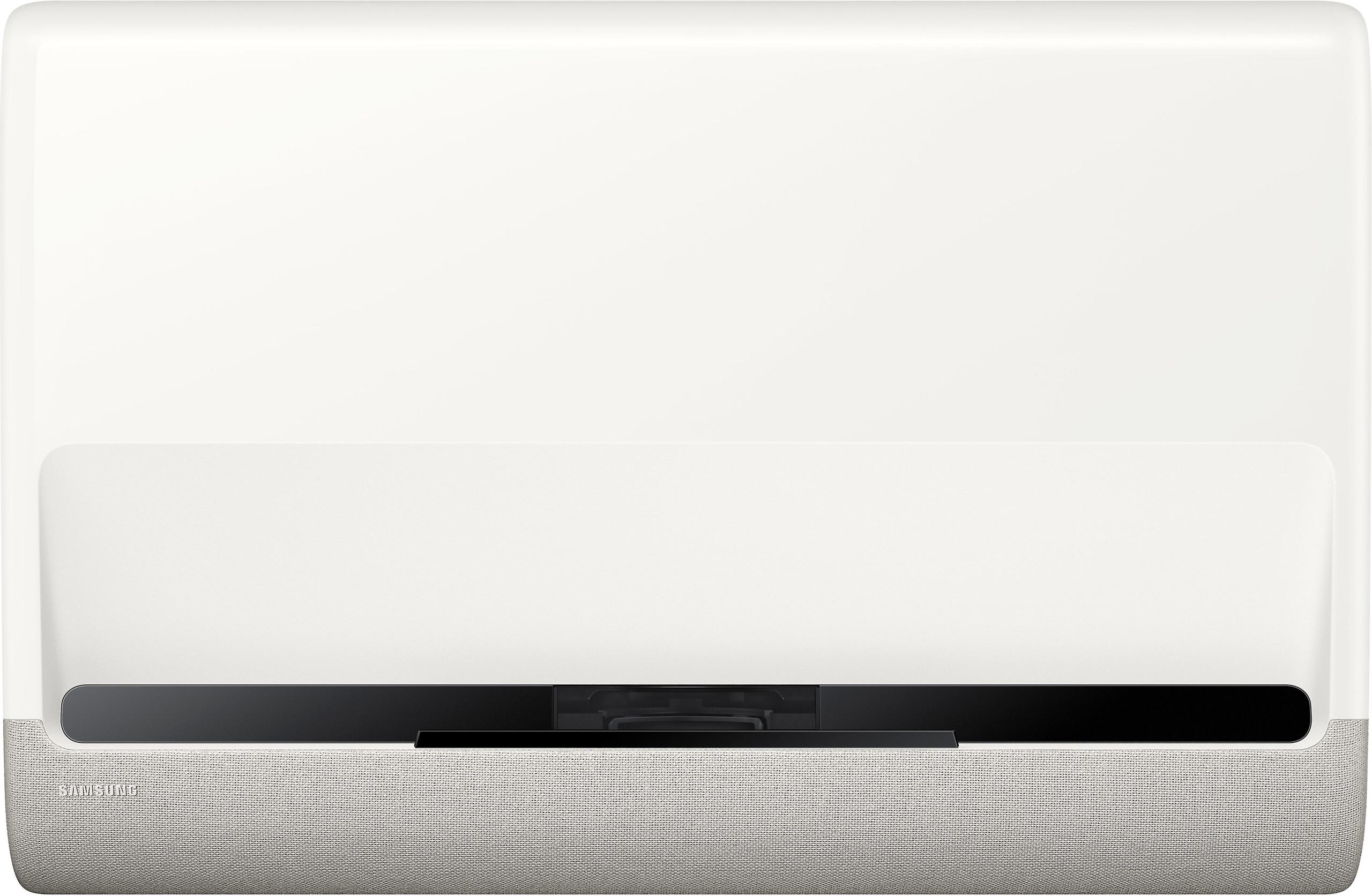
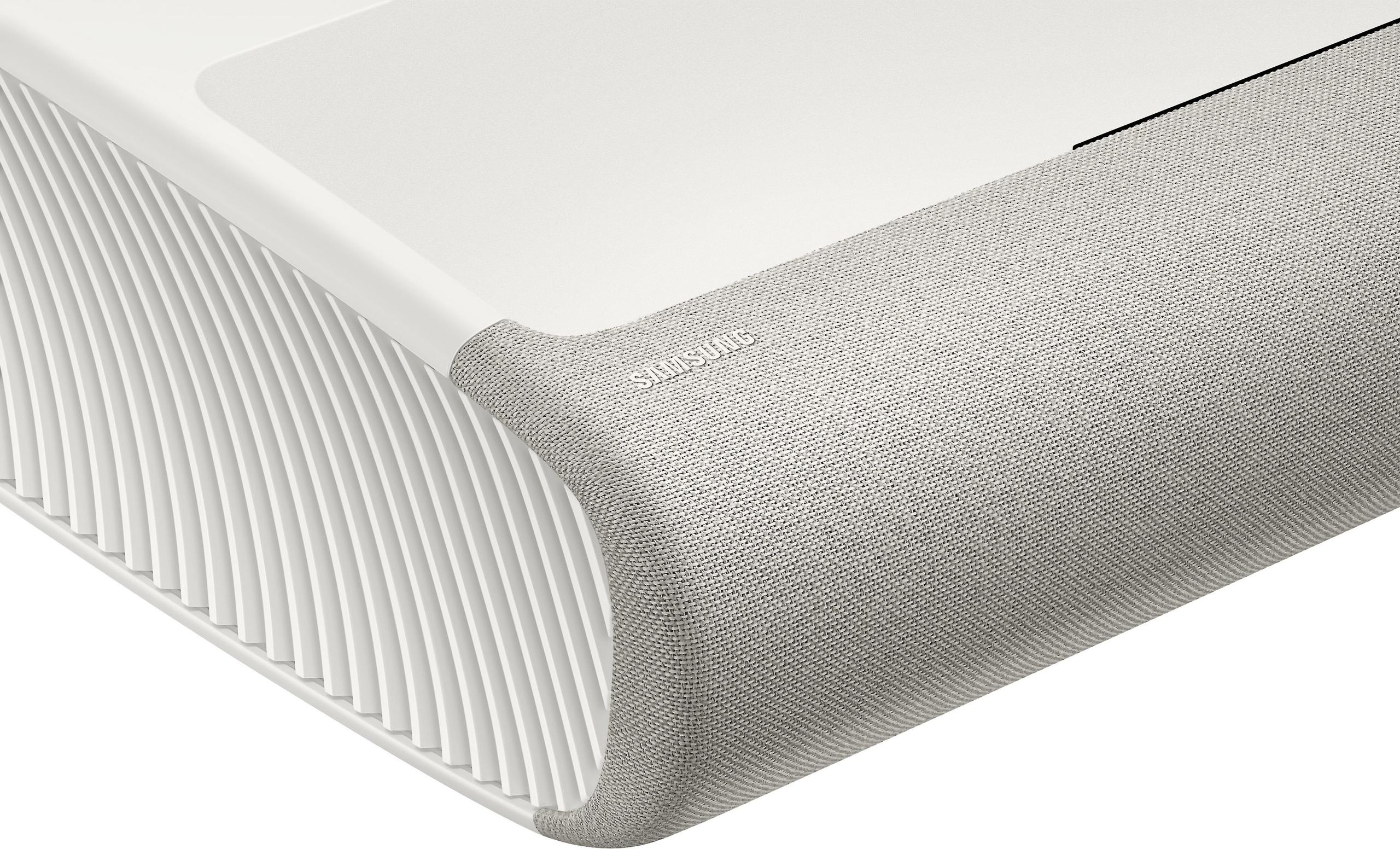
The Samsung Premiere 9 flips this concept entirely. It's an ultra-short throw (UST) projector that sits just 4-5 inches from your wall or screen to create a 100-inch image. Think of it like a fancy soundbar that happens to project a massive screen above it. This design opens up projector ownership to people living in apartments, condos, or homes where traditional projector installation simply isn't feasible.
This fundamental difference affects everything about how these projectors work and who should buy them. The BenQ excels in dedicated theater rooms where you can control lighting and optimize the setup. The Samsung shines in living rooms where convenience and simplicity matter more than absolute picture perfection.
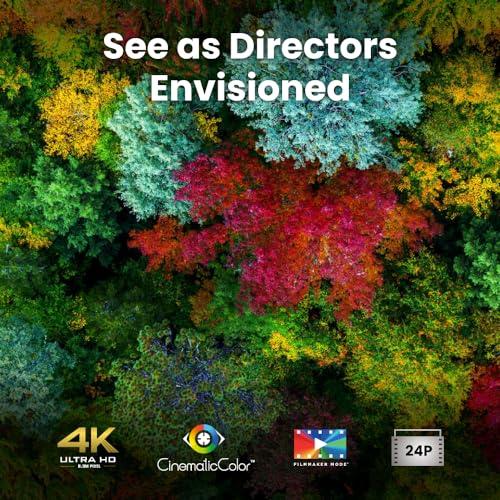
When it comes to pure image quality, both projectors deliver legitimate 4K resolution through pixel-shifting technology. They take 1080p chips and rapidly shift the pixels to create 3,840 × 2,160 resolution images that look genuinely sharper than standard 1080p projectors.
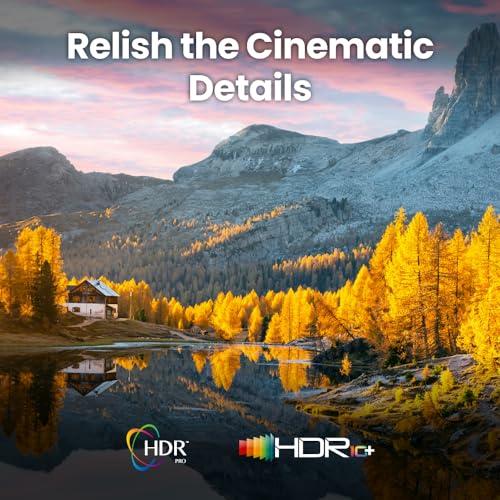
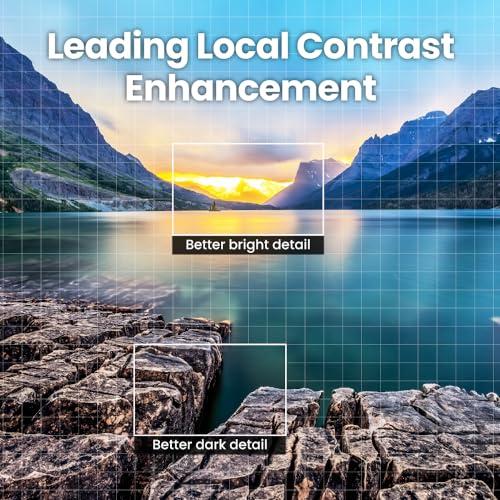
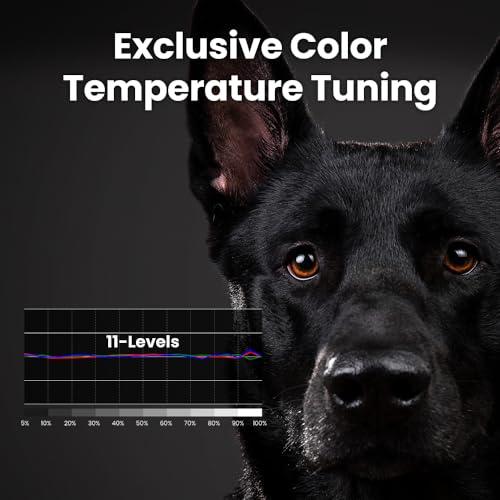
The BenQ HT4550i has built a reputation for exceptional color accuracy straight out of the box. It covers 100% of the DCI-P3 color space—the standard used for digital cinema—and comes factory calibrated to Delta E values under 2. In practical terms, this means colors look exactly as filmmakers intended without any tweaking required. The projector also features BenQ's HDR-PRO technology, which uses over 1,000 zones of analysis to enhance contrast in HDR content, making bright highlights pop while keeping shadows detailed.
The Samsung Premiere 9 takes a different approach, prioritizing color volume over perfect accuracy. It achieves 154% coverage of DCI-P3, meaning colors appear more saturated and vibrant than what's technically "accurate." For many viewers, especially those watching in brighter rooms, this extra color pop is actually preferable. The Samsung also includes Vision Booster technology that automatically adjusts the image based on your room's ambient lighting—dimmer and more accurate in dark rooms, brighter and more punchy when lights are on.
In terms of brightness, the Samsung Premiere 9 edges ahead with 3,450 lumens versus the BenQ HT4550i's 3,200 lumens. While that might not sound like much, every bit of brightness matters when dealing with ambient light. The Samsung can handle moderate room lighting better, while the BenQ performs best in darker environments where its superior black levels can shine.
Speaking of black levels, this is where traditional throw projectors like the BenQ HT4550i typically have an advantage. The Samsung's ultra-short throw design requires compromises in contrast ratio that become noticeable in very dark scenes. If you're planning a dedicated theater room with blackout curtains, the BenQ will deliver deeper blacks and better shadow detail.
For gaming enthusiasts, the BenQ HT4550i is clearly the superior choice. It delivers incredibly low input lag—just 8.7 milliseconds at 1080p/240Hz for competitive PC gaming, and 17.9ms at both 4K/60Hz and 1080p/120Hz for console gaming. These numbers rival dedicated gaming monitors and make the projector viable for competitive gaming on a massive screen.
The projector also supports up to 240Hz refresh rates at 1080p, perfect for high-end gaming PCs, and handles 120Hz modes from Xbox Series X and PlayStation 5 consoles flawlessly. This level of gaming optimization is rare in the projector world and represents a key advantage for the BenQ.
The Samsung Premiere 9 takes a more casual approach to gaming. It supports Auto Low Latency Mode (ALLM) to reduce input lag when it detects game consoles, but the actual lag numbers aren't optimized for competitive play. Where Samsung does shine is convenience—the projector includes built-in support for cloud gaming services like Xbox Game Pass and Amazon Luna, letting you game without any console at all.
This is perhaps the biggest differentiator between these projectors. The BenQ HT4550i includes a basic 5-watt mono speaker that's really only suitable for setup and calibration. Anyone buying this projector should plan on external audio, whether that's a soundbar, receiver, or full surround sound system.
The Samsung Premiere 9 completely flips this script with a genuinely impressive 40-watt Dolby Atmos sound system. We're talking about a 2.2.2 channel setup with up-firing speakers that bounce sound off your ceiling to create height effects. It's not going to replace a high-end home theater system, but it's more than adequate for most viewers and eliminates the need for additional audio components.
This audio difference significantly impacts the total system cost and complexity. While the Samsung costs more upfront, you need to factor in the cost of audio equipment for the BenQ to get a fair comparison.
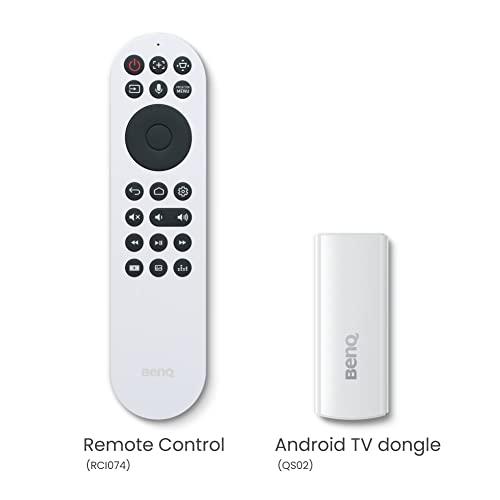
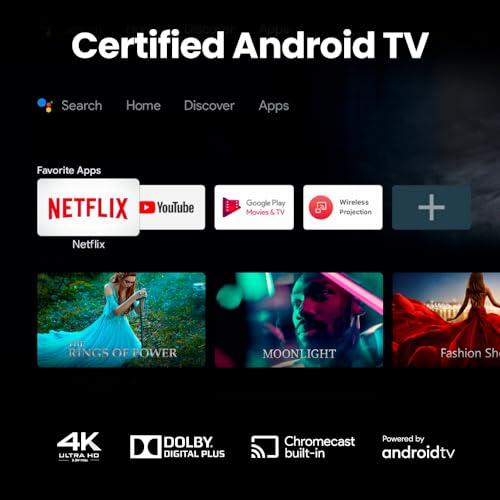
Both projectors run comprehensive smart TV platforms. The BenQ HT4550i uses Android TV, providing access to Netflix in 4K HDR (still rare among projectors), along with all the major streaming services and Google Assistant integration. The interface is responsive and includes most apps you'd want.
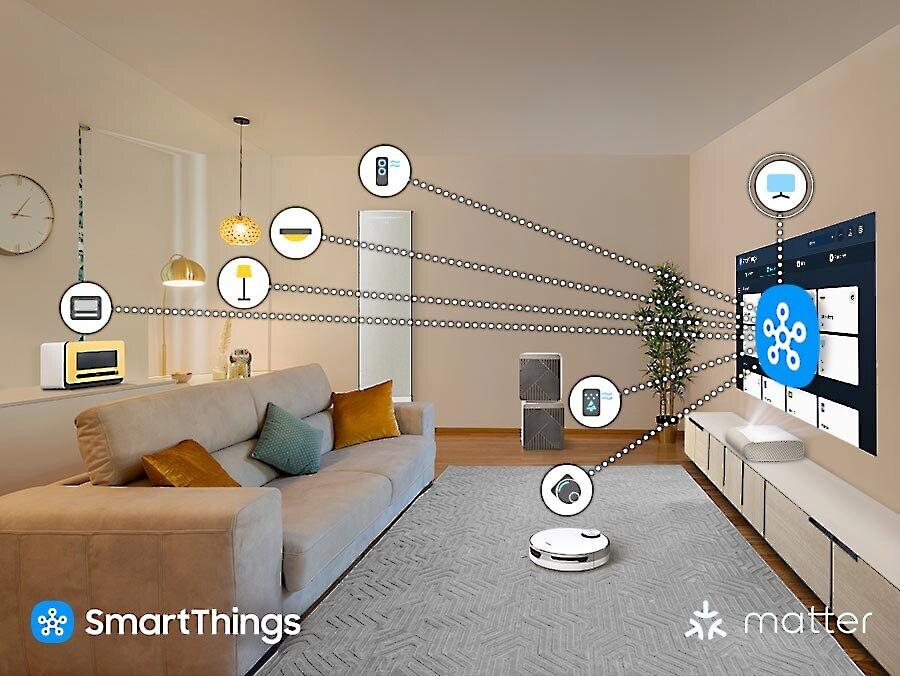
The Samsung Premiere 9 runs Samsung's Tizen operating system, which offers similar app selection plus deeper integration with Samsung's ecosystem. It includes multiple voice assistants (Alexa, Google Assistant, and Bixby) and SmartThings Hub functionality for controlling smart home devices.
In practice, both smart platforms work well enough that you won't need external streaming devices for most use cases. The Samsung has a slight edge in polish and integration, but both get the job done.
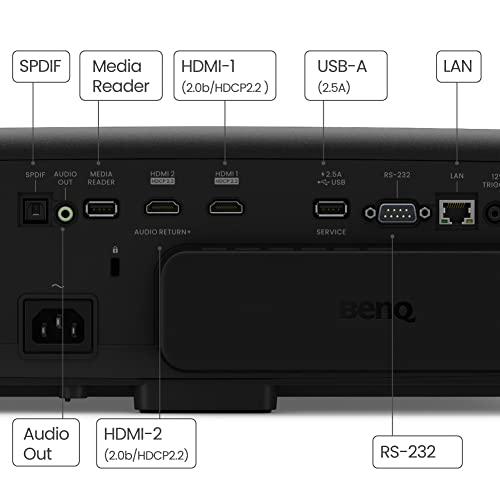
Here's where the fundamental design differences really matter. Installing the BenQ HT4550i typically requires ceiling mounting, which means running power and HDMI cables across your room. You'll also need to account for the projector fan noise—while reasonably quiet at 28-32dB, it's still audible in a quiet room.
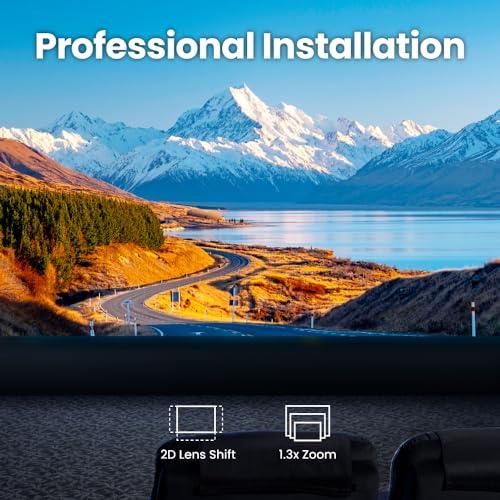
The generous lens shift capabilities (horizontal adjustment up to ±15% and vertical from 0-60%) do provide significant placement flexibility once mounted. The 1.3x zoom range also helps fine-tune your image size without moving the projector.
The Samsung Premiere 9 installation is dramatically simpler—you essentially place it on a TV stand or cabinet like you would a soundbar. No ceiling work, no cable runs across the room, no mounting hardware. This simplicity is transformative for many potential projector buyers who were previously put off by installation complexity.
However, ultra-short throw projectors are more sensitive to screen choice and room layout. You'll want a specialized ALR (Ambient Light Rejecting) screen for best results, and any imperfections in your wall surface will be magnified by the extreme projection angle.
At the time of writing, the price difference between these projectors is substantial—roughly $3,000 separating them. The BenQ HT4550i represents exceptional value in the traditional projector market, offering performance that competed with much more expensive models just a few years ago.
The Samsung Premiere 9 pricing puts it in premium territory, but you're paying for convenience and space-saving design as much as performance. However, the ultra-short throw market has become increasingly competitive, with brands like Hisense, AWOL Vision, and others offering similar features at lower price points.
The BenQ's longer 3-year warranty versus Samsung's 1-year coverage also factors into long-term value considerations.
Choose the BenQ HT4550i if you're building a dedicated home theater or media room where installation flexibility isn't a major concern. It's the clear choice for serious gamers, movie enthusiasts who prioritize color accuracy, or anyone wanting maximum performance per dollar. The requirement for external audio actually works in its favor for dedicated theater builds where you'll likely want a proper surround sound system anyway.
The projector excels in darker viewing environments where its superior black levels and contrast can shine. If you're willing to control room lighting and invest in proper setup, the BenQ delivers cinema-grade performance at a reasonable price.
Choose the Samsung Premiere 9 if space constraints make traditional projector installation impractical or if you want a simple plug-and-play big screen solution. It's perfect for living rooms, apartments, or anywhere you want massive screen entertainment without the complexity of traditional projector setup.
The Samsung also makes sense if integrated audio is important to you, or if you frequently watch in rooms with ambient light where its extra brightness and automated adjustments provide real benefits.
These projectors solve different problems and target different users. The BenQ HT4550i maximizes performance and value for traditional home theater applications, while the Samsung Premiere 9 makes projector ownership accessible to people who previously couldn't accommodate the technology.
Neither is objectively better than the other—they're optimized for different scenarios. The key is honestly assessing your space, installation capabilities, and priorities. If you want the best possible picture quality and can handle traditional projector installation, the BenQ is an exceptional value. If you need the convenience and space-saving benefits of ultra-short throw design, the Samsung delivers despite its premium pricing.
The projector market continues evolving rapidly, with new models and technologies appearing regularly. But both of these 2023 releases represent mature, well-executed takes on their respective approaches to home theater projection. Whichever path you choose, you'll be getting genuinely impressive big-screen performance that would have been impossible at these price points just a few years ago.
| BenQ HT4550i 4K HDR LED Home Theater Projector | Samsung Premiere 9 LPU9D 130" 4K UHD Triple Laser Projector |
|---|---|
| Light Source Technology - Determines lifespan, maintenance, and color performance | |
| 4-LED system (20,000-30,000 hour lifespan, excellent color accuracy) | RGB Triple Laser (20,000+ hour lifespan, eliminates rainbow artifacts) |
| Brightness - Critical for ambient light performance and screen size capability | |
| 3,200 ANSI lumens (excellent for dark rooms, good for moderate ambient light) | 3,450 lumens (superior performance in bright rooms and living spaces) |
| Throw Distance - Determines where you can place the projector | |
| Standard throw: 6-15+ feet for 100-150" screens (requires ceiling mount or rear shelf) | Ultra-short throw: 4.5 inches from wall for 100" screen (sits on TV stand like soundbar) |
| Color Accuracy - How faithfully colors match filmmaker intent | |
| 100% DCI-P3, factory calibrated to Delta E <2 (cinema-grade accuracy out of box) | 154% DCI-P3 color volume (more vibrant, saturated colors than technically accurate) |
| Gaming Performance - Input lag determines competitive gaming viability | |
| 8.7ms at 1080p/240Hz, 17.9ms at 4K/60Hz (excellent for competitive gaming) | ALLM support but not optimized for low latency (casual gaming focus) |
| Audio System - Built-in sound quality affects need for external speakers | |
| 5W mono speaker (requires external audio system for proper experience) | 40W Dolby Atmos 2.2.2 system (eliminates need for separate speakers) |
| HDR Support - Enhanced contrast and color for premium content | |
| HDR10, HDR10+, HLG with HDR-PRO tone mapping and 1,000+ zone enhancement | HDR10+, HDR10, HLG with Vision Booster automatic room adaptation |
| Installation Complexity - Setup requirements and professional installation needs | |
| Moderate complexity: ceiling mounting, cable runs, lens shift adjustment available | Minimal complexity: place on cabinet, plug in, automatic setup features |
| Black Level Performance - How deep blacks appear in dark scenes | |
| Superior native contrast, excellent for dedicated dark theater rooms | Compromised by ultra-short throw design, noticeable in very dark content |
| Smart TV Platform - Built-in streaming and voice control capabilities | |
| Android TV with Google Assistant, Netflix 4K HDR support | Tizen OS with Alexa, Google Assistant, Bixby, SmartThings integration |
| Lens Flexibility - Adjustment options for different room layouts | |
| ±15% horizontal, 0-60% vertical lens shift, 1.3x manual zoom | No lens shift, power zoom/focus, limited placement adjustment |
| 3D Support - Compatibility with 3D Blu-ray and gaming content | |
| Full 3D support with DLP Link glasses compatibility | No 3D support |
| Warranty Coverage - Protection period for expensive purchase | |
| 3 years (double the industry standard, shows manufacturer confidence) | 1 year (standard coverage, shorter protection period) |
The Samsung Premiere 9 is significantly better for small spaces because it's an ultra-short throw projector that sits just 4.5 inches from your wall to create a 100-inch screen. The BenQ HT4550i requires 6-15+ feet of throw distance, making it impractical for most apartments or smaller rooms where you can't ceiling mount or place it far from the screen.
The primary difference is installation approach. The BenQ HT4550i is a traditional projector requiring ceiling mounting or rear shelf placement with significant throw distance, while the Samsung Premiere 9 uses ultra-short throw technology to sit on a TV stand like a soundbar. This fundamental design difference affects everything from picture quality to room compatibility.
For dedicated home theaters with controlled lighting, the BenQ HT4550i delivers superior picture quality with better black levels, more accurate colors (100% DCI-P3 with Delta E <2), and enhanced contrast. The Samsung Premiere 9 offers brighter, more vibrant images that work better in living rooms with ambient light but sacrifices some accuracy for convenience.
The BenQ HT4550i has only a basic 5W mono speaker, so external audio is essential for any serious viewing. The Samsung Premiere 9 includes a robust 40W Dolby Atmos 2.2.2 channel sound system that eliminates the need for separate speakers in most situations, making it a complete entertainment solution.
The BenQ HT4550i is significantly better for gaming with ultra-low input lag of 8.7ms at 1080p/240Hz and 17.9ms at 4K/60Hz, plus support for high refresh rates up to 240Hz. The Samsung Premiere 9 focuses on casual gaming with cloud gaming services but isn't optimized for competitive play.
Both projectors can handle moderate ambient light, but the Samsung Premiere 9 performs better in bright rooms with its 3,450 lumens and Vision Booster technology that adapts to room lighting. The BenQ HT4550i at 3,200 lumens works best with some light control, though it can handle moderate ambient lighting with the right screen.
The Samsung Premiere 9 is dramatically easier to install—simply place it on a cabinet and plug it in like a soundbar. The BenQ HT4550i typically requires ceiling mounting, cable runs, and more complex setup, though it offers better placement flexibility once installed with lens shift and zoom capabilities.
The BenQ HT4550i offers superior value for performance, delivering exceptional picture quality and gaming capabilities at a significantly lower price point. The Samsung Premiere 9 commands a premium for its convenience and space-saving design but faces strong competition from other ultra-short throw models at lower prices.
Both projectors display true 4K resolution (3840×2160) using pixel-shifting technology and support HDR formats. The BenQ HT4550i supports HDR10, HDR10+, and HLG with advanced HDR-PRO tone mapping, while the Samsung Premiere 9 supports the same formats with Vision Booster automatic optimization for different viewing conditions.
Both projectors include comprehensive smart TV platforms. The BenQ HT4550i runs Android TV with Google Assistant and supports Netflix in 4K HDR, while the Samsung Premiere 9 uses Tizen OS with access to all major streaming services plus multiple voice assistants and SmartThings integration.
Both projectors use advanced light sources that last 20,000-30,000 hours without replacement. The BenQ HT4550i uses 4-LED technology while the Samsung Premiere 9 uses RGB laser technology—both eliminate traditional lamp replacement costs. However, the BenQ HT4550i offers a 3-year warranty compared to the Samsung Premiere 9's 1-year coverage.
Only the BenQ HT4550i supports 3D content with compatibility for 3D Blu-rays and gaming using DLP Link glasses. The Samsung Premiere 9 does not support 3D playback, which may be important for users with existing 3D movie collections or gaming preferences.
We've done our best to create useful and informative comparisons to help you decide what product to buy. Our research uses advanced automated methods to create this comparison and perfection is not possible - please contact us for corrections or questions. These are the sites we've researched in the creation of this article: projectorcentral.com - benq.com - rtings.com - youtube.com - soundandvision.com - rtings.com - hometheaterhifi.com - projectorscreen.com - projectorreviews.com - projectorscreen.com - youtube.com - rtings.com - projectorscreen.com - versus.com - youtube.com - projectorcentral.com - snapav.com - benq.com - benq.com - sound-advice.online - valueelectronics.com - bhphotovideo.com - instylehifi.com.au - trustedreviews.com - target.com - pcrichard.com - projectorscreen.com - videoandaudiocenter.com - target.com - avsforum.com - projectorscreen.com

Privacy Policy
Terms and Conditions - Affiliate Policy
Home Security
© Copyright 2008-2026.
11816 Inwood Rd #1211, Dallas, TX 75244