


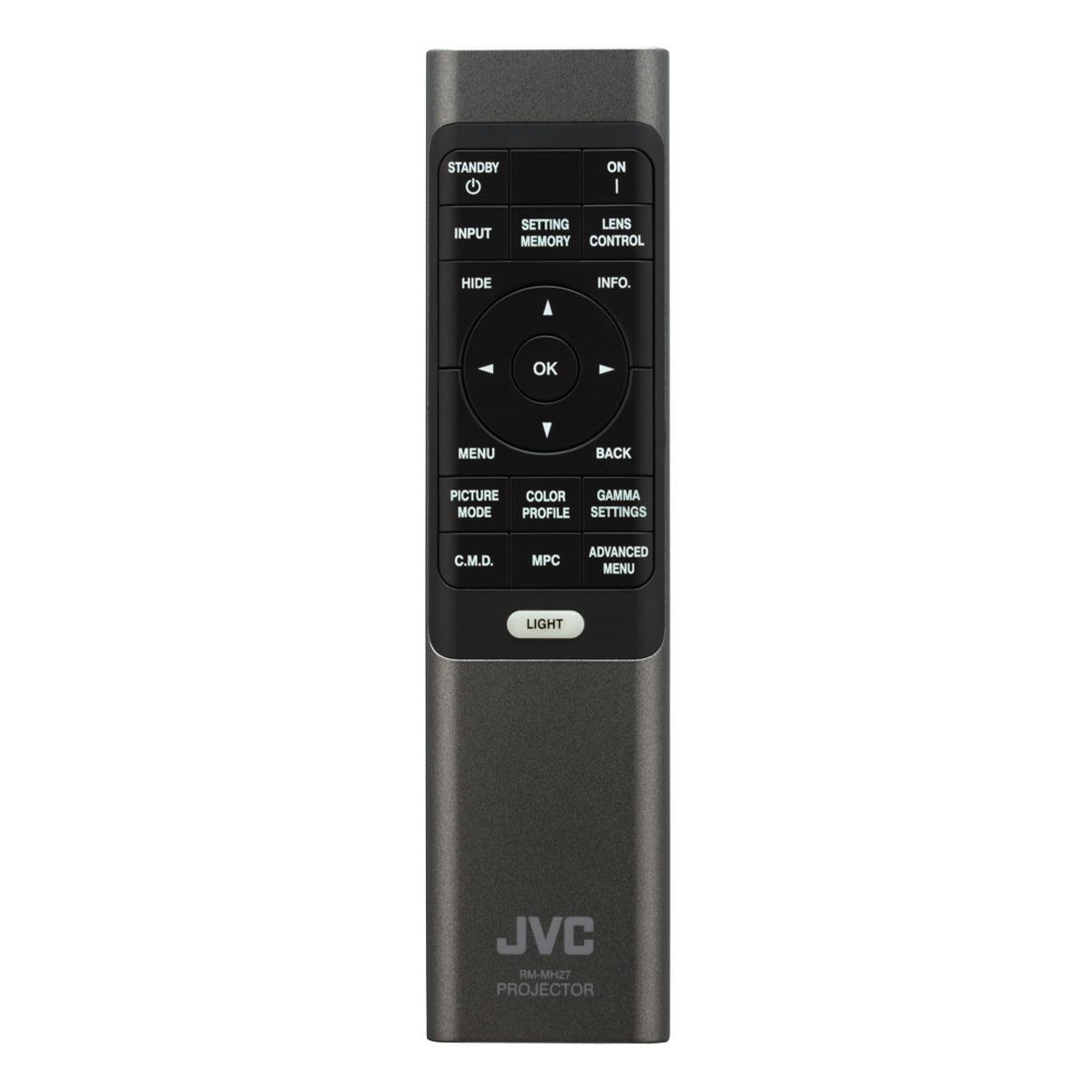
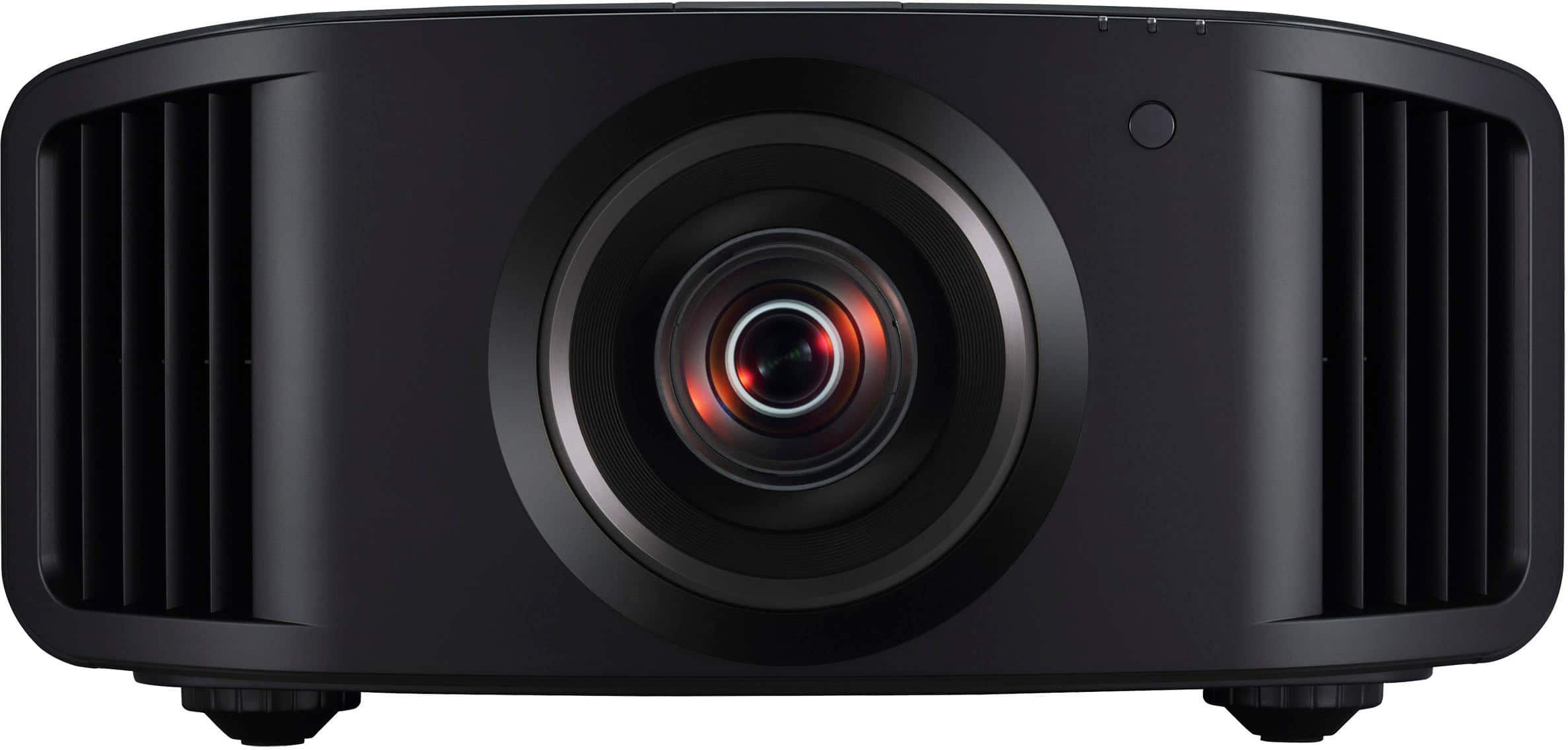
Setting up a home theater is one of those projects that can completely transform how you experience movies, sports, and gaming. While most people think about TVs first, projectors offer something magical—the ability to create a true cinema experience with screen sizes that would cost tens of thousands in equivalent TVs. But choosing the right projector involves navigating some complex technical territory.
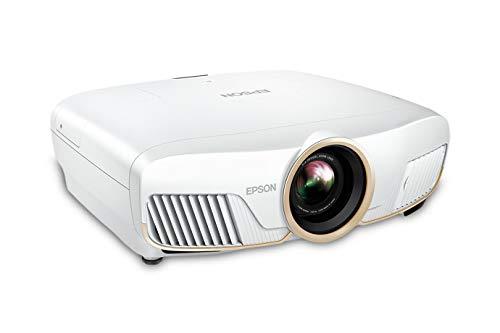
Today we're comparing two projectors that represent very different approaches to premium home theater: the Epson Home Cinema 5050UB and the JVC DLA-NZ800. These aren't your typical business presentation projectors—they're engineered specifically for home entertainment, with technologies designed to deliver the kind of image quality that makes you forget you're watching a projection.
Before diving into specifics, it's worth understanding what separates a great home theater projector from an average one. The most critical factors are contrast ratio (how deep the blacks can get compared to bright whites), color accuracy (how true-to-life the colors appear), brightness (measured in lumens), and resolution capabilities.
Contrast ratio might be the most important factor you've never heard of. Think of it this way: when you're watching a dark scene in a movie, you want the shadows to look truly black, not gray. Poor contrast makes everything look washed out, like viewing through a hazy window. The best projectors can produce blacks so deep they're indistinguishable from a turned-off screen.
Color accuracy matters more than you might think. We've all seen those overly saturated TVs in electronics stores that make skin tones look orange and grass unnaturally green. Professional-grade projectors aim for colors that match what directors intended, typically measured against standards like DCI-P3 (a color space used in digital cinemas).
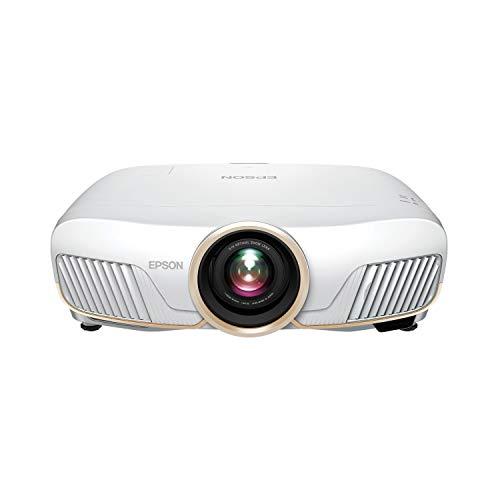
The Epson Home Cinema 5050UB, released in 2019, represents what happens when a company focuses on delivering premium performance at a more accessible price point. At the time of writing, it costs roughly one-fifth of our comparison model, making it incredibly attractive for people wanting to step into serious home theater without breaking the bank.
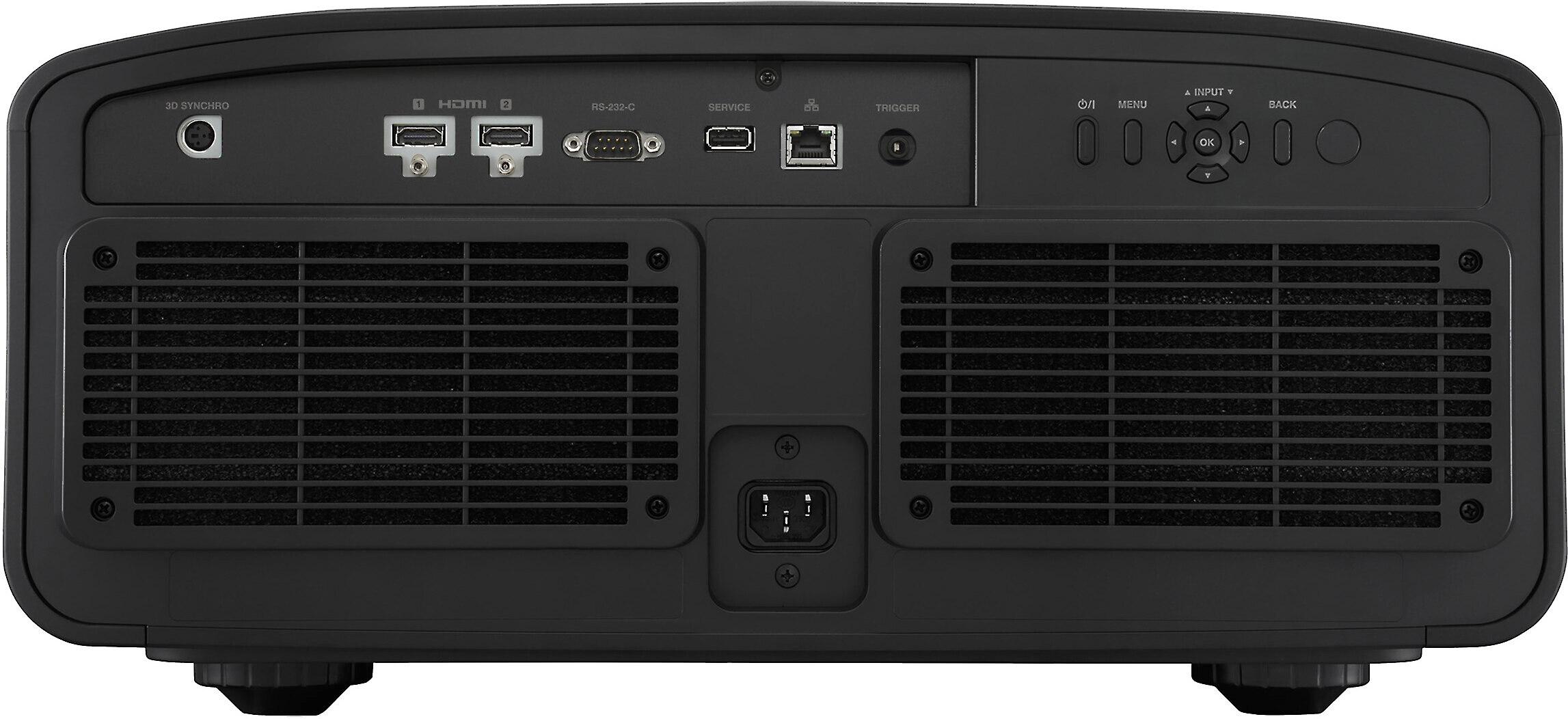
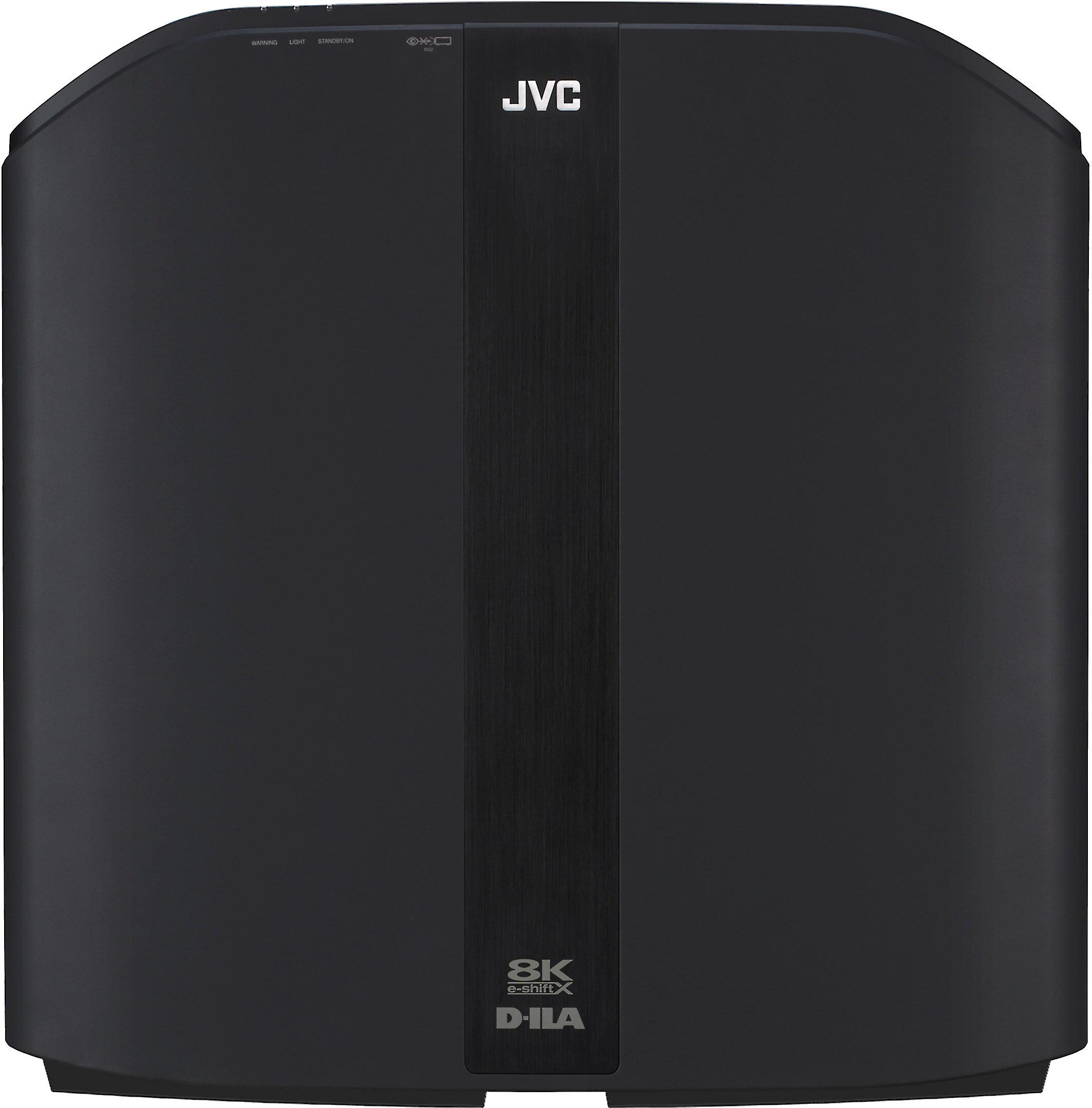
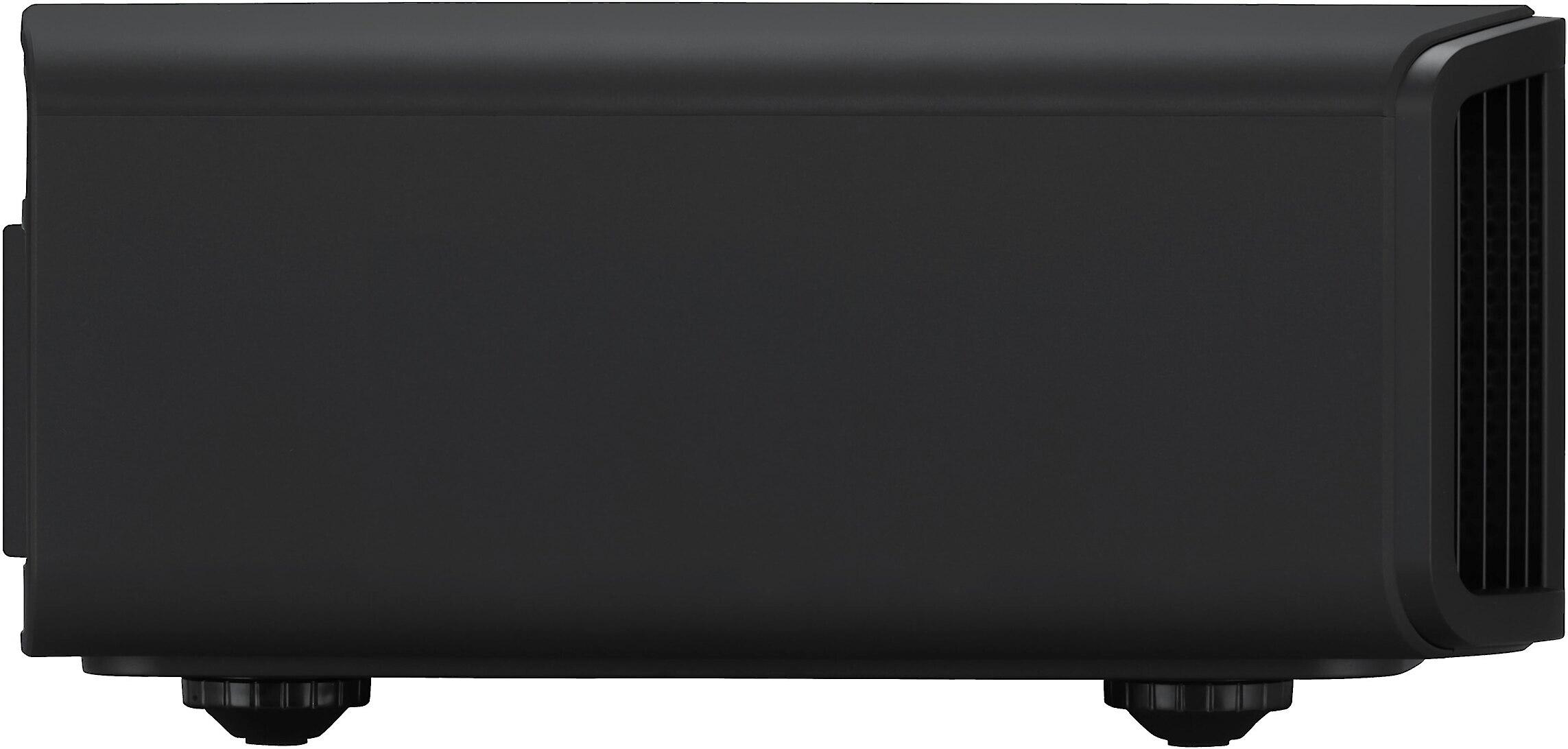
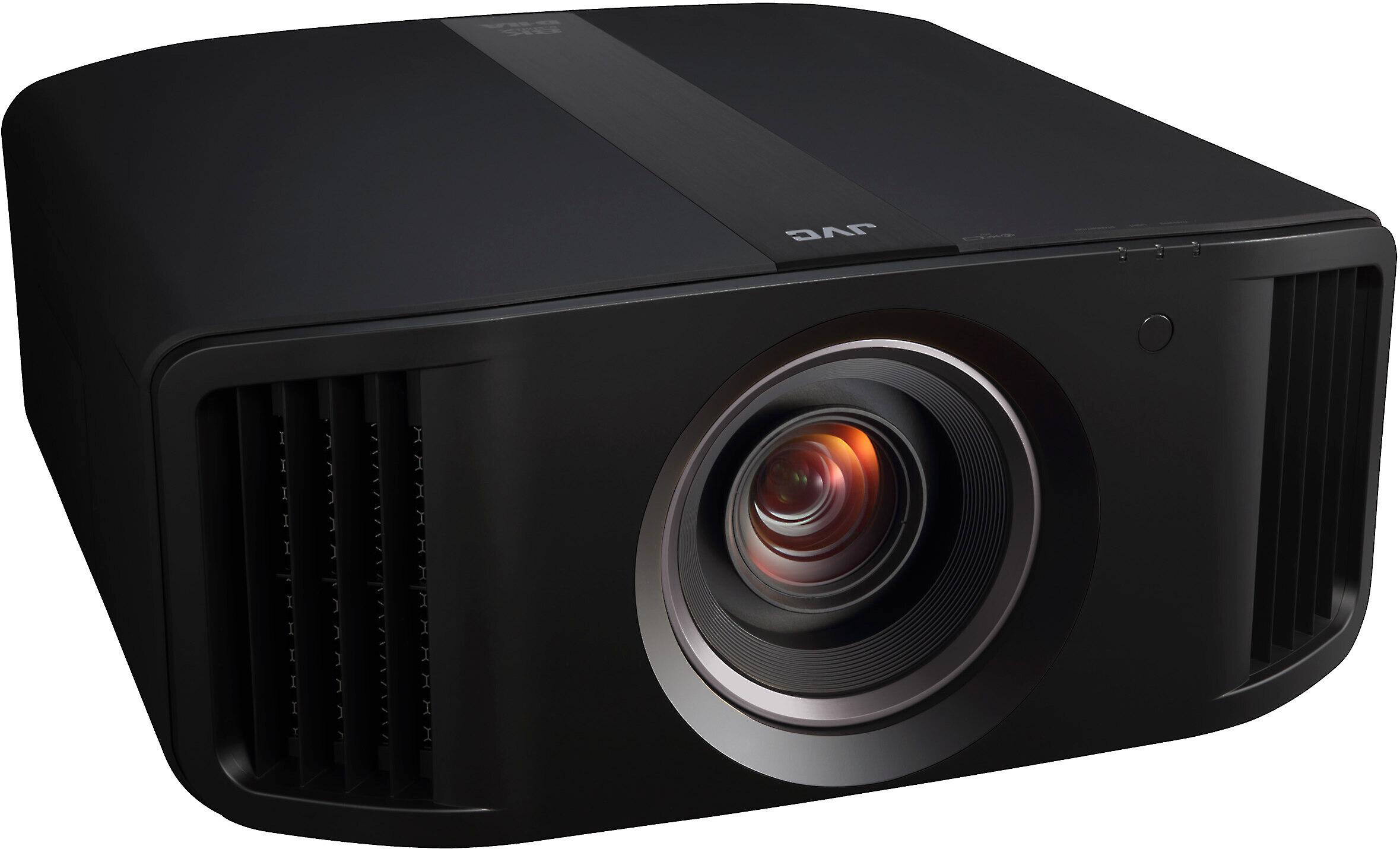
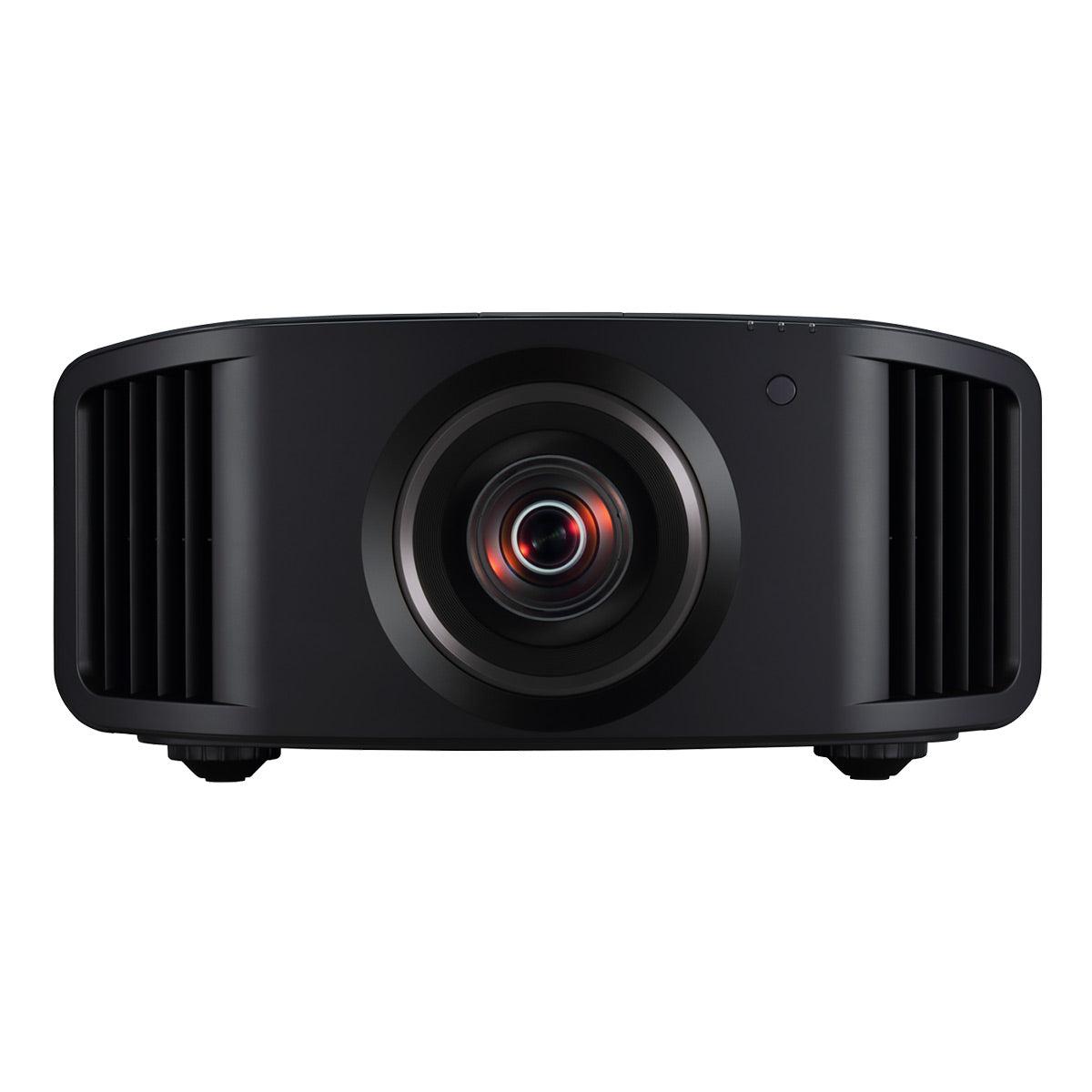
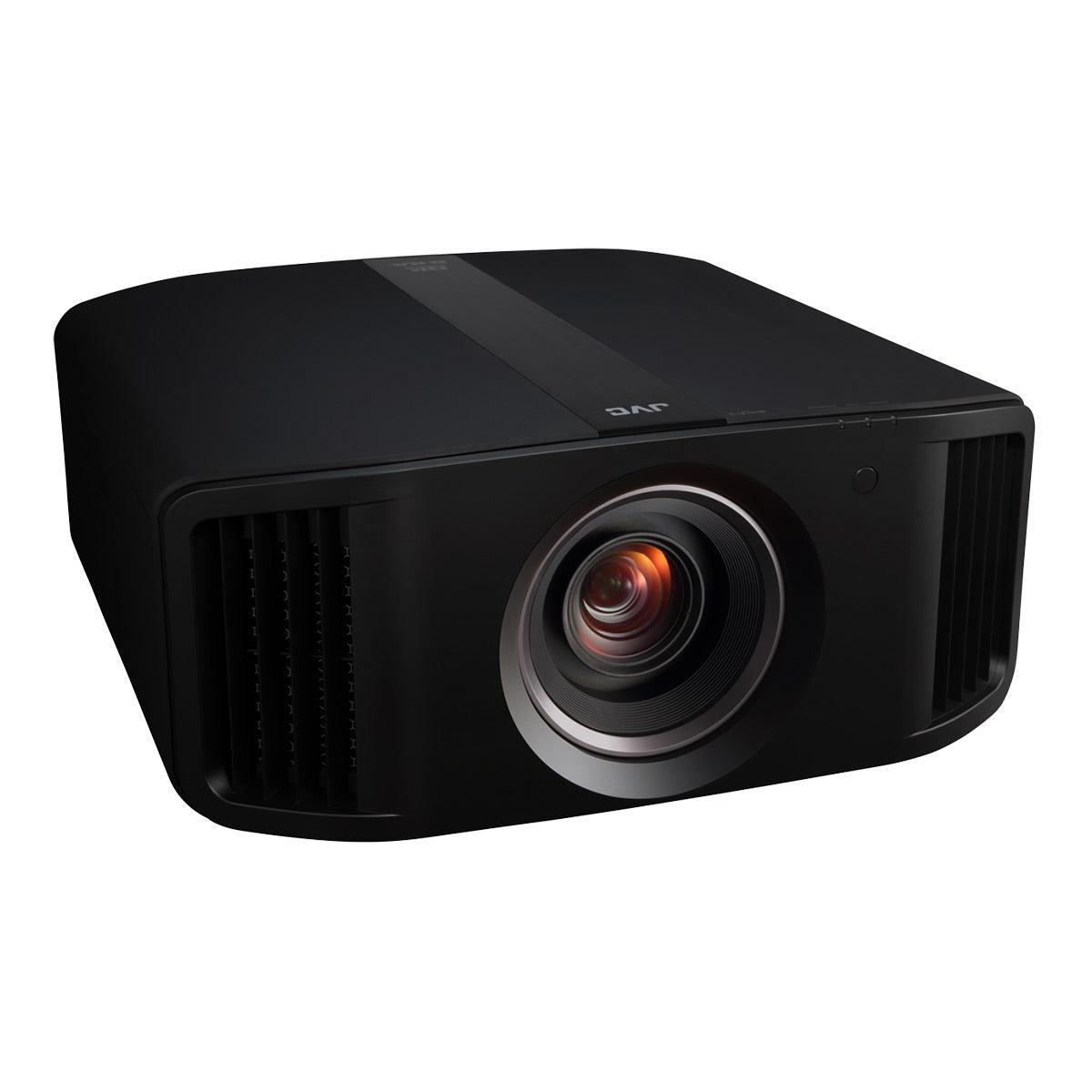
The JVC DLA-NZ800, launched in 2024, takes the opposite approach—cost-no-object engineering aimed at people who want the absolute best image quality available. It's part of JVC's latest generation that incorporates years of refinement in their D-ILA technology.
These projectors use fundamentally different display technologies, which affects everything from how they handle resolution to their installation requirements.
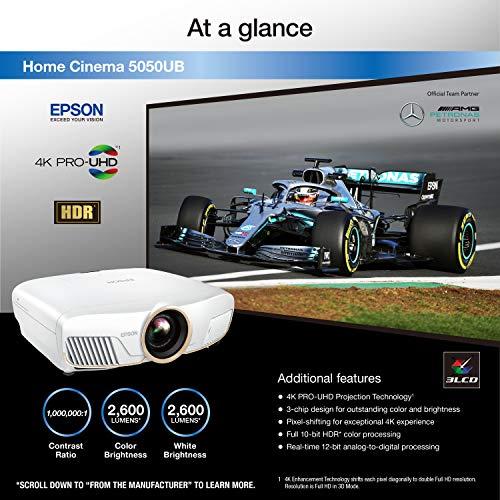
The Epson 5050UB uses 3LCD technology, which means it has three separate LCD panels—one each for red, green, and blue light. This creates what's called a "true 3-chip" design. The advantage here is that you get full color brightness (no rainbow effects that some people see with single-chip projectors) and generally accurate colors right out of the box.
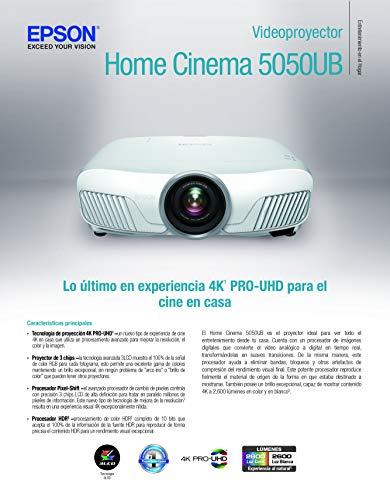
However, the Epson has native 1080p panels, not true 4K. Instead, it uses pixel-shifting technology called "4K PRO-UHD" to create 4K-like detail. Think of it like this: the projector rapidly moves each pixel diagonally by half a pixel width, effectively doubling the resolution. It's not the same as having native 4K panels, but it's surprisingly effective for most content.
The JVC DLA-NZ800 uses D-ILA technology (JVC's version of LCoS or Liquid Crystal on Silicon), which is fundamentally different from LCD. D-ILA panels are reflective rather than transmissive, which typically results in better contrast ratios and smoother images. More importantly, this projector has three genuine 4K panels—each one displaying 4096 × 2160 pixels natively.
But JVC doesn't stop there. They add their "8K/e-shiftX" processing, which uses a similar pixel-shifting approach but applied to already-native 4K panels. This creates an effective resolution of 8192 × 4320 pixels. When you're sitting close to a large screen, this extra detail processing can make textures and fine elements noticeably sharper.
This is where things get interesting from a practical standpoint. The Epson 5050UB can't pass those technical single-pixel 4K test patterns that reviewers use, but with real content—actual 4K movies and shows—the difference between it and native 4K projectors is often surprisingly small. The pixel-shifting works well enough that most people, sitting at normal viewing distances, would be hard-pressed to see a significant difference.
The JVC DLA-NZ800, with its native 4K panels plus 8K processing, delivers genuinely superior detail. Text is crisper, fine textures in clothing or landscapes show more nuance, and the overall sense of sharpness is noticeably better. But here's the key question: is that improvement worth the dramatically higher cost?
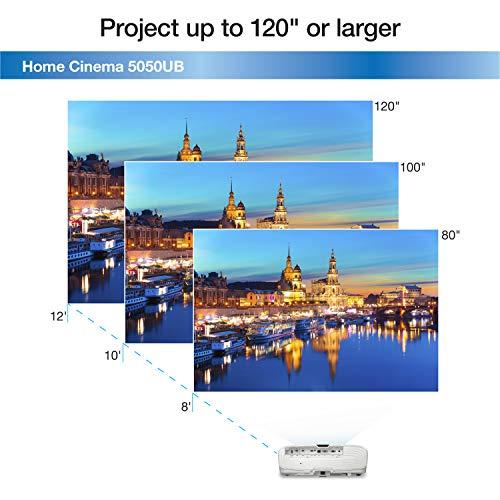
Our research suggests that the answer depends heavily on your viewing setup. If you're sitting 8-10 feet from a 120-inch screen, you'll likely notice the difference. If you're sitting 12+ feet away from a 100-inch screen, the gap narrows considerably.
This is arguably where these projectors show their biggest philosophical differences. Contrast ratio—the difference between the darkest black and brightest white a projector can produce—is what gives images their sense of depth and realism.
The Epson 5050UB achieves impressive contrast through its UltraBlack technology, which uses a special compensation filter to control light polarization within the projector. This suppresses stray light that would normally make blacks look gray. Combined with an auto iris that constantly adjusts to the content, the Epson can achieve deep, convincing blacks that rival much more expensive projectors.
User reviews consistently praise the 5050UB's black level performance, with many noting that it significantly outperforms other projectors in its price range. The consensus from our research suggests it achieves native contrast ratios around 8,000:1, which is excellent for a lamp-based projector.
The JVC DLA-NZ800 takes contrast to another level entirely. Its third-generation D-ILA panels deliver a native contrast ratio of 100,000:1—more than ten times better than the Epson. In practical terms, this means blacks that are truly black, with shadow details that remain clearly separated even in very dark scenes.
Reviews consistently describe the JVC's contrast as "reference quality" and "class-leading." The difference is most noticeable in dark movie scenes where you can see subtle details in shadows that would be lost on lesser projectors. It's the kind of improvement that makes you notice things in movies you've seen dozens of times before.
Here's where the projectors' different design philosophies really show. The Epson 5050UB uses a traditional lamp—specifically, a 250-watt UHE (Ultra High Efficiency) bulb. This lamp will last between 3,500 to 5,000 hours depending on the brightness mode you use, after which you'll need to replace it at a cost of several hundred dollars.
Lamp technology has some advantages: it's proven, relatively inexpensive initially, and produces pleasing, natural color temperatures. But lamps dim over time, they take a minute or so to reach full brightness when you turn on the projector, and they represent an ongoing maintenance cost.
The JVC DLA-NZ800 uses a laser light source—specifically, JVC's "BLU-Escent" laser technology. This laser is rated for approximately 20,000 hours of use, which means most people will never need to replace it. Lasers also maintain consistent brightness throughout their lifetime, turn on instantly, and typically run cooler and quieter than lamps.
From a total cost of ownership perspective, the laser advantage becomes significant over time. If you watch your projector 20 hours per week (which is reasonable for a dedicated home theater), a lamp-based projector will need bulb replacements every 3-4 years. Over a 10-year ownership period, you might spend $1,000-1,500 just on replacement bulbs.
Both projectors produce similar brightness levels—the Epson 5050UB outputs 2,600 lumens while the JVC DLA-NZ800 produces 2,700 lumens. This might seem like a small difference, but it's worth understanding how brightness affects your viewing experience.
2,600+ lumens is quite bright for a home theater projector, which gives both units good flexibility in terms of room lighting and screen size. You can use either projector in a room with some ambient light, though both will perform best in a light-controlled environment.
The brightness also means you can go with larger screen sizes without the image looking dim. Both projectors can easily handle 120-150 inch screens with room to spare. The Epson 5050UB officially supports up to 300-inch screens, while the JVC DLA-NZ800 tops out at 200 inches—though at those sizes, you'd need a very large and perfectly dark room to get good results.
Color reproduction is where both projectors excel, but in slightly different ways. The Epson 5050UB covers approximately 97% of the DCI-P3 color gamut, which is the standard used in digital cinemas. This means colors are vibrant and accurate, matching what filmmakers intended.
What's particularly impressive about the Epson is its out-of-box color accuracy. Many projectors require professional calibration to achieve accurate colors, but the 5050UB delivers excellent color balance right from the factory. For users who don't want to deal with calibration, this is a significant advantage.
The JVC DLA-NZ800 can achieve over 100% DCI-P3 color coverage when using its cinema filter, which results in exceptionally wide and accurate colors. However, this filter reduces brightness by about 32%, forcing users to choose between maximum brightness and maximum color accuracy.
Without the filter, the JVC covers about 85-90% of the color gamut while maintaining full brightness. This is still excellent color performance, and most users find this mode preferable for the extra brightness it provides.
Both projectors support HDR (High Dynamic Range) content, but with different approaches and capabilities. HDR allows for brighter highlights and deeper shadows than traditional content, creating more realistic and immersive images.
The Epson 5050UB supports HDR10 and HLG formats with full 10-bit color processing. Its standout feature is the 16-step precision HDR adjustment, which allows real-time fine-tuning of HDR performance. This is particularly useful because different HDR content is mastered at different brightness levels, and most projectors can't display the full brightness range that HDR content is designed for.
The JVC DLA-NZ800 supports HDR10+, HDR10, and HLG formats with advanced Frame Adapt HDR processing. This technology analyzes each scene or frame in real-time and automatically optimizes the tone mapping for the projector's capabilities. It's essentially doing automatically what the Epson requires manual adjustment to achieve.
In practice, both projectors deliver excellent HDR performance, but the JVC's automatic processing tends to be more consistent across different content types. The Epson requires more user involvement but offers more manual control for those who want to fine-tune the experience.
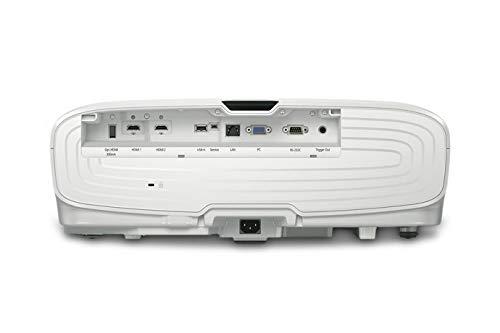
This is an area where the Epson 5050UB really shines. It offers exceptional lens shift capabilities—96% vertical and 47% horizontal—which means you can place the projector significantly off-center from your screen and still get a perfectly rectangular image. This is incredibly valuable for real-world installations where you might not be able to mount the projector in the ideal location.
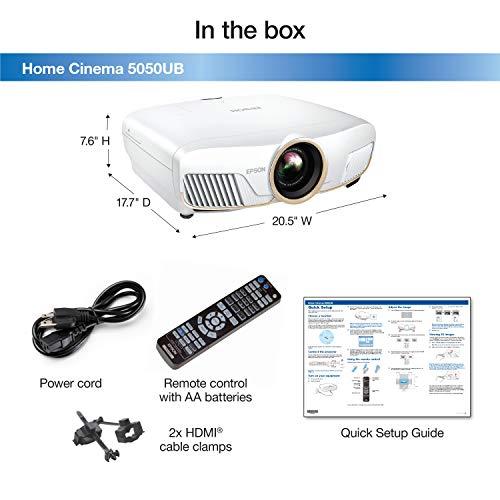
The Epson is also relatively compact and lightweight at 24.7 pounds, making it more manageable for DIY installations. The 2.1:1 zoom ratio provides good flexibility for different throw distances.
The JVC DLA-NZ800 offers good but more limited lens shift capabilities—80% vertical and 34% horizontal. While still flexible, it's not quite as forgiving as the Epson for challenging installation scenarios. At 50.9 pounds, it's also more than twice as heavy, typically requiring professional installation and sturdy mounting hardware.
For gaming enthusiasts, input lag—the delay between when a controller input is sent and when it appears on screen—is crucial. The Epson 5050UB delivers 22.5ms input lag, which is acceptable for most gaming but not ideal for competitive play. It's limited to 4K/60Hz maximum refresh rate.
The JVC DLA-NZ800 offers lower input lag and supports 4K/120Hz and even 8K/60Hz input thanks to its HDMI 2.3 inputs with 48Gbps bandwidth. This makes it much better prepared for next-generation gaming consoles and future content formats.
This is where the comparison becomes really interesting. At the time of writing, the Epson 5050UB costs roughly one-fifth as much as the JVC DLA-NZ800. From a pure performance-per-dollar perspective, the Epson is extraordinary.
Our research suggests that the Epson delivers approximately 80% of the JVC's image quality at 20% of the cost. For many people, that's an incredible value proposition. The areas where you give up performance—native 4K resolution, ultimate contrast ratio, laser longevity—may not be worth the 5x price premium.
However, for those building dedicated home theaters where image quality is the primary concern, the JVC's superior performance in every measurable category can justify its premium pricing. It's also worth considering the total cost of ownership—the laser light source means no bulb replacements over the projector's lifetime.
The Epson Home Cinema 5050UB makes sense for a lot of people. If you're stepping into serious home theater for the first time, building a multi-purpose family room rather than a dedicated theater, or simply want excellent performance without the ultra-premium price tag, it's hard to beat. Its installation flexibility also makes it ideal for challenging room layouts where you can't position the projector perfectly.
The JVC DLA-NZ800 is for those who want uncompromising image quality and have the budget to match. If you're building a dedicated, light-controlled theater room and plan to keep the projector for many years, its superior contrast, native 4K resolution, and laser longevity make the premium worthwhile. It's also the better choice for early adopters who want the latest connectivity options for future content formats.
Ultimately, both projectors excel at what they're designed to do. The Epson 5050UB proves that you don't need to spend a fortune to get excellent home theater performance, while the JVC DLA-NZ800 demonstrates what's possible when cost isn't the primary constraint.
Your choice should align with your specific situation: budget, room setup, how critical absolute image quality is to you, and how long you plan to keep the projector. Either way, you'll end up with a projector that can deliver a truly cinematic experience that will transform how you watch movies at home.
| Epson Home Cinema 5050UB | JVC DLA-NZ800 |
|---|---|
| Display Technology - Determines baseline image quality and sharpness | |
| 3LCD with pixel-shifting from 1080p to 4K-like detail | Native 4K D-ILA panels with 8K enhancement processing |
| Native Contrast Ratio - Most important factor for deep blacks and image depth | |
| ~8,000:1 with UltraBlack technology (excellent for price range) | 100,000:1 native (reference-quality, 12x better than Epson) |
| Light Source Technology - Affects longevity and ongoing costs | |
| 250W lamp (3,500-5,000 hour lifespan, replacement needed) | BLU-Escent laser (20,000 hours, no replacement needed) |
| Brightness Output - Determines screen size and room lighting flexibility | |
| 2,600 lumens (great for most home theaters) | 2,700 lumens (slightly brighter, minimal real-world difference) |
| Color Gamut Coverage - How wide and accurate colors appear | |
| 97% DCI-P3 (excellent cinema-accurate colors) | 100%+ DCI-P3 with filter (wider but reduces brightness 32%) |
| HDR Support - Compatibility with modern high-quality content | |
| HDR10, HLG with 16-step manual adjustment | HDR10+, HDR10, HLG with automatic Frame Adapt processing |
| Lens Shift Range - Installation flexibility for room placement | |
| ±96% vertical, ±47% horizontal (exceptional flexibility) | ±80% vertical, ±34% horizontal (good but more restrictive) |
| Maximum Screen Size - How large your display can be | |
| Up to 300 inches (massive home theater capability) | Up to 200 inches (still very large but more limited) |
| Weight and Size - Installation complexity and mounting requirements | |
| 24.7 lbs, compact design (DIY-friendly installation) | 50.9 lbs, larger chassis (typically requires professional install) |
| Gaming Performance - Input lag and refresh rate capabilities | |
| 22.5ms lag, 4K/60Hz max (acceptable for casual gaming) | Lower lag, 4K/120Hz and 8K/60Hz support (future-proof) |
| HDMI Connectivity - Support for current and future devices | |
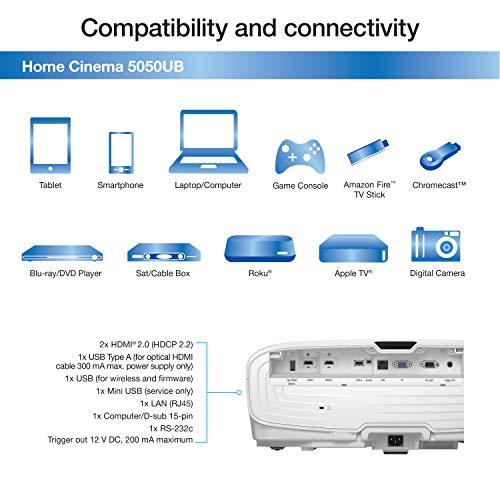
| 2x HDMI 2.0 ports, 18 Gbps bandwidth | 2x HDMI 2.3 ports, 48 Gbps bandwidth (next-gen ready) |
| Noise Level - How quiet the projector runs during operation | |
| 20-31 dB depending on mode (whisper quiet in eco mode) | 24 dB (consistently quiet operation) |
The Epson Home Cinema 5050UB delivers exceptional value, offering about 80% of premium projector performance at roughly 20% of the ultra-premium price point. While the JVC DLA-NZ800 provides superior image quality in every category, the Epson 5050UB represents one of the best performance-per-dollar ratios in home theater projectors.
The biggest difference is contrast ratio and resolution. The JVC DLA-NZ800 offers true native 4K panels with 100,000:1 contrast ratio, delivering reference-quality blacks and detail. The Epson Home Cinema 5050UB uses pixel-shifting from 1080p panels to achieve 4K-like detail with excellent but lower contrast performance around 8,000:1.
Both projectors output similar brightness levels (2,600-2,700 lumens), making them equally capable in moderately lit rooms. However, the JVC DLA-NZ800 has superior contrast that helps maintain image quality even with some ambient light, while the Epson 5050UB offers excellent brightness retention and flexibility for various lighting conditions.
The Epson Home Cinema 5050UB is much more DIY-friendly at 24.7 pounds with exceptional lens shift capabilities (±96% vertical, ±47% horizontal). The JVC DLA-NZ800 weighs 50.9 pounds and typically requires professional installation due to its size and weight, though it still offers good lens adjustment flexibility.
The JVC DLA-NZ800 uses a laser light source rated for 20,000 hours with no bulb replacements needed. The Epson Home Cinema 5050UB uses a lamp that lasts 3,500-5,000 hours and requires periodic replacement. Over 10+ years, the JVC's laser eliminates ongoing maintenance costs.
The JVC DLA-NZ800 is better for gaming with lower input lag and support for 4K/120Hz and 8K/60Hz refresh rates. The Epson Home Cinema 5050UB has 22.5ms input lag and maxes out at 4K/60Hz, which is acceptable for casual gaming but not ideal for competitive play.
Both excel at color reproduction. The Epson Home Cinema 5050UB covers 97% DCI-P3 with excellent out-of-box accuracy requiring minimal calibration. The JVC DLA-NZ800 can achieve over 100% DCI-P3 with its cinema filter, though this reduces brightness by 32%. Both deliver cinema-quality colors.
The Epson 5050UB supports massive screens up to 300 inches, while the JVC DLA-NZ800 tops out at 200 inches. Both easily handle 120-150 inch screens that are popular for dedicated home theaters. The brightness of both projectors provides flexibility for larger screen sizes.
The JVC DLA-NZ800 is more future-proof with HDMI 2.3 inputs supporting 8K/60Hz and 4K/120Hz, plus HDR10+ compatibility. The Epson Home Cinema 5050UB has HDMI 2.0 inputs limited to 4K/60Hz and supports HDR10/HLG but not HDR10+.
The Epson Home Cinema 5050UB offers superior installation flexibility with greater lens shift range and lighter weight, making it ideal for challenging room layouts. The JVC DLA-NZ800 requires more precise placement and sturdy mounting but still provides good adjustment capabilities for most installations.
The Epson Home Cinema 5050UB runs very quietly at 20 dB in eco mode and 31 dB in normal mode. The JVC DLA-NZ800 operates consistently at 24 dB. Both are quiet enough for home theater use, with the Epson having a slight edge in eco mode.
Choose the Epson Home Cinema 5050UB if you want excellent performance with installation flexibility and a moderate budget. Pick the JVC DLA-NZ800 if you have a dedicated, light-controlled theater room with a premium budget and want reference-quality image performance with long-term laser reliability.
We've done our best to create useful and informative comparisons to help you decide what product to buy. Our research uses advanced automated methods to create this comparison and perfection is not possible - please contact us for corrections or questions. These are the sites we've researched in the creation of this article: rtings.com - projectorscreen.com - hometechnologyreview.com - thesmarthomehookup.com - youtube.com - rtings.com - techgearlab.com - projectorcentral.com - projectorreviews.com - projectorcentral.com - avsforum.com - rtings.com - projectorreviews.com - projectorreviews.com - avsforum.com - avsforum.com - audiogeneral.com - hifiheaven.net - manuals.plus - crutchfield.com - projectorcentral.com - epson.com - mediaserver.goepson.com - bestbuy.com - ngxptech.com - projectorcentral.com - projectorreviews.com - techradar.com - valueelectronics.com - stereonet.com - youtube.com - sound-advice.online - eu.jvc.com - shop.avispl.com - audioadvice.com - paulsonsav.com - nfm.com

Privacy Policy
Terms and Conditions - Affiliate Policy
Home Security
© Copyright 2008-2026.
11816 Inwood Rd #1211, Dallas, TX 75244