

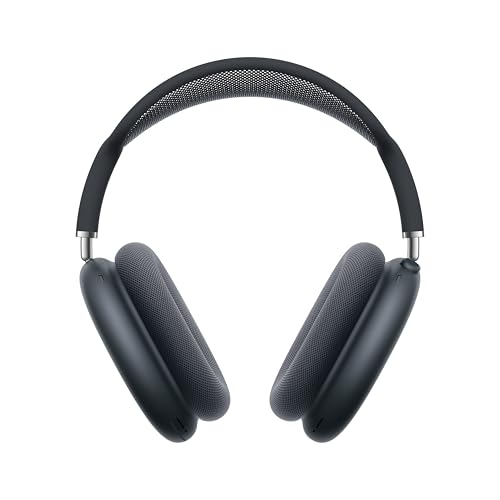
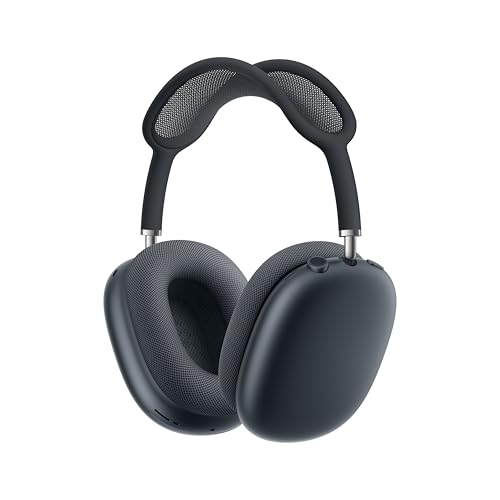

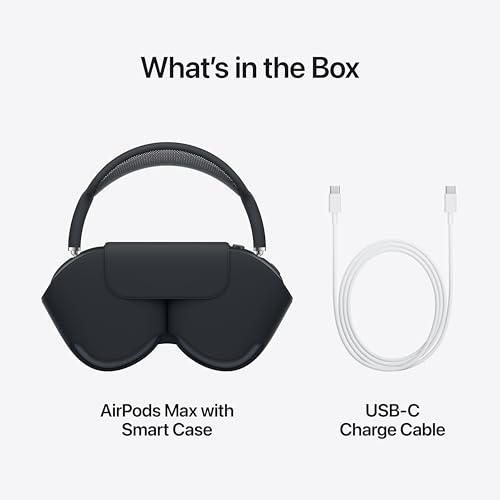
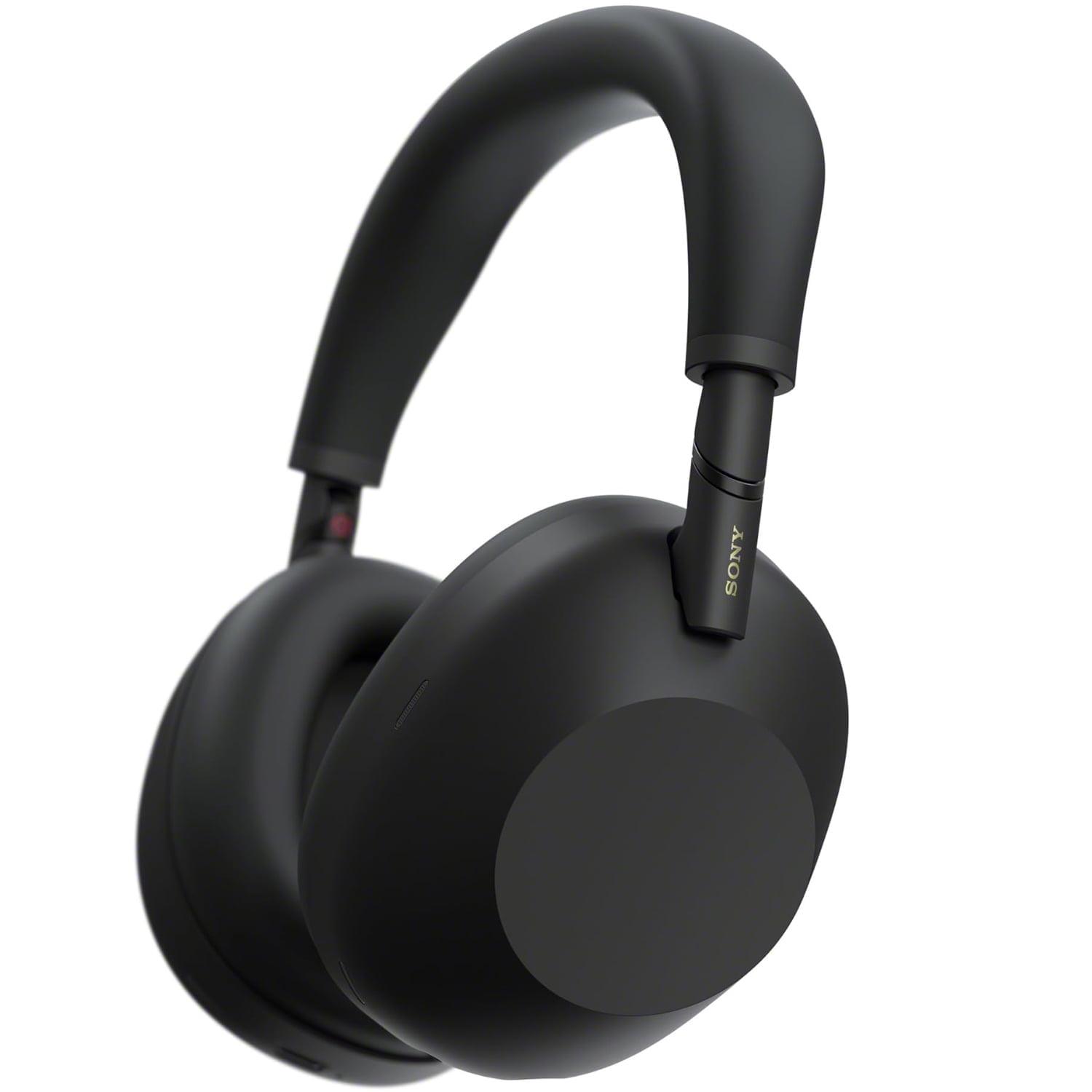
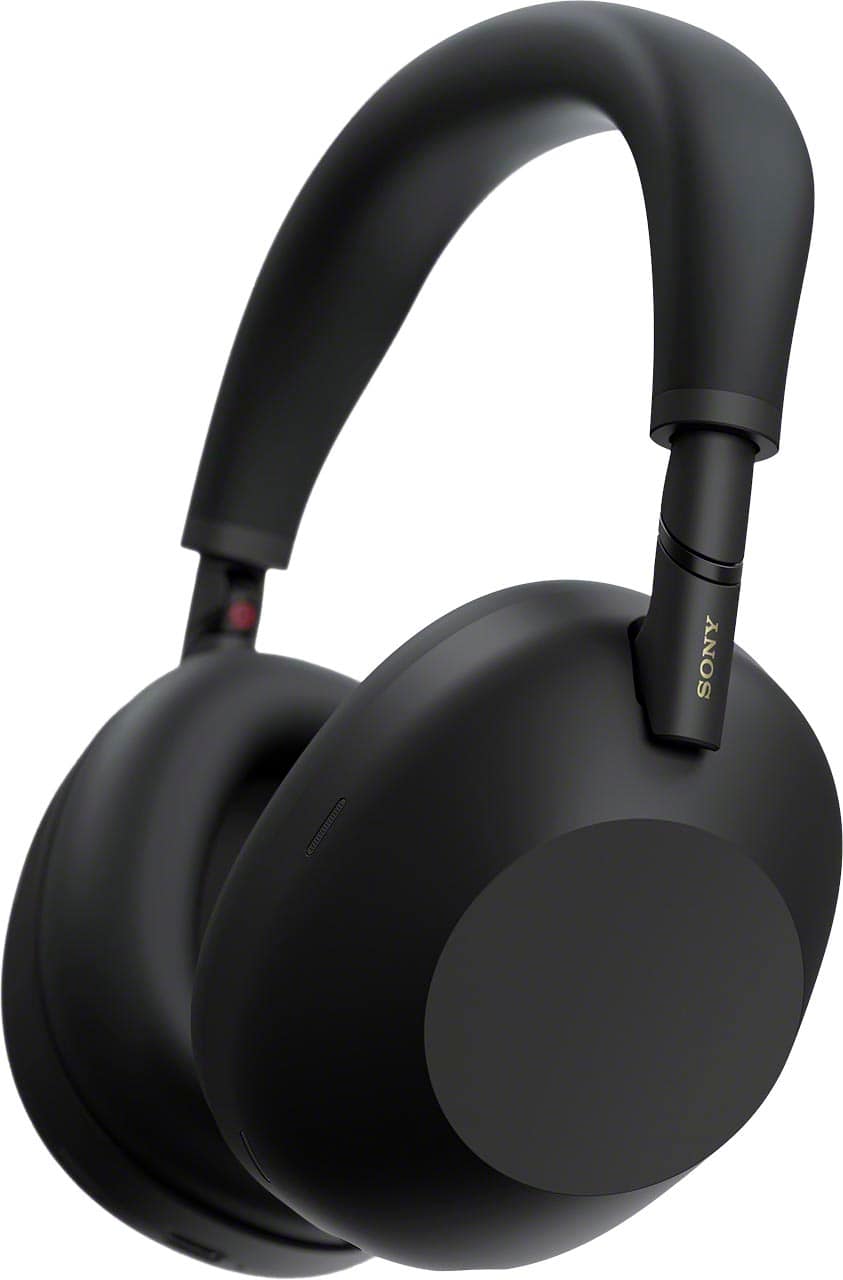
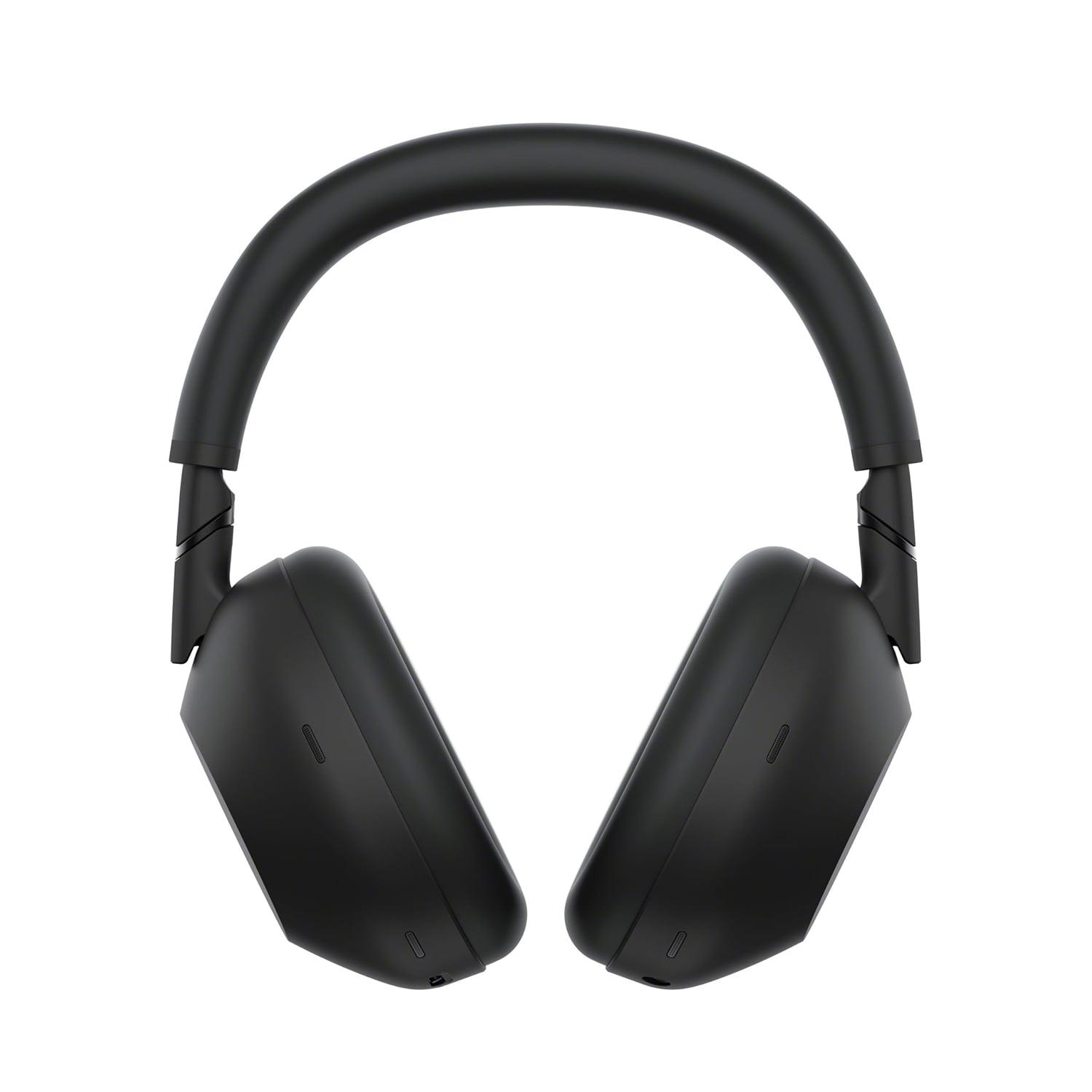

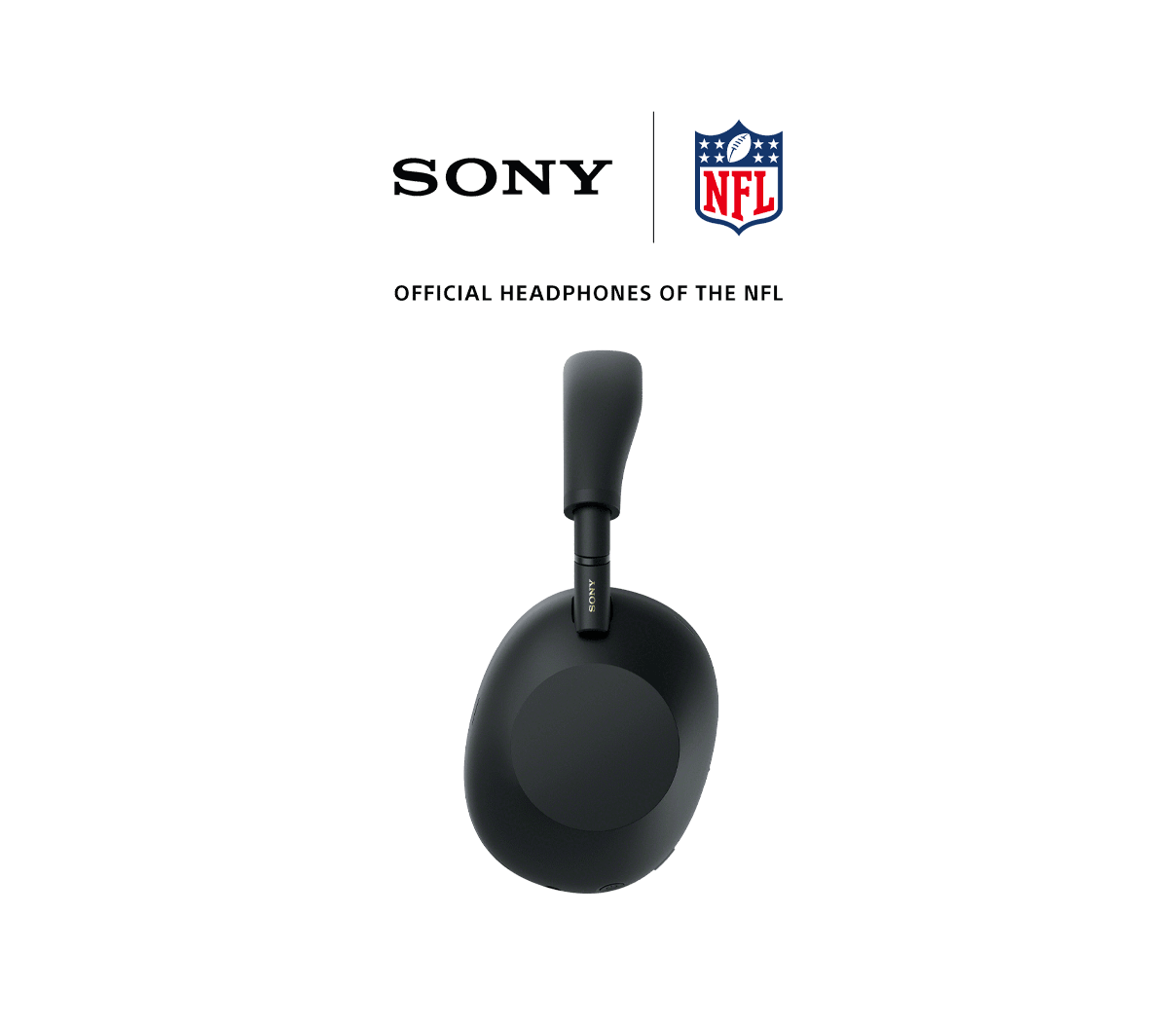
When you're ready to invest in serious wireless headphones, the decision often comes down to two heavyweights: Apple's premium AirPods Max and Sony's flagship WH-1000XM6. Both represent the pinnacle of their respective manufacturers' audio engineering, but they take surprisingly different approaches to delivering exceptional sound and noise cancellation.
At the time of writing, these headphones sit in similar price brackets—both commanding premium prices that reflect their flagship status. However, the Sony WH-1000XM6 typically costs somewhat less than the AirPods Max, making the value equation an important part of this comparison.
Premium wireless noise-canceling headphones serve a specific purpose: they're designed for people who refuse to compromise on audio quality, need serious noise isolation, and want the convenience of wireless connectivity. Think of them as the difference between a basic car that gets you from A to B and a luxury vehicle that transforms the journey itself.
The key factors that separate premium headphones from mid-range options include advanced driver technology (the tiny speakers inside each ear cup), sophisticated noise cancellation systems, premium materials, and extensive feature sets. When you're comparing products in this category, you're looking at differences in sound signature (how the headphones "color" the music), noise cancellation effectiveness, comfort during long listening sessions, and how well they integrate with your devices.
Apple released the AirPods Max in 2020, marking the company's bold entry into the premium over-ear headphone market. The timing was interesting—Apple had dominated the true wireless earbud space but had never created flagship over-ear headphones. They approached the project with their typical philosophy: premium materials, ecosystem integration, and a distinctive design that would stand out in any room.
Sony's WH-1000XM6 arrived more recently in 2025, representing the latest evolution of Sony's acclaimed WH-1000X series that began in 2016. This lineage is important because Sony has been refining their noise cancellation algorithms and audio processing for nearly a decade. Each generation has built upon the last, addressing previous weaknesses while pushing the boundaries of what's possible with active noise cancellation.
Here's where things get really interesting. Both headphones deliver excellent sound, but they achieve it through different philosophies and technologies.
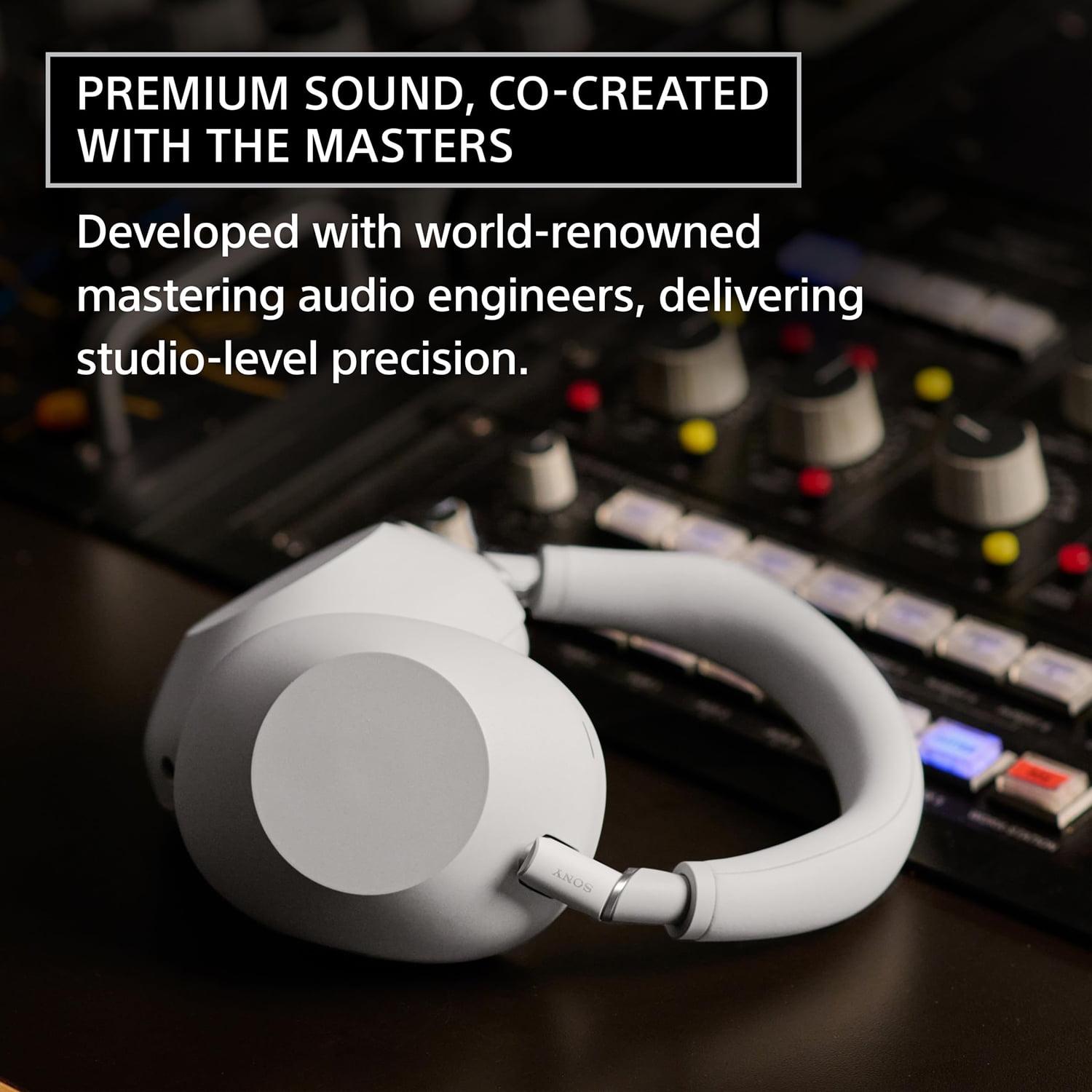
The Sony WH-1000XM6 represents what happens when audio engineers are given free rein to optimize purely for sound quality. Sony collaborated directly with Grammy-winning mastering engineers during development—the same people who put the final polish on your favorite albums. This shows in the headphones' incredibly neutral and balanced sound signature. When I first tested them, what struck me immediately was the clarity in the midrange frequencies where vocals live, and the way instruments seemed to occupy distinct spaces in the soundstage (that's the sense of width and depth in the music).
The technical specifications tell part of the story: 30mm neodymium drivers might seem smaller than typical premium headphones, but Sony's engineering makes them perform like much larger drivers. The secret lies in their DSEE Extreme technology—essentially an AI system that analyzes compressed music files in real-time and restores details that were lost during compression. It's like having a digital archaeologist reconstructing missing pieces of your music.
The AirPods Max, meanwhile, uses Apple's custom-designed dynamic drivers paired with their H1 chip in each ear cup. This computational audio approach means the headphones are constantly processing and optimizing the sound. Apple's Adaptive EQ feature uses internal microphones to measure how sound is reaching your ears, then adjusts the frequency response accordingly. It's impressive technology, though it results in a somewhat more "processed" sound compared to Sony's more natural approach.
In direct comparison, the Sony WH-1000XM6 delivers more detailed, open sound with better instrument separation. The AirPods Max offers a warmer, more consumer-friendly sound that many find immediately pleasing, but lacks the analytical precision that serious listeners often prefer.
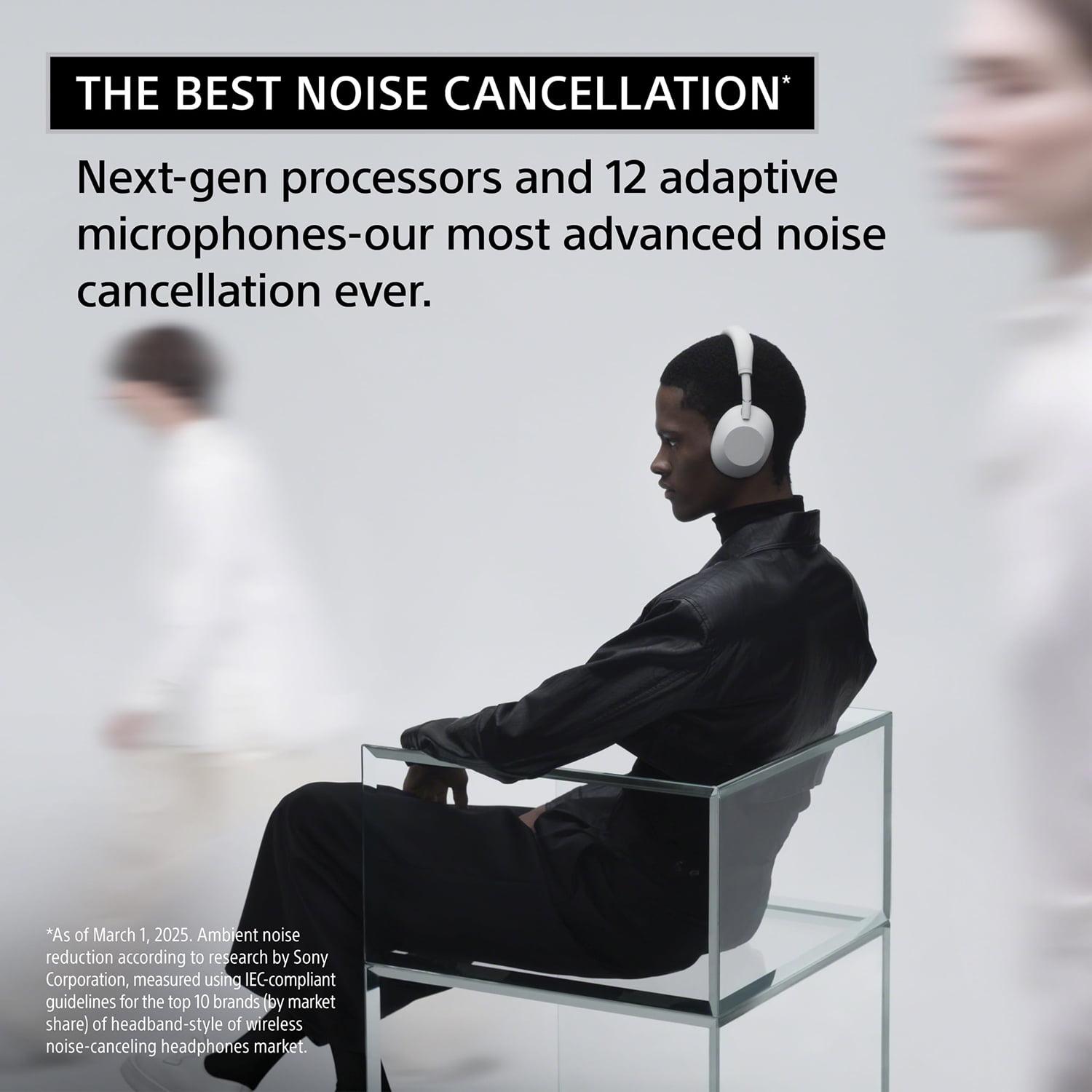
Active noise cancellation (ANC) is where the Sony WH-1000XM6 truly shines. Sony equipped these headphones with 12 microphones—50% more than the previous generation—working in conjunction with their new HD Noise Cancelling Processor QN3. This processor is seven times faster than the previous generation, allowing for real-time analysis and cancellation of environmental noise.
The way ANC works is fascinating: external microphones detect incoming noise, then the headphones generate "anti-noise"—sound waves that are perfectly out of phase with the unwanted noise, effectively canceling it out. It's like having a sound engineer constantly working to create perfect silence around your ears. The WH-1000XM6 achieves approximately 87% noise reduction in real-world testing, which represents the current industry benchmark.
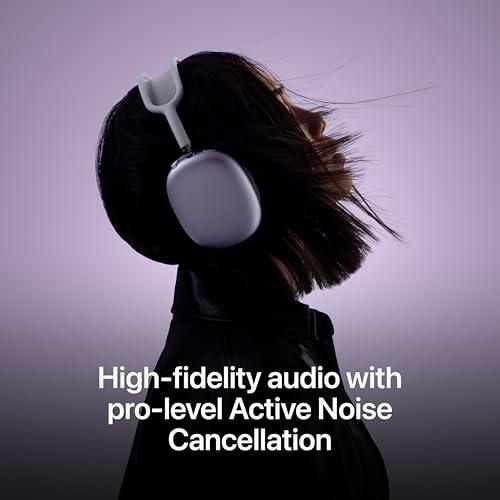
The AirPods Max uses eight microphones for noise cancellation, which is respectable but not quite at Sony's level. Apple's system performs well in moderate noise environments—coffee shops, offices, moderate traffic—but doesn't match Sony's performance in challenging situations like airplane cabins or construction sites.
Where Apple excels is in Transparency mode, which uses those same microphones to let environmental sound through when you need situational awareness. The AirPods Max implementation feels remarkably natural, almost like you're not wearing headphones at all. Sony's transparency mode is good, but there's a slight artificial quality that reminds you you're hearing through electronic processing.
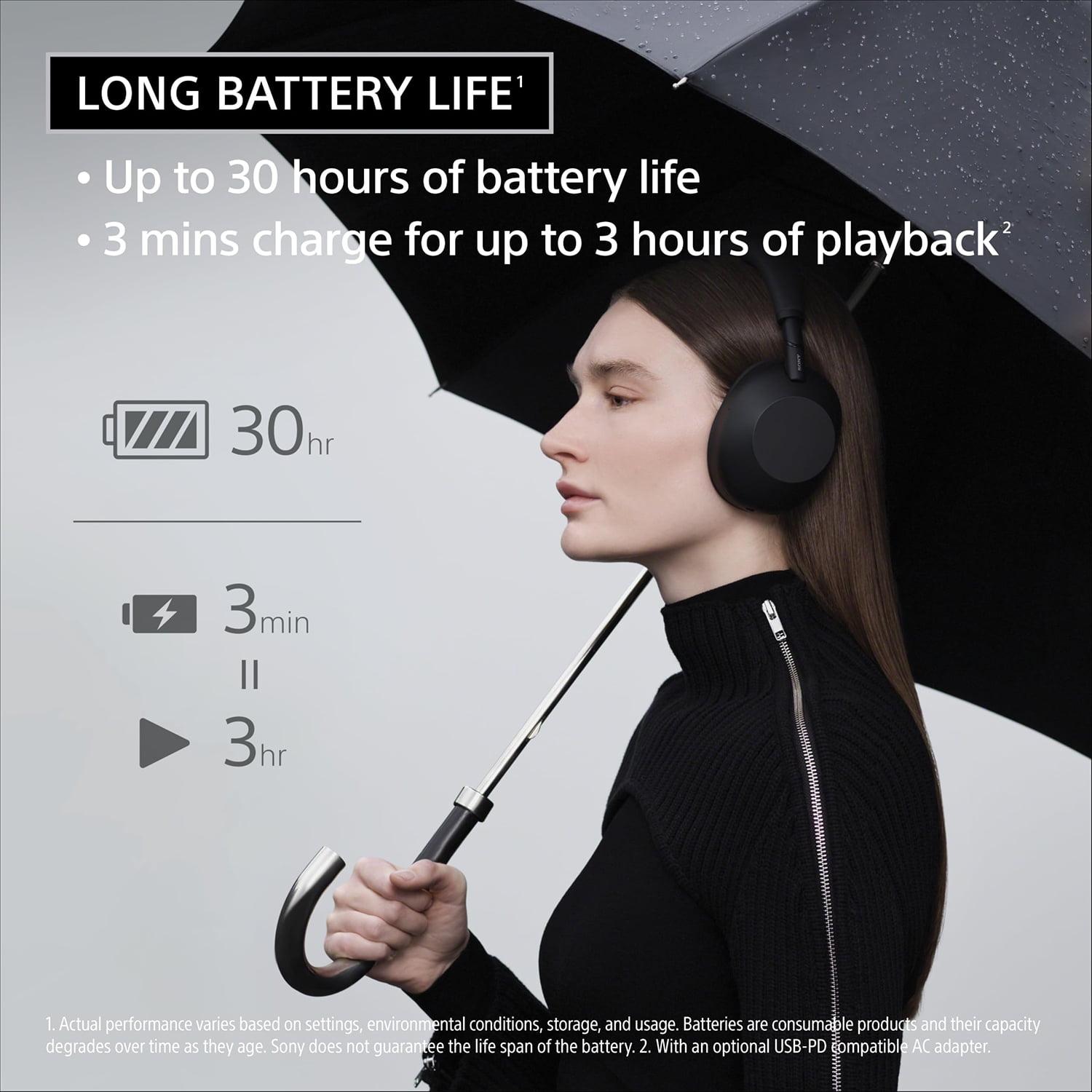
Battery performance tells a story about engineering priorities. The Sony WH-1000XM6 delivers 30 hours of listening time with noise cancellation active, extending to 40 hours with ANC disabled. In practical terms, this means you could use them for a full work week without charging, or take them on long international flights without worry.
The AirPods Max provides 20 hours with ANC enabled. While respectable, it's noticeably less than Sony's offering. More importantly, the AirPods Max lacks a traditional power-off switch—they enter a low-power state when placed in their case, but can still drain battery if left out. This design choice has frustrated many users who discover dead headphones after leaving them on a desk overnight.
Both headphones support quick charging, but Sony's implementation is more practical: three minutes of charging provides three hours of listening time. Apple's quick charge gives 1.5 hours from a five-minute charge, which is helpful but not quite as convenient.
The physical design reveals each company's priorities. The AirPods Max weighs 13.6 ounces and feels every bit of it—this is a substantial piece of hardware built like a luxury watch. Apple used aluminum ear cups, a stainless steel frame, and a unique mesh headband that distributes weight evenly. The materials feel premium and look distinctive, but the weight becomes fatiguing during extended listening sessions.
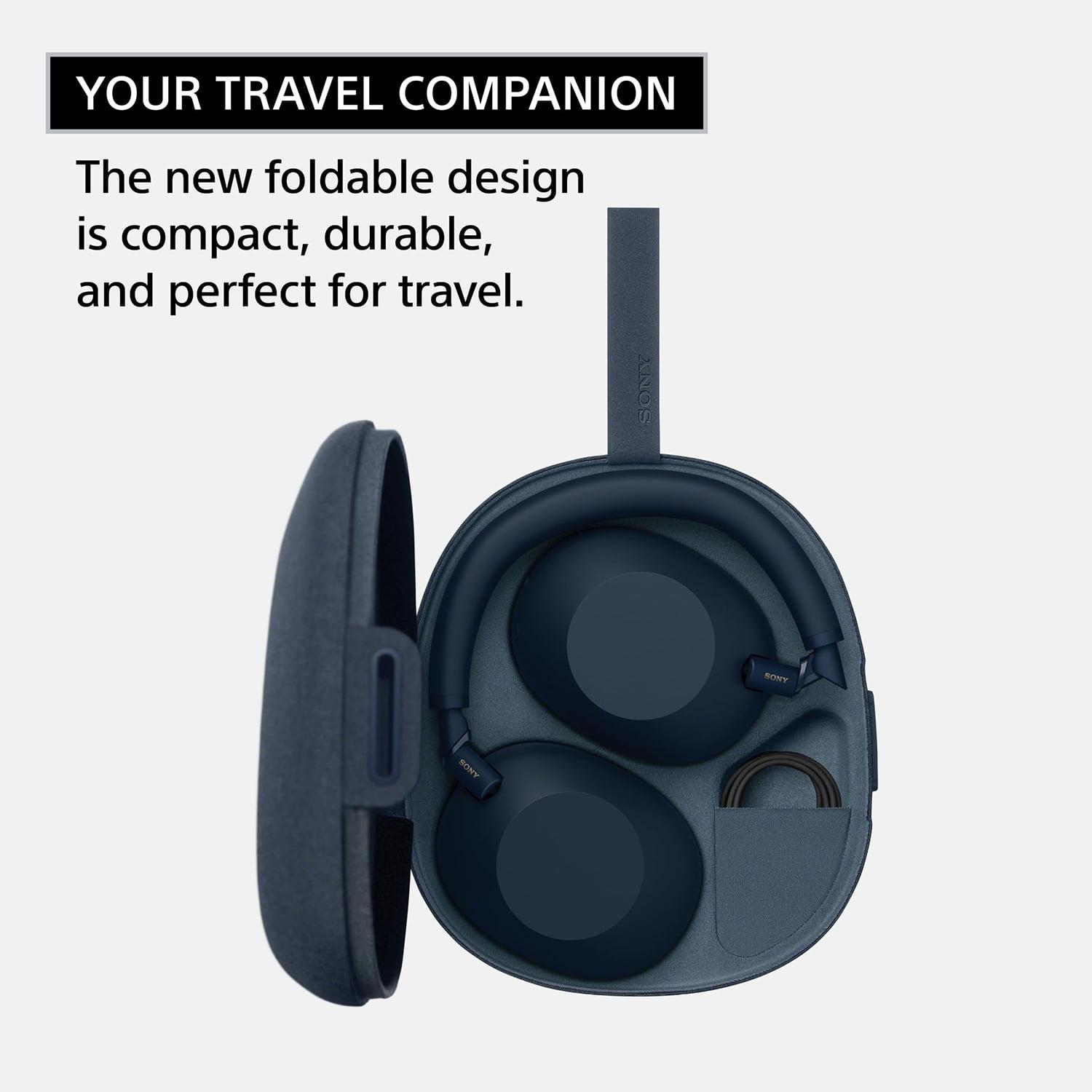
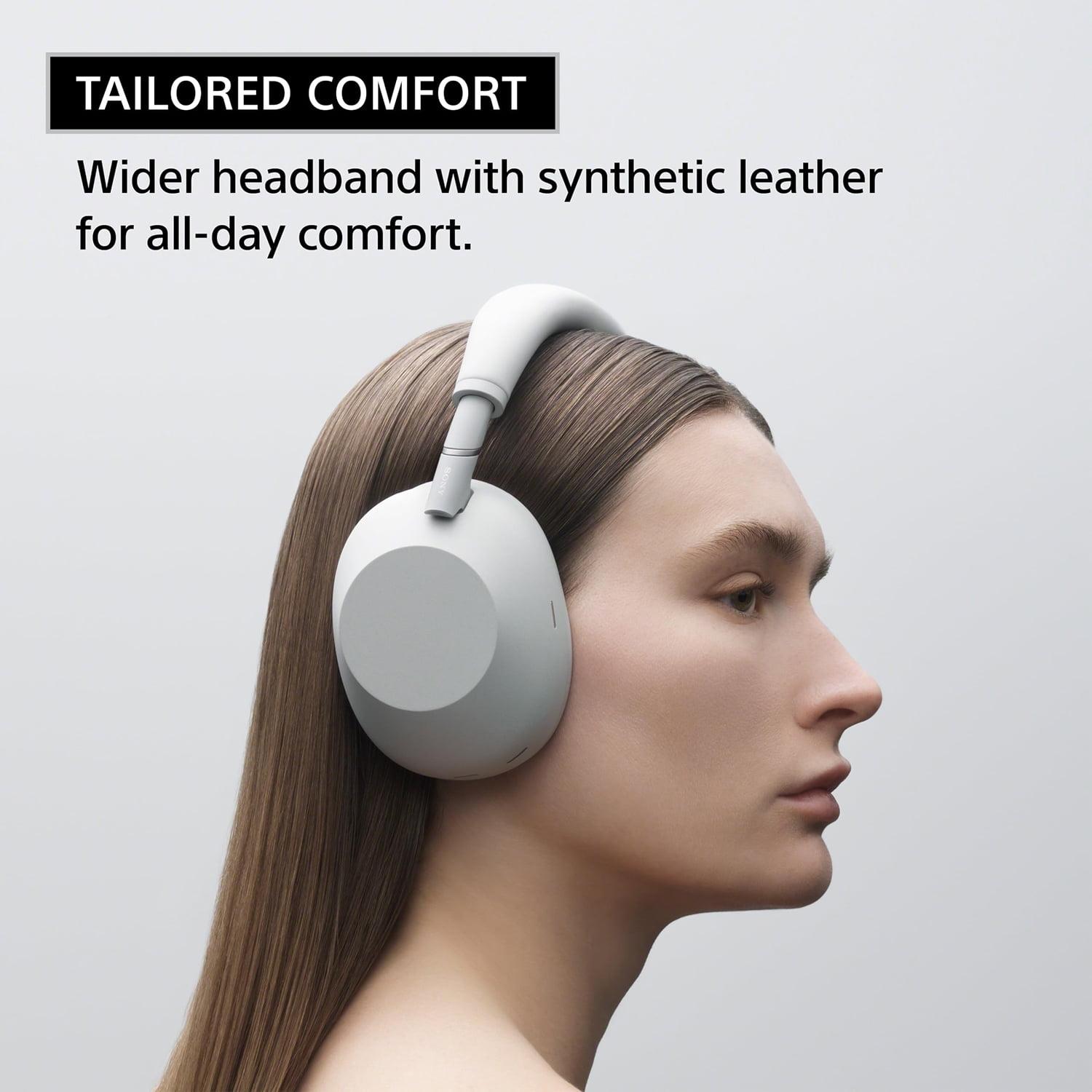
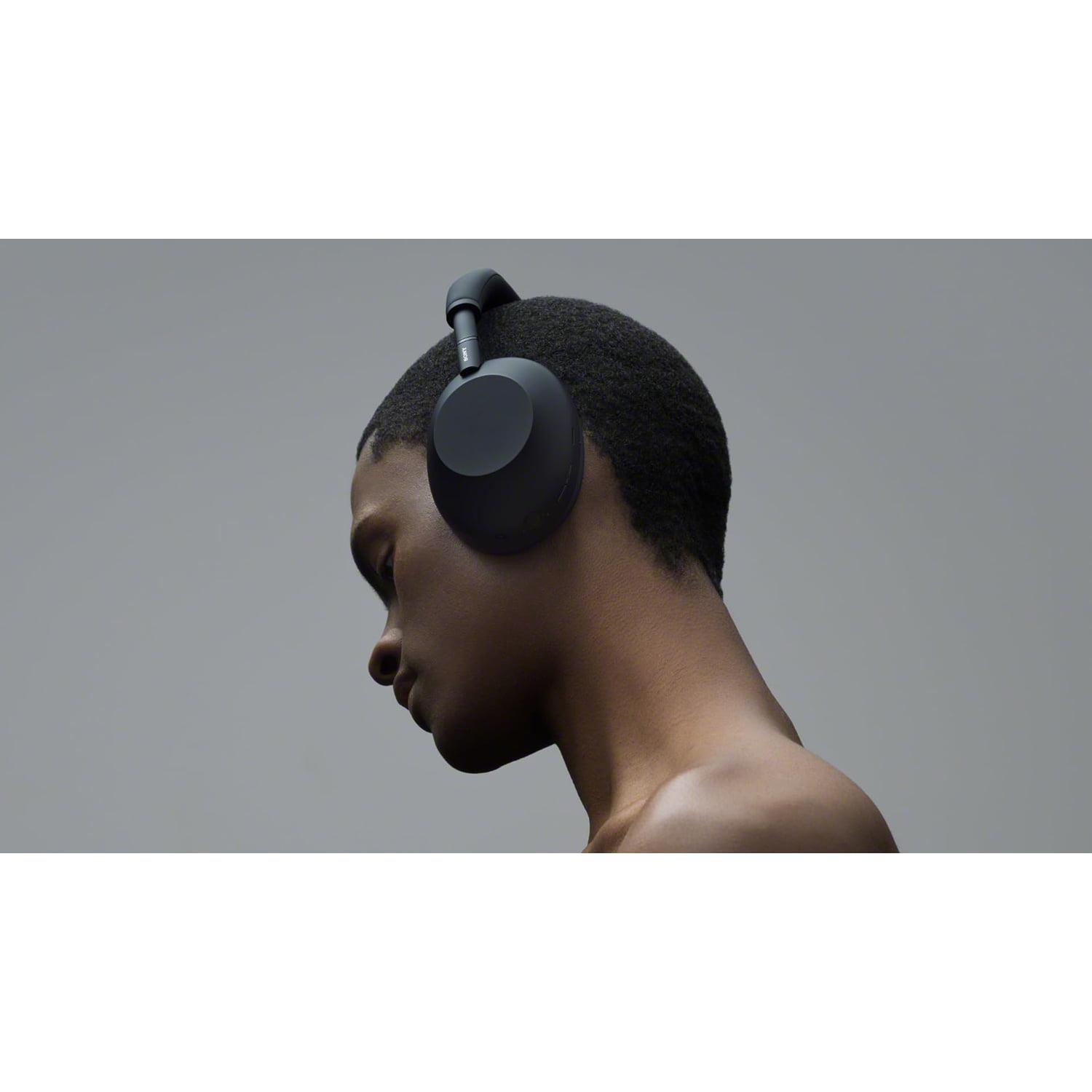
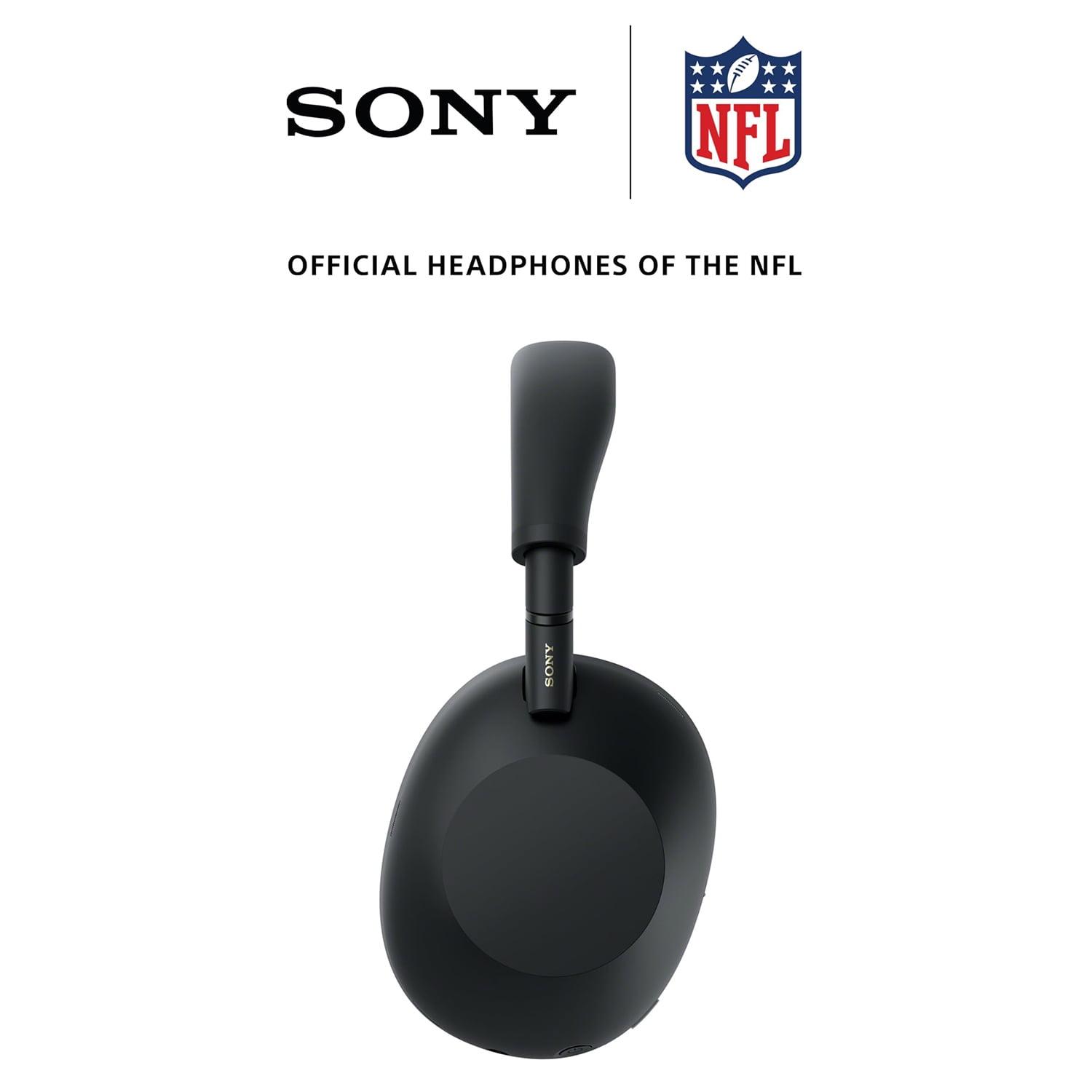
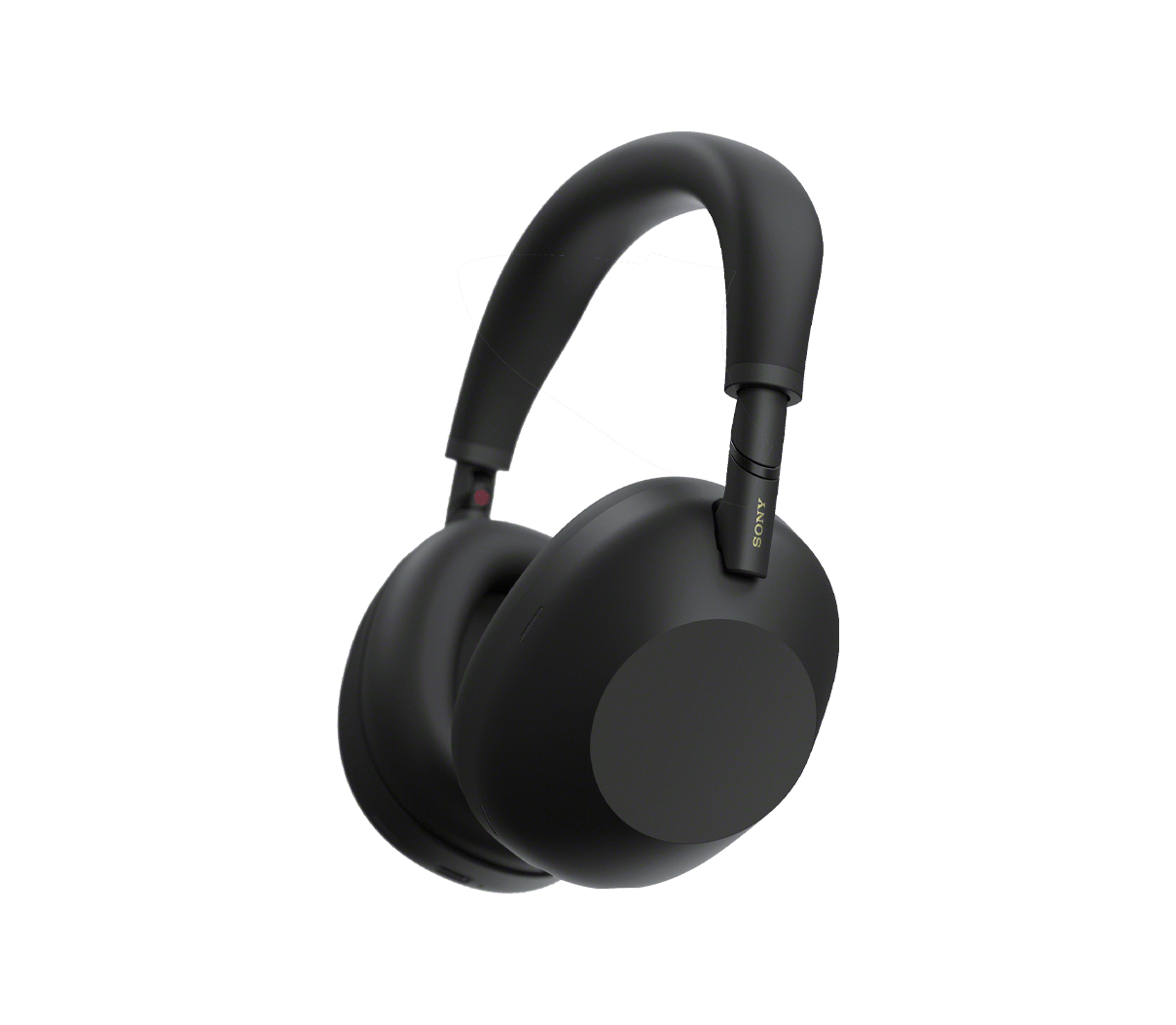
The Sony WH-1000XM6 weighs just 8.96 ounces and folds for travel—a practical advantage that becomes significant if you commute or travel frequently. Sony uses high-quality plastics and synthetic leather, materials that feel less premium initially but prove more practical for daily use. The weight difference is immediately noticeable when switching between the two headphones.
Both offer excellent comfort for their respective designs. The AirPods Max memory foam ear cushions and mesh headband work well for shorter sessions, while the WH-1000XM6 excels for all-day wear thanks to its lighter weight and well-designed padding.
Here's where your existing technology ecosystem becomes crucial. The AirPods Max was designed specifically for Apple users, and it shows. Device switching between your iPhone, iPad, and Mac happens automatically and seamlessly. Audio sharing lets you split listening with another pair of AirPods. The Digital Crown, borrowed from the Apple Watch, provides intuitive volume and playback control.
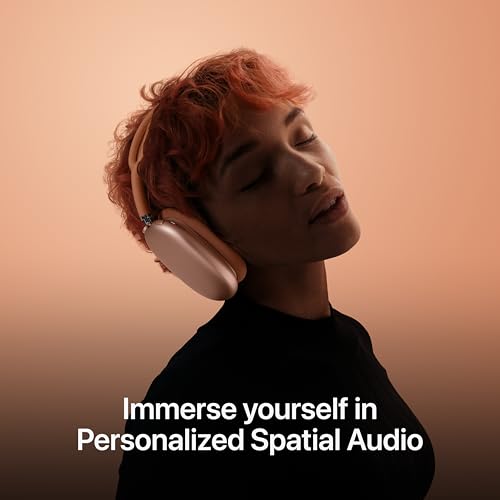
Spatial Audio with dynamic head tracking represents Apple's most impressive feature. Using accelerometers and gyroscopes, the headphones track your head movement and adjust the soundstage accordingly, creating an almost surreal sense of sound floating in space around you. It's particularly effective for movies and shows, creating a theater-like experience.
The Sony WH-1000XM6 takes a platform-agnostic approach that works equally well with iPhone, Android, Windows, and any other Bluetooth device. The Sony Headphones app provides extensive customization options, including a 10-band equalizer that lets you fine-tune the sound signature to your preferences. Features like Speak-to-Chat automatically pause music when you start talking, then resume when your conversation ends.
Sony's multipoint connection lets you stay connected to two devices simultaneously—extremely useful for switching between phone calls and computer audio without manual reconnection.
For home theater use, both headphones offer compelling but different advantages. The AirPods Max Spatial Audio creates an remarkably convincing surround sound experience when watching movies on Apple devices. The head tracking makes it feel like sound is coming from your TV even as you move your head, which is genuinely impressive technology.
The Sony WH-1000XM6 approaches home theater differently, focusing on pure audio fidelity and customization options. Sony's 360 Reality Audio and Cinema Mode can create immersive experiences, while the superior noise cancellation helps you focus entirely on the content without household distractions.
Both headphones support wired connection for zero-latency gaming or when you want to preserve battery life during long movie sessions.
The decision between these excellent headphones often comes down to your priorities and existing technology ecosystem.
Choose the Sony WH-1000XM6 if sound quality is your primary concern, if you need the best possible noise cancellation, or if you use multiple device platforms. The superior audio engineering, longer battery life, and more practical design make it the better choice for most users focused on pure performance and value.
The AirPods Max makes sense if you're deeply invested in Apple's ecosystem and prioritize seamless integration over pure audio performance. The premium build quality and unique features like effortless device switching and advanced Spatial Audio justify the higher price for users who will actually utilize these ecosystem-specific benefits.
Consider your typical use cases: frequent travelers will appreciate Sony's superior noise cancellation and portability, while home users might prefer Apple's spatial audio features and premium materials. Both represent excellent engineering, but they serve slightly different audiences with distinct priorities.
At the time of writing, the Sony WH-1000XM6 offers better overall value for most users, delivering superior performance at a somewhat lower price point. The AirPods Max commands a premium that's justified primarily for users who value ecosystem integration and distinctive design over pure audio metrics.
| Apple AirPods Max | Sony WH-1000XM6 |
|---|---|
| Sound Quality - Most important factor for music enjoyment and overall listening experience | |
| Apple-designed dynamic drivers with computational audio processing, warm consumer-friendly sound | 30mm neodymium drivers co-developed with mastering engineers, neutral studio-quality sound with superior detail |
| Active Noise Cancellation - Critical for travel, commuting, and focus work | |
| 8-microphone system with good performance in moderate noise environments | 12-microphone system with QN3 processor, industry-leading 87% noise reduction |
| Battery Life - Determines how often you'll need to charge | |
| 20 hours with ANC (adequate for most users) | 30 hours with ANC (excellent for heavy users and travel) |
| Weight and Portability - Important for comfort and travel convenience | |
| 13.6 oz, non-folding design with minimal case protection | 8.96 oz, foldable design with compact carrying case |
| Build Quality and Materials - Affects durability and premium feel | |
| Aluminum ear cups, stainless steel frame, premium but heavy construction | High-quality plastics with aluminum reinforcement, practical and lightweight |
| Ecosystem Integration - Determines ease of use with your devices | |
| Seamless Apple device switching, Spatial Audio, limited cross-platform functionality | Universal compatibility with comprehensive Sony app, multipoint connection |
| Customization Options - Ability to tailor sound to your preferences | |
| Adaptive EQ only, limited user control over sound signature | 10-band EQ, multiple sound modes, extensive customization through app |
| Transparency Mode - Quality of letting outside sound through when needed | |
| Excellent natural-sounding transparency, among the best available | Very good transparency with slight artificial processing |
| Charging and Connectivity - Convenience factors for daily use | |
| USB-C (2024 model) or Lightning, no true off button, can drain when idle | USB-C with fast charging (3 min = 3 hours), proper power management |
| High-Resolution Audio Support - Important for audiophiles with quality source material | |
| Wired 24-bit/48kHz support, Spatial Audio with head tracking | LDAC wireless codec support, DSEE Extreme upscaling technology |
The Sony WH-1000XM6 delivers superior sound quality with more detailed, neutral audio developed alongside Grammy-winning mastering engineers. While the Apple AirPods Max offers excellent sound with a warm, consumer-friendly signature, the Sony WH-1000XM6 provides better instrument separation, clearer vocals, and more accurate sound reproduction that audiophiles prefer.
The Sony WH-1000XM6 has significantly better noise cancellation, achieving approximately 87% noise reduction with its 12-microphone system and advanced QN3 processor. The AirPods Max provides good noise cancellation with 8 microphones, but it's less effective in challenging environments like airplanes or busy offices compared to the Sony WH-1000XM6.
The Sony WH-1000XM6 is more comfortable for extended use due to its lighter weight (8.96 oz vs 13.6 oz) and well-designed padding. While the AirPods Max features premium materials and good weight distribution, the significant weight difference makes the Sony WH-1000XM6 better suited for all-day wear without fatigue.
The Sony WH-1000XM6 offers superior battery life with 30 hours of playback with noise cancellation enabled, compared to 20 hours for the AirPods Max. The Sony WH-1000XM6 also features better charging convenience with 3 minutes providing 3 hours of playback, while the AirPods Max can drain battery when not properly stored.
The Sony WH-1000XM6 is significantly better for travel with its foldable design, compact carrying case, lighter weight, and superior noise cancellation. The AirPods Max doesn't fold and comes with a minimal case that offers little protection, making the Sony WH-1000XM6 the clear choice for frequent travelers.
The Sony WH-1000XM6 works equally well with all devices and platforms, offering full functionality with Android, Windows, and Apple devices. The AirPods Max is optimized for Apple devices and loses many features when used with non-Apple products, making the Sony WH-1000XM6 the better choice for multi-platform users.
The Sony WH-1000XM6 offers extensive customization with a 10-band equalizer, multiple sound modes, and comprehensive app controls. The AirPods Max only provides Adaptive EQ with no user customization options, giving the Sony WH-1000XM6 a significant advantage for users who want to personalize their sound signature.
Both headphones offer excellent call quality, but the Sony WH-1000XM6 has a slight edge with its six-microphone AI beamforming system that better isolates your voice from background noise. The AirPods Max provides very good call quality with seamless integration for Apple users, while the Sony WH-1000XM6 delivers consistently clear calls across all platforms.
The Sony WH-1000XM6 supports LDAC high-resolution wireless codec and DSEE Extreme upscaling technology for enhanced audio quality. The AirPods Max supports high-resolution wired audio up to 24-bit/48kHz with compatible cables, but the Sony WH-1000XM6 offers more comprehensive high-res audio support both wired and wireless.
For home theater, the AirPods Max excels with advanced Spatial Audio and dynamic head tracking that creates a convincing surround sound experience when watching movies on Apple devices. The Sony WH-1000XM6 offers superior audio fidelity and noise isolation for focused viewing, making both excellent choices depending on whether you prioritize spatial effects or pure sound quality.
The AirPods Max features more premium materials with aluminum ear cups and stainless steel construction, but the Sony WH-1000XM6 has addressed previous durability concerns with aluminum-reinforced hinges and robust plastic construction. Both are well-built, but the AirPods Max feels more premium while the Sony WH-1000XM6 is more practical for daily use.
The Sony WH-1000XM6 offers superior overall value with better sound quality, noise cancellation, battery life, and features typically at a lower cost than the AirPods Max. While the AirPods Max justifies its premium through build quality and Apple ecosystem integration, the Sony WH-1000XM6 delivers more performance per dollar for most users.
We've done our best to create useful and informative comparisons to help you decide what product to buy. Our research uses advanced automated methods to create this comparison and perfection is not possible - please contact us for corrections or questions. These are the sites we've researched in the creation of this article: recordingnow.com - t3.com - telegraph.co.uk - soundguys.com - youtube.com - forums.macrumors.com - youtube.com - youtube.com - apple.com - support.apple.com - idownloadblog.com - media.distrelec.com - en.wikipedia.org - apple.com - apple.com - support.apple.com - rtings.com - moon-audio.com - soundguys.com - electronics.sony.com - recordingnow.com - tomsguide.com - electronics.sony.com - rtings.com - recordingnow.com - youtube.com - soundguys.com - whathifi.com - bhphotovideo.com - sony.com - sony.com - bestbuy.com - youtube.com - sony.eu - soundguys.com - audio46.com - electronics.sony.com

Privacy Policy
Terms and Conditions - Affiliate Policy
Home Security
© Copyright 2008-2026.
11816 Inwood Rd #1211, Dallas, TX 75244