



Premium wireless noise-canceling headphones have become the gold standard for anyone serious about audio quality on the go. Whether you're working from home, traveling frequently, or just want the best possible sound for your music and movies, these high-end headphones promise to deliver studio-quality audio without the hassle of wires.
But here's the thing: not all premium headphones are created equal, and the differences between top models can significantly impact your daily listening experience. Today, we're diving deep into two standout options that represent different philosophies in premium audio design: the Apple AirPods Max and the Focal Bathys.
Before we jump into the specifics, let's talk about what you're actually paying for in this category. Premium wireless noise-canceling headphones combine several sophisticated technologies that cheaper models simply can't match.
Active Noise Cancellation (ANC) uses multiple microphones to detect outside sounds and generate "anti-noise" - sound waves that cancel out unwanted noise. Think of it like having a conversation in a crowded room where someone behind you repeats everything the crowd says, but backwards, effectively canceling out the chatter.
High-quality drivers are the speakers inside the headphones that actually produce sound. Premium models use specially designed materials and engineering to reproduce audio more accurately across all frequencies - from deep bass to sparkling highs.
Wireless connectivity has evolved far beyond basic Bluetooth. Modern headphones support various audio codecs (compression formats that determine sound quality over wireless connections) and can seamlessly switch between devices.
The real magic happens when all these technologies work together, creating an immersive audio experience that can rival high-end wired headphones while offering the convenience of wireless connectivity.
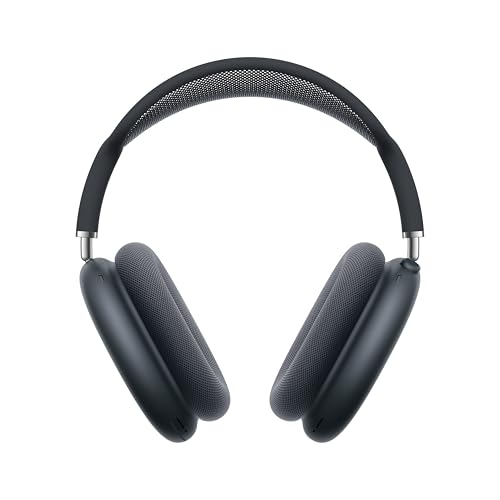
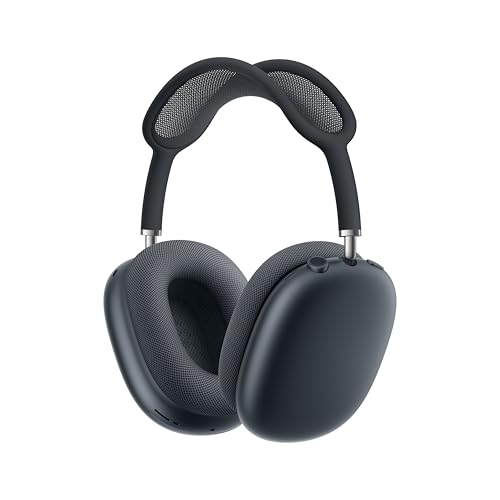
Released in 2020, the Apple AirPods Max represented Apple's first foray into over-ear headphones, and they made quite an entrance. Apple took their computational audio expertise from the smaller AirPods and scaled it up dramatically, incorporating dual H1 chips (the same processors that power their earbuds) into each ear cup.
Since their release, Apple updated the AirPods Max in 2024 with USB-C charging and new color options, but the core technology remains largely unchanged. This consistency actually speaks to how forward-thinking the original design was - features like Spatial Audio and adaptive EQ that seemed novel in 2020 have become industry standards.
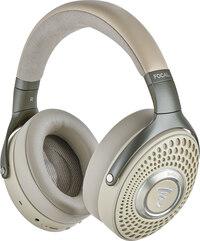
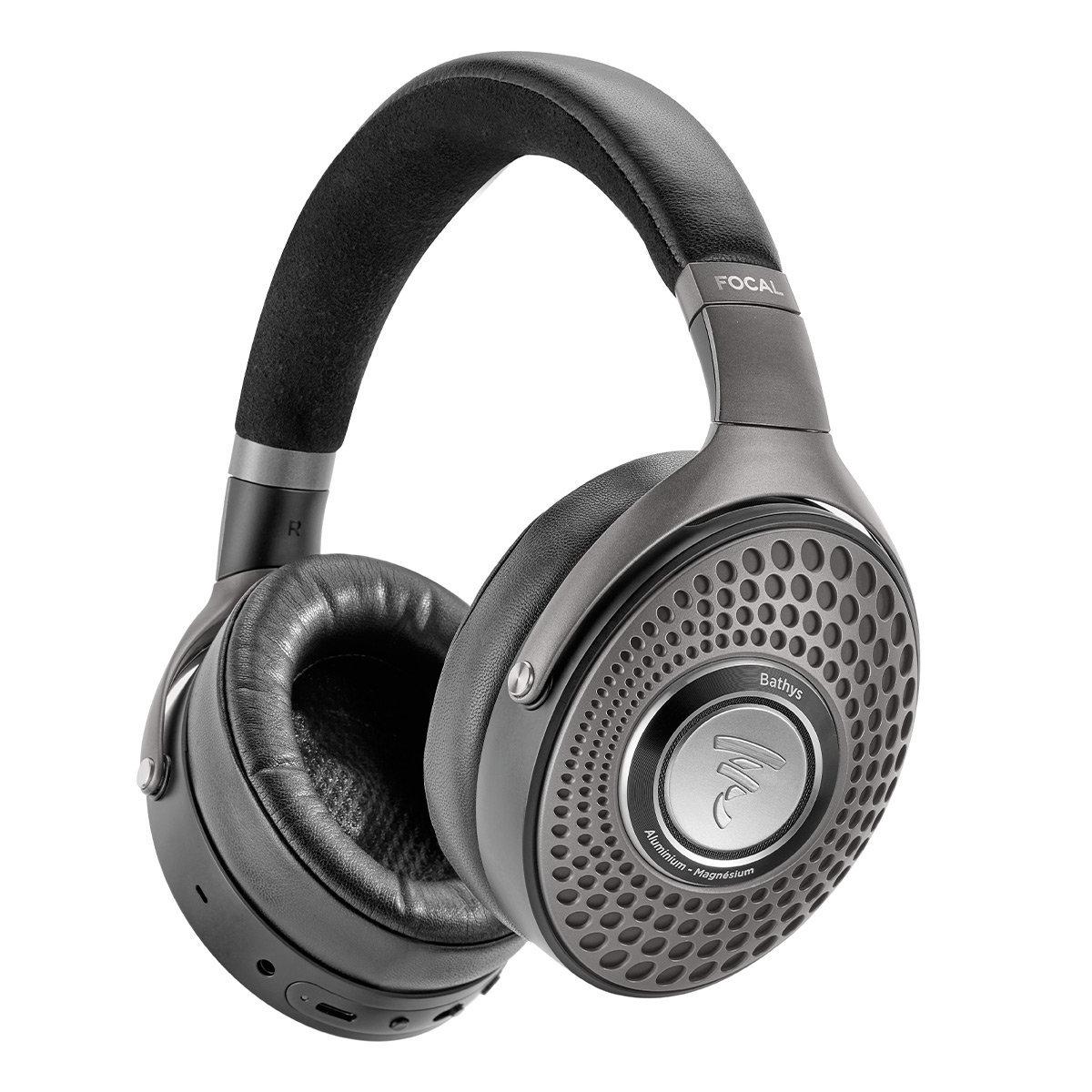
The Focal Bathys, launched in 2021, came from a completely different angle. Focal, a French company renowned for their high-end speakers and wired headphones, essentially asked: "What if we took our best headphone drivers and made them wireless?" The result bridges the gap between audiophile-grade wired headphones and the convenience of wireless connectivity.
Unlike many companies that develop wireless-first products, Focal brought decades of acoustic engineering experience to the wireless space, and it shows in every aspect of the Bathys's sound reproduction.
This is where things get really interesting, and frankly, where the biggest differences lie between these two premium options.
The Focal Bathys uses 40mm aluminum-magnesium drivers with Focal's signature 'M'-shaped dome design - the same technology you'll find in their high-end wired headphones that cost significantly more. This isn't just marketing speak; it's a fundamentally different approach to driver construction.
The aluminum-magnesium alloy combines the rigidity of aluminum (which reduces distortion) with the damping properties of magnesium (which smooths out harsh frequencies). The result is a sound signature that audiophiles describe as "neutral-warm" - meaning it reproduces music very close to how it was originally recorded, with just a touch of warmth that makes long listening sessions comfortable.
When I first tested the Bathys, what struck me immediately was how little I wanted to adjust the EQ. Most headphones, even expensive ones, have some quirks in their frequency response that make you reach for the bass or treble controls. The Bathys gets the tonal balance right from the start, with deep but controlled bass, present and detailed midrange, and smooth treble that reveals detail without causing fatigue.
The soundstage - that sense of space and instrument placement - is genuinely impressive for closed-back wireless headphones. It's one of the few wireless models that can create that "speakers in a room" feeling rather than the typical "sounds coming from inside your head" experience.
The AirPods Max takes a completely different approach, using computational audio to adapt the sound in real-time. Each ear cup contains an Apple H1 chip - essentially a tiny computer dedicated to audio processing. These chips handle everything from noise cancellation to Apple's Adaptive EQ system, which automatically adjusts the frequency response based on how the headphones seal against your ears.
Out of the box, the AirPods Max has a brighter, more consumer-friendly sound signature. Apple has tuned these headphones to sound impressive immediately, with prominent bass and crisp highs that make popular music genres really pop. However, this tuning can become fatiguing over longer listening sessions, and many users find they need to adjust the EQ settings to achieve the most natural sound.
The bass response on the AirPods Max is particularly impressive - it's deep, tight, and well-controlled. Where some headphones blur bass lines together, the AirPods Max keeps each element distinct and articulated. The challenge is in the midrange and treble, where the tuning can push vocals slightly back in the mix and make some instruments sound harsh without EQ adjustments.
One area where the AirPods Max truly shines is Spatial Audio - Apple's take on surround sound for headphones. Using built-in accelerometers and gyroscopes, the headphones track your head movement and adjust the audio accordingly, creating the illusion that sound is coming from fixed points in space around you.
For movies and TV shows, this technology is genuinely impressive. When you turn your head during an action scene, the explosion that was happening to your "left" stays to your left, just like it would with real speakers. It's particularly effective for home theater use, where the AirPods Max can create a surprisingly convincing surround sound experience from streaming services that support Dolby Atmos.
The Focal Bathys doesn't have a direct equivalent to Spatial Audio, but honestly, its natural soundstage presentation is so good that it creates an immersive experience through pure acoustic engineering rather than digital processing.
Both headphones offer solid noise cancellation, though neither represents the absolute best in the category - that honor still goes to models like the Sony WH-1000XM5 or Bose QuietComfort Ultra.
The AirPods Max uses eight microphones and computational processing to analyze and cancel ambient noise. The system is adaptive, meaning it continuously adjusts based on your environment. It's particularly effective at handling consistent, low-frequency noise like airplane engines or air conditioning systems.
The Focal Bathys takes a more traditional approach with three preset ANC modes: Silent (maximum cancellation), Soft (gentler reduction for quieter environments), and Transparency (lets important sounds through). While not as sophisticated as Apple's adaptive system, it's effective and gives you direct control over the level of noise reduction.
In real-world testing, both perform similarly for most use cases. The AirPods Max might have a slight edge in very noisy environments like airplanes, but the difference is marginal. For typical home and office use, both do an excellent job of creating that quiet bubble that lets you focus on your music.
This is where your existing devices and preferences really come into play.
If you're invested in Apple's ecosystem, the AirPods Max offers integration that's honestly kind of magical. They pair instantly with any Apple device signed into your iCloud account. The automatic device switching means you can be watching a movie on your iPad, get a call on your iPhone, and the headphones seamlessly switch over without you touching anything.
The "Hey Siri" functionality works flawlessly, letting you control music, check the weather, or send messages without reaching for any device. This hands-free control becomes surprisingly useful once you get used to it.
However, this integration comes with limitations. The AirPods Max only supports basic Bluetooth codecs (SBC and AAC), which means you won't get the highest possible wireless audio quality with Android devices or specialized audio equipment. There's also no standard 3.5mm jack - you'll need Apple's USB-C to 3.5mm adapter for wired connections.
The Focal Bathys takes the opposite approach, designed to work excellently with any source. It supports a wide range of Bluetooth codecs, including aptX Adaptive, which can deliver near-CD quality audio over wireless connections.
More importantly, the Bathys includes both a standard 3.5mm analog connection and a unique USB-C DAC mode. When connected via USB-C to a computer or compatible device, the headphones can handle high-resolution audio files up to 24-bit/192kHz - significantly higher quality than any wireless connection can provide.
The Focal & Naim app works equally well on iOS and Android, providing a 5-band equalizer, hearing test functionality, and control over various features. It's not as seamlessly integrated as Apple's solution, but it's more flexible and customizable.
Both headphones feel premium, but they achieve this through different approaches.
The AirPods Max weighs about 30 grams more than the Bathys, but distributes that weight well with a mesh canopy headband that's genuinely comfortable for extended wear. The stainless steel and aluminum construction feels incredibly solid, though the materials can show fingerprints and minor scratches over time.
The Focal Bathys uses a more traditional leather and aluminum construction that's lighter overall but applies more clamping force to your head. The ear cups are notably larger, providing more room around your ears, but some users find the firmer grip less comfortable for very long sessions.
Both are well-built enough to handle daily use and travel, though the AirPods Max's stainless steel frame probably gives it a slight durability advantage for long-term use.
Here's where the Focal Bathys clearly wins: 35 hours of battery life with ANC enabled versus 20 hours for the AirPods Max. That extra 15 hours can mean the difference between charging weekly versus charging twice a week, which adds up over time.
Both headphones charge via USB-C (as of the 2024 AirPods Max revision) and offer quick charging capabilities. The Bathys provides about 5 hours of listening from a 15-minute charge.
One quirk worth mentioning: neither headphone has a traditional power button. Both automatically enter low-power modes when not in use, though Apple's implementation with the Smart Case is more finicky and has been a source of user complaints.
For home theater use, both headphones excel but in different ways.
The AirPods Max with Spatial Audio creates an incredibly convincing surround sound experience when watching movies on Apple devices. The head tracking keeps dialogue anchored to the screen while effects move around you naturally. It's particularly impressive for action movies and makes late-night viewing more immersive without disturbing others.
The Focal Bathys takes a different approach, using its superior soundstage and imaging to create immersion through pure audio quality. While it doesn't have active head tracking, the natural presentation means dialogue stays clear, explosions have proper weight, and the overall experience feels more like listening to high-end speakers than headphones.
For gaming, the AirPods Max's Spatial Audio can provide competitive advantages in games that support it, while the Bathys's superior imaging helps with positional audio in any game.
At the time of writing, these headphones occupy similar price ranges in the premium segment, with the AirPods Max typically priced somewhat lower than the Focal Bathys. However, value means different things depending on your priorities and existing ecosystem.
If you're deeply integrated into Apple's ecosystem and use multiple Apple devices daily, the AirPods Max provides value through convenience and integration features that you simply can't get elsewhere. The seamless device switching alone can be worth the investment if you regularly move between iPhone, iPad, and Mac.
For users prioritizing pure audio quality and flexibility, the Focal Bathys represents better value despite the higher price point. The superior sound quality, longer battery life, and universal compatibility make it a better long-term investment for serious listeners.
Choose the Apple AirPods Max if you're an Apple ecosystem user who values convenience and integration over everything else. If automatic device switching, Spatial Audio, and seamless Siri integration would genuinely improve your daily routine, the AirPods Max delivers an experience that no other headphones can match.
Choose the Focal Bathys if sound quality is your primary concern and you want maximum flexibility. If you use multiple platforms, care about high-resolution audio, or simply want the best possible sound reproduction, the Bathys justifies its premium through superior acoustic performance.
The deciding factor often comes down to a simple question: Do you want headphones that work magically within one ecosystem, or headphones that sound magical regardless of what you connect them to?
Both represent excellent investments in premium audio, but they serve different philosophies about what makes headphones truly great. The AirPods Max prioritizes the user experience and ecosystem integration, while the Focal Bathys prioritizes acoustic excellence and universal compatibility.
Your choice between them says as much about how you use technology as it does about how you listen to music. And honestly, that's exactly how it should be with products at this level - they're tools that should match not just your ears, but your entire digital lifestyle.
| Apple AirPods Max | Focal Bathys |
|---|---|
| Sound Quality - The most critical factor for premium headphones | |
| Consumer-friendly tuning with bright highs, requires EQ adjustments for optimal balance | Audiophile-grade neutral-warm signature, minimal EQ needed out of the box |
| Driver Technology - Determines audio fidelity and detail reproduction | |
| Apple-designed dynamic drivers with computational audio processing | 40mm Aluminum-Magnesium 'M'-shaped dome drivers made in France |
| Noise Cancellation - Essential for focus and travel comfort | |
| 8-microphone adaptive system with computational processing | 3-mode ANC system (Silent, Soft, Transparency) with good but not class-leading performance |
| Ecosystem Integration - Critical if you use multiple devices | |
| Seamless Apple device switching, Spatial Audio with head tracking, "Hey Siri" | Universal compatibility with excellent cross-platform app support |
| Connectivity Options - Affects audio quality and device compatibility | |
| Bluetooth 5.0 (SBC/AAC only), requires adapter for 3.5mm connection | Bluetooth 5.1 (aptX Adaptive support), built-in 3.5mm jack, USB-C DAC mode up to 192kHz |
| Battery Life - Important for daily use and travel | |
| 20 hours with ANC (below average for premium category) | 35 hours with ANC (excellent, 75% longer than AirPods Max) |
| Weight and Comfort - Critical for extended listening sessions | |
| 387g with superior mesh headband design, smaller ear cups may touch ears | 357g with larger ear cups providing more room, firmer clamping force |
| Build Materials - Affects durability and premium feel | |
| Stainless steel frame, aluminum cups, mesh canopy headband | Aluminum construction with leather headband and microfiber ear pads |
| Unique Features - Differentiating capabilities that justify premium pricing | |
| Spatial Audio with dynamic head tracking, automatic device switching, adaptive EQ | USB-DAC mode for high-res audio, 5-band EQ customization, hearing test functionality |
| Call Quality - Important for work-from-home and professional use | |
| Excellent clarity in normal conditions, struggles in wind | Very good indoor performance with surprisingly natural voice reproduction |
The Focal Bathys delivers superior sound quality with audiophile-grade drivers that provide balanced, natural audio reproduction requiring minimal EQ adjustments. The Apple AirPods Max offers excellent bass control and computational audio features but needs EQ tweaking to achieve optimal tonal balance. For pure audio fidelity, the Bathys is the clear winner.
Both headphones offer solid noise cancellation, with the Apple AirPods Max having a slight edge due to its 8-microphone adaptive system and computational processing. The Focal Bathys provides effective ANC with three preset modes but isn't quite as sophisticated. However, the difference is marginal for most real-world use cases.
The Focal Bathys is significantly better for Android users, supporting aptX Adaptive codec for higher wireless audio quality and offering full app functionality. The Apple AirPods Max works with Android but is limited to basic SBC codec and loses most smart features, making the Bathys the obvious choice for non-Apple users.
The Focal Bathys offers substantially longer battery life at 35 hours with ANC enabled, compared to 20 hours for the Apple AirPods Max. This 15-hour difference means the Bathys needs charging less frequently, making it more convenient for daily use and travel.
Comfort varies by individual, but the Apple AirPods Max generally wins for extended wear due to its superior mesh headband design, despite being slightly heavier. The Focal Bathys is lighter but applies more clamping force. Both offer premium comfort, but the AirPods Max edges ahead for all-day wearing.
For home theater, the Apple AirPods Max excels with Spatial Audio and dynamic head tracking, creating an immersive surround sound experience when watching movies on Apple devices. The Focal Bathys offers superior natural soundstage and imaging but lacks active spatial processing, making the AirPods Max better for cinematic experiences.
Value depends on your ecosystem: the Apple AirPods Max offers excellent value for Apple users due to seamless integration features, while the Focal Bathys provides better value for audio quality and universal compatibility. The Bathys justifies its premium through superior sound and longer battery life.
The Focal Bathys includes a standard 3.5mm jack and USB-C DAC mode for high-resolution wired audio up to 192kHz. The Apple AirPods Max requires a separate USB-C to 3.5mm adapter for analog connections, making the Bathys more versatile for wired use.
The Focal Bathys is better suited for music production due to its neutral, accurate sound signature and USB-DAC mode for high-resolution audio monitoring. The Apple AirPods Max requires significant EQ adjustments to achieve reference-quality sound, making the Bathys the preferred choice for professional audio work.
Both headphones offer good call quality, with the Apple AirPods Max providing excellent clarity in normal conditions and the Focal Bathys offering surprisingly natural voice reproduction. The AirPods Max has a slight advantage due to its computational audio processing, but both perform well for professional calls.
Both feature premium construction, but the Apple AirPods Max uses stainless steel and aluminum for superior long-term durability. The Focal Bathys combines aluminum with leather accents for an elegant feel. The AirPods Max likely has a slight durability advantage due to its metal construction, though both are built to last.
For gaming, the Apple AirPods Max offers advantages with Spatial Audio support in compatible games, providing better positional audio on Apple devices. The Focal Bathys delivers superior imaging and soundstage for all gaming platforms. Choose AirPods Max for Apple gaming or Bathys for universal gaming excellence.
We've done our best to create useful and informative comparisons to help you decide what product to buy. Our research uses advanced automated methods to create this comparison and perfection is not possible - please contact us for corrections or questions. These are the sites we've researched in the creation of this article: recordingnow.com - t3.com - telegraph.co.uk - soundguys.com - youtube.com - forums.macrumors.com - youtube.com - youtube.com - apple.com - support.apple.com - idownloadblog.com - media.distrelec.com - en.wikipedia.org - apple.com - apple.com - support.apple.com - rtings.com - rtings.com - majorhifi.com - stevehuffphoto.com - audio46.com - moon-audio.com - majorhifi.com - head-fi.org - recordingnow.com - headphones.com - moon-audio.com - focal.com - media.focal-naim.com - moon-audio.com - headphones.com - focal.com - audioadvice.com - audioadvisor.com - upscaleaudio.com - thegreatestsong.com - avluxurygroup.com

Privacy Policy
Terms and Conditions - Affiliate Policy
Home Security
© Copyright 2008-2026.
11816 Inwood Rd #1211, Dallas, TX 75244