

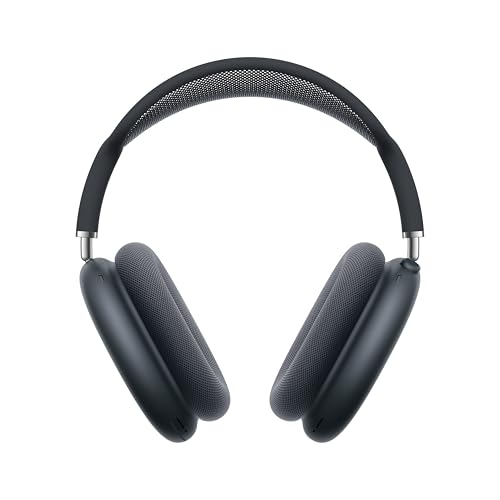
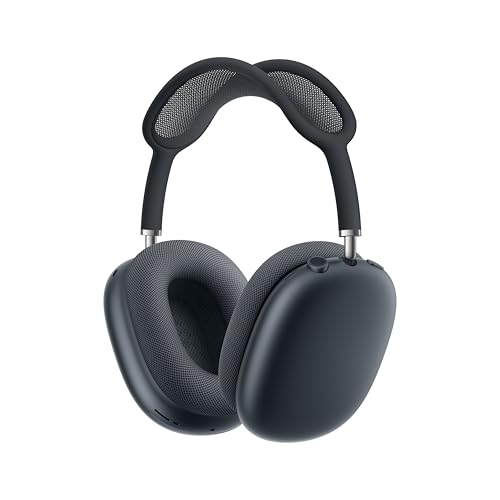

When you're ready to invest in premium wireless headphones, the decision often comes down to what matters most: ultimate sound quality or practical everyday value. Two standout options dominate this conversation – Apple's AirPods Max and the Beats Studio Pro. Both offer compelling but distinctly different approaches to premium audio, and understanding their differences can help you make the right choice for your needs and budget.
Premium wireless over-ear headphones represent the sweet spot where cutting-edge technology meets everyday practicality. These aren't just about playing music wirelessly – they're sophisticated audio computers packed with features like active noise cancellation (which uses microphones and processing to cancel out background noise), spatial audio (technology that makes sound feel like it's coming from around you rather than just your ears), and advanced connectivity options.
When shopping in this category, you're looking at several key factors that separate good headphones from great ones. Sound quality remains paramount – this includes how accurately the headphones reproduce different frequencies, how wide and immersive the soundstage feels, and how much detail you can hear in your music. Comfort becomes crucial since you'll likely wear these for hours at a time. Battery life determines how often you'll need to charge them. Active noise cancellation quality affects how well they'll work in noisy environments like airplanes or busy offices.
The technology in this space has evolved rapidly. Both the AirPods Max, released in 2020, and the Beats Studio Pro, launched in 2023, represent current-generation thinking about what premium headphones should deliver. The AirPods Max introduced Apple's computational audio approach, using dedicated chips in each ear cup to process audio in real-time. The Studio Pro, as a newer release, benefits from lessons learned across the industry and represents Beats' most refined approach to date.
The most significant difference between these headphones lies in their fundamental approach to sound reproduction, and this affects everything from what music they excel with to how they make you feel when listening.
The AirPods Max takes what you might call an audiophile approach. Apple engineered custom dynamic drivers (the components that actually create sound waves) specifically for these headphones, pairing them with computational audio processing through their H1 chips. What this means in practice is exceptionally clean, detailed sound with excellent separation between instruments. When you listen to a complex orchestral piece or a well-produced jazz album, you can pick out individual instruments with remarkable clarity. The frequency response – how the headphones handle different pitches from deep bass to high treble – is notably balanced and natural.
This balanced approach makes the AirPods Max incredibly versatile across music genres. Classical music sounds spacious and detailed, rock music has punch without being overwhelming, and even heavily produced pop tracks reveal layers you might not have noticed before. The soundstage, which is how wide and three-dimensional the music feels, is particularly impressive. Instead of feeling like sound is coming directly from drivers pressed against your ears, it creates a more natural, room-like listening experience.
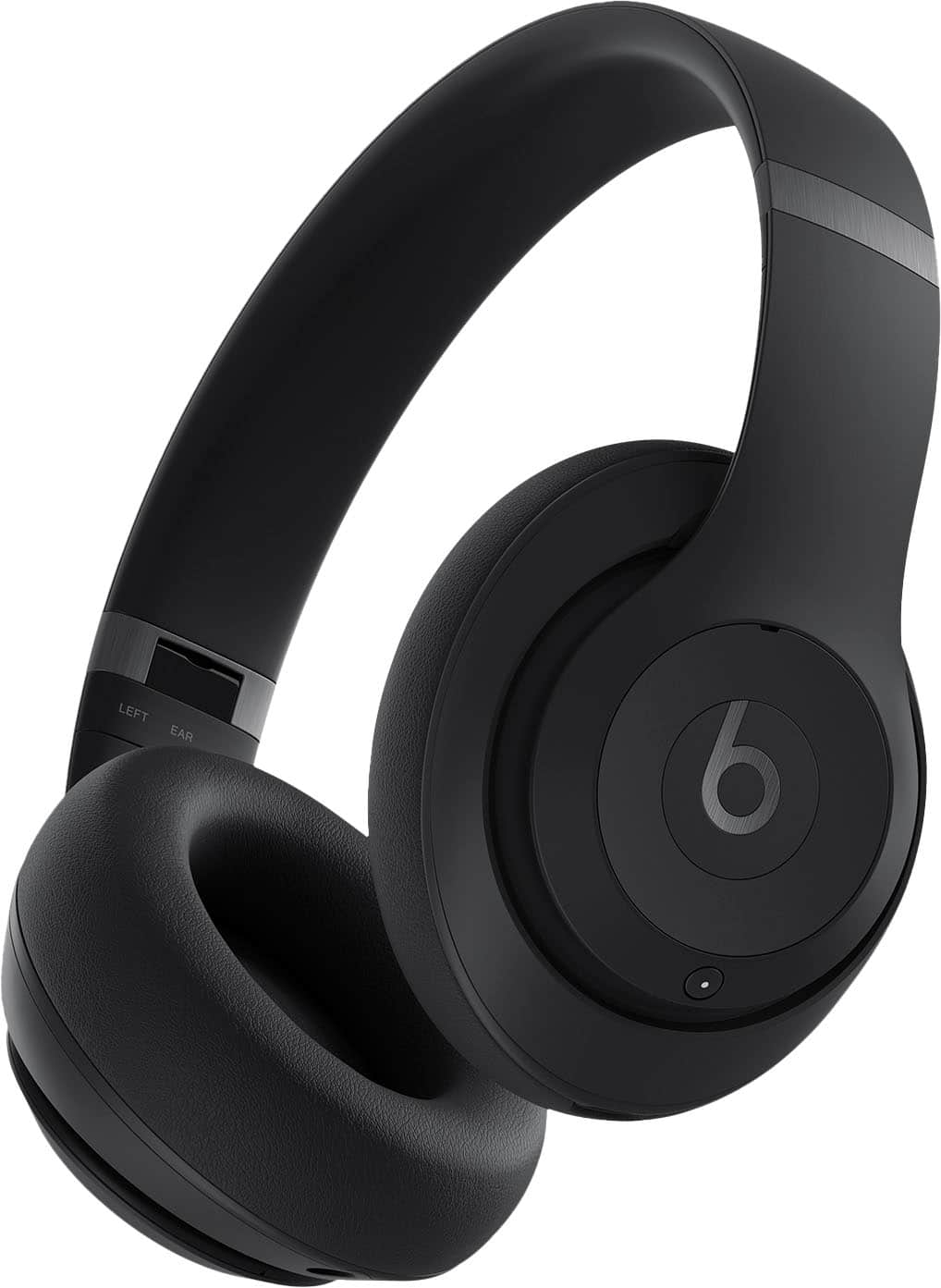
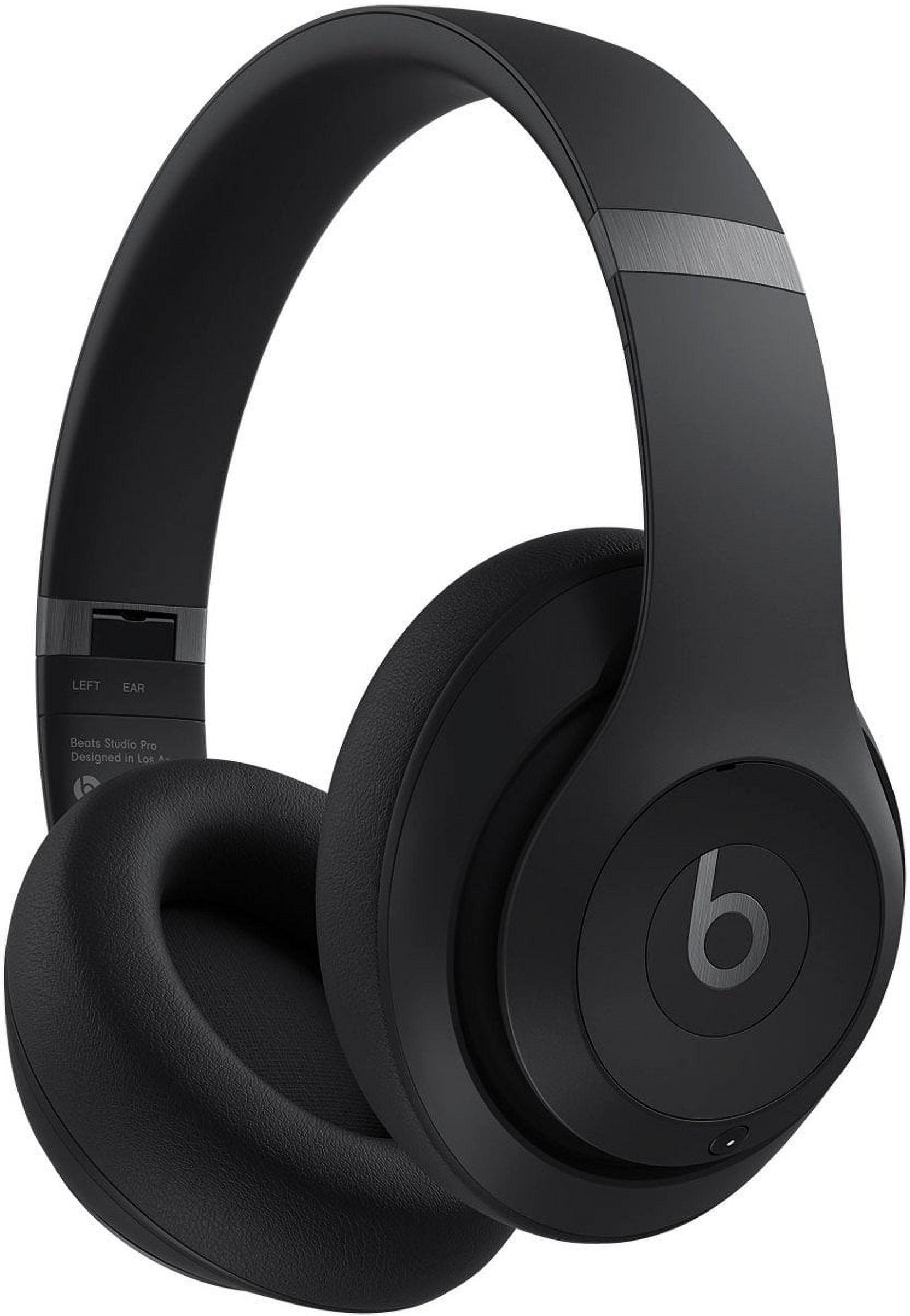
The Beats Studio Pro, on the other hand, takes a more consumer-focused approach that prioritizes excitement and engagement. While significantly more balanced than older Beats headphones (which were notorious for overwhelming bass), the Studio Pro still maintains some of that signature energy. The 40mm custom drivers deliver strong sub-bass impact that makes hip-hop, EDM, and modern pop music feel visceral and engaging. There's a noticeable emphasis on treble frequencies that brings out details in vocals and instruments, though this can occasionally feel aggressive during long listening sessions.
Where the Studio Pro really shines is with contemporary music genres. The strong bass response and forward presentation make rap music hit hard, electronic music feels energetic, and pop vocals cut through the mix clearly. However, this tuning can make more acoustic or classical music feel less natural than it would through the AirPods Max.
The technical differences here matter for real-world use. The AirPods Max's more neutral tuning means it won't artificially color your music – what you hear is closer to what the artist and engineers intended. The Beats Studio Pro's more colored approach can make music more exciting, but it's applying its own interpretation to everything you listen to.
Active noise cancellation has become a crucial feature for premium headphones, and the implementation differences between these models are substantial enough to influence your buying decision.
The AirPods Max uses an incredibly sophisticated approach with eight microphones dedicated to noise cancellation – that's four times more than many competitors use. These microphones constantly sample the acoustic environment around you, while the H1 chips in each ear cup process this information in real-time to generate precise "anti-noise" that cancels out unwanted sounds. The result is genuinely impressive noise isolation that works across a wide range of frequencies.
In practical terms, this means the AirPods Max excels in challenging acoustic environments. On airplanes, the constant rumble of engines virtually disappears. In busy coffee shops, conversations and background noise fade away without affecting your music quality. The system is particularly effective at handling low-frequency sounds like air conditioning, traffic, and airplane engines – the kinds of persistent noise that can be most fatiguing over time.
The transparency mode on the AirPods Max is equally impressive, using those same microphones to let environmental sound in naturally when you need awareness of your surroundings. This isn't just turning off noise cancellation – it's actively mixing outside sound with your audio in a way that sounds surprisingly natural.
The Beats Studio Pro offers solid but less sophisticated noise cancellation. While it effectively reduces background noise for most situations, it doesn't match the AirPods Max's ability to handle complex acoustic environments or eliminate persistent low-frequency sounds as completely. For general use – blocking out office chatter, reducing street noise while walking, or creating some isolation at home – it works well. However, for frequent travelers or those in particularly noisy environments, the difference becomes noticeable.
Both headphones offer transparency modes, but the AirPods Max provides a more natural and seamless experience when switching between full isolation and environmental awareness.
Since premium headphones are meant for extended listening sessions, physical comfort and build quality significantly impact daily satisfaction with your purchase.
The AirPods Max represents Apple's interpretation of premium materials and construction. The headphones feature anodized aluminum ear cups, a stainless steel frame, and a unique mesh headband designed to distribute weight evenly. The memory foam ear cushions are covered in acoustically transparent fabric and magnetically attach, making them replaceable – a nice touch for long-term ownership.
However, premium materials come with a weight penalty. At 384 grams, the AirPods Max is noticeably heavy compared to most competitors. During the first hour of listening, this weight is generally well-distributed and comfortable. But during longer sessions – say, a cross-country flight or an afternoon of focused work – the weight becomes more apparent and can cause fatigue for some users.
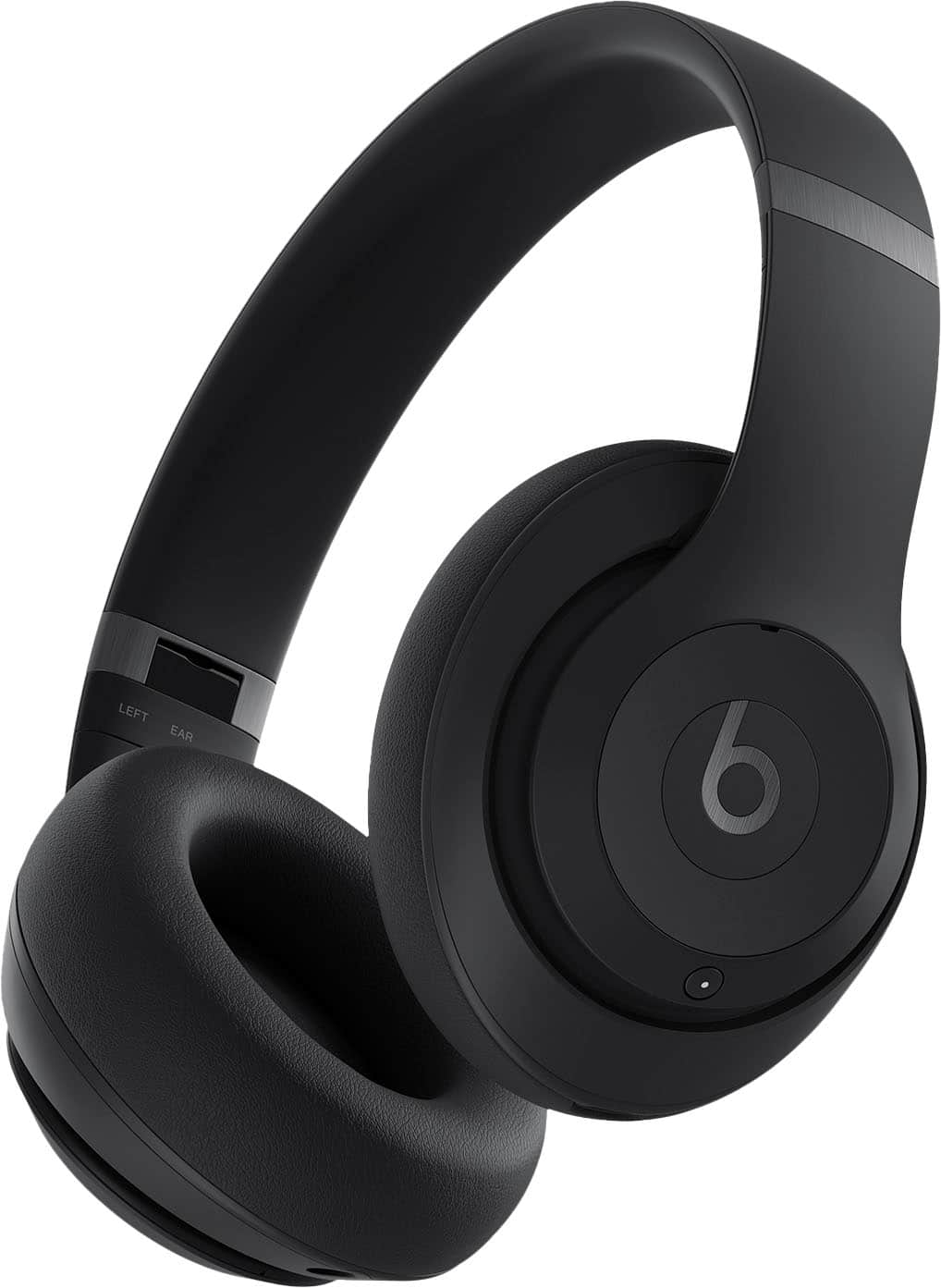
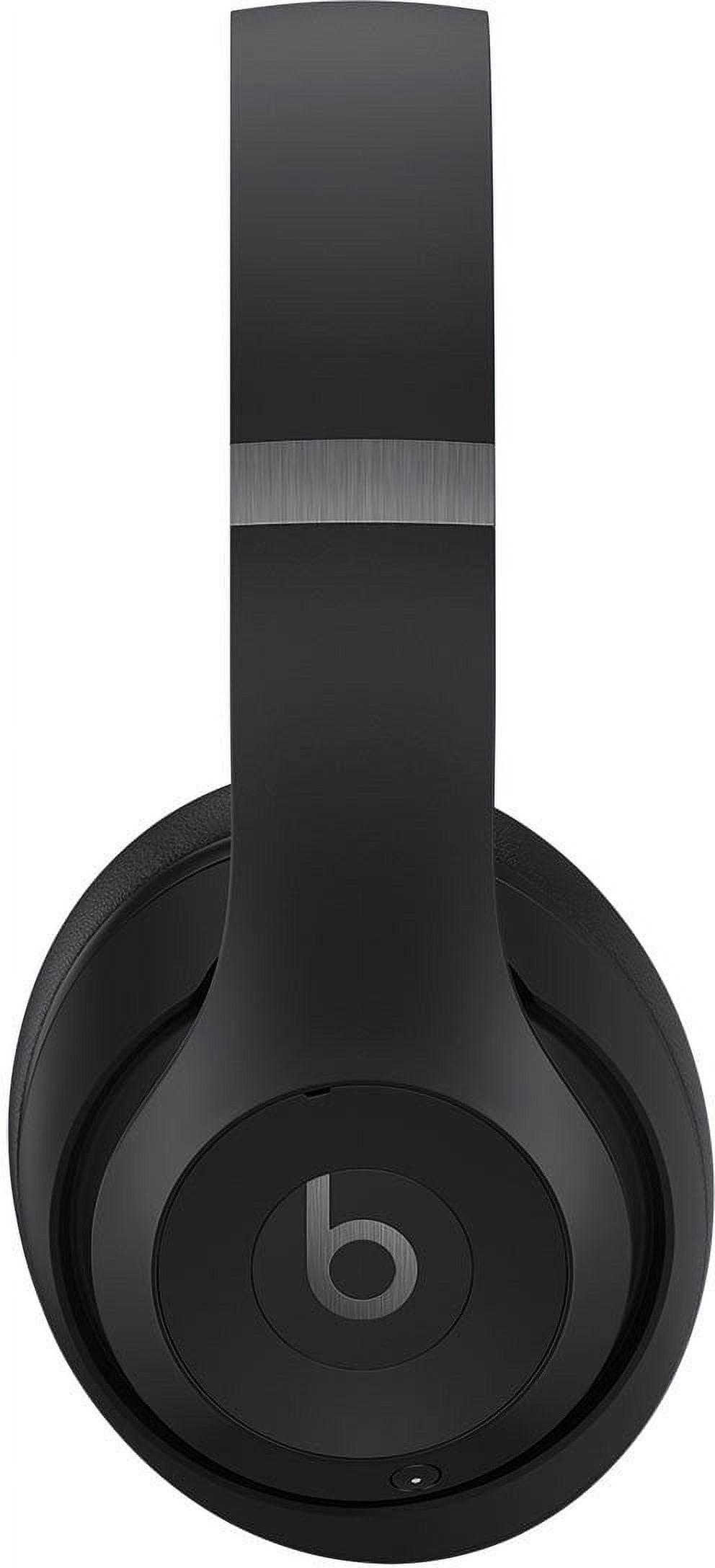
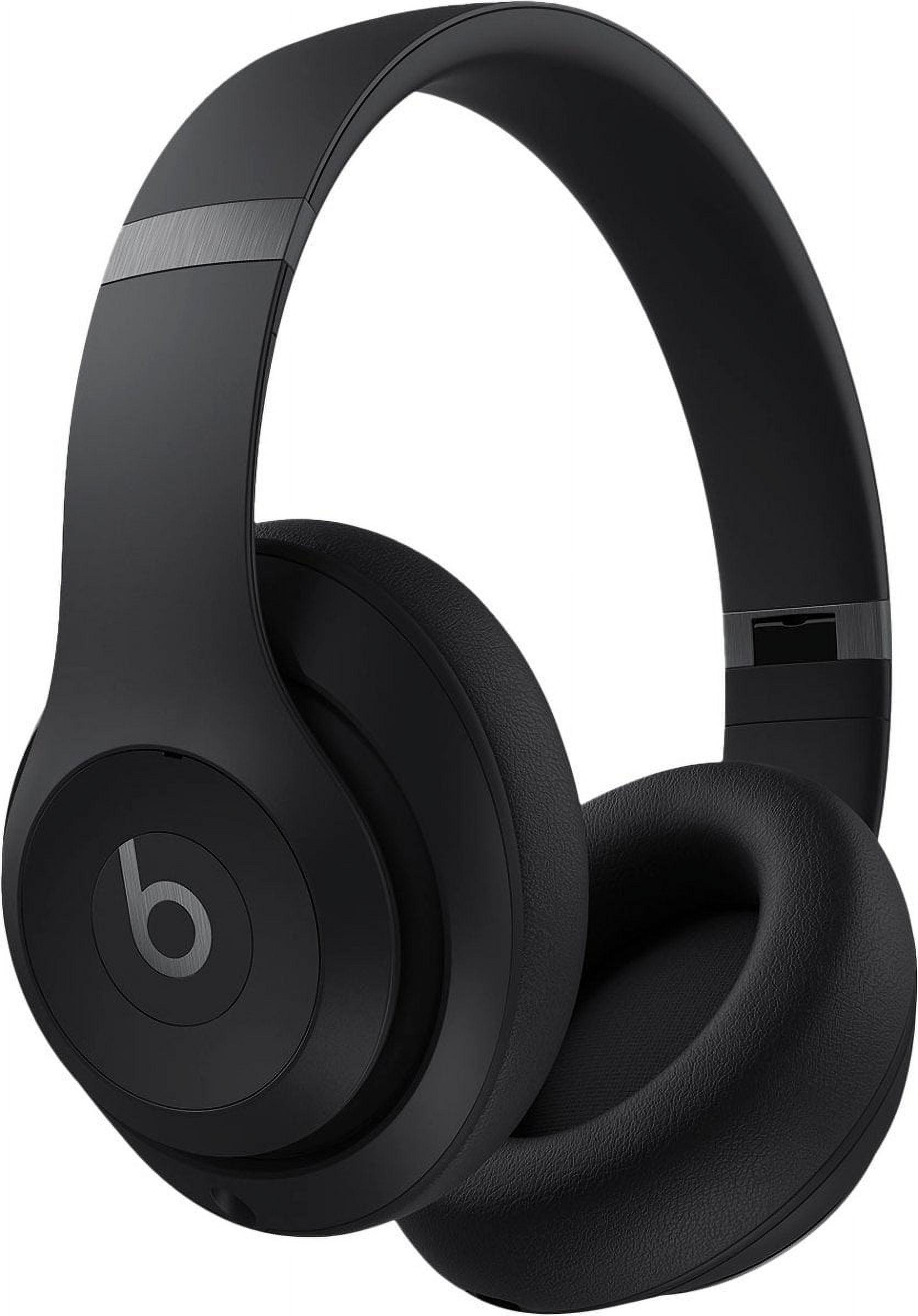
The Beats Studio Pro takes a more practical approach, weighing in at just 260 grams – that's 44% lighter than the AirPods Max. This weight difference is immediately noticeable when putting them on and becomes increasingly important during extended wear. The build quality is solid without being ostentatious, using engineered leather for the ear cushions and a more conventional but effective headband design.
The lighter weight of the Beats Studio Pro makes them more practical for activities beyond stationary listening. While neither headphone is designed for exercise, the Studio Pro's lighter weight makes them more comfortable for moving around, working at a standing desk, or wearing during household activities.
Both headphones offer good passive isolation (sound blocking from their physical design) thanks to their over-ear design, but the AirPods Max provides slightly better passive isolation due to its larger ear cups and more substantial construction.
Battery performance can make or break the daily experience with wireless headphones, and here the Beats Studio Pro offers a clear advantage that shouldn't be underestimated.
The Studio Pro delivers up to 40 hours of listening time with noise cancellation turned off, or 24 hours with ANC enabled. This exceptional battery life means you might go weeks between charges with moderate use. The Fast Fuel charging system provides four hours of playback from just 10 minutes of charging – perfect for those moments when you realize your headphones are dead right before a long trip.
The AirPods Max provides up to 20 hours of listening time regardless of whether noise cancellation is enabled – this is respectable but exactly half what the Studio Pro offers. Quick charging gives you 1.5 hours of listening from a five-minute charge, which is helpful but not as generous as the Studio Pro's system.
More importantly, the AirPods Max has some quirky power management behaviors. There's no traditional power button – instead, the headphones enter a low-power state when you put them in the included Smart Case, or a deeper sleep mode after being stationary for several hours. While this works reliably, it can feel less intuitive than the Studio Pro's simple power button that gives you complete control over when the headphones are on or off.
The charging situation also differs between models. The newer AirPods Max uses USB-C for charging and can support lossless digital audio when connected via cable. The Studio Pro also uses USB-C and includes both USB-C and 3.5mm analog cables, giving you more connection flexibility.
This is where the philosophical differences between Apple and Beats (though Beats is owned by Apple) become most apparent, and it might be the deciding factor for many buyers.
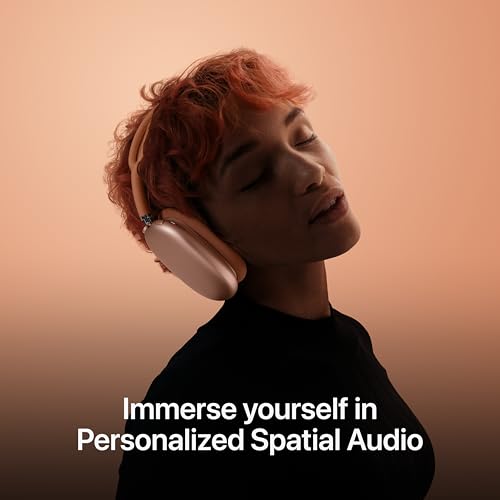
The AirPods Max offers deep integration with Apple's ecosystem that goes well beyond basic Bluetooth connectivity. The H1 chips enable features like automatic device switching – your headphones seamlessly move between your iPhone, iPad, and Mac as you start using different devices. Spatial Audio with dynamic head tracking creates an immersive, theater-like experience that adapts as you move your head, particularly noticeable when watching movies or TV shows on Apple devices.
The "Hey Siri" integration means you can control music, make calls, or ask questions without reaching for your device. Find My support helps you locate misplaced headphones through Apple's network. These features work so seamlessly that they feel like natural extensions of your Apple devices rather than separate accessories.
However, this integration comes with limitations. While the AirPods Max works with non-Apple devices via standard Bluetooth, you lose most of the advanced features that make them special. For Android users or those with mixed device ecosystems, much of the premium experience disappears.
The Beats Studio Pro takes a more platform-agnostic approach while still offering solid Apple integration. With Apple devices, you get quick pairing and basic ecosystem features, but the experience isn't as seamless as the AirPods Max. However, the Studio Pro offers better Android compatibility, including Google Fast Pair and Find My Device support.
Uniquely, the Studio Pro includes three selectable EQ profiles when connected via USB-C: Signature (balanced for music), Entertainment (optimized for movies and gaming), and Conversation (enhanced for calls and podcasts). This flexibility lets you optimize the sound for different types of content, though you lose active noise cancellation when using the wired connection.
For those interested in using their premium headphones as part of a home entertainment setup, both models offer interesting capabilities, though with different strengths.
The AirPods Max excels for home theater use with Apple devices. The Spatial Audio implementation creates a convincing surround sound experience that can rival or exceed many soundbar setups, especially for late-night viewing when you don't want to disturb others. The head tracking technology means the sound field remains anchored to your TV or screen even when you turn your head slightly, maintaining the illusion of sound coming from around you rather than directly from the headphones.
The wide soundstage and excellent detail retrieval make the AirPods Max particularly good for movies with complex sound design. You'll notice subtle environmental details and directional effects that might get lost through speakers or lesser headphones. The neutral tonal balance ensures that dialogue remains clear and natural without being artificially emphasized.
The Beats Studio Pro offers a different but valid approach to media consumption. The more energetic sound signature can make action movies and music videos feel more exciting and engaging. The strong bass response adds impact to explosions and dramatic moments, while the forward treble brings out details in dialogue and sound effects.
When connected via USB-C to compatible devices, the Studio Pro's Entertainment EQ profile specifically optimizes the sound for movies and gaming, though you'll need to sacrifice the wireless convenience and noise cancellation features.
Both headphones work well for gaming, though the AirPods Max provides better positional audio cues thanks to its more accurate soundstage, while the Studio Pro might feel more exciting for action-heavy games.
At the time of writing, these headphones occupy different price tiers that reflect their different philosophies and target audiences. The AirPods Max commands a significant premium that positions it as a luxury audio product, while the Beats Studio Pro aims for the sweet spot of premium features at a more accessible price point.
The AirPods Max justifies its higher cost through superior sound quality, more effective noise cancellation, premium materials, and deep ecosystem integration for Apple users. If you're someone who appreciates audio quality, frequently travels in noisy environments, and is invested in Apple's ecosystem, the premium feels reasonable for what you receive.
The Beats Studio Pro offers compelling value by delivering solid performance across all key areas while excelling in battery life and portability. For many users, the performance difference doesn't justify the significant price gap, especially when the Studio Pro actually surpasses the AirPods Max in some practical areas like battery life and weight.
Choose the AirPods Max if you're an audio enthusiast who prioritizes sound quality above other considerations, frequently need maximum noise cancellation effectiveness, and are deeply integrated into Apple's ecosystem. The premium is worth it if you can appreciate the superior audio fidelity and don't mind the extra weight and shorter battery life.
The Beats Studio Pro makes more sense for users who want premium headphone features without the luxury pricing, need exceptional battery life for travel or daily use, prefer lighter headphones for extended wear, or use a mix of Apple and non-Apple devices. It's also the better choice if you primarily listen to contemporary music genres that benefit from its more energetic sound signature.
Both headphones represent solid choices within their respective market positions. Your decision ultimately comes down to whether you prioritize absolute performance and are willing to pay for it, or whether you prefer practical excellence at a more reasonable price point. Either way, you'll end up with headphones that significantly elevate your listening experience compared to basic wireless options.
| Apple AirPods Max Wireless Over-Ear Headphones | Beats Studio Pro Wireless Headphones |
|---|---|
| Sound Quality - The most important factor for premium headphones | |
| Audiophile-tuned with balanced, spacious sound and exceptional clarity across all genres | Consumer-friendly tuning with strong bass and forward treble, optimized for modern music |
| Active Noise Cancellation - Critical for travel and noisy environments | |
| Industry-leading with 8 microphones and H1 chip processing, excellent isolation | Good but not exceptional, adequate for most situations but less effective than AirPods Max |
| Battery Life - Determines how often you'll need to charge | |
| 20 hours (half of Studio Pro's endurance) | 40 hours wireless, 24 hours with ANC (doubles the AirPods Max) |
| Weight - Affects comfort during extended listening sessions | |
| 384.8g (noticeably heavy, can cause fatigue) | 260g (44% lighter, more comfortable for long wear) |
| Build Quality - Impacts durability and premium feel | |
| Premium aluminum and stainless steel construction with replaceable ear cushions | Solid engineering with UltraPlush leather, good but less luxurious materials |
| Ecosystem Integration - How well they work with your devices | |
| Deep Apple integration with H1 chips, automatic switching, Spatial Audio | Good Apple compatibility plus better Android support and cross-platform features |
| Spatial Audio - Creates immersive surround sound experience | |
| Advanced implementation with dynamic head tracking, excellent for movies | Supported but less sophisticated than AirPods Max |
| Connectivity Options - Flexibility for different use cases | |
| USB-C for lossless audio, primarily Bluetooth focused | USB-C, 3.5mm analog, plus 3 selectable EQ profiles when wired |
| Controls - Daily usability and convenience | |
| Digital Crown borrowed from Apple Watch, no power button | Physical buttons including dedicated power control |
| Fast Charging - Quick power-up when battery is low | |
| 5 minutes = 1.5 hours playback | 10 minutes = 4 hours playback (much more generous) |
The Apple AirPods Max delivers superior overall sound quality with more balanced, detailed, and spacious audio reproduction. They offer exceptional clarity across all music genres with a natural, audiophile-oriented tuning. The Beats Studio Pro provides good sound quality with stronger bass impact and more excitement for modern genres like pop and hip-hop, but the AirPods Max is more accurate and versatile overall.
The Beats Studio Pro significantly outperforms the AirPods Max in battery life, offering up to 40 hours of playback compared to 20 hours. With active noise cancellation enabled, the Studio Pro still provides 24 hours versus the AirPods Max's 20 hours. The Beats Studio Pro also offers better fast charging with 10 minutes providing 4 hours of playback.
The Beats Studio Pro is generally more comfortable for extended wear due to its lighter weight at 260g compared to the AirPods Max's 384.8g. While both have quality cushioning, the significant weight difference makes the Studio Pro less fatiguing during long sessions, though the AirPods Max uses more premium materials.
The Apple AirPods Max offers superior active noise cancellation with industry-leading performance powered by 8 dedicated microphones and H1 chip processing. They excel in challenging environments like airplanes and busy offices. The Beats Studio Pro provides adequate noise cancellation for most situations but doesn't match the AirPods Max's effectiveness, especially for low-frequency sounds.
The Beats Studio Pro offers better Android compatibility with features like Google Fast Pair and Find My Device support, plus broader cross-platform functionality. While the AirPods Max can connect to Android devices via Bluetooth, you lose most advanced features like spatial audio and seamless device switching that make them special.
For home theater applications, the Apple AirPods Max excels with advanced Spatial Audio and dynamic head tracking that creates convincing surround sound for movies and TV shows. The wide soundstage and detailed audio reproduction make them excellent for late-night viewing. The Beats Studio Pro offers a more energetic presentation that can make action movies exciting, but lacks the sophisticated spatial features of the AirPods Max.
The Beats Studio Pro offers better overall value, providing solid premium features at a more accessible price point while excelling in battery life and portability. The AirPods Max justifies its higher cost through superior sound quality and noise cancellation, but the Studio Pro delivers compelling performance for users who don't need the absolute best audio quality.
Both headphones support wired connections, but with different capabilities. The AirPods Max uses USB-C for lossless digital audio and charging. The Beats Studio Pro offers more flexibility with both USB-C and 3.5mm analog connections, plus three selectable EQ profiles when connected via USB-C, though active noise cancellation is disabled during wired use.
The Apple AirPods Max provides deeper Apple ecosystem integration with seamless device switching, hands-free Siri, automatic pairing, and advanced Spatial Audio features. While the Beats Studio Pro works well with Apple devices and offers good integration, it doesn't match the seamless experience and exclusive features that make the AirPods Max feel like a natural extension of your Apple devices.
The Apple AirPods Max uses premium materials including anodized aluminum ear cups, stainless steel frame, and replaceable magnetic ear cushions, representing luxury construction. The Beats Studio Pro offers solid build quality with UltraPlush engineered leather and durable construction, but uses less premium materials than the AirPods Max while still delivering reliable long-term use.
The Beats Studio Pro is more travel-friendly due to its lighter weight, exceptional 40-hour battery life, and more compact feel. The AirPods Max is heavier and has shorter battery life, though it offers superior noise cancellation for flights. Both come with carrying cases, but the Studio Pro's weight advantage and longer battery make it more practical for extended travel.
The Apple AirPods Max features a unique Digital Crown borrowed from Apple Watch for precise volume control and playback management, but lacks a traditional power button. The Beats Studio Pro uses conventional physical buttons including a dedicated power button for full on/off control, which many users find more intuitive than the AirPods Max's automatic power management system.
We've done our best to create useful and informative comparisons to help you decide what product to buy. Our research uses advanced automated methods to create this comparison and perfection is not possible - please contact us for corrections or questions. These are the sites we've researched in the creation of this article: recordingnow.com - t3.com - telegraph.co.uk - soundguys.com - youtube.com - forums.macrumors.com - youtube.com - youtube.com - apple.com - support.apple.com - idownloadblog.com - media.distrelec.com - en.wikipedia.org - apple.com - apple.com - support.apple.com - rtings.com - whathifi.com - markellisreviews.com - recordingnow.com - soundguys.com - cnet.com - recordingnow.com - bestbuy.com - youtube.com - soundguys.com - recordingnow.com - uclastore.com - beatsbydre.com - shop.missouristatebookstore.com - apple.com - beatsbydre.com - audiosciencereview.com - beatsbydre.com - beatsbydre.com - cornellstore.com - forums.appleinsider.com

Privacy Policy
Terms and Conditions - Affiliate Policy
Home Security
© Copyright 2008-2026.
11816 Inwood Rd #1211, Dallas, TX 75244