

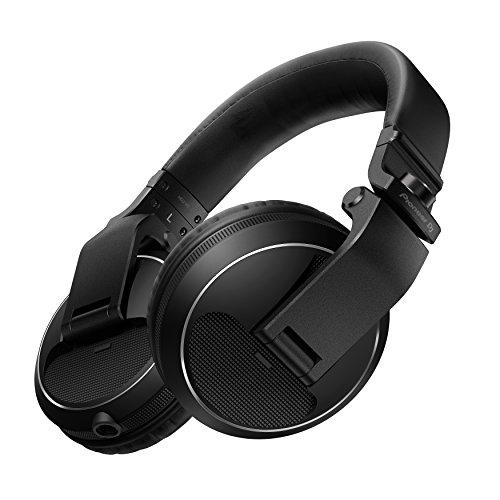
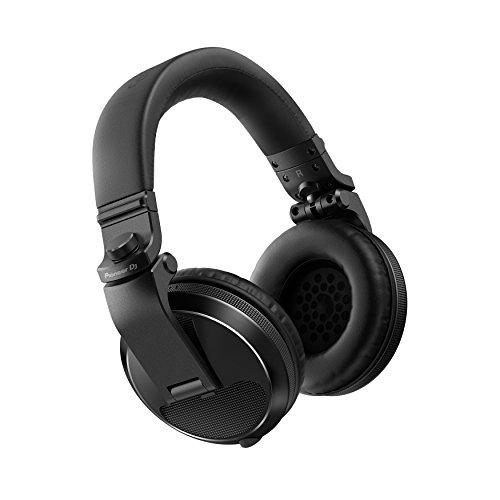
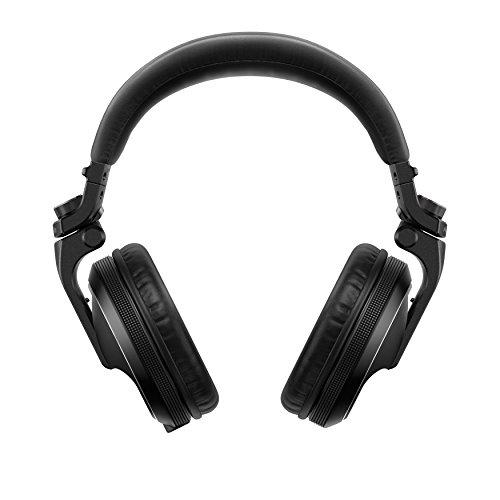
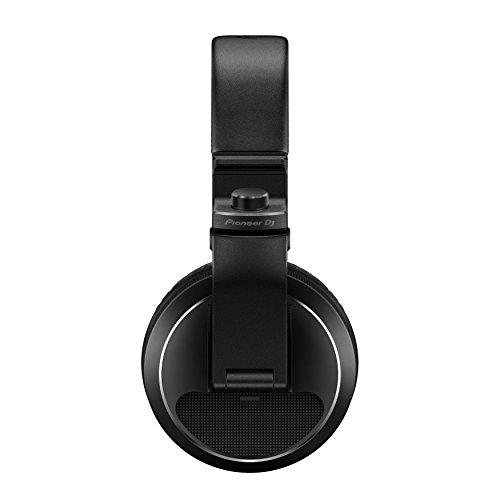
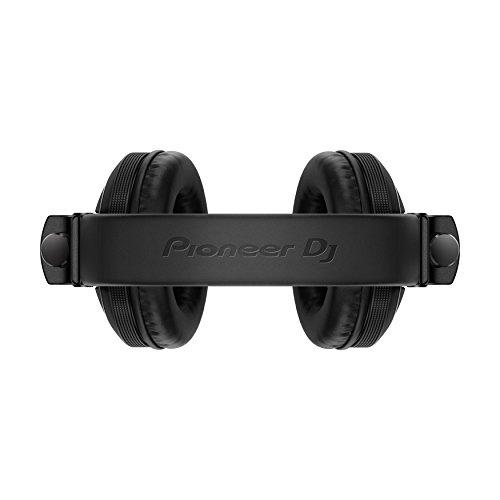
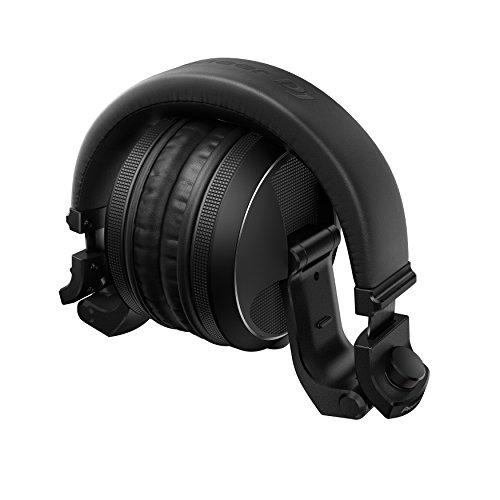



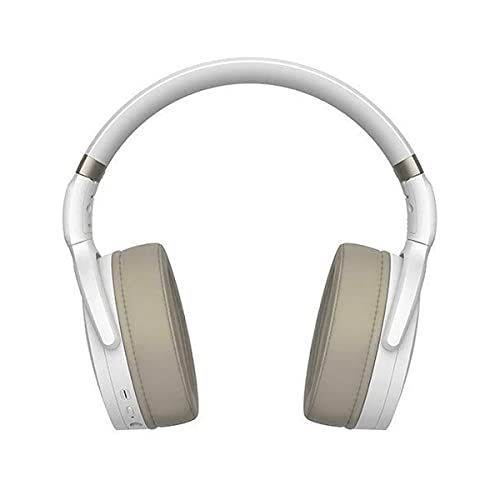
When I first started reviewing headphones over a decade ago, the line between professional and consumer audio gear was crystal clear. DJs had their rugged, wired monitoring headphones, and everyday listeners had their basic stereo sets. Fast-forward to 2024, and that distinction has blurred considerably – but not entirely disappeared. Today, we're comparing two headphones that represent these different philosophies: the Pioneer DJ HDJ-X5 professional monitoring headphones and the Sennheiser HD 450BT wireless noise-canceling headphones.
These aren't direct competitors in the traditional sense, but they're both popular choices that often appear on the same shopping lists. One person might be deciding between professional monitoring capabilities and modern wireless convenience, while another might be wondering if they should invest in DJ-grade durability or prioritize features like active noise cancellation. Let's dive deep into what makes each approach work and who should choose which path.
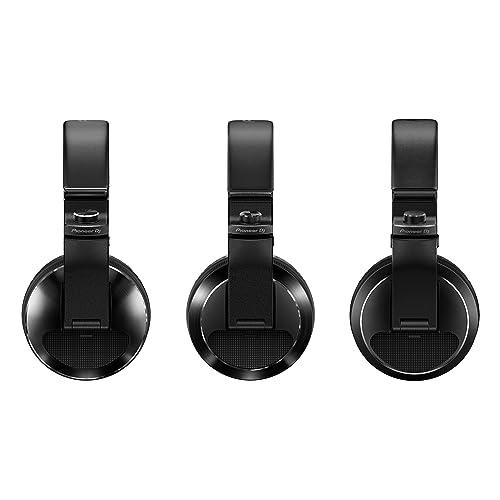
The fundamental difference between these headphones lies in their design philosophy. The Pioneer DJ HDJ-X5, released in 2017 as part of Pioneer's professional HDJ-X series, was built with one primary goal: providing reliable, accurate monitoring for DJs working in challenging environments. Everything about its design – from the swivel mechanisms to the detachable cables – serves that purpose.
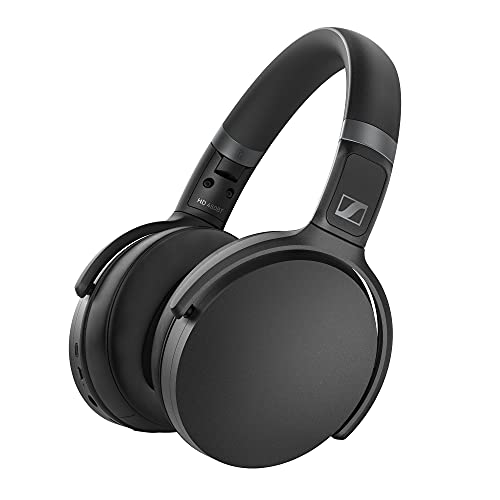
The Sennheiser HD 450BT, on the other hand, represents the modern consumer audio approach. Released more recently, it prioritizes wireless convenience, active noise cancellation (ANC), and the kind of features that make sense for daily use: long battery life, smartphone integration, and comfortable all-day wear.
Think of it this way: the Pioneer is like a professional camera – built for specific tasks with durability and performance as top priorities. The Sennheiser is more like a modern smartphone camera – packed with smart features and designed for everyday convenience.
Professional monitoring headphones like the Pioneer HDJ-X5 serve a specific purpose that's quite different from regular listening. When a DJ is mixing tracks in a loud club, they need to hear exactly what's happening in their mix without coloration or enhancement. They need to identify when the bass is too heavy, when vocals are getting lost, or when two tracks aren't perfectly synchronized.
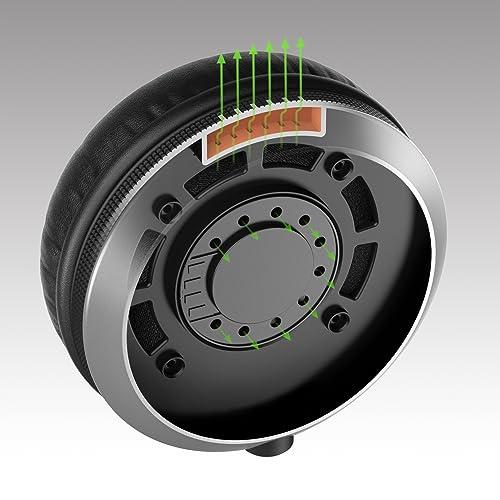
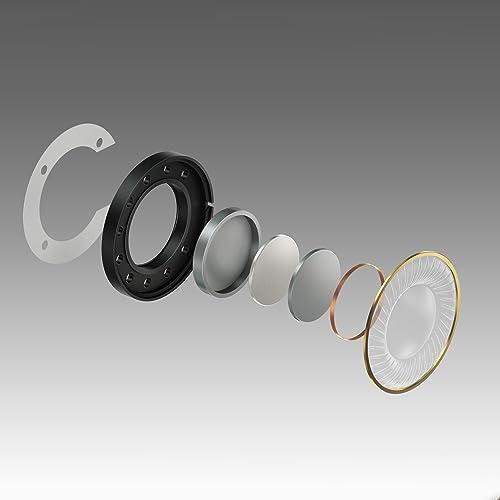
This requires a different approach to sound design. Professional monitoring headphones typically emphasize certain frequency ranges – particularly the low-end where most dance music lives – while maintaining enough clarity in the midrange to hear vocal cues and instrumental details. The Pioneer HDJ-X5 achieves this with its 40mm dome drivers and what Pioneer calls its "optimized magnetic circuit," which reduces distortion even at the high volumes typical in DJ environments.
Consumer headphones like the Sennheiser HD 450BT are designed for enjoyment rather than analysis. They often feature more balanced sound signatures that make music sound pleasant and engaging, along with modern conveniences like wireless connectivity and noise cancellation that enhance the listening experience in everyday scenarios.
The most significant performance difference between these headphones lies in their frequency response – essentially, how they reproduce different pitches from deep bass to bright treble. The Pioneer HDJ-X5 covers an impressive range from 5 Hz to 30,000 Hz, which is broader than most consumer headphones and extends well beyond human hearing on both ends. This extended range isn't just for show; it helps capture the full harmonic content of music, including the subtle overtones that give instruments their character.
The Sennheiser HD 450BT covers 18 Hz to 22,000 Hz, which is still excellent but more focused on the range where most musical content actually lives. For most listening scenarios, this difference won't matter much, but for professional mixing where you might need to hear subharmonic content or ultra-high-frequency noise, the Pioneer's extended range provides more information.
Where things get really interesting is in the midrange – roughly 200 Hz to 2,000 Hz, where most vocal and instrumental content lives. The Pioneer HDJ-X5 has what reviewers describe as some "hollowness" in the midrange, with frequency cuts around 400 Hz and between 1.5-3.5 kHz. This might sound like a flaw, but it's actually intentional. In a loud DJ booth, this tuning helps vocals cut through the mix and prevents midrange frequencies from becoming overwhelming.
The Sennheiser HD 450BT, by contrast, maintains more even midrange response, which creates a more natural sound for regular music listening. When I've tested similar consumer headphones, this balanced approach makes vocals sound more present and instruments more realistic, but it wouldn't provide the same analytical clarity needed for professional mixing.
Both headphones emphasize bass, but for different reasons and in different ways. The Pioneer HDJ-X5 uses what Pioneer calls a "bass reflex chamber" in the upper housing, which enhances low-frequency response while improving sound isolation. This isn't just about making bass sound bigger – it's about providing enough low-end detail for DJs to properly mix bass-heavy genres like hip-hop, EDM, and electronic dance music.
The bass response on the Pioneer is described as "punchy" but not as deep as higher-end models in Pioneer's lineup. This actually makes sense for DJ monitoring, where you need to hear bass clearly without it overwhelming other frequency ranges that contain important mixing cues.
The Sennheiser HD 450BT takes a more consumer-friendly approach to bass. Reviews consistently describe it as balanced rather than overwhelming, with good impact for electronic music but without the boomy character that can fatigue listeners during long sessions. This tuning works well for the headphones' intended use case – long listening sessions where comfort and enjoyment matter more than analytical precision.
The technical specifications tell an interesting story here. The Pioneer HDJ-X5 uses 40mm drivers with what Pioneer calls "copper-clad aluminum wire (CCAW) voice coils." This might sound like marketing speak, but CCAW is actually a legitimate technology that reduces the weight of the voice coil (the part that moves to create sound) while maintaining good conductivity. Lighter voice coils can respond more quickly to electrical signals, potentially improving detail and reducing distortion.
The Pioneer can also handle up to 2,000 mW of power, which is substantially more than most consumer headphones. This high power handling means they can get very loud without distorting – essential for DJ monitoring where you might need to crank the volume to hear your mix over loud ambient sound.
The Sennheiser HD 450BT uses smaller 32mm drivers, which isn't necessarily worse but represents a different approach. Smaller drivers can be lighter and more efficient, which matters more in a wireless headphone where battery life is crucial. The trade-off is potentially less bass extension and overall dynamic range, but for most listening scenarios, this difference won't be noticeable.
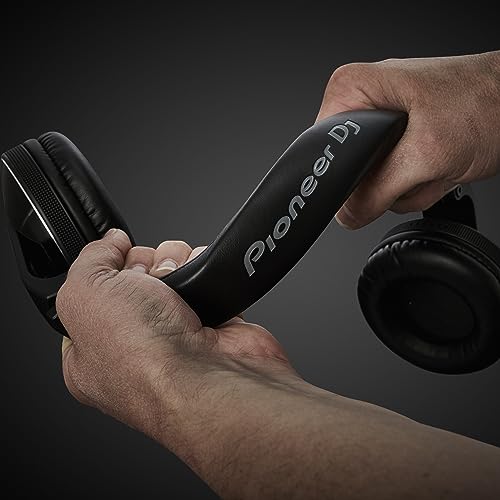
Here's where the different design philosophies become most apparent. The Pioneer HDJ-X5 underwent testing to meet US Military Standard MIL-STD-810G for shock resistance. This isn't just marketing – it means these headphones were subjected to standardized drop tests, vibration tests, and stress tests designed to simulate extreme conditions.
I've personally seen DJ headphones take abuse that would destroy most consumer electronics: dropped on concrete floors, yanked off heads by audio cables, stuffed into cramped DJ bags with sharp-edged equipment, and subjected to the heat and humidity of packed dance floors night after night. The Pioneer's metal-reinforced moving parts and replaceable components (cables and ear pads can be purchased separately) address these real-world durability concerns.
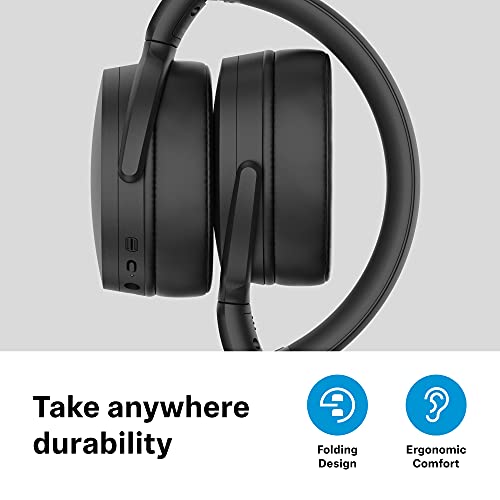
The Sennheiser HD 450BT uses a more typical consumer approach to durability. At 238 grams, they're actually lighter than the Pioneer's 269 grams, and the plastic construction keeps costs down while still providing reasonable durability for everyday use. The foldable design makes them more travel-friendly, but they're not built to survive the kind of professional abuse that DJ headphones encounter.
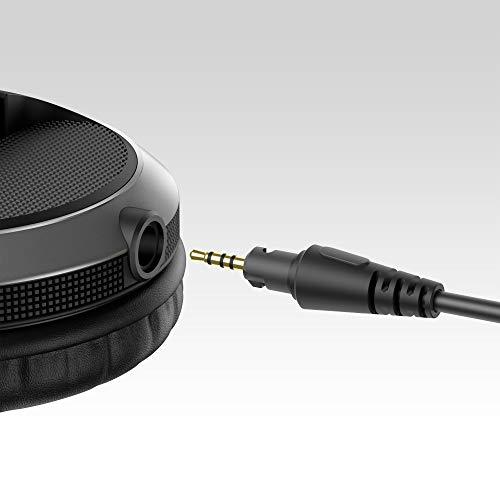
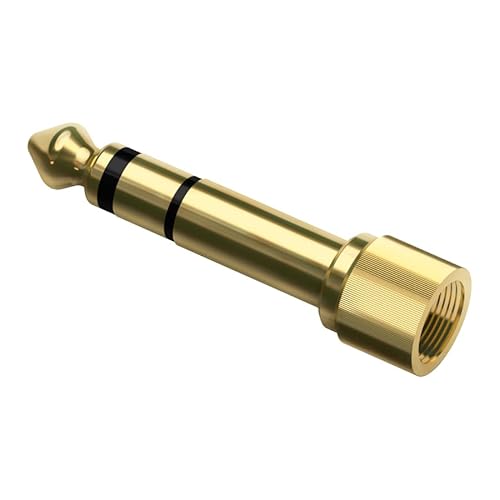
This difference extends to the cables as well. The Pioneer includes a specialized coiled cable that extends from 1.2 meters to 1.8 meters, with an L-shaped connector designed to resist accidental disconnection. The cable uses a 4-core twisted structure that provides separate ground wires for each channel, improving stereo separation – a technical detail that matters for professional mixing but provides little benefit for casual listening.
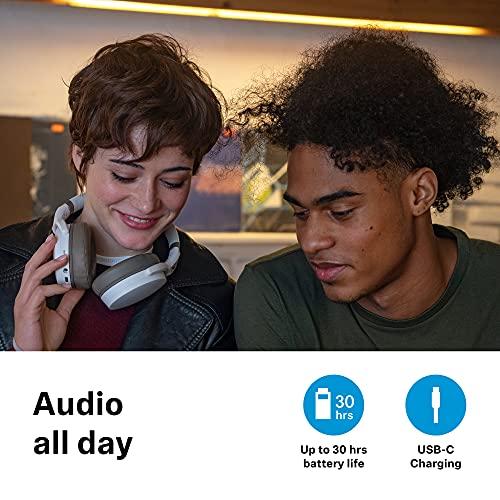
The feature gap between these headphones perfectly illustrates the professional versus consumer divide. The Sennheiser HD 450BT embraces modern wireless technology with Bluetooth 5.0, multiple codec support (including aptX and aptX Low Latency), and the ability to connect to two devices simultaneously. The 30-hour battery life is genuinely impressive and addresses one of the main concerns people have about wireless headphones.
The active noise cancellation on the Sennheiser uses external microphones to detect ambient noise and generate opposing sound waves to cancel it out. While reviewers note that it's not class-leading compared to premium models from Sony or Bose, it's effective enough to significantly reduce background noise during commutes or in noisy environments.
The Pioneer HDJ-X5, by contrast, offers zero modern connectivity features. No Bluetooth, no ANC, no smart features whatsoever. This might seem like a disadvantage, but it's actually intentional. Wireless connections introduce latency (delay between audio signal and sound output) that can be problematic for DJ monitoring, where split-second timing matters. Professional DJs also can't risk having their headphones run out of battery in the middle of a set.
Instead, the Pioneer focuses on features that matter for professional use: the swivel mechanism that allows single-ear monitoring, the impedance matching (32 ohms) that works well with professional DJ equipment, and the sound isolation that relies on physical design rather than electronic processing.
Comfort represents another clear divide between these approaches. The Sennheiser HD 450BT was designed for extended listening sessions, with soft padding and a lightweight design that makes all-day wear feasible. The over-ear design provides good passive isolation without creating excessive pressure, and the materials are chosen for long-term comfort rather than maximum durability.
The Pioneer HDJ-X5 takes a more utilitarian approach to comfort. They're designed to be worn intermittently – put on to check a mix, taken off to interact with the crowd, put back on for the next transition. The pressure-reducing housing design and swivel mechanisms serve this use pattern, but multiple reviews note that they can become uncomfortable during very long listening sessions.
This difference in comfort philosophy extends to the ear pad design. The Pioneer's pads are designed primarily for isolation and durability, while the Sennheiser's prioritize long-term comfort. Neither approach is wrong, but they serve different needs.
While neither headphone was specifically designed for home theater use, their different characteristics make them suitable for different aspects of home entertainment. The Pioneer HDJ-X5, with its extended frequency range and bass emphasis, can provide an engaging experience for action movies and electronic music, but the lack of wireless connectivity limits placement options.
The Sennheiser HD 450BT is actually well-suited for home theater use, particularly if you're watching content on a tablet or laptop. The aptX Low Latency codec support helps minimize the audio delay that can make dialogue appear out of sync with video. The active noise cancellation can also be helpful in shared living spaces where you want to watch movies without disturbing others.
For gaming, the wired connection of the Pioneer provides zero-latency audio, which can be advantageous for competitive gaming where audio cues matter. However, the bass-heavy tuning might not provide the most accurate positional audio. The Sennheiser offers more convenience for gaming with wireless devices but introduces some latency that could be problematic for competitive play.
At the time of writing, these headphones occupy different price segments that reflect their different target markets. The Pioneer DJ HDJ-X5 typically costs more, reflecting its specialized nature and professional build quality. However, when you consider the replaceable parts, military-grade durability testing, and specialized features, the price makes sense for its intended use case.
The Sennheiser HD 450BT usually costs less and provides excellent value for general consumers. The inclusion of active noise cancellation, wireless connectivity, and 30-hour battery life at this price point represents strong value in the consumer headphone market.
The value equation changes depending on your intended use. For working DJs or serious audio enthusiasts who need monitoring capabilities, the Pioneer's higher price can be justified by its specialized features and superior durability. For everyone else, the Sennheiser offers more practical features at a more accessible price point.
Since the Pioneer HDJ-X5's 2017 release, the professional DJ market has seen incremental improvements in driver technology and build quality, but the fundamental requirements haven't changed much. DJs still need reliable, wired monitoring with accurate sound reproduction and bulletproof durability. The Pioneer remains relevant because it addresses these timeless needs effectively.
The wireless headphone market has evolved more rapidly since the Sennheiser HD 450BT's introduction. Battery life has improved, ANC technology has advanced, and codec support has expanded. However, the Sennheiser includes most of the important modern features and represents the current state of consumer wireless audio well.
Choose the Pioneer DJ HDJ-X5 if you're a working DJ, aspiring professional, or serious enthusiast who needs reliable monitoring capabilities. The investment makes sense if you value durability over convenience, need zero-latency wired connection, or primarily listen to bass-heavy electronic music where the specialized tuning provides benefits.
The Pioneer also makes sense for studio use, particularly for genres like hip-hop, EDM, and electronic music where the bass-emphasized tuning can help with mixing decisions. If you're building a home studio and need headphones that can handle high volumes without distortion, the Pioneer's professional specifications provide real advantages.
Choose the Sennheiser HD 450BT for virtually every other use case. If you want headphones for commuting, working from home, casual music listening, or general entertainment consumption, the wireless convenience and modern features provide much better value. The active noise cancellation makes them excellent for travel, and the long battery life reduces the hassle of frequent charging.
The Sennheiser is also the better choice if comfort during long listening sessions is important to you, or if you need to connect to multiple devices throughout the day. For most people reading this comparison, the Sennheiser HD 450BT will provide a more satisfying ownership experience.
These headphones represent two valid but different approaches to audio reproduction. The Pioneer DJ HDJ-X5 excels as a specialized tool built for professional use, while the Sennheiser HD 450BT succeeds as a versatile, feature-rich consumer product.
Neither approach is inherently better – they're optimized for different priorities. The key is understanding which set of priorities matches your actual needs rather than getting caught up in specifications that won't impact your real-world use.
If you're still unsure, consider this: if you've never felt limited by regular consumer headphones, you probably don't need professional monitoring capabilities. But if you've always wished your headphones were more durable, could get louder without distorting, or provided more detailed bass reproduction for mixing purposes, the professional approach might be worth the investment.
The beauty of today's headphone market is that both philosophies can coexist and serve different needs effectively. Choose based on how you actually plan to use them, not on which one looks more impressive on paper.
| Pioneer DJ HDJ-X5 | Sennheiser HD 450BT |
|---|---|
| Primary Design Purpose - Determines if the headphones match your needs | |
| Professional DJ monitoring and club use | Wireless consumer listening with noise cancellation |
| Connectivity - Impacts convenience vs reliability | |
| Wired only with detachable cables (zero latency, no battery concerns) | Bluetooth 5.0 + wired backup (convenient but introduces slight delay) |
| Driver Size - Affects sound quality and bass response | |
| 40mm dome drivers (larger for more impactful sound) | 32mm drivers (smaller but more efficient for wireless use) |
| Frequency Response Range - Shows how much detail you'll hear | |
| 5 Hz - 30,000 Hz (extended range for professional monitoring) | 18 Hz - 22,000 Hz (focused on audible range, sufficient for most users) |
| Impedance - Determines how easy they are to drive | |
| 32 ohms (optimized for DJ equipment and professional gear) | 18 ohms (easier to drive from phones and portable devices) |
| Weight - Impacts comfort for extended wear | |
| 269g without cable (heavier, built for durability over comfort) | 238g (lighter design prioritizes all-day wearability) |
| Active Noise Cancellation - Reduces background noise electronically | |
| None (relies on passive isolation only) | Yes (effective for commuting and noisy environments) |
| Battery Life - Only relevant for wireless models | |
| N/A (wired connection, no charging needed) | 30 hours with ANC enabled (excellent for travel and daily use) |
| Durability Rating - Shows build quality expectations | |
| US Military Standard MIL-STD-810G certified (extreme durability testing) | Standard consumer build quality (adequate for normal use) |
| Sound Signature - Affects music enjoyment vs analytical use | |
| Bass-heavy with forward vocals (optimized for DJ monitoring) | Balanced consumer tuning (designed for enjoyable listening) |
| Swivel Mechanism - Enables single-ear monitoring | |
| Yes (essential for DJ cueing and booth work) | No (designed for traditional two-ear listening) |
| Replacement Parts Available - Extends product lifespan | |
| Yes (cables, ear pads sold separately for professional longevity) | Limited (standard consumer warranty coverage only) |
| Multi-Device Connectivity - Convenience for modern users | |
| Single wired connection only | Connects to two Bluetooth devices simultaneously |
| Voice Assistant Integration - Modern smart features | |
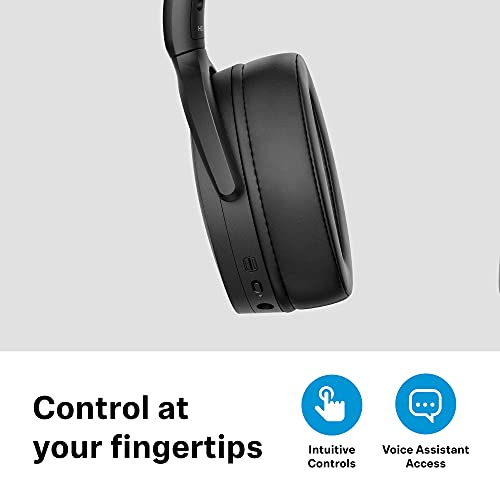
| None (focused purely on audio monitoring) | Google Assistant and Siri support with dedicated button |
The Pioneer DJ HDJ-X5 headphones are specifically designed for professional DJ use, featuring swivel mechanisms for single-ear monitoring, detachable cables, and a bass-heavy sound signature optimized for club environments. The Sennheiser HD 450BT are consumer-focused wireless headphones that lack the specialized features DJs need, such as swivel cups and zero-latency wired connections essential for live mixing.
The Sennheiser HD 450BT are primarily wireless headphones with Bluetooth 5.0 connectivity and 30-hour battery life, though they include a backup cable option. The Pioneer DJ HDJ-X5 are wired-only headphones with professional detachable cables designed for reliable, zero-latency connection to DJ equipment and mixers.
The Sennheiser HD 450BT feature active noise cancellation (ANC) technology that electronically reduces background noise, making them ideal for commuting and noisy environments. The Pioneer DJ HDJ-X5 rely solely on passive noise isolation through their closed-back design and don't include any electronic noise cancellation features.
The Sennheiser HD 450BT are designed for all-day comfort with lightweight construction (238g) and soft padding optimized for extended wear. The Pioneer DJ HDJ-X5 are heavier (269g) and built more for intermittent professional use rather than continuous listening, though they feature pressure-reducing housing design for DJ booth environments.
Both headphones offer good sound quality but with different approaches. The Pioneer DJ HDJ-X5 provide a bass-heavy, analytical sound signature with extended frequency response (5Hz-30kHz) ideal for electronic music and mixing. The Sennheiser HD 450BT offer more balanced, consumer-friendly tuning that works well across all music genres for enjoyable listening rather than critical analysis.
The Sennheiser HD 450BT excel for calls with built-in dual MEMS microphones, voice assistant support, and wireless convenience for hands-free communication. The Pioneer DJ HDJ-X5 lack built-in microphones and are designed purely for audio monitoring rather than communication purposes.
The Pioneer DJ HDJ-X5 are significantly more durable, meeting US Military Standard MIL-STD-810G shock testing and featuring metal-reinforced moving parts designed for heavy professional use. The Sennheiser HD 450BT use standard consumer-grade plastic construction that's adequate for everyday use but not built for the extreme conditions DJs encounter.
The Sennheiser HD 450BT work well for home theater with their wireless connectivity, aptX Low Latency codec support to minimize audio delay, and active noise cancellation for immersive viewing. The Pioneer DJ HDJ-X5 can provide engaging movie audio with their bass emphasis and extended frequency range, but the wired-only connection limits placement flexibility around your entertainment setup.
Value depends on your needs. The Sennheiser HD 450BT typically offer better value for general consumers with features like wireless connectivity, ANC, and 30-hour battery life at a competitive price point. The Pioneer DJ HDJ-X5 provide specialized professional features and superior durability that justify their cost for DJs and serious audio enthusiasts who need monitoring capabilities.
The Pioneer DJ HDJ-X5 offer excellent serviceability with replaceable detachable cables and ear pads available as separate purchases, extending the product's lifespan significantly. The Sennheiser HD 450BT follow standard consumer practices with limited replacement part availability, though they include a standard manufacturer warranty.
The Sennheiser HD 450BT are optimized for smartphones with Bluetooth connectivity, ability to pair with two devices simultaneously, voice assistant integration, and low 18-ohm impedance that's easy to drive from mobile devices. The Pioneer DJ HDJ-X5 work with smartphones through their included cable but lack wireless convenience and modern smartphone integration features.
Choose the wired Pioneer DJ HDJ-X5 if you need zero-latency audio for DJing, gaming, or studio work, plus maximum reliability without battery concerns. Choose the wireless Sennheiser HD 450BT if you prioritize convenience for daily listening, commuting, or situations where cable-free movement is important and slight audio delay isn't critical to your use case.
We've done our best to create useful and informative comparisons to help you decide what product to buy. Our research uses advanced automated methods to create this comparison and perfection is not possible - please contact us for corrections or questions. These are the sites we've researched in the creation of this article: guitarcenter.com - pioneerdj.com - digitaldjtips.com - youtube.com - idjnow.com - youtube.com - youtube.com - wearecrossfader.co.uk - audio46.com - youtube.com - pioneerdj.com - pioneerdj.com - idjnow.com - milehighdjsupply.com - pioneerdj.com - store.djtechtools.com - pioneerdjstore.com - americanmusical.com - sweetwater.com - stars-music.com - store.djtechtools.com - pioneerdj.com - pocketnow.com - majorhifi.com - rtings.com - majorhifi.com - soundguys.com - rtings.com - bestbuy.com - versus.com - youtube.com - youtube.com - starkinsider.com - headphones.com - newsroom.sennheiser.com - headphonecheck.com - walmart.com - fullspecs.net - youtube.com - crutchfield.com - sennheiser-hearing.com - youtube.com - babblingboolean.com

Privacy Policy
Terms and Conditions - Affiliate Policy
Home Security
© Copyright 2008-2026.
11816 Inwood Rd #1211, Dallas, TX 75244