

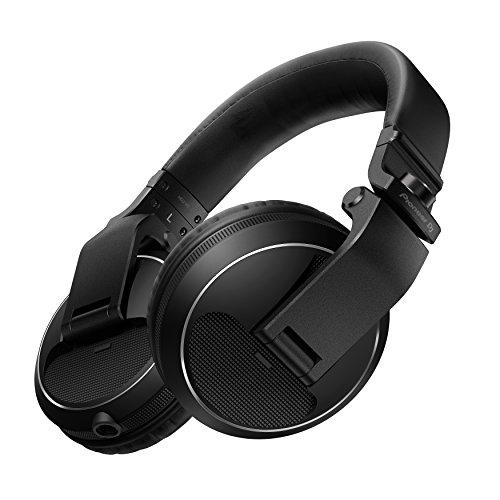
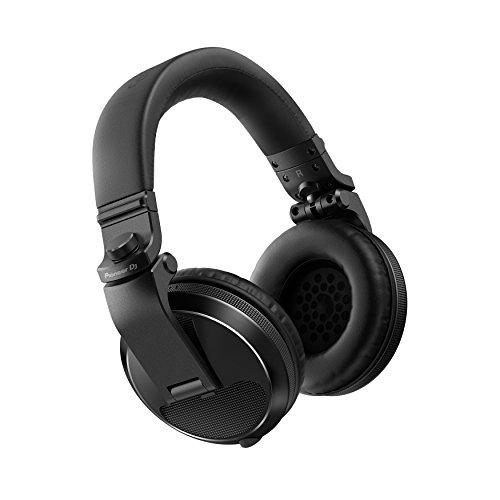
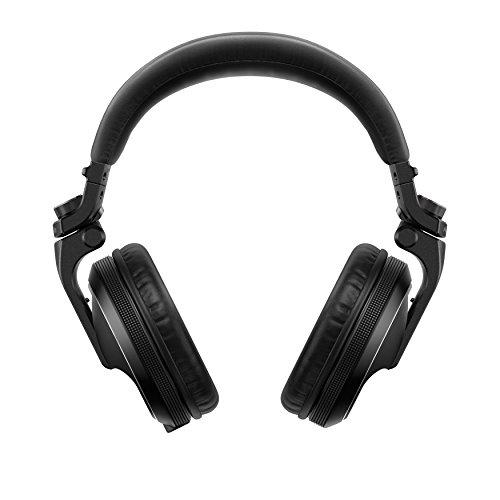
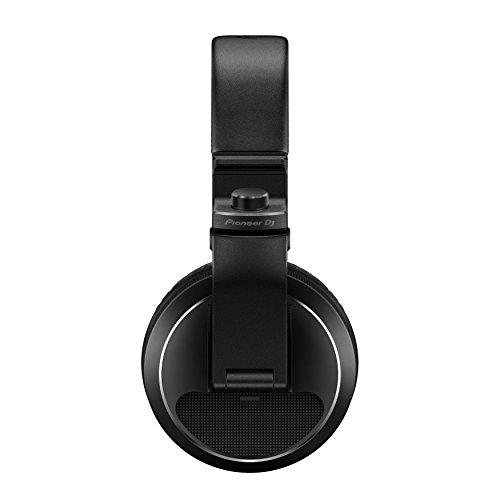
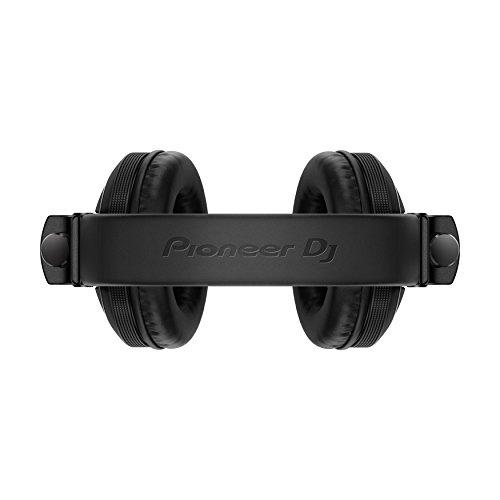
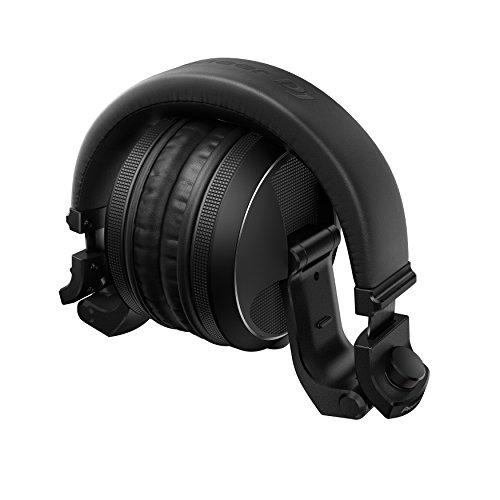
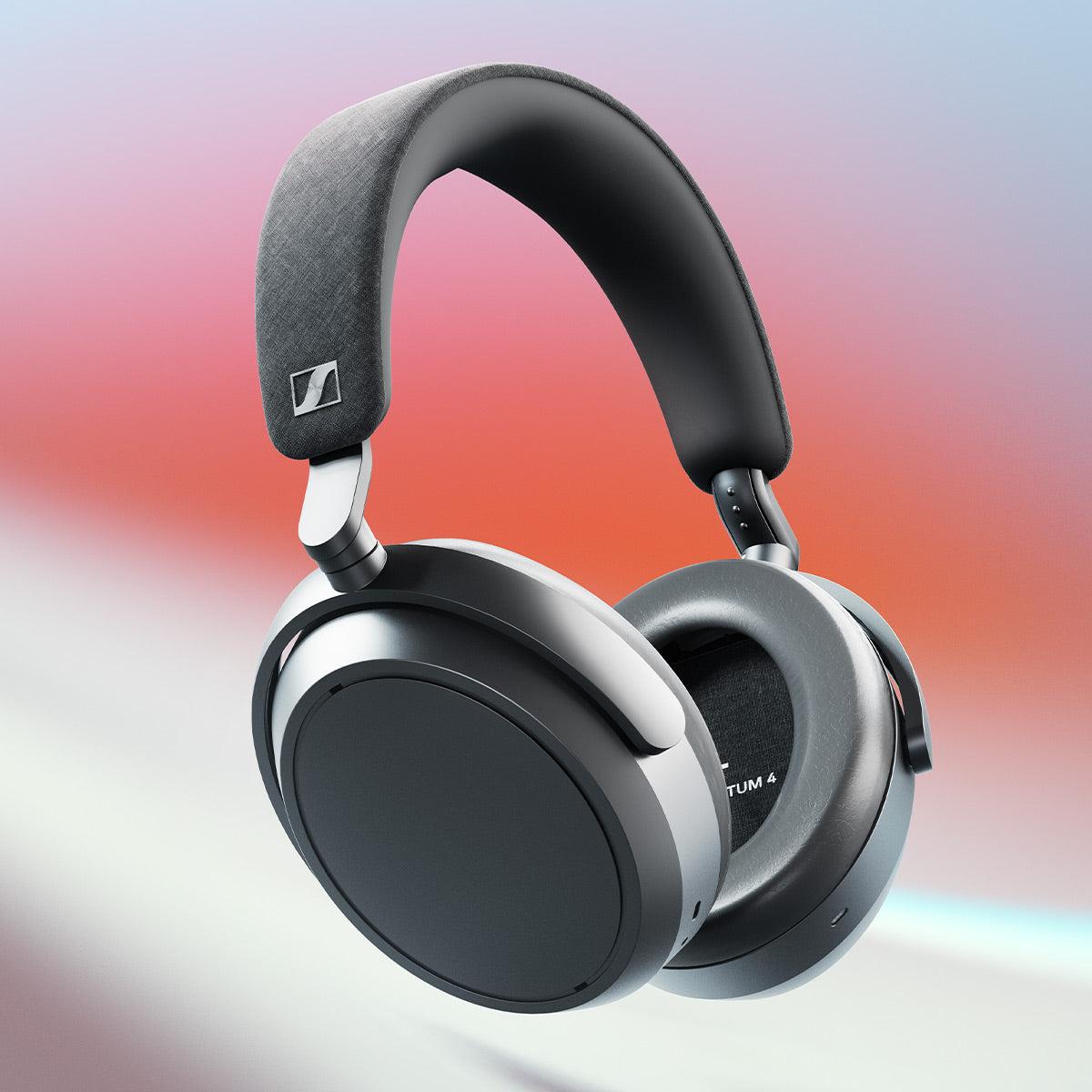
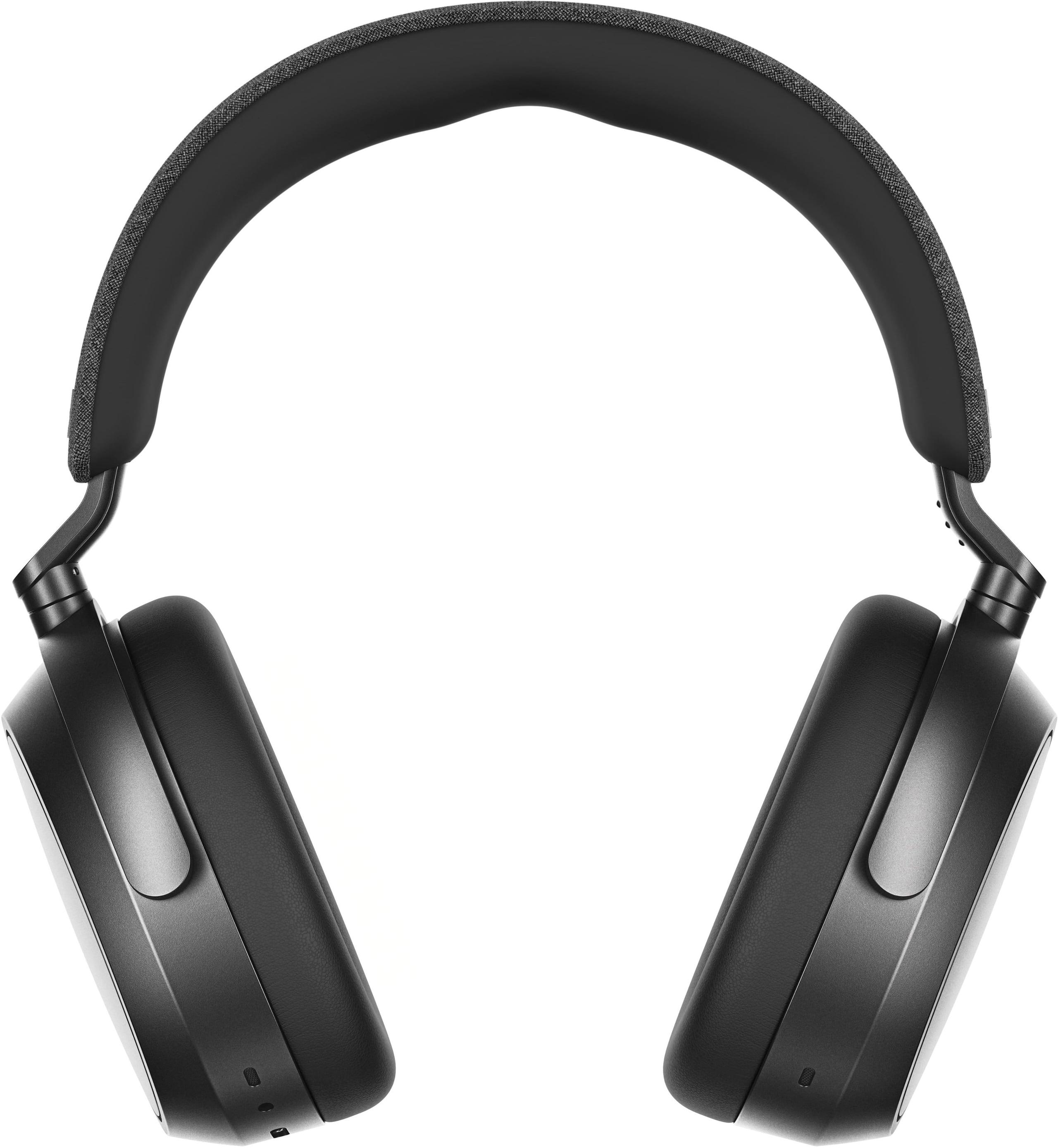
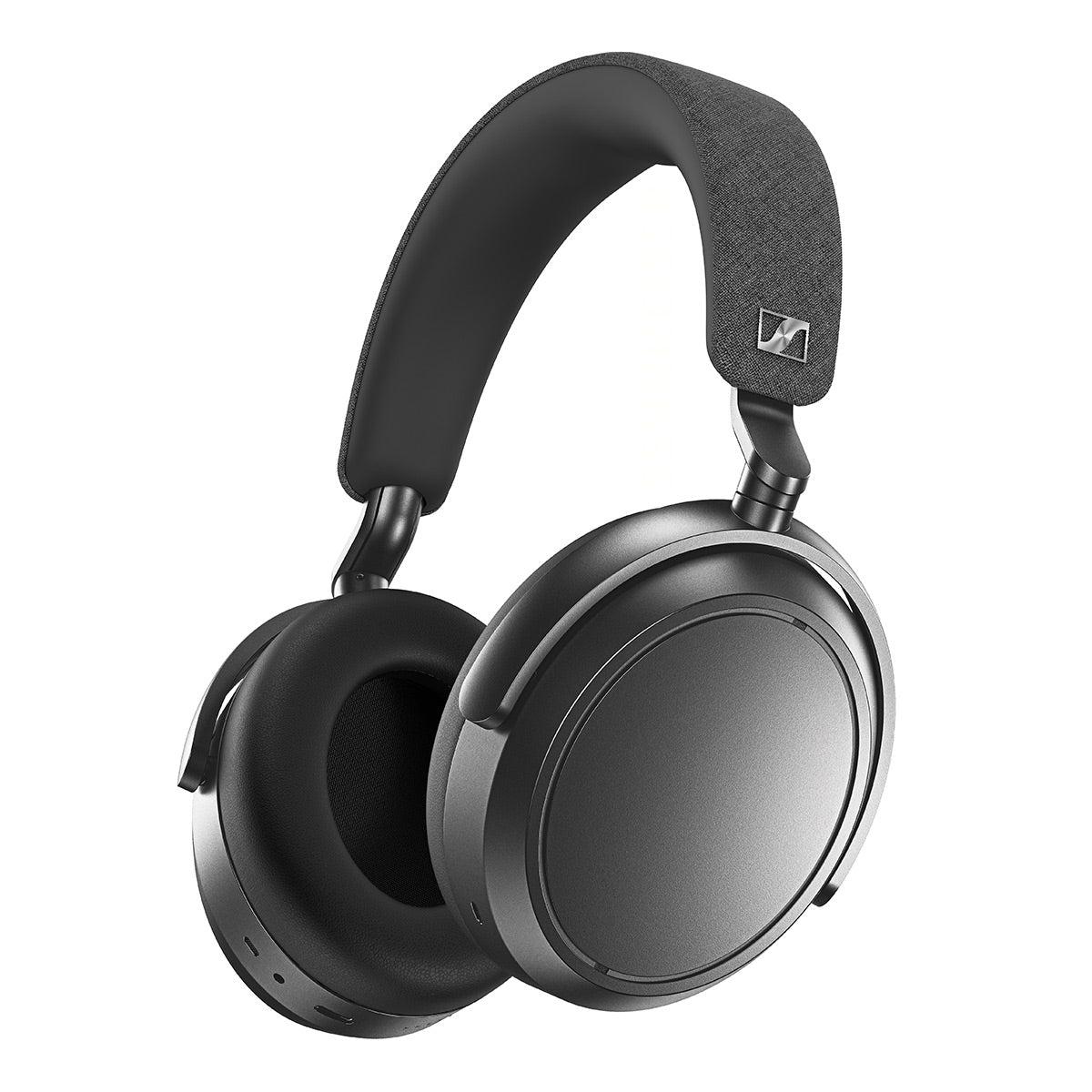

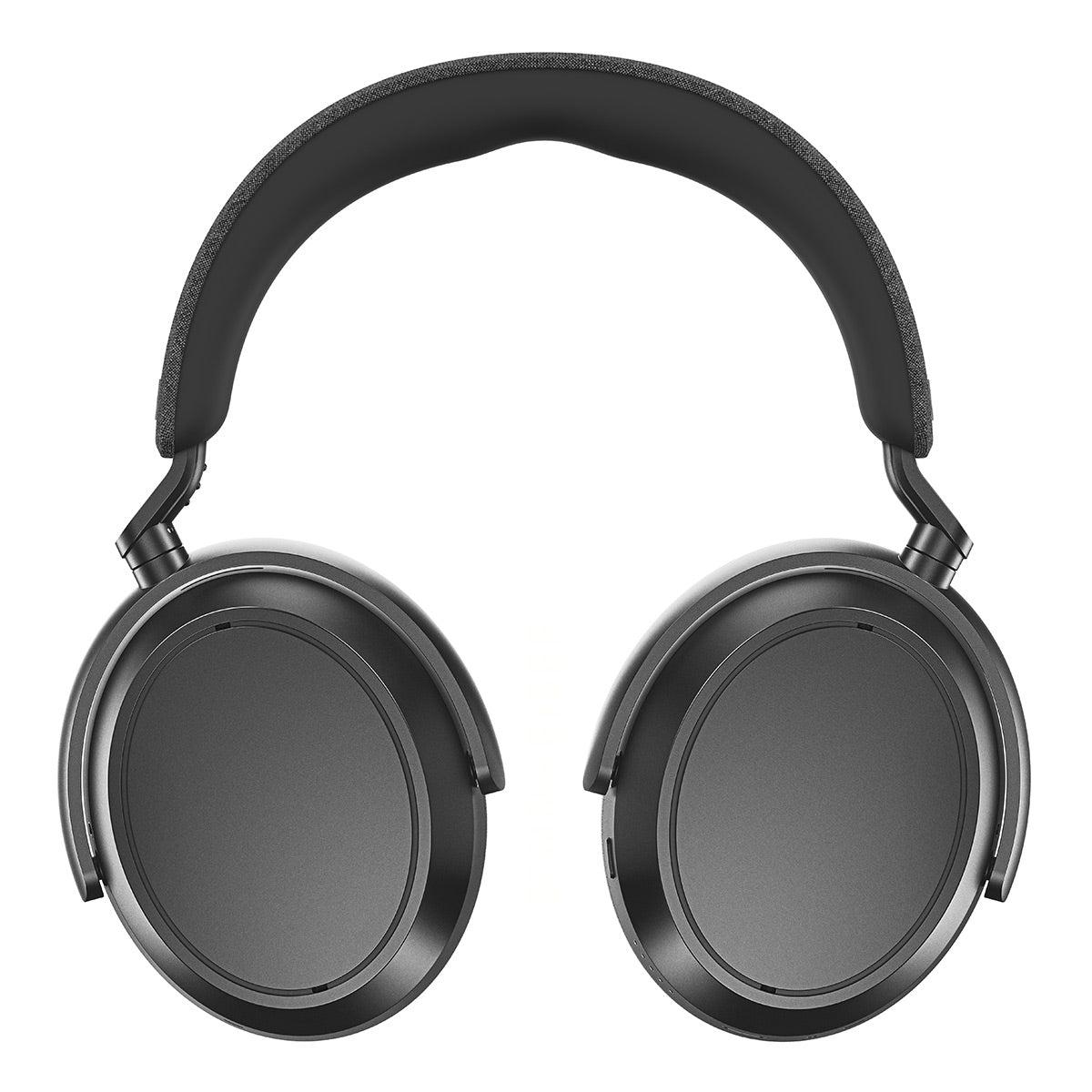


When I first started researching headphones, I thought all over-ear headphones were basically the same. Boy, was I wrong. The Pioneer DJ HDJ-X5 and Sennheiser Momentum 4 Wireless represent two completely different philosophies in headphone design, and understanding these differences can save you from making an expensive mistake.
The headphone world splits into specialized lanes more than most people realize. The Pioneer DJ HDJ-X5, released in 2017, belongs to the professional DJ monitoring category. These headphones are built like tools—literally designed to survive the chaos of club booths, late-night mixing sessions, and constant transport between gigs. Every design choice prioritizes durability, accurate sound reproduction, and functionality over comfort or convenience features.
The Sennheiser Momentum 4 Wireless, launched in 2022, represents the premium consumer wireless category. These headphones focus on making your daily listening experience as comfortable and convenient as possible. They're packed with smart features, offer wireless freedom, and prioritize the kind of sound signature that makes music enjoyable for hours on end.
Think of it this way: one is a professional wrench, the other is a luxury car. Both are excellent at what they do, but you wouldn't use a wrench to commute to work or take a luxury car to a construction site.
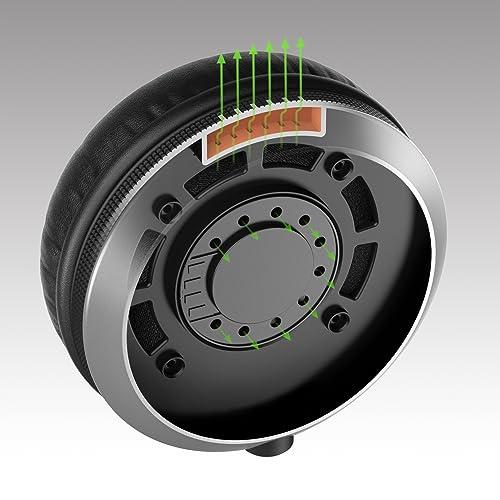
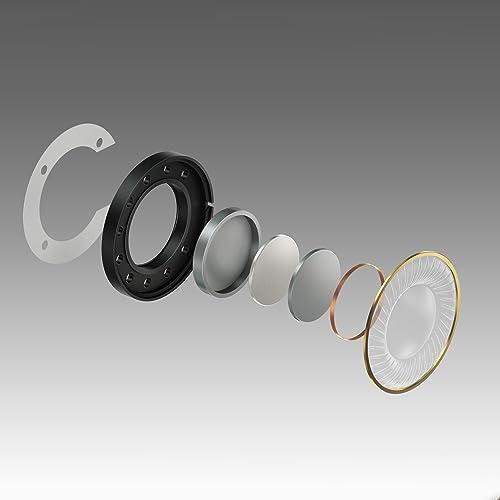
The audio performance comparison between these headphones reveals fascinating differences in engineering philosophy. The Pioneer DJ HDJ-X5 uses 40mm drivers with a frequency response spanning 5 Hz to 30,000 Hz—an impressively wide range that ensures DJs can hear everything from the deepest sub-bass kicks to the crispest hi-hats. But here's where it gets interesting: these headphones can handle up to 2,000 milliwatts of power without distorting. To put that in perspective, most consumer headphones start distorting at around 100-200 milliwatts. This massive power handling capability means DJs can crank the volume in loud club environments without losing audio clarity.
The Sennheiser Momentum 4 Wireless takes a different approach with their 42mm drivers covering 6 Hz to 22,000 Hz. While the upper frequency range is lower, the engineering focus shifts to refinement and customization. The impedance difference tells the story: the HDJ-X5 runs at 32 ohms, requiring more power but offering better control, while the Momentum 4 operates at a much lower impedance, making them easier to drive from phones and laptops.
What really sets the Sennheiser apart is their Sound Personalization technology, developed with the renowned Fraunhofer Institute. This feature runs you through audio tests to create a custom sound profile based on your hearing. It's like getting a custom-tailored suit, but for your ears. The difference is genuinely noticeable—suddenly, details in familiar songs become more prominent, and the overall balance feels more natural.
The Pioneer HDJ-X5 features something called a 4-core twisted-structure cable, which might sound like marketing speak but serves a real purpose. This design includes separate ground wires for each channel, dramatically improving stereo separation. When you're mixing two songs and need to hear the subtle differences between left and right channels, this technical detail becomes crucial.
The tuning philosophies reveal the core differences between these products. The Pioneer HDJ-X5 delivers what reviewers describe as a bass-heavy signature optimized for electronic music genres. This isn't about making music sound "fun"—it's about ensuring DJs can hear kick drums and basslines clearly even in environments with massive subwoofers pumping bass throughout the venue.
The Sennheiser Momentum 4 employs what's called a soft V-shape tuning. This means boosted bass and treble with slightly recessed midrange frequencies. In practical terms, drums hit harder, vocals sparkle, but guitars and other midrange instruments sit back in the mix. It's a signature designed to make most music genres sound engaging and exciting during casual listening.
I've spent considerable time with both approaches, and the differences become apparent immediately. The HDJ-X5 reveals mix elements you might not notice with other headphones—the subtle difference between a kick drum and bass guitar, the exact timing of hi-hat patterns, the presence or absence of reverb on vocals. The Momentum 4 makes familiar songs feel fresh and exciting, emphasizing the emotional impact over clinical accuracy.
Here's where these headphones diverge dramatically. The Pioneer DJ HDJ-X5 relies entirely on passive noise isolation—the physical design of the ear cups and cushions to block external sound. This might seem primitive compared to active noise cancellation, but it's actually ideal for DJ work. Passive isolation provides consistent performance regardless of battery life, doesn't introduce any processing delay, and won't suddenly fail during a critical moment in a set.
The passive isolation on the HDJ-X5 is specifically tuned for club environments. The frequency response of the isolation naturally blocks the mid and high frequencies that cut through mixes while allowing enough low-frequency bleed-through that DJs can feel the room's energy. It's a delicate balance that most consumer headphones completely ignore.
The Sennheiser Momentum 4 features Hybrid Adaptive Active Noise Cancellation, which combines passive isolation with electronic noise cancellation. The system uses microphones to detect external noise and generates opposing sound waves to cancel it out. While the ANC performance doesn't quite match industry leaders like Sony's WH-1000XM series, it's effective enough for most real-world scenarios.
The Transparency Mode on the Momentum 4 demonstrates thoughtful engineering. Instead of simply turning off noise cancellation, it actively processes external sounds to maintain natural tonality while allowing environmental awareness. This feature proves invaluable during phone calls, walking through airports, or any situation where you need to stay connected to your surroundings.
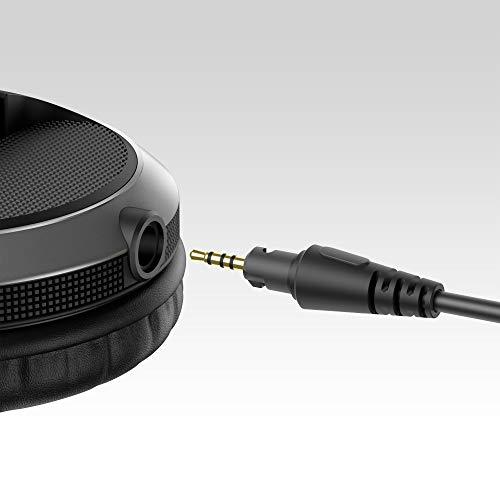
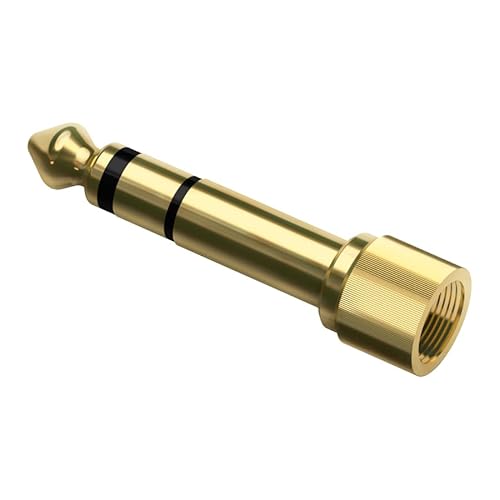
The connectivity comparison highlights the fundamental philosophical differences between these products. The Pioneer HDJ-X5 embraces wired connections with a 1.2-meter coiled cable that extends to 1.8 meters under tension. This design prevents tangling while providing enough length for booth flexibility. The L-shaped connector reduces stress on the cable jack, and the threaded 6.3mm adapter ensures secure connections to professional mixing equipment.
Professional DJs understand why wireless connectivity isn't desirable in their environment. Latency, even minimal amounts measured in milliseconds, can disrupt beatmatching and mixing precision. Battery failure during a performance is career-damaging. Interference from other wireless devices in crowded venues creates unreliable connections. The HDJ-X5's wired approach eliminates all these concerns.
The Sennheiser Momentum 4 represents the opposite philosophy. Bluetooth 5.2 connectivity with aptX Adaptive codec support provides high-quality wireless audio with adaptive bitrate adjustment based on connection quality. The multipoint connection capability allows simultaneous pairing with up to eight devices, seamlessly switching between your phone, laptop, and tablet as needed.
What impressed me most about the Momentum 4 is the thoughtful implementation of smart features. Auto-pause when removing the headphones, automatic power management, and touch controls that actually work reliably. These conveniences seem minor until you use them daily—then they become indispensable.
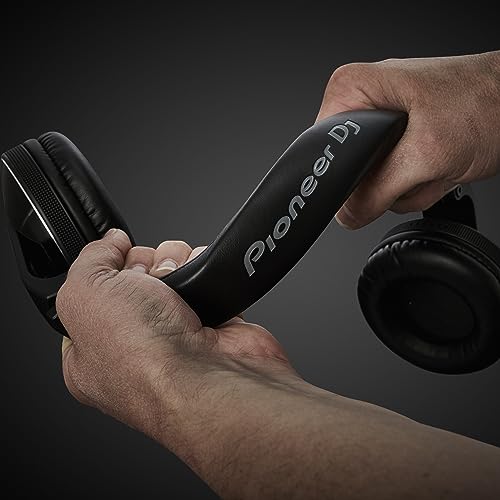
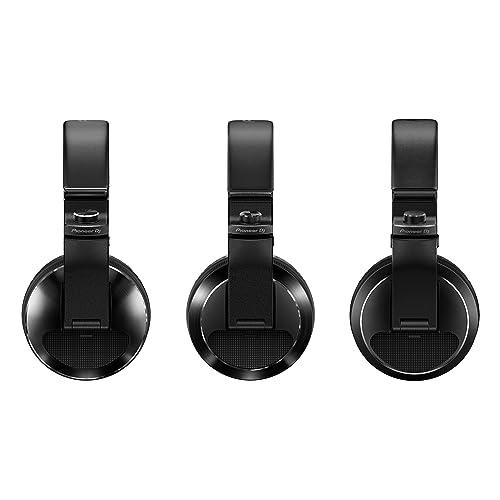
The build quality differences reflect each product's intended environment. The Pioneer DJ HDJ-X5 passed the US Military Standard MIL-STD-810G shock test, meaning they can survive drops, impacts, and vibrations that would destroy typical consumer headphones. The moving parts incorporate metal construction rather than plastic, and the overall design prioritizes function over form.
I've seen HDJ-X5 headphones survive years of abuse in professional environments—dropped on concrete floors, stuffed into equipment cases, exposed to smoke machines and spilled drinks. The replaceable cable and ear pad design means even heavily used units can be restored to like-new condition with inexpensive parts.
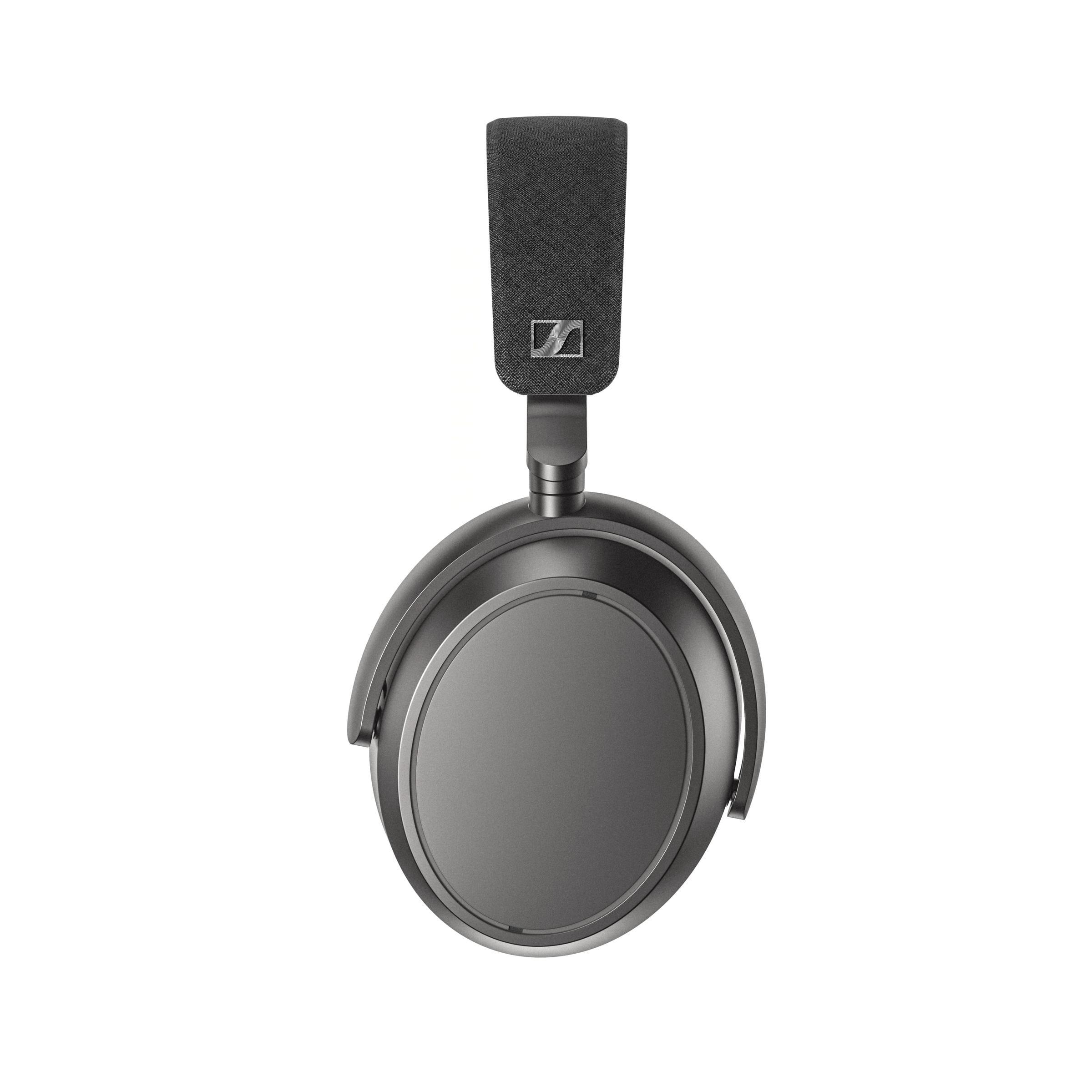
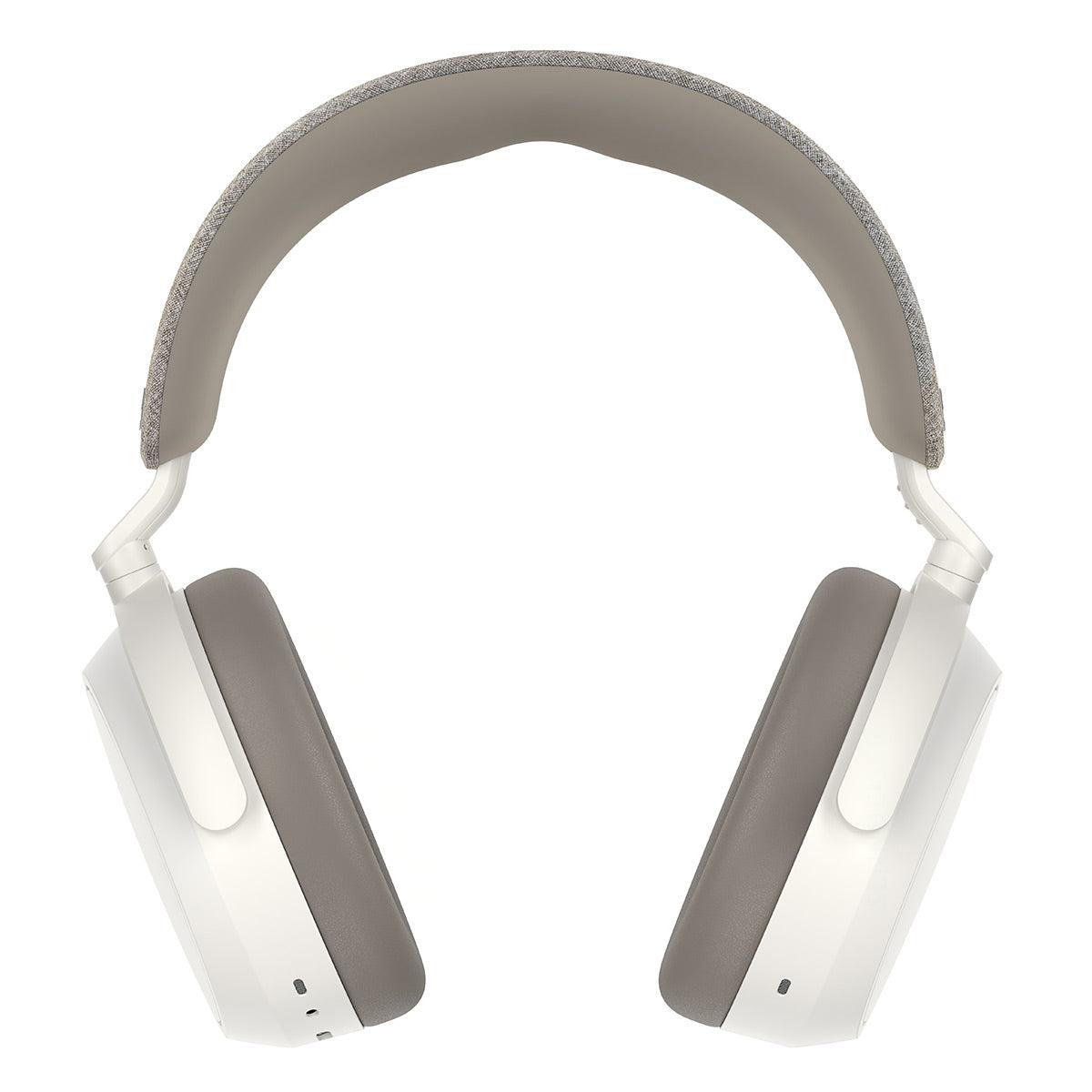
The Sennheiser Momentum 4 takes a luxury approach to build quality. Premium materials include fabric details on the headband, protein leather ear cushions, and carefully finished plastic construction. At 293 grams, they're remarkably light for over-ear headphones, and the weight distribution eliminates pressure points during extended listening sessions.
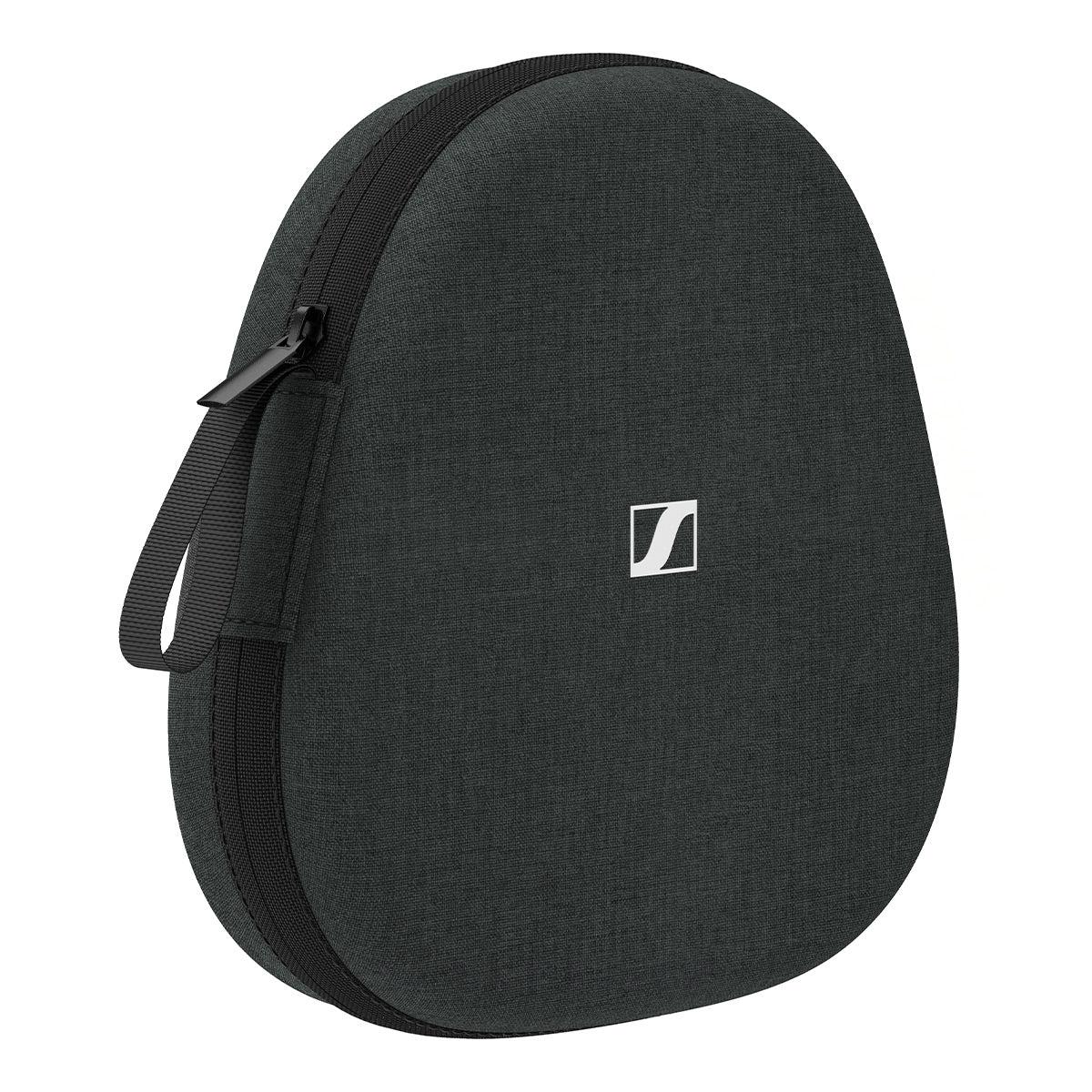
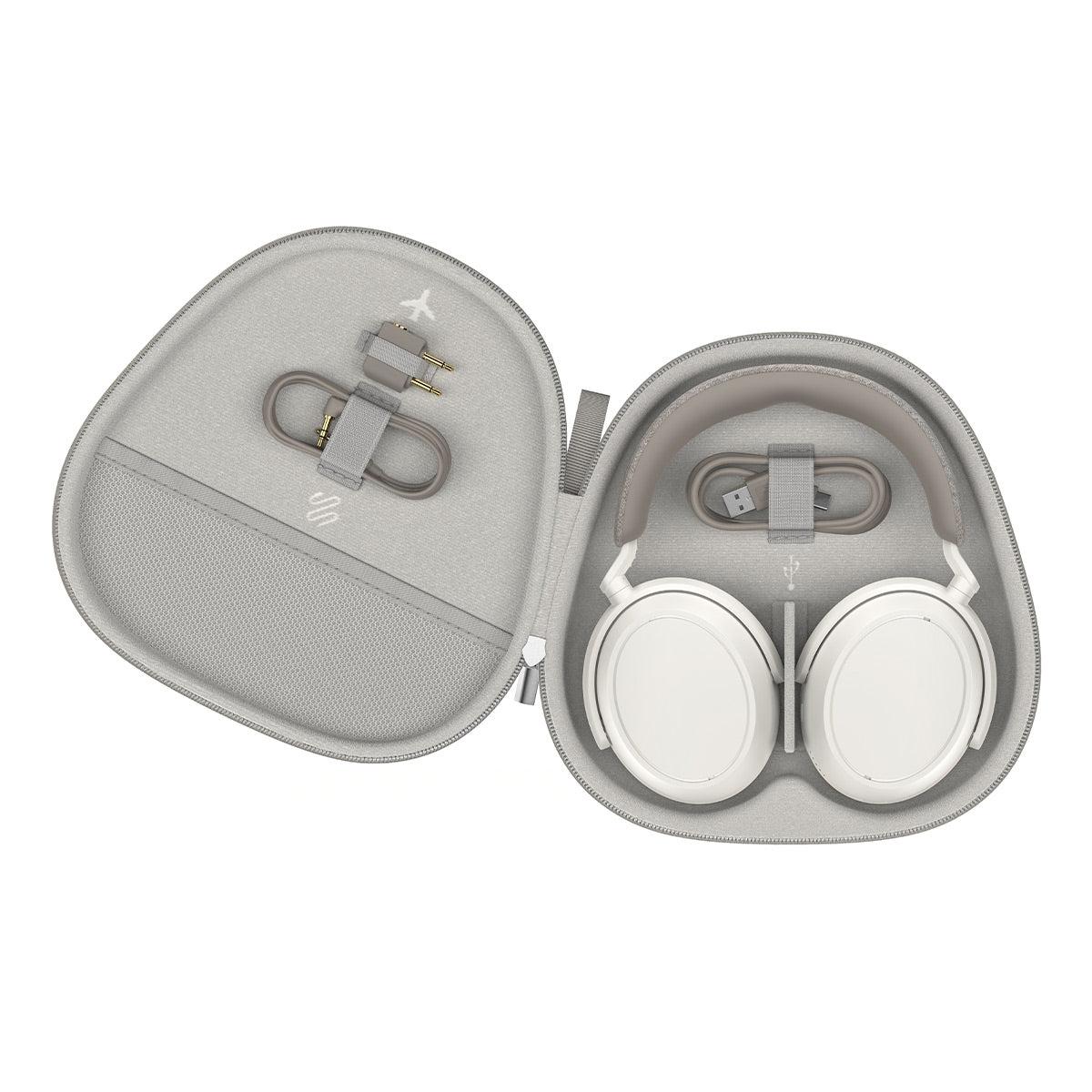
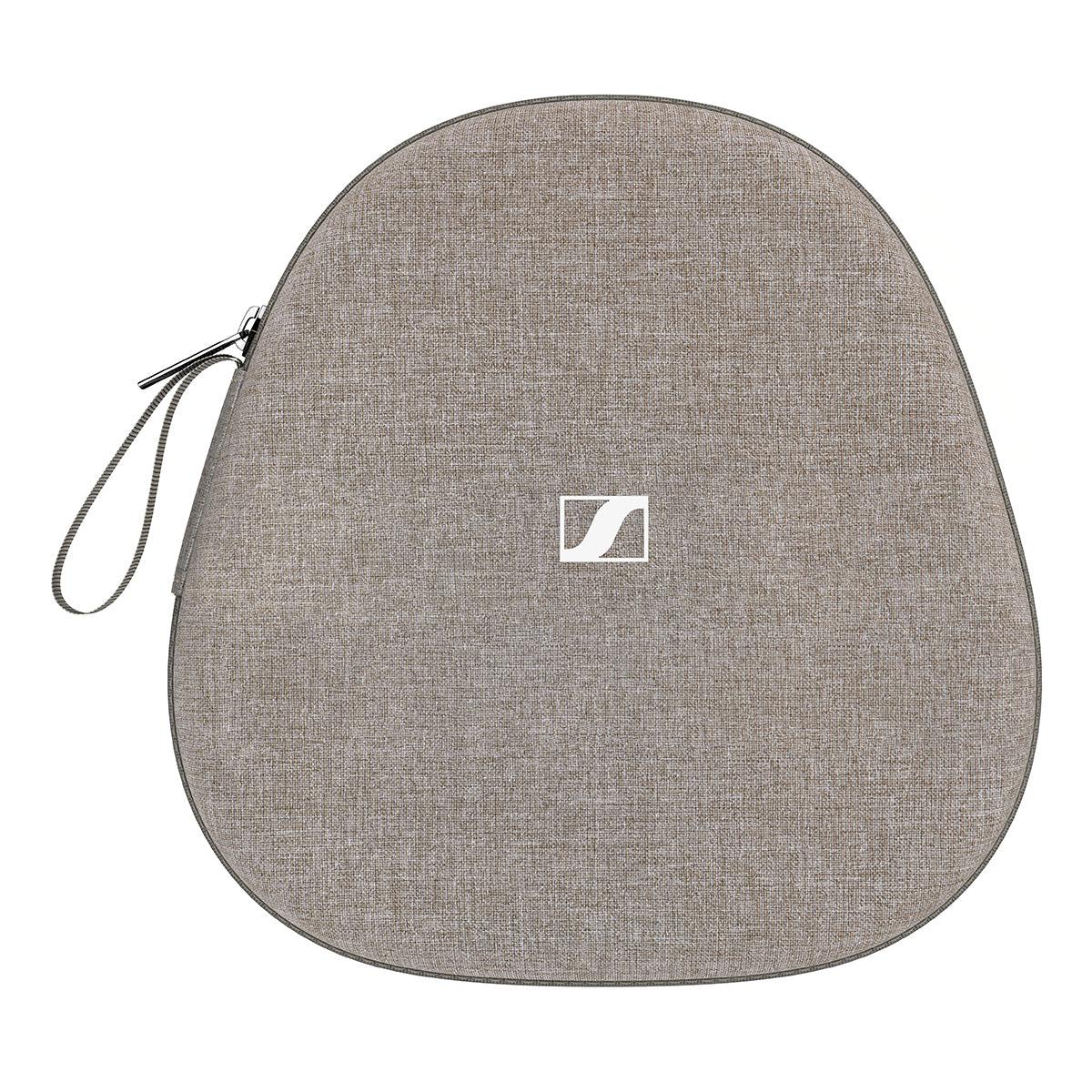
The fold-flat design of the Momentum 4 makes them genuinely portable, and the included hard case provides adequate protection for travel. However, the build prioritizes comfort and aesthetics over extreme durability. These headphones will handle normal consumer use beautifully but wouldn't survive the professional audio environment that the HDJ-X5 thrives in.
Perhaps the most significant advantage of the Sennheiser Momentum 4 is their exceptional 60-hour battery life with active noise cancellation enabled. This performance significantly exceeds most wireless headphones, which typically offer 20-30 hours of playback. The practical impact is enormous—you can use these headphones for international flights, week-long business trips, or daily commuting for months without worrying about charging.
The fast-charging implementation is equally impressive. Five minutes of charging provides four hours of playback, while a full charge requires approximately two hours. USB-C connectivity means universal charging compatibility with modern devices.
The Pioneer HDJ-X5, being wired headphones, offer unlimited usage time without battery concerns. This might seem like a non-advantage until you consider professional use cases where battery failure simply isn't acceptable. DJs often work 6-8 hour sessions, and the reliability of wired power becomes a significant benefit.
For home theater use, both headphones offer distinct advantages and limitations. The Pioneer HDJ-X5 provides exceptional detail retrieval that makes movie soundtracks and dialogue incredibly clear. The accurate frequency response helps balance movie audio that's often mixed for large speaker systems. However, the bass-heavy signature can make action movies overwhelming, and the lack of wireless connectivity limits placement options.
The Sennheiser Momentum 4 excels in home theater applications through wireless convenience and customizable sound profiles. The ability to create EQ presets for different content types—movies, music, podcasts—adds versatility. The active noise cancellation prevents disturbing others while maintaining immersion. However, wireless latency can occasionally cause sync issues with video content, though this is increasingly rare with modern codecs.
At the time of writing, these headphones occupy different value propositions in their respective markets. The Pioneer DJ HDJ-X5 represents excellent value in the professional DJ headphone category, delivering essential features without premium pricing. The focus on core functionality rather than flashy features keeps costs reasonable while maintaining professional performance standards.
The Sennheiser Momentum 4 competes in the premium consumer wireless category, where features, battery life, and sound quality justify higher pricing. When compared to equivalent offerings from Sony, Bose, or Apple, the Momentum 4 often provides superior value through longer battery life and comprehensive customization options.
The serviceable design of the HDJ-X5 adds long-term value through replaceable components, while the Momentum 4's extensive feature set and build quality should provide years of reliable service in consumer applications.
Choose the Pioneer DJ HDJ-X5 if you're serious about DJ work, need headphones for professional audio applications, or prioritize reliability and accuracy over convenience features. These headphones excel when wired connectivity is preferred, maximum durability is required, or accurate monitoring in loud environments is essential.
The Sennheiser Momentum 4 Wireless suits users wanting premium daily-use headphones with extensive wireless features, customizable sound profiles, and exceptional battery life. They're ideal for commuting, travel, office work, casual music listening, and situations where wireless convenience outweighs the need for professional-grade durability.
Neither headphone is definitively "better"—they're optimized for completely different use cases. Understanding your primary needs, environment, and priorities will guide you toward the right choice. The HDJ-X5 is a professional tool, while the Momentum 4 is a premium lifestyle product. Both excel within their intended domains, making your decision ultimately about matching the product to your specific requirements.
| Pioneer DJ HDJ-X5 | Sennheiser Momentum 4 Wireless |
|---|---|
| Primary Use Case - Determines if the headphones will meet your needs | |
| Professional DJ monitoring and mixing | Premium consumer wireless listening |
| Driver Size & Frequency Response - Affects audio quality and detail | |
| 40mm drivers, 5-30,000 Hz (wider range for professional monitoring) | 42mm drivers, 6-22,000 Hz (optimized for consumer listening) |
| Connectivity - Impacts convenience vs reliability | |
| Wired only (1.2m coiled cable, extends to 1.8m) | Bluetooth 5.2 + wired option (aptX Adaptive codec support) |
| Noise Isolation Approach - Different methods for blocking external sound | |
| Passive isolation only (consistent, no battery required) | Hybrid Active Noise Cancellation + Transparency Mode |
| Power Handling - Determines maximum volume without distortion | |
| 2,000 mW maximum input (extreme volume capability for clubs) | Standard consumer levels (adequate for personal use) |
| Battery Life - Critical for wireless headphones | |
| Unlimited (wired power) | 60 hours with ANC (industry-leading wireless performance) |
| Build Durability - Indicates longevity and abuse resistance | |
| MIL-STD-810G military shock certified, metal reinforced parts | Premium consumer build, lightweight at 293g |
| Sound Customization - Ability to adjust audio to preference | |
| Fixed tuning optimized for DJ monitoring | Extensive EQ, Sound Personalization, multiple presets via app |
| Smart Features - Modern convenience capabilities | |
| None (focus on reliability) | Touch controls, auto-pause, voice assistant, multipoint pairing |
| Replaceable Parts - Long-term serviceability | |
| Yes (cables, ear pads available separately) | Limited (standard consumer approach) |
| Weight & Comfort - Important for extended use | |
| 269g, pressure-reducing design for booth work | 293g, premium cushioning for all-day comfort |
| Professional Certification - Indicates suitability for pro use | |
| Built for professional DJ applications | Consumer-focused design and features |
No, these are completely different categories of headphones. The Pioneer DJ HDJ-X5 are professional DJ monitoring headphones designed for mixing and club use, while the Sennheiser Momentum 4 Wireless are premium consumer wireless headphones built for everyday listening, commuting, and entertainment.
For casual music listening, the Sennheiser Momentum 4 Wireless offer superior sound quality with their refined tuning, customizable EQ, and Sound Personalization features. The Pioneer DJ HDJ-X5 are tuned specifically for DJ monitoring with a bass-heavy signature that may not suit all music genres for recreational listening.
No, only the Sennheiser Momentum 4 Wireless offer wireless connectivity via Bluetooth 5.2. The Pioneer DJ HDJ-X5 are wired-only headphones with a coiled cable, which is intentional for professional DJ applications where wireless connectivity could introduce latency or connection issues.
The Sennheiser Momentum 4 Wireless provide an exceptional 60 hours of battery life with active noise cancellation enabled. The Pioneer DJ HDJ-X5 don't require a battery since they're wired headphones, offering unlimited usage time when connected to an audio source.
The Sennheiser Momentum 4 Wireless are better suited for home theater use due to their wireless convenience, comfortable fit for extended viewing, and customizable sound profiles for different content types. The Pioneer DJ HDJ-X5 can work for home theater but lack wireless connectivity and may have too much bass emphasis for movie dialogue.
The Pioneer DJ HDJ-X5 are significantly more durable, featuring MIL-STD-810G military shock certification and metal-reinforced moving parts designed to survive professional use. The Sennheiser Momentum 4 Wireless have premium consumer build quality but aren't designed for the extreme durability required in professional environments.
Only the Sennheiser Momentum 4 Wireless feature active noise cancellation with adjustable transparency mode. The Pioneer DJ HDJ-X5 rely on passive noise isolation through their closed-back design, which is actually preferred in DJ applications for consistent performance without battery dependency.
The Sennheiser Momentum 4 Wireless are much better for phone calls, featuring four digital beamforming microphones with wind noise suppression and seamless wireless connectivity. The Pioneer DJ HDJ-X5 lack a built-in microphone and aren't designed for phone call use.
The Sennheiser Momentum 4 Wireless work seamlessly with smartphones via Bluetooth and include a comprehensive mobile app for customization. The Pioneer DJ HDJ-X5 can connect to smartphones using the included 3.5mm cable but lack wireless connectivity and smartphone-specific features.
The Sennheiser Momentum 4 Wireless are designed for all-day comfort with lightweight construction, premium cushioning, and balanced weight distribution. While the Pioneer DJ HDJ-X5 have pressure-reducing design for professional use, they're optimized for DJ booth work rather than extended casual listening comfort.
The Sennheiser Momentum 4 Wireless offer extensive sound customization through their mobile app, including EQ presets, Sound Personalization technology, and adjustable sound modes. The Pioneer DJ HDJ-X5 have a fixed sound signature optimized for professional DJ monitoring without software-based customization options.
Value depends on your intended use. The Pioneer DJ HDJ-X5 offer excellent value for professional DJ applications or users needing extremely durable wired headphones. The Sennheiser Momentum 4 Wireless provide superior value for premium consumer wireless headphones with their extensive features, exceptional battery life, and versatile performance across different use cases.
We've done our best to create useful and informative comparisons to help you decide what product to buy. Our research uses advanced automated methods to create this comparison and perfection is not possible - please contact us for corrections or questions. These are the sites we've researched in the creation of this article: guitarcenter.com - pioneerdj.com - digitaldjtips.com - youtube.com - idjnow.com - youtube.com - youtube.com - wearecrossfader.co.uk - audio46.com - youtube.com - pioneerdj.com - pioneerdj.com - idjnow.com - milehighdjsupply.com - pioneerdj.com - store.djtechtools.com - pioneerdjstore.com - americanmusical.com - sweetwater.com - stars-music.com - store.djtechtools.com - pioneerdj.com - recordingnow.com - recordingnow.com - soundguys.com - tomsguide.com - headphones.com - thegreatestsong.com - forum.headphones.com - loudnwireless.com - bloomaudio.com - loudnwireless.com - sennheiser-hearing.com - bhphotovideo.com - audio46.com - techpowerup.com - moon-audio.com - bloomaudio.com - pianoclack.com - gsmarena.com - rtings.com

Privacy Policy
Terms and Conditions - Affiliate Policy
Home Security
© Copyright 2008-2026.
11816 Inwood Rd #1211, Dallas, TX 75244