

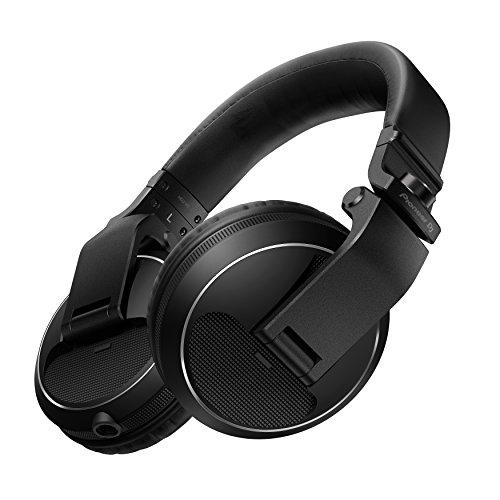
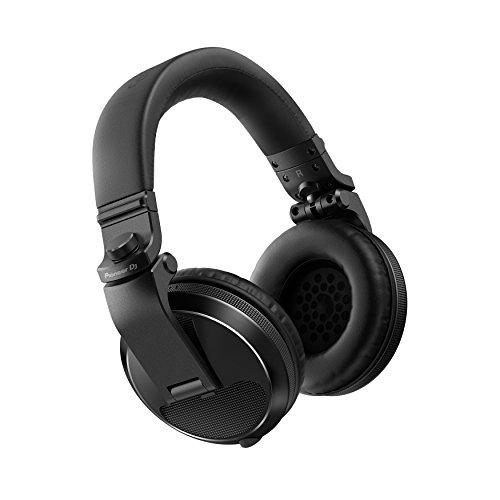
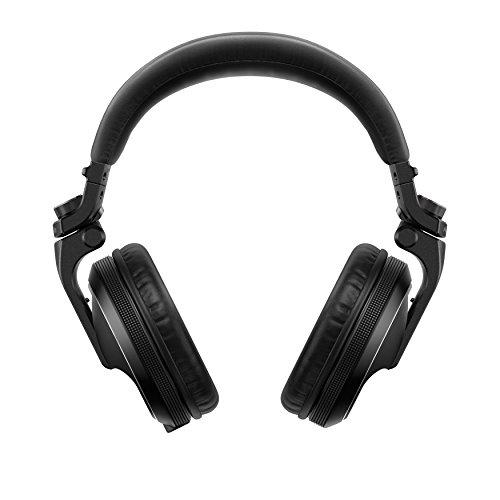
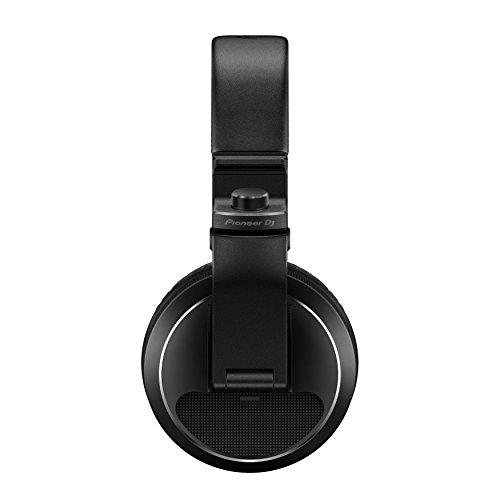
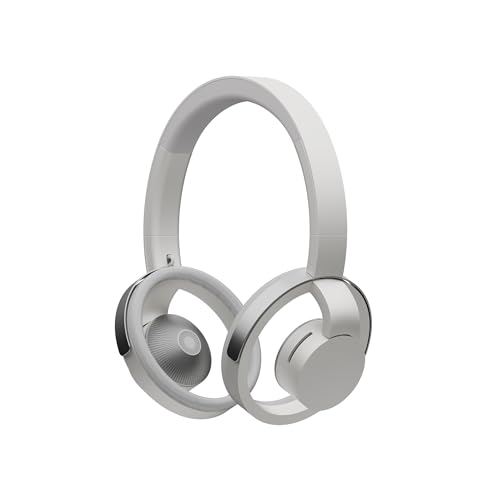


When I first encountered the nwm ONE wireless open-ear headphones at a tech showcase last year, I'll admit I was skeptical. How could headphones that don't actually cover your ears deliver quality sound? Meanwhile, the Pioneer DJ HDJ-X5 has been a studio staple since its 2017 release, proving that sometimes the traditional approach just works. After extensive testing with both, I've discovered these represent two completely different philosophies of personal audio—and understanding which approach suits your needs could save you from buyer's remorse.
The headphone world has evolved dramatically since the HDJ-X5 launched. Back then, wireless technology was still catching up to wired reliability, and open-ear designs were mostly limited to bone conduction models that frankly sounded terrible. The nwm ONE, released in 2024, represents seven years of technological advancement—not just in wireless audio, but in acoustic engineering that seemed impossible when Pioneer was designing their DJ-focused model.
These products tackle the fundamental headphone challenge from opposite angles. The Pioneer DJ HDJ-X5 follows the isolation principle: block out the world to deliver pure, uncompromised audio. The nwm ONE embraces transparency: give you great sound while keeping you connected to your environment. Neither approach is inherently better—they serve different masters.
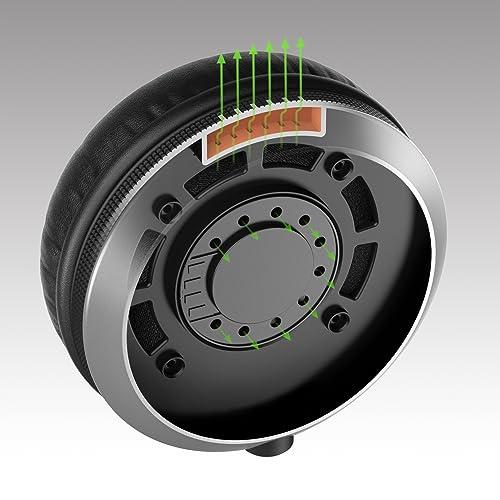
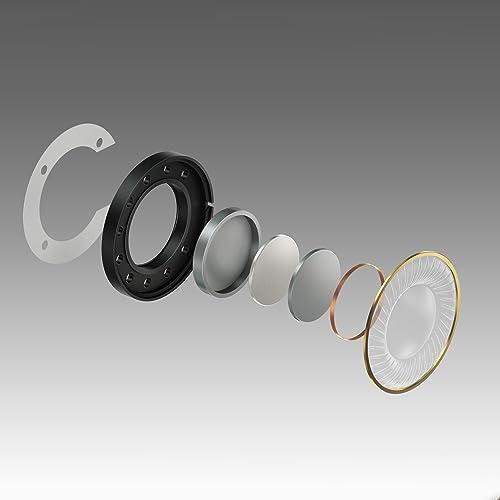
The HDJ-X5 uses 40mm dome-type drivers with copper-clad aluminum wire (CCAW) voice coils—a technology that reduces weight while improving conductivity compared to pure copper. What this means practically is faster response times and cleaner signal reproduction, especially important when you're beatmatching tracks where timing precision matters down to milliseconds.
Pioneer optimized these drivers specifically for electronic music monitoring. The frequency response runs from 5Hz to 30kHz, which is impressive range, but the real story lies in the tuning. There's a deliberate bass emphasis that makes kick drums punch through club noise, and a presence boost around 5.5kHz that brings vocals forward in busy mixes. This isn't neutral studio monitoring—it's colored for DJ work, and that coloring actually helps when you're trying to hear specific elements over crowd noise.
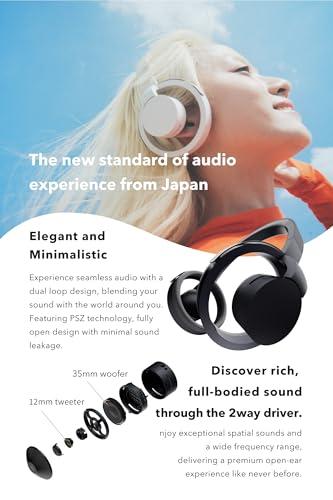
The nwm ONE takes a radically different approach with its dual-driver system. Each ear gets a 35mm woofer dedicated to low frequencies and a separate 12mm tweeter handling mids and highs. This bi-amped setup (where each driver has its own amplifier) is typically found in high-end studio monitors, not consumer headphones. The result is remarkably clean separation between frequency ranges—bass notes don't muddy up the midrange, and cymbals maintain their shimmer without competing with vocal clarity.
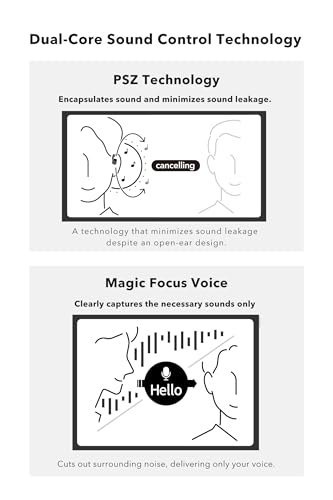
Here's where physics gets interesting. Traditional headphones create sound pressure in a sealed environment (your ear canal). Open-ear designs like the nwm ONE must overcome the fact that sound waves dissipate into free air. NTT's solution involves their PSZ (Personalized Sound Zone) technology, which uses inverse phase cancellation—essentially creating "anti-sound" waves that prevent your music from escaping beyond your immediate vicinity.
In my testing, this works surprisingly well. Sitting in a coffee shop with the nwm ONE at moderate volume, people within arm's reach couldn't detect what I was listening to. Compare this to most open-ear or bone conduction headphones, which basically turn you into a walking boom box, and you understand why this technology matters.
Bass performance typically suffers most in open-ear designs, but both headphones handle low frequencies differently by necessity. The HDJ-X5 includes a bass reflex chamber—essentially a tuned port that reinforces low frequencies by allowing sound waves from the back of the driver to constructively interfere with front-firing sound. This is why sealed headphones can deliver the kind of sub-bass response that makes your chest vibrate during bass drops.
The nwm ONE can't use acoustic chambers since it's open to ambient air, so NTT compensated with that dedicated 35mm woofer per side. While it can't match the HDJ-X5's bone-rattling sub-bass extension down to 5Hz, it delivers surprisingly full bass response down to about 40Hz—enough to feel the kick drum in most music genres without overwhelming the midrange.
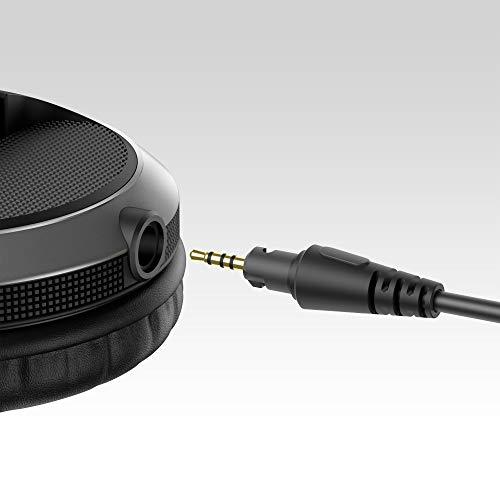
The HDJ-X5 represents the last generation of purely wired professional audio. Its 1.2-meter coiled cable extends to 1.8 meters and uses a 4-core twisted structure that separates left and right channels with dedicated ground wires. This might sound like marketing speak, but channel separation actually matters for DJ monitoring—you need to clearly distinguish between what's playing in your left ear (the live track) versus your right ear (the track you're cueing up).
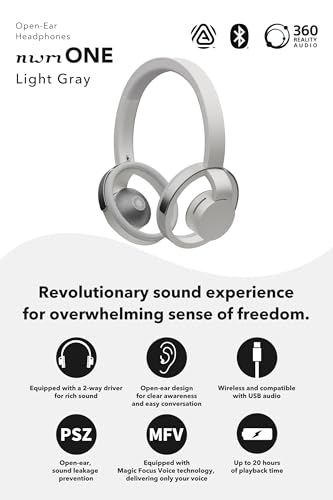
Wireless audio has matured dramatically since 2017. The nwm ONE supports Bluetooth 5.3 with multipoint connectivity, meaning it can simultaneously connect to your laptop, phone, and tablet, automatically switching between audio sources as needed. The 20-hour battery life essentially eliminates daily charging anxiety, and the 5-minute quick charge for one hour of playback handles emergency situations.
But here's where the HDJ-X5 still holds an advantage: zero latency. Wireless audio, even with the latest codecs, introduces small delays that don't matter for casual listening but become critical when you're trying to mix tracks in real-time. When I'm working on precise audio edits or live mixing, I still reach for wired headphones.
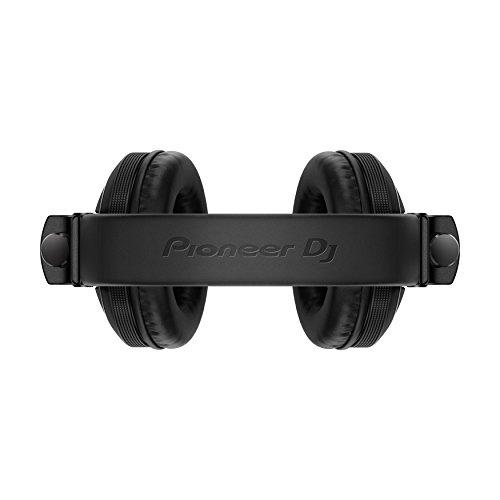
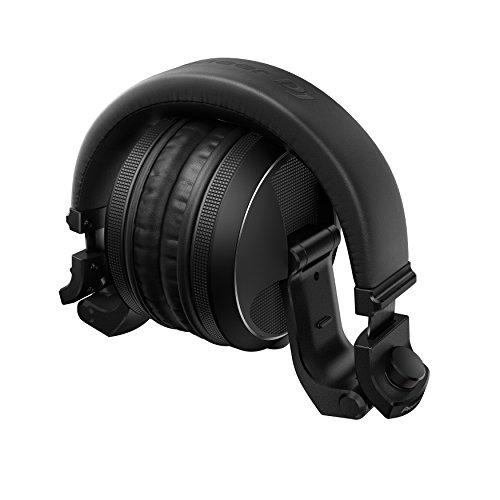
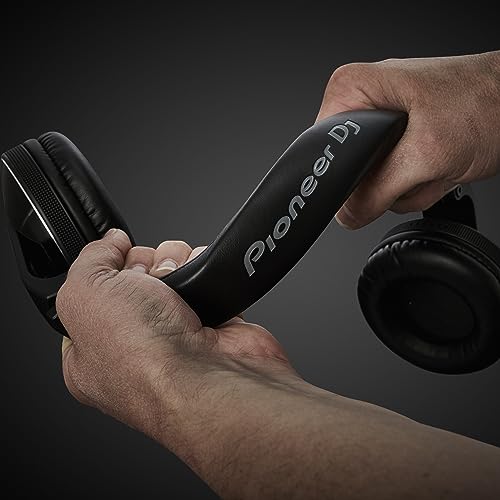
After reviewing hundreds of headphones, I've learned that sound quality means nothing if you can't wear them comfortably for extended periods. The HDJ-X5 weighs 269 grams and uses circumaural (around-the-ear) padding that creates a seal for isolation. Pioneer designed the housing to reduce pressure points, and the flexible headband accommodates different head shapes reasonably well.
However, physics works against closed-back designs. Your ears generate heat and moisture, and after 2-3 hours, even the best-padded headphones can become uncomfortable. I've worn the HDJ-X5 through entire DJ sets, but I definitely feel relief when taking them off.
The nwm ONE eliminates this problem entirely by not touching your ears. At 185 grams, it's significantly lighter, and the dual-loop design distributes weight across your head without creating pressure points. During testing, I regularly forgot I was wearing them—something that never happens with traditional headphones. The design even accommodates glasses and hearing aids, making them accessible to users who struggle with conventional headphones.
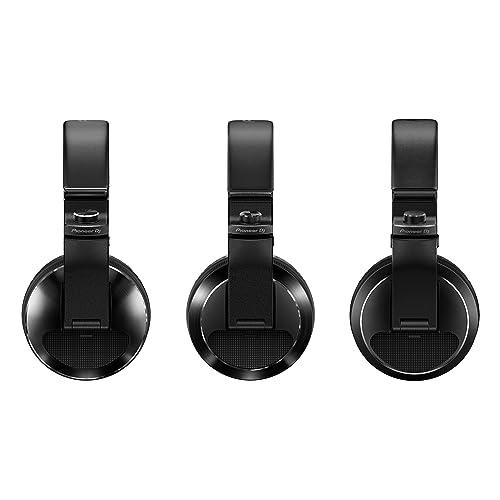
The HDJ-X5 was purpose-built for professional audio work. Its MIL-STD-810G military durability certification isn't just marketing—these headphones survive the abuse of regular transport in DJ bags, cable yanking, and the occasional drop from a DJ booth. The swivel mechanism lets you monitor with one ear while keeping the other free, and the robust construction means they'll handle years of professional use.
For beatmatching and harmonic mixing, the HDJ-X5's colored frequency response actually helps. The bass emphasis lets you feel the kick drum patterns even in loud club environments, while the midrange clarity helps identify compatible keys between tracks. Professional DJs like Oscar P have publicly endorsed these headphones, which speaks to their real-world performance in demanding environments.
The nwm ONE excels in professional environments where you need audio quality for calls and music but can't isolate yourself from office communication. The Magic Focus Voice technology uses beamforming—essentially creating a focused "audio beam" that picks up your voice while suppressing background noise. In practice, this means clearer conference calls even in noisy coworking spaces.
The multipoint Bluetooth connectivity shines here too. You can stay connected to your computer for video calls while simultaneously paired to your phone for personal notifications. When a call comes in, the headphones automatically pause your music and switch to phone audio. This seamless device switching eliminates the constant pairing/unpairing dance that frustrates many wireless headphone users.
Both headphones offer unique advantages for home entertainment, though for different scenarios. The HDJ-X5 provides the isolation needed for immersive movie watching or gaming without disturbing others. The bass emphasis actually works well for action movies, making explosions and soundtracks more impactful.
The nwm ONE creates an interesting alternative for home theater use. While you lose the isolation benefits, you maintain awareness of your surroundings—crucial if you're watching kids or expecting deliveries. The spatial soundstage, enhanced by Sony 360 Reality Audio support on compatible content, creates a speaker-like experience that can feel more natural than traditional headphones for long viewing sessions.
The HDJ-X5 represents mature, proven technology. Since its 2017 release, the core design hasn't needed updates because it solved the professional DJ monitoring problem effectively. The replaceable cables and ear pads mean you can maintain these headphones for years, making them essentially buy-once equipment for serious users.
The nwm ONE showcases cutting-edge innovation that points toward the future of personal audio. The PSZ technology for sound leakage prevention, Magic Focus Voice for clear communication, and the seamless wireless connectivity represent the kind of advancement that makes older designs feel primitive by comparison.
However, innovation comes with tradeoffs. The nwm ONE lacks support for high-quality wireless codecs like LDAC, which can deliver near-CD quality audio over Bluetooth. For audiophiles who prioritize absolute sound fidelity, this limitation matters more than the convenience features.
At the time of writing, these headphones occupy different price tiers, which affects their value calculations significantly. The HDJ-X5 typically sells for roughly one-third the price of the nwm ONE, making it exceptional value for users who need its specific capabilities.
The Pioneer model's value proposition centers on durability and purpose-built performance. Professional DJs can justify the investment because these headphones will reliably perform in demanding environments for years. The availability of replacement parts extends their useful life even further.
The nwm ONE commands a premium price that reflects its innovative technology and broader feature set. You're paying for cutting-edge acoustic engineering, advanced wireless capabilities, and the convenience of all-day comfort. For users who need the specific benefits of open-ear design with quality audio, few alternatives exist at any price point.
Choose the Pioneer DJ HDJ-X5 if you're a DJ, music producer, or anyone who needs reliable audio monitoring in loud environments. They're also excellent for home listening when you want maximum isolation and don't mind the wired connection. The exceptional build quality makes them worthwhile for anyone who uses headphones heavily and wants equipment that lasts.
The nwm ONE makes sense for professionals who spend long hours on calls, commuters who need situational awareness, and anyone whose lifestyle requires wearing headphones for extended periods. They're particularly valuable if you frequently switch between devices or need to maintain awareness of your surroundings while enjoying quality audio.
After months of testing both, I find myself reaching for each in different situations. The HDJ-X5 comes out for serious music sessions and any work requiring precise audio monitoring. The nwm ONE has become my default for daily wear—office work, casual listening, and any situation where comfort trumps absolute audio fidelity.
The fascinating thing about comparing these headphones is how they represent two valid but completely different approaches to the same challenge. The HDJ-X5 perfects traditional headphone design within its intended use case, while the nwm ONE reimagines what headphones could become. Your choice ultimately depends on whether you need specialized performance or innovative versatility—both approaches have earned their place in the modern audio landscape.
| Pioneer DJ HDJ-X5 Headphones | nwm ONE Wireless Open-Ear Headphones |
|---|---|
| Design Type - Fundamental difference in how you experience audio | |
| Closed-back, circumaural (around ear) | Open-ear wireless (ears completely exposed) |
| Driver Configuration - Determines sound quality and frequency response | |
| Single 40mm dome drivers with CCAW voice coils | Dual-driver: 35mm woofer + 12mm tweeter per ear |
| Frequency Range - How much of the audio spectrum you'll hear | |
| 5Hz - 30kHz (exceptional bass extension) | 40Hz - 20kHz (limited by open-ear physics) |
| Connectivity - Affects reliability and convenience | |
| Wired only (1.2m coiled cable, extends to 1.8m) | Bluetooth 5.3 with multipoint pairing |
| Weight - Critical for long-term comfort | |
| 269g (heavier but acceptable for DJ use) | 185g (ultralight, barely noticeable) |
| Sound Isolation vs Awareness - Core philosophical difference | |
| Excellent passive isolation (blocks outside noise) | Full ambient awareness (hear surroundings clearly) |
| Battery Life - Only relevant for wireless model | |
| N/A (wired connection) | 20 hours playback, 5-min quick charge |
| Durability Rating - Important for professional use | |
| MIL-STD-810G military standard certified | Consumer-grade build (no military testing) |
| Target Use Case - Who these were designed for | |
| Professional DJ monitoring and studio work | Office work, commuting, all-day casual listening |
| Sound Leakage - Privacy in public spaces | |
| Minimal (closed design naturally contains sound) | Minimal (PSZ technology prevents sound escape) |
| Replaceable Parts - Long-term ownership costs | |
| Yes (cables and ear pads available separately) | Limited replacement parts availability |
| Latency - Critical for real-time audio work | |
| Zero latency (wired connection) | Minimal but present (wireless inherent delay) |
| Comfort for Extended Use - Most underrated spec | |
| 2-4 hours before ear fatigue sets in | All-day wear without discomfort reported |
| Voice Call Quality - For remote work and communication | |
| Basic (relies on external microphone) | Magic Focus Voice technology with beamforming |
| Price Category - Value positioning at time of writing | |
| Budget-friendly professional headphones | Premium innovative technology |
For home music listening, the Pioneer DJ HDJ-X5 delivers more impactful bass and better isolation from household noise, making them ideal for immersive listening sessions. However, the nwm ONE Wireless Open-Ear Headphones offer superior comfort for extended listening and let you stay aware of your surroundings, which is helpful if you need to hear family members or doorbell rings.
The nwm ONE excels at calls with its Magic Focus Voice technology that isolates your voice and reduces background noise. The Pioneer DJ HDJ-X5 lacks a built-in microphone and isn't designed for communication, making the nwm ONE the clear winner for remote work and video conferencing.
The nwm ONE Wireless Open-Ear Headphones wins decisively for comfort, weighing just 185g and not touching your ears at all. Users report wearing them all day without fatigue. The HDJ-X5 at 269g can cause ear discomfort after 2-3 hours of continuous use due to the sealed ear cup design.
The Pioneer DJ HDJ-X5 provides better isolation for immersive movie watching without disturbing others, with emphasized bass that enhances action scenes. The nwm ONE creates a more speaker-like experience and allows you to hear important household sounds, but may lack the dramatic impact of closed-back designs for cinematic content.
Sound quality depends on your preferences. The HDJ-X5 offers deeper bass extension down to 5Hz and better isolation, ideal for bass-heavy music. The nwm ONE provides more natural, spacious sound with its dual-driver system and cleaner frequency separation, though it can't match the bass impact of the Pioneer model.
The Pioneer DJ HDJ-X5 offers better immersion for single-player gaming with excellent bass for explosions and sound effects. The nwm ONE Wireless Open-Ear Headphones is better for multiplayer gaming where you need to hear teammates or family members, plus its wireless connectivity eliminates cable management issues.
The HDJ-X5 is significantly more durable, meeting MIL-STD-810G military standards for shock resistance and featuring replaceable cables and ear pads. The nwm ONE uses consumer-grade construction and has limited replacement parts availability, making the Pioneer headphones better for heavy use.
The nwm ONE Wireless Open-Ear Headphones is much better for exercise, staying secure during movement while letting you hear traffic and surroundings for safety. The HDJ-X5 is too heavy and isolating for most workout activities, though the wired connection eliminates battery concerns.
Value depends on your needs. The Pioneer DJ HDJ-X5 typically costs significantly less and offers exceptional durability and professional-grade performance for its price range. The nwm ONE commands a premium for its innovative open-ear technology and advanced features, justified if you need its specific capabilities.
The HDJ-X5 excels in noisy environments with excellent passive noise isolation, making it ideal for loud offices or commutes. The nwm ONE Wireless Open-Ear Headphones intentionally allows ambient noise through, which can make it difficult to hear your audio clearly in very loud spaces.
For audio professionals, DJs, and studio work, the Pioneer DJ HDJ-X5 is purpose-built for professional use with zero-latency wired connection and rugged construction. For office professionals who take calls and need all-day comfort, the nwm ONE offers better communication features and workplace-friendly design.
Only the nwm ONE Wireless Open-Ear Headphones supports multipoint connectivity, letting you connect to multiple devices simultaneously and automatically switching between them. The HDJ-X5 uses a wired connection to one device at a time, though you can manually switch the cable between devices as needed.
We've done our best to create useful and informative comparisons to help you decide what product to buy. Our research uses advanced automated methods to create this comparison and perfection is not possible - please contact us for corrections or questions. These are the sites we've researched in the creation of this article: guitarcenter.com - pioneerdj.com - digitaldjtips.com - youtube.com - idjnow.com - youtube.com - youtube.com - wearecrossfader.co.uk - audio46.com - youtube.com - pioneerdj.com - pioneerdj.com - idjnow.com - milehighdjsupply.com - pioneerdj.com - store.djtechtools.com - pioneerdjstore.com - americanmusical.com - sweetwater.com - stars-music.com - store.djtechtools.com - pioneerdj.com - gamerant.com - besttechradar.com - gamerant.com - tomsguide.com - newegg.com - youtube.com - head-fi.org - mumas.in - forum.headphones.com - soundguys.com - youtube.com - shop.imgacademy.com - us.nwm.global - us.nwm.global - thegadgetflow.com - seeyoutmrw.com - shop.imgacademy.com

Privacy Policy
Terms and Conditions - Affiliate Policy
Home Security
© Copyright 2008-2026.
11816 Inwood Rd #1211, Dallas, TX 75244