

When you're shopping for headphones, it's easy to get overwhelmed by all the options. But here's something that might surprise you: two headphones can look similar on paper yet serve completely different purposes. That's exactly what we're dealing with when comparing the Pioneer DJ HDJ-X5 and the Beats Studio Pro. These represent two entirely different philosophies in audio design, and understanding that difference is crucial to making the right choice.
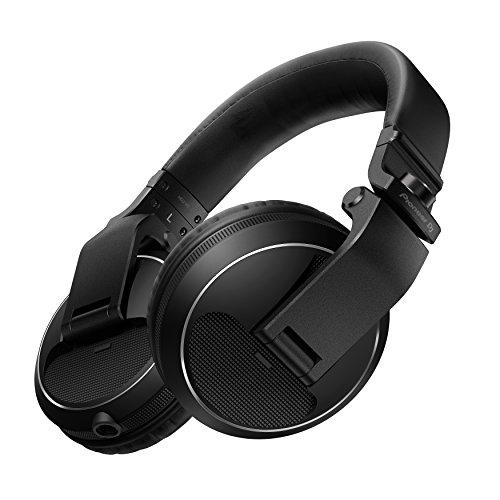
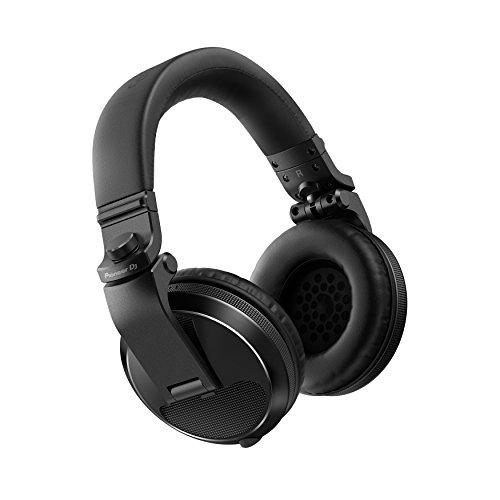
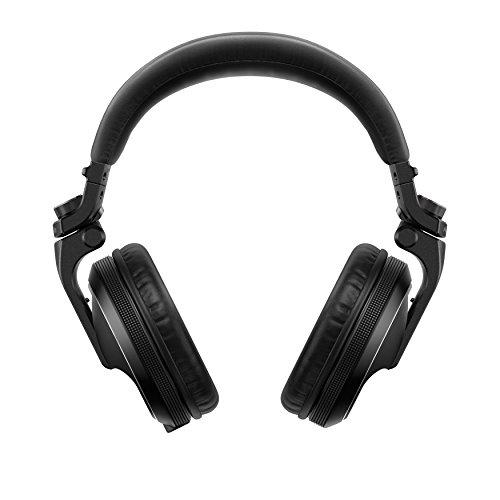
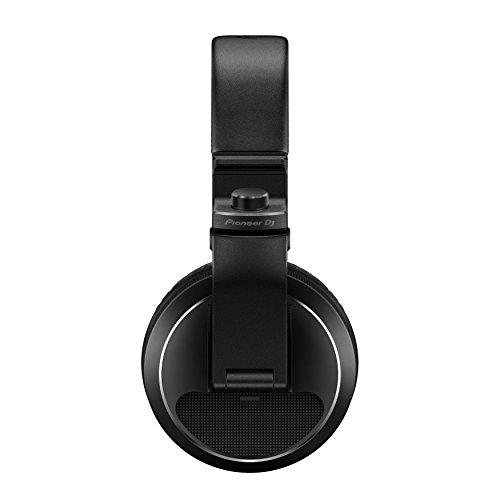
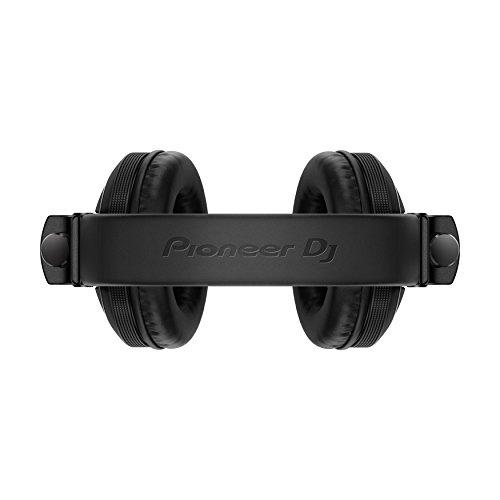
The Pioneer DJ HDJ-X5 belongs to the world of professional monitoring headphones. Released in 2017, these were designed specifically for DJs who need to hear every detail of their mix, often in loud club environments where accuracy matters more than comfort. Think of them as precision instruments – they're built to reveal the truth about your audio, not to make everything sound pleasant.
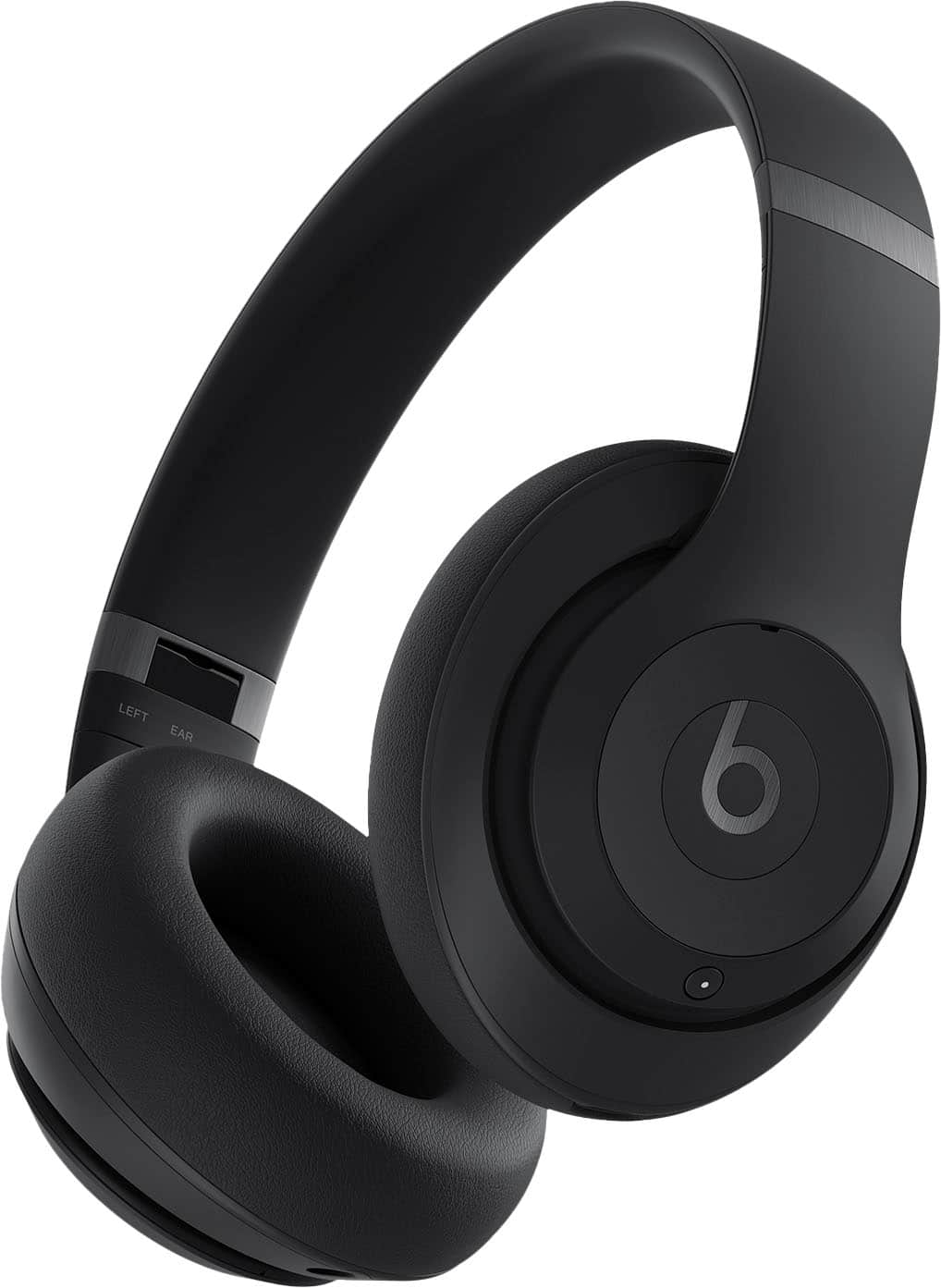
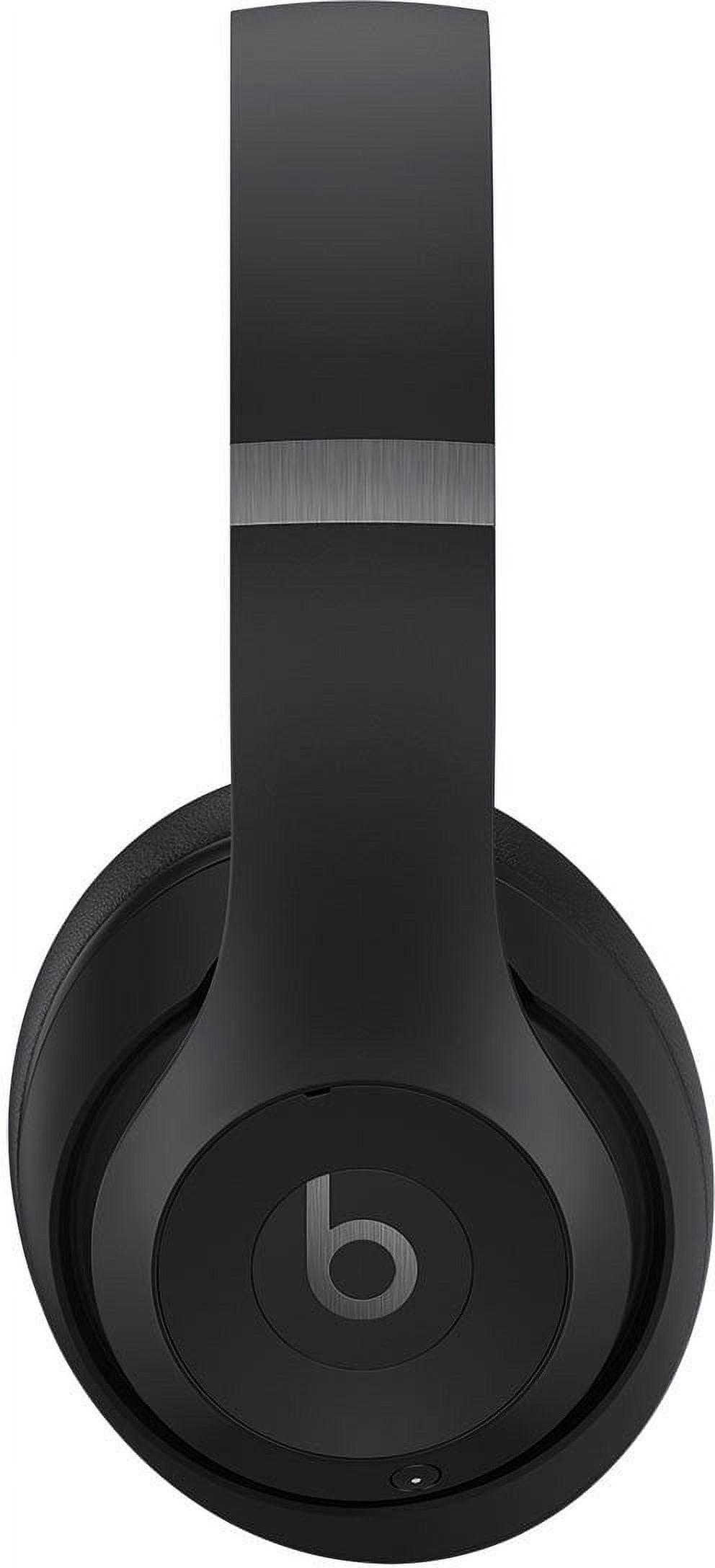
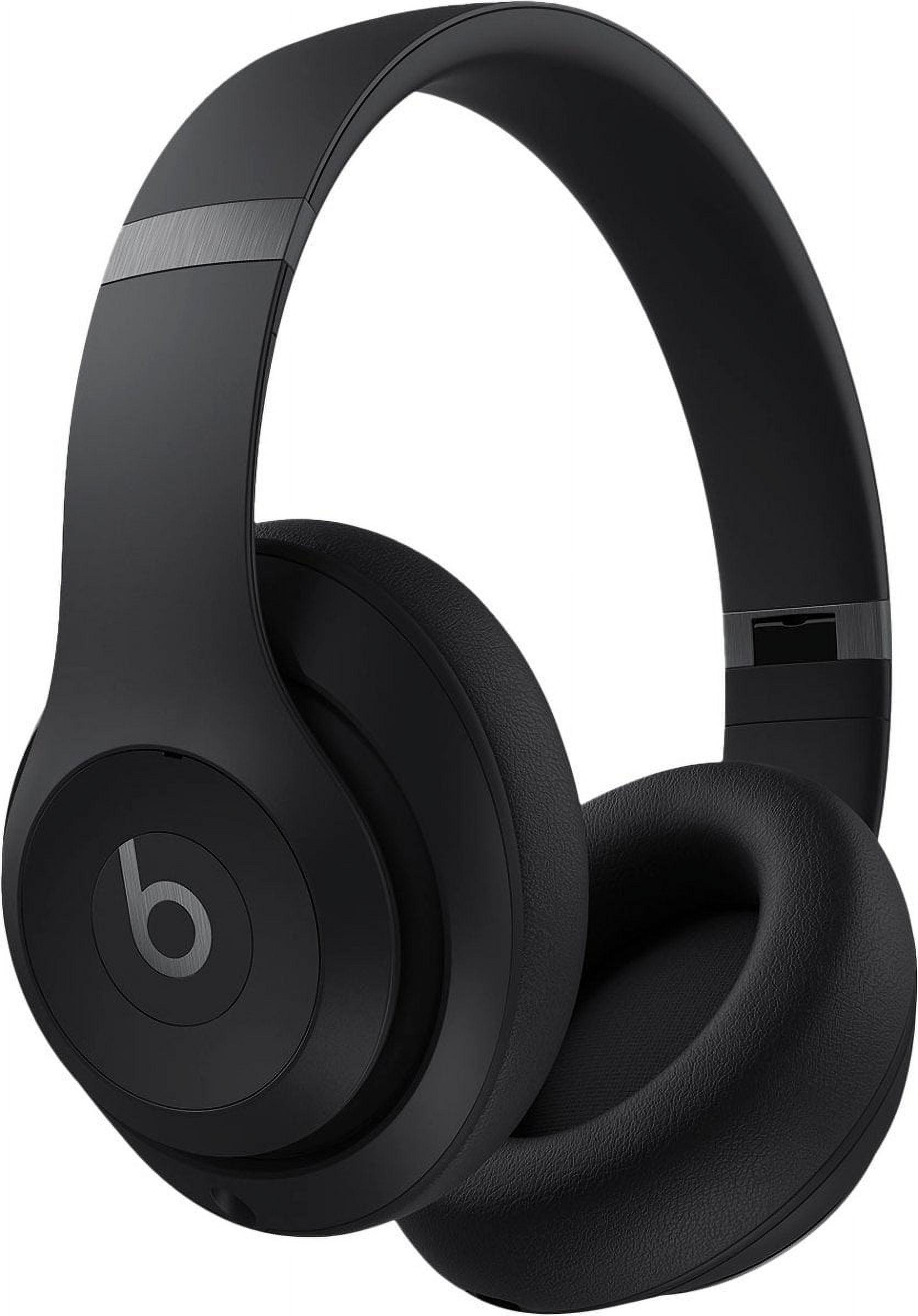
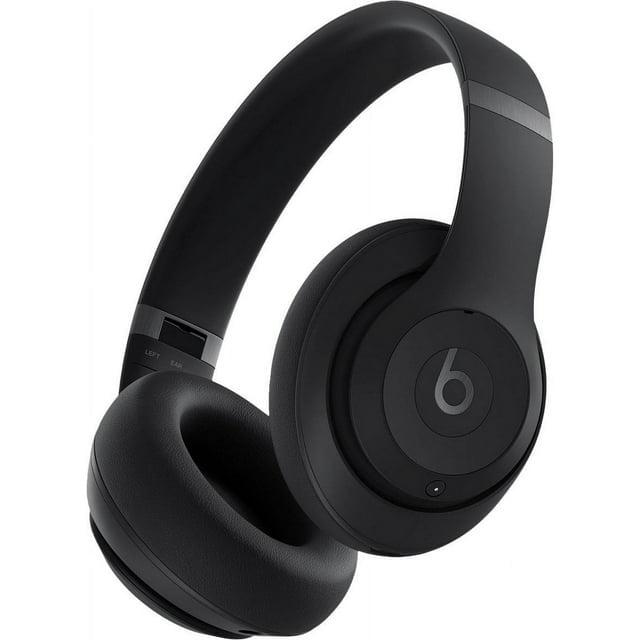
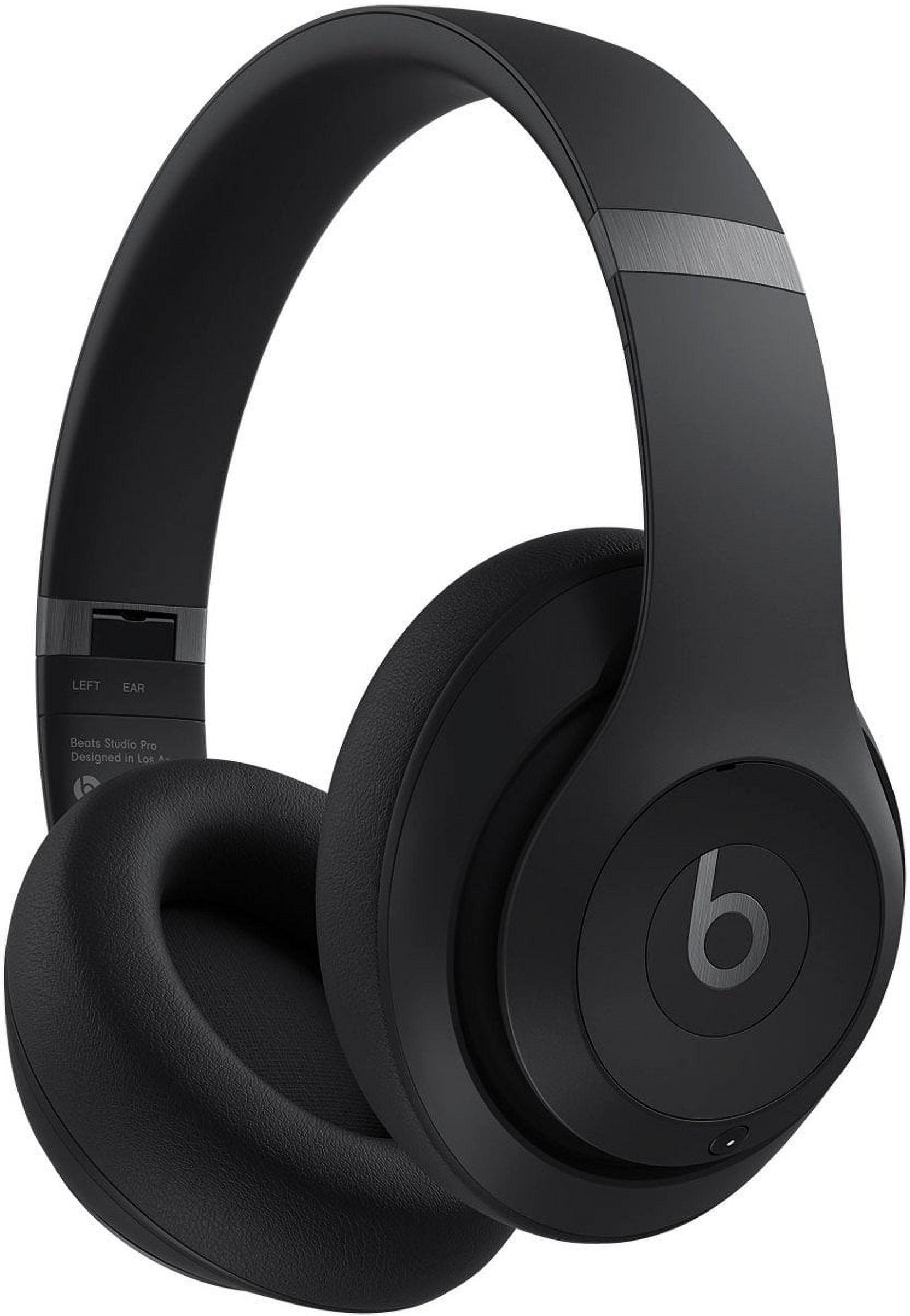
On the flip side, the Beats Studio Pro, launched in 2023, represents the modern consumer wireless headphone. These are lifestyle products designed to make your daily listening experience more enjoyable and convenient. They're equipped with active noise cancellation (which uses microphones and processing to actively cancel out background noise), wireless connectivity, and various sound enhancement features that weren't even possible when the Pioneer HDJ-X5 was released.
The fundamental difference? Professional monitoring headphones like the Pioneer HDJ-X5 are designed to show you exactly what's in your audio signal – flaws and all. Consumer headphones like the Beats Studio Pro are designed to make everything sound good, using digital processing and tuning to enhance your listening experience.
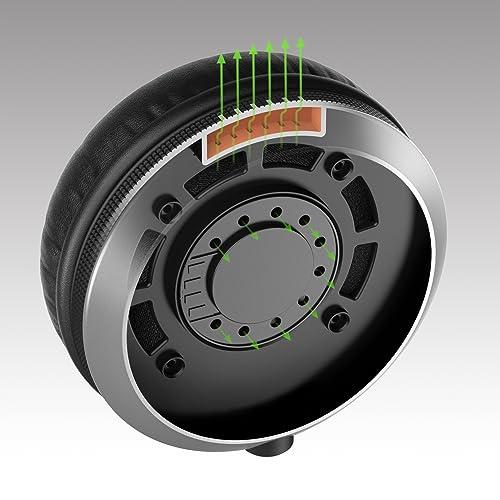
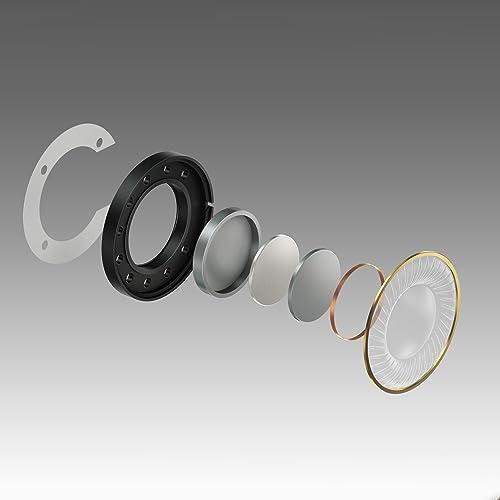
Here's where things get really interesting. Both headphones use 40mm drivers (the speaker elements inside), but they couldn't sound more different if they tried.
The Pioneer DJ HDJ-X5 covers an impressive frequency range from 5 Hz to 30,000 Hz. To put that in perspective, most people can only hear from about 20 Hz to 20,000 Hz, so these headphones capture sounds well beyond human hearing range. Why does this matter? Because those ultra-low and ultra-high frequencies affect how the audible frequencies sound – they add harmonics and overtones that contribute to the overall audio experience.
I've spent time with professional monitoring headphones in studio environments, and what strikes you immediately is their brutal honesty. The Pioneer HDJ-X5 uses a 4-core twisted cable structure – essentially, each stereo channel gets its own dedicated ground wire. This design dramatically improves channel separation, which means you can clearly distinguish between sounds coming from the left and right speakers. For a DJ trying to match beats between two tracks, this precision is absolutely critical.
The Beats Studio Pro, by contrast, takes a completely different approach. When connected wirelessly, it applies digital signal processing to make music sound more engaging. The bass is present and controlled, the mids are clear for vocals, and the highs are crisp without being harsh. But here's the key difference: it's optimized for popular music genres like hip-hop, pop, and electronic music – the stuff most people actually listen to.
What's particularly clever about the Beats Studio Pro is its three EQ profiles when connected via USB-C. The "Signature" profile gives you that classic Beats sound, "Entertainment" boosts dialogue and effects for movies, and "Conversation" emphasizes vocal frequencies for calls and podcasts. This flexibility simply doesn't exist on the Pioneer HDJ-X5, which maintains the same neutral sound signature regardless of what you're listening to.
This is where the generation gap between these products becomes most apparent. The Pioneer DJ HDJ-X5 is strictly wired – no Bluetooth, no wireless connectivity at all. That might sound limiting, but for professional applications, it's actually a strength.
Wireless audio, no matter how advanced, introduces latency – a tiny delay between when audio is sent and when you hear it. For casual listening, this 40-100 millisecond delay is completely unnoticeable. But for a DJ trying to match beats or cue up the next track, that delay can throw off their entire performance. The Pioneer HDJ-X5 eliminates this problem entirely with its wired connection.
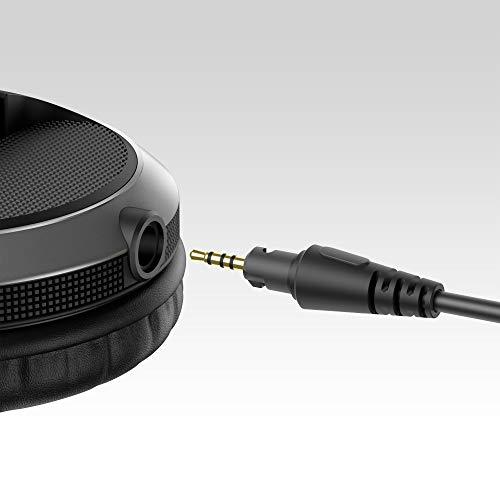
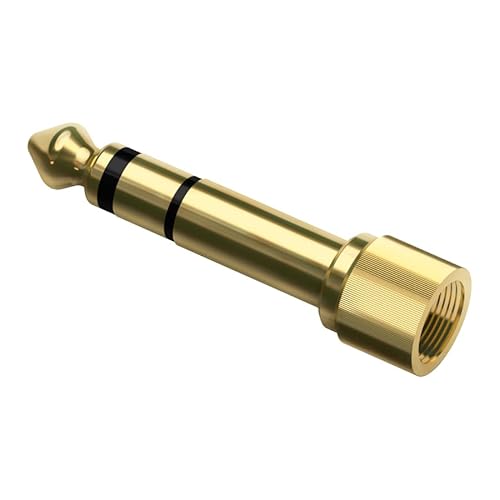
The cable itself tells a story about priorities. It's a coiled design that stretches from 1.2 meters to 1.8 meters, with an L-shaped connector that won't accidentally pull out when you're moving around a DJ booth. These aren't consumer conveniences – they're professional necessities.
The Beats Studio Pro embraces wireless connectivity with Bluetooth 5.3, offering an impressive 300-foot range in ideal conditions. That's roughly three times the range of typical Bluetooth headphones. For daily use – walking around your house, commuting, or working out – this wireless freedom is liberating. You can leave your phone in one room and move around freely without losing connection.
But here's what's really impressive about the Beats Studio Pro: it also offers both USB-C and 3.5mm wired connections. This versatility means you can go wired for the best possible audio quality (and to access those EQ profiles), or wireless for convenience. It's the best of both worlds, though you'll pay a battery life penalty when using features like active noise cancellation.
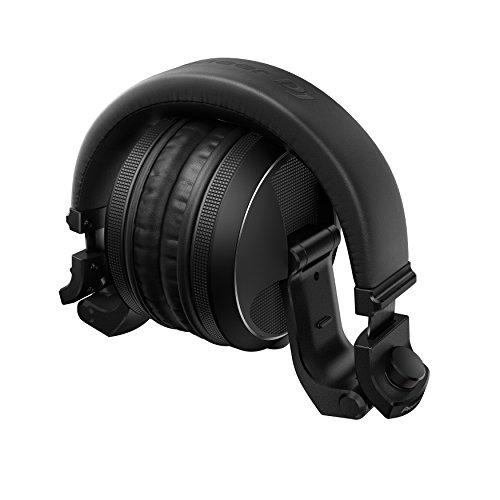
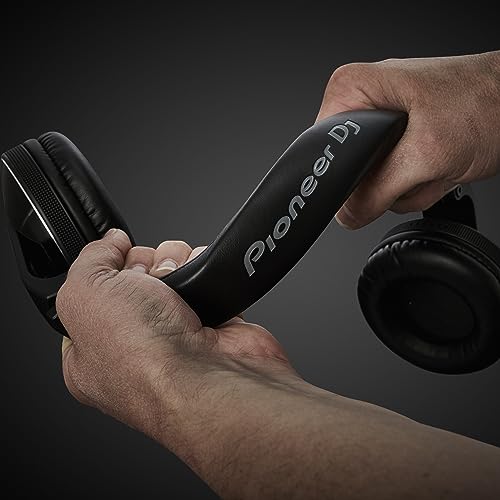
The difference in build philosophy becomes crystal clear when you look at durability testing. The Pioneer DJ HDJ-X5 has passed US Military Standard MIL-STD-810G shock tests. This isn't marketing fluff – it means these headphones can survive drops, impacts, and the general abuse that comes with professional touring and club use.
Pioneer reinforces the moving parts with metal components, and crucially, offers replaceable cables and ear pads. When your cable inevitably gets damaged (and in professional use, it will), you don't need to replace the entire headphone – just order a new cable. This approach to repairability extends the product's lifespan significantly and reduces long-term costs.
The Beats Studio Pro takes a more typical consumer approach. The construction is primarily plastic, which keeps the weight down to 260 grams (slightly lighter than the Pioneer HDJ-X5 at 269 grams), but it's not designed to withstand professional abuse. For normal consumer use – daily commuting, home listening, occasional travel – this build quality is perfectly adequate and helps keep costs reasonable.
Comfort is highly subjective, but the intended use cases of these headphones shape their ergonomic design in important ways.
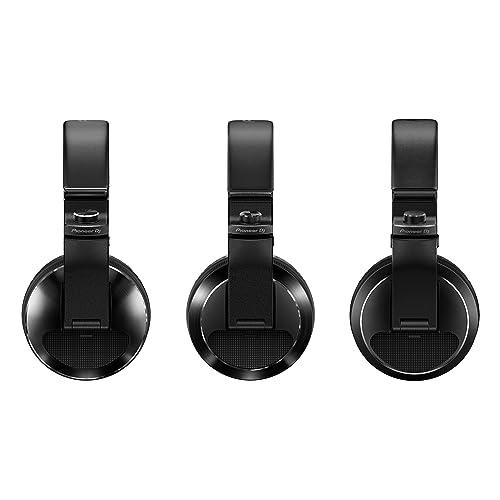
The Pioneer HDJ-X5 is designed for 4-6 hour DJ sets. The pressure-reducing housing design and swiveling ear cups aren't just about comfort – they're functional features. DJs often need to monitor with just one ear while keeping the other ear free to hear the crowd or communicate with others. The swivel mechanism makes this single-ear monitoring natural and comfortable.
Having used professional monitoring headphones for extended periods, I can tell you that comfort becomes critical when you're wearing them for hours at a time. The Pioneer HDJ-X5 distributes weight well and doesn't create the fatigue that can come with cheaper headphones that clamp too tightly or create pressure points.
The Beats Studio Pro focuses on different comfort priorities. The UltraPlush engineered leather ear cushions feel premium and create a good seal for noise isolation. However, some users report that the ear cups are relatively shallow, which can cause discomfort if your ears are larger or if you wear them for extended periods. This is a common trade-off in consumer headphones – they prioritize a sleek profile over maximum comfort for very long listening sessions.
Here's where modern technology really shows its advantages. The Pioneer DJ HDJ-X5 relies entirely on passive noise isolation – basically, the physical design of the ear cups blocks outside noise. For DJ booth use, this is actually preferable because you need some awareness of your environment. You need to hear if the crowd is responding, if there are technical issues, or if someone needs to communicate with you.
The Beats Studio Pro brings active noise cancellation (ANC) to the table, and it's quite effective. The system uses microphones to detect ambient noise, then generates "anti-noise" that cancels it out. This is particularly effective against constant, droning sounds like airplane engines, air conditioning, or traffic. The adaptive ANC adjusts in real-time as your environment changes.
For home theater use, both approaches have merit. The Pioneer HDJ-X5 will let you hear dialogue and sound effects with remarkable clarity and accuracy, making it easier to appreciate the audio mixing in movies. However, the Beats Studio Pro might actually provide a more enjoyable movie-watching experience thanks to its spatial audio processing and the ability to block out household distractions with ANC.
This comparison highlights one of the biggest practical differences between wired and wireless headphones. The Pioneer DJ HDJ-X5 never needs charging – plug them in and they work, indefinitely. There's never a moment when they're dead when you need them most.
The Beats Studio Pro offers impressive battery life for a wireless headphone – up to 40 hours with ANC off, or 24 hours with it enabled. The Fast Fuel charging feature gives you about 4 hours of playback from just a 10-minute charge, which is genuinely useful for emergency situations.
But here's the reality of wireless headphones: battery degradation is inevitable. After 2-3 years of regular use, that 40-hour battery life will decrease, and eventually, the battery will need professional replacement or the headphones will need to be replaced entirely. The Pioneer HDJ-X5 will still work perfectly decades from now, as long as you take care of the cable.
At the time of writing, these products occupy different price segments and represent different value propositions. The Pioneer DJ HDJ-X5 is positioned as an entry-level professional headphone, offering genuine pro features without the premium pricing of flagship DJ headphones.
The Beats Studio Pro sits in the competitive premium consumer wireless market, where it competes against products from Sony, Bose, and others. The value here isn't just in audio quality – you're paying for the convenience of wireless connectivity, the sophistication of ANC technology, the integration with smartphone ecosystems, and the brand appeal.
For someone who needs professional monitoring capabilities, the Pioneer HDJ-X5 represents exceptional value. You're getting genuine professional-grade performance, military-standard durability, and a 2-year warranty. For casual listeners, that value proposition doesn't make as much sense because you're paying for features you won't use.
The six-year gap between these products' release dates shows dramatically in their feature sets. The Beats Studio Pro includes technologies that simply didn't exist or weren't commercially viable when the Pioneer HDJ-X5 was designed.
Personalized Spatial Audio with head tracking creates a virtual 3D soundstage that adjusts as you move your head. Dolby Atmos support provides object-based surround sound for compatible content. These aren't just marketing gimmicks – they genuinely enhance the experience when watching movies or listening to specially mastered music.
The Beats Studio Pro also offers ecosystem integration that the Pioneer HDJ-X5 simply can't match. One-touch pairing with Apple devices, Google Fast Pair for Android, voice assistant integration, and Find My support for both platforms. These conveniences become part of your daily routine in ways that traditional wired headphones can't.
After extensive consideration of both products, here's my take on who should choose which:
Choose the Pioneer DJ HDJ-X5 if you:
Choose the Beats Studio Pro if you:
For home theater use specifically, both have merit but serve different needs. The Pioneer HDJ-X5 will reveal every detail in your movie's soundtrack, making it ideal for audiophiles who want to appreciate the craft of sound design. The Beats Studio Pro provides a more comfortable, convenient experience with spatial audio that can make movies feel more immersive.
The bottom line? These aren't competing products – they're serving entirely different needs. The Pioneer DJ HDJ-X5 is a precision tool for audio work, while the Beats Studio Pro is a lifestyle product for modern digital life. Your choice should align with whether you need professional audio accuracy or consumer convenience. Either way, you'll be getting a product that excels at what it was designed to do.
| Pioneer DJ HDJ-X5 | Beats Studio Pro |
|---|---|
| Primary Use Case - Determines if the headphone will meet your needs | |
| Professional DJ monitoring and audio production | Consumer wireless listening with lifestyle features |
| Connectivity - Impacts convenience vs professional reliability | |
| Wired only (1.2m coiled cable, extends to 1.8m) | Bluetooth 5.3, USB-C, and 3.5mm (tri-connectivity) |
| Frequency Response - Shows how much audio detail you'll hear | |
| 5 Hz - 30,000 Hz (extended range for critical monitoring) | 20 Hz - 20,000 Hz (standard consumer range) |
| Active Noise Cancellation - Essential for noisy environments | |
| None (passive isolation only) | Adaptive ANC with transparency mode |
| Battery Life - Critical for wireless convenience | |
| No battery needed (wired power) | 40 hours (ANC off) / 24 hours (ANC on) |
| Build Durability - Impacts long-term value | |
| Military standard (MIL-STD-810G) shock tested | Consumer-grade plastic construction |
| Sound Signature - Affects how music will sound to you | |
| Neutral/accurate for professional monitoring | Enhanced consumer tuning with 3 EQ profiles via USB-C |
| Comfort Design - Important for extended listening sessions | |
| Swiveling cups for single-ear DJ monitoring | UltraPlush cushions, but shallow ear cups |
| Cable Management - Affects durability and replacement costs | |
| Detachable, replaceable cables and ear pads | Fixed internal components, non-replaceable battery |
| Latency - Critical for real-time audio work | |
| Zero latency (direct wired connection) | Bluetooth latency present (unsuitable for DJ use) |
| Smart Features - Modern convenience factors | |
| None (pure analog audio tool) | Spatial audio, head tracking, voice assistant integration |
| Warranty Coverage - Indicates manufacturer confidence | |
| 2 years (professional-grade coverage) | 1 year (standard consumer warranty) |
No, these are completely different types of headphones. The Pioneer DJ HDJ-X5 is a professional wired monitoring headphone designed specifically for DJs and audio professionals. The Beats Studio Pro is a consumer wireless headphone built for everyday listening with active noise cancellation and smartphone integration.
It depends on your needs. The Pioneer DJ HDJ-X5 offers more accurate, reference-quality sound with an extended frequency range (5-30,000 Hz) that's ideal for critical listening and professional audio work. The Beats Studio Pro provides enhanced, consumer-friendly sound that's optimized for popular music genres and multimedia content, with three selectable EQ profiles when connected via USB-C.
Only the Beats Studio Pro offers wireless connectivity through Bluetooth 5.3. The Pioneer DJ HDJ-X5 is strictly wired, which eliminates latency issues that are critical for DJ performance and professional audio work. The wireless design of the Beats Studio Pro makes it much more convenient for daily use and commuting.
The Pioneer DJ HDJ-X5 is significantly more durable, having passed US Military Standard shock tests and featuring metal-reinforced moving parts. It also offers replaceable cables and ear pads. The Beats Studio Pro uses consumer-grade plastic construction that's adequate for daily use but not designed for professional touring or heavy abuse.
The Beats Studio Pro features adaptive active noise cancellation that adjusts in real-time, plus a transparency mode for environmental awareness. The Pioneer DJ HDJ-X5 relies only on passive noise isolation through its closed-back design, which is actually preferred for DJ booth use where some ambient awareness is necessary.
Both are designed for extended use but serve different purposes. The Pioneer DJ HDJ-X5 is built for 4-6 hour DJ sets with pressure-reducing housing and professional ergonomics. The Beats Studio Pro offers UltraPlush cushions for comfort, though some users find the ear cups shallow for very long sessions. The wireless nature of the Beats Studio Pro eliminates cable fatigue.
Both work for home theater but offer different experiences. The Pioneer DJ HDJ-X5 provides brutally accurate sound reproduction that reveals every detail in movie soundtracks, ideal for audiophiles. The Beats Studio Pro offers a more convenient experience with spatial audio, head tracking, and Dolby Atmos support that can make movies feel more immersive.
The Pioneer DJ HDJ-X5 never needs charging since it's wired. The Beats Studio Pro offers impressive wireless battery life of up to 40 hours with ANC off or 24 hours with ANC on, plus Fast Fuel charging that provides 4 hours of playback from a 10-minute charge.
The Beats Studio Pro is specifically designed for phone calls with voice-targeting microphones and background noise filtering, offering 27% better call quality than previous Beats models. The Pioneer DJ HDJ-X5 is a monitoring headphone without a built-in microphone, making it unsuitable for phone calls.
Value depends on your use case. The Pioneer DJ HDJ-X5 offers exceptional value for DJs and audio professionals who need accurate monitoring, professional durability, and replaceable parts. The Beats Studio Pro provides better value for general consumers who want wireless convenience, modern features, and lifestyle integration with smartphones.
The Beats Studio Pro is optimized for smartphone use with one-touch pairing for Apple devices, Google Fast Pair for Android, voice assistant integration, and Find My support. The Pioneer DJ HDJ-X5 can connect to smartphones via the headphone jack but lacks modern smartphone integration features and wireless connectivity.
The Pioneer DJ HDJ-X5 is the clear choice for DJ work. It offers zero-latency wired connection, swiveling ear cups for single-ear monitoring, professional durability, and accurate sound reproduction essential for beatmatching and mixing. The Beats Studio Pro has Bluetooth latency that makes it unsuitable for live DJ performance, despite being excellent for casual music listening.
We've done our best to create useful and informative comparisons to help you decide what product to buy. Our research uses advanced automated methods to create this comparison and perfection is not possible - please contact us for corrections or questions. These are the sites we've researched in the creation of this article: guitarcenter.com - pioneerdj.com - digitaldjtips.com - youtube.com - idjnow.com - youtube.com - youtube.com - wearecrossfader.co.uk - audio46.com - youtube.com - pioneerdj.com - pioneerdj.com - idjnow.com - milehighdjsupply.com - pioneerdj.com - store.djtechtools.com - pioneerdjstore.com - americanmusical.com - sweetwater.com - stars-music.com - store.djtechtools.com - pioneerdj.com - whathifi.com - markellisreviews.com - recordingnow.com - soundguys.com - cnet.com - recordingnow.com - bestbuy.com - youtube.com - soundguys.com - recordingnow.com - uclastore.com - beatsbydre.com - shop.missouristatebookstore.com - apple.com - beatsbydre.com - audiosciencereview.com - beatsbydre.com - beatsbydre.com - cornellstore.com - forums.appleinsider.com

Privacy Policy
Terms and Conditions - Affiliate Policy
Home Security
© Copyright 2008-2026.
11816 Inwood Rd #1211, Dallas, TX 75244