

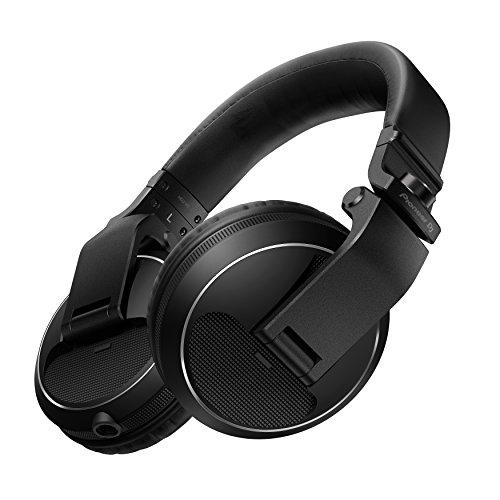
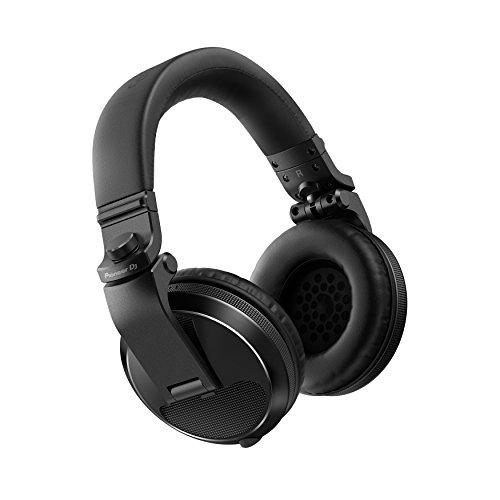
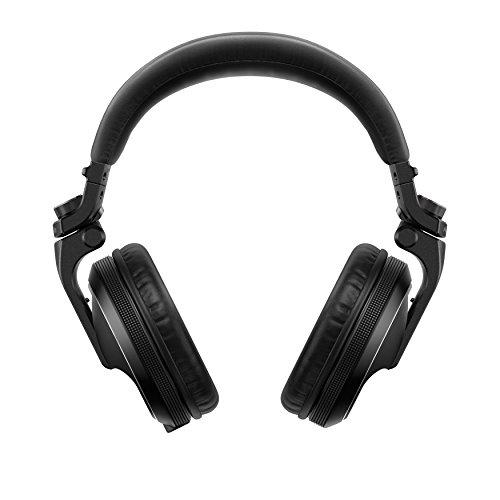
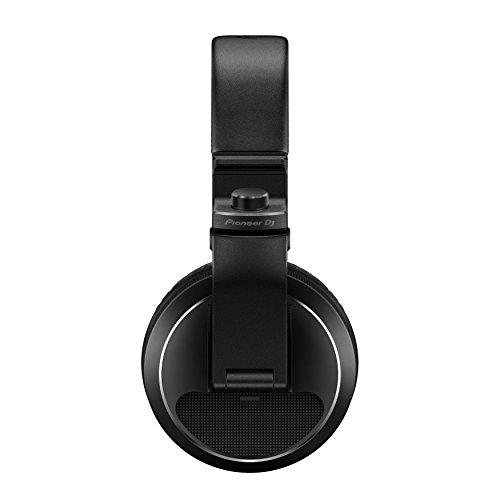
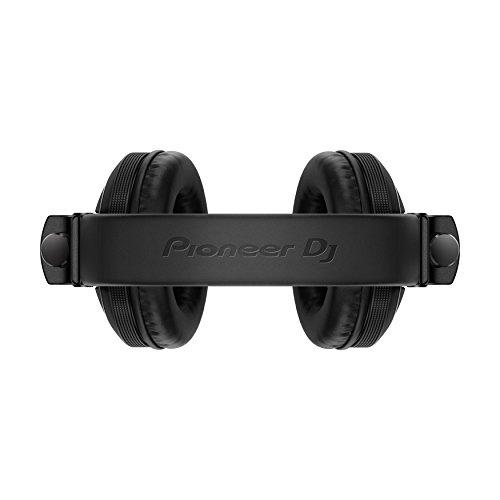
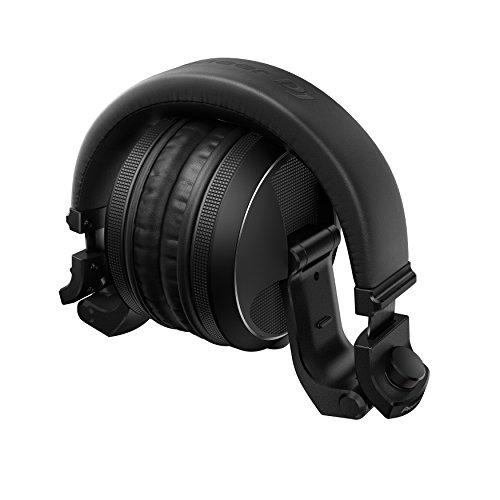
When I first started exploring high-quality headphones, I was amazed by how different products in what seems like the same category can actually serve completely different purposes. Today, we're comparing two headphones that perfectly illustrate this point: the Pioneer DJ HDJ-X5 and the Focal Bathys Wireless. While both go over your ears and play music, they're designed for entirely different worlds—and understanding these differences is crucial for making the right choice.
The headphone market has become incredibly specialized over the past decade. What used to be a simple choice between cheap and expensive has evolved into distinct categories, each optimized for specific use cases. The Pioneer DJ HDJ-X5, released in 2016, represents the professional DJ monitoring category, while the Focal Bathys, launched in 2022, epitomizes the premium wireless consumer headphone segment.
DJ headphones like the HDJ-X5 are essentially professional tools, similar to how a chef's knife differs from a butter knife. They're built to withstand constant abuse, provide specific sound characteristics that help DJs mix tracks, and offer practical features like swiveling ear cups and coiled cables. Consumer headphones like the Focal Bathys, on the other hand, prioritize overall sound quality, comfort for extended listening, and modern conveniences like wireless connectivity and noise cancellation.
The key considerations when choosing between these categories include your primary use case, the environment where you'll use them, whether you need wireless connectivity, and how much you value specialized features versus general versatility. Let's dive deep into each aspect to help you understand which direction makes sense for your needs.
The Pioneer DJ HDJ-X5 follows what I call the "function over form" approach to sound design. These headphones feature a deliberately bass-heavy sound signature with a significant boost around 40Hz—the fundamental frequency range where kick drums and basslines live. This isn't an accident or a flaw; it's intentional design for a specific purpose.
When you're DJing in a loud club environment, you need to hear the bass clearly to match beats between tracks. The enhanced low-end response helps DJs identify when kicks are perfectly aligned, which is essential for seamless transitions. The midrange is tuned to push vocals forward, while the treble is controlled to avoid harshness during long mixing sessions. This creates what audio engineers call a "monitor-friendly" sound signature—one that prioritizes functional information over audiophile accuracy.
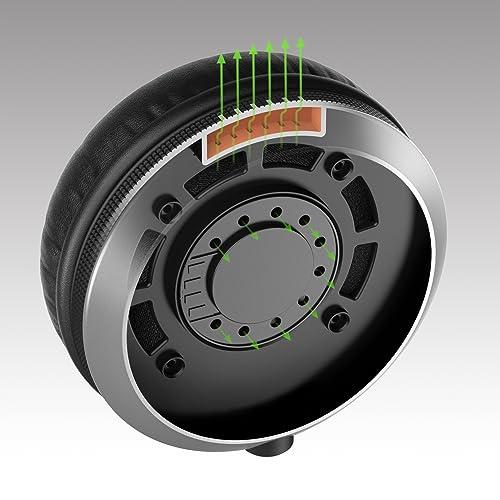
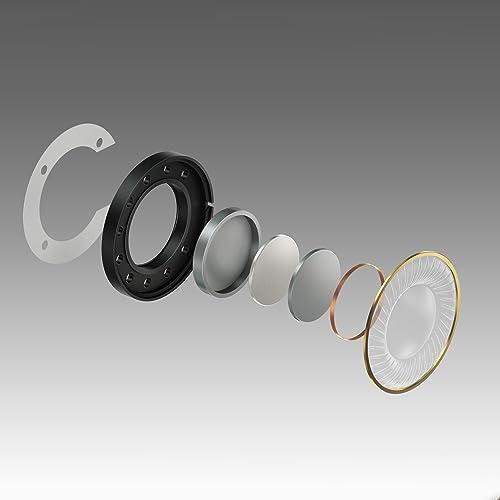
The HDJ-X5 uses 40mm drivers with copper-clad aluminum wire (CCAW) voice coils. CCAW combines copper's excellent conductivity with aluminum's light weight, resulting in drivers that can handle high power levels while maintaining clarity. The headphones also incorporate a bass reflex chamber in the housing, which is essentially a small tuned port that reinforces low frequencies—think of it like a tiny subwoofer enclosure built into each ear cup.
The Focal Bathys takes an entirely different approach, prioritizing what audiophiles call "neutral" or "reference" sound reproduction. These headphones aim to reproduce music as the artist and recording engineer intended, without significant coloration or emphasis on any particular frequency range.
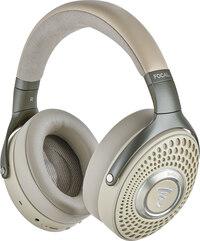
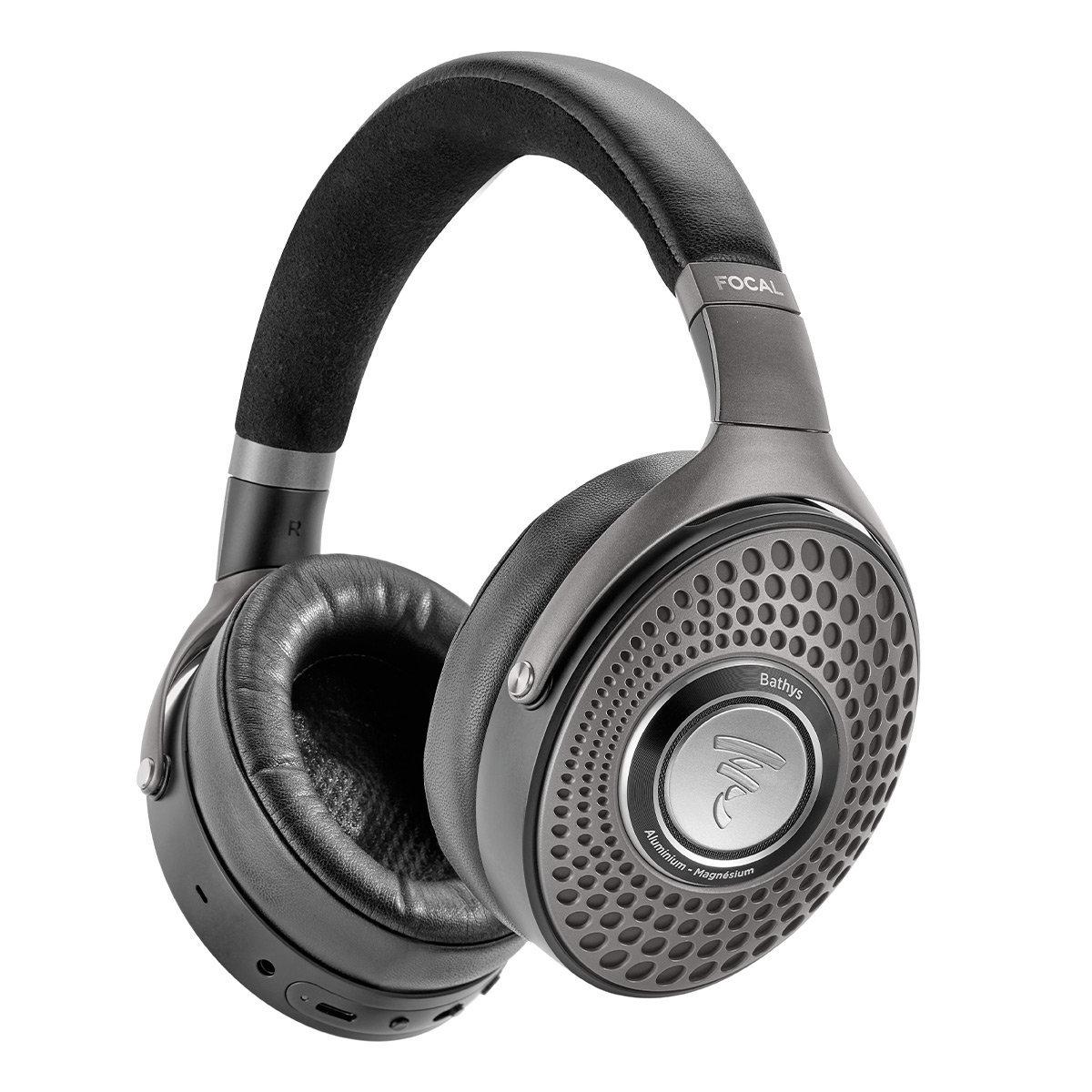
Focal's signature feature is their aluminum-magnesium 'M'-shaped dome drivers, manufactured in France. The 'M' shape isn't just marketing—this specific geometry helps control resonances and provides more uniform frequency response across the audio spectrum. The aluminum-magnesium alloy combines aluminum's rigidity (which reduces distortion) with magnesium's natural damping properties (which smooths out harsh frequencies).
What really sets the Focal Bathys apart is its sophisticated digital signal processing (DSP). Modern wireless headphones require complex electronics to handle Bluetooth decoding, active noise cancellation, and digital-to-analog conversion. Focal has integrated what's essentially a high-quality audio computer into these headphones, including a USB-DAC mode that can process audio files up to 24-bit/192kHz resolution—significantly higher quality than CD audio (16-bit/44.1kHz) or most streaming services.
The soundstage—how wide and spacious music sounds—is notably impressive on the Bathys. This is particularly unusual for closed-back headphones, which typically sound more intimate than open-back designs. Focal achieves this through careful acoustic engineering of the ear cup chambers and driver positioning.
The Pioneer DJ HDJ-X5 underwent MIL-STD-810G testing, which is the same durability standard used for military equipment. This involves subjecting the headphones to extreme shock, vibration, temperature changes, and humidity. For context, this is far more rigorous testing than typical consumer electronics receive.
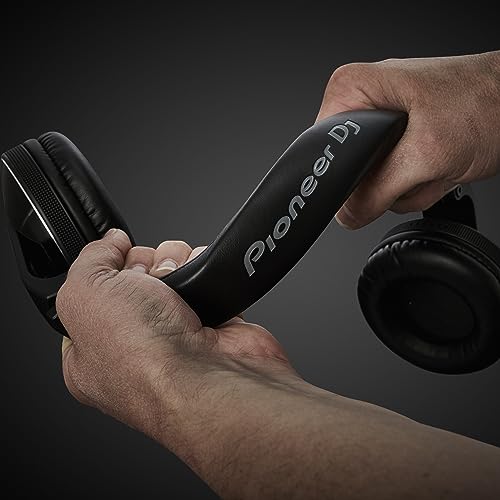
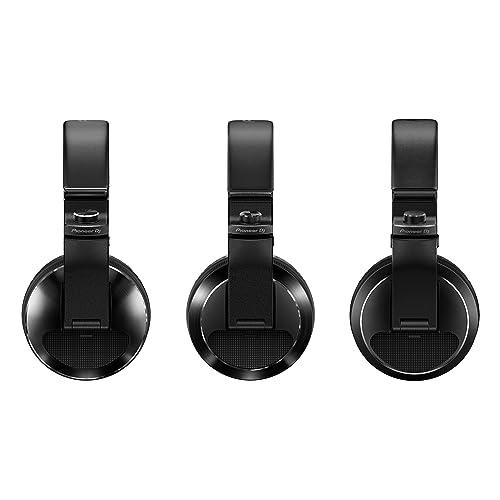
The practical result is headphones that can survive being dropped, stepped on, or thrown into DJ bags night after night. Pioneer reinforces all moving parts with metal components, and the headband uses a flexible design that can bend significantly without breaking. The ear cups swivel through a full 90-degree range, allowing DJs to monitor with one ear while keeping the other ear free to hear the crowd or communicate with venue staff.
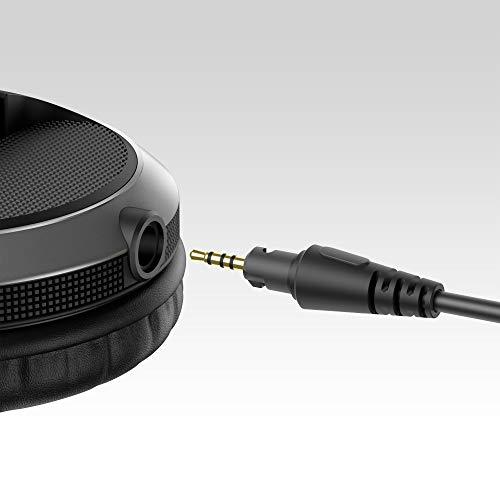
Perhaps most importantly for long-term ownership, both the cable and ear pads on the HDJ-X5 are replaceable. This might seem minor, but it's huge for professional users who rely on their equipment. When your ear pads wear out or your cable gets damaged, you can replace just that component rather than buying entirely new headphones.
The Focal Bathys represents a different kind of quality—luxury materials and sophisticated engineering rather than rugged durability. The headband uses real leather, the yokes are made from lightweight magnesium, and the overall aesthetic reflects Focal's heritage as a high-end loudspeaker manufacturer.
However, the Bathys also houses significantly more complex electronics. Inside each ear cup, you'll find multiple microphones for noise cancellation, Bluetooth antennas, battery management systems, DSP chips, and amplifiers. This complexity creates potential failure points that simply don't exist in wired headphones like the HDJ-X5.
At the time of writing, the Bathys commands a premium price that reflects both the quality of materials and the sophistication of the internal electronics. While they're well-built for consumer use, they're not designed to withstand the abuse that professional DJ equipment regularly endures.
Comfort requirements vary dramatically between DJ monitoring and general listening. The Pioneer HDJ-X5 needs to remain comfortable during 4-6 hour DJ sets while being frequently repositioned, removed, and adjusted. The Focal Bathys needs to excel during commutes, office work, or extended home listening sessions.
The HDJ-X5 weighs just 269 grams, making it notably light for a professional headphone. The ear cups are designed with what Pioneer calls "pressure-reducing housing," which distributes weight more evenly around your ears. The padding uses materials selected for durability rather than luxury—they need to survive years of use and frequent cleaning.
The Focal Bathys, at 350 grams, carries the weight of its wireless electronics but compensates with premium padding materials and careful weight distribution. The ear cups use microfiber padding that's both comfortable and easy to clean, though the overall comfort experience varies more between users than with the HDJ-X5.
The Pioneer DJ HDJ-X5 uses a 1.2-meter coiled cable that extends to 1.8 meters. This coiled design serves a specific purpose—it stays compact when you're working close to your DJ mixer but stretches when you need to move around the booth. The cable uses what Pioneer calls a "4-core twisted structure," which includes separate ground wires for each channel. This design minimizes crosstalk (when left and right channels interfere with each other) and provides cleaner stereo separation.
For DJing, wired connections offer zero latency—the audio reaches your ears instantly without the 20-40 millisecond delay typical of Bluetooth connections. This delay might seem tiny, but it's enough to throw off beat matching and make precise mixing difficult.
The Focal Bathys represents the mature state of wireless audio technology as of 2022. Bluetooth 5.1 with multipoint connectivity means you can simultaneously connect to multiple devices—your phone and laptop, for example—and seamlessly switch between them. The headphones support multiple audio codecs, including aptX Adaptive, which dynamically adjusts audio quality based on signal strength and content type.
The active noise cancellation (ANC) system uses eight microphones to analyze ambient noise and generate opposing sound waves to cancel it out. The Bathys offers multiple ANC modes: Silent mode for maximum noise reduction during flights, Soft mode for quieter environments like offices, and Transparency mode that lets important sounds through while maintaining audio quality.
Battery life has improved dramatically in recent wireless headphones. The Bathys delivers over 30 hours with ANC enabled—more than enough for cross-country flights or several days of commuting. The quick-charge feature provides five additional hours from just 15 minutes of charging, addressing one of the main complaints about early wireless headphones.
When evaluating the Pioneer DJ HDJ-X5, the most important metrics aren't traditional audiophile measurements. Instead, focus on bass response accuracy in the 40-80Hz range where most electronic music fundamentals live, midrange clarity for vocal identification, and the ability to maintain detail at high volume levels.
The HDJ-X5 excels at what DJs call "punch"—the ability to clearly hear when kick drums hit, even when they're layered with other instruments. This comes from careful tuning around 60-80Hz and controlled resonance in the driver design. The headphones can handle up to 2000mW of power, which is significantly more than most consumer headphones, allowing them to get very loud without distortion.
Sound isolation becomes crucial in loud venue environments. The HDJ-X5 provides passive isolation through its closed-back design and tight seal, helping DJs hear their mix clearly even with loud monitors playing nearby.
The Focal Bathys prioritizes different metrics: frequency response accuracy across the full audio spectrum, low total harmonic distortion (THD), and soundstage width. These headphones measure exceptionally well in traditional audiophile tests, with flat frequency response and minimal coloration.
The USB-DAC mode deserves special mention—when connected via USB-C, the Bathys bypasses your device's built-in audio processing entirely. This means you're hearing the output of Focal's custom DAC chip rather than whatever audio hardware is in your phone or laptop, typically resulting in cleaner, more detailed sound with less background noise.
For home theater use, the Bathys offers compelling advantages. The wide soundstage helps with positional audio in movies and games, while the neutral frequency response ensures dialogue clarity and accurate sound effect reproduction. The ANC system can help you enjoy content at lower volumes in noisy households, potentially reducing hearing fatigue during long viewing sessions.
At the time of writing, these headphones occupy very different price segments, reflecting their different target markets and manufacturing requirements. The Pioneer DJ HDJ-X5 sits in the entry-level professional category, offering genuine professional features at a price point accessible to aspiring DJs and electronic music enthusiasts.
The value proposition of the HDJ-X5 becomes clear when you consider the cost of comparable professional-grade equipment. DJ mixers, turntables, and other booth equipment typically costs hundreds or thousands of dollars, so headphones at this price point represent a relatively small investment in your overall DJ setup.
The Focal Bathys, meanwhile, competes in the premium consumer wireless category alongside offerings from Sony, Bose, and Sennheiser. While significantly more expensive than the HDJ-X5, they're competitively priced within their category when you consider the combination of audiophile sound quality, effective ANC, and premium build materials.
Choose the Pioneer DJ HDJ-X5 if you're serious about DJing or producing electronic music. They're the clear winner for anyone who needs reliable, bass-accurate monitoring in loud environments. The wired connection eliminates latency concerns, the rugged build quality ensures longevity, and the sound signature helps with beat matching and track selection.
The HDJ-X5 also makes sense if you primarily listen to bass-heavy genres like hip-hop, EDM, or pop, and you prefer the engaging, energetic sound signature over clinical accuracy. They're an excellent choice for budget-conscious users who want professional aesthetics and build quality.
Select the Focal Bathys if sound quality is your primary concern and you want the convenience of wireless connectivity. They're ideal for commuters who need effective noise cancellation, office workers who want to block out distractions, and audiophiles who refuse to compromise on audio quality in a wireless package.
For home theater use, the Bathys are clearly superior, offering wider soundstage, more accurate frequency response, and the convenience of wireless connectivity for couch listening. The USB-DAC mode also makes them excellent for critical listening to high-resolution audio files.
The decision ultimately comes down to your primary use case. The Pioneer DJ HDJ-X5 excels as a specialized professional tool, while the Focal Bathys serves as a premium general-purpose headphone with modern conveniences. Neither is better overall—they're simply optimized for different purposes, and understanding these differences will help you choose the right tool for your specific audio needs.
| Pioneer DJ HDJ-X5 Headphones | Focal Bathys Wireless Noise-Canceling Headphones |
|---|---|
| Primary Use Case - Understanding what each headphone was designed for | |
| DJ monitoring and electronic music production | Premium wireless listening with noise cancellation |
| Driver Technology - Core component affecting sound quality | |
| 40mm dome drivers with CCAW voice coils | 40mm aluminum-magnesium 'M'-shaped dome drivers |
| Sound Signature - How the music will actually sound to your ears | |
| Bass-heavy with emphasis on 40Hz for DJ monitoring | Neutral-warm audiophile tuning across all frequencies |
| Connectivity Options - How you'll connect to your devices | |
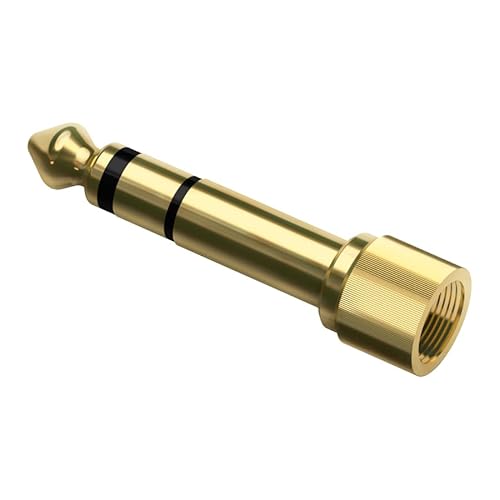
| Wired only (3.5mm + 6.3mm adapter, coiled cable) | Bluetooth 5.1, 3.5mm wired, USB-DAC mode up to 24-bit/192kHz |
| Active Noise Cancellation - Blocking out external noise | |
| None (passive isolation only) | Yes, with Silent/Soft/Transparency modes |
| Battery Life - How long they work without charging | |
| No battery required (wired) | 30+ hours with ANC, 5 hours from 15-minute quick charge |
| Build Durability - How well they handle daily wear and professional use | |
| MIL-STD-810G military standard, metal reinforced moving parts | Premium consumer build with luxury materials |
| Weight - Comfort factor for extended use | |
| 269g (lighter for long DJ sets) | 350g (heavier due to wireless electronics) |
| Swivel Design - Flexibility for different listening positions | |
| 90-degree swivel for one-ear DJ monitoring | Limited swivel, designed for traditional two-ear listening |
| Frequency Response Range - How wide the sound spectrum coverage is | |
| 5Hz - 30kHz | 5Hz - 50kHz (wider range but limited by Bluetooth in wireless mode) |
| Replaceable Parts - Long-term maintenance and cost savings | |
| Yes, cables and ear pads user-replaceable | No, sealed wireless design |
| App Integration - Modern features and customization | |
| None | Focal & Naim app with EQ, hearing test, firmware updates |
| Ideal Buyer Profile - Who should choose each option | |
| DJs, electronic music producers, bass-heavy genre fans | Audiophiles, commuters, office workers wanting premium wireless sound |
The Pioneer DJ HDJ-X5 are specifically designed for DJing and are the clear winner for this use case. They feature a bass-heavy sound signature that helps with beat matching, a coiled cable that prevents tangling in DJ booths, and 90-degree swiveling ear cups for one-ear monitoring. The Focal Bathys are consumer headphones that lack the specialized features DJs need and have wireless latency that makes beat matching difficult.
Only the Focal Bathys offer wireless connectivity through Bluetooth 5.1 with multipoint support, allowing connection to multiple devices simultaneously. The Pioneer DJ HDJ-X5 are wired-only headphones, which is actually preferred for DJ use since it eliminates audio latency but limits convenience for general listening.
For audiophile listening, the Focal Bathys deliver superior overall sound quality with their neutral-warm tuning, wider soundstage, and aluminum-magnesium drivers made in France. The Pioneer DJ HDJ-X5 have a deliberately bass-heavy signature optimized for electronic music and DJ monitoring rather than accurate music reproduction across all genres.
The Focal Bathys feature active noise cancellation with multiple modes (Silent, Soft, and Transparency), making them excellent for commuting and noisy environments. The Pioneer DJ HDJ-X5 only provide passive noise isolation through their closed-back design, which is sufficient for DJ booth use but not ideal for travel or office environments.
The Pioneer DJ HDJ-X5 are significantly more durable, having passed MIL-STD-810G military standard testing and featuring metal-reinforced moving parts designed for professional abuse. The Focal Bathys use premium materials but are built for consumer use and contain delicate wireless electronics that are more susceptible to damage from drops or rough handling.
The Focal Bathys offer impressive 30+ hour battery life with ANC enabled and include fast charging for 5 hours of playback from just 15 minutes of charging. The Pioneer DJ HDJ-X5 don't require batteries since they're wired headphones, which means no charging concerns but also no wireless convenience.
Both headphones prioritize comfort but for different use cases. The Pioneer DJ HDJ-X5 are lighter at 269g and designed for 4-6 hour DJ sets with frequent repositioning. The Focal Bathys weigh 350g due to wireless electronics but feature premium leather and microfiber padding for extended home listening, though comfort varies more between individual users.
The Focal Bathys are superior for home theater applications thanks to their wider soundstage, neutral frequency response for accurate dialogue reproduction, and wireless convenience for couch listening. The bass-heavy Pioneer DJ HDJ-X5 would overemphasize low frequencies in movies and lack the spatial imaging that enhances the cinematic experience.
The Pioneer DJ HDJ-X5 feature user-replaceable cables and ear pads, which is crucial for professional equipment that sees heavy use. This design extends the headphones' lifespan and reduces long-term costs. The Focal Bathys have a sealed design due to their complex wireless electronics, making component replacement impossible for end users.
The Focal Bathys excel with modern devices through Bluetooth connectivity, multipoint pairing, and a special USB-DAC mode that delivers high-resolution audio up to 24-bit/192kHz when connected via USB-C. The Pioneer DJ HDJ-X5 work with any device that has a headphone jack but require the included adapter for full-size audio equipment.
The Pioneer DJ HDJ-X5 are specifically tuned for bass-heavy genres like hip-hop, EDM, and pop, with significant emphasis around 40Hz that makes electronic music particularly engaging. The Focal Bathys have controlled, accurate bass response that's more neutral and suitable for all genres but may sound less exciting with bass-heavy tracks compared to the specialized tuning of the Pioneer DJ HDJ-X5.
Value depends on your primary use case. The Pioneer DJ HDJ-X5 offer excellent value for DJs and electronic music enthusiasts, providing professional-grade durability and specialized features at an accessible price point. The Focal Bathys justify their premium pricing through audiophile sound quality, advanced wireless features, and luxury build materials, making them worthwhile for users who prioritize versatility and cutting-edge technology.
We've done our best to create useful and informative comparisons to help you decide what product to buy. Our research uses advanced automated methods to create this comparison and perfection is not possible - please contact us for corrections or questions. These are the sites we've researched in the creation of this article: guitarcenter.com - pioneerdj.com - digitaldjtips.com - youtube.com - idjnow.com - youtube.com - youtube.com - wearecrossfader.co.uk - audio46.com - youtube.com - pioneerdj.com - pioneerdj.com - idjnow.com - milehighdjsupply.com - pioneerdj.com - store.djtechtools.com - pioneerdjstore.com - americanmusical.com - sweetwater.com - stars-music.com - store.djtechtools.com - pioneerdj.com - rtings.com - majorhifi.com - stevehuffphoto.com - audio46.com - moon-audio.com - majorhifi.com - head-fi.org - recordingnow.com - headphones.com - moon-audio.com - focal.com - media.focal-naim.com - moon-audio.com - headphones.com - focal.com - audioadvice.com - audioadvisor.com - upscaleaudio.com - thegreatestsong.com - avluxurygroup.com

Privacy Policy
Terms and Conditions - Affiliate Policy
Home Security
© Copyright 2008-2026.
11816 Inwood Rd #1211, Dallas, TX 75244