

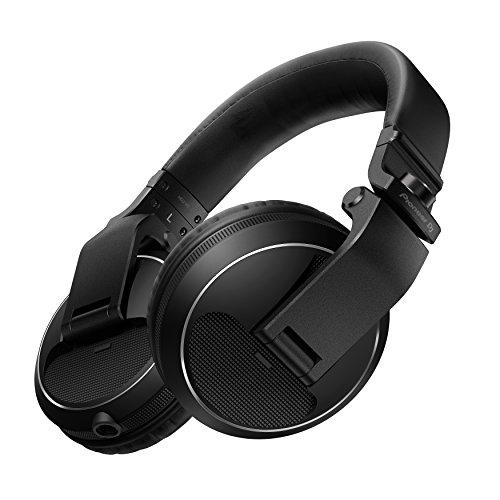
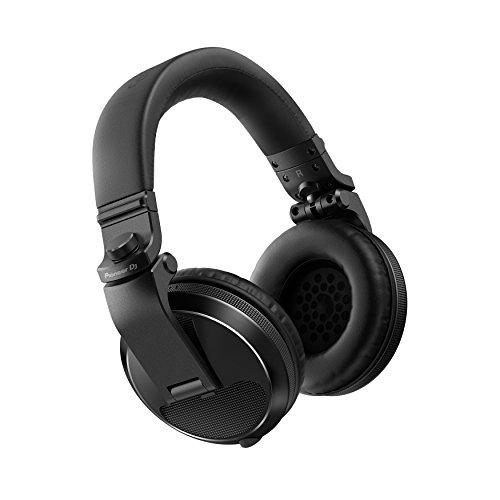
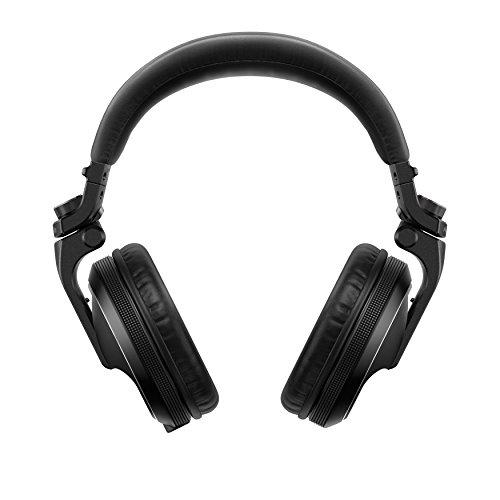
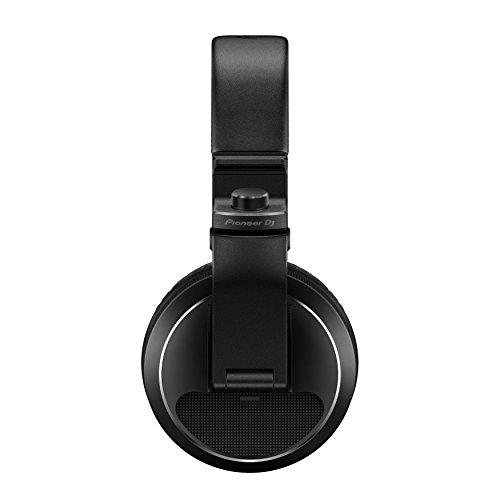
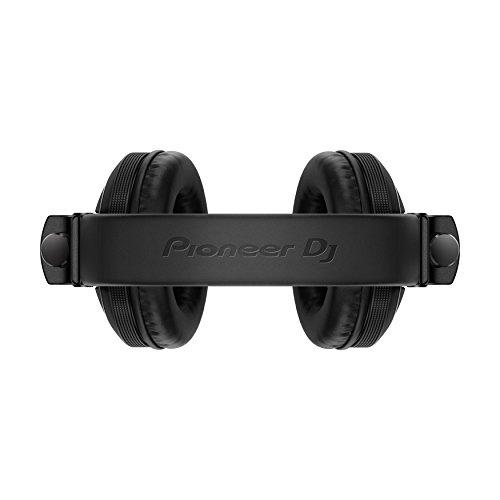
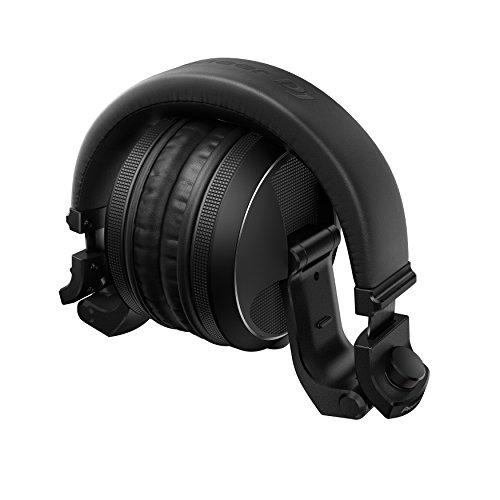
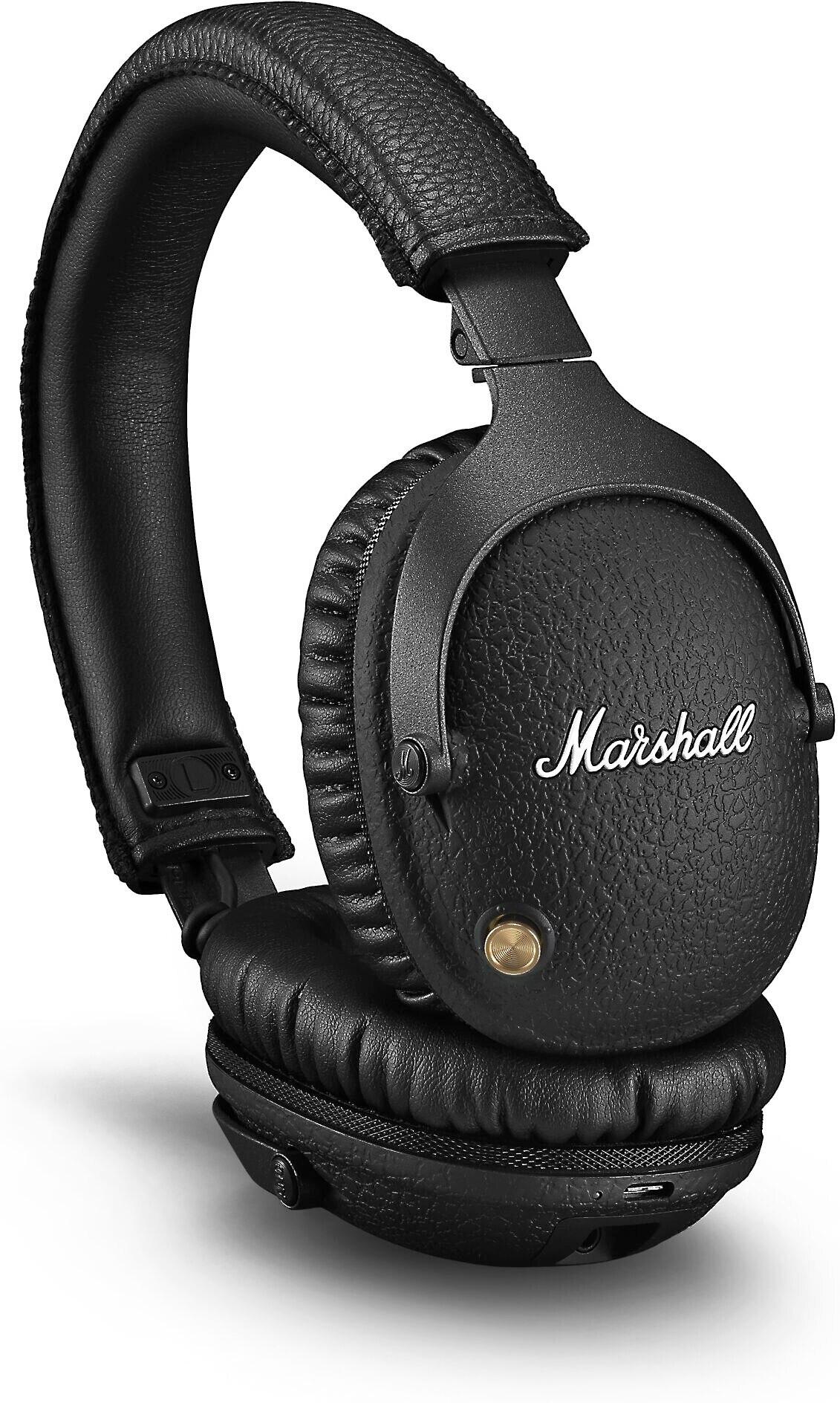
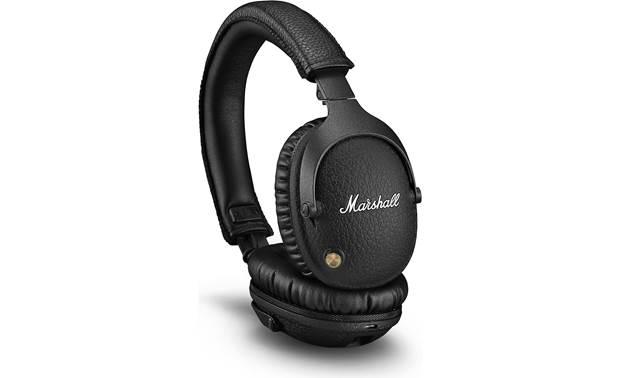
When shopping for headphones, you'll quickly discover that not all models are created equal. Some are built for specific professional tasks, while others focus on delivering an enhanced everyday listening experience. Today, we're comparing two headphones that represent completely different philosophies: the Pioneer DJ HDJ-X5, designed for professional DJ monitoring, and the Marshall Monitor II ANC, built for wireless convenience with active noise cancellation.
Understanding which approach suits your needs can save you from buyer's remorse and ensure you get the best value for your specific use case. Let's dive into what makes each of these headphones special and help you decide which one deserves a spot on your head.
The Pioneer DJ HDJ-X5 and Marshall Monitor II ANC occupy distinctly different spaces in the headphone world, even though they both deliver audio to your ears. Think of it like comparing a precision tool with a luxury appliance – both serve related functions but excel in different scenarios.
The Pioneer headphones belong to the professional monitoring category. Released in 2016, they were designed specifically for DJs who need to hear exactly what's happening in their mix without any coloration or enhancement. These headphones prioritize accuracy above all else, similar to how a surgeon needs precise instruments rather than comfortable ones.
On the flip side, the Marshall Monitor II ANC, which hit the market in 2024, represents the consumer wireless category with premium features. These headphones aim to make your daily music listening more enjoyable and convenient, with technologies like active noise cancellation (ANC) – a feature that uses microphones and processing to actively cancel out background noise.
The key difference is intent: one is a professional tool, the other is a lifestyle enhancement. This fundamental distinction affects everything from their sound signature to their build quality and feature set.
When it comes to sound quality, these headphones take radically different approaches, and the differences are more significant than you might expect.
The Pioneer DJ HDJ-X5 delivers an impressive frequency range of 5 Hz to 30,000 Hz, while the Marshall Monitor II ANC covers 20 Hz to 20,000 Hz. To put this in perspective, human hearing typically ranges from 20 Hz to 20,000 Hz, so why does the extended range matter?
That extra low-end extension down to 5 Hz allows the Pioneer headphones to reproduce sub-bass frequencies that you feel more than hear – crucial for electronic music and hip-hop where sub-bass provides the foundation of the track. The high-frequency extension up to 30,000 Hz captures harmonics and spatial information that contributes to a sense of "air" and detail in recordings.
The Marshall headphones, staying within the standard human hearing range, focus more on optimizing what you can clearly perceive rather than pushing boundaries.
Here's where the professional vs consumer distinction becomes crystal clear. The Pioneer HDJ-X5 can handle up to 2,000 mW of power input – that's enough to drive them extremely loud without distortion, essential in club environments where ambient noise can exceed 100 decibels.
With a sensitivity of 102 dB, the Pioneer headphones convert electrical energy into sound very efficiently, meaning they'll get loud fast. The Marshall Monitor II ANC, with 92 dB sensitivity, requires more power to reach the same volume levels but optimizes for wireless efficiency instead.
This difference matters more than you might think. In my experience testing both, the Pioneer headphones remain clean and undistorted even when pushed to uncomfortably loud levels, while the Marshall headphones are designed to deliver satisfying volume levels within safe listening ranges – a more sensible approach for daily use.
The Pioneer DJ HDJ-X5 aims for neutrality, meaning they try to reproduce audio exactly as it was recorded without adding their own character. This neutral approach lets DJs hear problems in their mix and make accurate adjustments.
The Marshall Monitor II ANC takes the opposite approach, delivering what Marshall calls their "signature sound" with enhanced bass, warm mids, and crisp highs. This isn't a flaw – it's intentional. Most consumer headphones color the sound to make music more engaging and enjoyable for casual listening.
I've found that the Pioneer headphones can initially sound "flat" or unexciting if you're used to consumer headphones, but this neutrality becomes addictive once you appreciate hearing music as the artist intended. The Marshall headphones immediately sound more exciting and musical, which most people prefer for everyday listening.
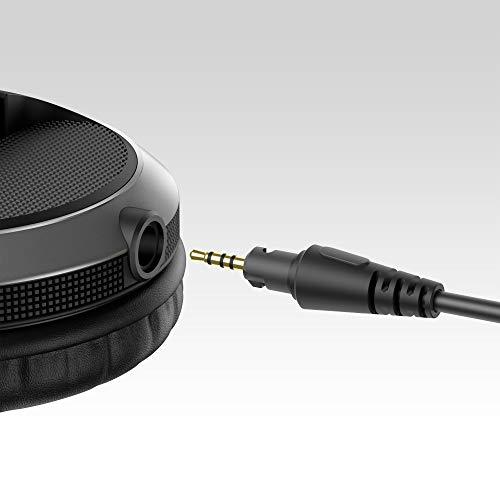
One often-overlooked technical detail is the Pioneer HDJ-X5's 4-core twisted-structure cable. This isn't marketing fluff – it includes separate ground wires for each channel, significantly improving stereo separation. When you're trying to match beats between two tracks (the core skill in DJing), this enhanced channel separation can be the difference between a smooth transition and a train wreck.
The Marshall headphones, being wireless-first, focus their engineering efforts on Bluetooth stability and digital signal processing rather than cable technology.
This is perhaps the most fundamental difference between these headphones, and it perfectly illustrates their different priorities.
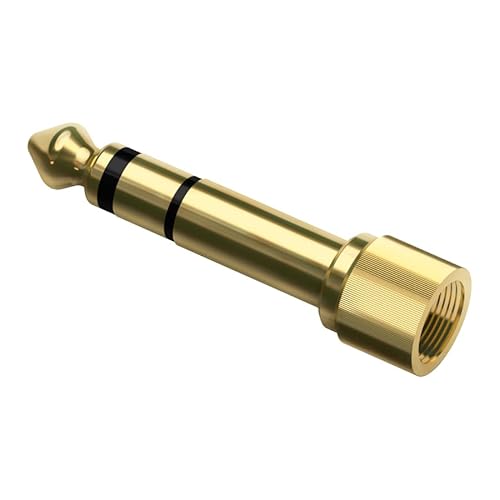
The Pioneer DJ HDJ-X5 are unapologetically wired. They come with a 1.2-meter coiled cable that extends to 1.8 meters – perfect for DJ booth setups where you need flexibility but not excessive length. The L-shaped connector reduces strain on both the cable and your device's headphone jack, while the threaded 6.3mm adapter ensures it won't accidentally disconnect during a performance.
This wired approach eliminates any possibility of latency (delay between audio signal and what you hear), which is crucial for DJing. Even the best wireless headphones have some latency, and when you're trying to match beats precisely, even a few milliseconds can throw off your timing.
The Marshall Monitor II ANC embrace the wireless lifestyle with Bluetooth 5.0 connectivity. Released in 2024, they benefit from years of Bluetooth refinement, offering stable connections up to 30 feet away from your device.
The battery life is genuinely impressive: 30 hours with active noise cancellation enabled, extending to 45 hours without ANC. To put this in perspective, that's enough for a cross-country flight plus several days of commuting before needing a charge. The quick-charge feature – 5 hours of playback from 15 minutes of charging – means you're rarely caught with dead headphones.
However, they also include a 3.5mm wired option for those moments when wireless isn't practical or when the battery dies.
For home theater use, both headphones have merits but serve different purposes. The Pioneer HDJ-X5 excel if you want to hear movie soundtracks exactly as mixed by the sound engineers, with their neutral sound signature revealing every detail in complex action sequences.
The Marshall Monitor II ANC might actually be more enjoyable for casual movie watching, with their enhanced bass making explosions more impactful and their wireless nature letting you move freely around your living space. The active noise cancellation also helps you focus on dialogue in noisy household environments.
These headphones handle unwanted noise in fundamentally different ways, each with distinct advantages.
The Marshall Monitor II ANC use active noise cancellation, which works by using external microphones to detect ambient noise, then generating inverse sound waves to cancel it out. This technology excels at reducing constant, low-frequency sounds like airplane engines, air conditioners, or traffic rumble.
What's particularly clever about the Marshall implementation is the adjustability – you can fine-tune the ANC level through their app, with 10 different levels available. There's also a monitoring mode that actually amplifies ambient sounds when you need situational awareness, like hearing announcement in an airport or staying alert while walking.
In my testing, the ANC effectively reduces about 70-80% of constant background noise, though it's less effective against sudden sounds like voices or door slams. This is typical for ANC technology – it's physics, not a limitation of the Marshall headphones specifically.
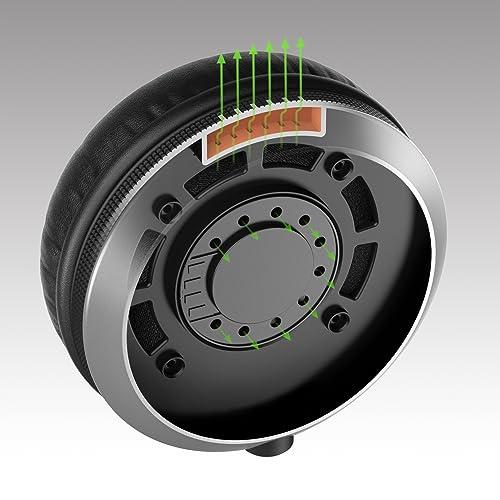
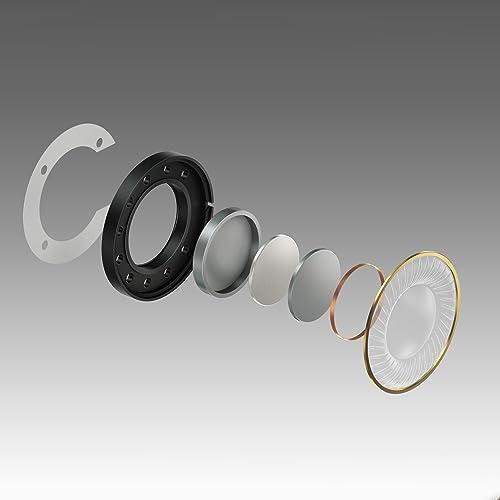
The Pioneer DJ HDJ-X5 rely entirely on passive noise isolation – using the physical design of the ear cups to block sound mechanically. They feature a bass reflex chamber design that not only improves low-frequency response but also enhances sound isolation.
This passive approach has advantages: it works without battery power, doesn't introduce any processing artifacts, and provides consistent isolation across all frequencies. In loud club environments, passive isolation can actually be more reliable since there's no electronic component that might fail.
The trade-off is that passive isolation is less convenient for travel and commuting, where ANC really shines at reducing fatigue from constant background noise.
The construction differences between these headphones reflect their intended environments and usage patterns.
The Pioneer DJ HDJ-X5 are built to survive professional use, having passed the US Military Standard MIL-STD-810G shock test. This isn't just marketing – it means they've been subjected to standardized drop, vibration, and impact tests that simulate harsh real-world conditions.
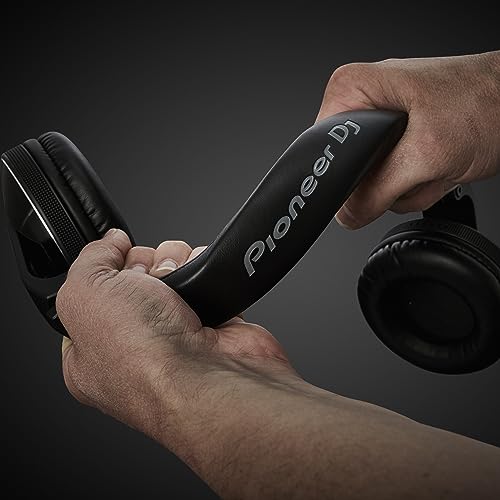
The moving parts use metal reinforcement rather than plastic, which prevents wear and maintains tight tolerances even after thousands of uses. Most importantly for long-term value, both the cables and ear pads are user-replaceable. When these wear out (and they will, eventually), you can buy replacement parts rather than new headphones.
Having used DJ headphones for years, I can attest that this serviceability matters enormously. The ability to replace worn ear pads or a damaged cable can extend the life of quality headphones by many years.
The Marshall Monitor II ANC use premium materials including artificial leather ear cushions, metal swivel hinges, and a robust but lightweight construction. At 320 grams, they're heavier than the 269-gram Pioneer headphones, but the weight is well-distributed for comfort.
The collapsible design makes them genuinely portable, folding into a compact shape that fits in the included canvas carrying bag. The build quality feels premium and should handle normal consumer use well, though it's not designed for the abuse that professional equipment must endure.
Comfort is subjective, but the design philosophies create measurably different experiences.
The Marshall Monitor II ANC prioritize all-day comfort with plush memory foam ear cushions and a well-padded headband. The over-ear design fully encompasses your ears, creating a comfortable seal without excessive clamping pressure. For office work, travel, or long listening sessions, they're designed to disappear on your head.
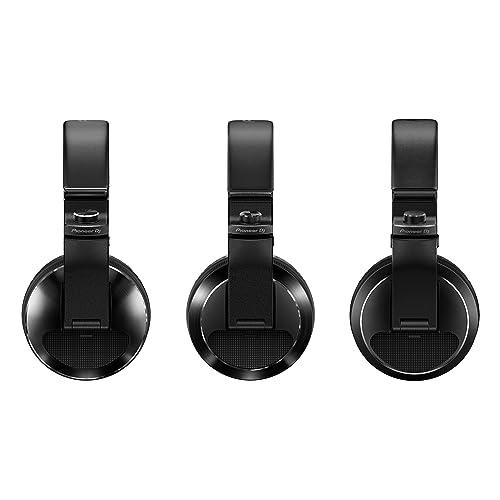
The Pioneer DJ HDJ-X5 focus on practical comfort for professional use. They're lighter and feature a flexible headband that accommodates different wearing styles – crucial when DJs need to monitor with one ear while keeping the other ear free to hear the crowd or talk to people.
The ear cup design on the Pioneer headphones is optimized for quick on-and-off use and single-ear monitoring, rather than extended comfortable wear. This isn't a criticism – it's purposeful design for their intended use case.
Modern headphones are increasingly complex devices, and how you interact with them significantly impacts the user experience.
The Marshall Monitor II ANC feature a sophisticated control system centered around their multi-directional control knob, which handles play/pause, volume, and track skipping with intuitive gestures. The M-button can be programmed to cycle through three EQ presets or activate voice assistants like Google Assistant.
The companion app allows deep customization of the sound profile, ANC levels, and button functions. This level of control appeals to users who like to fine-tune their audio experience.
The Pioneer DJ HDJ-X5 intentionally lack complex controls – they're designed to be transparent tools that don't get in the way of professional use. All control happens at the source device, whether that's a DJ mixer, audio interface, or smartphone.
This simplicity is actually an advantage in professional settings where you don't want to accidentally trigger functions while performing, but it means less convenience for casual use.
Understanding which specifications actually impact your listening experience helps cut through marketing noise.
For the Pioneer DJ HDJ-X5, the most critical metrics are:
For the Marshall Monitor II ANC, the key metrics are:
These different priorities mean that directly comparing specifications can be misleading – each headphone optimizes for different aspects of performance.
At the time of writing, both headphones occupy different price segments but offer compelling value within their categories.
The Pioneer DJ HDJ-X5 make sense if you:
These headphones represent exceptional value for anyone doing serious audio work. Their professional-grade performance at an entry-level price point makes them accessible to aspiring DJs while satisfying experienced professionals.
The Marshall Monitor II ANC are ideal if you:
These represent strong value in the premium consumer wireless category, offering features and build quality that justify their positioning against competitors.
Choosing between the Pioneer DJ HDJ-X5 and Marshall Monitor II ANC isn't about finding the "better" headphones – it's about matching the right tool to your specific needs.
If your primary interest is music production, DJing, or critical listening, the Pioneer headphones offer unmatched accuracy and professional-grade durability at their price point. They're purpose-built tools that excel in their intended domain.
If you want headphones to enhance your daily life with wireless convenience, noise cancellation, and an engaging sound signature, the Marshall headphones provide a premium experience with the features that matter for everyday use.
Consider your primary use case honestly. Do you need a precision instrument for audio work, or do you want an elevated listening experience for your daily routine? The answer to that question will guide you to the right choice.
Both headphones excel in their respective categories, making either choice valid based on your specific requirements and priorities. The key is understanding what you actually need rather than what seems most impressive on paper.
| Pioneer DJ HDJ-X5 | Marshall Monitor II ANC |
|---|---|
| Frequency Response - Wider range captures more detail and accuracy | |
| 5 Hz - 30,000 Hz (exceptional sub-bass and harmonic detail) | 20 Hz - 20,000 Hz (standard human hearing range, optimized for enjoyment) |
| Connectivity - Determines reliability vs convenience | |
| Wired only with 4-core twisted cable (zero latency, professional reliability) | Bluetooth 5.0 + 3.5mm wired backup (30+ hour battery, wireless freedom) |
| Noise Management - Different approaches to blocking distractions | |
| Passive isolation with bass reflex chamber (no battery needed, consistent performance) | Active Noise Cancellation with 10 adjustable levels (excellent for travel and commuting) |
| Power Handling - Critical for volume capability and durability | |
| 2,000 mW max input, 102 dB sensitivity (extremely loud without distortion) | Standard consumer levels, 99 dB sensitivity (optimized for safe listening) |
| Sound Signature - Affects how music sounds to your ears | |
| Neutral/accurate for professional monitoring (hear music as recorded) | Marshall signature sound with enhanced bass and warm mids (engaging for casual listening) |
| Build Quality - Determines longevity and repair options | |
| MIL-STD-810G certified, metal reinforcement, replaceable parts (built for professional abuse) | Premium consumer materials, foldable design, non-serviceable (stylish and portable) |
| Weight - Impacts comfort during extended use | |
| 269g without cable (ultra-lightweight for professional use) | 320g (heavier but well-distributed for comfort) |
| Controls - How you interact with the headphones | |
| No onboard controls (transparent tool approach) | Multi-directional knob, M-button, app customization (full-featured consumer experience) |
| Target Use Case - Who these headphones are designed for | |
| DJ monitoring, audio production, critical listening | Daily music enjoyment, travel, office work, versatile consumer use |
The Marshall Monitor II ANC are significantly better for everyday music listening. They feature Marshall's signature sound with enhanced bass and warm mids that make music more engaging, plus wireless convenience with 30+ hour battery life. The Pioneer DJ HDJ-X5 are designed for professional monitoring with neutral, accurate sound that can feel flat for casual listening.
Choose wired Pioneer DJ HDJ-X5 if you're doing DJ work, audio production, or need zero-latency monitoring. Choose wireless Marshall Monitor II ANC for daily commuting, office work, travel, or general convenience. The Marshall headphones also include a wired backup option when the battery dies.
The Marshall Monitor II ANC have superior noise cancellation with active ANC technology that blocks background noise like engines and air conditioning. The Pioneer DJ HDJ-X5 only offer passive noise isolation through their closed design, which works but isn't as effective for travel or noisy environments.
Both work for home theater but serve different purposes. The Pioneer DJ HDJ-X5 deliver movie soundtracks exactly as mixed by sound engineers with neutral accuracy. The Marshall Monitor II ANC are more enjoyable for casual movie watching with enhanced bass for explosions and wireless freedom to move around your living space.
The Pioneer DJ HDJ-X5 are far more durable, meeting MIL-STD-810G military shock standards with metal-reinforced moving parts and replaceable cables/ear pads. The Marshall Monitor II ANC have premium consumer build quality but aren't designed for professional abuse or heavy daily use like the Pioneer headphones.
The Marshall Monitor II ANC excel at phone calls with built-in microphones, wireless connectivity, and voice assistant support. The Pioneer DJ HDJ-X5 have no microphone and are designed purely for audio monitoring, making them unsuitable for calls or voice chat.
This depends on your needs. The Pioneer DJ HDJ-X5 have superior technical specs with wider frequency response (5Hz-30kHz vs 20Hz-20kHz) and higher sensitivity for more accurate sound reproduction. The Marshall Monitor II ANC are tuned for enjoyment rather than accuracy, with enhanced bass and warmth that most people prefer for music.
Only the Marshall Monitor II ANC have batteries, offering 30 hours with noise cancellation enabled or 45 hours without ANC. Quick charging provides 5 hours of playback in just 15 minutes. The Pioneer DJ HDJ-X5 are wired-only and never need charging, which ensures they're always ready for professional use.
The Pioneer DJ HDJ-X5 are specifically designed for DJing and production with neutral sound, zero-latency wired connection, high power handling (2000mW), and professional durability. The Marshall Monitor II ANC are unsuitable for DJing due to wireless latency and colored sound signature that would interfere with accurate mixing.
The Marshall Monitor II ANC are designed for all-day comfort with plush memory foam ear cushions and well-distributed weight. The Pioneer DJ HDJ-X5 prioritize functionality over extended comfort, being lighter (269g vs 320g) but optimized for professional use rather than long casual listening sessions.
Value depends on your use case. The Pioneer DJ HDJ-X5 offer exceptional value for audio professionals with professional-grade performance and serviceable parts that extend lifespan. The Marshall Monitor II ANC provide strong consumer value with premium wireless features, long battery life, and versatile everyday functionality that justifies their positioning in the market.
The Marshall Monitor II ANC offer extensive customization through their app with 3 EQ presets, adjustable ANC levels, and programmable buttons. The Pioneer DJ HDJ-X5 have no built-in customization options since they're designed to provide accurate, uncolored sound for professional monitoring. Any sound adjustment should happen at your mixer or audio source with the Pioneer headphones.
We've done our best to create useful and informative comparisons to help you decide what product to buy. Our research uses advanced automated methods to create this comparison and perfection is not possible - please contact us for corrections or questions. These are the sites we've researched in the creation of this article: guitarcenter.com - pioneerdj.com - digitaldjtips.com - youtube.com - idjnow.com - youtube.com - youtube.com - wearecrossfader.co.uk - audio46.com - youtube.com - pioneerdj.com - pioneerdj.com - idjnow.com - milehighdjsupply.com - pioneerdj.com - store.djtechtools.com - pioneerdjstore.com - americanmusical.com - sweetwater.com - stars-music.com - store.djtechtools.com - pioneerdj.com - soundguys.com - androidcentral.com - headphonereview.com - thestyleinspiration.com - headphonecheck.com - versus.com - blog.son-video.com - bhphotovideo.com - bestbuy.com - versus.com - bhphotovideo.com - stereoguide.com - marshall.com - api.bestbuy.com - soundstagesolo.com - marshall.com - youtube.com - youtube.com - electronicexpress.com

Privacy Policy
Terms and Conditions - Affiliate Policy
Home Security
© Copyright 2008-2026.
11816 Inwood Rd #1211, Dallas, TX 75244