

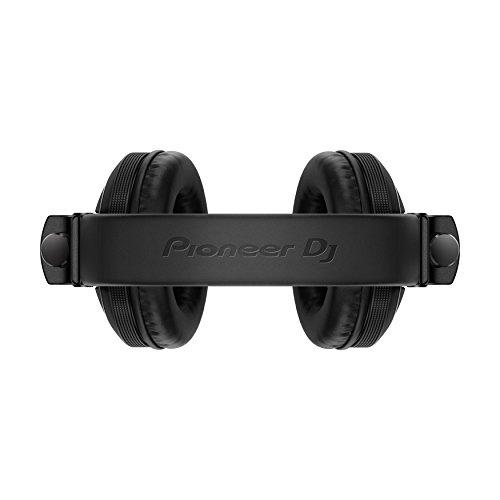
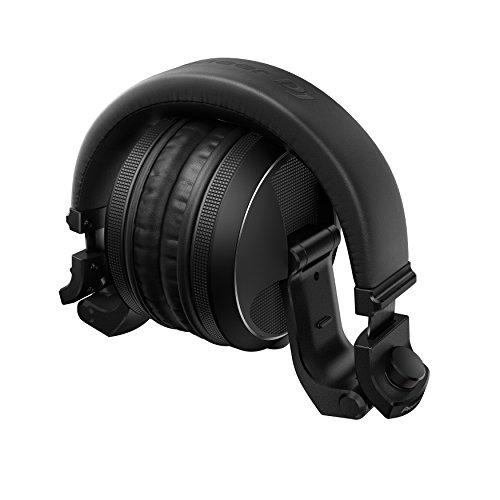




When you're shopping for over-ear headphones, you might stumble across two products that look similar but serve completely different purposes. The Pioneer DJ HDJ-X5 and JBL Tour One M2 both feature 40mm drivers and over-ear designs, but that's where the similarities end. Think of it like comparing a race car to an SUV – both have four wheels and an engine, but they're built for entirely different jobs.
The headphone market splits into distinct categories, and these two products represent opposite ends of the spectrum. The Pioneer DJ HDJ-X5, released in 2017, belongs to the professional DJ monitoring category. These headphones are purpose-built tools designed for beatmatching, mixing, and monitoring in club environments where failure isn't an option. The JBL Tour One M2, launched in 2024, represents the modern consumer wireless headphone category, packed with smart features and designed for everyday convenience.
At the time of writing, the price difference reflects their target markets – the Pioneer headphones typically cost significantly less than premium wireless models like the JBL Tour One M2, but that's because they serve fundamentally different needs. You're not just buying headphones; you're choosing between a specialized professional tool and a feature-rich consumer product.
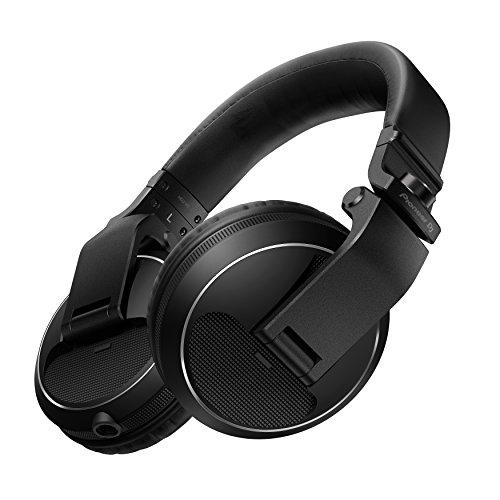
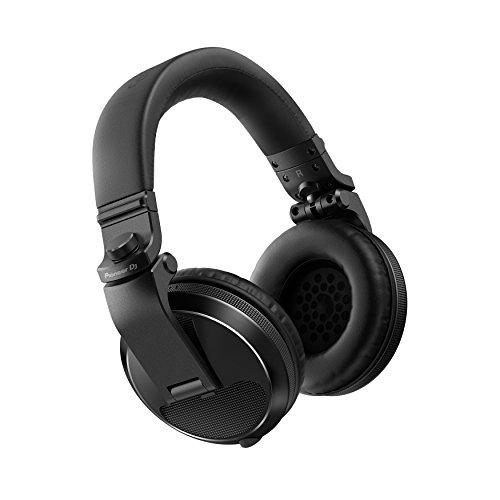
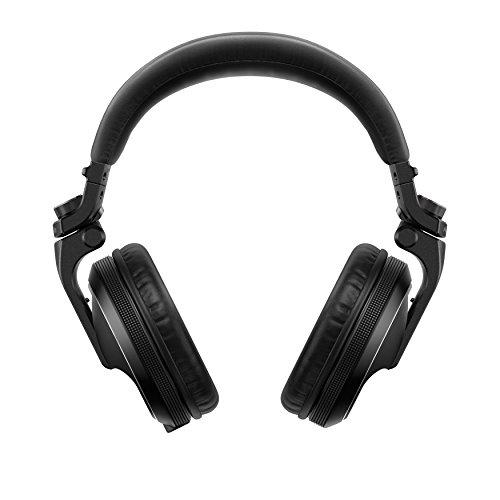
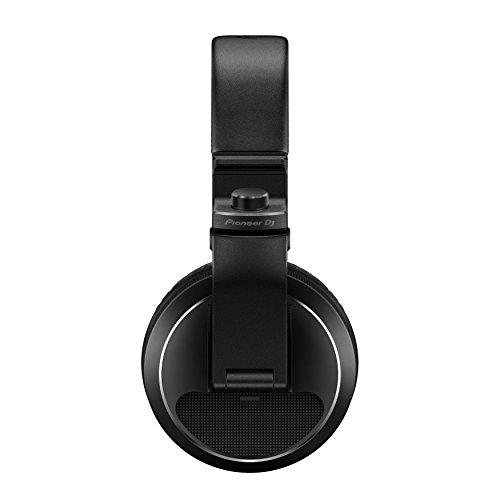
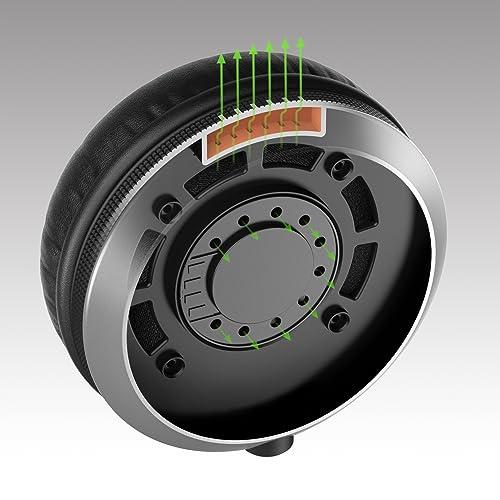
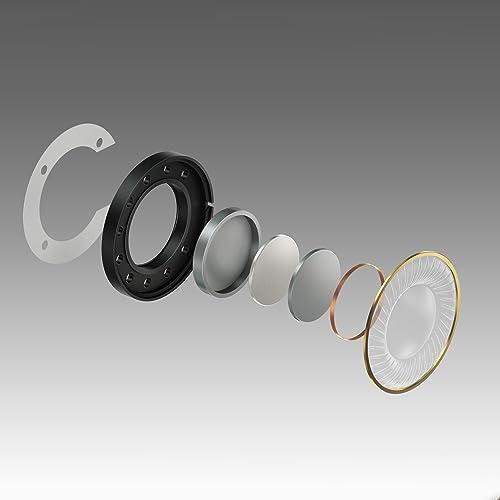
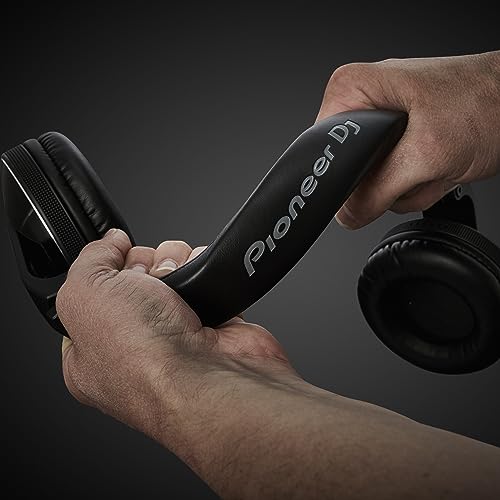
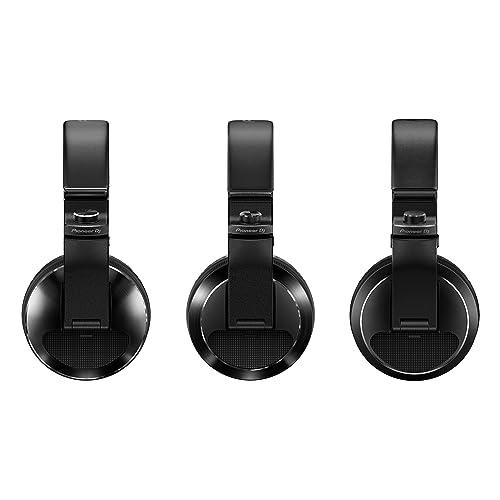
The Pioneer DJ HDJ-X5 earns its professional credentials through serious durability testing. These headphones pass the US Military Standard MIL-STD-810G shock test, which sounds impressive because it is. This certification means they can survive drops, impacts, and the general abuse that comes with professional DJ work. The moving parts use metal construction instead of plastic, and the pressure-reducing housing design helps DJs wear them for hours during long sets.
What makes this durability matter isn't just bragging rights – it's about reliability when you're performing live. When you're mixing tracks in a packed club with bass thumping through the floor monitors, your headphones need to work perfectly every single time. The Pioneer HDJ-X5 delivers that reliability through old-school engineering: robust mechanical design and a wired connection that never runs out of battery.
The sound signature of the Pioneer DJ HDJ-X5 prioritizes what DJs need most: accurate bass reproduction. The frequency response spans 5Hz to 30,000Hz, with the lower end optimized for beatmatching – the process where DJs sync the tempo of two songs by listening to the kick drums and bass lines. The bass response is punchy and well-defined, making it easy to hear when beats align.
However, this professional focus comes with trade-offs. The midrange has some hollowness around 400Hz and cuts between 1.5kHz and 3.5kHz, which means guitars and some vocal elements don't sound as present as they would on consumer headphones. There's a boost at 5.5kHz that makes vocals stand out in mixes, which actually helps DJs identify vocal cues during performances.
The high frequencies roll off around 11kHz with a slight boost at 9kHz, giving some air and detail without being harsh. This tuning isn't designed to make your Spotify playlists sound amazing – it's engineered to help DJs make professional decisions about how tracks will sound through a club's sound system.
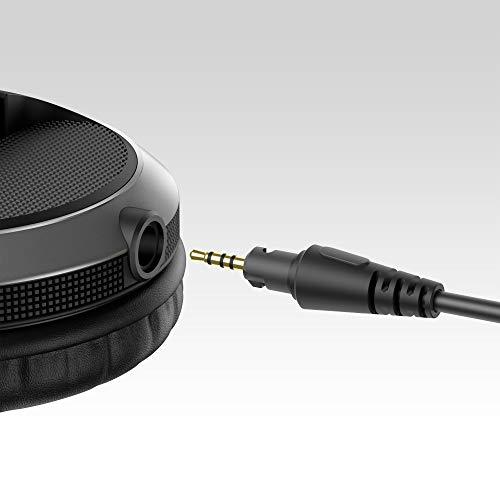
While wireless technology has improved dramatically since 2017, the Pioneer DJ HDJ-X5 sticks with a wired connection for good reasons. The 4-core twisted-structure cable includes separate ground wires for each channel, improving stereo separation – important when you're trying to hear subtle differences between the left and right channels during mixing.
The cable design also eliminates latency (the delay between audio signal and what you hear), which would be disastrous for DJs trying to sync beats. The 1.2-meter coiled cable extends to 1.8 meters, giving DJs mobility around the booth while preventing tangles.
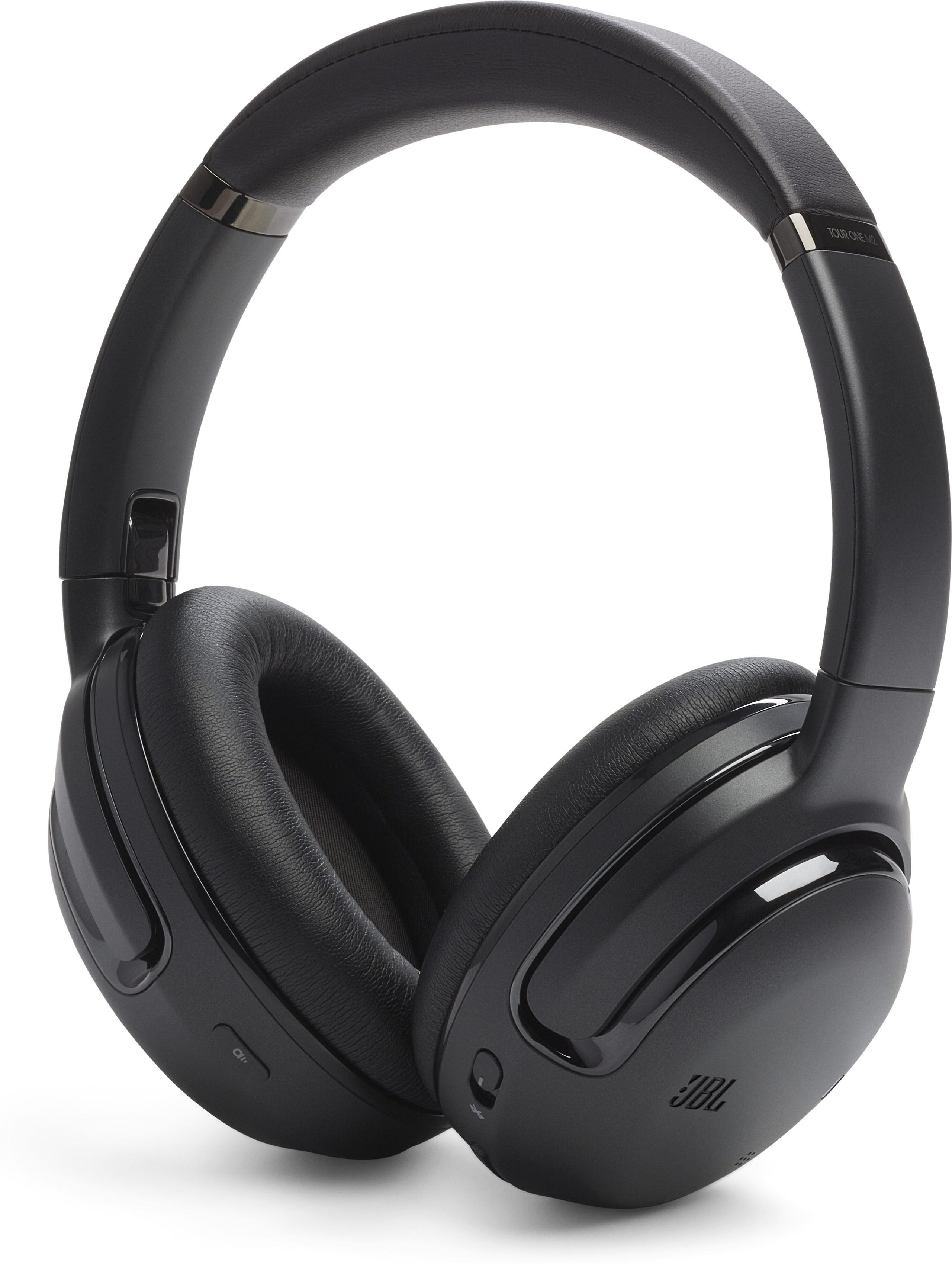
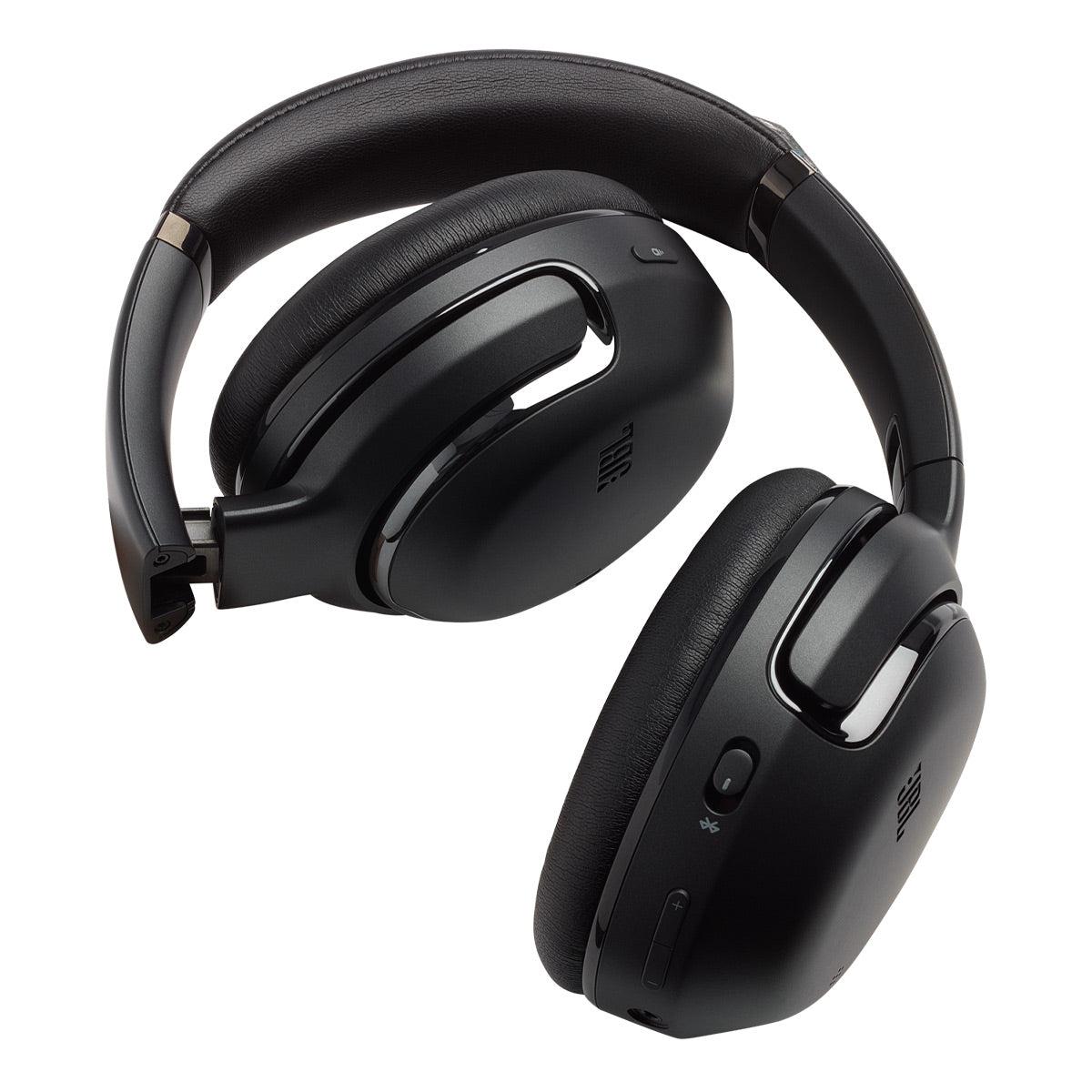
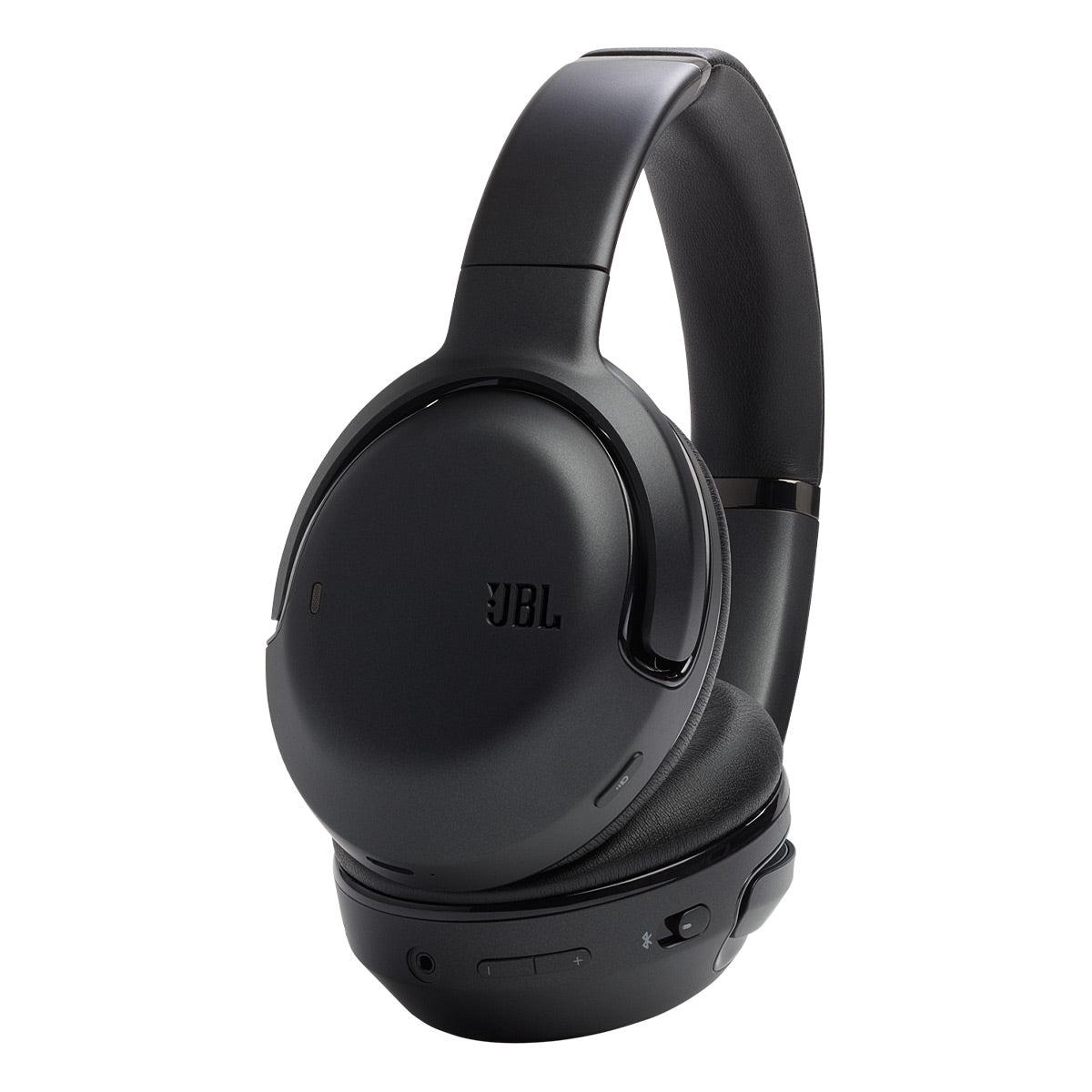
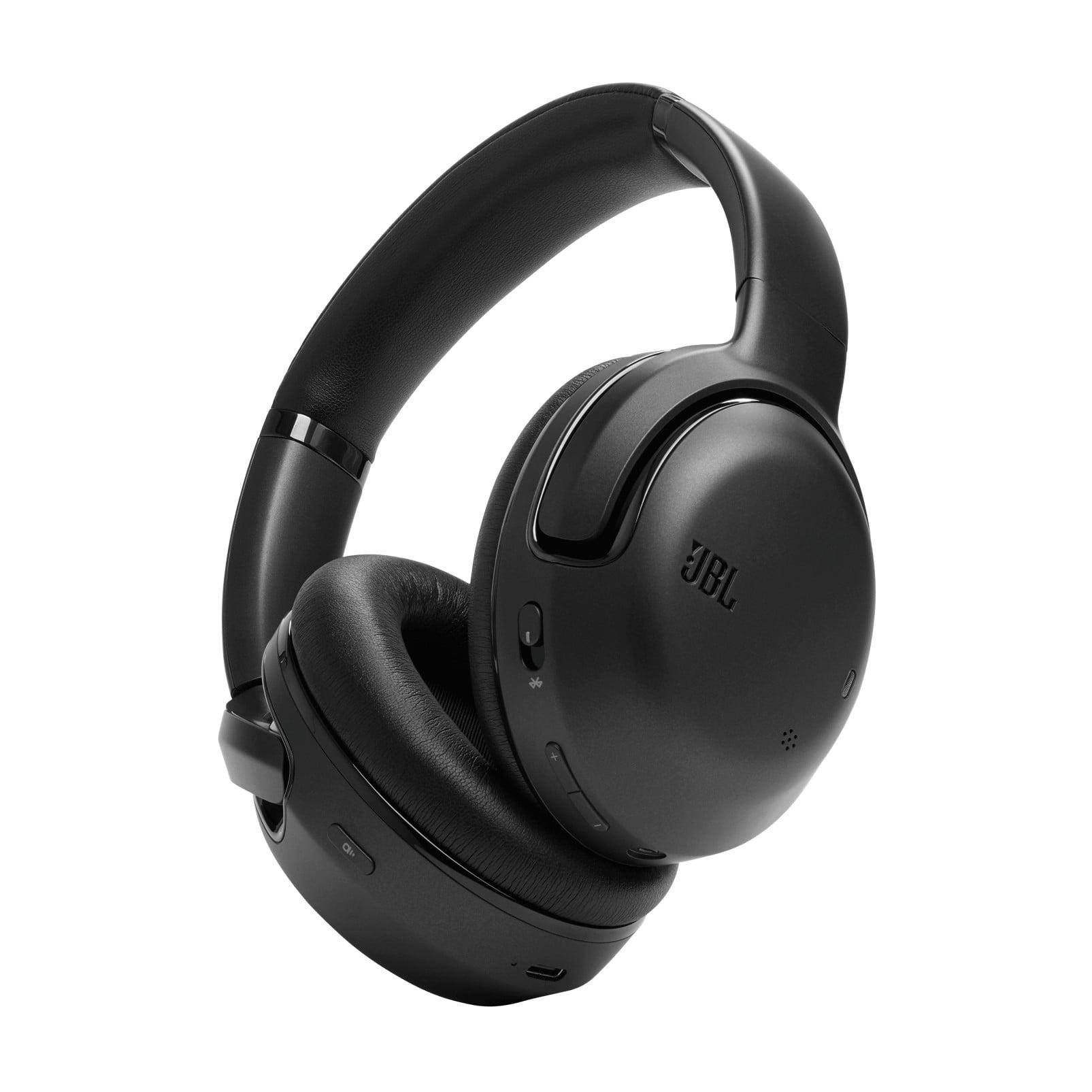
The JBL Tour One M2, being a 2024 release, showcases how consumer headphone technology has evolved. These headphones represent the mature wireless era, where battery life, connectivity, and smart features have reached practical everyday usability.
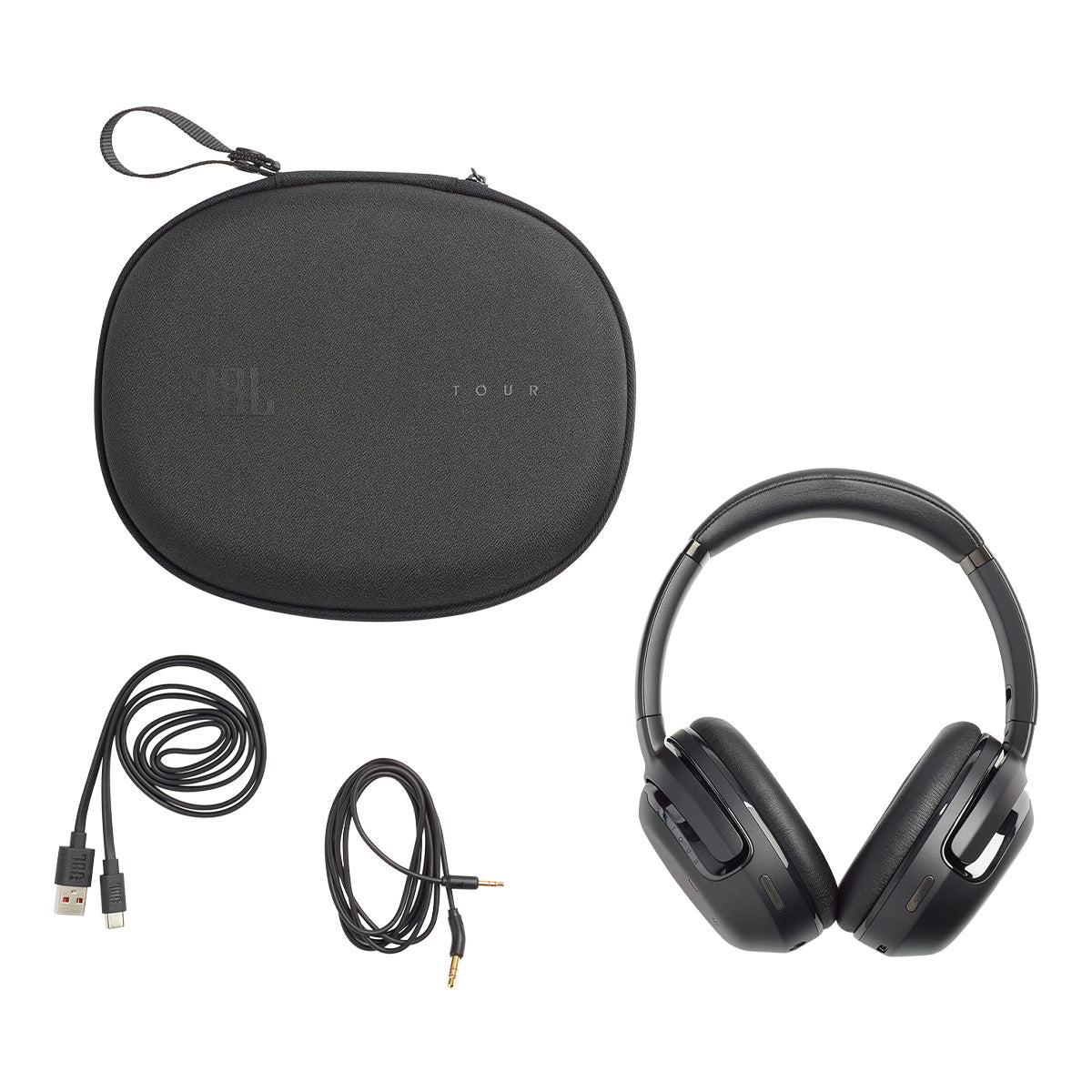
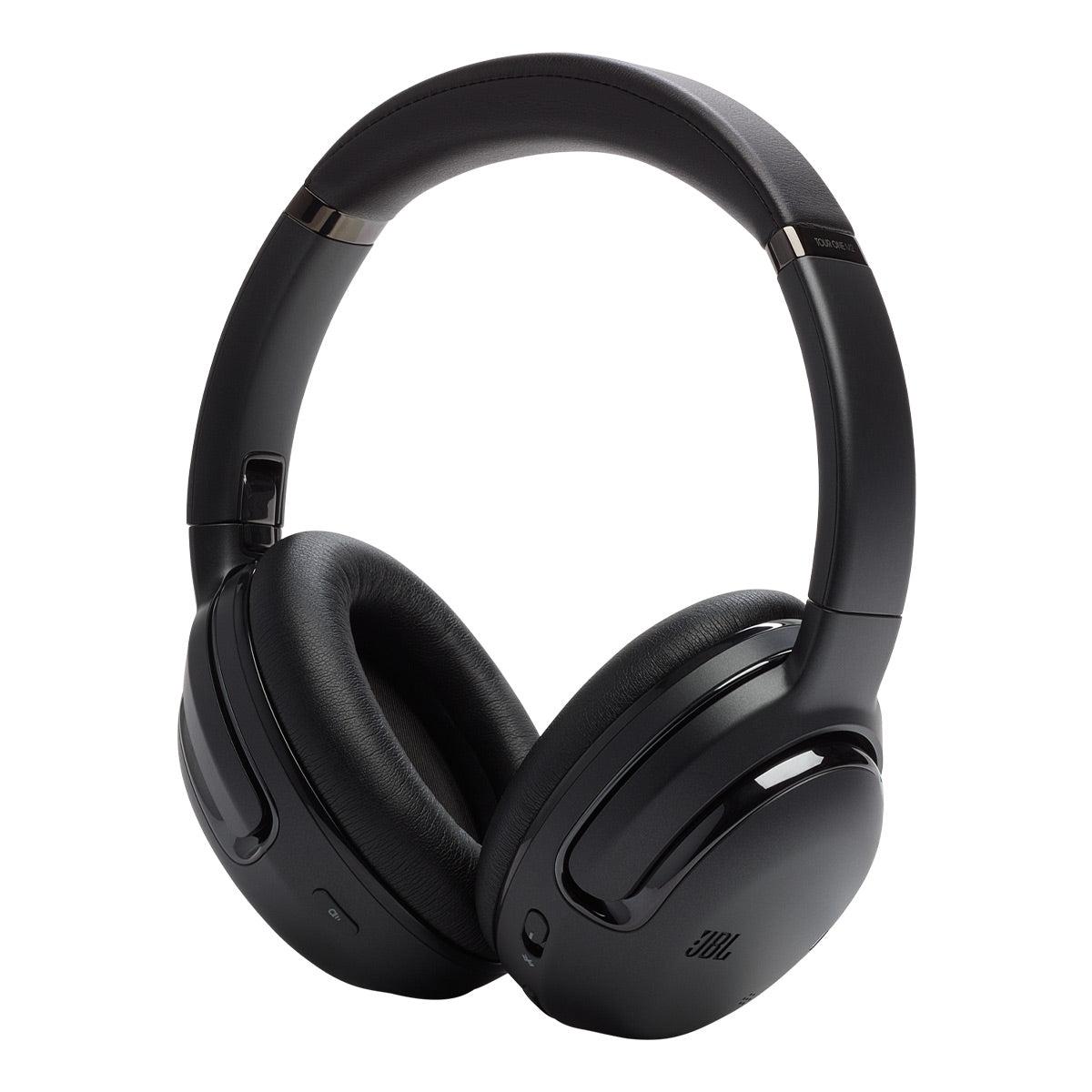
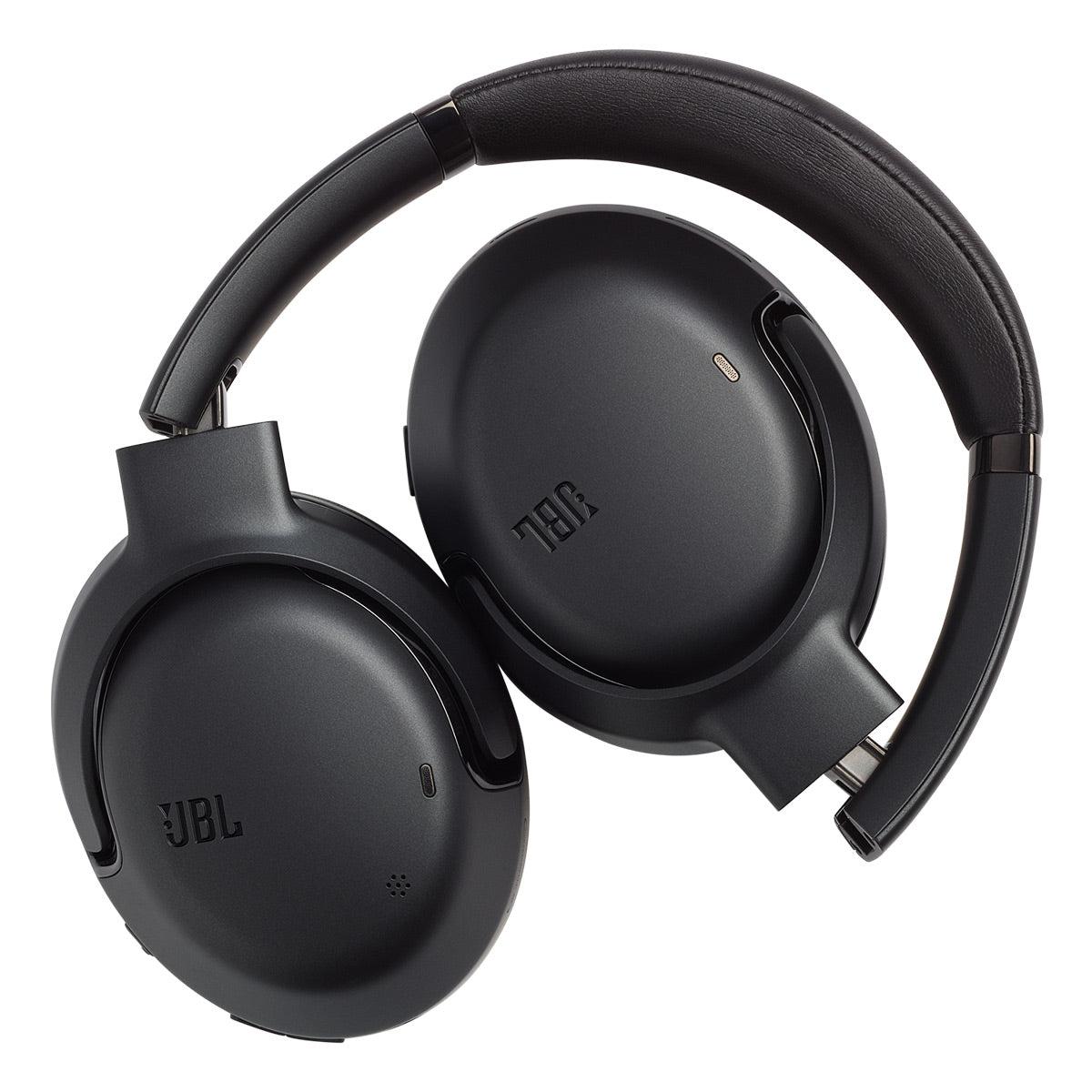
The build quality feels premium without the ruggedized over-engineering of professional DJ gear. At 273 grams, they're comfortable for extended listening sessions, though some users find them slightly heavy after more than an hour of wear. The materials balance durability with aesthetics – you want headphones that look good in an office or coffee shop, not necessarily ones that can survive being thrown into a DJ bag night after night.
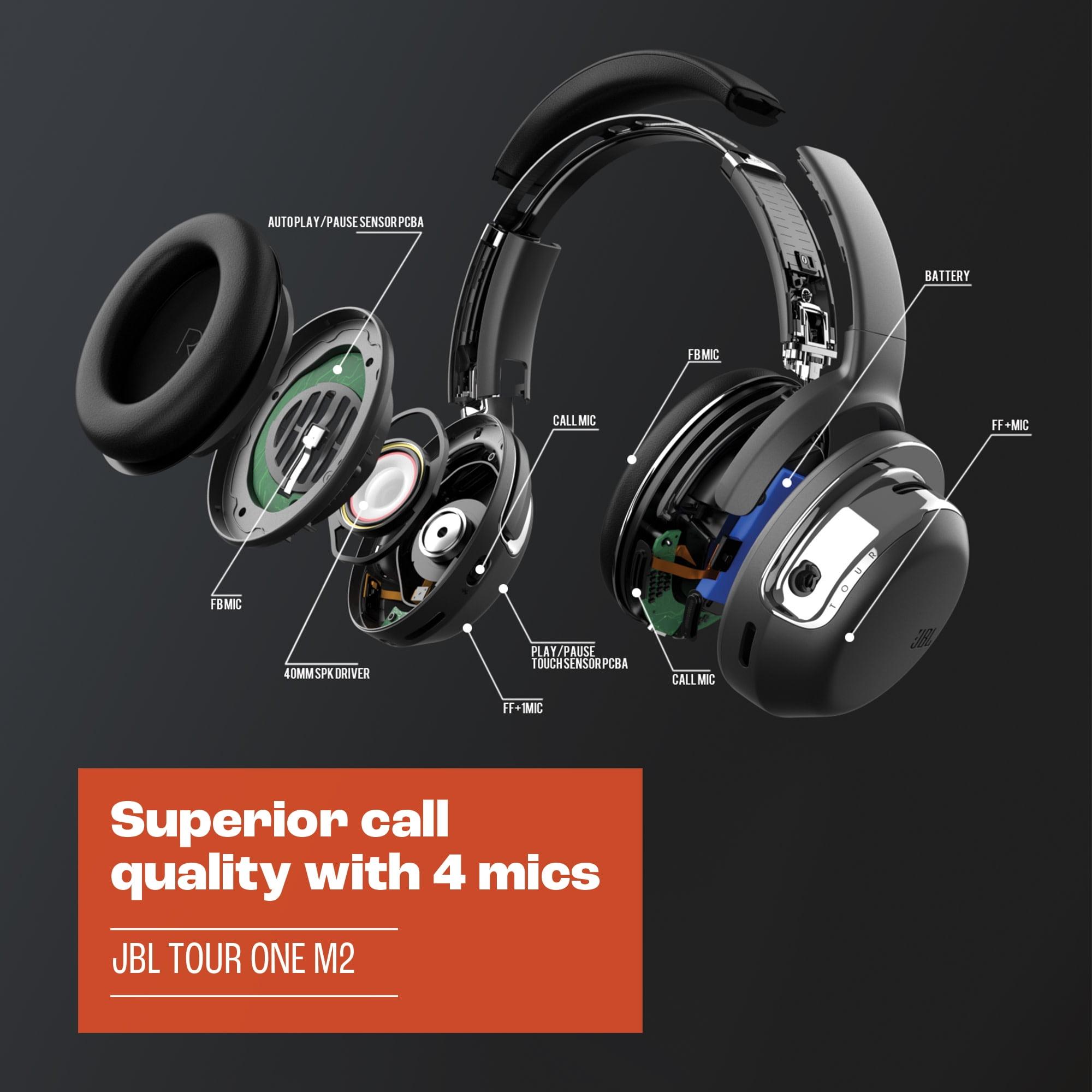
The biggest technological advancement the JBL Tour One M2 offers over older headphones is True Adaptive Noise Cancelling. This system uses four microphones to continuously monitor your environment and adjust noise cancellation in real-time. Unlike some aggressive ANC systems that create an uncomfortable pressure sensation, JBL's implementation feels more natural.
The Smart Ambient feature deserves special attention because it solves a real problem. Instead of having to remove your headphones to hear announcements or have conversations, you can adjust how much outside sound bleeds in. The TalkThru mode automatically lowers music volume and amplifies voices when you need to chat with someone quickly.
Modern headphones often get loaded with gimmicky features, but the JBL Tour One M2 includes several genuinely useful smart capabilities. Smart Talk uses voice recognition to automatically pause music and activate ambient sound when you start speaking – no button pressing required. This works surprisingly well in practice and eliminates the awkward fumbling for controls during conversations.
The Personal Sound Amplification feature can boost surrounding voices by 15-20dB and adjust left/right balance. This essentially turns your headphones into mild hearing aids, helpful in situations where you need to hear someone speaking but don't want to remove your headphones entirely.
Voice assistant integration supports Google Assistant, Amazon Alexa, Apple Siri, and Samsung Bixby. The four-microphone array provides excellent call quality, even in noisy environments – a significant improvement over the basic microphones found in earlier wireless headphones.
The JBL Tour One M2 delivers Hi-Res Audio certification with a frequency response of 10Hz to 40,000Hz in passive mode. The sound signature aims for broad appeal rather than professional monitoring accuracy. The bass is controlled and impactful without bleeding into the midrange, vocals sit slightly forward in the mix for clarity, and the high frequencies remain smooth and detailed.
The Personi-Fi 2.0 feature conducts a personalized hearing test to optimize the sound profile for your specific hearing characteristics. This goes beyond simple EQ adjustments – it attempts to compensate for individual hearing differences, making the overall listening experience more natural and enjoyable.
Through the JBL Headphones app, you get extensive customization options including a five-band EQ, multiple presets (jazz, vocal, bass), and the ability to fine-tune noise cancellation settings. This level of control would have been unimaginable in 2017 when the Pioneer DJ HDJ-X5 was released.
One area where the JBL Tour One M2 absolutely dominates is battery performance. With 50 hours of playback time (ANC off) or 30 hours (ANC on), you can go weeks between charges with moderate daily use. The two-hour charging time is reasonable, and the quick-charge feature providing five hours of playback from just ten minutes of charging solves most emergency situations.
This represents massive improvement over early wireless headphones that might last 8-12 hours. The Pioneer DJ HDJ-X5, being wired, never needs charging but also ties you to your audio source with a cable.
When evaluating DJ headphones like the Pioneer DJ HDJ-X5, the most important performance metrics are:
Bass accuracy: Can you clearly hear kick drums and bass lines to match beats between songs? The Pioneer excels here with its focused low-end response.
Sound isolation: Can you hear your mix clearly despite loud club monitors? The closed-back design and passive isolation work well for this purpose.
Durability: Will they survive months of professional use? The military-standard testing and replaceable parts suggest yes.
Comfort during long sessions: Can you wear them for 4-6 hour DJ sets? The pressure-reducing design helps, though individual comfort varies.
For everyday headphones like the JBL Tour One M2, different metrics matter:
Noise cancellation effectiveness: How well do they reduce airplane noise, office chatter, or commuter sounds? The adaptive ANC performs well without being uncomfortable.
Battery life: How often do you need to charge them? At 30-50 hours depending on usage, charging becomes a weekly rather than daily concern.
Call quality: How clear do you sound on phone calls? The four-microphone array provides excellent voice pickup.
Wireless stability: Do they maintain connection reliably? Bluetooth 5.3 offers solid performance with modern devices.
Neither headphone was specifically designed for home theater use, but both can work in this context with different strengths. The JBL Tour One M2 offers JBL Spatial Sound technology that creates a more immersive, theater-like experience by simulating directional audio. This works well for movies and gaming, though it's not as sophisticated as dedicated home theater headphones with head tracking.
The wireless convenience of the JBL Tour One M2 makes it practical for couch listening without cable management issues. However, for critical home theater use where audio sync is crucial, the wired Pioneer DJ HDJ-X5 eliminates any potential latency issues, though its bass-heavy tuning might not be ideal for dialogue-heavy content.
You're a DJ or aspiring DJ who needs professional monitoring capabilities. The accurate bass response, sound isolation, and bulletproof reliability make it ideal for beatmatching and mixing. Studio engineers and audio professionals will also appreciate the reference-quality monitoring, though the bass-heavy signature isn't perfectly neutral.
The wired connection makes sense if you work in environments where wireless interference could be problematic or where zero latency is critical. At the time of writing, the Pioneer DJ HDJ-X5 offers exceptional value for professional use, providing military-grade durability at a price point that won't break the bank for working DJs.
You want versatile headphones for daily life activities – commuting, office work, travel, and home listening. The active noise cancellation, smart features, and excellent battery life make these ideal for modern lifestyle use. The balanced sound signature works well across different music genres and content types.
The wireless convenience and app-based customization appeal to users who appreciate modern technology integration. If you frequently take calls or use voice assistants, the four-microphone array and smart talk features provide genuine utility.
These headphones represent two different philosophies about what headphones should do. The Pioneer DJ HDJ-X5 follows the professional audio tradition of building specialized tools that excel at specific tasks. It's a hammer – simple, reliable, and incredibly effective when you need to drive nails.
The JBL Tour One M2 embodies the modern consumer electronics approach of creating versatile devices with broad appeal and smart features. It's more like a Swiss Army knife – capable of handling many different tasks reasonably well.
Your choice depends entirely on whether you need a specialized professional tool or a versatile everyday device. At the time of writing, both products offer solid value within their respective categories, but they're solving fundamentally different problems for different users. The Pioneer will still be working reliably in five years of professional use, while the JBL will offer cutting-edge features and convenience that makes daily listening more enjoyable.
Neither choice is wrong – they're just optimized for completely different lifestyles and use cases.
| Pioneer DJ HDJ-X5 Headphones | JBL Tour One M2 Wireless Over-Ear Headphones |
|---|---|
| Primary Use Case - Determines if the product fits your needs | |
| Professional DJ monitoring and beatmatching | Consumer wireless headphones for daily use |
| Connectivity - Affects reliability and convenience | |
| Wired only (1.2m coiled cable, extends to 1.8m) | Bluetooth 5.3 + wired option (3.5mm cable included) |
| Battery Life - Critical for wireless models | |
| No battery required (wired operation) | 30 hours (ANC on) / 50 hours (ANC off) |
| Active Noise Cancellation - Essential for commuting/travel | |
| Passive isolation only (closed-back design) | True Adaptive Noise Cancelling with 4-mic array |
| Sound Signature - Impacts music enjoyment | |
| Bass-heavy, optimized for DJ monitoring | Balanced consumer tuning, Hi-Res Audio certified |
| Frequency Response - Shows audio range capability | |
| 5Hz - 30,000Hz (focused on DJ needs) | 10Hz - 40,000Hz passive (broader consumer range) |
| Durability - Important for professional/heavy use | |
| MIL-STD-810G military standard, metal moving parts | Standard consumer build quality |
| Weight - Affects comfort during long sessions | |
| 269g (lightweight for professional use) | 273g (typical for wireless with features) |
| Smart Features - Modern convenience capabilities | |
| None (audio purity focus) | Voice assistants, Smart Talk, Personal Sound Amplification |
| App Support - Customization and control options | |
| No app required | Full JBL Headphones app with EQ, ANC controls, Personi-Fi |
| Replaceable Parts - Long-term value consideration | |
| Cables and ear pads user-replaceable | Standard non-replaceable design |
| Warranty - Protection for your investment | |
| 2 years | 1 year |
| Call Quality - Important for work/communication | |
| No microphone (monitoring headphones) | Excellent 4-mic array with noise suppression |
| Multi-Device Support - Convenience for multiple gadgets | |
| Single wired connection only | Bluetooth multi-point pairing (2 devices) |
No, these headphones serve completely different purposes. The Pioneer DJ HDJ-X5 is designed specifically for professional DJs and music production, focusing on accurate bass monitoring and durability. The JBL Tour One M2 targets everyday consumers who want wireless convenience, noise cancellation, and smart features for commuting, work, and casual listening.
For general music enjoyment, the JBL Tour One M2 provides better sound quality with its balanced, Hi-Res Audio certified tuning that works well across all music genres. The Pioneer DJ HDJ-X5 has a bass-heavy signature optimized for DJ monitoring rather than casual listening, which may sound unbalanced for everyday music consumption.
Only the JBL Tour One M2 offers wireless connectivity with Bluetooth 5.3 and up to 50 hours of battery life. The Pioneer DJ HDJ-X5 is exclusively wired, using a coiled cable that extends from 1.2m to 1.8m. This wired design eliminates battery concerns and latency issues important for professional DJ use.
The JBL Tour One M2 is significantly better at blocking noise with its True Adaptive Noise Cancelling technology that uses four microphones to automatically adjust to your environment. The Pioneer DJ HDJ-X5 only offers passive noise isolation through its closed-back design, which is adequate for DJ booth use but not as effective as active noise cancellation.
The JBL Tour One M2 excels at phone calls with its four-microphone array and advanced noise suppression, making your voice clear even in noisy environments. The Pioneer DJ HDJ-X5 has no built-in microphone since it's designed purely for audio monitoring, not communication.
The Pioneer DJ HDJ-X5 is significantly more durable, featuring military-standard MIL-STD-810G shock certification, metal construction in moving parts, and replaceable cables and ear pads. The JBL Tour One M2 has standard consumer build quality that's adequate for daily use but not designed for professional abuse.
Neither is specifically designed for home theater, but the JBL Tour One M2 works better for this purpose with its JBL Spatial Sound technology that creates immersive audio experiences. The wireless convenience also eliminates cable management issues. The Pioneer DJ HDJ-X5 offers zero latency due to its wired connection but has bass-heavy tuning that may not be ideal for dialogue-heavy content.
The JBL Tour One M2 provides excellent battery life with 30 hours when using noise cancellation or 50 hours without it. The Pioneer DJ HDJ-X5 doesn't require any battery since it operates via wired connection, meaning you never have to worry about charging or running out of power during use.
Only the JBL Tour One M2 offers sound customization through the JBL Headphones app, featuring a five-band EQ, multiple presets, and Personi-Fi 2.0 personalized sound profiling based on your hearing. The Pioneer DJ HDJ-X5 has no app support or sound customization options, maintaining a fixed sound signature optimized for DJ monitoring.
Both headphones offer good comfort, but for different reasons. The JBL Tour One M2 features soft faux-leather ear cups and modern ergonomics suitable for extended casual listening. The Pioneer DJ HDJ-X5 uses pressure-reducing housing design and flexible headbands specifically engineered for DJs who wear them during 4-6 hour performances.
The JBL Tour One M2 supports multiple voice assistants including Google Assistant, Amazon Alexa, Apple Siri, and Samsung Bixby, with hands-free voice control capabilities. The Pioneer DJ HDJ-X5 has no smart features or voice assistant support, focusing purely on audio monitoring functionality.
Value depends on your needs. The Pioneer DJ HDJ-X5 offers exceptional value for DJs and audio professionals, providing military-grade durability and professional monitoring capabilities. The JBL Tour One M2 delivers excellent value for consumers wanting premium wireless features, long battery life, and versatile daily use functionality. Neither is overpriced for their intended market.
We've done our best to create useful and informative comparisons to help you decide what product to buy. Our research uses advanced automated methods to create this comparison and perfection is not possible - please contact us for corrections or questions. These are the sites we've researched in the creation of this article: guitarcenter.com - pioneerdj.com - digitaldjtips.com - youtube.com - idjnow.com - youtube.com - youtube.com - wearecrossfader.co.uk - audio46.com - youtube.com - pioneerdj.com - pioneerdj.com - idjnow.com - milehighdjsupply.com - pioneerdj.com - store.djtechtools.com - pioneerdjstore.com - americanmusical.com - sweetwater.com - stars-music.com - store.djtechtools.com - pioneerdj.com - tomsguide.com - majorhifi.com - audio46.com - synced.sg - majorhifi.com - versus.com - youtube.com - youtube.com - peterfalkingham.com - youtube.com - jbl.com - manuals.plus - bhphotovideo.com - device.report - jblonlinestore.com - bhphotovideo.com - jbl.com.my - en.jblthailand.com - harmanhouse.com - versus.com - consumerreports.org - bestbuy.com - th.jbl.com - jbl.com - theindianaudiophileforum.com

Privacy Policy
Terms and Conditions - Affiliate Policy
Home Security
© Copyright 2008-2026.
11816 Inwood Rd #1211, Dallas, TX 75244