

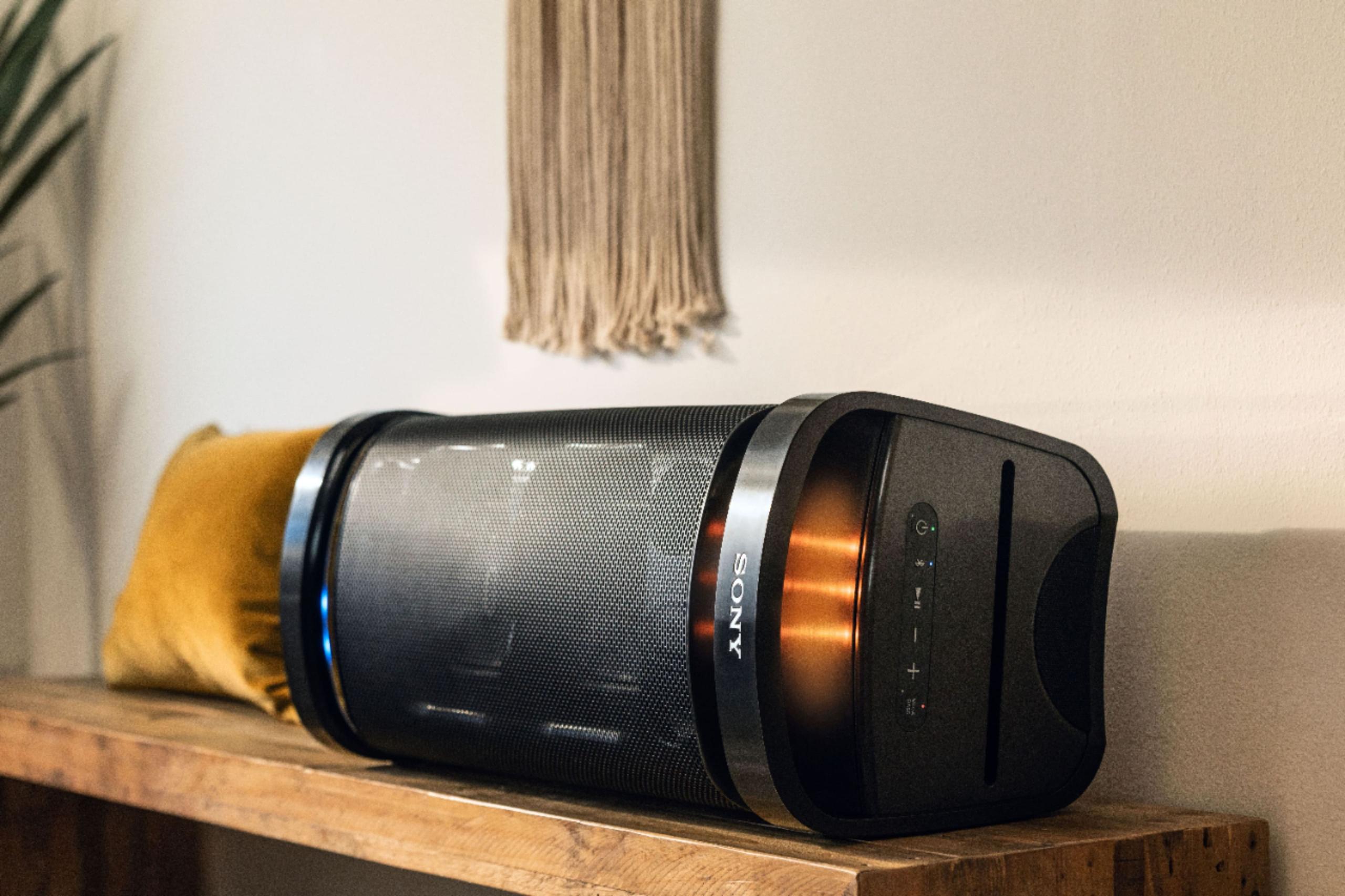
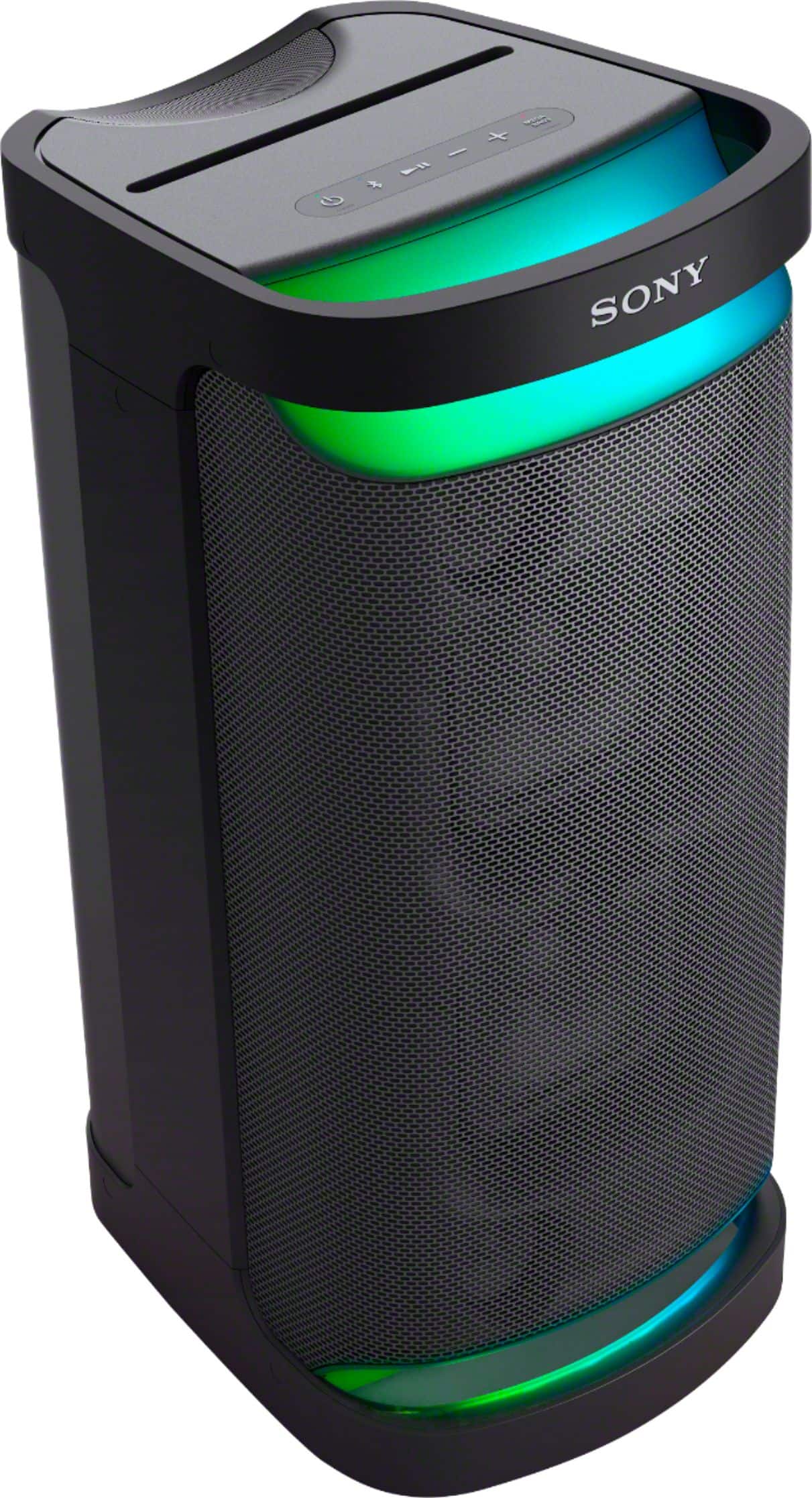
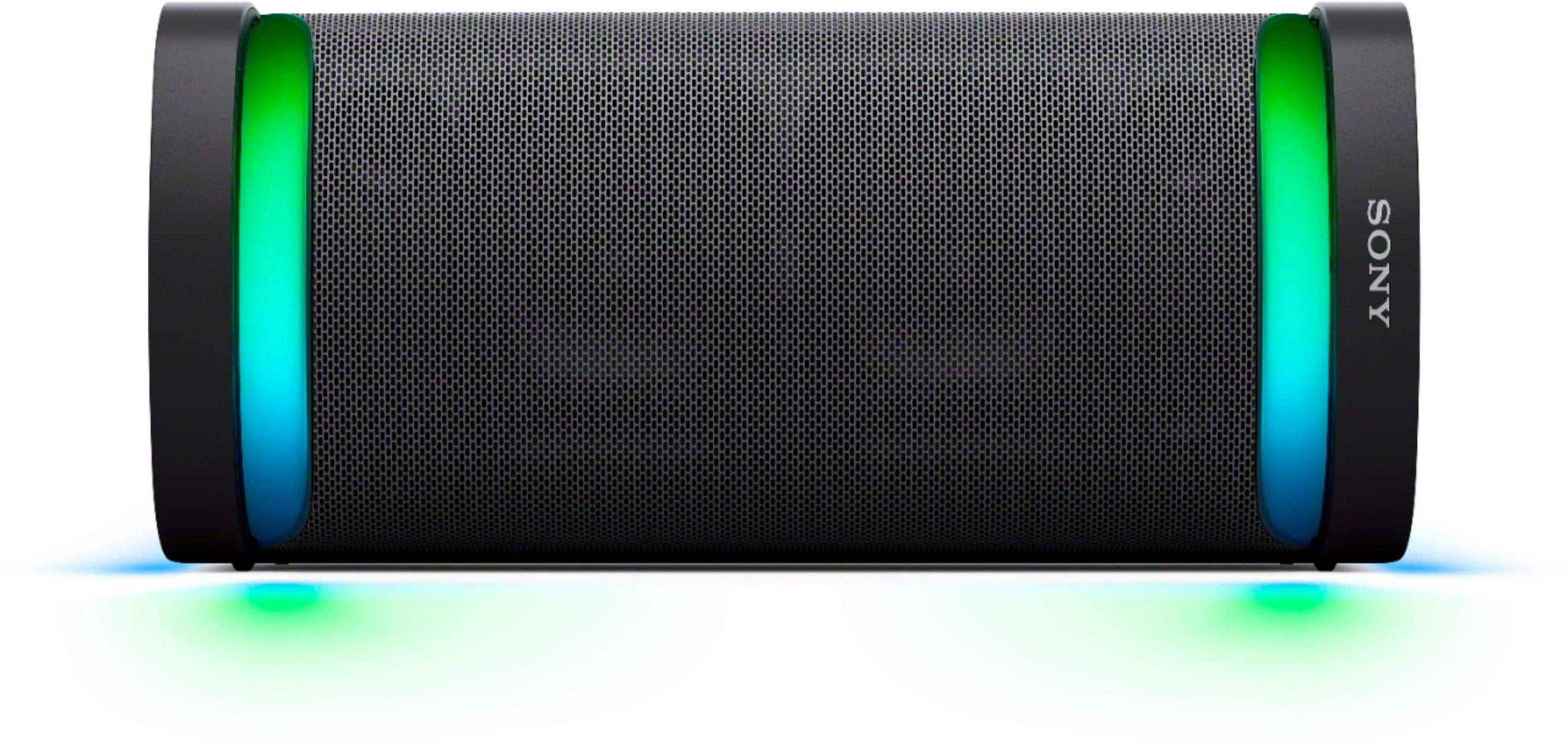
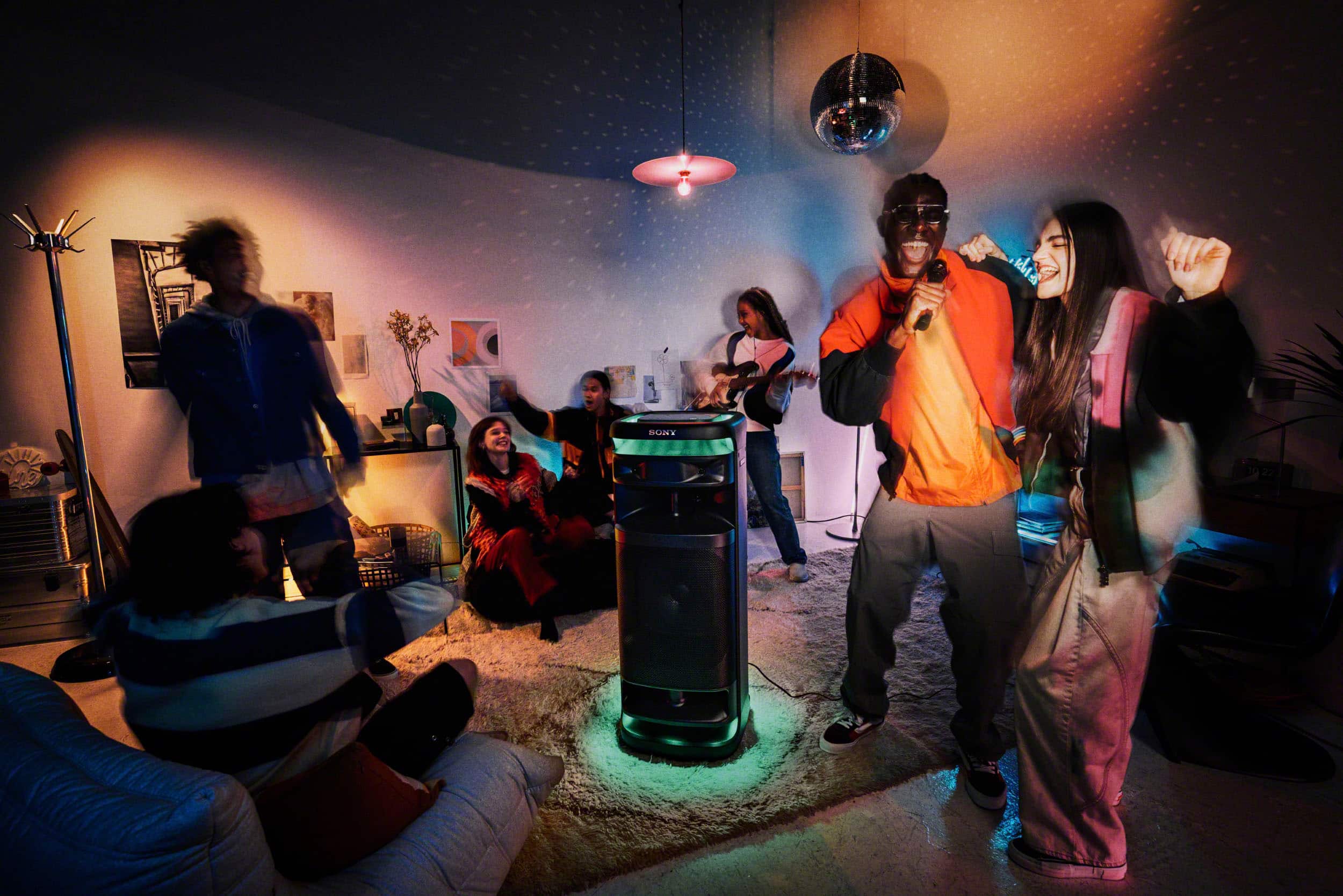
Party speakers have exploded in popularity over the past decade, transforming from niche DJ equipment into mainstream entertainment essentials. These aren't your typical bookshelf speakers—they're designed to pump out serious volume, deliver chest-thumping bass, and create an atmosphere that gets people moving. The key difference from regular speakers is their focus on maximum impact rather than perfect accuracy. They prioritize getting loud without distortion, producing bass that you feel as much as hear, and including fun features like light shows and karaoke capabilities.
Sony has become a major player in this space with two distinct approaches. The SRS-XP700, released in 2021, represents the portable powerhouse philosophy—take the party anywhere with battery power and weather resistance. The ULT Tower 10, launched in 2024, takes the opposite approach as a stationary beast designed for maximum output when you have access to wall power. Both speakers showcase Sony's X-Balanced woofer technology, which uses a rectangular diaphragm instead of the traditional circular design to move more air and produce deeper bass.
When evaluating party speakers, several performance metrics matter more than others. Maximum volume capability, measured in decibels (dB), determines how well a speaker can fill large spaces and compete with crowd noise. Bass extension—how deep the low frequencies go—affects whether you'll feel the music in your chest or just hear it. Driver configuration (the arrangement of different sized speakers inside the cabinet) influences how evenly sound spreads throughout a room.
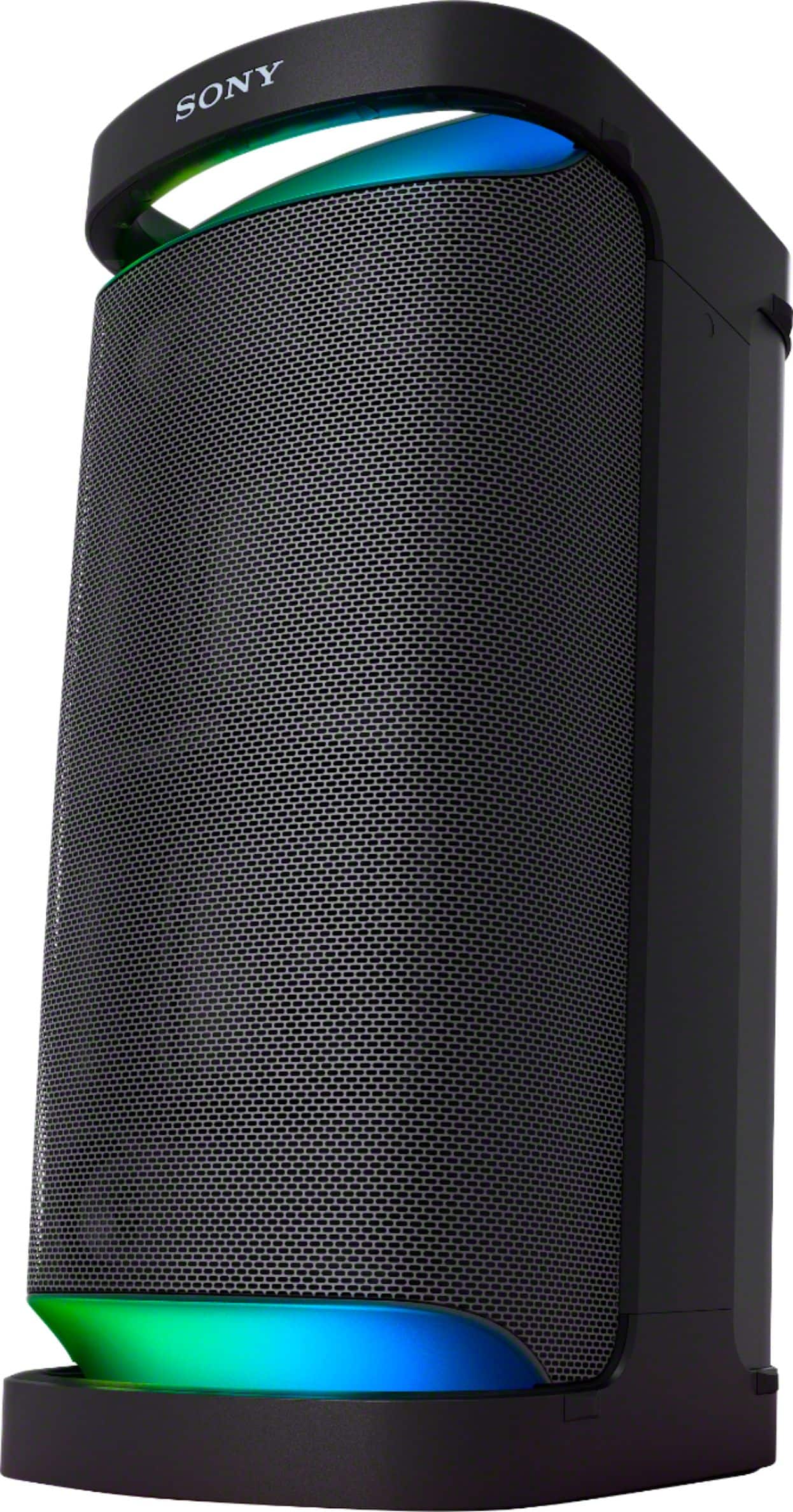
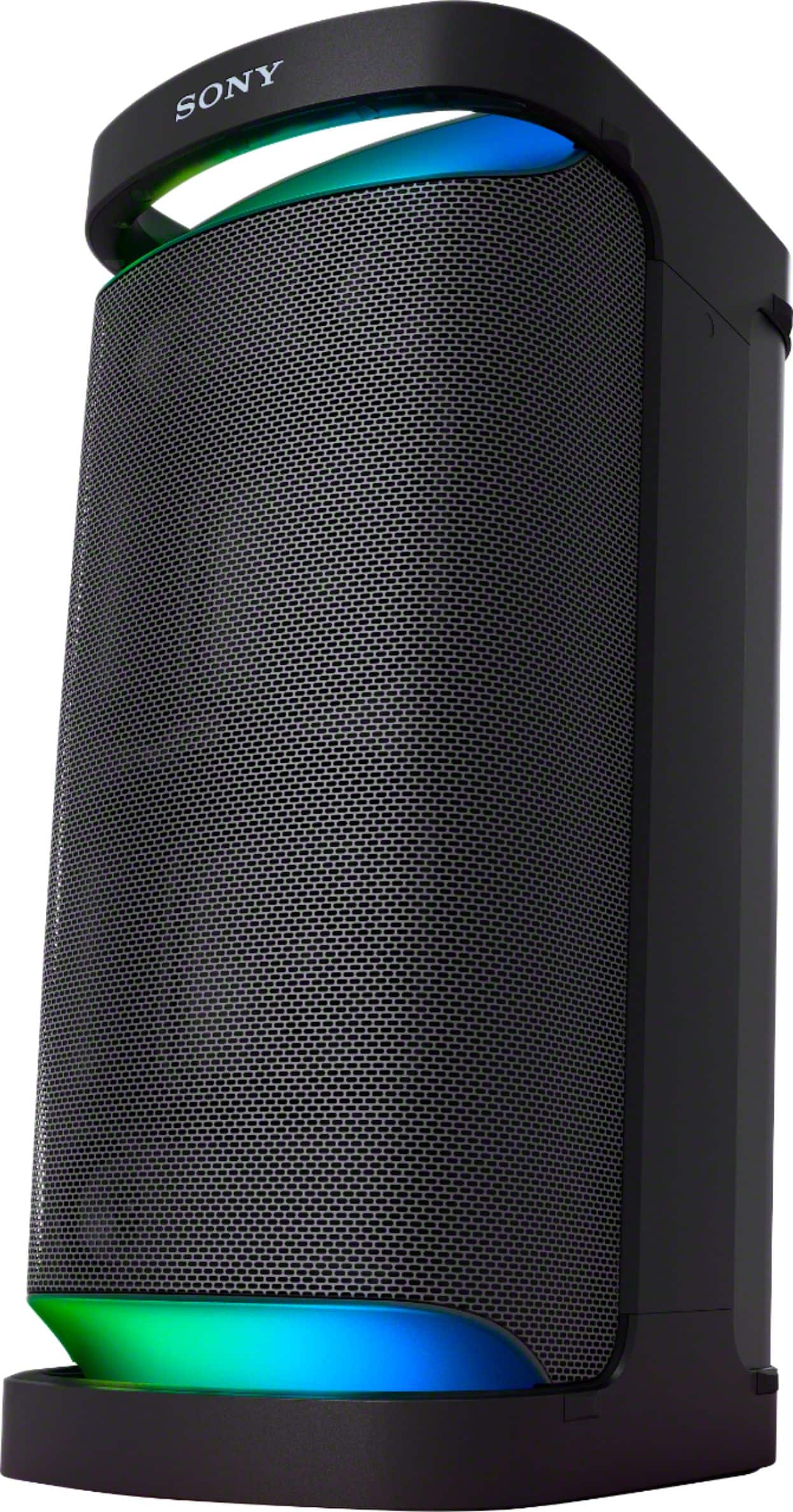
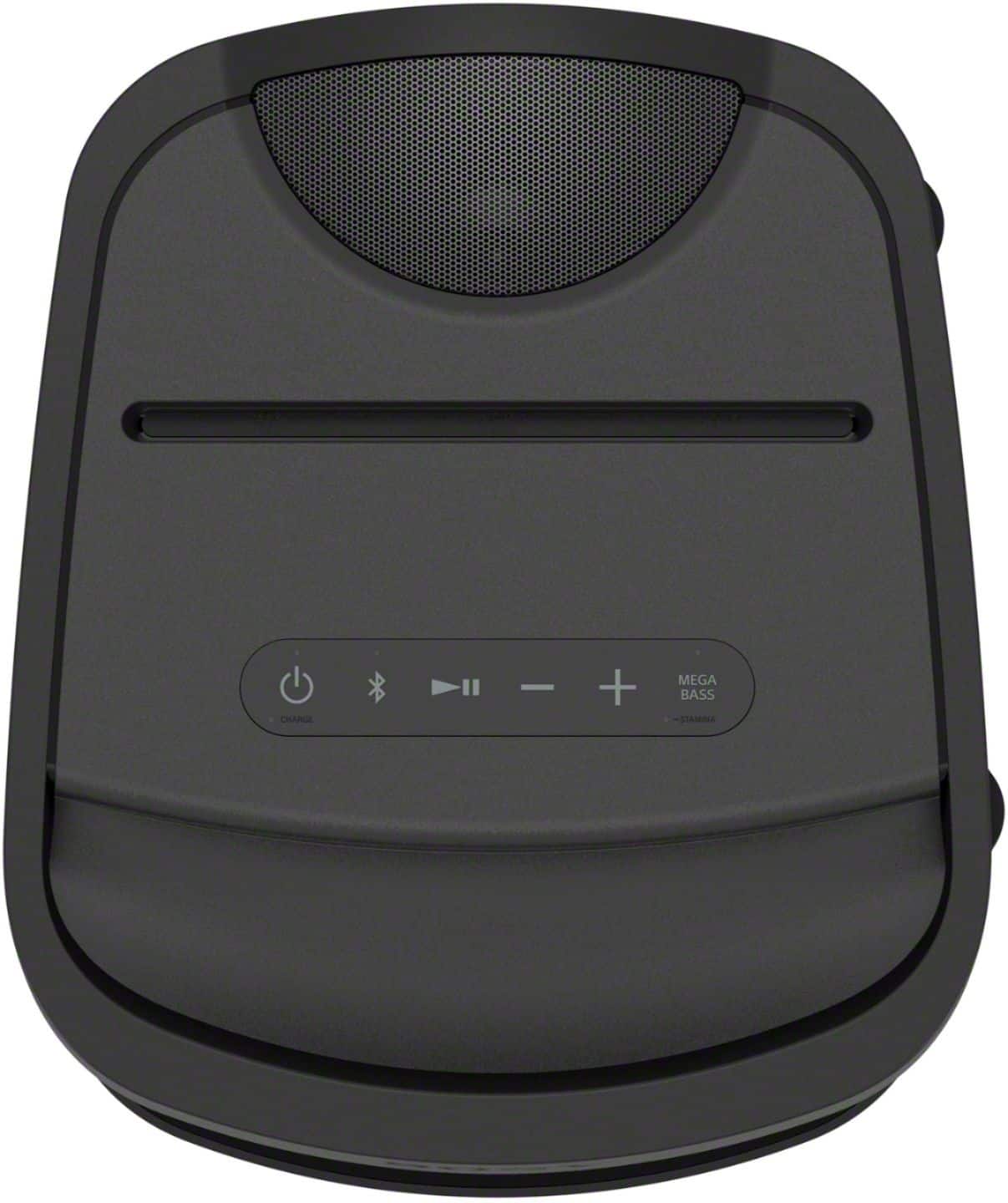
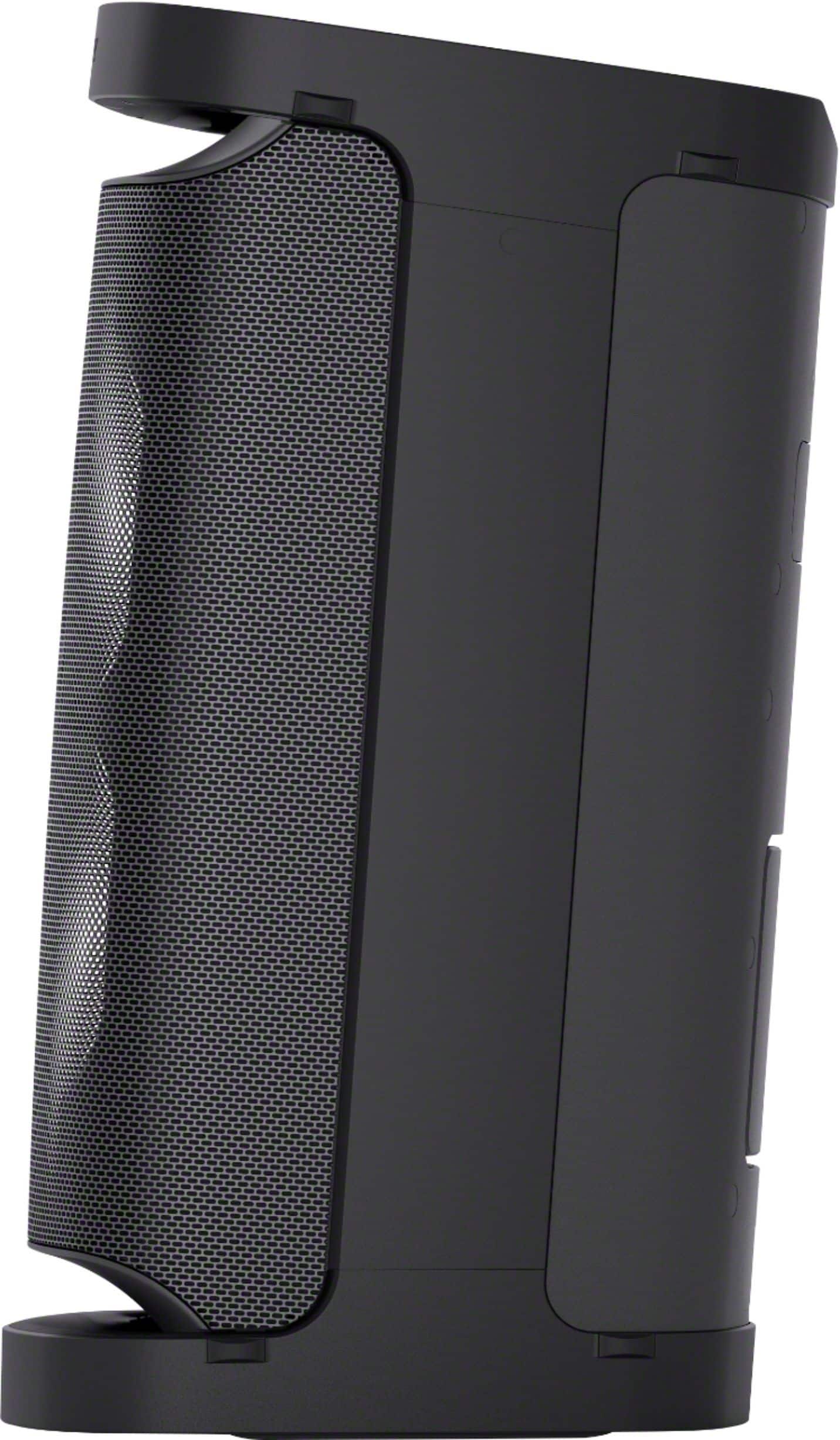
The SRS-XP700 uses what Sony calls an omnidirectional design, with tweeters (small speakers that handle high frequencies) facing both forward and backward. This creates what's essentially a 360-degree sound bubble, though the effect is more pronounced indoors where sound can bounce off walls. The speaker houses three front tweeters, one rear tweeter, two X-Balanced woofers, and a passive radiator (a speaker-like component that helps extend bass without requiring power).
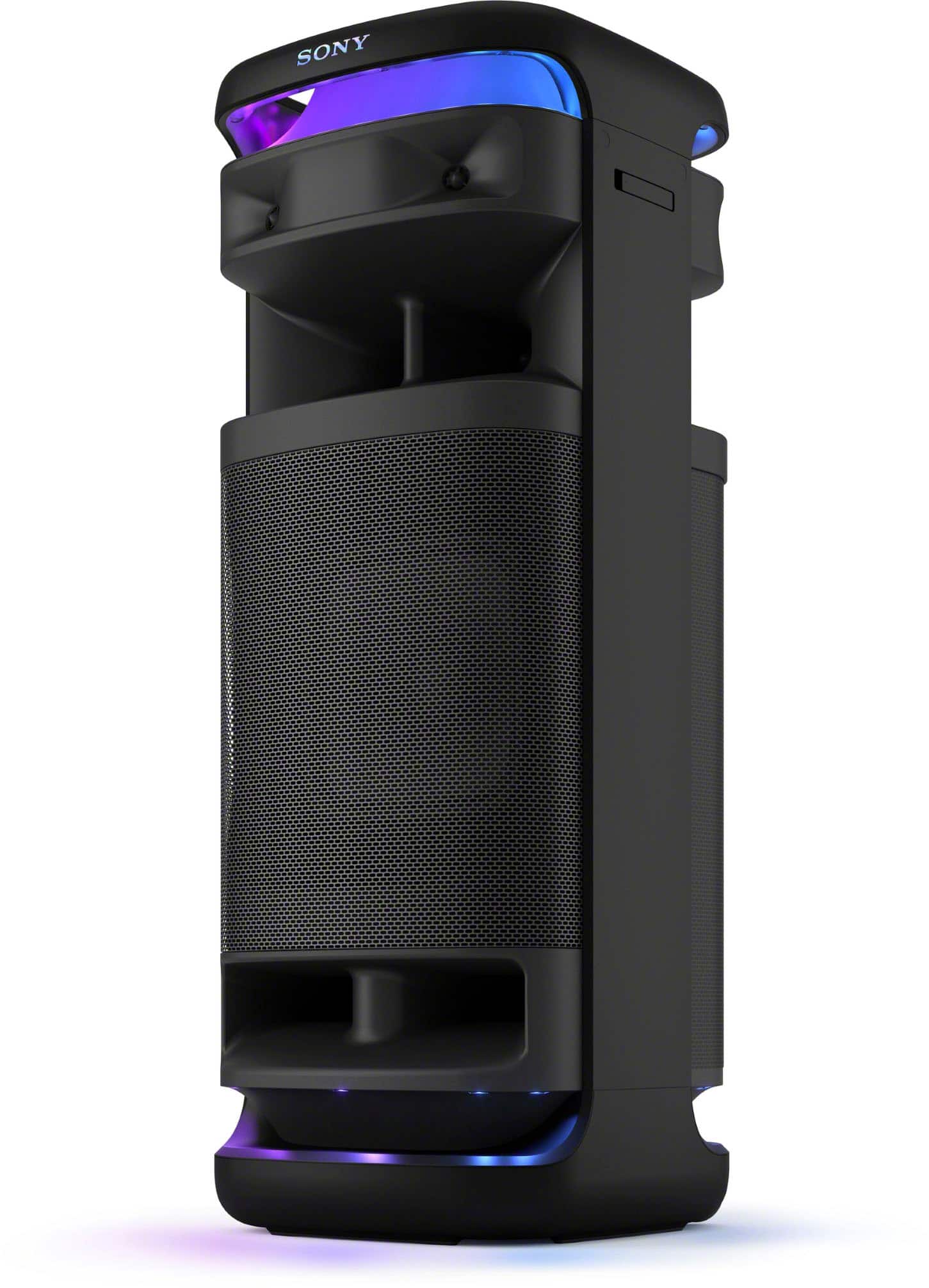
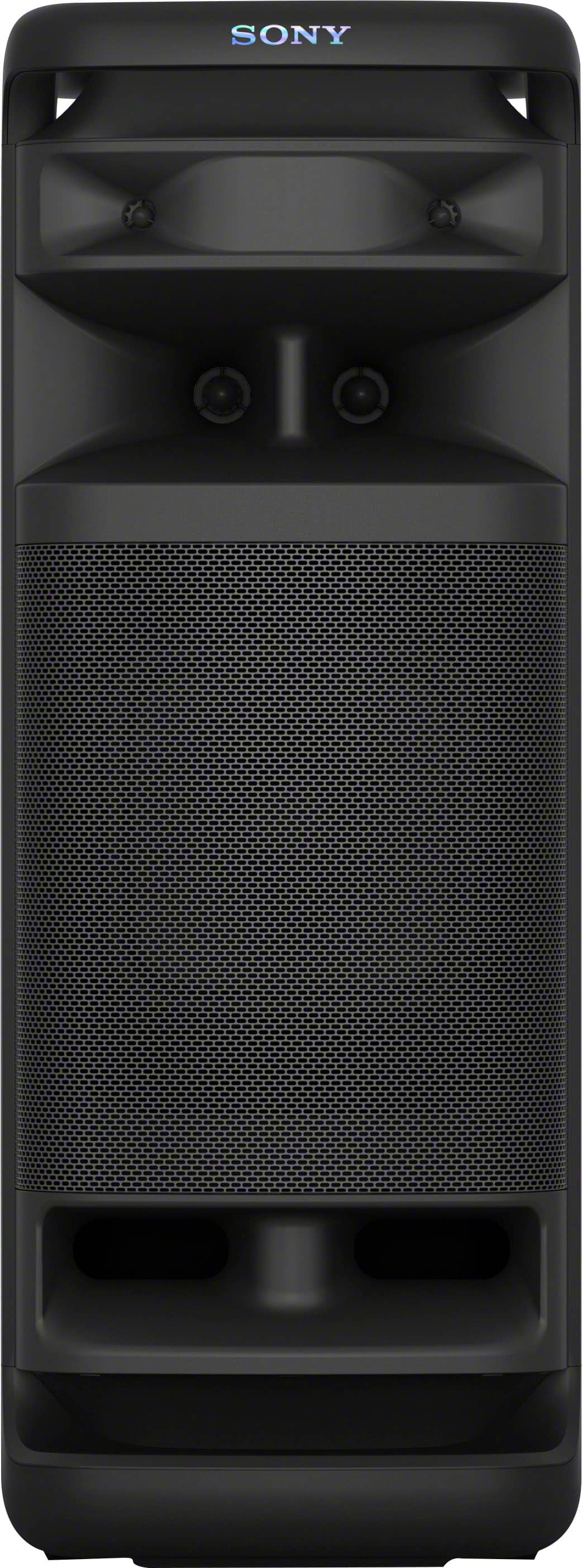
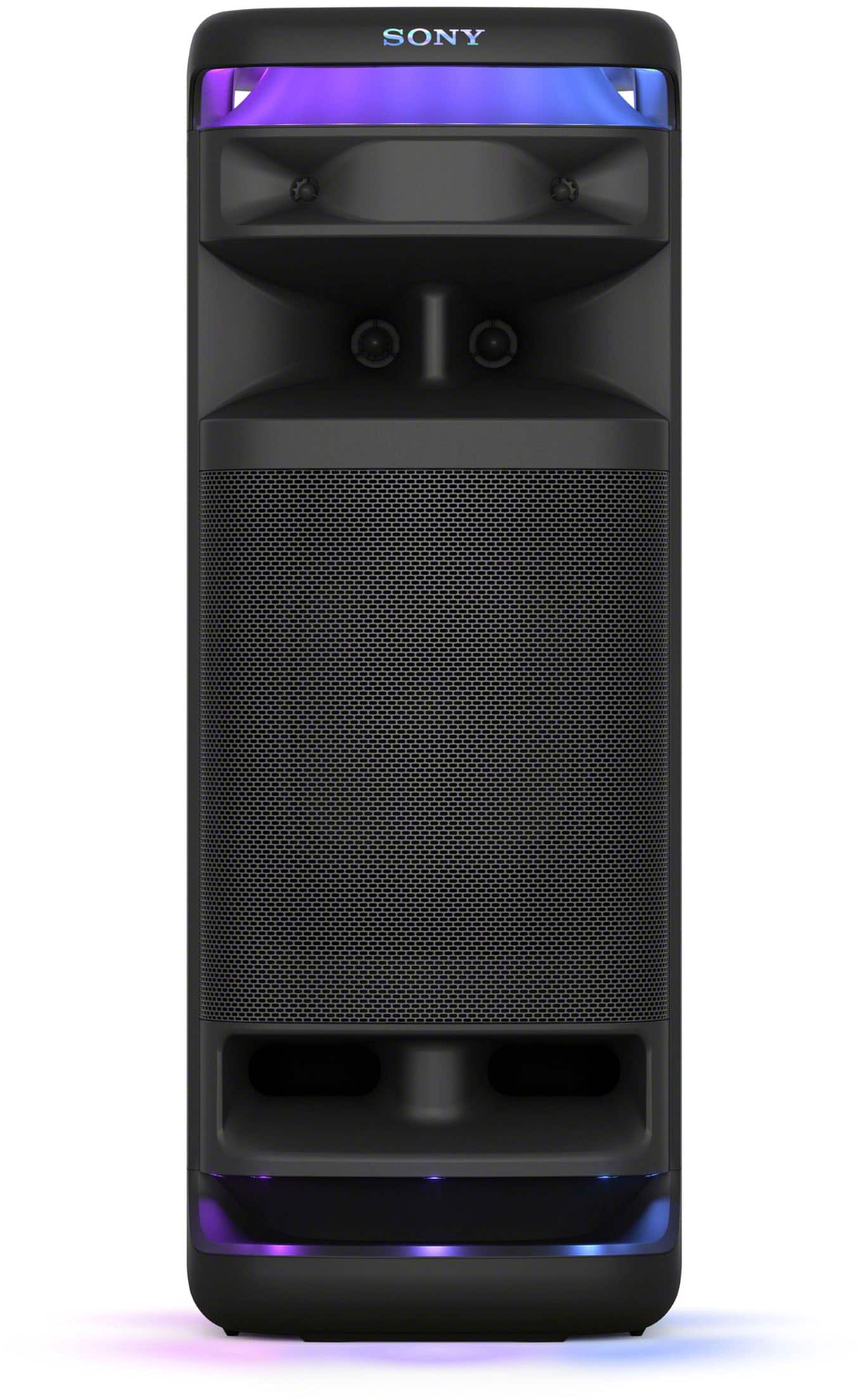
The ULT Tower 10 takes a more sophisticated approach with its 3-way driver system. This means it has dedicated speakers for different frequency ranges: a massive 12.6" x 12.6" X-Balanced woofer handles the deepest bass, two 3.25-inch midrange drivers manage vocals and instruments, and four dome tweeters (two front, two rear) spread the high frequencies in all directions. This separation allows each driver to focus on what it does best, generally resulting in clearer sound across all frequencies.
The performance gap between these speakers becomes most apparent when you crank up the volume. The ULT Tower 10 can reach up to 110 dB of undistorted sound—that's genuinely loud enough for commercial venues and large outdoor gatherings. To put this in perspective, normal conversation happens around 60 dB, while a rock concert typically hits 115 dB. The Tower 10's AC power connection enables this sustained high output without the limitations of battery capacity.
The SRS-XP700, with its 60W RMS (Root Mean Square) power rating, delivers respectable volume for its size and power constraints. RMS represents the continuous power a speaker can handle, giving you a more realistic sense of sustained volume than peak power ratings. While it won't fill a gymnasium like the Tower 10, it provides plenty of volume for backyard parties, pool gatherings, and medium-sized indoor spaces.
Based on expert reviews and user feedback, the volume difference is significant enough that the ULT Tower 10 works well for groups of 50+ people, while the SRS-XP700 hits its sweet spot with gatherings of 20-30 people. This distinction matters more than the raw numbers suggest—there's a threshold where a speaker either commands attention or gets lost in the background noise of a lively party.
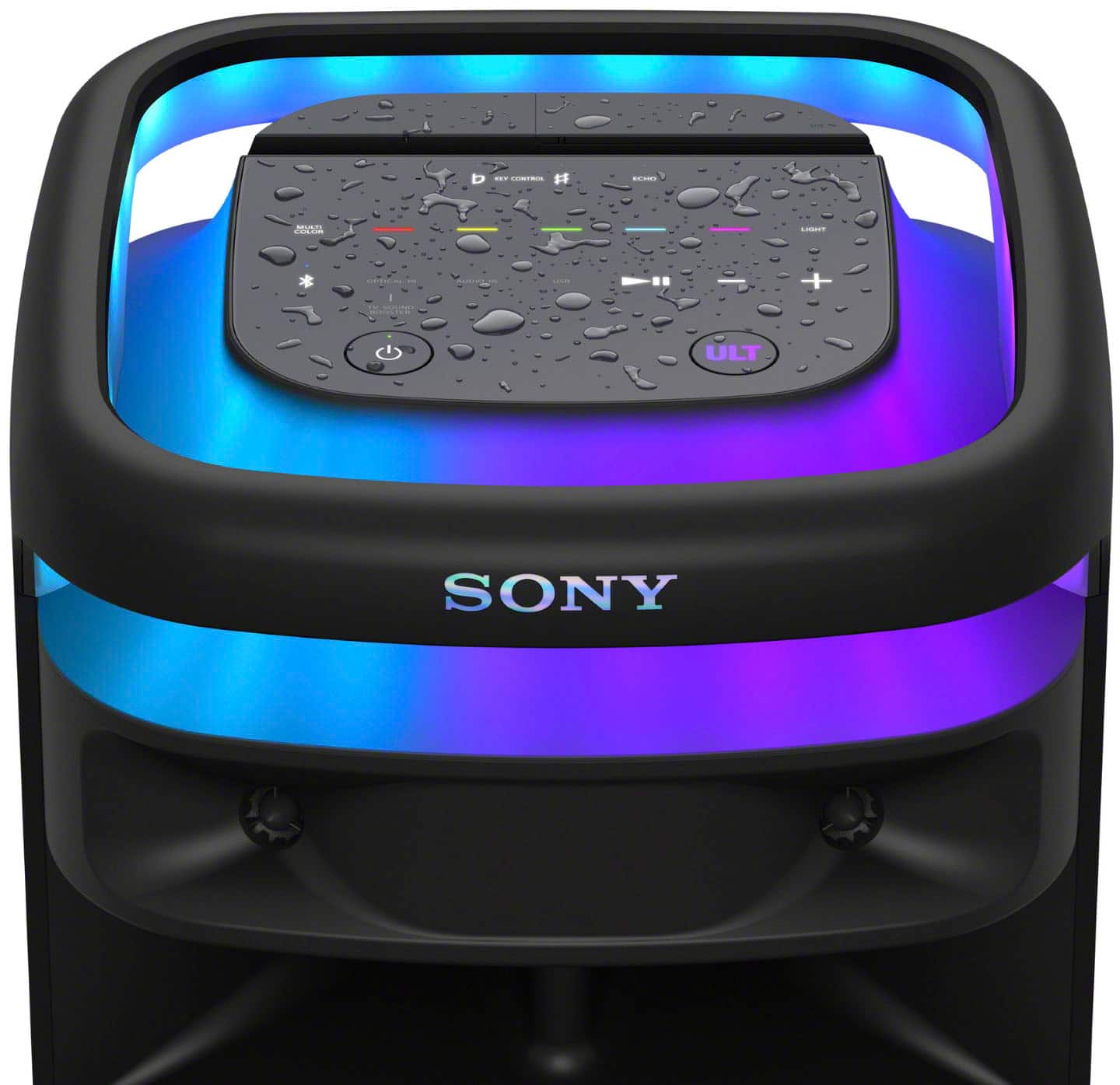
Bass reproduction separates good party speakers from great ones, and both Sony speakers excel here through different approaches. The ULT Tower 10 introduces Sony's ULT (Ultimate Low-frequency Technology) system, accessed through a dedicated button that cycles between three modes. ULT OFF provides the speaker's natural response, ULT 1 emphasizes the deepest, most resonant bass frequencies (great for hip-hop and electronic music), and ULT 2 boosts the punchier upper bass that makes drums and bass guitars cut through busy mixes.
The rectangular X-Balanced woofer in both speakers represents a genuine technological advancement. Traditional round woofers waste space in square/rectangular speaker cabinets, but the X-Balanced design maximizes the diaphragm area within the available space. This means more air movement and deeper bass extension without requiring a larger cabinet. The ULT Tower 10's implementation is simply much larger—that 12.6" x 12.6" driver moves significantly more air than the SRS-XP700's smaller woofers.
User reviews consistently praise the ULT Tower 10 for bass that you feel throughout your body, while the SRS-XP700 delivers satisfying thump that doesn't overwhelm the rest of the frequency spectrum. The difference becomes most apparent with bass-heavy genres like dubstep, trap, and modern pop, where the Tower 10's deeper extension creates a more immersive experience.
This comparison ultimately comes down to one of the most basic decisions in audio: do you want maximum performance or maximum flexibility? The SRS-XP700 weighs about 37 pounds with integrated handles, making it genuinely portable for one person to carry. More importantly, its 25-hour battery life means true freedom from power outlets. The IPX4 water resistance rating means it can handle splashes and light rain—not full submersion, but enough protection for poolside use or unexpected weather.
The quick charging capability deserves special mention: just 10 minutes of charging provides three hours of playback. This feature has saved countless parties when someone forgot to charge the speaker beforehand. The USB-C charging port also means you can use the same cable as many modern phones and laptops.
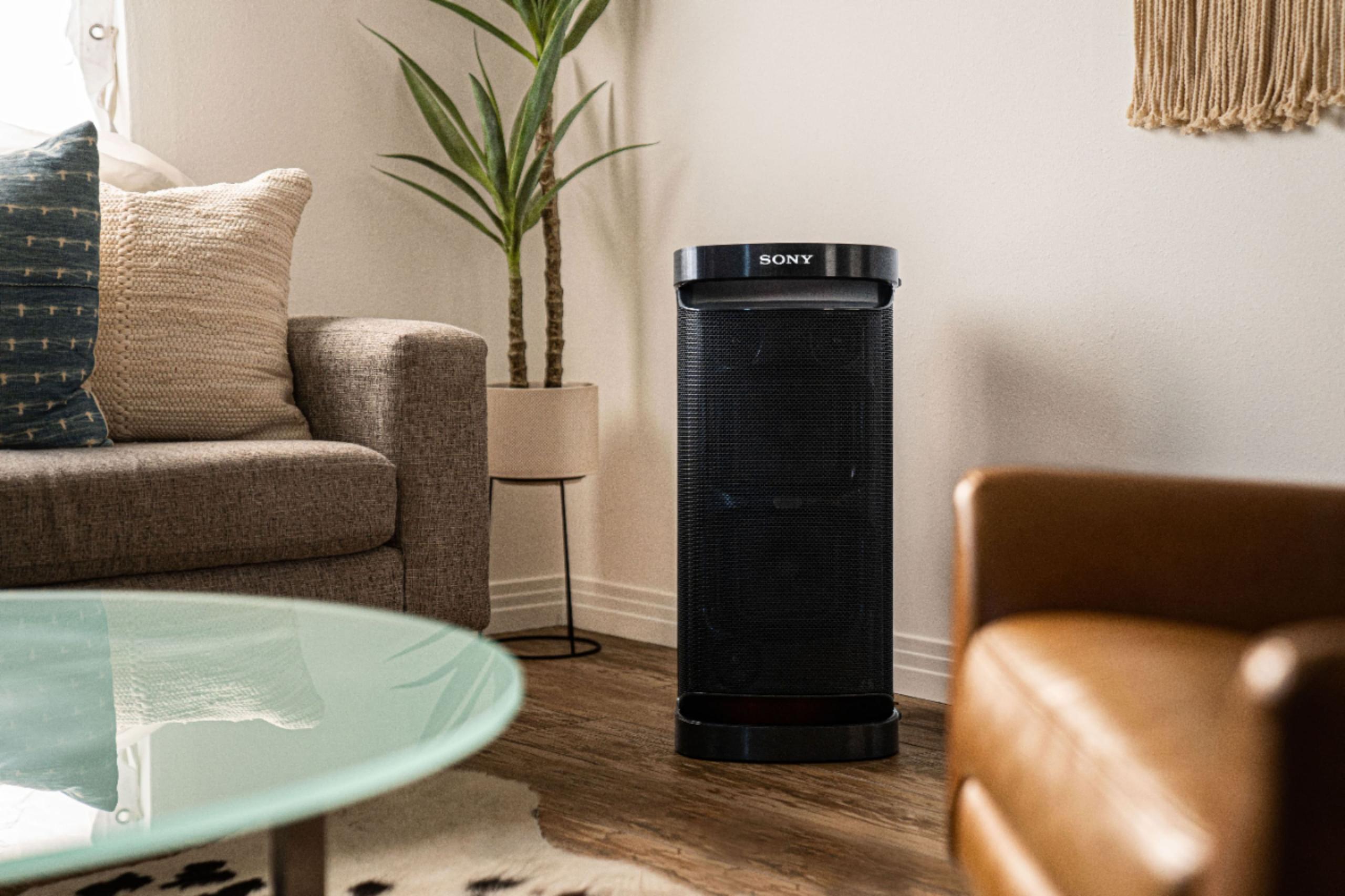
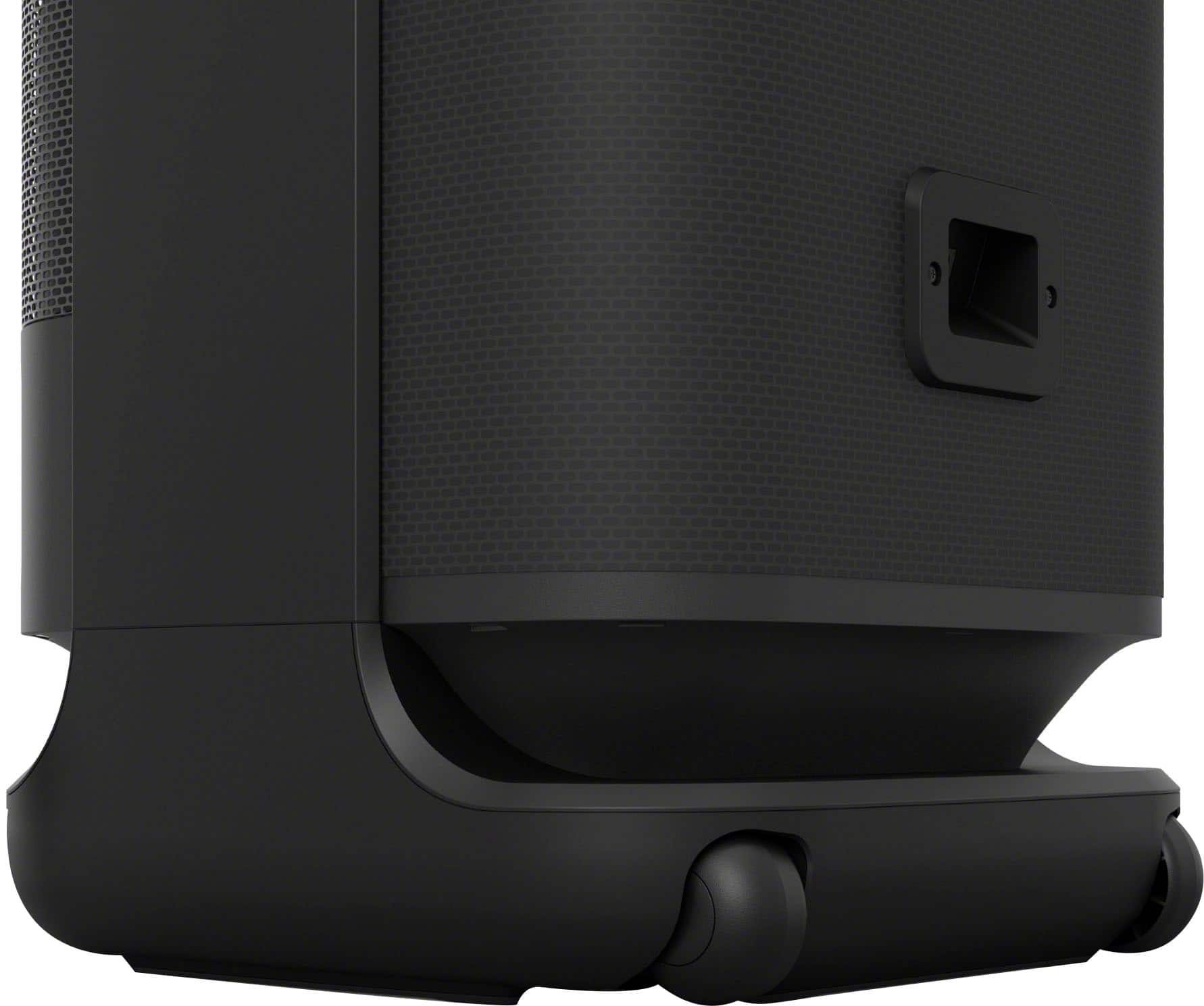
The ULT Tower 10, at roughly 64 pounds, requires a different approach to "portability." Sony includes caster wheels and handles, making it rollable rather than truly portable. The AC-only power requirement fundamentally changes how you use the speaker—it becomes more like a piece of furniture that you position strategically rather than carry to different locations throughout an event.
This power constraint isn't necessarily a limitation if you understand the target use case. The ULT Tower 10 excels as a semi-permanent installation in a finished basement, large living room, or covered outdoor area with electrical access. It's also perfect for venues, wedding receptions, or any situation where maximum impact matters more than mobility.
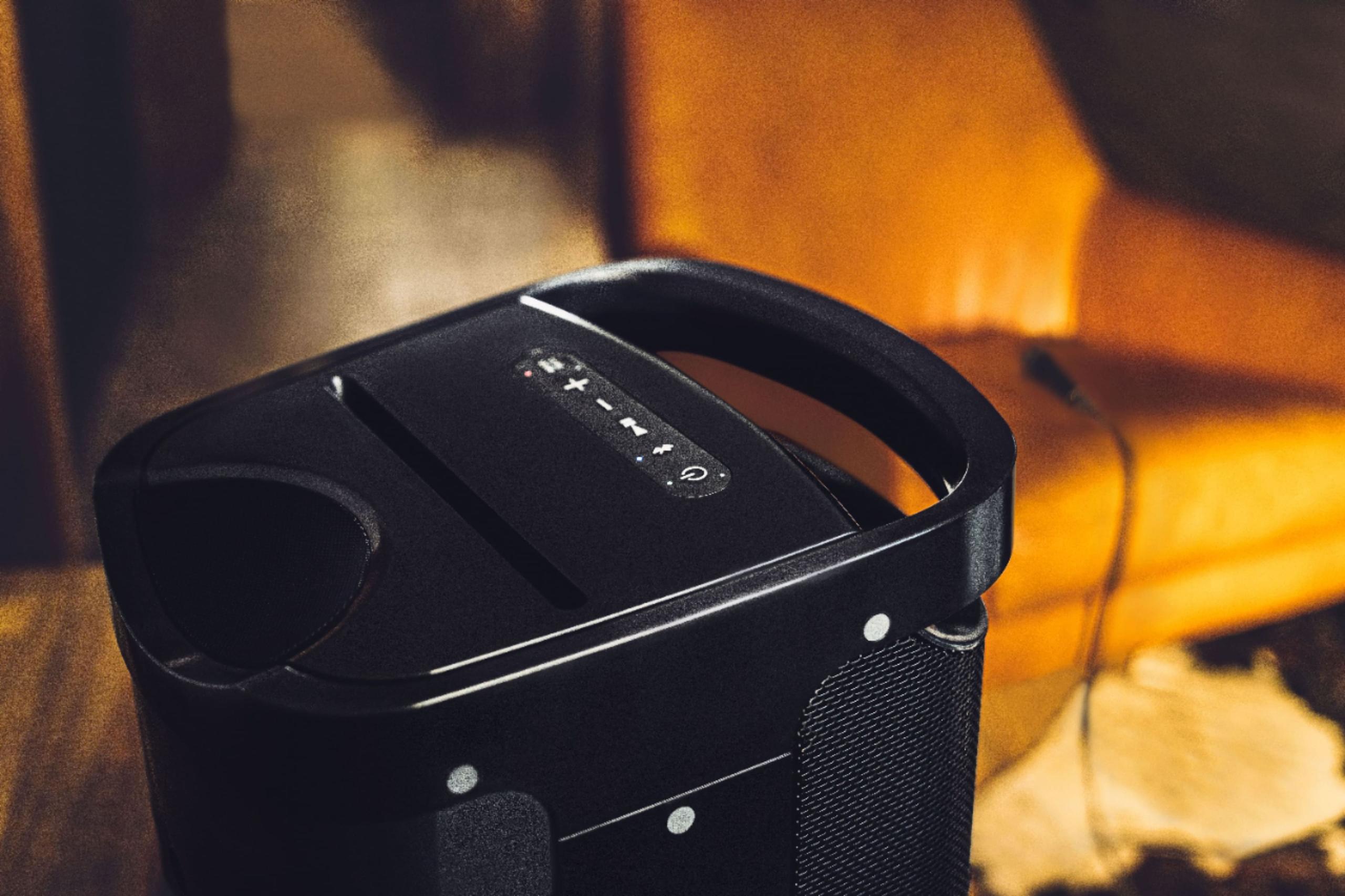
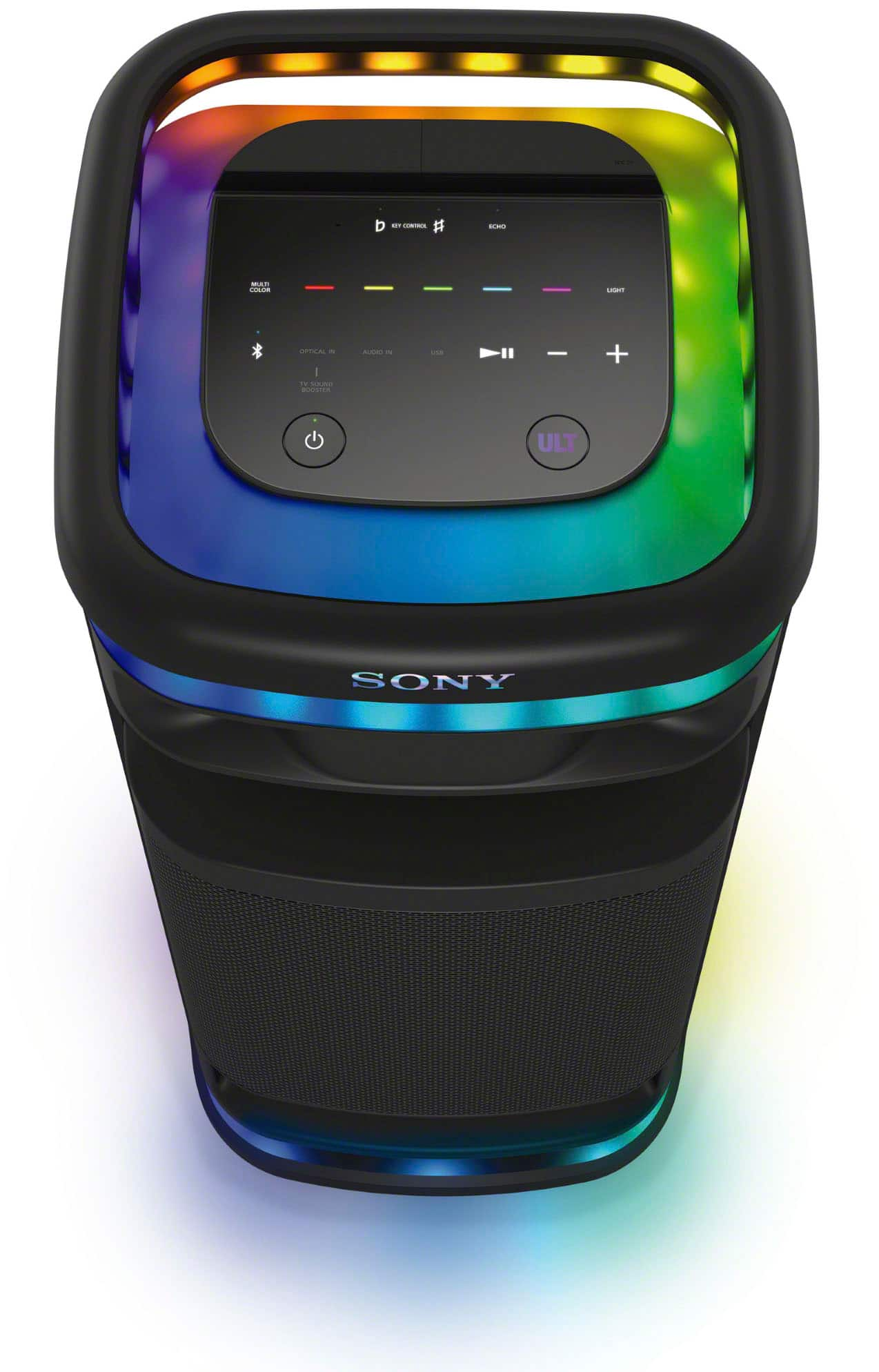
Modern party speakers succeed or fail based on their entertainment value, and both Sony models include features that enhance the social experience. The lighting systems, while serving no acoustic purpose, significantly impact the party atmosphere. The SRS-XP700 offers customizable RGB lighting with various patterns controllable through Sony's Music Center app. The lights sync to the music's rhythm and can be adjusted for color, brightness, and pattern complexity.
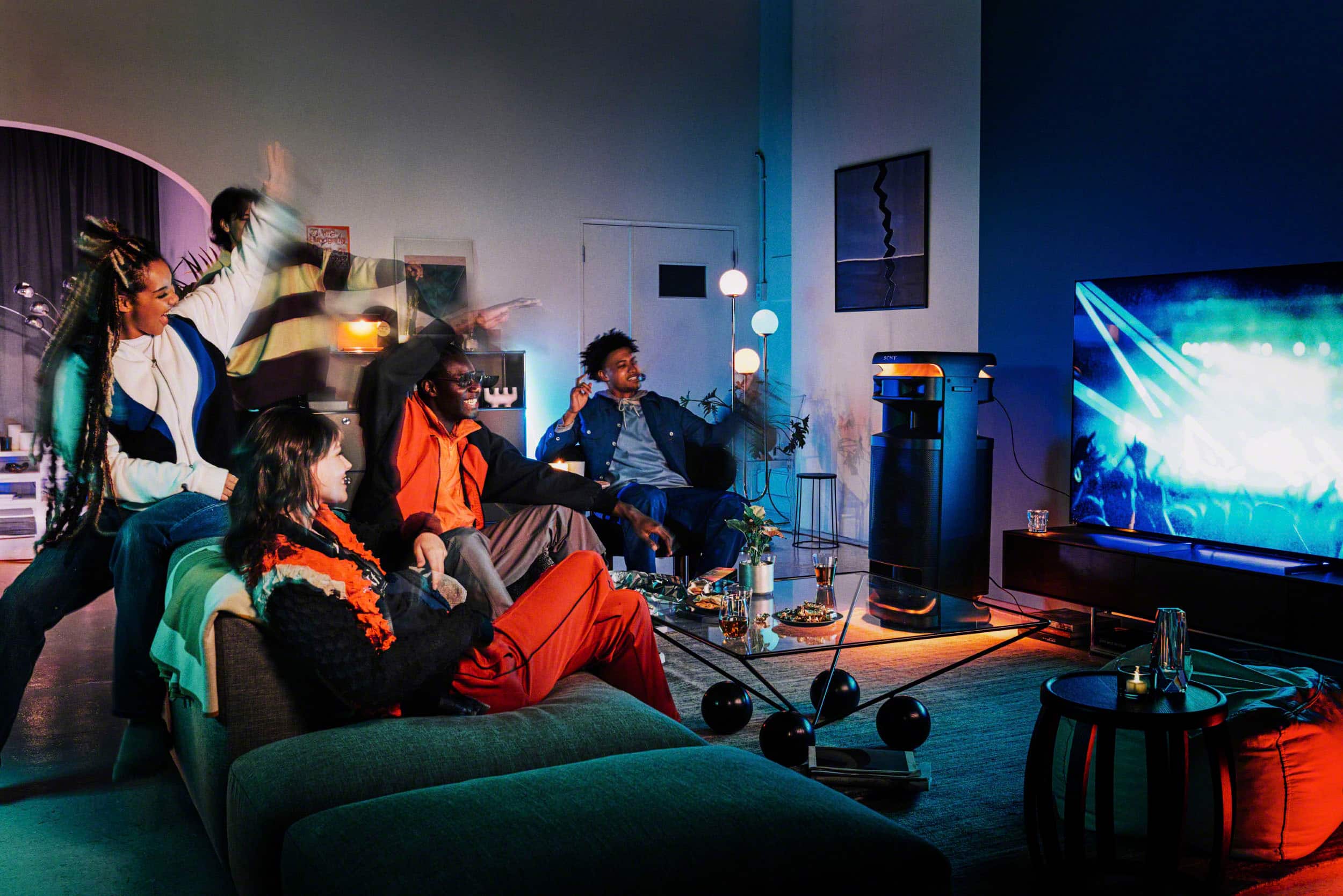
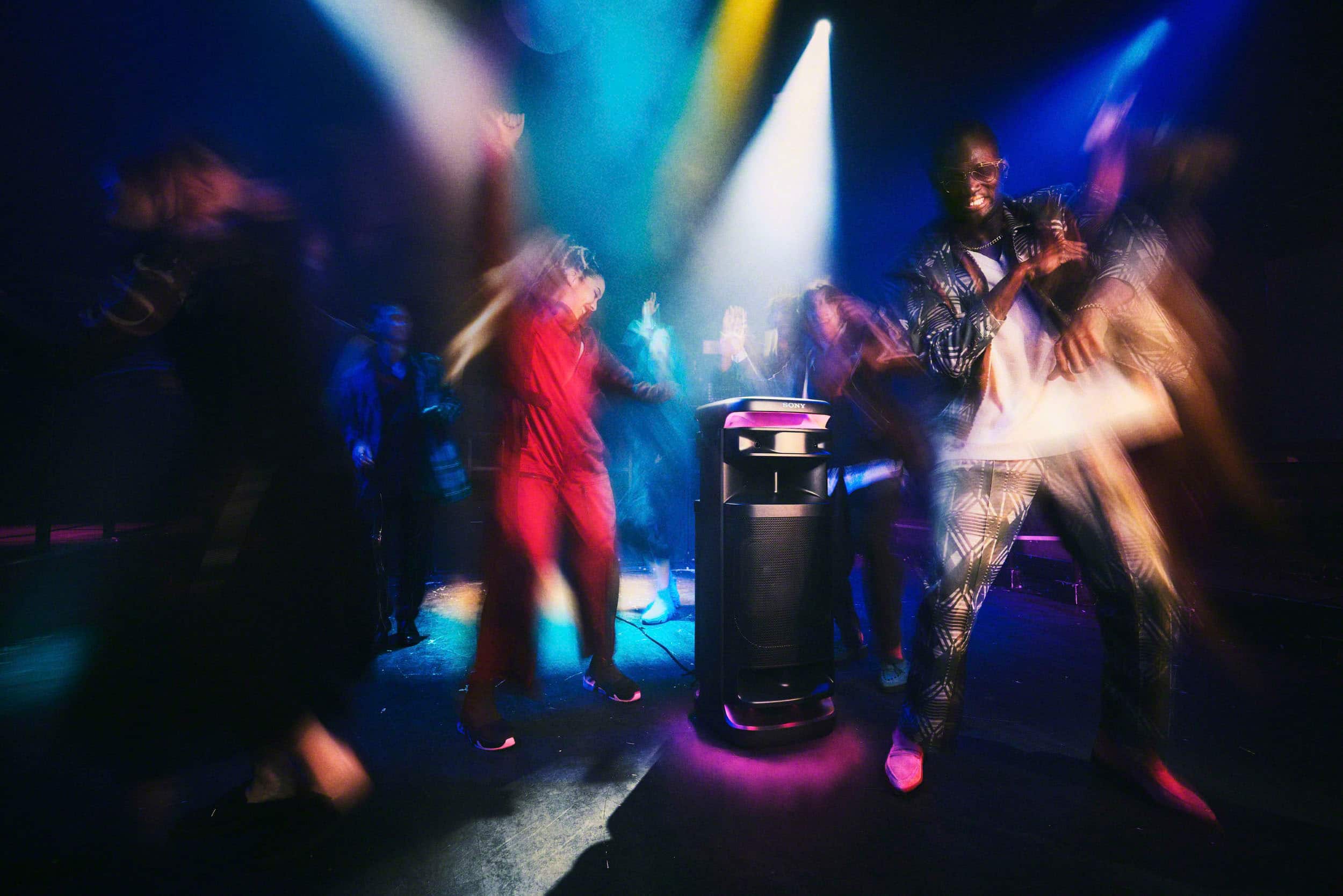
The ULT Tower 10 takes this further with its 360-degree party light system. The LEDs surround the entire speaker, creating ambient lighting on the floor and walls while illuminating the speaker itself. The visual impact is more dramatic, especially in darker environments. Both speakers support Party Connect, Sony's system for synchronizing lighting and audio across up to 100 compatible speakers—though few people will ever approach that number.
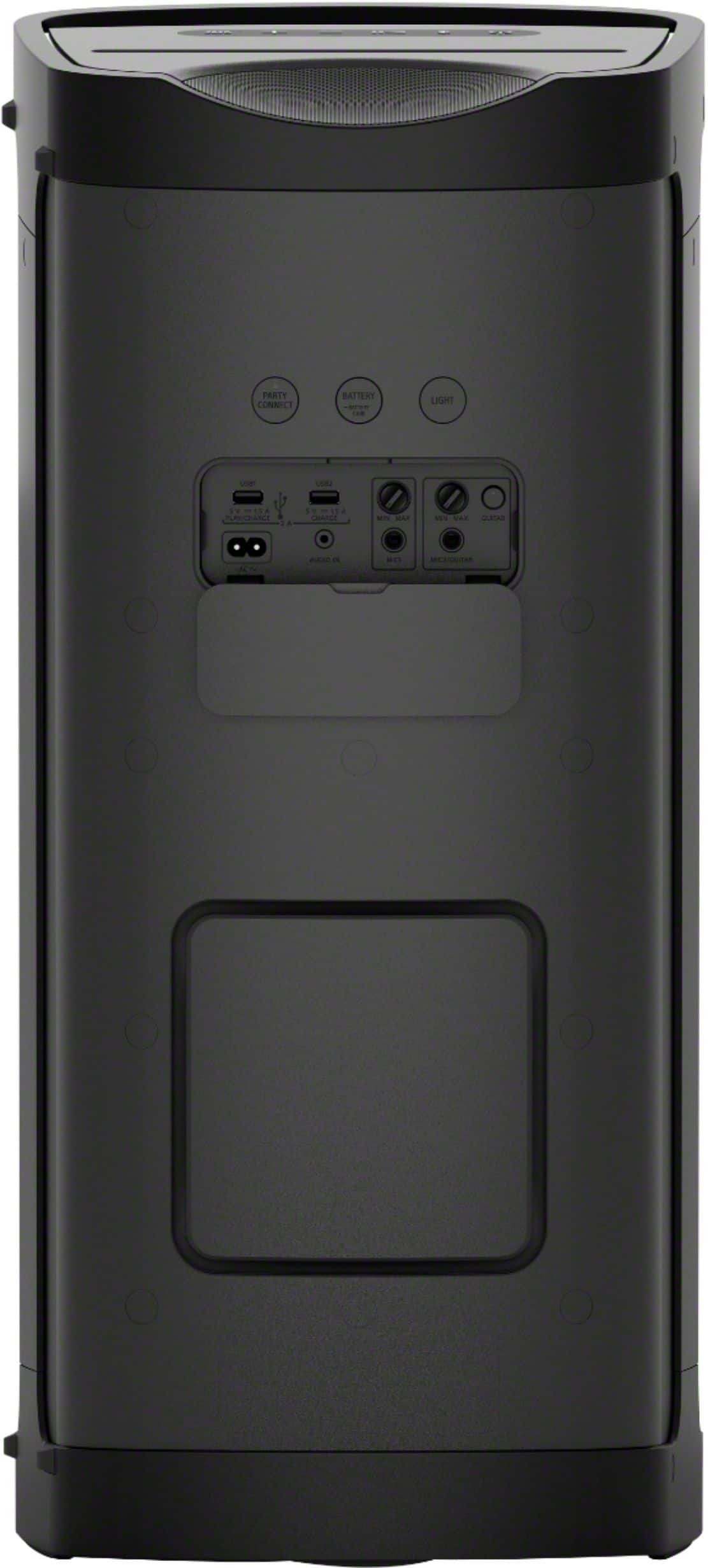
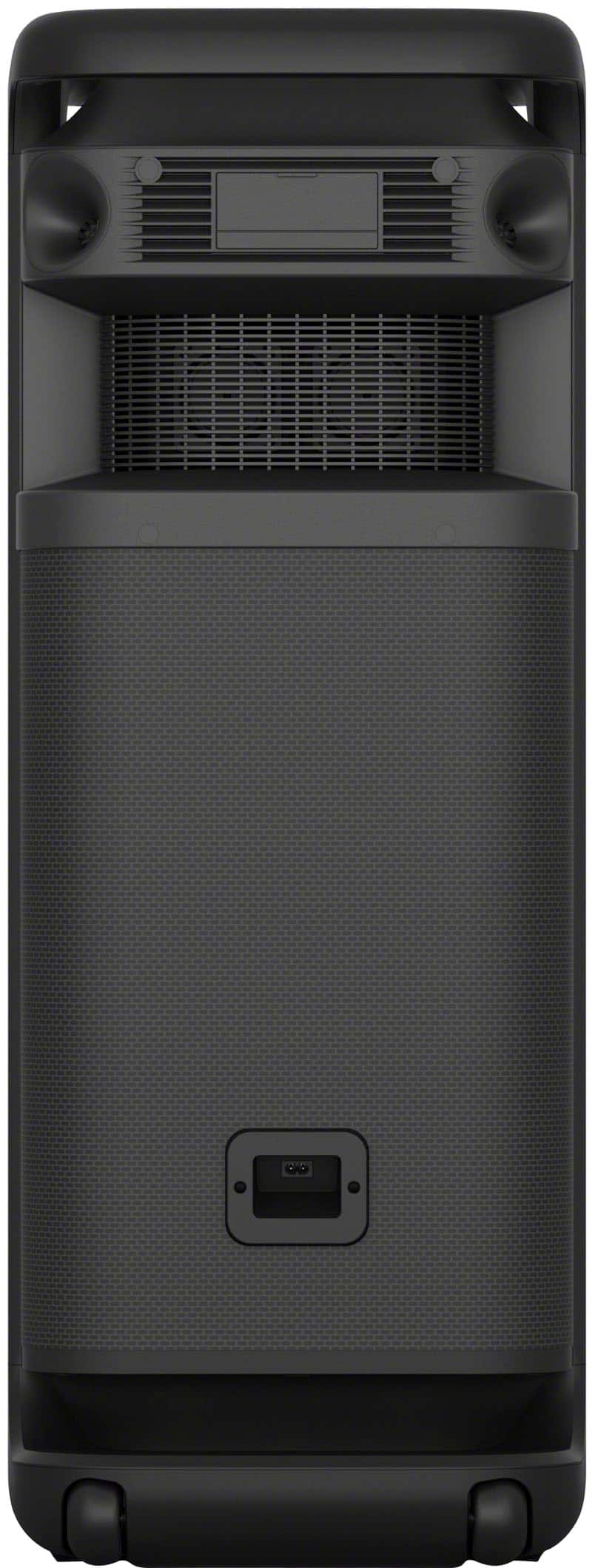
Karaoke capabilities represent another significant difference. The ULT Tower 10 includes a wireless Bluetooth microphone in the box, along with dedicated holders for two mics (one wireless, one wired). The 1/4-inch combo input supports both microphones and guitars, with a dedicated switch and individual volume control. This setup works immediately out of the box for karaoke sessions or live acoustic performances.
The SRS-XP700 includes mic and guitar inputs but no microphone, requiring a separate purchase to unlock karaoke functionality. While this keeps the initial cost lower, it means additional investment and another item to remember and charge for karaoke-focused events.
Both speakers rely heavily on smartphone apps for advanced functionality, reflecting the modern expectation that audio equipment should integrate seamlessly with mobile devices. The Sony Music Center app provides EQ control, lighting customization, Party Connect setup, and speaker management. The ULT Tower 10 offers a 7-band equalizer for precise sound tuning, while the SRS-XP700 provides various preset sound modes including Clear Audio+, LIVE SOUND, and MEGA BASS.
The Fiestable app adds party-specific features like DJ effects (flanger, isolator, wah), motion control (using your phone's gyroscope to control effects), and interactive games. These features work on both speakers but feel more natural with the ULT Tower 10's stationary setup, where the phone becomes a dedicated controller rather than something you're juggling while moving the speaker around.
While both speakers prioritize fun over accuracy, their sound signatures differ in ways that matter for different musical genres and listening preferences. The ULT Tower 10 benefits from its dedicated midrange drivers, which handle the frequency range where most vocals and instruments live. This separation means vocals cut through busy mixes more clearly, and instruments maintain better definition even at high volumes.
Expert reviews consistently note that the ULT Tower 10 maintains better composure at maximum volume, with less compression (a phenomenon where loud sounds get squashed together) and distortion. The SRS-XP700, while impressive for its size, shows more strain when pushed to its limits, though it still performs admirably for its power class.
The frequency response—how evenly a speaker reproduces different frequencies—favors the ULT Tower 10 across most of the spectrum. Its dedicated drivers allow for more precise tuning, while the SRS-XP700's more compact design requires compromises in driver placement and cabinet volume.
While neither speaker is designed primarily for home theater use, both can enhance TV audio through different connection methods. The ULT Tower 10 includes an optical digital input specifically for TV connection, making it easy to boost dialogue clarity and add serious bass to movies and shows. The large drivers and high output capability work well for action movies and music-heavy content, though the sound signature remains more party-oriented than neutral.
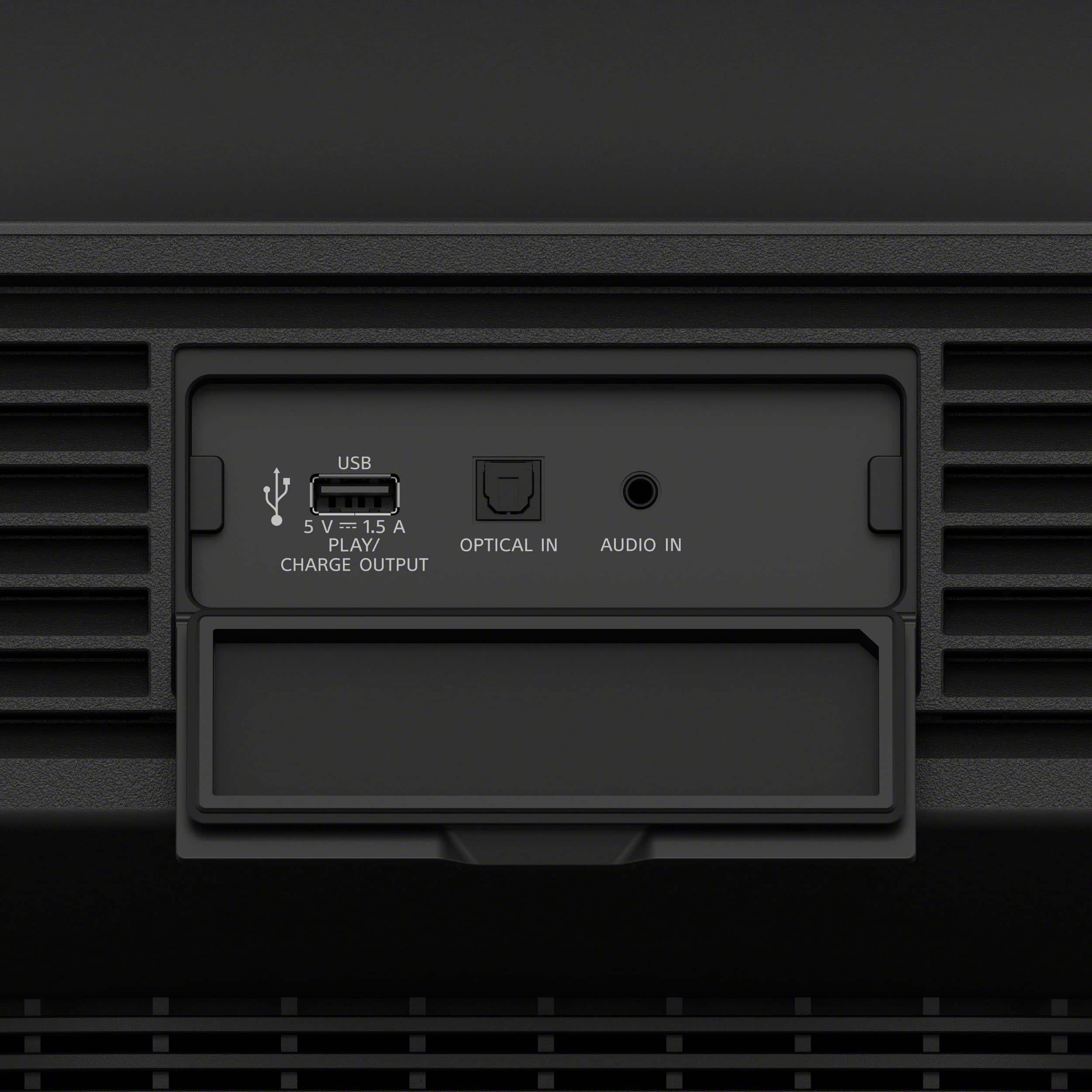
The SRS-XP700 can connect to TVs through its 3.5mm input or Bluetooth, though the optical connection on the Tower 10 typically provides better audio quality and avoids potential lip-sync issues with Bluetooth. For casual TV enhancement, either speaker works, but dedicated soundbars or home theater speakers will provide better results for critical viewing.
At the time of writing, the SRS-XP700 typically costs significantly less than the ULT Tower 10—roughly 40-50% less depending on sales and availability. This price difference reflects the fundamental design differences: battery operation, portability, and weather resistance command a premium, while raw power and maximum output cost even more.
The value equation depends entirely on your use case. For occasional parties and versatile use, the SRS-XP700 delivers excellent performance per dollar spent. Its combination of decent volume, good bass, and true portability covers most people's party speaker needs without breaking the bank. The included Party Connect compatibility means you can always add more speakers later for larger events.
The ULT Tower 10 justifies its higher cost for users who need maximum impact and don't mind the power requirement. The included wireless microphone adds value for karaoke enthusiasts, while the superior audio quality and output capability work better for larger gatherings or more critical listening.
The decision between these speakers comes down to understanding your primary use case and being honest about your needs. Choose the SRS-XP700 if you value flexibility above all else—if you want to take your speaker to the beach, camping, pool parties, or different rooms of your house without worrying about power outlets. Its weather resistance and long battery life make it genuinely versatile, while still providing enough volume and bass for most party scenarios.
The ULT Tower 10 makes sense when you need maximum impact in a fixed location. If you're setting up a permanent party space in your basement, want to compete with live bands at outdoor events, or need a speaker that can handle commercial venue use, the Tower 10's superior output and audio quality justify the investment. The included karaoke setup sweetens the deal for anyone who regularly hosts singing sessions.
Consider your typical group size as well. The SRS-XP700 works great for intimate gatherings of 15-25 people, while the ULT Tower 10 really shines with larger crowds where its volume advantage becomes essential rather than just impressive.
Both speakers represent Sony's commitment to the party speaker market and showcase genuine technological improvements over their predecessors. The X-Balanced woofer technology, refined app integration, and Party Connect ecosystem make either choice a solid investment in your entertainment setup. The key is matching the speaker's strengths to your specific needs rather than simply choosing the most powerful or least expensive option.
| Sony SRS-XP700 Wireless Party Speaker | Sony ULT Tower 10 Party Speaker |
|---|---|
| Maximum Volume - Critical for large gatherings and outdoor use | |
| 60W RMS, suitable for 20-30 people | Up to 110 dB output, suitable for 50+ people and commercial venues |
| Power Source - Determines where and how you can use the speaker | |
| Built-in battery with 25-hour life, complete portability | AC power only, requires electrical outlet but enables maximum output |
| Portability - Affects versatility and ease of transport | |
| 37.25 lbs with handles, truly portable for one person | 64 lbs with wheels and handles, semi-portable but designed for fixed locations |
| Weather Resistance - Important for outdoor and poolside use | |
| IPX4 splash-resistant, safe for pool parties and light rain | Limited splash resistance on top panel only, primarily indoor use |
| Bass Technology - Core feature for party atmosphere | |
| MEGA BASS with X-Balanced woofers, solid thump | ULT bass modes (ULT1/ULT2) with massive 12.6" x 12.6" X-Balanced woofer, chest-thumping deep bass |
| Sound System Design - Affects clarity and volume handling | |
| Omnidirectional with front/rear tweeters, two woofers | 3-way system with dedicated midrange drivers, four tweeters, superior clarity at high volumes |
| Karaoke Setup - Ready-to-use entertainment value | |
| Mic and guitar inputs included, microphone sold separately | Wireless Bluetooth microphone included with dedicated holders and volume controls |
| Lighting System - Party atmosphere enhancement | |
| Customizable RGB lighting with app control | 360° programmable LEDs with ambient and strobe effects, more immersive visual experience |
| Connectivity Options - Flexibility for different audio sources | |
| Bluetooth 5.0, 3.5mm input, USB-A for music/charging | Bluetooth 5.2, optical input for TV, 3.5mm input, USB, quarter-inch combo inputs |
| Sound Customization - Fine-tuning for different music styles | |
| Preset sound modes via app | 7-band equalizer plus ULT bass modes for precise control |
| Value Proposition - Performance per dollar at time of writing | |
| Excellent value for portable versatility, covers most party needs | Premium price justified by maximum output and included karaoke setup |
The Sony SRS-XP700 is significantly better for outdoor parties due to its built-in 25-hour battery and IPX4 water resistance. You can take it anywhere without worrying about power outlets or weather, making it perfect for beach trips, camping, or poolside gatherings. The Sony ULT Tower 10 requires AC power, limiting outdoor use to areas with electrical access.
The Sony ULT Tower 10 produces much higher volume at up to 110 dB, suitable for large gatherings of 50+ people. The Sony SRS-XP700 delivers 60W RMS power, which works well for groups of 20-30 people but can't match the Tower 10's room-filling output for bigger events.
The Sony ULT Tower 10 delivers superior bass with its massive 12.6" x 12.6" X-Balanced woofer and dedicated ULT bass modes. The Sony SRS-XP700 provides solid bass with MEGA BASS technology, but the Tower 10's larger driver and advanced bass processing create deeper, more powerful low frequencies.
The Sony ULT Tower 10 comes ready for karaoke with an included wireless Bluetooth microphone and dedicated mic holders. The Sony SRS-XP700 has microphone inputs but requires purchasing a separate microphone, adding to the total cost for karaoke functionality.
The Sony SRS-XP700 is truly portable at 37 pounds with integrated handles and battery power. The Sony ULT Tower 10 weighs 64 pounds and includes wheels for rolling, but it's designed more as semi-portable furniture that you position and leave in place rather than carry around.
Both speakers offer impressive lighting, but the Sony ULT Tower 10 features more sophisticated 360° LED effects with ambient and strobe lighting that creates a more immersive party atmosphere. The Sony SRS-XP700 provides customizable RGB lighting that's effective but less elaborate than the Tower 10's system.
The Sony ULT Tower 10 delivers superior sound quality with its 3-way driver system featuring dedicated midrange drivers for clearer vocals and better separation. The Sony SRS-XP700 sounds good for its size but can't match the Tower 10's clarity and composure at high volumes.
The Sony ULT Tower 10 includes an optical digital input specifically designed for TV connection, making it excellent for enhancing movie and show audio. The Sony SRS-XP700 can connect via Bluetooth or 3.5mm input, but the optical connection typically provides better audio quality and avoids sync issues.
The Sony SRS-XP700 typically offers better value for most users, providing excellent portable performance at a lower cost. The Sony ULT Tower 10 costs significantly more but justifies the premium with maximum output, included karaoke setup, and superior audio quality for those who need the extra capability.
Only the Sony SRS-XP700 has a battery, providing up to 25 hours of playback with quick charging (3 hours playback from 10 minutes of charging). The Sony ULT Tower 10 operates on AC power only, which enables maximum performance but requires a power outlet.
Yes, both the Sony SRS-XP700 and Sony ULT Tower 10 support Sony's Party Connect feature, allowing you to wirelessly link up to 100 compatible Sony speakers for synchronized audio and lighting effects across multiple units.
Choose the Sony SRS-XP700 if you want flexibility to use it in different rooms, outdoors, or at various locations without power constraints. Select the Sony ULT Tower 10 if you have a dedicated party space with power access and need maximum volume for large gatherings or want the best possible audio quality and karaoke features.
We've done our best to create useful and informative comparisons to help you decide what product to buy. Our research uses advanced automated methods to create this comparison and perfection is not possible - please contact us for corrections or questions. These are the sites we've researched in the creation of this article: bestbuy.com - rtings.com - crutchfield.com - versus.com - rtings.com - rtings.com - youtube.com - versus.com - electronics.sony.com - youtube.com - youtube.com - youtube.com - youtube.com - crutchfield.com - armorsound.com - sony-asia.com - helpguide.sony.net - helpguide.sony.net - videoandaudiocenter.com - sony.com - sony.com - sony-asia.com - sony.com - sony.com - bestbuy.com - device.report - bestbuy.com - stereoguide.com - crutchfield.com - youtube.com - electronics.sony.com - youtube.com - helpguide.sony.net - bestbuy.com - sony.com - us.community.sony.com - youtube.com - sony.com - nfm.com - sony.com - videoandaudiocenter.com - youtube.com

Privacy Policy
Terms and Conditions - Affiliate Policy
Home Security
© Copyright 2008-2026.
11816 Inwood Rd #1211, Dallas, TX 75244