

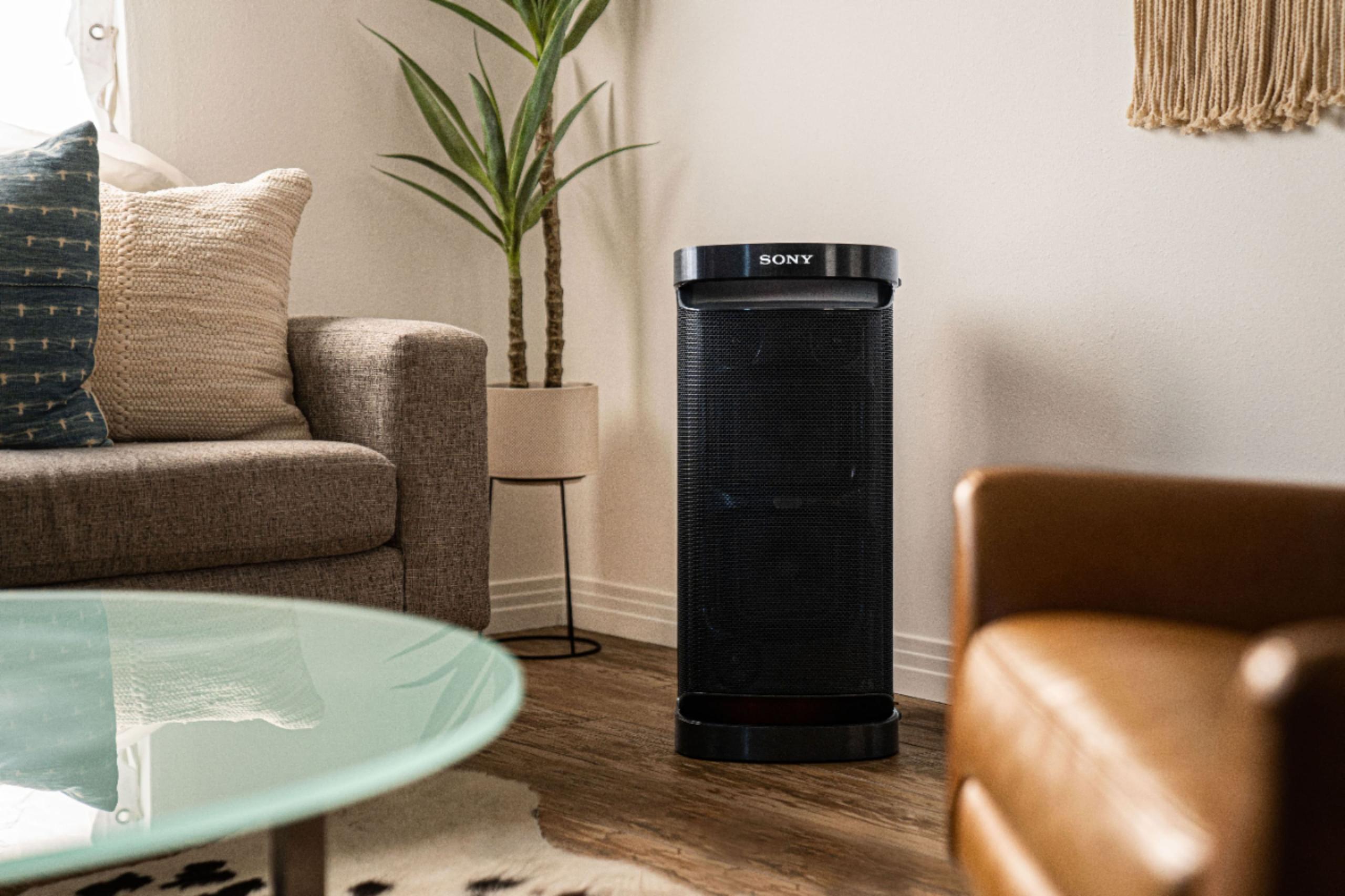
When you're shopping for a speaker that can turn your backyard barbecue into a block party or fill your living room with concert-level sound, you're entering the world of portable party speakers. These aren't your typical Bluetooth speakers—they're powerful audio machines designed to get loud, stay loud, and keep the energy going for hours on end.
The two standout contenders in this space are the Sony SRS-XP700 and the JBL PartyBox 310. Both promise to deliver the kind of sound that makes neighbors either join the party or call the cops, but they take surprisingly different approaches to get there. After diving deep into user reviews, expert testing, and technical specifications, one of these speakers clearly offers better value for most people's needs.
Before we dive into the specifics, it's worth understanding what separates party speakers from regular portable speakers. These units prioritize maximum volume output—measured in watts of power—over the subtle nuances that audiophiles care about. They're built to handle bass-heavy music genres like hip-hop, EDM, and pop without distorting, even when cranked to ear-splitting levels.
Battery life becomes crucial since these speakers often get used at outdoor events, camping trips, or anywhere an electrical outlet isn't convenient. Water resistance matters too, because pool parties and sudden rainstorms are part of the territory. Features like built-in lighting effects, microphone inputs for karaoke, and app connectivity add to the party atmosphere.
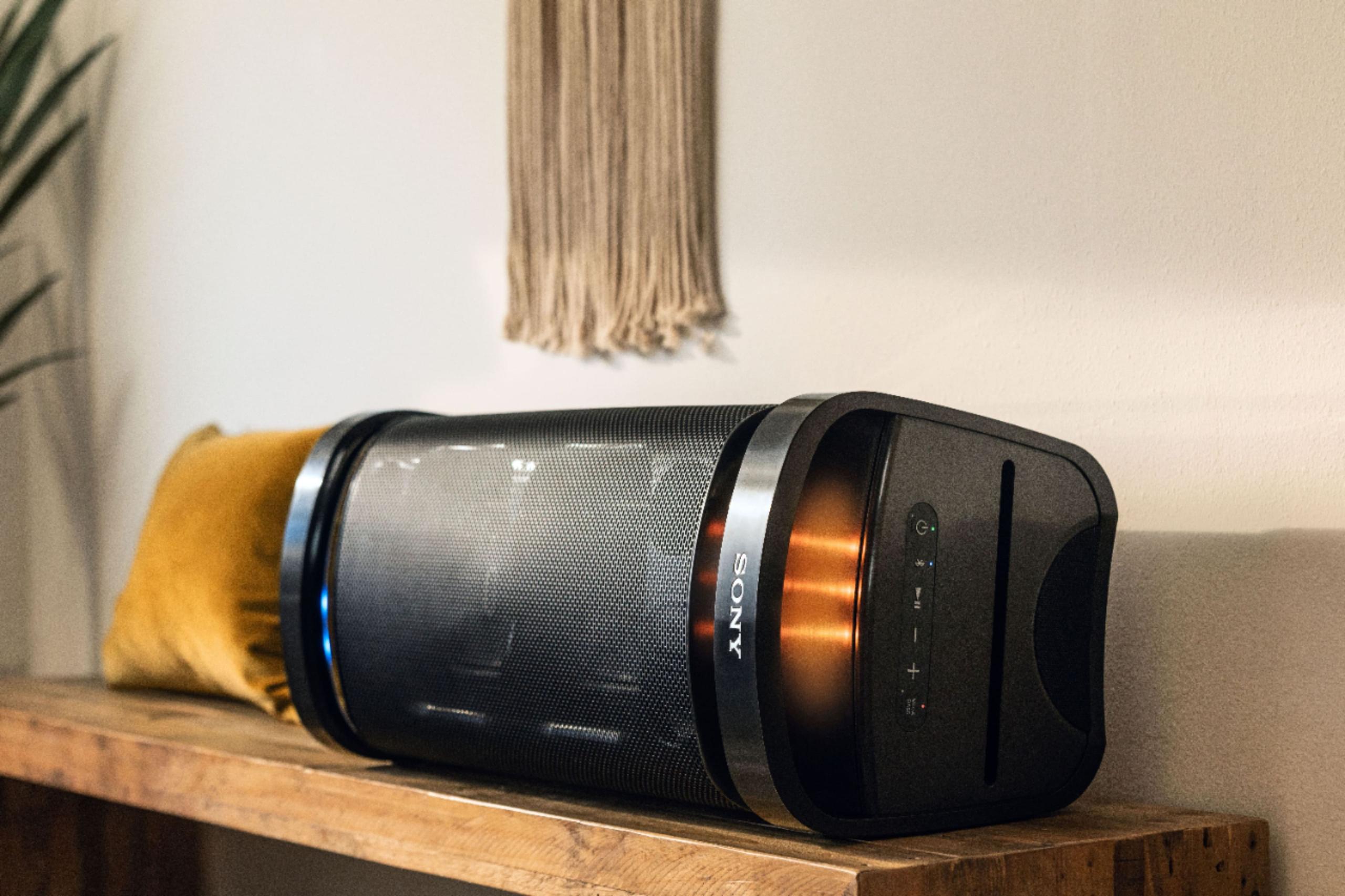
The Sony SRS-XP700, released in 2021, represents Sony's attempt to bring sophisticated audio engineering to the party speaker category. The JBL PartyBox 310, which hit the market in 2020, takes a more straightforward approach focused on delivering maximum impact and practical usability.
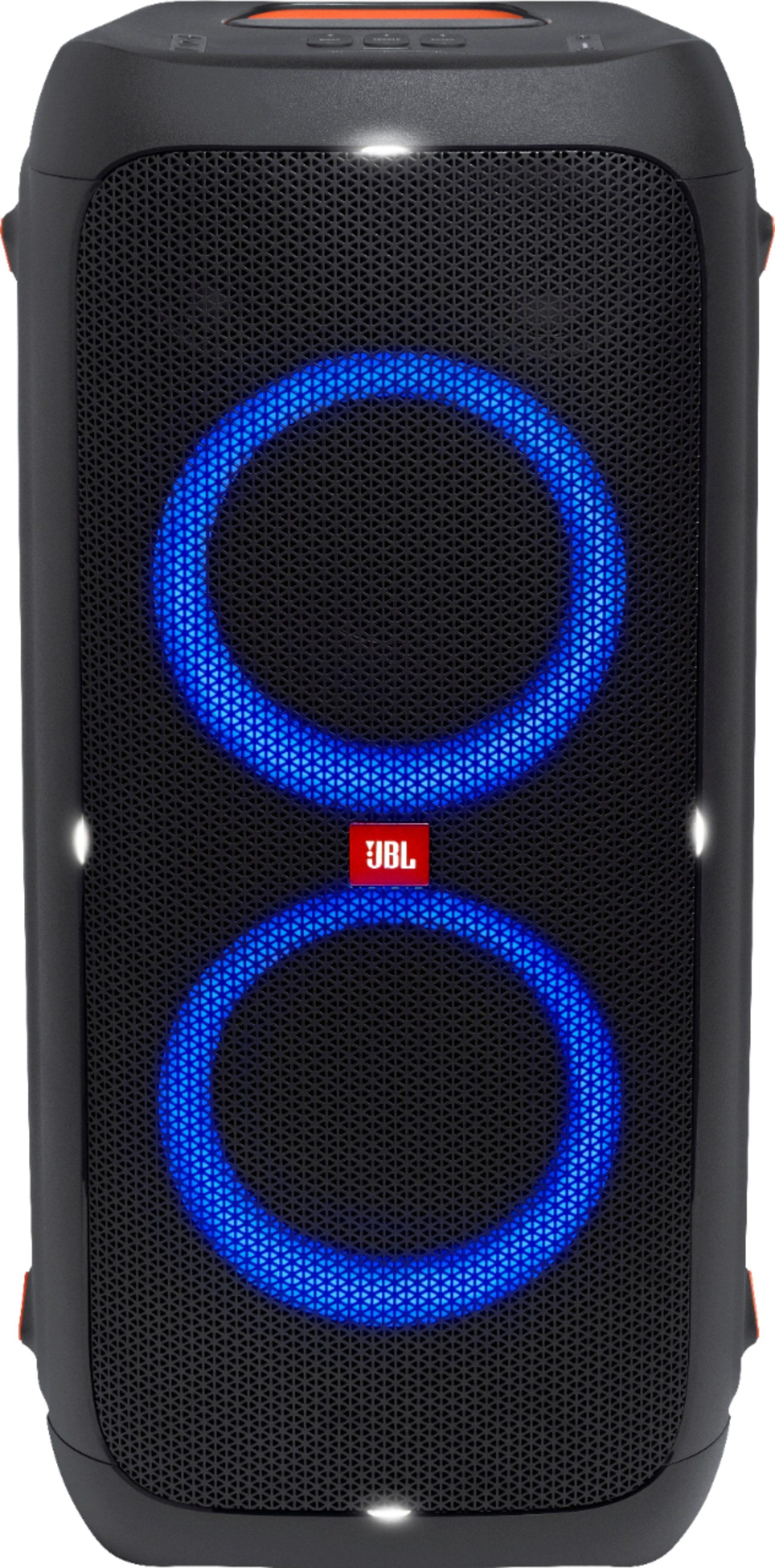
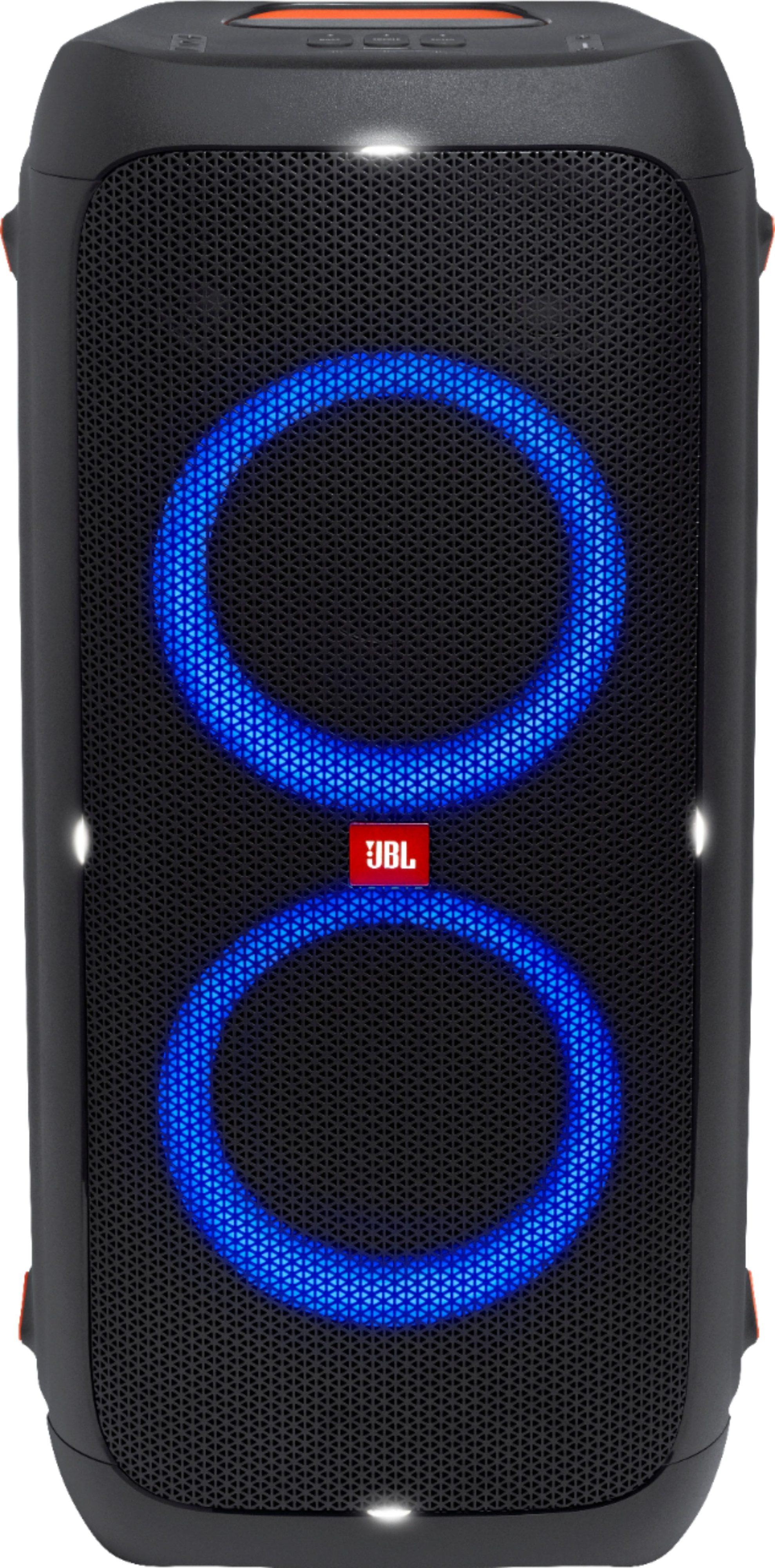
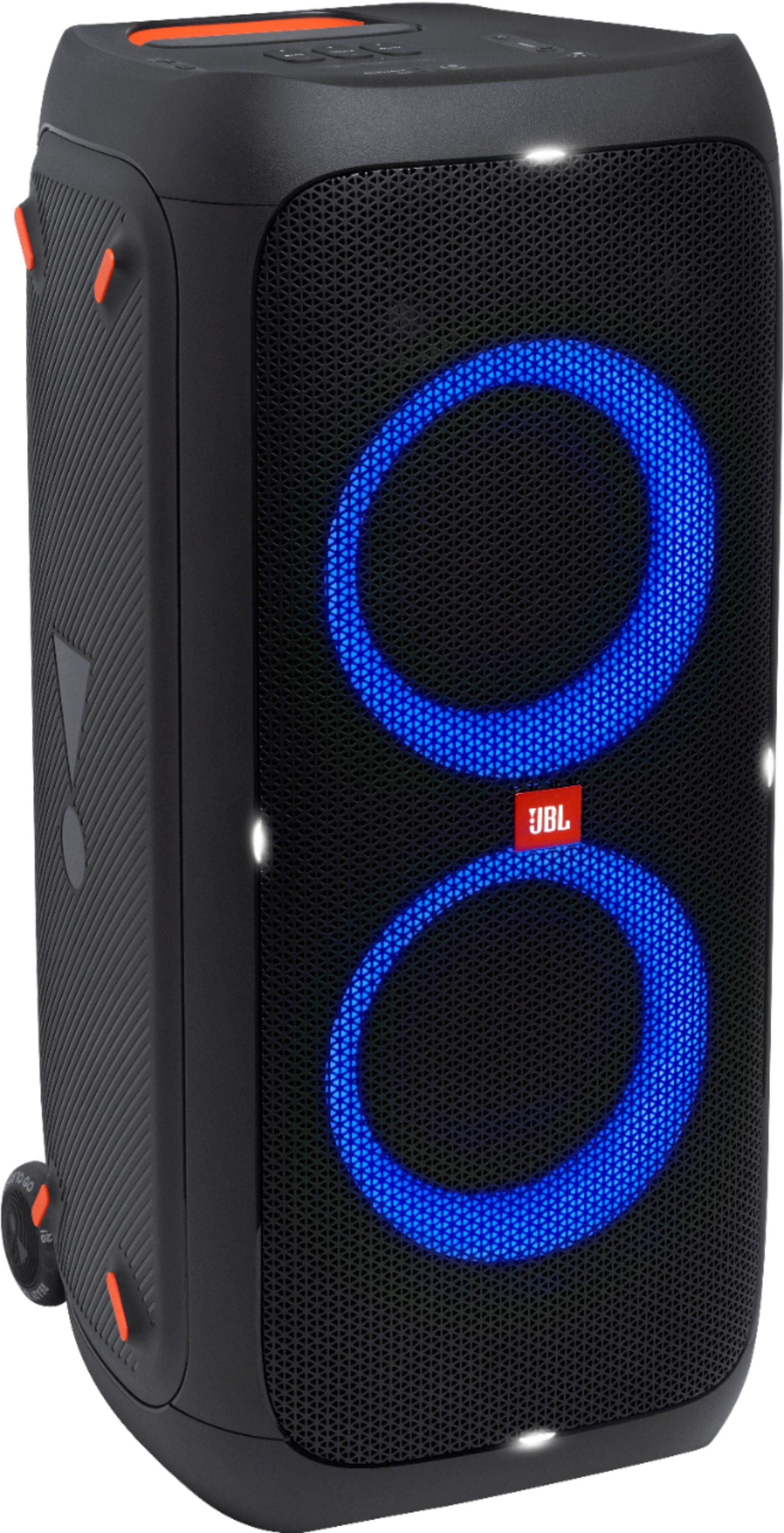
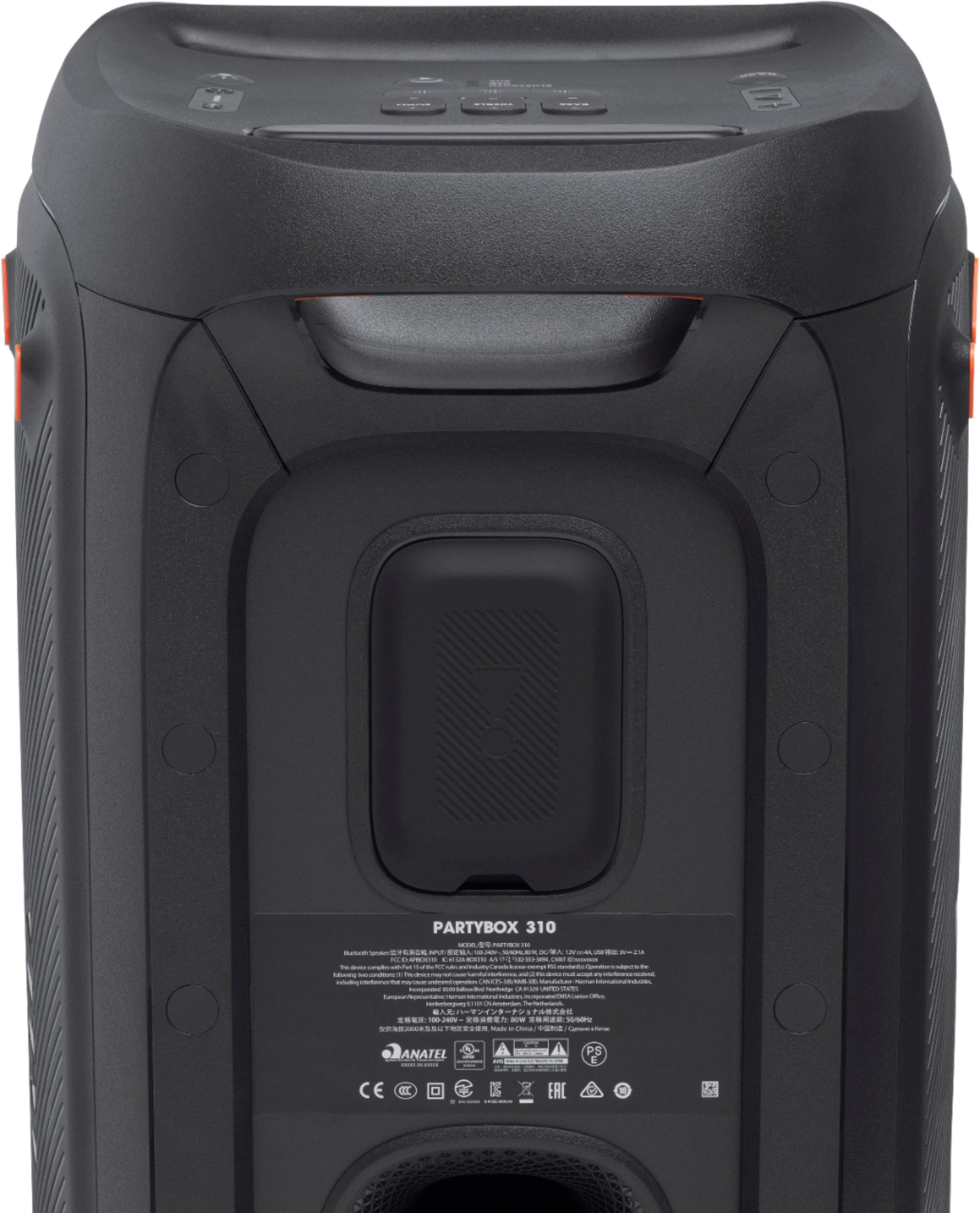
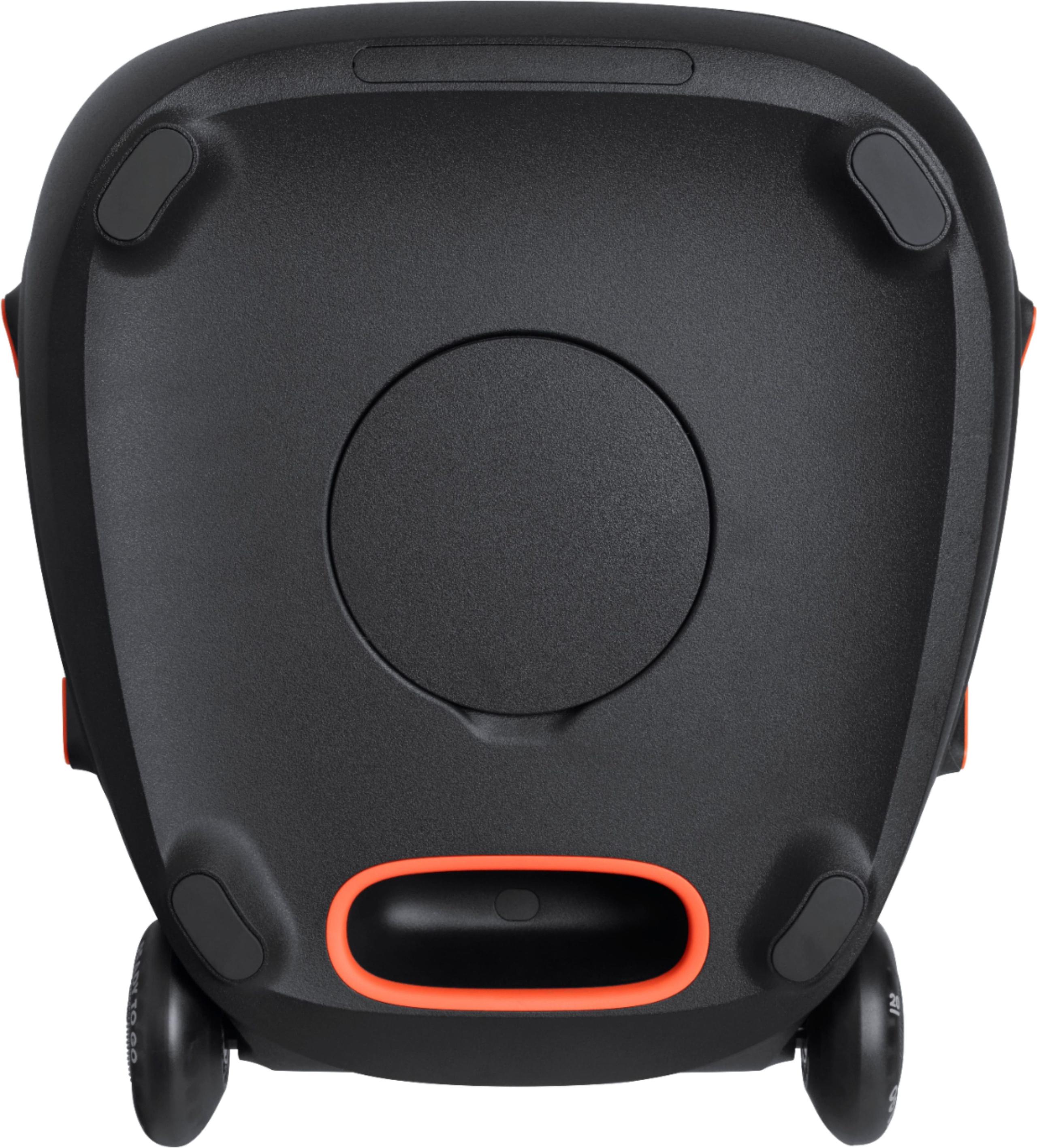
Bass is the foundation of any good party speaker, and this is where these two models reveal their different philosophies. The JBL PartyBox 310 delivers what most people would consider superior bass performance straight out of the box. Its two 6.5-inch woofers—the large drivers responsible for low-frequency sounds—work together with a rear-firing port (an opening that helps amplify bass) to produce deep, natural-sounding low-end that extends down to 45Hz. That's getting into the territory where you feel the bass in your chest, not just hear it.
What's particularly impressive about the JBL PartyBox 310 is that this bass quality doesn't require any adjustment or special modes. Turn it on, play your music, and the bass hits exactly how you'd expect it to. This natural tuning means the bass integrates well with the rest of the sound, rather than overwhelming vocals and instruments.
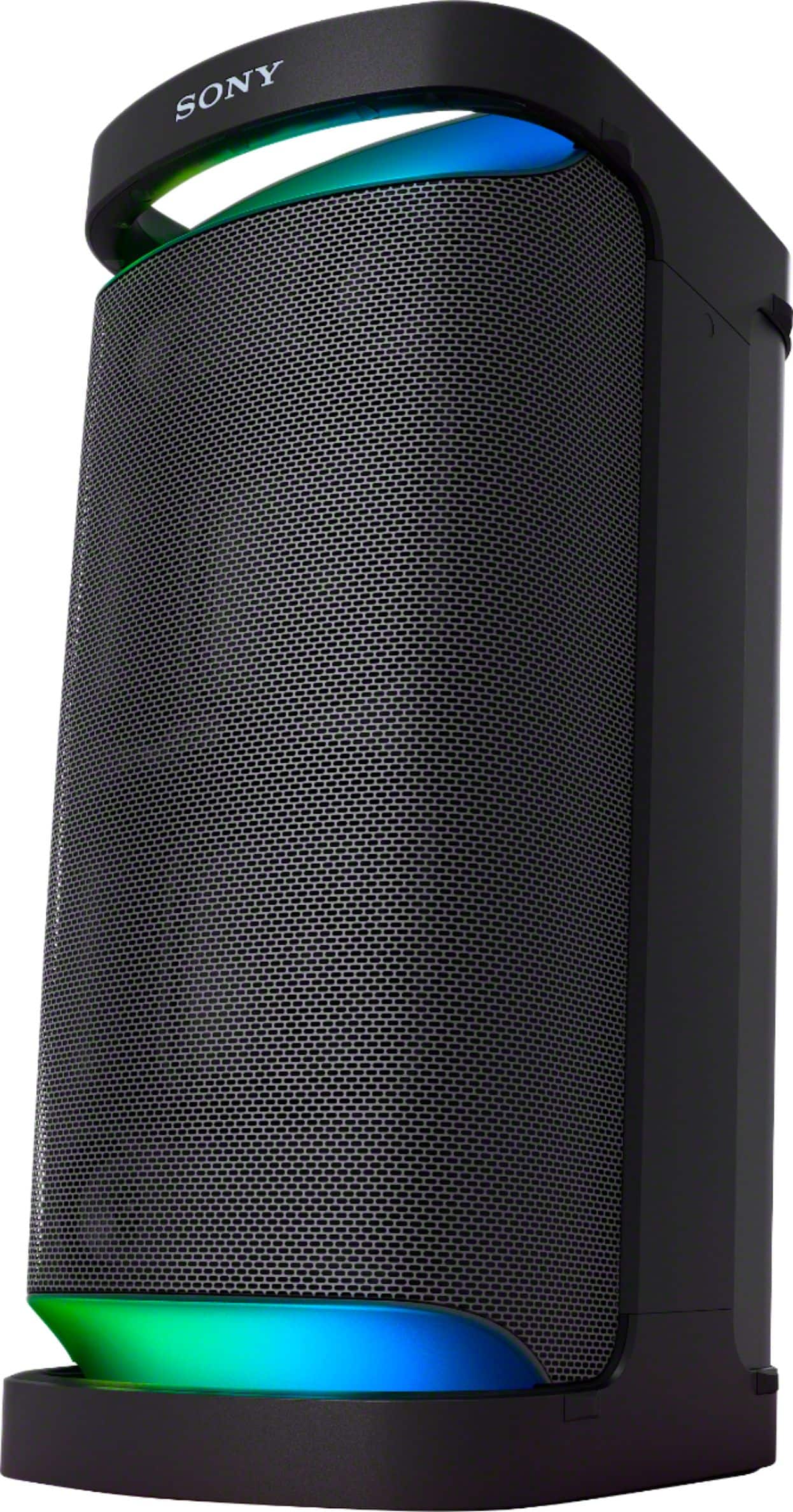
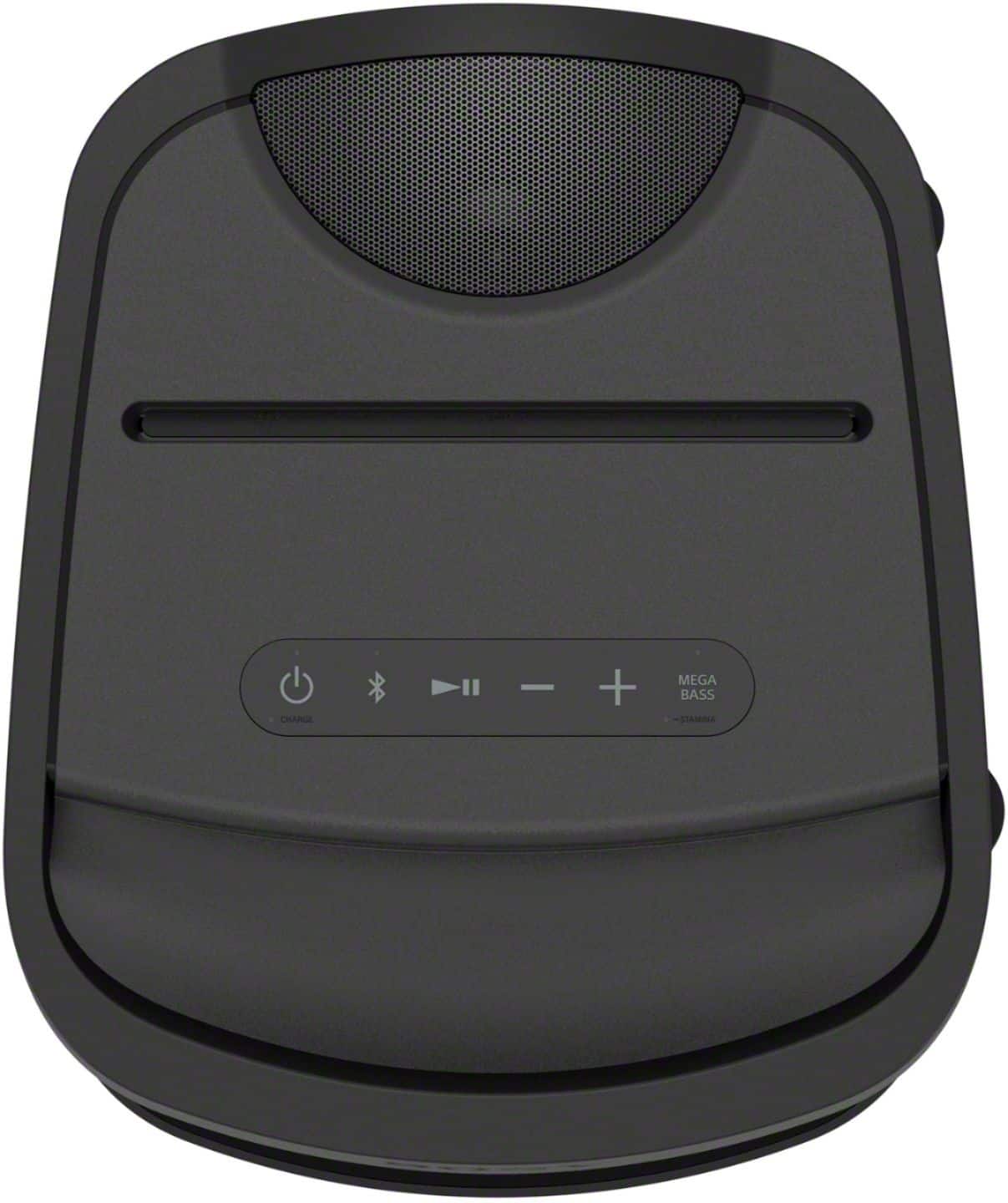
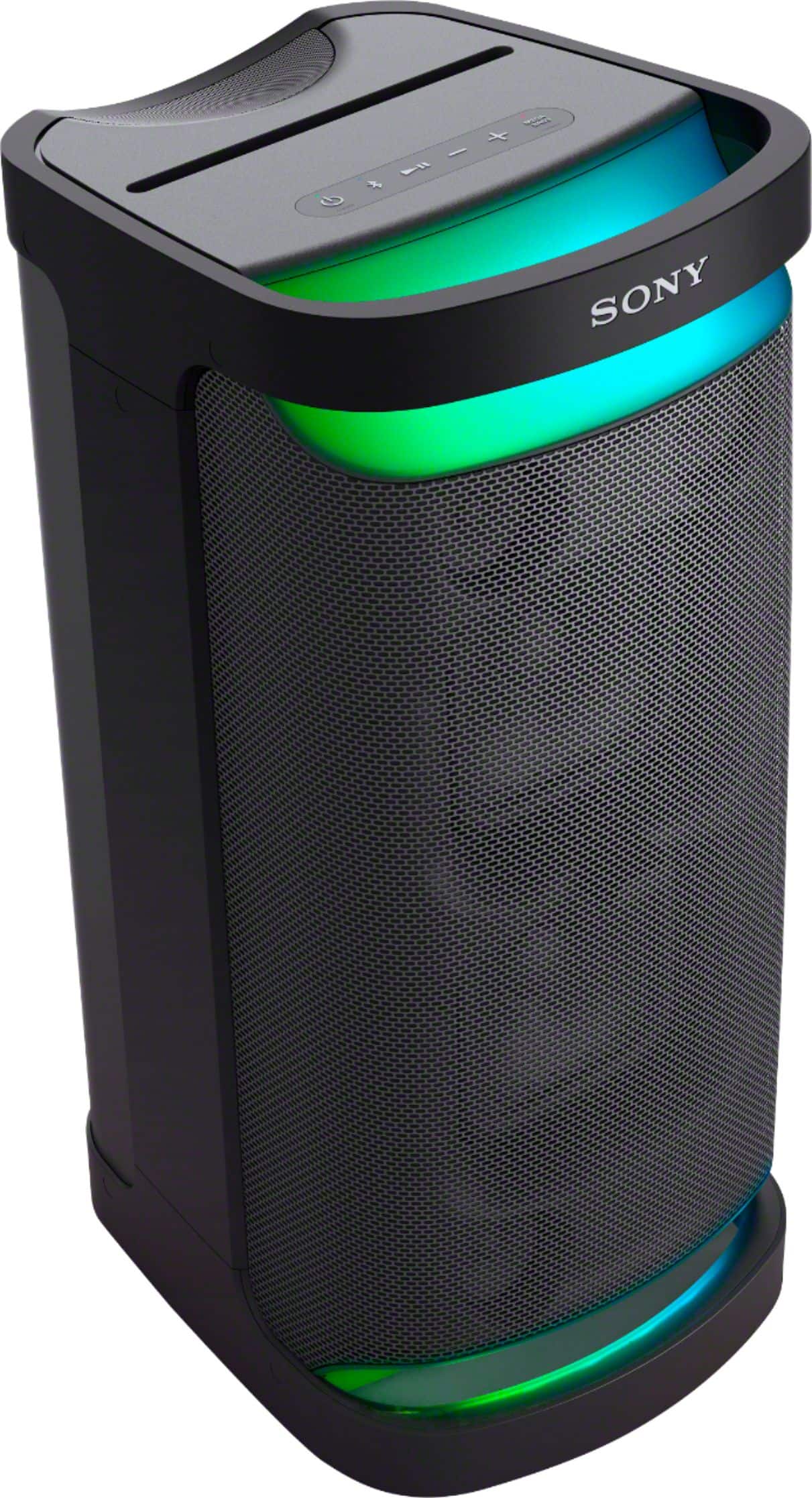
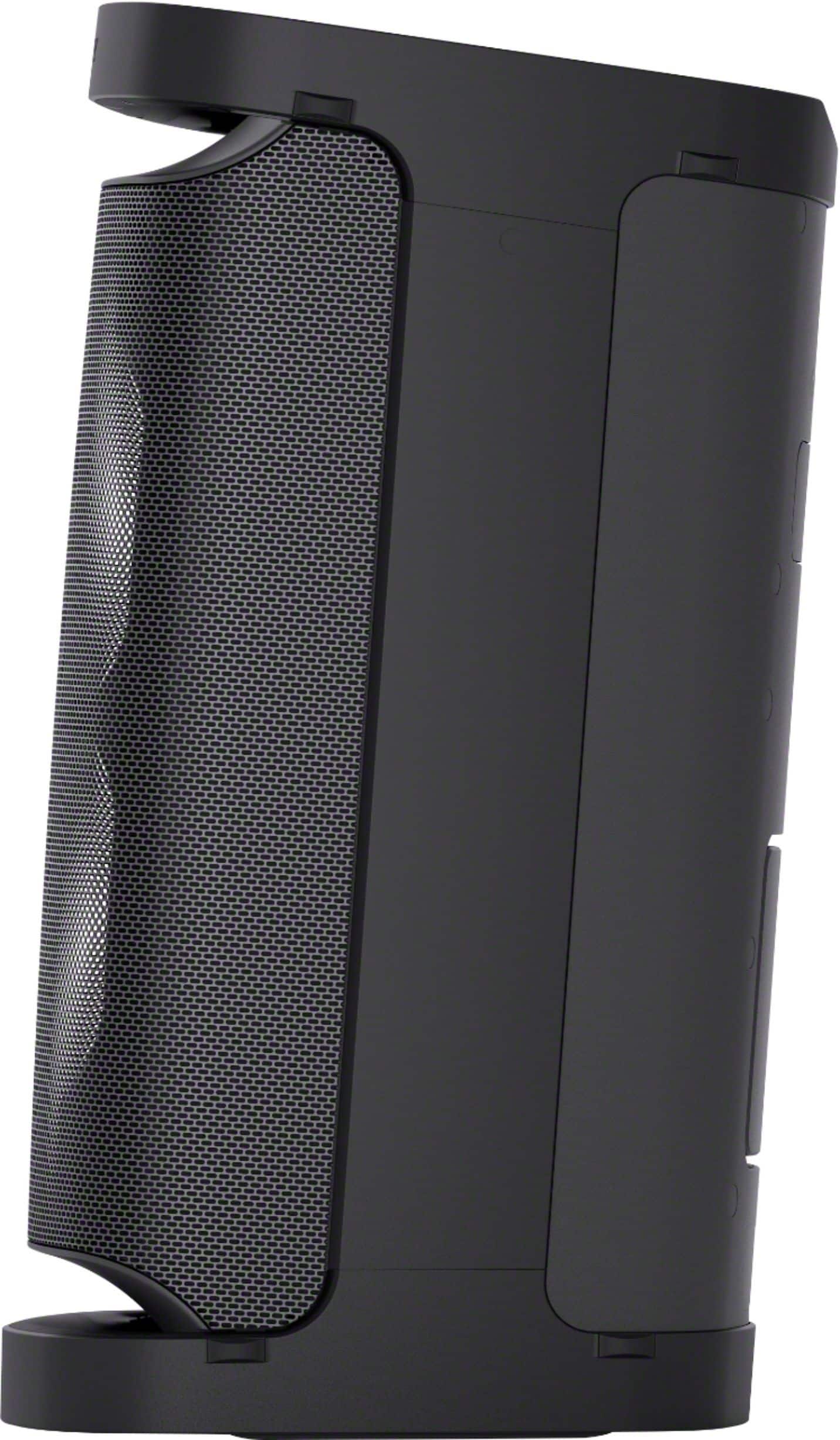
The Sony SRS-XP700, by contrast, takes a more complex approach with its six-driver system—including two 6.69-inch X-Balanced woofers with non-circular diaphragms designed to move more air efficiently. However, in practice, this speaker sounds notably flat and bass-light unless you activate Sony's "MEGA BASS" mode. When you do turn on that enhancement, the bass becomes warm and present, but it tends to overshadow other parts of the music.
This difference matters because at a party, you don't want to fumble with settings to get good sound. The JBL PartyBox 310 delivers immediately satisfying bass, while the Sony SRS-XP700 requires you to know about and activate its bass enhancement.
Here's where the JBL PartyBox 310 really shines: vocal clarity. Its sound signature emphasizes the mid-range frequencies where human voices live, which means singers, rappers, and anyone talking into a microphone cut through the mix clearly. This mid-range emphasis becomes crucial at actual parties where background noise from conversations competes with your music.
The Sony SRS-XP700 takes a warmer approach that can make vocals feel somewhat recessed or pushed back in the mix. While this creates a more relaxed listening experience for quiet background music, it's less effective when you need vocals to punch through in a noisy environment.
However, the Sony SRS-XP700 has one significant technical advantage: a rear-facing tweeter (the small driver that handles high frequencies). This creates what's called omnidirectional sound—meaning the music doesn't just fire forward but spreads in all directions. If you place this speaker in the center of a room or gathering, people behind the speaker get much better sound quality than they would with the JBL PartyBox 310's traditional forward-firing design.
When it comes to raw power output, the JBL PartyBox 310 has a significant advantage. It delivers 240 watts of power when plugged into the wall and 140 watts when running on battery. The Sony SRS-XP700 puts out 60 watts total across its seven drivers. While wattage isn't everything—speaker efficiency and design matter enormously—this power difference translates to real-world volume differences.
More importantly, the JBL PartyBox 310 maintains its sound quality better as you push the volume up. At maximum levels, it exhibits less compression—that squashed, distorted sound you get when speakers are pushed beyond their limits. The Sony SRS-XP700, while capable of getting quite loud, shows more strain at peak volumes.
For reference, both speakers can easily fill a large backyard or indoor space, but the JBL PartyBox 310 has more headroom for truly large gatherings or when you need to overcome significant ambient noise.
Battery performance reveals another key difference between these speakers. The Sony SRS-XP700 delivers an impressive 25 hours of playback on a single charge, significantly outpacing the JBL PartyBox 310's 18-hour rating. Sony achieves this through more efficient power management and lower overall power consumption.
The Sony SRS-XP700 also includes quick charging technology—10 minutes of charging provides about 3 hours of playback. This can be a lifesaver when you forgot to charge before an event.
However, both speakers' actual battery life depends heavily on volume levels, bass boost settings, and whether you're using power-hungry features like lighting effects. In practice, most users report getting close to the advertised battery life from both speakers, which is refreshing in a category where manufacturer claims often prove optimistic.
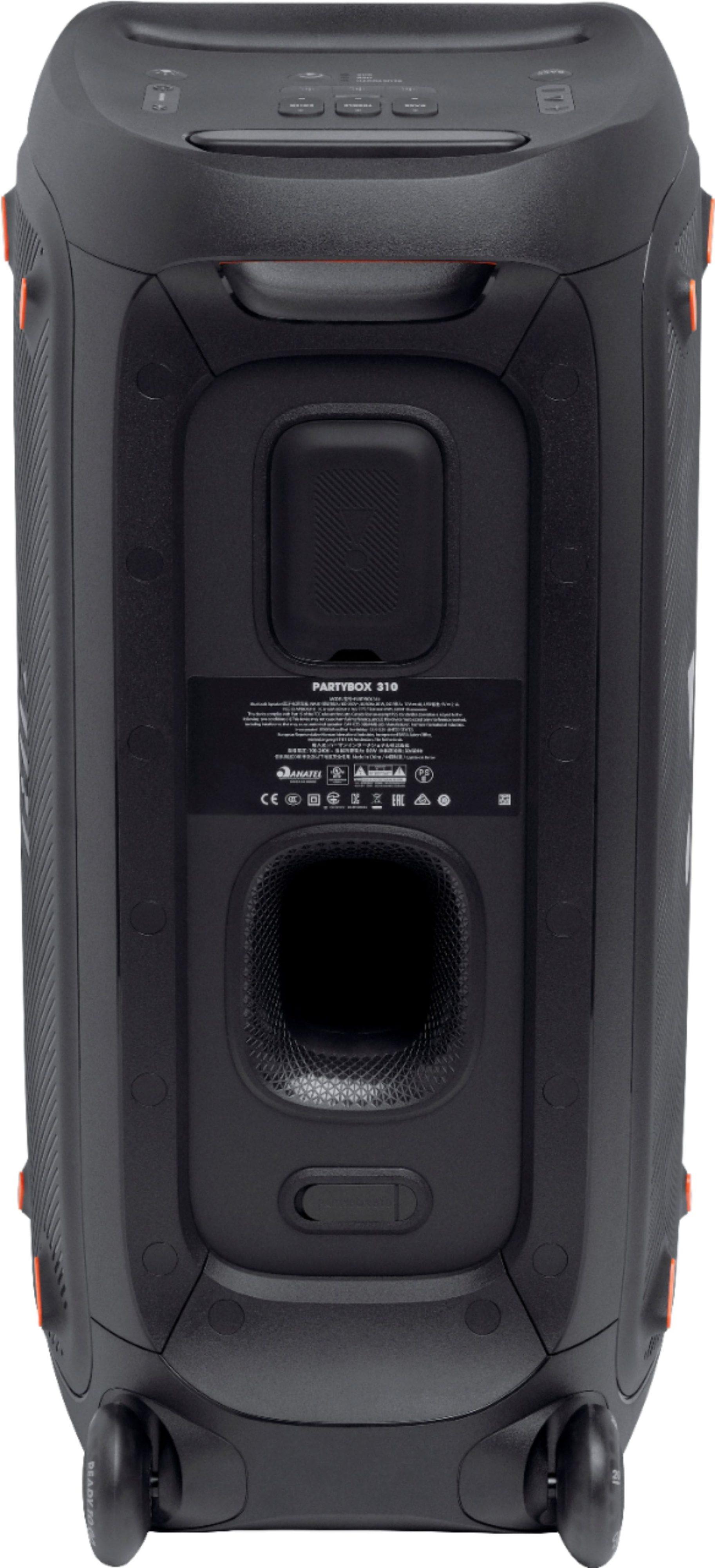
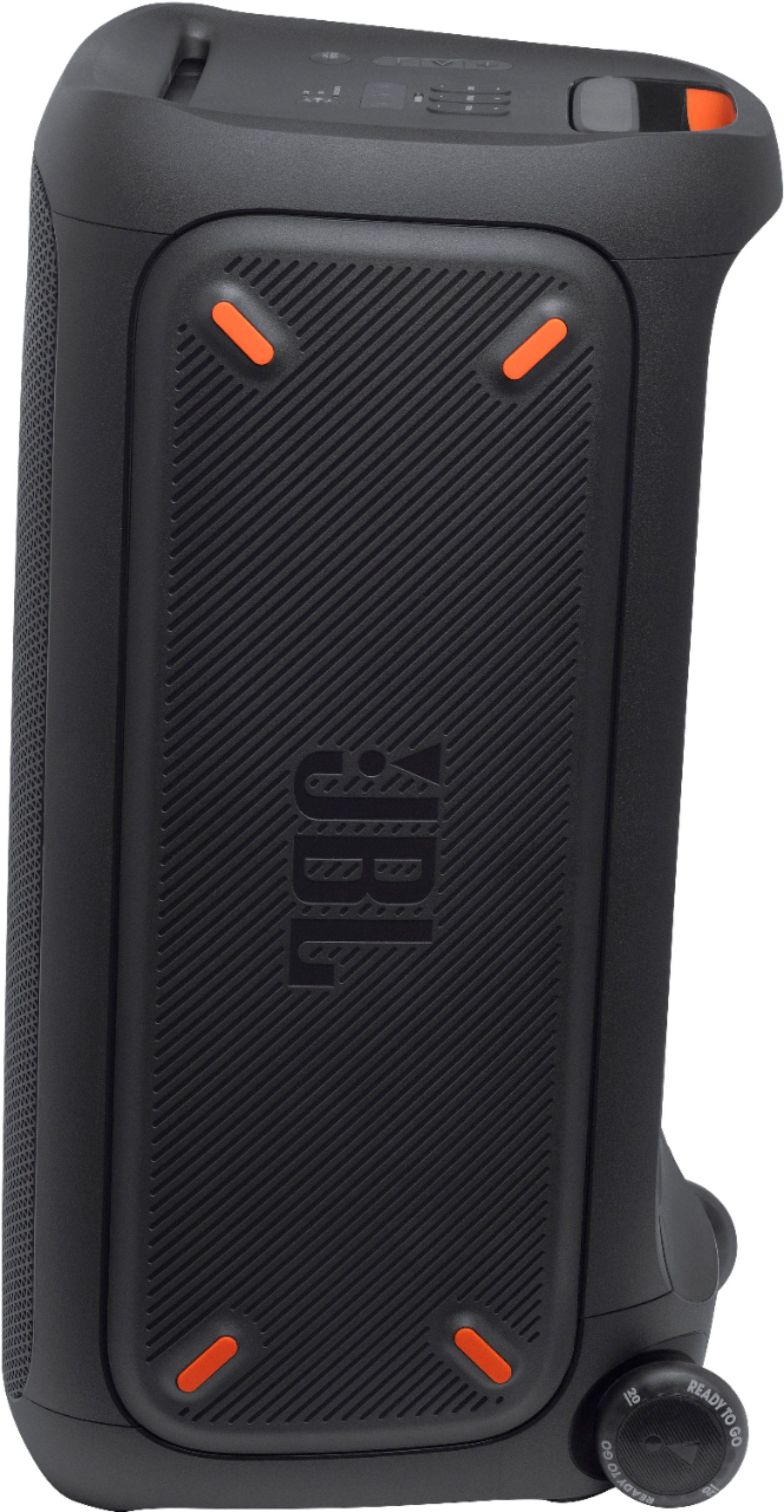
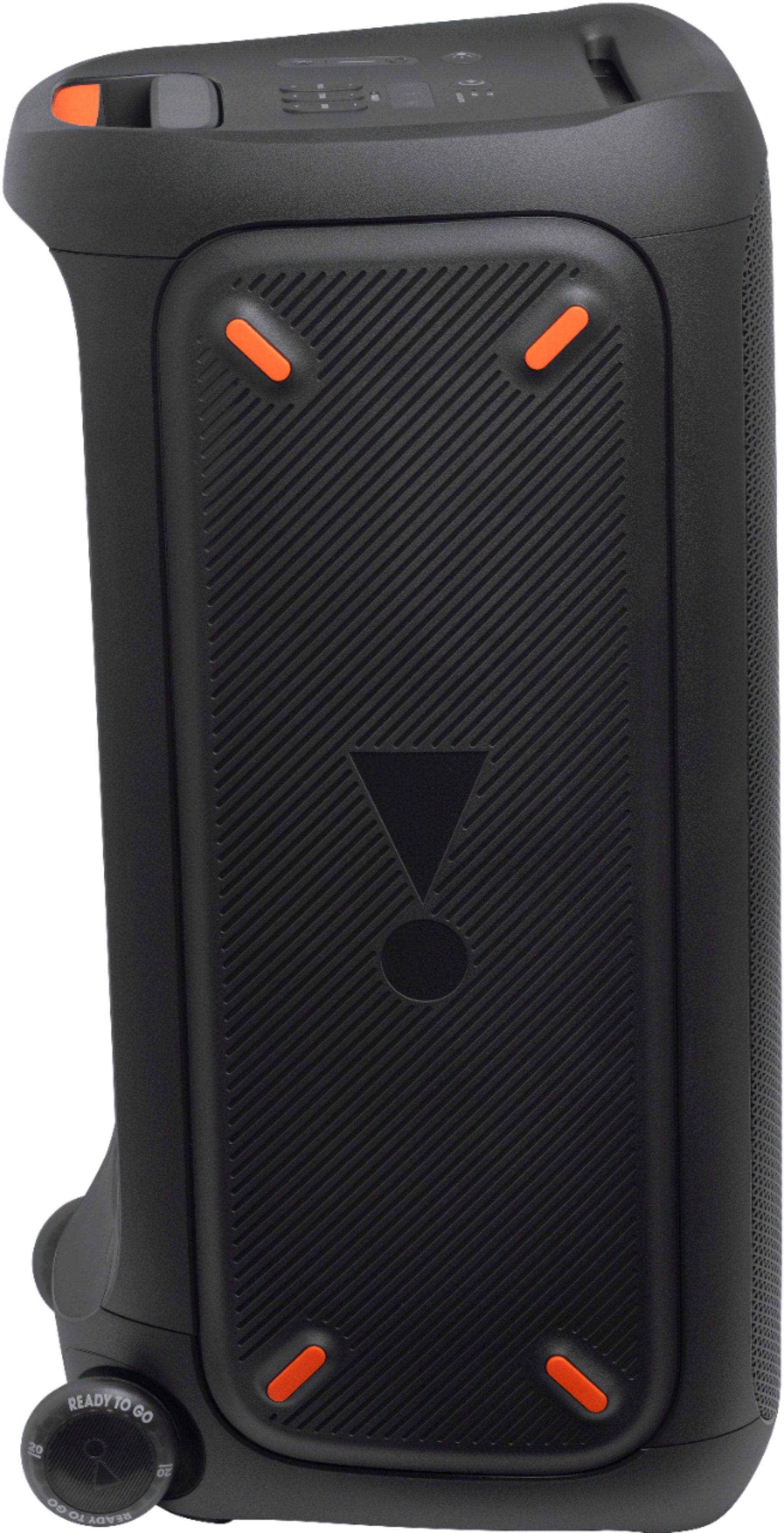
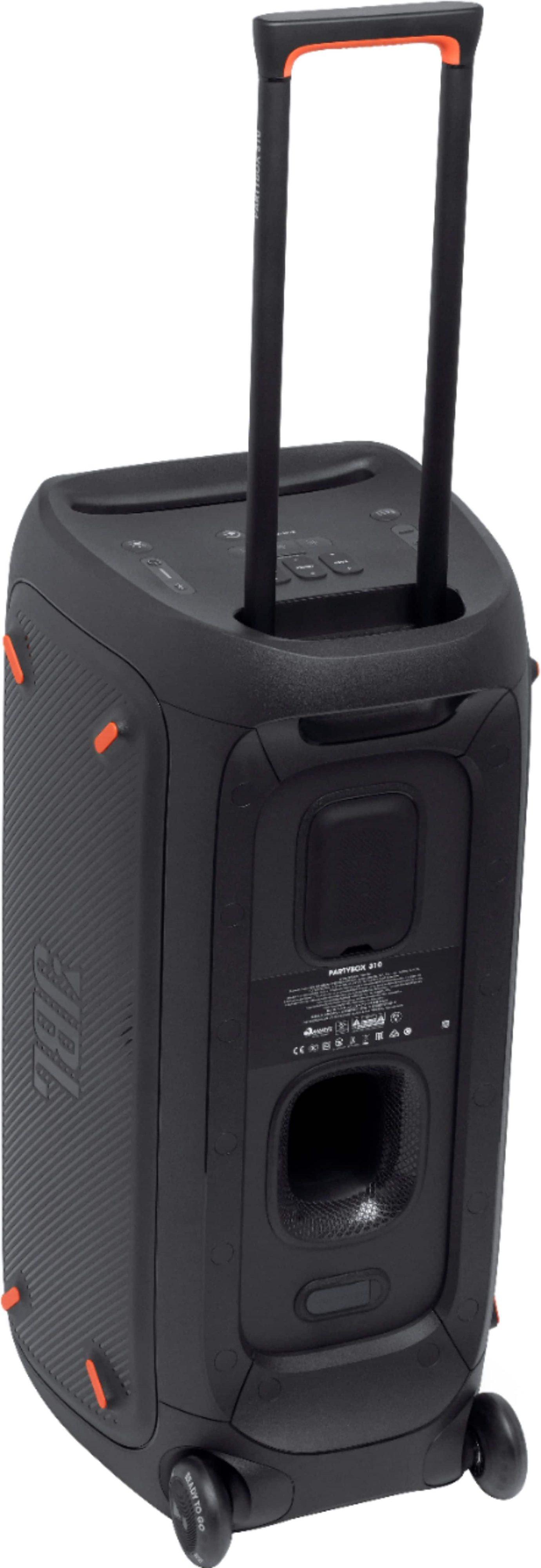
This is where the JBL PartyBox 310 pulls significantly ahead in practical usability. Despite both speakers weighing nearly 40 pounds, the JBL PartyBox 310 includes built-in wheels and a telescopic handle that transforms it from a back-straining burden into something you can easily roll from location to location.
If you've ever tried to carry a 40-pound speaker any significant distance, you'll understand why this matters. The Sony SRS-XP700 includes carrying handles, but moving it from your car to a beach spot or across a large yard becomes a genuine workout.
For mobile DJs, people who host events in different locations, or anyone who regularly transports their speaker, the JBL PartyBox 310's mobility features aren't just convenient—they're essential.
Both speakers carry an IPX4 water resistance rating, meaning they can handle splashes and light rain but shouldn't be dunked in water or exposed to heavy downpours. This level of protection covers most outdoor party scenarios.
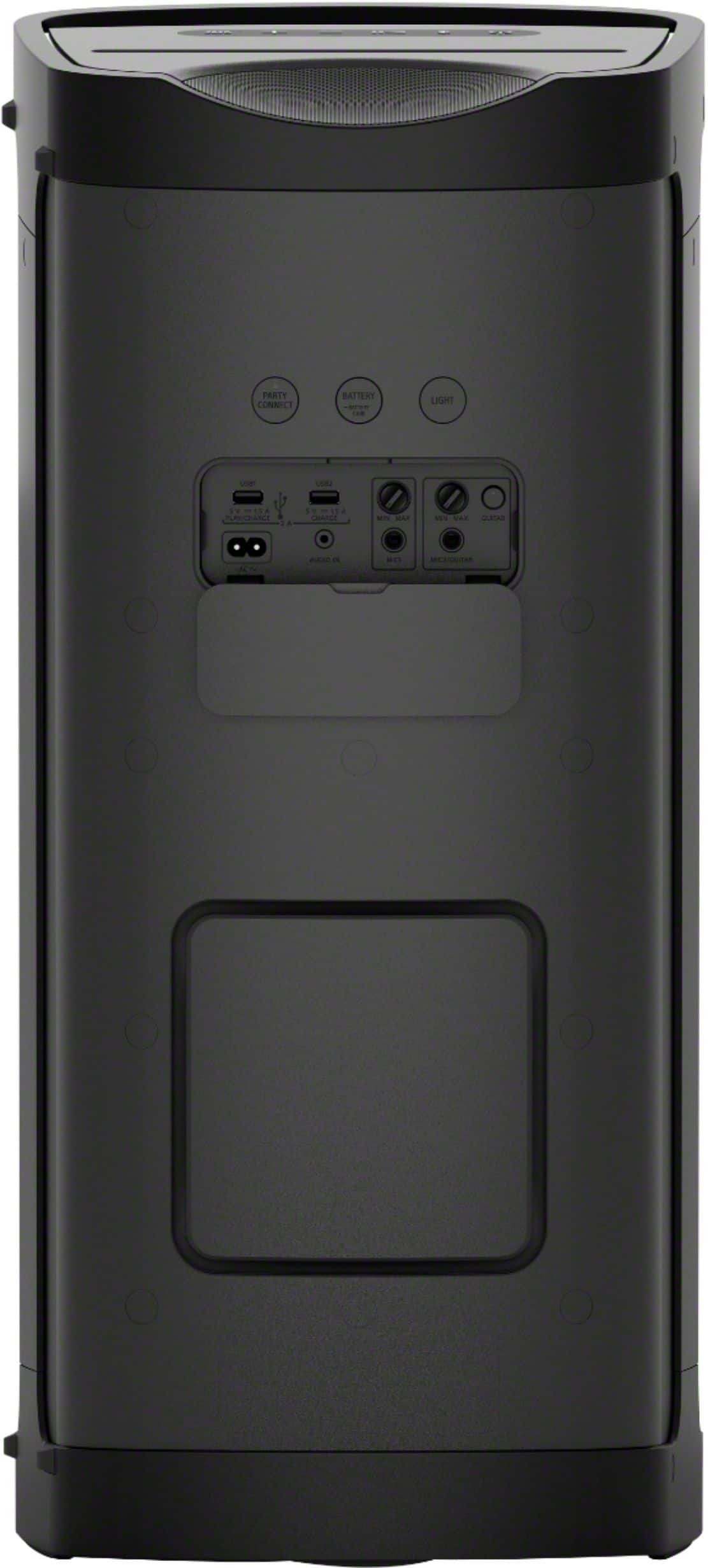
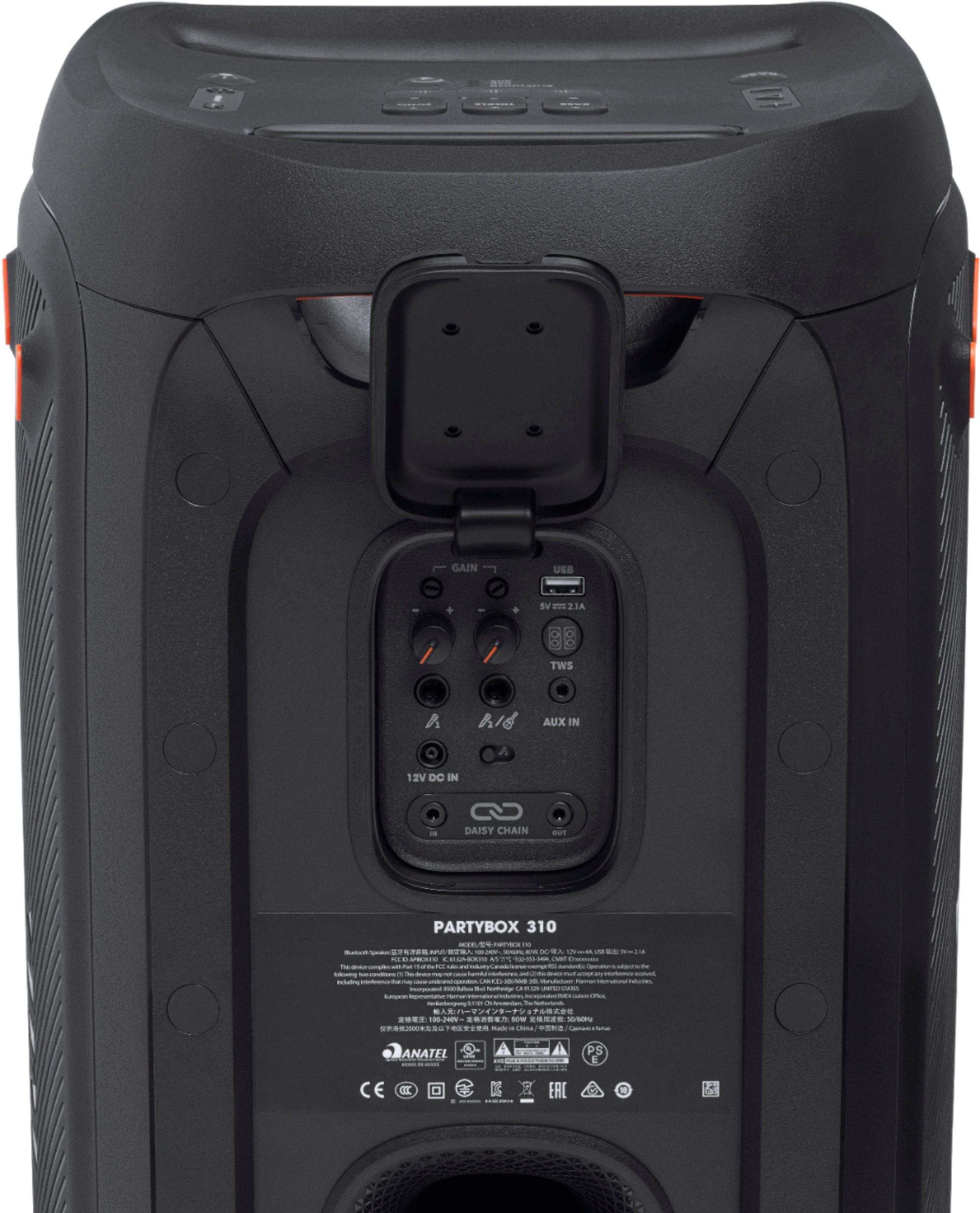
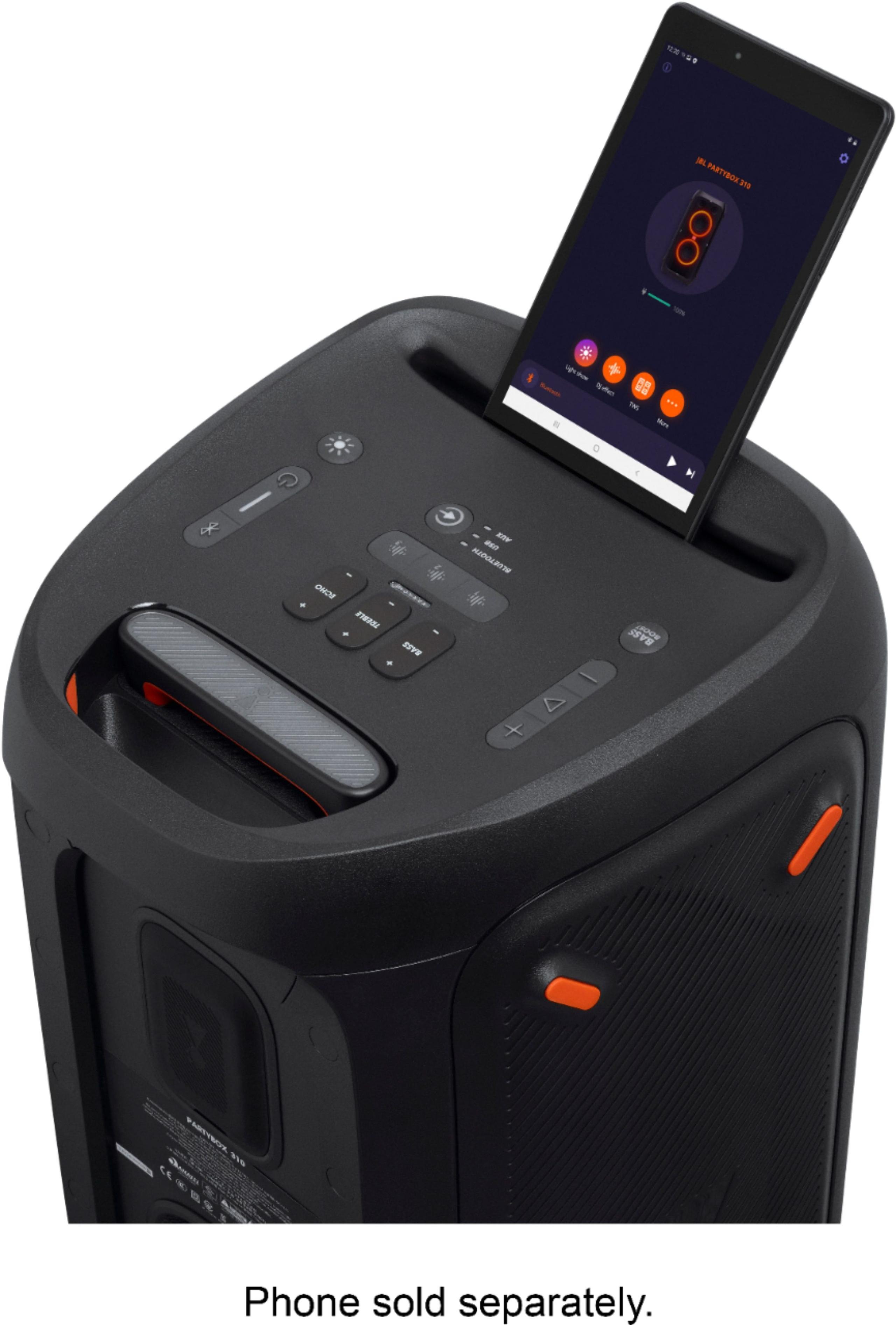
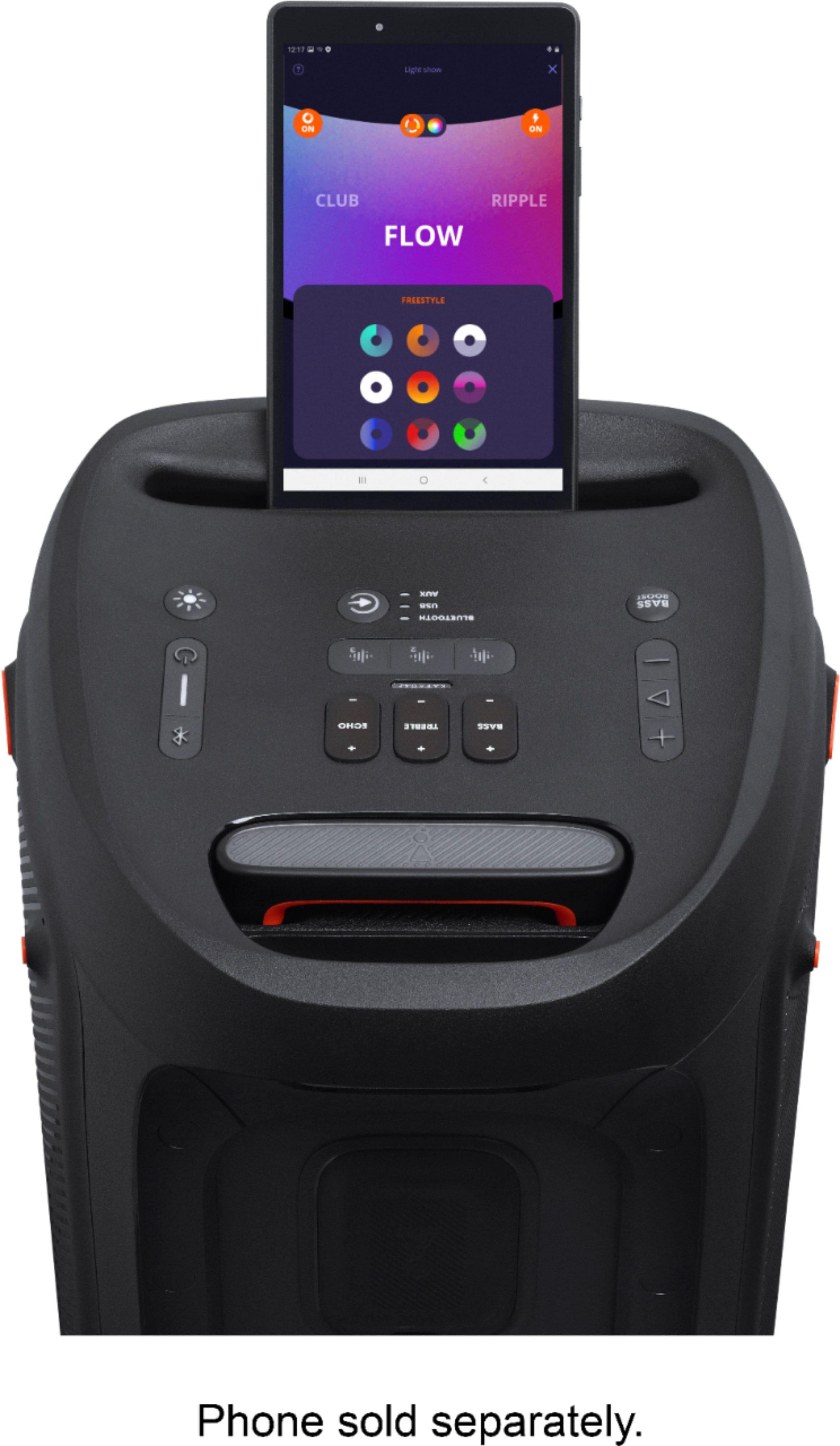
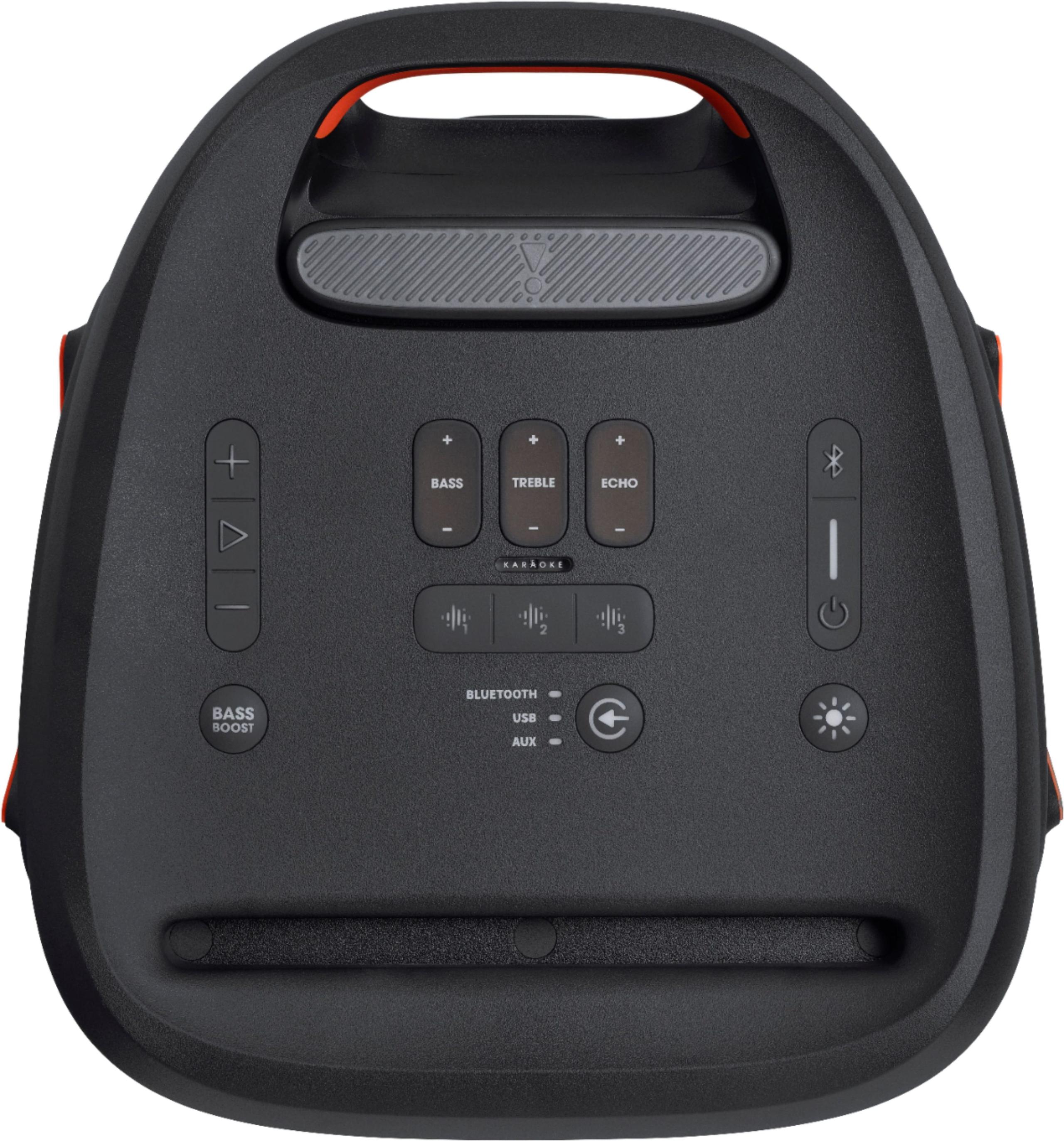
Both speakers include dual microphone inputs with 1/4-inch jacks (the standard for professional microphones) and guitar inputs, making them suitable for karaoke, speeches, or live performances. However, the JBL PartyBox 310 provides dedicated physical controls for microphone bass, treble, and echo directly on the speaker's control panel. This means you can adjust microphone sound in real-time during a performance without fumbling with apps.
The Sony SRS-XP700 relegates these controls to its smartphone app, which is less convenient when you're actively hosting an event or performing.
The JBL PartyBox 310 also includes pre-loaded sound effects like air horns that can add energy to events, though these only affect the microphone input, not your music playback.
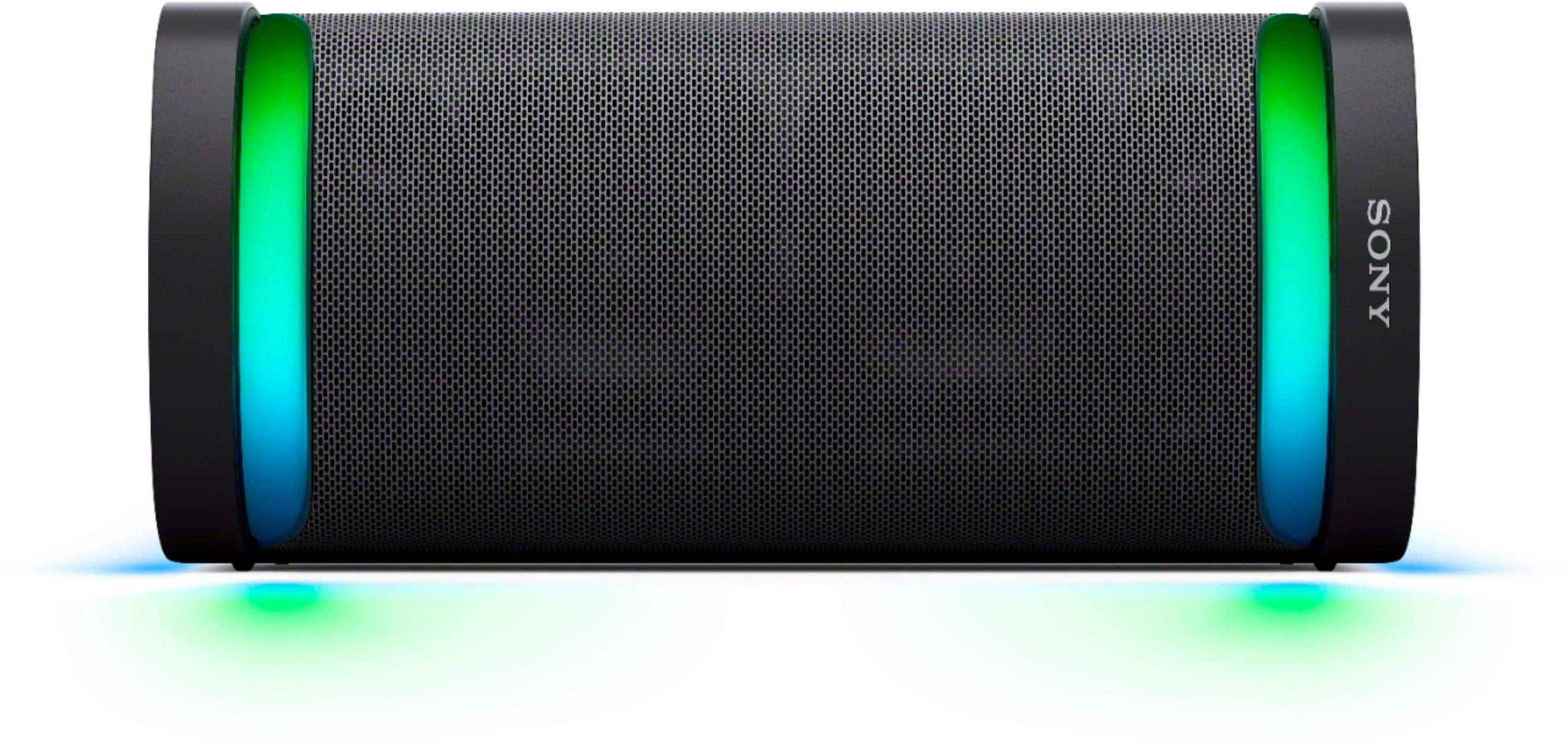
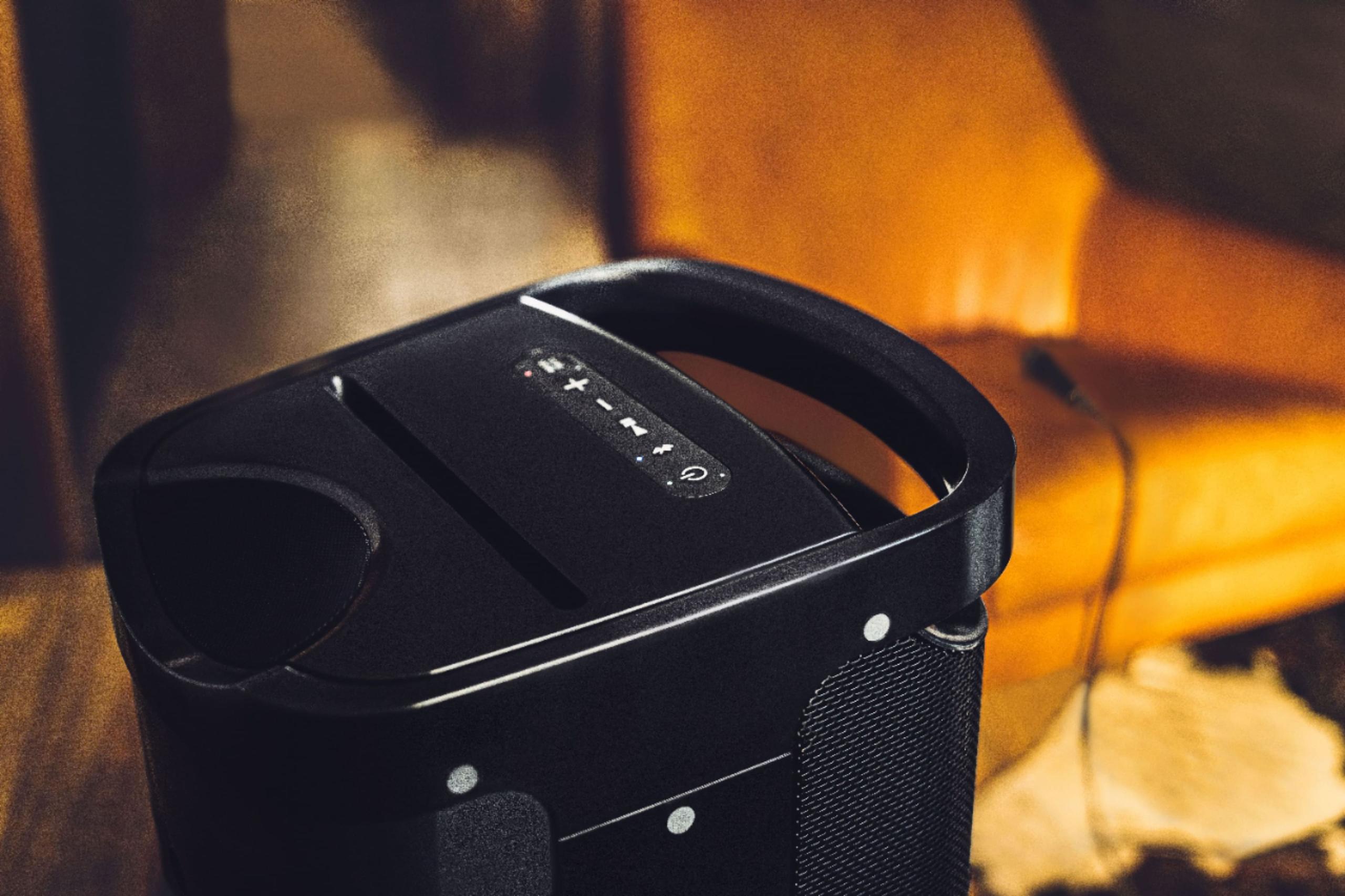
Both speakers offer smartphone app control, but with different focuses. The Sony SRS-XP700 provides more sophisticated RGB lighting with extensive customization options through both the Sony Music Center app and the dedicated Fiestable app. The lighting can sync to your music with various patterns and colors.
The JBL PartyBox 310 includes dynamic lighting with five different modes and strobe effects, but the customization options are more limited. However, user reviews consistently note that the JBL PartyBox 310's light show looks more impressive in practice, despite having fewer technical options.
The Sony SRS-XP700 supports LDAC, Sony's high-quality Bluetooth codec that can transmit more audio data than standard Bluetooth. In theory, this means better sound quality from compatible devices like Android phones and Sony audio players. However, the difference is subtle in party speaker applications where maximum volume and room-filling capability matter more than audiophile-level detail.
Both speakers support connecting two devices simultaneously, allowing for seamless DJ-style transitions between phones or tablets. They also both offer zero-latency performance for video playback, so you won't get annoying delays when watching movies or YouTube videos.
At the time of writing, these speakers sit in different price tiers, with the Sony SRS-XP700 commanding a premium over the JBL PartyBox 310. This pricing creates an interesting value equation that doesn't necessarily favor the more expensive option.
The JBL PartyBox 310 delivers superior sound quality for party applications—better bass, clearer vocals, and higher maximum volume—while including practical features like wheels and physical microphone controls. For most people's actual use cases, it provides better performance at a lower price.
The Sony SRS-XP700's premium mainly buys you extended battery life, more sophisticated app integration, and technical features like LDAC support. These are nice-to-have features rather than essential improvements for most party speaker applications.
Neither speaker is designed primarily for home theater use, but both can serve double duty for casual movie watching. The Sony SRS-XP700's omnidirectional design and warmer sound signature work better for dialogue-heavy content, while the JBL PartyBox 310's mid-range emphasis can make dialogue sound more forward and clear.
However, both speakers' bass-heavy tuning and party-oriented sound signatures make them less ideal for nuanced home theater audio compared to dedicated soundbars or bookshelf speakers. They're better suited for action movies where big explosions and dramatic music benefit from their powerful low-end response.
The JBL PartyBox 310 is the better choice for most people shopping in this category. Its combination of superior sound quality, practical portability features, and comprehensive party functionality delivers better value. Choose this speaker if you:
The Sony SRS-XP700 justifies its premium for specific users who prioritize its unique advantages. Consider this speaker if you:
Based on extensive research into user experiences and expert reviews, the JBL PartyBox 310 emerges as the stronger recommendation for most buyers. It delivers superior sound quality where it matters most—punchy bass and clear vocals that cut through party noise—while including practical features like wheels that make it genuinely portable despite its substantial size.
The Sony SRS-XP700 represents impressive engineering with its omnidirectional design and extended battery life, but its higher price doesn't translate to better performance in the scenarios most people actually use these speakers for. Unless you specifically need its longer battery life or prefer its more sophisticated app integration, the JBL PartyBox 310 provides better value and more satisfying performance for the money.
Both speakers will absolutely get your party started, but the JBL PartyBox 310 does it with more authority, better value, and greater practical convenience. That combination makes it the smarter choice for most people ready to take their audio game to the next level.
| Sony SRS-XP700 | JBL PartyBox 310 |
|---|---|
| Power Output - Determines maximum volume and headroom | |
| 60W RMS across 7 drivers | 240W RMS (AC) / 140W RMS (battery) |
| Driver Configuration - More drivers can mean better sound distribution | |
| 6 drivers total: 2 woofers, 3 front tweeters, 1 rear tweeter | 4 drivers total: 2 x 6.5" woofers, 2 x 2.5" tweeters |
| Battery Life - Critical for outdoor events and portability | |
| Up to 25 hours (industry-leading endurance) | Up to 18 hours (still excellent for most events) |
| Portability Features - Makes or breaks frequent transport | |
| Dual carrying handles only | Built-in wheels + telescopic handle (game-changer) |
| Weight - Affects how practical the speaker really is | |
| 37.25 lbs (challenging to carry far) | 38.4 lbs (but wheels make it manageable) |
| Sound Signature - Impacts how music actually sounds | |
| Warm, requires MEGA BASS mode for full impact | Natural bass, mid-range emphasis for vocal clarity |
| Frequency Response - Shows bass extension capability | |
| Not specified by manufacturer | 45Hz - 20kHz (solid low-end extension) |
| Microphone Controls - Important for karaoke and events | |
| App-based adjustments only | Physical bass, treble, echo knobs on speaker |
| Bluetooth Version - Affects connection stability and range | |
| Bluetooth 5.0 with LDAC codec support | Bluetooth 5.1 with standard codecs |
| Multi-Speaker Connectivity - For larger setups | |
| Party Connect (up to 100 Sony speakers) | True Wireless Stereo pairing |
| Lighting Effects - Adds visual party atmosphere | |
| Sophisticated RGB with extensive app customization | 5 modes with strobe, simpler but more impactful |
| Water Resistance - Essential for outdoor use | |
| IPX4 splash-resistant | IPX4 splash-resistant |
| Charging Features - Convenience for event preparation | |
| Quick charge: 3 hours from 10-minute charge | Standard charging: 3.5 hours full charge |
| Release Date - Shows how current the technology is | |
| 2021 (newer design with latest features) | 2020 (proven design, well-established) |
The JBL PartyBox 310 is significantly louder, delivering 240W of power when plugged in compared to the Sony SRS-XP700's 60W output. The JBL PartyBox 310 can fill larger outdoor spaces and maintains better sound quality at maximum volume, making it the better choice for big parties or events where you need serious volume.
The JBL PartyBox 310 delivers superior bass performance with deeper, more natural low-end extension down to 45Hz. Its two 6.5-inch woofers produce punchy bass right out of the box, while the Sony SRS-XP700 requires activating "MEGA BASS" mode to achieve full bass impact, and even then the bass can overshadow vocals.
The Sony SRS-XP700 offers longer battery life with up to 25 hours of playback compared to the JBL PartyBox 310's 18 hours. The Sony SRS-XP700 also includes quick charging that provides 3 hours of playback from just 10 minutes of charging, making it better for extended outdoor events.
The JBL PartyBox 310 is much more portable despite similar weight, thanks to its built-in wheels and telescopic handle. While both speakers weigh around 38 pounds, the JBL PartyBox 310 can be easily rolled like luggage, whereas the Sony SRS-XP700 only has carrying handles, making transport physically demanding.
Both speakers support karaoke with dual microphone inputs, but the JBL PartyBox 310 is better for live use. It features physical control knobs for microphone bass, treble, and echo adjustments directly on the speaker, while the Sony SRS-XP700 requires using a smartphone app to adjust microphone settings, which is less convenient during performances.
The JBL PartyBox 310 provides better party sound quality with its mid-range emphasis that makes vocals cut through background noise clearly. The Sony SRS-XP700 has a warmer sound signature that can make vocals feel recessed in noisy environments, though its rear tweeter creates better sound distribution for central room placement.
The Sony SRS-XP700 offers more sophisticated RGB lighting with extensive customization through smartphone apps, while the JBL PartyBox 310 has simpler lighting with five modes and strobe effects. However, user reviews consistently rate the JBL PartyBox 310's light show as more visually impressive despite fewer customization options.
The JBL PartyBox 310 is superior for outdoor events due to its higher volume output, better vocal clarity in noisy environments, and practical wheels for transport across sand or grass. Both speakers are IPX4 splash-resistant, but the JBL PartyBox 310's sound quality and portability features make it more suitable for outdoor gatherings.
While neither speaker is designed primarily for home theater, the Sony SRS-XP700 works better for movie audio due to its omnidirectional sound and warmer signature that's less fatiguing for dialogue. However, both speakers' bass-heavy party tuning makes them less ideal than dedicated soundbars for nuanced home theater use.
The JBL PartyBox 310 typically offers better value, delivering superior sound quality, practical portability features, and comprehensive party functionality. While the Sony SRS-XP700 commands a premium for longer battery life and advanced features like LDAC support, the performance differences don't justify the higher cost for most users.
Both the Sony SRS-XP700 and JBL PartyBox 310 support connecting two devices simultaneously via Bluetooth, allowing seamless switching between phones or tablets. The Sony SRS-XP700 supports LDAC for higher-quality audio from compatible devices, while the JBL PartyBox 310 uses standard Bluetooth codecs but maintains excellent connection stability.
Choose the JBL PartyBox 310 if you prioritize sound quality, need to transport the speaker frequently, or want the best performance value. Choose the Sony SRS-XP700 if you need maximum battery life for very long events, prefer sophisticated app controls and lighting, or specifically want omnidirectional sound distribution for central room placement.
We've done our best to create useful and informative comparisons to help you decide what product to buy. Our research uses advanced automated methods to create this comparison and perfection is not possible - please contact us for corrections or questions. These are the sites we've researched in the creation of this article: bestbuy.com - rtings.com - crutchfield.com - versus.com - rtings.com - rtings.com - youtube.com - versus.com - electronics.sony.com - youtube.com - youtube.com - youtube.com - youtube.com - crutchfield.com - armorsound.com - sony-asia.com - helpguide.sony.net - helpguide.sony.net - videoandaudiocenter.com - sony.com - sony.com - sony-asia.com - sony.com - sony.com - bestbuy.com - device.report - bestbuy.com - rtings.com - comparisontabl.es - crutchfield.com - youtube.com - bestbuy.com - rtings.com - youtube.com - versus.com - youtube.com - jbl.com - youtube.com - crutchfield.com - manuals.plus - in.jbl.com - jbl.com.tw - mm.jbl.com - bestbuy.com - jbl.com - onward.ph - youtube.com - manuals.plus - harmanaudio.com - support.jbl.com - youtube.com - kh.jbl.com - bestbuy.com

Privacy Policy
Terms and Conditions - Affiliate Policy
Home Security
© Copyright 2008-2026.
11816 Inwood Rd #1211, Dallas, TX 75244