

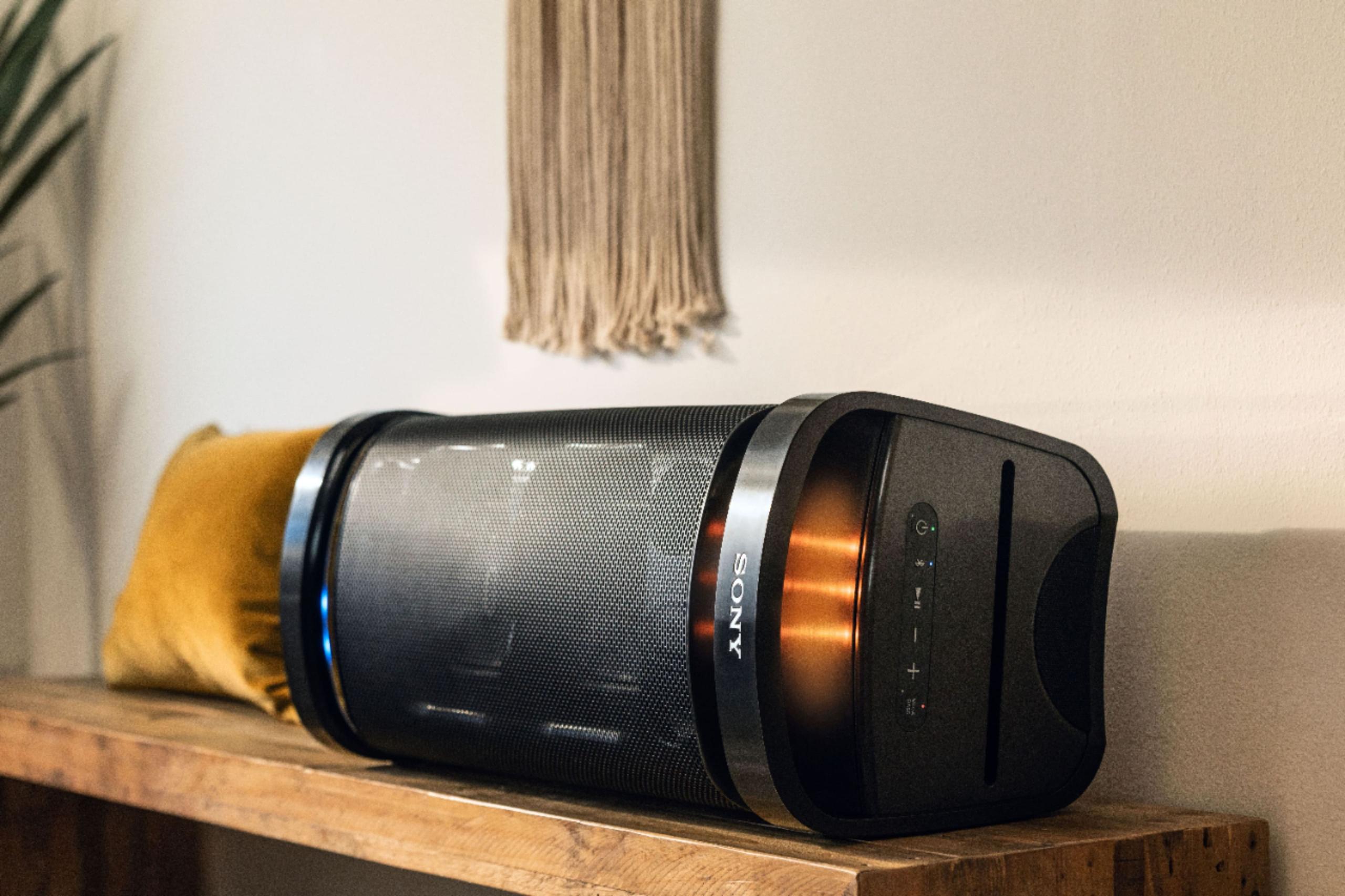
Party speakers have evolved dramatically over the past few years, transforming from simple boom boxes into sophisticated entertainment systems that can turn any space into a concert venue. If you're shopping for a portable speaker that can truly energize a crowd, you've likely encountered two standout options: the Sony SRS-XP700 and the JBL PartyBox 720. These speakers represent different philosophies in party audio—one emphasizing refinement and efficiency, the other focusing on raw power and spectacle.
Understanding what separates these speakers requires diving into the technical details that actually matter for real-world use. At the time of writing, both speakers command premium prices in the party speaker category, but they deliver notably different experiences for your investment.
Before comparing specific models, it's crucial to understand what makes party speakers different from regular Bluetooth speakers or home audio systems. Party speakers prioritize sound pressure level (SPL)—essentially how loud they can get—over the subtle audio accuracy that audiophiles seek. They're designed to cut through crowd noise, fill large spaces, and deliver the chest-thumping bass that makes people want to dance.
The key technical specifications that matter most are:
RMS power output - This measures continuous power delivery, not peak bursts. Higher RMS generally means louder maximum volume and better bass response.
Frequency response range - How low and high the speaker can reproduce sound. Party speakers typically emphasize the low end (bass frequencies) over pristine high-frequency reproduction.
Sound pressure level - Measured in decibels (dB), this indicates maximum volume. Every 3dB increase represents roughly double the perceived loudness.
Battery capacity and efficiency - Measured in watt-hours (Wh), this determines how long the speaker can maintain high volume output when unplugged.
The Sony SRS-XP700 launched in 2021 as part of Sony's renewed focus on the party speaker market. Sony had previously ceded much of this territory to JBL and other brands, but the XP700 represented their return with emphasis on audio engineering refinement. Since its release, Sony has continued refining their X-Balanced Speaker Unit technology, which uses non-circular driver diaphragms to maximize sound output from compact enclosures.
The JBL PartyBox 720 arrived much more recently in 2025, building on JBL's dominant position in the party speaker market. JBL has consistently pushed boundaries in power output and visual effects, and the 720 represents their latest evolution with Auracast wireless technology and enhanced lighting systems. The gap between release dates means the JBL benefits from newer Bluetooth standards and manufacturing improvements.
The most striking difference between these speakers lies in their power output approach. The JBL PartyBox 720 delivers 800 watts of power through dual 9-inch woofers and dual 1.25-inch tweeters. This isn't marketing fluff—the massive drivers and substantial amplification create genuinely concert-level volume that can easily fill spaces like gymnasiums or large outdoor areas.
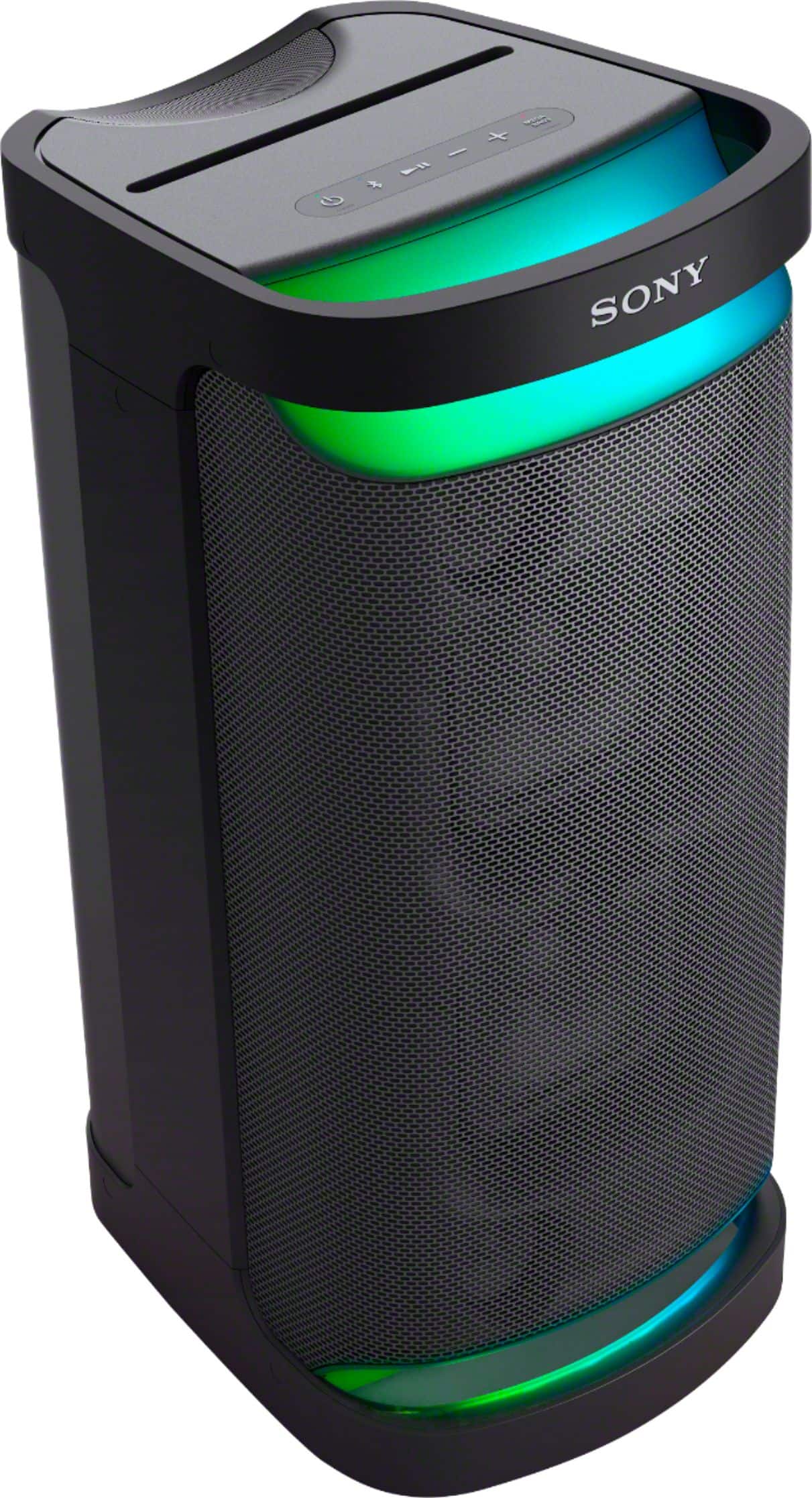
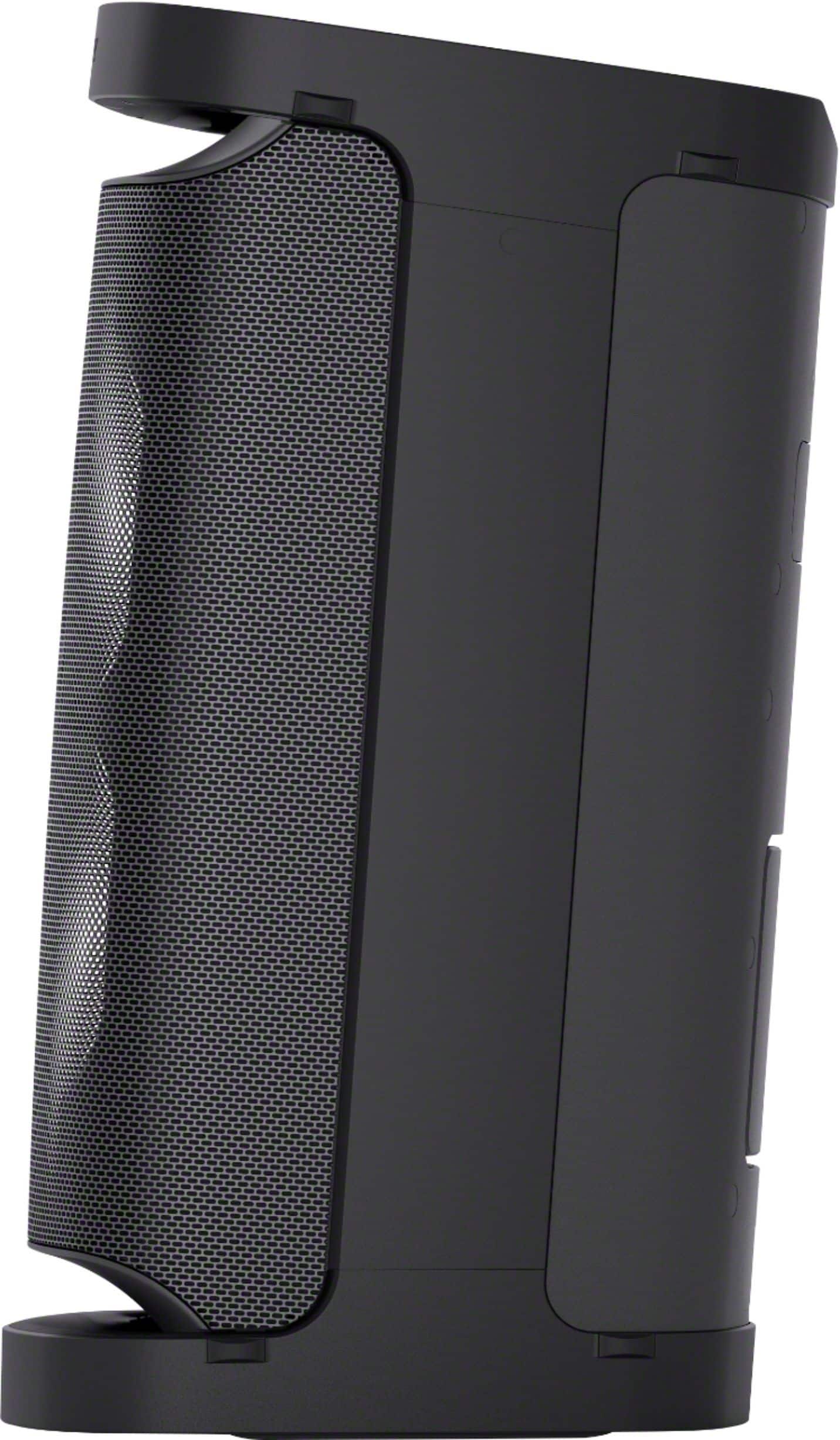
The Sony SRS-XP700, by contrast, produces 60 watts RMS through a more complex driver arrangement: three front tweeters, one rear tweeter, two X-Balanced woofers, and a passive radiator. While dramatically lower on paper, Sony's engineering focuses on efficiency and dispersion rather than brute force.
In practical terms, the JBL can achieve sound pressure levels that will satisfy even the most demanding party scenarios—think block parties, wedding receptions, or outdoor festivals. The Sony, while still impressively loud for its size, works better for backyard gatherings, pool parties, or indoor events where neighbors matter.
Here's where the comparison becomes more nuanced. The Sony SRS-XP700 uses omnidirectional sound design, meaning it projects audio in all directions rather than just forward. This creates more consistent sound throughout a room and eliminates "dead zones" where people might experience poor audio quality. The multiple tweeters and X-Balanced woofer technology prioritize clarity and instrument separation.
Sony's Clear Audio+ processing and DSEE (Digital Sound Enhancement Engine) work to restore detail lost in compressed music files—increasingly important as most party music comes from streaming services. The LIVE SOUND mode simulates concert hall acoustics, which sounds gimmicky but actually helps recreate the spatial feeling of live music.
The JBL PartyBox 720 takes a different approach, optimizing for impact over nuance. Those massive 9-inch woofers deliver bass that you feel in your chest, crucial for dance music and hip-hop where the low-end drive creates energy. However, the lack of dedicated mid-range drivers means vocals and instruments can get somewhat lost in busy mixes, especially at high volumes.
JBL's AI Sound Boost technology attempts to compensate by optimizing audio in real-time, but the fundamental driver configuration prioritizes bass impact over midrange clarity. For genres like EDM, reggaeton, or bass-heavy pop, this approach works brilliantly. For acoustic music, jazz, or content where vocal clarity matters, the Sony's more balanced approach proves superior.
Both speakers excel in bass reproduction but with different characteristics. The JBL PartyBox 720 extends down to 32Hz, reaching into true sub-bass territory that you feel more than hear. This low-frequency extension creates the room-shaking bass that defines modern party music.
The Sony SRS-XP700 doesn't specify its frequency response range, but user reports and measurements suggest it reaches approximately 40-45Hz. While not as deep as the JBL, Sony's bass response focuses on mid-bass punch around 60-80Hz—the range that provides rhythmic drive without overwhelming other frequencies.
The practical difference: the JBL creates more dramatic bass impact for electronic music and modern pop, while the Sony delivers more controlled, musical bass that works across genres without fatiguing listeners during extended sessions.
Battery life represents perhaps the most significant practical difference between these speakers. The Sony SRS-XP700 achieves up to 25 hours of playback, genuinely exceptional for a speaker this powerful. This runtime assumes moderate volume levels, but even at party-level volumes, users consistently report 12-15 hours of operation.
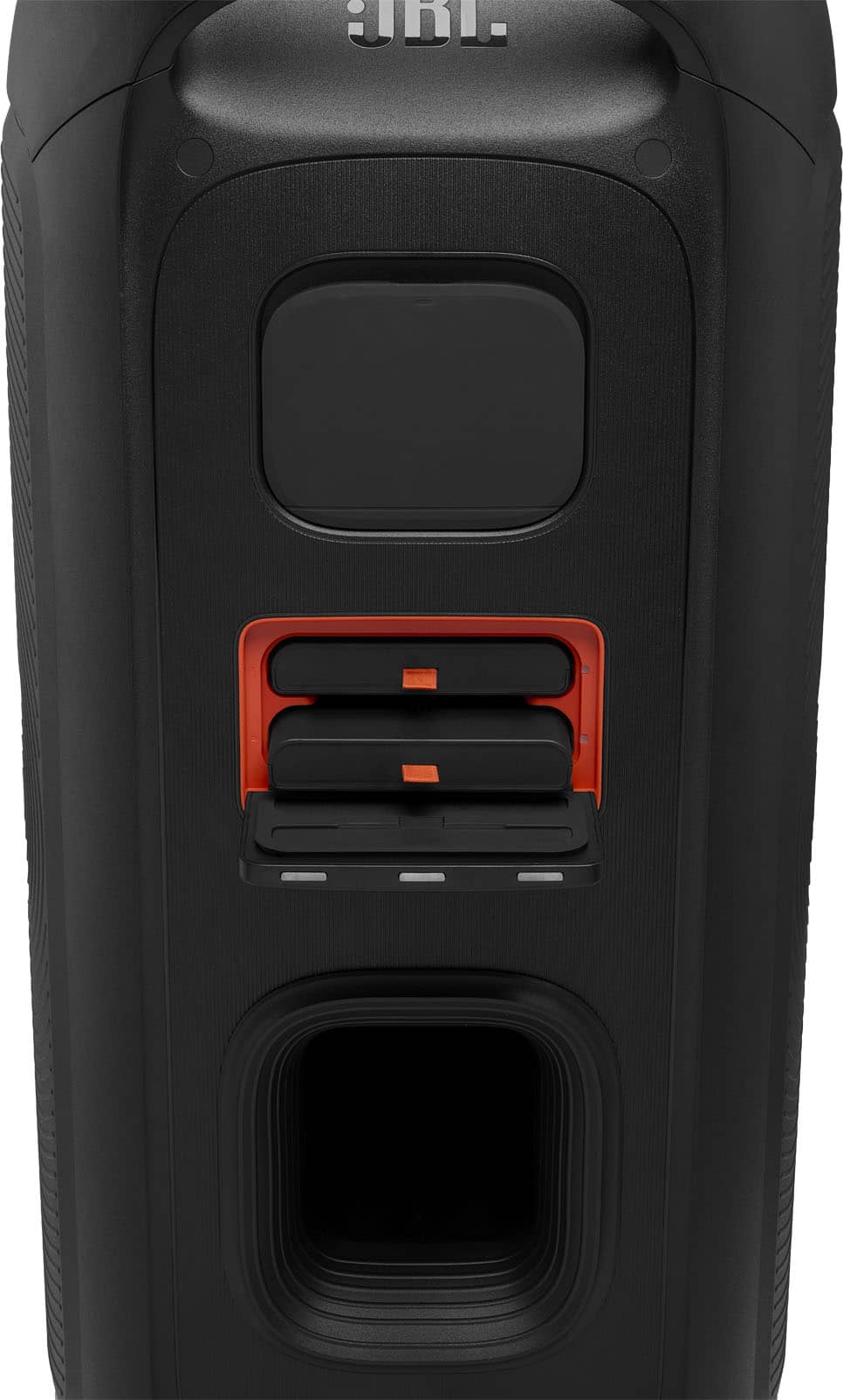
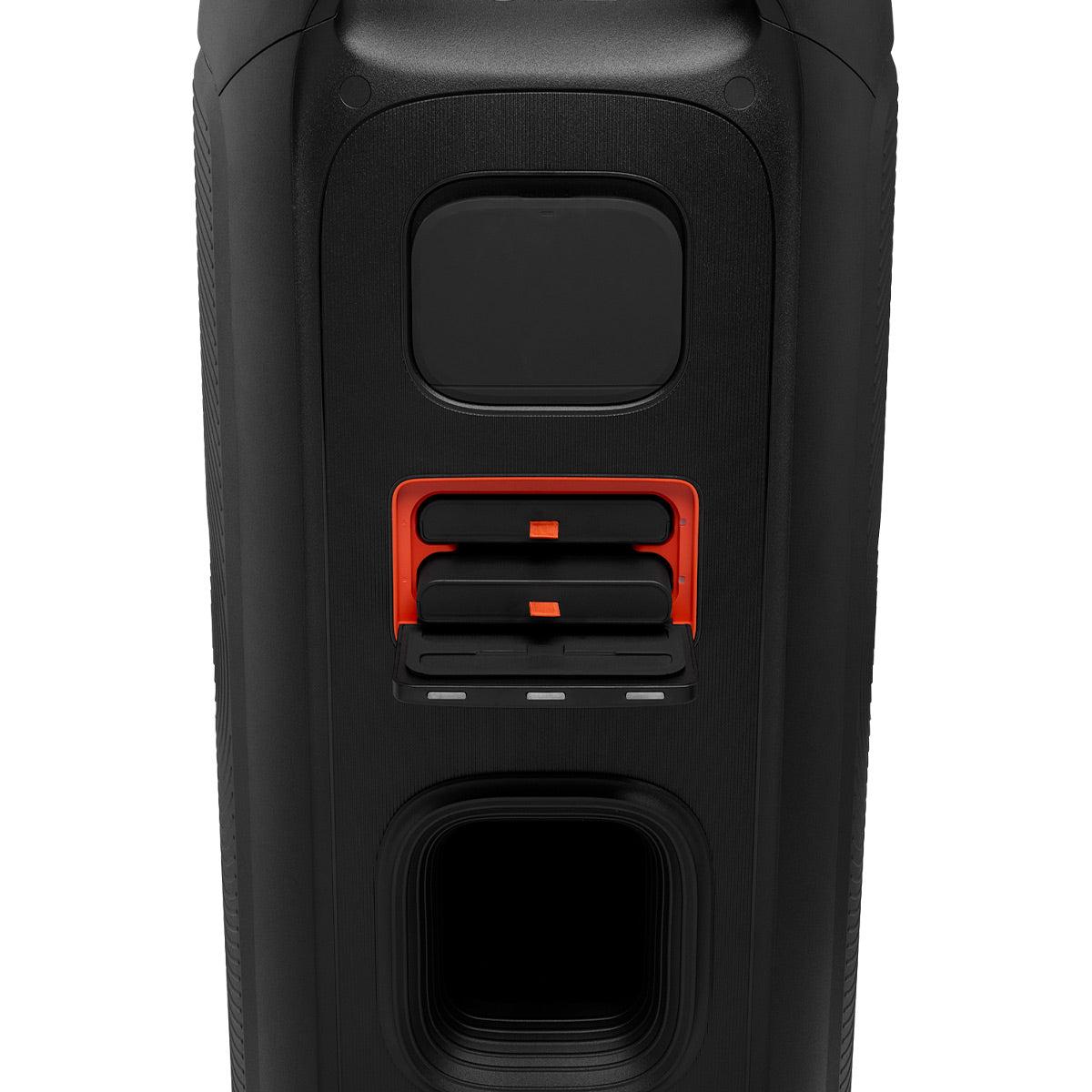
The JBL PartyBox 720 offers up to 15 hours with its optional battery packs—note that batteries are sold separately, adding to the total cost. However, JBL's swappable battery system provides a unique advantage: you can carry spare batteries for theoretically unlimited operation, swapping them like phone batteries from the early 2000s.
Both speakers support fast charging, but Sony's implementation proves more practical for spontaneous events. A 10-minute charge provides 3 hours of playback on the Sony versus 2 hours on the JBL—useful when you realize your speaker is dead an hour before guests arrive.
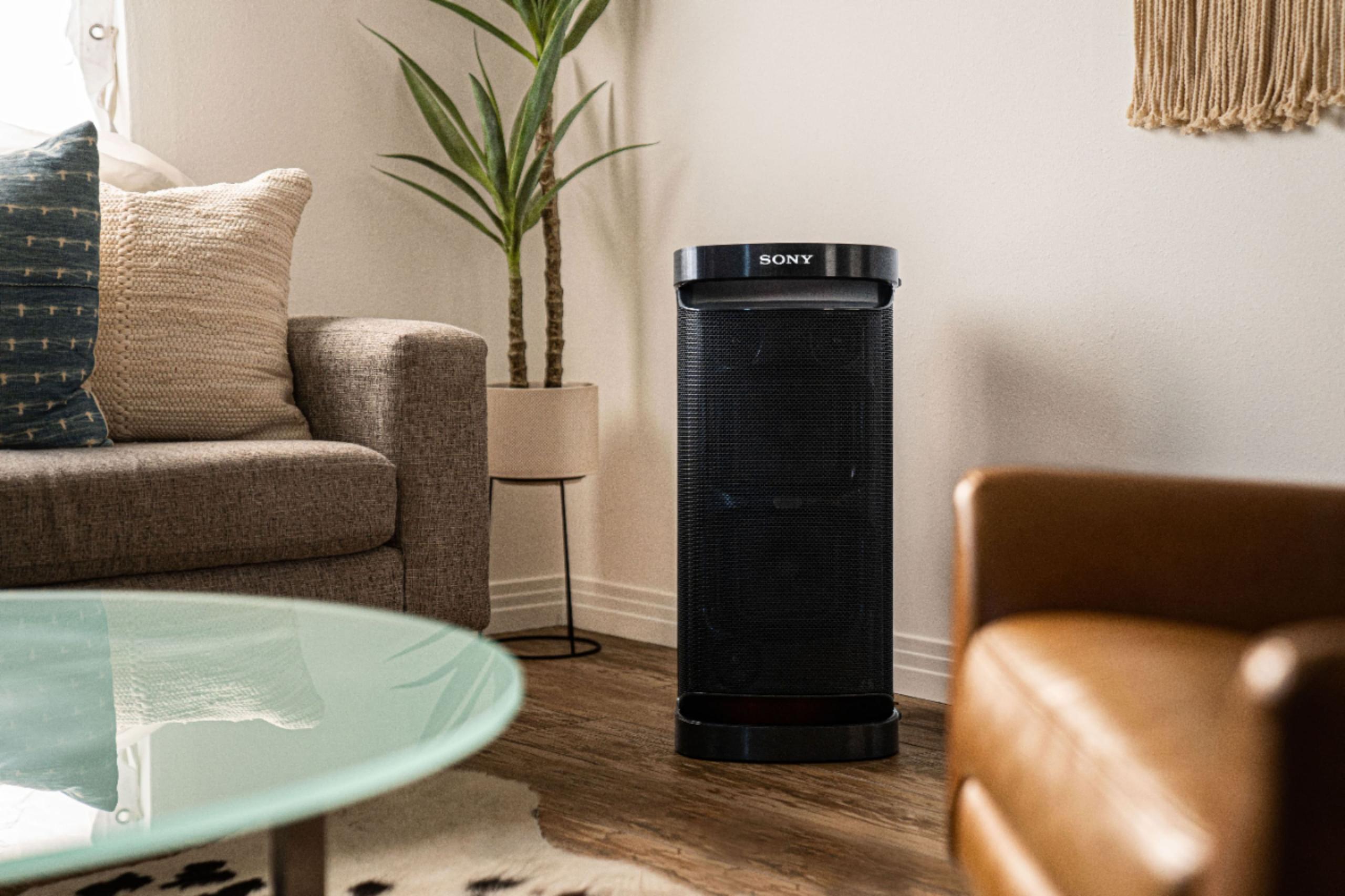
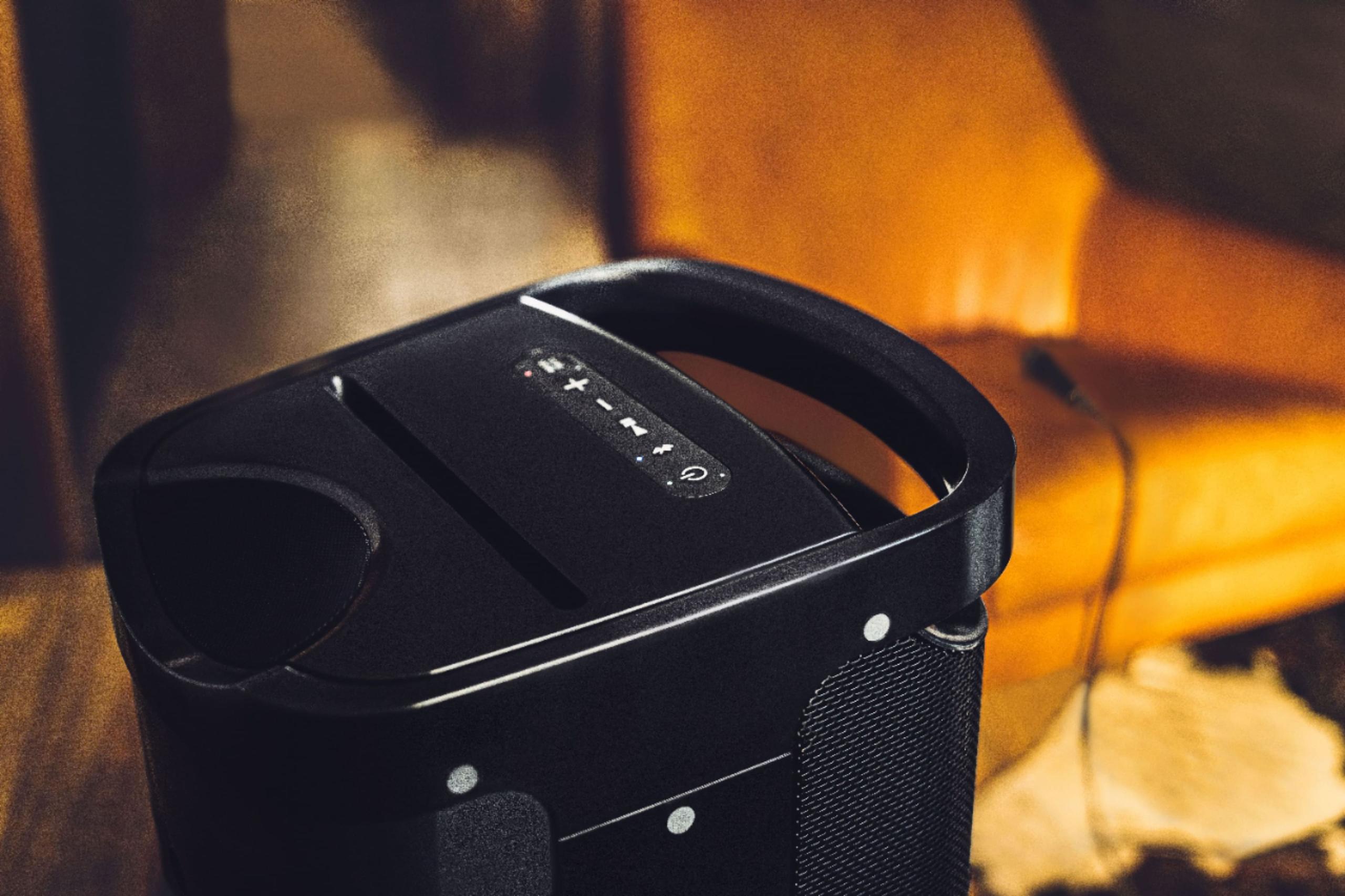
Weight becomes the crucial factor here. At 37.25 pounds, the Sony SRS-XP700 pushes the limits of what most people can comfortably carry, but it remains manageable for short distances. The dual integrated handles help distribute weight, and the speaker's relatively compact form factor fits in most car trunks.
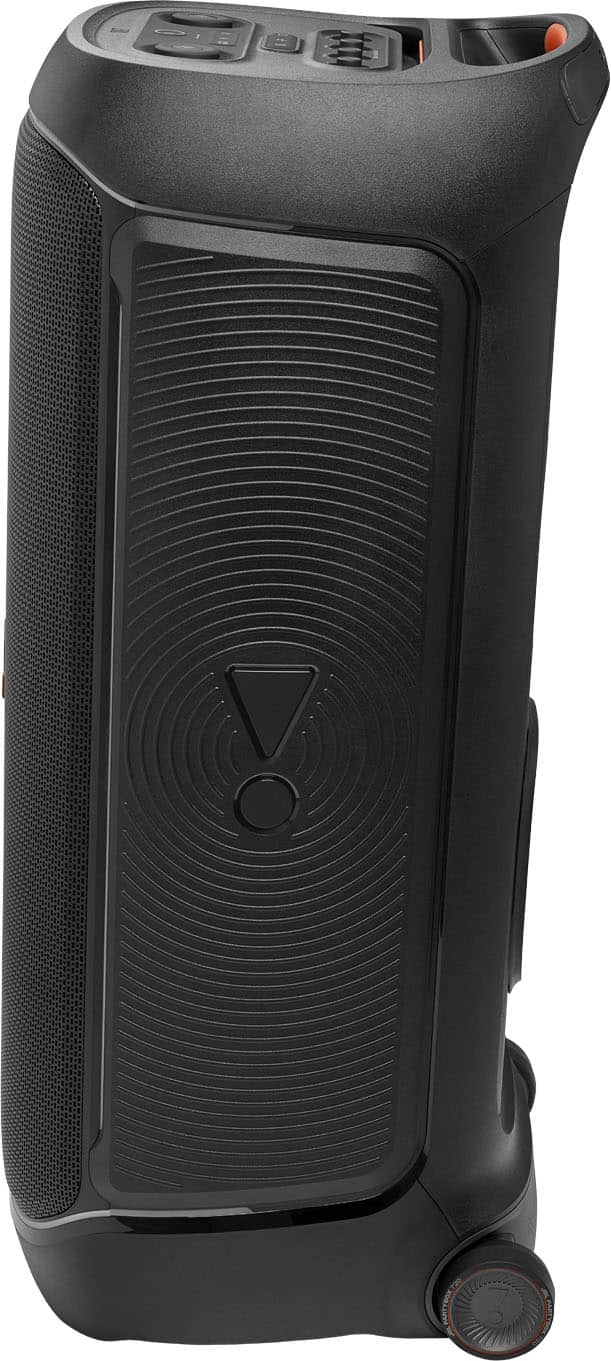
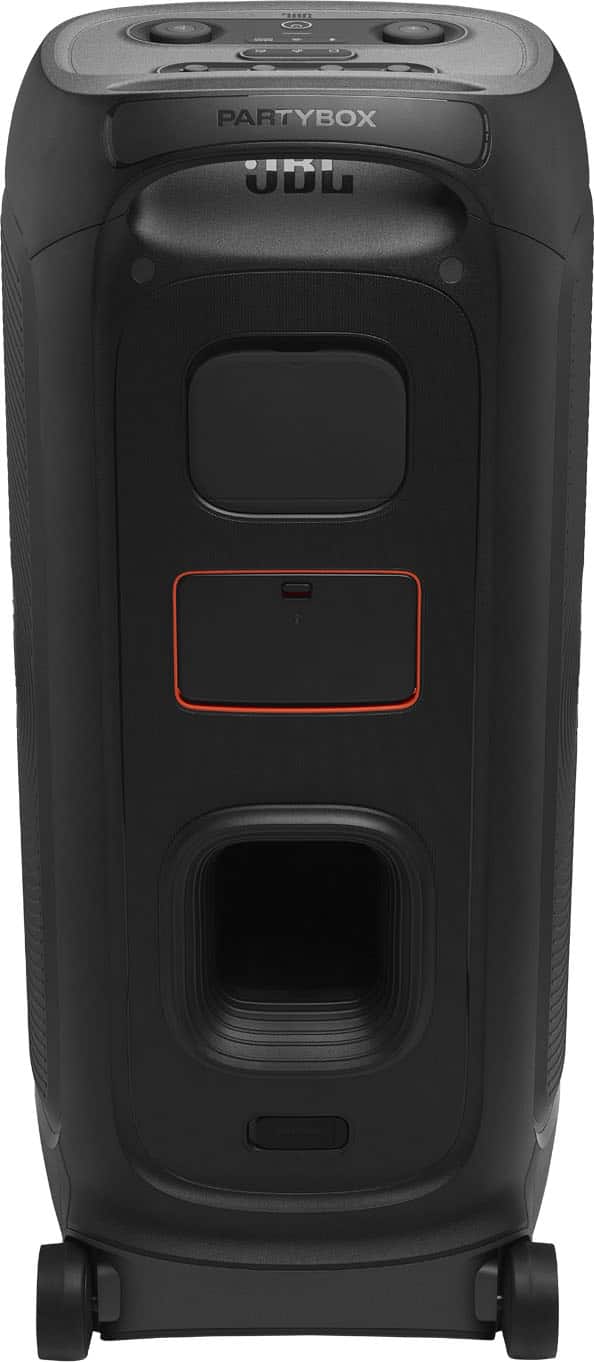
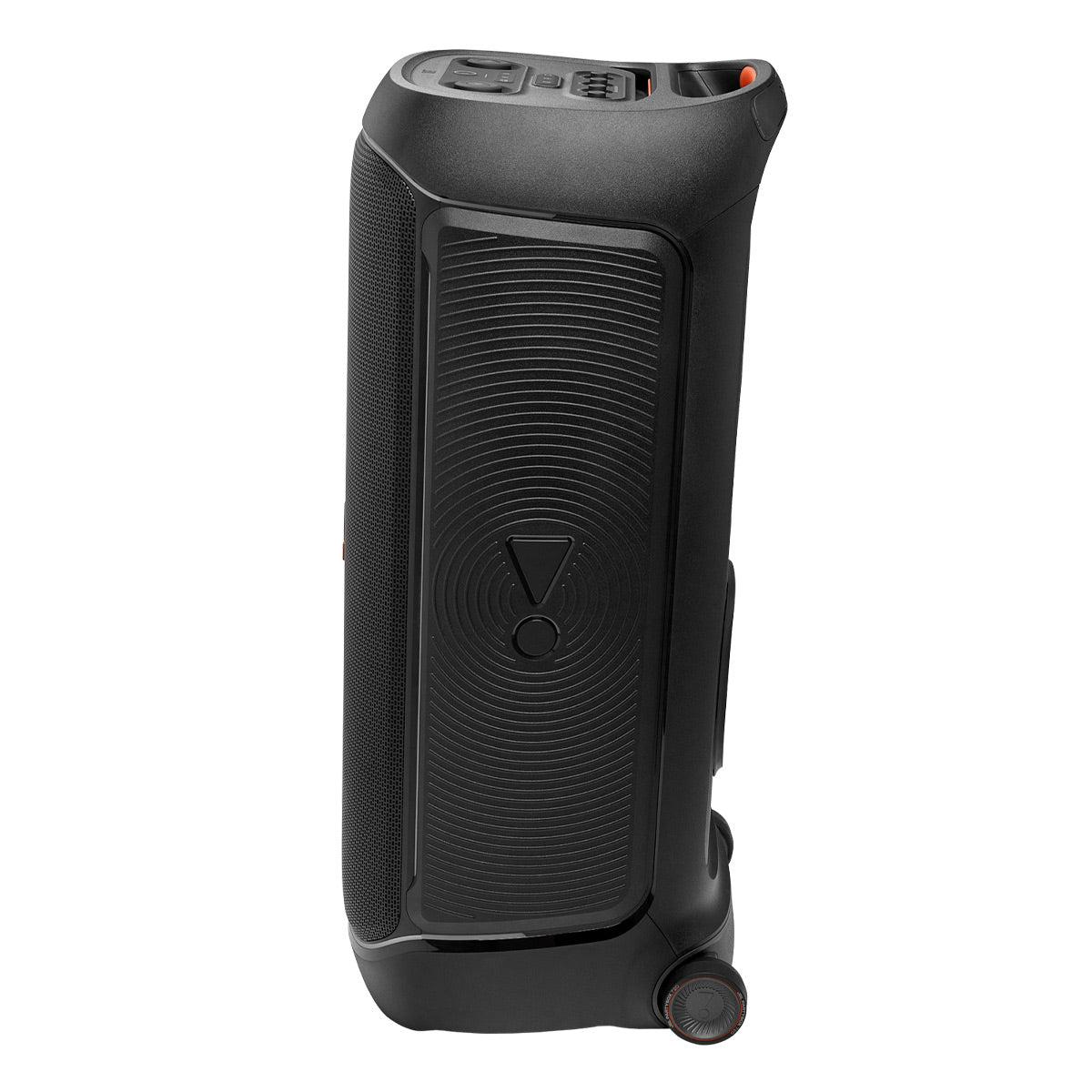
The JBL PartyBox 720 at 68.3 pounds essentially requires wheeled transport. JBL includes wide, sturdy wheels and a telescoping handle, transforming it into something resembling rolling luggage. While this works well on smooth surfaces, navigating stairs, sand, or uneven terrain becomes genuinely challenging.
The weight difference reflects each speaker's target use case. The Sony emphasizes portability for camping, beach trips, or events where you might need to carry the speaker significant distances. The JBL assumes you'll primarily use it in fixed locations or venues with good accessibility.
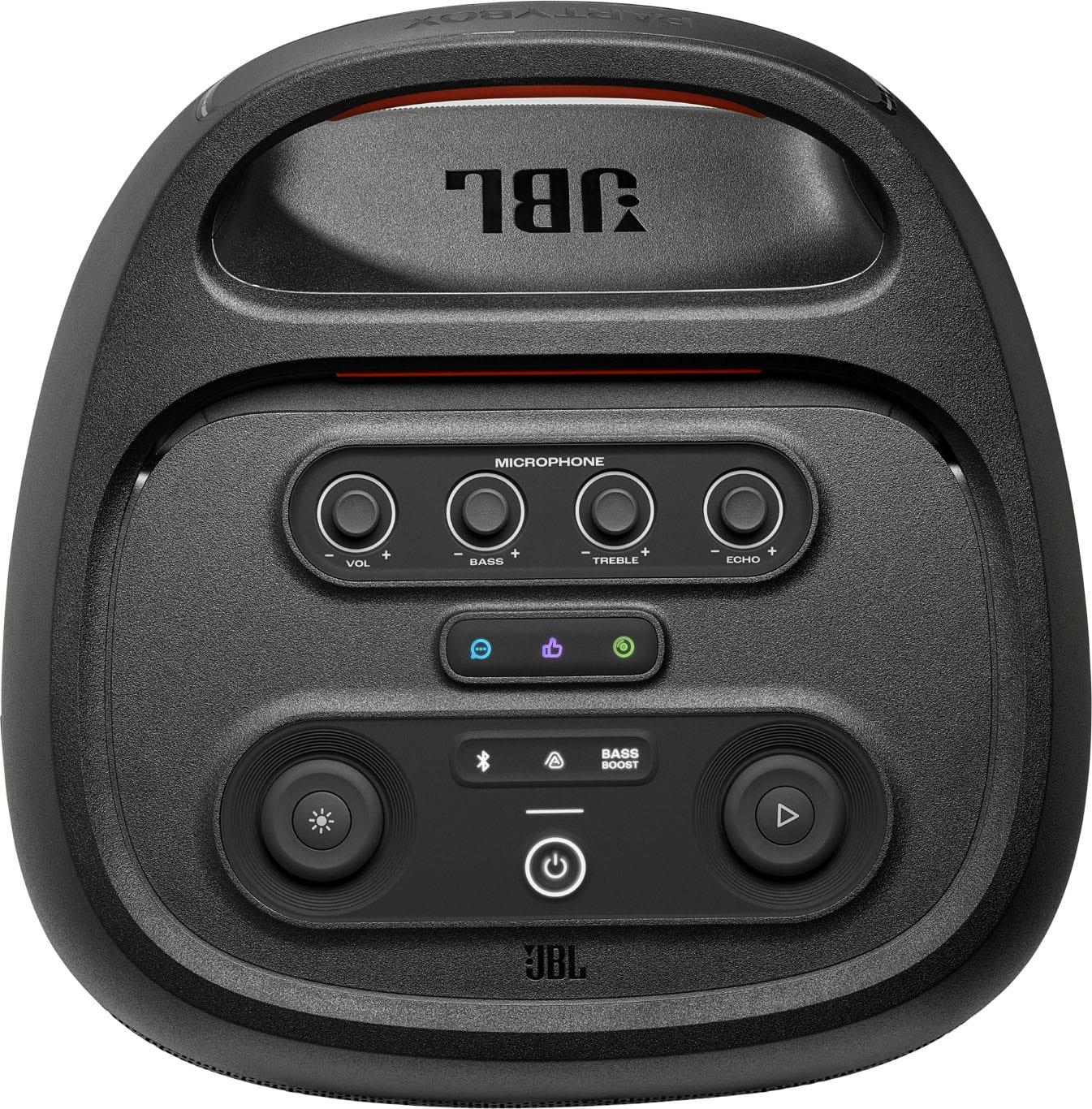
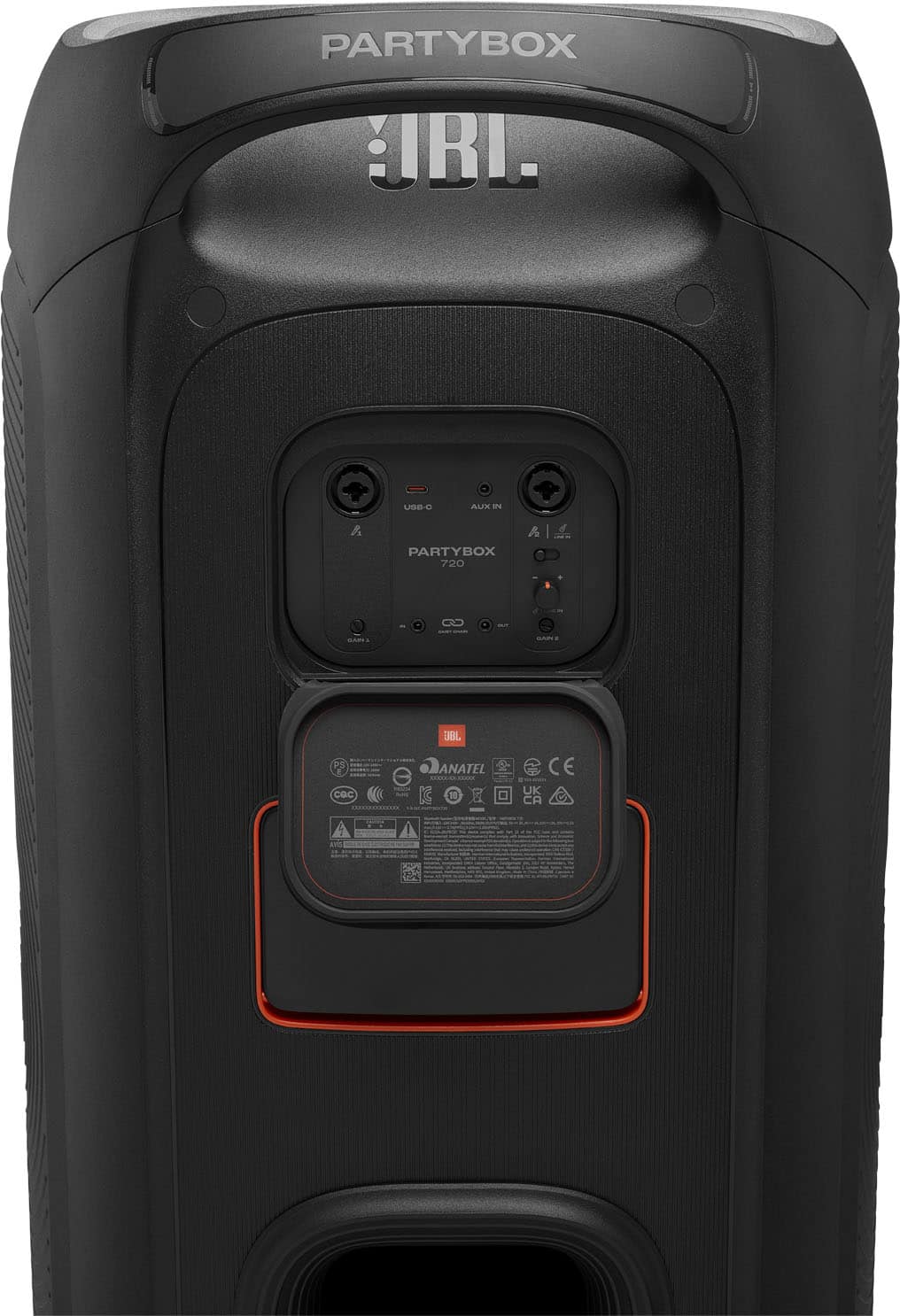
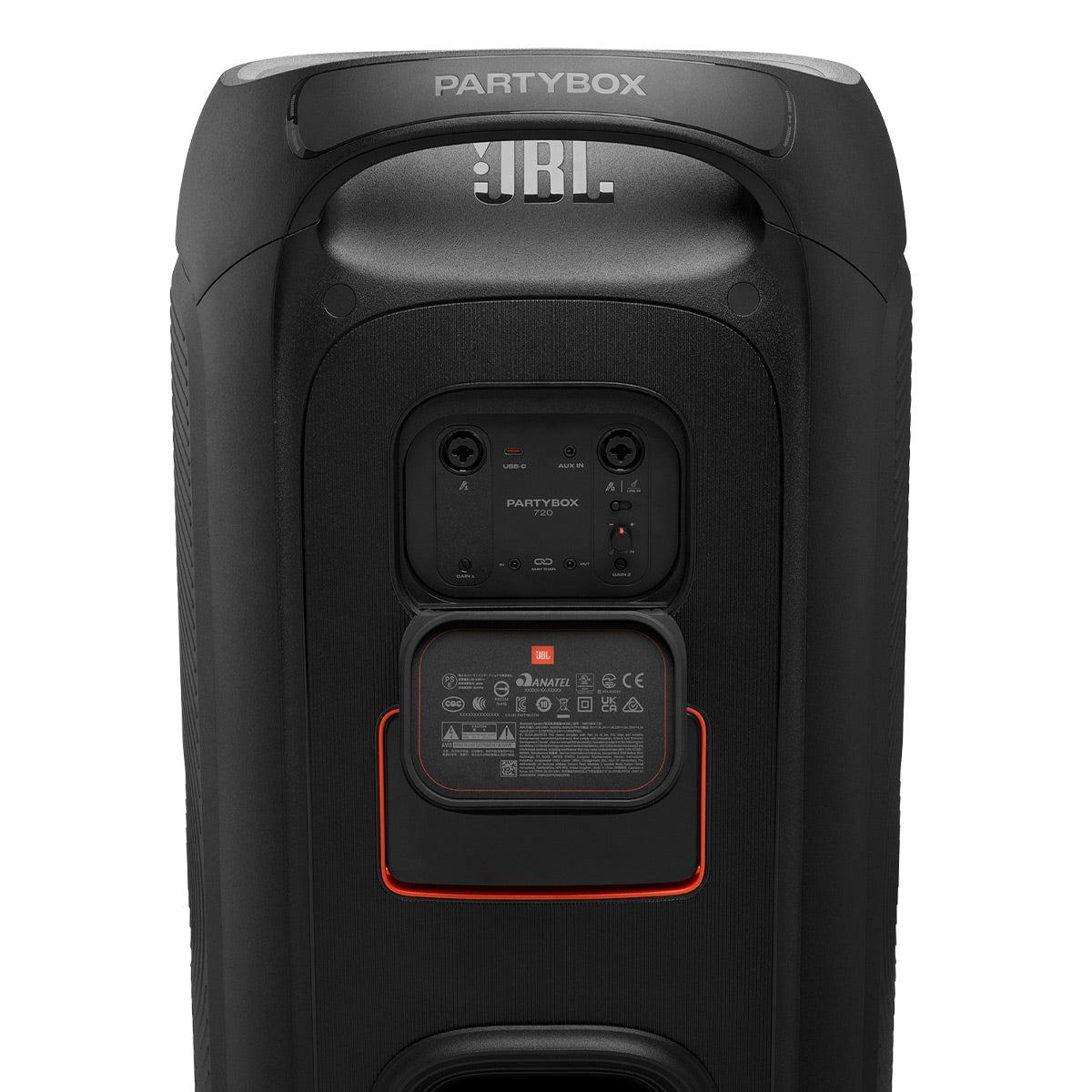
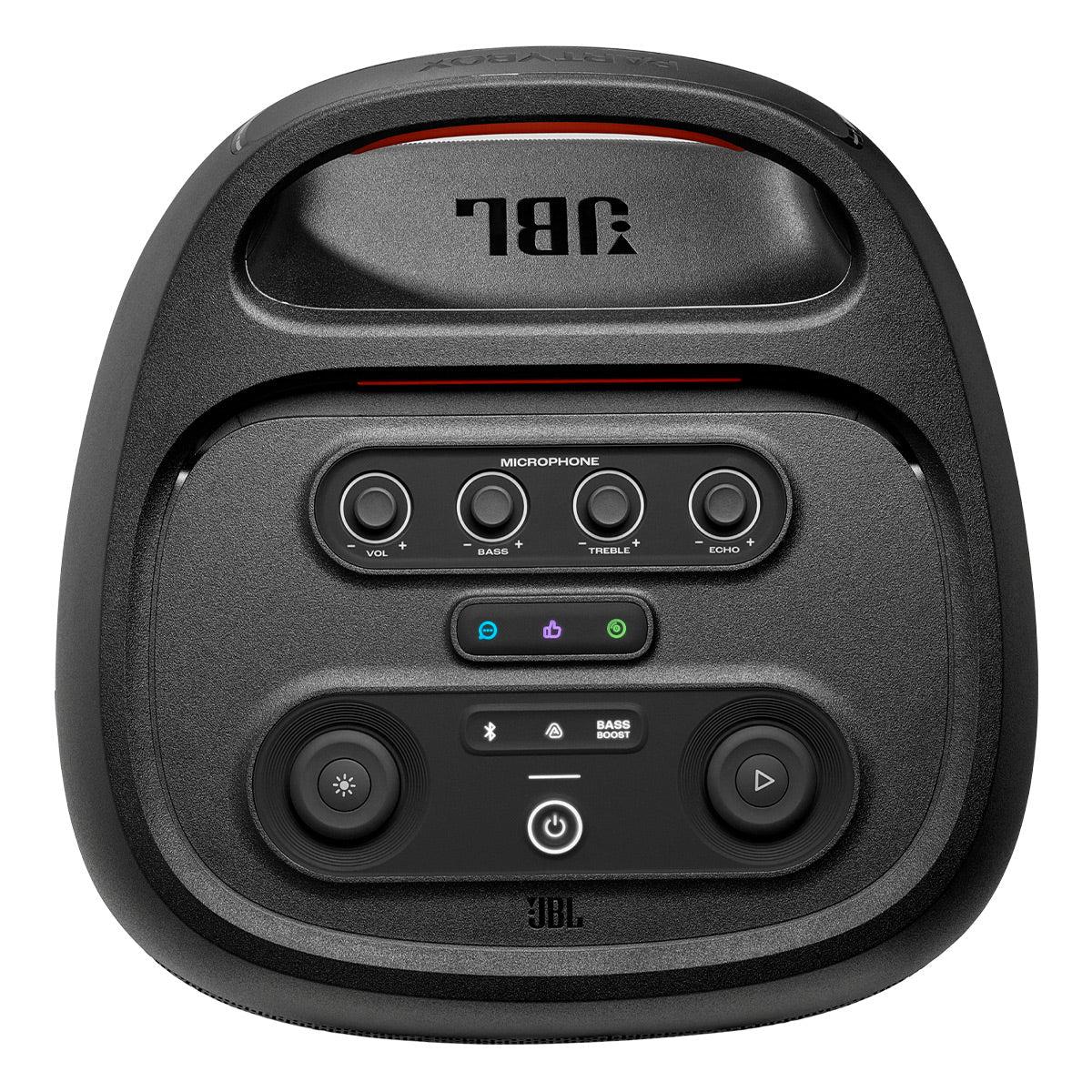
The JBL PartyBox 720 clearly targets semi-professional use with dual XLR inputs—the standard connection for professional microphones and DJ equipment. These inputs include dedicated level controls for microphone volume, bass, treble, and echo effects. If you're a wedding DJ, karaoke enthusiast, or aspiring performer, these features prove invaluable.
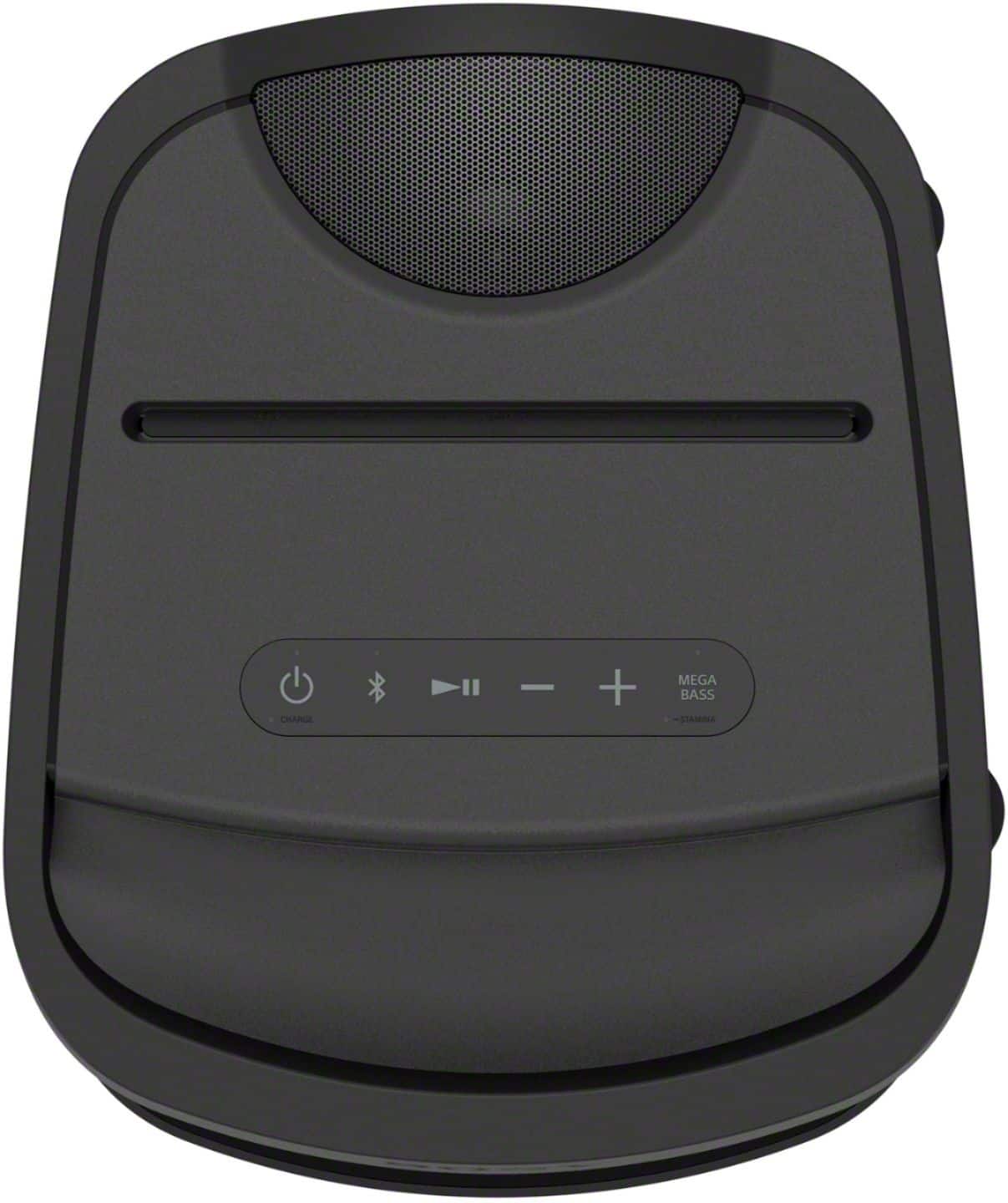
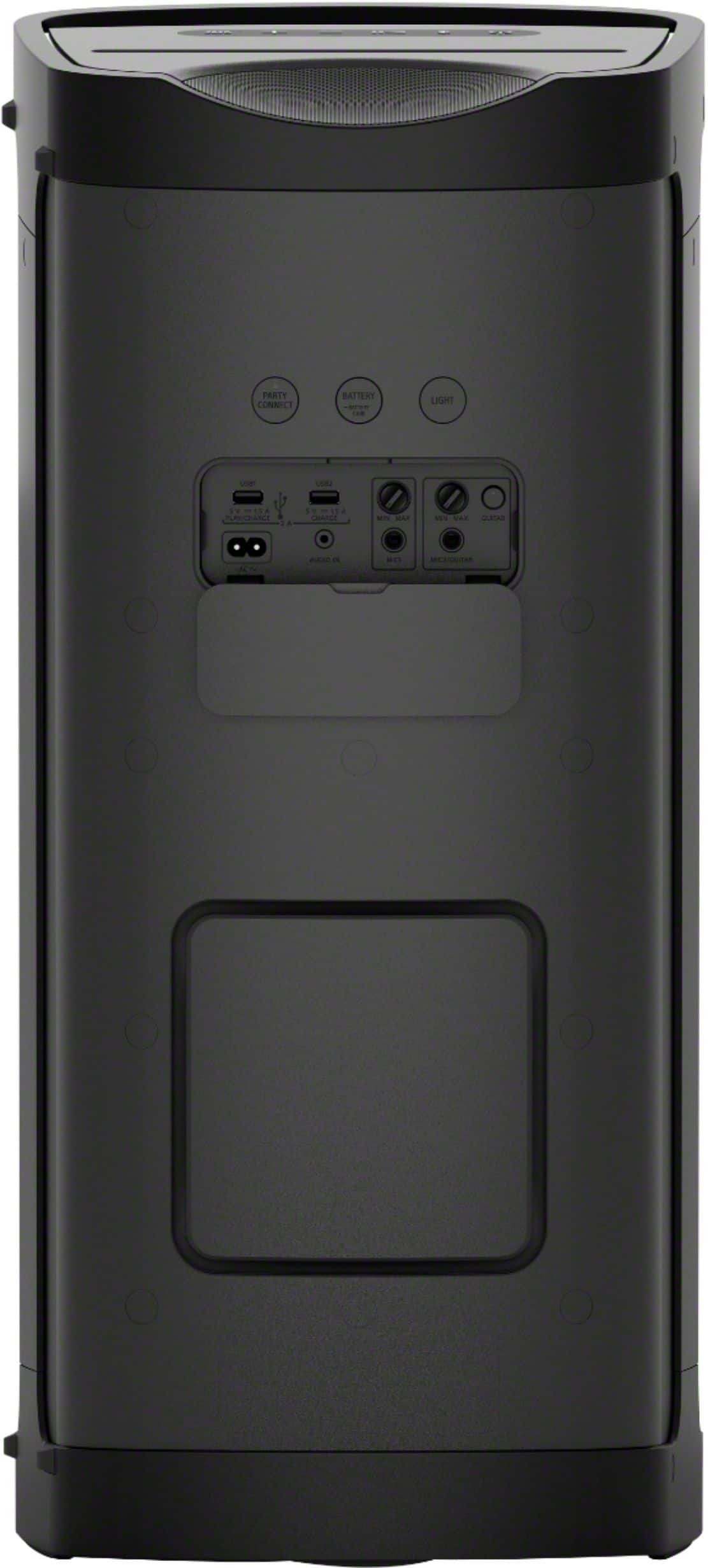
The Sony SRS-XP700 offers more basic but still useful connectivity: 6.3mm microphone and guitar inputs, USB-A ports for music playback and device charging, and standard 3.5mm auxiliary input. While less professional than XLR, these connections handle most amateur performance scenarios.
Both speakers support multiple simultaneous connections—the Sony can pair with 8 devices and connect to 2 simultaneously, while the JBL supports standard multi-device Bluetooth pairing. This flexibility helps at parties where multiple people want to DJ from their phones.
Here's where release timing shows clear advantages for the JBL PartyBox 720. Bluetooth 5.4 with Auracast technology represents the cutting edge of wireless audio, enabling seamless connection to multiple Auracast-enabled devices and speakers. This newer standard provides more stable connections, lower latency, and better power efficiency.
The Sony SRS-XP700 uses Bluetooth 5.0 with Sony's proprietary LDAC codec, which provides higher-quality wireless audio transmission than standard Bluetooth codecs. LDAC can transmit nearly three times more data than conventional Bluetooth, preserving more musical detail from high-quality source files.
Sony's Party Connect feature allows linking up to 100 compatible speakers—impressive on paper, though few users will ever need that many speakers. More practically, Sony speakers can pair with non-Sony Bluetooth speakers, providing flexibility in mixed-brand setups.
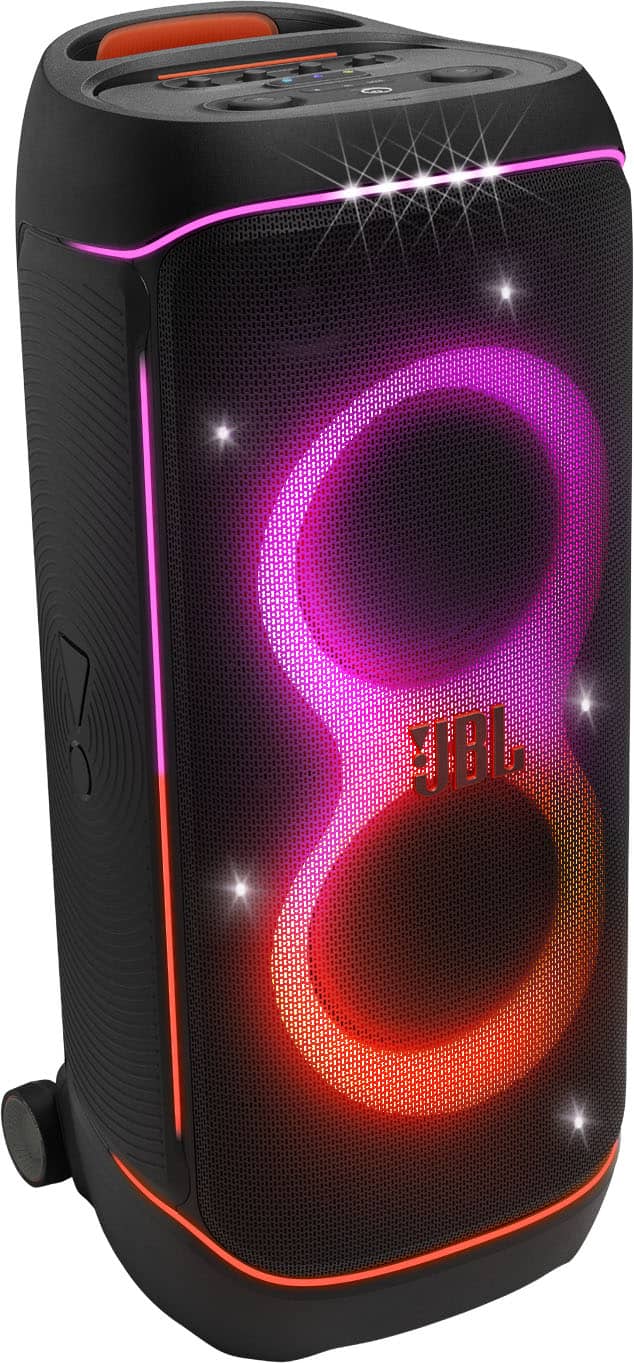
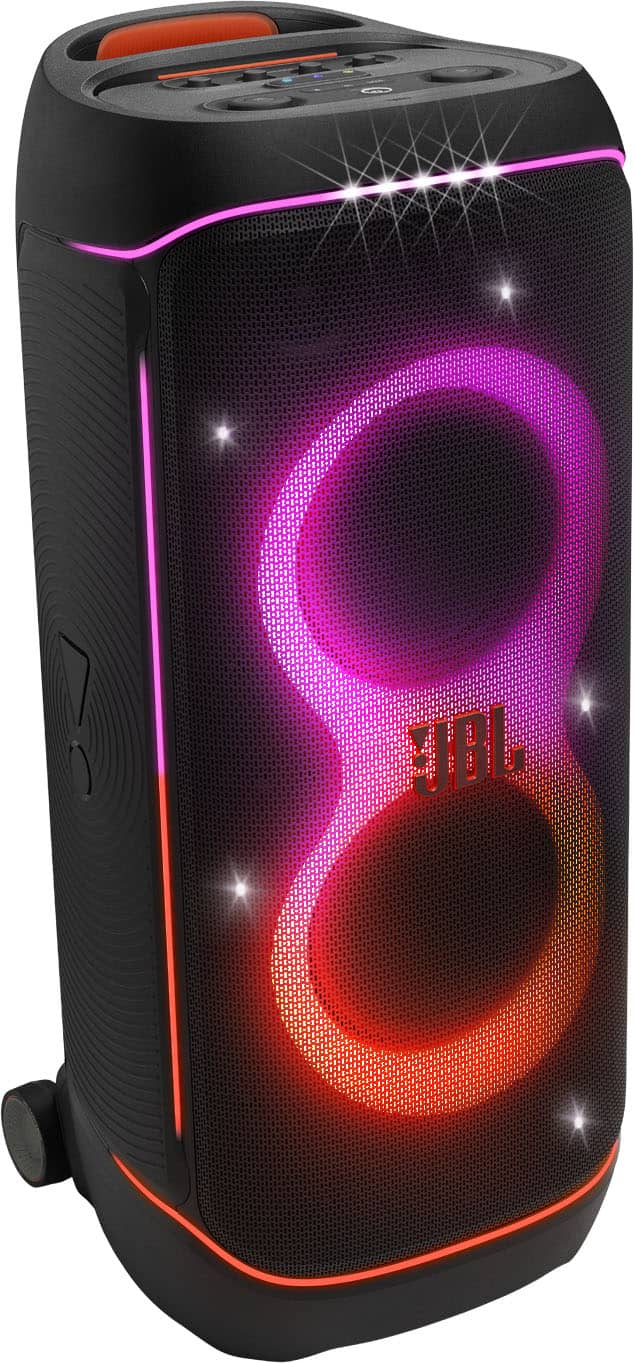
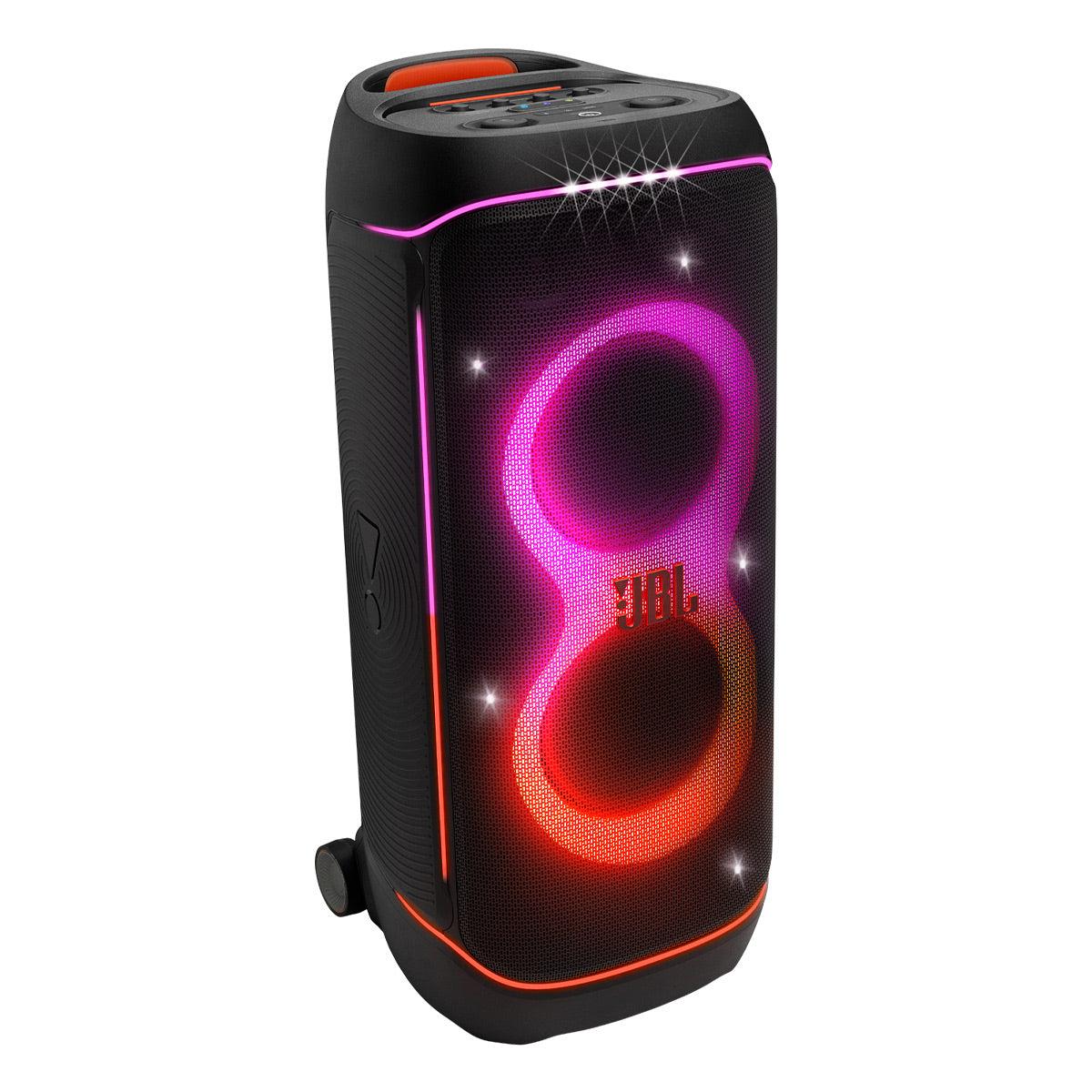
The visual spectacle represents a major differentiator for party speakers, and the JBL PartyBox 720 dominates this category. Its 360-degree lighting system creates genuinely impressive effects with starry patterns, flowing trails, and synchronized strobes that span the entire front panel. The effects synchronize tightly with music across various genres, creating legitimate visual entertainment.
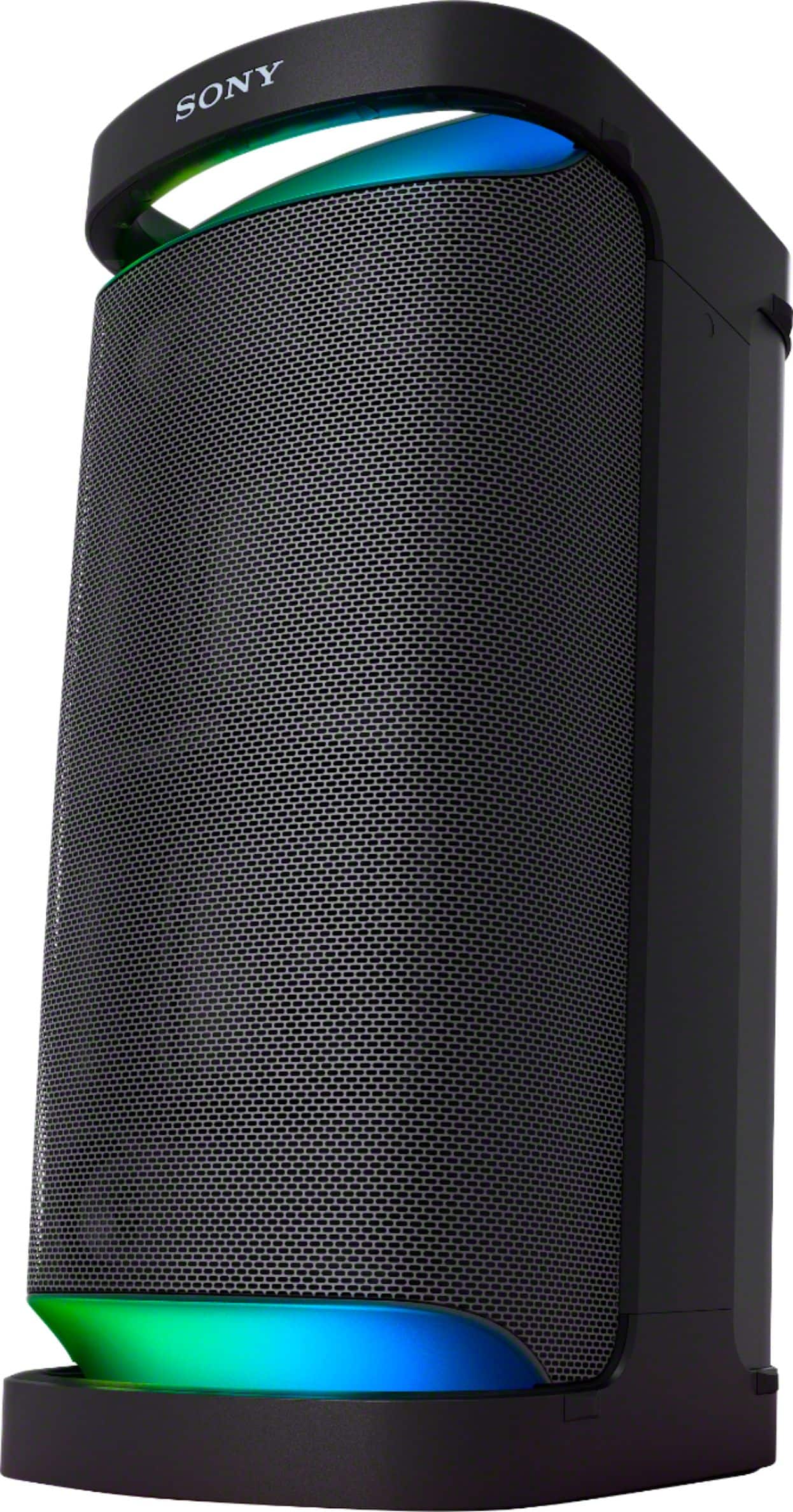
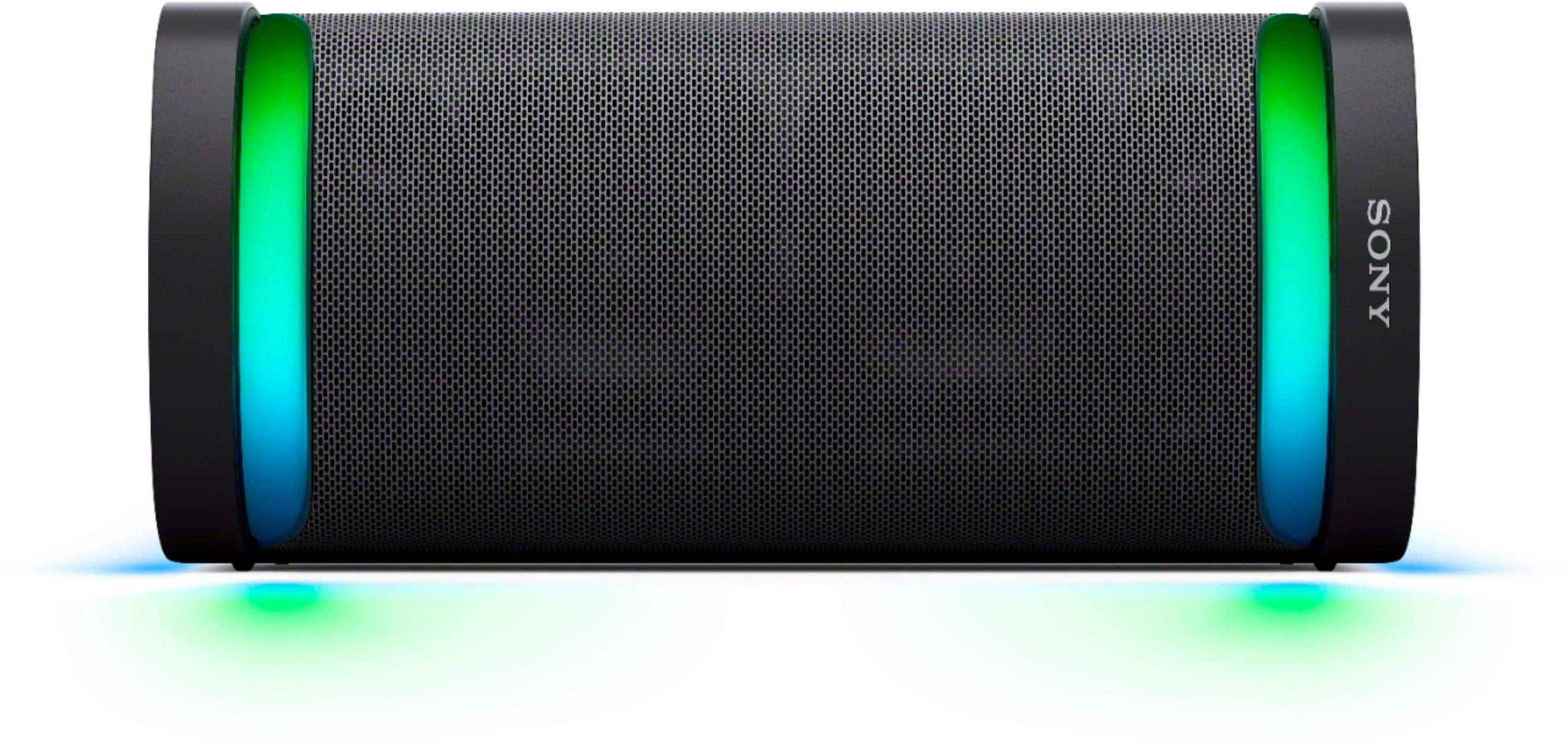
The Sony SRS-XP700 includes customizable RGB lighting, but the effects appear more subtle and refined. Sony's approach emphasizes ambient lighting that enhances the party atmosphere without overwhelming the music. The lighting can be customized through the Sony Music Center app, but it lacks the dramatic flair of the JBL system.
For house parties or intimate gatherings, Sony's understated approach works well. For events where you want to create a true dance club atmosphere, JBL's elaborate lighting system provides significantly more visual impact.
Both manufacturers provide comprehensive smartphone apps for remote control, but with different strengths. Sony's Music Center app focuses on audio customization with detailed EQ controls, sound mode selection, and stereo pairing options. The separate Fiestable app adds party-specific features like karaoke scoring and DJ effects.
JBL's PartyBox app integrates lighting and audio control in a single interface, with a 7-band graphic equalizer and extensive lighting customization. The unified approach proves more intuitive for managing both audio and visual elements during events.
Both speakers feature IPX4 splash-proof ratings, meaning they can withstand water splashes from any direction but not submersion. This protection handles poolside use, light rain, or accidental spills, but neither speaker should be considered truly waterproof.
Build quality differs significantly in approach. The Sony SRS-XP700 uses a more consumer-oriented design that prioritizes portability over ruggedness. While well-built, frequent transport and handling will eventually show wear.
The JBL PartyBox 720 features genuinely industrial-grade construction with reinforced corners, metal grilles, and robust internal bracing. The wheeled design distributes stress more effectively during transport, potentially extending lifespan for users who frequently move the speaker.
At the time of writing, both speakers command premium prices in their respective categories, but they offer different value propositions. The Sony SRS-XP700 typically costs significantly less while delivering exceptional battery life, refined audio quality, and genuine portability. For most users hosting typical parties or events, the Sony provides better overall value.
The JBL PartyBox 720 costs considerably more but delivers performance that justifies the premium for specific use cases. If you need maximum volume, professional connectivity, or spectacular lighting effects, the additional cost provides tangible benefits.
Consider total cost of ownership: the JBL requires separate battery packs (adding several hundred dollars to the total price), while the Sony includes everything needed for immediate use. However, the JBL's swappable batteries could prove more economical long-term for heavy users, as battery replacement doesn't require manufacturer service.
Neither speaker is designed primarily for home theater use, but both can serve as powerful soundbars for casual viewing. The Sony SRS-XP700 works better for this application due to its clearer midrange reproduction and omnidirectional design, which provides more consistent dialogue clarity throughout a room.
The JBL PartyBox 720 can certainly provide dramatic sound effects and powerful bass for action movies, but dialogue reproduction suffers somewhat due to the lack of dedicated mid-range drivers. The size and industrial aesthetic also make it less suitable for most living room environments.
For dedicated home theater use, both speakers lack the precise imaging and frequency balance of purpose-built soundbars or speaker systems in similar price ranges.
After extensive research into expert reviews and user experiences, the choice between these speakers comes down to your specific needs and priorities.
Choose the Sony SRS-XP700 if you value portability, battery life, and audio refinement. It's perfect for camping trips, beach parties, backyard gatherings, or any scenario where you need to carry the speaker significant distances. The 25-hour battery life makes it ideal for multi-day events, and the balanced sound signature works well across musical genres. At its typically lower price point, it delivers exceptional value for most party scenarios.
Choose the JBL PartyBox 720 if you need maximum impact and don't mind the weight penalty. It's the clear winner for large events, DJ use, or situations where you want to create a true club atmosphere. The professional connectivity options make it suitable for semi-commercial use, and the elaborate lighting system adds genuine entertainment value. However, the higher cost and separate battery purchase make it a significant investment.
For most people reading this comparison, the Sony SRS-XP700 represents the better overall choice. It provides 90% of the party experience at roughly 60% of the total cost, with significantly better portability for real-world use. The JBL PartyBox 720 excels in specific scenarios but requires commitment to its size, weight, and cost demands.
The party speaker market continues evolving rapidly, but these two models represent the current state of the art in their respective approaches. Whether you choose Sony's refined efficiency or JBL's spectacular power, both speakers will transform your gatherings in ways that smaller Bluetooth speakers simply cannot match.
| Sony SRS-XP700 | JBL PartyBox 720 |
|---|---|
| Power Output - Determines maximum volume and bass impact | |
| 60W RMS (loud enough for most parties) | 800W RMS (concert-level volume for large venues) |
| Weight - Critical for portability and transport | |
| 37.25 lbs (heavy but manageable for one person) | 68.3 lbs (requires wheels, difficult on stairs/uneven ground) |
| Battery Life - How long your party can last unplugged | |
| Up to 25 hours (exceptional for all-day events) | Up to 15 hours with optional batteries (batteries sold separately) |
| Driver Configuration - Affects sound quality and dispersion | |
| 3 front + 1 rear tweeter, 2 X-Balanced woofers, passive radiator | 2 x 9-inch woofers, 2 x 1.25-inch tweeters |
| Frequency Response - How deep the bass goes | |
| Not specified (estimated 40-45Hz based on performance) | 32Hz - 20kHz (deeper sub-bass extension) |
| Bluetooth Version - Affects connection stability and features | |
| 5.0 with LDAC codec (higher audio quality) | 5.4 with Auracast (newest standard, multi-speaker linking) |
| Professional Inputs - Important for DJs and live performance | |
| 6.3mm mic/guitar inputs, USB-A, 3.5mm aux | Dual XLR inputs, USB-C, mic/guitar inputs, aux |
| Lighting Effects - Visual entertainment factor | |
| Customizable RGB LEDs (subtle ambient lighting) | 360° starry lights, trails, strobes (dramatic club-style effects) |
| Water Resistance - Protection for outdoor use | |
| IPX4 splash-proof (poolside safe, not submersible) | IPX4 splash-proof (poolside safe, not submersible) |
| Multi-Speaker Connection - Expanding your sound system | |
| Party Connect up to 100 speakers, works with non-Sony speakers | Auracast wireless linking with compatible JBL speakers |
| Fast Charging - Quick power boost when needed | |
| 10 minutes = 3 hours playback | 10 minutes = 2 hours playback |
| Transport Design - How you move it around | |
| Dual integrated handles for lifting | Telescoping handle with wide wheels for rolling |
The JBL PartyBox 720 is significantly louder with 800W of power output compared to the Sony SRS-XP700's 60W RMS. The JBL can fill large venues like gymnasiums or outdoor festivals, while the Sony works best for backyard parties and medium-sized gatherings.
The Sony SRS-XP700 offers exceptional 25-hour battery life, while the JBL PartyBox 720 provides up to 15 hours with optional battery packs (sold separately). For all-day events or camping trips, the Sony's longer runtime is a major advantage.
The Sony SRS-XP700 is much more portable at 37.25 pounds with dual handles, making it manageable for one person to carry. The JBL PartyBox 720 weighs 68.3 pounds and requires its built-in wheels for transport, making it difficult for stairs or uneven terrain.
The JBL PartyBox 720 delivers deeper, more powerful bass with its dual 9-inch woofers, extending down to 32Hz. The Sony SRS-XP700 focuses on balanced, clear sound with better midrange clarity and omnidirectional dispersion, though with less extreme bass impact.
The JBL PartyBox 720 features dramatic 360-degree lighting with starry patterns, flowing trails, and synchronized strobes that create a true club atmosphere. The Sony SRS-XP700 offers more subtle RGB ambient lighting that's customizable but less visually spectacular.
The JBL PartyBox 720 includes professional dual XLR inputs for microphones and DJ equipment, plus USB-C and standard inputs. The Sony SRS-XP700 offers 6.3mm mic/guitar inputs, USB-A ports for music playback and device charging, and 3.5mm auxiliary input.
Both speakers support karaoke, but the JBL PartyBox 720 is better suited for serious performance with dual XLR inputs and dedicated microphone controls for volume, bass, treble, and echo. The Sony SRS-XP700 handles basic karaoke well with its mic input and echo effects.
The Sony SRS-XP700 typically offers better value for most users, providing excellent sound quality, portability, and 25-hour battery life at a lower price point. The JBL PartyBox 720 costs significantly more but justifies the premium for users needing maximum volume and professional features.
Both the Sony SRS-XP700 and JBL PartyBox 720 feature IPX4 splash-proof ratings, protecting against water splashes and light rain. Neither is fully waterproof, but both can handle poolside parties and outdoor events with reasonable weather protection.
The Sony SRS-XP700 can pair with up to 8 devices and connect to 2 simultaneously, making it easy to switch between different people's music. The JBL PartyBox 720 supports standard Bluetooth multi-device pairing with newer Bluetooth 5.4 technology for more stable connections.
The Sony SRS-XP700 supports Party Connect linking up to 100 compatible speakers and can pair with non-Sony Bluetooth speakers for flexibility. The JBL PartyBox 720 uses newer Auracast technology for wireless multi-speaker linking, but only with compatible JBL speakers.
Both speakers offer fast charging capabilities. The Sony SRS-XP700 provides 3 hours of playback from just 10 minutes of charging, while the JBL PartyBox 720 offers 2 hours from 10 minutes. The JBL's advantage is swappable batteries for continuous operation, though batteries are sold separately.
We've done our best to create useful and informative comparisons to help you decide what product to buy. Our research uses advanced automated methods to create this comparison and perfection is not possible - please contact us for corrections or questions. These are the sites we've researched in the creation of this article: bestbuy.com - rtings.com - crutchfield.com - versus.com - rtings.com - rtings.com - youtube.com - versus.com - electronics.sony.com - youtube.com - youtube.com - youtube.com - youtube.com - crutchfield.com - armorsound.com - sony-asia.com - helpguide.sony.net - helpguide.sony.net - videoandaudiocenter.com - sony.com - sony.com - sony-asia.com - sony.com - sony.com - bestbuy.com - device.report - bestbuy.com - stereoindex.com - youtube.com - youtube.com - youtube.com - youtube.com - comparisontabl.es - jbl.com - youtube.com - youtube.com - youtube.com - bestbuy.com - versus.com - youtube.com - youtube.com - versus.com - youtube.com - jbl.com - news.jbl.com - engadget.com - news.harman.com - youtube.com - creativeaudio.net - jbl.com - skybygramophone.com - crutchfield.com - manuals.plus - youtube.com

Privacy Policy
Terms and Conditions - Affiliate Policy
Home Security
© Copyright 2008-2026.
11816 Inwood Rd #1211, Dallas, TX 75244