


Party speakers have become essential entertainment equipment for anyone who loves hosting gatherings, outdoor events, or just wants to fill their space with serious sound. These aren't your typical bookshelf speakers—they're designed to get loud, stay portable, and keep the energy high. But choosing between different models can be tricky, especially when you're comparing budget-focused power against premium features.
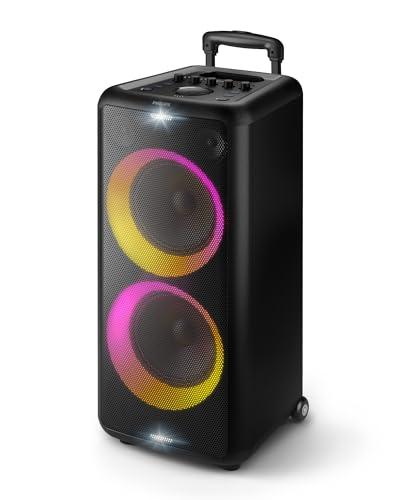
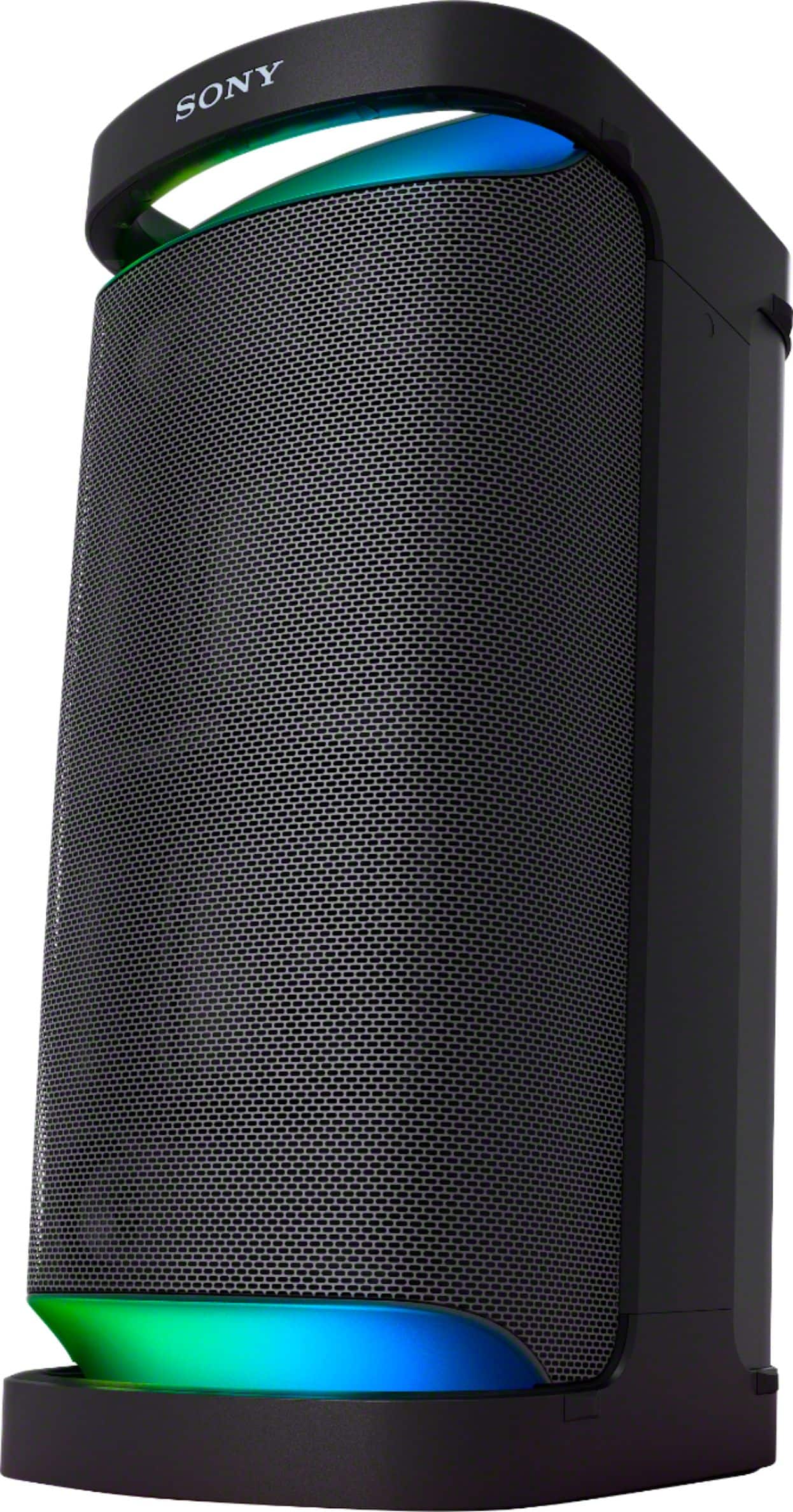
The Philips TAX5206 and Sony SRS-XP700 represent two distinct approaches to party audio. The Philips, released in recent years as part of their trolley speaker lineup, prioritizes raw volume and value. Meanwhile, Sony's SRS-XP700, launched in 2021, focuses on refined sound quality with smart features. Understanding which approach suits your needs requires diving into what really matters for party audio.
Party speakers occupy a unique space in audio equipment. Unlike home stereo speakers that prioritize accurate sound reproduction, or portable Bluetooth speakers designed for personal listening, party speakers are engineered for one primary goal: delivering loud, engaging sound that can energize a crowd and fill large spaces.
The most important performance metrics for party speakers include maximum volume output (measured in watts), battery life for outdoor portability, bass response for that chest-thumping feel, and sound clarity at high volumes. Many also include entertainment features like karaoke inputs, colorful lighting effects, and multiple connectivity options.
When evaluating these speakers, it's crucial to understand that "loud" doesn't always mean "good." Some speakers achieve high volume by pushing their drivers beyond their optimal range, resulting in distortion and muddy sound. The best party speakers maintain clarity and control even when cranked to maximum volume.
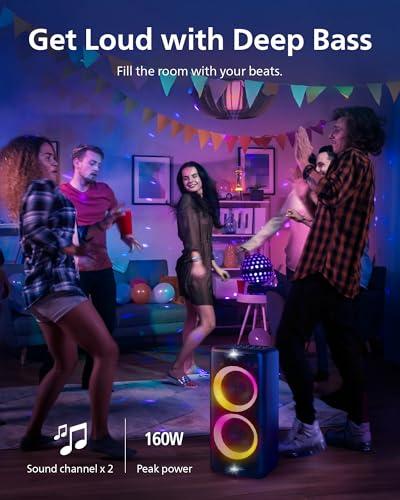
The most dramatic difference between the Philips TAX5206 and Sony SRS-XP700 lies in their power specifications. The Philips delivers 160W maximum output with 80W RMS (Root Mean Square—the continuous power it can sustain), while the Sony produces 60W RMS. This might seem like the Philips has a clear advantage, but wattage alone doesn't tell the complete story.
RMS wattage represents the speaker's sustained power output, which is more meaningful than peak wattage claims. The Philips TAX5206 can theoretically get much louder than the Sony SRS-XP700, and user reviews consistently confirm this. People describe the Philips as "extremely loud" and capable of being heard "across a yard or street."
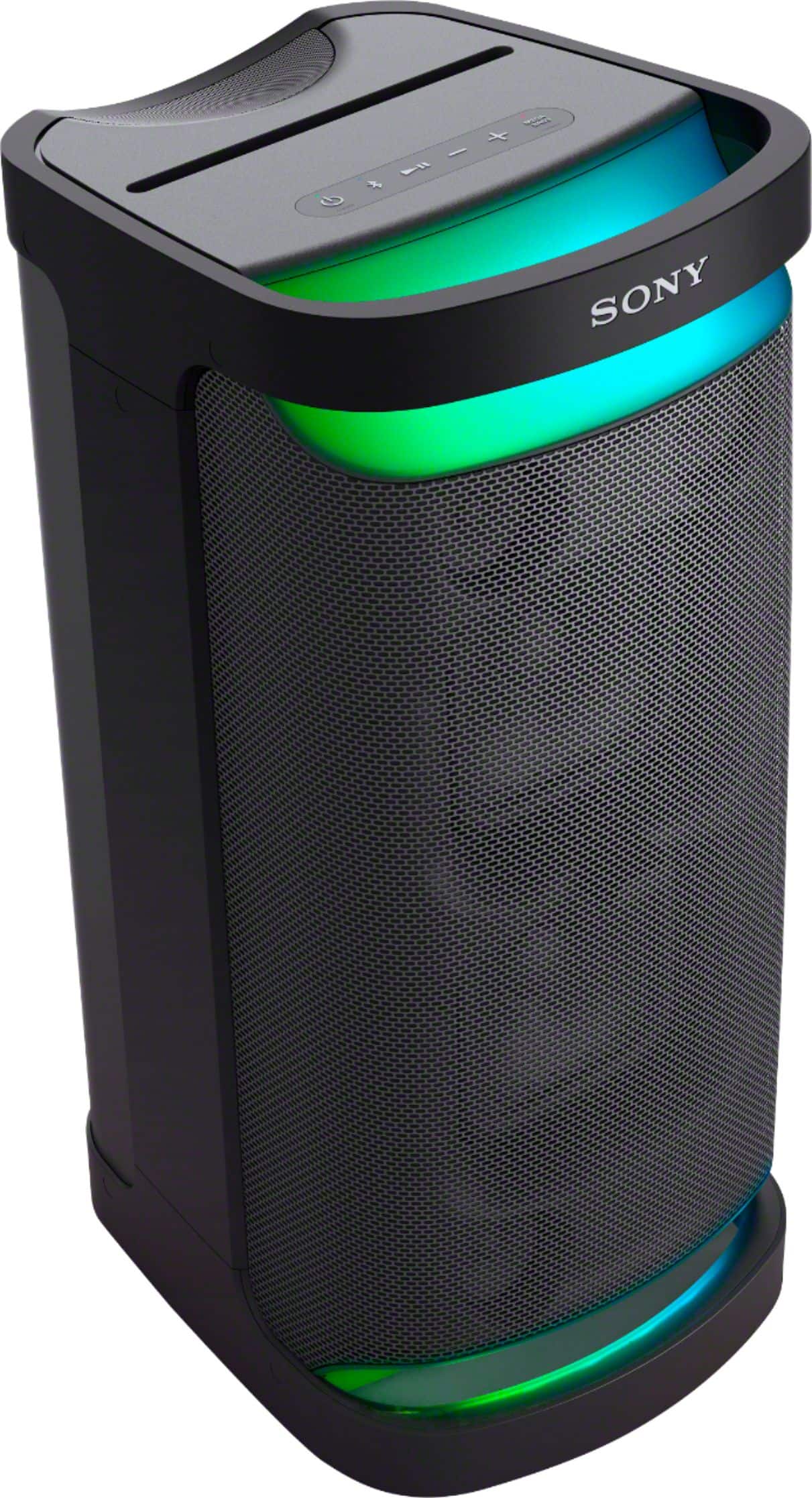
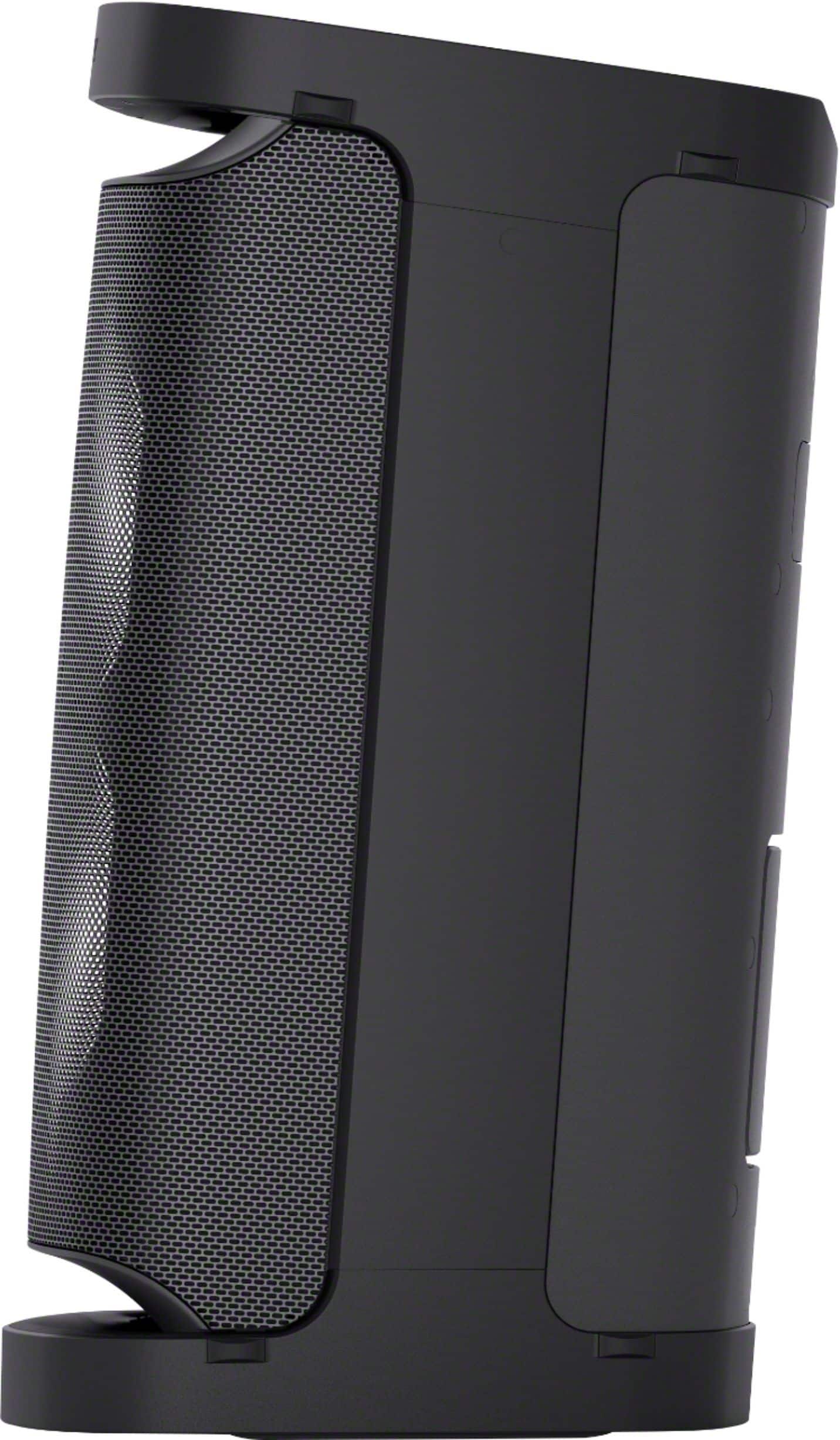
However, the Sony takes a different approach. Instead of maximizing raw power, it focuses on efficient driver design and smart engineering. The SRS-XP700 uses X-Balanced Speaker Units, which feature non-circular diaphragms that provide larger surface area than traditional round drivers. This design allows the speaker to move more air efficiently, creating powerful sound with less electrical power.
The practical difference? The Philips TAX5206 will overpower most outdoor spaces and can easily handle large gatherings where pure volume matters most. The Sony SRS-XP700 gets impressively loud while maintaining better sound quality, making it more suitable for situations where you want both volume and clarity.
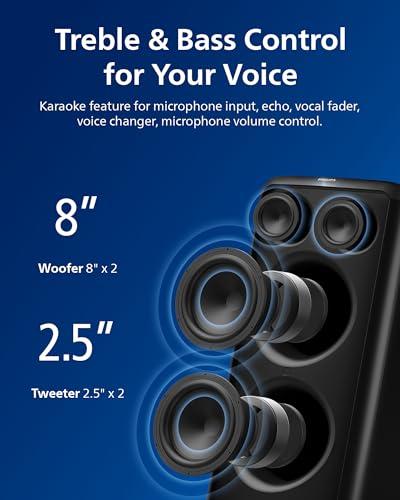
Raw power means nothing if the sound quality suffers, and this is where the two speakers reveal their different design priorities. The Philips TAX5206 employs a straightforward approach with dual 8-inch woofers and dual 2.5-inch tweeters in a 2-way configuration. This setup prioritizes maximum output, but reviews consistently note that sound clarity rates as moderate at best.
The bass response from the Philips is powerful but lacks refinement. Those dual 8-inch woofers can shake the ground, but the bass quality is described as "mediocre" in detailed reviews. The frequency response spans 40Hz to 20kHz, covering the full audible spectrum, but the execution favors quantity over quality.
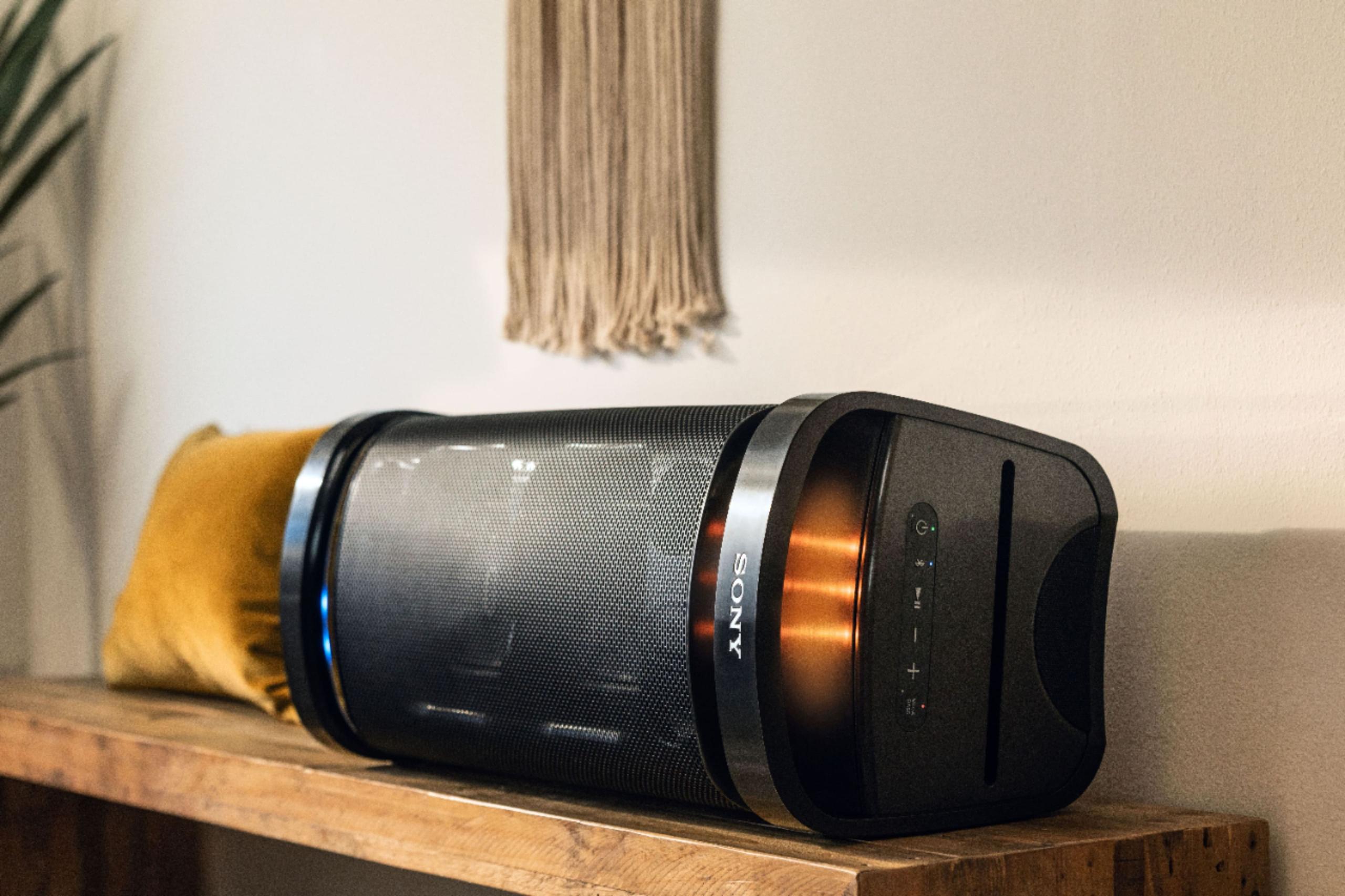
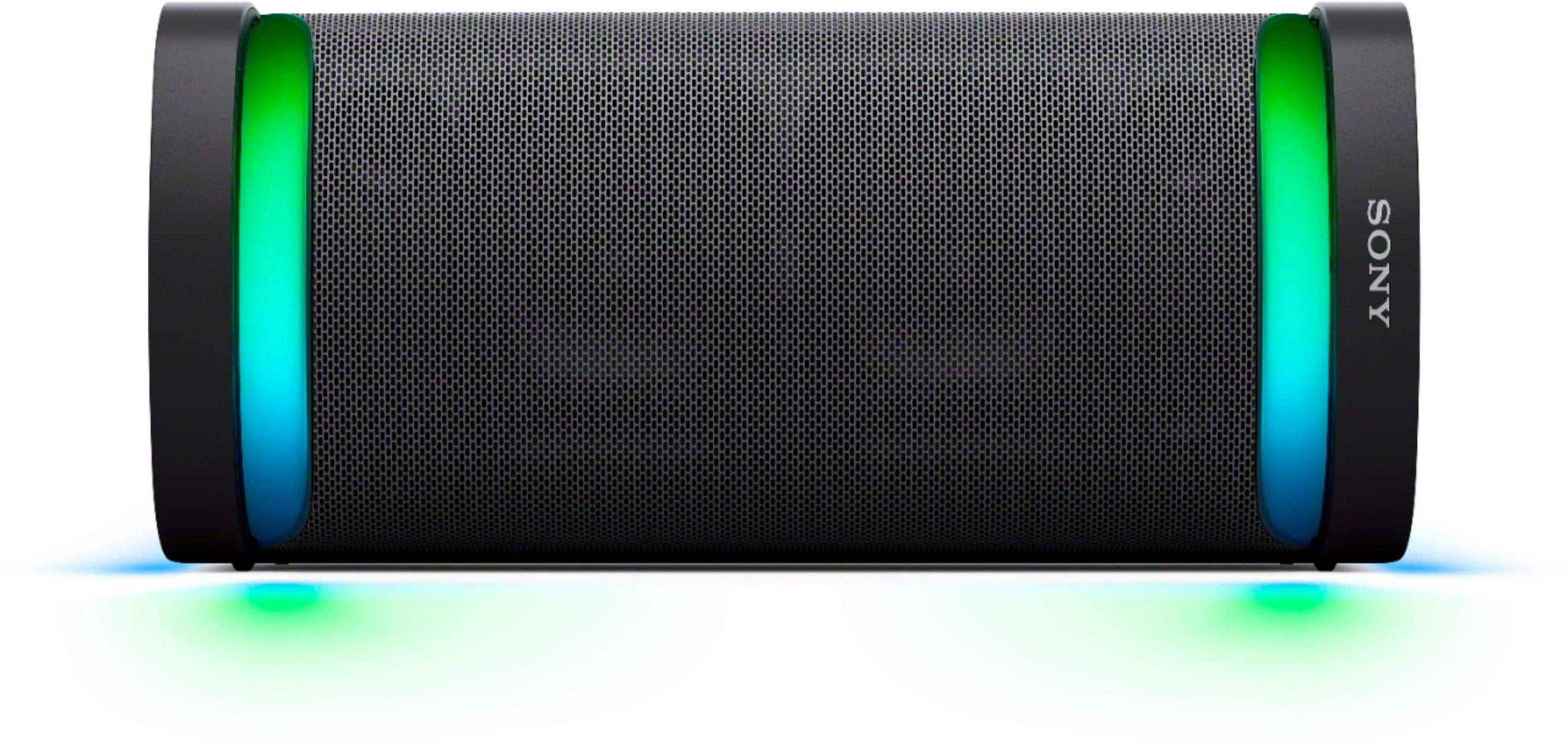
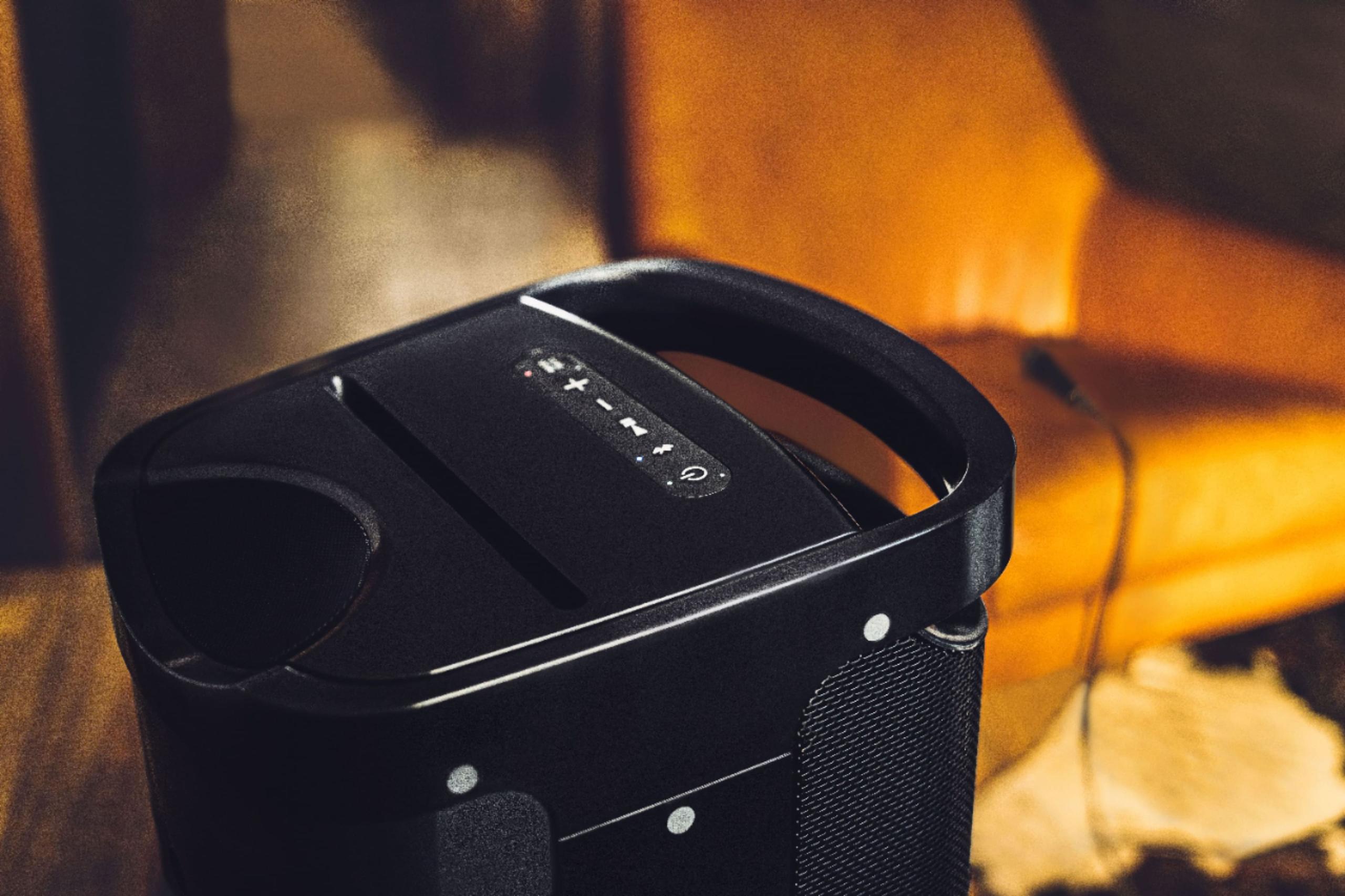
In contrast, the Sony SRS-XP700 uses a more sophisticated driver arrangement with three front tweeters, one rear tweeter, two X-Balanced woofers, and a passive radiator. This omnidirectional design ensures consistent sound quality regardless of where you're standing relative to the speaker. The passive radiator (a speaker-like element that moves air without being powered directly) helps extend bass response while maintaining control.
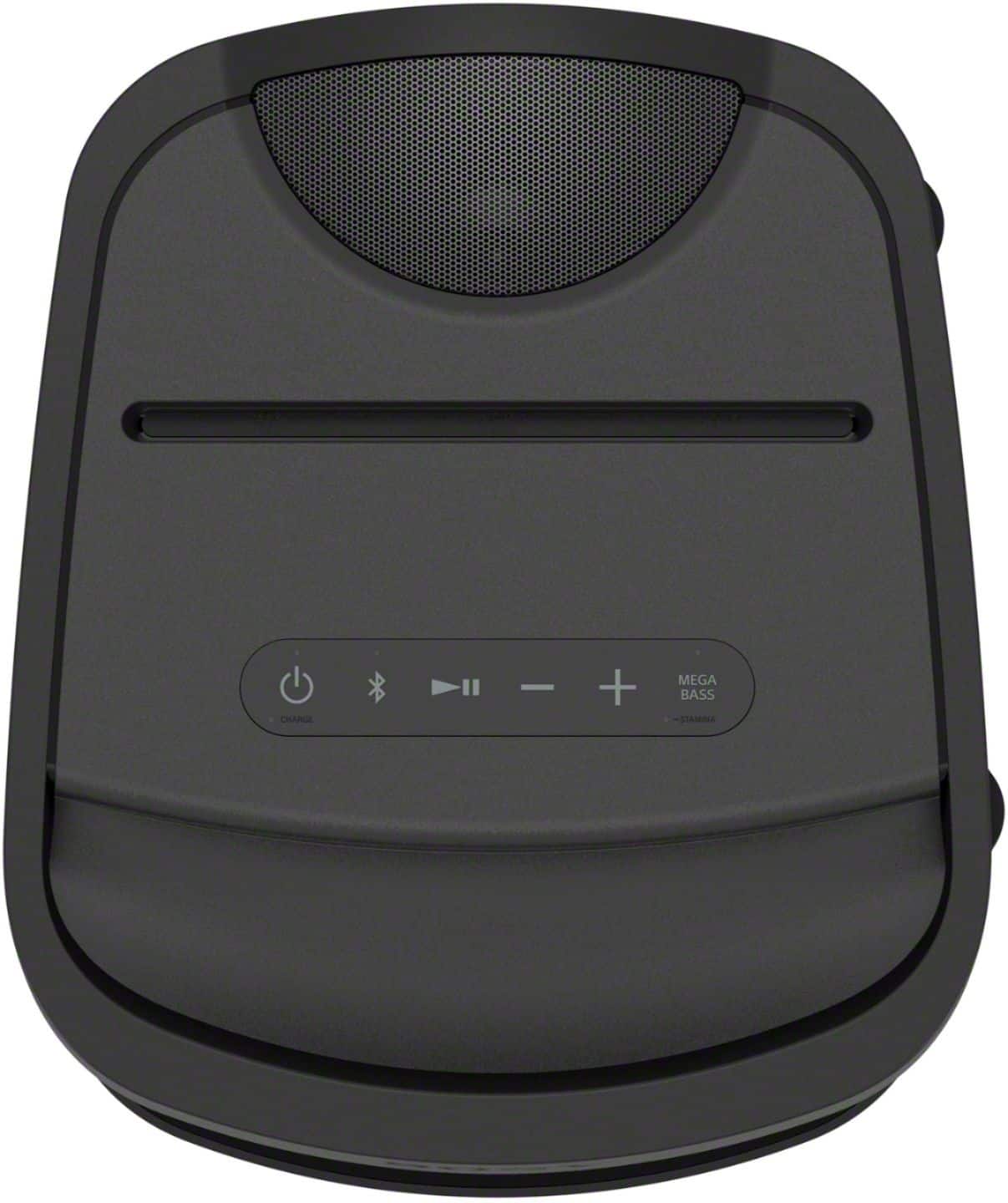
Sony's sound processing also includes several enhancement modes. Clear Audio+ optimizes the signal, DSEE (Digital Sound Enhancement Engine) improves compressed audio quality, and MEGA BASS boosts low-frequency response. These aren't just marketing gimmicks—they represent actual DSP (Digital Signal Processing) algorithms that shape the audio output.
The result is that while the Sony SRS-XP700 might not get as loud as the Philips, it maintains much better clarity and definition at high volumes. Reviews consistently praise its ability to deliver "chest-vibrating bass" that stays controlled and musical, rather than just overwhelming.
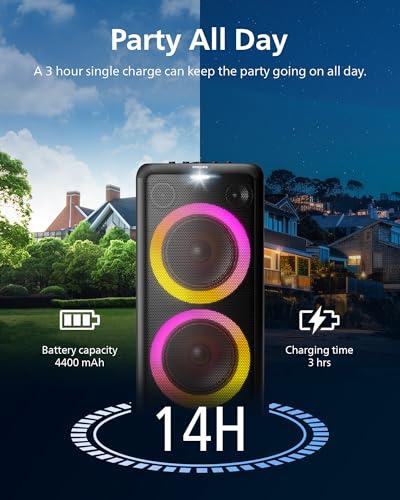
Battery performance separates truly portable party speakers from those that keep you tethered near outlets. The Sony SRS-XP700 excels here with up to 25 hours of playback time, significantly outpacing the Philips TAX5206's 14-hour rating. The Sony also includes quick charging technology, providing three hours of playback from just a 10-minute charge via USB-C.
Both speakers include built-in lithium-ion batteries, but the Sony's superior battery management and power efficiency show Sony's experience in portable electronics. The longer runtime means fewer interruptions during extended outdoor events and less anxiety about finding power sources.
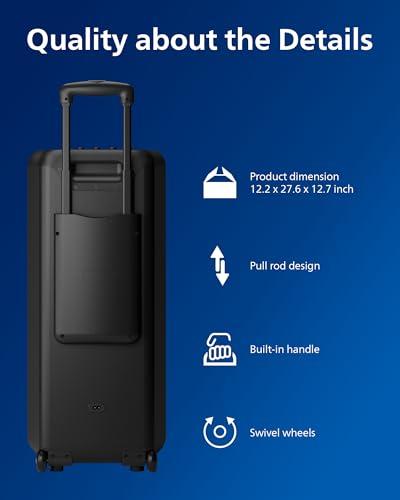
However, battery life comes with a weight penalty. The Sony SRS-XP700 weighs 37 pounds compared to the Philips' 23 pounds. This substantial difference affects real-world portability significantly. The Philips TAX5206 addresses this with a clever trolley design featuring built-in wheels and a handle, making transport much easier despite its size.
The Sony relies on integrated carrying handles, but multiple reviews mention that the handles are uncomfortable and the speaker's weight makes it challenging to carry for any distance. This is a notable oversight for a "portable" speaker and something Sony should address in future revisions.
For truly mobile use—like beach trips or park gatherings where you'll be walking significant distances—the Philips TAX5206's wheeled design provides a practical advantage despite its shorter battery life.
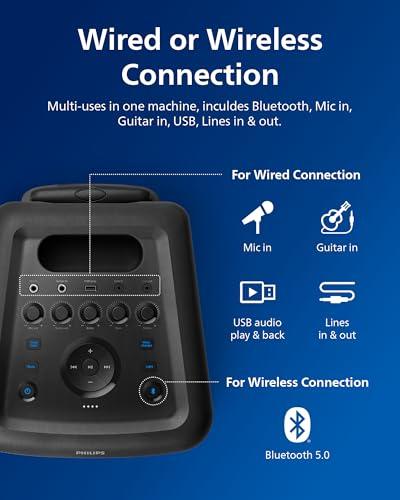
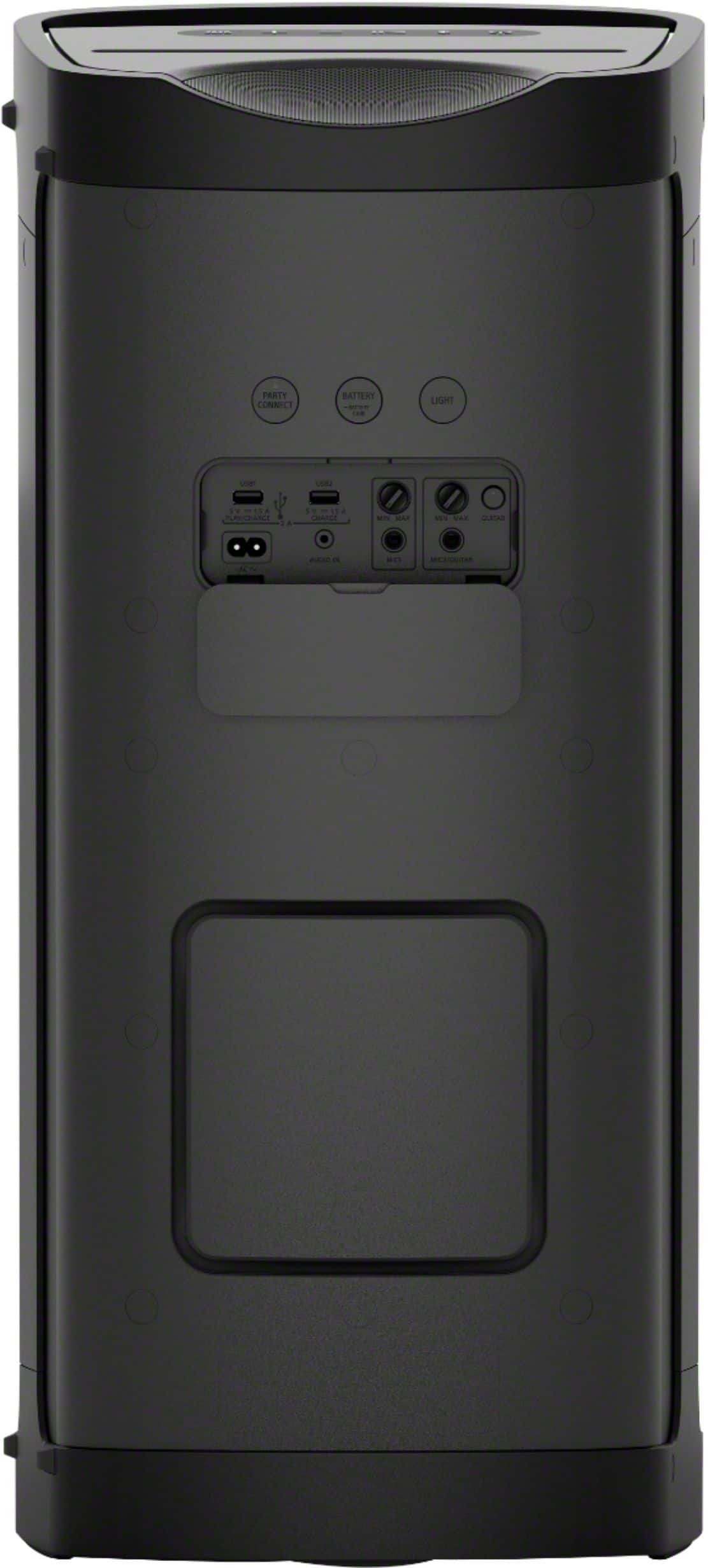
Both speakers recognize that modern party audio needs to support more than just music playback. The Philips TAX5206 and Sony SRS-XP700 each include 6.3mm microphone and guitar inputs, transforming them into karaoke systems or small venue PA systems.
The Philips takes a hands-on approach with dedicated rotary controls for microphone volume, guitar volume, echo, bass, and treble. These analog controls allow immediate adjustments without menu diving, which is crucial during live performance situations. The karaoke features include echo control, vocal fader, and voice changer effects—everything needed for a complete karaoke experience.
Sony's approach integrates more with smartphone apps. The Music Center and Fiestable apps provide comprehensive control over audio settings, lighting patterns, and party features. While this offers more customization options, it can be less convenient when you need to make quick adjustments during a performance.
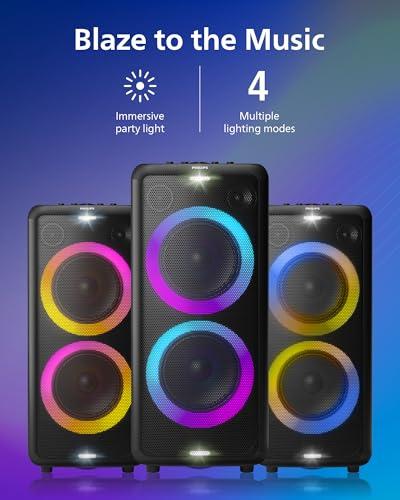
Both speakers include synchronized lighting effects, but with different execution styles. The Philips TAX5206 features straightforward party lights with four modes and strobe effects that sync to the music. The Sony SRS-XP700 offers programmable RGB LEDs with more sophisticated patterns, but reviews note that Sony's lighting is less dramatic and bright compared to competitors like JBL's PartyBox series.
For pure karaoke functionality, the Philips TAX5206's immediate physical controls give it an edge. For users who enjoy tweaking settings and creating custom light shows, the Sony SRS-XP700's app-based approach offers more depth.
Wireless connectivity has evolved significantly since basic Bluetooth, and the differences between these speakers reflect their target markets. Both support Bluetooth 5.0, but the Sony SRS-XP700 includes advanced codecs like LDAC and AAC that can transmit higher-quality audio than standard SBC compression.
LDAC, Sony's proprietary codec, can transmit nearly CD-quality audio over Bluetooth—a significant improvement for listeners using compatible Sony or Android devices. The Sony also supports simultaneous connection to two devices and can pair with up to eight devices total, making it easier to share DJ duties at parties.
The Philips TAX5206 uses more basic Bluetooth implementation but includes practical wired connections like USB playback for music files, 3.5mm audio input and output, and power bank functionality to charge devices. These features prioritize utility over technical sophistication.
Sony's Party Connect feature deserves special mention—it allows linking up to 100 compatible Sony speakers for synchronized audio and lighting. This scalability makes the Sony SRS-XP700 more future-proof for users who might want to expand their setup later.
Outdoor use demands robust construction and weather protection. The Sony SRS-XP700 includes IPX4 splash resistance, meaning it can handle light rain and spills without damage. This protection is essential for poolside parties or outdoor events where weather might not cooperate.
Sony's build quality reflects their experience in consumer electronics, with sturdy construction designed to withstand party environments. The speaker feels solid and well-engineered, though its weight sometimes works against portability.
Information about the Philips TAX5206's weather resistance isn't readily available, which suggests it may lack formal waterproofing certifications. This could limit its suitability for outdoor use in unpredictable weather conditions.
At the time of writing, the Philips TAX5206 costs significantly less than the Sony SRS-XP700—roughly $200 less for nearly double the wattage output. This represents exceptional value for users who prioritize maximum volume per dollar spent.
The Sony SRS-XP700 commands a premium price but justifies it with superior sound quality, longer battery life, weather resistance, and advanced connectivity features. The question becomes whether these refinements are worth the additional cost for your specific needs.
For budget-conscious buyers or those who need maximum volume for large outdoor spaces, the Philips TAX5206 delivers impressive performance at its price point. For users who want a more complete audio experience and plan to use their speaker regularly, the Sony SRS-XP700 provides better long-term value despite the higher upfront cost.
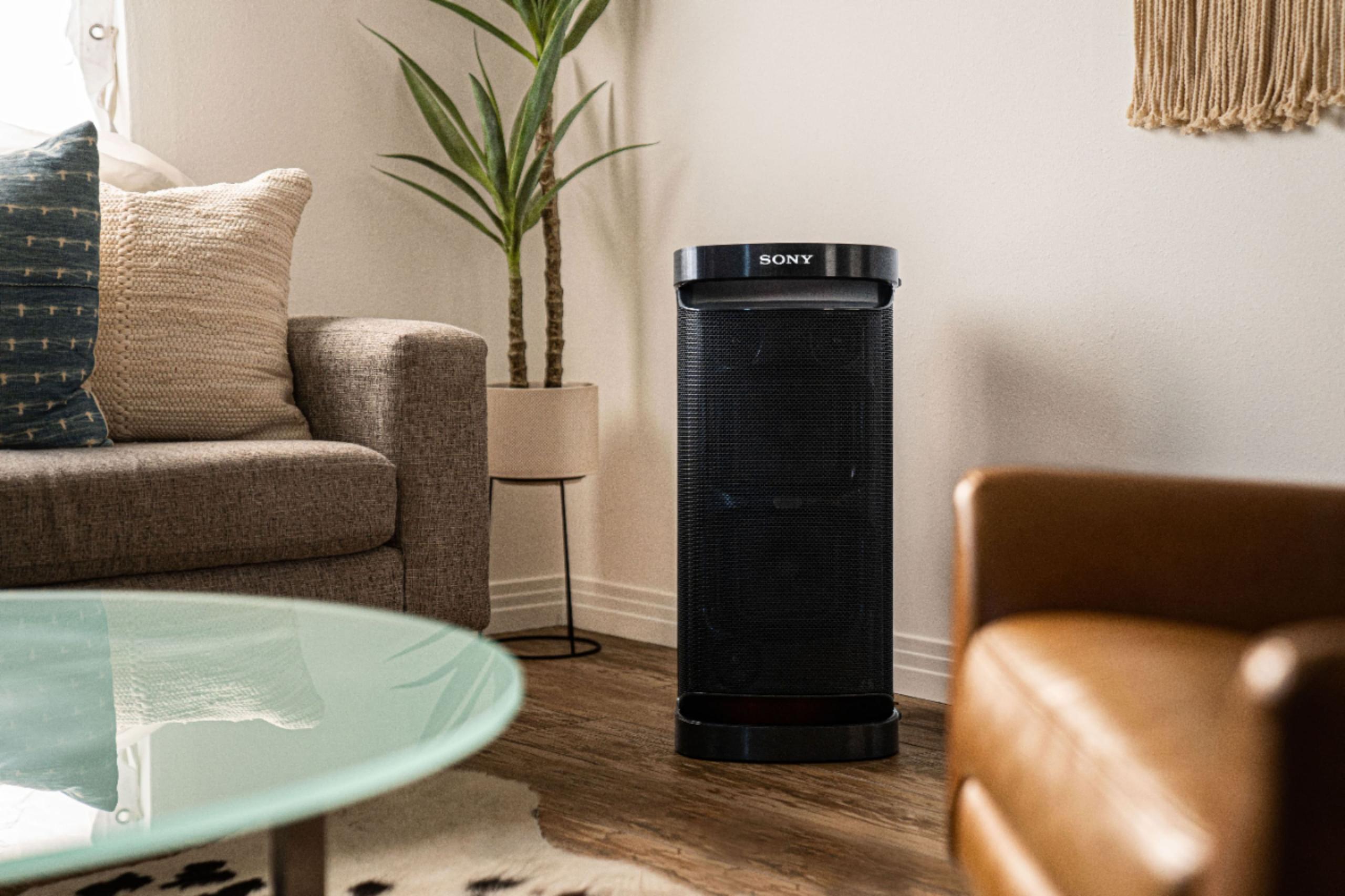
While both speakers are designed primarily for parties and outdoor use, they can serve as supplemental audio in home theater setups. The Sony SRS-XP700's superior sound quality and omnidirectional design make it more suitable for indoor use, providing room-filling sound without overwhelming smaller spaces.
The Philips TAX5206's raw power might be excessive for typical home theater applications, but it could work well in large basements or media rooms where maximum impact is desired. Both speakers' karaoke capabilities could add entertainment value to home theater setups.
Neither speaker is designed to replace dedicated home theater systems, but they can enhance the experience for casual movie watching or gaming sessions where portability and party features matter more than audiophile-grade sound reproduction.
The Philips TAX5206 makes the most sense for users who prioritize maximum volume on a budget, need easy transport with wheels, prefer simple physical controls, and primarily use the speaker for large outdoor gatherings. It's ideal for community events, garage sales, construction sites, or any scenario where pure loudness matters more than audio refinement.
The Sony SRS-XP700 serves users who want impressive volume combined with refined sound quality, value longer battery life, need weather resistance for outdoor use, appreciate advanced app control and connectivity, and plan to use the speaker regularly. It's perfect for pool parties, beach gatherings, regular entertaining, or any situation where guests expect both loud and good-sounding music.
Since the Sony SRS-XP700's 2021 launch, party speaker technology has continued evolving with improvements in battery efficiency, wireless connectivity, and sound processing. Sony's inclusion of features like LDAC and Party Connect shows forward-thinking design that remains relevant as wireless audio standards advance.
The Philips TAX5206 represents a more traditional approach focusing on proven technologies like powerful drivers and simple analog controls. While less technologically sophisticated, this approach offers reliability and ease of use that some users prefer.
Both speakers should remain functional and relevant for several years, but the Sony's advanced connectivity features provide better future-proofing as audio standards continue evolving.
Choosing between the Philips TAX5206 and Sony SRS-XP700 depends entirely on your priorities and intended use. The Philips delivers exceptional value for users seeking maximum volume on a budget, while the Sony offers a more refined premium experience with superior sound quality and advanced features.
If your primary goal is getting the loudest possible sound for outdoor events and budget is a major consideration, the Philips TAX5206 is hard to beat. Its wheeled design and straightforward controls make it perfect for situations where simplicity and raw power matter most.
If you want a speaker that delivers impressive volume while maintaining sound quality, offers extended battery life, and includes modern connectivity features, the Sony SRS-XP700 justifies its premium price with a more complete audio experience.
Neither speaker is definitively "better"—they simply serve different needs and priorities. Understanding your specific requirements for volume, sound quality, portability, and budget will guide you toward the right choice for your party audio needs.
| Philips TAX5206 | Sony SRS-XP700 |
|---|---|
| Maximum Power Output - Determines how loud the speaker can get for large gatherings | |
| 160W maximum / 80W RMS (significantly louder for outdoor events) | 60W RMS (more efficient drivers, still very loud but more controlled) |
| Battery Life - Critical for outdoor events and portability | |
| 14 hours (adequate for most parties) | 25 hours plus quick charging (exceptional runtime, less charging anxiety) |
| Weight and Portability - Affects ease of transport to different locations | |
| 23 lbs with trolley wheels and handle (much easier to move) | 37 lbs with carrying handles only (heavy but manageable for short distances) |
| Sound Quality Approach - Impacts listening experience at high volumes | |
| Volume-focused with dual 8" woofers (loud but bass quality rated as mediocre) | Refined with X-Balanced drivers and omnidirectional design (clearer, more controlled sound) |
| Weather Resistance - Important for outdoor use and durability | |
| No specified rating (may limit outdoor use in wet conditions) | IPX4 splash resistant (can handle light rain and poolside use) |
| Karaoke Controls - Ease of use during live performance | |
| Physical rotary knobs for immediate adjustment (more convenient during performances) | App-based control with more customization options (less convenient but more features) |
| Connectivity Features - Modern wireless capabilities and future-proofing | |
| Basic Bluetooth 5.0 with USB and 3.5mm inputs (simple but functional) | Advanced Bluetooth with LDAC, AAC codecs, Party Connect up to 100 speakers (more sophisticated) |
| Lighting Effects - Visual entertainment value for parties | |
| Party lights with 4 modes and strobe effects (straightforward light show) | Programmable RGB LEDs via app (more customizable but less dramatic) |
| Value Positioning - Performance per dollar spent | |
| Budget-focused with maximum power per dollar (exceptional value for raw volume) | Premium pricing justified by refinement and features (better long-term investment) |
| Driver Configuration - Technical approach to sound reproduction | |
| 2-way system: 2x 8" woofers, 2x 2.5" tweeters (straightforward high-output design) | Complex array: 3 front + 1 rear tweeter, 2 X-Balanced woofers, passive radiator (engineered for even dispersion) |
The Philips TAX5206 is significantly louder with 160W maximum output compared to the Sony SRS-XP700's 60W RMS. The Philips can fill larger outdoor spaces and is described as "extremely loud" in reviews, making it better for big gatherings where maximum volume is essential.
The Sony SRS-XP700 offers superior battery life with up to 25 hours of playback plus quick charging capabilities. The Philips TAX5206 provides 14 hours of runtime, which is adequate for most events but requires more frequent charging for extended use.
The Sony SRS-XP700 maintains better sound clarity and control at high volumes thanks to its X-Balanced drivers and omnidirectional design. While the Philips TAX5206 gets louder, reviews note its sound quality as moderate, with bass described as powerful but less refined.
The Philips TAX5206 is more portable despite being a large speaker, featuring a trolley design with wheels and handle that makes transport much easier. The Sony SRS-XP700 weighs 37 pounds with only carrying handles, making it more challenging to move around.
Both speakers offer microphone and guitar inputs, but the Philips TAX5206 has an advantage with dedicated physical rotary controls for immediate adjustment during performances. The Sony SRS-XP700 requires app-based control, which offers more customization but is less convenient during live use.
The Sony SRS-XP700 includes IPX4 splash resistance, making it suitable for poolside use and light rain. The Philips TAX5206 doesn't specify weather resistance ratings, which may limit its outdoor use in unpredictable weather conditions.
The Philips TAX5206 provides exceptional value with nearly double the wattage output at a significantly lower price point. The Sony SRS-XP700 costs more but justifies the premium with superior sound quality, longer battery life, and advanced features for users wanting a more refined experience.
The Sony SRS-XP700 is better suited for home theater applications due to its omnidirectional design and superior sound quality that won't overwhelm smaller indoor spaces. The Philips TAX5206's raw power might be excessive for typical home theater use but could work in large basements or media rooms.
The Sony SRS-XP700 features advanced Bluetooth 5.0 with LDAC and AAC codecs for higher audio quality, plus Party Connect for linking multiple speakers. The Philips TAX5206 offers basic Bluetooth 5.0 with practical wired connections including USB playback and 3.5mm inputs.
Both speakers include party lighting, but with different approaches. The Philips TAX5206 offers straightforward party lights with four modes and strobe effects that are more dramatic. The Sony SRS-XP700 provides programmable RGB LEDs with app control for more customization but less brightness.
The Philips TAX5206 uses a 2-way system with dual 8-inch woofers and dual 2.5-inch tweeters for maximum output. The Sony SRS-XP700 employs a more complex array with three front tweeters, one rear tweeter, two X-Balanced woofers, and a passive radiator for even sound distribution.
Choose the Philips TAX5206 if you prioritize maximum volume on a budget, need easy transport with wheels, and primarily use the speaker for large outdoor events. Select the Sony SRS-XP700 if you want refined sound quality with impressive volume, longer battery life, weather resistance, and plan to use the speaker regularly for various entertainment scenarios.
We've done our best to create useful and informative comparisons to help you decide what product to buy. Our research uses advanced automated methods to create this comparison and perfection is not possible - please contact us for corrections or questions. These are the sites we've researched in the creation of this article: youtube.com - documents.philips.com - cutetechgadgets.com - odpbusiness.com - usa.philips.com - hitechers.com - youtube.com - documents.philips.com - youtube.com - walmart.com - walmart.com - device.report - flipkart.com - brightstarcomp.com - youtube.com - philips.co.in - documents.philips.com - fullspecs.net - documents.philips.com - bestbuy.com - rtings.com - crutchfield.com - versus.com - rtings.com - rtings.com - youtube.com - versus.com - electronics.sony.com - youtube.com - youtube.com - youtube.com - youtube.com - crutchfield.com - armorsound.com - sony-asia.com - helpguide.sony.net - helpguide.sony.net - videoandaudiocenter.com - sony.com - sony.com - sony-asia.com - sony.com - sony.com - bestbuy.com - device.report - bestbuy.com

Privacy Policy
Terms and Conditions - Affiliate Policy
Home Security
© Copyright 2008-2026.
11816 Inwood Rd #1211, Dallas, TX 75244