

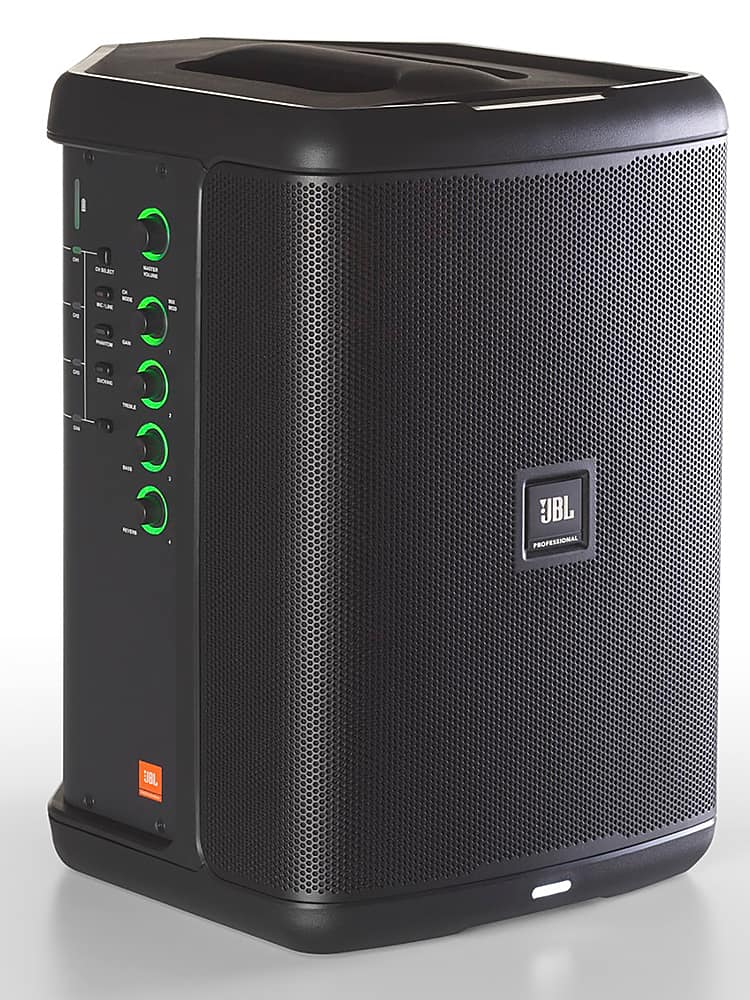
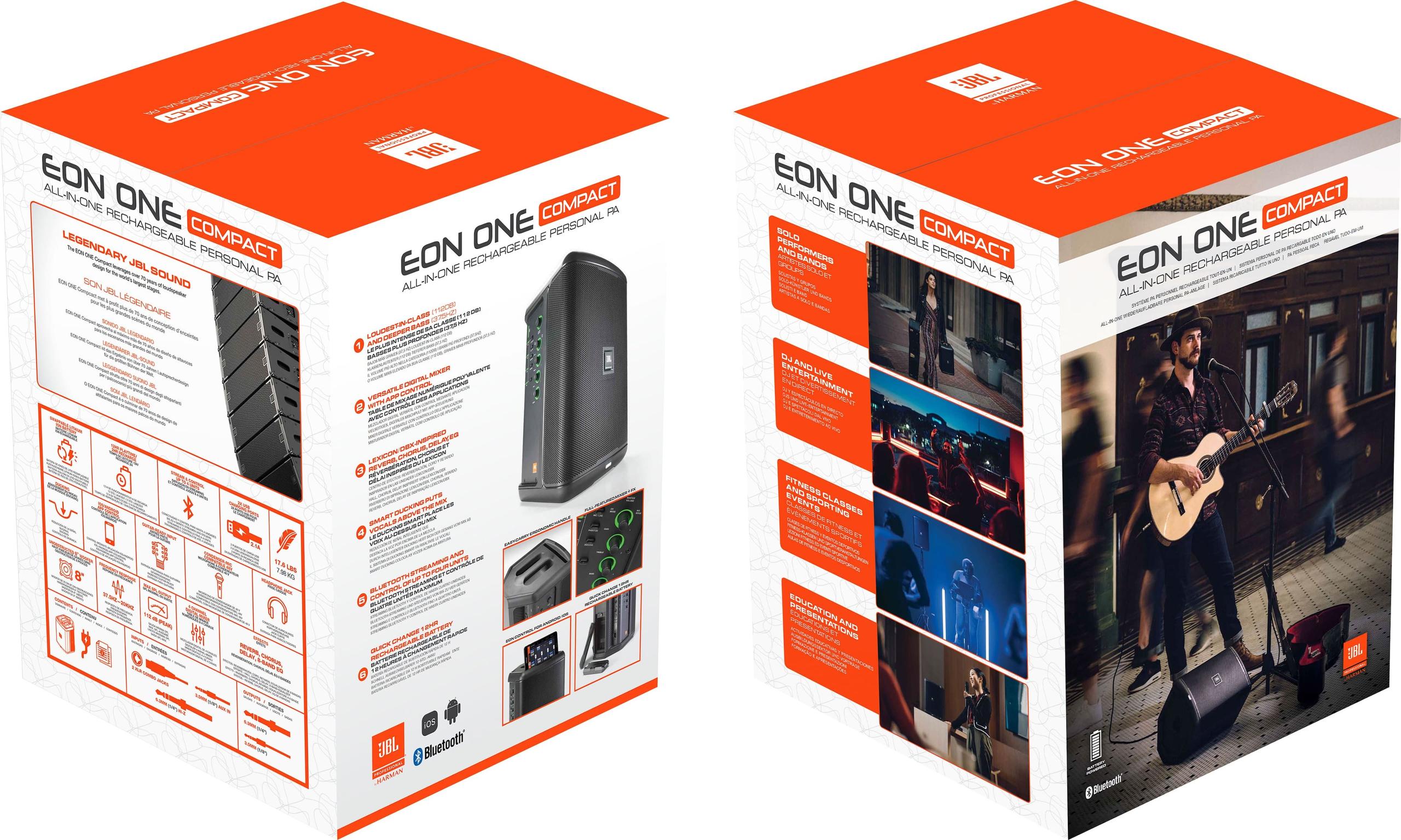
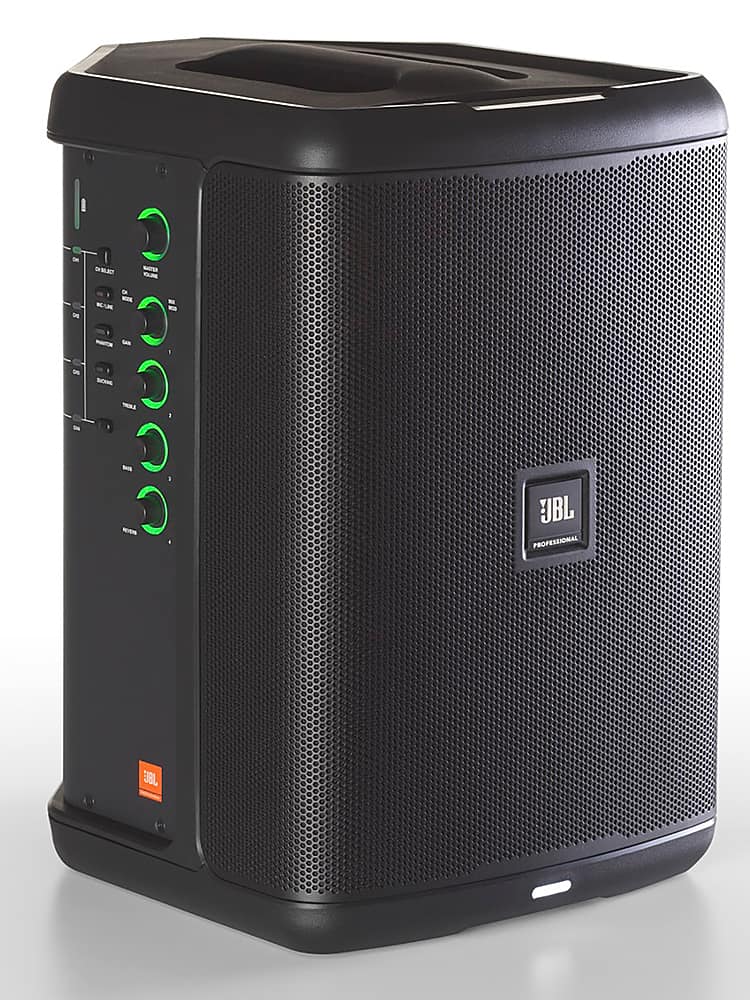
When you're shopping for a powerful portable speaker, you'll quickly discover there are two very different approaches to delivering loud, high-quality sound. The JBL EON ONE Compact represents the professional audio world's take on portability, while the Sony SRS-XP700 embodies the consumer electronics approach to party sound. Both arrived in 2020-2021, but they solve completely different problems despite some overlapping capabilities.
Understanding these differences is crucial because choosing the wrong type can leave you frustrated and potentially out several hundred dollars. Let's break down what makes each approach unique and help you decide which philosophy aligns with your actual needs.
The portable audio market has essentially split into two distinct camps. Professional PA (Public Address) systems like the JBL EON ONE Compact prioritize audio clarity, input flexibility, and the ability to handle multiple sound sources simultaneously. They're designed for performers, presenters, and anyone who needs to amplify both speech and music with professional results.
Consumer party speakers like the Sony SRS-XP700 focus on maximum bass impact, extended battery life, and entertainment features that enhance social gatherings. They excel at playing music from your phone or streaming service, but they're not designed for complex audio mixing scenarios.
Since 2020, both categories have evolved significantly. Professional portable PA systems have gained smartphone app control and improved battery technology, while consumer party speakers have added features like multi-speaker linking and improved water resistance. The JBL EON ONE Compact pioneered the idea of putting a full digital mixer into a battery-powered column speaker, while the Sony SRS-XP700 pushed battery life boundaries that seemed impossible just a few years earlier.
The key insight here is that your choice should align with how you actually plan to use the speaker, not just how loud it can get. A professional-grade system won't make your pool party better if you just need Bluetooth music playback, and a party speaker won't save your acoustic guitar performance if you need phantom power for a condenser microphone.
The most important performance metric for any amplified speaker is its maximum sound pressure level (SPL), measured in decibels. This tells you how loud the speaker can actually get before distortion makes it unusable. The JBL EON ONE Compact delivers 112 dB SPL, which is genuinely impressive for a speaker weighing under 18 pounds. To put this in perspective, 112 dB is roughly equivalent to standing near a chainsaw or attending a rock concert.
The Sony SRS-XP700 reaches approximately 103-104 dB based on user reports and comparisons with similar speakers. While this 8-9 dB difference might not sound like much, decibels are measured on a logarithmic scale. This means the JBL is actually more than twice as loud as the Sony when both are pushed to their limits.
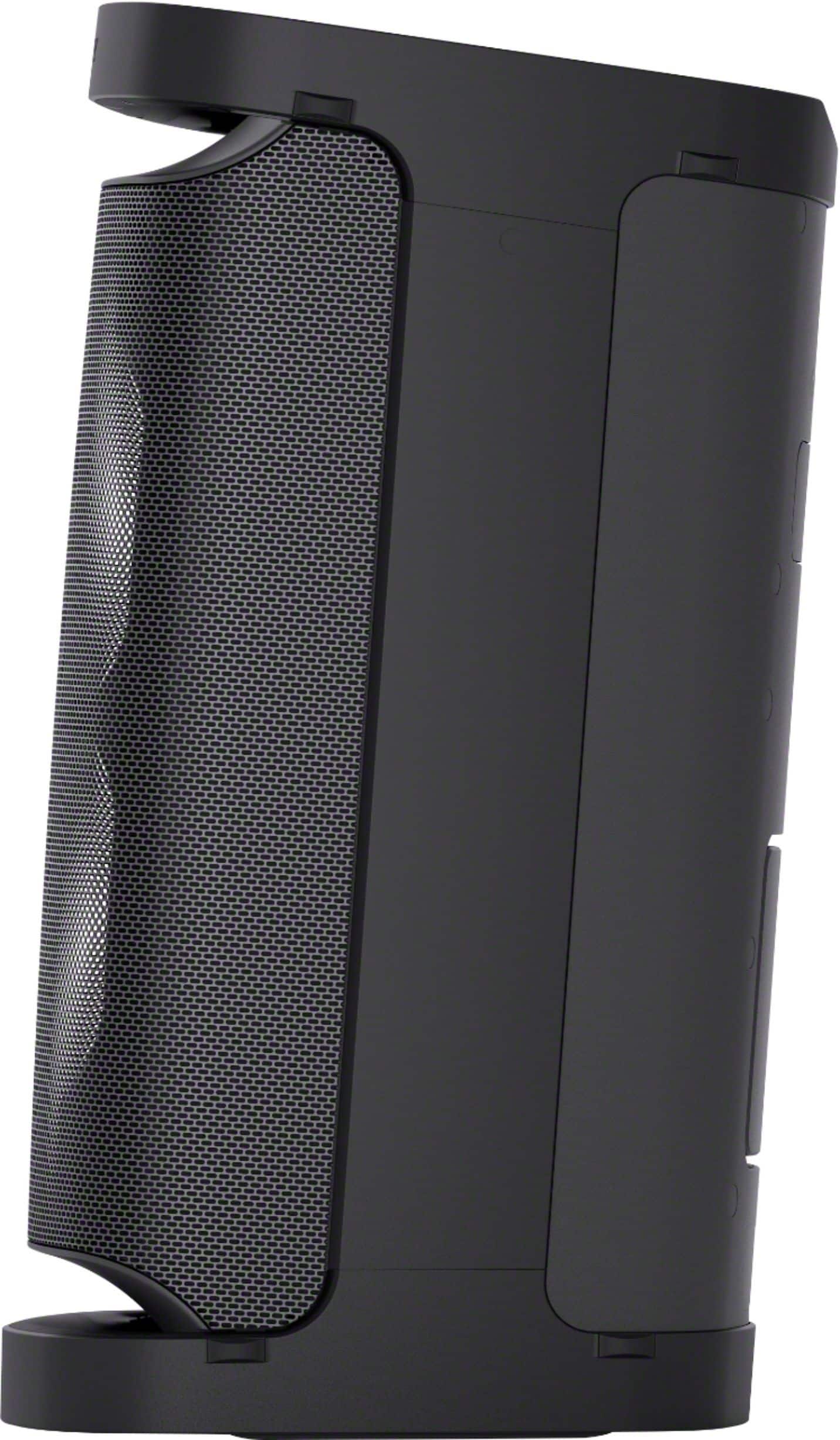
However, raw volume isn't everything. The Sony SRS-XP700 uses what Sony calls "X-Balanced Speaker Units" – essentially non-circular drivers that provide more surface area than traditional round speakers. This design choice prioritizes bass impact and creates what many users describe as more "chest-thumping" low-end response, even if the overall volume is lower.
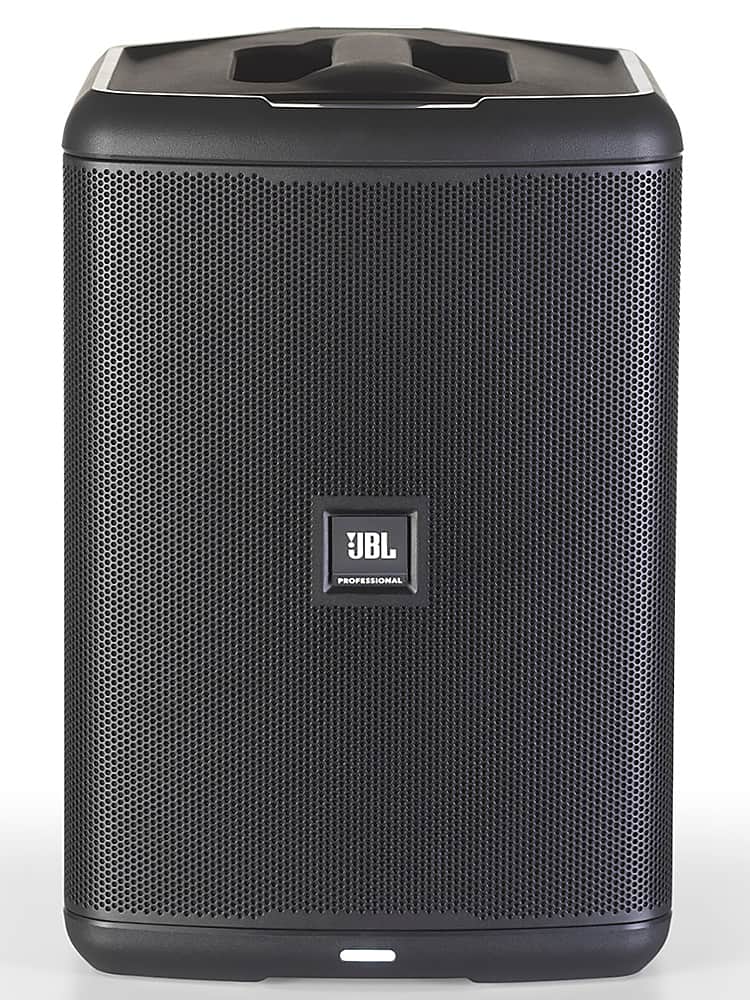
The JBL EON ONE Compact takes a different approach with its 8-inch woofer and 1-inch tweeter configuration. This professional-grade setup extends frequency response down to 37.5 Hz, delivering deep bass that's nearly an octave lower than many competitors. More importantly, it maintains clarity across all frequencies, which is crucial when you're amplifying both speech and music.
Frequency response tells you which parts of the audio spectrum a speaker can reproduce and how evenly it handles different frequencies. The JBL EON ONE Compact covers 37.5 Hz to 20 kHz, which encompasses the full range of human hearing with excellent low-end extension. This means you'll hear the deep rumble of a kick drum or the subtle overtones in a piano performance.
The Sony SRS-XP700 doesn't publish specific frequency response numbers, which is common for consumer speakers. Instead, Sony focuses on sound modes like "MEGA BASS" and "Clear Audio+" that boost certain frequency ranges. While this approach can make music more exciting, it's less predictable for professional applications where you need consistent, accurate sound reproduction.
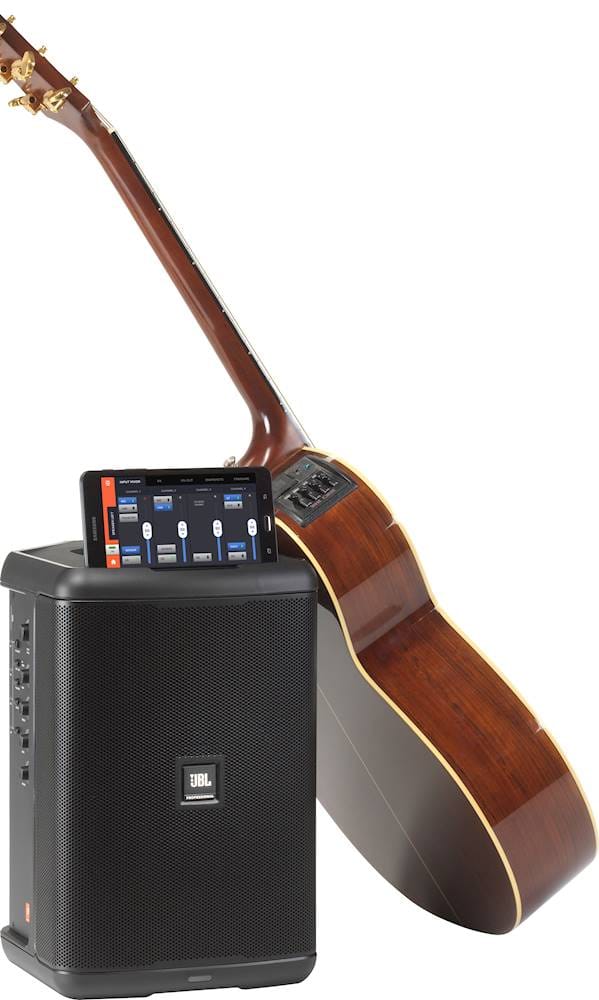
Both speakers include digital signal processing (DSP), but they use it differently. The JBL EON ONE Compact incorporates professional-grade effects from Lexicon (known for studio reverbs) and dbx (famous for audio compression and EQ). These effects can transform a simple acoustic guitar into a studio-quality sound, complete with reverb that makes you sound like you're performing in a concert hall.
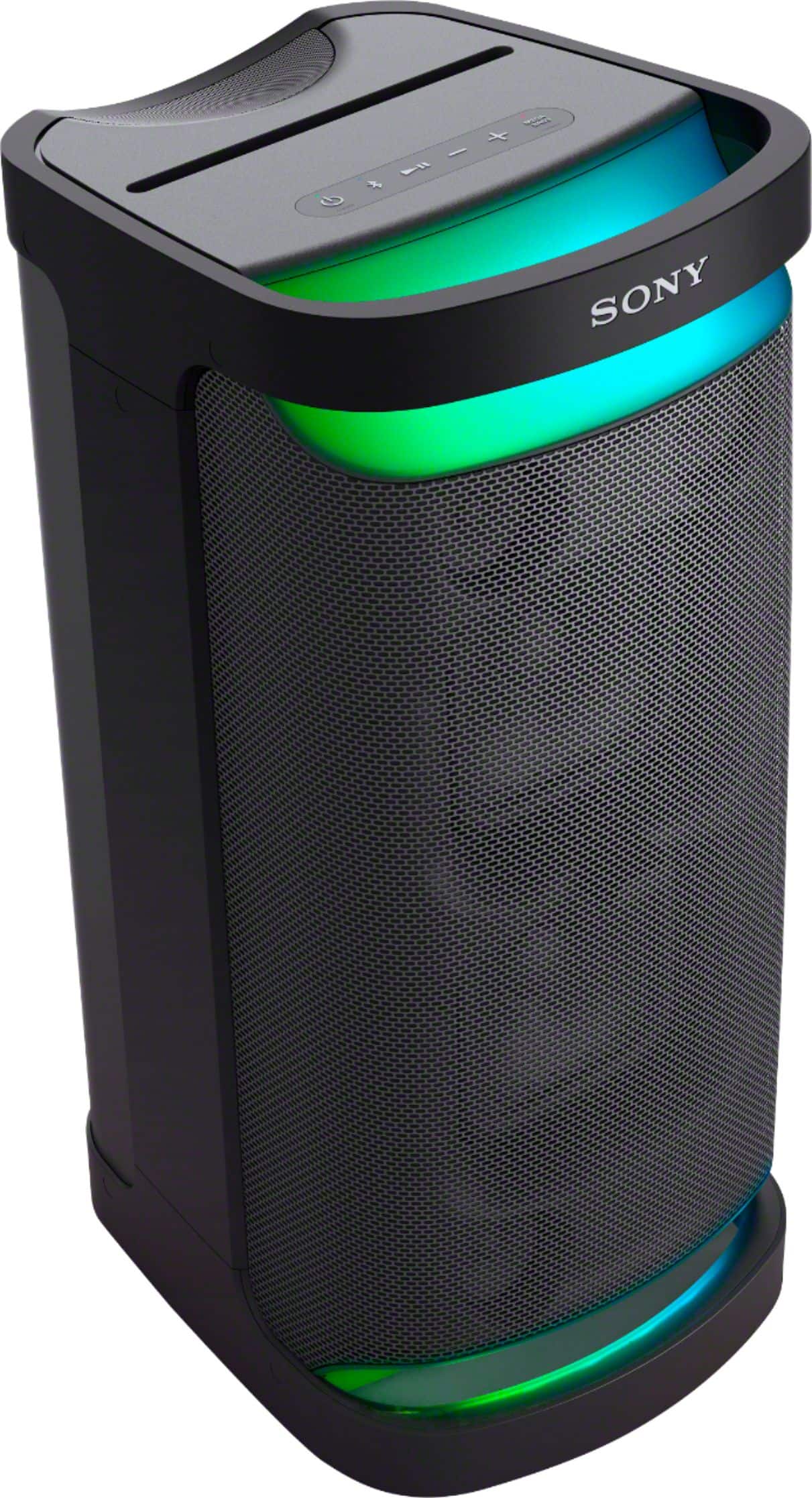
The Sony SRS-XP700 uses DSP primarily for bass enhancement and creating its omnidirectional sound field. The omnidirectional design means the speaker radiates sound in all directions, which can fill a room more evenly than traditional forward-firing designs. This works well for parties where people are scattered around a space, but it's less ideal when you need focused sound projection.
In practical terms, these design philosophies create very different listening experiences. The JBL EON ONE Compact excels in scenarios where clarity matters most. If you're doing a presentation and need background music to automatically duck (lower in volume) when you speak, the JBL's built-in ducking feature handles this seamlessly. This kind of intelligent audio processing is what separates professional gear from consumer products.
The Sony SRS-XP700 shines in social settings where impact matters more than precision. Its bass response can energize a party playlist in ways that more neutral speakers cannot. However, this emphasis on excitement can fatigue listeners during longer sessions or make spoken word content harder to understand.
Based on extensive user feedback and professional reviews, the JBL EON ONE Compact maintains its sound quality much better at high volumes. Many users report that the Sony starts to sound compressed or harsh when pushed to its limits, while the JBL stays clean even when approaching its 112 dB maximum.
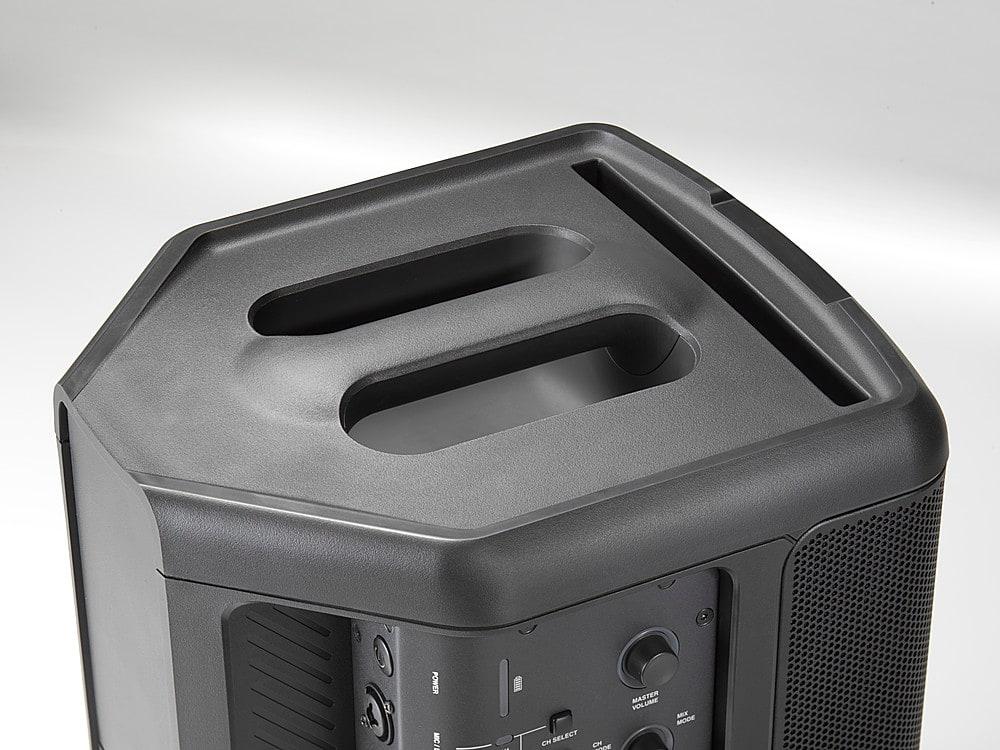
Here's where the fundamental differences between professional and consumer design become crystal clear. The JBL EON ONE Compact weighs 17.6 pounds, making it genuinely portable for one-person setup and transport. This might not sound impressive until you consider that it's delivering professional PA capabilities in a package you can carry like a small suitcase.
The Sony SRS-XP700 weighs 37.25 pounds – more than double the JBL's weight. This puts it firmly in the "portable but requires planning" category. You can move it, but you'll want a cart or a strong friend for anything more than short distances. The weight comes from its larger drivers, substantial battery pack, and robust construction designed to survive party environments.
The practical impact of this weight difference cannot be overstated. If you're a musician who needs to carry gear up stairs to gigs, the JBL's portability advantage is transformative. If you're setting up for a backyard party and the speaker stays in one spot all day, the Sony's weight becomes irrelevant.
Both speakers target different durability priorities. The JBL EON ONE Compact uses professional-grade polypropylene construction designed to survive regular transport and setup in various venues. It's built like equipment that needs to work reliably for paid performances – because that's exactly what it is.
The Sony SRS-XP700 earns an IPX4 water resistance rating, meaning it can handle splashes and light rain. This makes it more suitable for poolside parties or outdoor events where moisture is a concern. The JBL lacks this rating, which limits its outdoor applications in unpredictable weather.
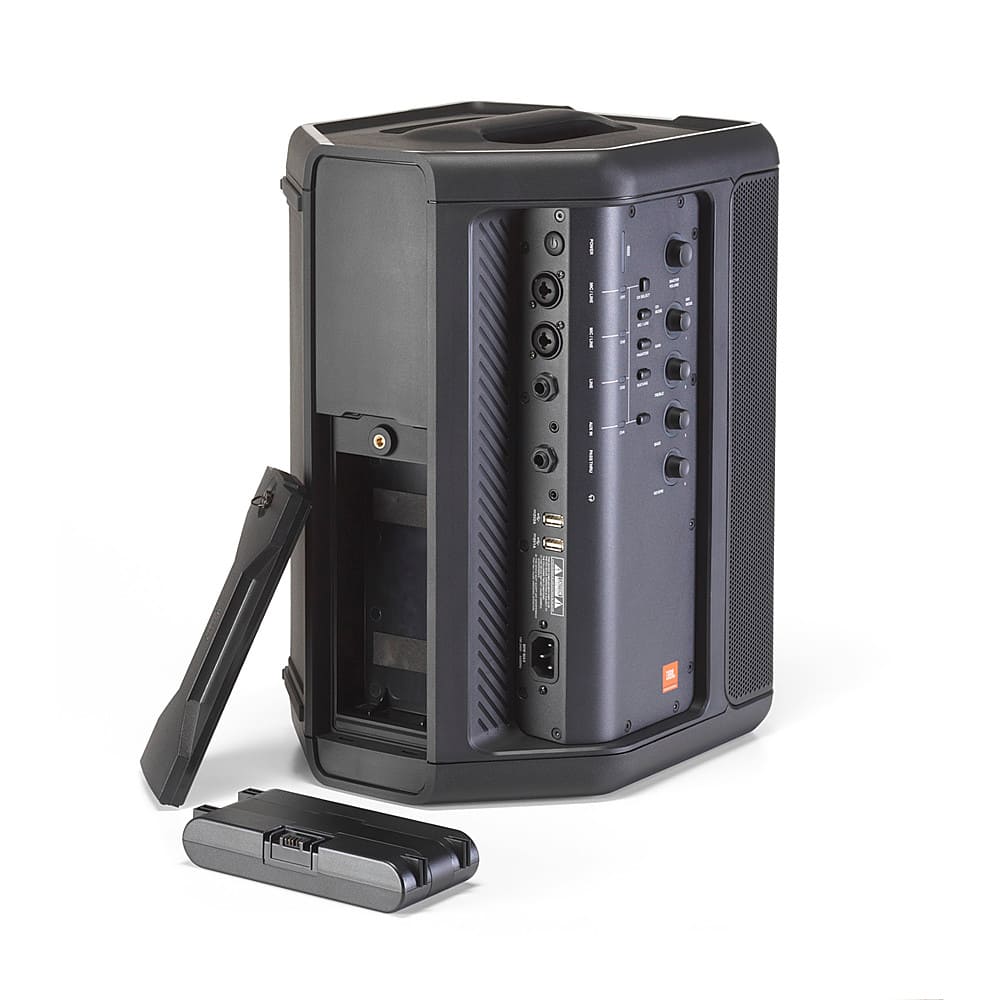
However, the JBL offers something Sony doesn't: a tool-free, swappable battery system. If your event runs longer than the battery life, you can pop in a fresh battery in seconds and keep going. This kind of flexibility is common in professional equipment but rare in consumer products.
Battery specifications often mislead consumers because they're measured under ideal conditions. The Sony SRS-XP700 claims up to 25 hours of playback, which is genuinely impressive when confirmed by real-world testing. Users consistently report getting 20+ hours of moderate-volume playback, making it excellent for extended outdoor events.
The JBL EON ONE Compact provides up to 12 hours of battery life, which is more modest but reflects its higher power output capabilities. Professional PA systems consume more power because they're designed to deliver clean, undistorted sound at high volumes. The trade-off for shorter battery life is dramatically superior maximum output.
Where the JBL gains a significant advantage is in battery flexibility. Its tool-free battery replacement system means you can carry spare batteries and essentially achieve unlimited runtime. Professional users often purchase additional batteries (available separately) to ensure uninterrupted performance during critical events.
The Sony SRS-XP700 includes an impressive quick-charge feature: 10 minutes of charging provides up to 3 hours of playback. This can be a lifesaver when you've forgotten to charge before an event. It also offers two USB-A ports for charging your devices, effectively serving as a portable power bank.
The JBL EON ONE Compact charges fully in 2.5 hours when not in use, or about 6 hours while operating. It includes similar USB charging capabilities for your devices. More importantly for professional applications, it can operate on AC power while simultaneously charging its battery, ensuring uninterrupted performance during long events.
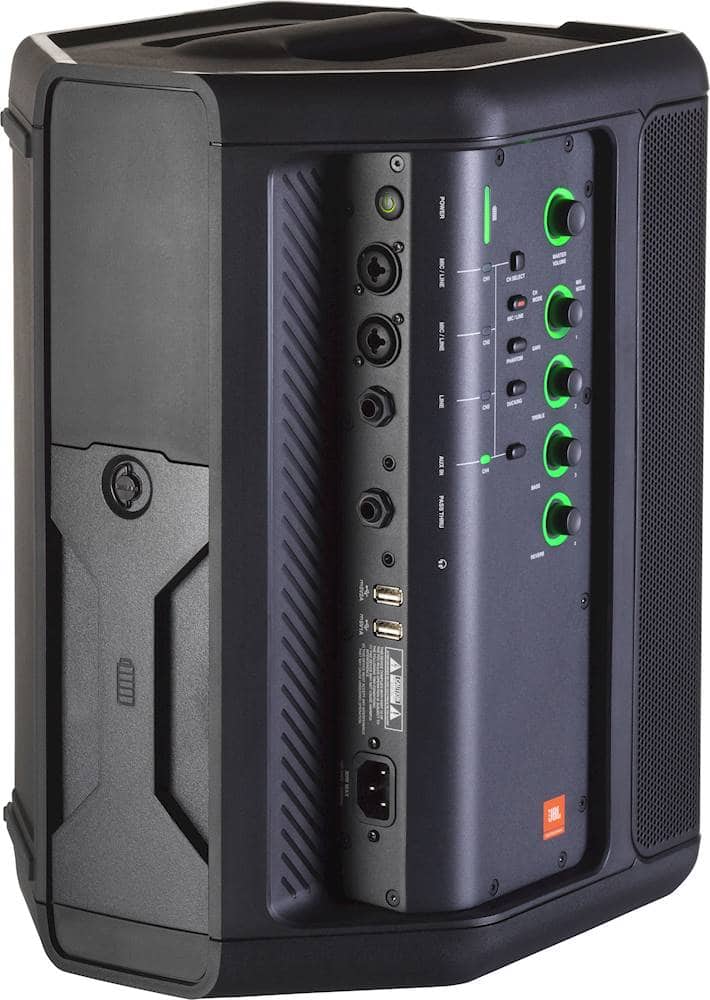
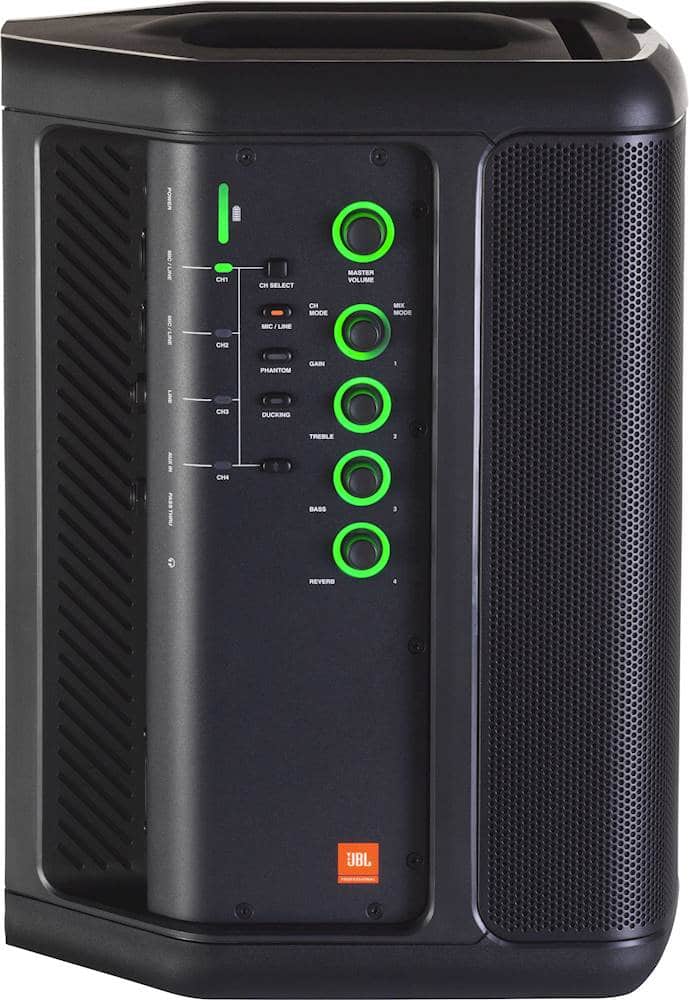
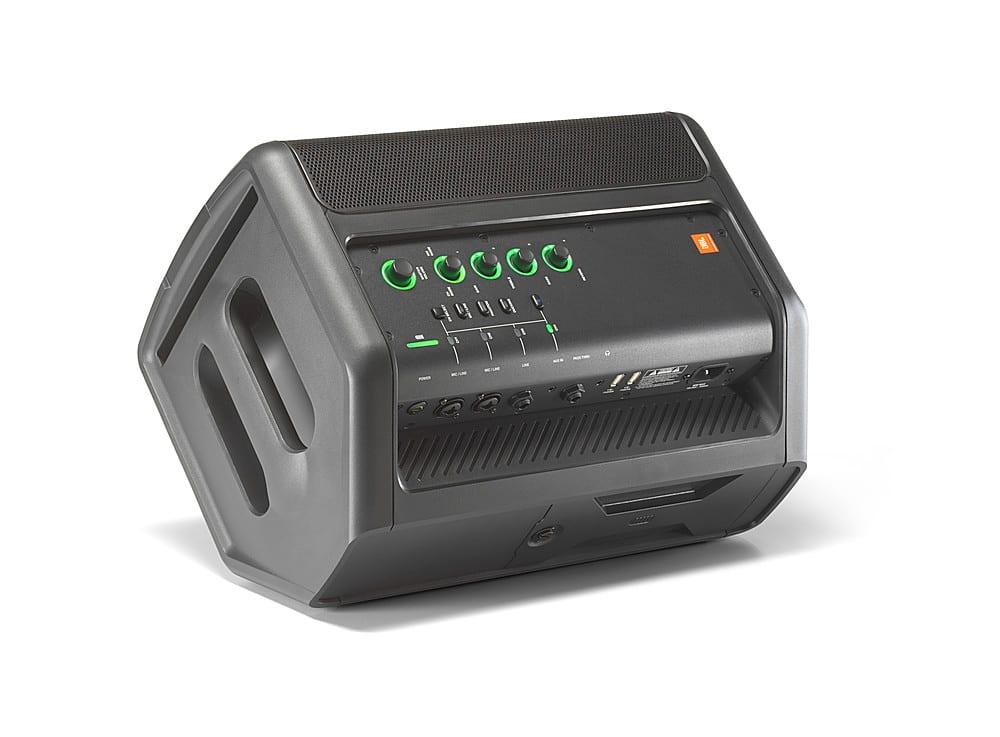
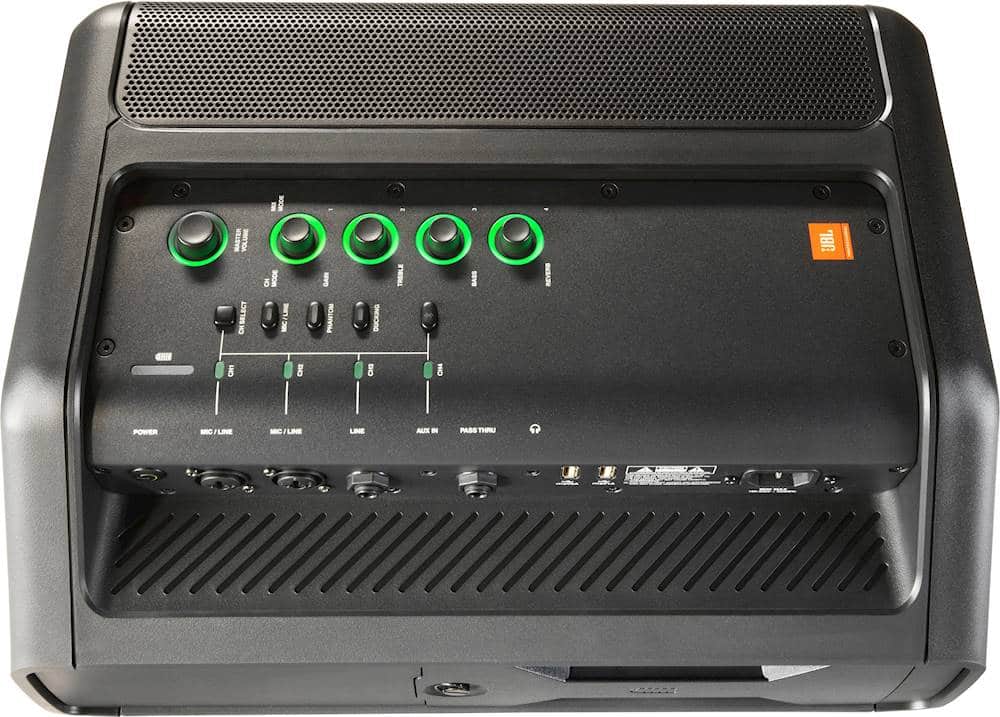
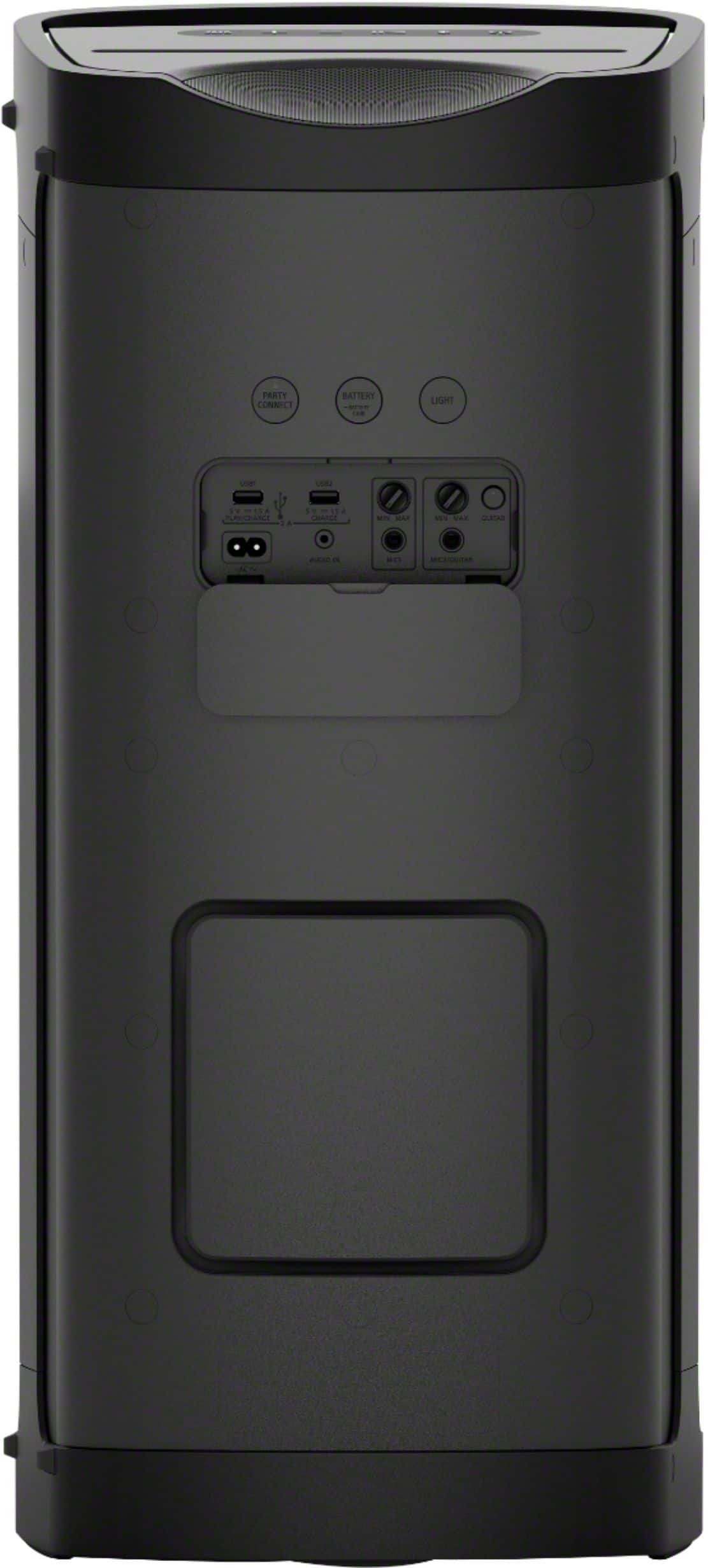
This is where the fundamental difference between these speakers becomes most apparent. The JBL EON ONE Compact includes a full 4-channel digital mixer with two XLR/TRS combo jacks, Hi-Z guitar input, and auxiliary input. The XLR connections provide 48V phantom power, which is essential for condenser microphones – the type often used for professional vocals and instrument recording.
If you've never dealt with phantom power, it's basically electrical power sent through microphone cables to operate condenser microphones. These mics are more sensitive and produce higher quality sound than dynamic microphones, but they need this power to function. The ability to provide phantom power separates professional audio equipment from consumer gear.
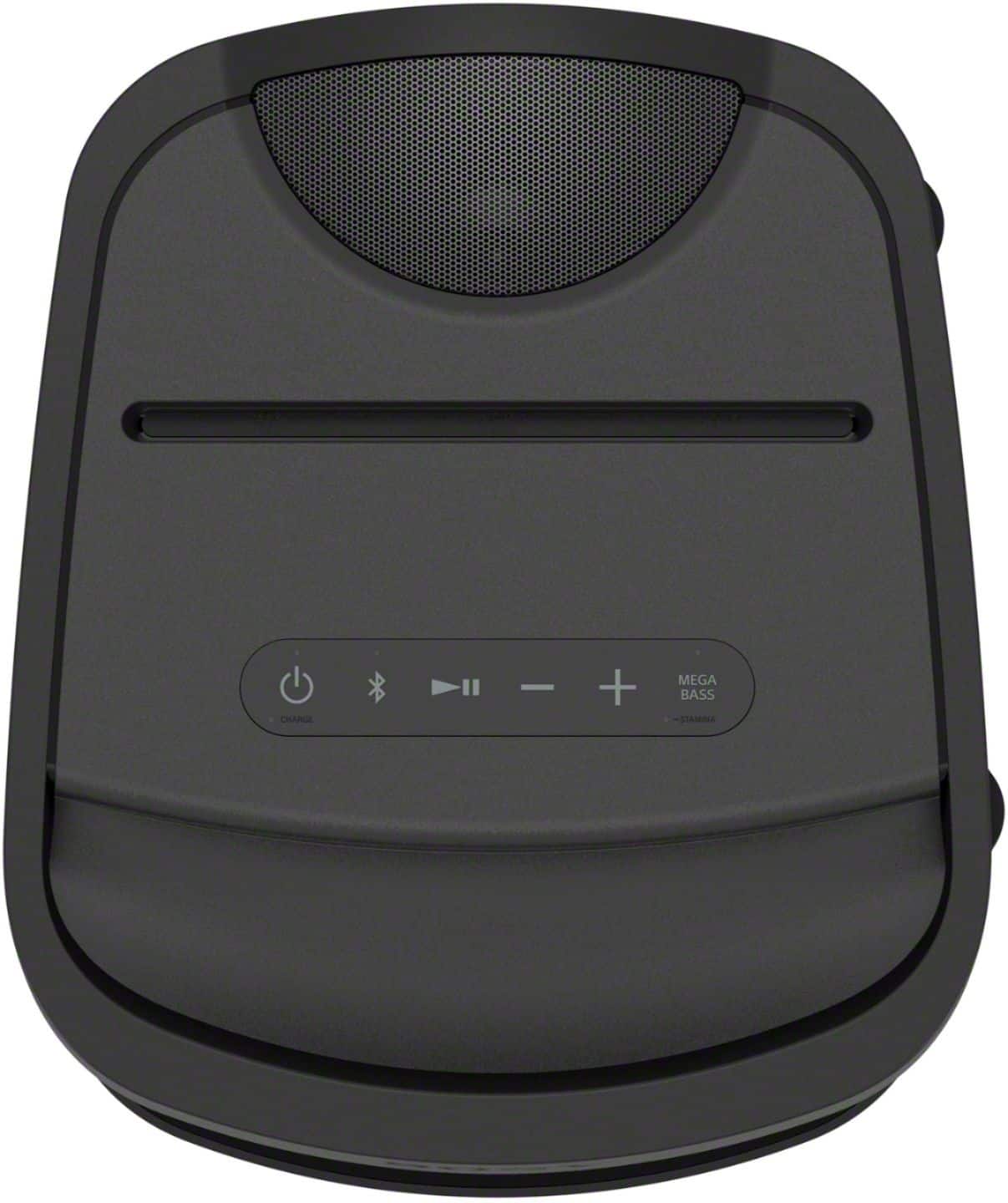
The Sony SRS-XP700 offers simpler connectivity: Bluetooth, 3.5mm auxiliary input, USB for file playback, and rear-mounted mic/guitar inputs for karaoke. These inputs work fine for basic applications but lack the professional features needed for serious audio production.
Both speakers offer smartphone app control, but with very different philosophies. The JBL Compact Connect app provides comprehensive control over the built-in digital mixer, including 8-band parametric EQ, effects processing, and the ability to control multiple speakers simultaneously. Parametric EQ allows precise frequency adjustment – you can boost or cut specific frequency ranges to compensate for room acoustics or personal preferences.
The Sony Music Center app focuses on simpler controls with a basic 3-band EQ and lighting customization. While easier to use, it offers significantly less fine-tuning capability. For most party applications, this simpler approach is actually preferable – you don't need complex audio processing to make your Spotify playlist sound good.
The Sony SRS-XP700 supports Party Connect, allowing up to 100 compatible Sony speakers to link together for synchronized playback. This creates possibilities for massive sound systems spanning large venues or outdoor areas. The synchronized lighting effects across multiple speakers can create impressive visual displays.
The JBL EON ONE Compact supports linking up to 4 units via its app, which is more limited but reflects its professional focus. In professional applications, you typically use fewer speakers with careful placement rather than flooding a space with multiple units.
The JBL EON ONE Compact includes several features that highlight its professional DNA. The ducking feature automatically reduces background music volume when speech is detected on microphone channels. This seemingly simple capability requires sophisticated real-time audio processing and makes presentations much more professional.
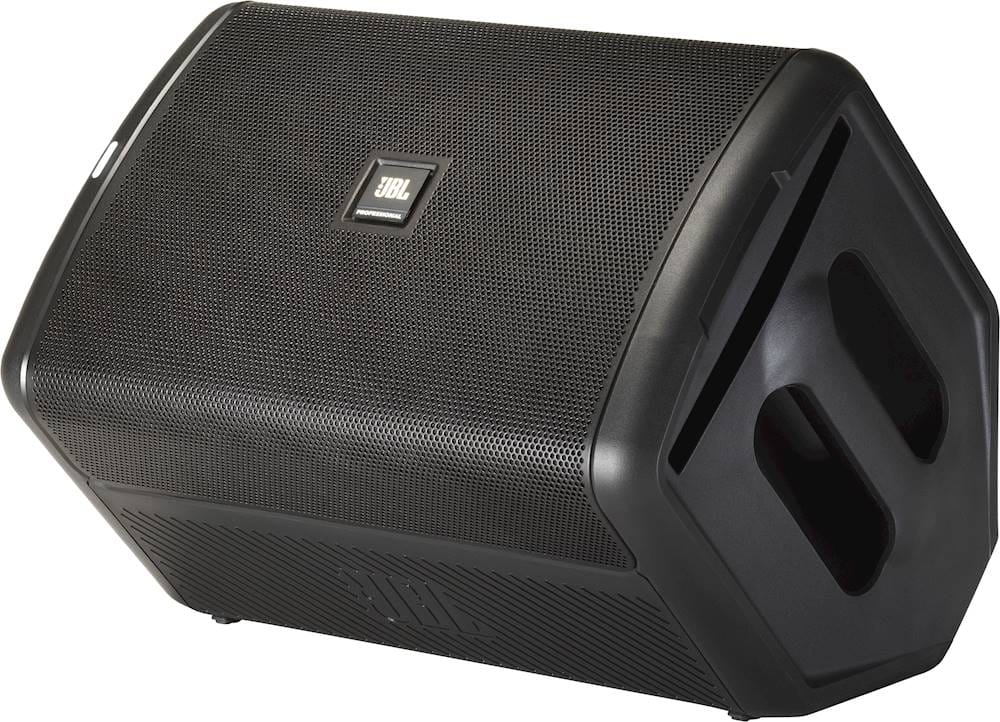
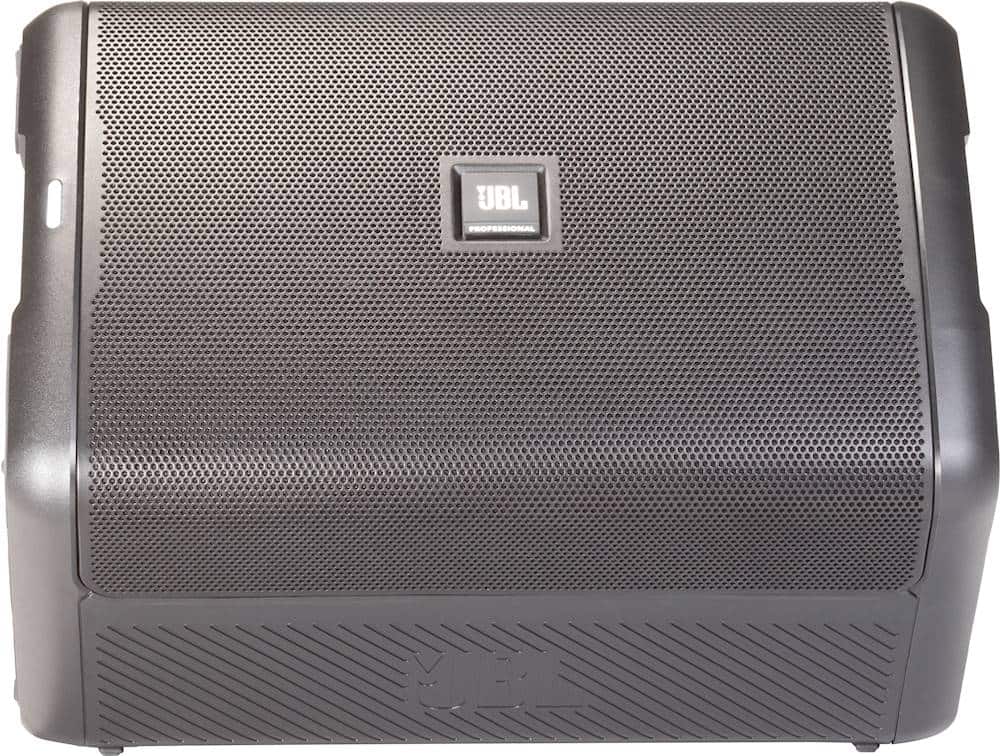
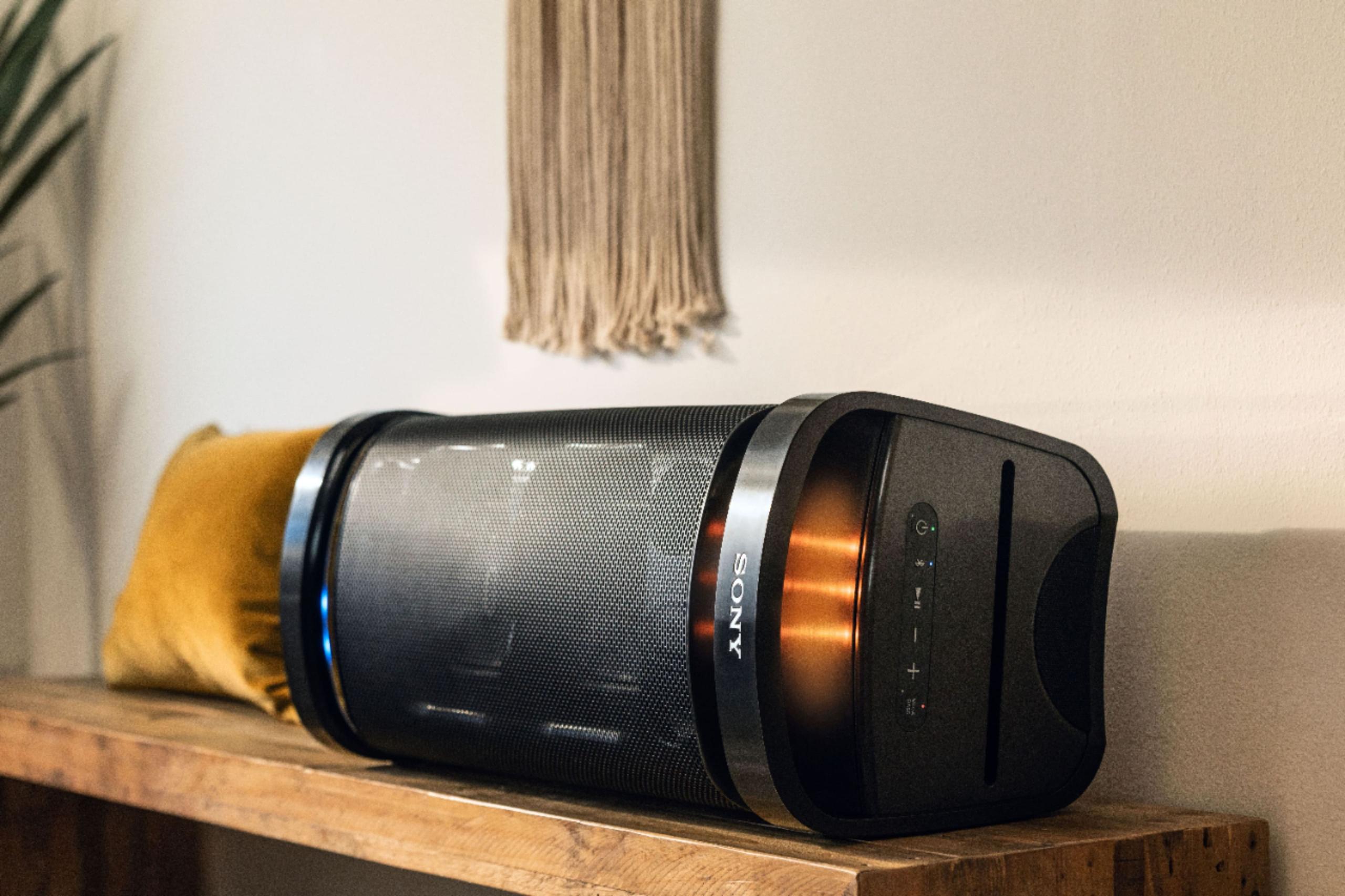
The speaker can operate in both vertical column mode and as a stage monitor lying on its side, with the front logo rotating to match orientation. This flexibility matters in professional settings where acoustic requirements change based on room layout and audience positioning.
Perhaps most importantly, JBL backs the EON ONE Compact with a 7-year warranty (3 years on the battery). This extended coverage reflects confidence in the product's durability and acknowledges that professional users depend on reliable equipment for income generation.
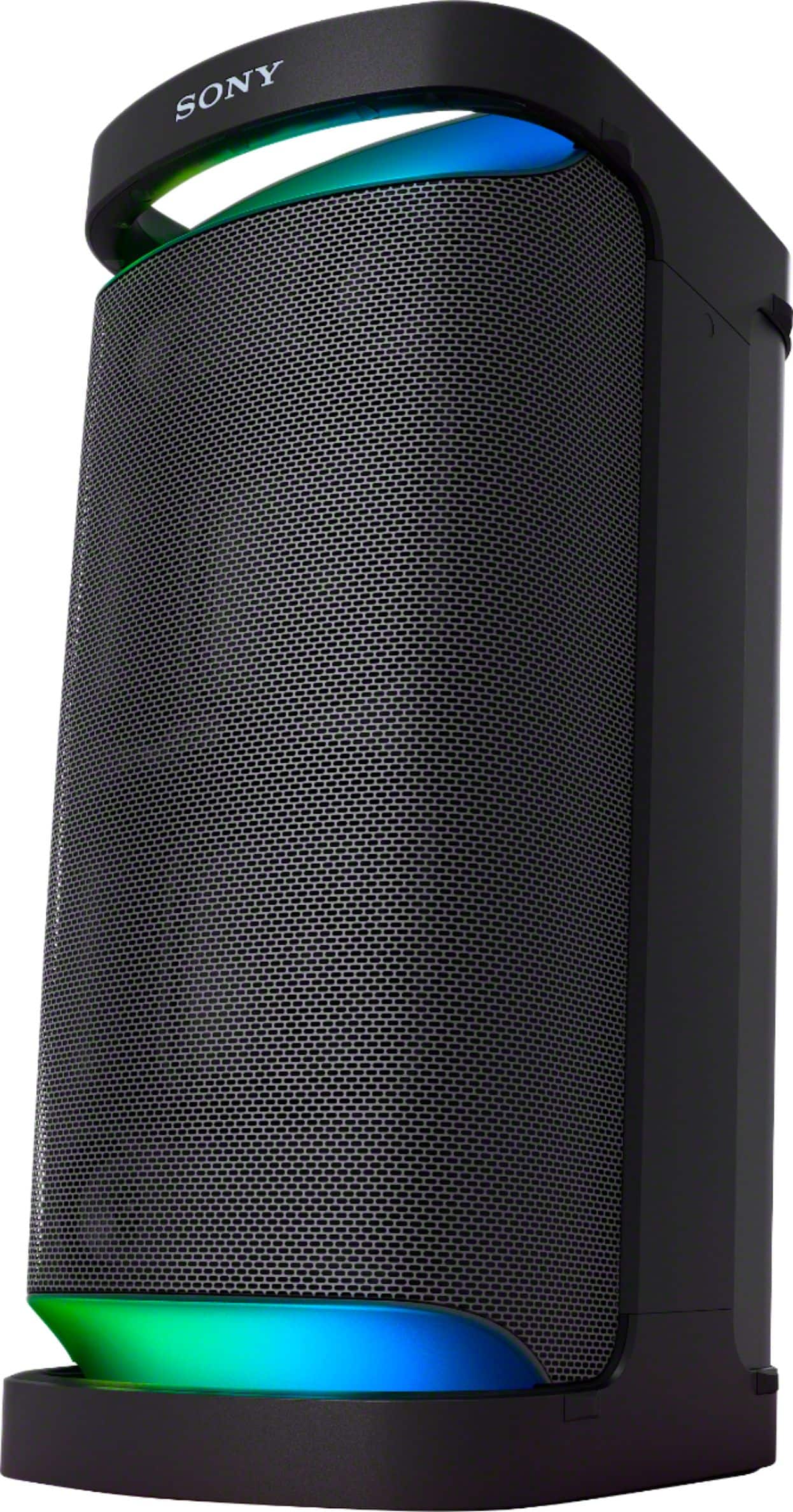
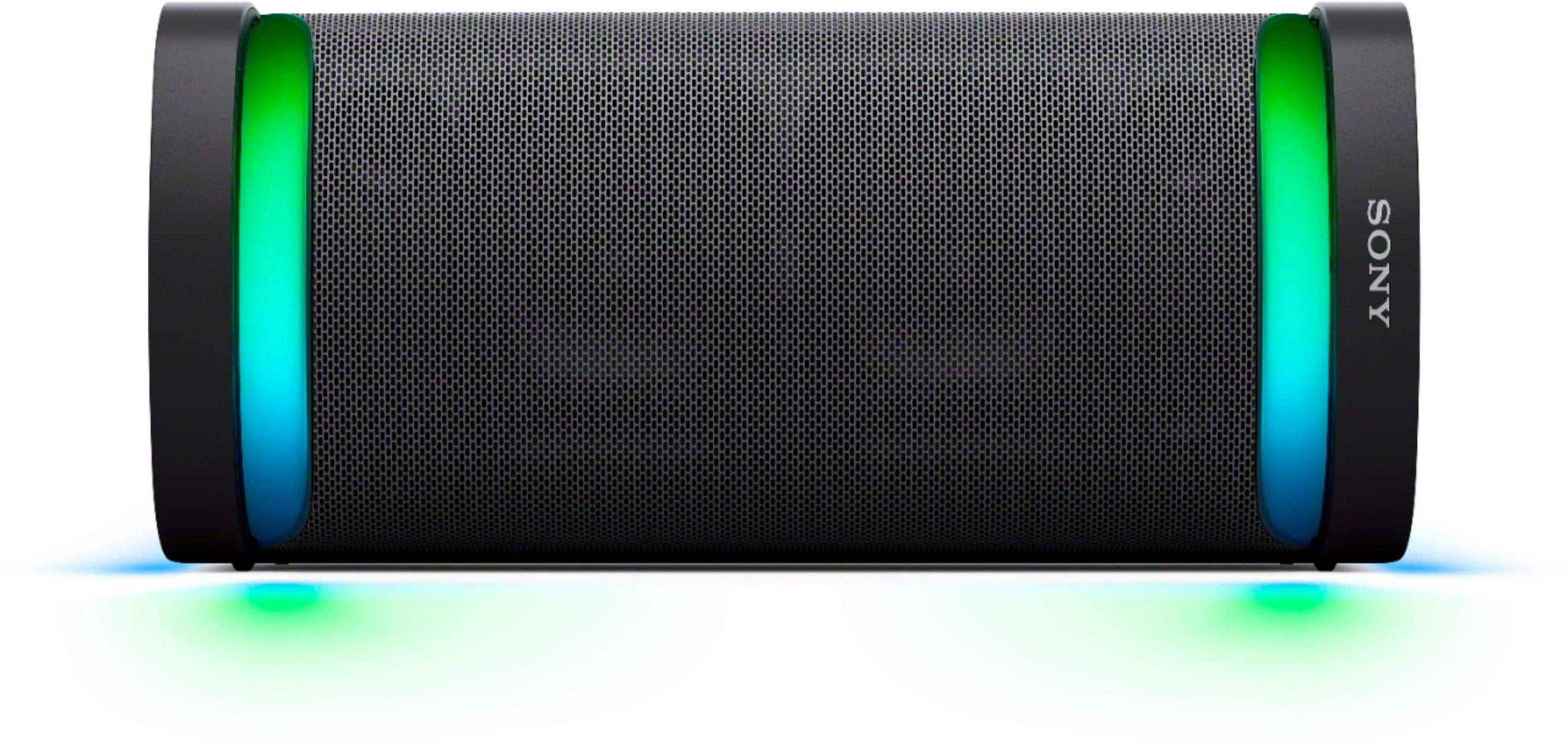
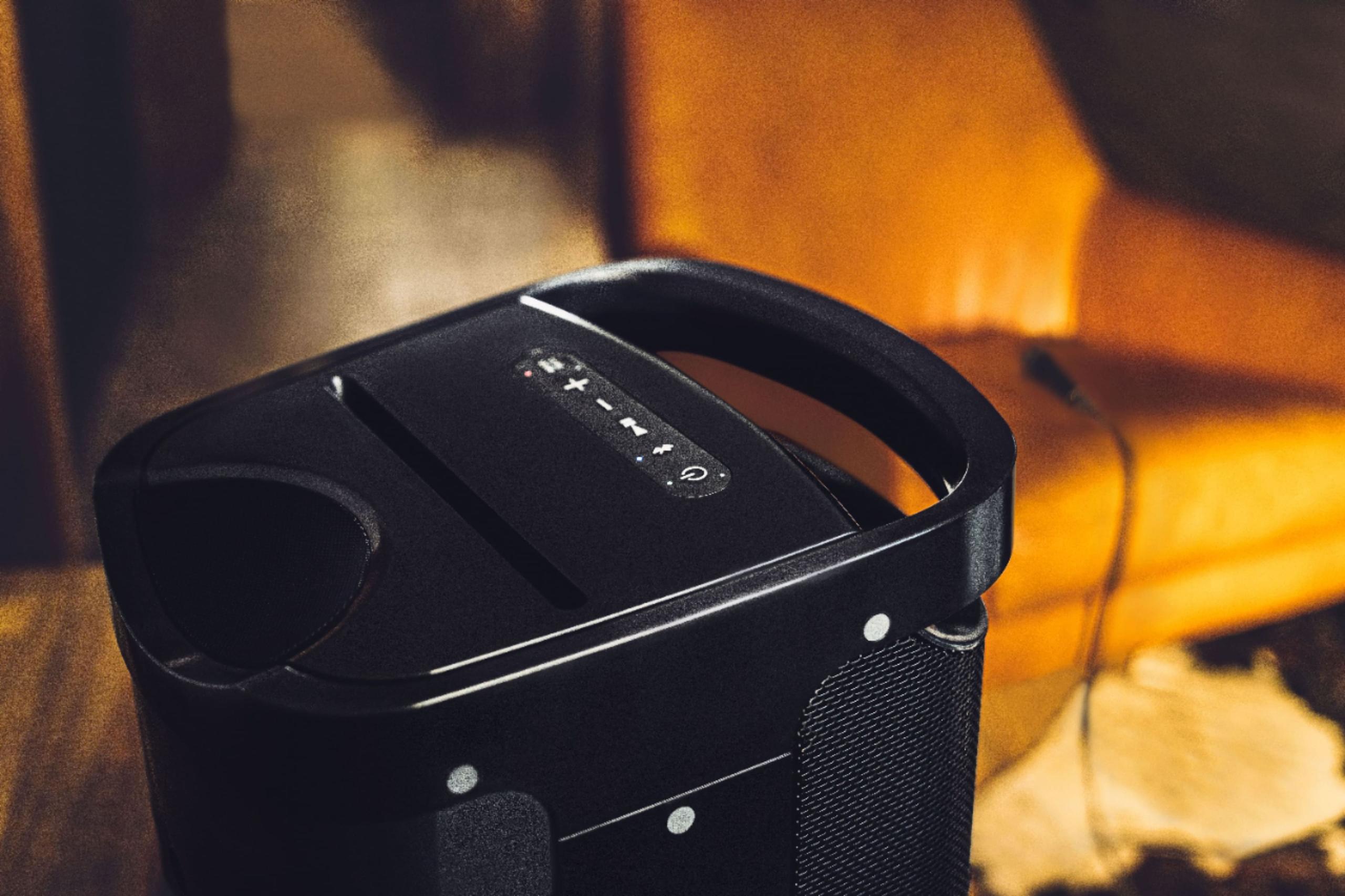
The Sony SRS-XP700 includes RGB lighting effects that synchronize with music playback, creating a party atmosphere that pure audio equipment cannot match. The Fiestable app adds DJ effects and party games, transforming the speaker into an entertainment centerpiece rather than just a sound reproducer.
The omnidirectional sound design ensures consistent audio quality regardless of listener position – important for parties where people move around constantly. Traditional forward-firing speakers can create "dead zones" where the sound quality drops significantly.
Sony's inclusion of voice control and motion control features (through the Fiestable app) adds interactive elements that engage party guests beyond simple music playback.
At the time of writing, the JBL EON ONE Compact commands a significant premium over the Sony SRS-XP700, reflecting its professional capabilities and target market. The price difference isn't just about features – it's about completely different use cases and quality expectations.
For professional applications, the JBL's higher cost is justified by its superior maximum output, mixing capabilities, and extended warranty coverage. Musicians can potentially recoup the investment through paid performances, while presenters benefit from the professional reliability and sound quality that reflects well on their work.
The Sony SRS-XP700 offers excellent value for its intended purpose: providing powerful, bass-heavy sound for social gatherings with exceptional battery life. Its lower price point makes it accessible for casual users who want impressive sound without professional features they won't use.
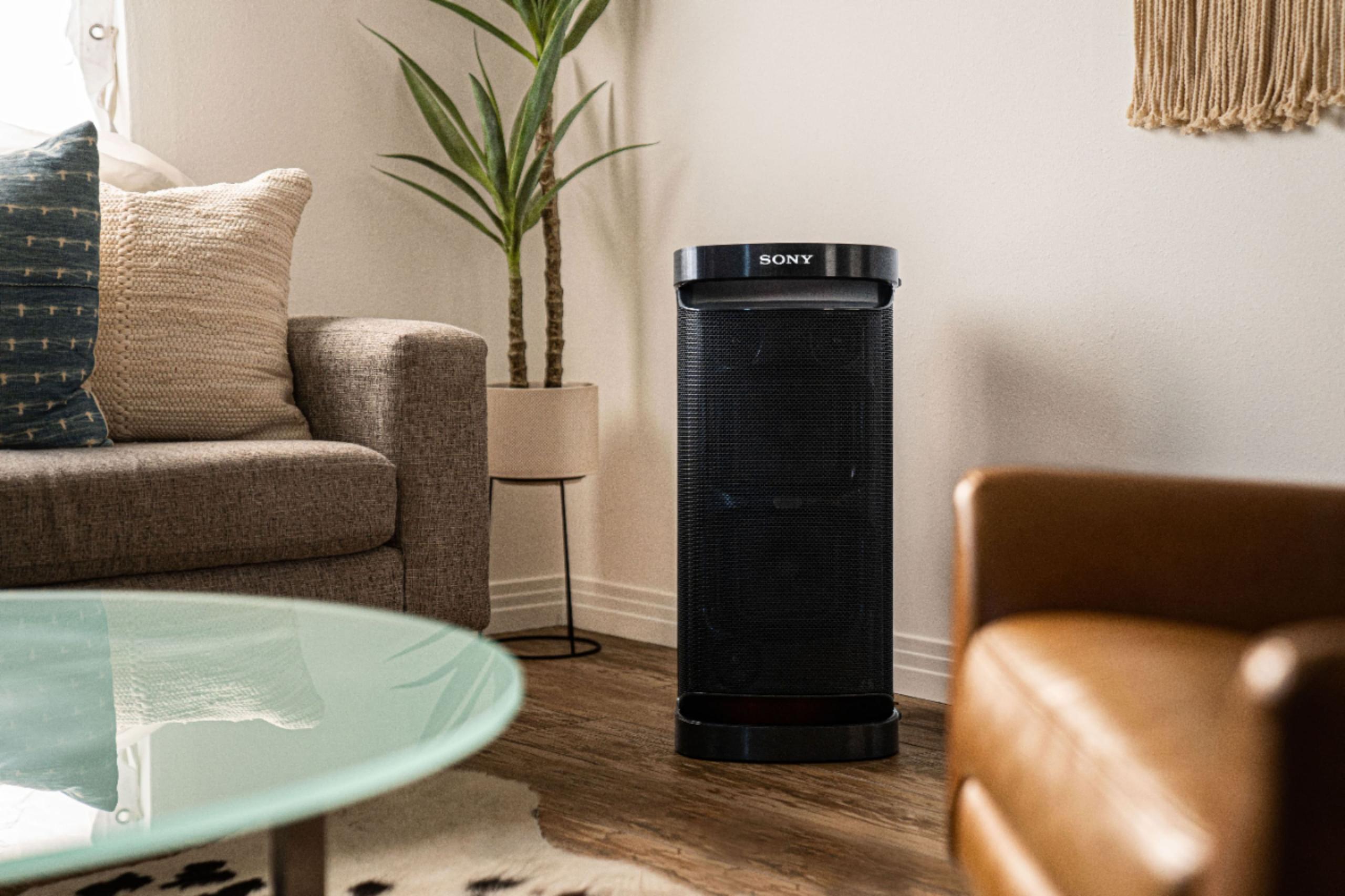
Neither speaker is designed primarily for home theater use, but they can serve this function with important caveats. The Sony SRS-XP700 works reasonably well for casual TV watching or movie nights, especially if you value strong bass impact over precise dialogue reproduction. Its omnidirectional design can fill a living room with sound, though it won't create the directional audio staging that dedicated home theater speakers provide.
The JBL EON ONE Compact can excel in home theater scenarios where you need to integrate multiple audio sources. Its mixing capabilities allow you to blend TV audio with wireless microphones for commentary, or add background music during intermissions. However, its professional sound signature might seem overly neutral for movie watching compared to consumer speakers tuned for entertainment.
For dedicated home theater use, both speakers represent expensive alternatives to purpose-built soundbars or speaker systems that offer features like surround sound processing and dialogue enhancement.
Choose the JBL EON ONE Compact if you need genuine professional capabilities in a portable package. This includes musicians performing acoustic sets, presenters who need to integrate multiple audio sources, educators conducting outdoor classes, or anyone who needs maximum volume output with pristine sound quality. The higher investment makes sense if audio quality and reliability directly impact your professional reputation or income.
The Sony SRS-XP700 better serves users prioritizing battery life, party features, and weather resistance over professional capabilities. If you host regular outdoor gatherings, want impressive bass response for music playback, or need a speaker that can survive poolside parties, Sony's consumer-focused approach delivers better value.
The decision ultimately comes down to whether you need professional audio tools or consumer entertainment features. The JBL EON ONE Compact is genuinely portable professional equipment that happens to run on batteries, while the Sony SRS-XP700 is a party speaker that happens to be very good at what it does.
Both speakers represent significant improvements over older designs, incorporating smartphone app control and battery technology that seemed impossible just a few years ago. Your choice should reflect how you actually plan to use the speaker, not just impressive specifications that might never matter in real-world applications.
| JBL EON ONE Compact | Sony SRS-XP700 |
|---|---|
| Maximum Output - Critical for volume needs and venue size | |
| 112 dB SPL (professional concert levels) | ~103 dB SPL (loud but not venue-filling) |
| Weight - Determines true portability for your use case | |
| 17.6 lbs (one-person carry anywhere) | 37.25 lbs (requires planning/help to move) |
| Battery Life - How long your event can run unplugged | |
| 12 hours (swappable battery for unlimited runtime) | 25 hours (exceptional longevity, non-removable) |
| Water Resistance - Protection for outdoor events | |
| None (indoor/covered use only) | IPX4 splash-resistant (poolside safe) |
| Input Options - Flexibility for different audio sources | |
| 4-channel mixer: 2 XLR/TRS, Hi-Z guitar, aux, Bluetooth | Basic: 3.5mm aux, USB playback, rear mic/guitar, Bluetooth |
| Phantom Power - Essential for professional condenser mics | |
| 48V phantom power on Channel 1 (pro microphone support) | None (dynamic mics and basic karaoke only) |
| Audio Processing - Sound enhancement and control capabilities | |
| Lexicon effects, 8-band parametric EQ, ducking, compression | MEGA BASS, Clear Audio+, basic 3-band EQ |
| Multi-Speaker Linking - Scaling up for larger events | |
| Up to 4 units via app (professional placement focus) | Up to 100 units via Party Connect (consumer party focus) |
| App Control - Remote adjustment and customization | |
| Full mixer control, effects, EQ, multi-unit management | Basic EQ, lighting control, party features |
| Lighting Effects - Entertainment value for social gatherings | |
| None (pure audio focus) | RGB lighting with music sync and customizable patterns |
| Warranty Coverage - Long-term reliability and support | |
| 7 years speaker, 3 years battery (professional grade) | 1 year standard consumer warranty |
| Charging Features - Keeping devices powered during events | |
| USB charging ports, AC operation while charging battery | Quick charge (10 min = 3 hours), dual USB device charging |
The JBL EON ONE Compact is significantly louder, delivering 112 dB SPL compared to the Sony SRS-XP700's approximately 103 dB output. This 9 dB difference means the JBL is more than twice as loud and can fill larger venues or outdoor spaces much more effectively.
The Sony SRS-XP700 offers exceptional 25-hour battery life, while the JBL EON ONE Compact provides 12 hours. However, the JBL has a unique advantage with its tool-free swappable battery system, allowing unlimited runtime with spare batteries, whereas the Sony's battery is built-in and non-removable.
The JBL EON ONE Compact is far more portable at 17.6 pounds with a compact design that fits in shopping bags. The Sony SRS-XP700 weighs 37.25 pounds, making it more than twice as heavy and requiring more effort to transport, though it includes carry handles.
The JBL EON ONE Compact excels for presentations with two XLR/TRS inputs, 48V phantom power for professional microphones, and automatic ducking that lowers music when you speak. The Sony SRS-XP700 has basic rear mic inputs suitable for karaoke but lacks professional microphone features.
The Sony SRS-XP700 is better for pool parties due to its IPX4 splash-resistant rating, 25-hour battery life, RGB lighting effects, and powerful bass response. The JBL EON ONE Compact lacks water resistance and is designed more for professional applications than party atmospheres.
Neither speaker is designed primarily for home theater use. The Sony SRS-XP700 can work for casual movie watching with its strong bass, while the JBL EON ONE Compact offers more neutral sound but lacks features like dialogue enhancement or surround sound processing that dedicated home theater systems provide.
Both support multi-speaker setups but differently. The Sony SRS-XP700 can link up to 100 compatible Sony speakers via Party Connect with synchronized lighting. The JBL EON ONE Compact supports up to 4 units through its app, focusing on professional placement rather than massive arrays.
The JBL EON ONE Compact delivers superior sound quality for live music with its professional-grade drivers, wider frequency response (37.5 Hz - 20 kHz), and studio-quality Lexicon effects. It maintains clarity at high volumes better than the Sony SRS-XP700, which prioritizes bass impact over accuracy.
The JBL EON ONE Compact offers professional connectivity with XLR/TRS combo jacks, Hi-Z guitar input, and a 4-channel digital mixer. The Sony SRS-XP700 provides consumer-focused options like 3.5mm aux, USB file playback, Bluetooth, and basic rear mic/guitar inputs for karaoke.
Yes, both have apps but serve different purposes. The JBL EON ONE Compact uses the Compact Connect app for full mixer control, effects processing, and multi-unit management. The Sony SRS-XP700 uses Sony Music Center for basic EQ, lighting control, and party features through the Fiestable app.
Value depends on your needs. The JBL EON ONE Compact justifies its higher cost with professional features, superior output, 7-year warranty, and mixing capabilities for performers and presenters. The Sony SRS-XP700 offers excellent value for parties and casual use with its long battery life, water resistance, and entertainment features.
The Sony SRS-XP700 works better for outdoor events due to its IPX4 water resistance and 25-hour battery life. The JBL EON ONE Compact is primarily designed for indoor or covered outdoor use but offers superior sound projection and professional features when weather protection isn't needed.
We've done our best to create useful and informative comparisons to help you decide what product to buy. Our research uses advanced automated methods to create this comparison and perfection is not possible - please contact us for corrections or questions. These are the sites we've researched in the creation of this article: bestbuy.com - crutchfield.com - noisegate.com.au - zzounds.com - jblpro.com - youtube.com - soundonsound.com - jblpro.com - youtube.com - youtube.com - jbl.com - samash.com - sweetwater.com - avnow.com - soundonsound.com - youtube.com - kh.jbl.com - talkbass.com - techradar.com - proav.com - gearspace.com - jazzguitar.be - sweetwater.com - youtube.com - crutchfield.com - forums.musicplayer.com - adn.harmanpro.com - device.report - bgs.cc - youtube.com - bestbuy.com - rtings.com - crutchfield.com - versus.com - rtings.com - rtings.com - youtube.com - versus.com - electronics.sony.com - youtube.com - youtube.com - youtube.com - youtube.com - crutchfield.com - armorsound.com - sony-asia.com - helpguide.sony.net - helpguide.sony.net - videoandaudiocenter.com - sony.com - sony.com - sony-asia.com - sony.com - sony.com - bestbuy.com - device.report - bestbuy.com

Privacy Policy
Terms and Conditions - Affiliate Policy
Home Security
© Copyright 2008-2026.
11816 Inwood Rd #1211, Dallas, TX 75244