

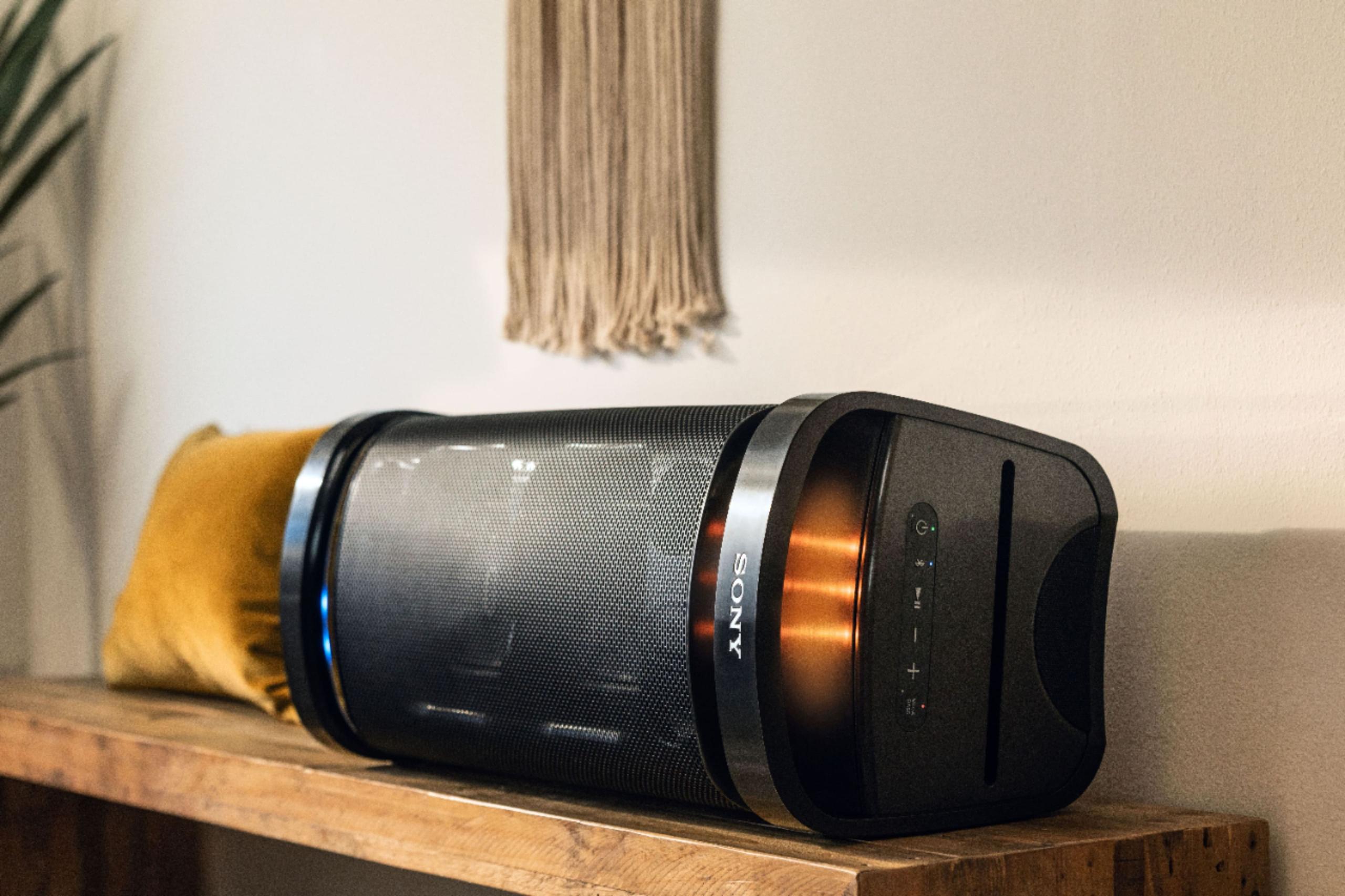
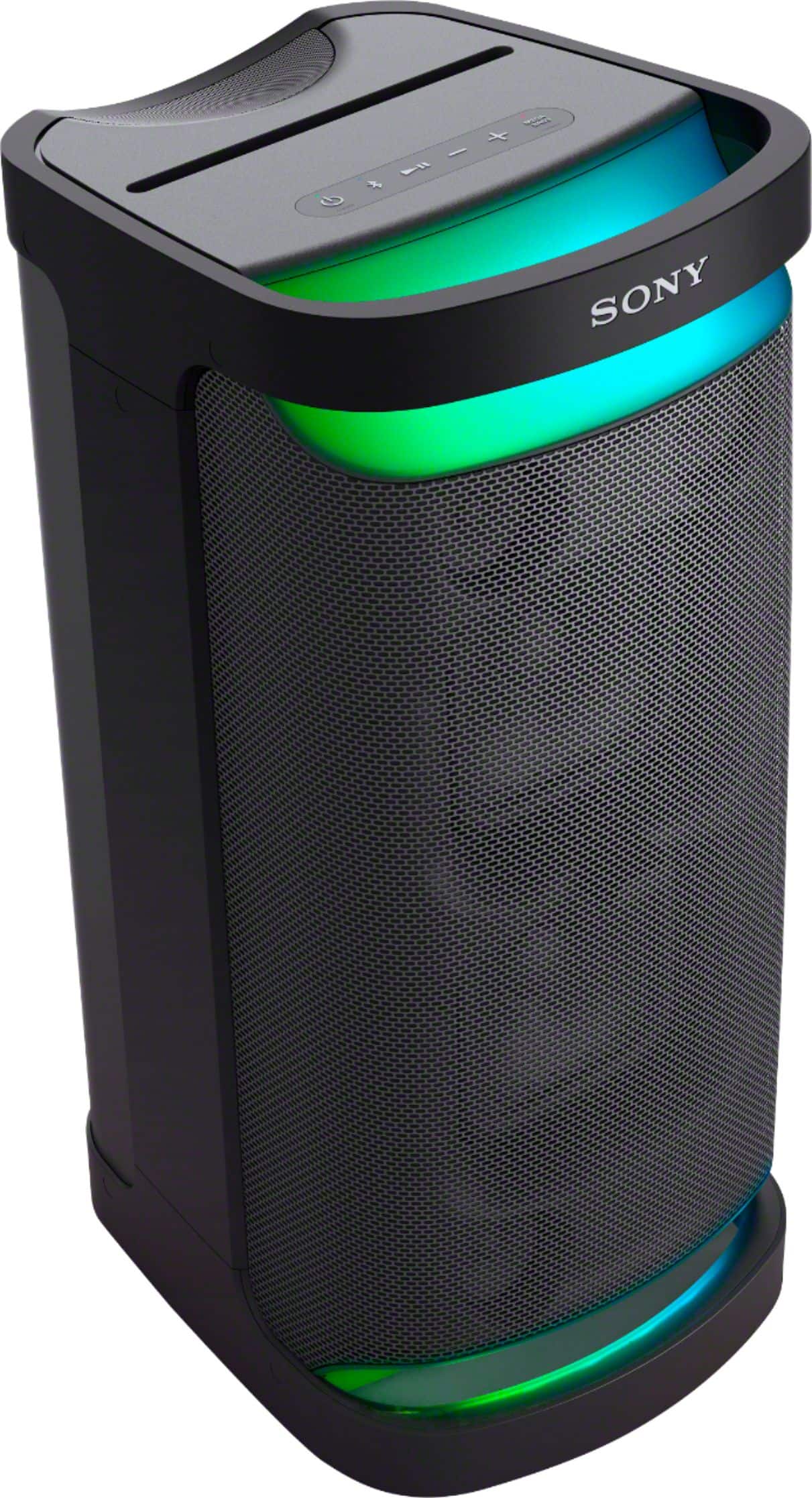
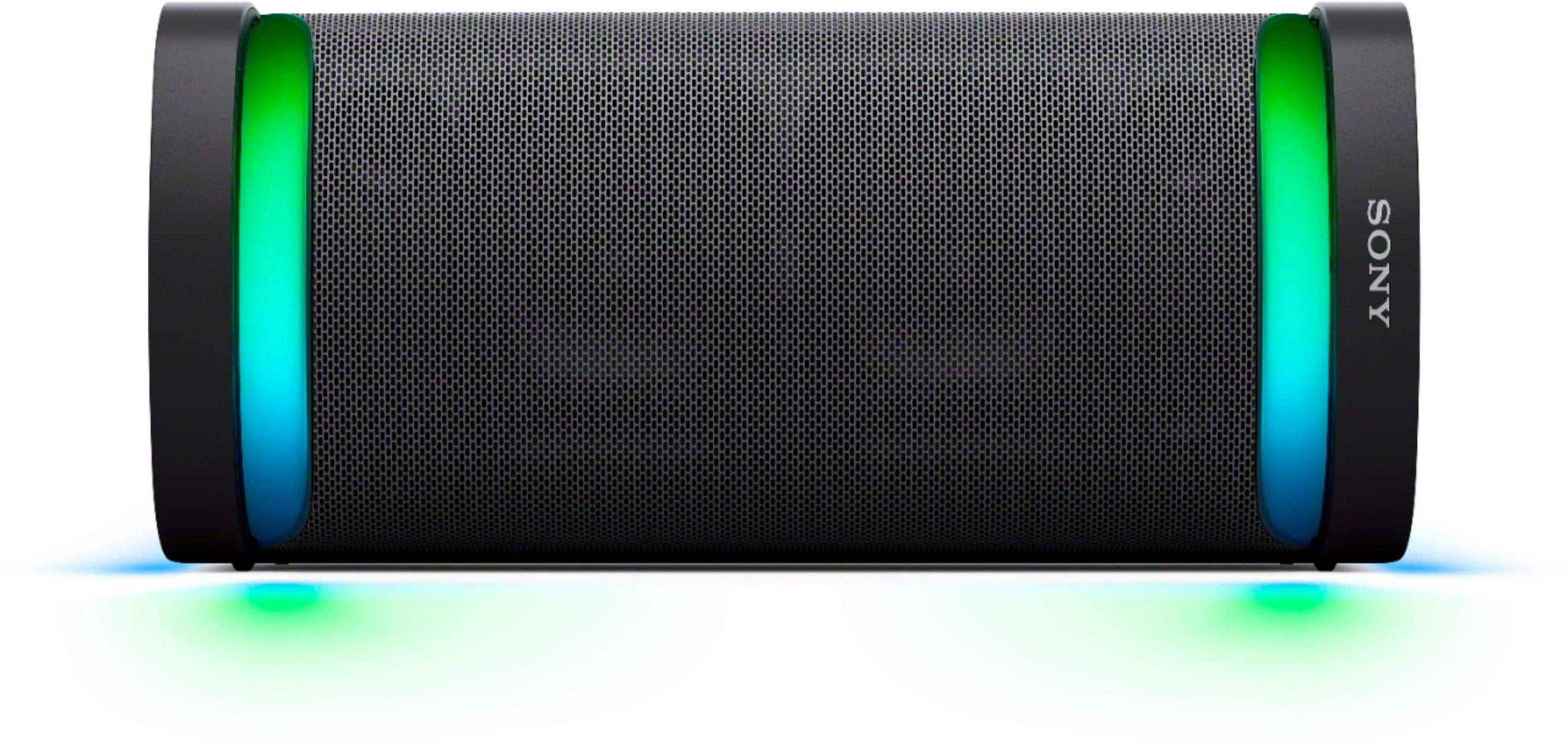
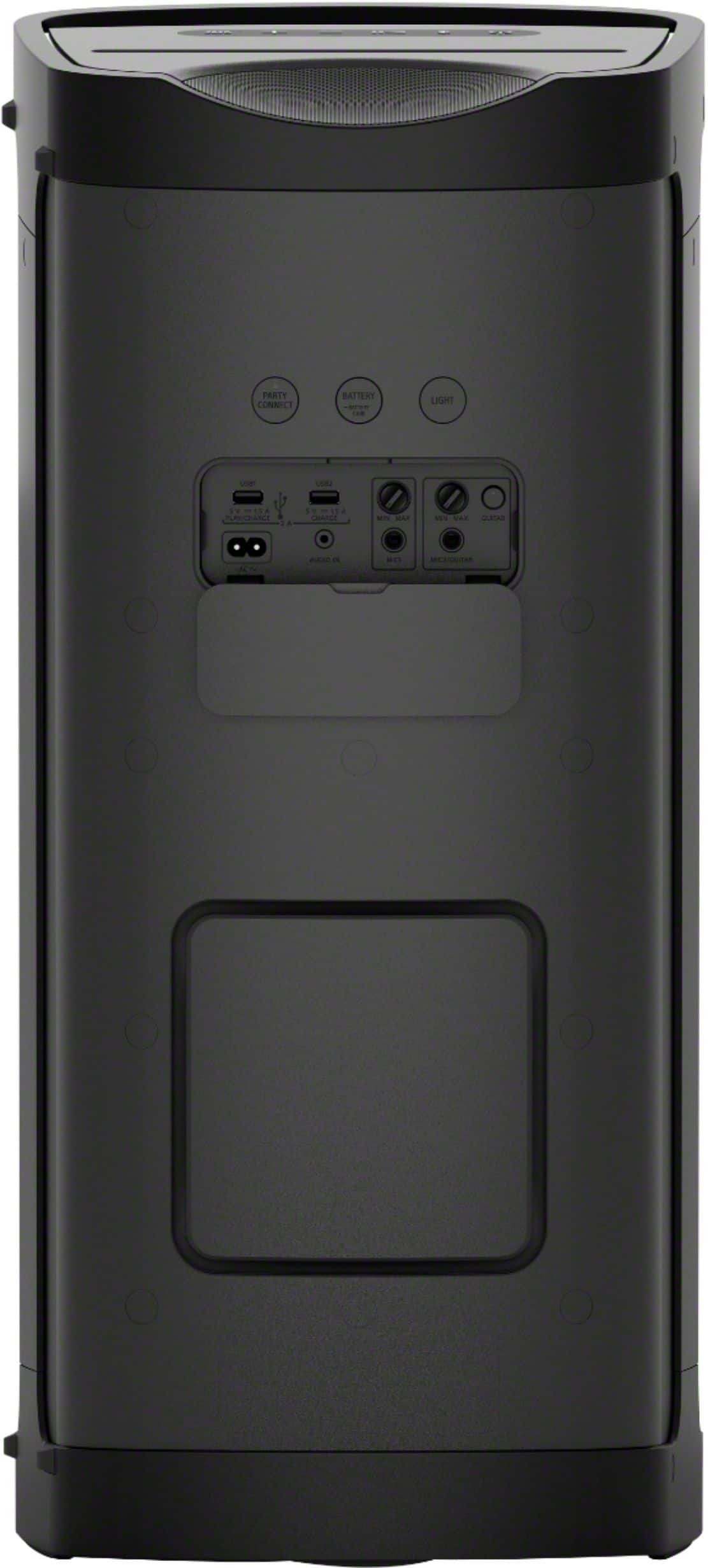
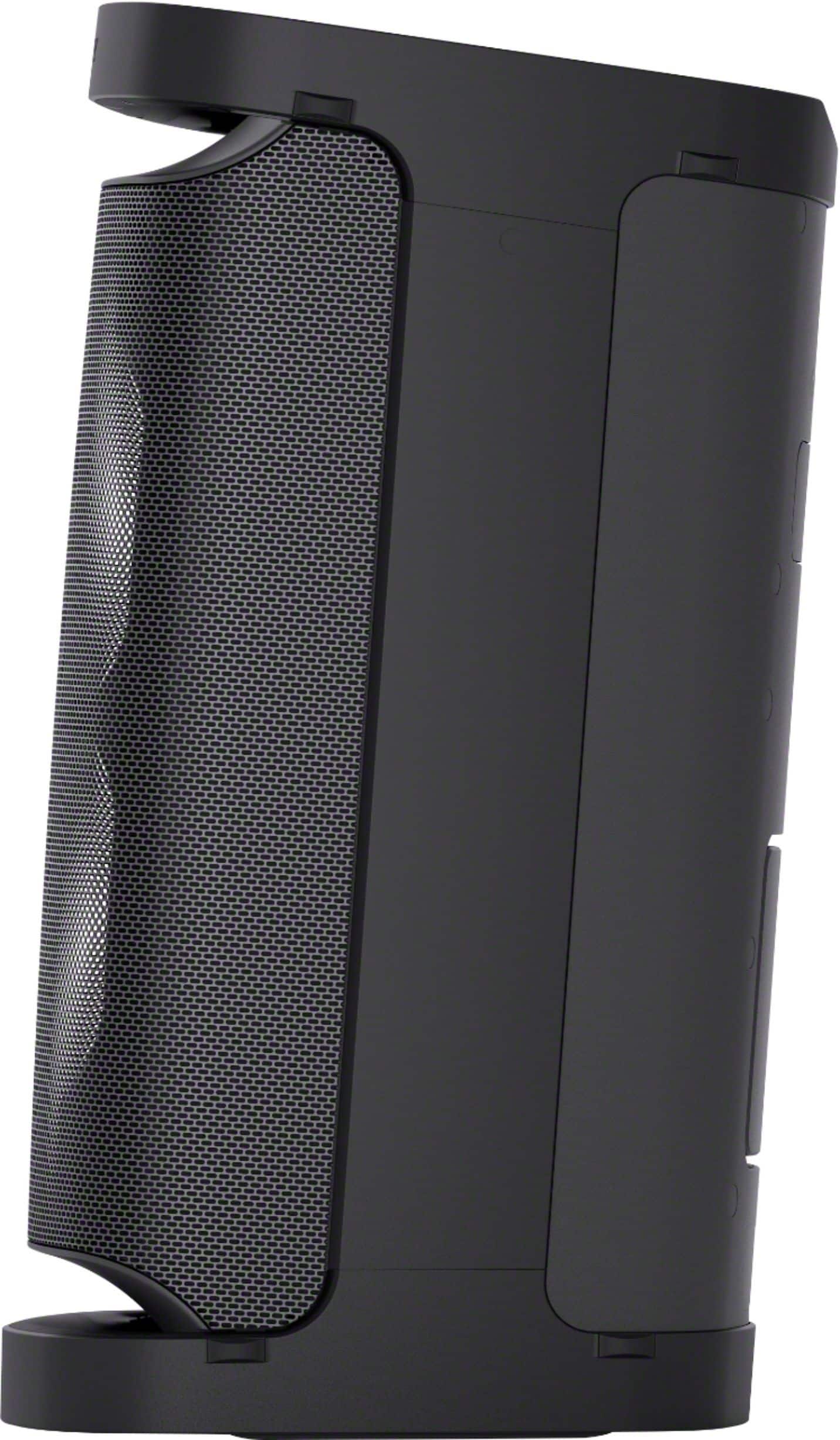
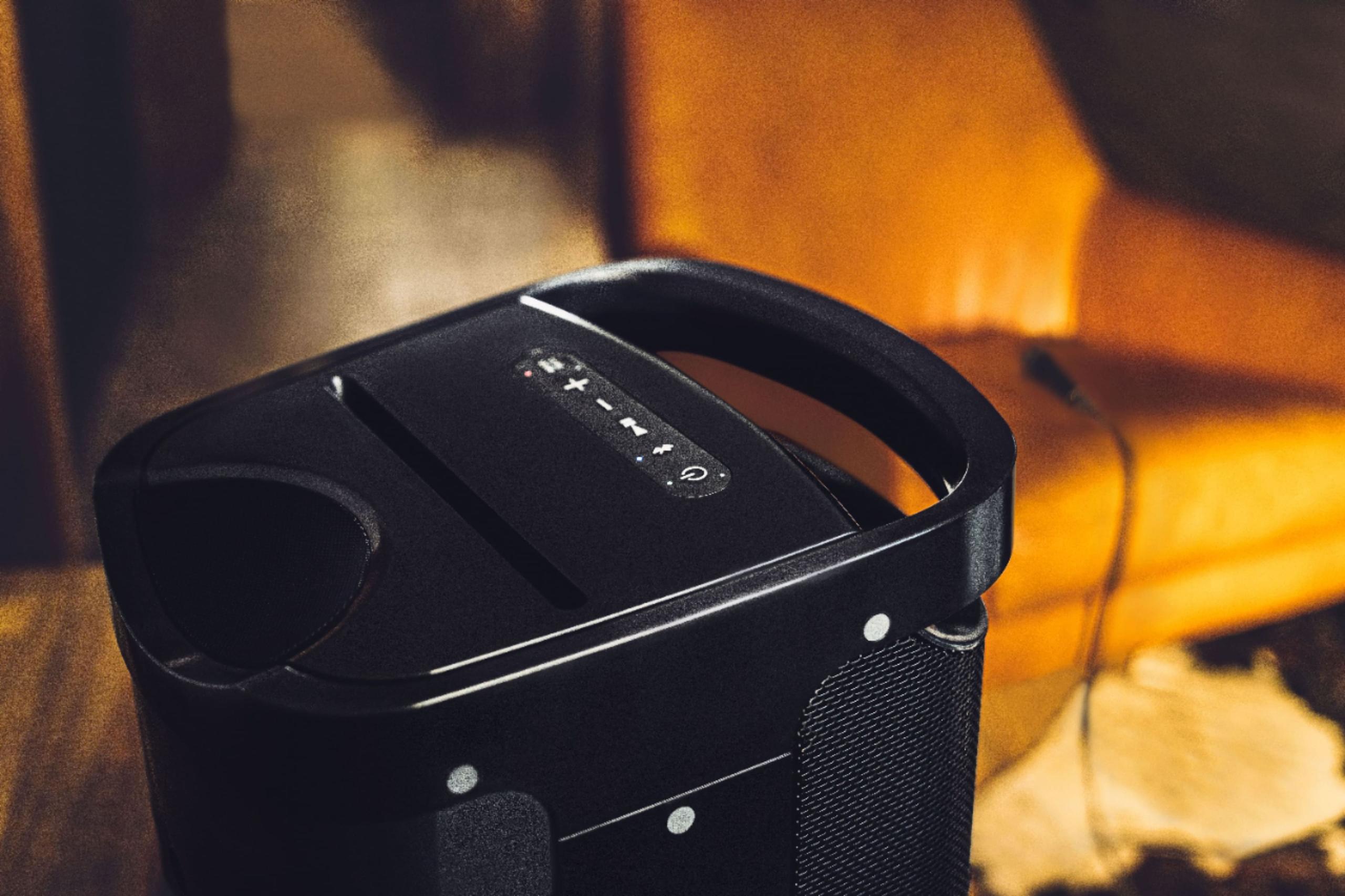
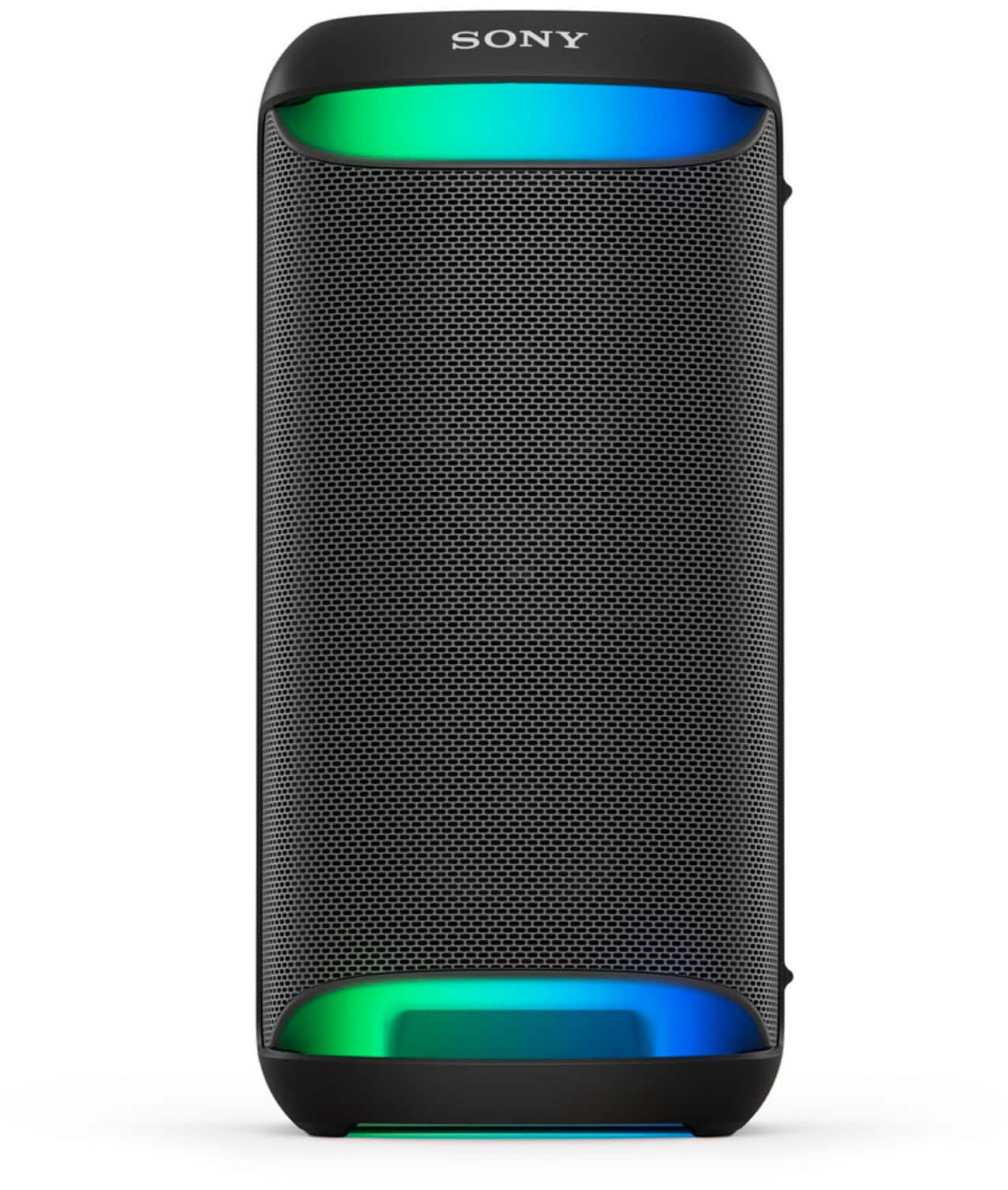
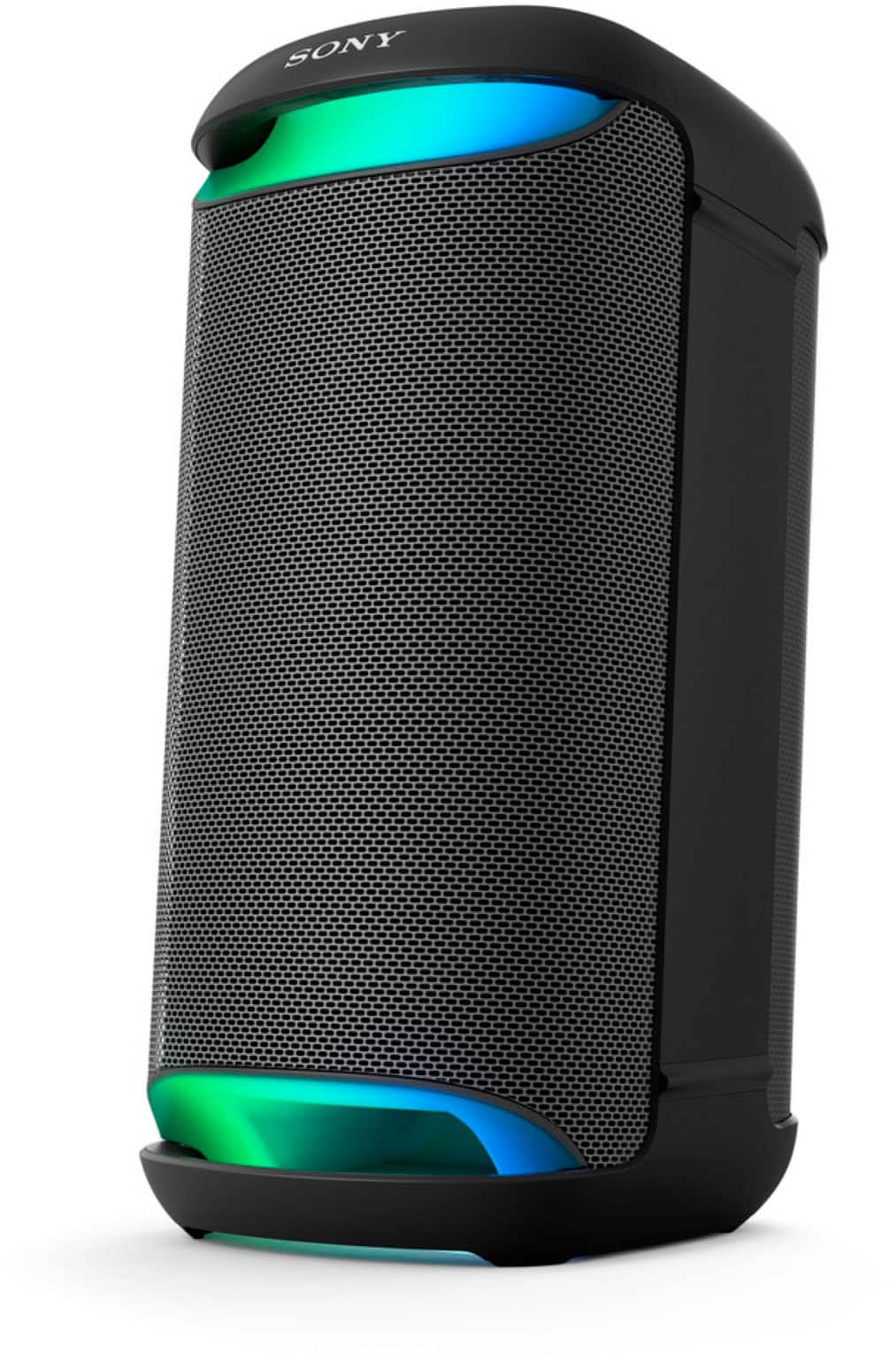
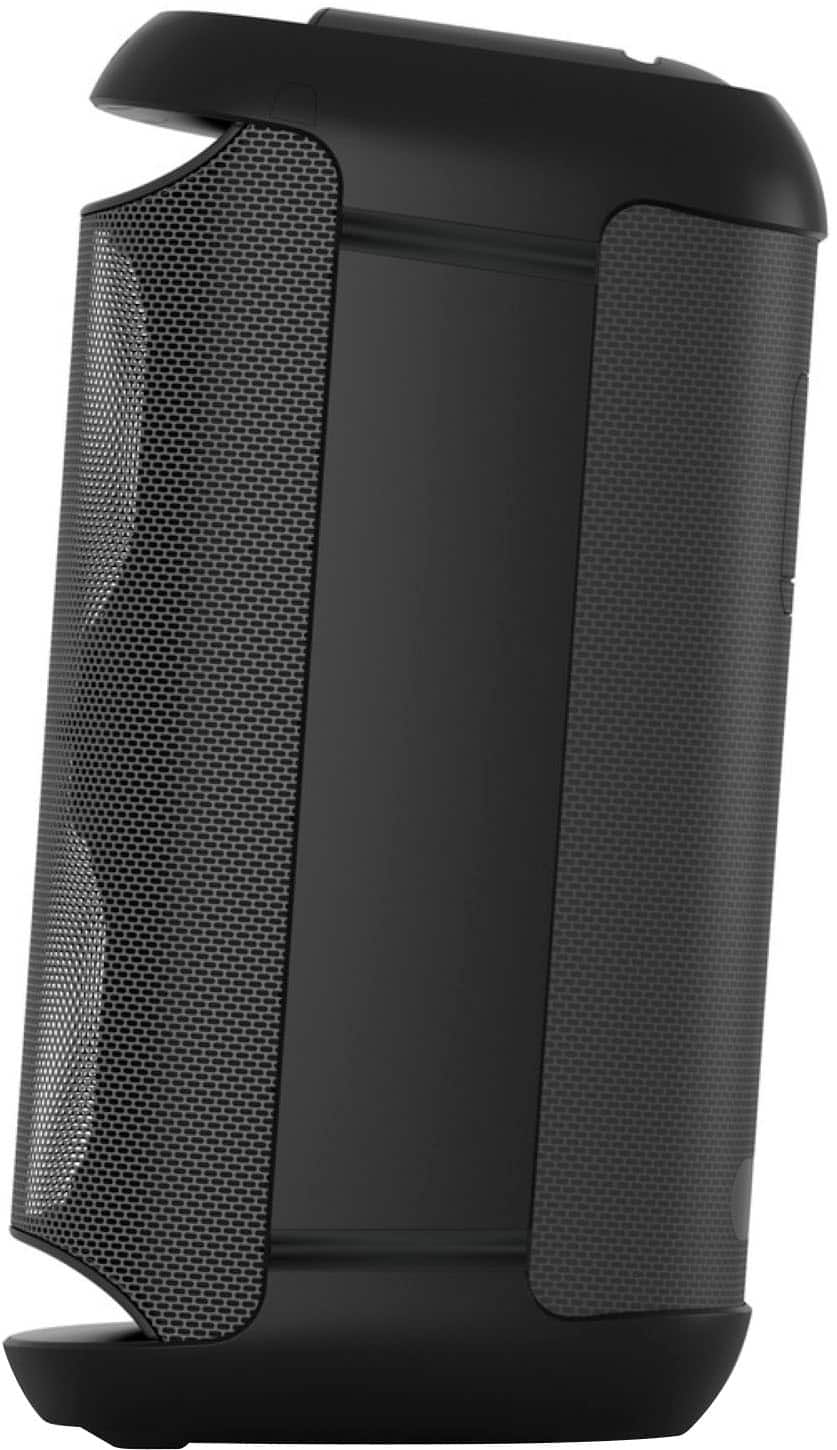
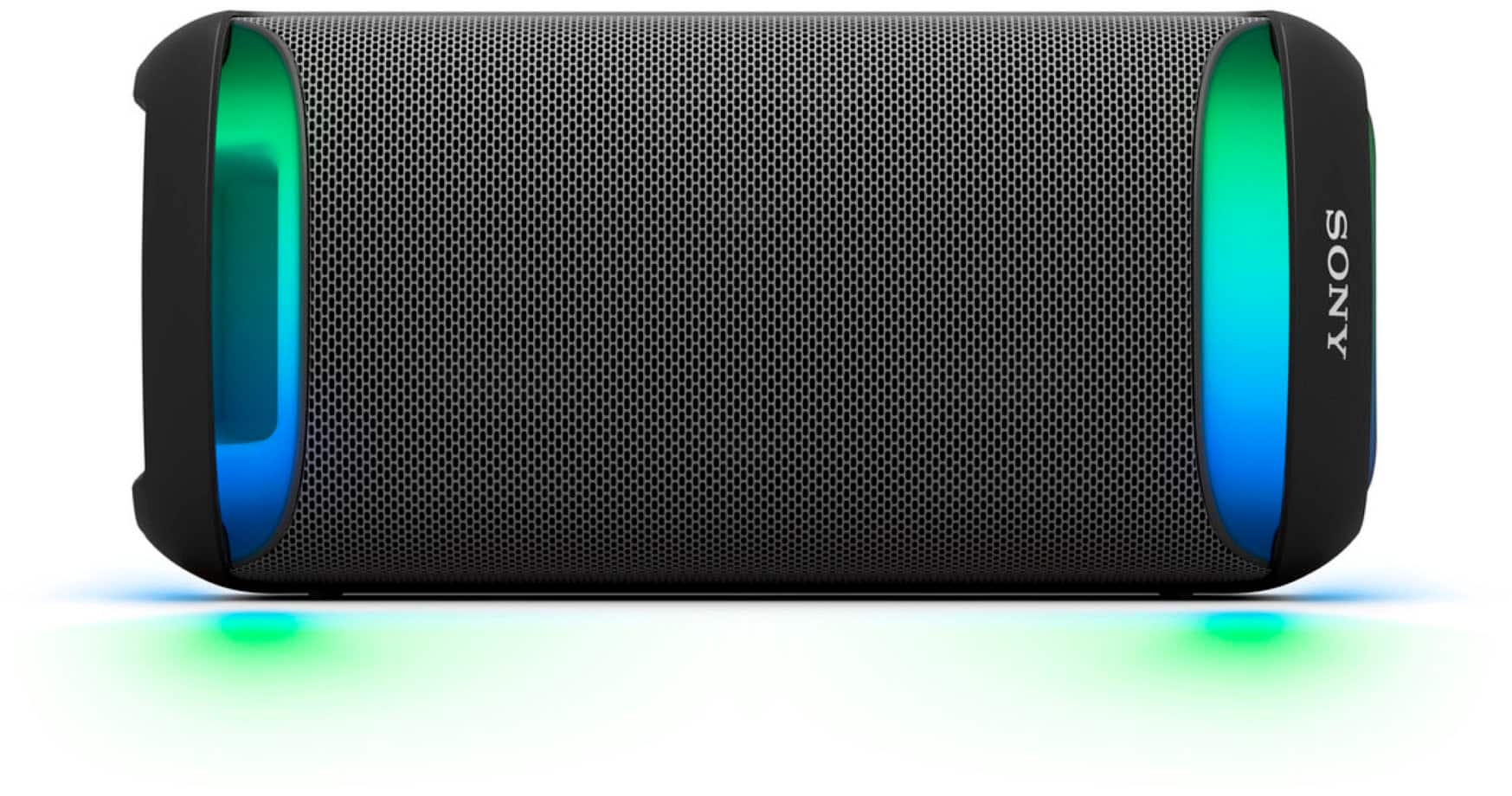
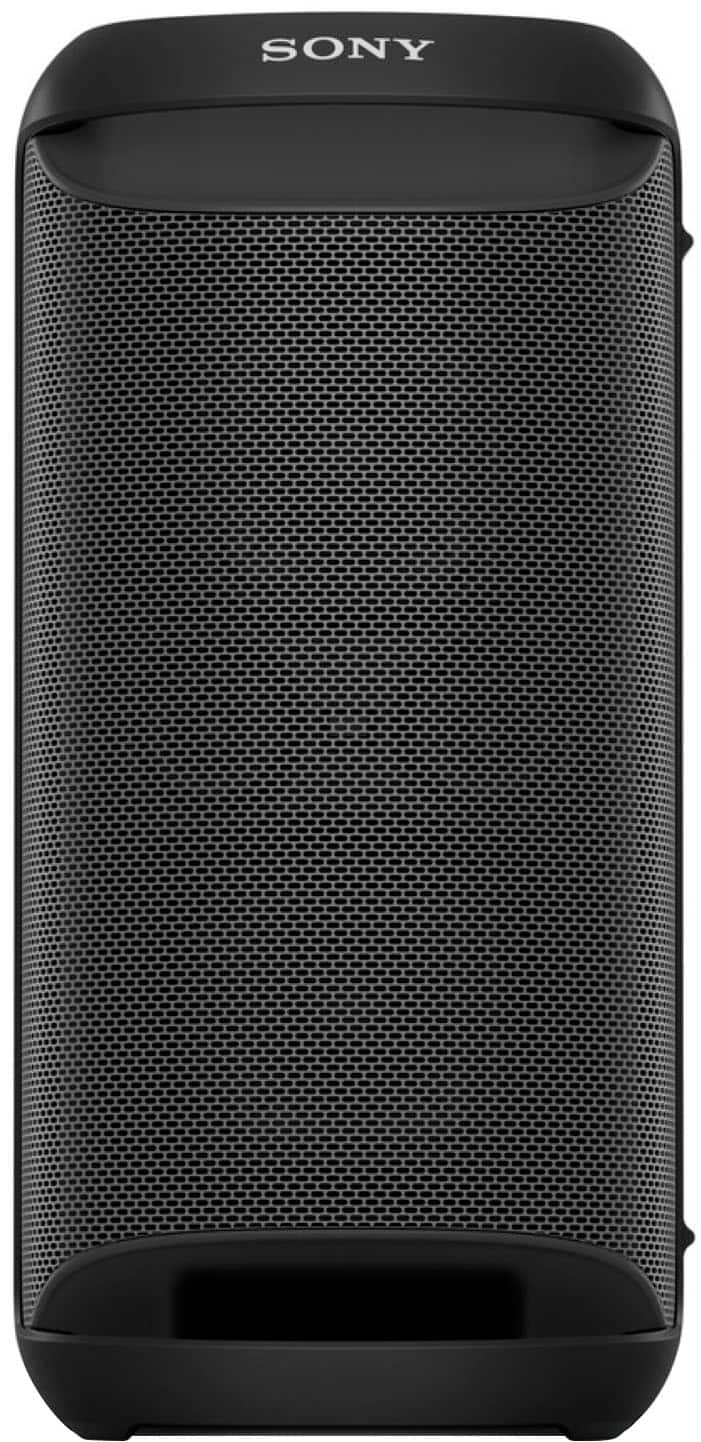
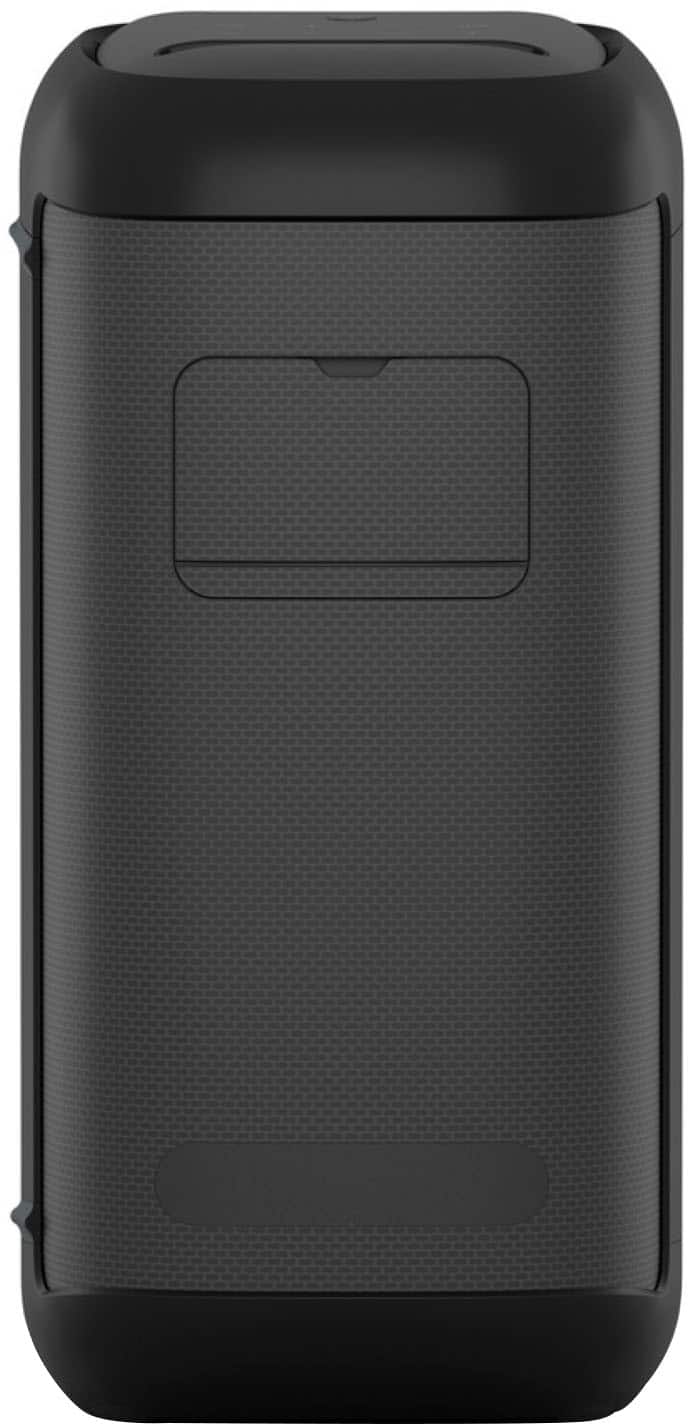


When you're ready to upgrade from that tiny Bluetooth speaker that barely fills your bedroom, Sony's party speaker lineup offers two compelling options that'll actually get your neighbors talking. The Sony SRS-XP700 and Sony SRS-XV500 both promise to bring the thunder, but they take dramatically different approaches to the same goal: making your gatherings memorable.
Party speakers occupy a unique space in the audio world. Unlike home stereo systems that prioritize neutral, accurate sound reproduction, or portable speakers designed for personal listening, party speakers are engineered for one primary mission: energizing crowds and filling large spaces with engaging, bass-heavy sound that cuts through conversation and ambient noise.
The key performance metrics that matter most in this category include maximum volume output (measured in decibels), bass extension (how low those frequencies can go), directivity (how evenly sound spreads in all directions), and battery endurance during high-volume playback. These speakers also need to maintain audio clarity when pushed to their limits—a challenge that separates the serious contenders from the pretenders.
What makes Sony's approach particularly interesting is their X-Balanced Speaker Unit technology, which uses non-circular speaker drivers to maximize surface area within the same footprint. This engineering innovation allows for greater sound pressure and deeper bass response compared to traditional round drivers of similar size.
The Sony SRS-XP700 launched in 2021 as Sony's flagship portable party speaker, representing their "maximum performance" philosophy. Since its release, it has established itself as a benchmark for what's possible when you prioritize sound output over portability constraints.
The Sony SRS-XV500, arriving in 2024, reflects Sony's response to user feedback about the XP700's substantial weight and size. Rather than simply shrinking the XP700, Sony redesigned the XV500 from the ground up to deliver a more balanced approach between performance and practicality.
This three-year gap between releases shows meaningful technological refinement. The XV500 incorporates improved Bluetooth 5.2 connectivity (versus the XP700's Bluetooth 5.0), more intuitive touch controls, and enhanced power efficiency. However, the laws of physics still apply—you can't match the sound output of a larger speaker system in a smaller package without compromises.
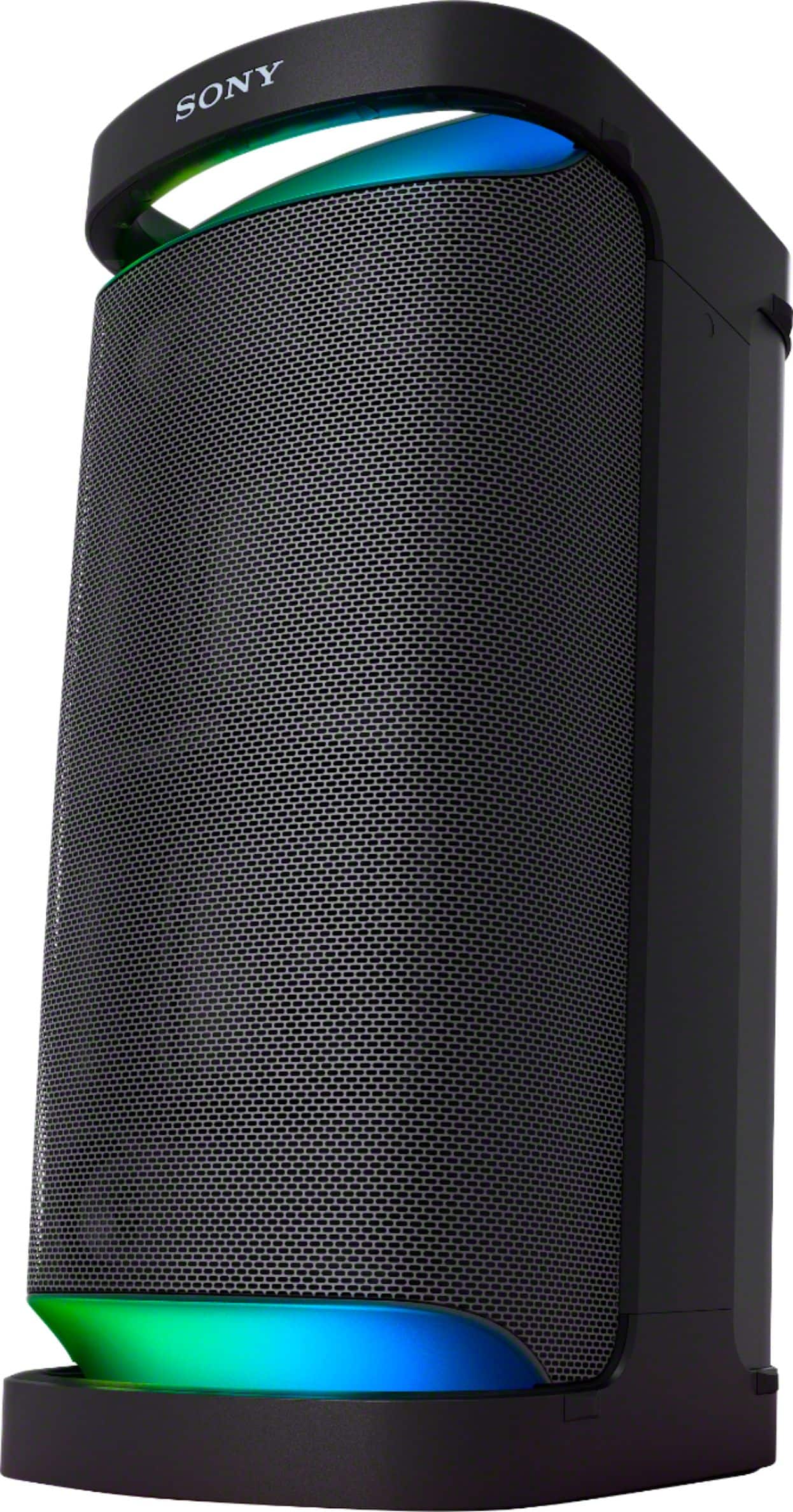
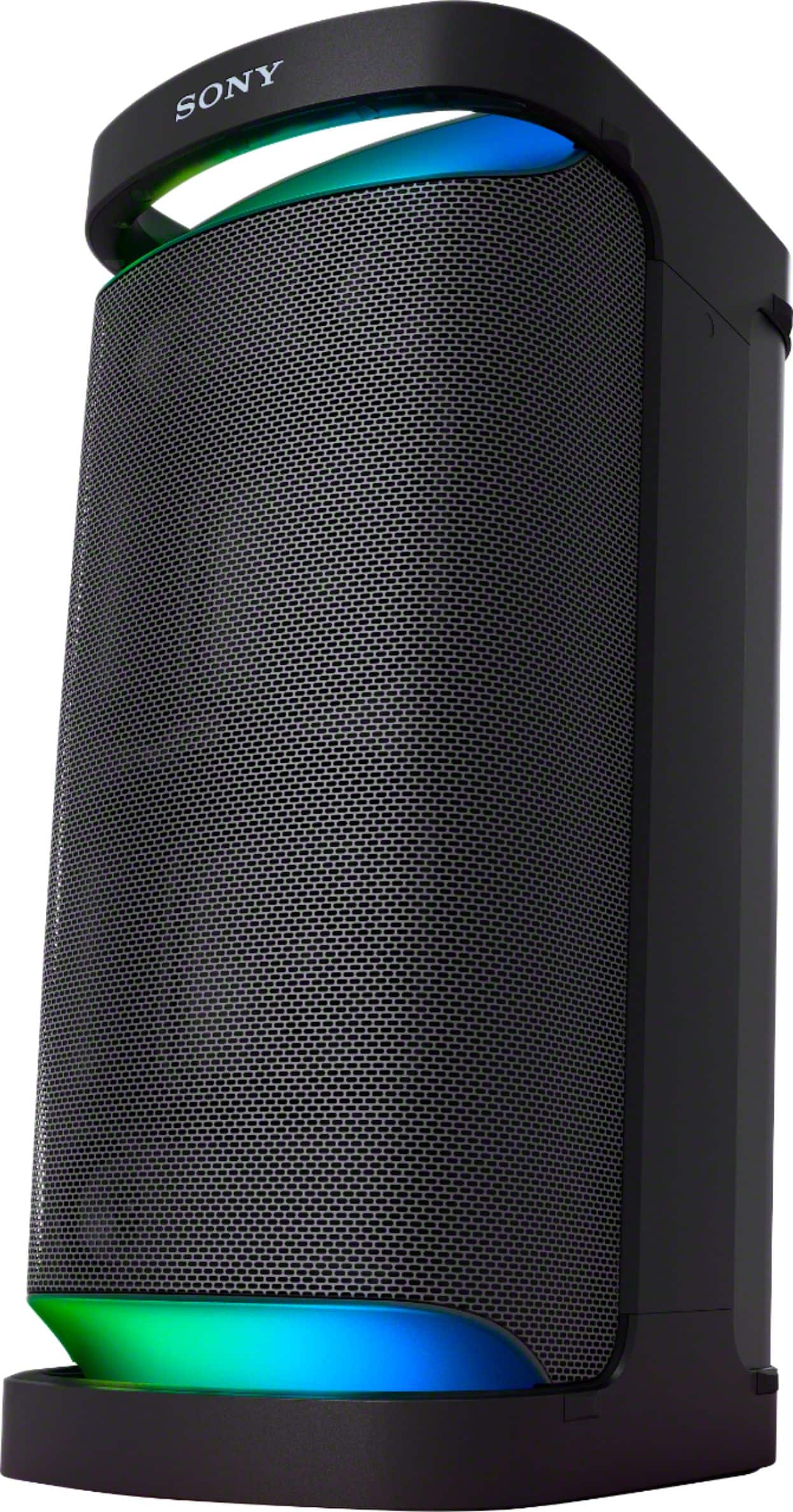
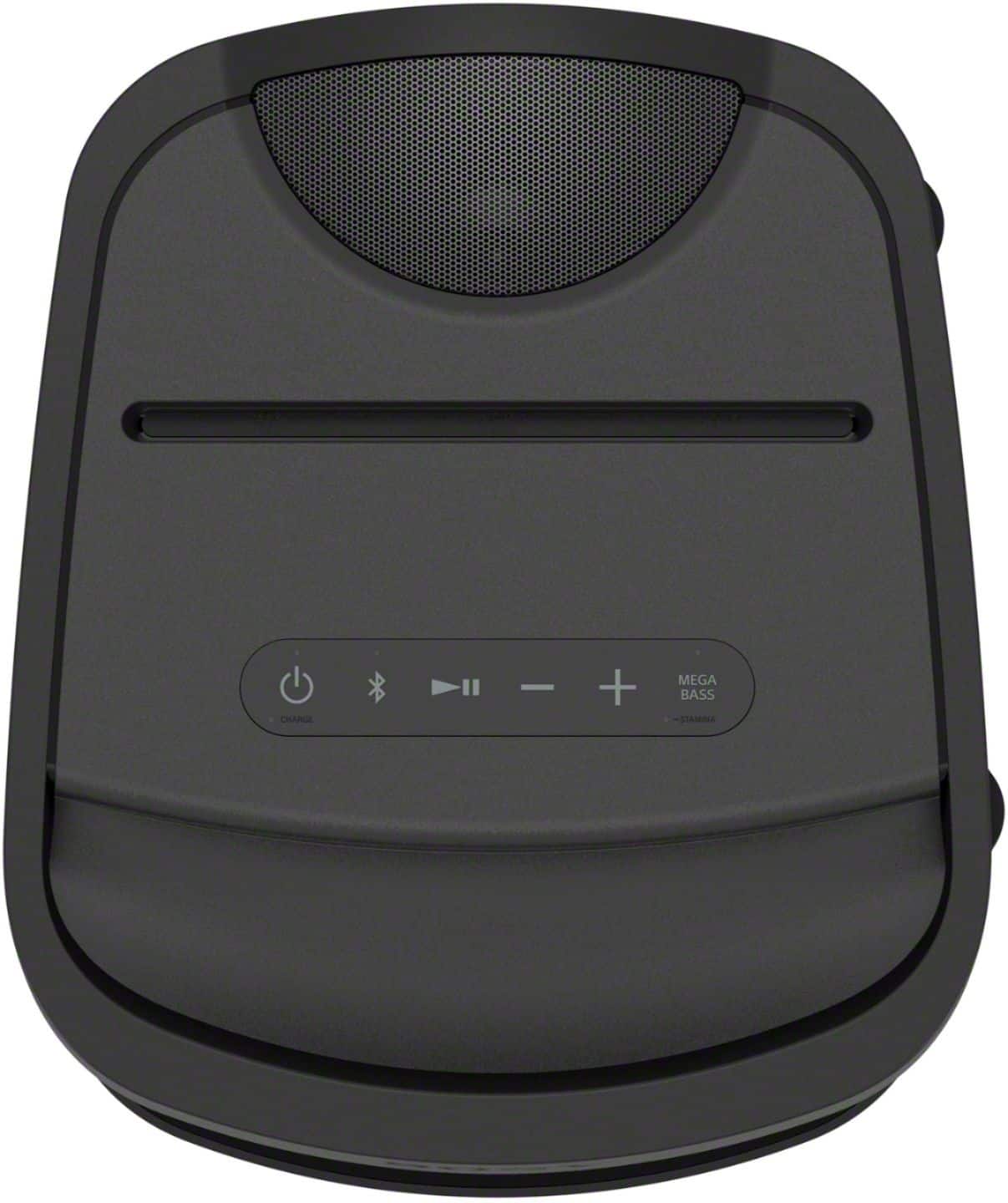
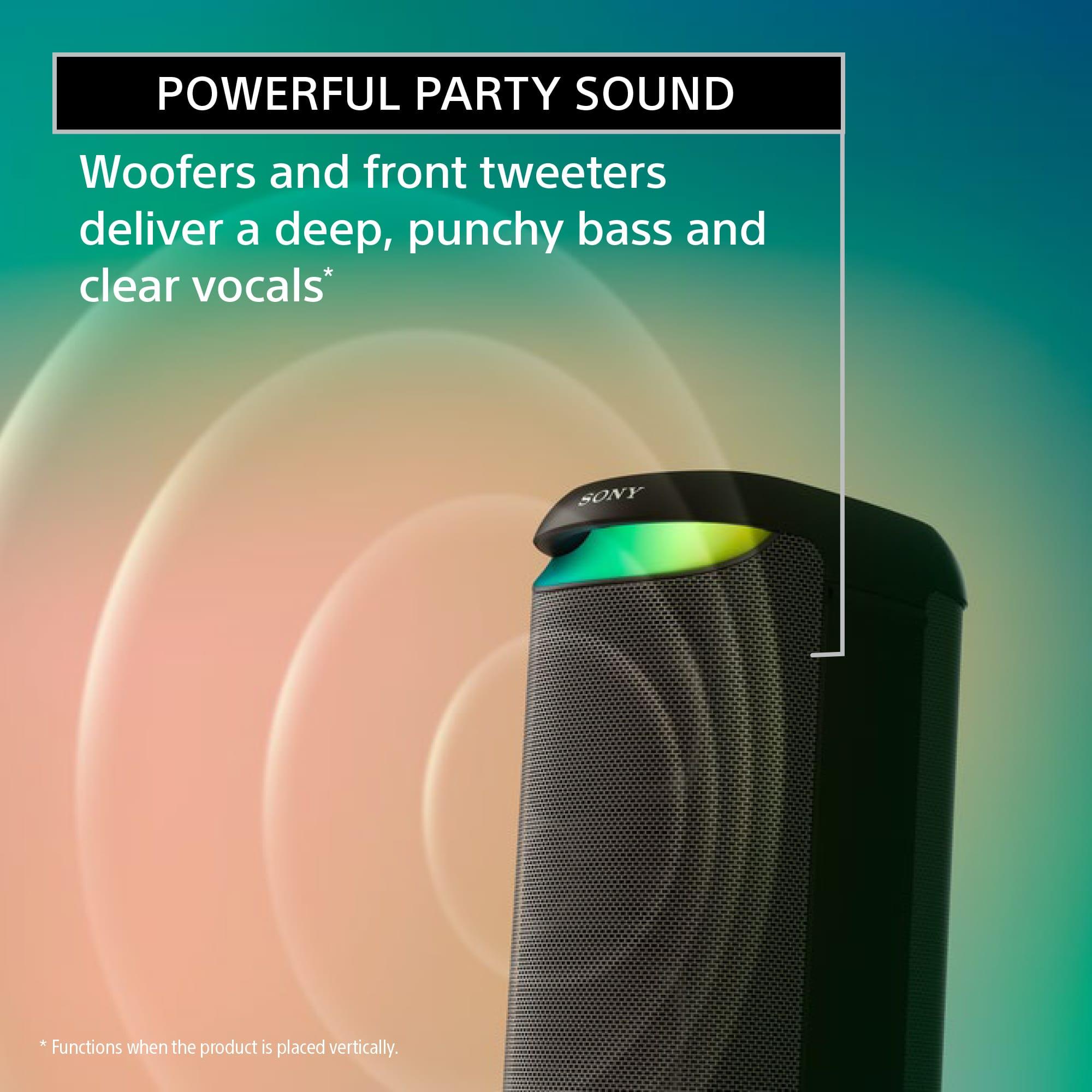
The Sony SRS-XP700 dominates this category through sheer hardware advantage. Its dual 6.69-inch X-Balanced woofers, paired with four tweeters (three front-facing, one rear-facing), create a speaker system that can deliver chest-thumping bass without the compression artifacts that plague smaller systems at high volumes.
Based on extensive user reviews and professional testing, the XP700 consistently outperforms the XV500 in maximum output by a significant margin. More importantly, it maintains audio clarity and dynamic range even when pushed to its limits—a crucial advantage for outdoor gatherings where you're competing with ambient noise and need serious volume headroom.
The XV500, with its more modest two-tweeter, two-woofer configuration, delivers respectable output for its size class but begins showing strain at maximum volumes. Users report noticeable compression and "pumping" effects in the bass when the speaker is pushed hard, particularly with bass-heavy music genres like hip-hop or electronic dance music.
Bass performance separates good party speakers from great ones, and here the XP700's larger cabinet volume and dual woofer design provide a clear advantage. The speaker's ability to move more air translates directly into deeper, more impactful bass that you don't just hear—you feel it. This physical sensation is crucial for party atmospheres where the music needs to create energy and excitement.
The XV500 delivers adequate bass for smaller gatherings, but it can't match the low-frequency extension and impact of its larger sibling. Think of it this way: the XV500 provides the bass you'd want for a backyard barbecue with 15 friends, while the XP700 delivers the kind of bass that makes people stop mid-conversation and start moving to the music.
One of the most underappreciated aspects of party speaker performance is directivity—how evenly sound spreads throughout a space. The XP700 excels here with its omnidirectional design, featuring both front and rear-firing tweeters that ensure consistent sound quality regardless of where you're standing relative to the speaker.
This becomes crucial at parties where people are scattered around a room or outdoor space. With the XP700, someone standing behind the speaker gets nearly the same audio experience as someone directly in front—a significant advantage for social gatherings.
The XV500 struggles with directivity, exhibiting a narrow soundstage that creates "sweet spots" and "dead zones." While this might be acceptable for personal listening or small groups, it becomes problematic when you're trying to create an immersive audio experience for a larger crowd.
The elephant in the room—literally—is the XP700's 37-pound weight and substantial dimensions. This isn't a speaker you casually toss in the car for a beach trip. Moving it requires planning, proper lifting technique, and ideally a second person for longer distances.
However, this weight isn't just bulk—it's functional mass that contributes to the speaker's ability to produce powerful, stable bass without cabinet vibration or unwanted resonances. The built-in handles help, though users consistently report they become uncomfortable during extended carrying.
The XV500, at roughly 25 pounds, crosses the threshold into genuine portability. While still substantial compared to smaller Bluetooth speakers, it's manageable for one person to move regularly. The more compact form factor also means easier storage and transport in vehicles.
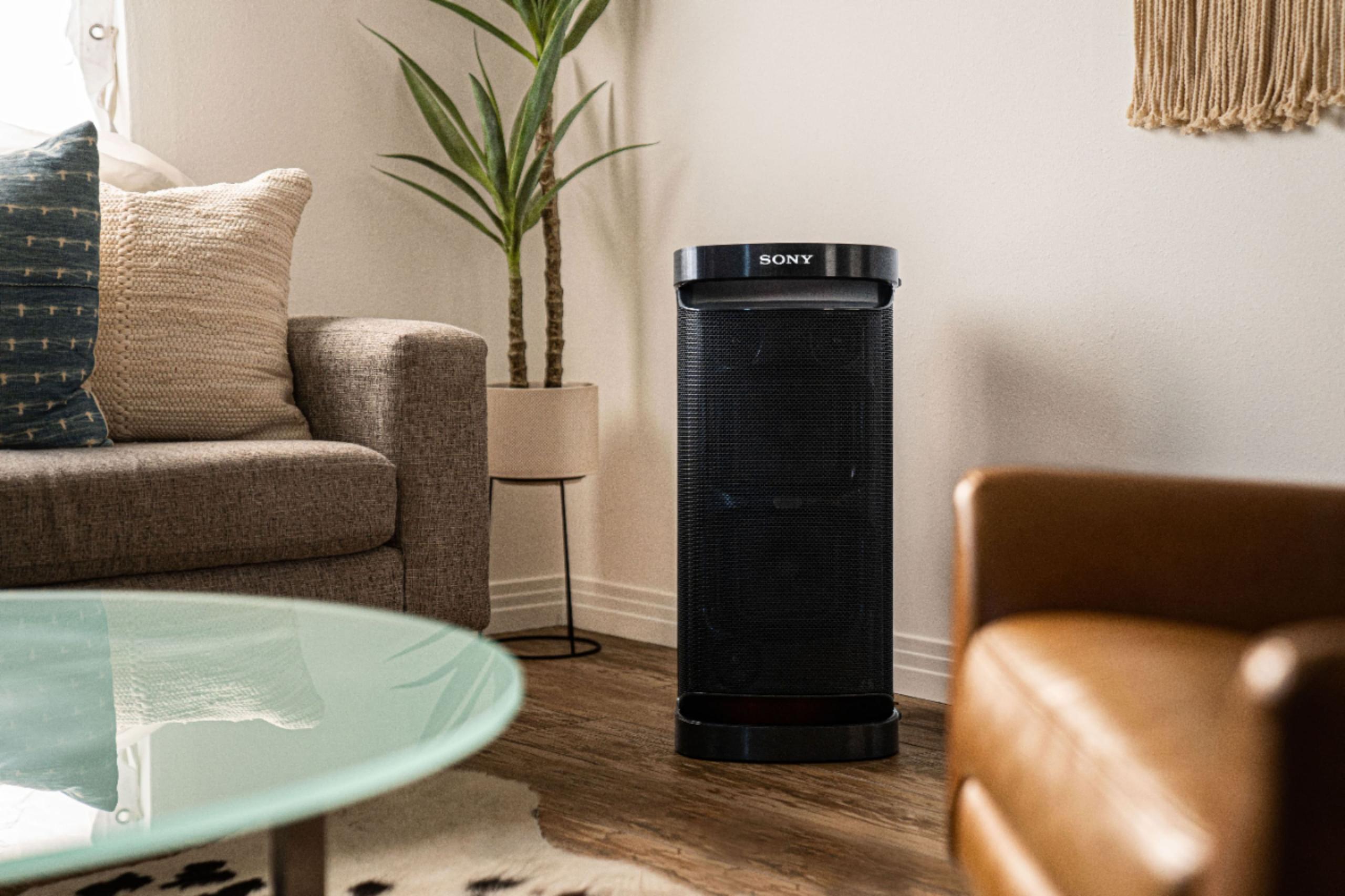
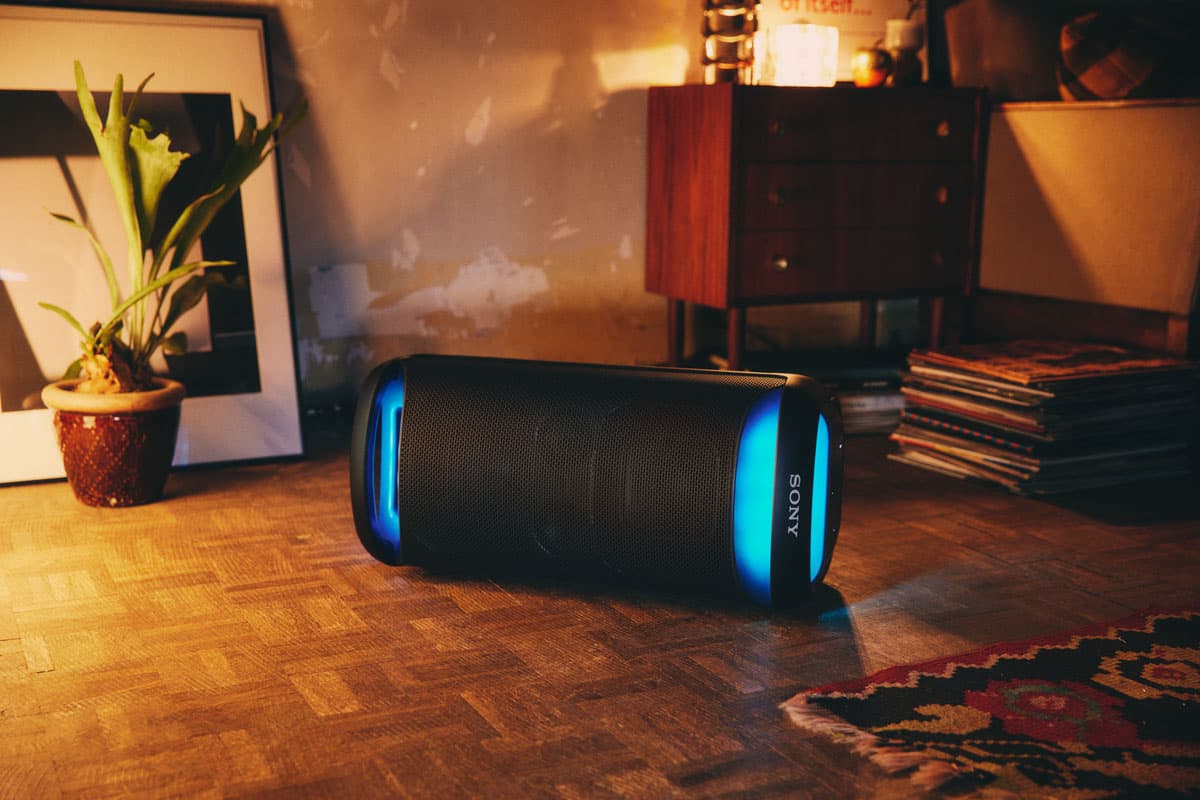
Both speakers offer interesting positioning options. The XP700 can operate horizontally or vertically, with built-in sensors that automatically optimize sound output for its orientation. This flexibility proves valuable when working with different room layouts or outdoor spaces.
The XV500 maintains this positioning flexibility while adding more intuitive placement options due to its lighter weight and smaller footprint. You can easily reposition it during a party to optimize coverage as your gathering evolves.
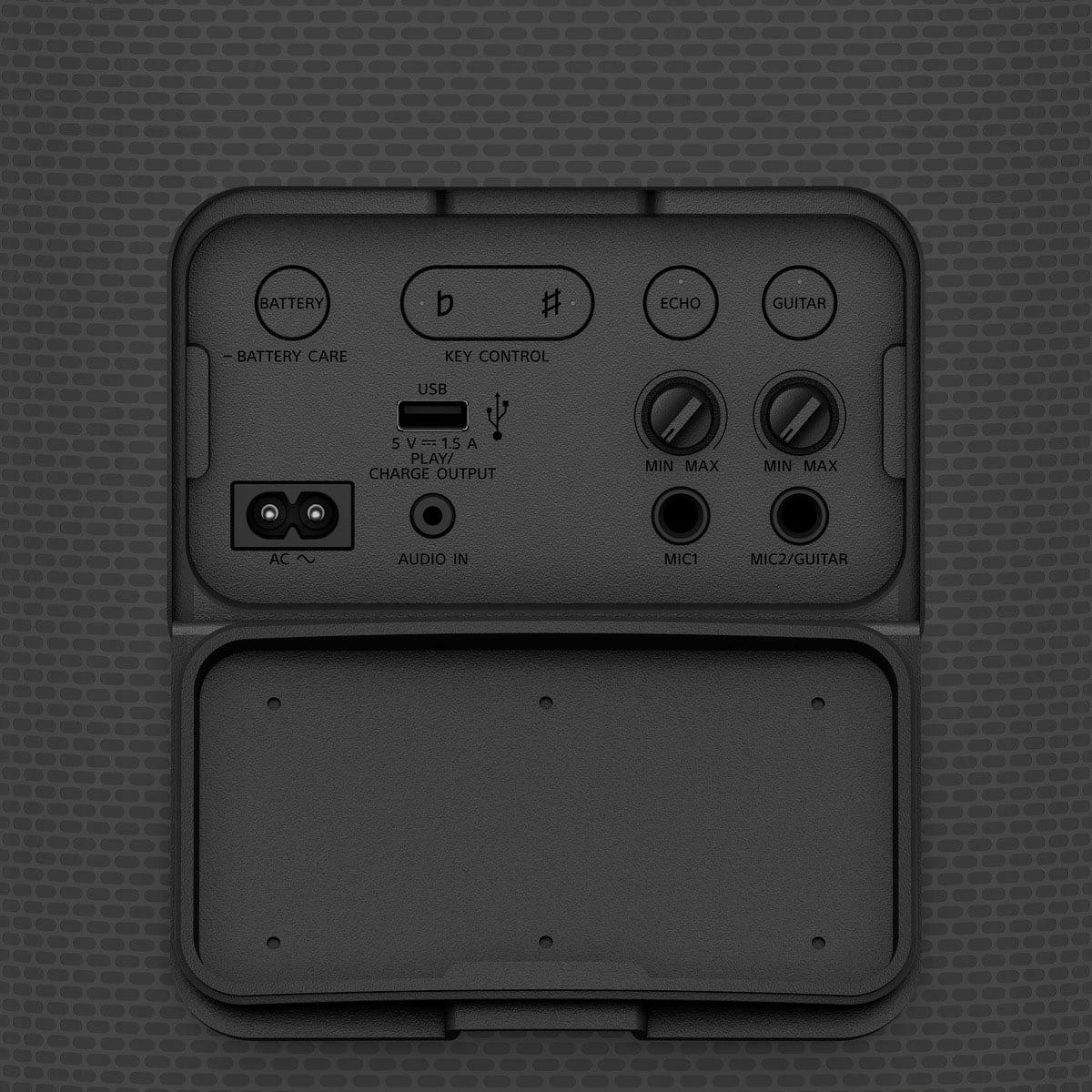
The XP700 takes karaoke seriously with dedicated microphone and guitar inputs, complete with individual volume controls and real-time echo effects. The guitar input can handle line-level signals, making it suitable for electric guitars with built-in preamps or acoustic guitars with pickups.
The speaker's Key Control feature deserves special mention—it provides real-time pitch shifting, allowing singers to transpose songs to match their vocal range without affecting playback speed. This professional-grade feature typically appears in dedicated karaoke machines costing hundreds of dollars.
The XV500 includes similar karaoke functionality but with a more streamlined approach focused on casual use rather than semi-professional performance.
Both speakers support Sony's Party Connect feature, which can synchronize up to 100 compatible Sony speakers for massive coverage areas. This scalability transforms either speaker from a single-unit solution into the foundation of a multi-zone audio system.
For most users, the stereo pairing capability proves more practical, allowing two identical speakers to create a true left-right stereo image with improved soundstage width and imaging.
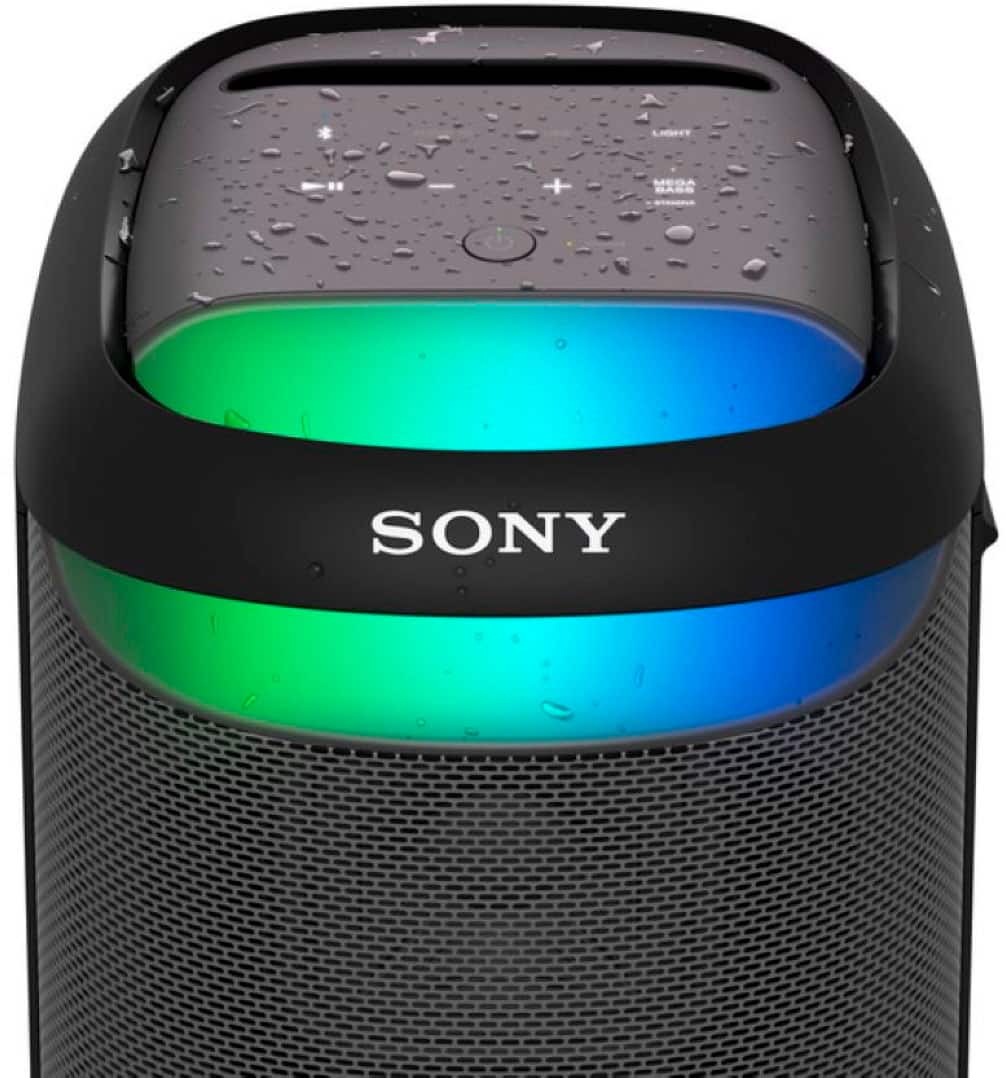
The XV500 emphasizes RGB lighting effects that sync with music, creating visual energy that enhances the party atmosphere. While the XP700 includes similar lighting, it's more subdued and focuses primarily on audio performance.
The lighting isn't just decoration—it serves as visual feedback for the music's rhythm and energy, particularly effective in lower-light environments where the audio-visual synchronization creates a more immersive experience.
Both speakers claim 25 hours of battery life, but real-world performance varies significantly based on usage patterns. The XP700's superior power efficiency at moderate volumes means you'll likely achieve better practical battery life during typical usage, since the speaker isn't working as hard to produce comfortable listening levels.
The quick-charging capability (3 hours of playback from 10 minutes of charging) provides crucial flexibility for extended events. Both speakers can also function as power banks to charge phones and tablets, though this reduces overall battery life.
STAMINA mode on both speakers disables lighting and sound effects to extend battery life—a practical feature for situations where longevity matters more than visual flair.
At the time of writing, the XV500 costs roughly 45% less than the XP700, making it an attractive option for budget-conscious buyers. However, this price difference reflects genuine performance gaps rather than arbitrary positioning.
The XP700 justifies its premium pricing through significantly superior sound output, professional karaoke features, and better directivity. For users who prioritize maximum performance and plan to use these features regularly, the additional cost represents good value.
The XV500 offers excellent value for users who need adequate performance with enhanced portability. It delivers about 70% of the XP700's performance at 55% of the cost—a compelling proposition for casual users.
While neither speaker targets home theater applications specifically, both can serve as temporary solutions for outdoor movie nights or casual TV watching. The XP700's superior directivity and dynamic range make it more suitable for this application, particularly in larger rooms where dialogue clarity and soundtrack impact matter.
However, for dedicated home theater use, both speakers' bass-heavy tuning and party-oriented sound signature make them less ideal than purpose-built home audio solutions.
You prioritize maximum sound quality and regularly host gatherings of 30+ people. The weight and size become acceptable trade-offs when you need genuine room-filling sound that maintains clarity at high volumes. Karaoke enthusiasts will appreciate the professional-grade inputs and effects processing.
The XP700 makes sense for users with dedicated storage space and transport solutions—perhaps those with pickup trucks or SUVs who aren't concerned about frequent movement. It's also ideal for users who view their speaker purchase as a long-term investment in maximum performance.
You need genuine portability for regular transport between locations while maintaining good sound quality for small to medium gatherings. The XV500 excels for users who want Sony's engineering quality and feature set without the XP700's bulk and premium pricing.
This speaker suits apartment dwellers, frequent travelers, or users who prioritize convenience and value over maximum performance. It's also an excellent choice for first-time party speaker buyers who want to experience the category without committing to the XP700's size and cost.
Both speakers represent solid engineering and thoughtful feature implementation, but they serve different masters. The XP700 is uncompromisingly performance-focused—when you absolutely need maximum sound output and professional features, it delivers without excuses or apologies for its substantial presence.
The XV500 represents modern compromise done right—it sacrifices some performance for meaningful gains in portability and value, making Sony's party speaker technology accessible to a broader audience.
Your choice ultimately depends on whether you prioritize absolute performance or balanced practicality. Either way, you're getting speakers that understand their mission: turning ordinary gatherings into memorable experiences through the power of well-engineered sound.
| Sony SRS-XP700 | Sony SRS-XV500 |
|---|---|
| Maximum Volume Output - Critical for large gatherings and outdoor events | |
| Significantly louder with minimal compression at max volume | Lower maximum output with noticeable compression artifacts |
| Speaker Configuration - Determines sound quality and bass response | |
| Dual 6.69" X-Balanced woofers + 4 tweeters (3 front, 1 rear) | Two 5.51" X-Balanced woofers + 2 tweeters |
| Weight & Portability - Major factor for frequent transport | |
| 37 lbs (16.9 kg) - requires planning for transport | 25 lbs (11.2 kg) - manageable for regular movement |
| Directivity - How evenly sound spreads for party coverage | |
| Excellent omnidirectional coverage from all listening angles | Poor directivity with narrow soundstage and dead zones |
| Battery Life - Real-world performance at party volumes | |
| Up to 25 hours (better efficiency at moderate volumes) | Up to 25 hours (may drain faster when pushed hard) |
| Karaoke Features - Important for entertainment versatility | |
| Professional-grade mic/guitar inputs with Echo and Key Control | Basic karaoke inputs with simplified controls |
| Water Resistance - Essential for outdoor and poolside use | |
| IPX4 splash-resistant | IPX4 splash-resistant |
| Lighting Effects - Adds visual energy to parties | |
| Basic ambient lighting focused on audio performance | Enhanced RGB lighting with music synchronization |
| Bluetooth Version - Affects connection stability and quality | |
| Bluetooth 5.0 with SBC, AAC, LDAC codecs | Bluetooth 5.2 with SBC, AAC, LDAC codecs |
| Release Year - Indicates technology generation | |
| 2021 (established flagship model) | 2024 (latest generation with refined design) |
| Value Proposition - Performance per dollar consideration | |
| Premium pricing for maximum performance and features | Significantly lower cost with good performance for most users |
| Best Use Cases - Who should choose each speaker | |
| Large parties (30+ people), karaoke enthusiasts, stationary setups | Small-medium gatherings, frequent transport, budget-conscious buyers |
The Sony SRS-XP700 is significantly louder than the Sony SRS-XV500. The XP700 features dual 6.69" woofers and four tweeters compared to the XV500's smaller two-woofer, two-tweeter setup. Users consistently report that the XP700 maintains clarity even at maximum volume, while the XV500 shows compression and distortion when pushed to its limits.
The primary difference is size versus portability. The Sony SRS-XP700 weighs 37 pounds and prioritizes maximum sound output for large gatherings, while the Sony SRS-XV500 weighs 25 pounds and focuses on a balance between performance and portability. The XP700 delivers superior sound quality and volume, but the XV500 is much easier to transport.
For large outdoor parties with 30+ people, the Sony SRS-XP700 is the better choice due to its superior volume output and omnidirectional sound coverage. However, for smaller outdoor gatherings or when you need to frequently move the speaker, the Sony SRS-XV500 offers adequate performance with much better portability.
Yes, both the Sony SRS-XP700 and Sony SRS-XV500 support karaoke with microphone and guitar inputs. However, the XP700 offers professional-grade features including real-time pitch shifting (Key Control) and dedicated echo controls, making it better suited for serious karaoke enthusiasts compared to the XV500's more basic karaoke functionality.
Both the Sony SRS-XP700 and Sony SRS-XV500 claim 25 hours of battery life. In practice, the XP700 may achieve better battery efficiency at moderate volumes due to its power headroom, while the XV500 works harder to produce the same volume levels, potentially reducing actual battery performance during high-volume use.
Yes, both the Sony SRS-XP700 and Sony SRS-XV500 support Sony's Party Connect feature, allowing you to link up to 100 compatible Sony speakers for synchronized music and lighting. You can also pair two identical speakers for true stereo sound through the Sony Music Center app.
The Sony SRS-XV500 offers better value for most users, costing significantly less while delivering about 70% of the Sony SRS-XP700's performance. The XP700 justifies its premium cost for users who need maximum volume and professional karaoke features, but the XV500 provides excellent performance per dollar for casual party use.
Both the Sony SRS-XP700 and Sony SRS-XV500 feature IPX4 water resistance, making them splash-resistant but not fully waterproof. They can handle poolside use and light rain, but shouldn't be submerged in water. This rating is adequate for most outdoor party scenarios.
The Sony SRS-XP700 delivers superior bass performance with its dual large woofers and larger cabinet volume, providing deeper and more impactful low frequencies. While the Sony SRS-XV500 offers adequate bass for its size, it cannot match the chest-thumping bass response that makes the XP700 ideal for hip-hop, EDM, and other bass-heavy genres.
The Sony SRS-XV500 is significantly more portable at 25 pounds versus the Sony SRS-XP700's 37 pounds. The XV500's compact design makes it manageable for one person to transport regularly, while the XP700 requires planning and ideally two people for longer distances. Both include carrying handles, but the XV500's are more practical for frequent use.
While neither the Sony SRS-XP700 nor Sony SRS-XV500 is designed specifically for home theater, the XP700 performs better for movie nights due to its superior directivity and dynamic range. However, both speakers have bass-heavy party tuning that may not be ideal for dialogue clarity compared to dedicated home theater speakers.
For first-time party speaker buyers, the Sony SRS-XV500 is typically the better choice due to its lower cost, genuine portability, and adequate performance for most gatherings. The Sony SRS-XP700 is worth the investment only if you regularly host large parties, need maximum volume output, or plan extensive karaoke use.
We've done our best to create useful and informative comparisons to help you decide what product to buy. Our research uses advanced automated methods to create this comparison and perfection is not possible - please contact us for corrections or questions. These are the sites we've researched in the creation of this article: bestbuy.com - rtings.com - crutchfield.com - versus.com - rtings.com - rtings.com - youtube.com - versus.com - electronics.sony.com - youtube.com - youtube.com - youtube.com - youtube.com - crutchfield.com - armorsound.com - sony-asia.com - helpguide.sony.net - helpguide.sony.net - videoandaudiocenter.com - sony.com - sony.com - sony-asia.com - sony.com - sony.com - bestbuy.com - device.report - bestbuy.com - bestbuy.com - rtings.com - bestbuy.com - youtube.com - rtings.com - versus.com - youtube.com - versus.com - youtube.com - youtube.com - guidingtech.com - crutchfield.com - sony.com - sony.com - bestbuy.com - helpguide.sony.net - smappliance.com - youtube.com - helpguide.sony.net - videoandaudiocenter.com - electronics.sony.com - linqcdn.avbportal.com

Privacy Policy
Terms and Conditions - Affiliate Policy
Home Security
© Copyright 2008-2026.
11816 Inwood Rd #1211, Dallas, TX 75244