

When you're hosting a party, the speaker can make or break the vibe. You need something that gets loud enough to fill the room, pumps out bass that people can feel, and ideally looks the part with some flashy lights. The question is: do you go with Sony's engineering prowess or JBL's party-focused approach?
I've been diving deep into two popular options that represent different philosophies in portable party speakers. The Sony SRS-XP700, released in 2021, takes a more technical approach with omnidirectional sound and impressive battery life. The JBL PartyBox Club 120, which hit the market in 2024, focuses squarely on what most people actually want from a party speaker: powerful bass, engaging lights, and easy portability.
After researching user experiences and expert reviews, one thing becomes clear: these speakers target the same market but solve different problems. Let's break down which one actually delivers.
Before diving into specifics, it's worth understanding what separates party speakers from regular Bluetooth speakers. Party speakers prioritize volume and bass impact over subtle audio details. They're designed to energize crowds, not provide critical listening experiences.
The most important performance characteristics are maximum volume without distortion, bass depth that you can physically feel, and reliability during extended use. Secondary features like light shows, microphone inputs for karaoke, and app control can enhance the experience but shouldn't come at the expense of core audio performance.
In my experience, many people underestimate how much bass response matters for party environments. When music is competing with conversation and ambient noise, that physical thump from drums and synthesizers becomes essential for maintaining energy. It's the difference between background music and music that moves people.
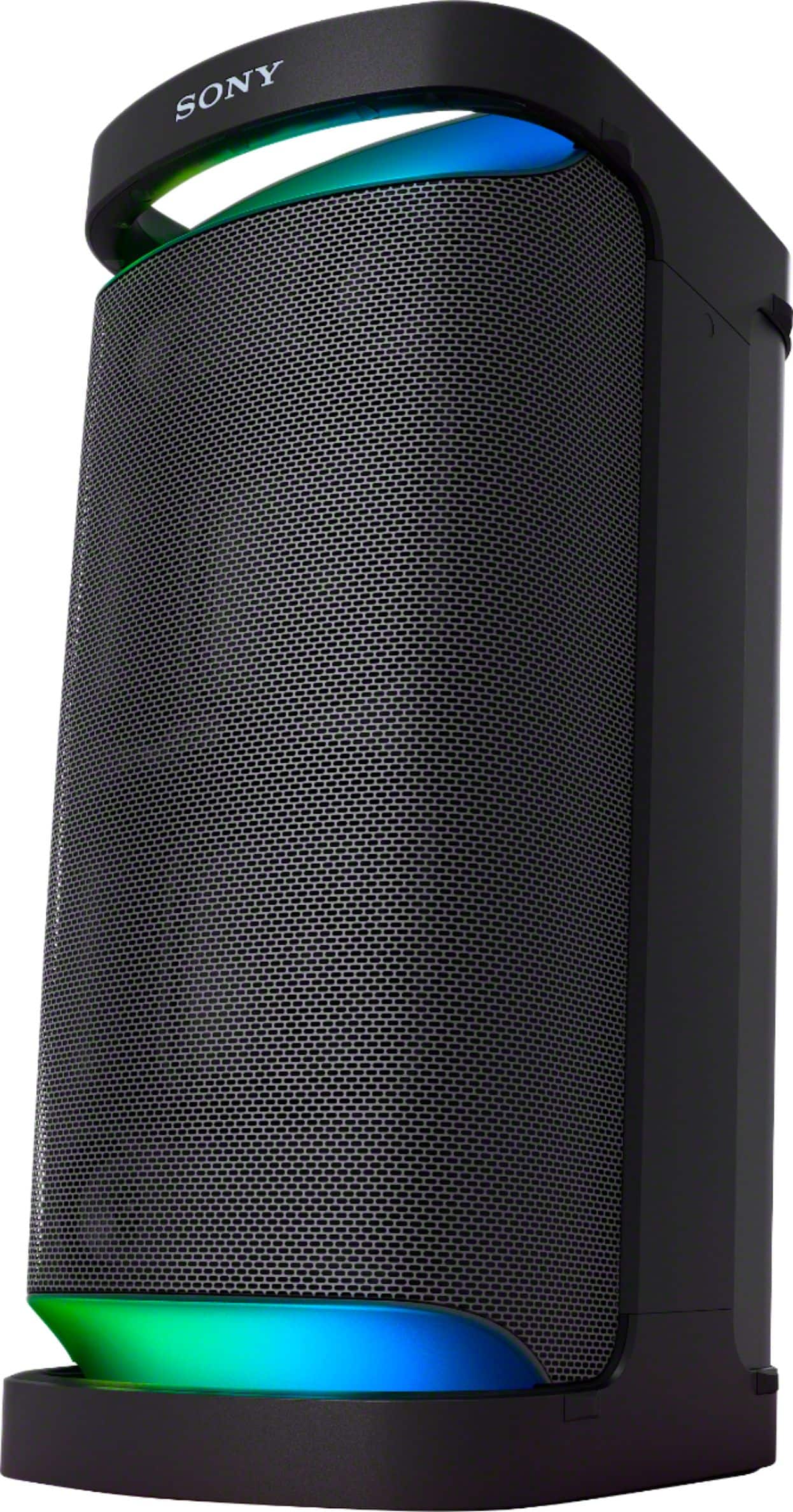
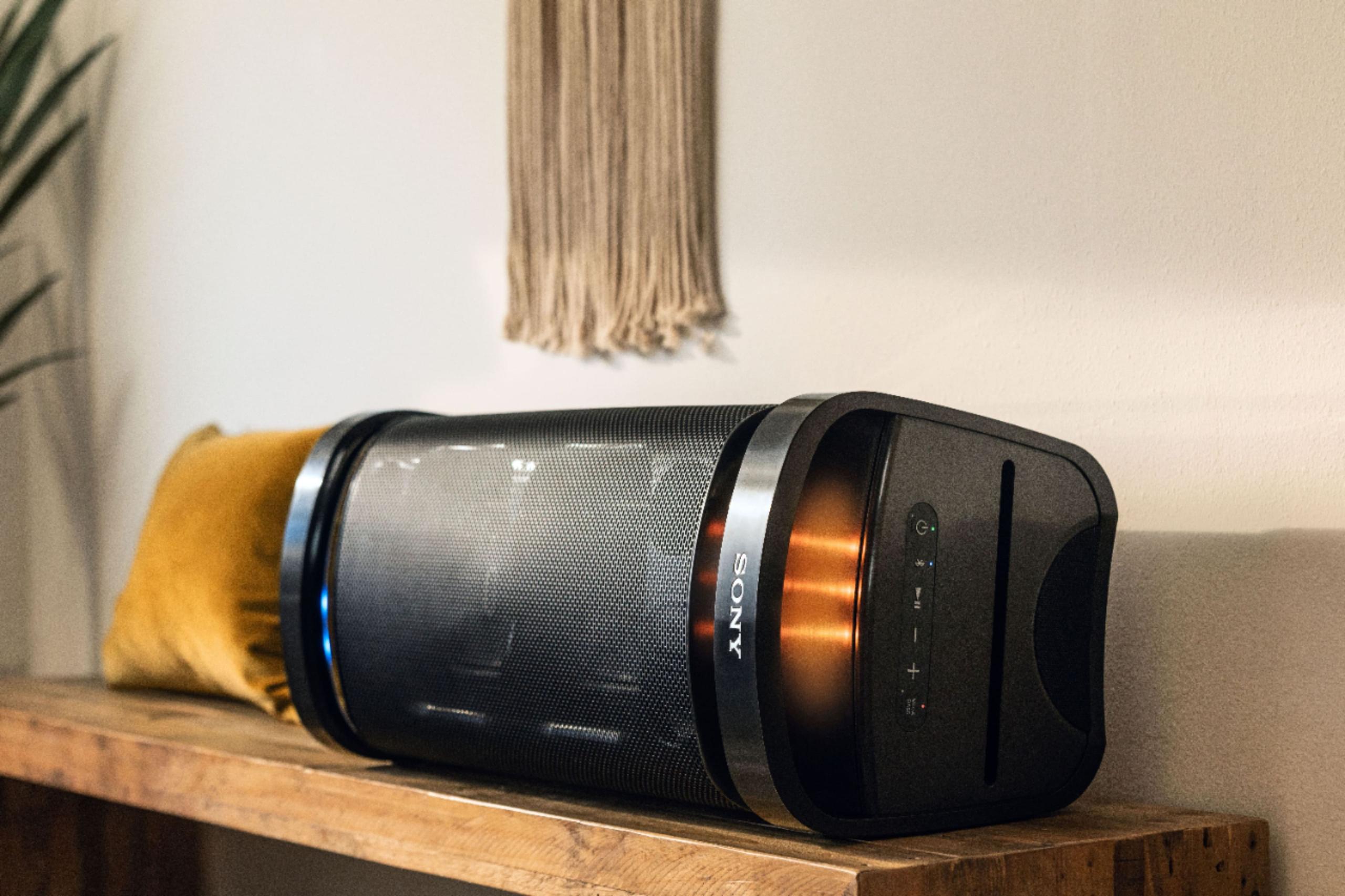
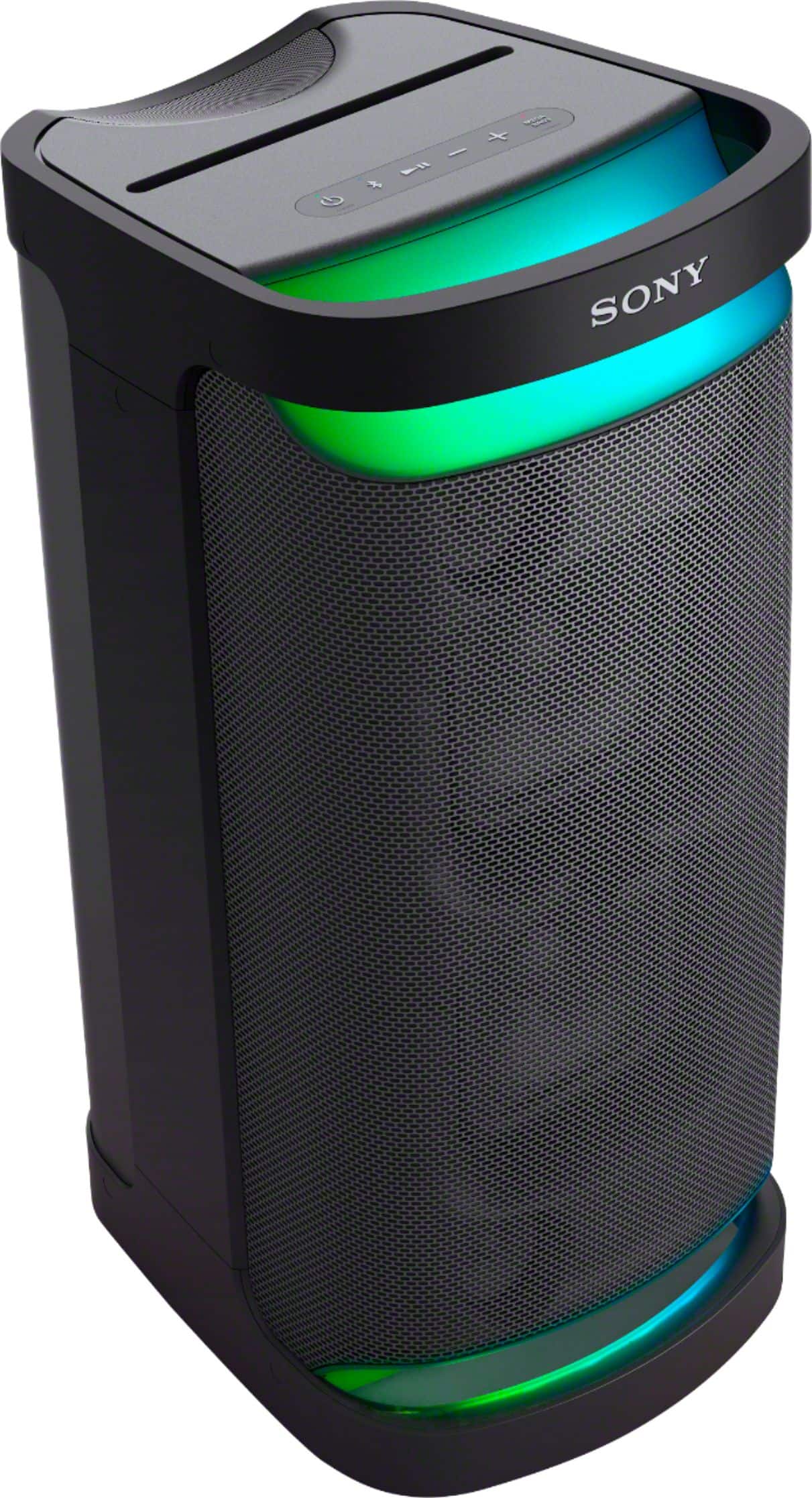
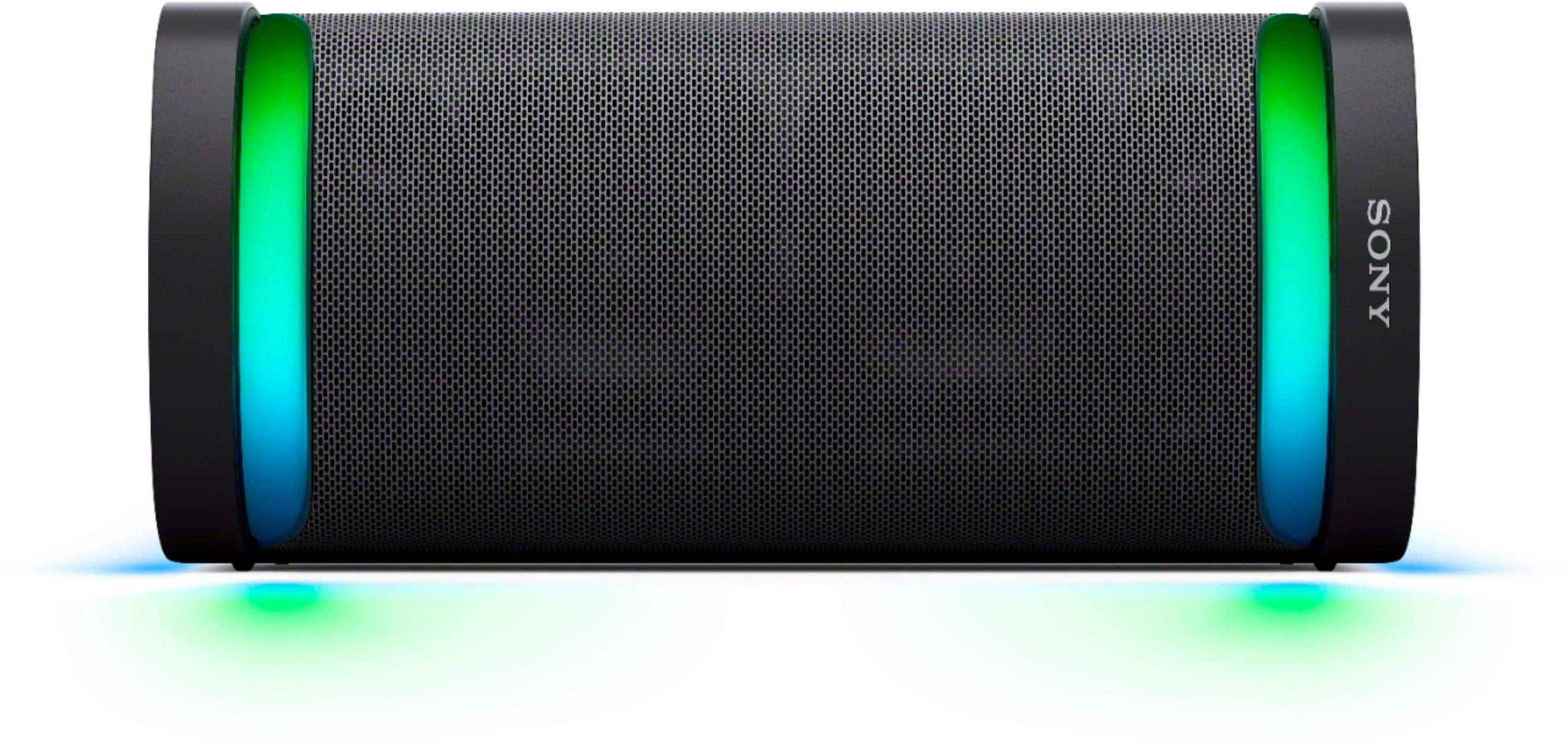
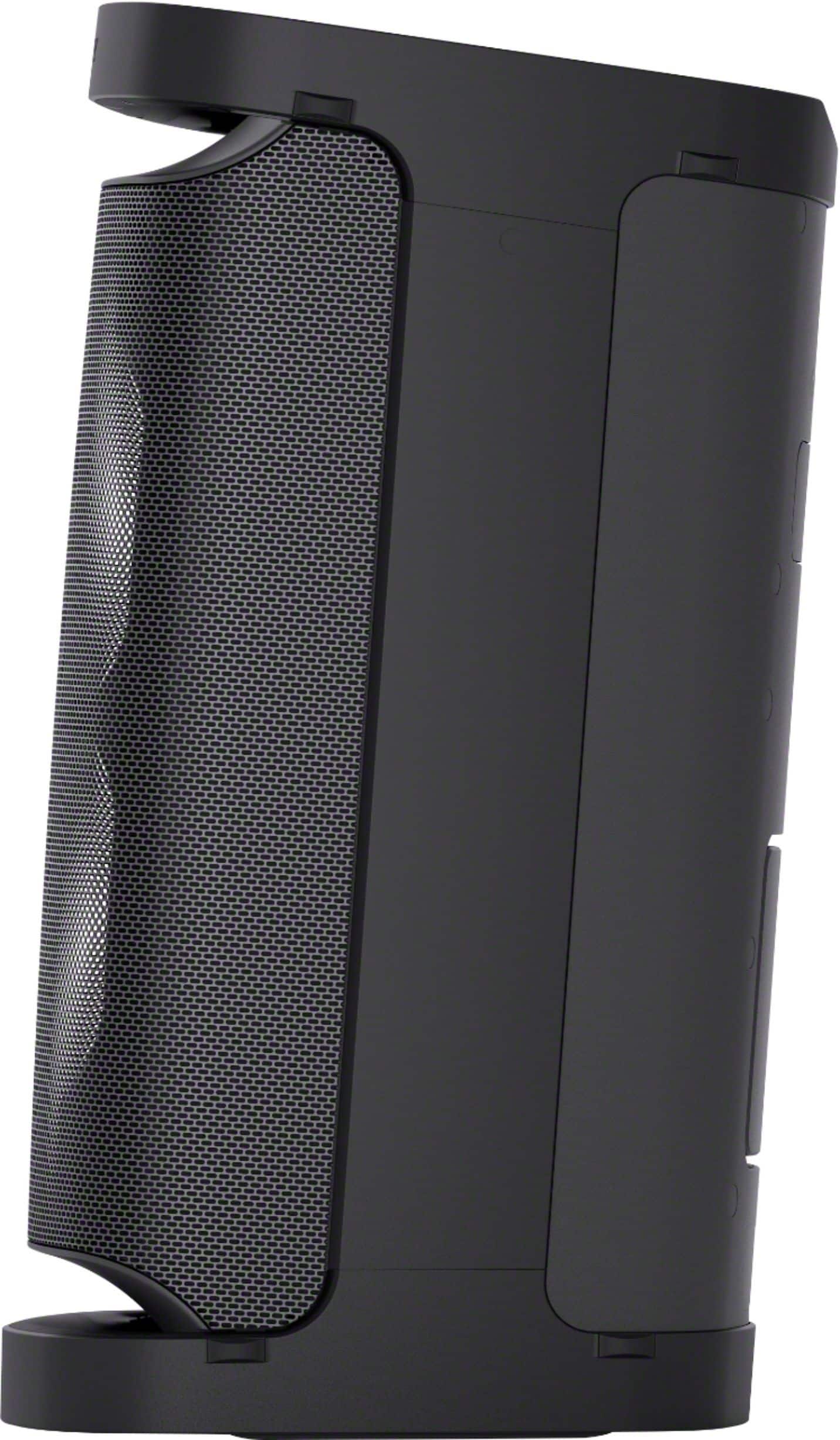
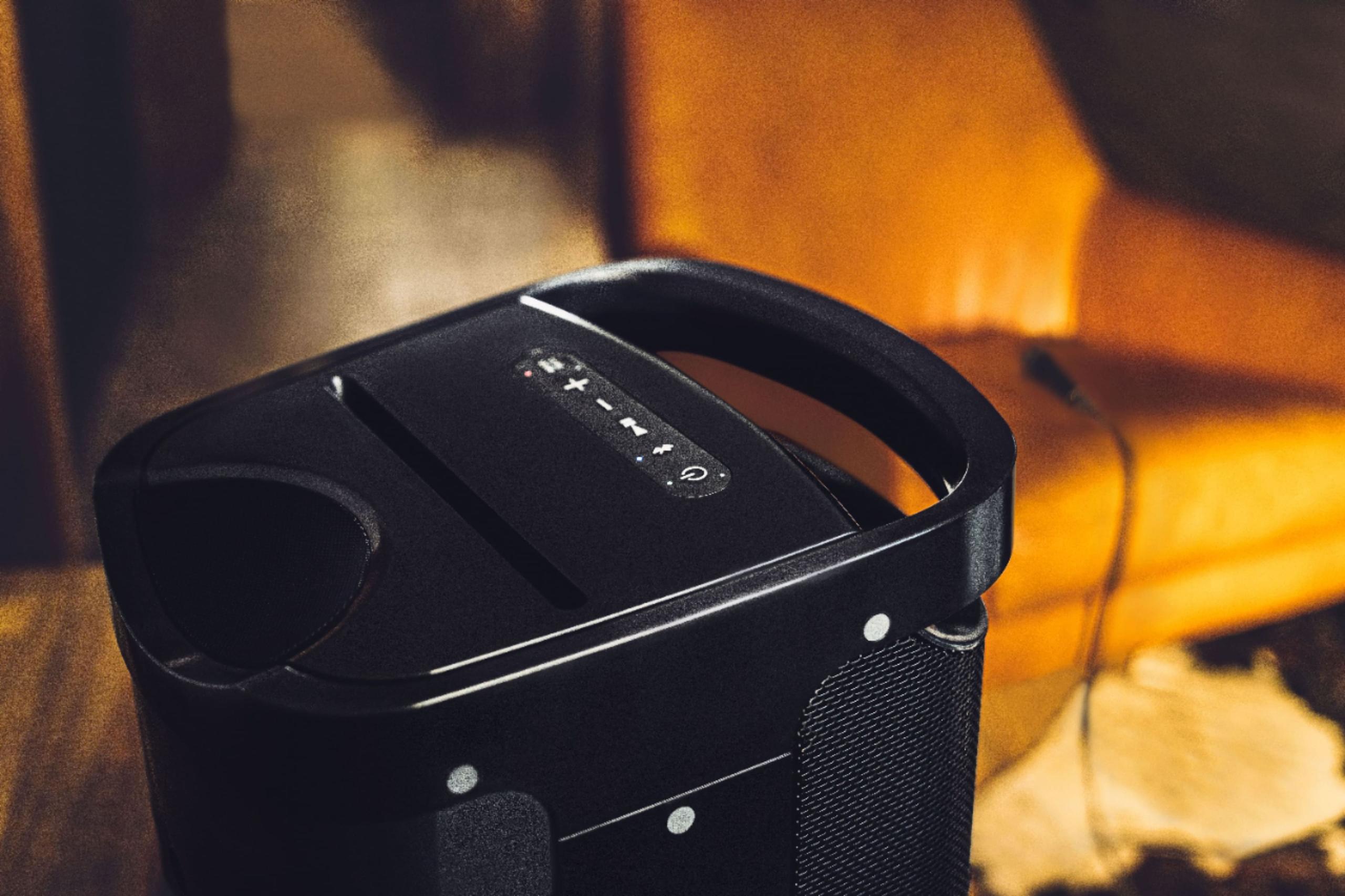
The Sony SRS-XP700 uses an interesting approach with its X-Balanced Speaker Units and omnidirectional design. Sony places three tweeters on the front and one on the back, combined with two large 6.69-inch woofers and a passive bass radiator. On paper, this should deliver impressive sound from any angle around the speaker.
However, our research into user and expert reviews reveals a consistent theme: the Sony sounds "boomy" rather than punchy. This means it adds extra bass frequencies in the mid-bass range (around 100-200 Hz) but struggles to reproduce the deep, sub-bass frequencies (below 60 Hz) that give electronic music and hip-hop their physical impact. Think of it like someone turning up the bass knob too much on a car stereo – you get more bass quantity, but not necessarily better bass quality.
The JBL PartyBox Club 120, despite having smaller 5.25-inch woofers, consistently outperforms the Sony in bass extension. This means it can reproduce lower frequencies more accurately, delivering that chest-thumping impact that dance music requires. Professional reviews highlight the JBL's more balanced frequency response, where bass enhancement doesn't come at the expense of midrange clarity.
For maximum volume, the JBL's 160W RMS output combined with its AI Sound Boost technology gives it a significant advantage. AI Sound Boost uses real-time signal processing to predict when the drivers are about to reach their limits, then adjusts the signal to prevent distortion while maintaining volume. It's similar to how modern smartphone cameras use computational photography – the hardware works with smart software to exceed what should be possible.
The practical difference is noticeable. Multiple reviews confirm the JBL PartyBox Club 120 gets louder with less compression artifacts at maximum volume. When you're trying to fill a backyard or compete with party noise, this matters more than any technical specification.
Here's where the Sony SRS-XP700 truly shines. Sony claims up to 25 hours of playback, and user reports generally confirm this impressive endurance. Even at higher volumes, it typically delivers a full day of continuous use. The 10-minute quick charge providing 3 hours of playback is genuinely useful for those "oh no, I forgot to charge it" moments.
The JBL PartyBox Club 120 offers up to 12 hours of playback – still respectable, but roughly half the Sony's capacity. However, JBL includes something Sony doesn't: a replaceable battery system. When the battery eventually degrades after a couple years of use, you can simply buy a replacement rather than sending the entire speaker for service.
This design decision reflects different priorities. Sony optimized for immediate convenience, while JBL considered long-term ownership. Both approaches have merit, but the replaceable battery becomes more valuable over time.
For most party scenarios, 12 hours proves sufficient. House parties rarely exceed this duration, and outdoor events usually have access to power for recharging. The Sony's 25-hour capacity is genuinely useful for extended camping trips or all-day festivals where power access is limited.
Weight becomes critically important when you're actually carrying these speakers. The Sony SRS-XP700 weighs 37.25 pounds – manageable for short distances but genuinely cumbersome for longer carries or multiple trips. Its integrated handles help, but physics is physics.
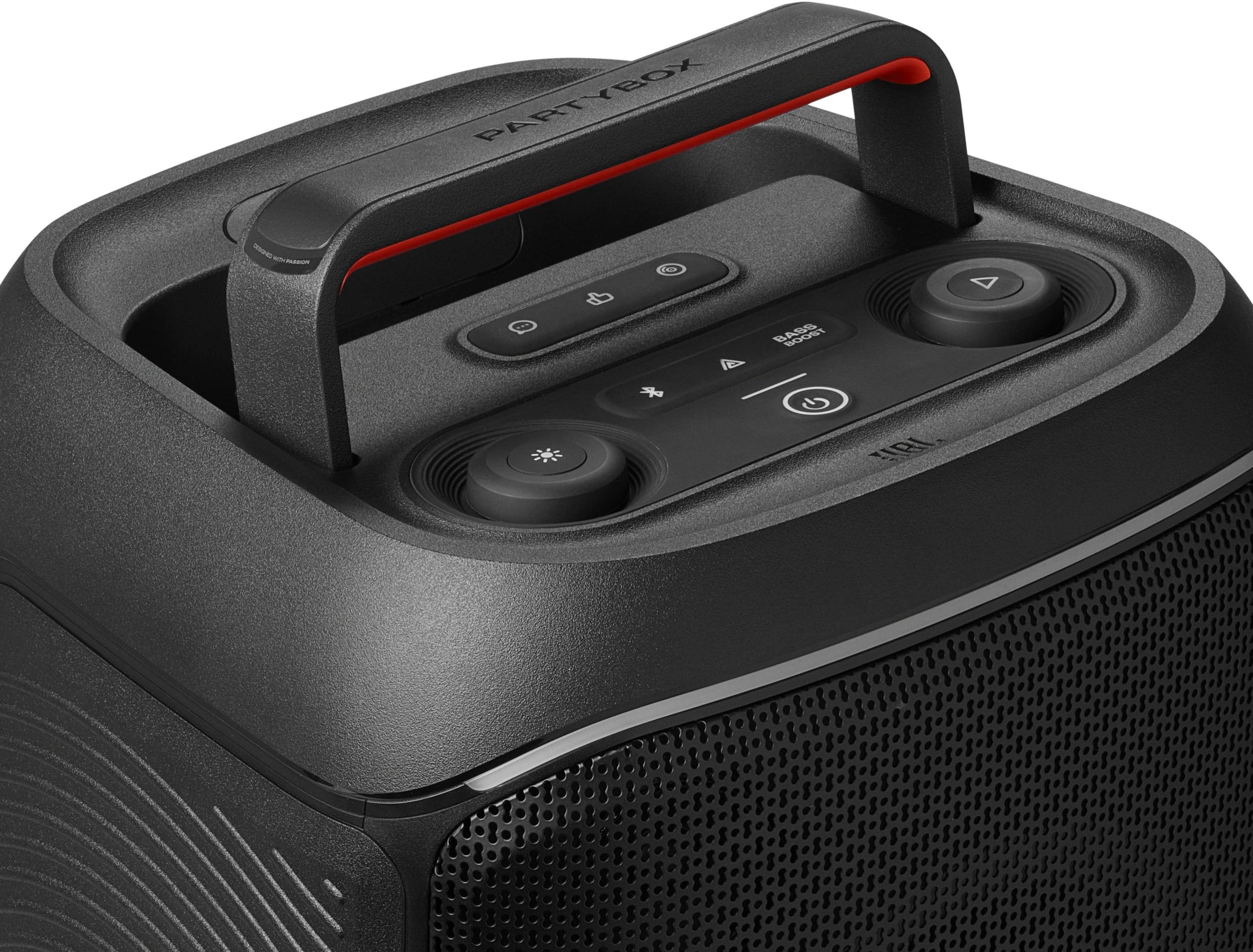
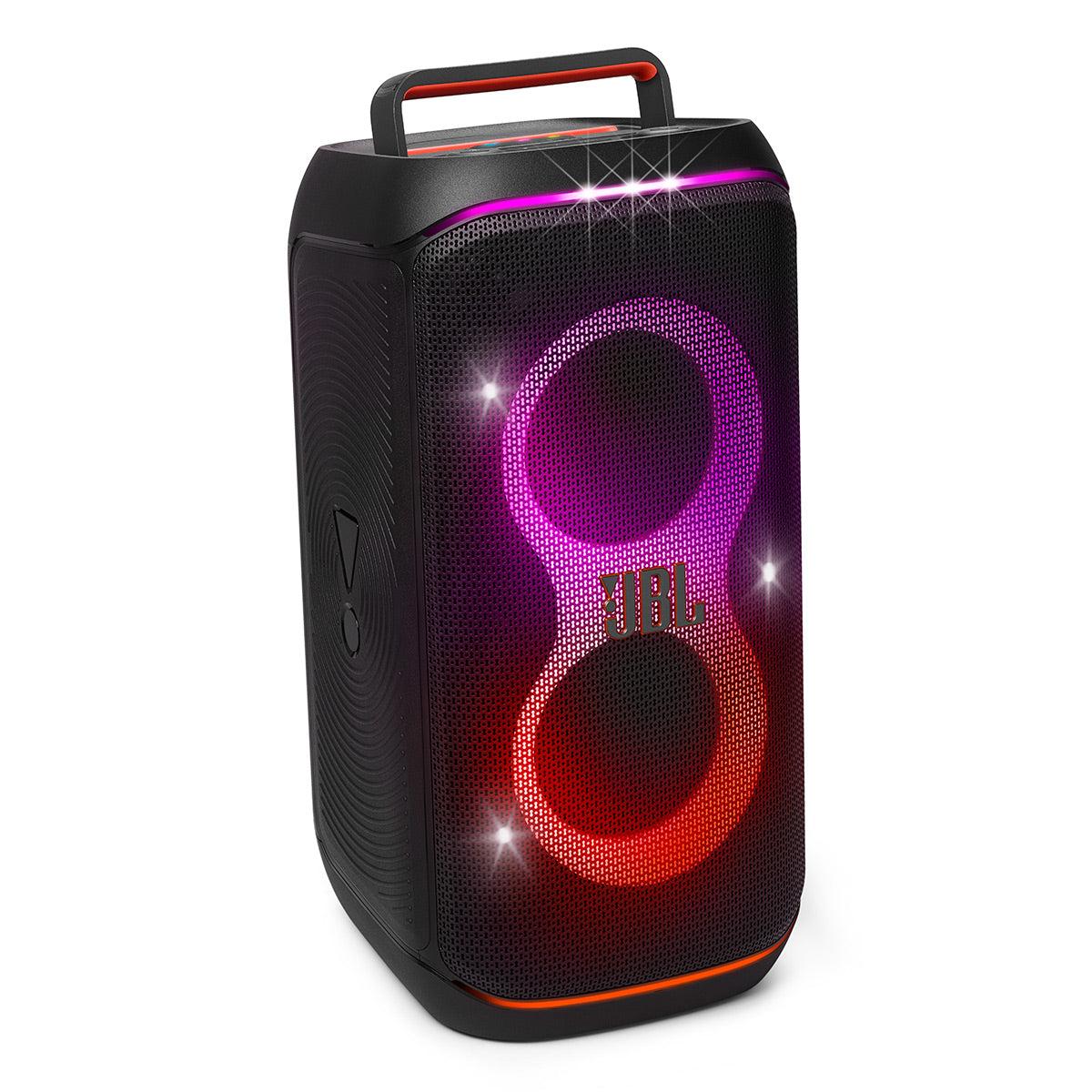
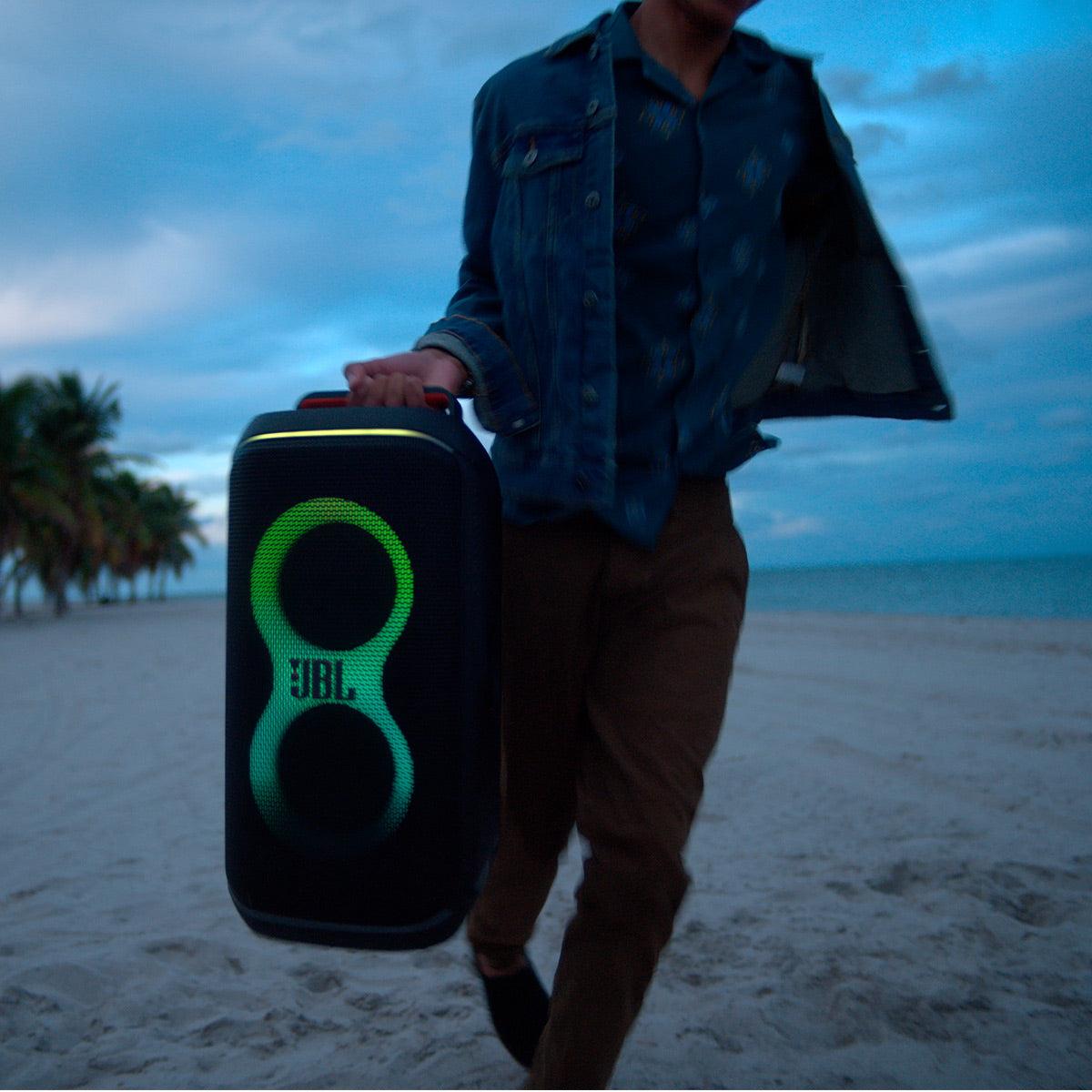
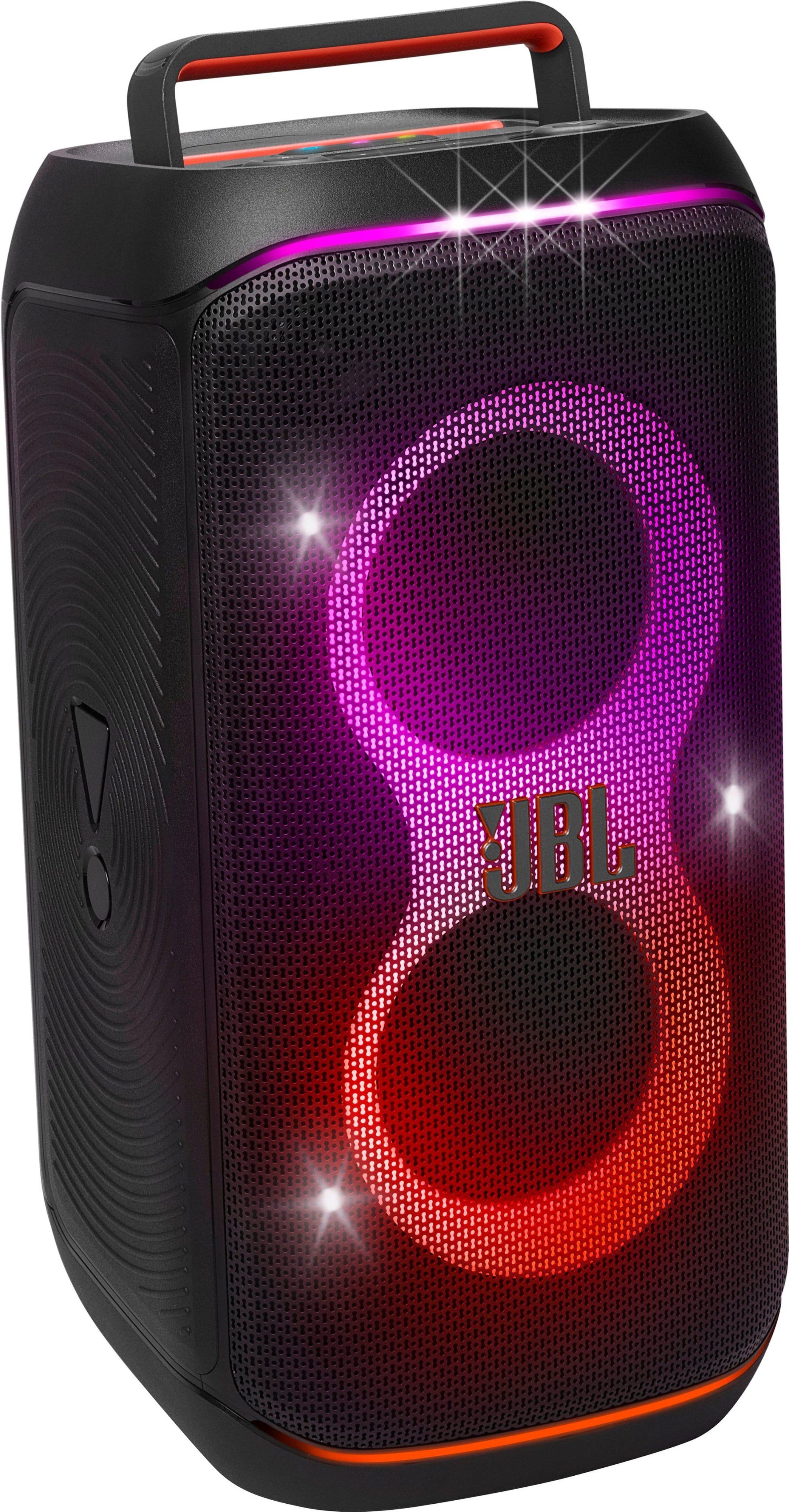
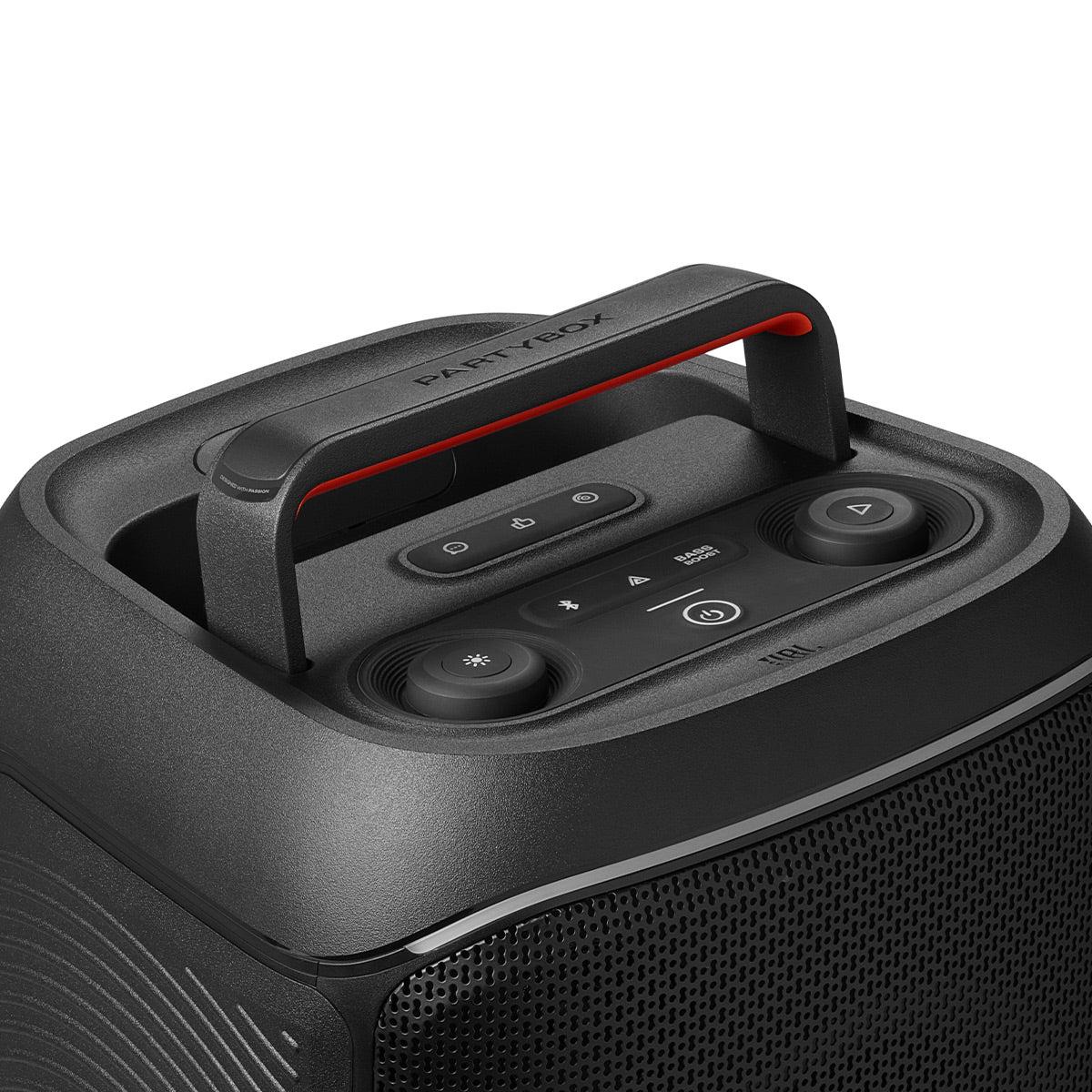
At 24.35 pounds, the JBL PartyBox Club 120 is noticeably easier to transport. That 13-pound difference represents roughly 35% less weight, which becomes significant when loading into cars or carrying upstairs. JBL's foldable handle design also provides better ergonomics than Sony's fixed handles.
Both speakers feature IPX4 splash resistance, meaning they can handle rain or spilled drinks but shouldn't be submerged. This level of protection is adequate for most party environments, whether indoor or outdoor.
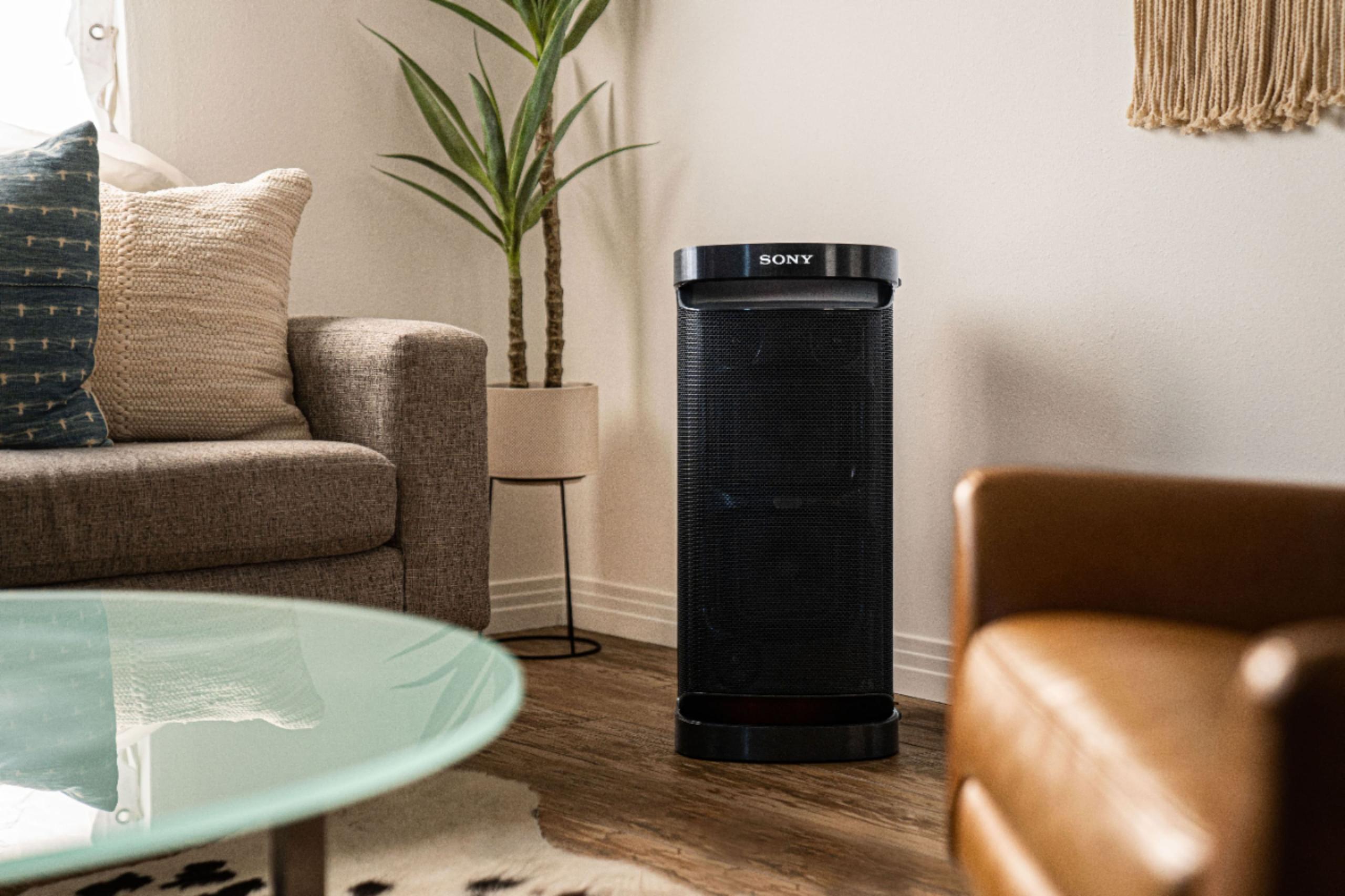
The size differences matter for storage and setup too. The Sony's taller, more vertical form factor works well in corners but can be awkward in cars. The JBL's more compact design fits better in most spaces while still providing the internal volume needed for good bass response.
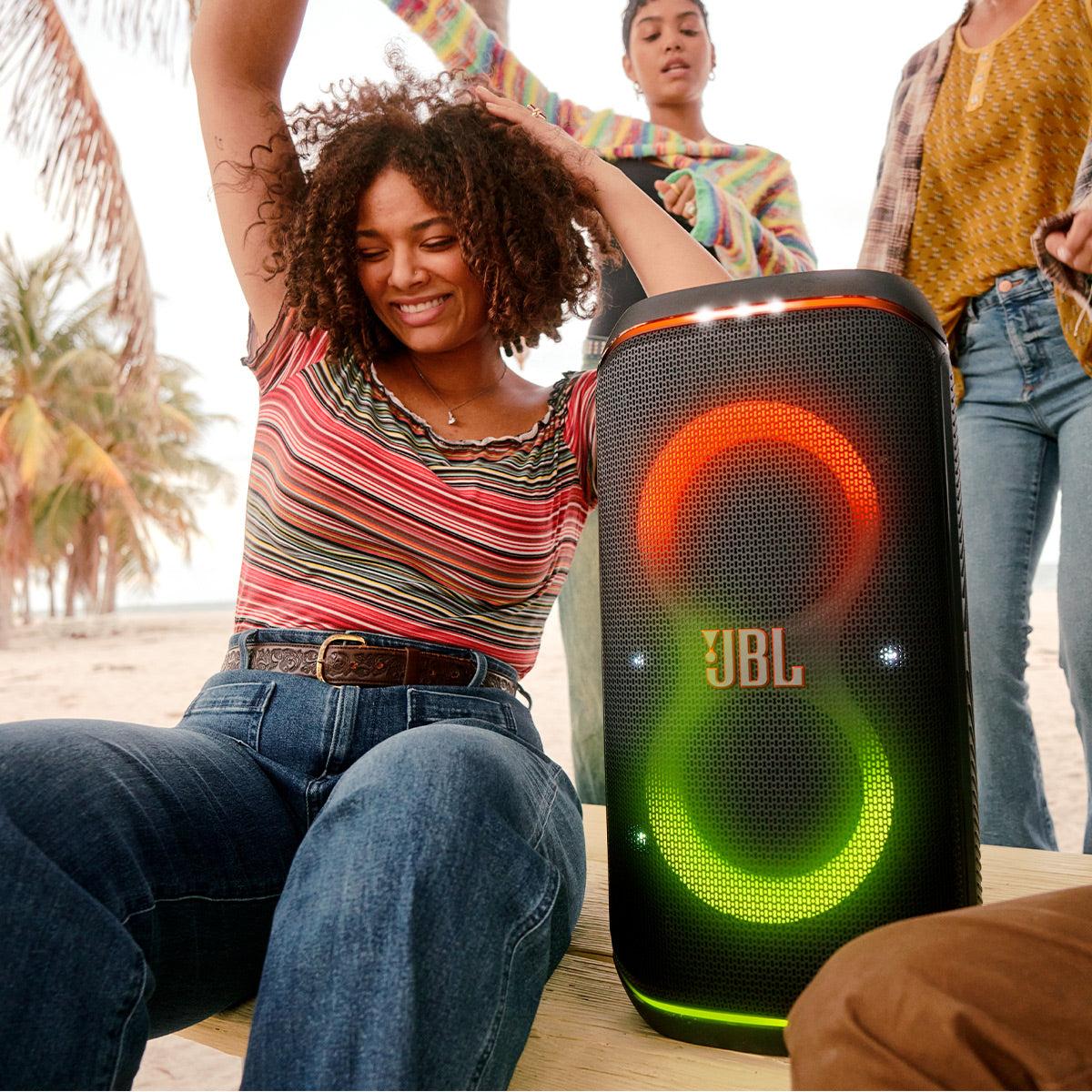
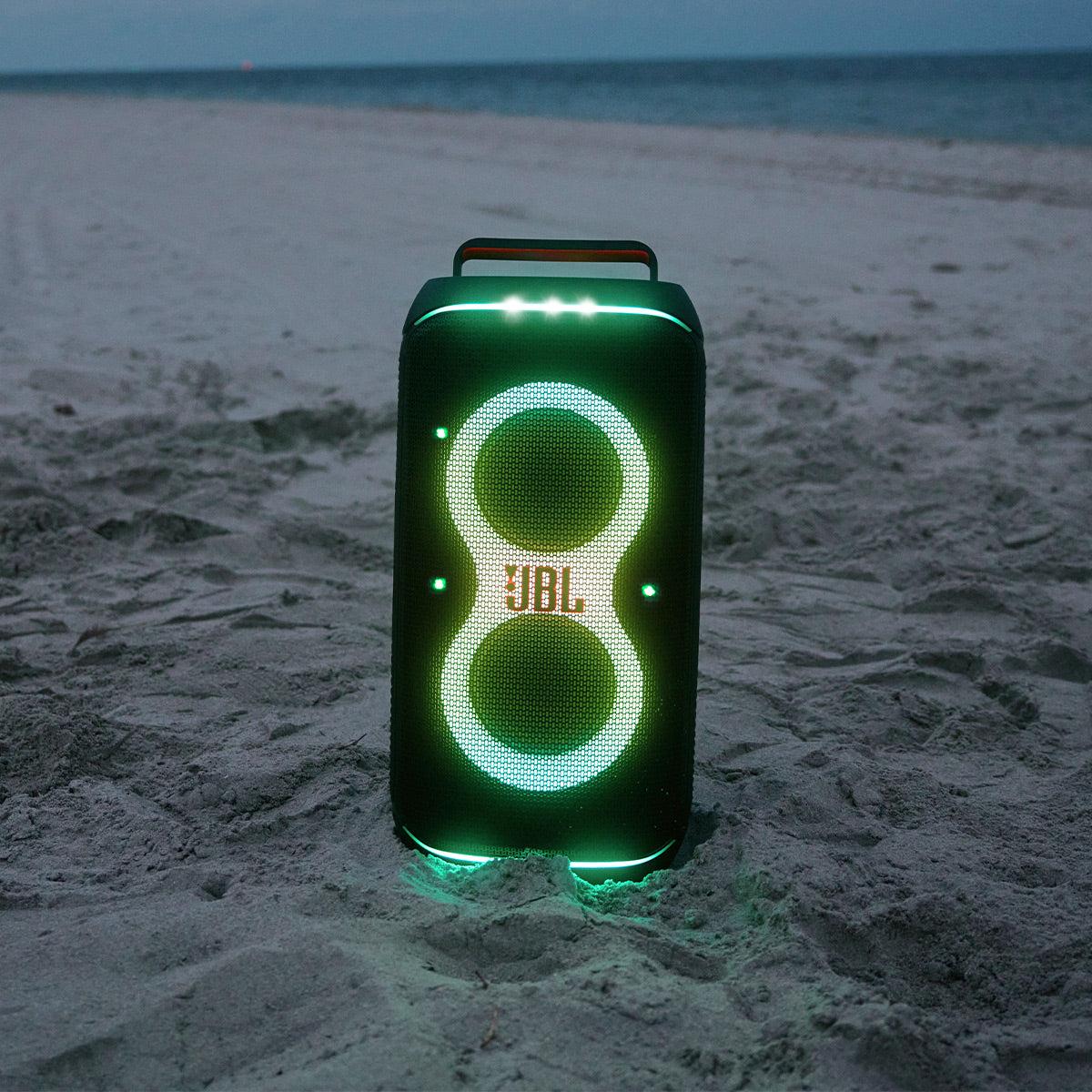
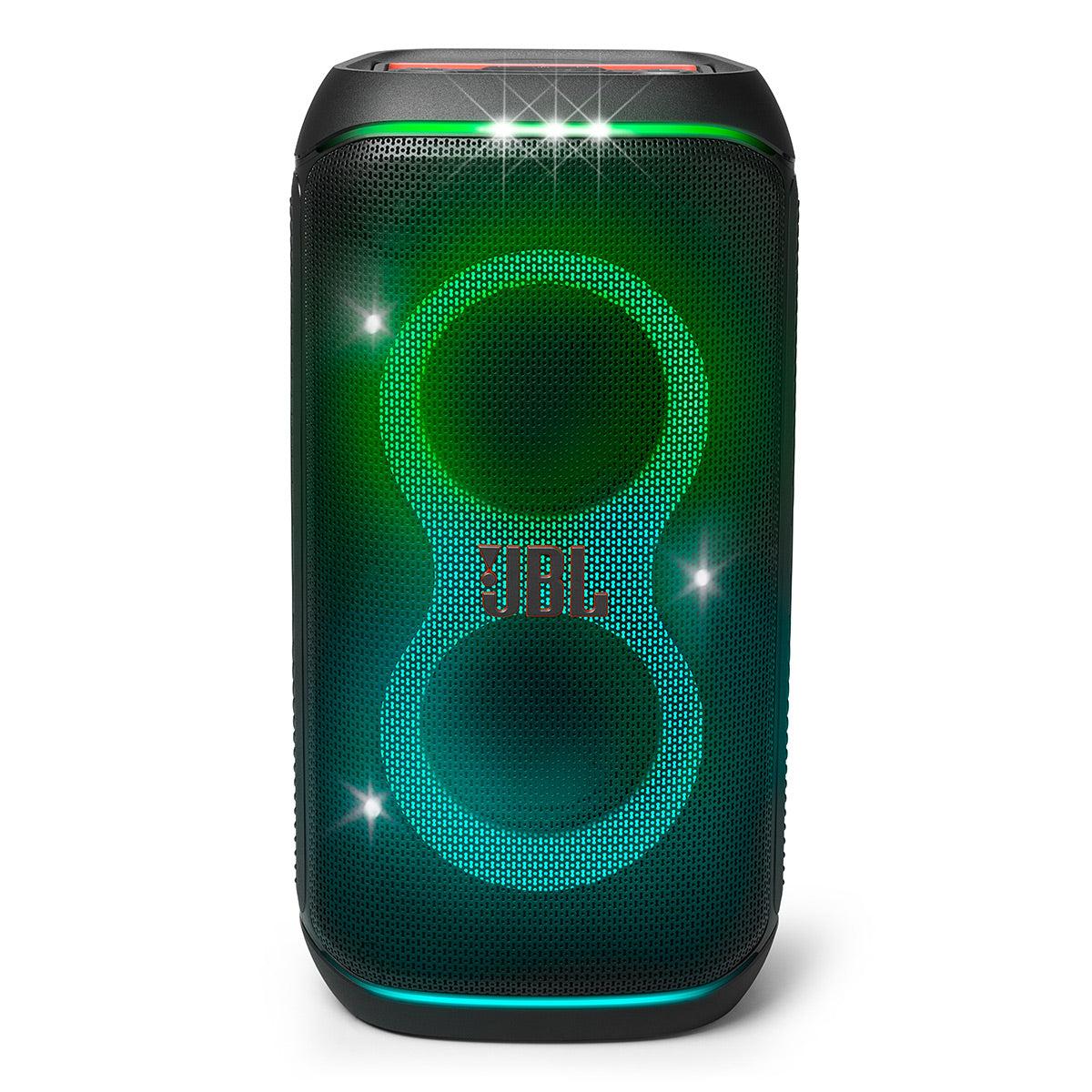
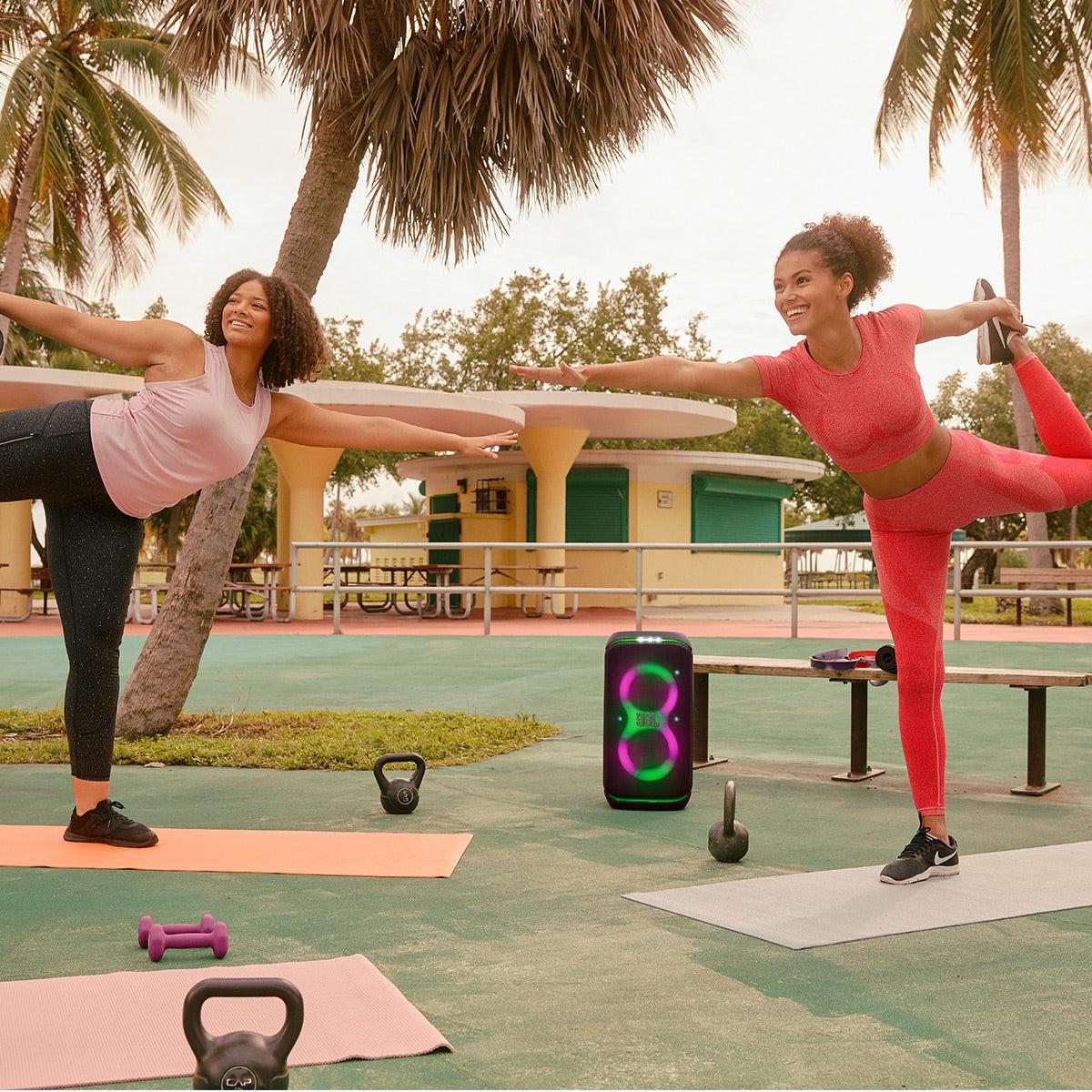
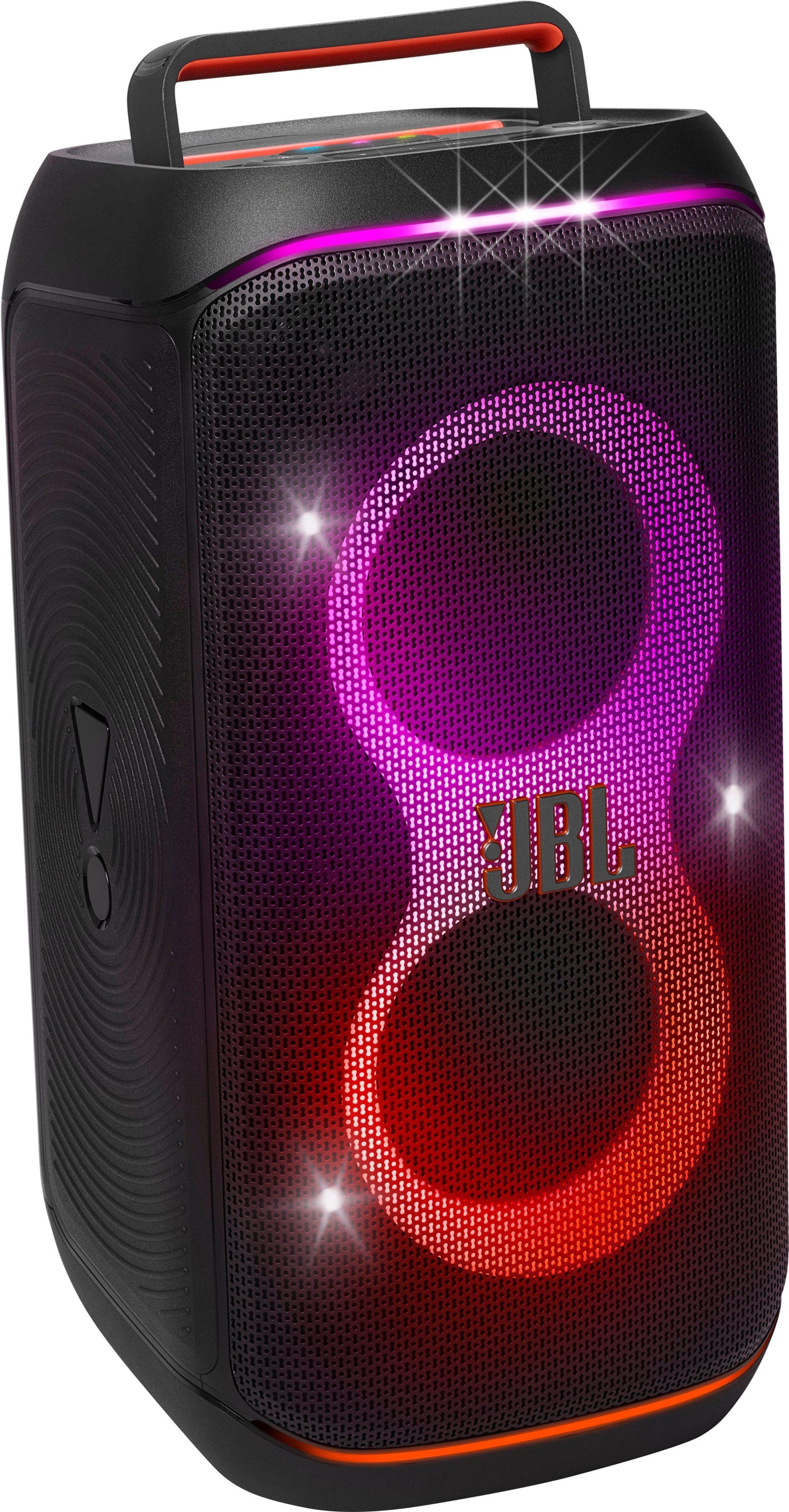
Visual effects have become increasingly important in party speakers, and this is where the JBL PartyBox Club 120 clearly outperforms the Sony SRS-XP700. JBL's adaptive lightshow includes starry lights, light trails, and strobe effects that respond dynamically to music. The effects are bright enough to be noticeable even in well-lit rooms and sophisticated enough to maintain interest.
Sony's RGB lighting system, while customizable through their app, receives consistently lukewarm reviews. The effects are described as simple and not particularly engaging compared to modern party speaker standards. For a speaker released in 2021, this was more acceptable, but party lighting technology has advanced significantly since then.
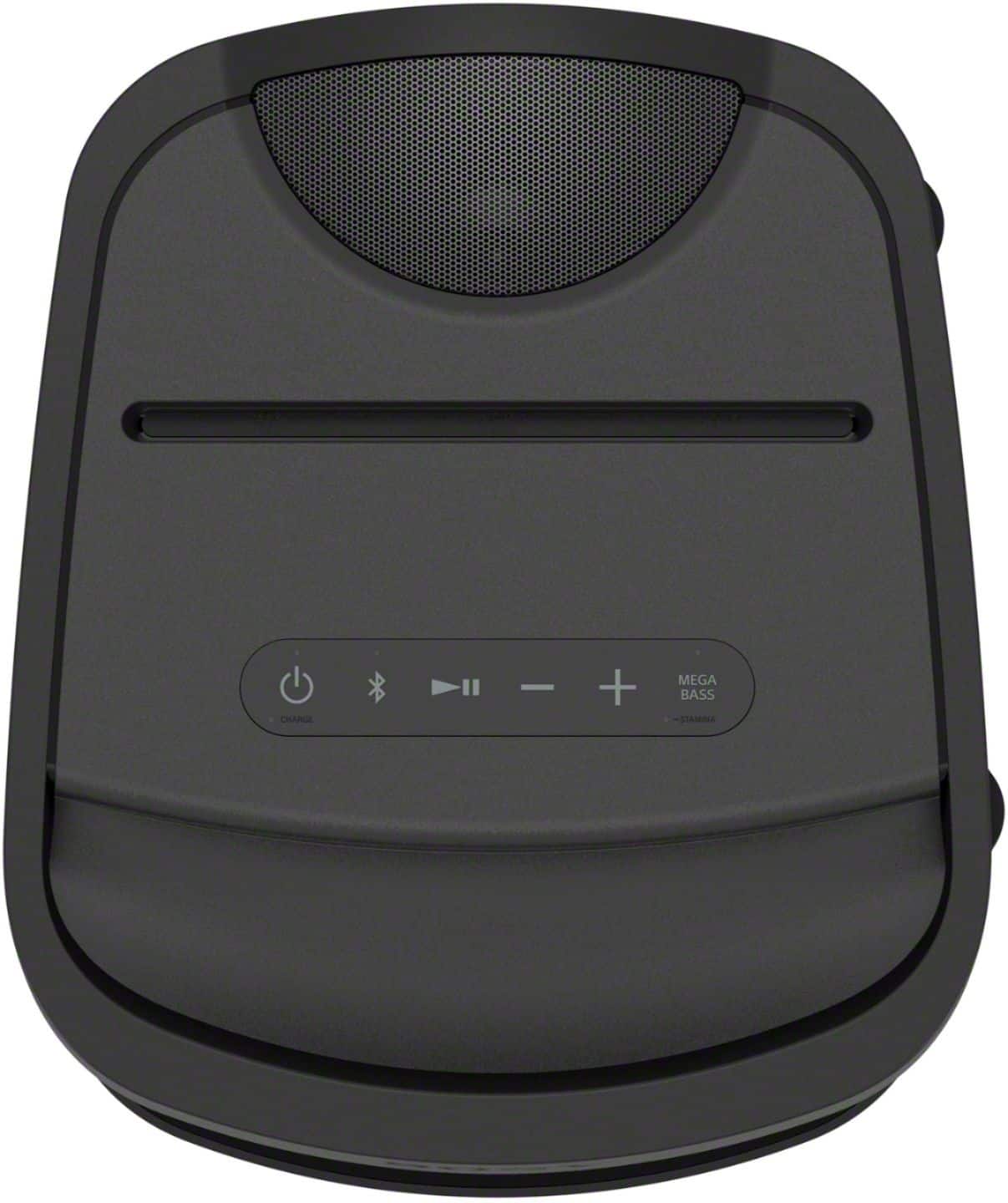
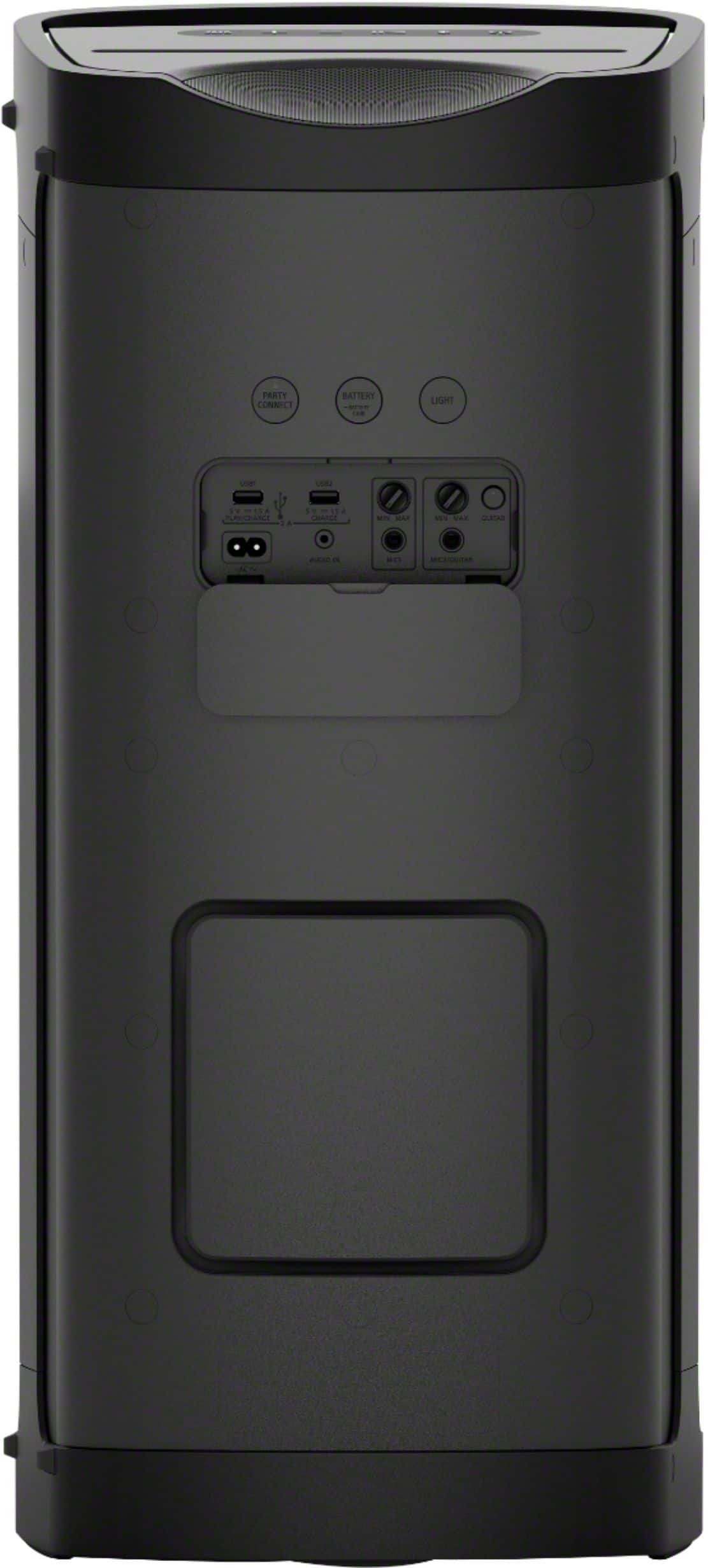
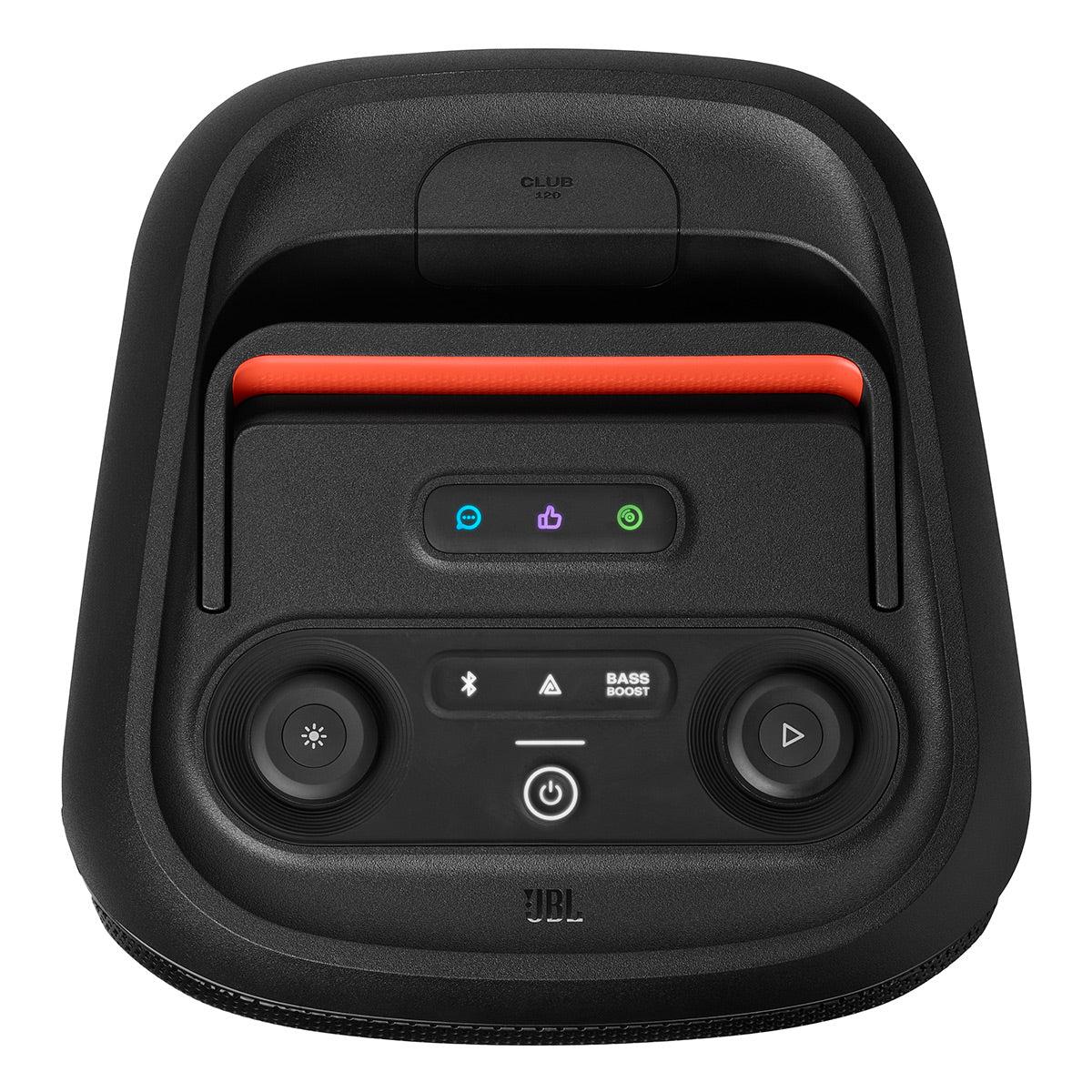
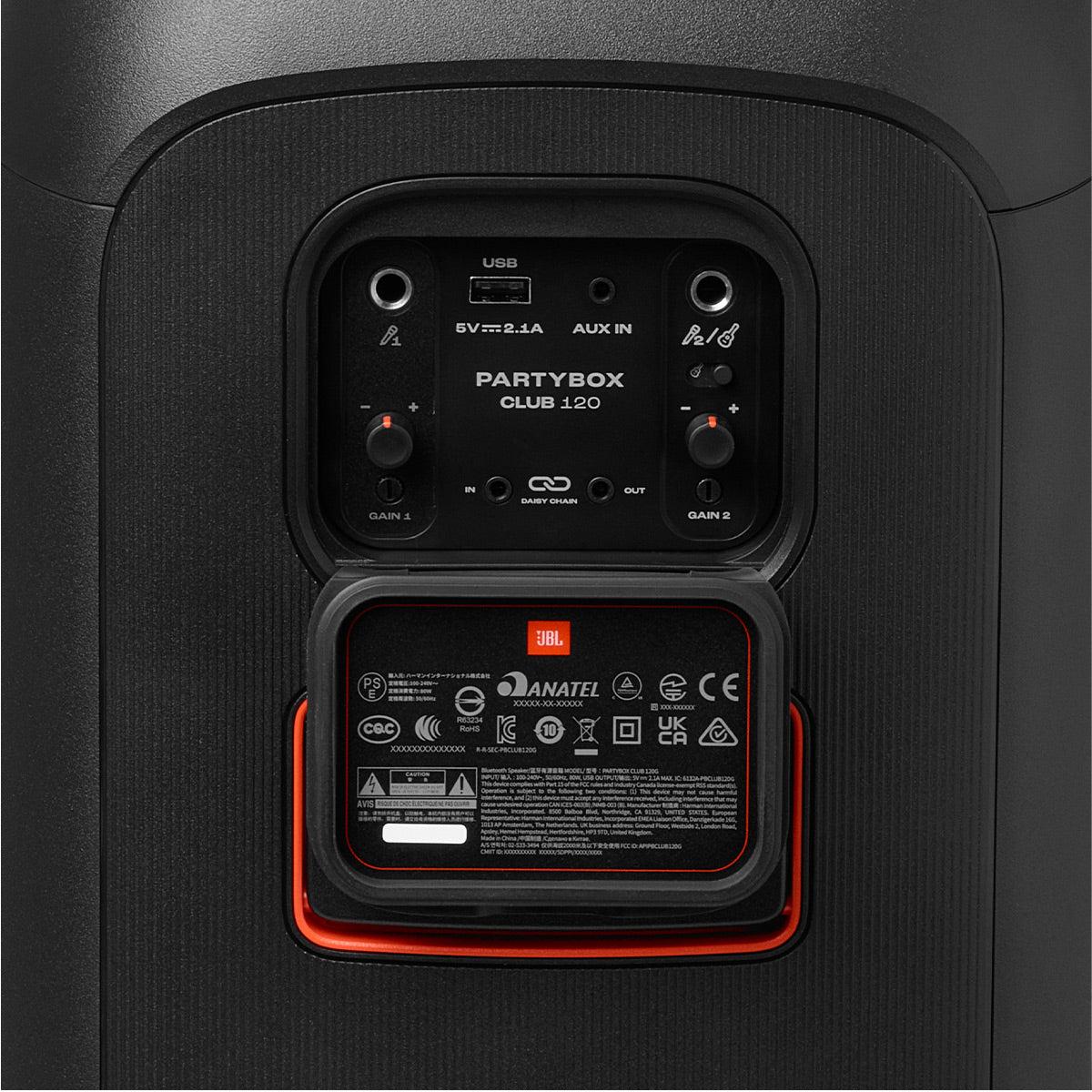
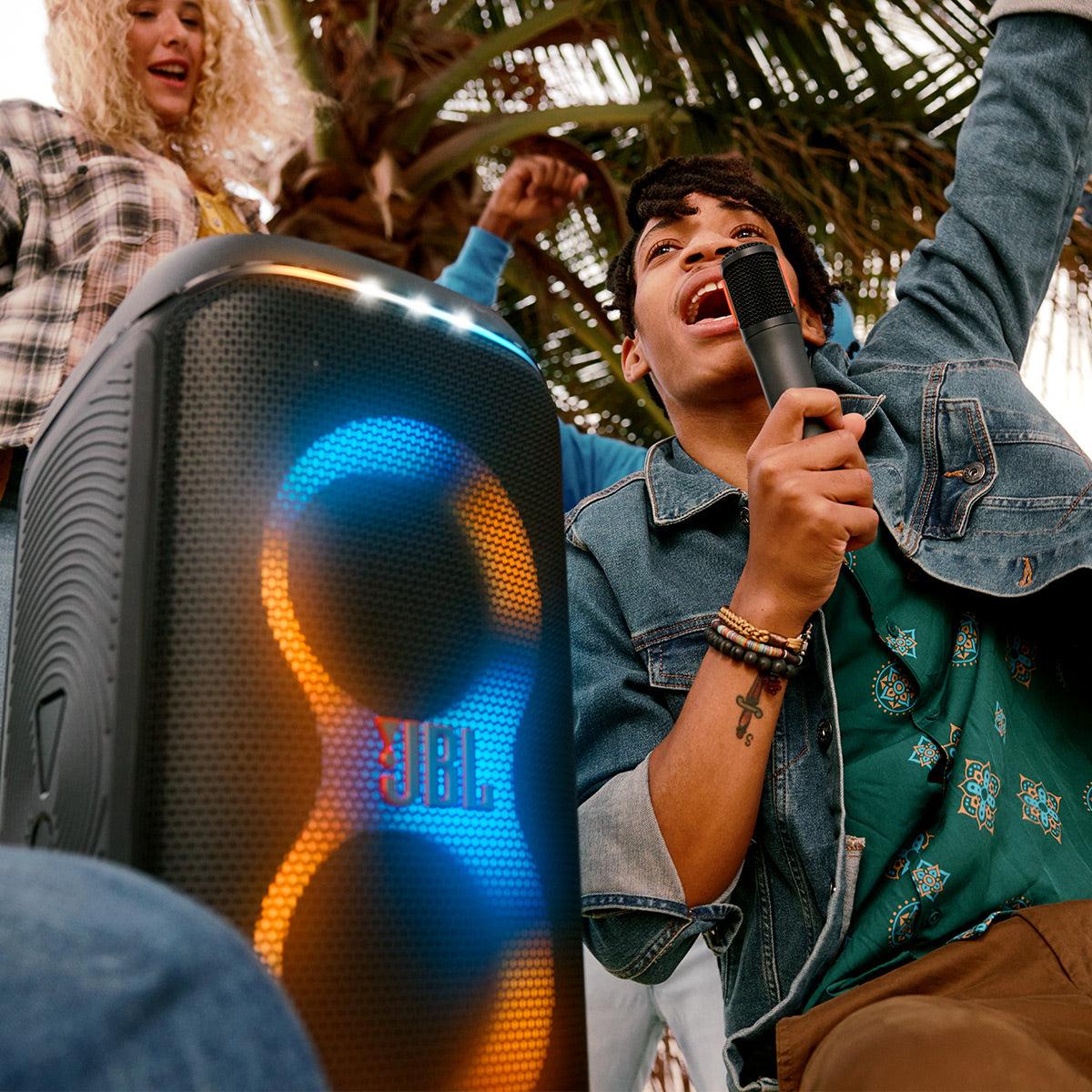
Both speakers include microphone inputs for karaoke, but the JBL PartyBox Club 120 provides dual mic inputs with individual volume controls, making it better suited for duets or group singing. The accompanying apps also differ in focus – Sony's Music Center app emphasizes audio customization, while JBL's PartyBox app prioritizes party features like DJ effects and lighting control.
Bluetooth performance varies between these models in interesting ways. The Sony SRS-XP700 supports LDAC, Sony's high-quality audio codec that can transmit more data than standard Bluetooth. For audiophile users with compatible devices, this means better sound quality over wireless connections.
The JBL PartyBox Club 120 uses newer Bluetooth 5.4 technology with Auracast support. Auracast is Bluetooth's latest multi-speaker connection standard, designed to replace older proprietary systems. It's more flexible for connecting multiple speakers and should remain compatible with future devices longer than Sony's Party Connect system.
Both speakers can link multiple units for larger events, but JBL's implementation seems more reliable based on user feedback. Sony's Party Connect can theoretically link up to 100 speakers, but real-world reports suggest diminishing returns beyond a few units.
For home theater use, both speakers face limitations common to party speakers. Their sound signatures prioritize impact over accuracy, making them less ideal for movie dialogue or critical music listening. The Sony SRS-XP700 comes closer to home theater suitability with its more balanced (if still bass-heavy) sound and longer battery life for extended movie sessions.
At the time of writing, the JBL PartyBox Club 120 costs significantly less than the Sony SRS-XP700 – roughly 25-30% less depending on current promotions. This price difference makes the value proposition even more compelling when combined with the JBL's superior bass performance and portability.
The replaceable battery in the JBL adds long-term value that's easy to overlook initially. Lithium-ion batteries typically degrade after 2-3 years of regular use. With the Sony, battery replacement requires professional service that often costs a significant portion of the speaker's original price. The JBL's user-replaceable battery eliminates this concern.
Both speakers come with typical one-year warranties, but build quality appears solid for both brands based on user reports. Neither shows concerning patterns of premature failure, though the JBL's newer release date means less long-term data is available.
The Sony SRS-XP700, released in 2021, represents Sony's earlier approach to party speakers with emphasis on omnidirectional sound and battery efficiency. While still competitive, it lacks some newer technologies like advanced multi-speaker connectivity and modern lighting systems.
The JBL PartyBox Club 120, arriving in 2024, incorporates several years of technological advancement. The AI Sound Boost processing, Auracast connectivity, and more sophisticated lighting system reflect current party speaker trends. The replaceable battery design also acknowledges environmental concerns and user preference for repairable products.
This generational difference matters for longevity. The JBL's newer Bluetooth standard and connectivity options should remain relevant longer, while some of Sony's proprietary technologies may become obsolete sooner.
The Sony SRS-XP700 makes sense for specific scenarios. If you frequently attend all-day outdoor events where charging isn't possible, its 25-hour battery life is genuinely valuable. The omnidirectional sound works well for large, spread-out gatherings where people surround the speaker. It's also better for users who prioritize Sony's ecosystem and already own compatible speakers for multi-room setups.
However, for most party scenarios, the JBL PartyBox Club 120 delivers better performance at a lower price. Its superior bass extension, higher maximum volume, engaging light show, and easier portability address what most people actually want from a party speaker. The replaceable battery and newer connectivity standards add long-term value.
For home theater use, neither speaker is ideal, but the Sony comes closer with its more balanced sound signature and exceptional battery life for portable movie watching.
After extensive research into user experiences and expert reviews, the JBL PartyBox Club 120 emerges as the better choice for most buyers. It costs less while delivering superior core performance – deeper bass, higher maximum volume, and better visual effects. The lighter weight and replaceable battery add practical advantages that become more valuable over time.
The Sony SRS-XP700 commands its premium primarily for exceptional battery life and omnidirectional sound. These features provide genuine value in specific situations but don't justify the higher price for typical party use.
Unless you specifically need 25-hour battery life or omnidirectional sound dispersion, the JBL PartyBox Club 120 offers better bang for your buck and will likely keep your parties more energized. Sometimes the newer technology really is better – and in this case, it costs less too.
| Sony SRS-XP700 | JBL PartyBox Club 120 |
|---|---|
| Power Output - Determines maximum volume and bass impact | |
| 60W RMS (omnidirectional design) | 160W RMS (front-firing design) |
| Weight - Critical for portability and setup convenience | |
| 37.25 lbs (16.9 kg) - requires two-person carry | 24.35 lbs (11.05 kg) - manageable single-person transport |
| Battery Life - Determines event duration without recharging | |
| Up to 25 hours (exceptional for all-day events) | Up to 12 hours (sufficient for most parties) |
| Battery Design - Affects long-term ownership costs | |
| Fixed battery (expensive service replacement) | Replaceable battery (user-swappable for extended life) |
| Bass Performance - Most important for party atmosphere | |
| Boomy mid-bass, lacks deep sub-bass extension | Extended low-bass with physical impact for dance music |
| Sound Dispersion - Affects speaker placement flexibility | |
| 360-degree omnidirectional (works anywhere) | Front-firing directional (requires positioning) |
| Lighting Effects - Visual entertainment value | |
| Basic RGB patterns (simple customization) | Dynamic adaptive lightshow with strobe, trails, starry effects |
| Bluetooth Version - Connection stability and future compatibility | |
| Bluetooth 5.0 with LDAC high-quality codec | Bluetooth 5.4 with Auracast multi-speaker technology |
| Microphone Inputs - Karaoke and live performance capability | |
| Single 6.3mm input | Dual 6.3mm inputs with individual controls |
| Water Resistance - Protection for outdoor use | |
| IPX4 splash-resistant | IPX4 splash-resistant |
| Multi-Speaker Connection - Scalability for larger events | |
| Party Connect (up to 100 Sony speakers) | Auracast wireless (newer standard, better compatibility) |
| Release Year - Technology generation and feature relevance | |
| 2021 (older tech, established reliability) | 2024 (latest features, limited long-term data) |
| Quick Charge Performance - Emergency power recovery | |
| 10 minutes = 3 hours playback | 10 minutes = 80 minutes playback |
| App Features - Remote control and customization options | |
| Sony Music Center (audio-focused customization) | JBL PartyBox (party-focused effects and lighting) |
The JBL PartyBox Club 120 delivers superior bass performance for dance music, hip-hop, and electronic genres. While the Sony SRS-XP700 has larger drivers on paper, it produces a "boomy" mid-bass sound rather than the deep, physical bass impact that party music requires. The JBL PartyBox Club 120 extends lower in frequency response, providing the chest-thumping bass that makes people want to dance.
The JBL PartyBox Club 120 achieves higher maximum volume levels with less compression artifacts. Its 160W RMS output combined with AI Sound Boost technology allows it to maintain clarity even at peak volumes. The Sony SRS-XP700 shows more limitations when pushed to maximum output, despite its omnidirectional design spreading sound in all directions.
The JBL PartyBox Club 120 is significantly more portable at 24.35 pounds compared to the Sony SRS-XP700's 37.25 pounds. The JBL's foldable handle design and 35% weight reduction makes it much easier for single-person transport, while the heavier Sony SRS-XP700 often requires two people for comfortable carrying.
The Sony SRS-XP700 offers exceptional 25-hour battery life, more than double the JBL PartyBox Club 120's 12-hour capacity. However, the JBL PartyBox Club 120 features a replaceable battery system, allowing you to swap batteries for extended events or replace degraded batteries after years of use without expensive service repairs.
The JBL PartyBox Club 120 provides a significantly more engaging light show with adaptive effects including starry lights, light trails, and strobes that sync dynamically to music beats. The Sony SRS-XP700 offers basic RGB lighting patterns that users consistently describe as simple and less visually impressive compared to modern party speaker standards.
Both speakers support karaoke, but the JBL PartyBox Club 120 is better equipped with dual microphone inputs featuring individual volume controls for duets or group singing. The Sony SRS-XP700 has a single microphone input, limiting it to one singer at a time. Both include guitar inputs for live performances.
The JBL PartyBox Club 120 uses newer Bluetooth 5.4 technology while the Sony SRS-XP700 runs Bluetooth 5.0. Both can connect to multiple devices, but the JBL PartyBox Club 120 offers more stable multi-device connections and supports the newer Auracast standard for linking multiple speakers wirelessly.
Both speakers are IPX4 splash-resistant for outdoor use, but they excel in different scenarios. The Sony SRS-XP700 is ideal for all-day outdoor events due to its 25-hour battery life and omnidirectional sound that works well for spread-out groups. The JBL PartyBox Club 120 is better for typical backyard parties where its superior bass and engaging lights create more party atmosphere.
The JBL PartyBox Club 120 provides superior value, costing significantly less while delivering better core party performance including deeper bass, higher maximum volume, and more impressive lighting effects. The Sony SRS-XP700 commands a premium primarily for its exceptional battery life and omnidirectional sound design.
Neither speaker is optimized for home theater use as both prioritize party-focused sound signatures over accuracy. However, the Sony SRS-XP700 comes closer to home theater suitability with its more balanced frequency response and 25-hour battery life for extended movie sessions. The JBL PartyBox Club 120's bass-heavy tuning may overwhelm dialogue in movies.
The JBL PartyBox Club 120 offers better long-term value with its replaceable battery system and newer Bluetooth 5.4 technology that should remain compatible longer. When the Sony SRS-XP700's fixed battery degrades after 2-3 years, replacement requires expensive professional service, while the JBL PartyBox Club 120 allows simple user battery swaps.
For typical house parties and social gatherings, the JBL PartyBox Club 120 is the better choice. It delivers superior bass impact, gets louder with less distortion, provides more engaging visual effects, and costs less than the Sony SRS-XP700. Choose the Sony only if you specifically need 25-hour battery life for extended outdoor events or prefer omnidirectional sound dispersion for large, spread-out crowds.
We've done our best to create useful and informative comparisons to help you decide what product to buy. Our research uses advanced automated methods to create this comparison and perfection is not possible - please contact us for corrections or questions. These are the sites we've researched in the creation of this article: bestbuy.com - rtings.com - crutchfield.com - versus.com - rtings.com - rtings.com - youtube.com - versus.com - electronics.sony.com - youtube.com - youtube.com - youtube.com - youtube.com - crutchfield.com - armorsound.com - sony-asia.com - helpguide.sony.net - helpguide.sony.net - videoandaudiocenter.com - sony.com - sony.com - sony-asia.com - sony.com - sony.com - bestbuy.com - device.report - bestbuy.com - stereoguide.com - armorsound.com - rtings.com - rtings.com - bestbuy.com - youtube.com - soundguys.com - youtube.com - lbtechreviews.com - youtube.com - youtube.com - versus.com - jbl.com - rtings.com - versus.com - ro.harmanaudio.com - dell.com - jbl.com - jbl.com - projectorscreenstore.com

Privacy Policy
Terms and Conditions - Affiliate Policy
Home Security
© Copyright 2008-2026.
11816 Inwood Rd #1211, Dallas, TX 75244