

When you're shopping for a speaker that can truly fill a space with sound—whether it's your backyard, a friend's graduation party, or that annual family reunion—you're entering the world of portable party speakers. These aren't your typical Bluetooth speakers that you'd use for personal listening. We're talking about speakers designed to get loud, stay clear, and keep the energy high for hours on end.
The JBL PartyBox 710 and Sony SRS-XP700 represent two compelling but fundamentally different approaches to the party speaker challenge. One prioritizes absolute power and bass impact, while the other focuses on balanced performance with true portability. Understanding these differences will help you choose the right speaker for your specific needs and budget.
Party speakers occupy a unique space in the audio world. They need to bridge the gap between portable convenience and serious sound output. Unlike smaller Bluetooth speakers that excel at personal listening, these speakers are engineered to fill large spaces with sound that can cut through conversation, outdoor ambient noise, and the general chaos of social gatherings.
The key performance metrics that matter most in this category are maximum volume output (measured in watts RMS), bass response (how low the frequency range extends and how powerful it feels), sound dispersion (how evenly sound spreads in all directions), and distortion control at high volumes. These speakers also need specialized features like microphone inputs for karaoke, robust connectivity options, and the durability to handle outdoor use and frequent transport.
What makes this category particularly interesting is the tension between maximum performance and true portability. Some speakers, like the JBL PartyBox 710, sacrifice battery power to deliver massive sound output. Others, like the Sony SRS-XP700, find a middle ground that maintains respectable performance while offering genuine anywhere-you-go convenience.
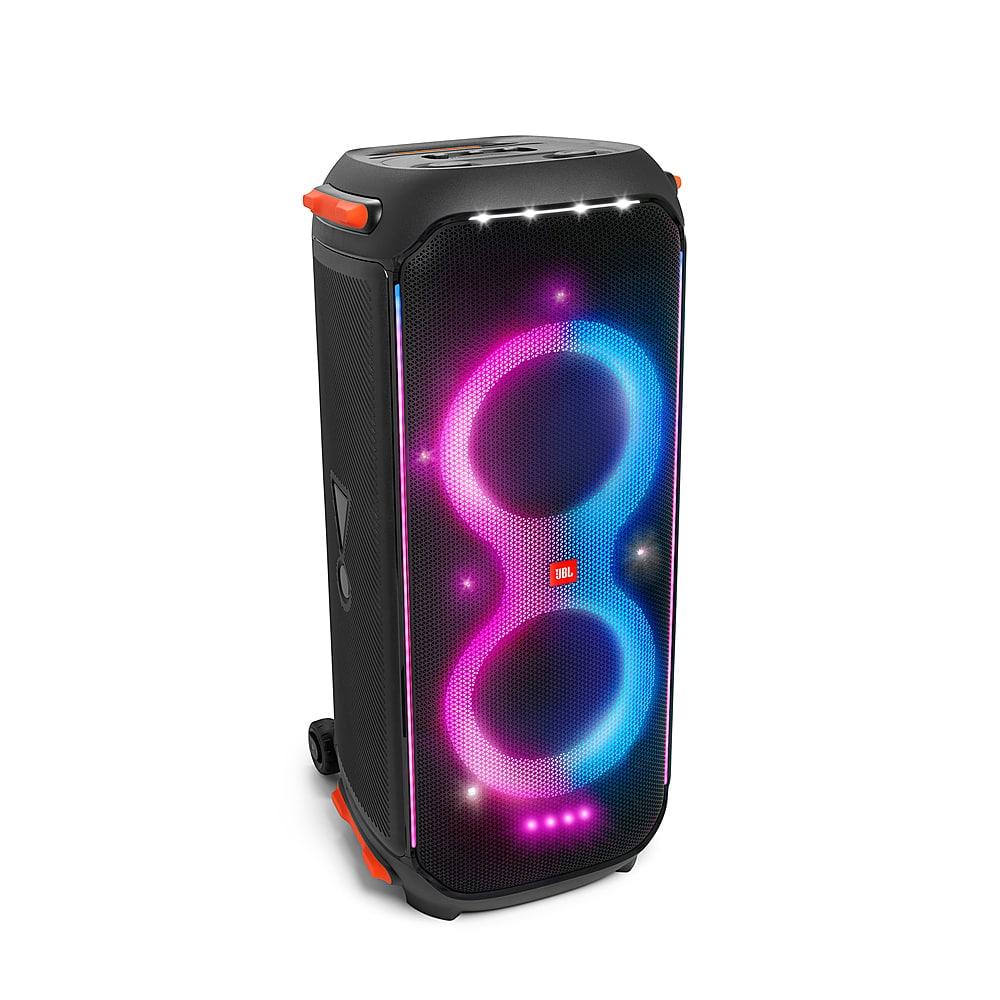
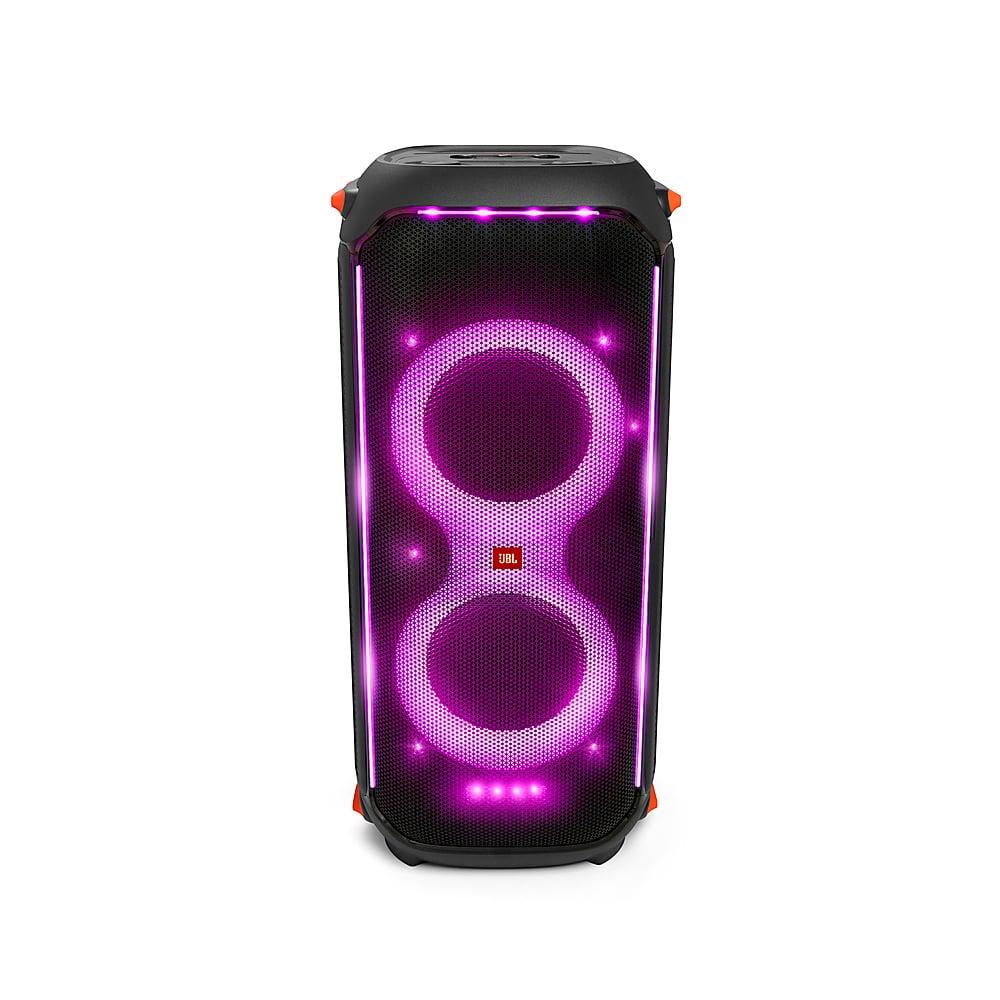
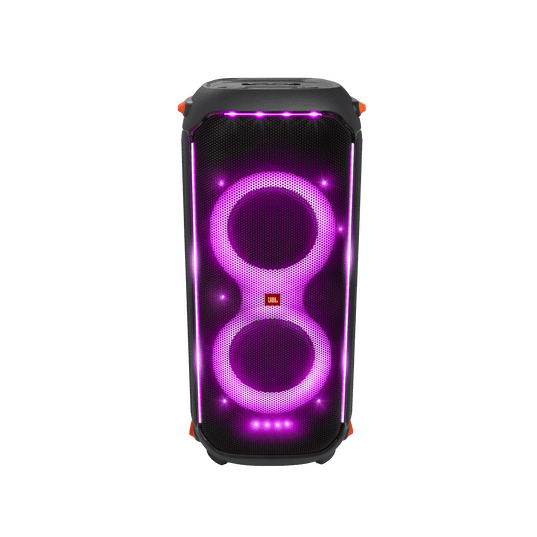
The JBL PartyBox 710, released in 2021, represents JBL's commitment to maximum impact. At 61 pounds with dual 8-inch woofers and 800 watts RMS of power, this speaker doesn't mess around. It's designed for users who want to recreate that nightclub or festival sound experience in their own space, regardless of the practical limitations that come with such ambition.
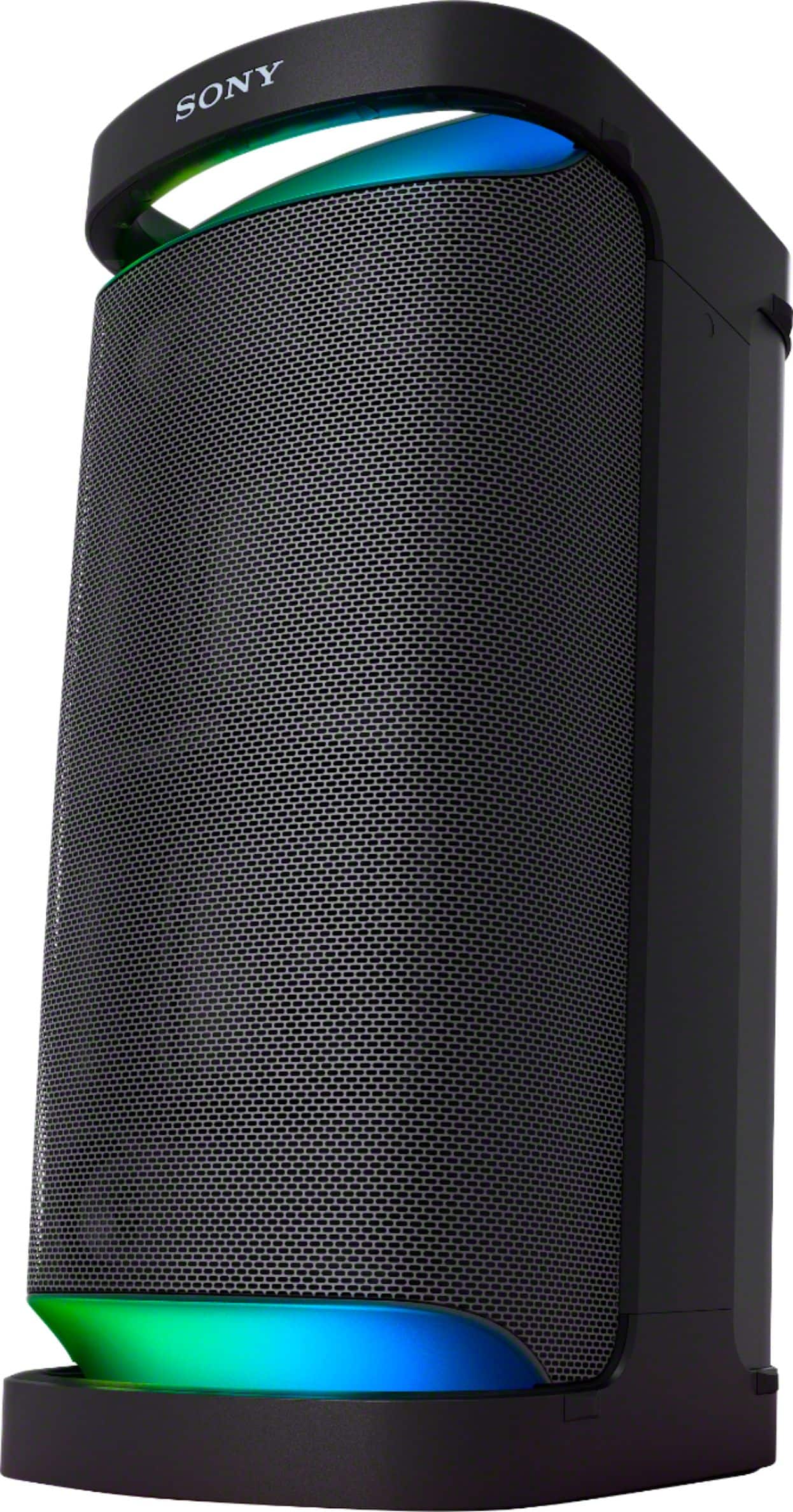
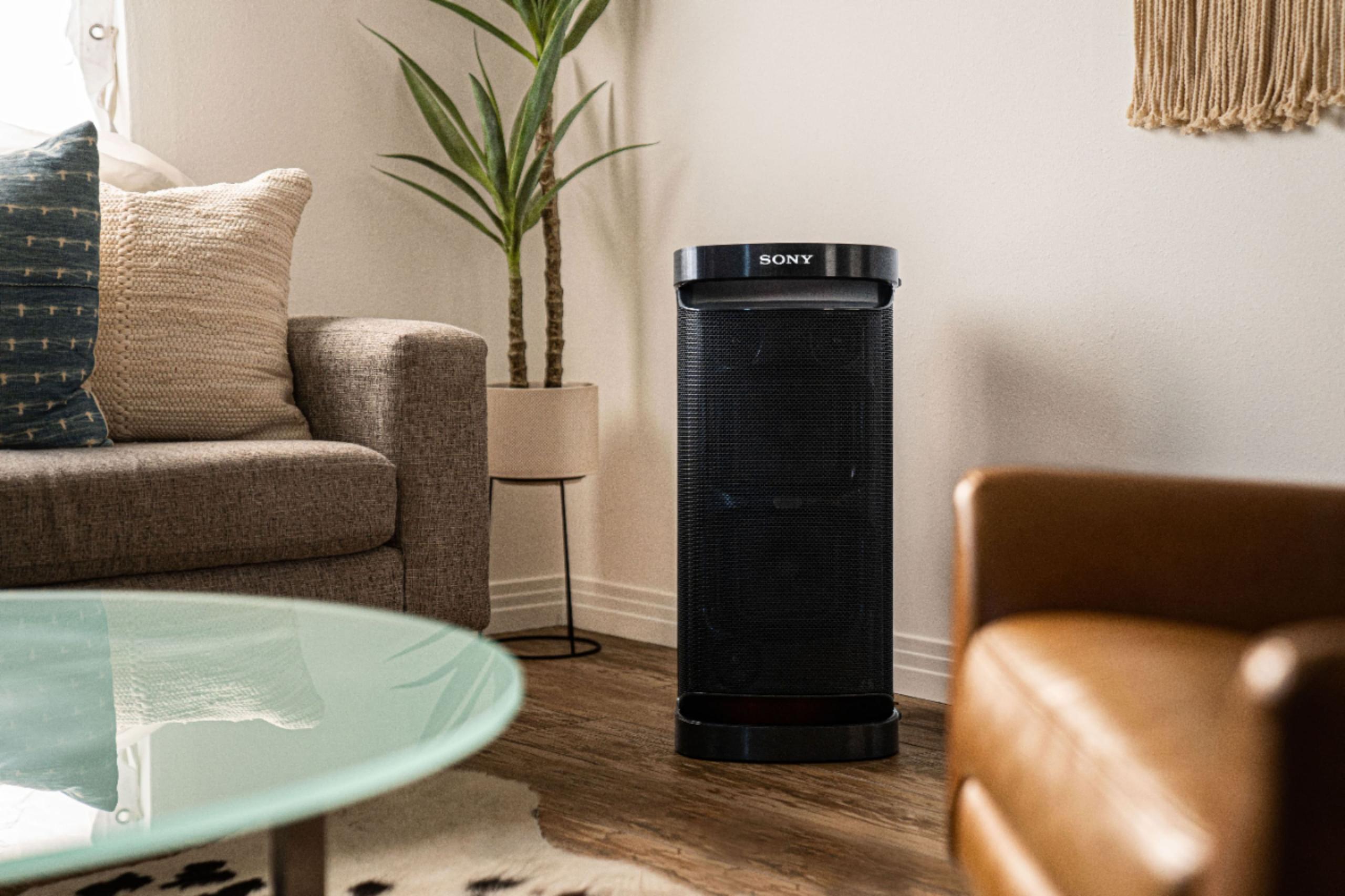
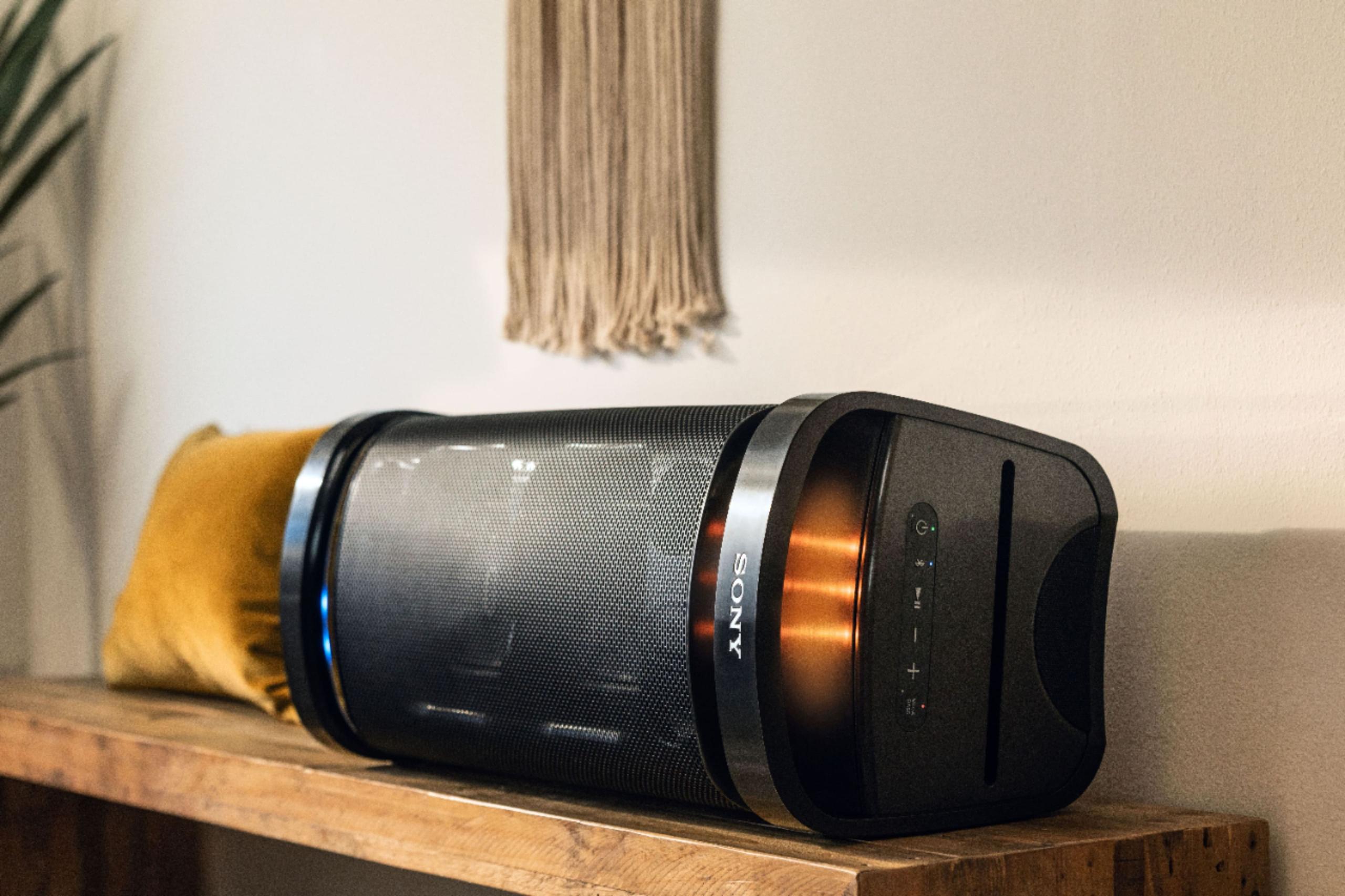
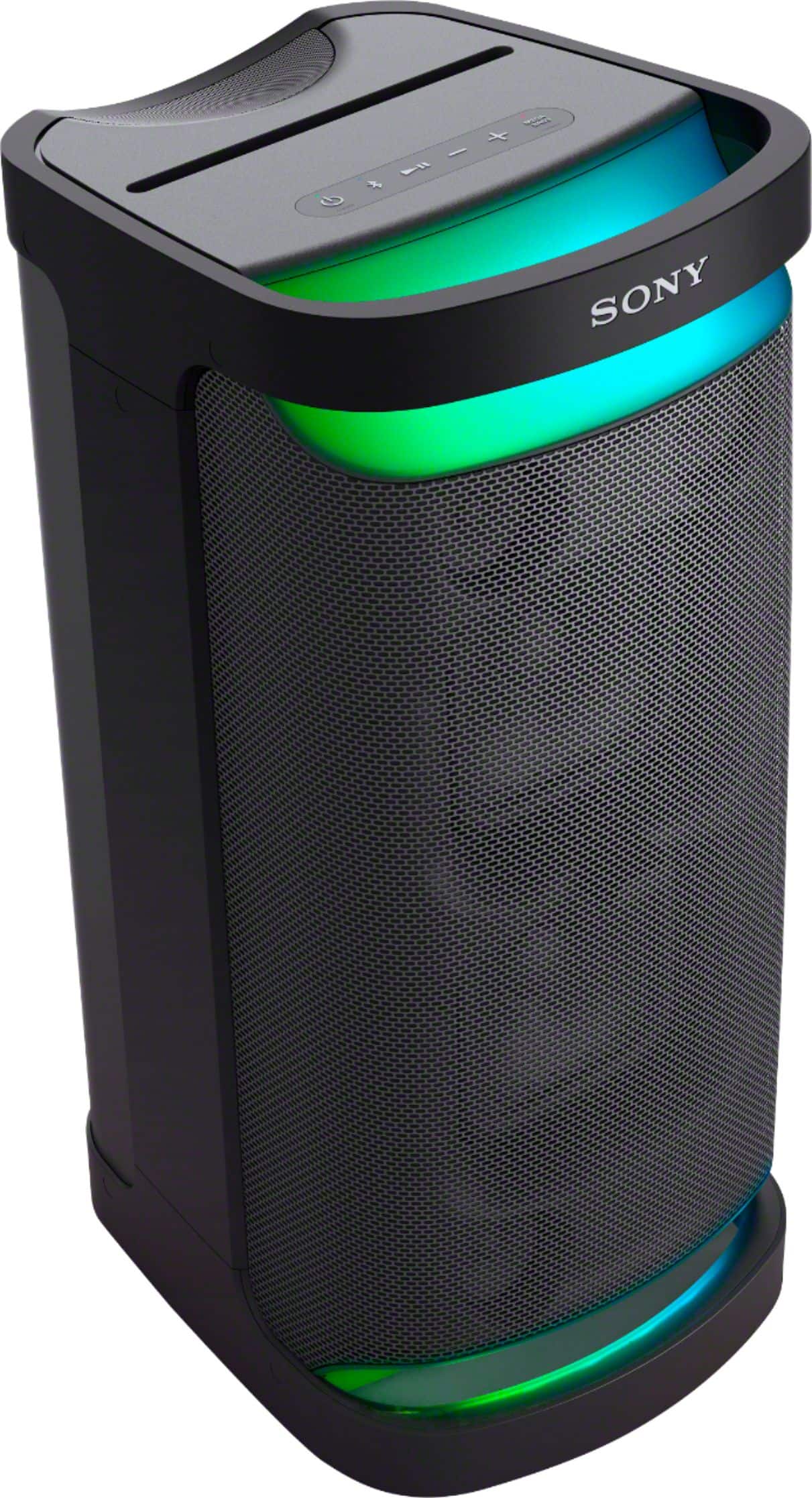
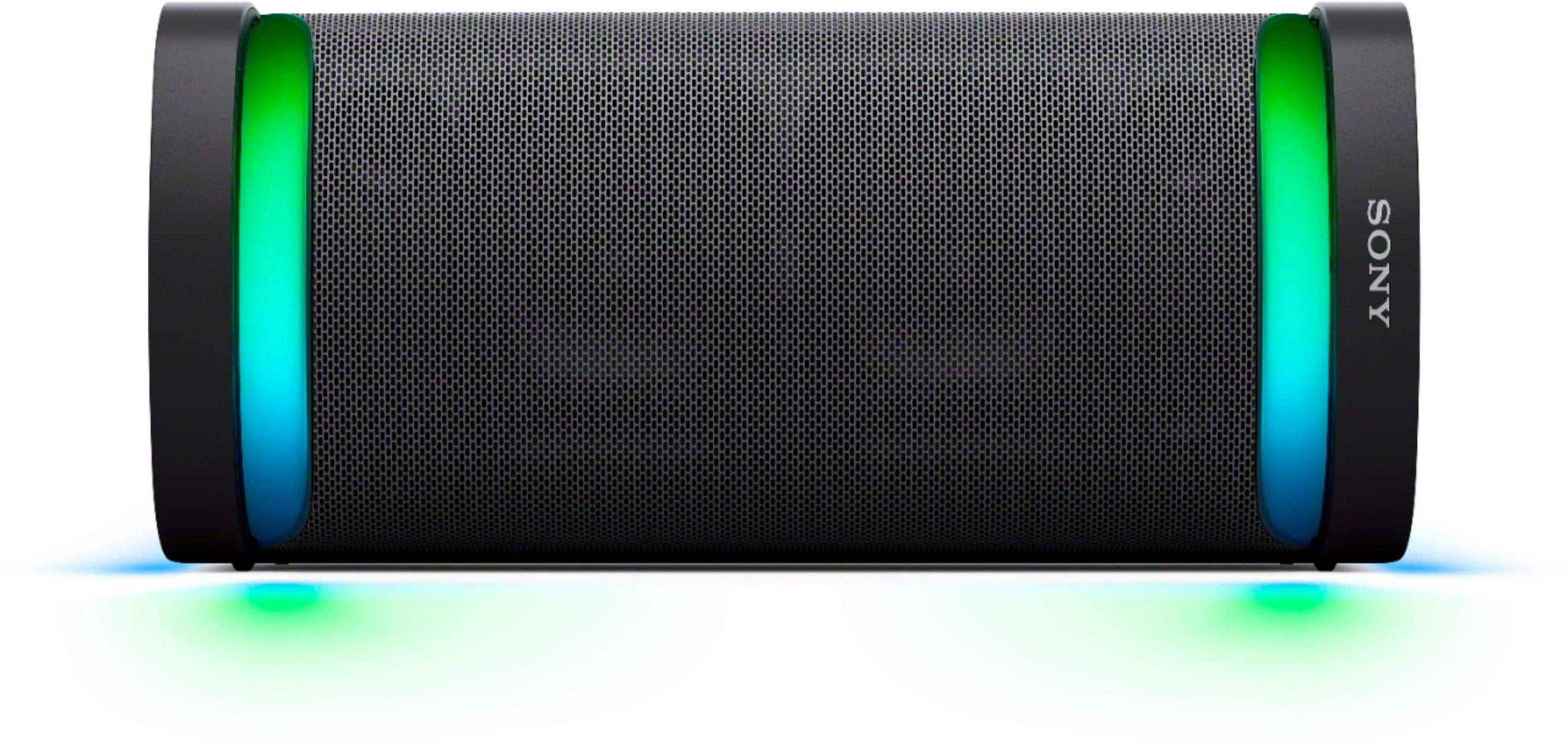
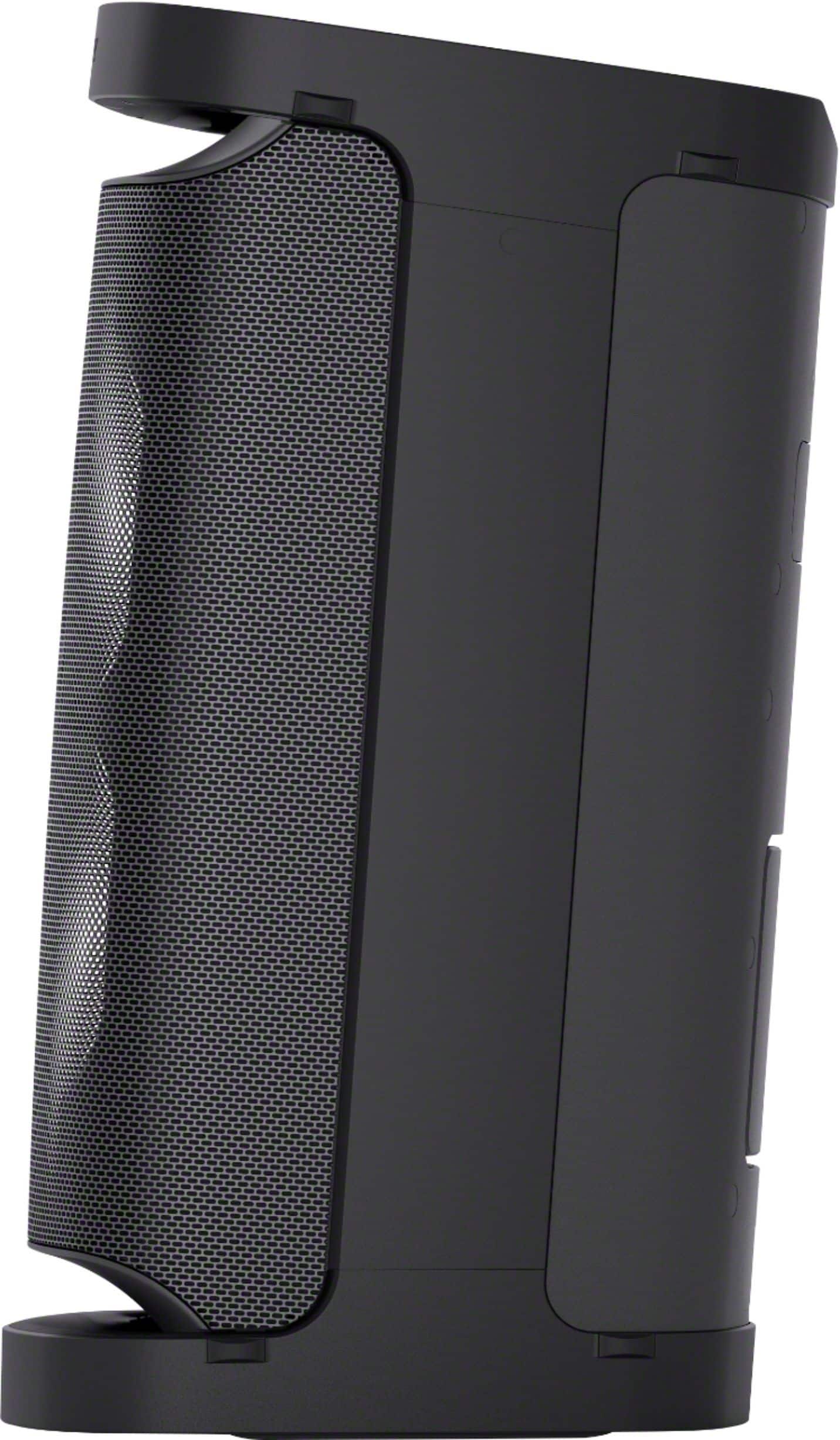
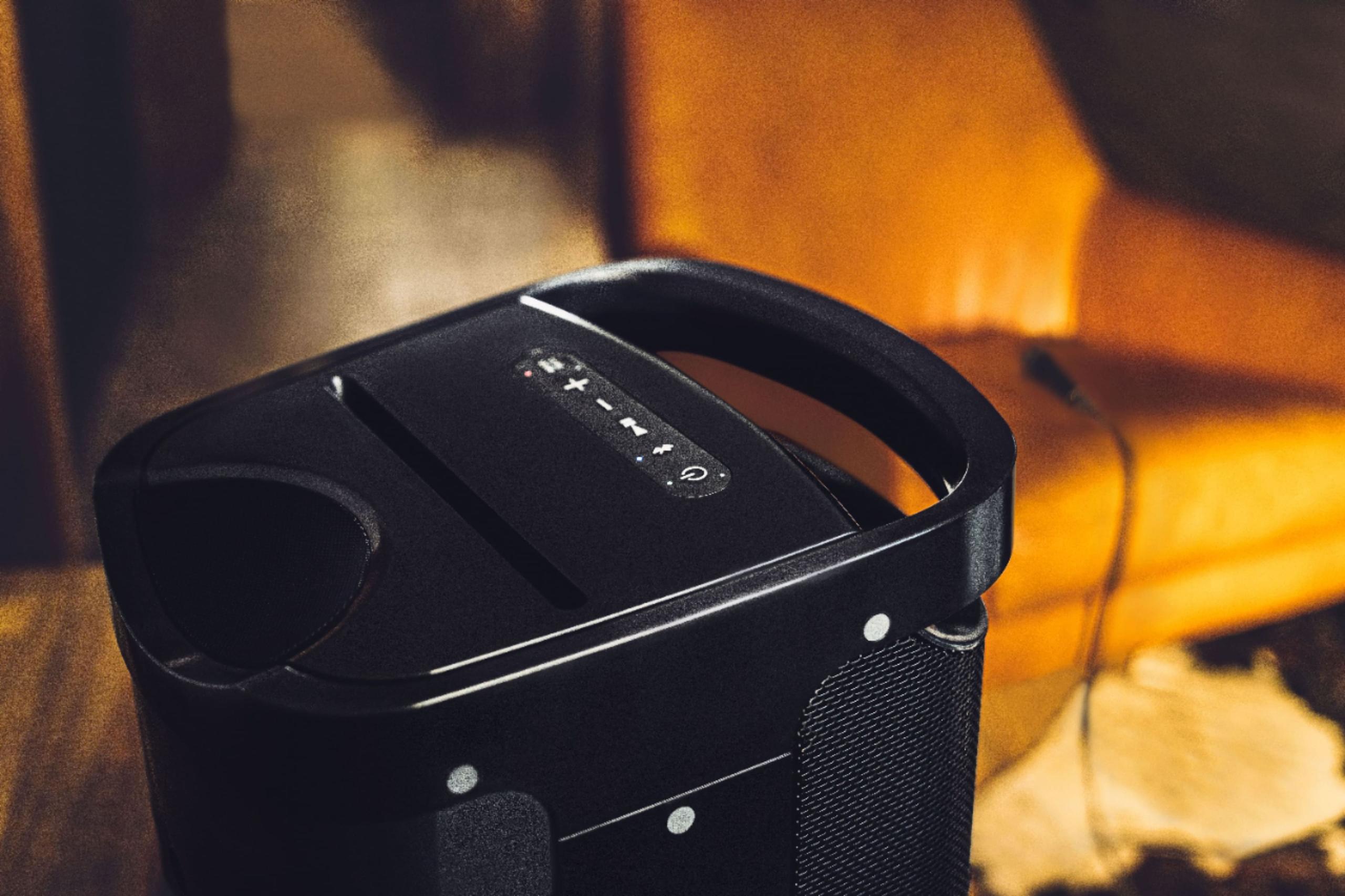
The Sony SRS-XP700, also launched in 2021, takes a more balanced approach. At 37 pounds with a built-in battery offering up to 25 hours of playback, Sony focused on creating a speaker that delivers impressive performance while maintaining the flexibility to go anywhere. It features Sony's X-Balanced Speaker technology and omnidirectional sound design—technical innovations we'll explore in detail.
Since their 2021 launches, both speakers have remained largely unchanged in terms of core technology, though firmware updates have refined their app experiences and connectivity reliability. This stability actually works in consumers' favor, as it means extensive real-world testing and user feedback has validated their performance characteristics.
The most dramatic difference between these speakers lies in their power output capabilities. The JBL PartyBox 710 delivers 800 watts RMS compared to the Sony SRS-XP700's 60 watts RMS. To put this in perspective, that's more than 13 times the power output—a difference you'll absolutely feel and hear.
RMS (Root Mean Square) wattage represents the continuous power a speaker can handle without distortion, making it a more reliable measure than peak wattage claims. When we researched user experiences, the consensus is clear: the JBL PartyBox 710 can fill significantly larger spaces with authority. Users report covering areas equivalent to a third of an acre at 65-70% volume, with plenty of headroom remaining.
This power advantage becomes particularly noticeable in outdoor environments, where sound has no walls to reflect off and can dissipate quickly. The Sony SRS-XP700, while certainly capable of impressive volume for its size, simply cannot match the venue-filling capability of its JBL competitor. However, this limitation comes with a crucial trade-off that we'll discuss in the portability section.
The JBL PartyBox 710 maintains remarkable clarity even when pushed to its limits. Our research into expert and user reviews consistently highlights its ability to stay controlled at maximum volume—a critical factor when you need to be heard over crowd noise or outdoor ambient sound.
Bass response separates good party speakers from great ones, and this is where the technical differences become fascinating. The JBL PartyBox 710 employs dual 8-inch woofers with a frequency response extending down to 35Hz. For context, 35Hz reaches into the sub-bass region where you don't just hear the sound—you feel it in your chest and throughout your body.
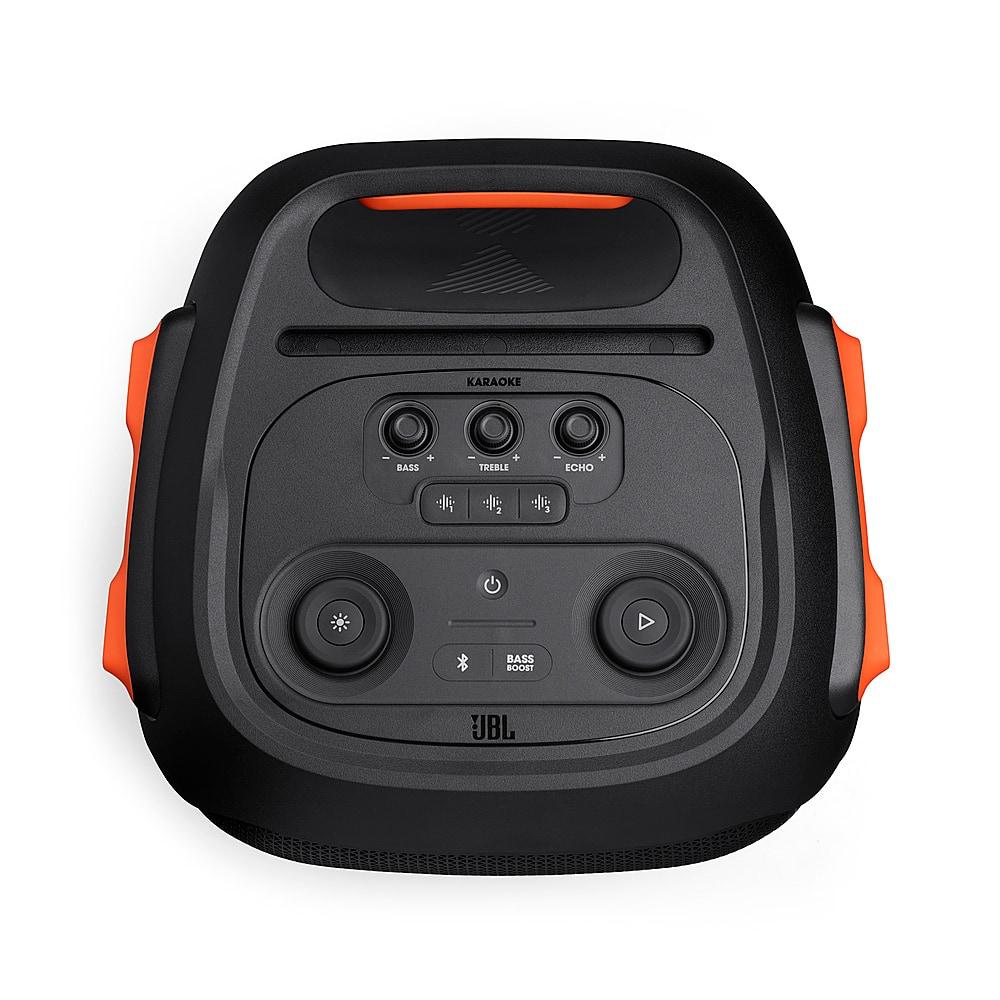
The speaker's Bass Boost system offers two distinct modes: "Deep" mode emphasizes sub-bass frequencies for that physical thump you experience at concerts, while "Punchy" mode focuses on mid-bass frequencies for tighter, more controlled low-end response. This flexibility allows users to optimize the bass character for different music genres and venue acoustics.
The Sony SRS-XP700 takes a different approach with its X-Balanced Speaker technology. Instead of traditional circular drivers, Sony uses a non-circular diaphragm design that maximizes the surface area within the speaker cabinet. This innovation, combined with passive bass radiators (specialized drivers that move air without electrical input), creates impressive bass output for the speaker's size and power rating.
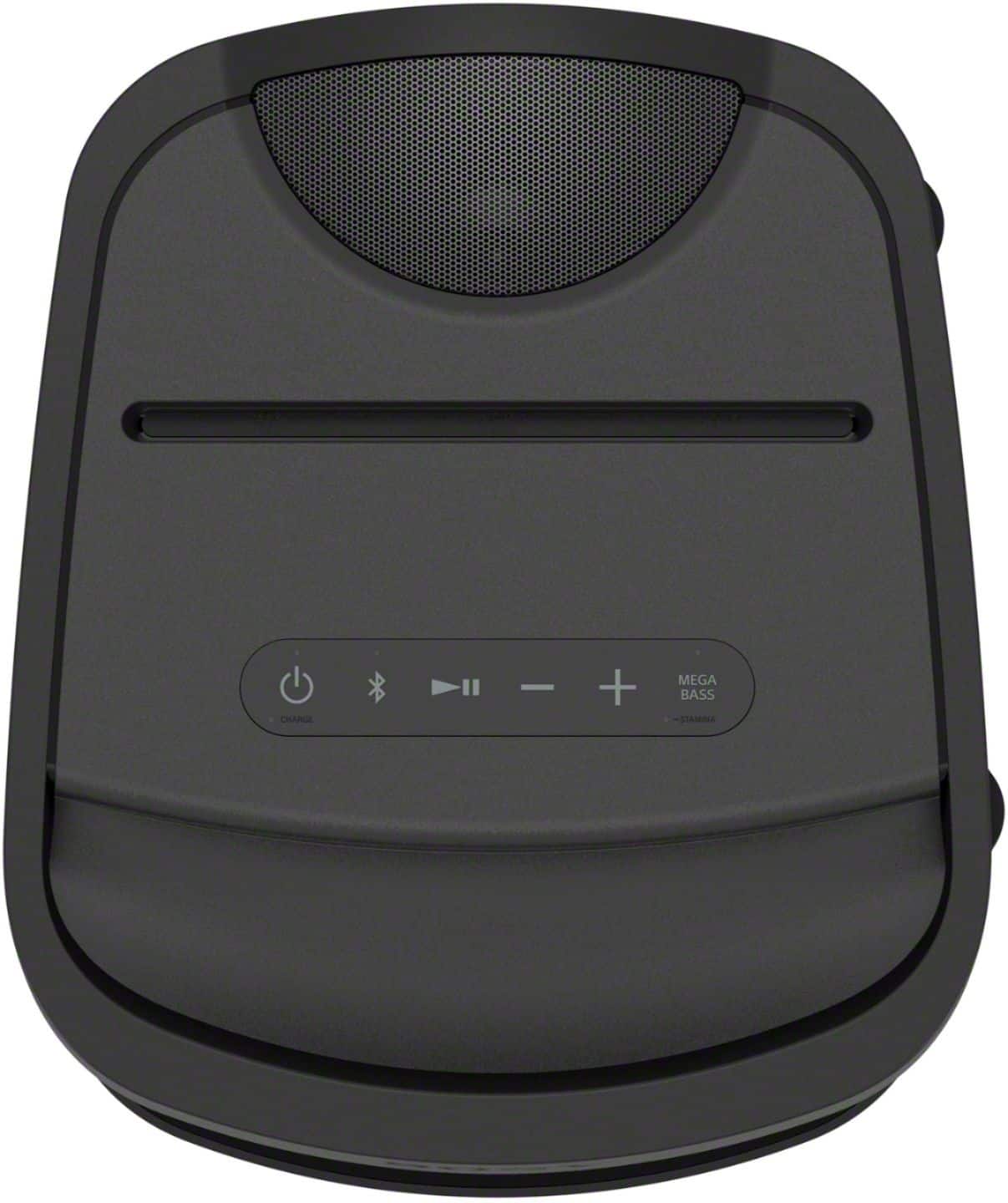
Sony's MEGA BASS mode enhances low-frequency response, though our research indicates it doesn't achieve the physical impact of the JBL PartyBox 710's output. Where the Sony excels is in bass control and integration with the midrange frequencies, creating a more balanced overall sound signature that works well across diverse music genres.
For bass-heavy genres like EDM, hip-hop, or modern pop with deep synthesized low-end, the JBL PartyBox 710 provides an experience that's closer to what you'd hear from a professional sound system. The Sony SRS-XP700 delivers satisfying bass that punches above its power rating but simply cannot match the visceral impact of its larger competitor.
Beyond pure power, how these speakers distribute sound reveals their distinct design philosophies. The Sony SRS-XP700 features an omnidirectional design with three front-facing tweeters and one rear-facing tweeter. Tweeters are specialized drivers that reproduce high-frequency sounds like vocals, cymbals, and the brightness that makes music sound crisp and detailed.
This four-tweeter configuration creates what Sony calls "360-degree sound," ensuring that people standing behind or to the sides of the speaker hear a complete sonic experience rather than just bass. This becomes particularly valuable in social settings where people move around freely and the speaker might be positioned in a corner or against a wall.
The JBL PartyBox 710 uses a more traditional front-facing configuration with dual 2.75-inch tweeters paired with its massive woofers. While this creates excellent forward projection and maximum impact for listeners positioned in front of the speaker, it doesn't match the Sony's omnidirectional coverage.
Where the JBL shines is in overall tonal balance at high volumes. Our research consistently shows that it maintains clarity and detail even when pushed hard, whereas some speakers in this category can become harsh or compressed when asked to deliver maximum output. The JBL PartyBox 710 seems engineered specifically for high-volume usage without sonic degradation.
The Sony SRS-XP700 supports high-quality LDAC Bluetooth codec, which transmits significantly more audio data than standard Bluetooth connections. This results in noticeably better sound quality when streaming from compatible devices, though it requires Android devices or specific Sony products to access this feature fully.
Here's where the fundamental philosophy difference becomes most apparent. The Sony SRS-XP700 includes a built-in lithium-ion battery offering up to 25 hours of continuous playback—a game-changing feature that opens up entirely new use cases.
This battery capacity isn't just about convenience; it's about freedom. Beach parties, camping trips, park gatherings, hiking adventures—anywhere you want serious sound but can't guarantee electrical access becomes a possibility. The quick-charge feature provides up to three hours of playback from just 10 minutes of charging, which can save the day when you've forgotten to charge ahead of time.
The JBL PartyBox 710 makes no compromise here: it requires AC power at all times. This design choice allows JBL to dedicate the entire internal space to audio components rather than battery storage, contributing to its superior power output. However, it fundamentally limits where and how you can use the speaker.
In terms of physical portability, the weight difference is significant. The Sony SRS-XP700 weighs 37 pounds compared to the JBL's 61 pounds—a 39% difference that becomes noticeable when carrying these speakers up stairs, loading them into vehicles, or moving them around during events.
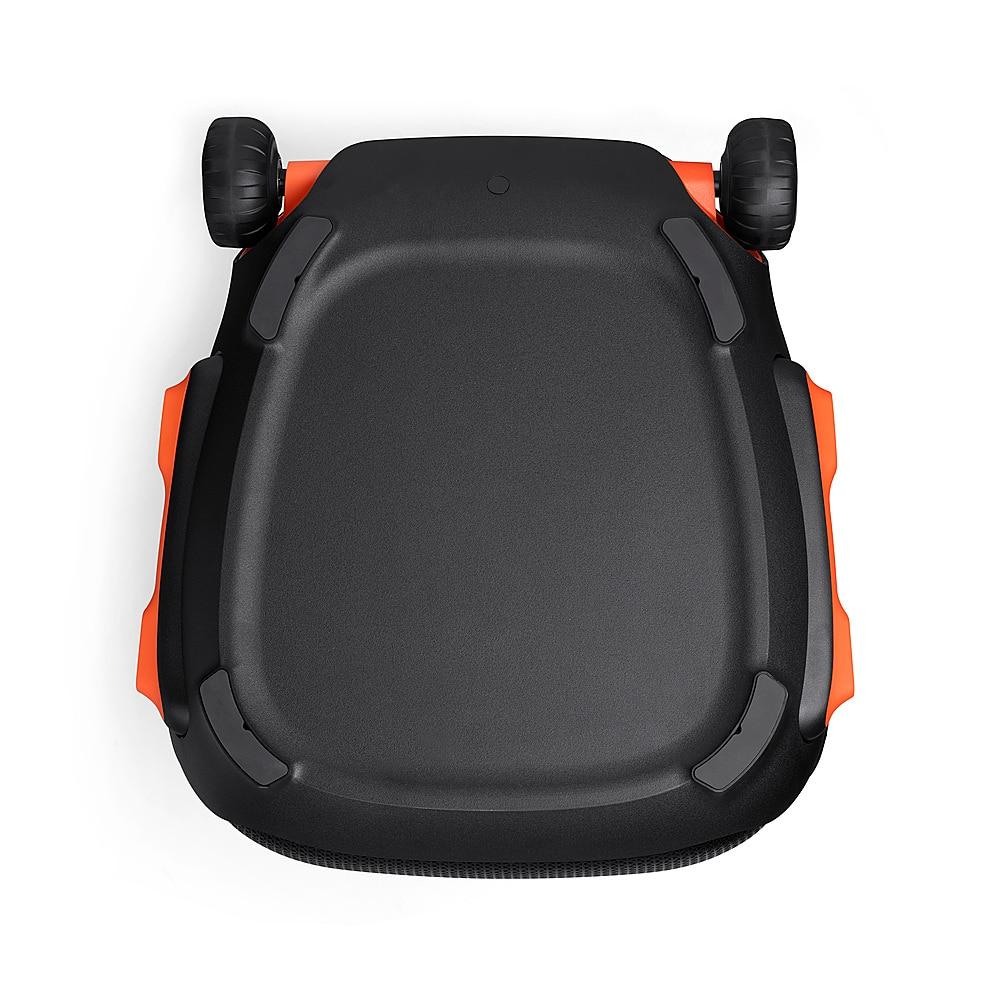
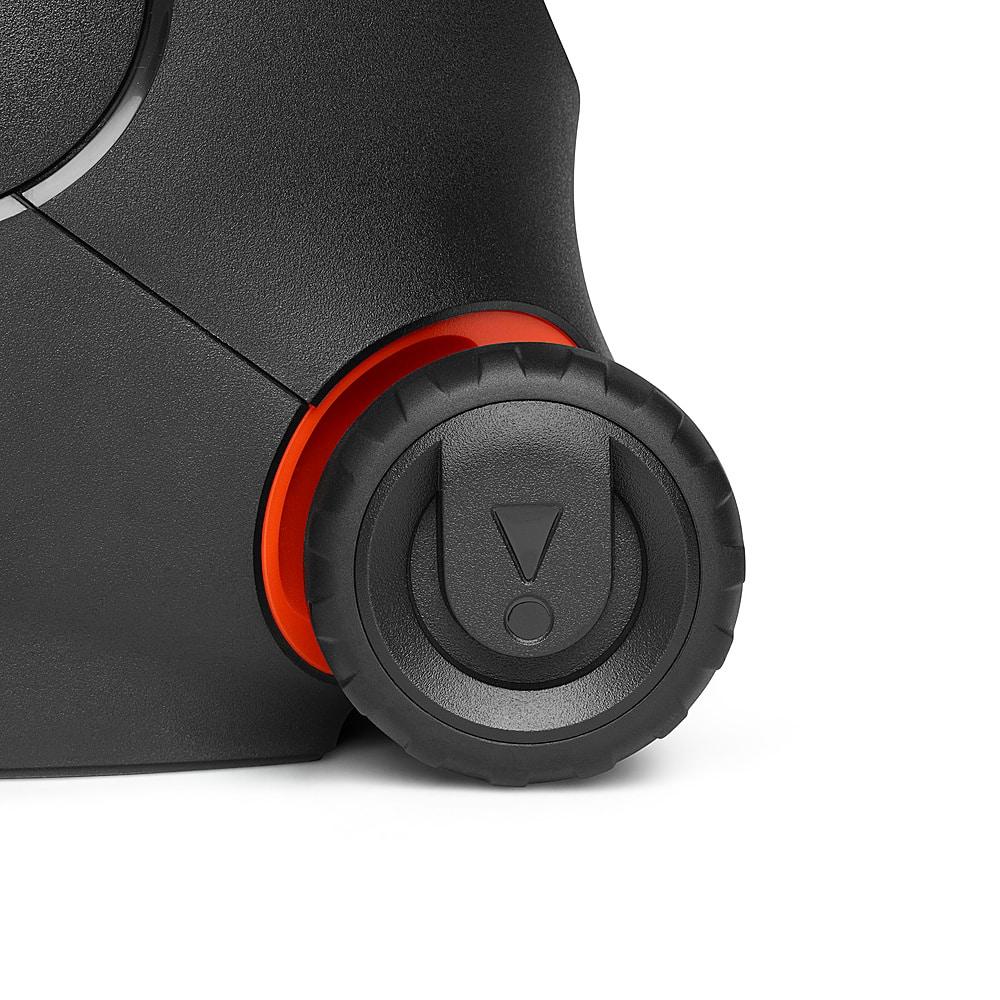
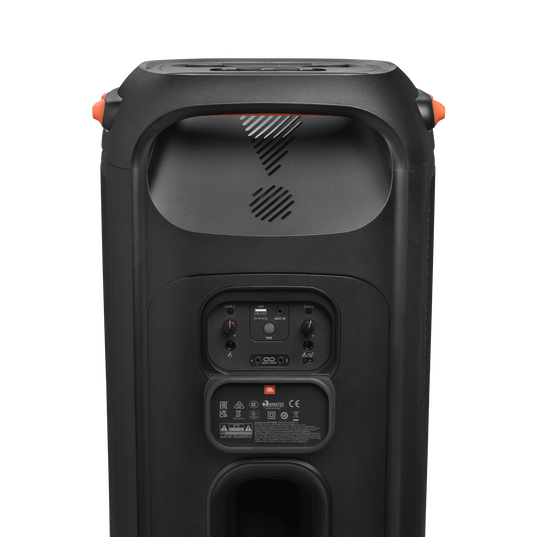
The JBL PartyBox 710 includes built-in wheels and a telescoping handle, acknowledging its weight while providing a practical transport solution. However, these wheels work best on smooth, flat surfaces. The Sony's dual handles and lighter weight make it more versatile for transport across various terrains.
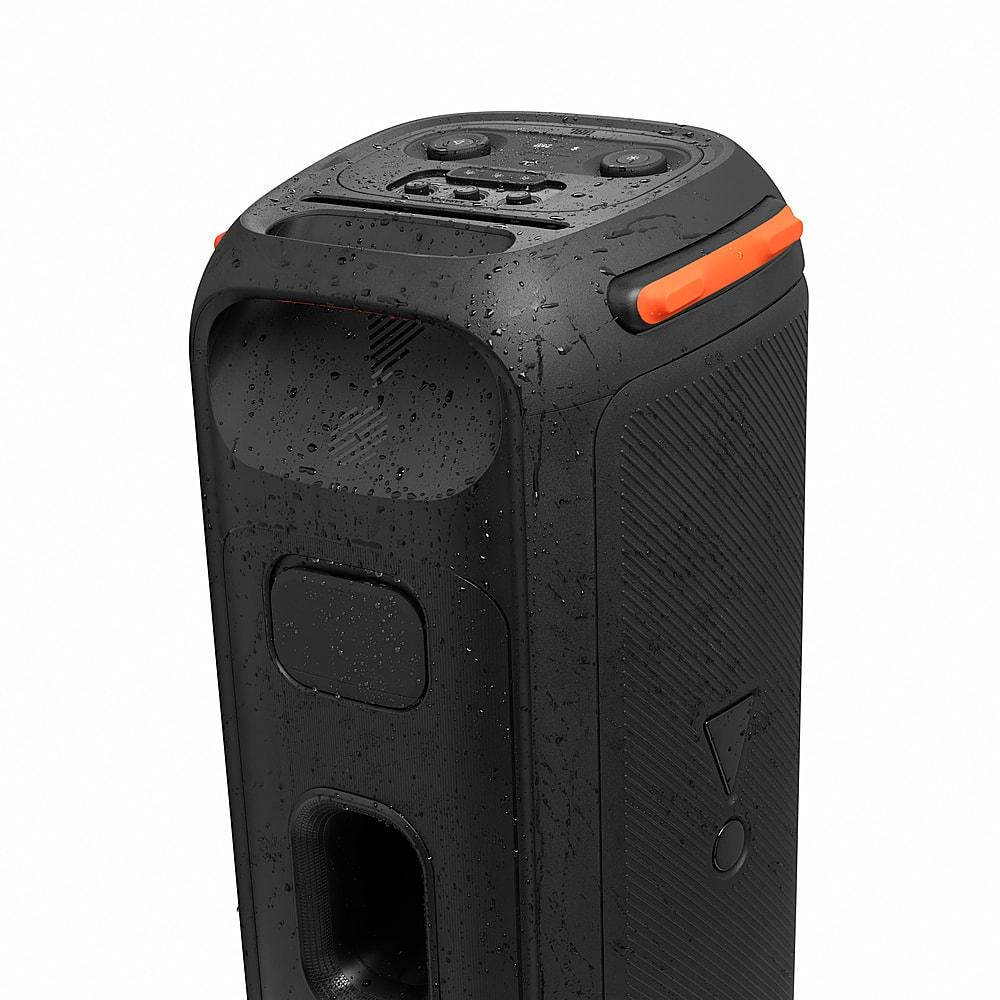
Both speakers offer IPX4 splash resistance, protecting against water splashes from any direction. This rating makes them suitable for poolside use or outdoor events where light rain might be a concern, but neither is fully waterproof for submersion.
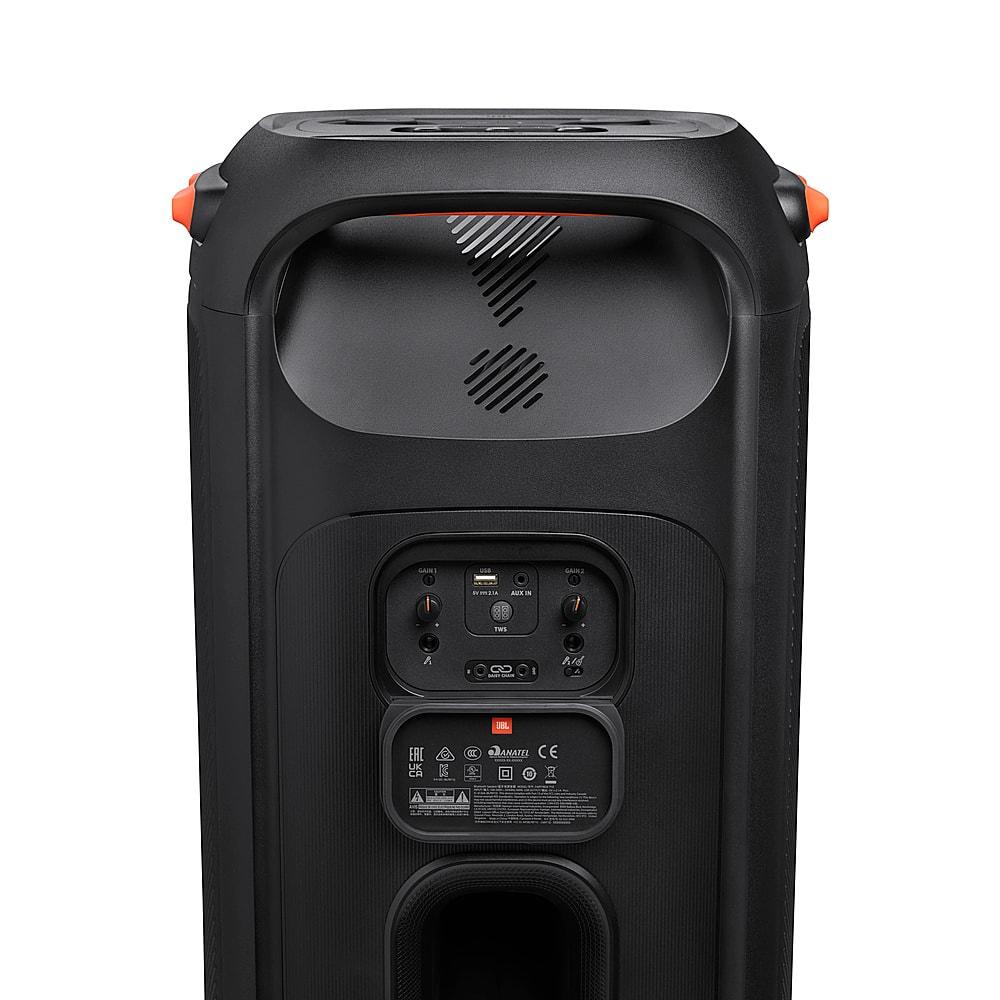
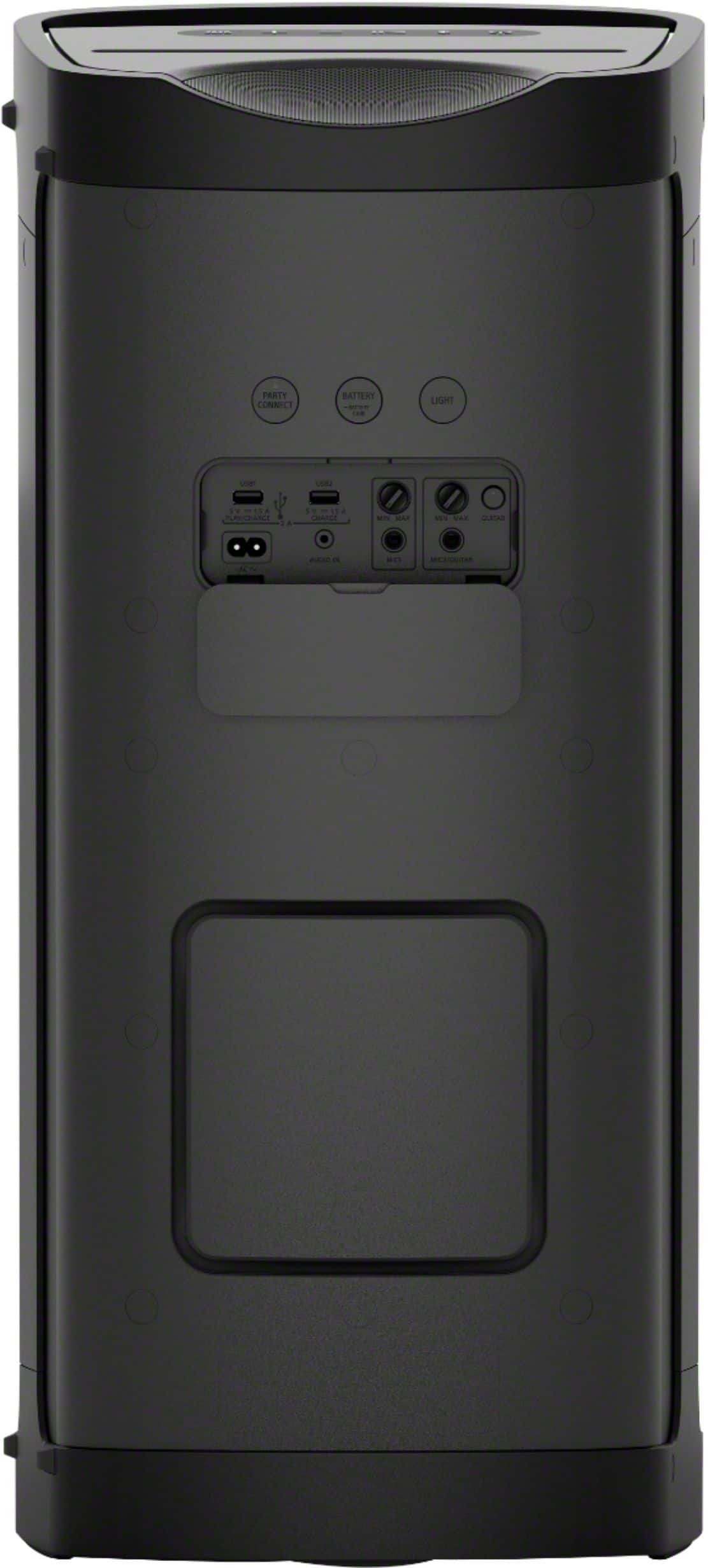
Modern party speakers need to do more than just play music loudly. Both speakers include microphone inputs for karaoke and announcements, but with important differences. The JBL PartyBox 710 provides dual microphone inputs with independent volume controls and vocal effects like echo and reverb. This makes it better suited for events where multiple people might want to speak or sing simultaneously.
The Sony SRS-XP700 includes single microphone and guitar inputs, adequate for basic karaoke or live music performance but less flexible for complex setups. However, Sony's Party Connect feature allows linking up to 100 compatible speakers for massive multi-room or outdoor installations—something JBL's TWS (True Wireless Stereo) system cannot match in scale.
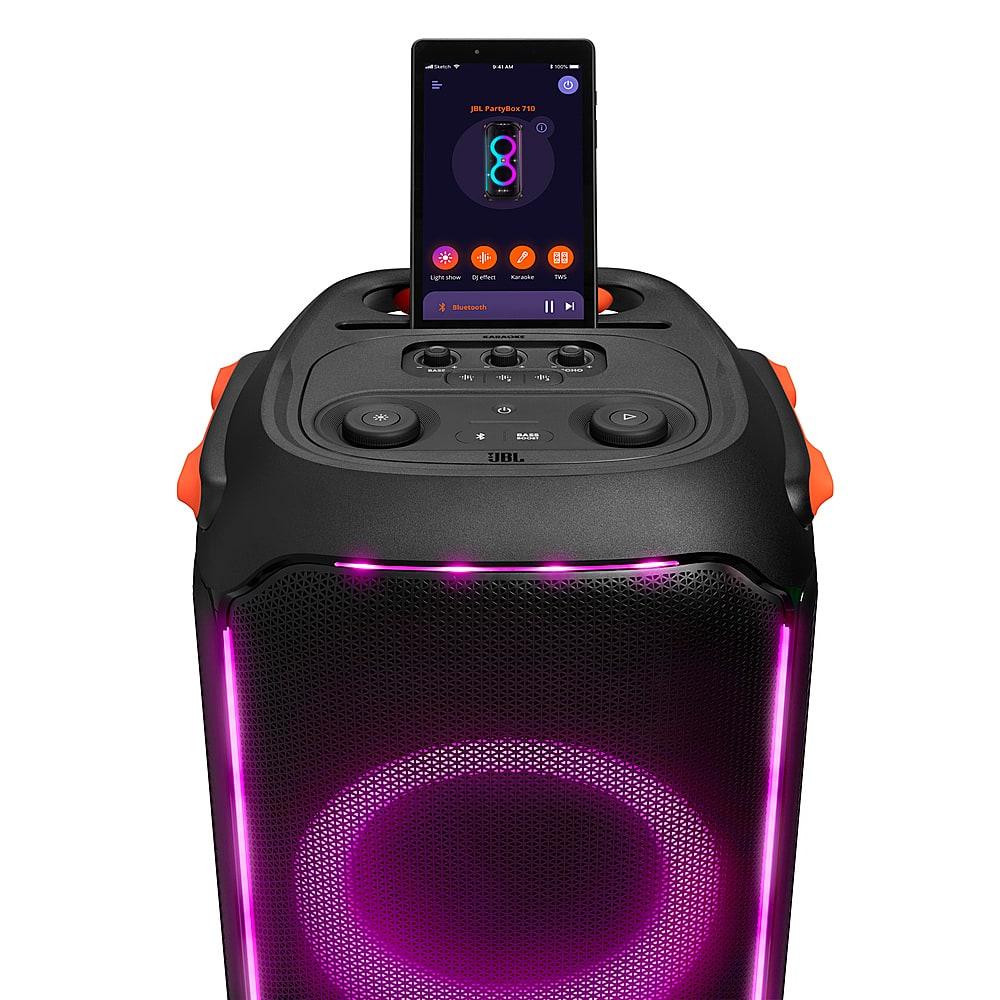
The lighting systems reflect each brand's overall philosophy. The JBL PartyBox 710 features elaborate RGB lighting with customizable strobes, starry night effects, and dynamic patterns that sync to the music beat. These lights are bright enough to contribute meaningfully to party ambiance, especially in darker environments.
The Sony SRS-XP700 includes RGB lighting but with more subdued intensity and simpler patterns. While controllable via the Sony apps, the lighting feels more like an accent feature rather than a primary party element.
Both speakers offer companion apps, but with different strengths. JBL's PartyBox app focuses on sound customization with graphic EQ controls and lighting management. Sony provides two apps: Music Center for technical controls and Fiestable for party-specific features like motion-controlled sound effects and playlist creation.
At the time of writing, these speakers occupy different value segments, with the Sony SRS-XP700 priced significantly lower than the JBL PartyBox 710. This price difference reflects their different approaches: Sony offers exceptional value for users who need battery portability and balanced performance, while JBL commands a premium for maximum power and bass impact.
For the Sony SRS-XP700, you're paying for engineering that successfully balances multiple priorities: decent power output, true portability, long battery life, and omnidirectional sound. The price-to-feature ratio is compelling, especially considering the 25-hour battery alone would justify a significant premium in this category.
The JBL PartyBox 710's higher price reflects its uncompromising approach to maximum performance. When you need to fill large spaces with authoritative sound and have access to electrical power, the additional cost delivers measurable performance benefits that cheaper alternatives simply cannot match.
Consider the long-term value equation: the Sony's battery will eventually degrade and need replacement after 2-3 years of heavy use, while the JBL's AC power design should provide consistent performance indefinitely. However, the Sony's versatility might mean you use it more frequently, potentially offering better value per use.
While neither speaker is designed primarily for home theater use, both can serve this role in specific scenarios. The JBL PartyBox 710's powerful output and clear midrange make it capable of handling movie soundtracks with authority, though its bass-heavy tuning might overwhelm dialogue without EQ adjustment.
The Sony SRS-XP700's more balanced frequency response actually makes it better suited for movie watching, particularly in large living spaces where traditional soundbars might struggle. Its omnidirectional design helps create immersive sound fields for viewers positioned around the room.
However, both speakers exhibit some Bluetooth latency (audio delay) that can cause lip-sync issues with video content. This problem varies by device and can often be corrected through TV audio delay settings, but it's worth considering if home theater use is a primary intended application.
The Sony SRS-XP700 makes the most sense for users who prioritize versatility and value. If you need a speaker that can handle medium-to-large gatherings, work in locations without power access, and deliver balanced sound across music genres, Sony's approach wins decisively. It's particularly appealing for younger users who might take their speaker on camping trips, to the beach, or to friends' houses where power availability isn't guaranteed.
The JBL PartyBox 710 justifies its premium positioning for users who have identified maximum power as their primary need. If you regularly host large outdoor parties, need to compete with significant ambient noise, or simply want the most impressive bass response possible, JBL's no-compromise approach delivers results that smaller speakers cannot match.
For most users considering these speakers, the Sony represents the sweet spot of performance, features, and price. Its battery operation alone opens up use cases that the JBL simply cannot address, while its sound quality remains impressive for the majority of party scenarios.
However, if you've experienced the JBL PartyBox 710 in person and been impressed by its raw power and bass impact, no amount of added features will make the Sony feel like an adequate substitute. In audio, as in many things, there's no replacement for genuine performance when that's what you prioritize.
The decision ultimately comes down to your specific use cases, budget, and performance priorities. Both speakers represent excellent execution of their respective design philosophies—choose based on which philosophy better matches your needs.
| JBL PartyBox 710 | Sony SRS-XP700 |
|---|---|
| Power Output - Determines maximum volume and venue size coverage | |
| 800W RMS (fills large outdoor spaces, up to 1/3 acre) | 60W RMS (suitable for medium gatherings, backyard parties) |
| Power Source - Critical for portability and venue flexibility | |
| AC power only (must stay plugged in) | Built-in battery with 25-hour playback + quick charge |
| Weight & Portability - Affects ease of transport and setup | |
| 61 lbs with wheels and handle (heavy but rollable on flat surfaces) | 37 lbs with dual handles (39% lighter, easier to carry) |
| Bass Performance - Key for dance music and party atmosphere | |
| Dual 8" woofers, 35Hz response, physical bass you can feel | X-Balanced woofers with passive radiators, controlled bass |
| Sound Dispersion - How evenly sound fills the space | |
| Front-facing design with excellent forward projection | Omnidirectional with 4 tweeters (360-degree coverage) |
| Multi-Speaker Connectivity - For larger events or stereo setup | |
| True Wireless Stereo (pair two PartyBox 710 units) | Party Connect (link up to 100 Sony speakers) |
| Lighting Effects - Visual impact for party atmosphere | |
| Elaborate RGB with strobes, starry night, and club patterns | Basic RGB lighting with simple patterns |
| Microphone Inputs - For karaoke and announcements | |
| Dual mic inputs with independent controls and vocal effects | Single mic input plus guitar input |
| Weather Resistance - Protection for outdoor use | |
| IPX4 splashproof (handles poolside splashes) | IPX4 splashproof (same protection level) |
| Audio Quality Features - Enhanced sound processing | |
| Bass Boost modes (Deep/Punchy), PartyBox app EQ | MEGA BASS, Clear Audio+, LDAC codec support |
| Price Category - Value positioning at time of writing | |
| Premium pricing for maximum performance | Mid-range pricing with excellent feature set |
The JBL PartyBox 710 is significantly louder with 800W RMS compared to the Sony SRS-XP700's 60W RMS. The JBL can fill large outdoor spaces up to 1/3 acre, while the Sony is better suited for medium-sized gatherings. If maximum volume is your priority, the JBL PartyBox 710 delivers superior performance.
The Sony SRS-XP700 has a built-in battery providing up to 25 hours of playback, making it truly portable. The JBL PartyBox 710 requires AC power at all times and must stay plugged into an outlet. For outdoor events without electricity, the Sony SRS-XP700 is the only viable option.
The JBL PartyBox 710 delivers superior bass with dual 8-inch woofers that produce deep, physical bass you can feel in your chest. The Sony SRS-XP700 has good bass for its size but cannot match the visceral impact of the JBL. For bass-heavy music like EDM or hip-hop, the JBL PartyBox 710 provides a more authentic party experience.
The Sony SRS-XP700 weighs 37 pounds with dual handles for carrying. The JBL PartyBox 710 weighs 61 pounds but includes wheels and a telescoping handle for rolling. While the Sony SRS-XP700 is 39% lighter and easier to carry, both speakers are designed for portability despite their substantial weight.
Both speakers support karaoke with microphone inputs. The JBL PartyBox 710 has dual microphone inputs with independent controls and vocal effects like echo, making it better for multiple performers. The Sony SRS-XP700 has a single microphone input that works well for basic karaoke needs.
The Sony SRS-XP700 offers exceptional value with its battery operation, balanced sound, and comprehensive features at a lower price point. The JBL PartyBox 710 costs more but delivers significantly more power and bass impact. Your choice depends on whether you prioritize maximum performance or balanced features with portability.
Both the JBL PartyBox 710 and Sony SRS-XP700 have IPX4 splash resistance, protecting against water splashes from any direction. They're suitable for poolside use and light rain but are not fully waterproof for submersion. Both speakers can handle typical outdoor party conditions safely.
Yes, both offer multi-speaker connectivity but with different approaches. The JBL PartyBox 710 uses True Wireless Stereo to pair two units for stereo sound. The Sony SRS-XP700 features Party Connect technology that can link up to 100 compatible Sony speakers for massive installations.
For large outdoor events, the JBL PartyBox 710 is superior due to its massive power output and venue-filling capability. However, it requires electrical access. The Sony SRS-XP700 is better for outdoor events without power access, camping, or beach parties thanks to its 25-hour battery life.
Both speakers include RGB lighting effects. The JBL PartyBox 710 features elaborate lighting with strobes, starry night effects, and dynamic club patterns that sync to music. The Sony SRS-XP700 has more basic RGB lighting with simple patterns. The JBL PartyBox 710 provides a more impressive visual experience.
The Sony SRS-XP700 offers more balanced sound across diverse music genres with its omnidirectional design and neutral frequency response. The JBL PartyBox 710 excels with bass-heavy genres like EDM and hip-hop but may sound bass-heavy for acoustic or vocal music. The Sony SRS-XP700 is more versatile for varied playlists.
While not designed for home theater, both can serve this purpose in large rooms. The Sony SRS-XP700 is better suited for movies due to its balanced frequency response and omnidirectional sound. The JBL PartyBox 710 can handle movie soundtracks but its bass-heavy tuning may overwhelm dialogue. Both may have Bluetooth latency issues with video content.
We've done our best to create useful and informative comparisons to help you decide what product to buy. Our research uses advanced automated methods to create this comparison and perfection is not possible - please contact us for corrections or questions. These are the sites we've researched in the creation of this article: rtings.com - audioadvice.com - crutchfield.com - youtube.com - bestbuy.com - rtings.com - youtube.com - youtube.com - youtube.com - versus.com - worldwidestereo.com - rtings.com - jbl.com - youtube.com - expertvoice.com - jbl.com - jbl.com.tw - robot-advance.com - youtube.com - hu.harmanaudio.com - onward.ph - harmanaudio.in - youtube.com - youtube.com - manuals.plus - global.jbl.com - de.jbl.com - ro.harmanaudio.com - bestbuy.com - rtings.com - crutchfield.com - versus.com - rtings.com - youtube.com - versus.com - electronics.sony.com - youtube.com - youtube.com - youtube.com - youtube.com - crutchfield.com - armorsound.com - sony-asia.com - helpguide.sony.net - helpguide.sony.net - videoandaudiocenter.com - sony.com - sony.com - sony-asia.com - sony.com - sony.com - bestbuy.com - device.report - bestbuy.com

Privacy Policy
Terms and Conditions - Affiliate Policy
Home Security
© Copyright 2008-2026.
11816 Inwood Rd #1211, Dallas, TX 75244