

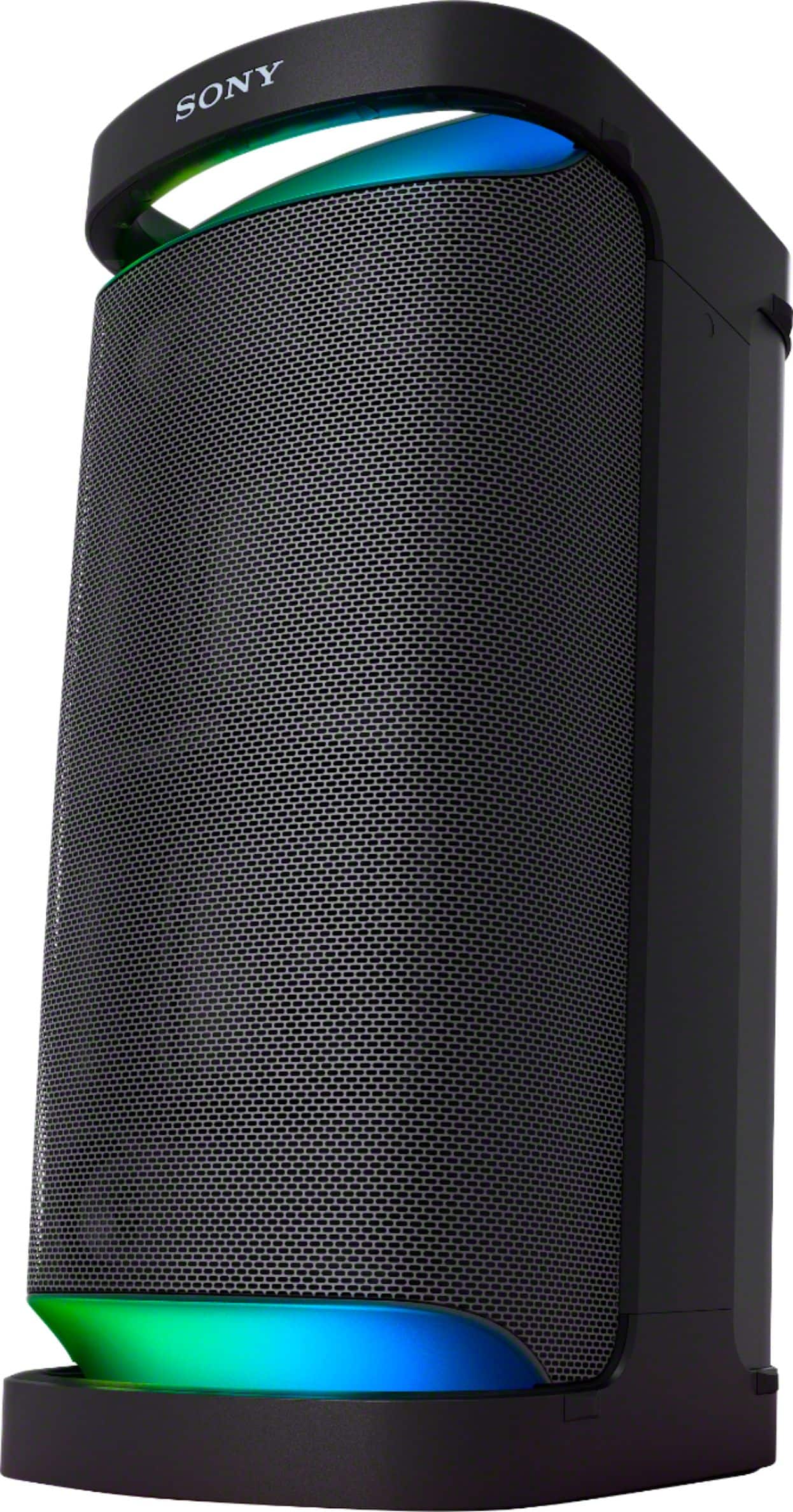
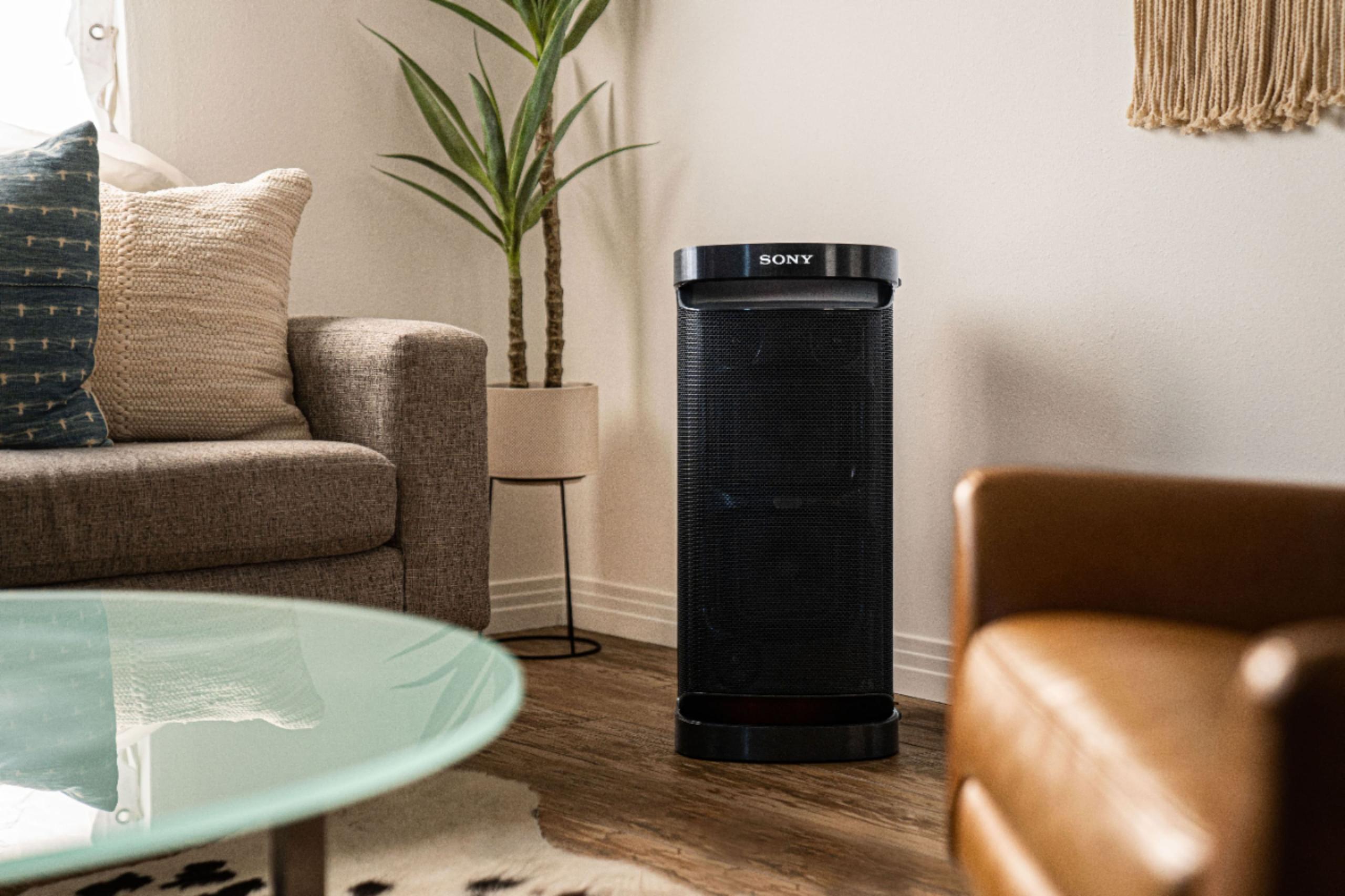
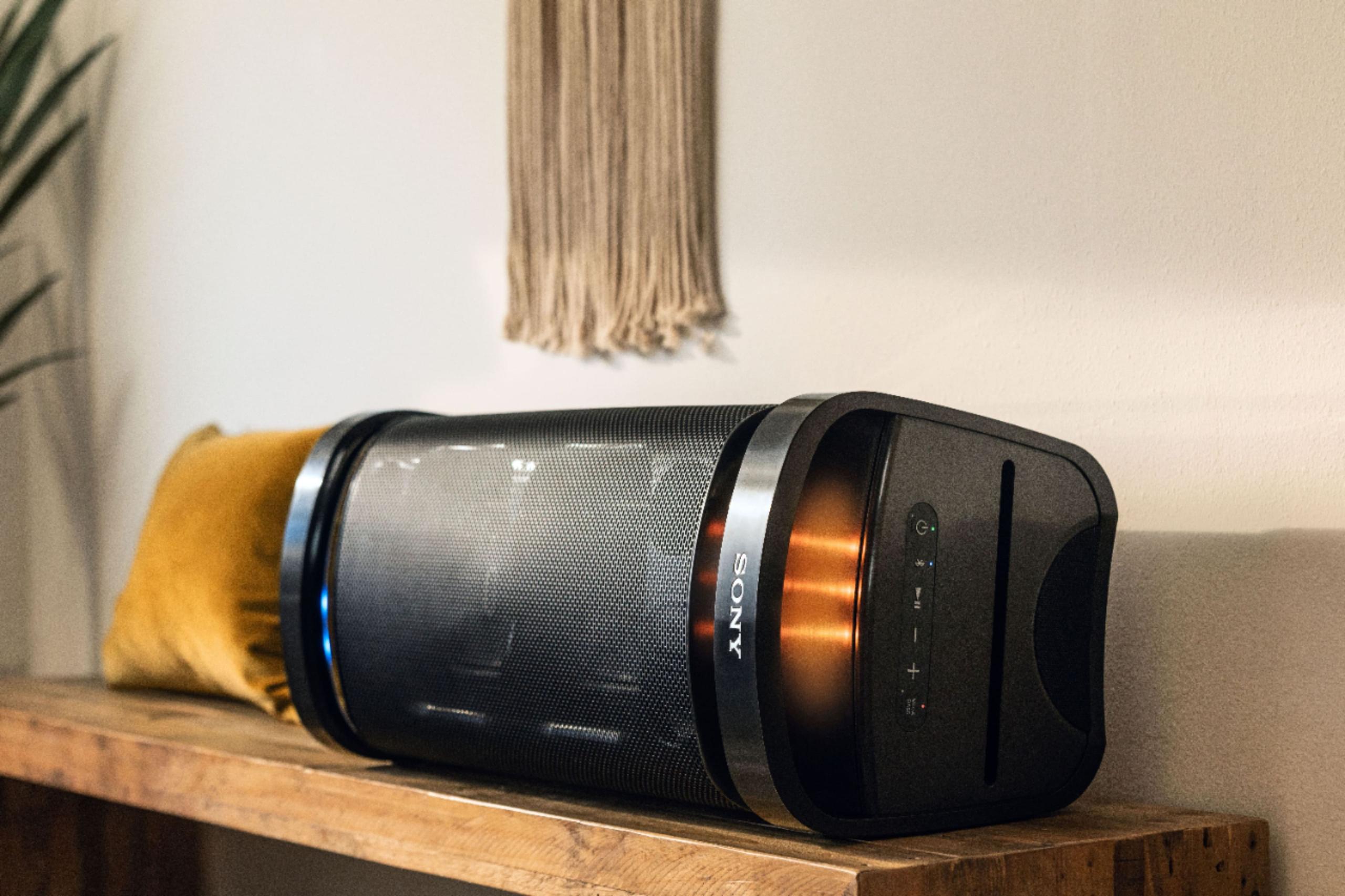
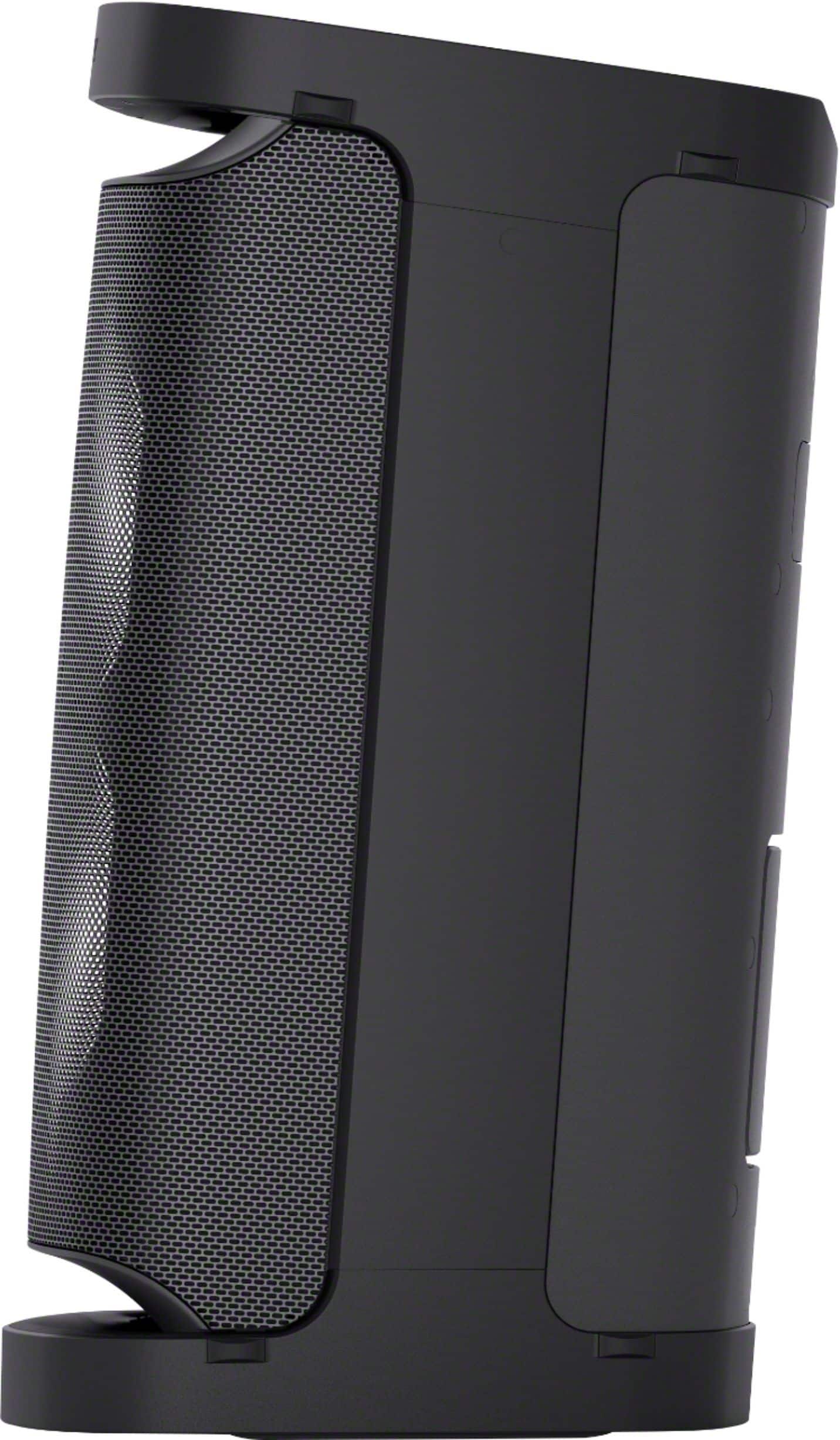
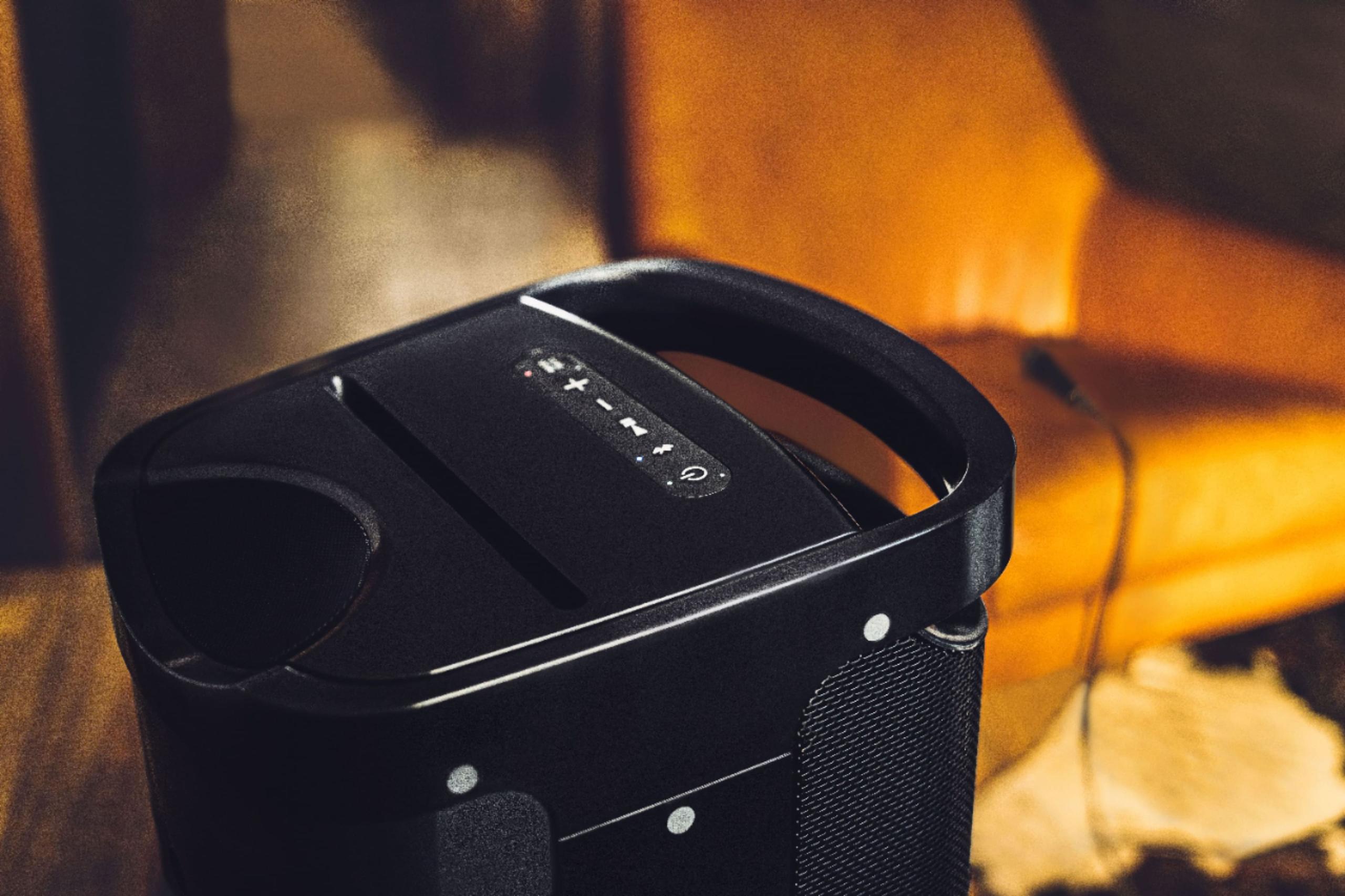
When you're shopping for a speaker that can really fill a room—or your entire backyard—with sound, you're entering the world of portable party speakers. These aren't your typical Bluetooth speakers that sit on a desk. We're talking about speakers designed to be the centerpiece of your gathering, whether that's a basement party, a barbecue, or even enhancing your home theater setup.
Sony has two compelling options in this space: the premium SRS-XV900 and the more affordable SRS-XP700. Both promise to deliver party-worthy sound, but they take notably different approaches to getting there. Understanding these differences is crucial because the wrong choice could leave you either overspending on features you don't need or underwhelmed by performance when it matters most.
Before diving into the specifics, it's worth understanding what separates party speakers from regular portable speakers. The key factors are maximum volume without distortion, bass that you can actually feel, battery life that lasts through extended gatherings, and features that enhance social experiences like microphone inputs and lighting effects.
The most critical performance metric is how loud these speakers can get while maintaining sound clarity. This is often measured in decibels (dB), but more importantly, it's about how the speaker handles dynamic range—the difference between the quietest and loudest sounds in your music—at high volumes. A speaker might get loud, but if the bass becomes muddy or the highs turn harsh when you crank it up, it defeats the purpose.
The Sony SRS-XV900 arrived in 2022 as Sony's flagship party speaker, positioned squarely in the premium tier. At the time of writing, it typically commands prices in the $600-900 range, depending on current promotions. The Sony SRS-XP700, released a year earlier in 2021, targets the value-conscious buyer and currently sells for roughly $350-450.
This price difference isn't arbitrary—it reflects meaningful differences in engineering, materials, and capabilities. The question is whether those differences matter for your specific needs and whether they justify the premium.
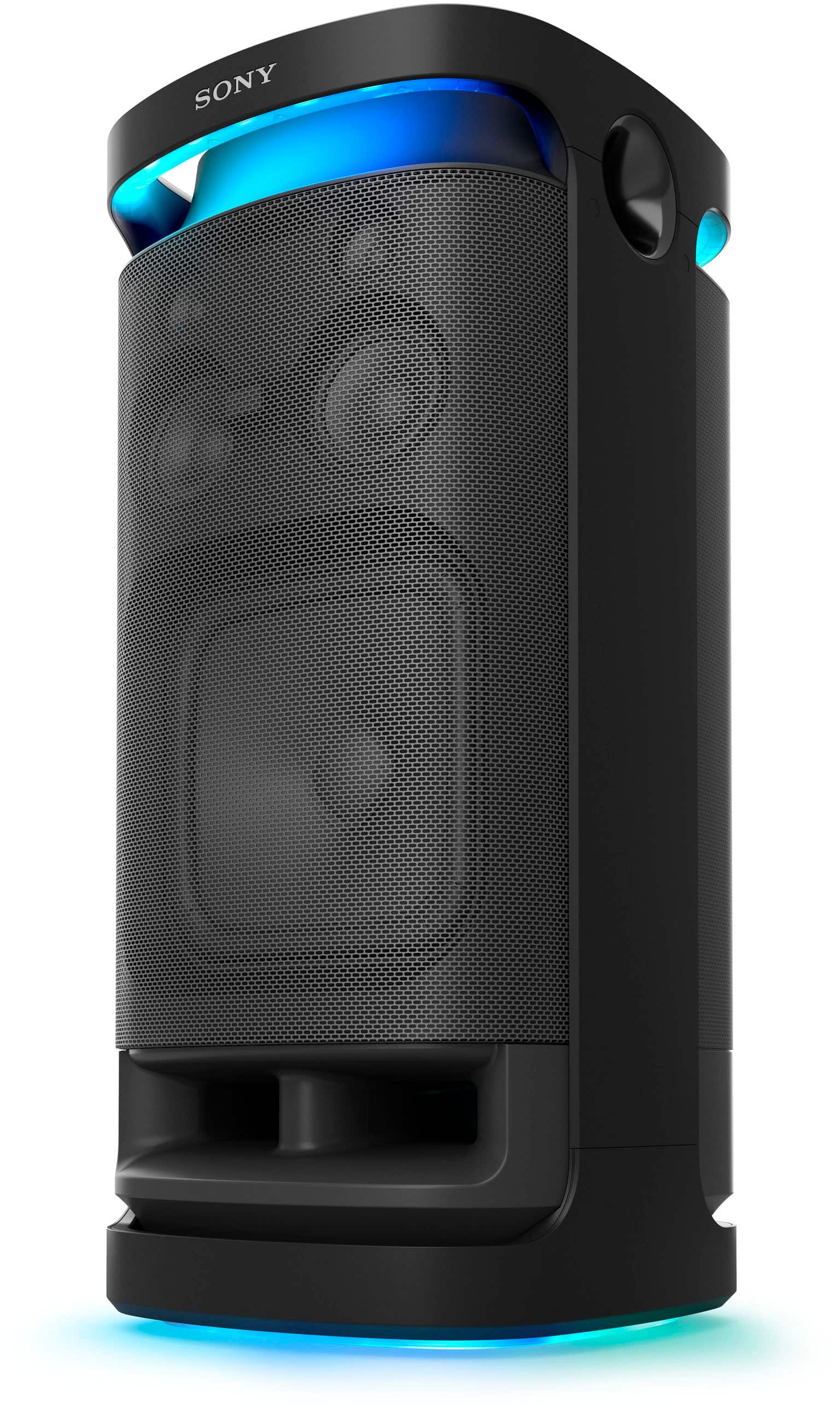
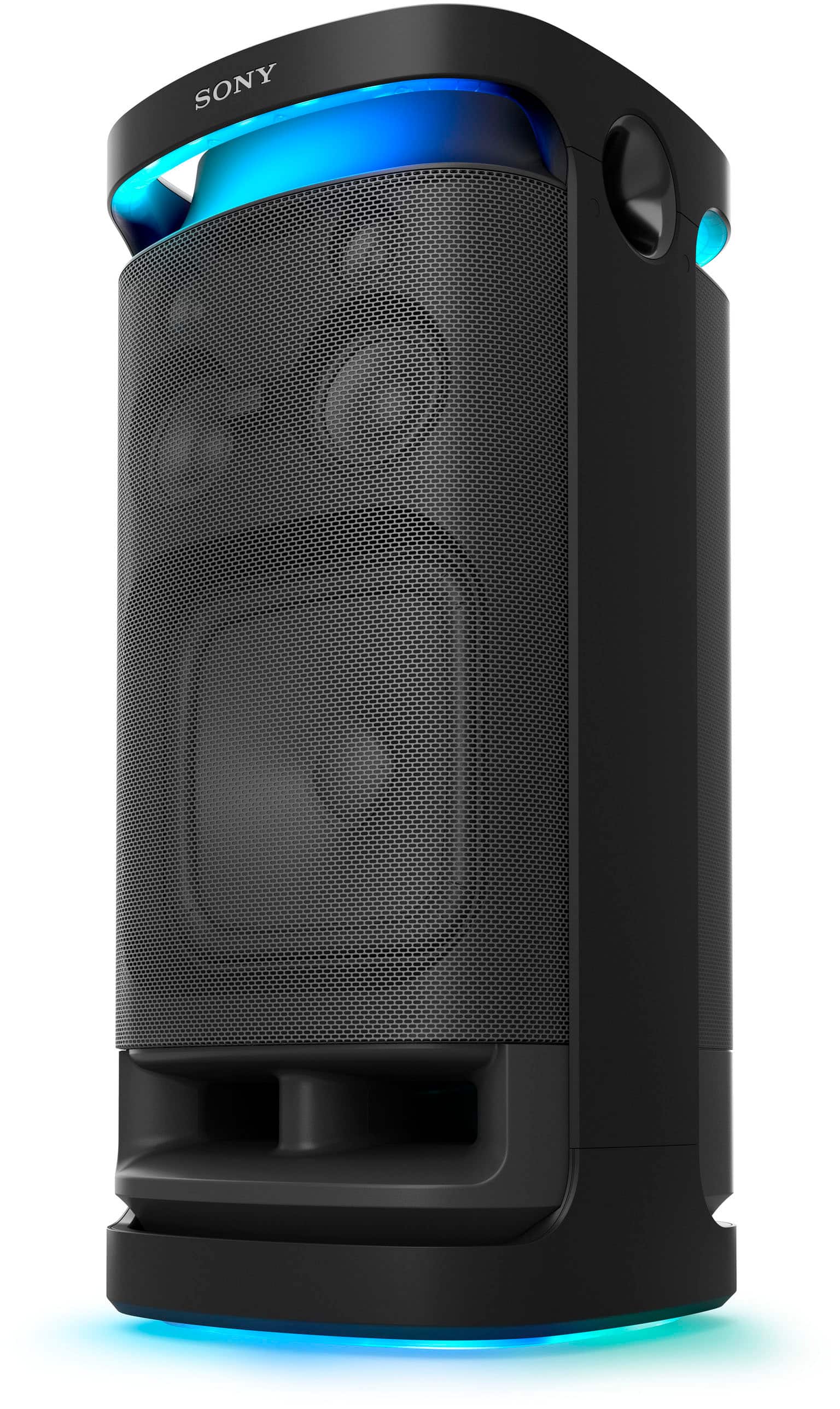
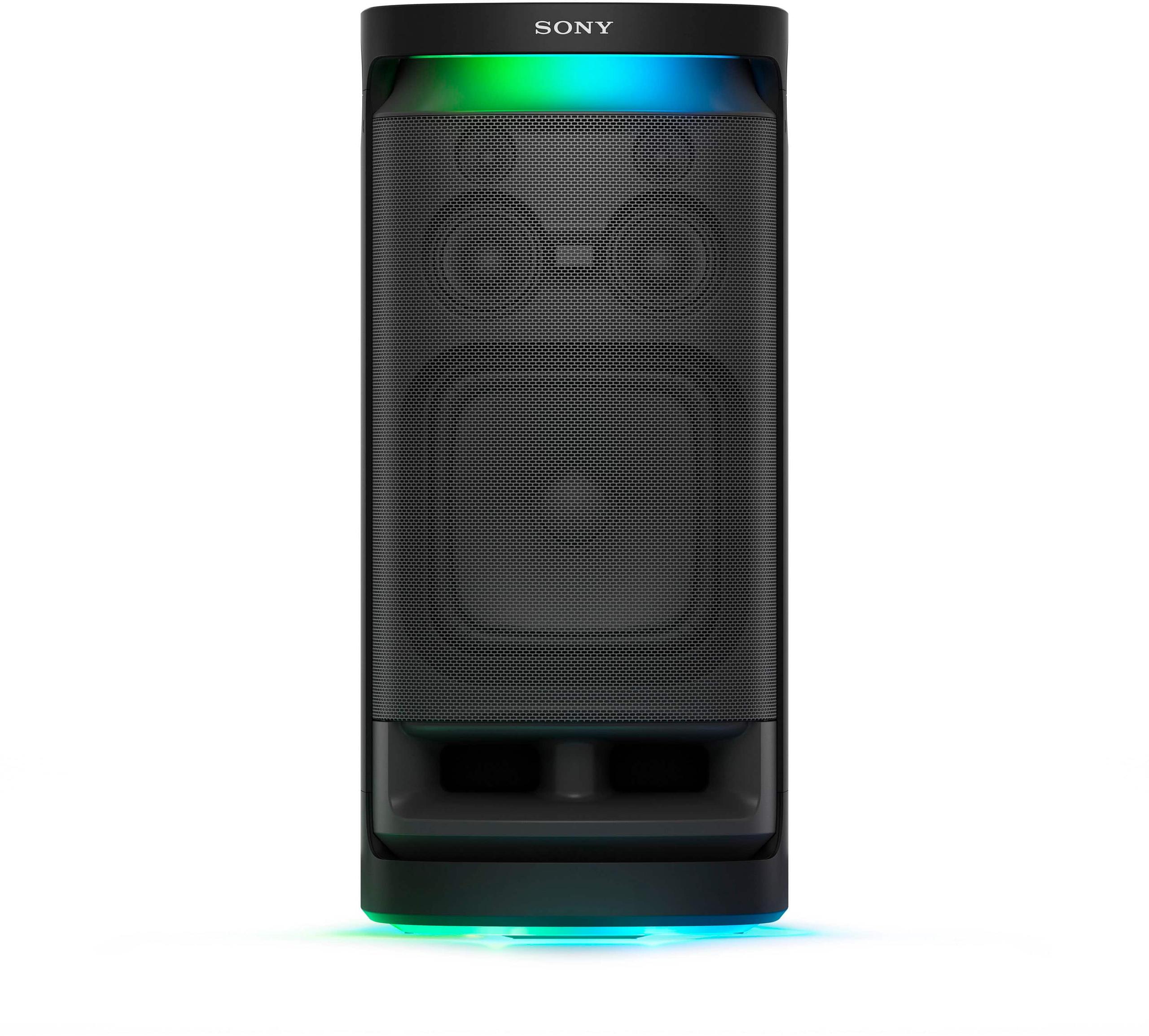
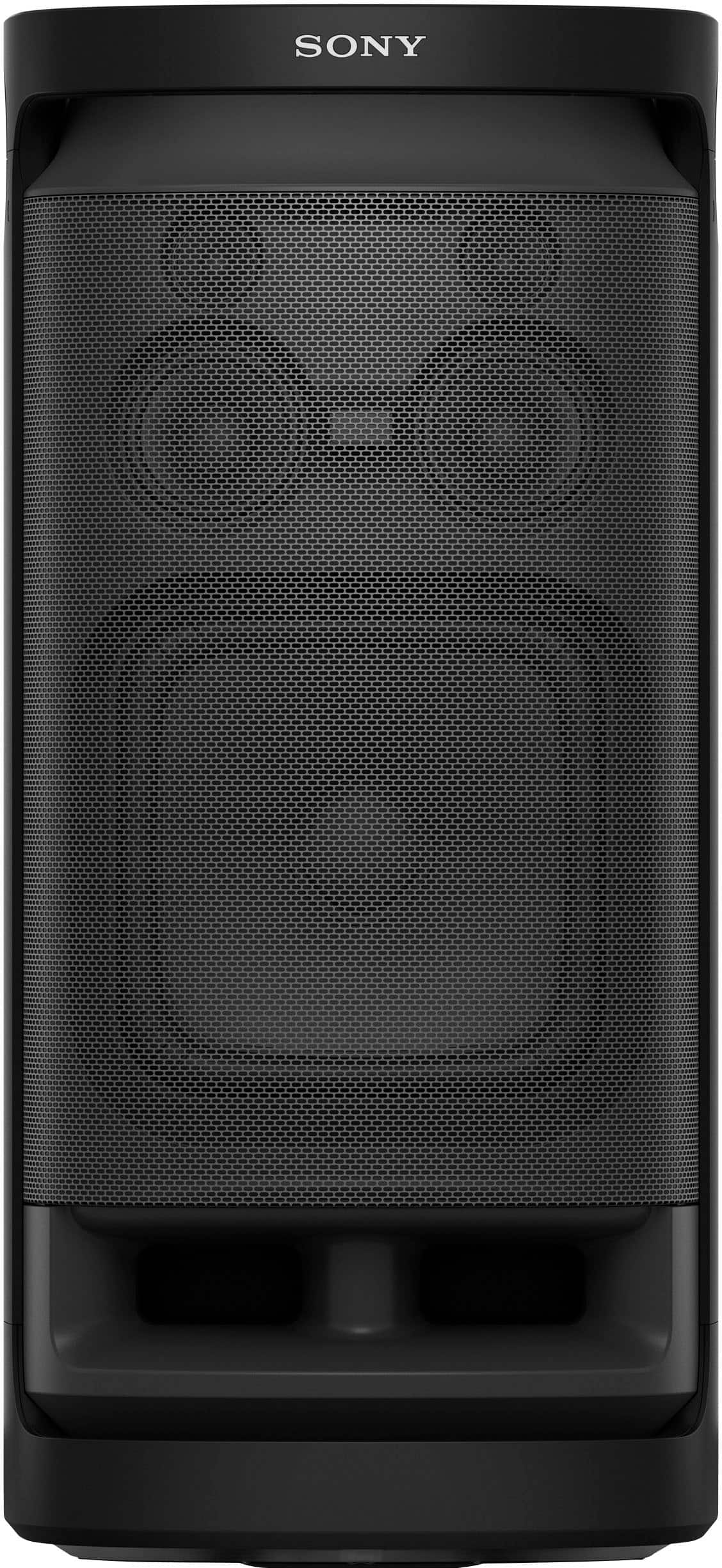
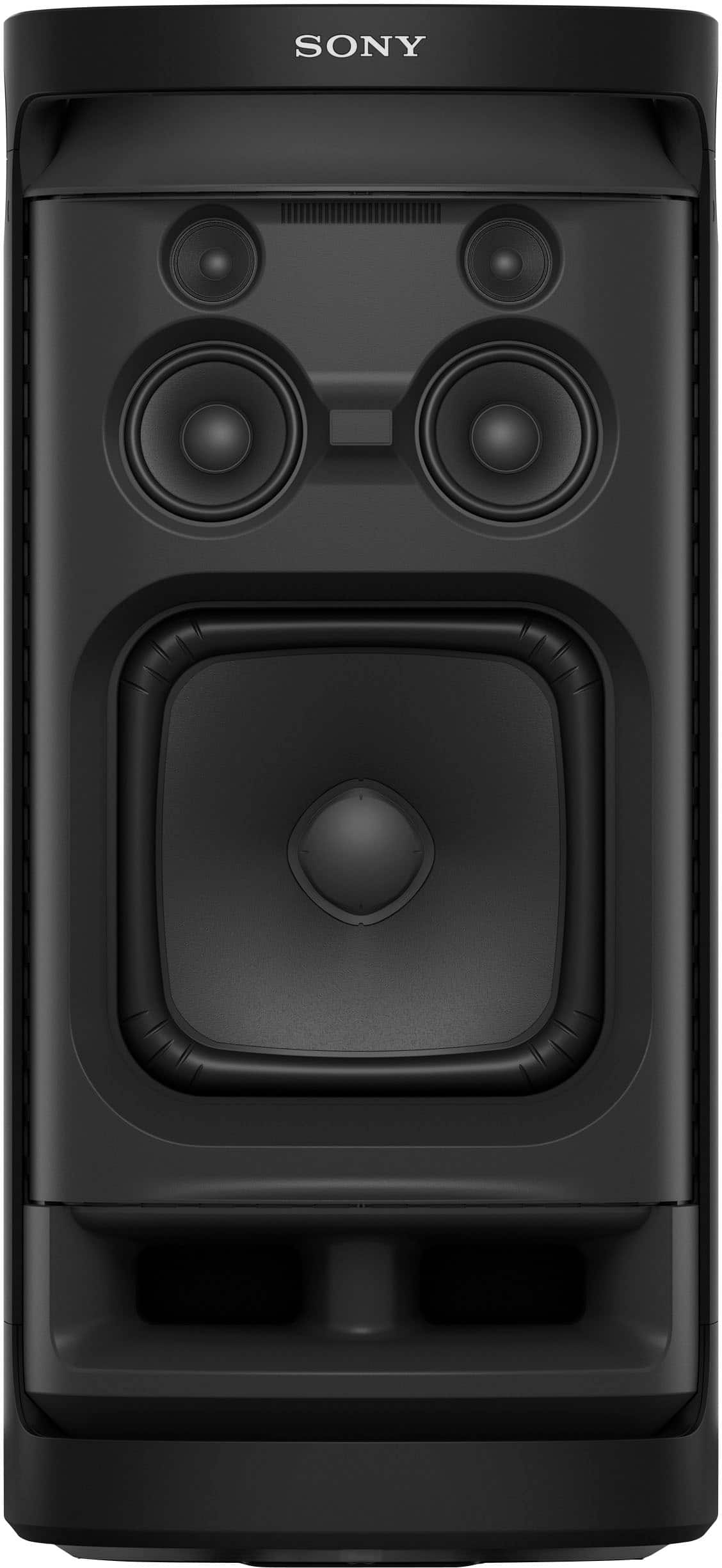
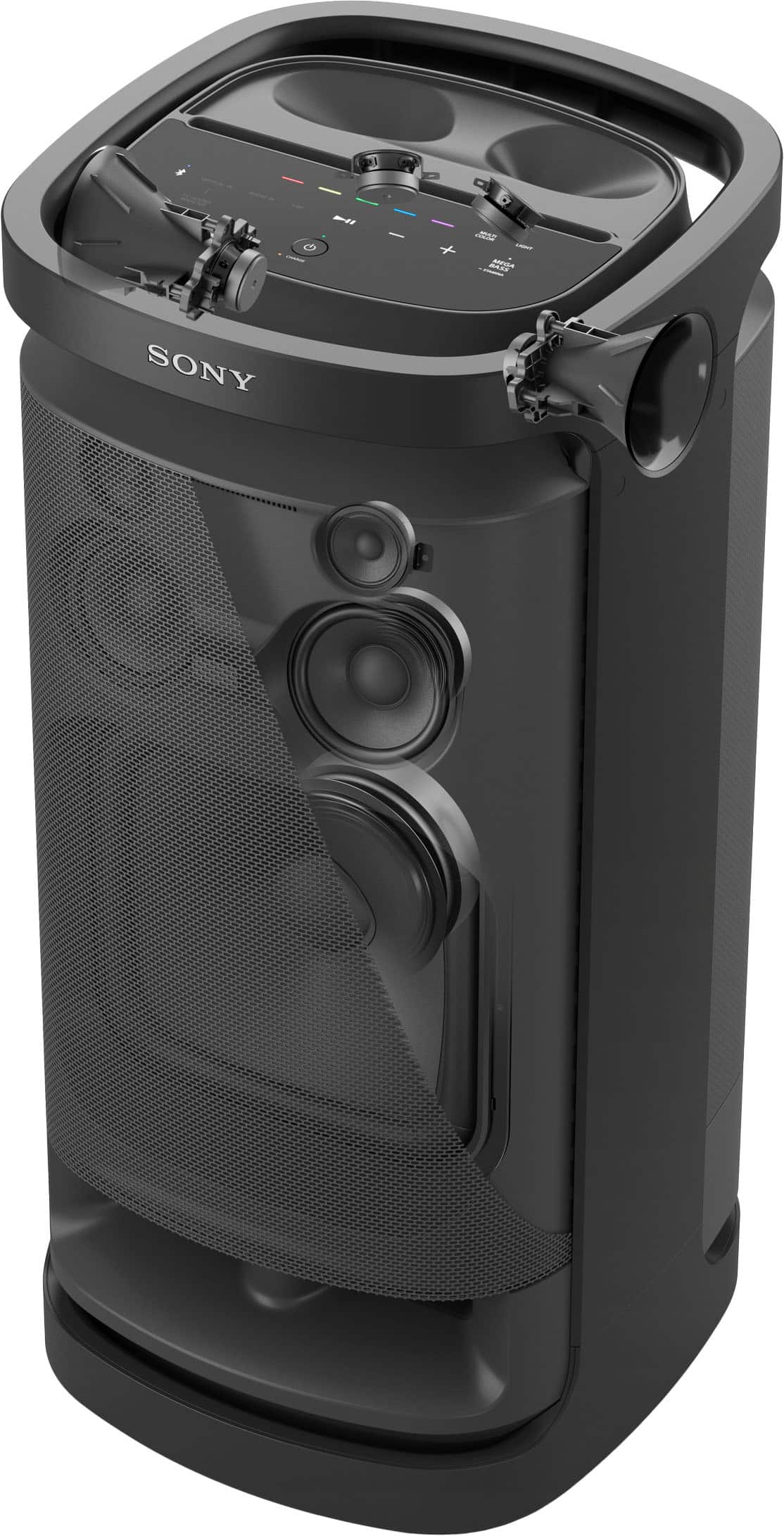
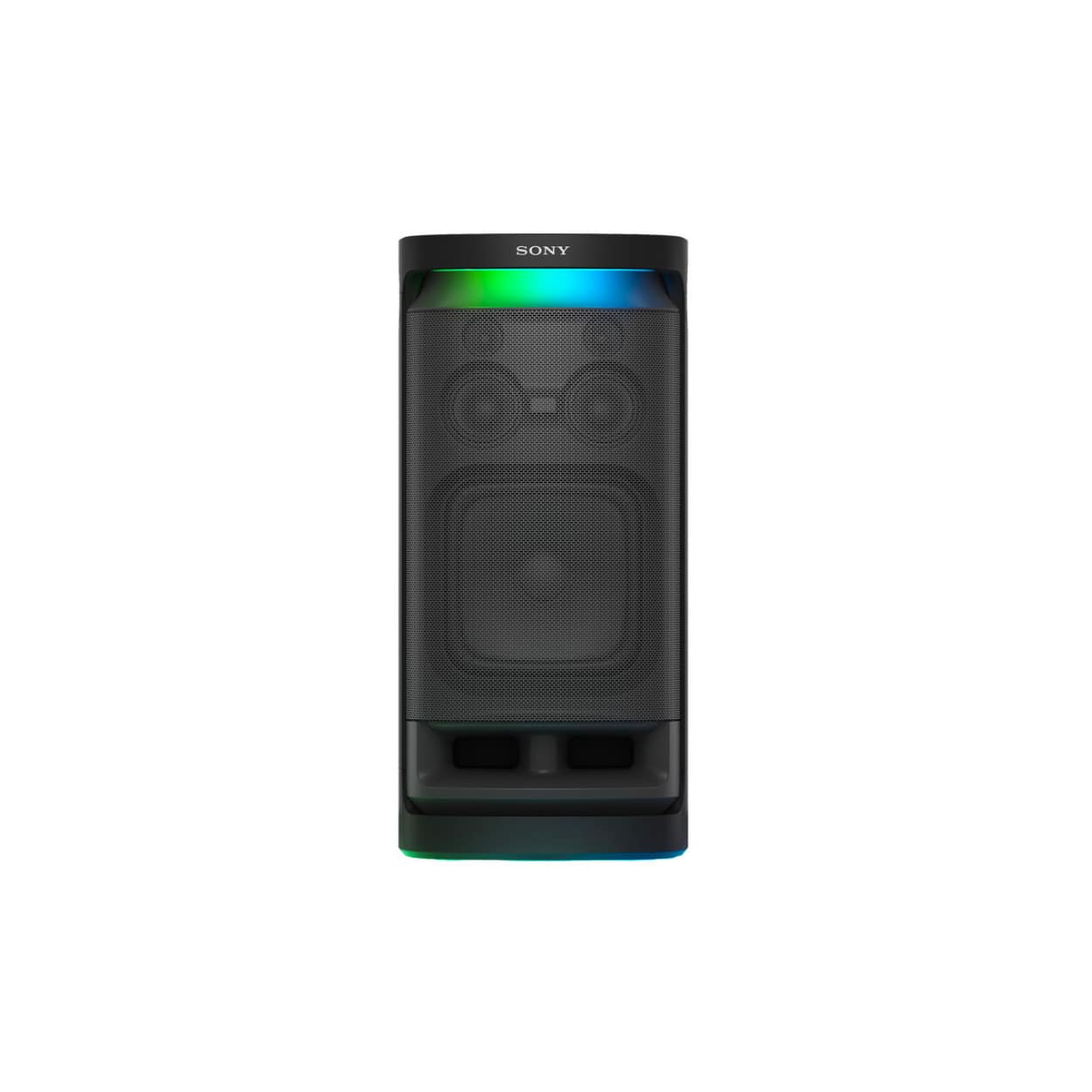
The SRS-XV900 employs what Sony calls a three-way speaker system, which means it dedicates different drivers to handling different frequency ranges. At the heart sits a massive 12.6-inch X-Balanced woofer—that rectangular driver design you might notice looks different from traditional round speakers. This shape actually allows for a larger surface area within the same footprint, theoretically producing more air movement and deeper bass response.
What's particularly impressive about the XV900 is its frequency response range of 20Hz to 20kHz. That 20Hz low-end figure is remarkable for a portable speaker. To put this in perspective, most home subwoofers don't reach much lower, and it's well below what most people can actually hear (human hearing typically bottoms out around 20Hz anyway). This means the speaker can reproduce the deepest bass notes in electronic music or the rumble of movie explosions with surprising accuracy.
The XV900 also features six tweeters—the small drivers responsible for high-frequency sounds like cymbals and vocals—strategically positioned around the speaker cabinet. Two face forward, two point to each side, and two aim upward and backward. This creates what Sony calls "omnidirectional sound," meaning the audio disperses more evenly throughout a space rather than beaming primarily in one direction.
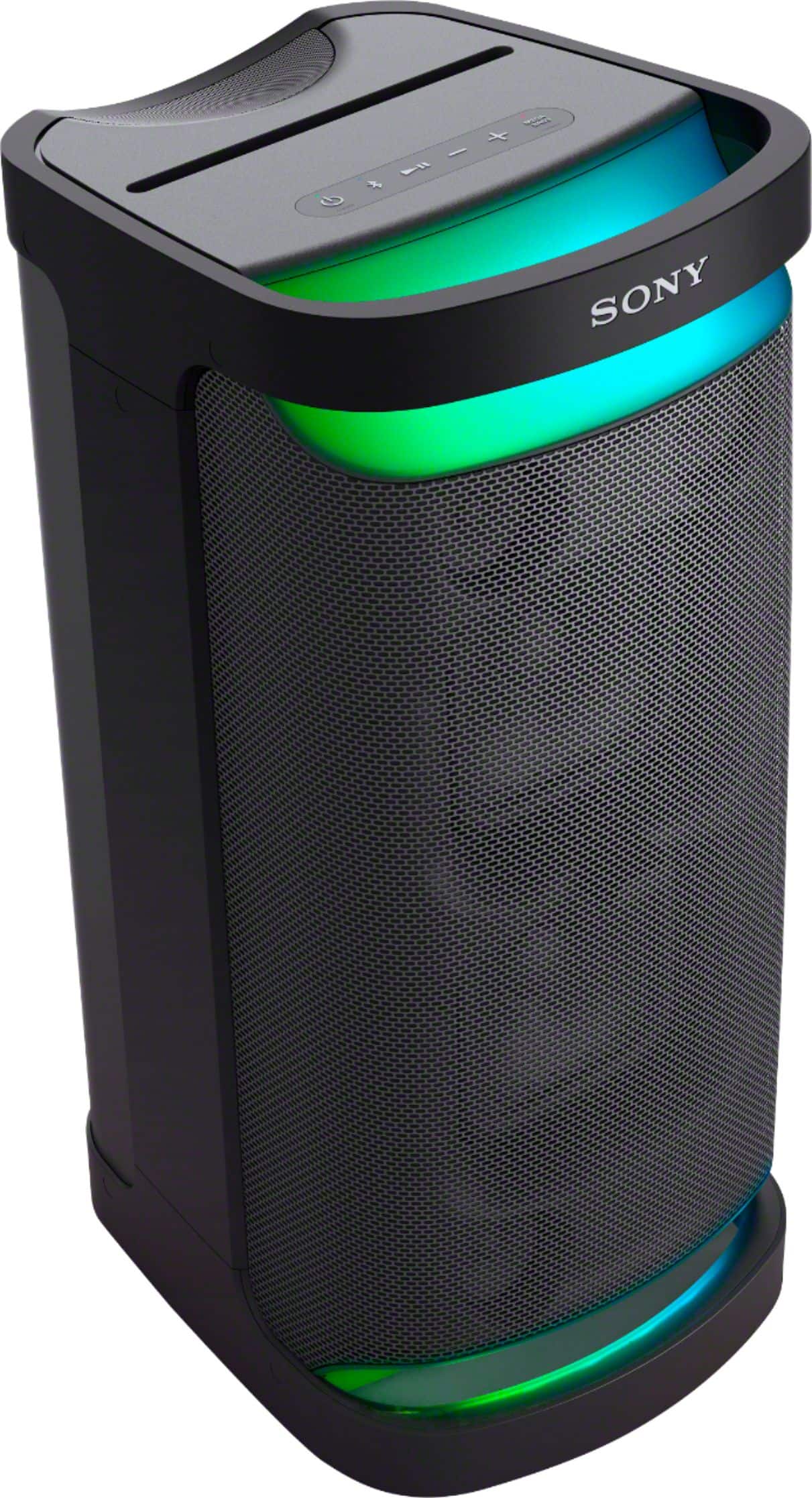
The SRS-XP700, while less sophisticated on paper, takes a more traditional but proven approach. It uses dual front-firing woofers with Sony's X-Balanced technology, paired with a rear-firing passive radiator. A passive radiator is essentially a speaker driver without a motor—it moves in response to the air pressure created by the active drivers, effectively extending bass response without requiring additional amplification.
The XP700 focuses its four tweeters primarily toward the front, creating a more directional sound pattern. This can actually be beneficial in certain scenarios, like when the speaker is positioned against a wall or when you want to direct sound toward a specific area.
Based on extensive user feedback and professional reviews, the differences between these speakers become apparent when you push them hard. The XV900 maintains clarity and composure at high volumes that would cause the XP700 to start showing strain. Users consistently report that the XV900 delivers more balanced sound, with vocals that cut through the mix clearly and bass that feels powerful without overwhelming the midrange frequencies where most music lives.
The XP700, while capable, tends toward a more bass-heavy sound signature. This can be exciting for genres like hip-hop or electronic dance music, but it can make vocals and instruments sound muddied when you really crank the volume. However, for many users, this bass-forward character is exactly what they want from a party speaker.
Both speakers claim 25 hours of battery life, but this figure comes with significant caveats. These ratings assume moderate volume levels (typically around 25-30% of maximum), with lighting effects disabled, and often with bass-boosting features turned off. In real-world party scenarios—where you're likely using higher volumes, fun lighting, and bass enhancement—expect roughly 4-5 hours of continuous use.
What's more interesting is how these speakers perform when plugged into wall power. Both show noticeable improvements in dynamic range and bass impact when running on AC power rather than battery. This makes sense from an engineering perspective—batteries have limitations in how quickly they can deliver power, and these speakers demand a lot of it.
The XV900 seems to benefit more from being plugged in, likely due to its more demanding driver configuration. Users report that the bass becomes noticeably more impactful and the overall sound becomes more dynamic when wall-powered.
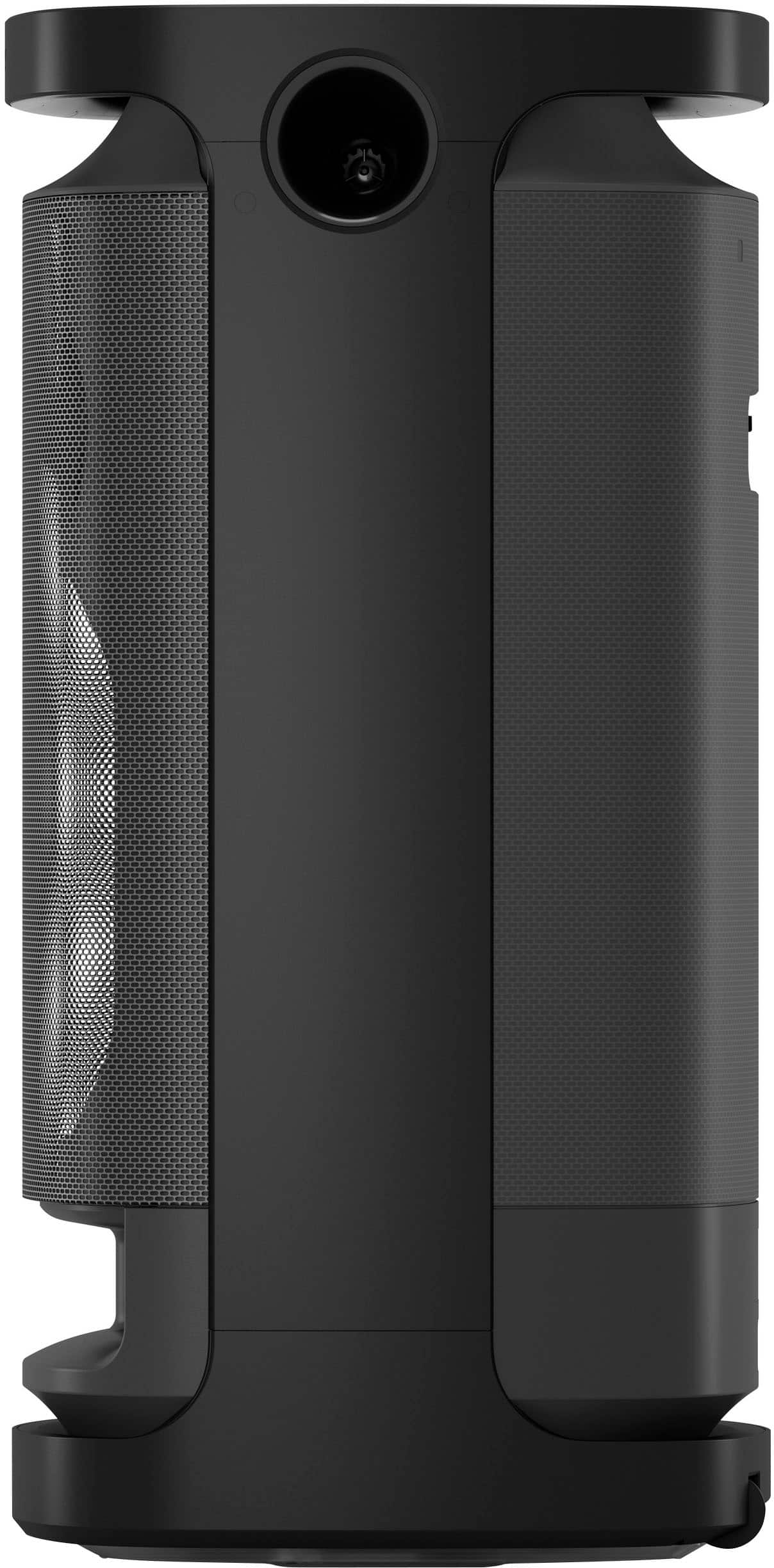
The SRS-XV900 feels unmistakably premium in construction. At nearly 60 pounds, it's a substantial piece of equipment that conveys quality through its heft. Sony included built-in wheels and a telescoping handle, acknowledging that this isn't something you'll casually pick up and move around.
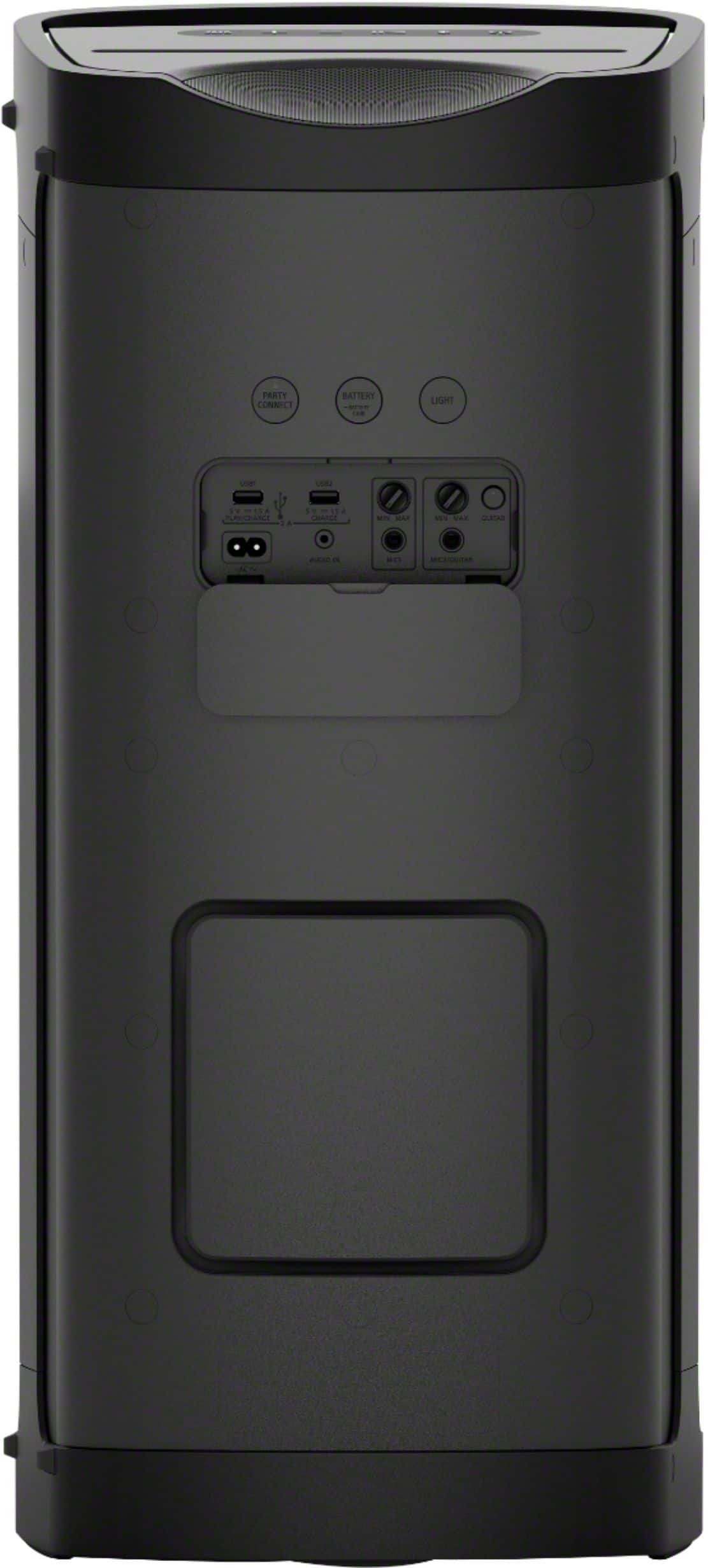
However, there's a puzzling design decision: despite being marketed as a portable speaker, the XV900 lacks any water resistance rating. This seems like a significant oversight for a speaker intended for parties, which often migrate outdoors or involve spilled drinks. The port panel on the back lacks rubber gaskets or covers, making it vulnerable to moisture damage.
The XP700 takes a more pragmatic approach to durability. Its IPX4 water resistance rating means it can handle splashes, light rain, and the inevitable party mishaps involving beverages. At 37 pounds, it's still hefty but more manageable for one person to move around.
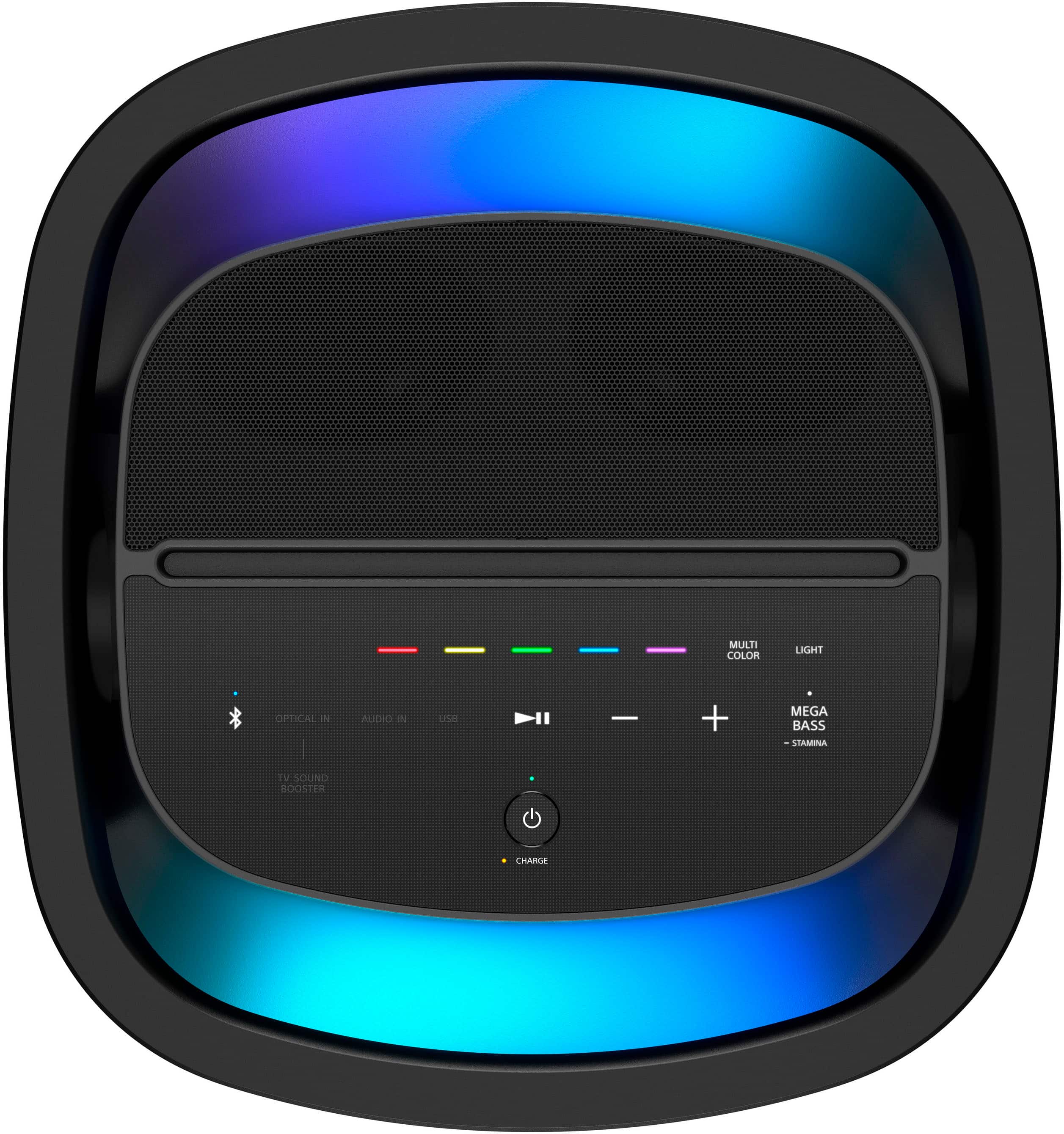
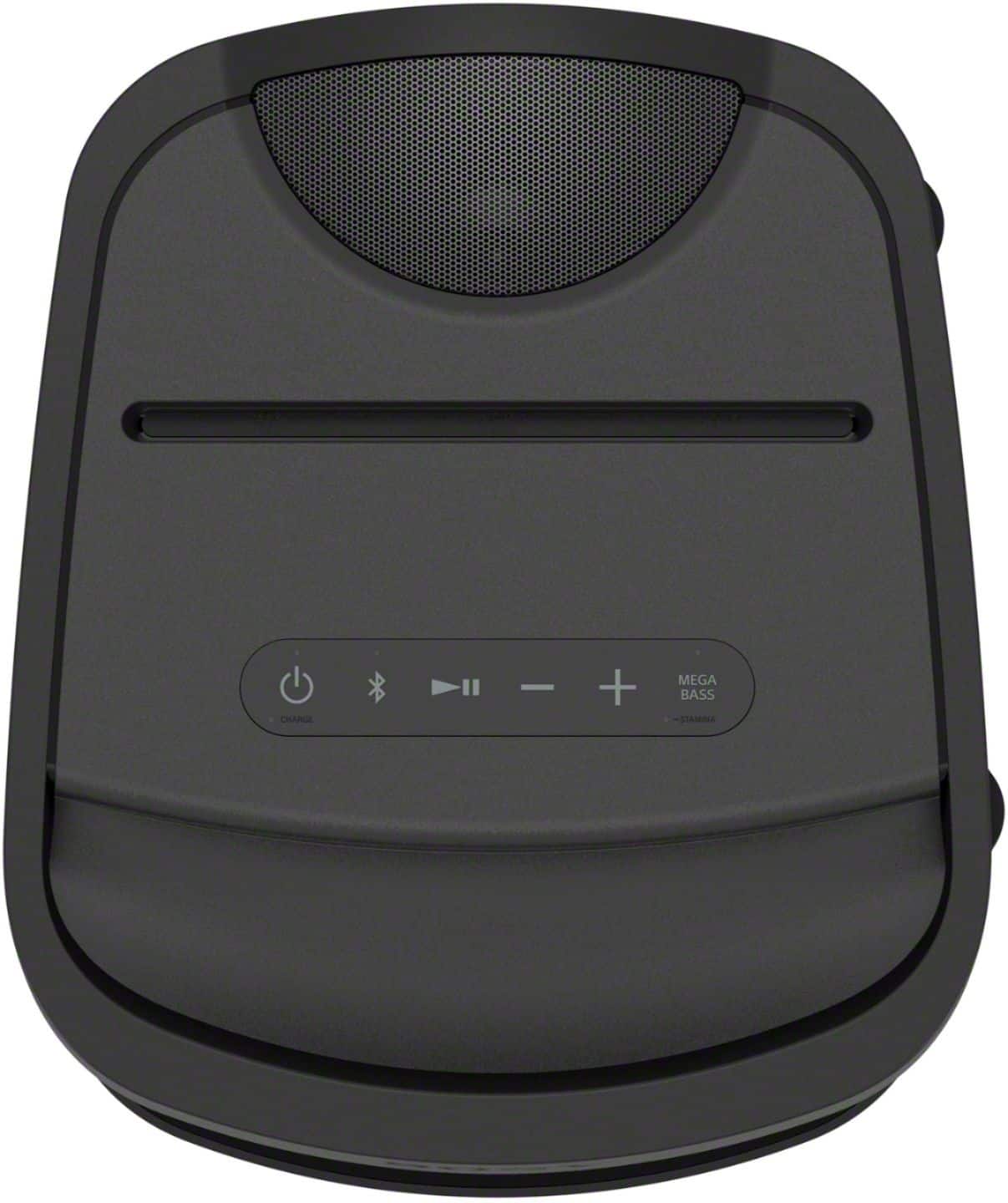
The trade-off is in perceived build quality—while solidly constructed, it doesn't have the premium feel of the XV900. The control buttons are physical rather than capacitive touch, which some users prefer for reliability, especially in outdoor conditions.
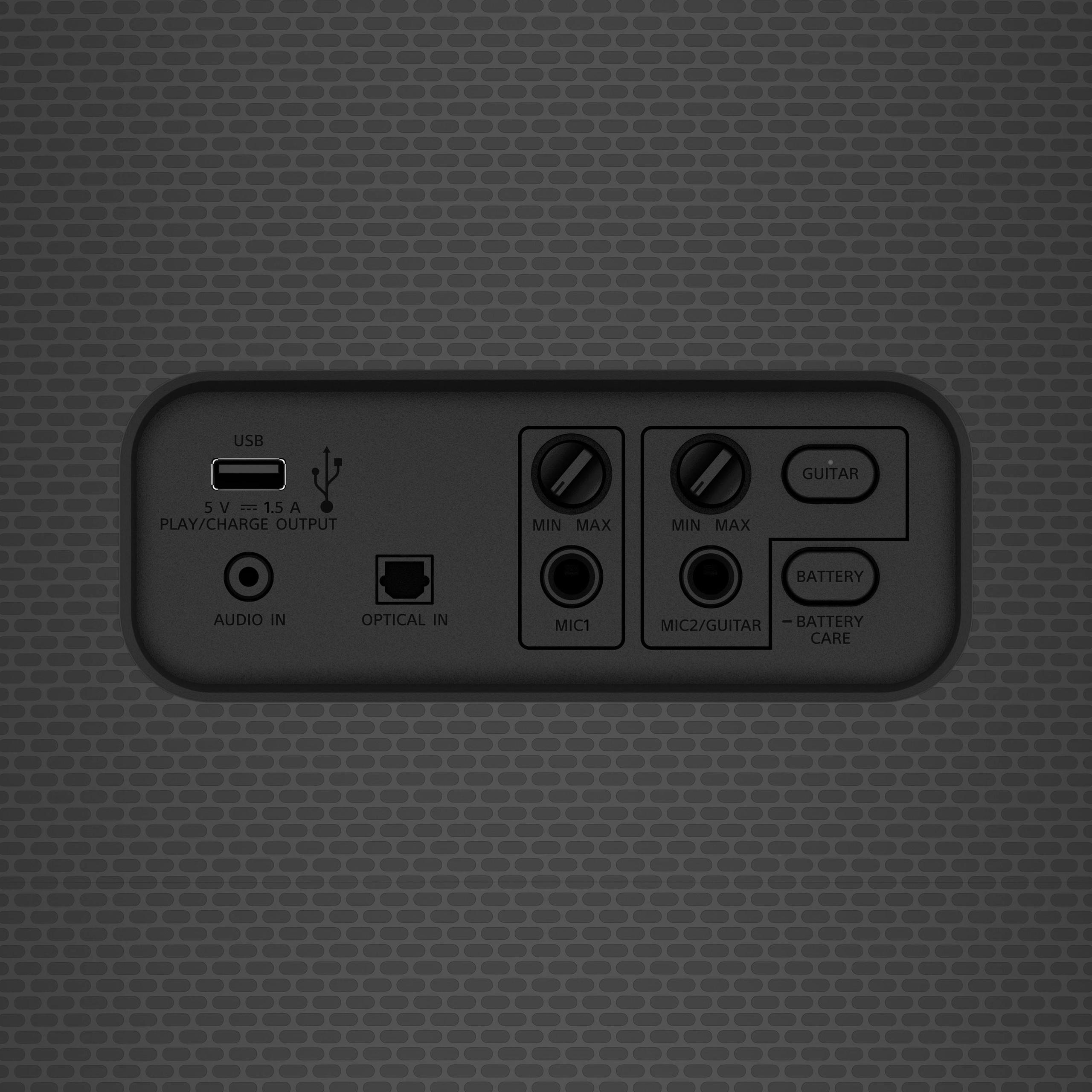
Both speakers offer comprehensive connectivity, but the XV900 includes some unique options. Most notably, it features an optical digital input, allowing direct connection to TVs, gaming consoles, and other digital audio sources. This transforms the speaker into a substantial soundbar alternative, which can be particularly appealing for home theater use.
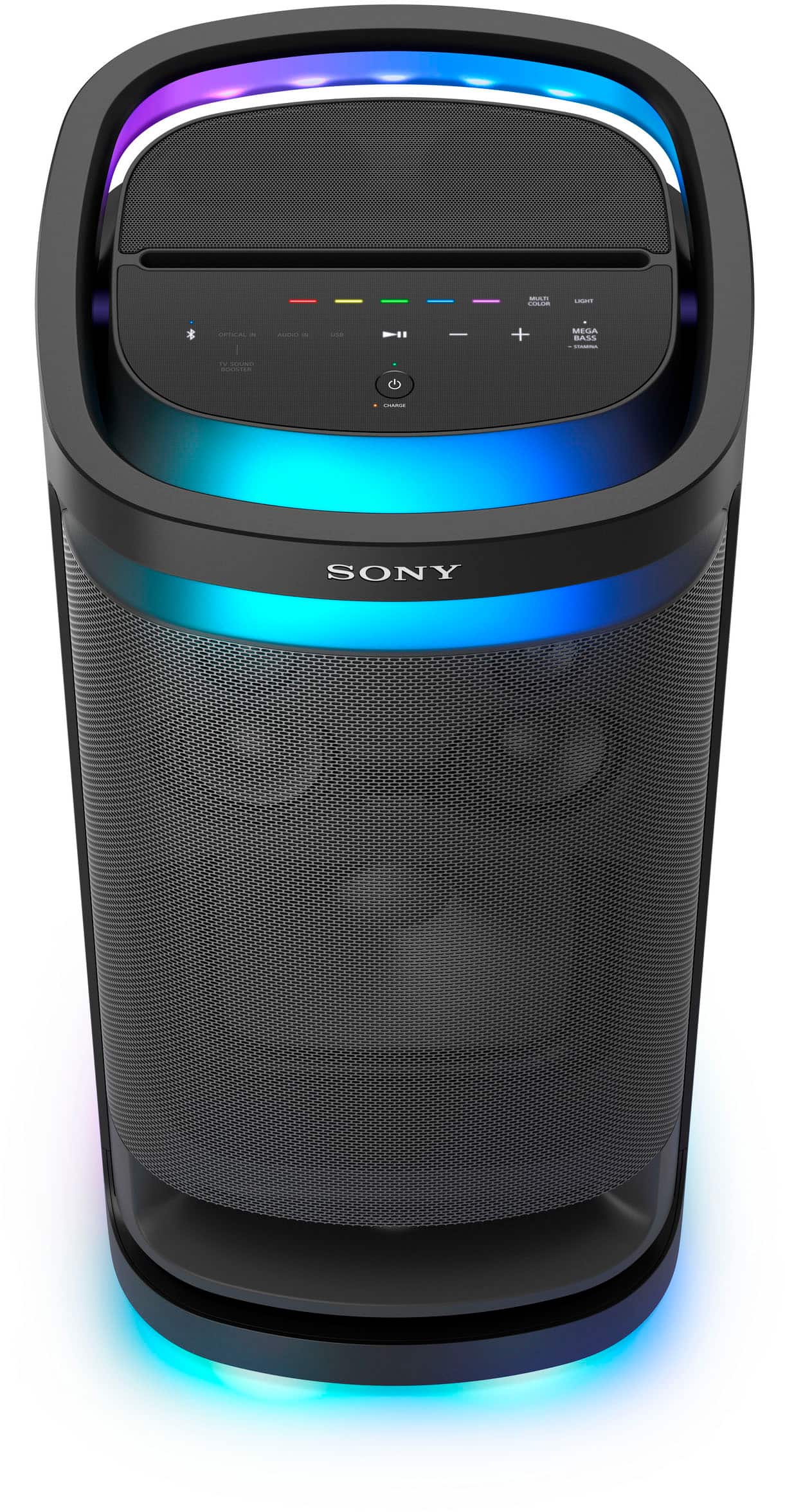
The optical input supports Sony's "TV Sound Booster" mode, which applies audio processing specifically optimized for dialogue clarity and movie soundtracks. Given the speaker's impressive frequency range and power, it can serve as a compelling single-speaker home theater solution for smaller to medium-sized rooms.
The XP700 sticks with more traditional inputs: 3.5mm auxiliary, USB for music playback, and the standard microphone and guitar inputs found on both speakers.
Both speakers include quarter-inch inputs for microphones and guitars, but the XV900 takes this further with advanced karaoke features accessible through Sony's apps. These include voice changing effects, echo control, and even scoring systems for karaoke competitions.
The app integration deserves mention because it significantly expands both speakers' capabilities. Through the Sony Music Center app, you can adjust equalizer settings, control lighting patterns, and even link multiple Sony speakers for larger events. The XV900 also works with Sony's Fiestable app, which adds DJ-style sound effects and party games.
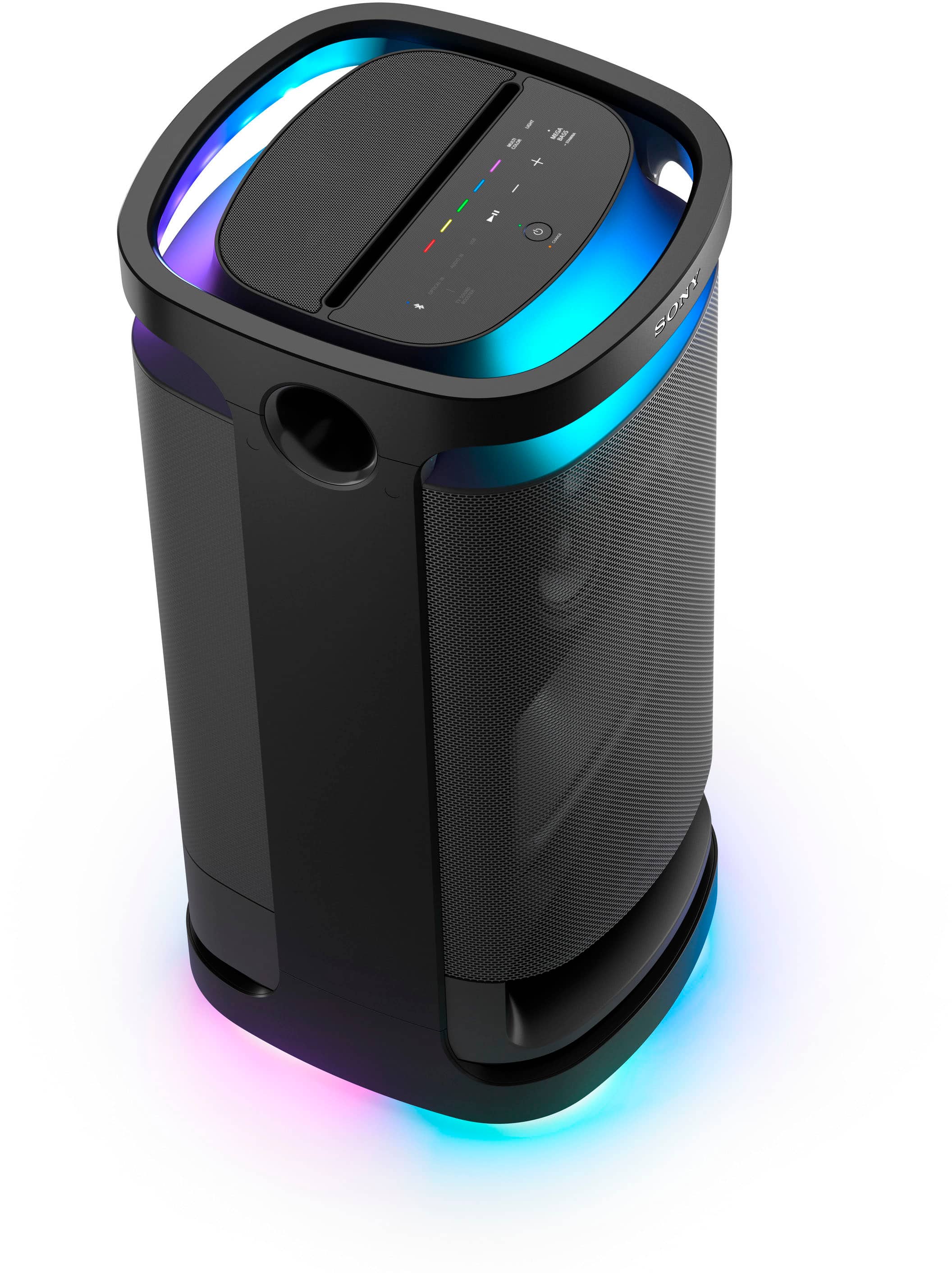
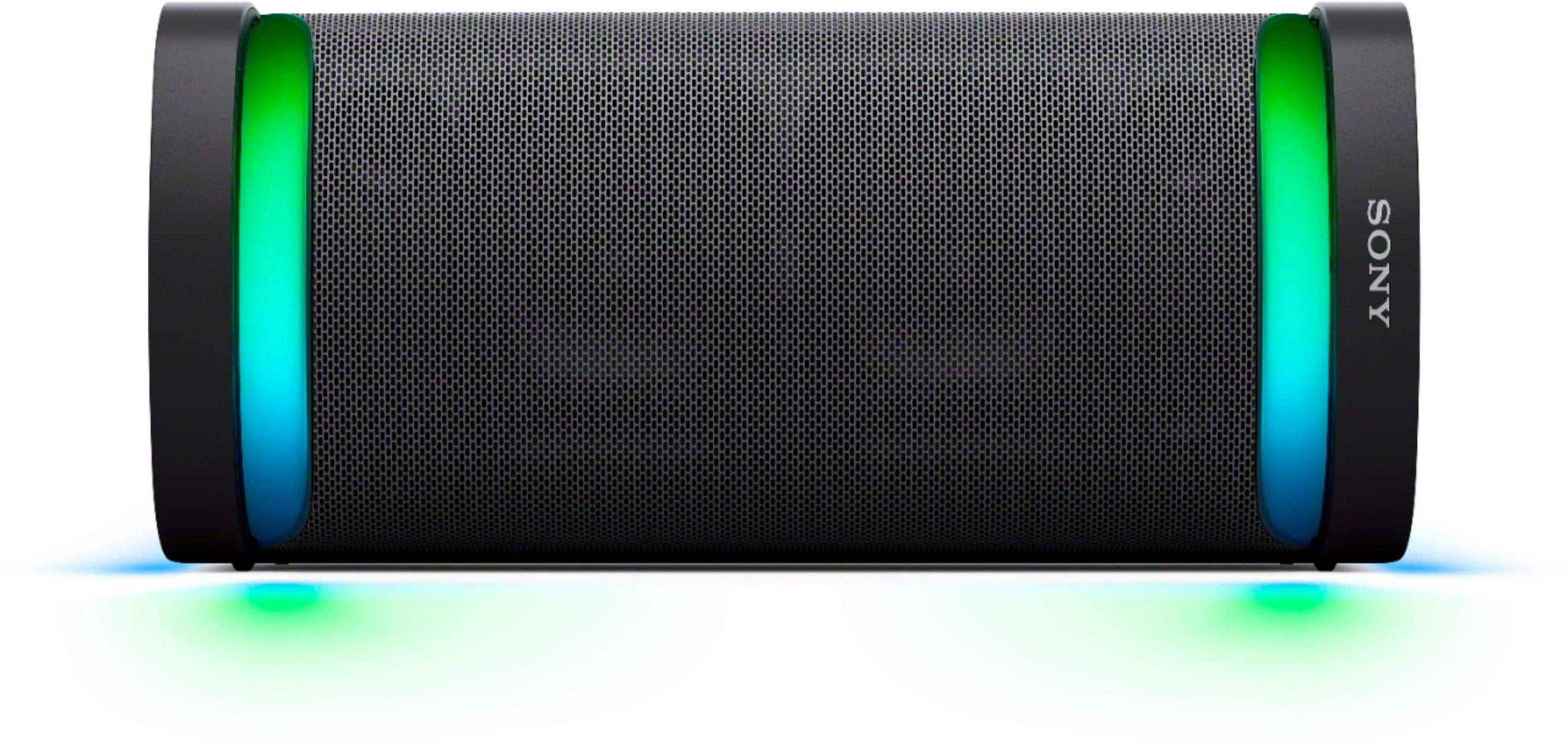
The lighting on these speakers serves both functional and atmospheric purposes. The XV900 features a more sophisticated system with LED rings and floor lighting that creates ambient effects underneath the speaker. The lighting can sync to music beats and is customizable through the apps.
The XP700 offers simpler but still effective lighting that syncs with music. While less elaborate, it still contributes to the party atmosphere without being overly distracting.
For those considering either speaker as a home theater solution, the XV900 makes a stronger case. Its optical input eliminates the need for Bluetooth compression when connected to TVs, and the wide frequency response provides both the deep bass for movie effects and the clarity needed for dialogue.
The speaker's omnidirectional design can be beneficial in living rooms where seating isn't arranged in a traditional theater configuration. However, for serious home theater applications, both speakers' mono output (even when paired) limits their effectiveness compared to dedicated soundbar systems with separate left and right channels.
That said, for casual movie watching, gaming, or as a dramatic upgrade from TV speakers, either could work well, with the XV900 offering notably better performance for this application.
After analyzing extensive user feedback and professional reviews, a clear performance hierarchy emerges. The XV900 consistently outperforms the XP700 in:
The XP700 holds advantages in:
You should consider the SRS-XV900 if you're serious about audio quality and plan to use the speaker primarily indoors or in controlled environments. It's the right choice for larger gatherings (25+ people), basement parties, or when you want a single speaker that can also serve home theater duties.
The premium pricing makes sense if you value the engineering excellence and don't mind the lack of weather protection. It's also worth considering if you frequently host events where sound quality will be scrutinized—the XV900 simply sounds more professional and refined.
The SRS-XP700 makes more sense for most people, particularly if outdoor use is important or if you need to frequently transport the speaker. Its water resistance opens up use cases that the XV900 simply can't handle safely.
At current pricing (as of this writing), the XP700 offers exceptional value. It provides enough volume and features for typical residential parties while costing significantly less than its premium sibling. The bass-forward sound signature, while less refined, can actually be more exciting for typical party music genres.
Both speakers represent solid engineering from Sony, but they target different users and scenarios. The XV900 is the choice for audio enthusiasts who want the best possible sound quality and don't mind paying for premium features. The XP700 is the practical choice that delivers most of the party speaker experience at a more accessible price point.
Consider your primary use case carefully. If you're mostly hosting indoor gatherings and value audio fidelity, the XV900 justifies its premium pricing. If you need versatility for both indoor and outdoor use, or if budget is a primary concern, the XP700 delivers excellent value without significant compromises for most users.
The reality is that either speaker will dramatically outperform whatever you're currently using for parties. The question isn't whether they're good—it's whether the XV900's advantages align with your specific needs and budget priorities.
| Sony SRS-XV900 | Sony SRS-XP700 |
|---|---|
| Sound System Architecture - Determines audio quality and clarity at high volumes | |
| 3-way system with 12.6" X-Balanced woofer, dual midrange drivers, 6 omnidirectional tweeters | Dual front-firing woofers with rear passive radiator, 4 front-focused tweeters |
| Frequency Response - Lower numbers mean deeper bass reproduction | |
| 20Hz-20kHz (exceptional bass extension for portable speaker) | Not specified (typical range likely 40-50Hz to 20kHz) |
| Weight and Portability - Critical for transport between locations | |
| 58.6 lbs with built-in wheels and telescoping handle | 37.25 lbs with integrated carry handles only |
| Water Resistance - Essential for outdoor/poolside use | |
| None (vulnerable to moisture and spills) | IPX4 splash-resistant (handles light rain and party mishaps) |
| Battery Life - Real-world performance at party volumes with lights | |
| ~4 hours at maximum volume with all features active | ~5 hours at maximum volume with all features active |
| Premium Features - Advanced functionality beyond basic audio | |
| Optical input for TV, advanced karaoke with voice effects, sophisticated floor lighting, omnidirectional sound dispersion | Standard aux/USB inputs, basic karaoke support, simple music-sync lighting, directional sound |
| Sound Quality Character - How the speakers handle different music styles | |
| Balanced, refined sound with clear vocals and controlled bass | Bass-heavy, warm signature that can become muddy at high volumes |
| Maximum Volume Capability - Room coverage and party size suitability | |
| Suitable for large gatherings (30+ people) with minimal distortion | Best for medium gatherings (15-25 people), shows strain at maximum |
| Connectivity Options - Flexibility for different audio sources | |
| Bluetooth 5.2, optical digital, aux, USB, mic/guitar inputs | Bluetooth 5.0, aux, USB, mic/guitar inputs |
| Value Proposition - Performance per dollar at typical retail pricing | |
| Premium pricing justified by superior audio engineering and features | Excellent value with essential party features at accessible price point |
The Sony SRS-XV900 is significantly better for large gatherings due to its superior sound architecture and higher maximum volume output. With its 3-way speaker system and omnidirectional design, the XV900 can effectively fill larger spaces and handle crowds of 30+ people without distortion. The Sony SRS-XP700 works best for medium-sized gatherings of 15-25 people.
The Sony SRS-XV900 delivers more balanced, refined sound with exceptional clarity at high volumes, while the Sony SRS-XP700 has a bass-heavy, warmer sound signature. The XV900 features dedicated midrange drivers and better frequency separation, making vocals clearer and preventing the muddiness that can occur with the XP700 at maximum volume.
The Sony SRS-XP700 is more portable at 37.25 pounds compared to the XV900's 58.6 pounds. However, the Sony SRS-XV900 includes built-in wheels and a telescoping handle, making transport easier despite the extra weight. The XP700 relies on integrated carry handles and requires lifting.
Only the Sony SRS-XP700 is safe for outdoor use, featuring IPX4 water resistance that protects against splashes and light rain. The Sony SRS-XV900 has no water resistance rating, making it vulnerable to moisture damage and unsuitable for poolside or outdoor parties where weather is a concern.
The Sony SRS-XP700 provides excellent value, delivering essential party features at a significantly lower price point. While the Sony SRS-XV900 offers superior audio quality and premium features, the price difference may not be justified unless you specifically need the enhanced performance and advanced capabilities.
Both speakers claim 25-hour battery life, but real-world party usage (high volume, lighting effects, bass boost) yields approximately 4-5 hours for both the Sony SRS-XV900 and Sony SRS-XP700. The actual runtime depends on volume levels and which features are active during use.
The Sony SRS-XV900 is much better suited for home theater use, featuring an optical digital input that connects directly to TVs without Bluetooth compression. It also includes TV Sound Booster mode for optimized dialogue clarity. The Sony SRS-XP700 can connect to TVs via Bluetooth or aux cable but lacks the specialized features and audio quality for serious home theater applications.
The Sony SRS-XV900 delivers superior bass with its massive 12.6-inch X-Balanced woofer and 20Hz frequency response, providing deeper and more controlled low-end. While the Sony SRS-XP700 produces prominent bass that many find exciting, it can become overwhelming and less accurate compared to the refined bass reproduction of the XV900.
Both the Sony SRS-XV900 and Sony SRS-XP700 include microphone and guitar inputs for karaoke. However, the XV900 offers advanced karaoke features through Sony's apps, including voice changing effects, echo control, and scoring systems, while the XP700 provides basic microphone support without the enhanced features.
Yes, both speakers support Sony's Party Connect feature, allowing you to link up to 100 compatible Sony speakers for synchronized music and lighting. You can also create stereo pairs with two identical units. The Sony SRS-XV900 and Sony SRS-XP700 can work together in the same Party Connect network, though audio quality will be limited by the less capable speaker.
The Sony SRS-XV900 handles all music genres exceptionally well due to its balanced frequency response and clear vocal reproduction. The Sony SRS-XP700 excels with bass-heavy genres like hip-hop and electronic music but may not provide the clarity needed for acoustic, jazz, or classical music where vocal and instrument separation is important.
The Sony SRS-XV900 features more sophisticated lighting with LED rings and floor ambient lighting that creates impressive visual effects. The Sony SRS-XP700 offers simpler but still effective lighting that syncs with music. Both can be controlled through Sony's mobile apps, but the XV900 provides more customization options and dramatic visual impact for parties.
We've done our best to create useful and informative comparisons to help you decide what product to buy. Our research uses advanced automated methods to create this comparison and perfection is not possible - please contact us for corrections or questions. These are the sites we've researched in the creation of this article: bestbuy.com - youtube.com - crutchfield.com - versus.com - youtube.com - versus.com - youtube.com - comparisontabl.es - tech.hindustantimes.com - youtube.com - electronics.sony.com - youtube.com - crutchfield.com - centresdirect.co.uk - sony-asia.com - nikktech.com - sony.com - youtube.com - reliancedigital.in - sonyworld.ae - sony.com - shopjetson.com - bestbuy.com - versus.com - bestbuy.com - rtings.com - crutchfield.com - versus.com - rtings.com - rtings.com - youtube.com - versus.com - electronics.sony.com - youtube.com - youtube.com - youtube.com - youtube.com - crutchfield.com - armorsound.com - sony-asia.com - helpguide.sony.net - helpguide.sony.net - videoandaudiocenter.com - sony.com - sony.com - sony-asia.com - sony.com - sony.com - bestbuy.com - device.report - bestbuy.com

Privacy Policy
Terms and Conditions - Affiliate Policy
Home Security
© Copyright 2008-2026.
11816 Inwood Rd #1211, Dallas, TX 75244