

When you're planning the perfect party, few things matter more than having sound that can fill the space and get everyone moving. Portable party speakers have evolved dramatically since their early days of tinny Bluetooth boxes, and today's models pack serious power into surprisingly portable packages. Two standouts in this category are the JBL PartyBox 110 and the Sony SRS-XP700 – both released in 2021 and representing different philosophies on what makes a great party speaker.
The portable party speaker market has exploded because these devices solve a real problem: delivering concert-level sound without needing a permanent setup or access to power outlets. Unlike traditional home stereo systems, these speakers prioritize volume, bass impact, visual excitement, and durability over the neutral sound signature that audiophiles might prefer for critical listening.
Before diving into specifics, it's worth understanding what sets party speakers apart from other audio equipment. These aren't designed for quiet background music or accurate reproduction of classical recordings. Instead, they're engineered to punch through crowd noise, deliver bass you can feel in your chest, and create an atmosphere that gets people energized.
The most important performance characteristics for party speakers include maximum volume without distortion, bass extension (how low those rumbling frequencies can go), battery life for all-day events, and durability for outdoor use. Features like synchronized light shows and karaoke capabilities have become almost standard, transforming these speakers from simple audio devices into entertainment systems.
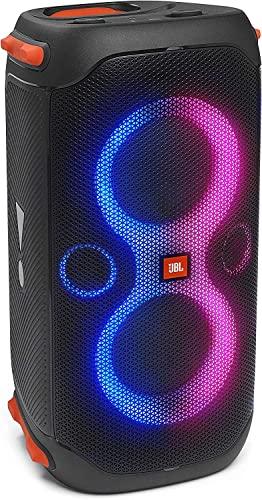
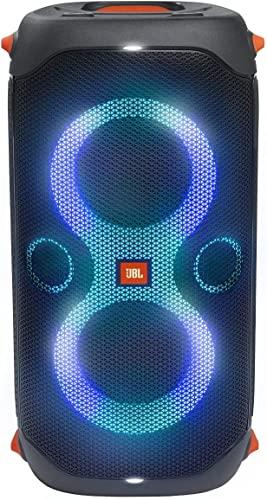
The JBL PartyBox 110 takes a more aggressive approach to sound reproduction. With 160 watts of RMS power (RMS stands for "root mean square" – essentially the continuous power output without peaks), it uses two 5.25-inch woofers and two 2.25-inch tweeters to create what JBL calls their "Original Pro Sound." This driver configuration allows the woofers to handle the heavy lifting in the bass department while the tweeters ensure crisp highs don't get lost when you crank the volume.
What makes the JBL particularly impressive is how it maintains clarity even when pushed to its limits. Many party speakers start to sound compressed or muddy at maximum volume – a phenomenon called "dynamic compression" where loud passages get squashed to prevent damage to the drivers. The PartyBox 110's design seems to minimize this issue, delivering what users consistently describe as "effortless" sound even when shaking the walls.
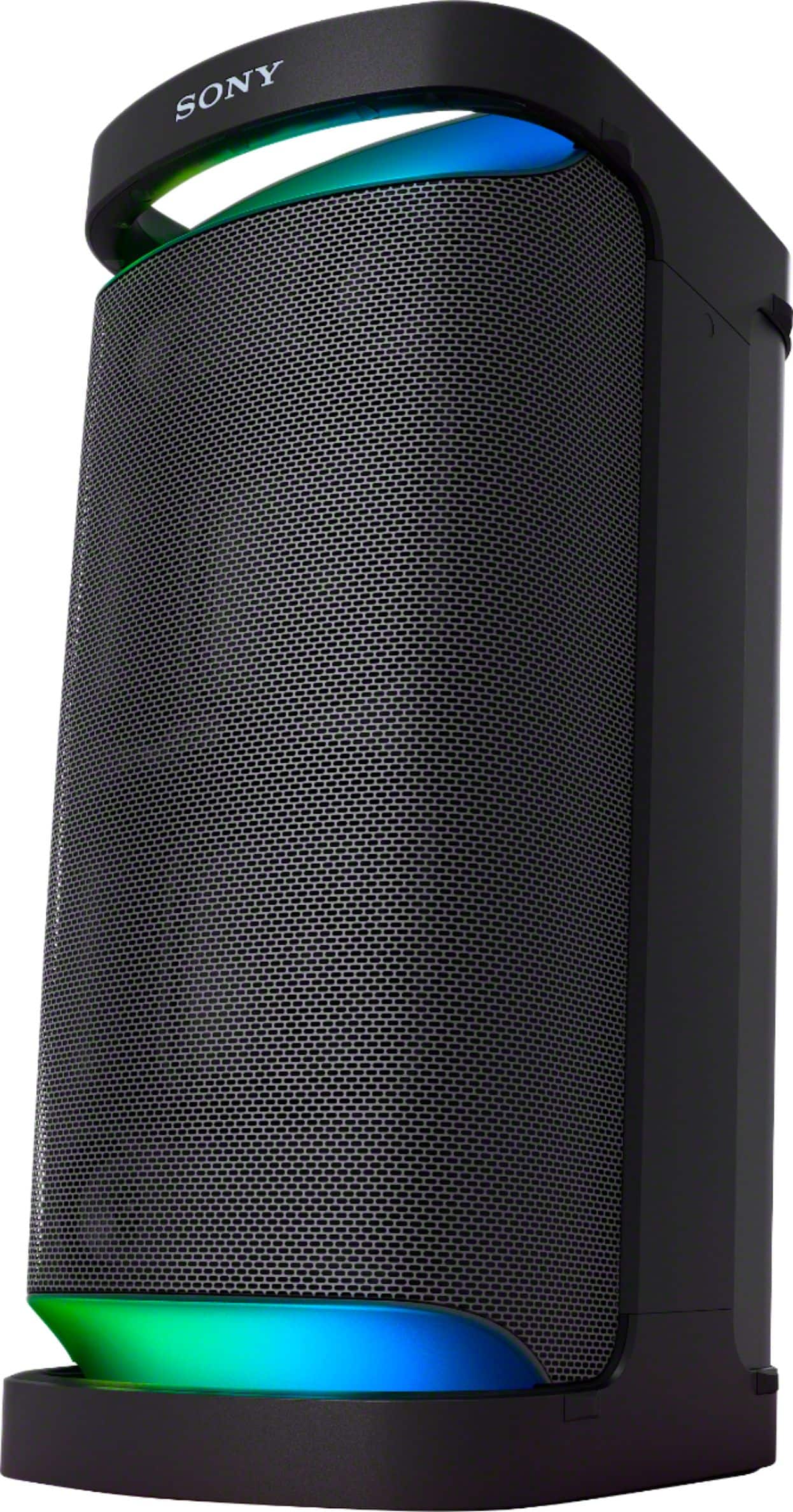
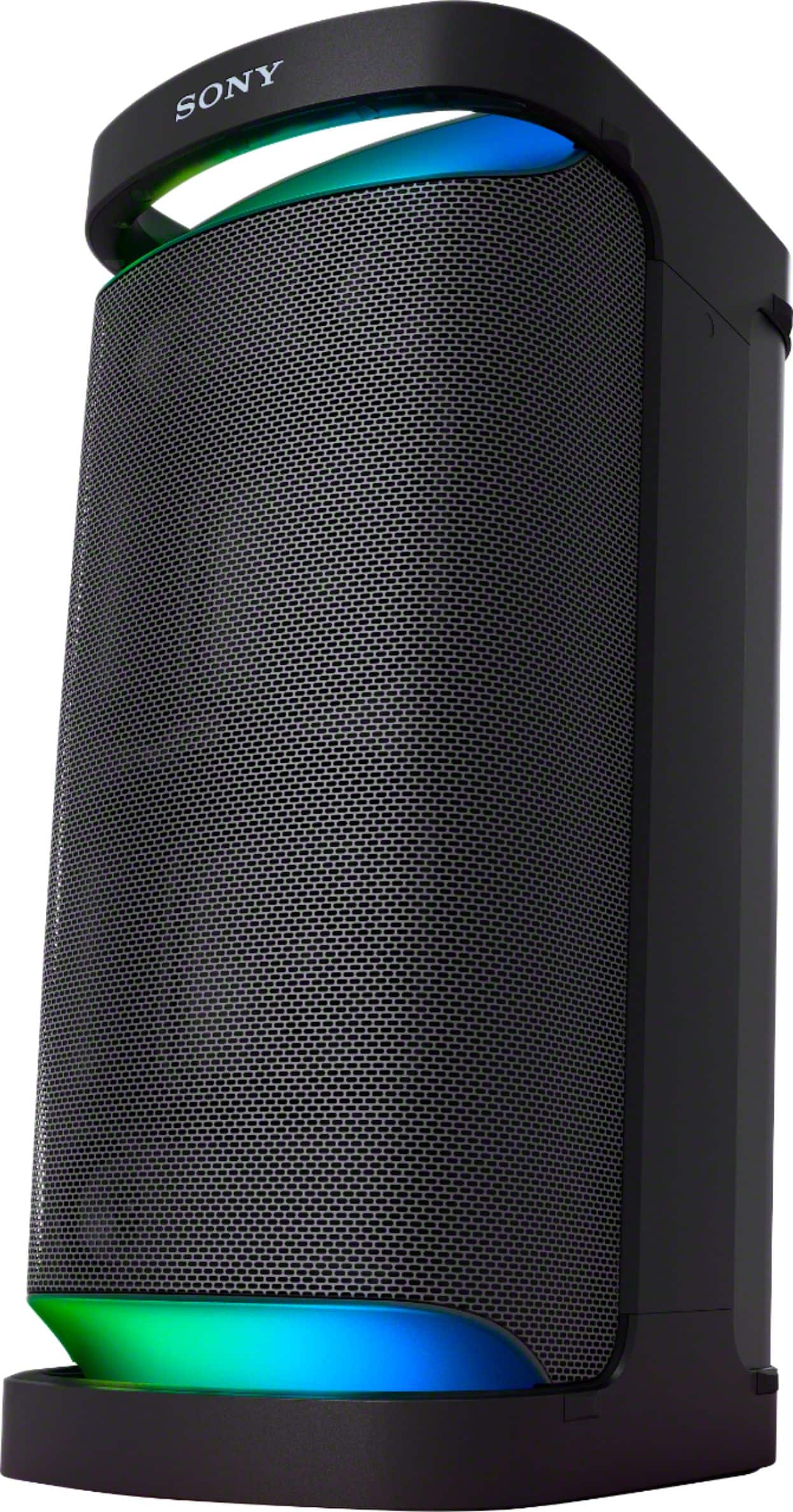
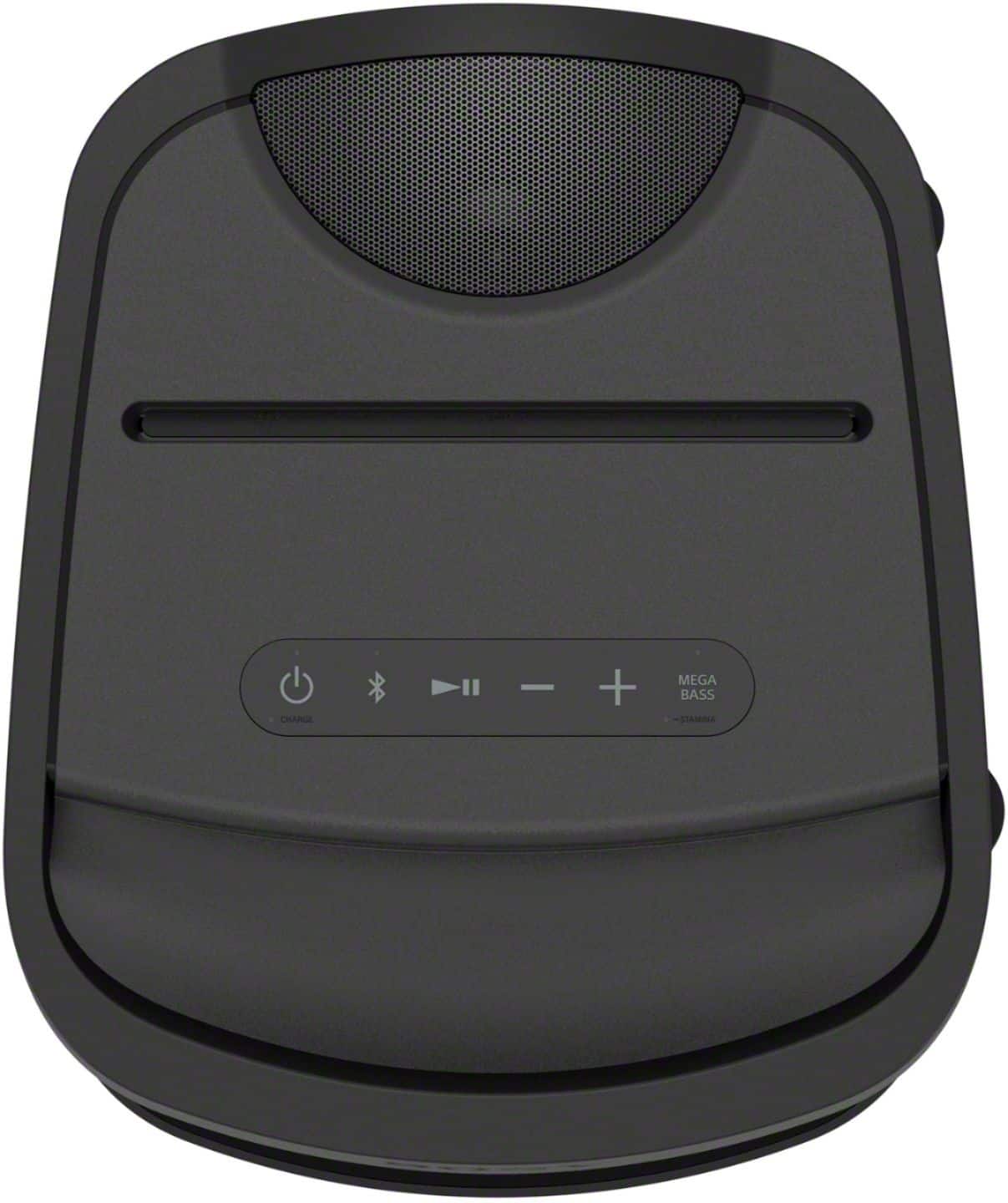
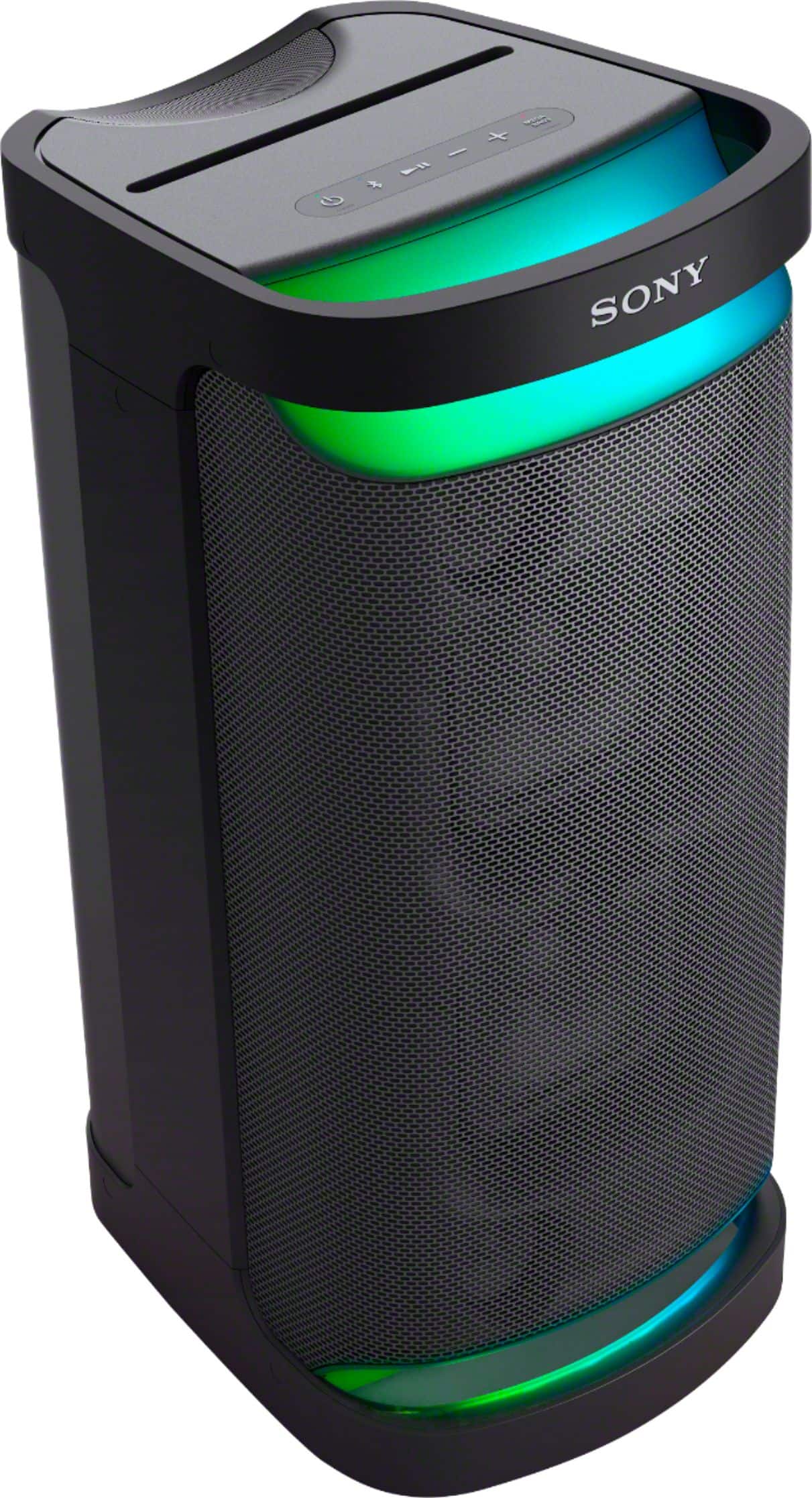
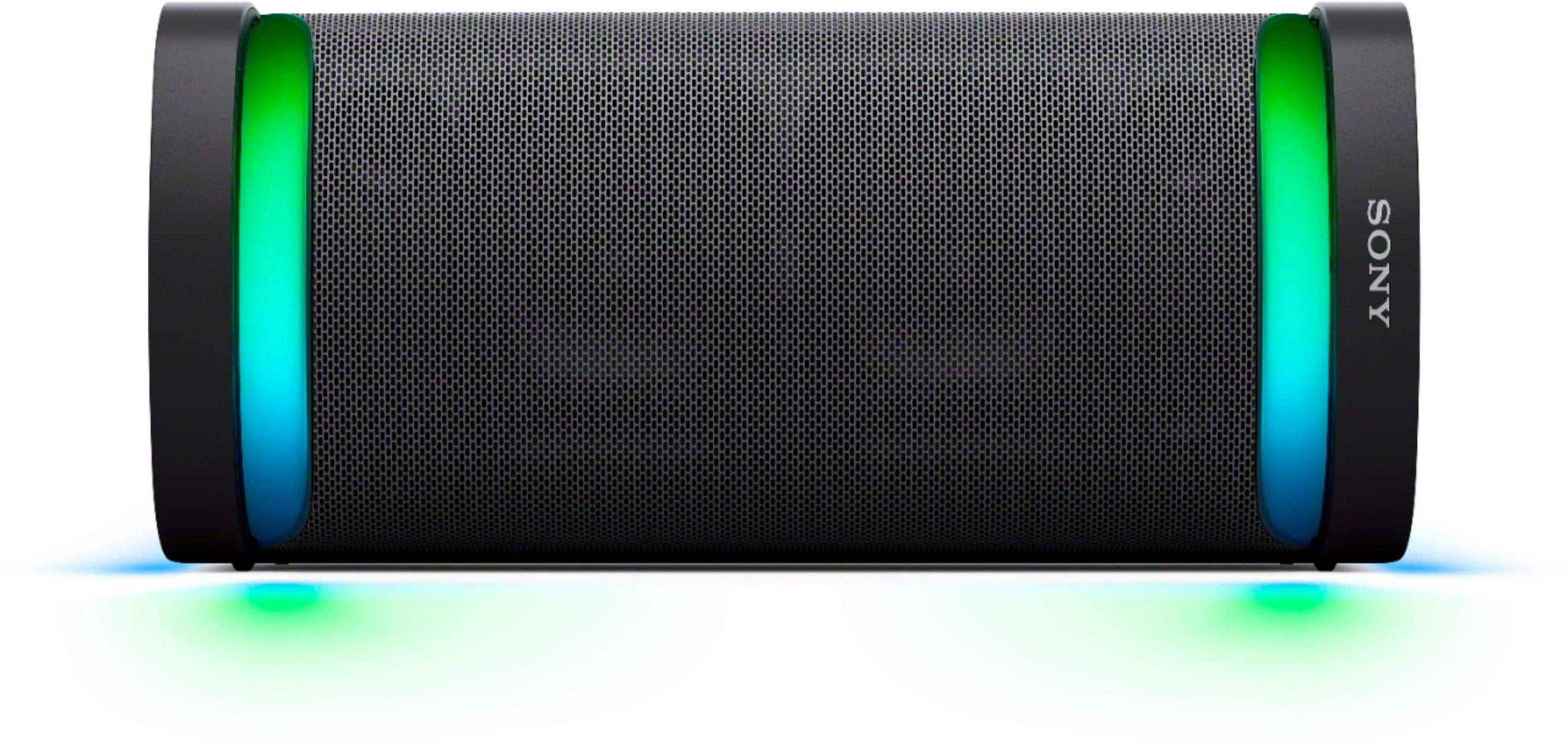
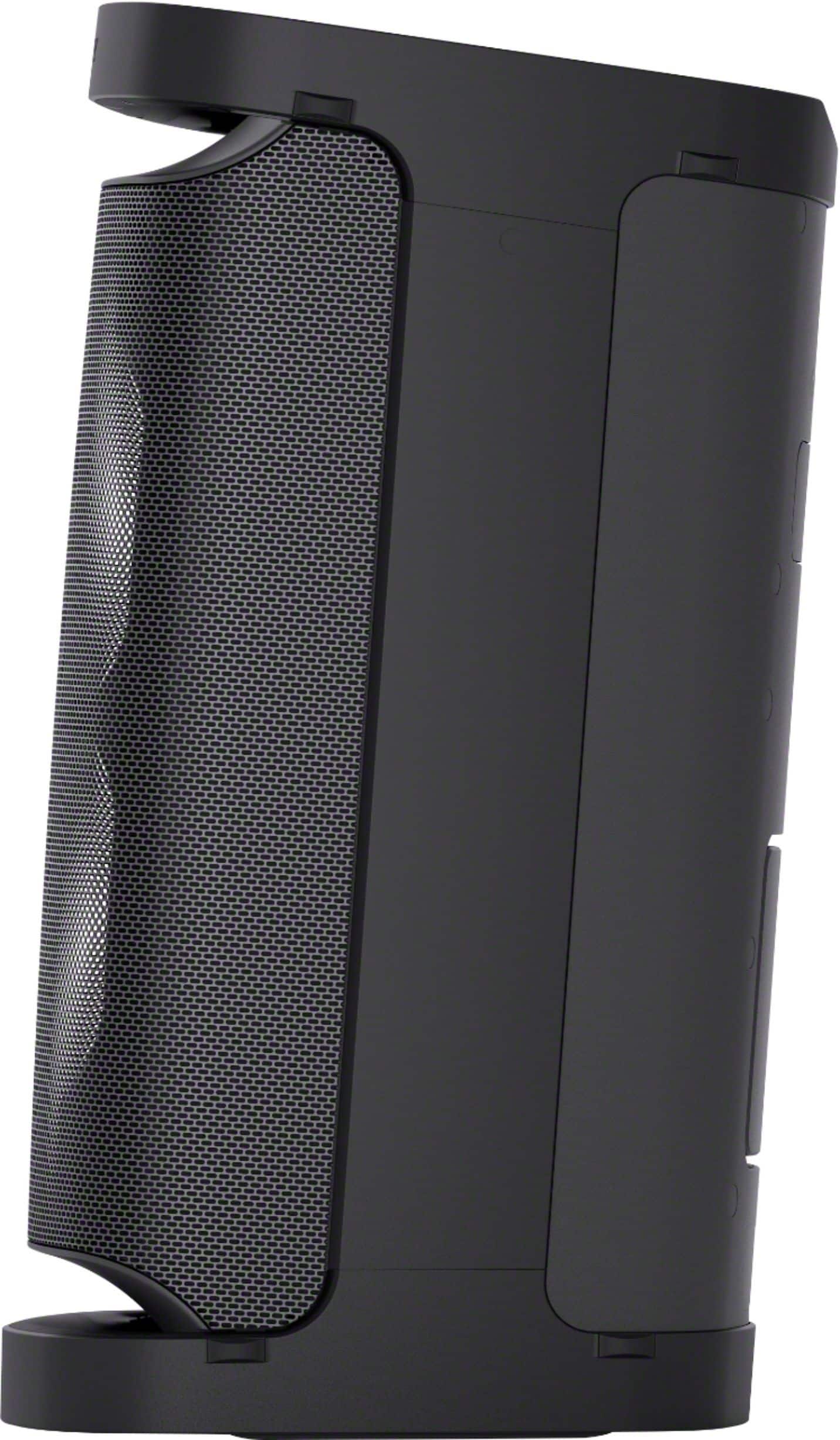
The Sony SRS-XP700, meanwhile, takes a more sophisticated approach with its omnidirectional sound design. Instead of firing all the sound forward like a traditional speaker, it uses three front-facing tweeters, one rear tweeter, and two large X-Balanced woofers to create 360-degree sound coverage. Sony's X-Balanced technology uses non-circular driver diaphragms that provide more surface area than round drivers of the same size – think of it like having more paddle area when swimming, allowing for more efficient movement of air.
At 60 watts RMS, the Sony produces significantly less raw power than the JBL, but this doesn't tell the whole story. The omnidirectional design means you get consistent sound quality whether you're standing in front of, beside, or behind the speaker. This makes it particularly effective for parties where people are spread around a room or outdoor space, rather than all facing the same direction like a concert audience.
Based on extensive user feedback and professional reviews, the JBL PartyBox 110 delivers more impactful bass and higher maximum volume, making it better suited for bass-heavy music genres like EDM, hip-hop, and rock. The Sony SRS-XP700 provides more refined, balanced sound that works well across all music genres but may leave bass enthusiasts wanting more rumble.
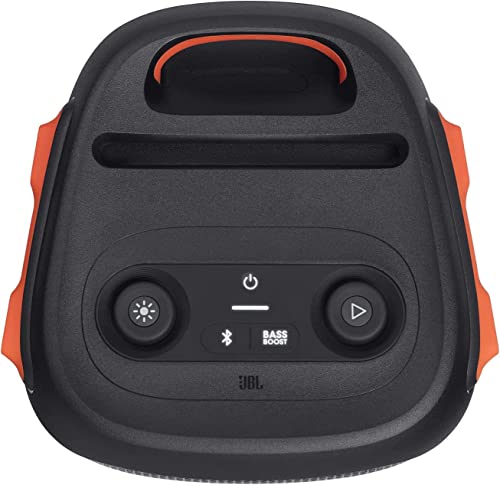
Here's where things get interesting – and where "portable" becomes a relative term. The JBL PartyBox 110 weighs 23 pounds (10.84 kg), which puts it at the upper limit of what most people would comfortably carry for extended distances. However, compared to the Sony SRS-XP700 at 37 pounds (16.9 kg), the JBL suddenly seems downright lightweight.
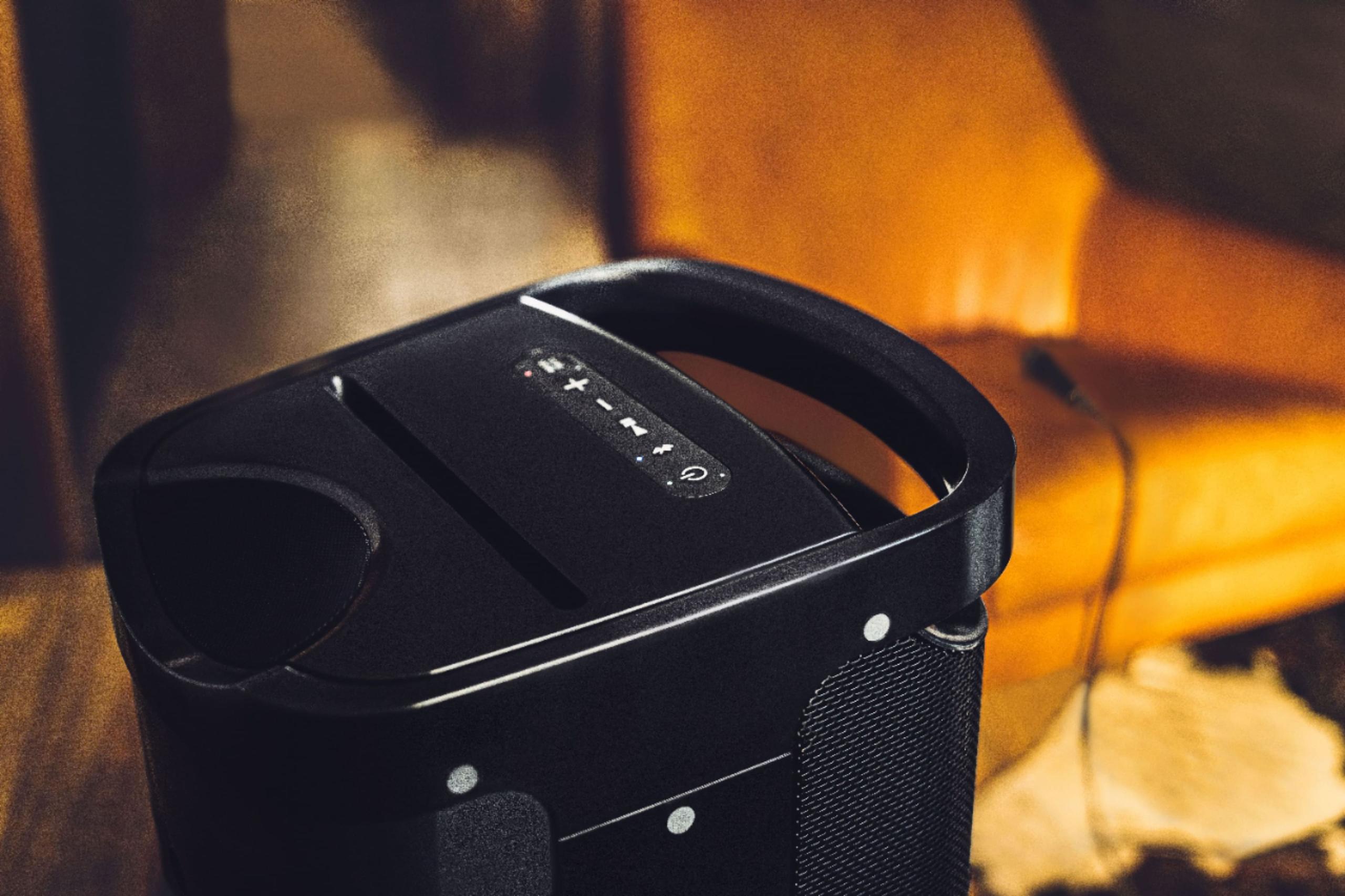
This weight difference isn't trivial. Carrying an extra 14 pounds means the difference between easily tossing the speaker in your car for a beach trip versus needing help to lift it. The Sony is better suited for semi-permanent installations or situations where you have help moving it around. Both speakers include sturdy handles, but physics is physics – the Sony requires more planning and potentially more people for transport.
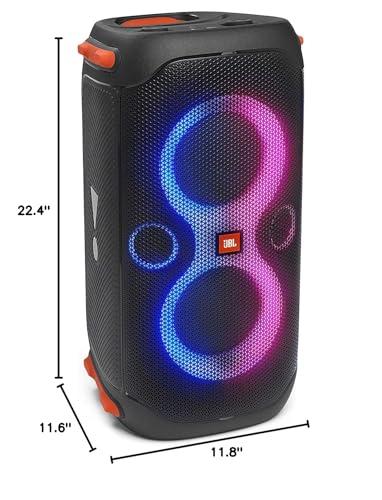
The size difference is equally important. The JBL measures roughly 11.6 by 22.4 by 11.8 inches, giving it a relatively compact tower profile that fits easily in most car trunks. The Sony is both taller and wider, requiring more storage space and potentially limiting where you can place it during parties.
This is where the Sony SRS-XP700 absolutely dominates. Its claimed 25-hour battery life isn't just marketing hyperbole – users consistently report getting a full day or more of playback, even at moderate to high volumes. This kind of endurance is genuinely game-changing for events like weddings, outdoor festivals, or multi-day camping trips where reliable power isn't guaranteed.
The JBL PartyBox 110, with its 12-hour rated battery life, falls into more typical territory for this class of speaker. In real-world use with lights activated and bass boost engaged, users report closer to 6-7 hours of playback – still respectable, but requiring more planning for longer events.
Battery technology has improved significantly since these speakers launched in 2021, but their lithium-ion systems remain competitive with current models. The Sony includes fast charging capabilities, providing three hours of playback from just 10 minutes of charging – a lifesaver when you've forgotten to charge before an event.
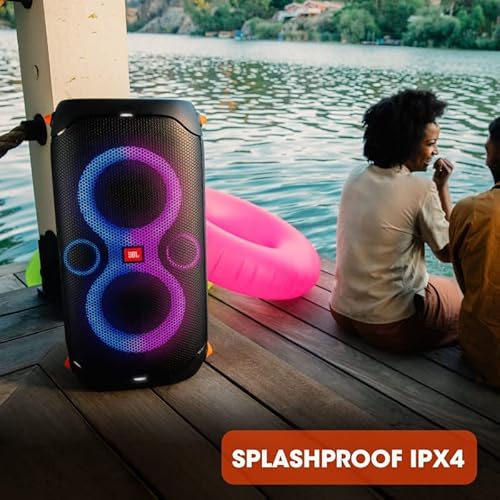
Both speakers feature IPX4 water resistance, which means they can handle splashes from any direction but aren't designed for submersion. This rating makes them suitable for poolside parties or use in light rain, but you wouldn't want to drop either one in a swimming pool.
The IPX rating system can be confusing, so here's a quick breakdown: the "IP" stands for "Ingress Protection," the "X" means dust protection wasn't tested, and the "4" indicates protection against water splashing from any direction. It's adequate for most party scenarios but not bulletproof against all moisture.
Both speakers feel solidly built and designed to withstand the inevitable bumps and jostling that come with party use. The JBL has a slight advantage in real-world durability simply because its lighter weight means it's less likely to cause damage if dropped or knocked over.
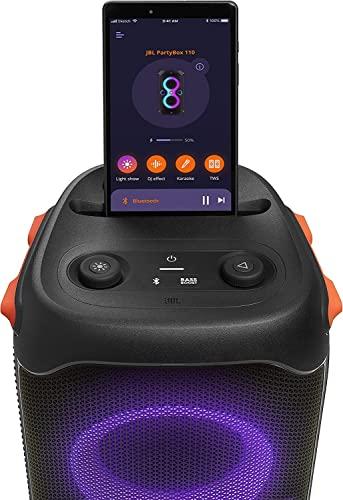
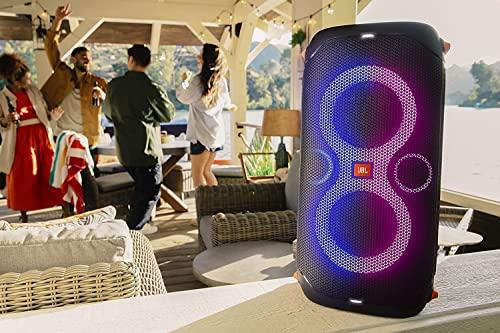
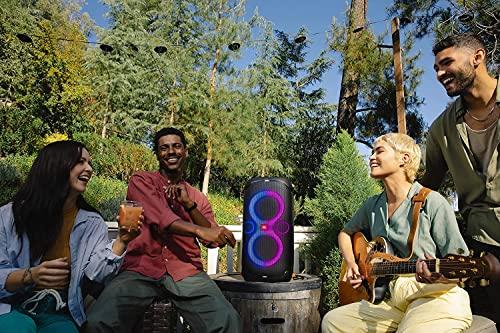
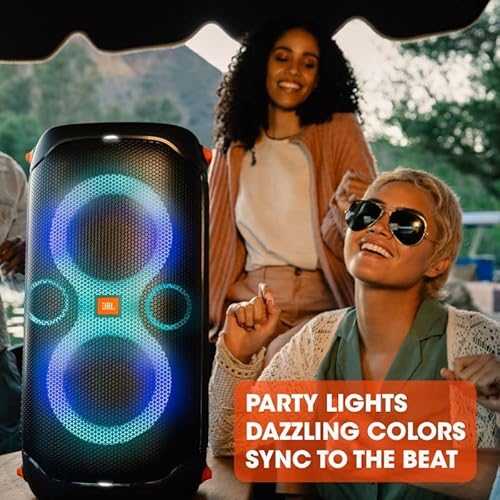
Modern party speakers are expected to be entertainment systems, not just audio devices. The JBL PartyBox 110 excels in the visual department with its dynamic RGB light rings that sync to the music's beat. These aren't subtle accent lights – they're bold, colorful displays that create genuine visual impact in dark or dimly lit environments. The lights can be customized through JBL's PartyBox app, allowing you to match colors to your event theme or let them automatically react to the music's rhythm and intensity.
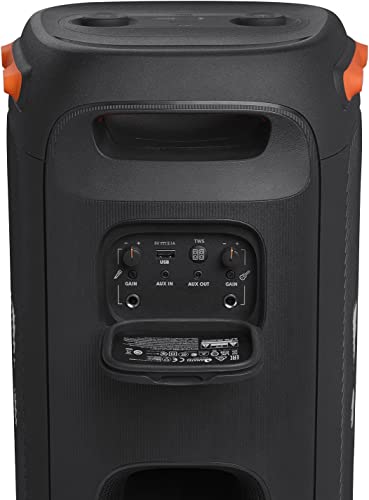
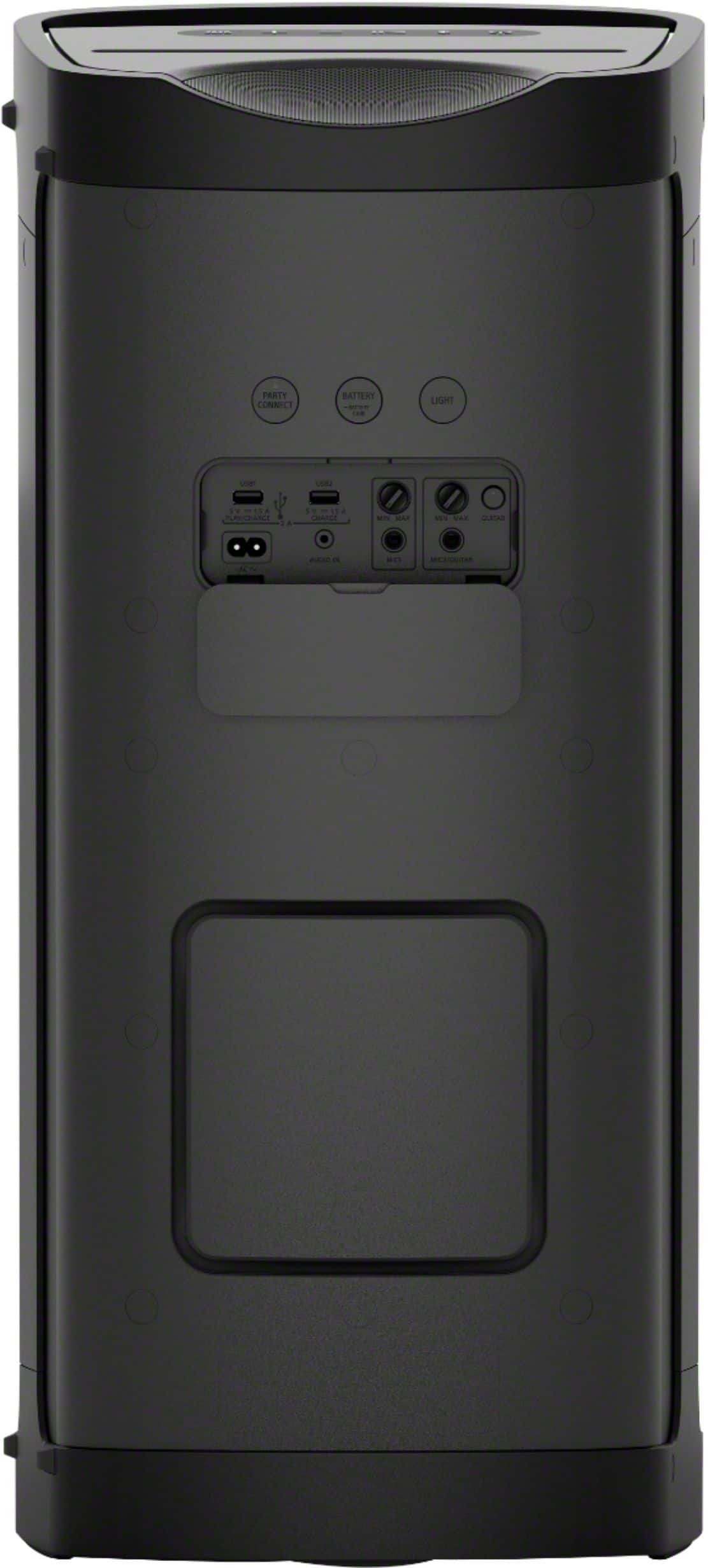
For karaoke enthusiasts, the JBL includes dedicated quarter-inch inputs for both microphone and guitar, each with independent volume controls. This means you can have someone singing while another person plays guitar, with separate level adjustment for each input – a surprisingly professional touch that many competing speakers lack.
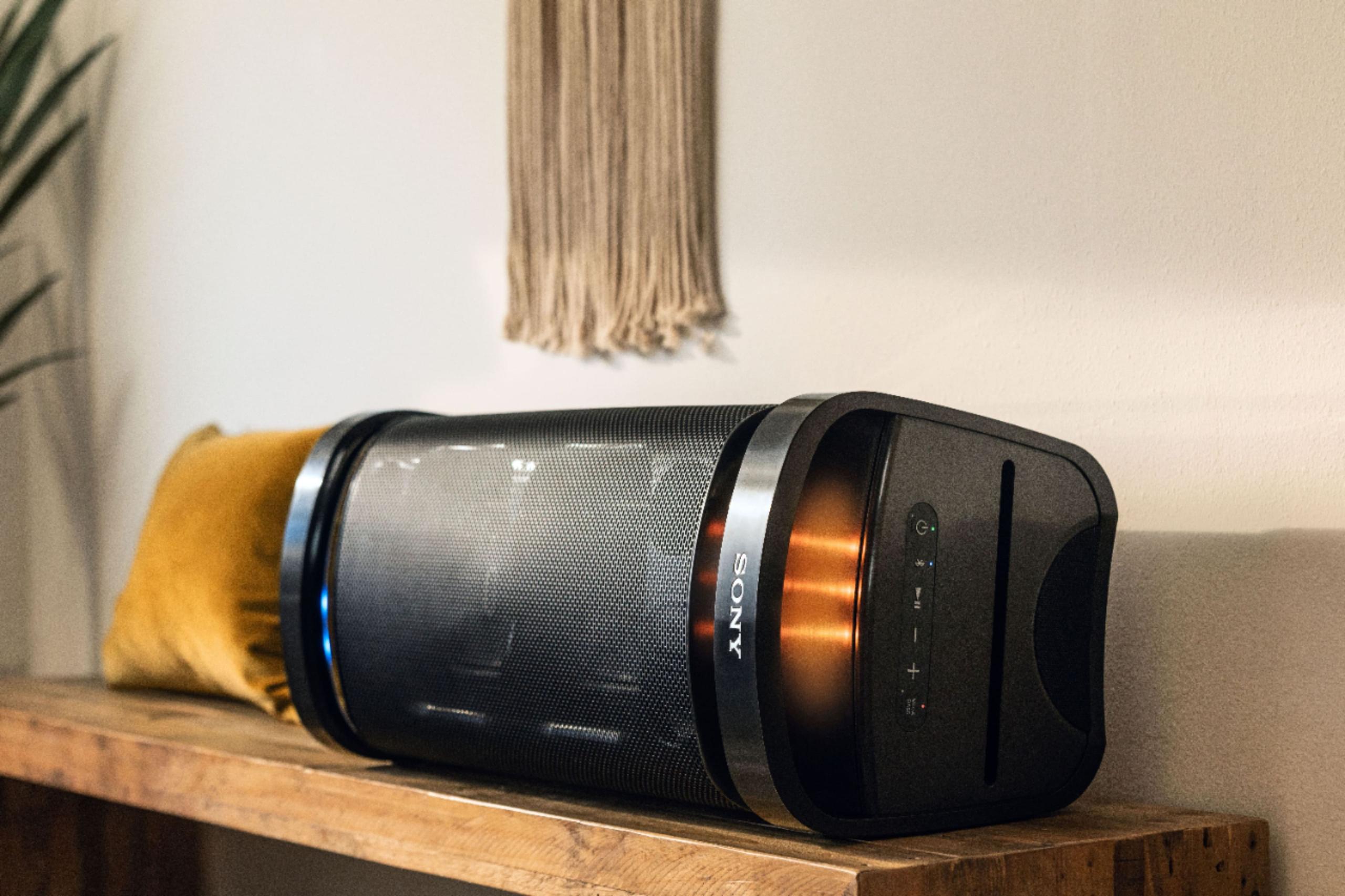
The Sony SRS-XP700 also includes lighting, but reviews consistently describe it as more subdued compared to the JBL's display. Where Sony compensates is with their Fiestable app, which adds DJ-style effects, voice control features, and even party games that integrate with the speaker. It's a more sophisticated approach that might appeal to users who want interactive features beyond just music playback.
Sony's Party Connect feature allows you to link up to 100 compatible speakers for massive sound installations – something that could be genuinely useful for large outdoor events or venues. The JBL supports pairing with other JBL speakers but doesn't match Sony's scale for multi-speaker setups.
This is where the Sony SRS-XP700 shows its more premium positioning. It supports LDAC, Sony's high-resolution audio codec that can transmit much more data than standard Bluetooth. LDAC can handle up to 990 kbps data transmission compared to the roughly 320 kbps of standard SBC codec – essentially allowing for CD-quality audio over Bluetooth when paired with compatible devices.
The practical impact of LDAC depends on your source material and device. If you're streaming from Spotify or Apple Music, you won't notice much difference since these services compress audio anyway. But if you have high-quality audio files stored on an Android device (iPhones don't support LDAC), the difference can be audible, especially in quieter passages with subtle details.
The JBL PartyBox 110 sticks with standard Bluetooth codecs but includes practical features like USB playback from thumb drives and a USB port for charging devices. Both speakers offer multiple connection options including 3.5mm auxiliary inputs, ensuring compatibility with virtually any audio source.
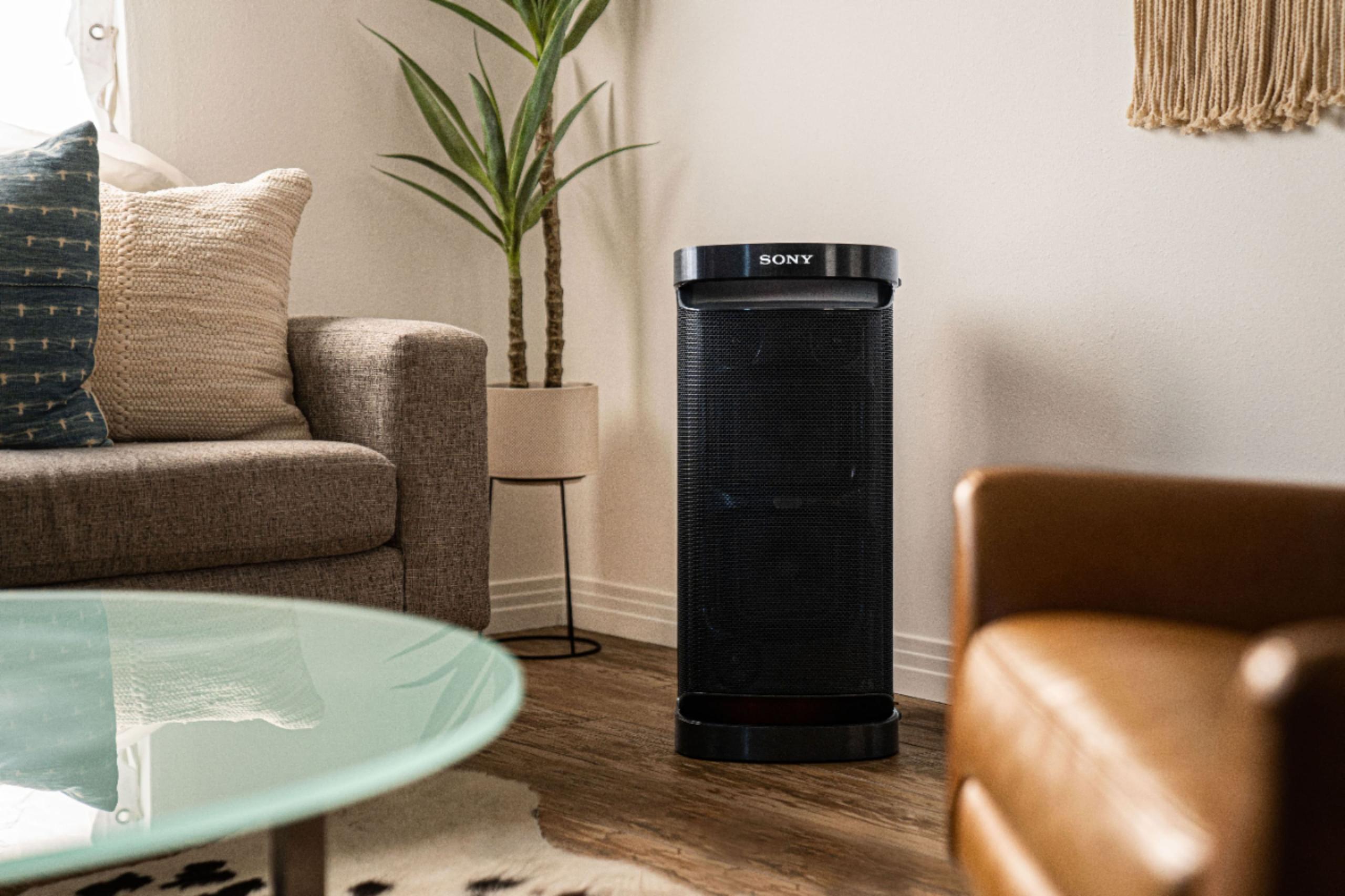
While neither speaker is designed primarily for home theater use, they can serve as powerful alternatives to traditional soundbars in certain situations. The Sony SRS-XP700 has some advantages here thanks to its omnidirectional design and more balanced frequency response. Its ability to fill a room with sound from any position could work well for casual movie watching, especially in larger spaces where a traditional soundbar might struggle.
However, both speakers are tuned for party use rather than dialogue clarity, which is crucial for movies and TV shows. They'll deliver impressive action sequences and music soundtracks but might make dialogue sound boomy or unclear compared to dedicated home theater equipment.
For gaming, the JBL PartyBox 110 might actually be preferred thanks to its punchy, immediate sound signature that makes explosions and sound effects feel more impactful. Just be prepared to potentially adjust bass levels for voice chat clarity.
At the time of writing, the JBL PartyBox 110 typically costs significantly less than the Sony SRS-XP700 while delivering comparable or superior performance in several key areas. The price difference often reaches 20-30%, making the JBL a compelling value proposition for budget-conscious buyers who don't want to compromise on sound quality.
The Sony justifies its premium pricing through superior battery life, more sophisticated audio processing, and advanced connectivity features like LDAC. Whether these advantages are worth the extra cost depends largely on your specific use cases and priorities.
Since their 2021 releases, both speakers have remained competitive with newer models, suggesting their fundamental designs were well-executed. The party speaker market has continued evolving with improvements in battery efficiency and wireless connectivity, but these models haven't been left behind by technological progress.
The JBL PartyBox 110 makes the most sense for users who prioritize maximum impact per dollar spent. If you want bone-rattling bass, impressive light shows, and genuine portability without breaking the bank, it's hard to beat. It's particularly well-suited for younger users, outdoor gatherings, and situations where the speaker needs to be moved frequently.
The Sony SRS-XP700 is better for users who value longevity and sophistication over raw impact. If you're planning all-day events, want the flexibility of omnidirectional sound, or appreciate high-quality audio codecs, the Sony's premium features justify its higher cost. It's also the better choice if you have a semi-permanent setup location where weight isn't a constant concern.
For most users, the decision comes down to priorities: maximum bang for your buck (JBL) versus premium features and endurance (Sony). Both are excellent speakers that have earned positive reviews since their launch, but they serve slightly different needs within the party speaker category.
The party speaker market continues evolving, with newer models offering incremental improvements in efficiency and features. However, both the JBL PartyBox 110 and Sony SRS-XP700 remain highly competitive options that deliver on their core promises of powerful, portable party sound. Your choice should align with whether you prioritize immediate impact and value or long-term performance and sophistication.
| JBL PartyBox 110 | Sony SRS-XP700 |
|---|---|
| Power Output - Determines maximum volume and bass impact | |
| 160W RMS (noticeably louder and punchier) | 60W RMS (still loud but less raw power) |
| Weight - Critical for actual portability | |
| 23 lbs / 10.84 kg (manageable for most people) | 37 lbs / 16.9 kg (requires help or limits mobility) |
| Battery Life - Essential for all-day events | |
| Up to 12 hours (6-7 hours real-world with lights) | Up to 25 hours (industry-leading endurance) |
| Driver Configuration - Affects sound quality and coverage | |
| 2x 5.25" woofers + 2x 2.25" tweeters (forward-firing) | 2x 6.69" X-Balanced woofers + 4 tweeters (omnidirectional) |
| Water Resistance - Important for outdoor use | |
| IPX4 splashproof (handles poolside splashes) | IPX4 splashproof (same protection level) |
| Light Show - Party atmosphere enhancement | |
| Dynamic RGB rings with beat sync (very impressive) | RGB ambient lighting (more subtle effects) |
| Audio Codecs - Affects wireless sound quality | |
| Standard Bluetooth (SBC codec) | High-res LDAC + AAC support (better audio quality) |
| Karaoke Features - For interactive entertainment | |
| Dedicated mic + guitar inputs with volume controls | Mic + guitar inputs plus Fiestable app features |
| Multi-Speaker Connectivity - For larger setups | |
| TWS pairing with other JBL speakers | Party Connect (up to 100 Sony speakers) |
| Charging Speed - Convenience factor | |
| 3.5 hours full charge (standard speed) | 10 minutes = 3 hours playback (fast charging) |
| Sound Design Philosophy - Different listening experiences | |
| Powerful forward projection (concert-style impact) | 360-degree omnidirectional (even room coverage) |
| Value Proposition - Cost vs features at time of writing | |
| Better price-to-performance ratio | Premium features justify higher cost |
The JBL PartyBox 110 is significantly louder with 160W RMS output compared to the Sony SRS-XP700's 60W RMS. The JBL delivers more impactful bass and higher maximum volume, making it better for large outdoor gatherings where you need to cut through crowd noise.
The Sony SRS-XP700 has exceptional battery life with up to 25 hours of playback, more than double the JBL PartyBox 110's 12-hour rating. For all-day events or multi-day festivals, the Sony's endurance is a major advantage.
Neither speaker is designed primarily for home theater, but the Sony SRS-XP700 works better for casual movie watching due to its omnidirectional sound design and more balanced frequency response. Both speakers are tuned for party use rather than dialogue clarity that's crucial for movies.
The JBL PartyBox 110 is much more portable at 23 pounds compared to the Sony SRS-XP700 at 37 pounds. The 14-pound difference makes the JBL significantly easier for one person to carry and transport to different locations.
Yes, both the JBL PartyBox 110 and Sony SRS-XP700 feature IPX4 water resistance, meaning they can handle splashes from any direction but shouldn't be submerged. This makes them suitable for poolside parties or light rain.
The JBL PartyBox 110 has superior light shows with dynamic RGB rings that create impressive visual displays synchronized to the music beat. The Sony SRS-XP700 also has RGB lighting but it's more subdued and less impactful for party atmospheres.
Both speakers support karaoke with dedicated microphone and guitar inputs. The JBL PartyBox 110 offers independent volume controls for each input, while the Sony SRS-XP700 includes additional party features through its Fiestable app.
The JBL PartyBox 110 delivers more powerful, bass-heavy sound ideal for dance music and hip-hop. The Sony SRS-XP700 provides more balanced, omnidirectional sound that works well across all music genres but with less bass impact.
The Sony SRS-XP700 supports LDAC high-resolution audio codec for better wireless sound quality, while the JBL PartyBox 110 uses standard Bluetooth codecs. The difference is most noticeable with high-quality audio files on compatible Android devices.
Yes, both support multi-speaker setups. The JBL PartyBox 110 can pair with other JBL speakers using True Wireless Stereo, while the Sony SRS-XP700 supports Party Connect to link up to 100 compatible Sony speakers for larger installations.
The JBL PartyBox 110 typically offers better value with superior power output, impressive light shows, and better portability at a lower cost. The Sony SRS-XP700 justifies its premium pricing through exceptional battery life and advanced audio features.
The JBL PartyBox 110 requires 3.5 hours for a full charge, while the Sony SRS-XP700 features fast charging that provides 3 hours of playback from just 10 minutes of charging. The Sony's quick charge capability is particularly useful for unexpected events.
We've done our best to create useful and informative comparisons to help you decide what product to buy. Our research uses advanced automated methods to create this comparison and perfection is not possible - please contact us for corrections or questions. These are the sites we've researched in the creation of this article: rtings.com - youtube.com - bestbuy.com - gadgets360.com - popsci.com - youtube.com - audioadvice.com - popsci.com - youtube.com - versus.com - youtube.com - rtings.com - jbl.com - in.jbl.com - jbl.com.tw - bhphotovideo.com - in.jbl.com - jbl.com - youtube.com - hu.harmanaudio.com - jbl.com.au - global.jbl.com - support.jbl.com - youtube.com - kh.jbl.com - onward.ph - jbl.com.ph - support.jbl.com - youtube.com - bestbuy.com - rtings.com - crutchfield.com - versus.com - rtings.com - rtings.com - youtube.com - versus.com - electronics.sony.com - youtube.com - youtube.com - youtube.com - youtube.com - crutchfield.com - armorsound.com - sony-asia.com - helpguide.sony.net - helpguide.sony.net - videoandaudiocenter.com - sony.com - sony.com - sony-asia.com - sony.com - sony.com - bestbuy.com - device.report - bestbuy.com

Privacy Policy
Terms and Conditions - Affiliate Policy
Home Security
© Copyright 2008-2026.
11816 Inwood Rd #1211, Dallas, TX 75244