

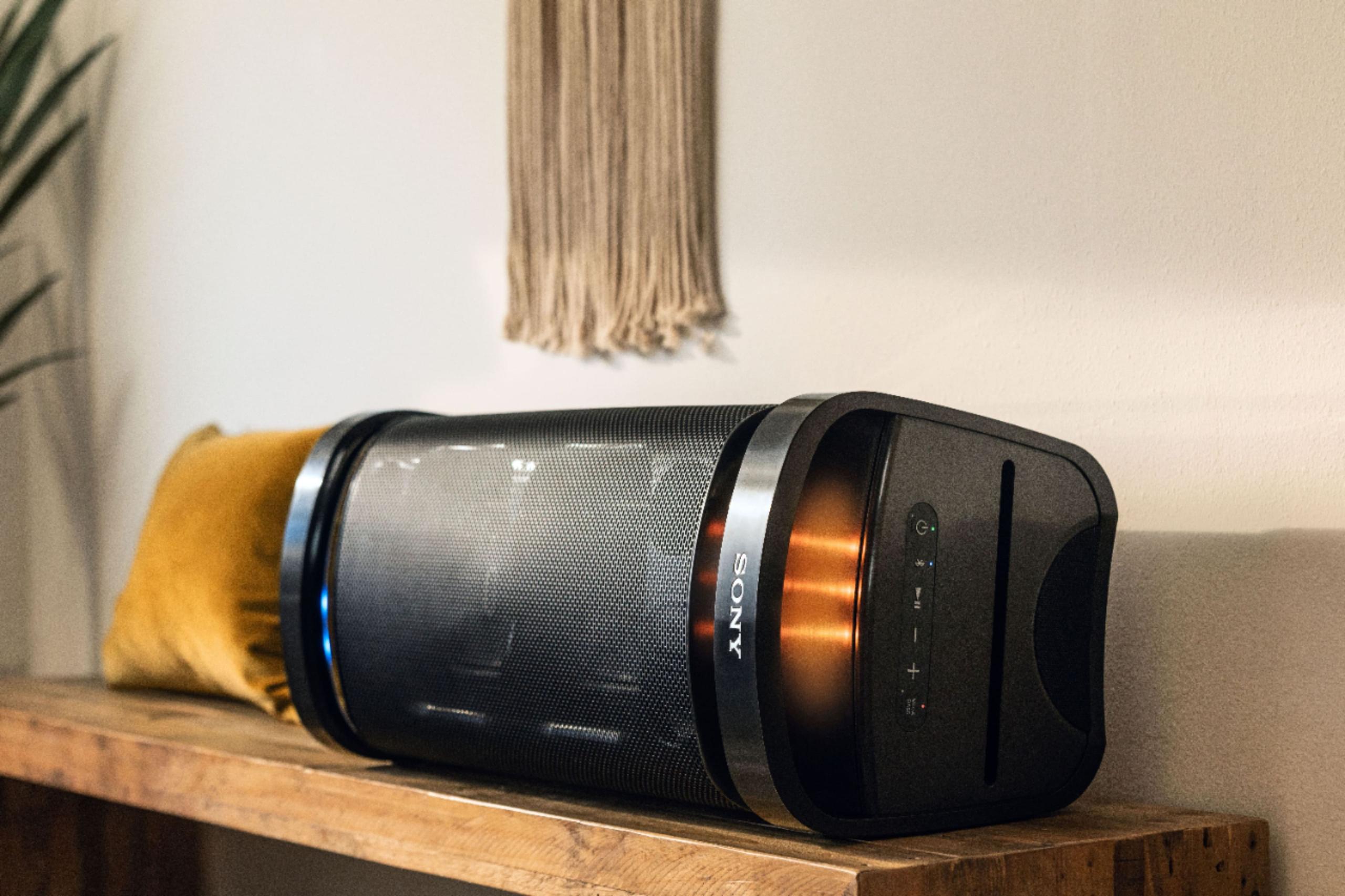
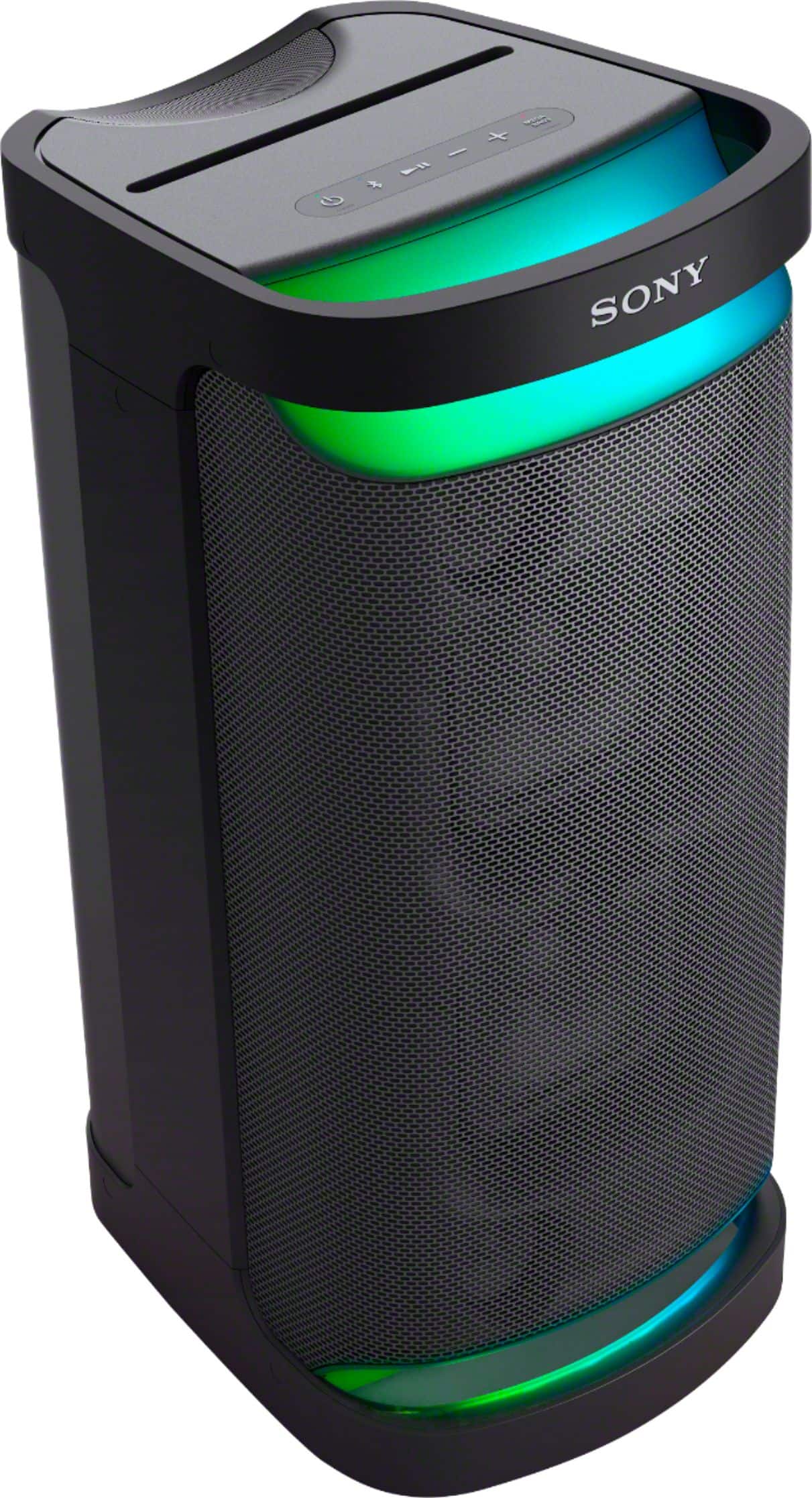
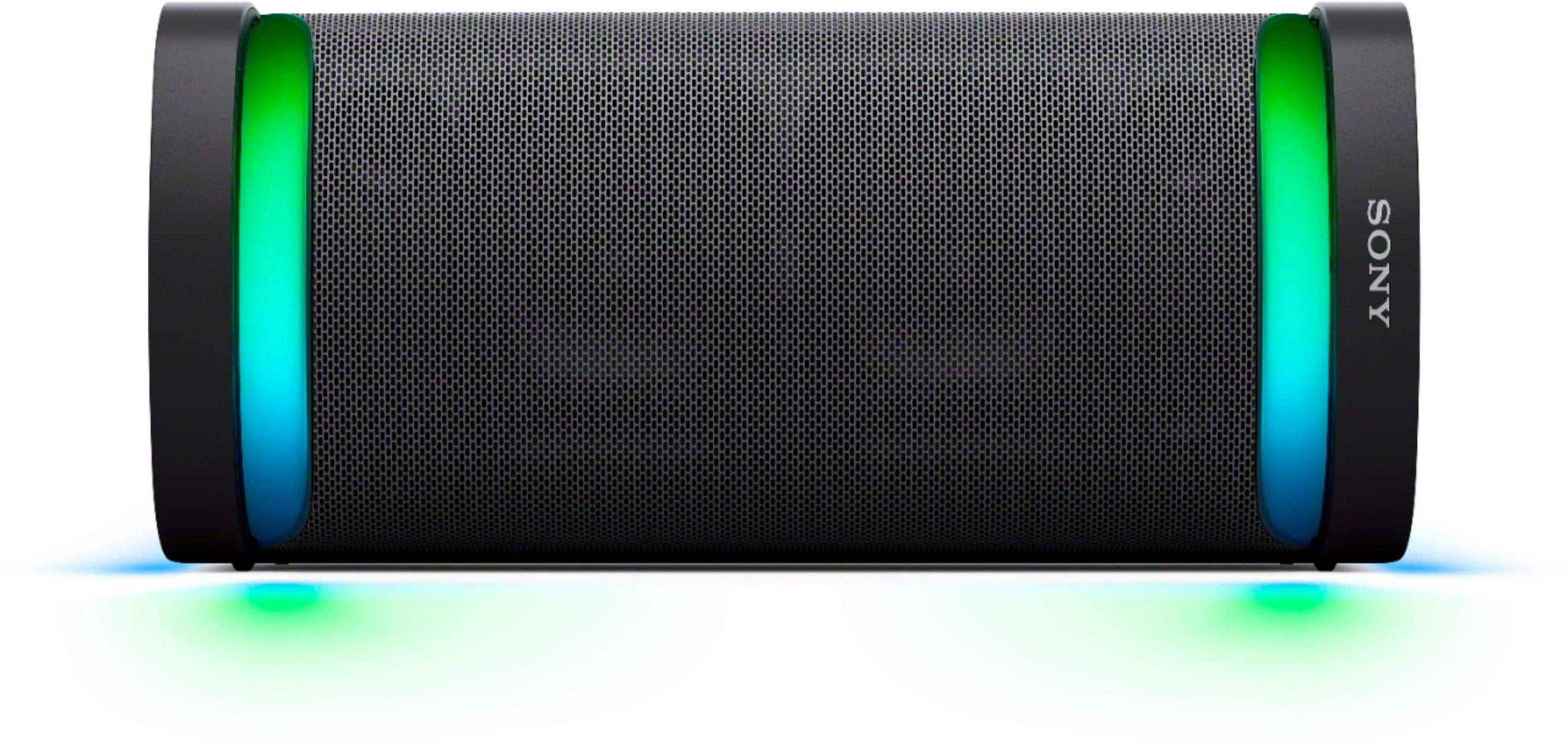
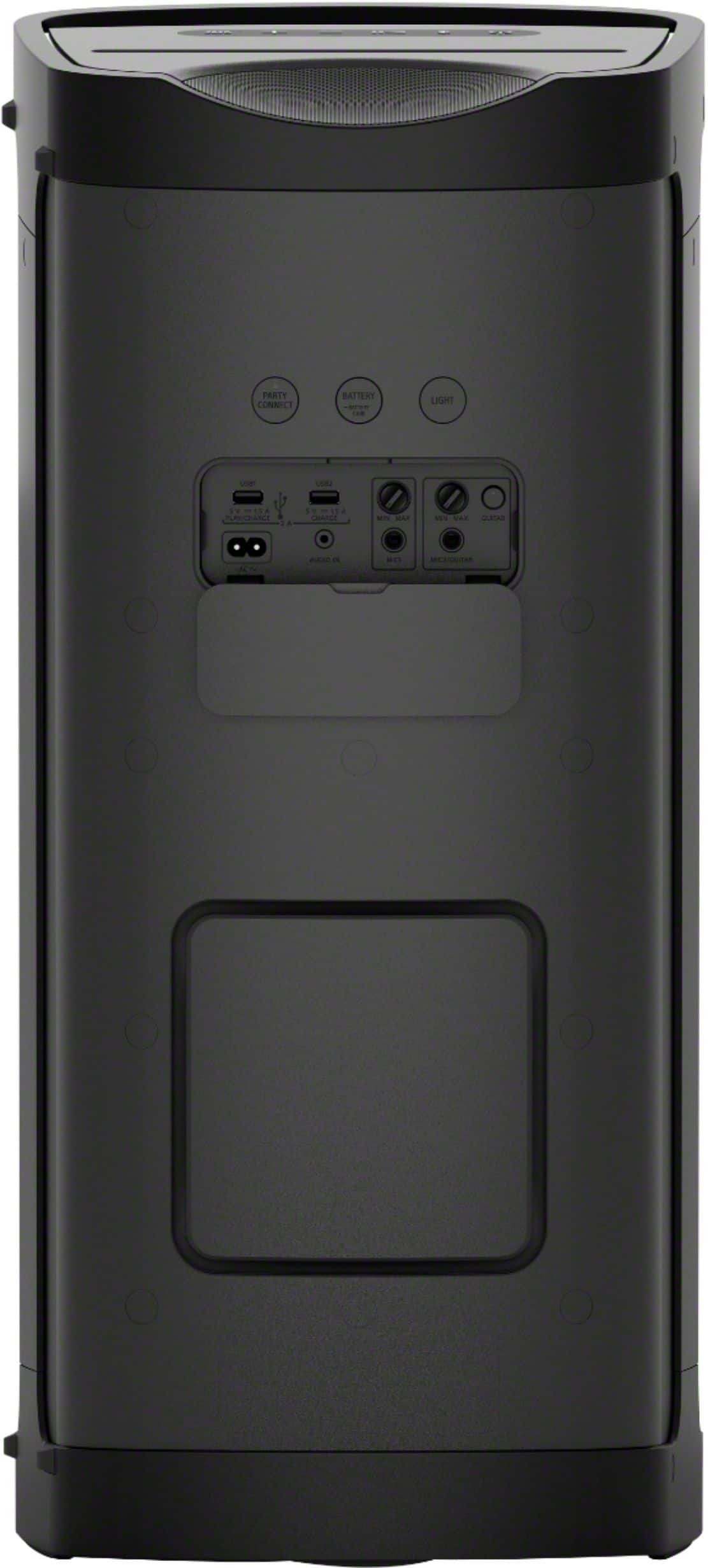
When it comes to throwing a memorable party, the right speaker can make or break the experience. Two standout options have captured attention in recent years: the Sony SRS-XP700 and the JBL PartyBox Ultimate. While both are designed to get people dancing, they take dramatically different approaches to delivering that party-perfect sound.
Party speakers aren't just regular speakers turned up loud. They're engineered specifically for social gatherings, combining powerful audio output with features like colorful LED light shows, microphone inputs for karaoke, and the ability to connect multiple speakers together. The key considerations when choosing one include how much space you need to fill, whether you'll be moving it around frequently, and what kind of atmosphere you want to create.
The Sony SRS-XP700, released in 2021, represents Sony's approach to portable party audio—offering substantial power in a battery-operated package that you can realistically transport between venues. Meanwhile, the JBL PartyBox Ultimate, launched in 2024, embodies JBL's philosophy of maximum performance, delivering professional-grade power that can fill enormous spaces but requires an AC outlet to operate.
Since their respective launches, both companies have continued refining their party speaker technologies. Sony has improved their X-Balanced Speaker Units (non-circular drivers that provide more surface area than traditional round speakers) and enhanced their omnidirectional sound dispersion. JBL has pushed further into professional territory with features like Dolby Atmos support and self-tuning room calibration technology that automatically adjusts sound based on the speaker's environment.
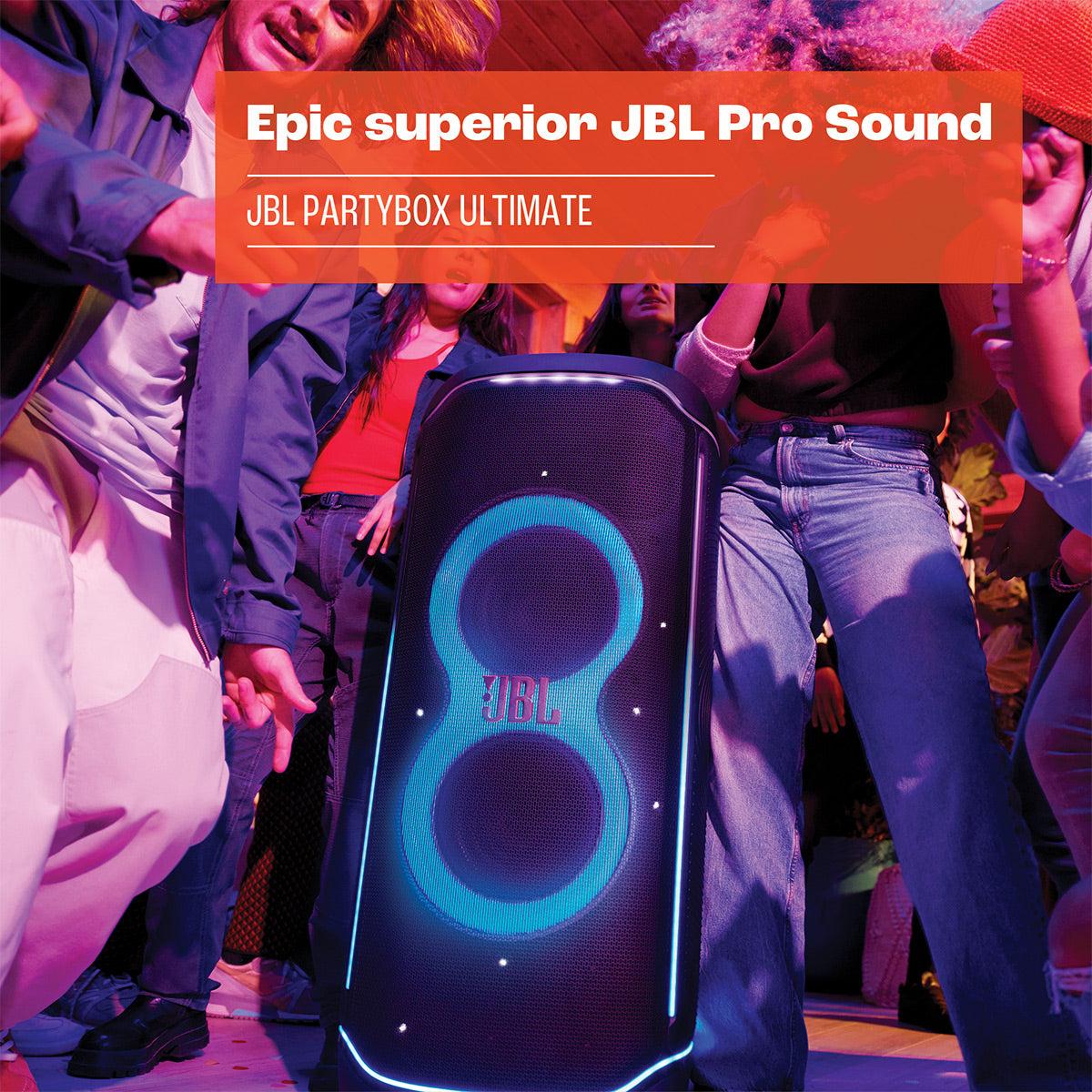
The most fundamental difference between these speakers lies in their power output capabilities. The JBL PartyBox Ultimate delivers a massive 1,100 watts RMS (Root Mean Square, which measures continuous power output rather than peak bursts), making it capable of producing sound pressure levels that can genuinely fill spaces as large as two basketball courts. In testing environments, it reaches approximately 110 decibels—loud enough that you'd need hearing protection if standing directly next to it at maximum volume.
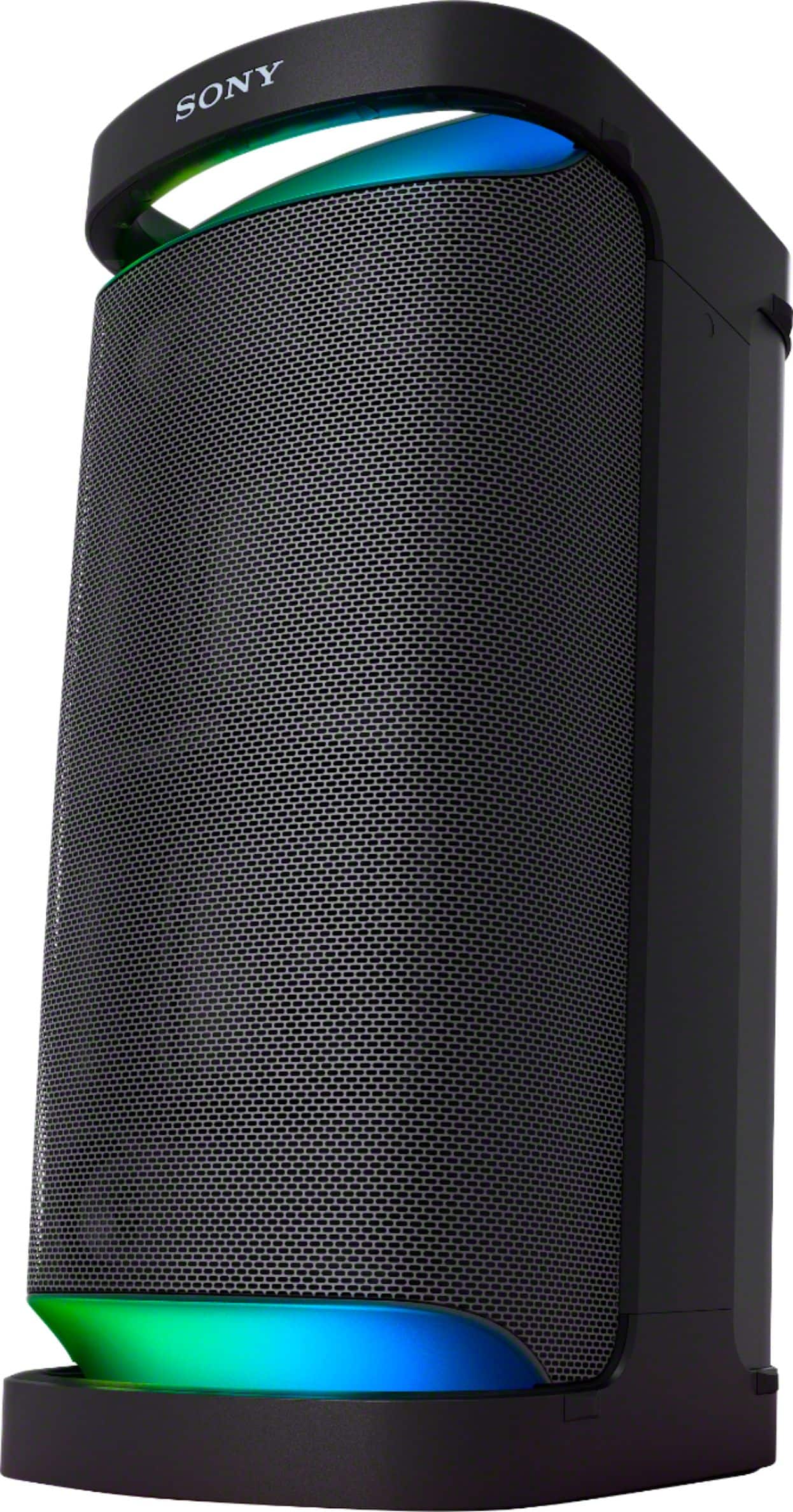
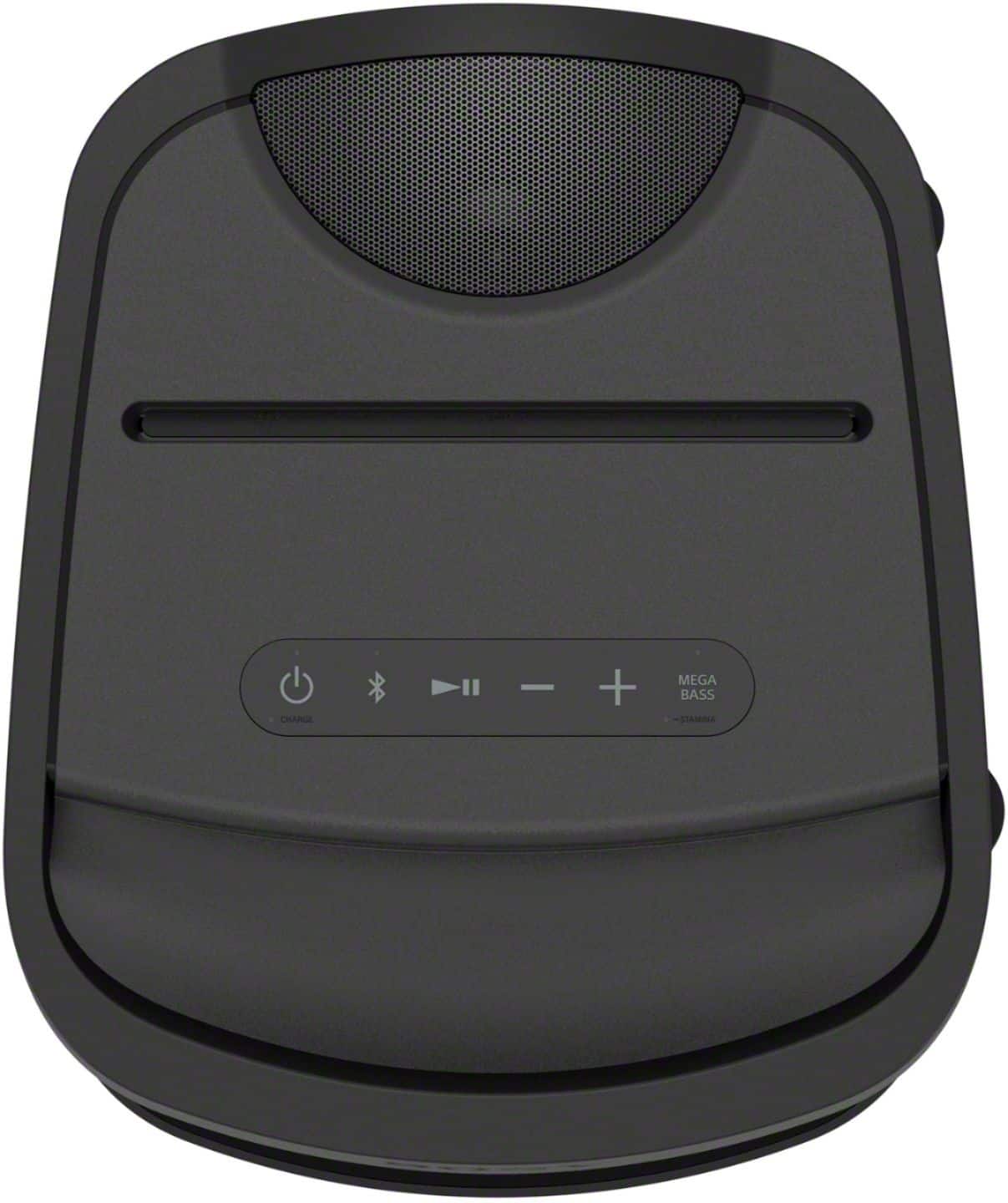
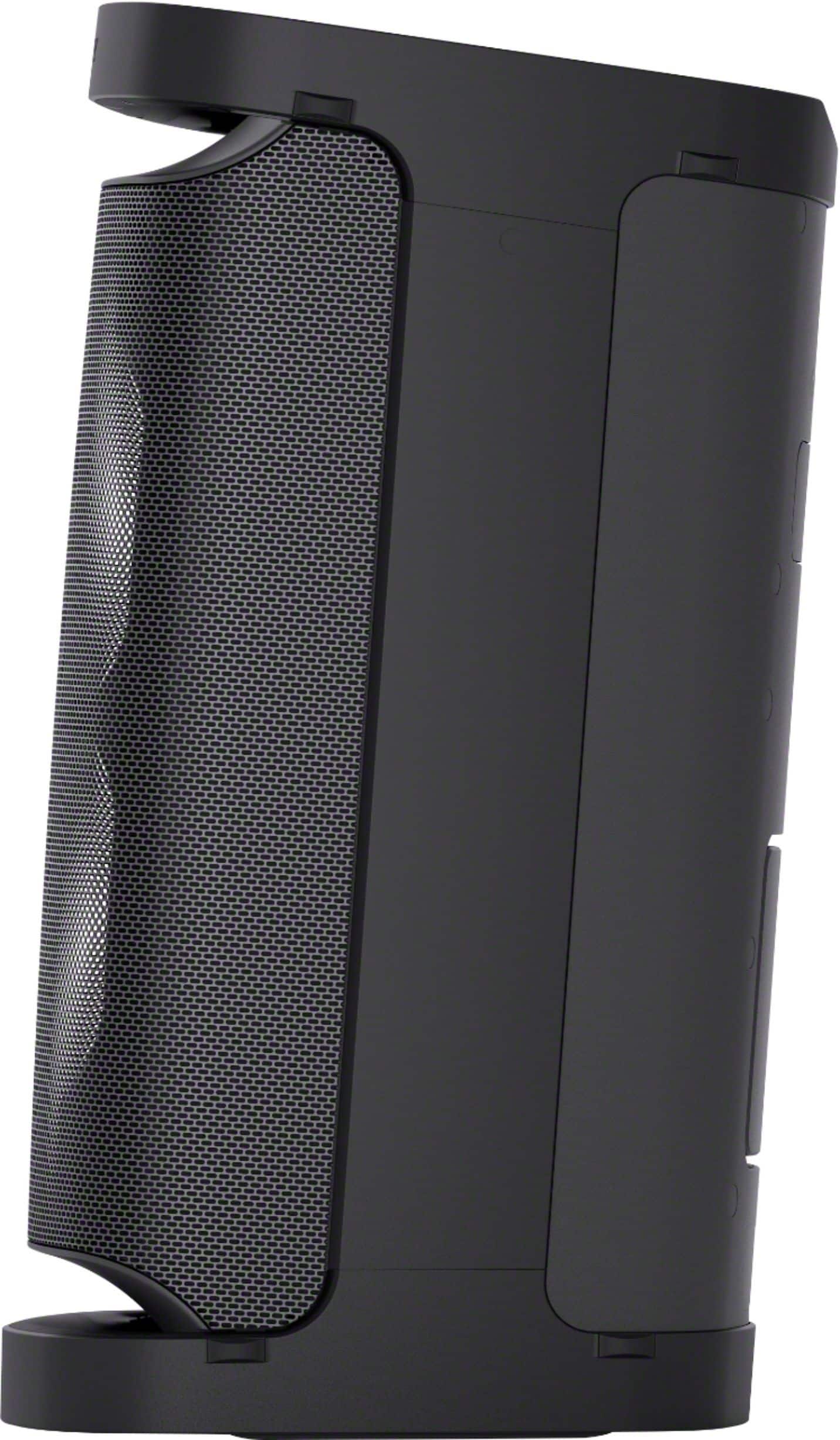
The Sony SRS-XP700, by comparison, produces 60 watts RMS. While this might seem dramatically lower, watts don't tell the whole story. Sony's engineering focuses on efficiency and sound quality rather than raw power. The speaker uses multiple smaller drivers working together, including three front-facing tweeters (high-frequency speakers) and one rear-facing tweeter, creating what they call "omnidirectional party sound."
This power difference translates to real-world performance in predictable ways. The JBL PartyBox Ultimate can genuinely overpower outdoor environments—think large backyard parties, beach gatherings, or community events where you need to reach people hundreds of feet away. The Sony SRS-XP700 excels in more typical party scenarios: medium-sized rooms, backyard gatherings of 20-50 people, or situations where you want substantial sound without overwhelming nearby neighbors.
From our research into user experiences, the Sony SRS-XP700 consistently receives praise for maintaining sound clarity even when pushed to its limits. Users report that vocals remain distinct and instruments don't muddy together, even at high volumes. The JBL PartyBox Ultimate, while capable of much higher volumes, sometimes shows slight compression (where dynamics get squeezed together) at absolute maximum levels, though it remains impressively clean for such a powerful speaker.
Beyond pure volume, these speakers take distinctly different approaches to sound reproduction. The Sony SRS-XP700 prioritizes balanced, natural sound reproduction with particular attention to mid-range frequencies where vocals live. Its four-tweeter configuration creates genuine 360-degree sound dispersion, meaning the person standing behind the speaker gets nearly the same audio experience as someone in front of it.
This omnidirectional design proves particularly valuable in social settings. Traditional speakers create "sweet spots" where the sound is optimal, but party environments have people scattered throughout the space. The Sony SRS-XP700's rear tweeter ensures that conversations near the back of the speaker remain clear and music sounds balanced from any angle.
The JBL PartyBox Ultimate takes a more traditional approach with forward-facing drivers optimized for maximum impact. Its dual 9-inch woofers (low-frequency drivers) create bass that you don't just hear—you feel it in your chest. The larger midrange drivers ensure that even at high volumes, instruments remain distinct and vocals cut through the mix.
Both speakers handle bass impressively, reaching down to approximately 41 Hz (Hz measures frequency—lower numbers mean deeper bass). However, their bass character differs significantly. The Sony SRS-XP700 delivers controlled, musical bass that enhances songs without overwhelming other frequencies. The JBL PartyBox Ultimate produces bass with physical impact that can shake floors and create that visceral club-like experience.
For frequency response (the range of sounds a speaker can reproduce), both cover the full range of human hearing effectively. The JBL PartyBox Ultimate extends slightly higher into the treble range and provides more low-end impact, while the Sony SRS-XP700 offers more balanced reproduction across all frequencies.
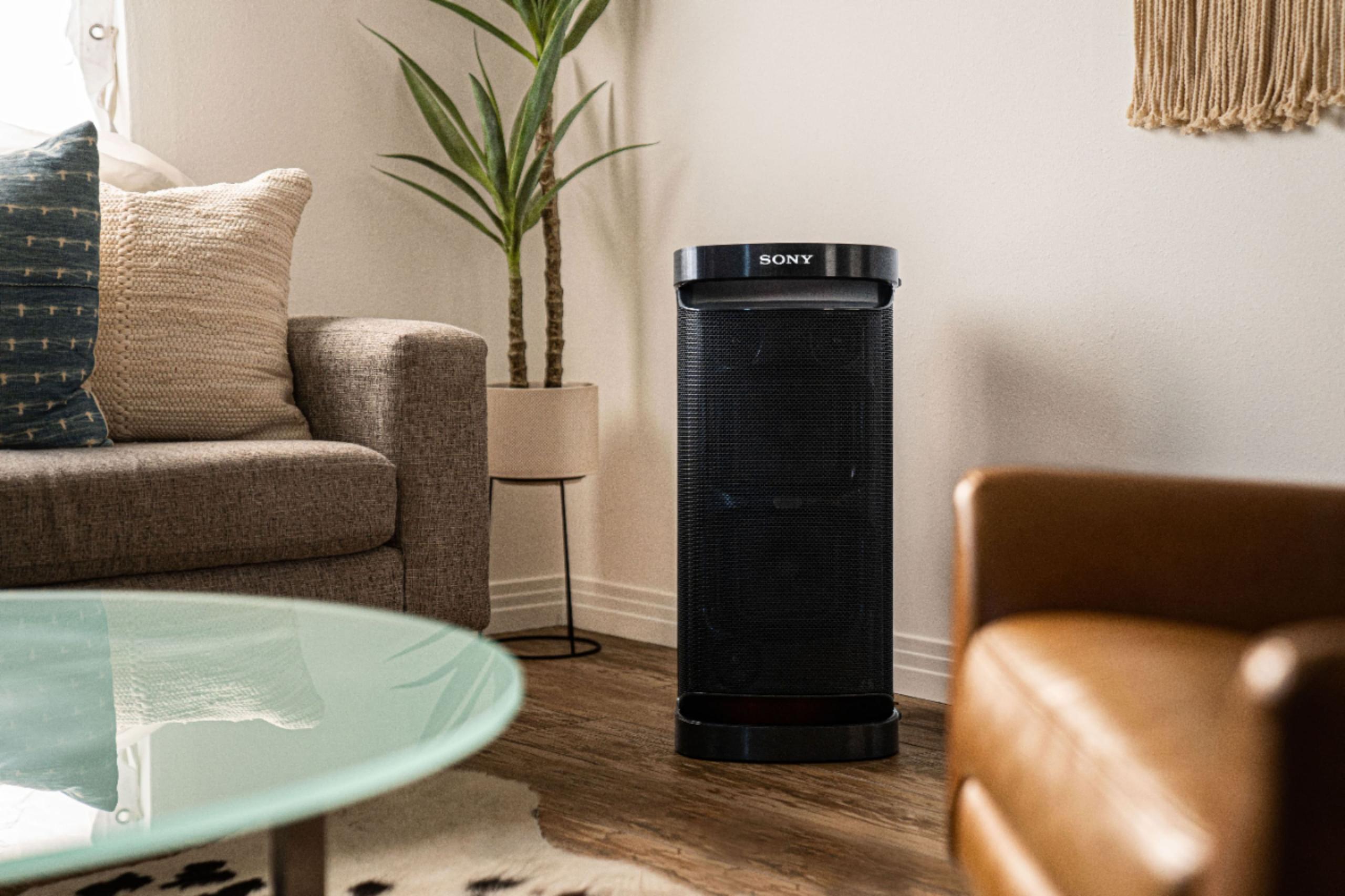
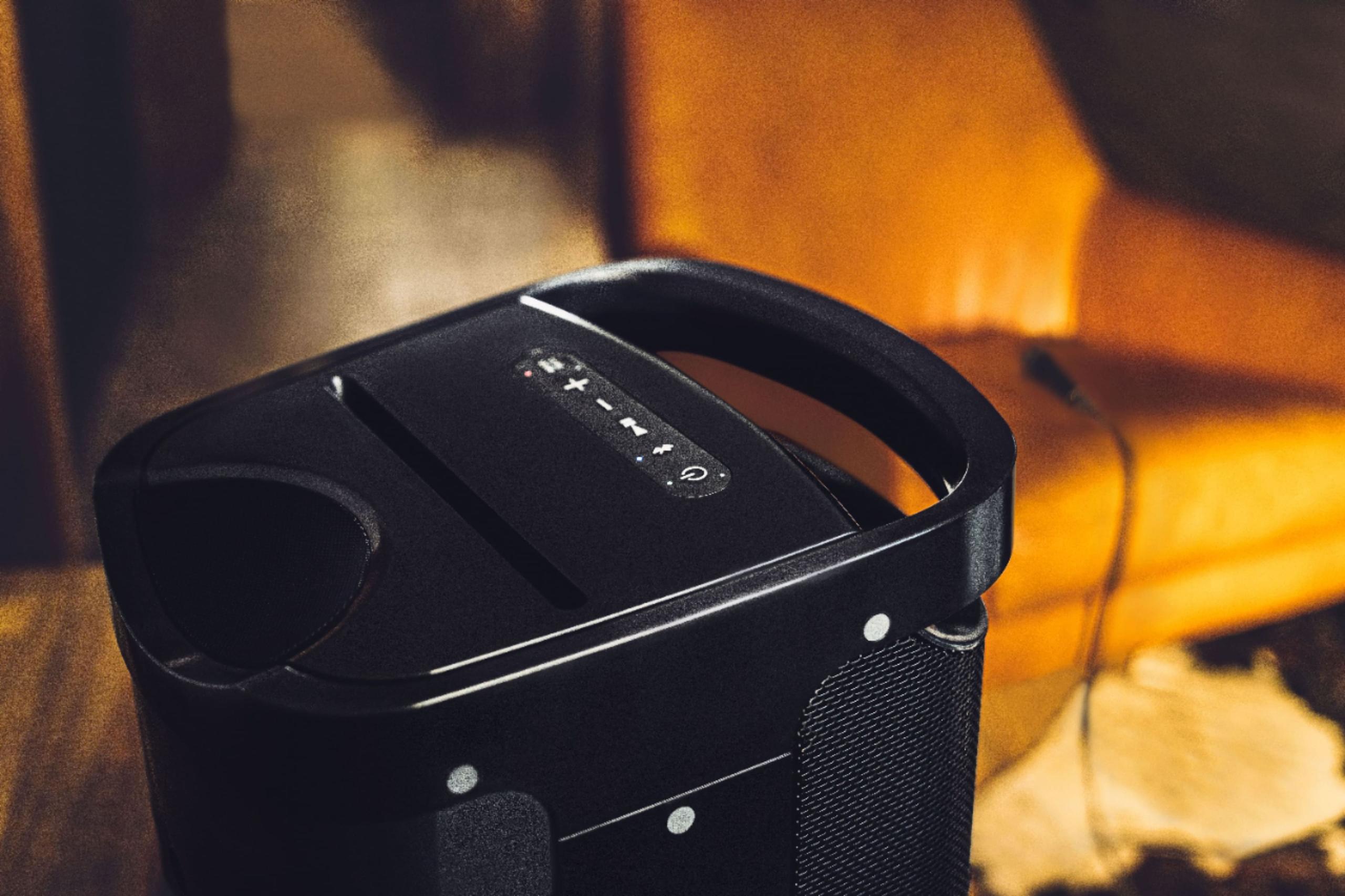
Here's where these speakers diverge most dramatically. The Sony SRS-XP700 weighs about 37 pounds and includes built-in rechargeable batteries providing up to 25 hours of playback—genuinely impressive endurance that means all-day outdoor events without worrying about power sources. Its integrated handles make transport feasible, though users consistently note that wheels would improve the experience significantly.
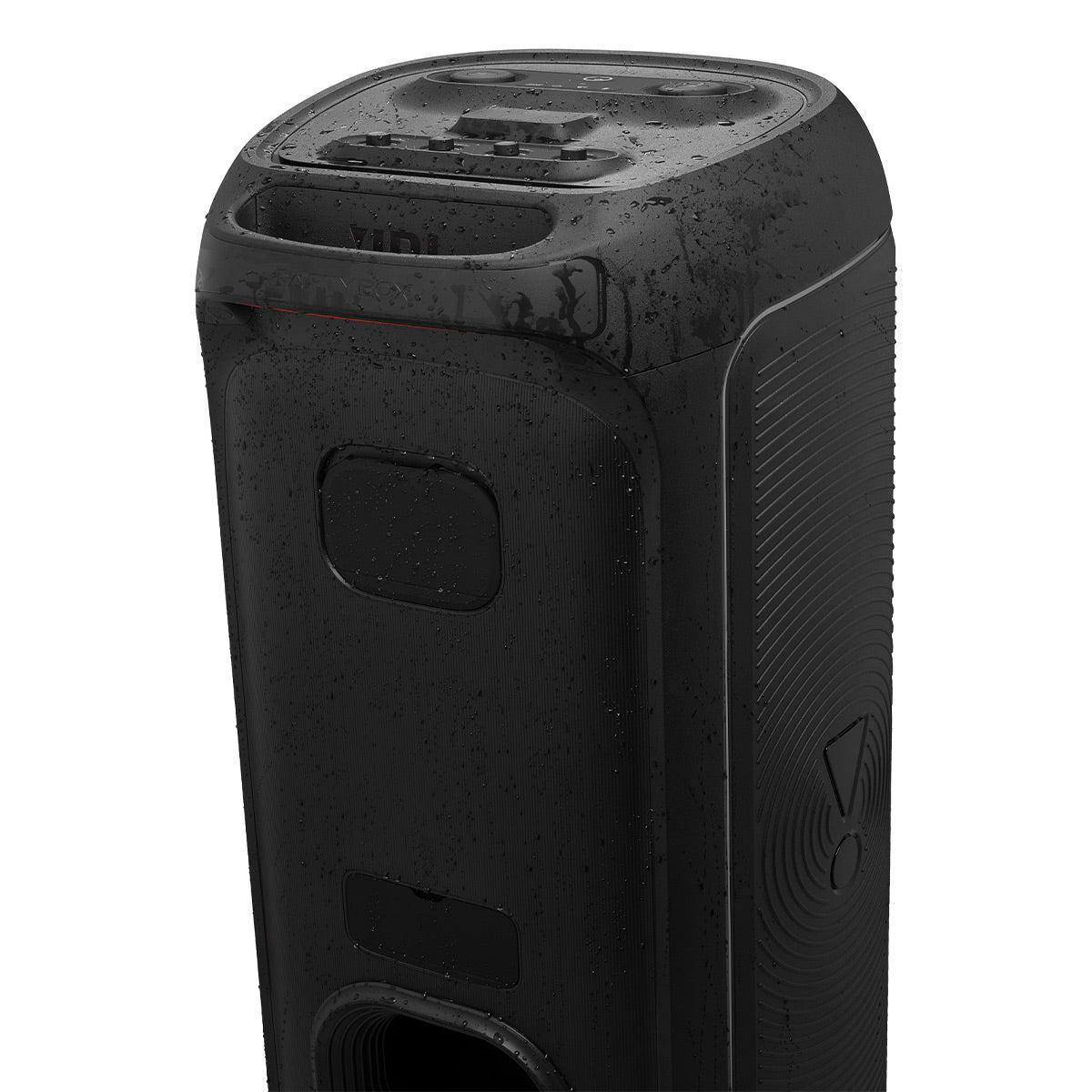
The JBL PartyBox Ultimate weighs 87 pounds and requires AC power, making it essentially a permanent or semi-permanent installation. However, it does include heavy-duty wheels and a sturdy handle, acknowledging that even stationary speakers sometimes need to move between rooms or storage areas.
This weight difference reflects their intended use cases. The Sony SRS-XP700 excels for camping trips, beach parties, tailgating, or any scenario where you need quality audio away from power outlets. The JBL PartyBox Ultimate targets home entertainment rooms, covered patios, or large indoor venues where maximum performance outweighs portability concerns.
Battery technology has improved significantly since 2021, but the Sony SRS-XP700's 25-hour runtime remains exceptional. Quick charging provides three hours of playback from just ten minutes of charging, making it practical for extended events. The trade-off is that battery-powered speakers must balance power consumption with performance, explaining the lower wattage compared to AC-powered alternatives.
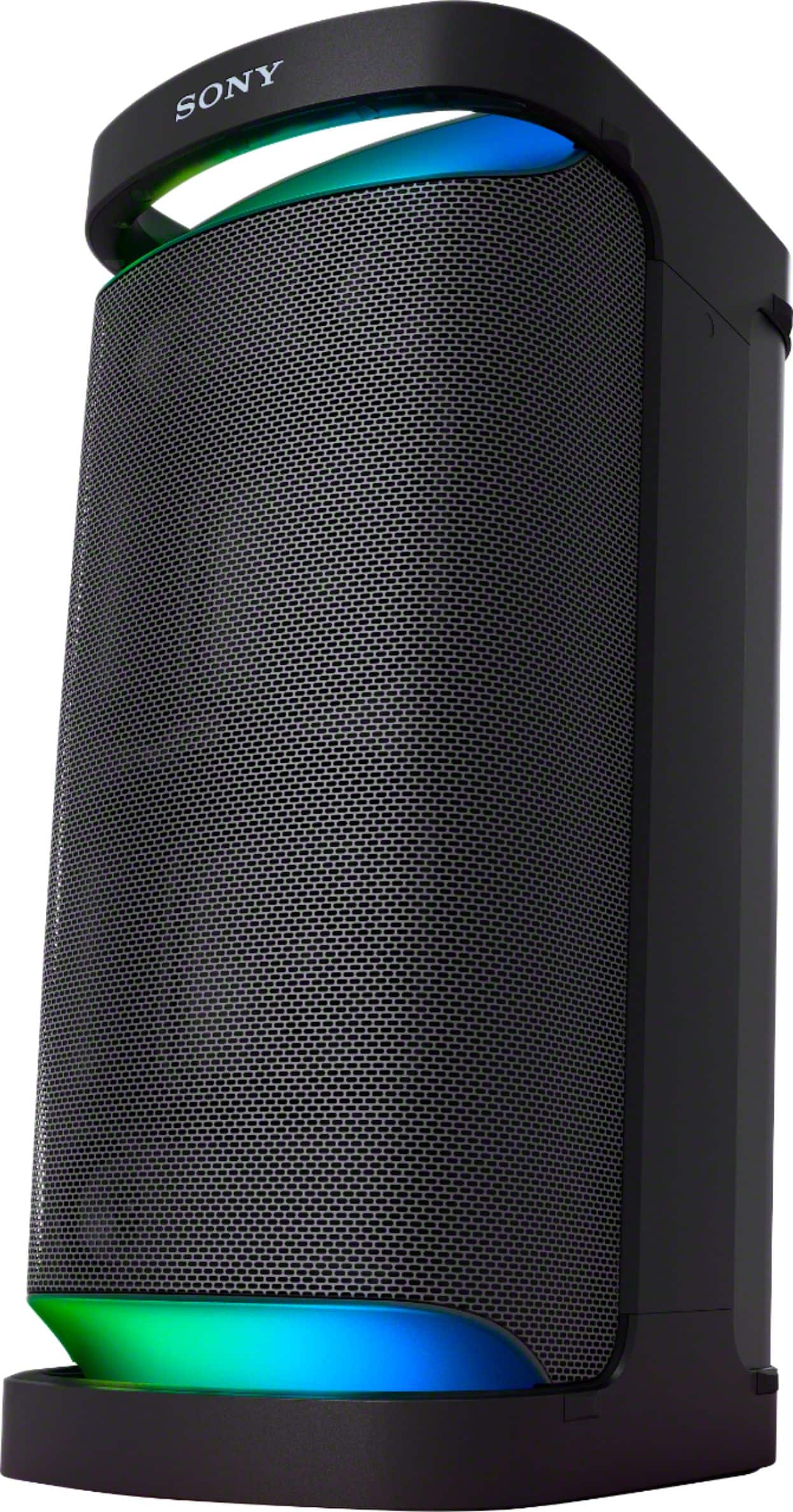
Both speakers include LED lighting systems, but their execution differs considerably. The Sony SRS-XP700 features programmable RGB LEDs (Red, Green, Blue lights that can create virtually any color) with customizable patterns controlled through Sony's smartphone apps. However, user feedback consistently describes the lighting as subtle and not particularly bright or dynamic.
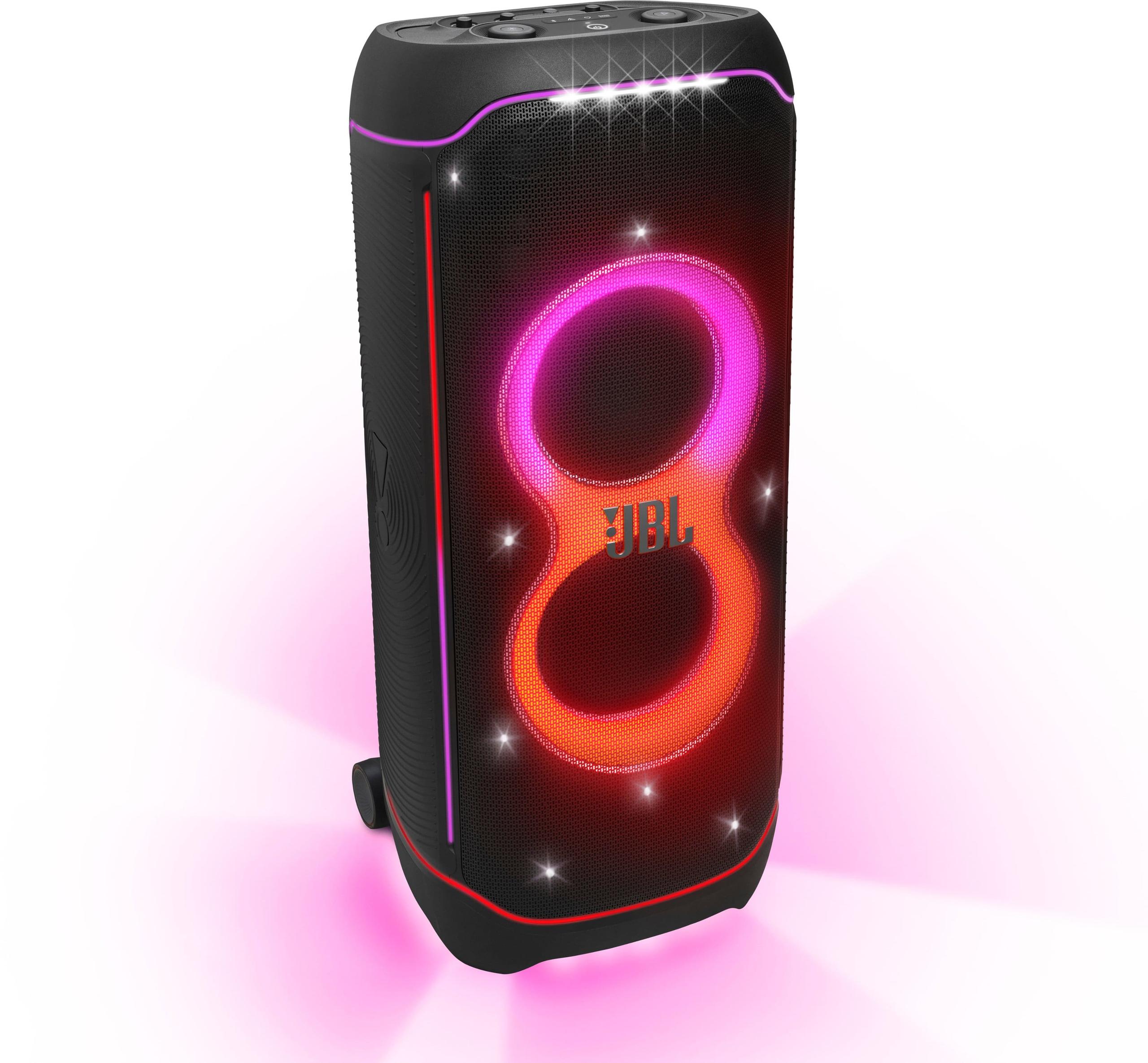
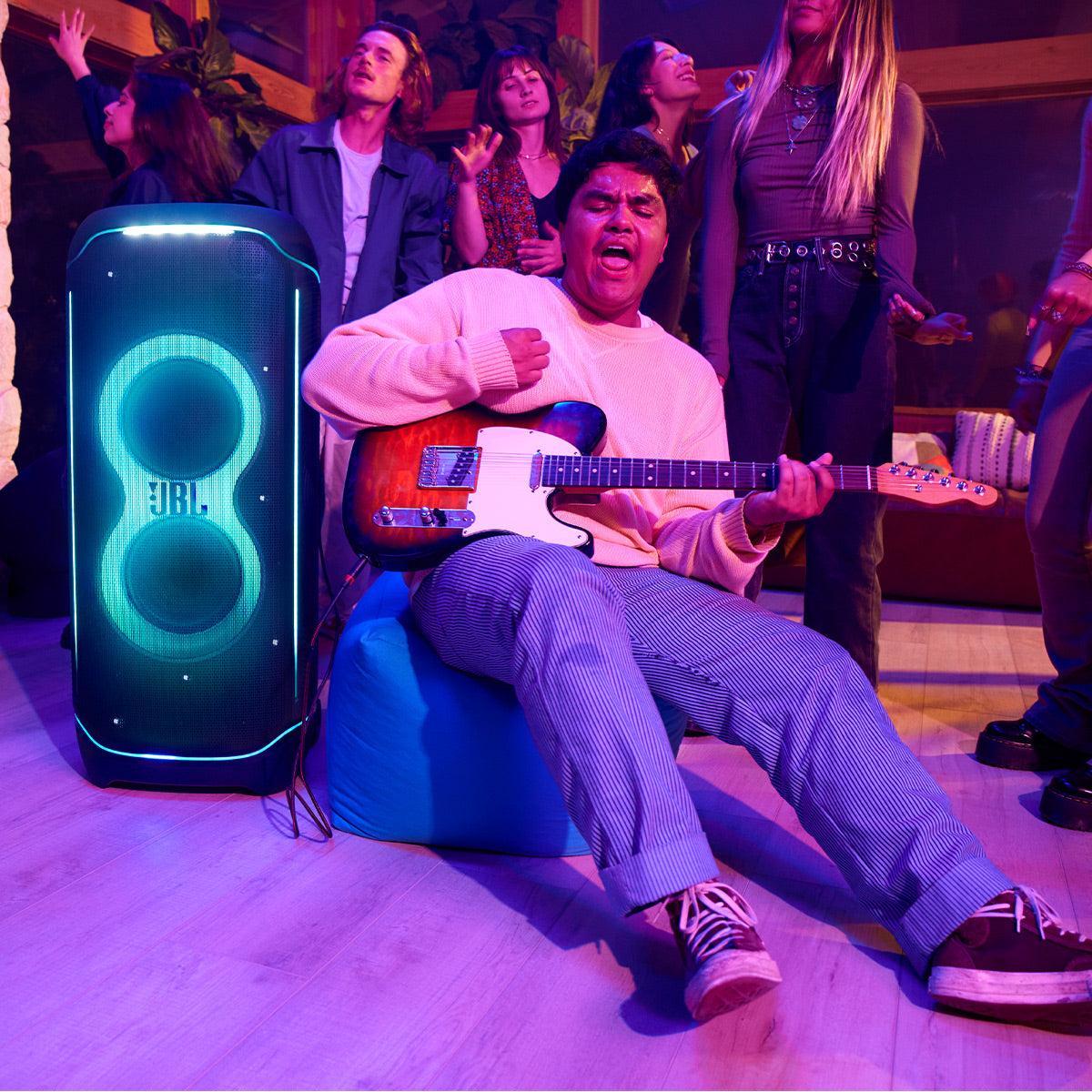
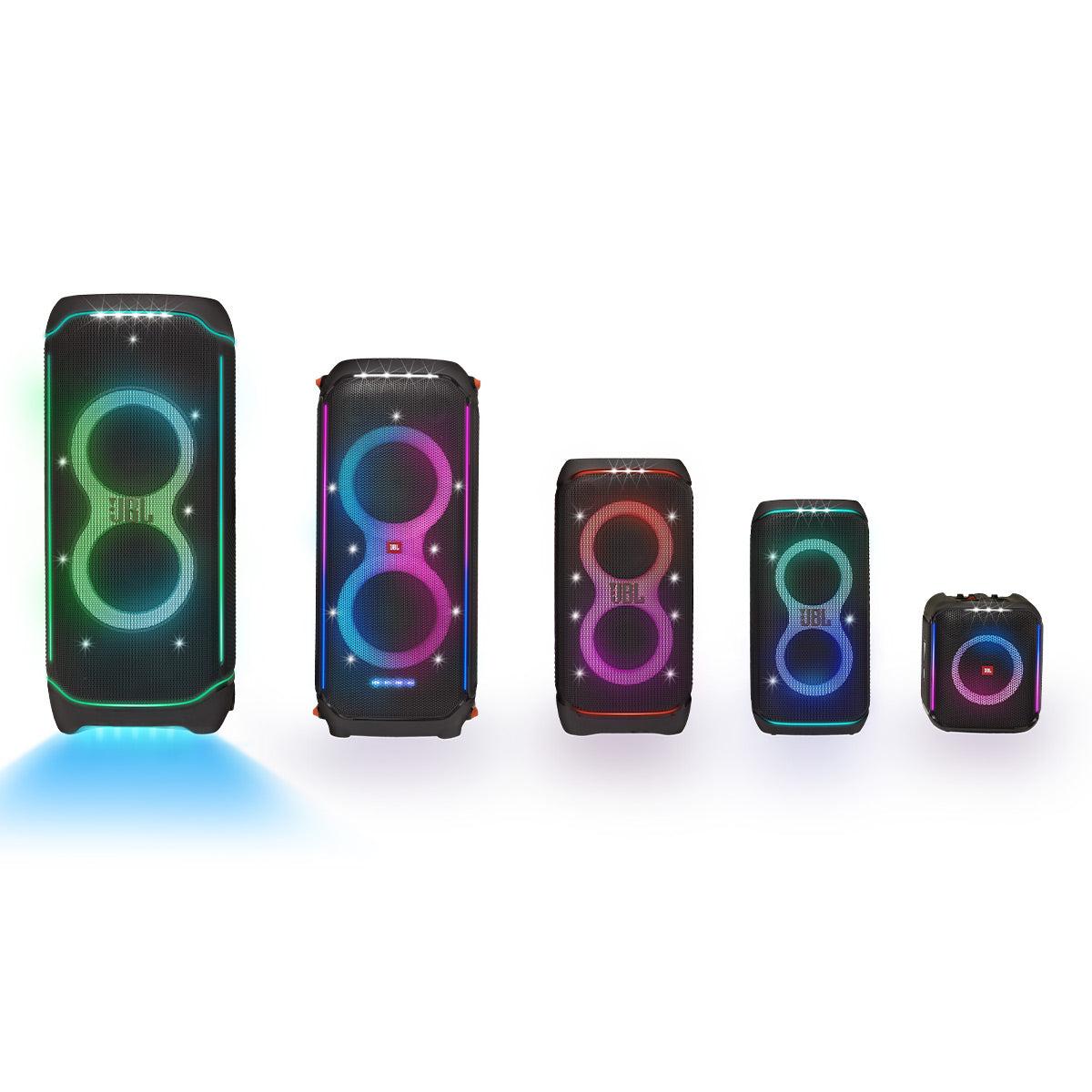
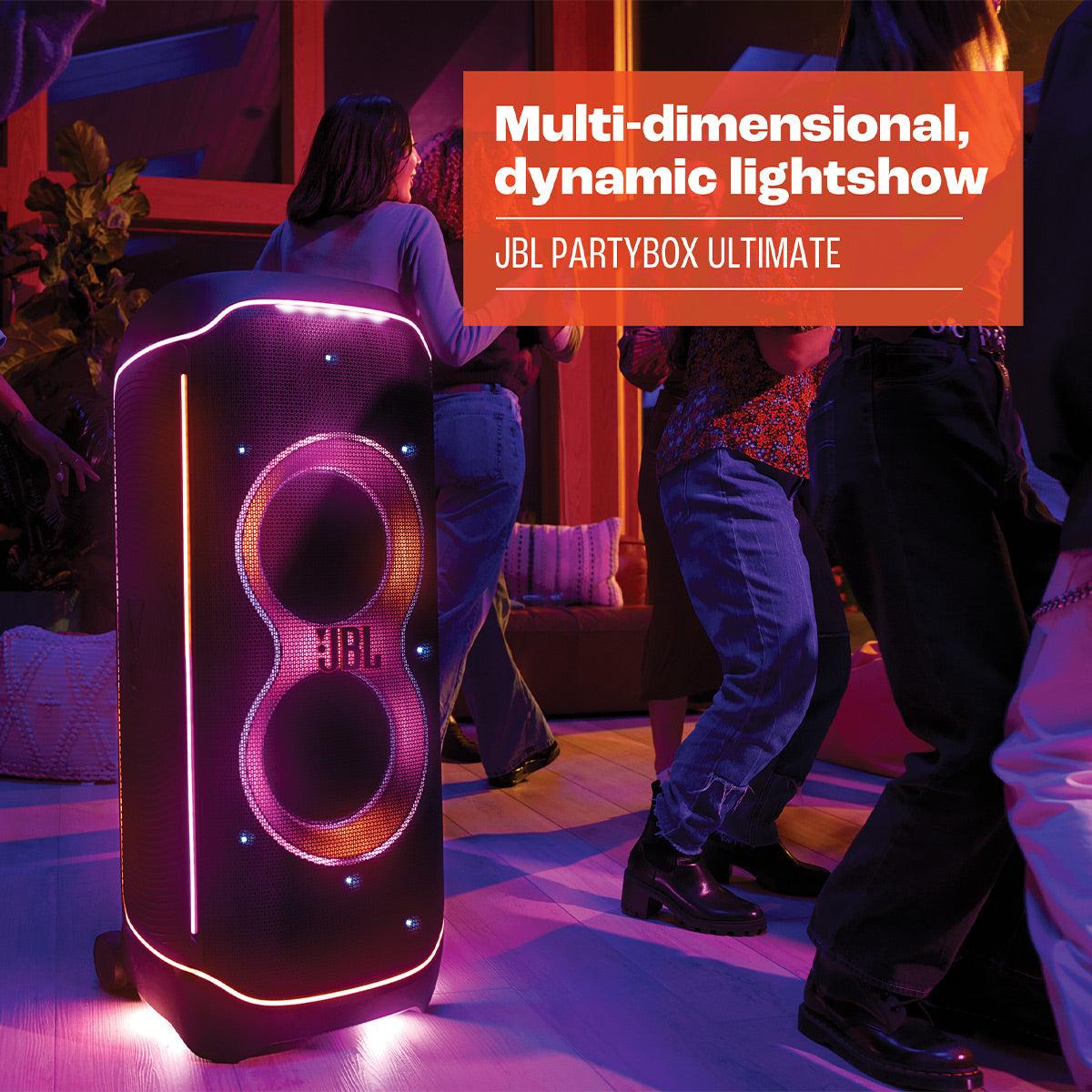
The JBL PartyBox Ultimate takes lighting seriously, featuring what JBL calls their largest multi-dimensional lightshow. This includes starry night effects, light trails, strobe patterns, and ground projection that automatically synchronizes with music beats. Reviews consistently praise these lighting effects as genuinely impressive and party-enhancing rather than merely decorative.
For users prioritizing visual impact, the JBL PartyBox Ultimate clearly leads. Its lighting system can genuinely transform a room's atmosphere and create that club-like environment many party hosts desire. The Sony SRS-XP700's lighting serves more as accent lighting that adds some visual interest without overwhelming the space.
Both speakers embrace modern connectivity, but with different priorities. The Sony SRS-XP700 focuses on Bluetooth reliability and multi-speaker connectivity, supporting Bluetooth 5.0 with advanced codecs including LDAC (which provides higher-quality wireless audio than standard Bluetooth). It can pair with up to eight devices and connect two simultaneously, making it easy to share DJ duties at parties.
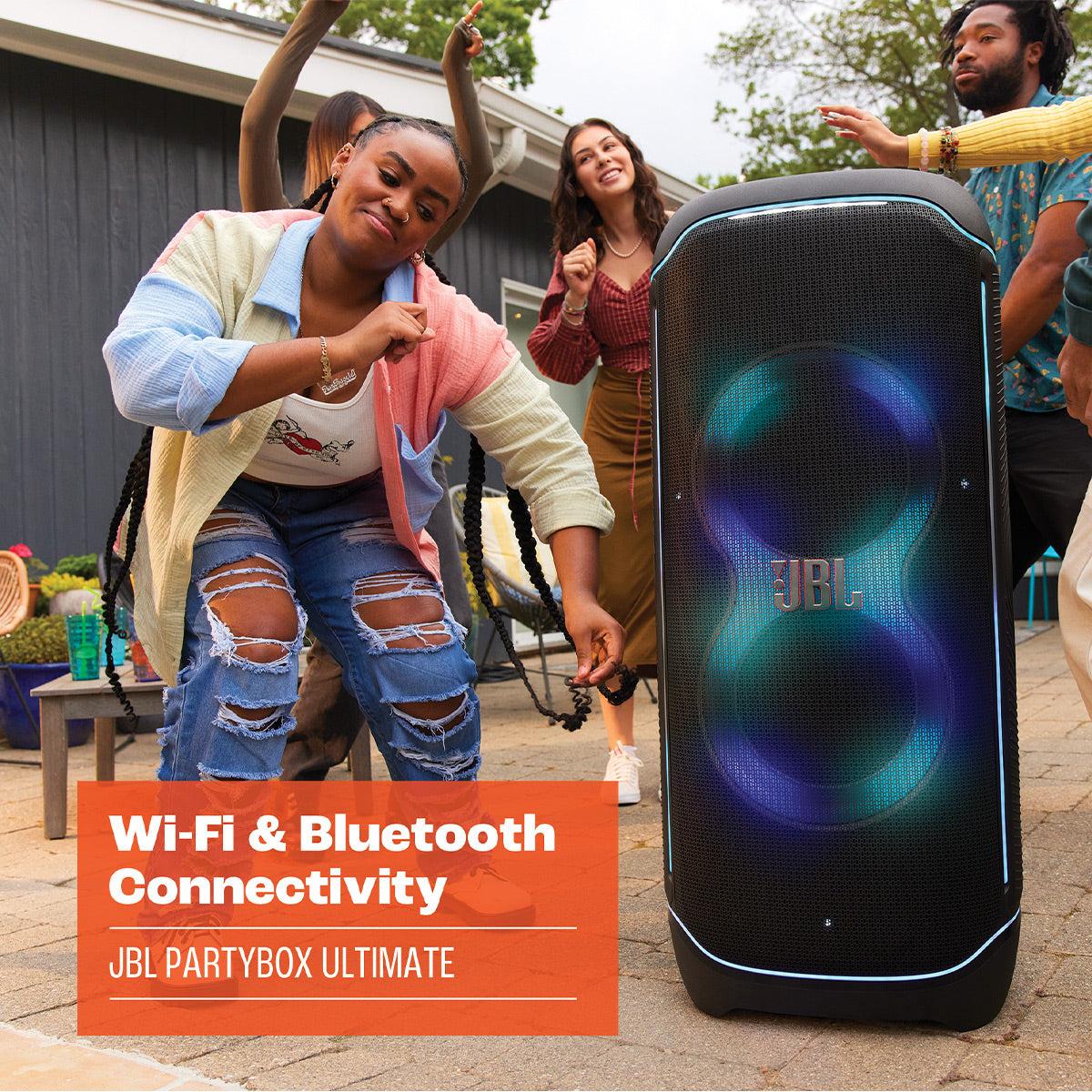
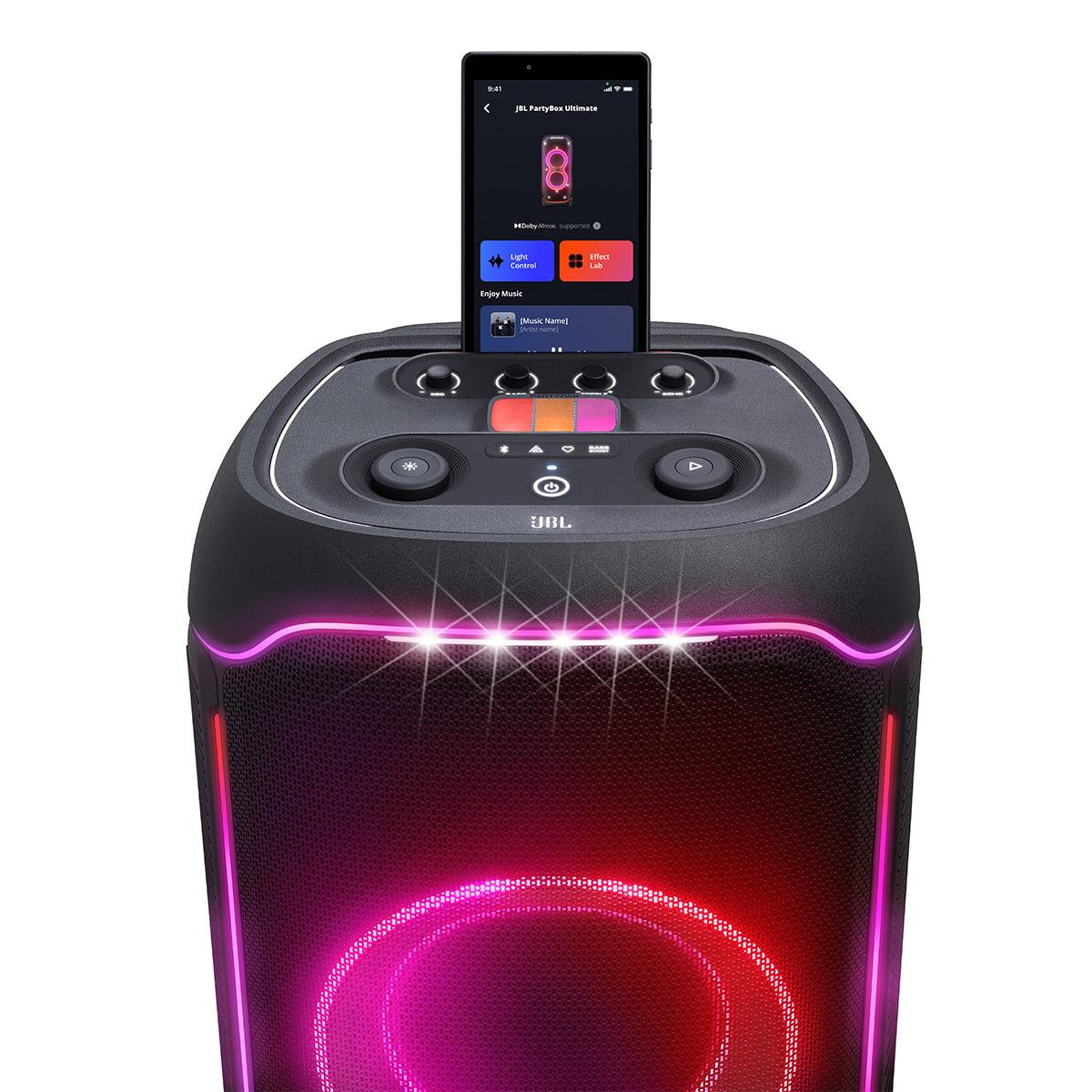
The JBL PartyBox Ultimate includes dual-band Wi-Fi 6 (the latest wireless standard offering faster, more reliable connections) alongside Bluetooth 5.3. This Wi-Fi connectivity enables features like Dolby Atmos streaming (three-dimensional spatial audio that creates immersive soundscapes) and seamless integration with streaming services through AirPlay 2, Chromecast, and Spotify Connect.
For smartphone integration, the Sony SRS-XP700 offers two companion apps: Sony Music Center for audio controls and EQ adjustments, and Fiestable for party-specific features like karaoke modes and playlist creation. The JBL PartyBox Ultimate uses the JBL One app for comprehensive control over audio settings, lighting patterns, and multi-speaker management.
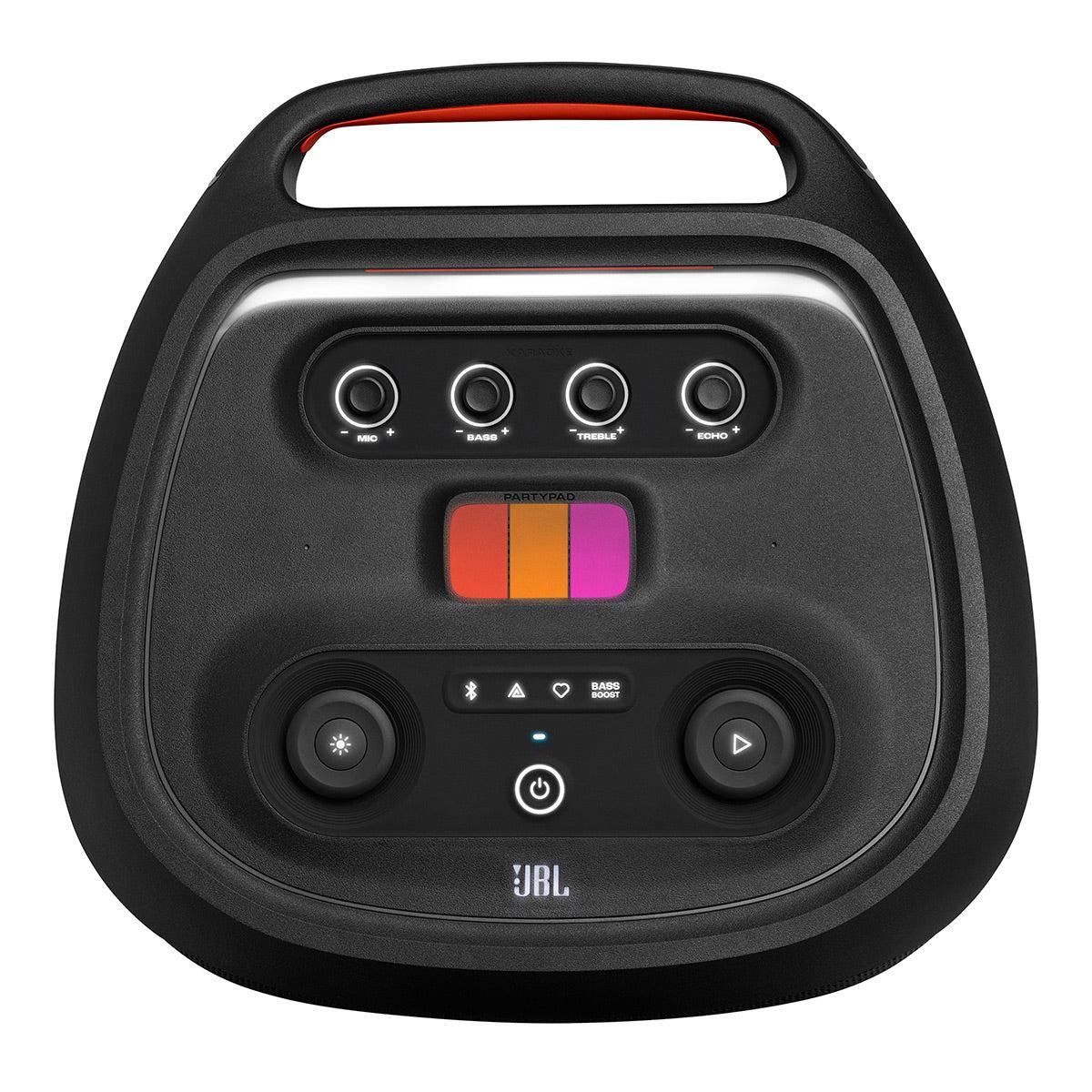
Both speakers include microphone and guitar inputs for live performance or karaoke, but the JBL PartyBox Ultimate adds the innovative JBL PartyPad—an interactive DJ control surface on top of the speaker that lets users trigger sound effects and control lighting with touch gestures.
At the time of writing, these speakers occupy different price tiers, with the Sony SRS-XP700 positioned in the mid-range party speaker market while the JBL PartyBox Ultimate commands premium pricing reflecting its professional-grade features and maximum performance capabilities.
When evaluating value, consider cost-per-watt calculations alongside practical benefits. The JBL PartyBox Ultimate delivers significantly more power per dollar spent, making it excellent value for users needing maximum output. However, the Sony SRS-XP700 provides features like battery operation and portability that have real monetary value if they match your usage patterns.
For most home users, the Sony SRS-XP700 offers better practical value. Its combination of substantial power, excellent battery life, and reasonable pricing makes it accessible while still delivering impressive performance. The JBL PartyBox Ultimate represents exceptional value for users with large spaces or professional requirements, but its higher price point and AC power requirement limit its versatility.
While both speakers primarily target party applications, they can serve double duty in home entertainment systems. The JBL PartyBox Ultimate excels here, with Dolby Atmos support providing genuine surround sound effects when connected to compatible streaming sources. Its powerful output can easily fill large rooms with movie soundtracks, though its party-oriented sound tuning may require EQ adjustment for optimal dialogue clarity.
The Sony SRS-XP700's omnidirectional design works well for casual movie watching, especially in open-concept living spaces where viewers might be positioned around the room rather than directly in front of a traditional setup. However, its battery operation and portable design suggest it's better suited for supplemental or temporary home theater use rather than permanent installation.
Neither speaker includes HDMI or optical inputs typically found on dedicated home theater equipment, limiting their integration with TV and gaming systems. Both rely on Bluetooth or auxiliary connections, which may introduce slight audio delays with video content.
The Sony SRS-XP700 makes sense for users prioritizing versatility and portability. If you host parties in multiple locations, enjoy outdoor activities like camping or beach trips, or want substantial audio performance without the commitment of a permanent installation, Sony's approach delivers excellent practical value. Its balanced sound signature works well across music genres, and the 25-hour battery life eliminates power concerns for extended events.
Choose the Sony SRS-XP700 if you:
The JBL PartyBox Ultimate targets users with large spaces and maximum performance requirements. If you have a dedicated entertainment space, regularly host large gatherings (50+ people), or want professional-level features like DJ controls and room calibration, JBL's approach justifies its higher price and power requirements. Its visual impact through advanced lighting and maximum audio output create genuinely impressive party environments.
Choose the JBL PartyBox Ultimate if you:
Both the Sony SRS-XP700 and JBL PartyBox Ultimate excel in their intended roles, but they serve fundamentally different needs. The Sony offers impressive performance in a portable package that adapts to various scenarios, making it ideal for users wanting flexibility without sacrificing audio quality. The JBL delivers maximum impact for users with dedicated party spaces and the budget to match their performance ambitions.
For most people, the Sony SRS-XP700 provides better practical value through its combination of portability, battery life, and balanced performance. However, if you have the space, power access, and budget for maximum party impact, the JBL PartyBox Ultimate delivers an experience that few speakers can match.
The choice ultimately depends on your specific needs: versatile portability with the Sony SRS-XP700, or maximum stationary performance with the JBL PartyBox Ultimate. Both represent excellent engineering approaches to party audio, just optimized for different priorities and lifestyles.
| Sony SRS-XP700 | JBL PartyBox Ultimate |
|---|---|
| Power Output - Determines maximum volume and room coverage | |
| 60W RMS (fills medium rooms and outdoor spaces) | 1,100W RMS (fills gymnasium-sized venues) |
| Portability - Critical for multi-venue use and outdoor events | |
| 37 lbs with built-in battery, 25-hour runtime | 87 lbs, AC-powered only, includes wheels |
| Sound Design - Affects audio quality and listener positioning | |
| Omnidirectional with rear tweeter (360° sound dispersion) | Forward-facing drivers optimized for maximum impact |
| Connectivity - Modern streaming and multi-device capabilities | |
| Bluetooth 5.0 with LDAC, connects 2 devices simultaneously | Wi-Fi 6 + Bluetooth 5.3, Dolby Atmos, AirPlay 2, Chromecast |
| Lighting Effects - Visual party atmosphere enhancement | |
| Basic RGB LEDs with app control (subtle accent lighting) | Multi-dimensional lightshow with strobes, starry effects, ground projection |
| Interactive Features - Live performance and DJ capabilities | |
| Mic/guitar inputs, karaoke app, Party Connect (up to 100 speakers) | JBL PartyPad DJ controls, dual mic/guitar inputs, self-tuning calibration |
| Water Resistance - Protection for outdoor and poolside use | |
| IPX4 splash-resistant | IPX4 splash-resistant |
| Bass Performance - Low-end impact and physical presence | |
| Controlled, musical bass extending to ~41 Hz | Room-shaking bass ~20% stronger than competitors, ~41 Hz extension |
| Release Year & Technology - Latest features and improvements | |
| 2021 release with X-Balanced drivers and refined app ecosystem | 2024 release with cutting-edge Wi-Fi 6 and Dolby Atmos support |
| Ideal Use Cases - Best scenarios for each speaker | |
| Camping, beach trips, backyard parties, multi-location events | Large venues, permanent installations, professional DJ use, maximum impact priority |
The JBL PartyBox Ultimate is significantly louder with 1,100W RMS output compared to the Sony SRS-XP700's 60W RMS. The JBL can fill spaces as large as two basketball courts, while the Sony is designed for medium-sized rooms and typical backyard parties.
Only the Sony SRS-XP700 offers battery operation with up to 25 hours of playback time. The JBL PartyBox Ultimate requires AC power and cannot run on batteries, making it suitable only for locations with electrical outlets.
The Sony SRS-XP700 is far better for outdoor use due to its built-in battery, lighter weight (37 lbs vs 87 lbs), and portable design. The JBL PartyBox Ultimate needs wall power and is too heavy for most outdoor scenarios.
Both deliver excellent bass, but differently. The Sony SRS-XP700 provides balanced, musical bass that doesn't overpower other frequencies. The JBL PartyBox Ultimate delivers room-shaking bass with about 20% more impact, creating a more club-like experience.
The JBL PartyBox Ultimate has superior lighting with multi-dimensional effects including strobes, starry patterns, and ground projection that sync to music. The Sony SRS-XP700 has basic RGB lighting that users describe as subtle and not particularly bright.
Yes, both support Bluetooth connectivity. The Sony SRS-XP700 uses Bluetooth 5.0 and can connect two devices simultaneously. The JBL PartyBox Ultimate offers Bluetooth 5.3 plus Wi-Fi 6 for higher-quality streaming and features like AirPlay 2 and Chromecast.
The Sony SRS-XP700 offers better value for most users due to its portability, battery life, and balanced performance at a lower price point. The JBL PartyBox Ultimate provides exceptional power-per-dollar but costs significantly more and requires permanent installation.
Both support karaoke with microphone and guitar inputs. The Sony SRS-XP700 includes dedicated karaoke apps and clear vocal reproduction. The JBL PartyBox Ultimate offers dual mic inputs and professional-grade features with its interactive JBL PartyPad DJ controls.
Yes, both support multi-speaker setups. The Sony SRS-XP700 can connect up to 100 compatible Sony speakers through Party Connect. The JBL PartyBox Ultimate supports wireless pairing and daisy-chaining with other JBL speakers for expanded coverage.
The Sony SRS-XP700 is much easier to move at 37 lbs with built-in handles, though users note it lacks wheels. The JBL PartyBox Ultimate weighs 87 lbs but includes heavy-duty wheels and handles for occasional repositioning within a home.
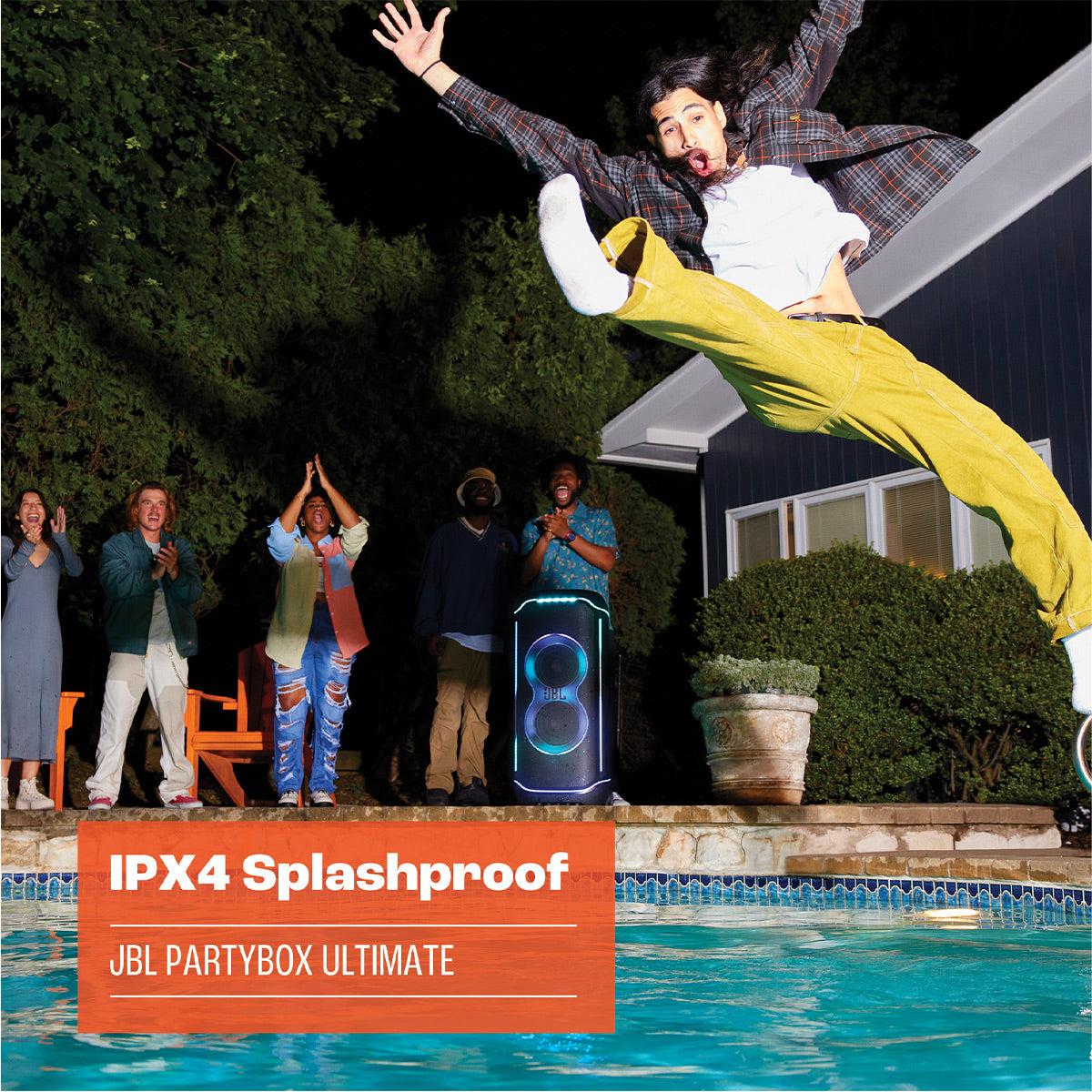
Both have IPX4 splash-resistant ratings, meaning they can handle splashes and light rain but aren't fully waterproof. Neither should be submerged in water. The Sony SRS-XP700's portability makes it more practical for poolside use.
For large indoor venues, the JBL PartyBox Ultimate is the clear choice with its 1,100W output, professional features, and ability to fill gymnasium-sized spaces. The Sony SRS-XP700 works better for home parties and medium-sized gatherings where portability matters more than maximum volume.
We've done our best to create useful and informative comparisons to help you decide what product to buy. Our research uses advanced automated methods to create this comparison and perfection is not possible - please contact us for corrections or questions. These are the sites we've researched in the creation of this article: bestbuy.com - rtings.com - crutchfield.com - versus.com - rtings.com - rtings.com - youtube.com - versus.com - electronics.sony.com - youtube.com - youtube.com - youtube.com - youtube.com - crutchfield.com - armorsound.com - sony-asia.com - helpguide.sony.net - helpguide.sony.net - videoandaudiocenter.com - sony.com - sony.com - sony-asia.com - sony.com - sony.com - bestbuy.com - device.report - bestbuy.com - audioadvice.com - youtube.com - crutchfield.com - youtube.com - youtube.com - youtube.com - youtube.com - versus.com - youtube.com - rtings.com - youtube.com - youtube.com - jbl.com - pcx.com.ph - global.jbl.com - gzhls.at - electronicexpress.com - harmanaudio.in - jbl.com - dell.com - robot-advance.com - device.report - ro.harmanaudio.com

Privacy Policy
Terms and Conditions - Affiliate Policy
Home Security
© Copyright 2008-2026.
11816 Inwood Rd #1211, Dallas, TX 75244