

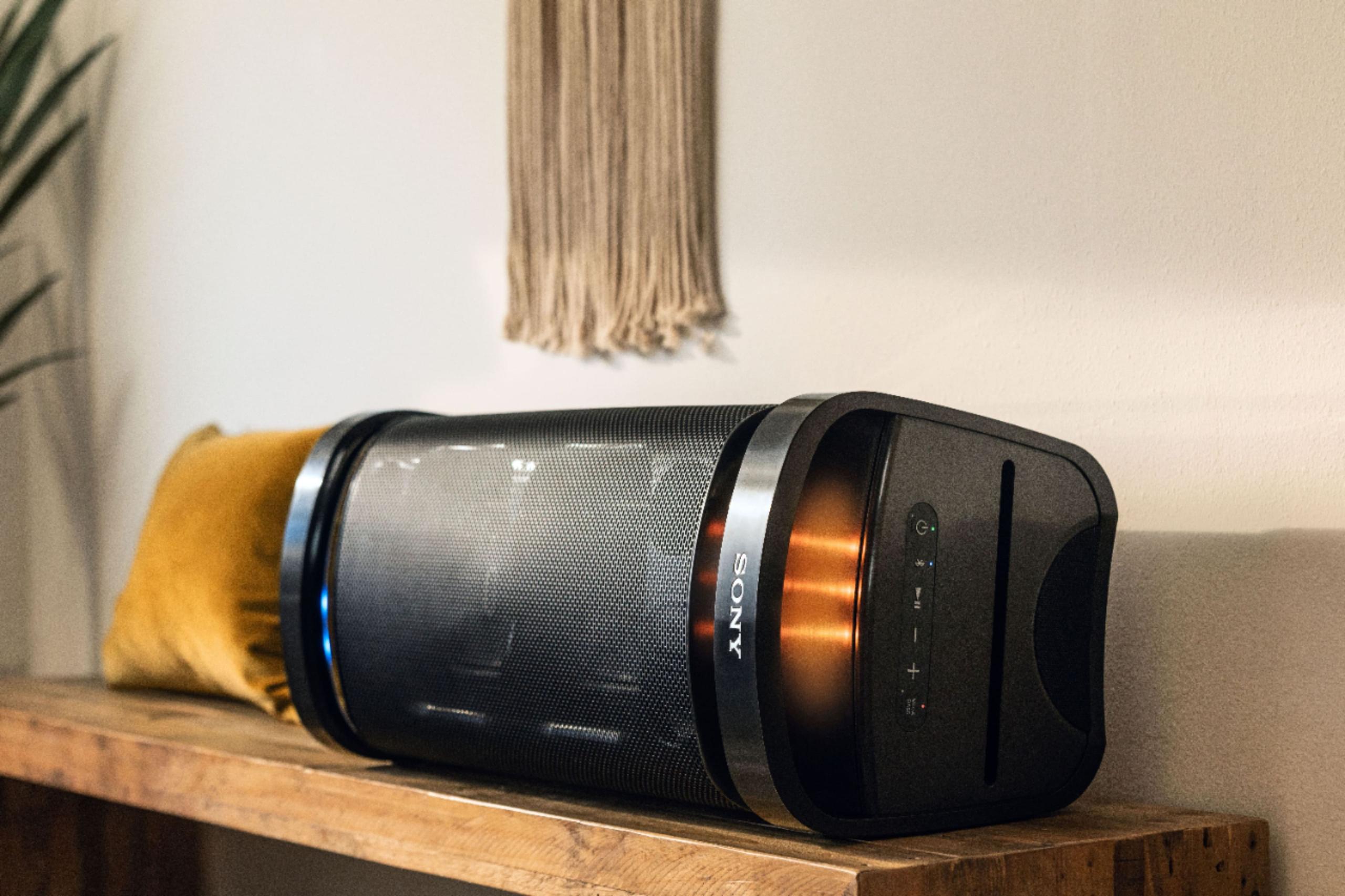
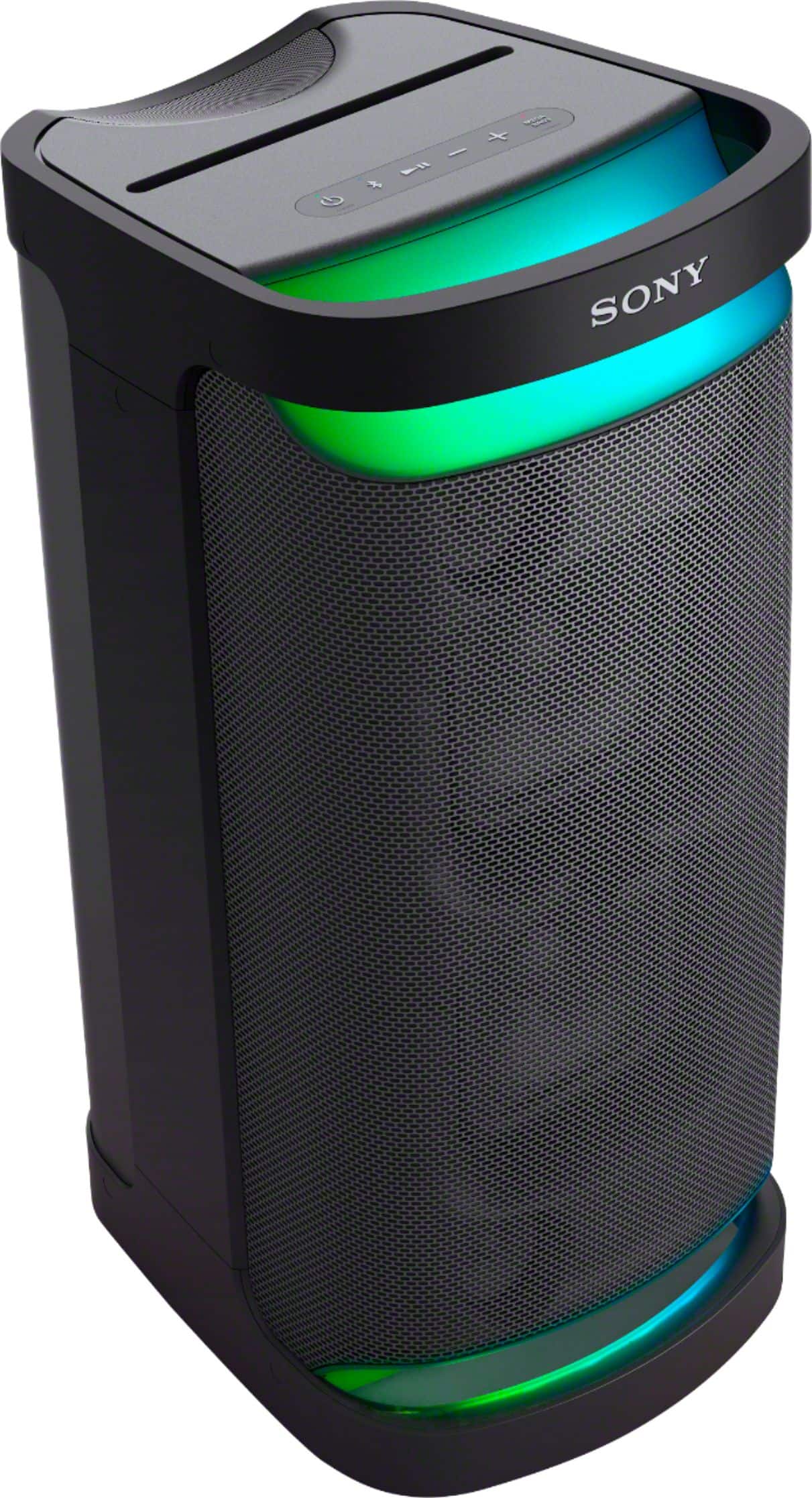
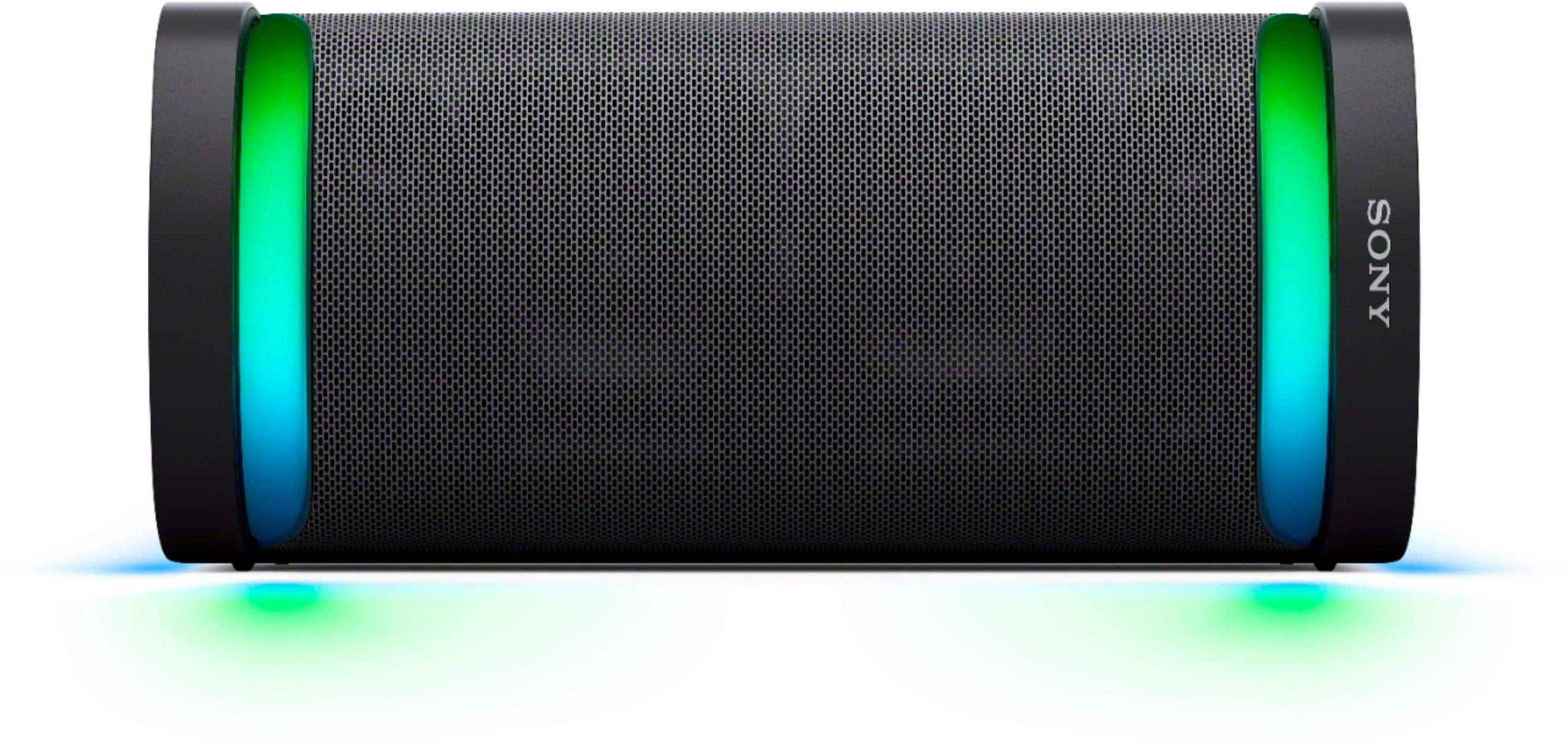
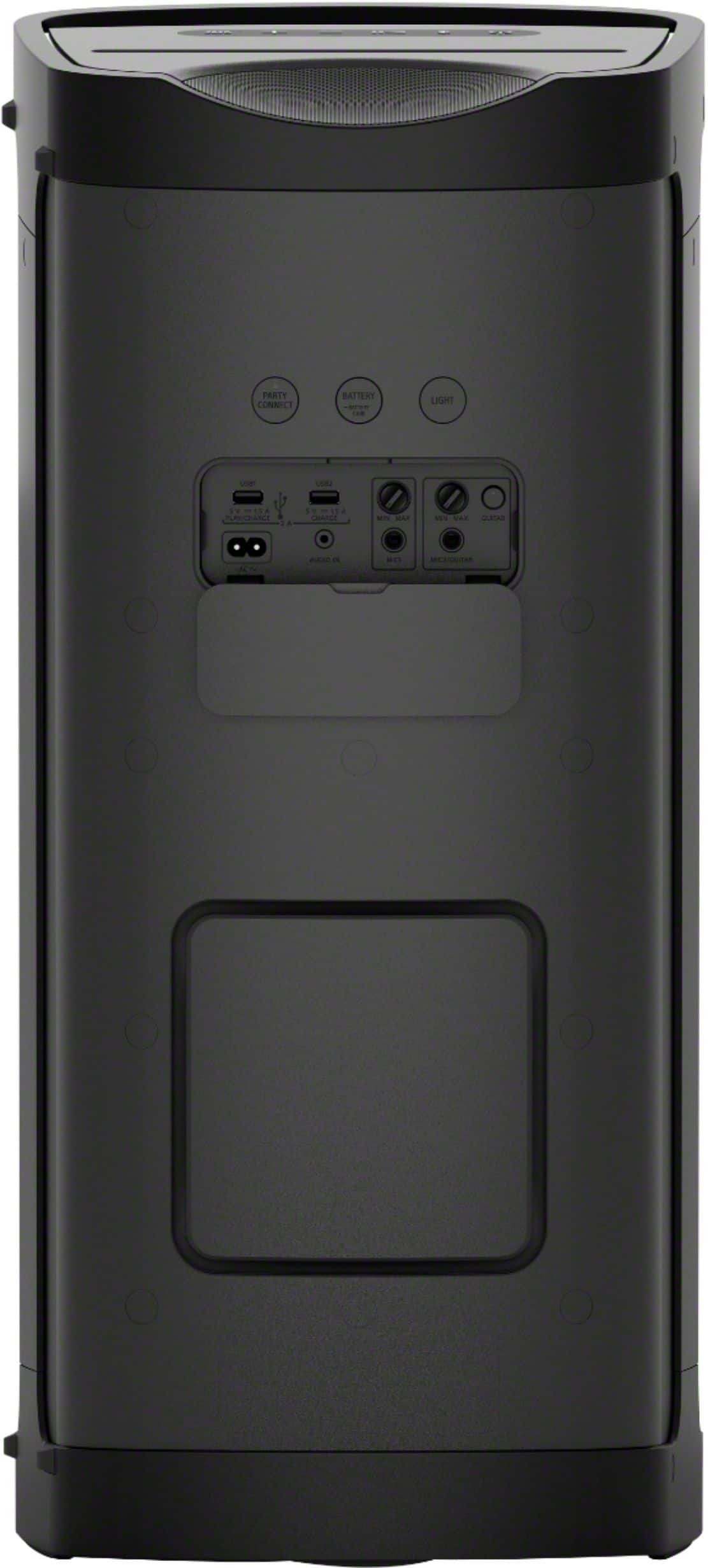
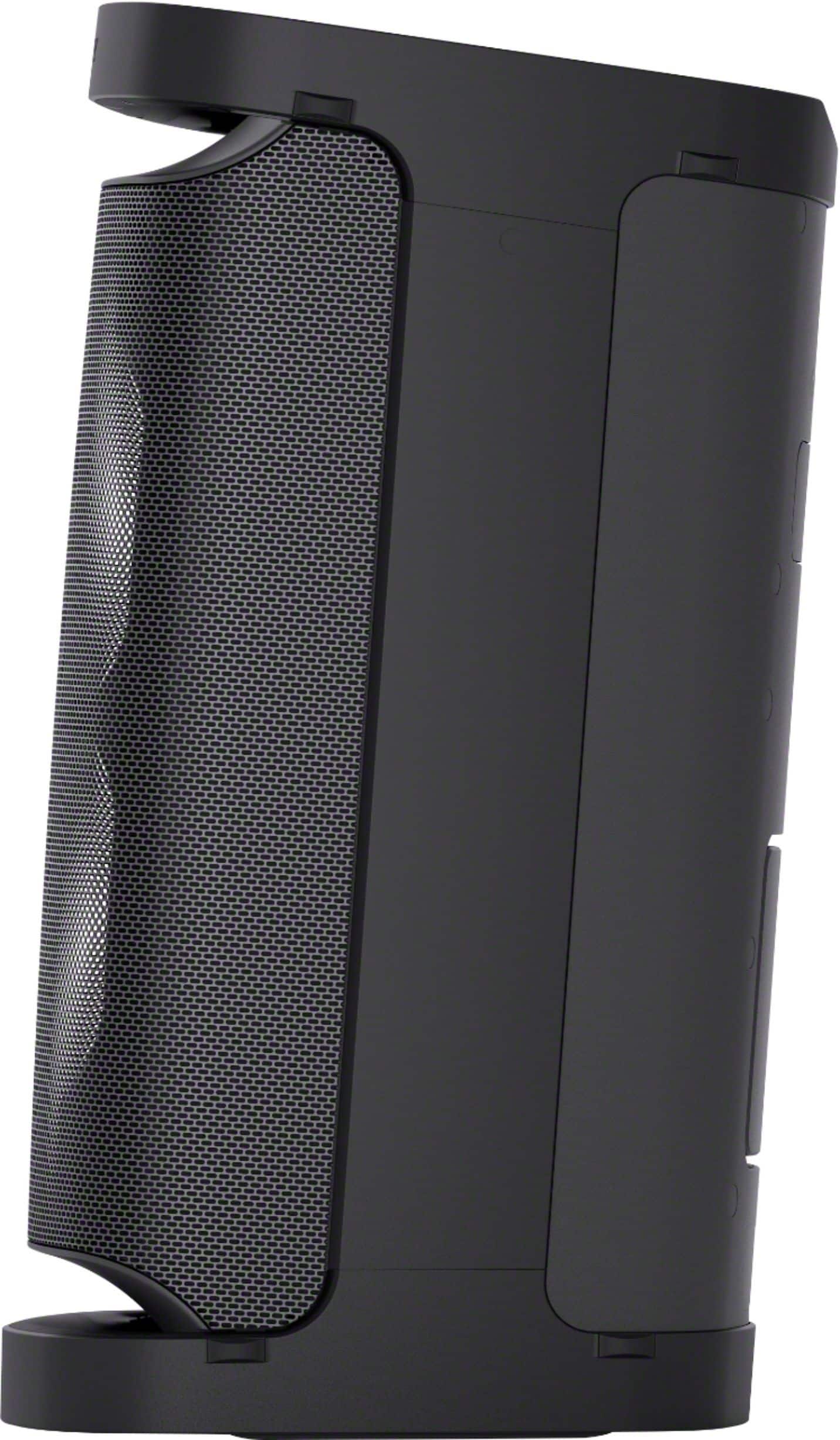
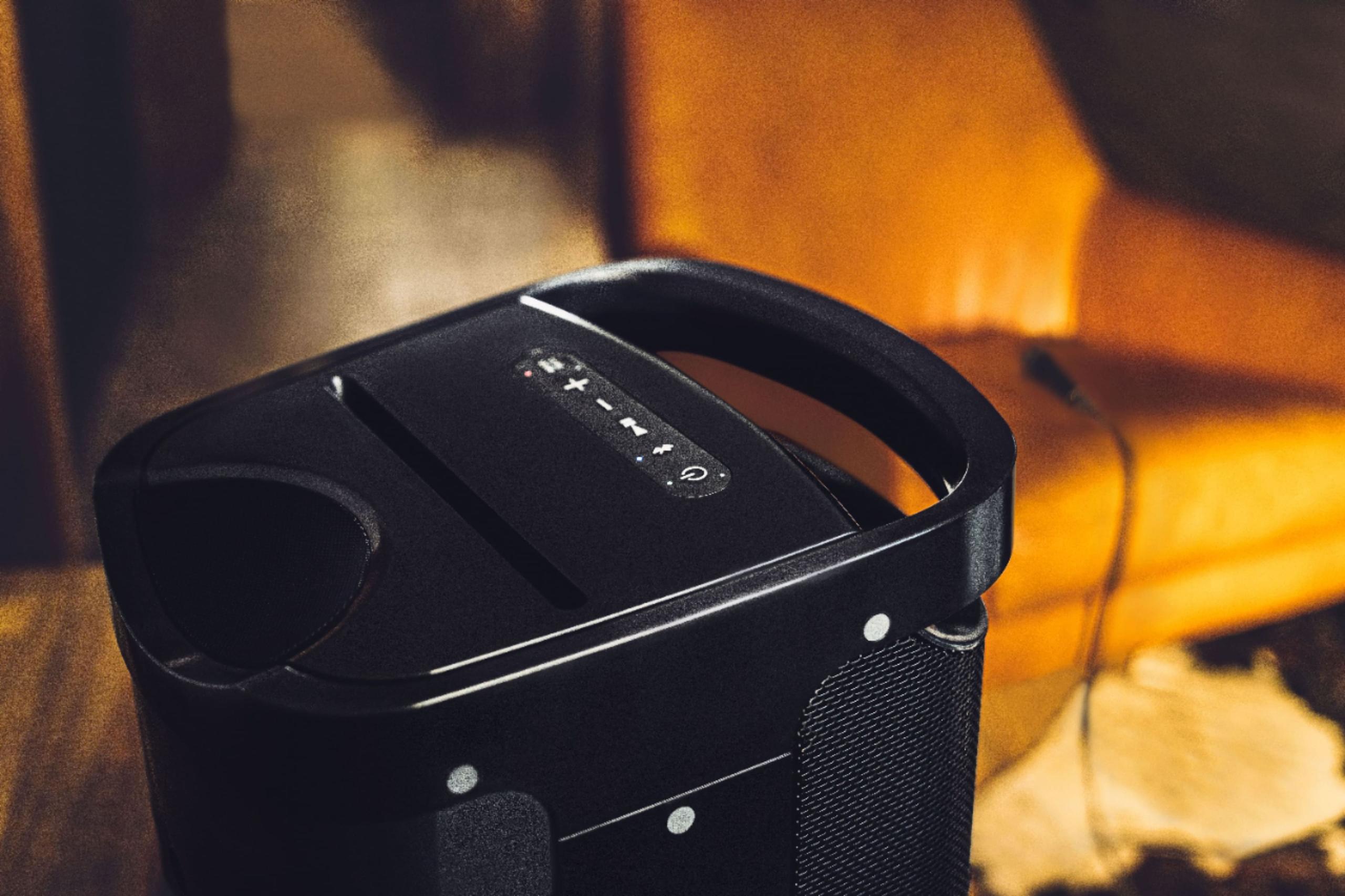
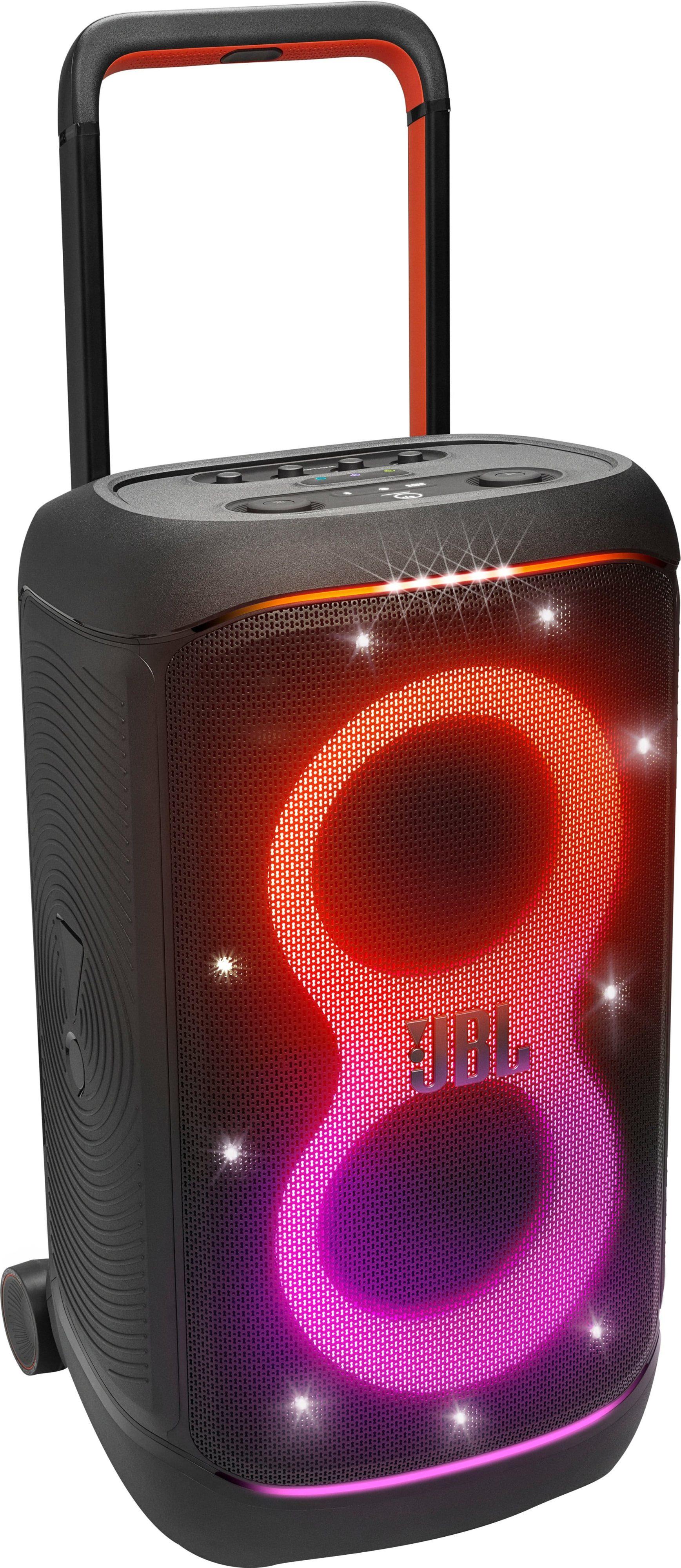
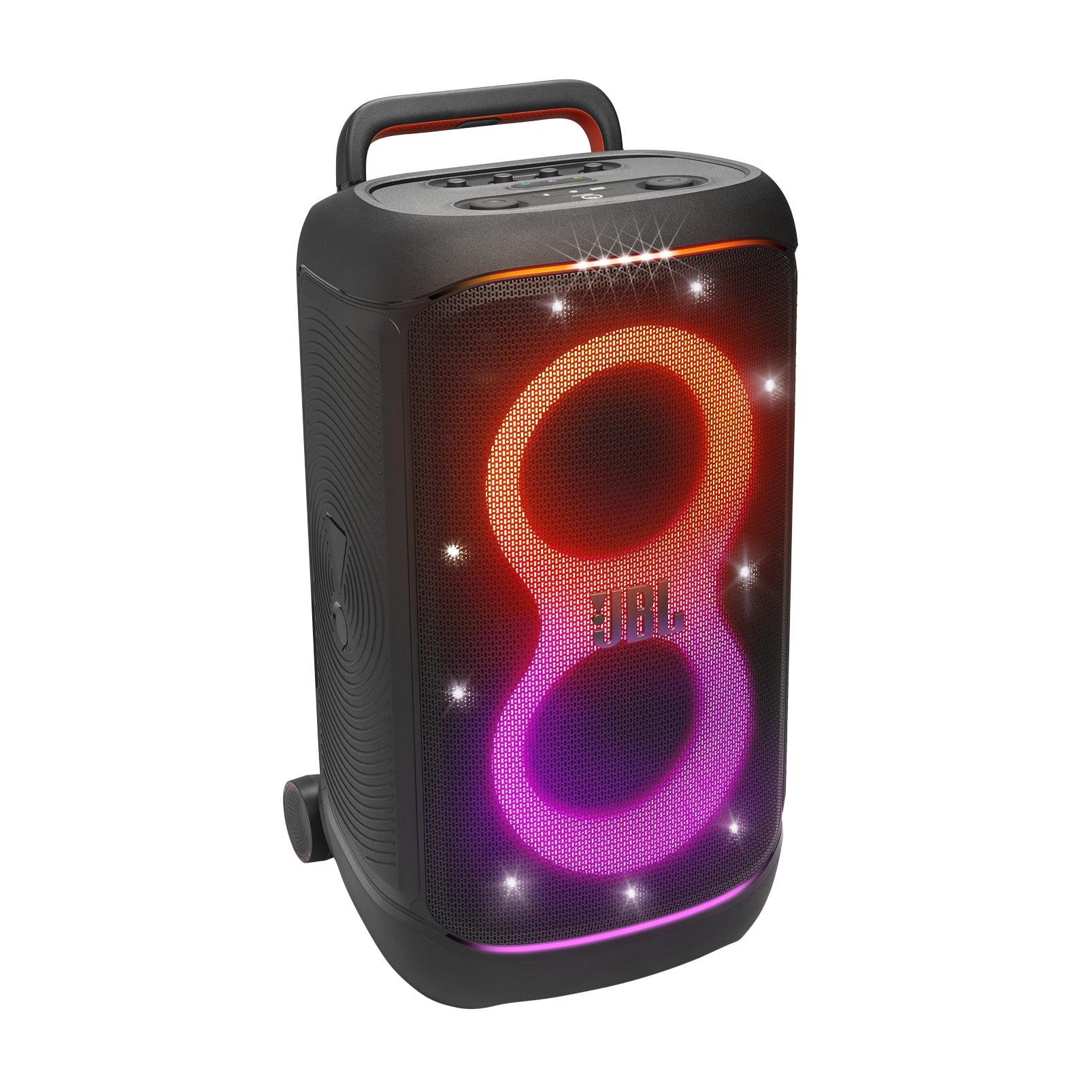
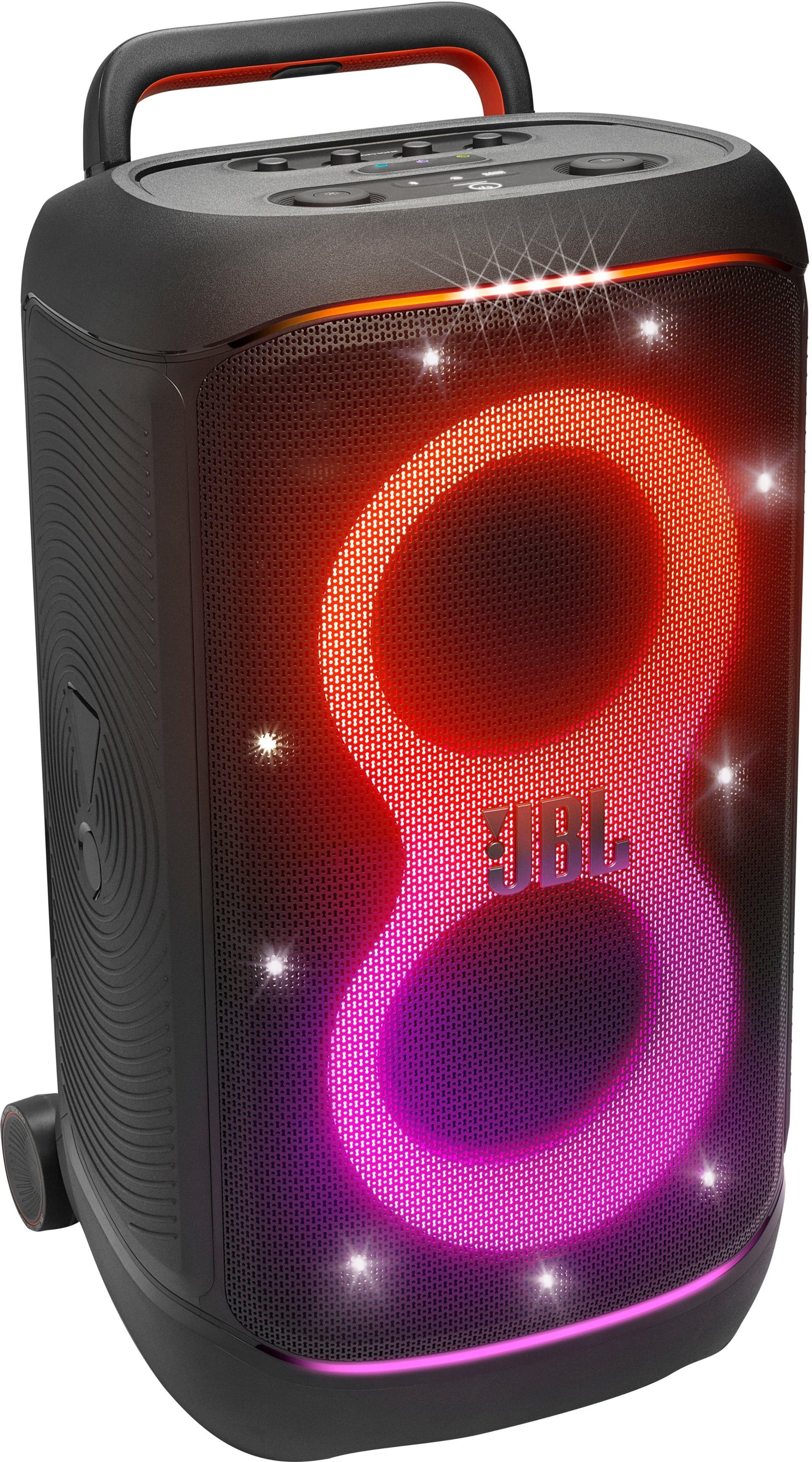
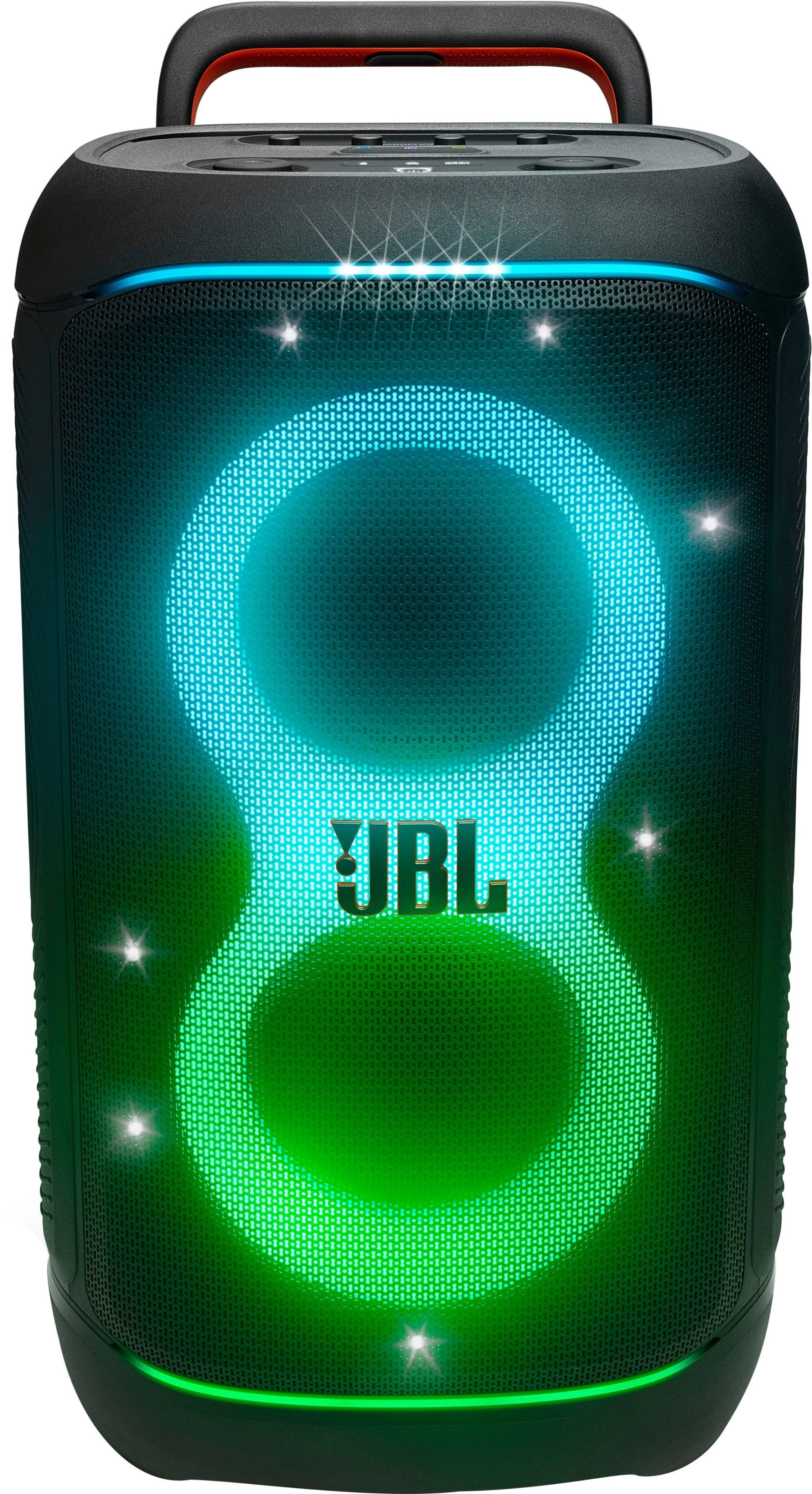
When it comes to hosting memorable parties, your speaker choice can make or break the atmosphere. The portable party speaker market has exploded in recent years, with manufacturers pushing the boundaries of what's possible in battery-powered audio systems. Two standout options that represent different philosophies in this space are the Sony SRS-XP700 and the JBL PartyBox 520.
These speakers approach party audio from distinctly different angles, and understanding their strengths helps explain why party speakers have become such specialized devices. Unlike traditional home speakers that prioritize neutral sound reproduction, party speakers emphasize maximum volume, deep bass response, visual lighting effects, and social features like microphone inputs for karaoke.
The best party speakers need to accomplish several challenging tasks simultaneously. They must produce enough volume to fill large spaces and compete with crowd noise, deliver the kind of deep, chest-thumping bass that gets people moving, and maintain audio clarity even when pushed to their limits. Battery life becomes critical since the best parties often happen away from power outlets, and durability matters because these speakers face spills, bumps, and outdoor conditions.
Modern party speakers also incorporate visual elements that traditional speakers ignore entirely. Synchronized lighting effects, customizable color patterns, and even strobe capabilities have become standard features. These aren't just gimmicks—they genuinely enhance the party atmosphere and help create the energy that separates a great gathering from a forgettable one.
The technical challenge lies in balancing all these requirements within a portable package. More power typically means heavier components and shorter battery life. Deeper bass requires larger drivers that add bulk. Brighter lights consume more energy. The Sony SRS-XP700 and JBL PartyBox 520 represent two different solutions to these competing demands.
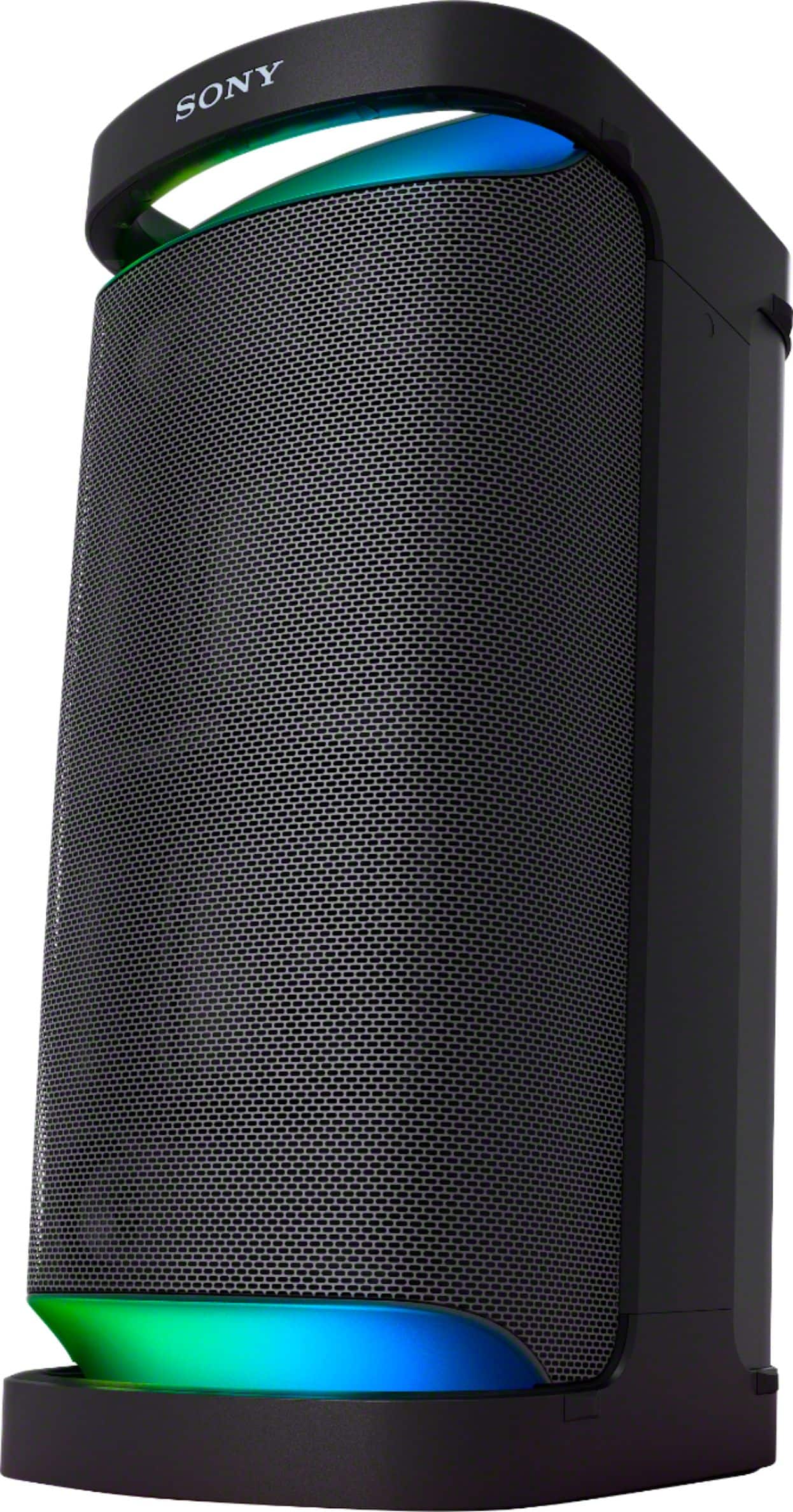
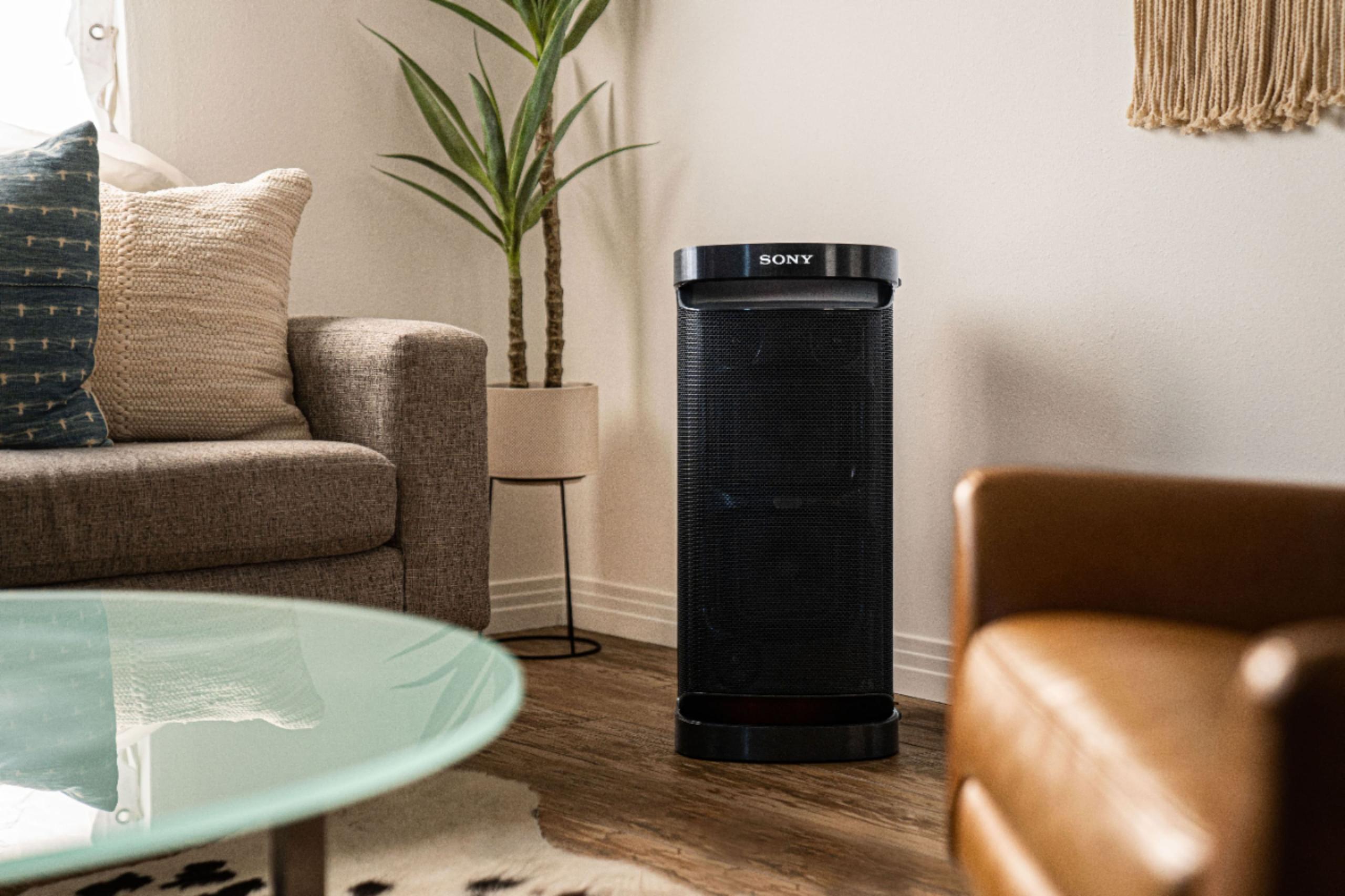
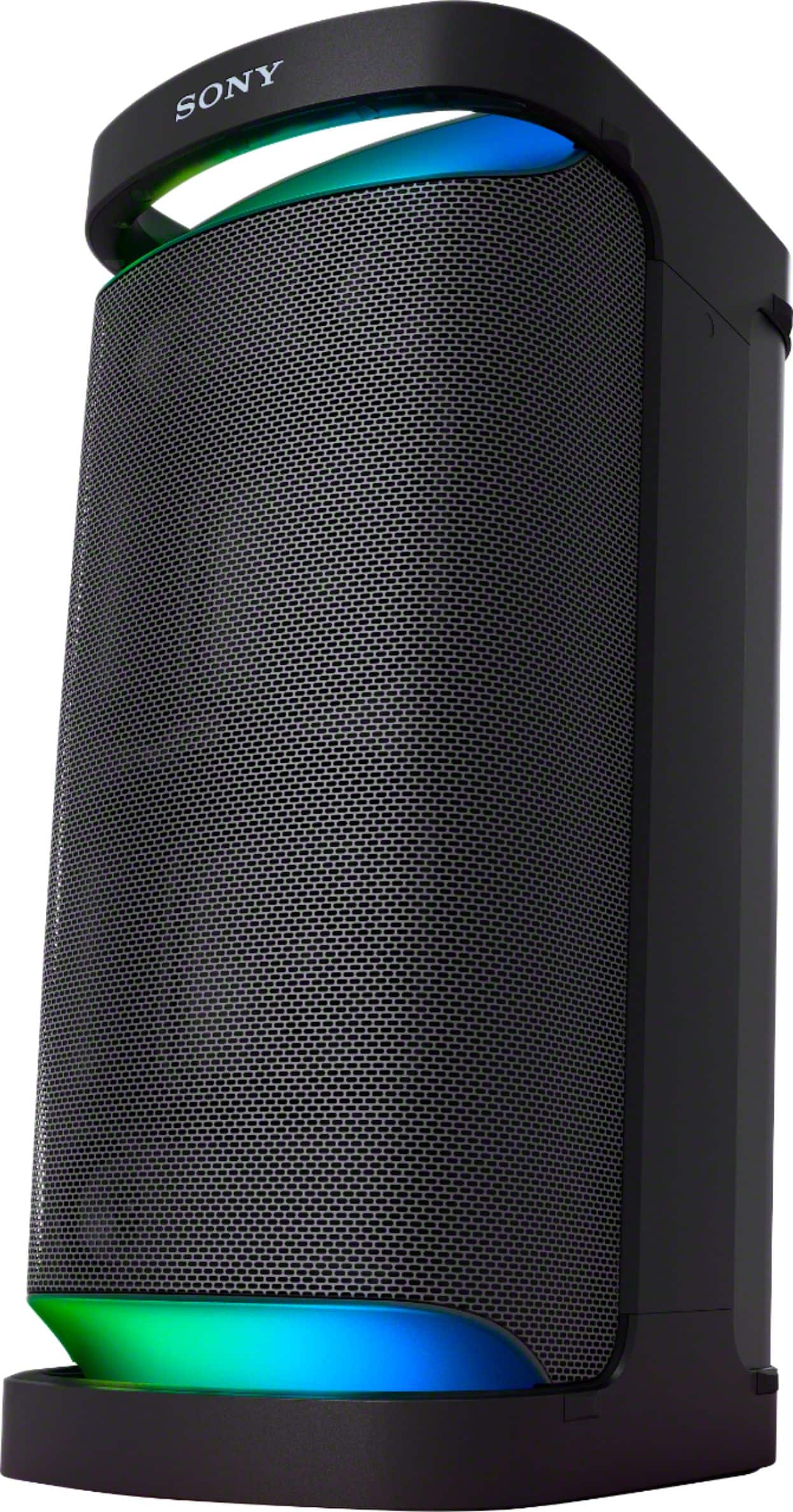
The Sony SRS-XP700, released in 2021, positions itself as the versatile everyday party speaker. At roughly 25 pounds, it's designed for easy hand-carrying with dual integrated handles. Sony built this speaker around their X-Balanced driver technology—a unique square-shaped speaker cone that provides more surface area than traditional round drivers, theoretically delivering more bass from a smaller package.
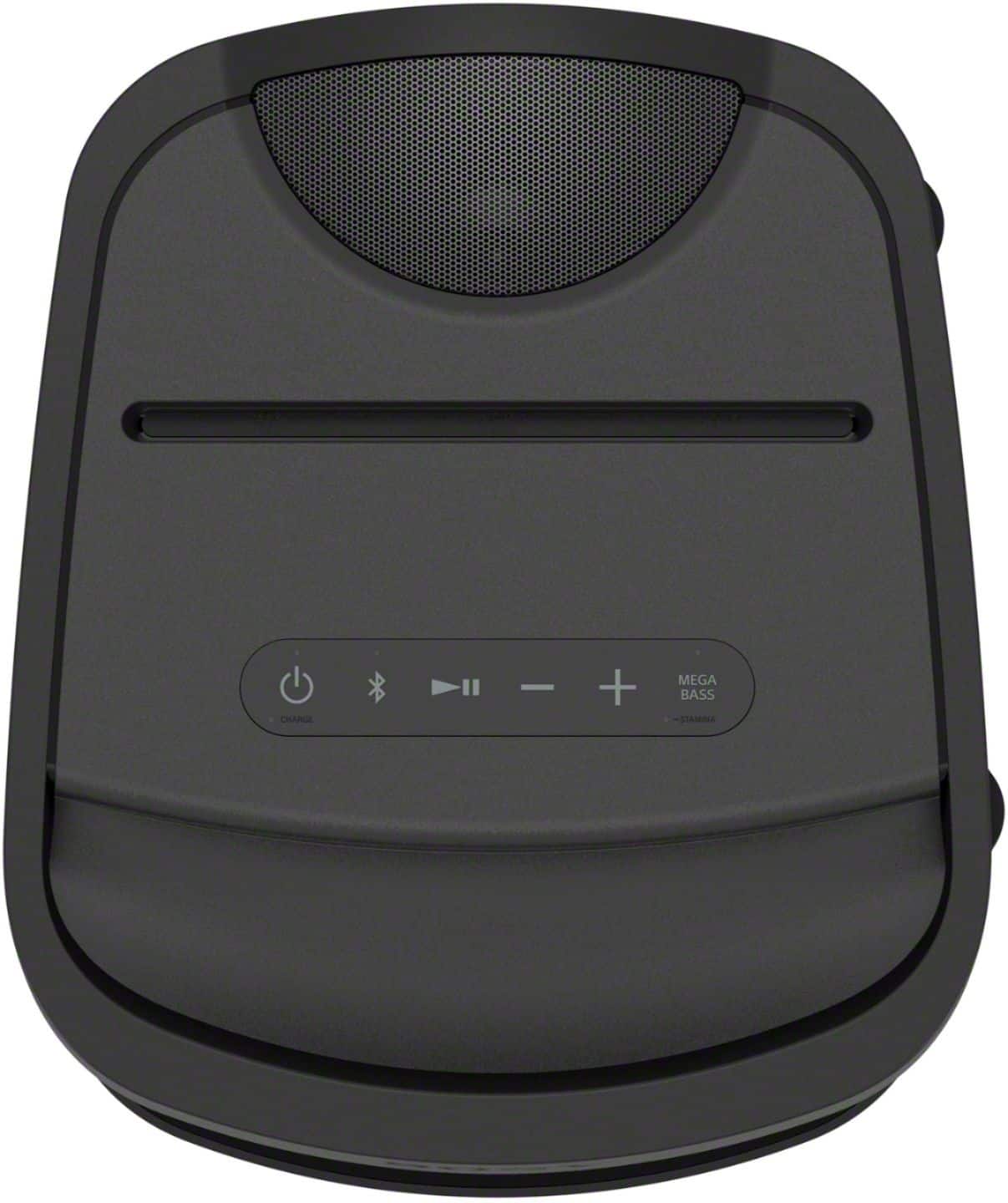
The speaker features a stereo configuration with multiple tweeters positioned both front and rear, creating what Sony calls "omnidirectional party sound." This means the audio disperses in multiple directions rather than projecting straight forward like a traditional speaker. The Sony SRS-XP700 promises 25 hours of battery life and includes Sony's ecosystem of party apps for customization and social features.
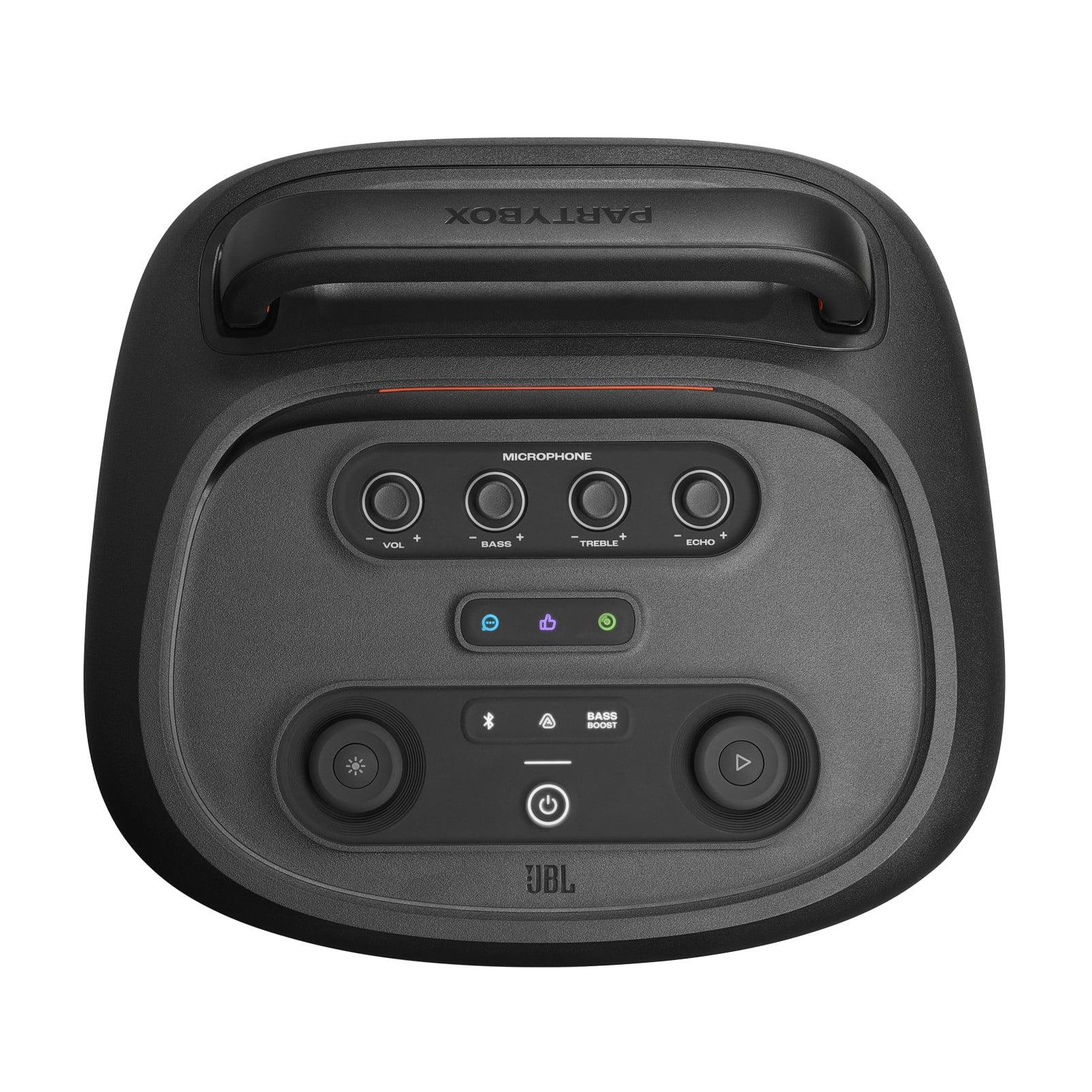
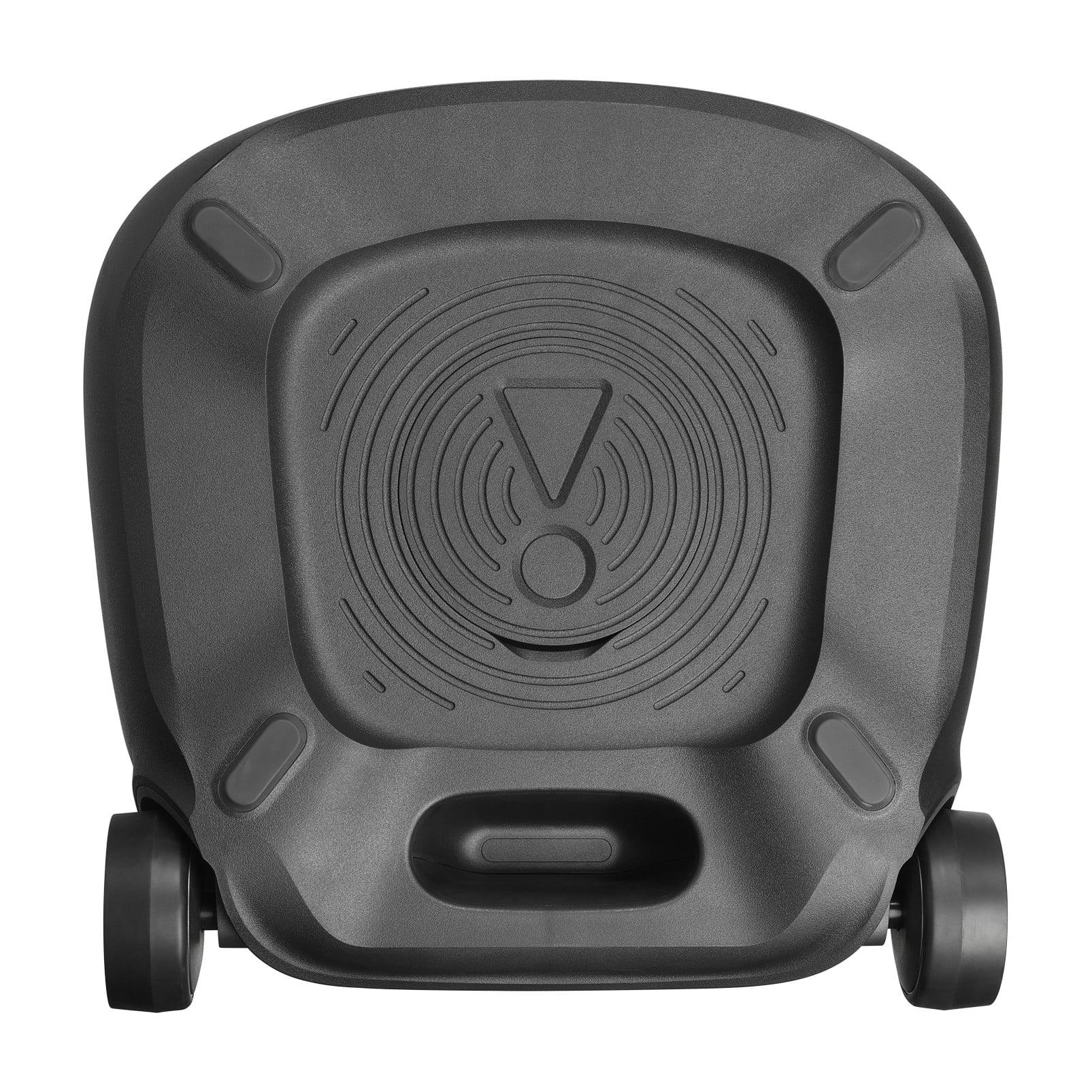
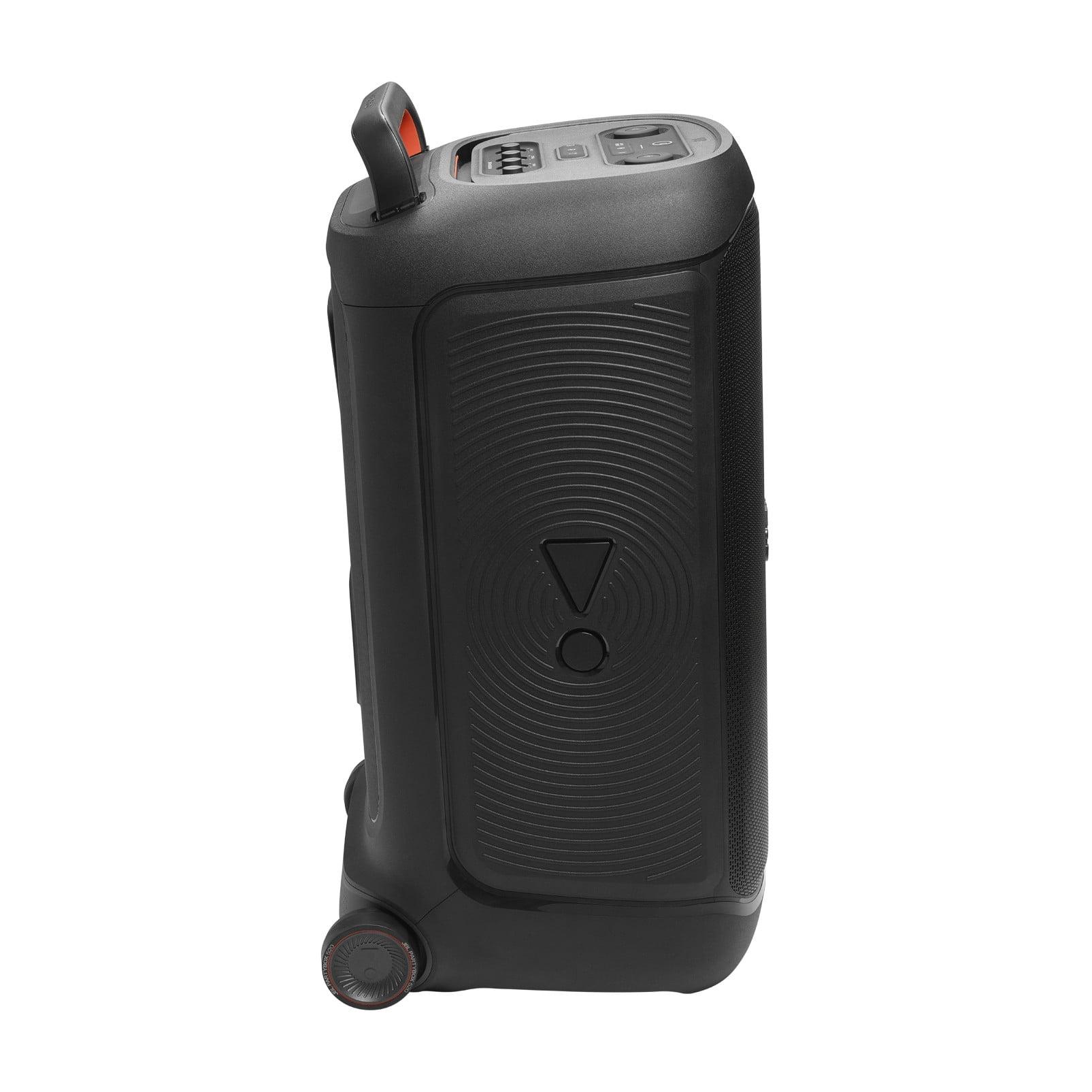
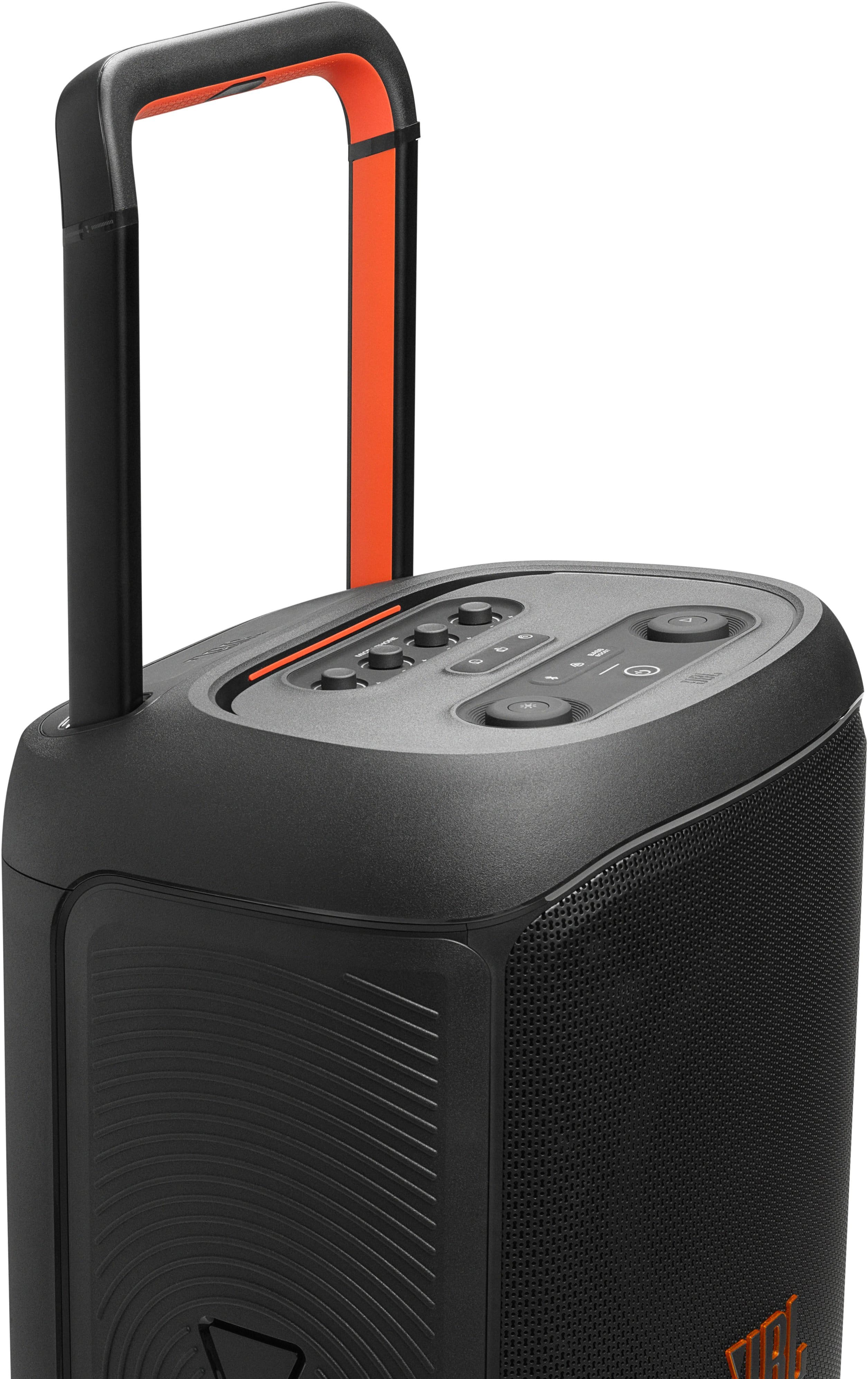
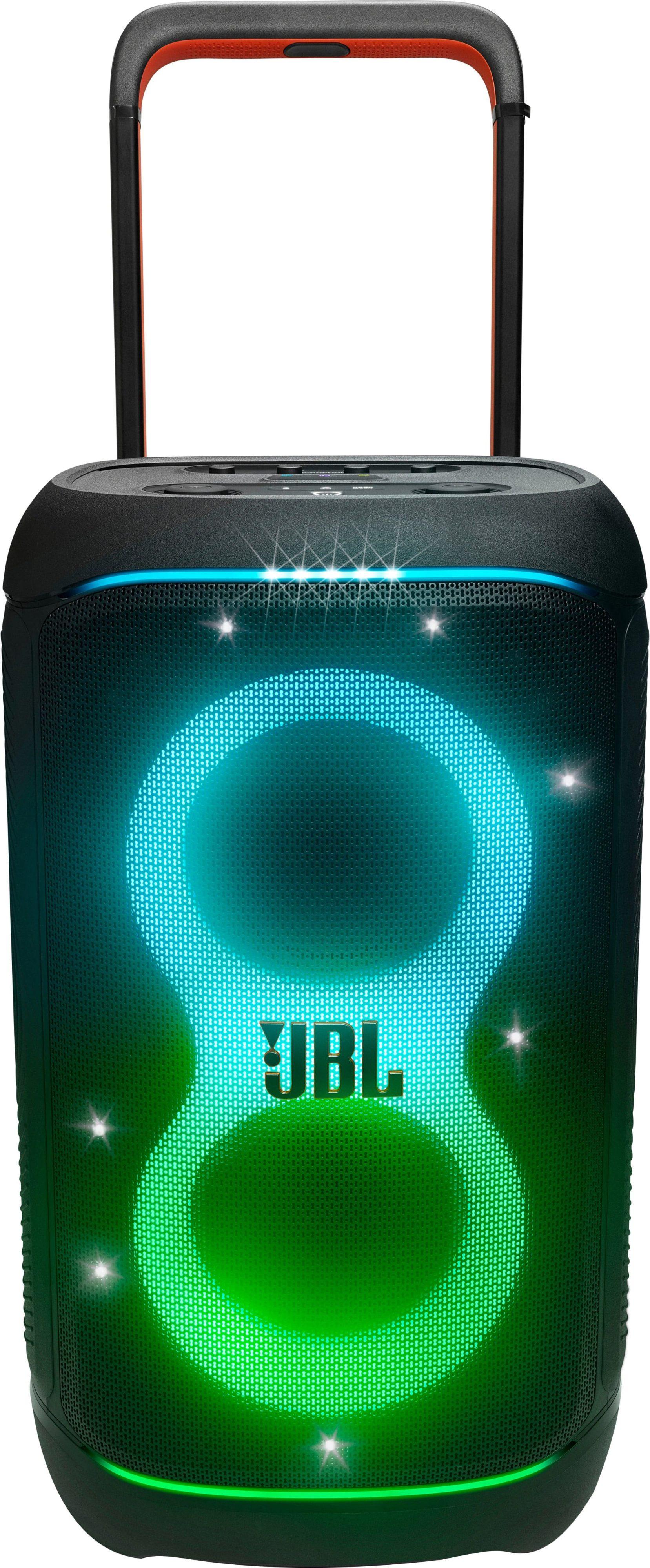
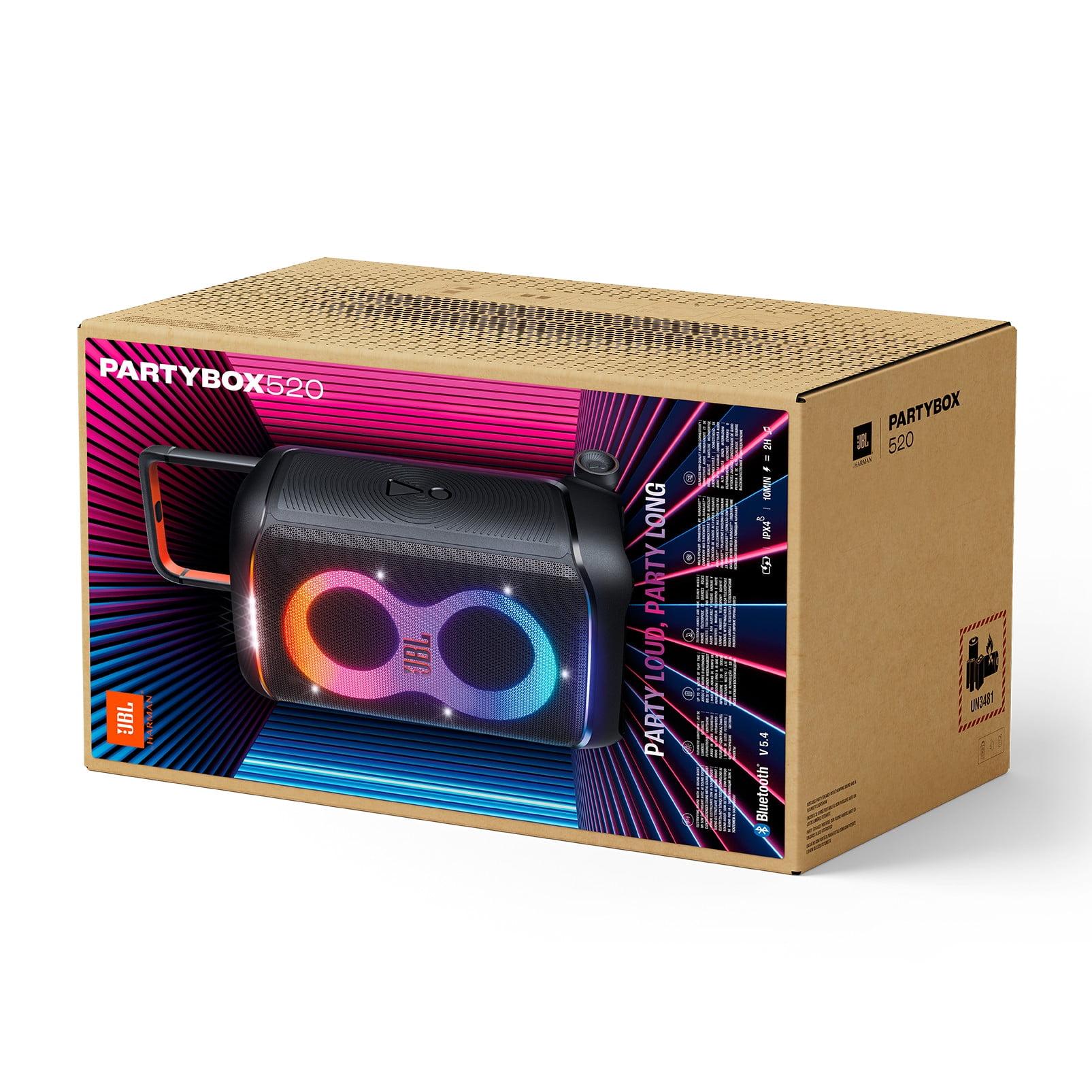
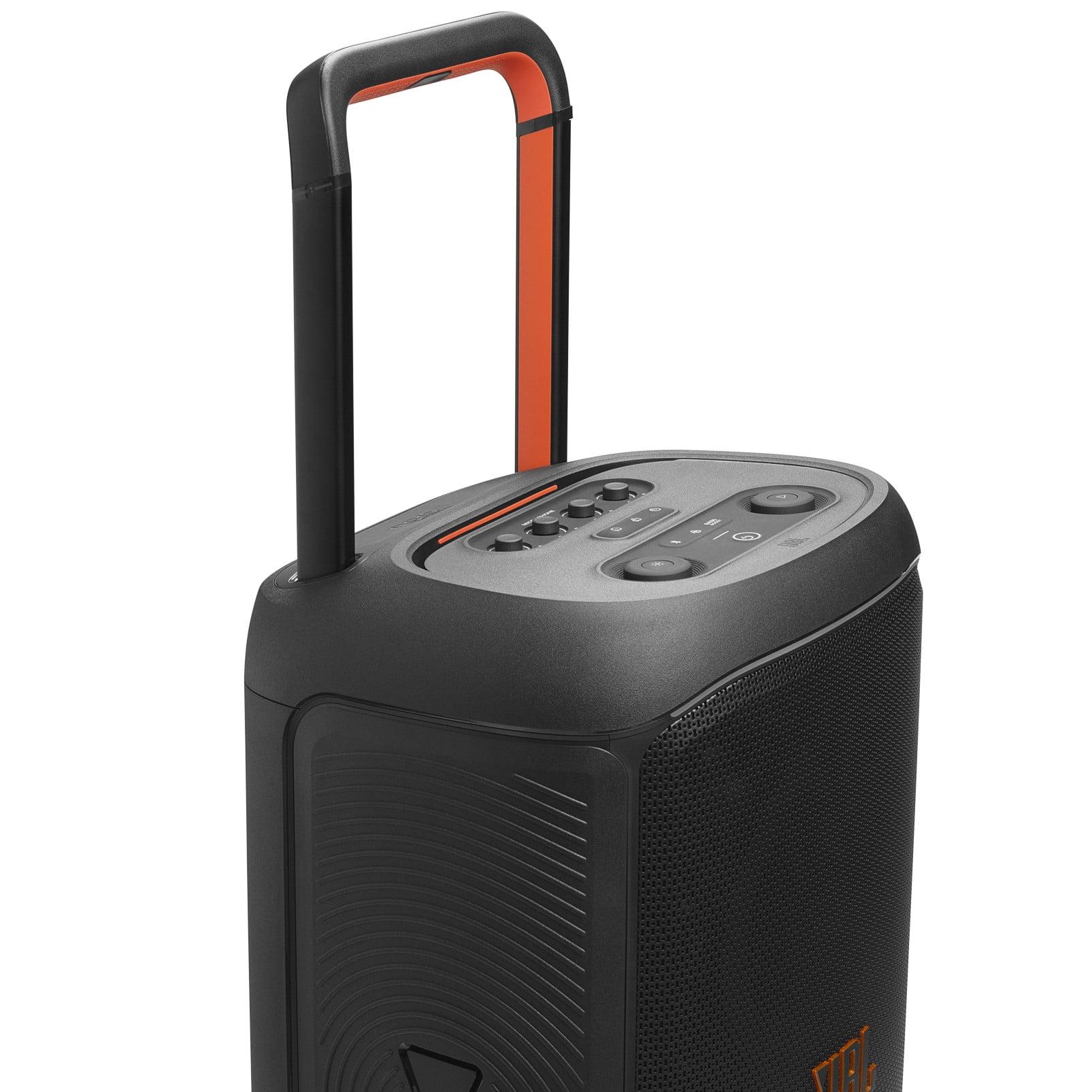
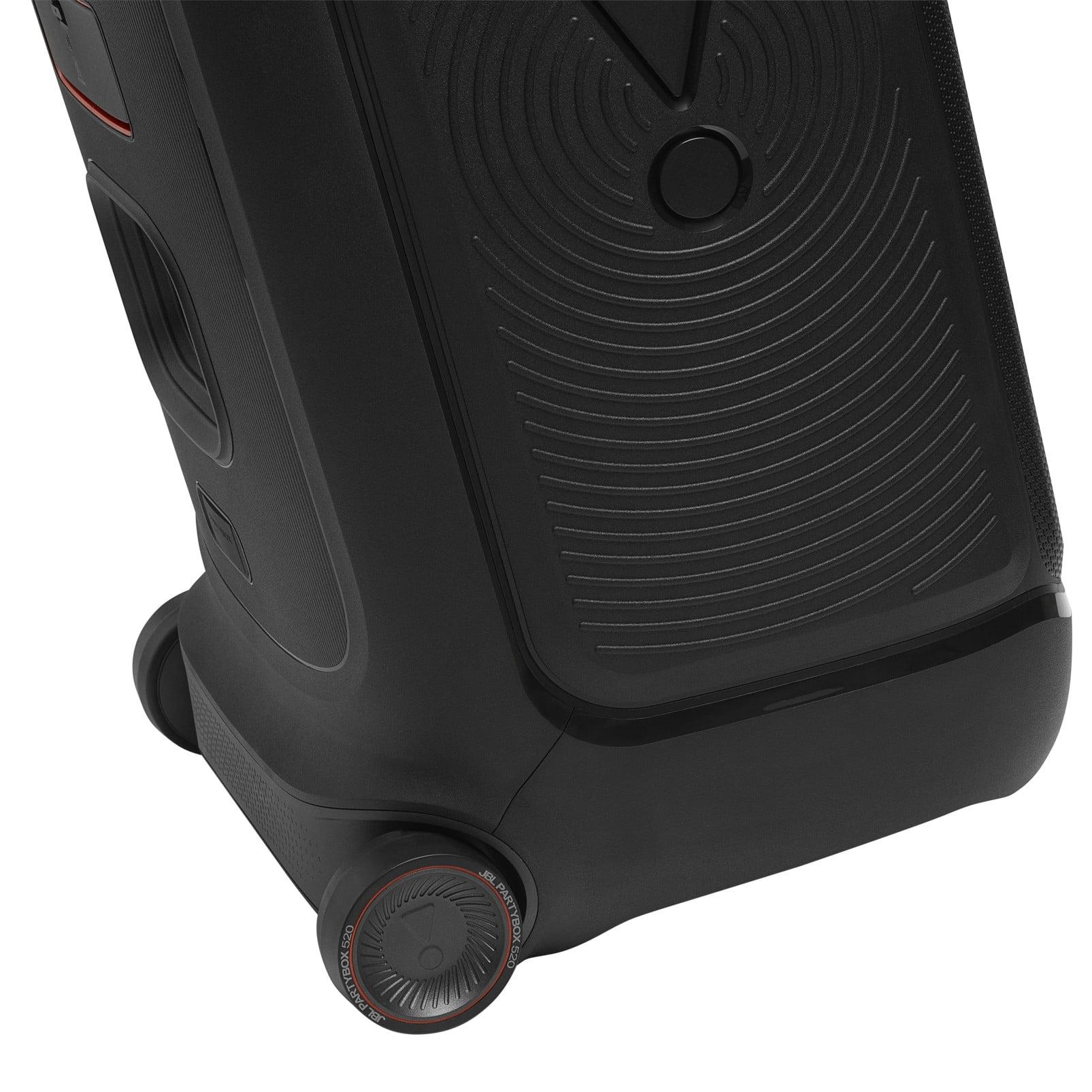
The JBL PartyBox 520, released in 2025, takes the opposite approach. This is a no-compromise bass machine that weighs over 56 pounds but compensates with built-in wheels and a telescopic handle for rolling transport. JBL equipped it with dual 7.5-inch woofers and claims 400 watts RMS of power output—nearly seven times the Sony's rated output.
More importantly, the JBL PartyBox 520 introduces AI Sound Boost technology, which analyzes the audio signal in real-time and optimizes the speaker's output to prevent distortion while maximizing volume. This represents a significant technological advancement since the Sony's release, allowing the JBL to maintain clarity even when pushed to extreme volumes.
The most critical difference between these speakers lies in their fundamental audio character, and this difference shapes everything else about their performance.
Bass performance separates good party speakers from great ones, and here the JBL PartyBox 520 demonstrates a clear advantage. User reviews consistently describe the JBL's bass as "chest-thumping" and "physical," with extension down to 40Hz—the frequency range where you feel bass as much as hear it. This low-frequency capability makes the difference between background music and music that compels people to dance.
The Sony SRS-XP700, while competent, simply cannot match this low-end extension. Sony's X-Balanced drivers help maximize bass output from smaller enclosures, but physics still applies—the JBL's larger woofers and internal volume create deeper, more impactful bass. For genres like EDM, hip-hop, and modern pop that rely heavily on sub-bass content, the JBL delivers the foundation these musical styles demand.
This difference becomes more pronounced at higher volumes. The Sony maintains reasonable bass output at moderate levels, but as volume increases, the smaller drivers reach their limits. The JBL's AI Sound Boost technology specifically addresses this limitation by dynamically adjusting the audio signal to prevent distortion and maintain bass impact even at maximum volume.
Interestingly, the Sony SRS-XP700 fights back in the mid-range frequencies where vocals live. The stereo configuration with front and rear tweeters creates better stereo imaging and clearer vocal reproduction compared to the JBL's mono setup. This makes the Sony more suitable for music genres that emphasize vocals—rock, country, jazz, and acoustic music—where lyrical clarity matters as much as rhythmic impact.
The Sony's omnidirectional design also means it sounds more consistent regardless of your listening position. The JBL, with its front-facing driver configuration, exhibits more directional characteristics. While this creates a more focused "sweet spot" directly in front of the speaker, the sound quality changes noticeably when you move to the sides or behind the unit.
Volume capability represents perhaps the starkest difference between these speakers. The JBL PartyBox 520's 400-watt rating isn't just marketing hyperbole—it translates to genuinely louder maximum output that can fill much larger spaces. User reports indicate the JBL can effectively cover outdoor areas suitable for 75+ people, while the Sony maxes out at gatherings of 30-40 people.
This volume advantage becomes critical for outdoor parties where sound must compete with wind, conversation, and ambient noise. Indoor spaces with hard surfaces that reflect sound can amplify the Sony's output effectively, but outdoor environments demand the raw power that only the JBL provides.
Battery performance reveals another fundamental design difference between these speakers. The Sony SRS-XP700 achieves its impressive 25-hour runtime through efficient power management and lower overall power consumption. This makes it exceptionally practical for all-day events like beach trips, camping, or backyard barbecues where recharging isn't possible.
The Sony also includes rapid charging capability—10 minutes of charging provides three hours of playback. This feature proves invaluable when you discover a dead battery just before guests arrive. The convenience of quick charging often outweighs the importance of maximum battery capacity in real-world use.
The JBL PartyBox 520's 15-hour battery life might seem limiting, but JBL implemented a clever solution: swappable batteries. While this adds complexity and cost (replacement batteries sell separately), it enables theoretically unlimited runtime for extended events. Professional DJs and event organizers particularly appreciate this flexibility, as they can hot-swap batteries without interrupting the music.
Both speakers include USB charging ports for phones and tablets, but the JBL provides significantly faster 30-watt USB-C charging compared to the Sony's 7.5-watt USB-A output. When your speaker doubles as a power bank during outdoor events, this charging speed difference becomes practically significant.
The 30-pound weight difference between these speakers fundamentally changes how you use them. The Sony SRS-XP700 at 25 pounds with dual carry handles represents the upper limit of what most people can comfortably hand-carry for any distance. This makes it ideal for frequent transportation—carrying upstairs to an apartment, loading into a car trunk, or moving between rooms during a party.
The JBL PartyBox 520's 56-pound bulk requires its built-in wheels and telescopic handle. While this eliminates hand-carrying entirely, it enables smooth transport across parking lots, decks, and venue spaces where rolling works well. The wide wheels handle most surfaces effectively, though stairs and soft ground still present challenges.
Your typical use pattern should guide this decision. Frequent movers who prioritize convenience will prefer the Sony's lighter weight. Users who primarily set up in one location for extended periods will appreciate the JBL's superior performance despite the mobility limitations.
Both speakers recognize that modern party audio extends beyond pure sound reproduction to include visual elements that enhance the overall experience.
The Sony SRS-XP700 takes a subtle approach with customizable RGB lighting that creates ambient illumination rather than attention-grabbing effects. The lights integrate into Sony's Music Center and Fiestable apps, allowing synchronized color changes and patterns that complement the music without overwhelming it. This approach works well for more sophisticated gatherings where lighting should enhance rather than dominate the atmosphere.
The JBL PartyBox 520 embraces dramatic visual impact with an extensive lighting system including 15 white strobe LEDs plus multiple RGB light rings and strips. The lighting effects synchronize with the music and create genuinely impressive visual displays that can serve as the party's focal point. For events where maximum energy and visual excitement matter most, the JBL's lighting capabilities justify their inclusion.
Modern party speakers must accommodate various audio sources and use cases, and both speakers provide comprehensive connectivity options with different strengths.
The JBL PartyBox 520 offers more professional-grade inputs, including XLR connectors that accept professional microphones and mixing equipment. This makes it suitable for semi-professional applications like small venue events, DJ setups, and situations where audio quality and reliability matter most.
The Sony SRS-XP700 focuses more on consumer convenience with extensive app integration and social features. Sony's Fiestable app includes party games, karaoke features, and crowd-sourced playlist creation that can genuinely enhance social gatherings for consumer users.
Both speakers support Bluetooth with modern codecs, but the JBL includes newer Auracast technology for linking multiple speakers wirelessly. This represents a technological advancement over traditional Bluetooth pairing and enables more sophisticated multi-speaker setups.
While neither speaker targets home theater applications primarily, their capabilities translate differently to movie and TV use. The Sony SRS-XP700's stereo configuration and more balanced frequency response make it somewhat more suitable for dialogue-heavy content. However, both speakers emphasize bass and volume over the neutral response that home theater traditionally demands.
For casual movie watching or gaming where impact matters more than accuracy, the JBL PartyBox 520's powerful bass response can enhance action sequences and gaming experiences significantly. Neither speaker replaces a dedicated home theater system, but both can serve double-duty for users who prioritize party capabilities while occasionally watching content.
At the time of writing, these speakers occupy different price tiers that generally reflect their performance differences. The Sony SRS-XP700 typically costs significantly less while delivering solid party performance suitable for most casual users. The JBL PartyBox 520 commands a substantial premium but provides genuinely superior bass response, volume output, and professional features.
The value equation depends heavily on your specific needs and use patterns. For most casual party hosts, the Sony delivers 80% of the performance at roughly 60-70% of the cost. The remaining performance gap only matters if you regularly host large gatherings or prioritize maximum bass impact above all else.
Choose the Sony SRS-XP700 if you host parties for 10-40 people in typical home environments, value long battery life and portability, listen to diverse music genres that benefit from balanced sound, or want solid party features without premium pricing. The Sony excels for users who prioritize convenience and versatility over maximum performance.
Choose the JBL PartyBox 520 if you regularly host large outdoor parties, prefer bass-heavy music genres, need professional-grade connectivity, or want maximum visual impact from lighting effects. The JBL suits users who prioritize performance over portability and can justify the significant price premium for superior capabilities.
The JBL also makes sense for users who view their party speaker as a long-term investment in entertaining. The swappable battery system, professional inputs, and superior power output provide capabilities that remain relevant as your hosting ambitions grow.
Both speakers succeed in their intended roles, but they serve distinctly different audiences. The Sony SRS-XP700 represents the sweet spot for most users—sufficient performance for typical parties with excellent portability and battery life at a reasonable price point. The JBL PartyBox 520 caters to serious party hosts who demand maximum performance and can accommodate its size and cost requirements.
Your decision ultimately comes down to honest assessment of your typical use case. Most users will find the Sony more than adequate for their needs, while the JBL provides compelling advantages for users who regularly push the boundaries of what they expect from portable audio. Neither choice disappoints within its intended application, making this decision more about matching capabilities to requirements than identifying a clear winner.
| Sony SRS-XP700 | JBL PartyBox 520 |
|---|---|
| Power Output - Determines maximum volume and bass impact | |
| 60W RMS (suitable for 20-30 people) | 400W RMS (suitable for 75+ people) |
| Weight & Portability - Critical for frequent transport | |
| 24.7 lbs with dual carry handles (hand-portable) | 56.2 lbs with wheels and telescopic handle (roll-only) |
| Battery Life - Essential for all-day events | |
| 25 hours (industry-leading endurance) | 15 hours with swappable battery option |
| Bass Extension - Makes the difference for dance music | |
| Limited low-end extension (adequate for most music) | Deep 40Hz extension with chest-thumping impact |
| Sound Configuration - Affects stereo imaging and clarity | |
| Stereo with omnidirectional tweeters (balanced vocals) | Mono with front-facing drivers (bass-focused) |
| Quick Charging - Saves the day when battery dies | |
| 10 minutes = 3 hours playback (rapid rescue charging) | Standard 3-hour full charge time |
| Lighting Effects - Sets the party atmosphere | |
| Subtle RGB ambient lighting (sophisticated look) | Dramatic strobe system with 15 white LEDs (high-energy visual impact) |
| Professional Inputs - Important for serious event hosting | |
| 6.3mm mic/guitar inputs (consumer-grade) | XLR/TRS combo inputs (professional-grade connectivity) |
| AI Audio Processing - Prevents distortion at high volumes | |
| Standard digital processing | AI Sound Boost real-time optimization |
| Multi-Speaker Connectivity - For larger venue coverage | |
| Sony Party Connect (traditional Bluetooth pairing) | Auracast technology (next-generation wireless linking) |
| Water Resistance - Protection for outdoor parties | |
| IPX4 splash-resistant | IPX4 splash-resistant |
| Device Charging - Doubles as power bank for phones | |
| 7.5W USB-A (slow but functional) | 30W USB-C (fast charging for modern devices) |
The JBL PartyBox 520 gets significantly louder with 400W RMS power output compared to the Sony SRS-XP700's 60W RMS. The JBL can effectively cover outdoor parties with 75+ people, while the Sony works best for gatherings of 20-30 people in typical home environments.
The JBL PartyBox 520 delivers much deeper, more impactful bass with extension down to 40Hz and dual 7.5-inch woofers. The Sony SRS-XP700 has adequate bass for most music but cannot match the chest-thumping low-end that makes the JBL ideal for EDM, hip-hop, and bass-heavy genres.
The Sony SRS-XP700 is much more portable at 24.7 pounds with dual carry handles, making it suitable for hand-carrying. The JBL PartyBox 520 weighs 56.2 pounds and requires its built-in wheels and telescopic handle for rolling transport, similar to luggage.
The Sony SRS-XP700 offers superior battery endurance with up to 25 hours of playback on a single charge. The JBL PartyBox 520 provides 15 hours but features a unique swappable battery system that allows unlimited runtime with spare batteries.
The JBL PartyBox 520 features dramatic lighting with 15 white strobe LEDs plus RGB light rings that create impressive visual displays. The Sony SRS-XP700 offers more subtle RGB ambient lighting that enhances atmosphere without overwhelming it.
The Sony SRS-XP700 typically offers better value for most users, delivering solid party performance at a lower price point. The JBL PartyBox 520 costs significantly more but provides genuinely superior bass response and volume output that justify the premium for serious party hosts.
Neither speaker is designed primarily for home theater, but the Sony SRS-XP700 works better for movies due to its stereo configuration and more balanced sound. Both the Sony and JBL PartyBox 520 emphasize bass over dialogue clarity that home theater requires.
The JBL PartyBox 520 offers more professional connectivity with XLR inputs for microphones and mixing equipment, plus newer Auracast wireless technology. The Sony SRS-XP700 focuses on consumer features with extensive app integration and social party functions.
The JBL PartyBox 520 provides much faster device charging with 30W USB-C output compared to the Sony SRS-XP700's 7.5W USB-A charging. This makes the JBL more practical as a power bank during outdoor events.
The JBL PartyBox 520 excels outdoors with its powerful 400W output that cuts through ambient noise and deep bass that travels well in open spaces. The Sony SRS-XP700 works for smaller outdoor gatherings but lacks the volume needed for large outdoor venues.
The Sony SRS-XP700 offers more balanced sound with clearer vocals and better stereo imaging, making it versatile for various music genres. The JBL PartyBox 520 prioritizes bass impact and maximum volume over balanced sound reproduction, excelling specifically for party music.
For most casual home parties, the Sony SRS-XP700 provides the best combination of performance, portability, and value. Choose the JBL PartyBox 520 only if you regularly host large gatherings, prioritize maximum bass impact, or need professional-grade features.
We've done our best to create useful and informative comparisons to help you decide what product to buy. Our research uses advanced automated methods to create this comparison and perfection is not possible - please contact us for corrections or questions. These are the sites we've researched in the creation of this article: bestbuy.com - rtings.com - crutchfield.com - versus.com - rtings.com - rtings.com - youtube.com - versus.com - electronics.sony.com - youtube.com - youtube.com - youtube.com - youtube.com - crutchfield.com - armorsound.com - sony-asia.com - helpguide.sony.net - helpguide.sony.net - videoandaudiocenter.com - sony.com - sony.com - sony-asia.com - sony.com - sony.com - bestbuy.com - device.report - bestbuy.com - soundguys.com - rtings.com - rtings.com - rtings.com - letemsvetemapplem.eu - youtube.com - worldwidestereo.com - youtube.com - global.jbl.com - youtube.com - soundguys.com - youtube.com - youtube.com - comparisontabl.es - youtube.com - youtube.com - youtube.com - gzhls.at - sweetwater.com - static.pcrichard.com - brandsmartusa.com - news.harman.com - jbl.com - ro.harmanaudio.com - jbl.com - creativeaudio.net

Privacy Policy
Terms and Conditions - Affiliate Policy
Home Security
© Copyright 2008-2026.
11816 Inwood Rd #1211, Dallas, TX 75244