

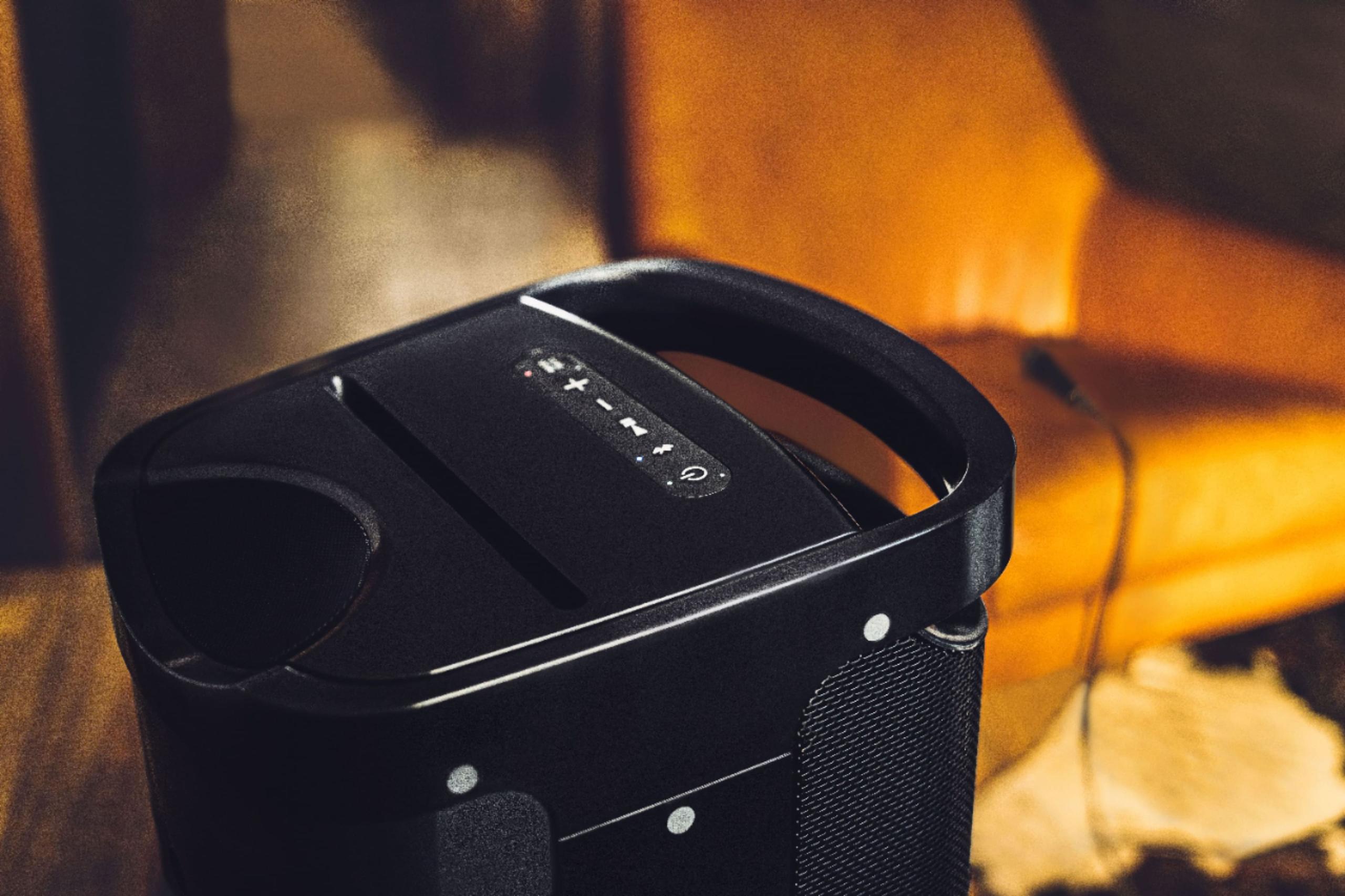
When you're looking for a speaker that can truly fill a space with sound—whether it's a backyard barbecue, a tailgate party, or an indoor gathering—you're entering the world of high-powered portable party speakers. These aren't your average Bluetooth speakers that sit on a desk. We're talking about speakers that can compete with live bands and keep a party going all night long.
The two speakers we're comparing today represent very different philosophies in this space. The Soundboks Go, released in 2022, takes the "bigger is better" approach with extreme volume and military-grade durability. The Sony SRS-XP700, which hit the market in 2021, focuses on a more balanced party experience with sophisticated features and refined sound quality.
Before diving into specifics, it's worth understanding what makes a great party speaker. Unlike home audio speakers that prioritize accuracy and detail, party speakers are designed around different priorities. Maximum volume is crucial—you need to overcome ambient noise, fill large spaces, and create an energetic atmosphere. Battery life becomes critical since these speakers are meant to be portable and used away from power outlets.
Durability matters too, because party speakers live harder lives than their indoor cousins. They get moved around constantly, face spills and weather, and need to keep working reliably. The best party speakers also offer ways to connect multiple units together, because sometimes one speaker just isn't enough for a large venue or outdoor space.
Sound quality is still important, but it's balanced differently. You want punchy bass that gets people moving, clear vocals that cut through crowd noise, and enough volume headroom that the sound stays clean even when cranked up loud. The technical term here is "dynamic range"—the difference between the quietest and loudest sounds a speaker can reproduce cleanly.
The Soundboks Go and Sony SRS-XP700 represent fundamentally different approaches to party audio. The Soundboks philosophy is straightforward: build it tough and make it loud. This speaker is designed for extreme use cases—construction sites, outdoor festivals, beach parties where sand and salt spray are constant threats.
The Sony takes a more sophisticated approach. It's still plenty loud, but it balances volume with features like lighting effects, karaoke capabilities, and app-based customization. Think of it as the difference between a rugged pickup truck and a luxury SUV—both can haul your gear, but they're optimized for different priorities.
Here's where the differences become stark. The Soundboks Go delivers an absolutely crushing 121 dB of maximum sound pressure level (SPL). To put that in perspective, that's louder than a chainsaw and approaching the level of a rock concert. This isn't just marketing hyperbole—the Soundboks achieves this through a powerful 144-watt RMS amplifier system using Class D amplification, which is highly efficient and generates less heat than traditional amplifiers.
The amplifier uses what Soundboks calls "Merus Audio eximo® amp switching," which is essentially a very sophisticated way of controlling power delivery to maximize both efficiency and sound quality. This technical approach allows the speaker to maintain clarity even at volumes that would cause most speakers to distort heavily.
In contrast, the Sony SRS-XP700 uses a 60-watt RMS system. While Sony doesn't publish exact SPL figures, based on our research of user reports and technical reviews, it likely maxes out around 115 dB—still very loud, but noticeably quieter than the Soundboks when both are pushed to their limits.
The practical difference is significant. If you're trying to provide music for a large outdoor gathering or need to overcome significant ambient noise (like at a construction site or busy street fair), the Soundboks Go has a clear advantage. However, for most home and moderate outdoor use, both speakers provide more than enough volume.
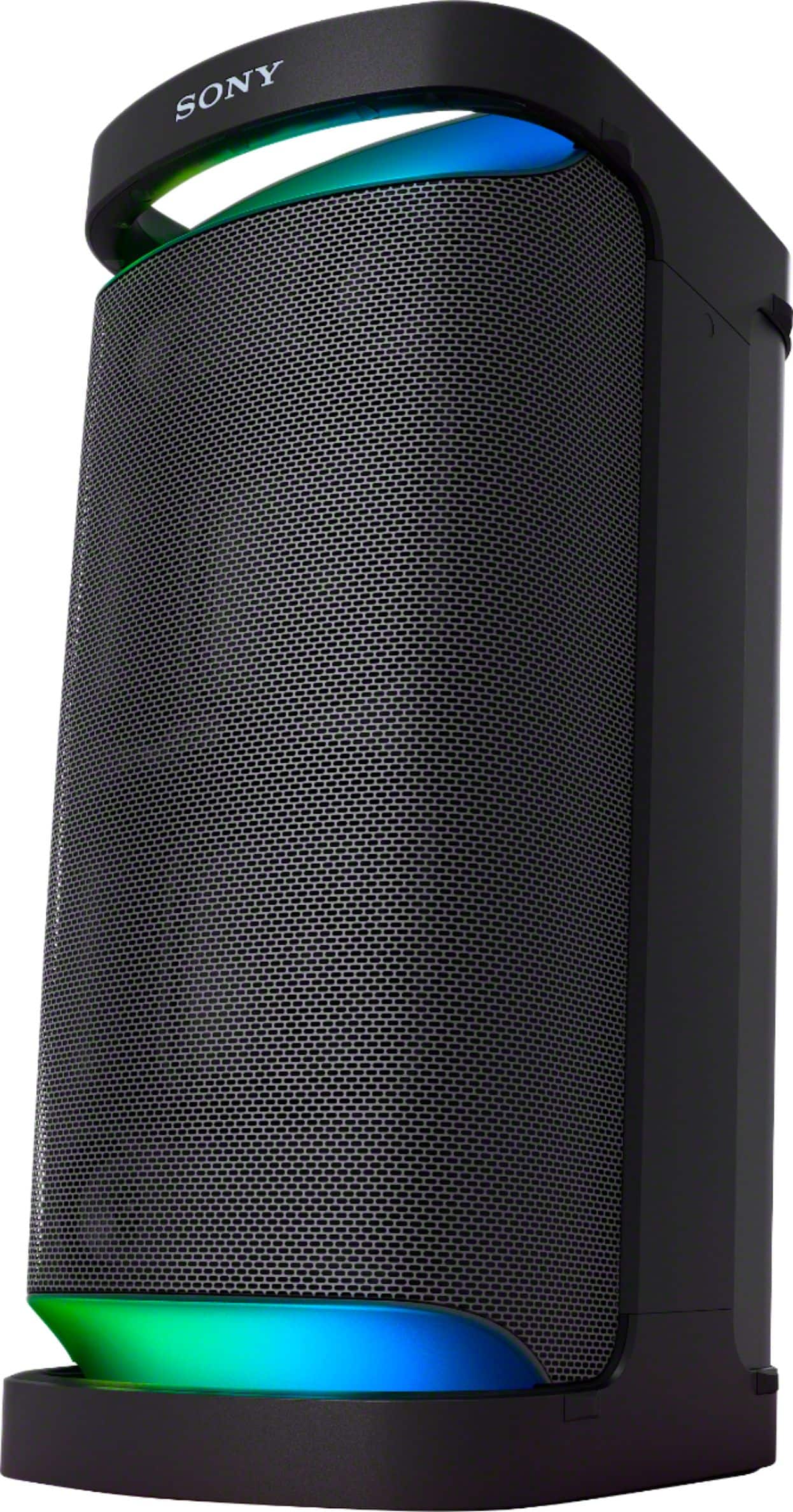
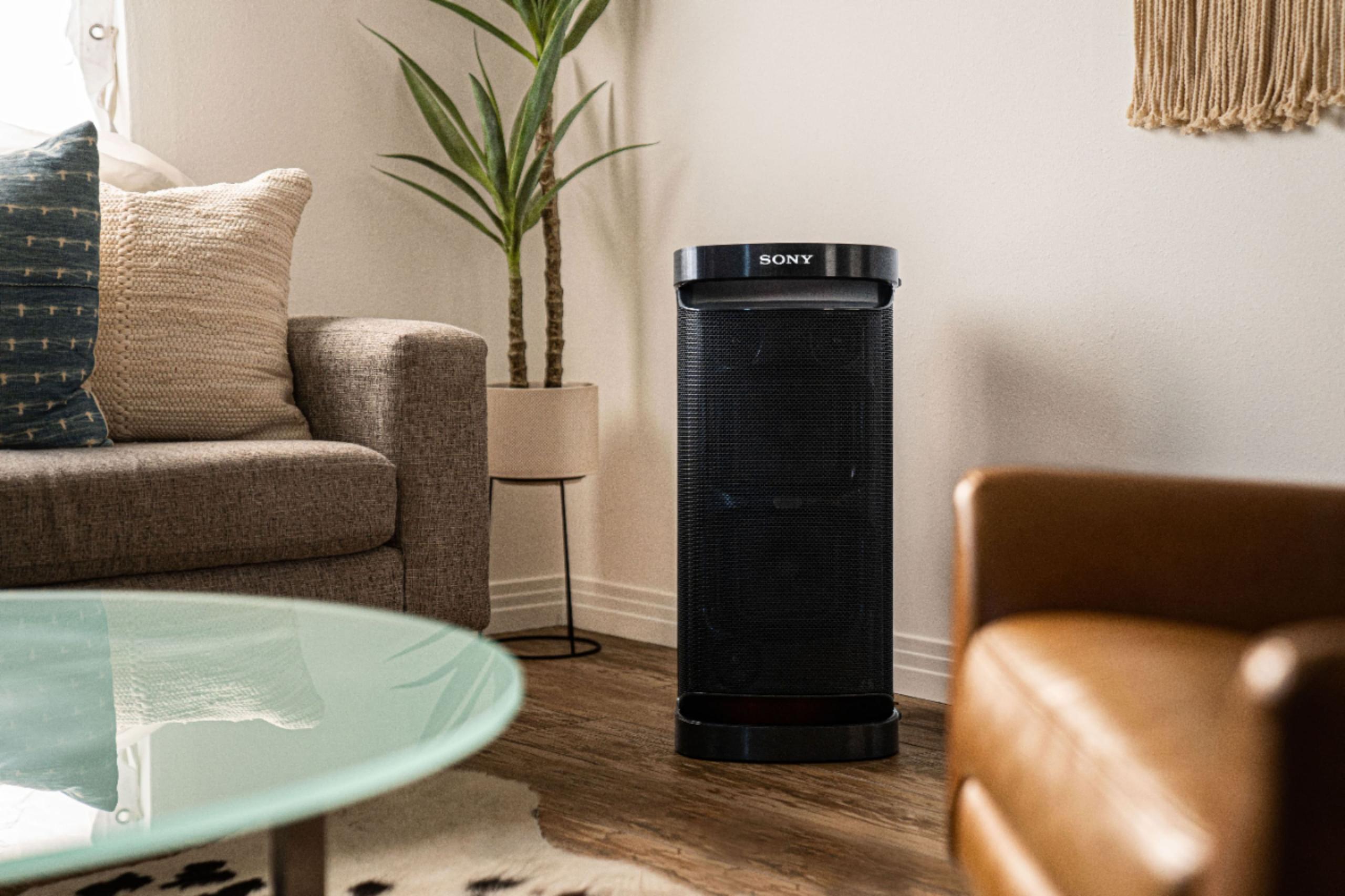
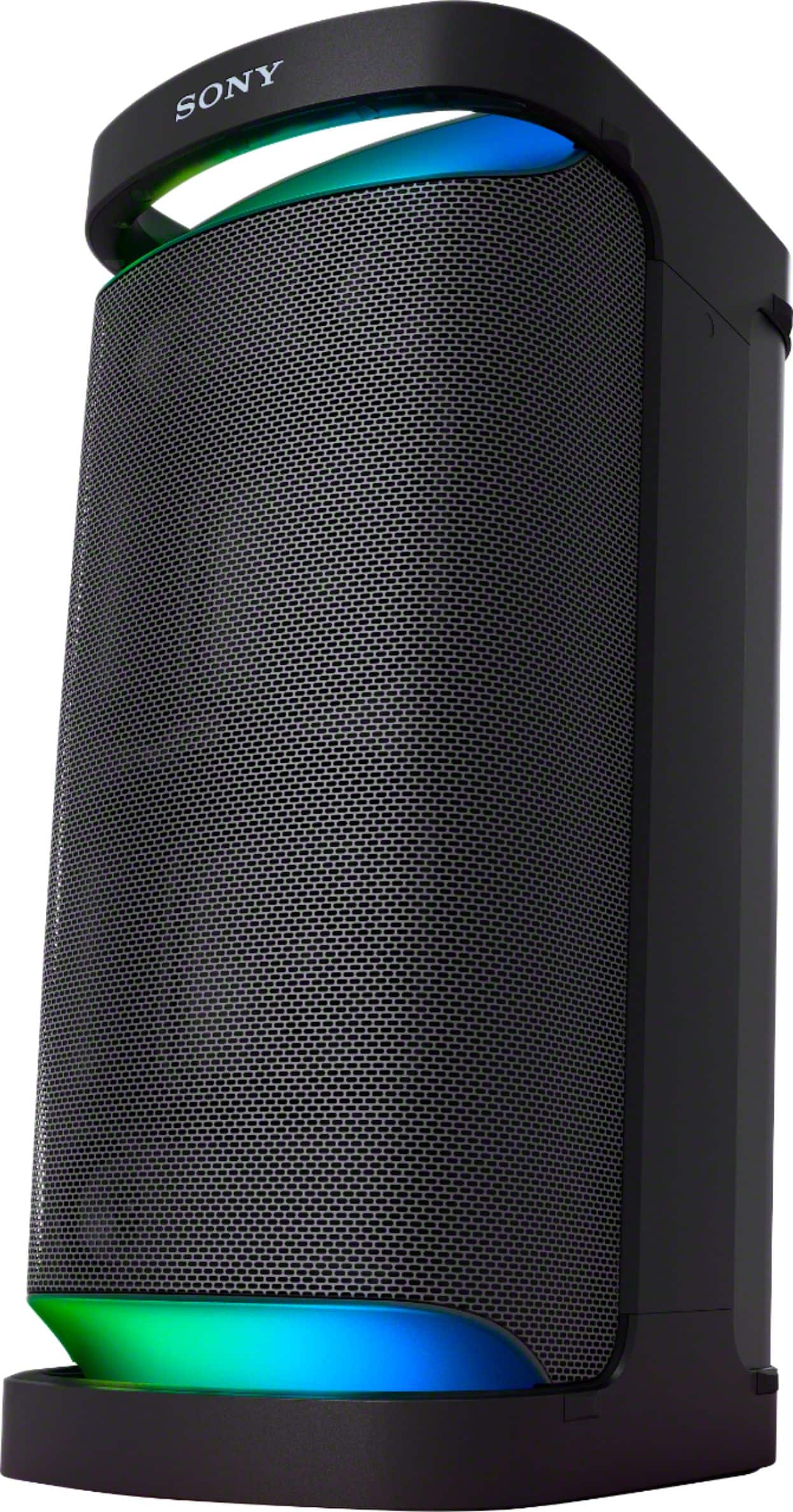
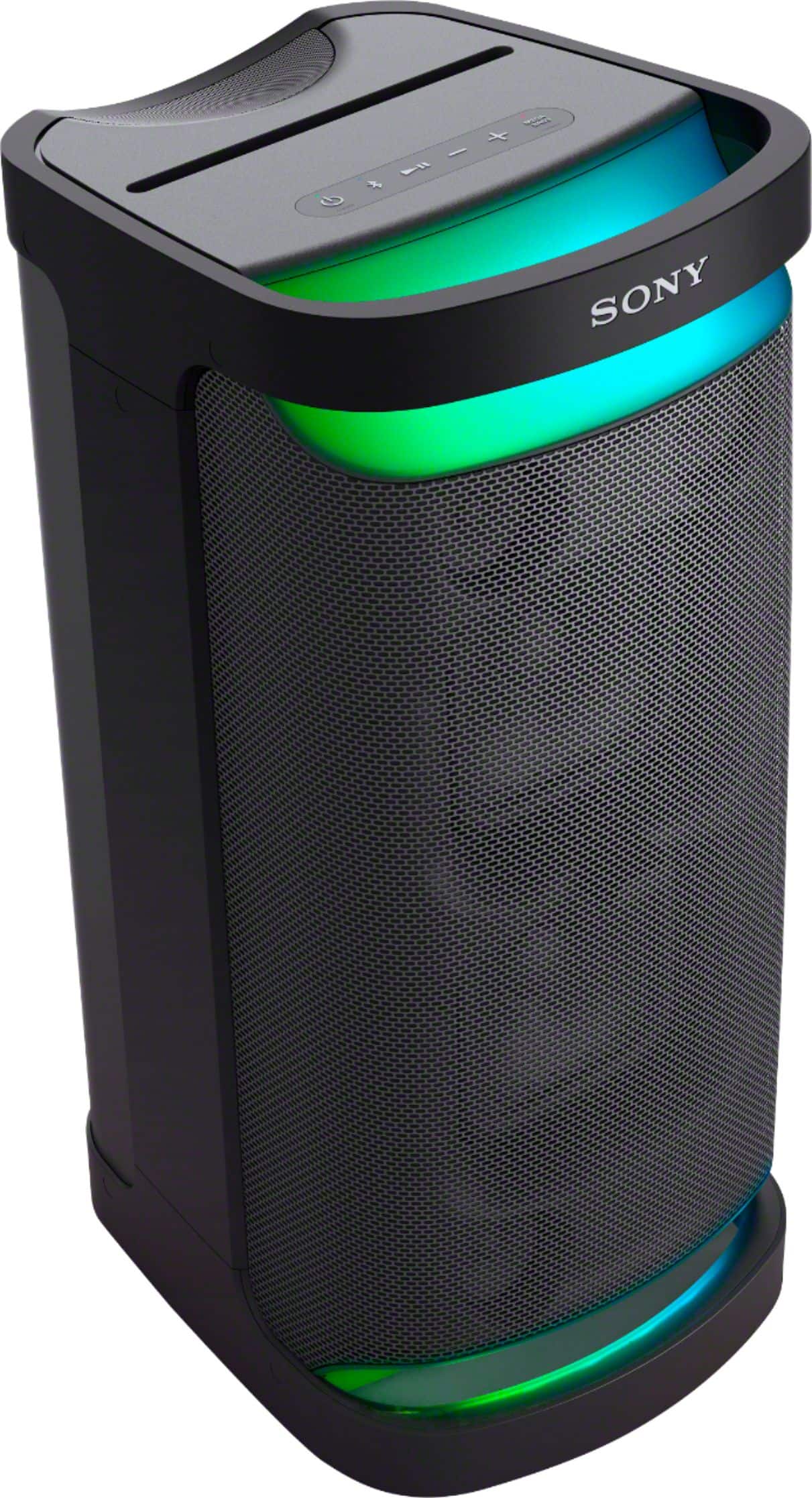
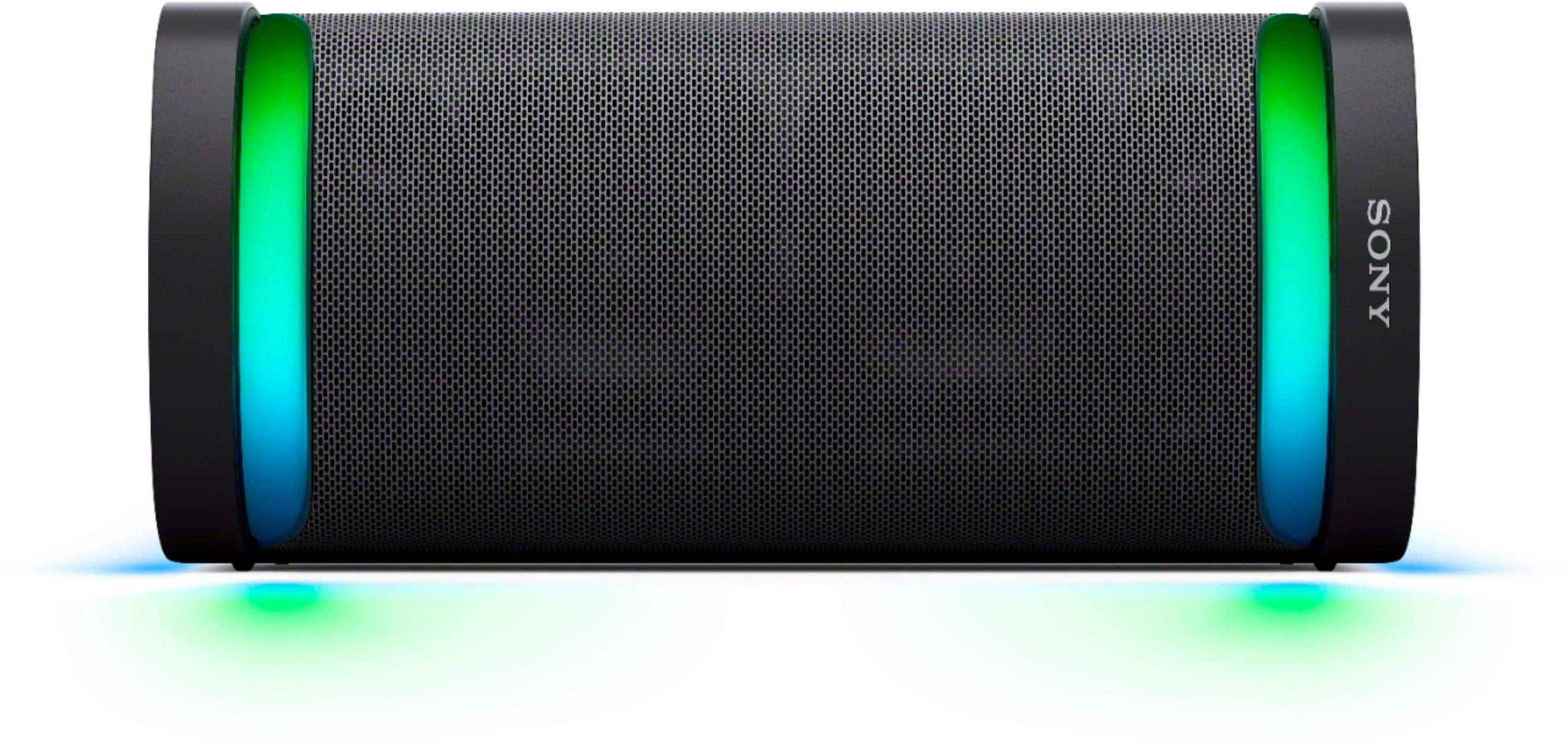
While the Soundboks Go wins on pure volume, the Sony SRS-XP700 takes the lead in sound refinement. Sony's approach uses what they call "Omnidirectional Party Sound," achieved through a clever driver arrangement: three front-facing tweeters, one rear-facing tweeter, and two large woofers with Sony's X-Balanced Speaker Units.
The X-Balanced design uses non-circular speaker cones that provide more surface area than traditional round drivers. This translates to clearer midrange frequencies and better overall sound dispersion. The multiple tweeter arrangement means the sound spreads more evenly around the room, so people standing behind or to the side of the speaker get better audio quality.
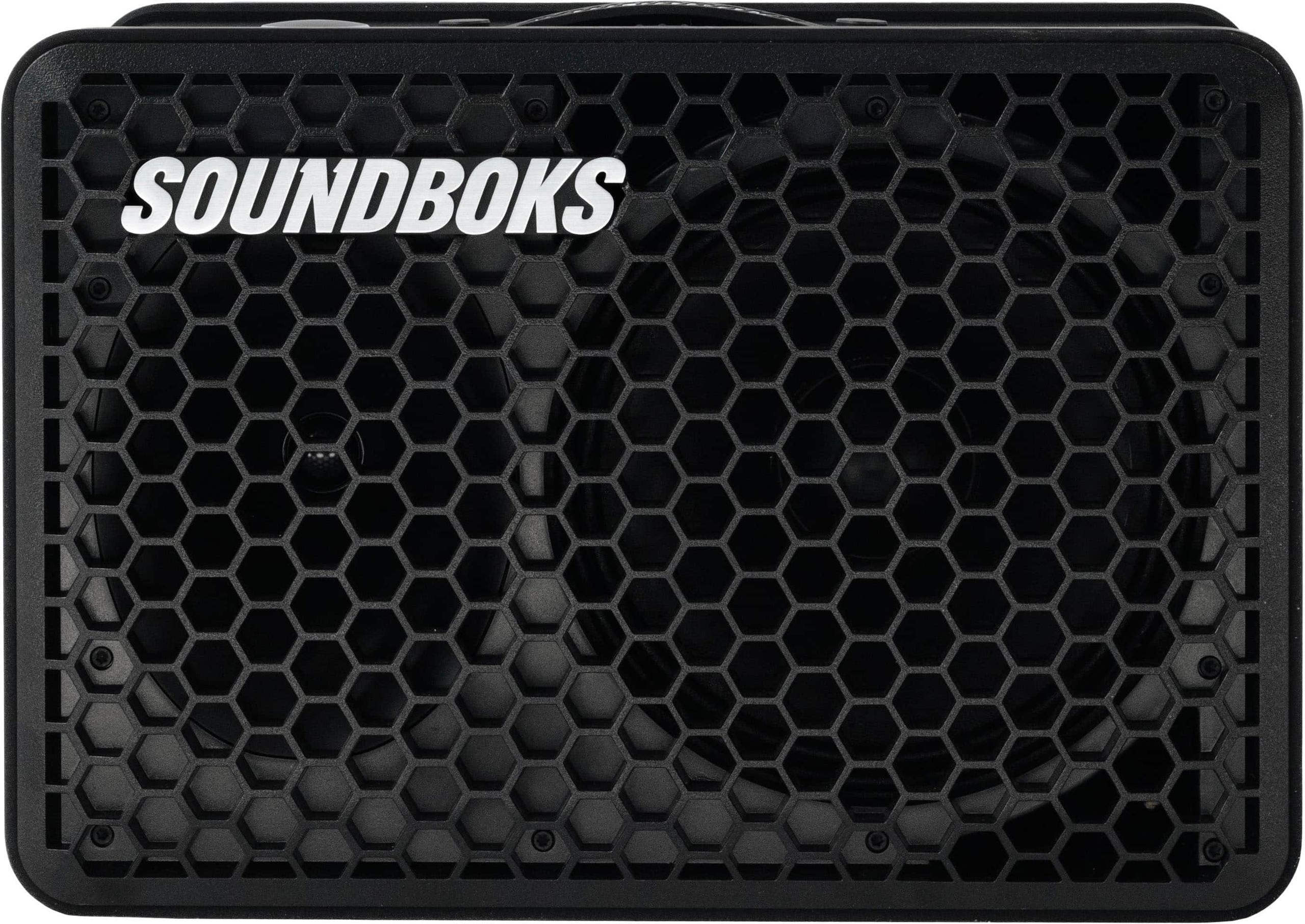
The Soundboks Go uses a more traditional two-way design with one 10-inch woofer and one 1-inch silk dome tweeter. Based on user reviews and expert analysis, this results in what's called a "V-shaped" sound signature—strong bass, strong treble, but somewhat recessed midrange frequencies. This can make vocals less present, though it creates an exciting, punchy sound that works well for dance music and party atmospheres.
The Sony also includes sophisticated digital signal processing (DSP) with modes like Clear Audio+, DSEE (Digital Sound Enhancement Engine), and LIVE SOUND. These aren't just marketing terms—they're actual audio processing algorithms that can enhance compressed music files and create more spacious, live-sounding audio.
Battery life is where the Soundboks Go shows one of its most innovative features. The 40-hour battery life at moderate volume levels is impressive enough, but the real game-changer is the swappable battery system. The speaker uses what Soundboks calls "THE BATTERY"—a 99.84 Wh lithium iron phosphate (LiFePO4) battery pack that can be removed and replaced without tools.
This swappable system means you can theoretically run the speaker indefinitely by rotating charged battery packs. For DJ use or multi-day events, this is a huge advantage. The battery also functions as a power bank with a USB-C port, so you can charge your phone or other devices directly from it.
The Sony SRS-XP700 offers solid but more conventional battery performance with up to 25 hours of playback. While not swappable, it does include quick charging technology that provides three hours of playback from just 10 minutes of charging. This can be a lifesaver when you realize your speaker is dead right before a party starts.
Both speakers support charging while playing, but the Soundboks system is more elegant—you can hot-swap batteries without interrupting the music, while the Sony needs to be plugged into power to play while charging.
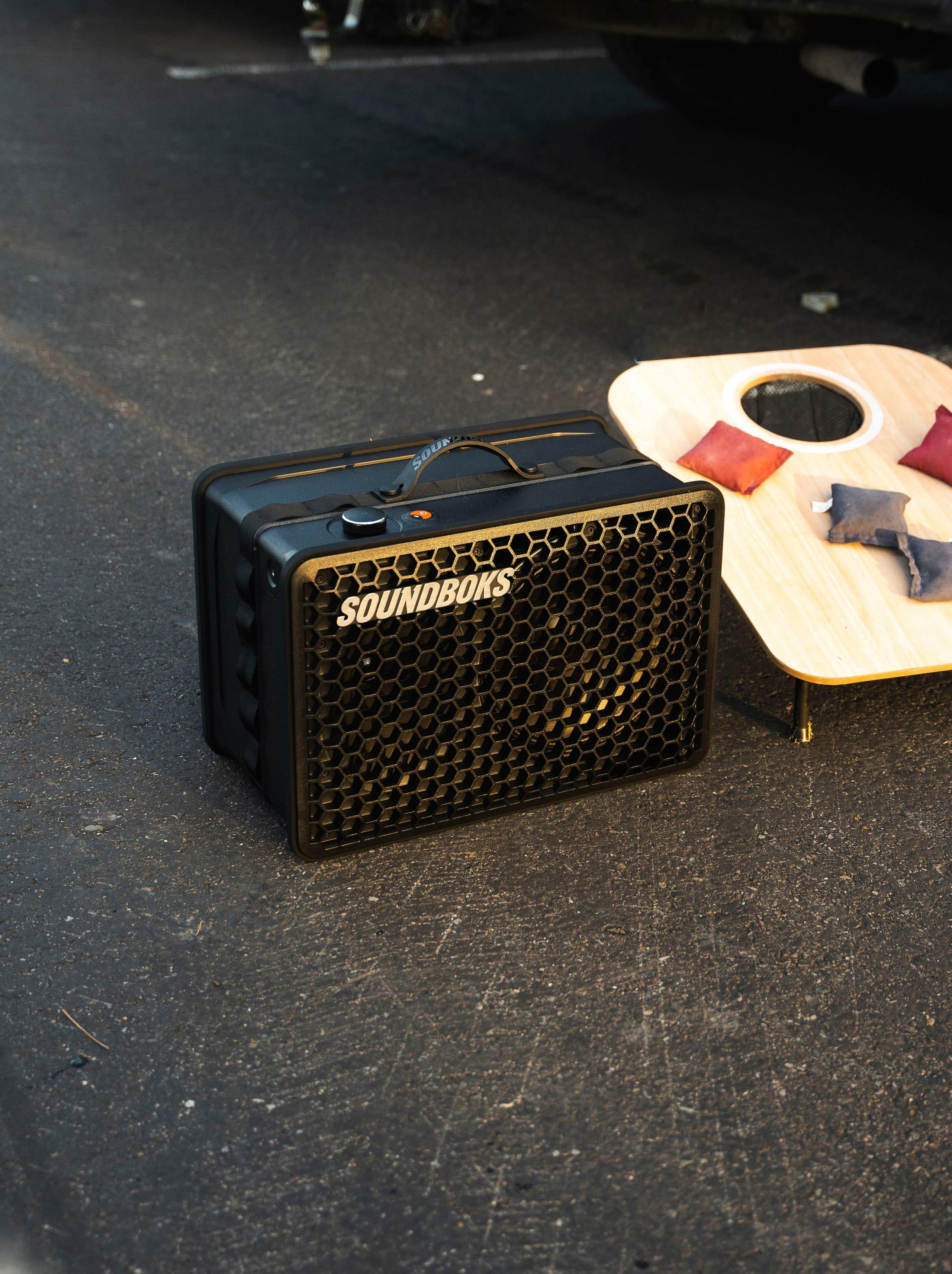
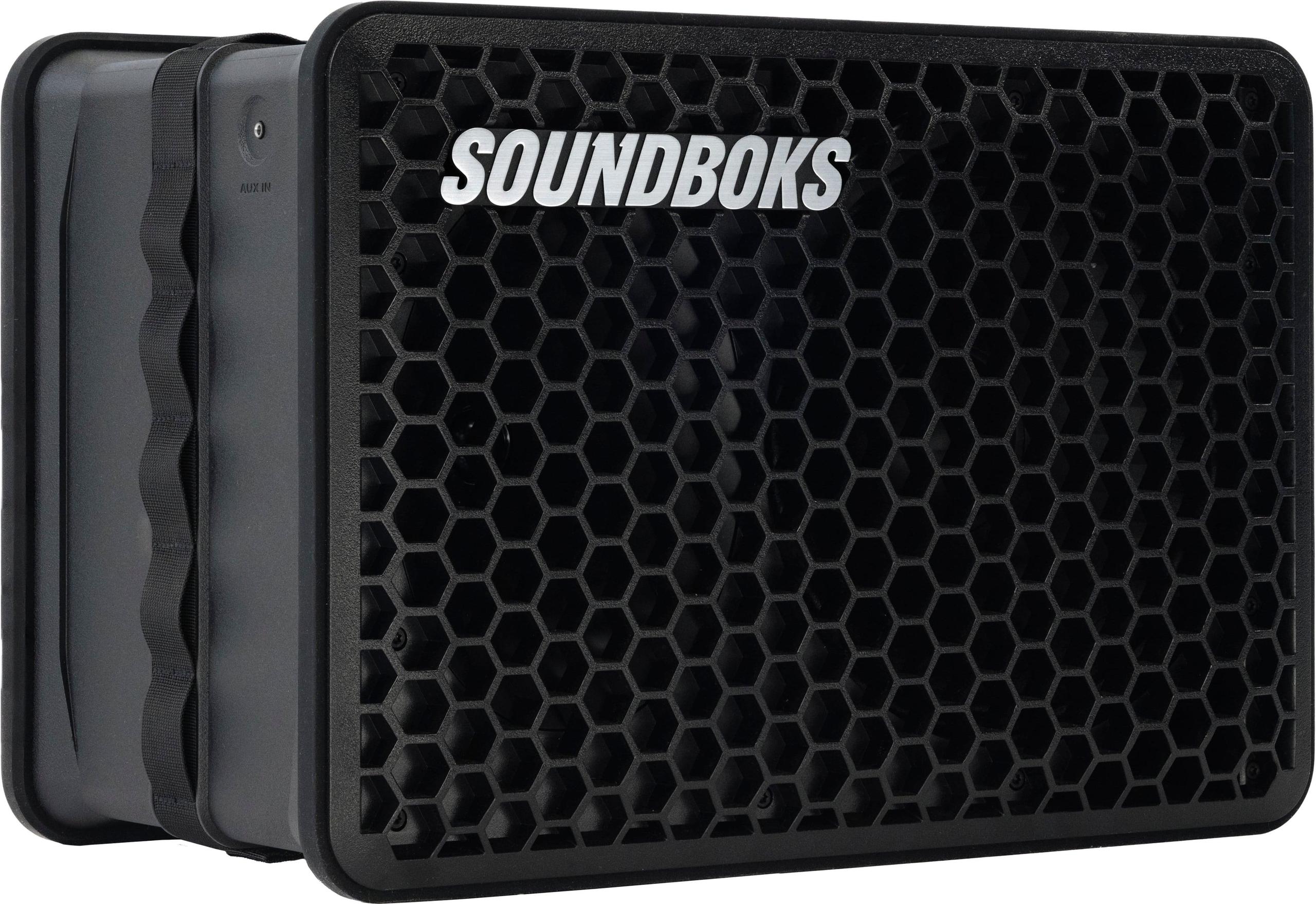
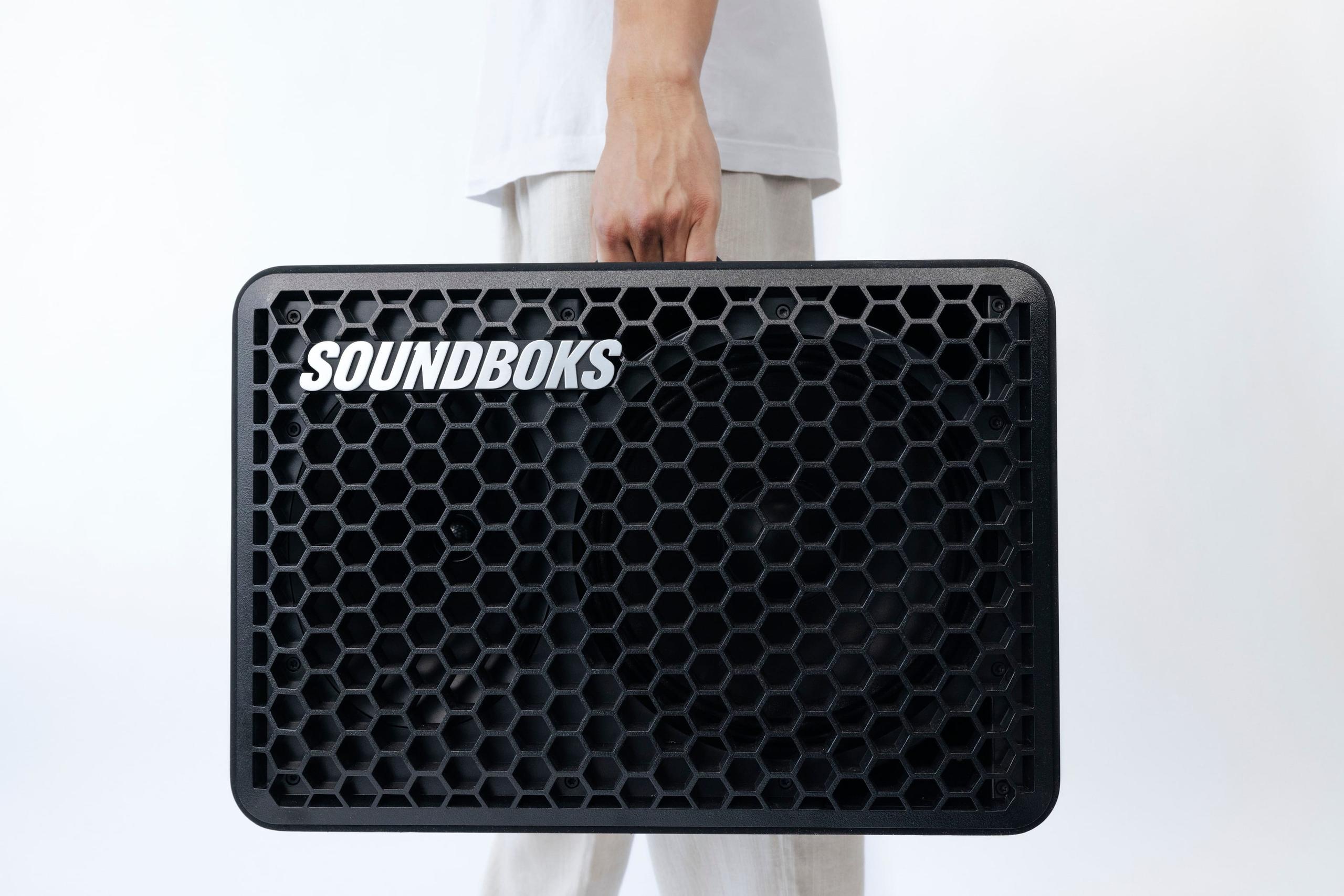
The durability difference between these speakers is dramatic. The Soundboks Go carries an IP65 rating, which means it's completely dustproof and can handle water jets from any direction. The construction uses ABS and polycarbonate plastics with silicone rubber bumpers designed to absorb impacts. This isn't just splash-resistant—it's built for genuine outdoor abuse.
The build quality reflects this mission. User reports consistently mention that the Soundboks Go feels like professional equipment, with a solid, almost indestructible feel. The speaker includes mounting points for professional tripod stands and can handle being bounced around in the back of a truck or left outside during light rain.
The Sony SRS-XP700 offers IPX4 rating, which provides splash resistance but isn't designed for serious weather exposure. It's suitable for poolside use or light outdoor events, but you wouldn't want to leave it outside overnight or subject it to heavy rain.
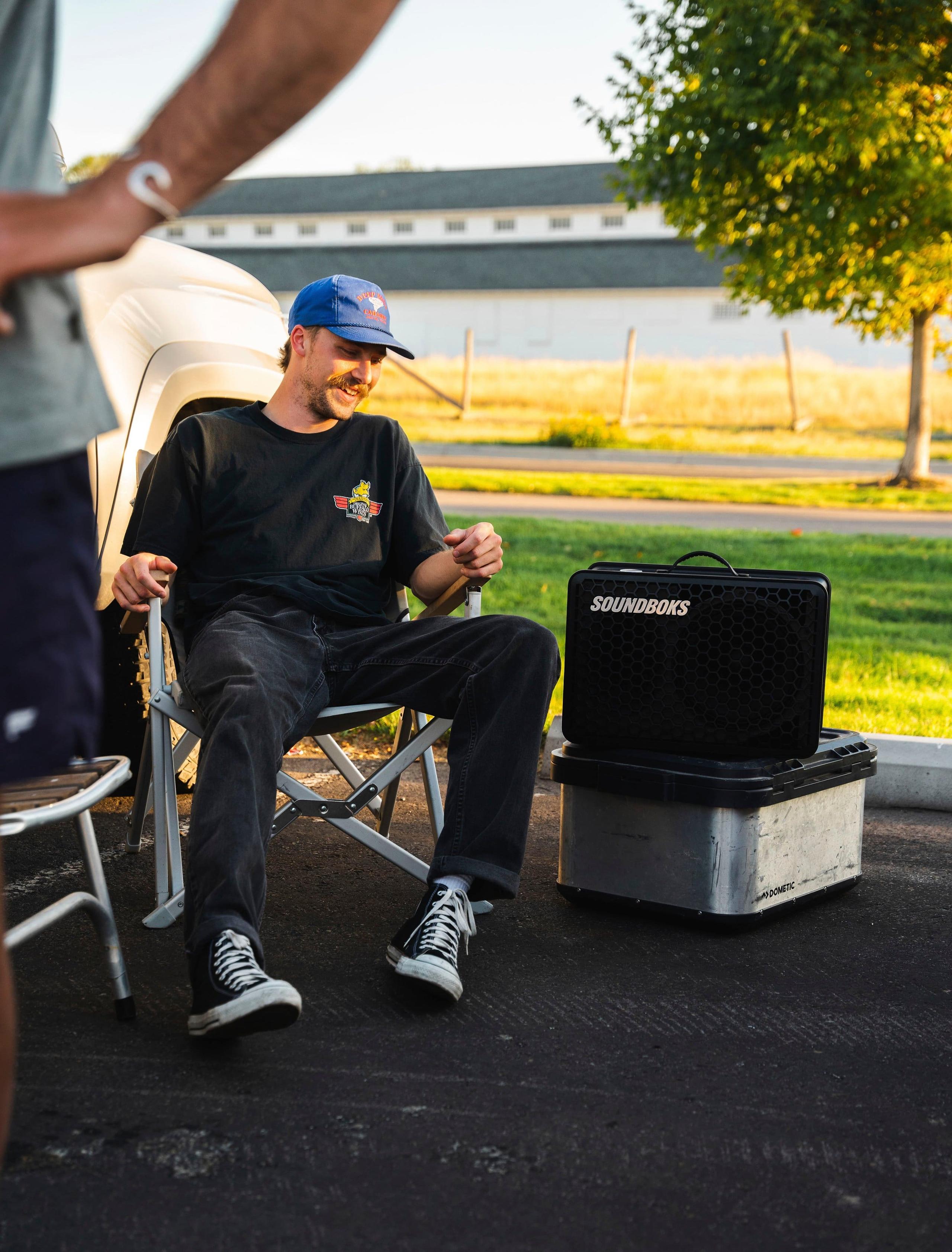
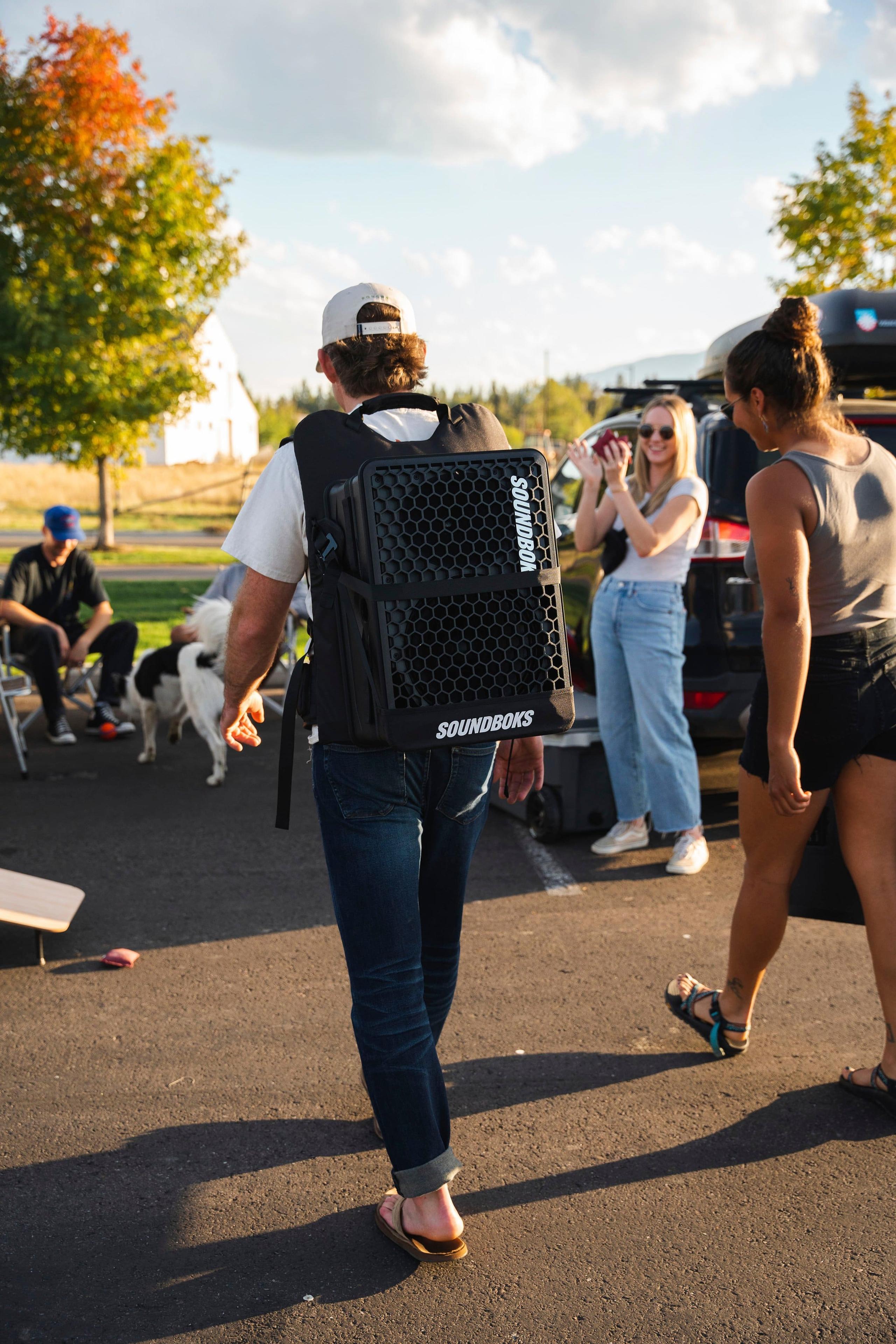
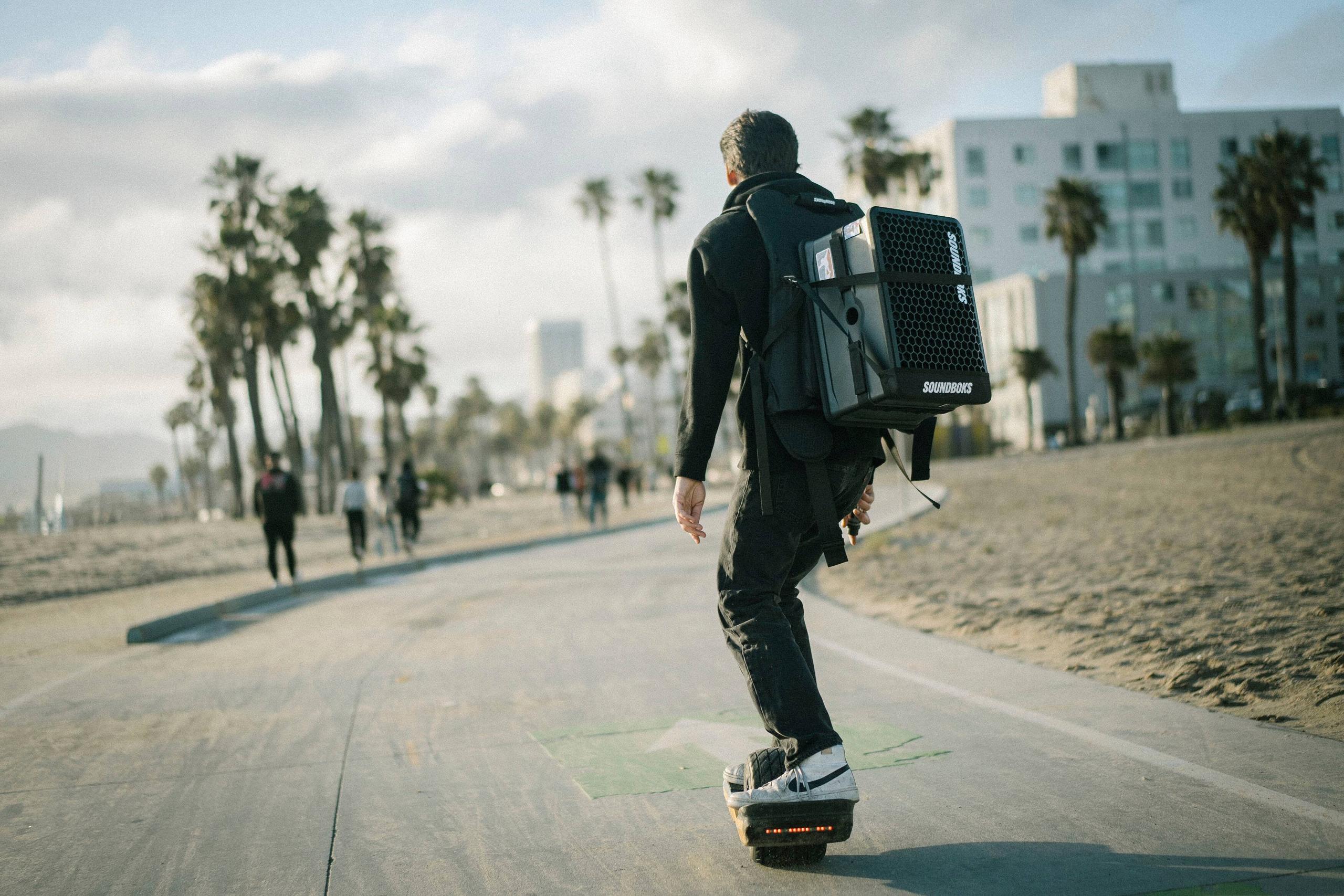
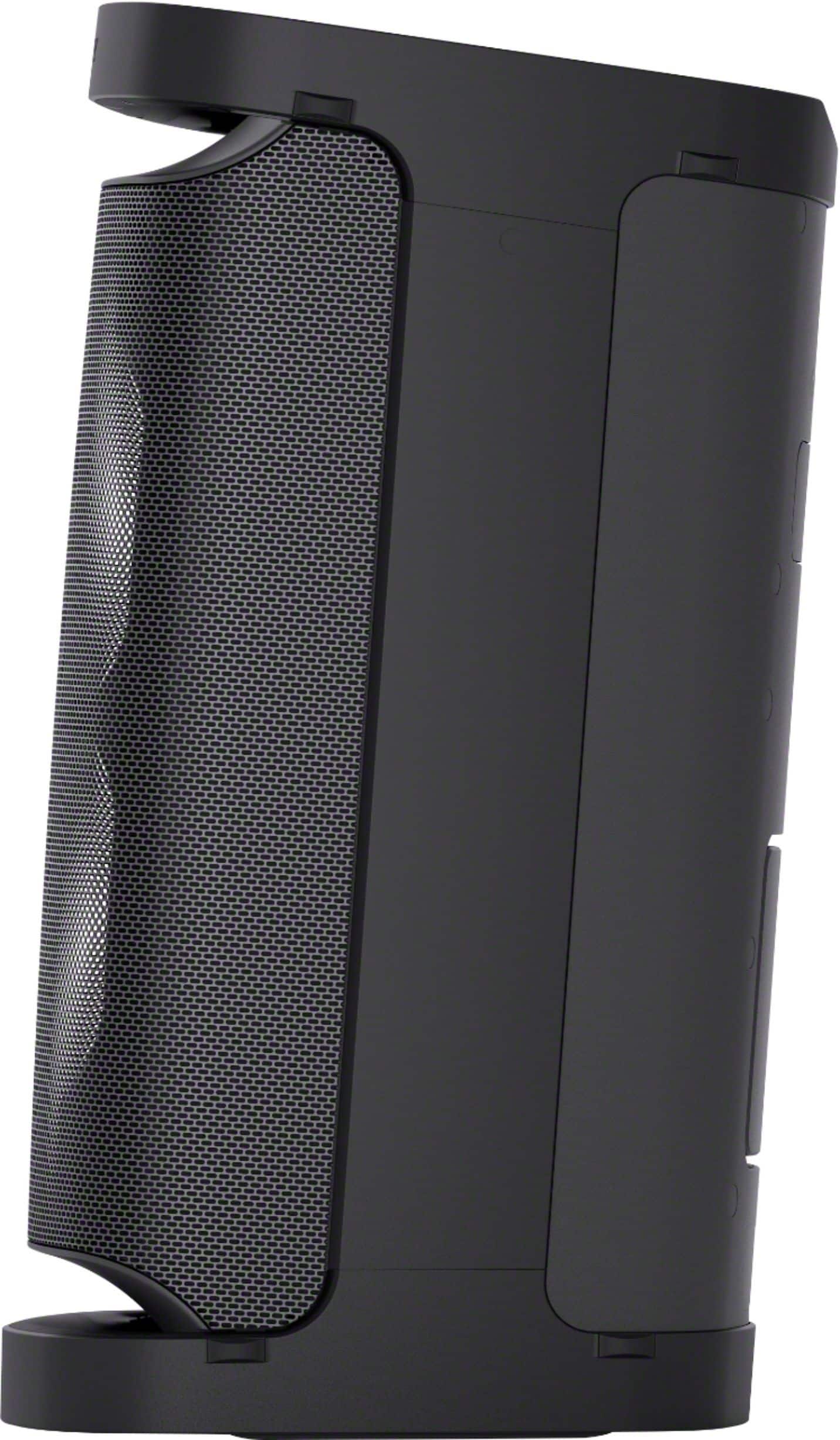
The weight difference tells part of the story too. At around 20 pounds, the Soundboks Go is surprisingly portable for its power level. The Sony SRS-XP700 weighs nearly twice as much at 37 pounds, which limits its portability despite having lower power output.
This is where the speakers' different philosophies become most apparent. The Soundboks Go keeps things focused on core audio performance. You get Bluetooth 5.0, a 3.5mm auxiliary input (crucial for DJ use), and the ability to link up to five Soundboks speakers using their SKAA wireless technology, which provides ultra-low latency for professional applications.
The app functionality is straightforward—basic EQ adjustment, speaker pairing, and system management. Soundboks clearly believes in the "do one thing really well" philosophy.
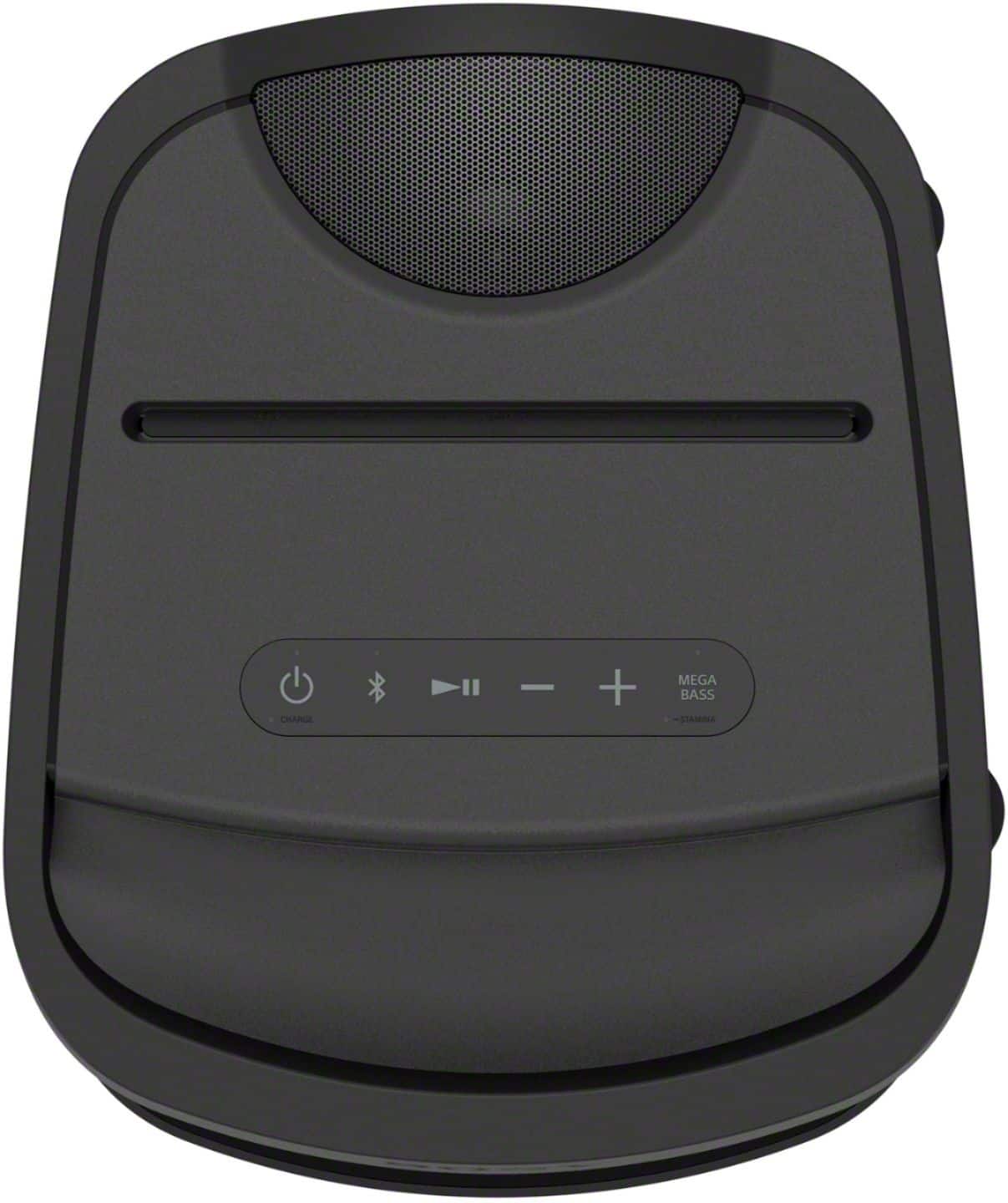
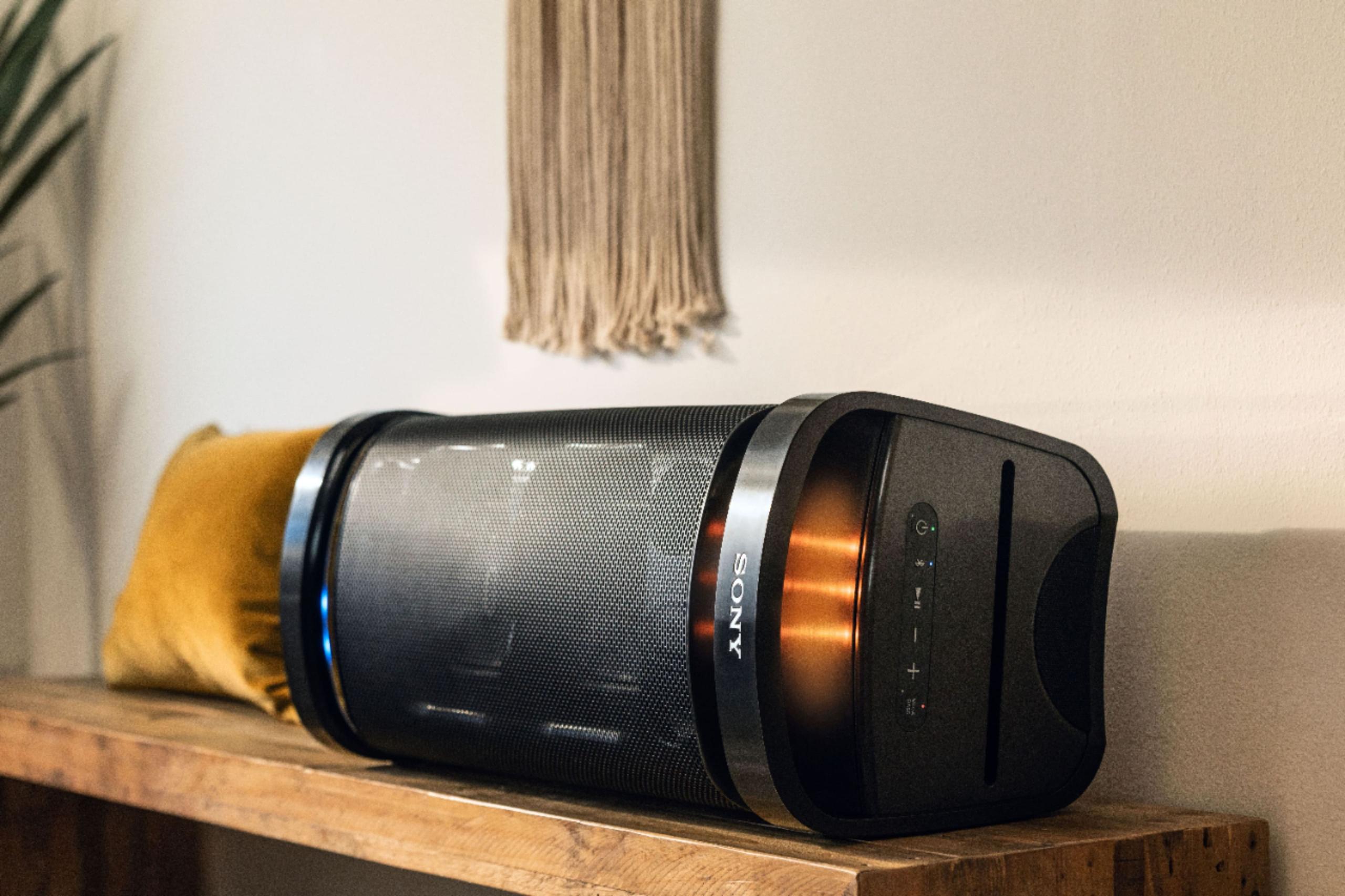
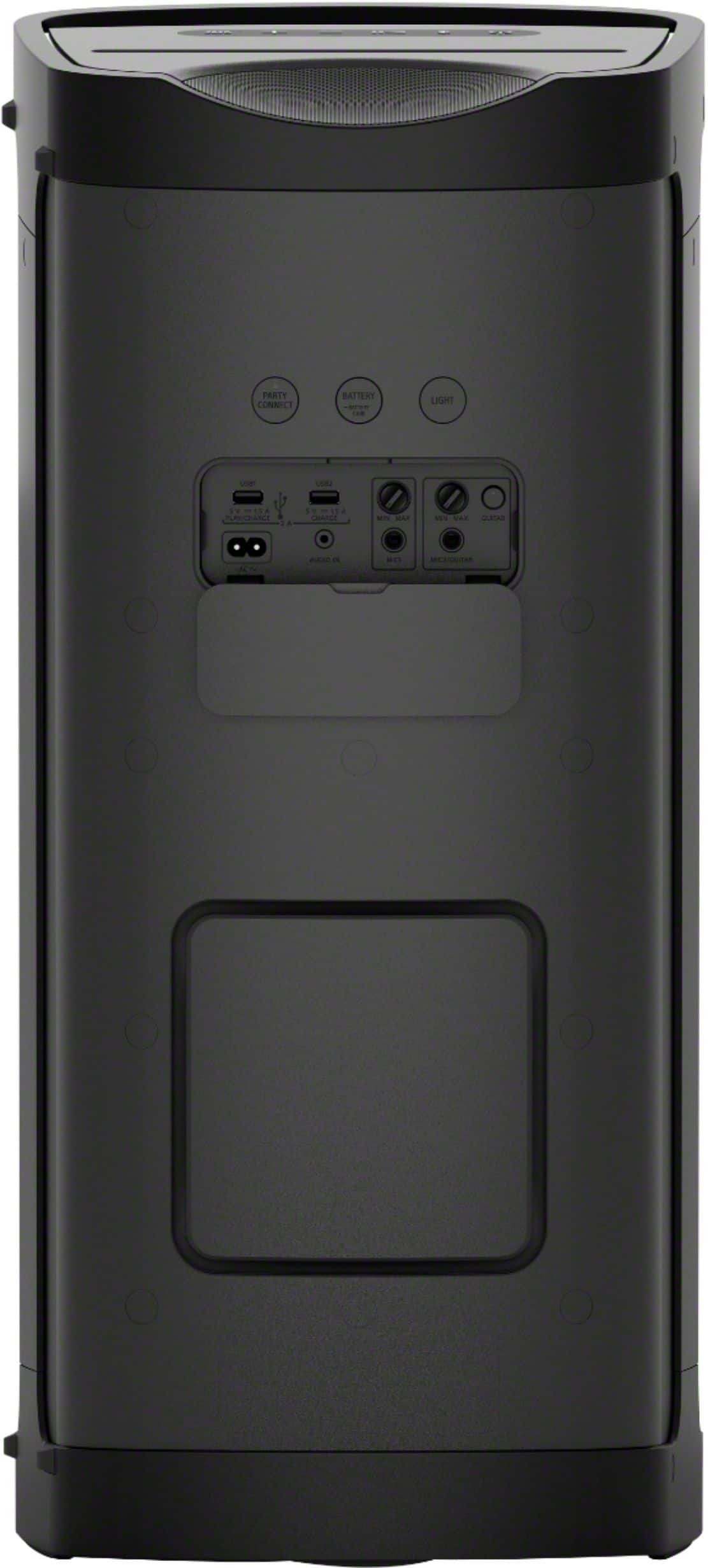
The Sony SRS-XP700 is feature-rich by comparison. Beyond Bluetooth connectivity, it includes microphone and guitar inputs for karaoke and live performance. The lighting system synchronizes with music and can be customized through Sony's apps. There's USB-A connectivity for playing music directly from flash drives, and the speaker can charge multiple devices simultaneously.
Sony provides two apps: Music Center for basic control and Fiestable for party-specific features like karaoke games and playlist creation. The speaker also includes an orientation sensor that automatically optimizes sound based on whether it's positioned horizontally or vertically.
For multi-speaker setups, Sony's Party Connect can link up to 100 compatible speakers—impressive scalability, though finding 100 Sony speakers might be challenging in practice.
Neither speaker is designed primarily for home theater use, but both can serve this purpose with some limitations. The Sony SRS-XP700 is better suited for this application due to its more balanced sound signature and omnidirectional design, which can help create a more immersive experience for multiple viewers.
The auxiliary input on both speakers means you can connect them to TV audio outputs, but you'll want to manage volume carefully—both speakers can easily overpower typical home environments. The Soundboks Go's more aggressive sound tuning might fatigue listeners during longer movie sessions, while the Sony's more refined approach could work better for extended viewing.
However, for dedicated home theater use, both speakers are overkill. Their strengths lie in portable, high-volume applications rather than the detailed, accurate sound reproduction that home theater typically demands.
Both speakers represent significant technological advances since their release. The Soundboks Go, released in 2022, incorporates lessons learned from earlier Soundboks models, particularly in amplifier efficiency and battery management. The Class D amplification with Merus Audio technology represents a significant step forward in achieving high power output from a portable package.
The Sony SRS-XP700, launched in 2021, showcases Sony's broader consumer electronics expertise. The X-Balanced speaker technology and omnidirectional sound approach represent genuine innovations in the party speaker category, moving beyond the simple "bigger drivers equal better sound" approach.
Since their respective launches, both companies have continued software updates that improve functionality and add features, though hardware remains unchanged. This ongoing support is worth considering when making a purchase decision.
At the time of writing, both speakers occupy similar price segments in the premium party speaker category, though the Soundboks Go typically commands a slight premium for its specialized construction and extreme output capabilities.
The value question depends heavily on intended use. For professional or semi-professional applications—DJ use, event production, or extreme outdoor use—the Soundboks Go offers exceptional value. The combination of maximum volume, rugged construction, and swappable batteries creates capabilities that competing speakers simply can't match.
For more typical consumer use—home parties, moderate outdoor gatherings, or versatile entertainment—the Sony SRS-XP700 provides better value through its comprehensive feature set and more refined sound quality.
The Soundboks Go is the clear choice for users who need maximum volume and durability above all else. This includes DJs who need reliable, loud monitoring; outdoor enthusiasts who want music that can compete with wind, waves, and distance; and anyone who regularly uses speakers in harsh environments.
The swappable battery system alone makes the Soundboks compelling for extended events or professional use where downtime isn't acceptable. If you're the type of person who thinks "too loud" doesn't exist in your vocabulary, this is your speaker.
The Sony SRS-XP700 is better suited for users who want a sophisticated party experience without sacrificing too much portability. The karaoke features, lighting effects, and app integration make it ideal for hosts who want to create memorable entertainment experiences. The more balanced sound quality also makes it better for varied music types and longer listening sessions.
Both speakers excel in their intended roles, making the choice more about matching capabilities to needs than declaring an absolute winner. The Soundboks Go is an uncompromising tool for maximum impact, while the Sony SRS-XP700 is a versatile entertainment platform.
If you need a speaker that can fill a football stadium or survive a construction site, choose the Soundboks. If you want the most features and best overall sound quality for typical party use, the Sony is the better choice.
The truth is, both speakers will likely exceed most users' volume requirements. The real decision comes down to whether you prioritize extreme capability and durability, or prefer balanced performance with comprehensive features. Either way, you're getting a speaker that can transform any gathering into a memorable event.
| Soundboks Go Portable Bluetooth Speaker | Sony SRS-XP700 Wireless Party Speaker |
|---|---|
| Maximum Volume - Critical for large spaces and outdoor use | |
| 121 dB SPL (extremely loud, rivals small PA systems) | ~115 dB SPL (very loud, suitable for most parties) |
| Power Output - Determines how clean the sound stays at high volumes | |
| 144W RMS (dual 72W Class D amplifiers) | 60W RMS (single amplifier system) |
| Battery Life - Essential for untethered outdoor events | |
| 40 hours at mid-volume, 10 hours at max volume | Up to 25 hours typical use |
| Battery System - Major convenience factor for extended use | |
| Swappable/hot-swappable battery system | Fixed internal battery with quick charge |
| Durability Rating - How much abuse it can handle | |
| IP65 (dustproof + water resistant, extreme outdoor use) | IPX4 (splash resistant, light outdoor use only) |
| Weight - Affects true portability | |
| 20.28 lbs (surprisingly portable for the power) | 37.25 lbs (requires two people for transport) |
| Driver Configuration - Impacts sound quality and dispersion | |
| 1x 10" woofer + 1x 1" tweeter (powerful but basic) | 2x woofers + 4x tweeters with omnidirectional design |
| Sound Signature - Affects music enjoyment across genres | |
| V-shaped (heavy bass/treble, recessed mids) | More balanced with better midrange clarity |
| Multi-Speaker Pairing - For scaling up to larger venues | |
| TeamUP: 5 speakers max with ultra-low latency | Party Connect: up to 100 Sony speakers |
| Input Options - Versatility for different audio sources | |
| Bluetooth 5.0, 3.5mm AUX (DJ-focused) | Bluetooth 5.0, 3.5mm AUX, mic input, guitar input, USB-A |
| Smart Features - Modern conveniences and party atmosphere | |
| Basic app control, focus on core audio performance | Comprehensive apps, lighting effects, karaoke features |
| Build Philosophy - Different approaches to party audio | |
| Extreme durability and maximum volume at all costs | Balanced features with sophisticated sound and party atmosphere |
| Best Use Cases - Who should choose which speaker | |
| DJs, extreme outdoor use, construction sites, maximum volume needs | Home parties, karaoke hosts, balanced indoor/outdoor entertainment |
The Soundboks Go is significantly louder, delivering 121 dB maximum SPL compared to the Sony SRS-XP700's approximately 115 dB. The Soundboks Go uses a 144W RMS amplifier system versus Sony's 60W RMS, making it the clear winner for maximum volume output.
The Soundboks Go offers superior battery performance with 40 hours at moderate volume and features a unique swappable battery system. The Sony SRS-XP700 provides up to 25 hours of playback with a fixed battery but includes quick charging that gives 3 hours of play from a 10-minute charge.
The Soundboks Go is built for extreme outdoor conditions with an IP65 rating (dustproof and water resistant), while the Sony SRS-XP700 only offers IPX4 splash resistance. For serious outdoor use, camping, or beach parties, the Soundboks Go is the more durable choice.
The Sony SRS-XP700 offers better overall sound quality with omnidirectional audio, balanced frequency response, and X-Balanced speaker technology. The Soundboks Go has a more aggressive V-shaped sound signature that prioritizes bass and volume over refinement, making the Sony SRS-XP700 better for varied music genres.
The Sony SRS-XP700 wins with multiple input options including Bluetooth, 3.5mm AUX, microphone input, guitar input, and USB-A playback. The Soundboks Go focuses on essential connections with Bluetooth 5.0 and 3.5mm AUX input, making the Sony SRS-XP700 more versatile for different audio sources.
The Sony SRS-XP700 is specifically designed for karaoke with dedicated microphone and guitar inputs, plus karaoke features in the Fiestable app. The Soundboks Go lacks these inputs and features, making the Sony SRS-XP700 the obvious choice for karaoke enthusiasts.
Despite being the more powerful speaker, the Soundboks Go is more portable at 20.28 lbs compared to the Sony SRS-XP700's 37.25 lbs. The Soundboks Go includes a sturdy handle and compact design, while the heavier Sony SRS-XP700 requires two people for comfortable transport.
The Sony SRS-XP700 offers comprehensive app control through Sony Music Center and Fiestable apps, including lighting customization, EQ settings, and party features. The Soundboks Go has a basic app focused on essential controls and speaker pairing, making the Sony SRS-XP700 more feature-rich for tech-savvy users.
The Sony SRS-XP700 supports Party Connect technology that can link up to 100 compatible Sony speakers, while the Soundboks Go uses TeamUP to connect up to 5 speakers with ultra-low latency. For massive events, the Sony SRS-XP700 offers better scalability, but the Soundboks Go provides better sync for professional use.
The Soundboks Go is better suited for DJ use with its 3.5mm AUX input, ultra-low latency TeamUP technology, and swappable battery system for continuous operation. While the Sony SRS-XP700 has more inputs, the Soundboks Go's extreme volume and professional reliability make it the preferred choice for DJs.
The Sony SRS-XP700 provides better value for home entertainment with its balanced sound quality, lighting effects, karaoke capabilities, and multiple input options. The Soundboks Go may be overkill for indoor use, making the Sony SRS-XP700 a more practical choice for typical home party scenarios.
Choose the Soundboks Go for maximum volume, extreme durability, swappable batteries, and professional/outdoor use. Choose the Sony SRS-XP700 for better sound quality, comprehensive features, karaoke capabilities, and versatile home entertainment. The Soundboks Go excels in extreme conditions, while the Sony SRS-XP700 offers a more complete party experience.
We've done our best to create useful and informative comparisons to help you decide what product to buy. Our research uses advanced automated methods to create this comparison and perfection is not possible - please contact us for corrections or questions. These are the sites we've researched in the creation of this article: bestbuy.com - beachaudio.com - youtube.com - crutchfield.com - digitaldjtips.com - comparisontabl.es - eftm.com - sweetwater.com - bestbuy.com - compsource.com - sweetwater.com - store.djtechtools.com - youtube.com - scheels.com - soundboks.com - connection.com - scheels.com - skaastore.com - thomannmusic.com - soundboks.eu - gearjunkie.com - bestbuy.com - rtings.com - crutchfield.com - versus.com - rtings.com - rtings.com - youtube.com - versus.com - electronics.sony.com - youtube.com - youtube.com - youtube.com - youtube.com - crutchfield.com - armorsound.com - sony-asia.com - helpguide.sony.net - helpguide.sony.net - videoandaudiocenter.com - sony.com - sony.com - sony-asia.com - sony.com - sony.com - bestbuy.com - device.report - bestbuy.com

Privacy Policy
Terms and Conditions - Affiliate Policy
Home Security
© Copyright 2008-2026.
11816 Inwood Rd #1211, Dallas, TX 75244