

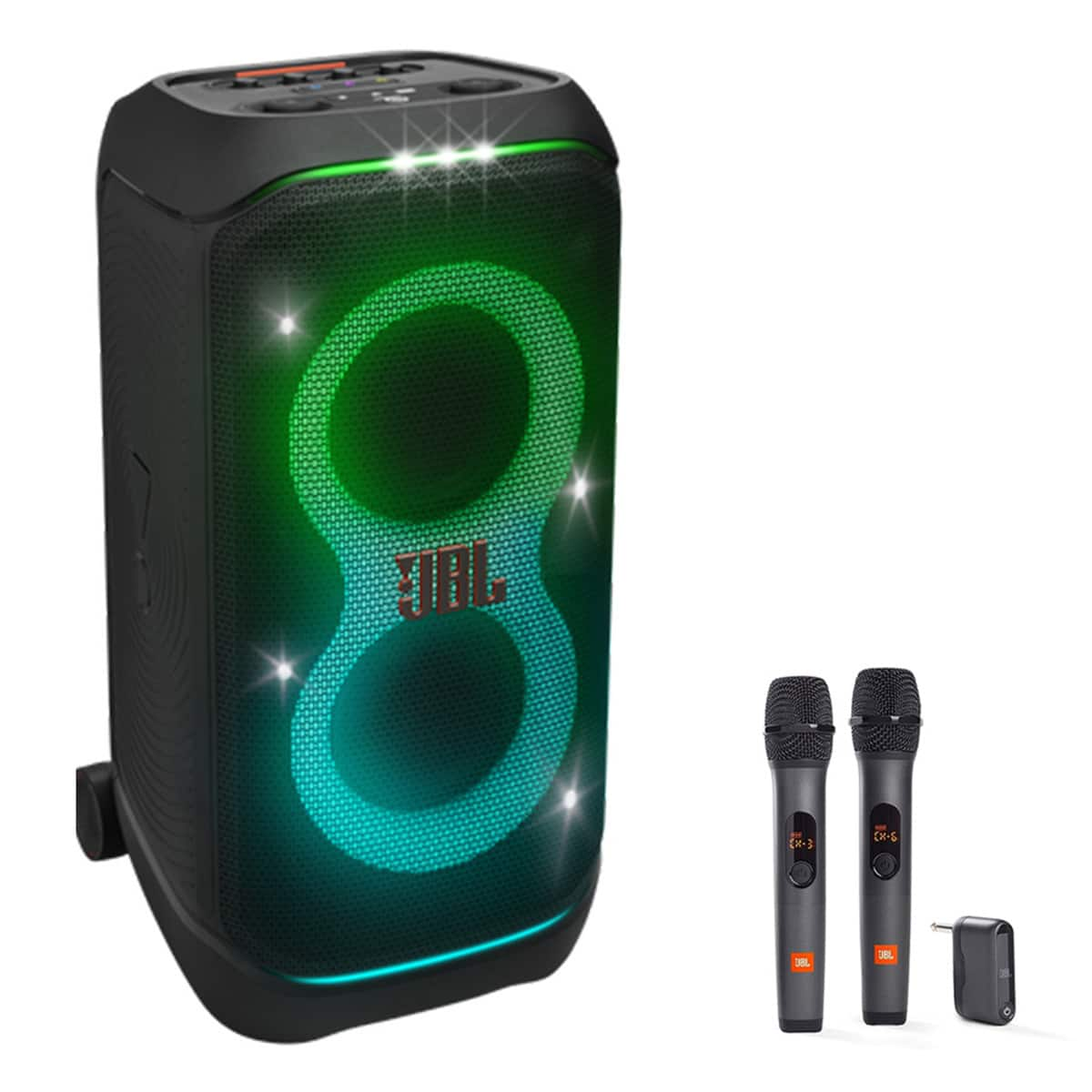
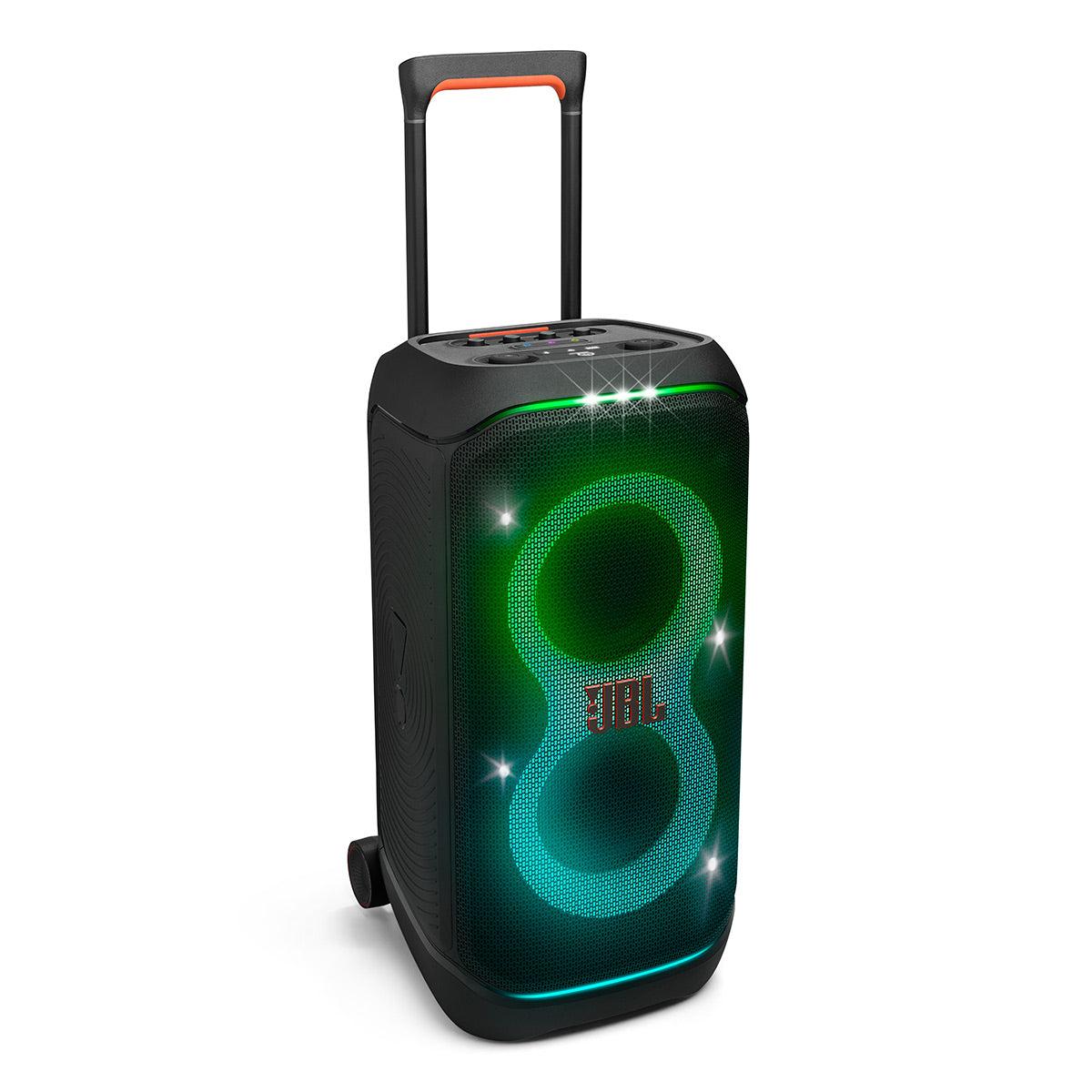
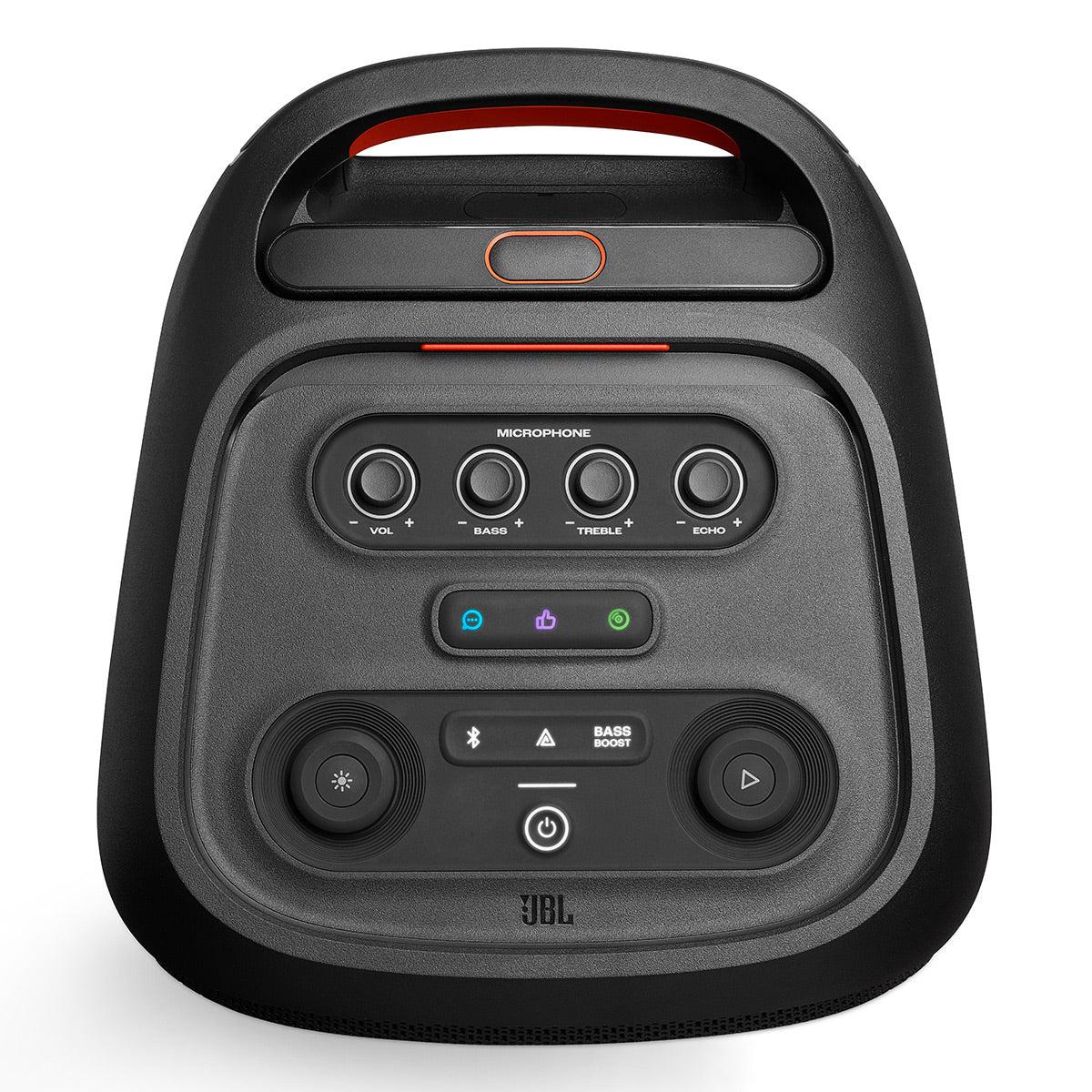
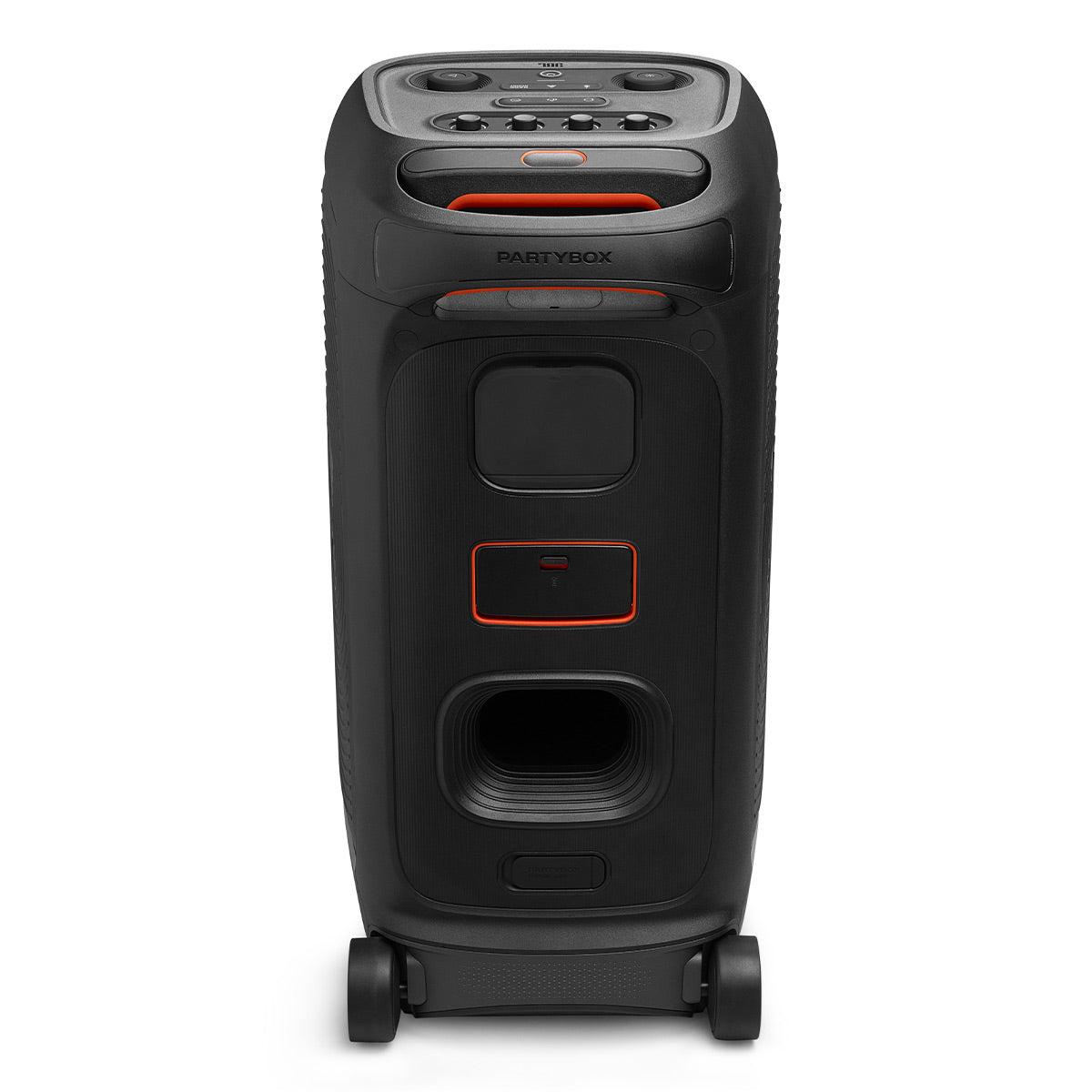
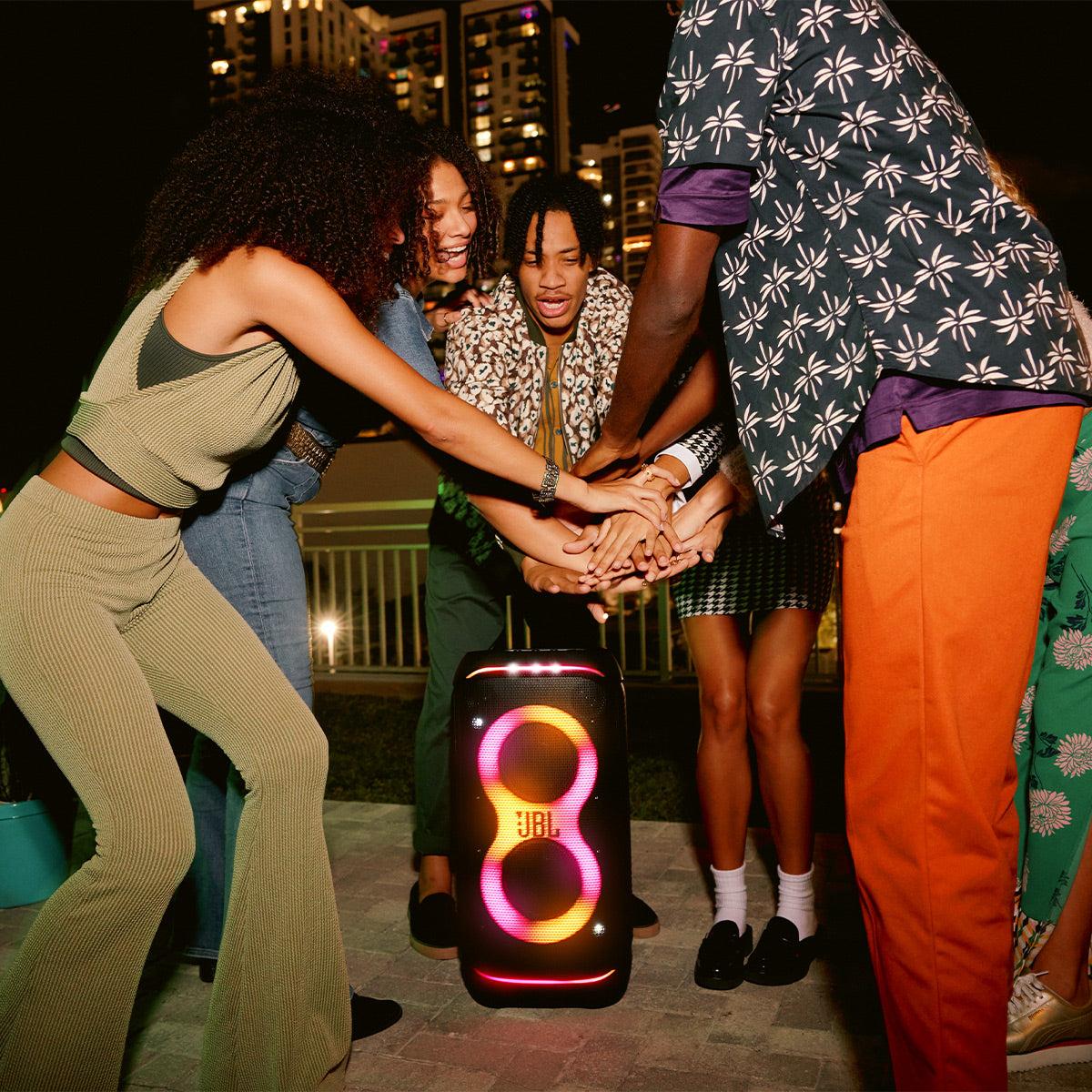
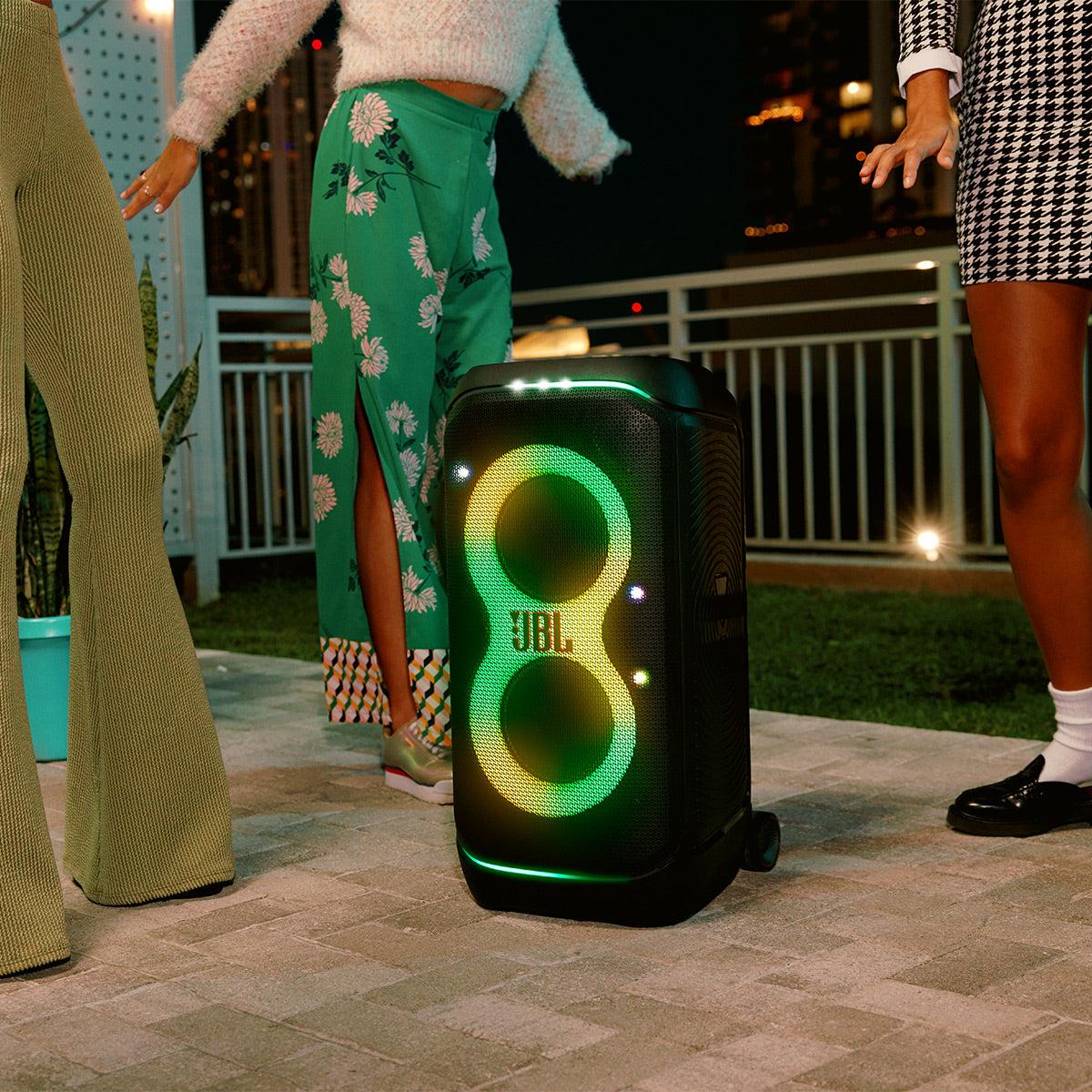
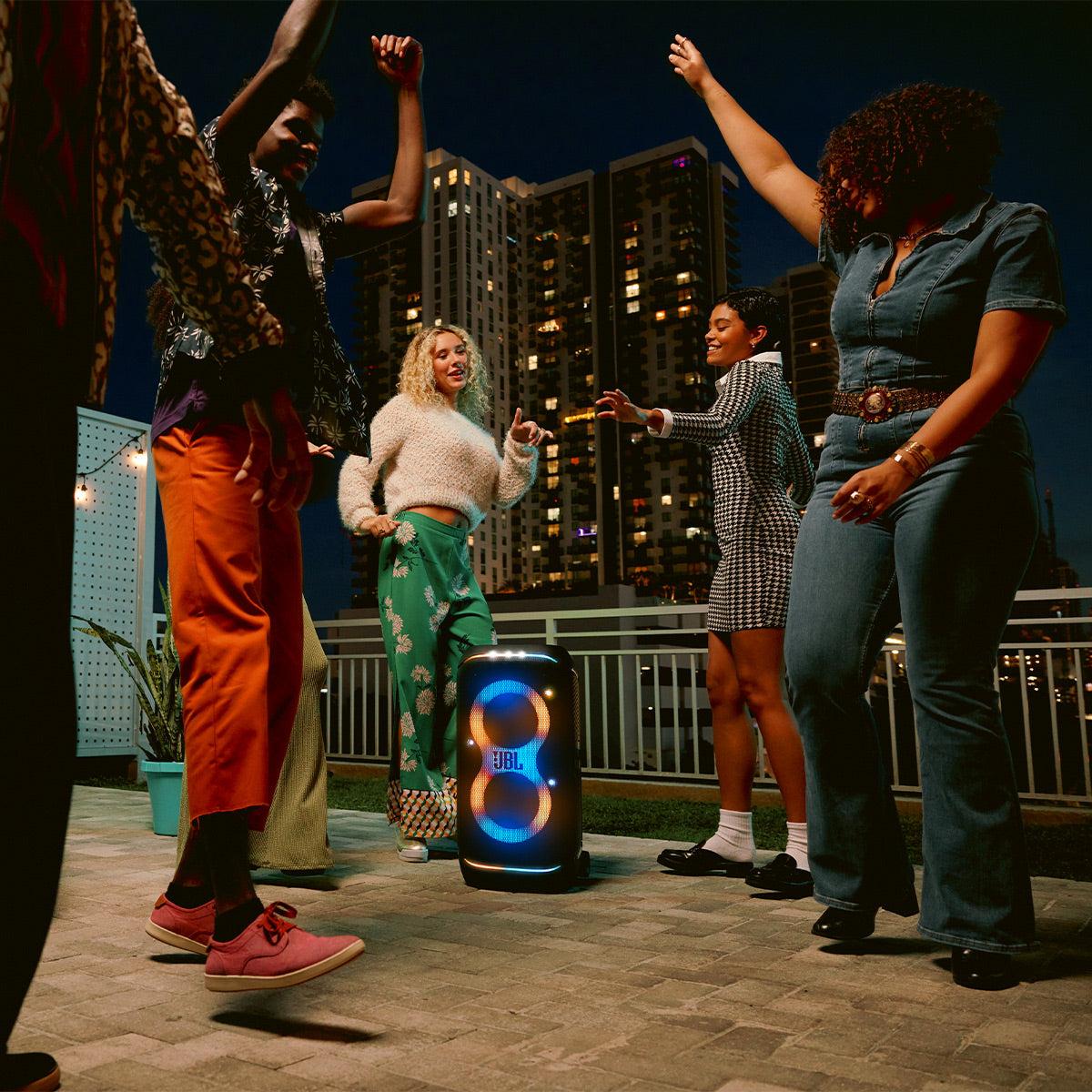
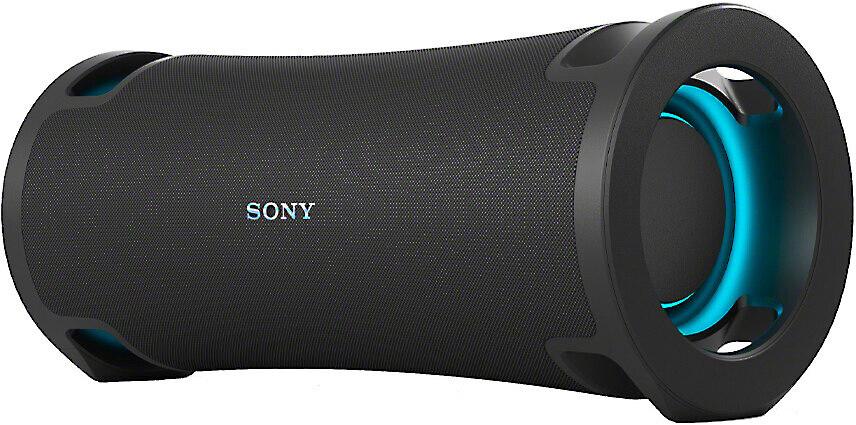
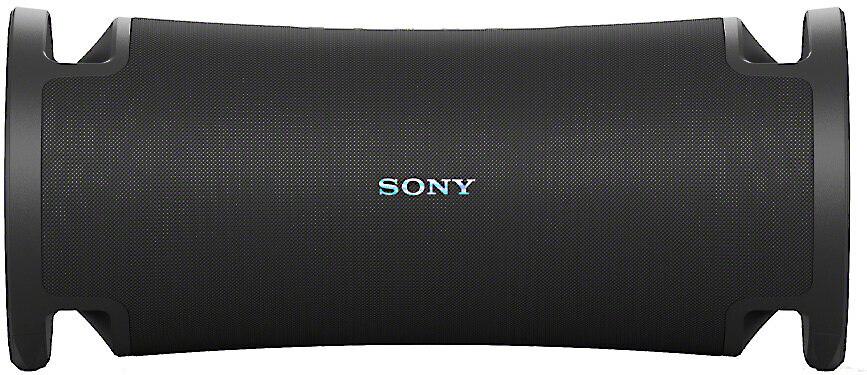
When you're looking for a portable speaker that can truly fill a space with sound, you're entering the world of party speakers—a category that's all about delivering maximum impact rather than subtle audio refinement. Both the JBL PartyBox Stage 320 and Sony ULT FIELD 7 launched in 2024, representing the latest thinking in portable party audio, but they take dramatically different approaches to the same goal.
Party speakers aren't your typical Bluetooth speakers. They're designed around the idea that sometimes you need serious volume, deep bass that you can feel in your chest, and features that enhance the social experience. Think of them as the difference between a sedan and a pickup truck—both will get you where you're going, but one is built for very specific heavy-duty tasks.
The key factors that separate good party speakers from great ones include raw power output (measured in watts RMS, which tells you the continuous power the speaker can handle), bass response (how low and how powerfully it can reproduce those thumping low frequencies), battery endurance for untethered use, and practical features like weather resistance and lighting effects that add to the party atmosphere.
What's particularly interesting about the 2024 releases is how both companies have refined their approaches based on years of user feedback. The JBL PartyBox Stage 320 incorporates AI Sound Boost technology—essentially smart processing that analyzes your music in real-time to prevent distortion while maximizing bass output. Meanwhile, the Sony ULT FIELD 7 includes Sound Field Optimization, which actually listens to your environment and adjusts the sound to cut through ambient noise more effectively.
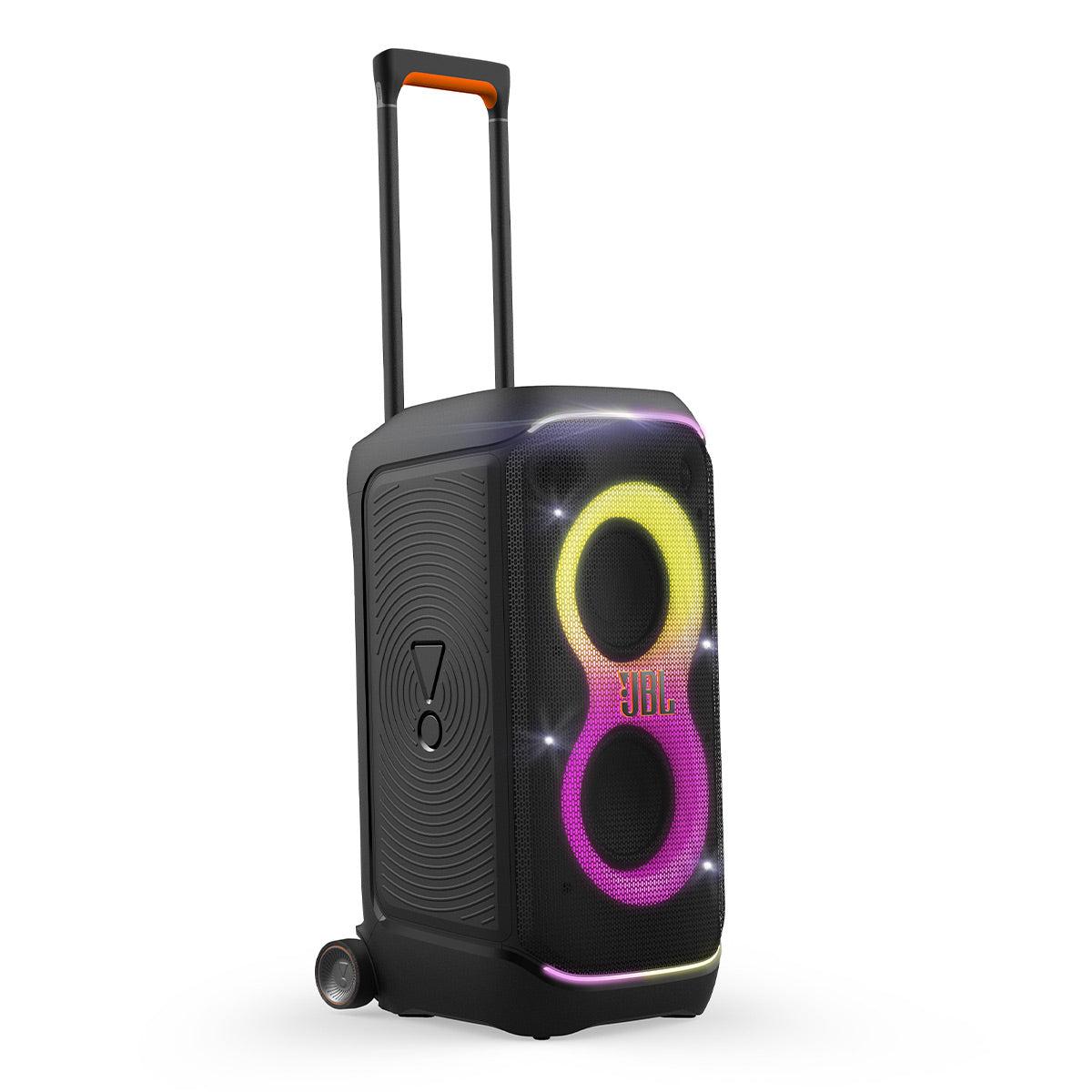
Here's where these speakers reveal their fundamental differences. The JBL PartyBox Stage 320 delivers 240 watts RMS through what's essentially a mono configuration—both its 6.5-inch woofers and 1-inch tweeters work together to create one massive sound source. This approach maximizes volume and bass impact, with JBL claiming it can fill a tennis court-sized area outdoors.
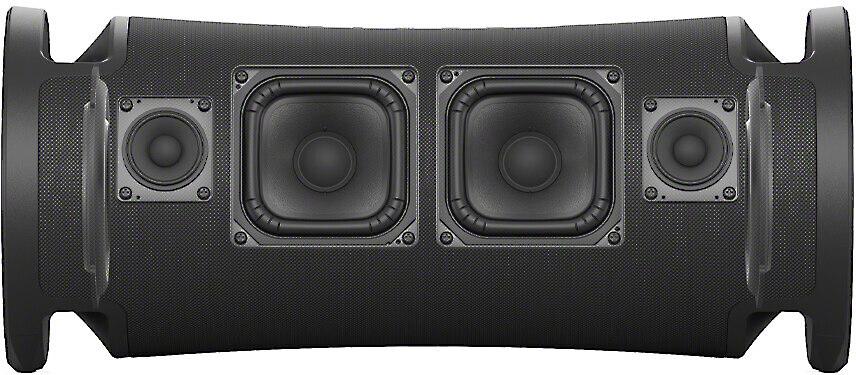
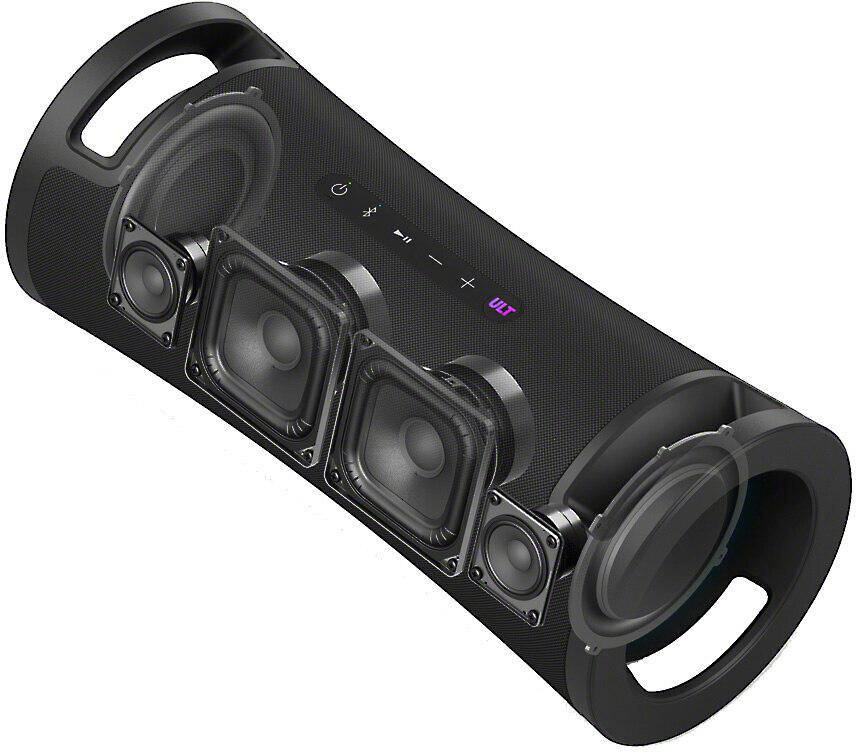
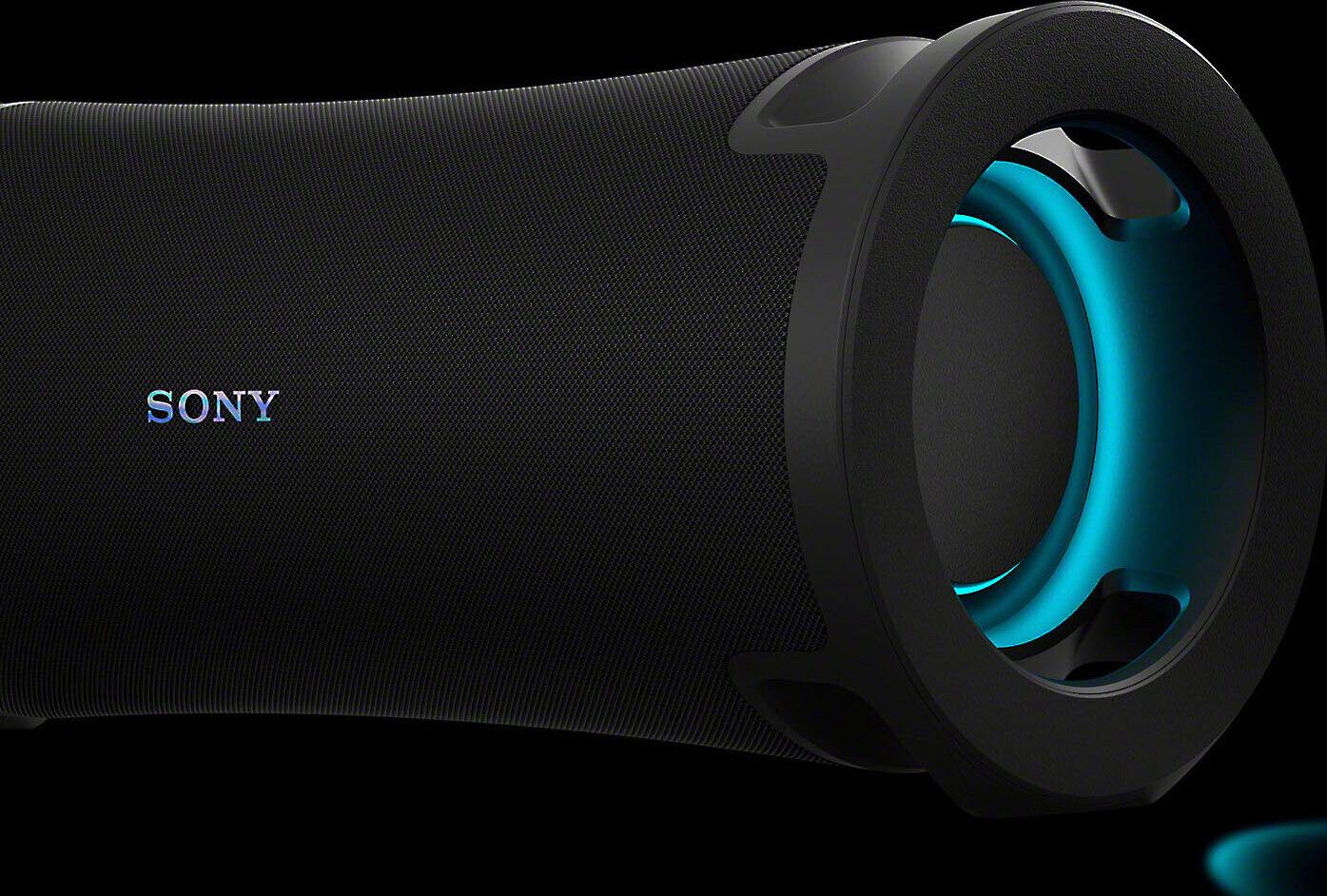
The Sony ULT FIELD 7 takes a completely different route with approximately 45 watts delivered through a true stereo setup. Its dual 4.49-inch woofers and 1.81-inch tweeters create separate left and right channels, giving you proper stereo imaging—you can actually hear instruments positioned across a soundstage rather than everything coming from one central point.
This difference matters more than you might think. The JBL's approach works brilliantly when you want to energize a large space or outdoor area where stereo imaging doesn't matter much anyway. But the Sony's stereo configuration makes it significantly better for everyday music listening, podcasts, or even home theater use where you want to hear dialogue clearly positioned in the center while sound effects pan around you.
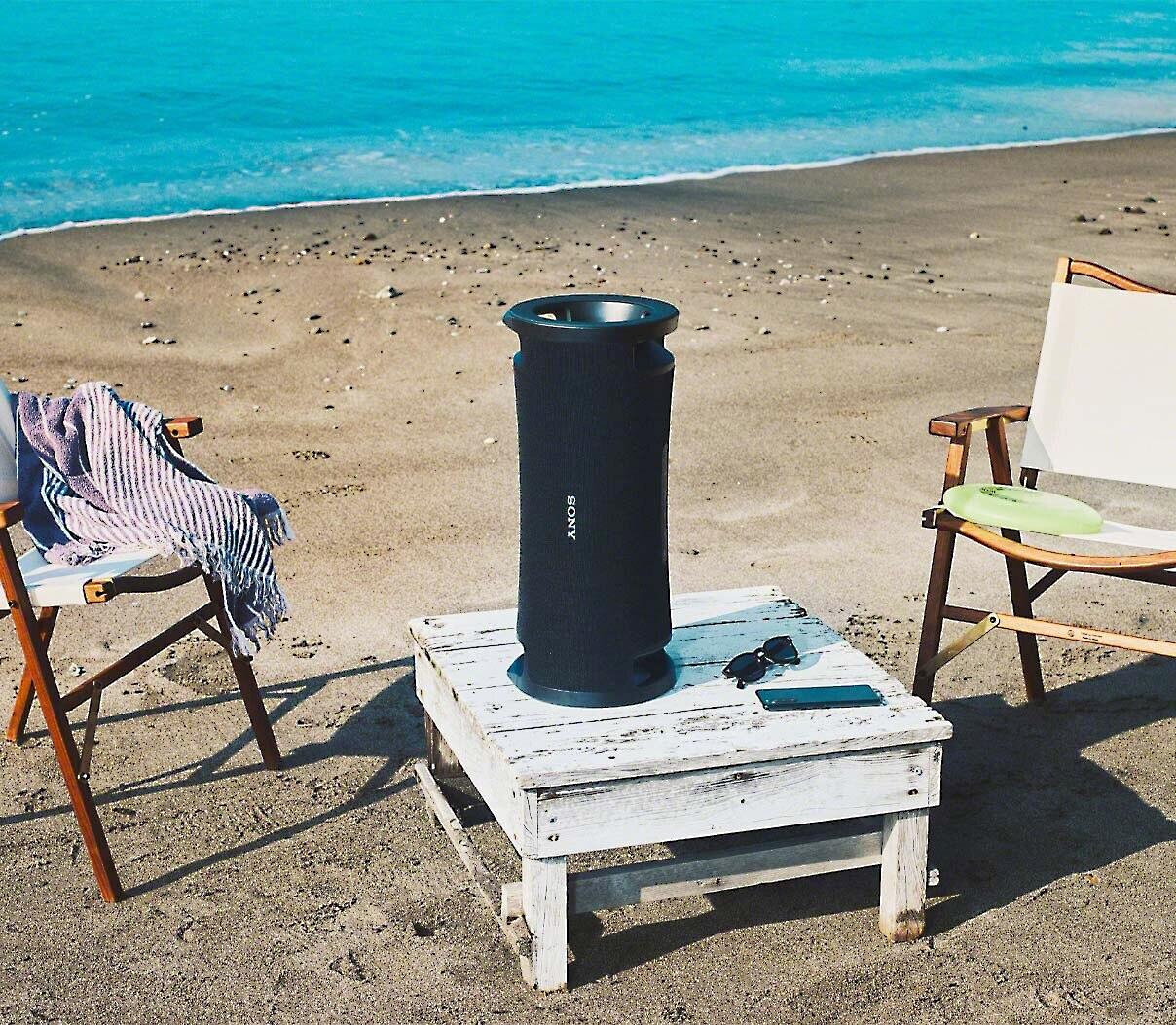
This is probably the most important consideration for most people, and the difference is dramatic. The Sony ULT FIELD 7 weighs just under 14 pounds with a built-in carrying strap that lets you sling it over your shoulder. I've found through researching user experiences that people regularly carry it to beach trips, camping sites, and even just from room to room in their homes.
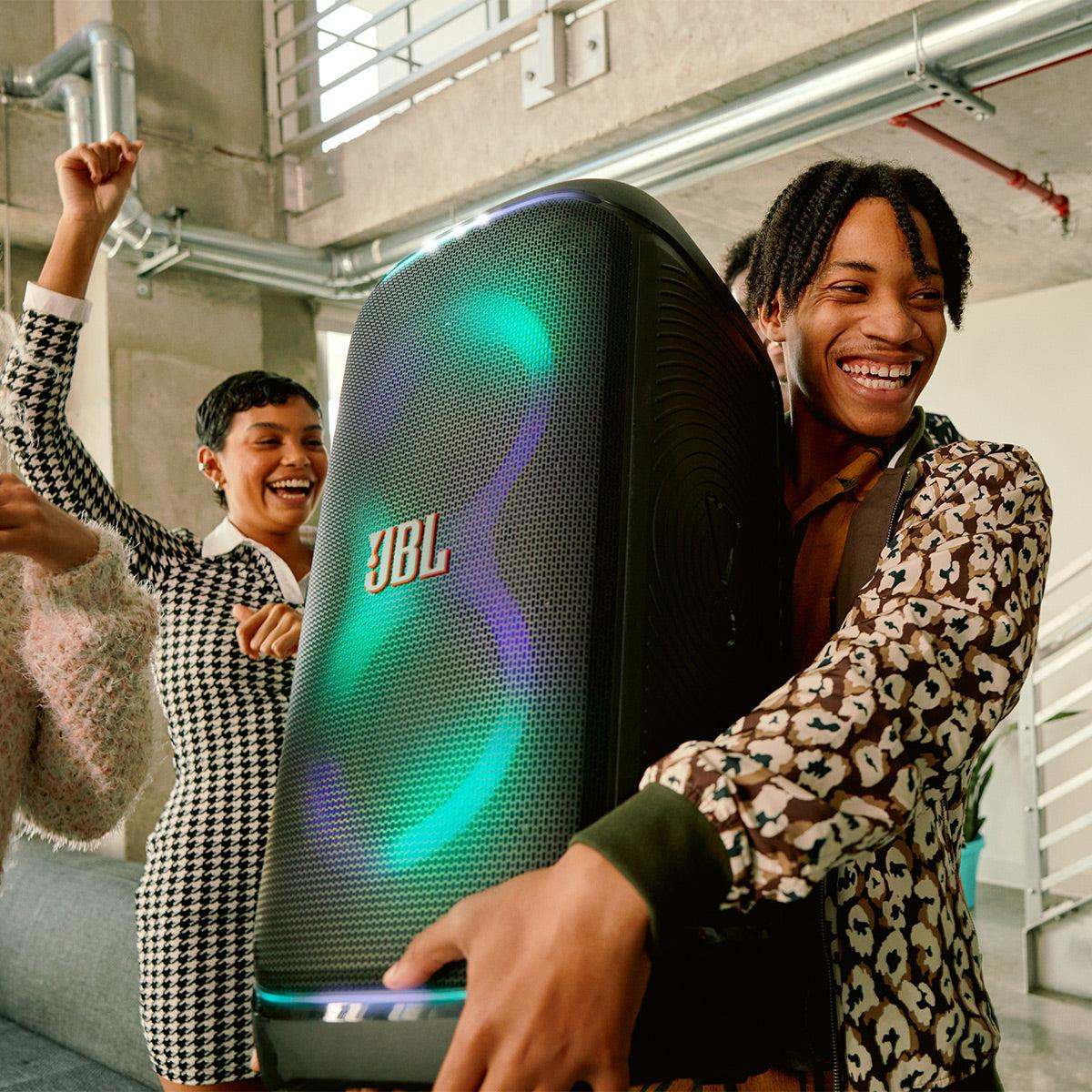
The JBL PartyBox Stage 320, at over 36 pounds, requires its built-in wheels and telescopic handle for transport. JBL clearly designed this as a "roll it to where you want it, then leave it there" speaker. User reviews consistently mention that while the wheels work well on smooth surfaces, carrying it up stairs or over rough terrain becomes a two-person job.
This weight difference reflects their intended use cases. The Sony is genuinely portable—you can grab it on your way out the door without planning ahead. The JBL is more like portable furniture that you can move when needed but isn't something you'll casually relocate.
The JBL PartyBox Stage 320 excels with bass-heavy genres like EDM, hip-hop, and pop music. Its dual 6.5-inch woofers can move serious air, creating that physical sensation of bass that makes electronic music come alive. The AI Sound Boost technology works particularly well here, analyzing incoming audio to push the bass as hard as possible without creating distortion. However, user reviews and expert evaluations consistently note that at very high volumes, vocals can sound harsh or sibilant (that sharp "s" sound becomes emphasized), especially with female vocalists.
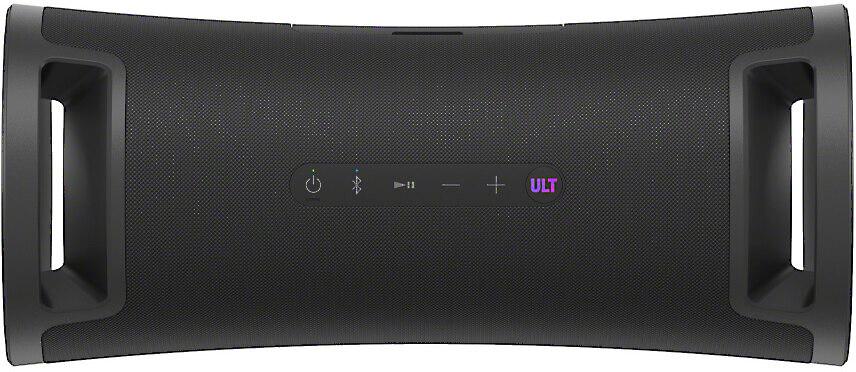
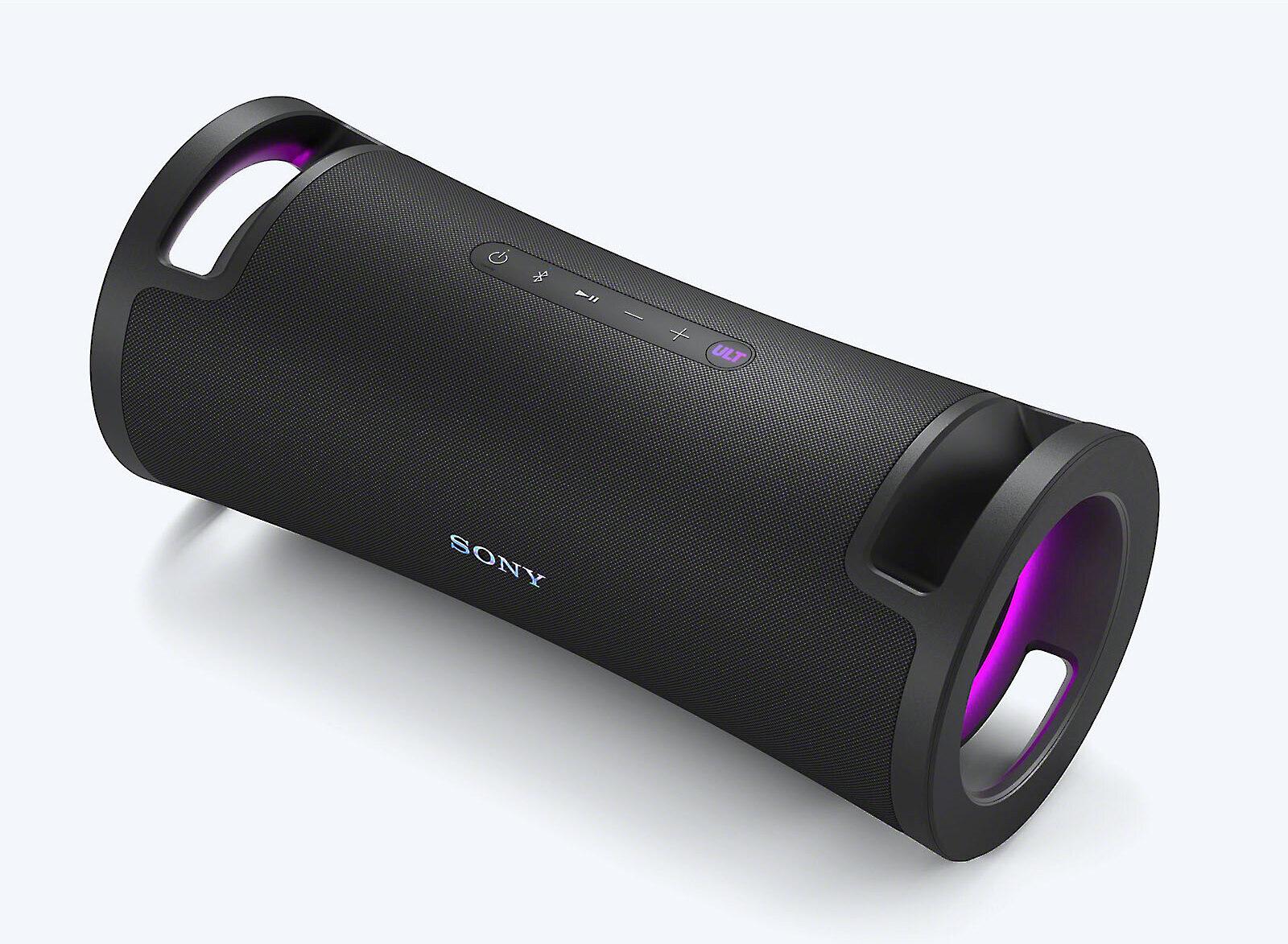
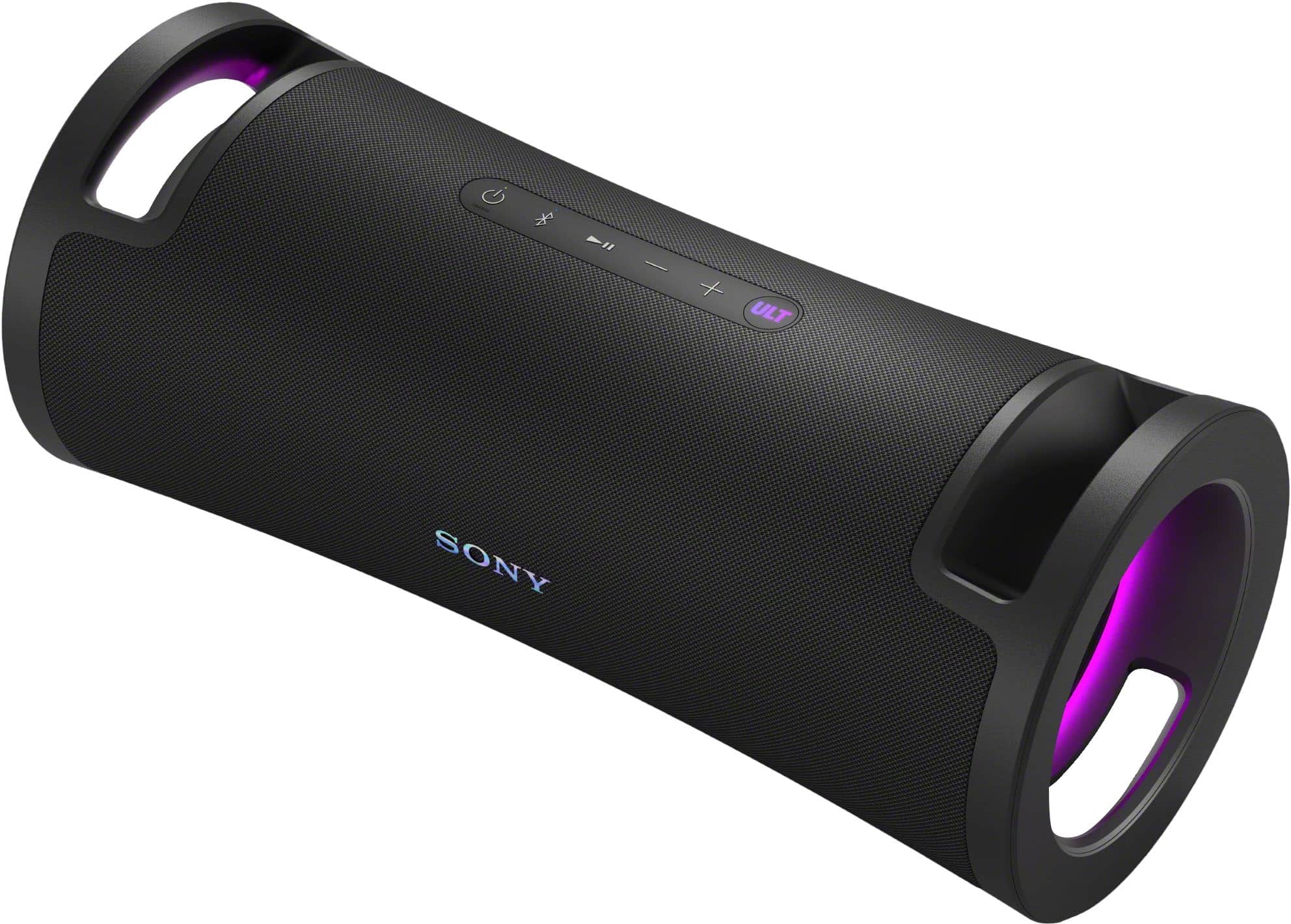
The Sony ULT FIELD 7 provides what most reviewers describe as a more balanced presentation. Its ULT button offers two bass modes: Deep Bass adds resonating low-end depth, while Attack Bass provides punchy, tight bass that doesn't overwhelm the midrange where vocals live. This makes it notably better for rock, jazz, acoustic music, or anything where you want to hear instrumental details rather than just feel the beat.
For home theater use specifically, the Sony's stereo configuration and balanced frequency response make it significantly more versatile. Dialogue remains clear and centered while sound effects can properly pan left and right. The JBL's mono output means you lose this spatial information entirely.
Battery specifications tell only part of the story. The Sony ULT FIELD 7 claims 30 hours of playback, while the JBL PartyBox Stage 320 advertises 18 hours. But real-world usage reveals important nuances.
The Sony's 30-hour rating holds up remarkably well in moderate use scenarios—around 70% volume without the LED lights constantly active. User reports suggest getting 20-25 hours of mixed use is realistic. The JBL PartyBox Stage 320, however, sees its battery life drop significantly when you engage its full feature set. With the elaborate LED light show active and bass boost engaged, real-world usage drops to around 10-12 hours.
Here's where the JBL offers a unique advantage: swappable batteries. You can purchase additional battery packs and hot-swap them for essentially unlimited runtime. This makes it practical for all-day events or situations where charging isn't possible. The Sony's battery is internal and non-removable, so once it's dead, you need to find power or wait for charging.
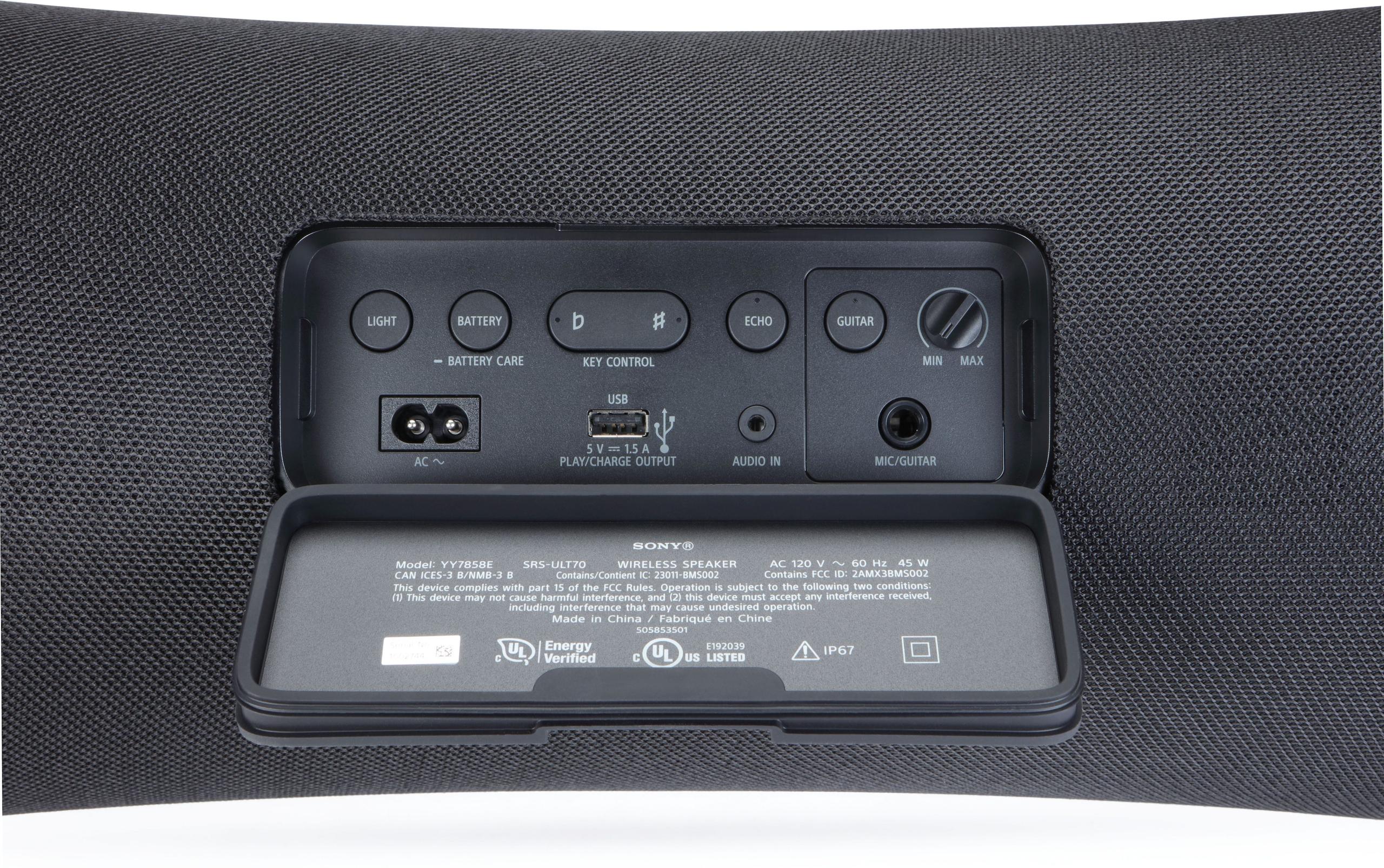
The Sony ULT FIELD 7 carries an IP67 rating, meaning it's completely dustproof and can survive being submerged in up to one meter of water for 30 minutes. This makes it genuinely suitable for beach use, poolside parties where splashing is likely, or camping where dust and unexpected rain are concerns.
The JBL PartyBox Stage 320 has only IPX4 rating—it can handle sweat and light splashing but offers no dust protection and would be damaged by submersion. This limits its outdoor versatility significantly. While it's fine for covered patios or indoor/outdoor parties where you can protect it from weather, it's not something you'd want to take to the beach or leave outside during a summer storm.
Both speakers offer companion apps, but with different focuses. The JBL PartyBox app provides extensive control over the elaborate lighting system—you can sync lights to music, choose from various patterns, or turn them off entirely to save battery. The 5-band equalizer lets you fine-tune the sound signature, though most users seem to prefer the bass-heavy default settings.
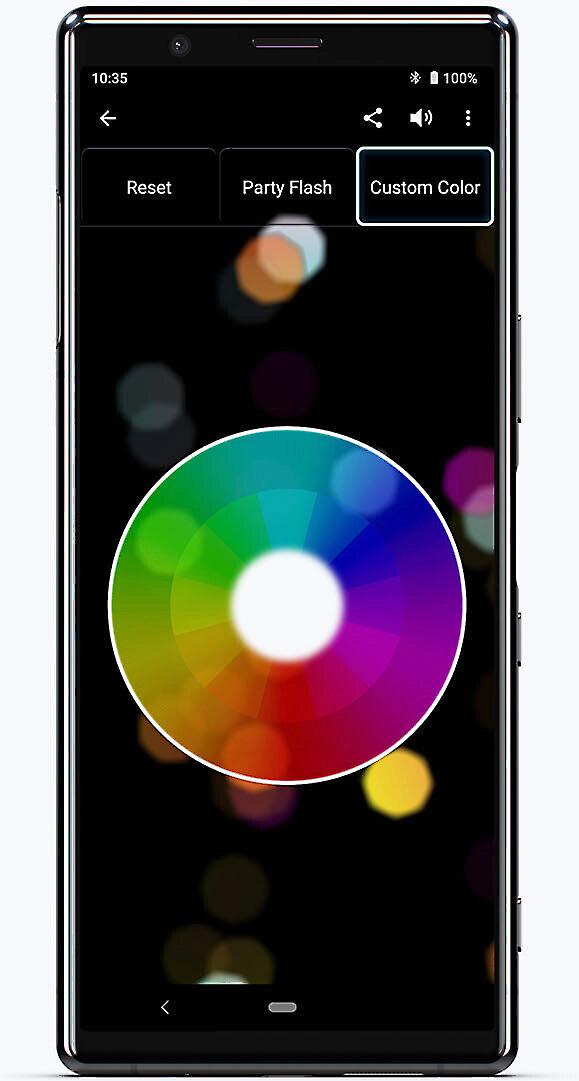
Sony's approach emphasizes audio optimization over visual effects. The Music Center app includes a 7-band equalizer and integrates with the speaker's Sound Field Optimization feature. This technology actually uses the speaker's microphones to analyze ambient noise and adjust the sound accordingly—if you're at a noisy pool party, it'll automatically boost certain frequencies to cut through the chatter.
Both support multi-speaker connectivity for creating larger sound systems, though JBL's Auracast implementation and Sony's Party Connect work only with their respective brand ecosystems.
At the time of writing, the JBL PartyBox Stage 320 commands a significant price premium over the Sony ULT FIELD 7—roughly $200 more depending on current promotions and retailer pricing. This premium buys you substantially more power, more elaborate features, and the flexibility of swappable batteries, but you're also paying for that extra weight and bulk.
The Sony represents better value for most users who want a single speaker that handles both party duties and everyday listening. Its lower price point, longer battery life, and superior weather resistance make it more versatile for the average person's needs.
However, if you regularly host large gatherings or need maximum volume for outdoor events, the JBL's power advantage might justify its premium pricing and reduced portability.
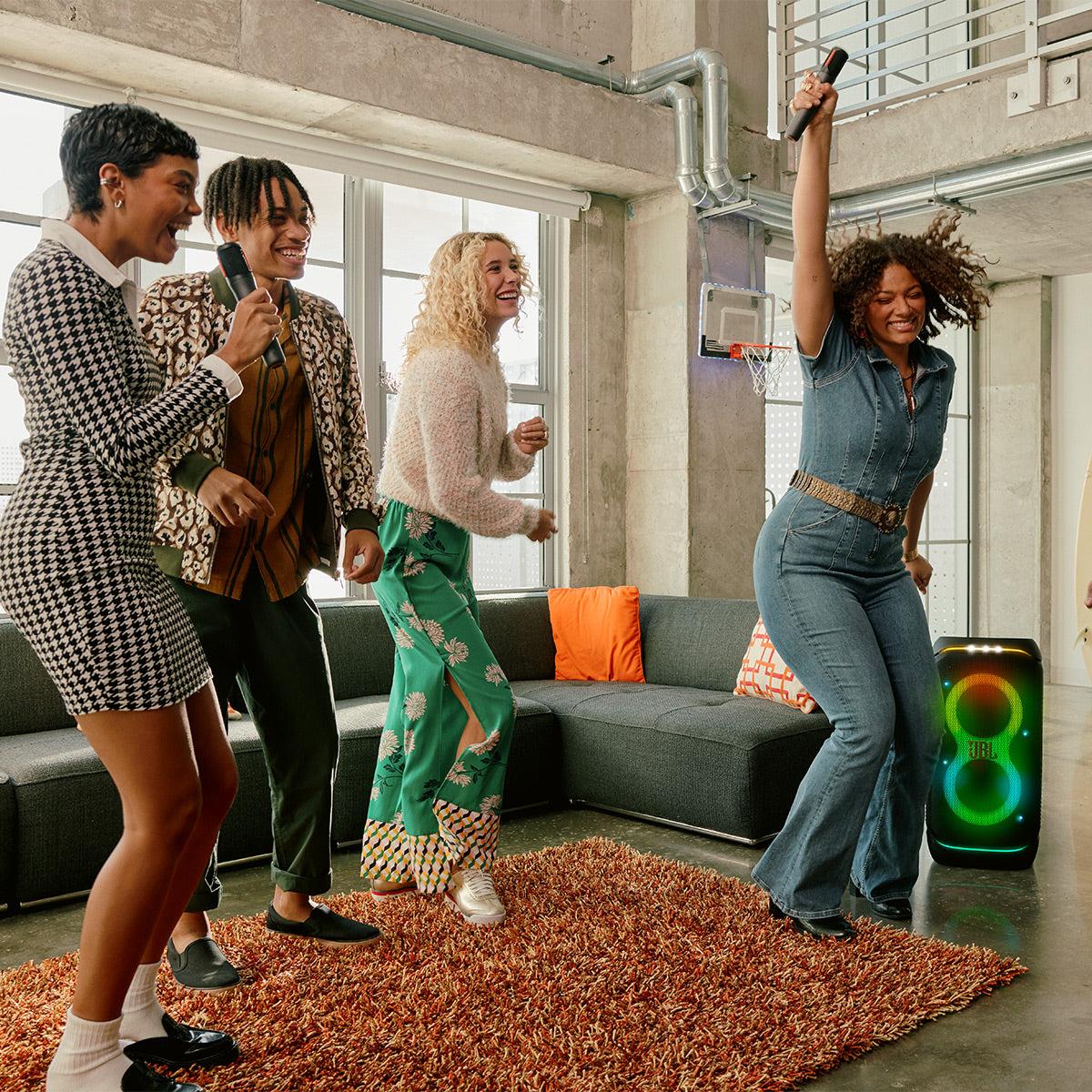
The JBL PartyBox Stage 320 is the right choice if you're someone who hosts regular parties, has a dedicated entertainment space like a finished basement or large patio, and prioritizes maximum volume and bass impact over portability. It's also ideal if you plan to use the microphone inputs for karaoke or live music performance—the higher power output gives you more headroom for vocals over loud background music.
The Sony ULT FIELD 7 better serves people who want one speaker that can handle everything from intimate background music to medium-sized parties. Its true portability makes it perfect for people who move frequently, live in apartments where extreme volume isn't practical, or who regularly take their music to different locations like beaches, campsites, or friends' houses.
For home theater use specifically, the Sony's stereo configuration and balanced frequency response make it the clear winner, though neither speaker is really designed for critical listening scenarios.
These speakers represent two valid but different philosophies in portable party audio. The JBL PartyBox Stage 320 is unapologetically focused on maximum impact—it's loud, bass-heavy, and visually spectacular when you need to energize a large space. The Sony ULT FIELD 7 takes a more balanced approach, offering versatility, portability, and audio quality that works across a wider range of scenarios.
Most people will find the Sony more practical for their actual lifestyle, even if they're drawn to the JBL's impressive specifications. Unless you regularly need to fill large spaces with sound or the 22-pound weight difference isn't a concern for your use cases, the Sony's combination of portability, battery life, and balanced performance makes it the smarter choice for the majority of users considering these speakers.
The deciding factor often comes down to honest self-assessment: Do you really throw parties large enough to need 240 watts of power, or would you benefit more from a speaker you can easily take anywhere the mood strikes?
| JBL PartyBox Stage 320 | Sony ULT FIELD 7 |
|---|---|
| Power Output - Determines maximum volume and bass impact | |
| 240W RMS (significantly louder, fills large spaces) | 45W (adequate for most parties, more efficient) |
| Weight & Portability - Critical for actual mobility | |
| 36.4 lbs with wheels/handle (semi-portable, needs planning) | 13.9 lbs with shoulder strap (truly grab-and-go portable) |
| Battery Life - Real-world usage duration | |
| 18 hours rated (10-12 hours with lights/bass boost active) | 30 hours rated (20-25 hours typical use, more reliable) |
| Weather Resistance - Outdoor usage protection | |
| IPX4 (splash resistant, no dust protection) | IP67 (fully waterproof and dustproof, beach-ready) |
| Audio Configuration - Affects sound quality and staging | |
| Mono setup (maximum volume, no stereo imaging) | True stereo (balanced sound, proper left/right channels) |
| Speaker Drivers - Physical hardware producing the sound | |
| 2x 6.5" woofers + 2x 1" tweeters (bigger drivers = more bass) | 2x 4.49" woofers + 2x 1.81" tweeters (smaller but balanced) |
| Bass Enhancement - Low-frequency customization options | |
| AI Sound Boost + 2-stage bass boost (maximum bass impact) | ULT modes: Deep Bass + Attack Bass (musical bass control) |
| Battery System - Flexibility for extended use | |
| Swappable battery (buy extras for unlimited runtime) | Fixed internal battery (no replacement option) |
| LED Lighting - Party atmosphere enhancement | |
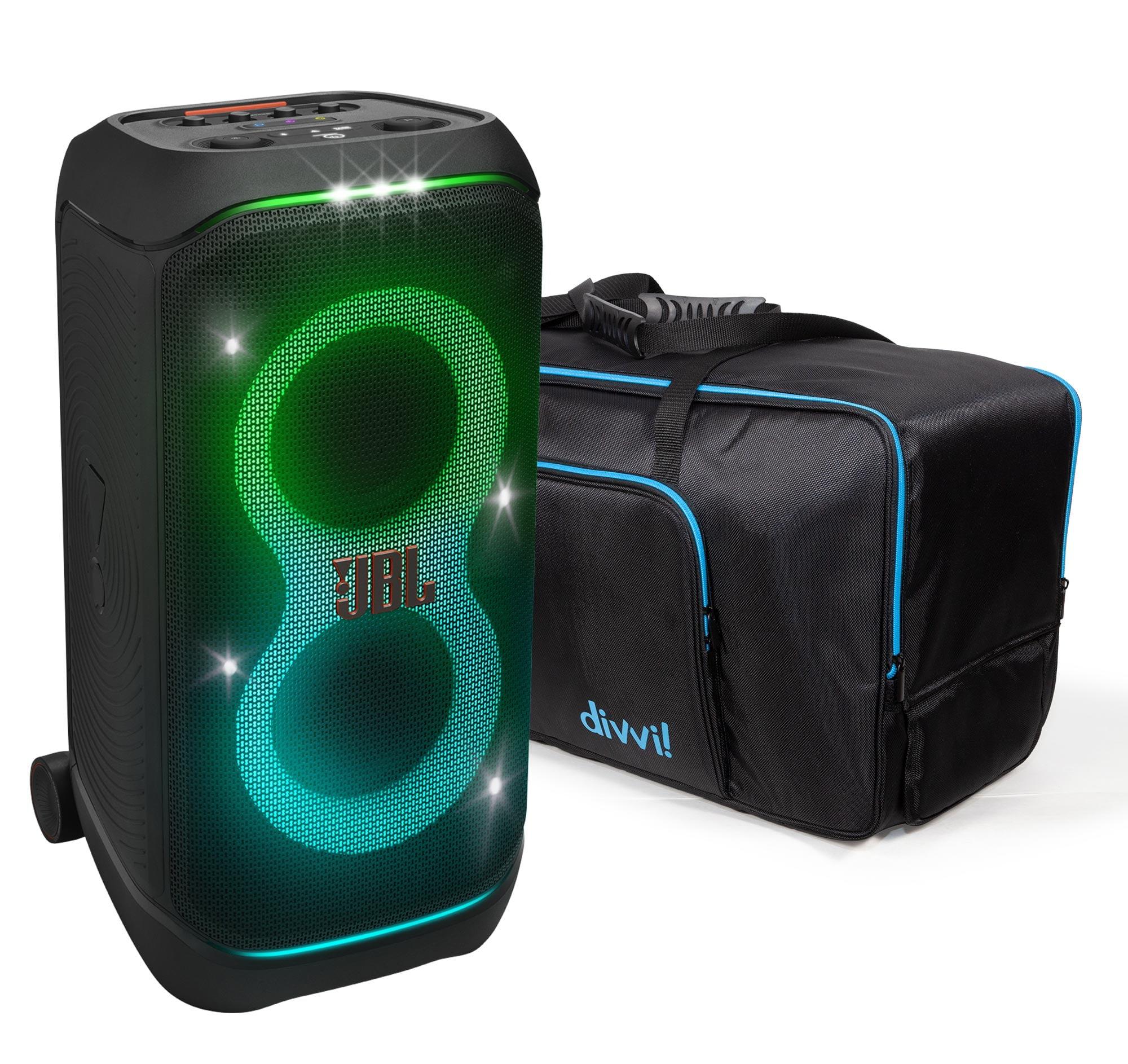
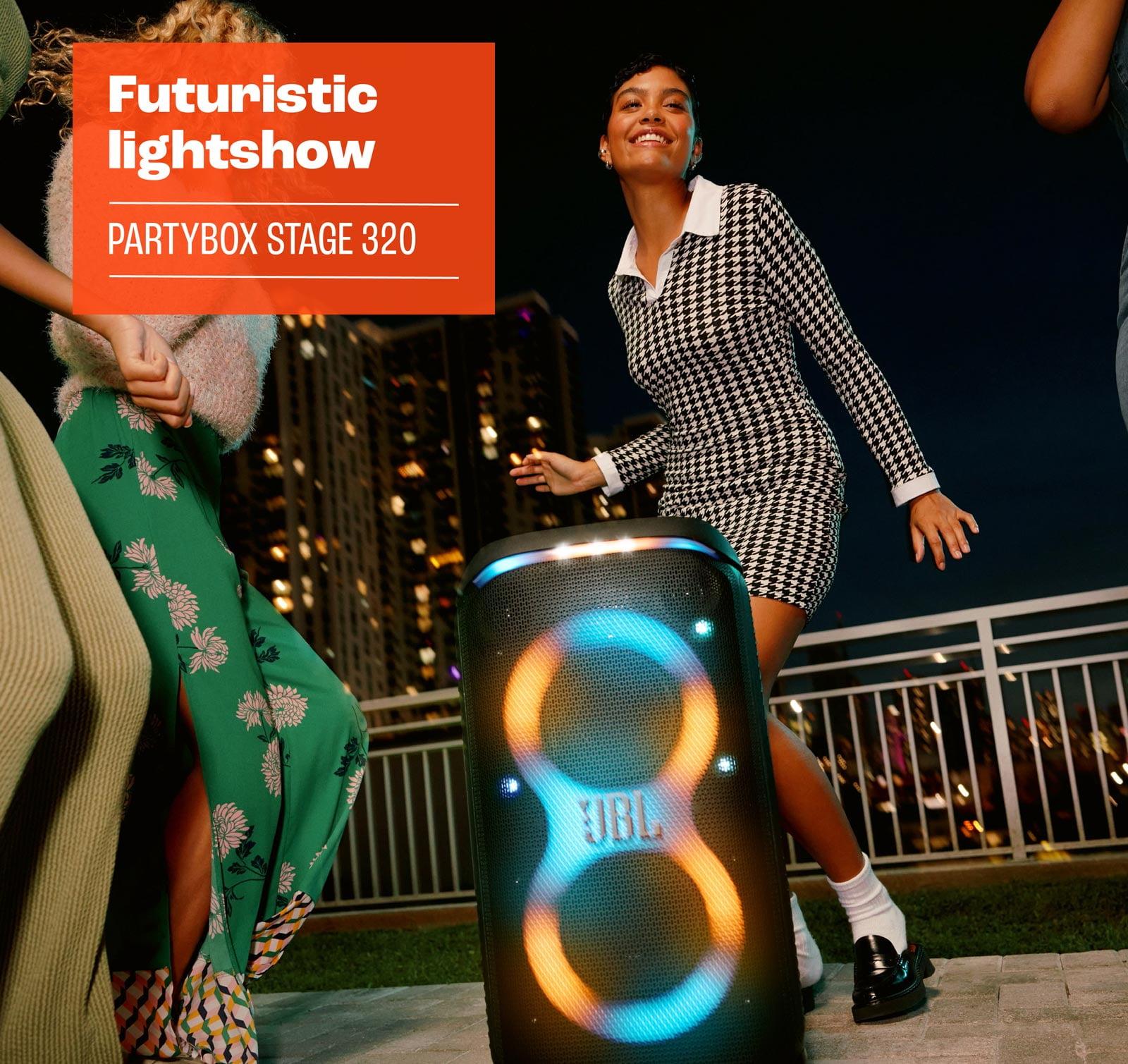
| Elaborate system: ring LEDs + 11 strobe lights | Simple 2x ring LED setup (less flashy, longer battery) |
| Best Use Scenario - Where each speaker excels | |
| Large parties, permanent setups, maximum volume needs | Daily listening, frequent transport, balanced audio quality |
The JBL PartyBox Stage 320 is significantly louder with 240W RMS output compared to the Sony ULT FIELD 7 at 45W. The JBL can fill tennis court-sized outdoor spaces, while the Sony is better suited for backyard gatherings and medium-sized parties.
The Sony ULT FIELD 7 offers superior battery life with 30 hours rated playback versus 18 hours for the JBL PartyBox Stage 320. In real-world use, the Sony delivers 20-25 hours while the JBL drops to 10-12 hours when using lights and bass boost features.
The Sony ULT FIELD 7 is much more portable at 13.9 pounds with a shoulder strap, making it truly grab-and-go. The JBL PartyBox Stage 320 weighs 36.4 pounds and requires wheels and a telescopic handle for transport, making it better for semi-permanent setups.
The Sony ULT FIELD 7 excels outdoors with its IP67 rating, making it fully waterproof and dustproof for beach and camping use. The JBL PartyBox Stage 320 has only IPX4 splash resistance with no dust protection, limiting its outdoor versatility.
The Sony ULT FIELD 7 is better for home theater use with its true stereo configuration that provides proper left/right channel separation for dialogue and sound effects. The JBL PartyBox Stage 320 uses a mono setup that maximizes volume but loses stereo imaging important for movies.
Both offer excellent bass but in different ways. The JBL PartyBox Stage 320 delivers more powerful, physical bass impact with larger 6.5-inch woofers and AI Sound Boost technology. The Sony ULT FIELD 7 provides more controlled, musical bass with its ULT modes that don't overwhelm vocals and midrange frequencies.
Yes, both the JBL PartyBox Stage 320 and Sony ULT FIELD 7 support multi-speaker connectivity. The JBL uses Auracast technology while the Sony uses Party Connect, but each system only works with speakers from the same brand.
The Sony ULT FIELD 7 typically offers better value with a lower price point while providing longer battery life, better weather resistance, and more versatile audio quality. The JBL PartyBox Stage 320 costs significantly more but delivers substantially more power for large party scenarios.
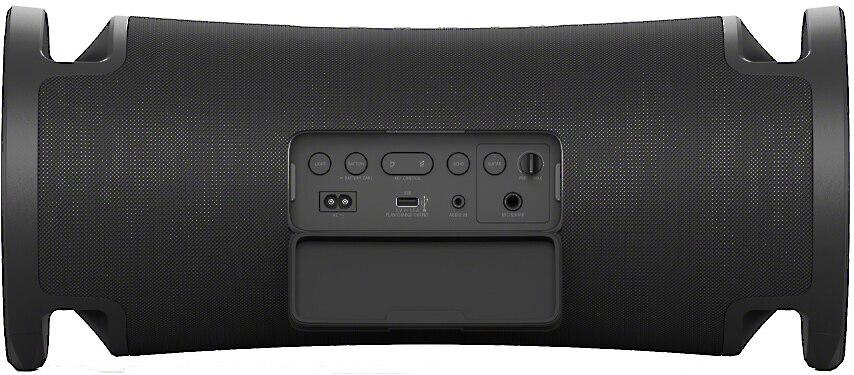
Both speakers include microphone and guitar inputs for karaoke and live performance. The JBL PartyBox Stage 320 provides more power headroom for vocals over loud background music, while the Sony ULT FIELD 7 offers clearer vocal reproduction due to its balanced frequency response.
The JBL PartyBox Stage 320 features a more elaborate lighting system with ring LEDs and 11 strobe lights that create impressive visual effects. The Sony ULT FIELD 7 has simpler dual ring LEDs but this contributes to its longer battery life and lower price point.
Both speakers can charge external devices via USB-A ports. The JBL PartyBox Stage 320 provides 10W charging output compared to 7.5W from the Sony ULT FIELD 7, offering faster device charging when the speaker is powered on.
Choose the JBL PartyBox Stage 320 if you regularly host large parties and need maximum volume, don't mind the weight, and have dedicated party spaces. Pick the Sony ULT FIELD 7 for occasional parties plus daily music listening, frequent transport needs, and better overall versatility for various scenarios.
We've done our best to create useful and informative comparisons to help you decide what product to buy. Our research uses advanced automated methods to create this comparison and perfection is not possible - please contact us for corrections or questions. These are the sites we've researched in the creation of this article: stereoguide.com - soundguys.com - rtings.com - soundguys.com - soundguys.com - rtings.com - jbl.com - youtube.com - youtube.com - youtube.com - youtube.com - rtings.com - 9to5toys.com - versus.com - cdw.com - jbl.com - projectorscreenstore.com - projectorscreen.com - ro.harmanaudio.com - jbl.co.nz - bestbuy.com - youtube.com - rtings.com - hifipicks.com - thesonyshop.ca - techradar.com - rtings.com - sony-africa.com - videoandaudiocenter.com - sony.com - youtube.com - johnlewis.com

Privacy Policy
Terms and Conditions - Affiliate Policy
Home Security
© Copyright 2008-2026.
11816 Inwood Rd #1211, Dallas, TX 75244