

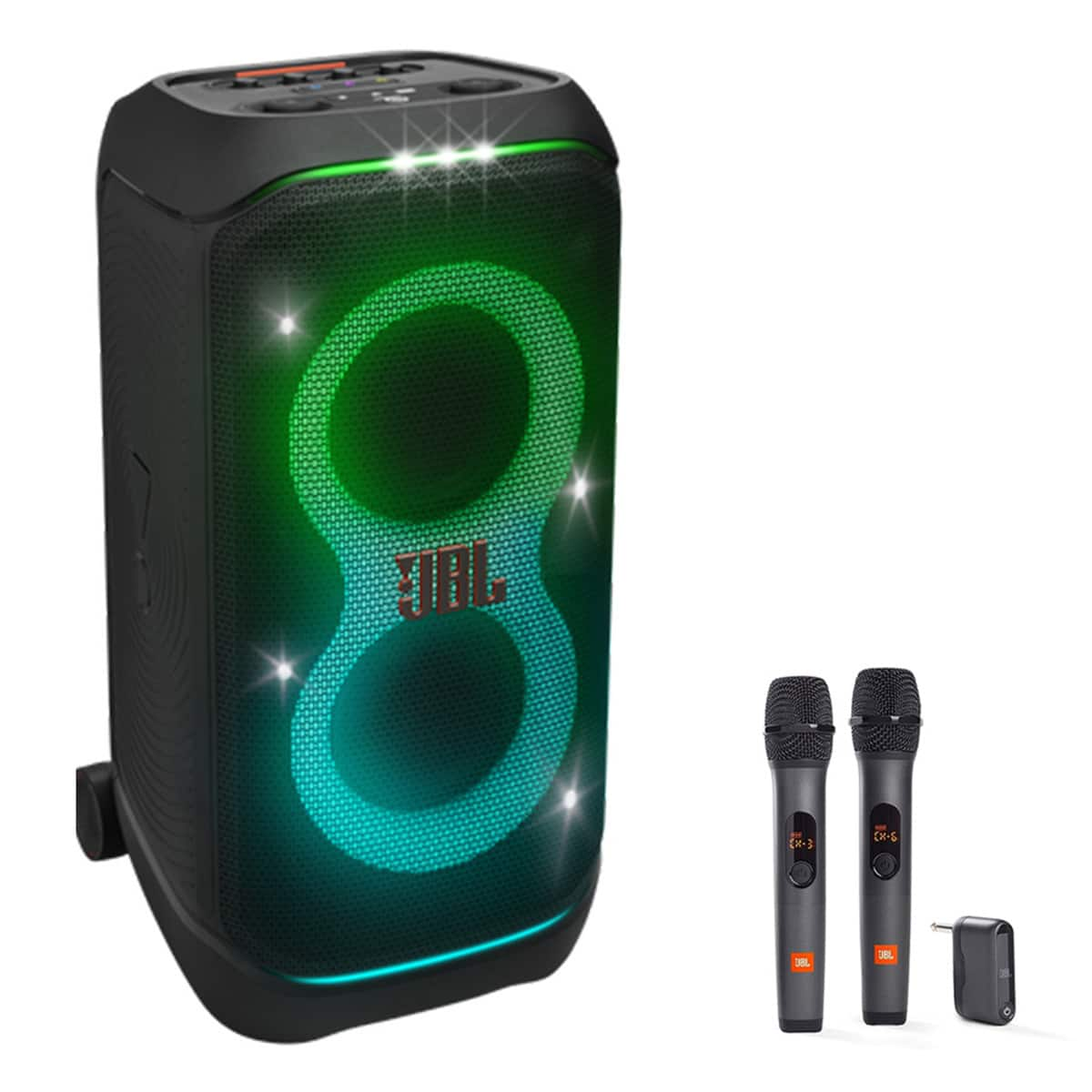
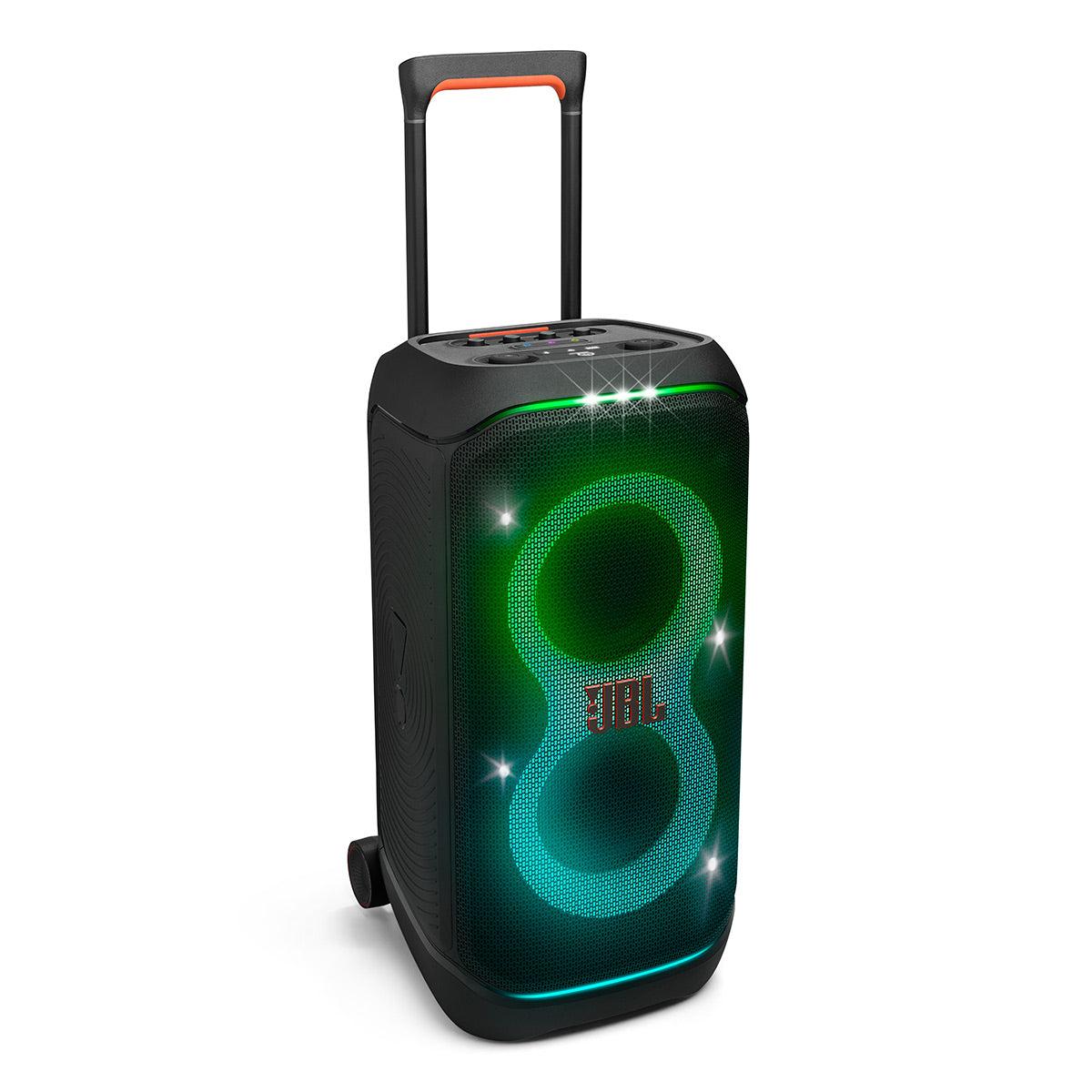
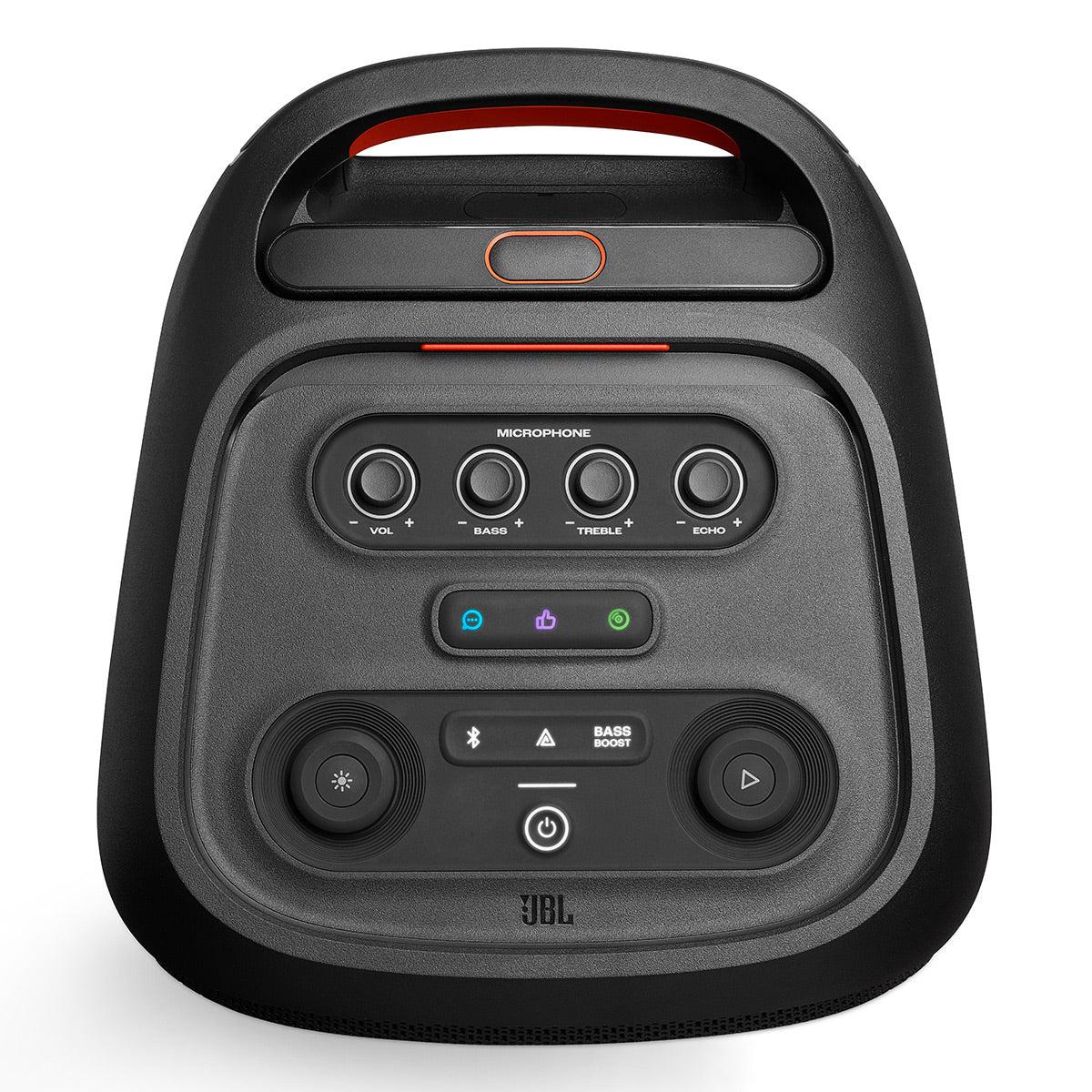
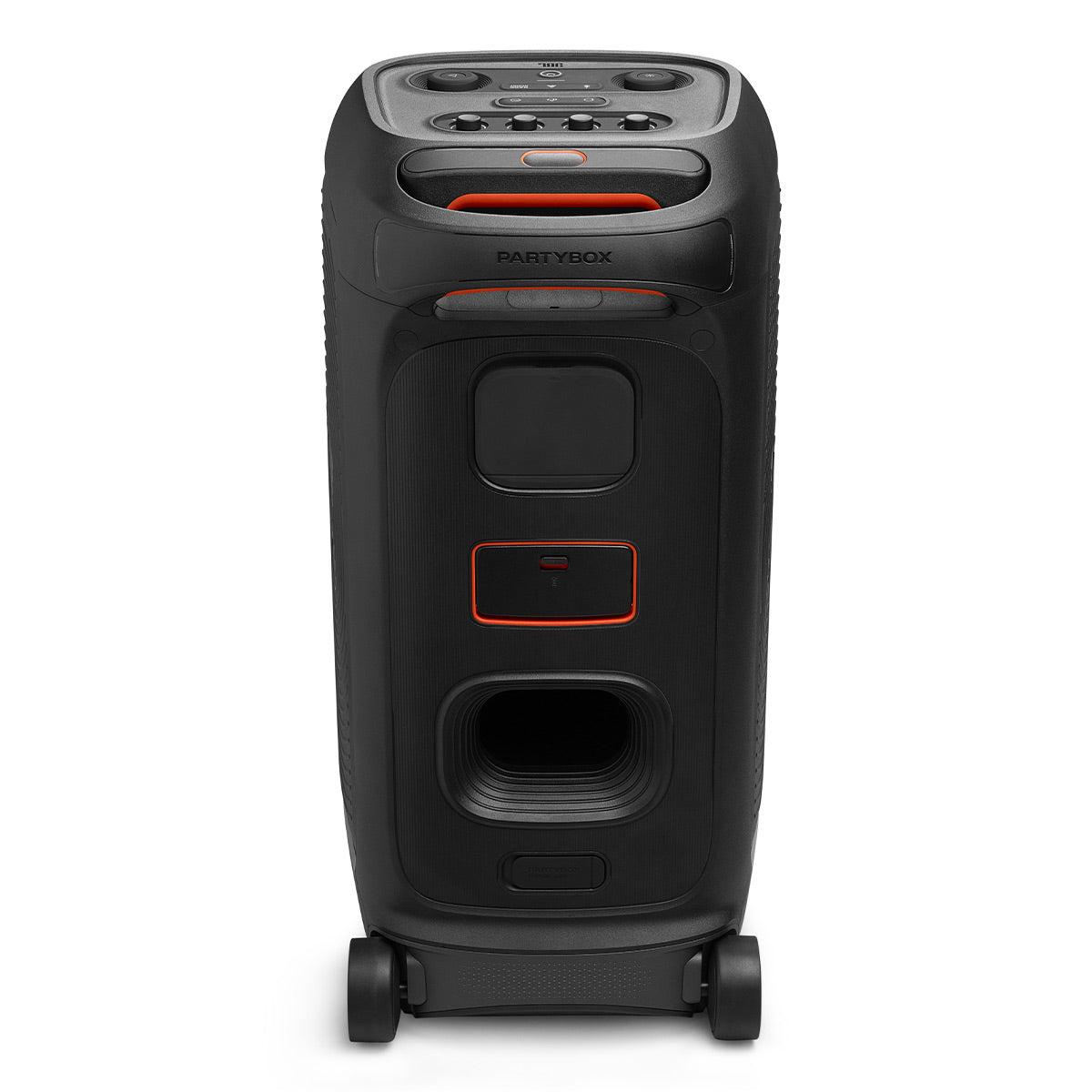
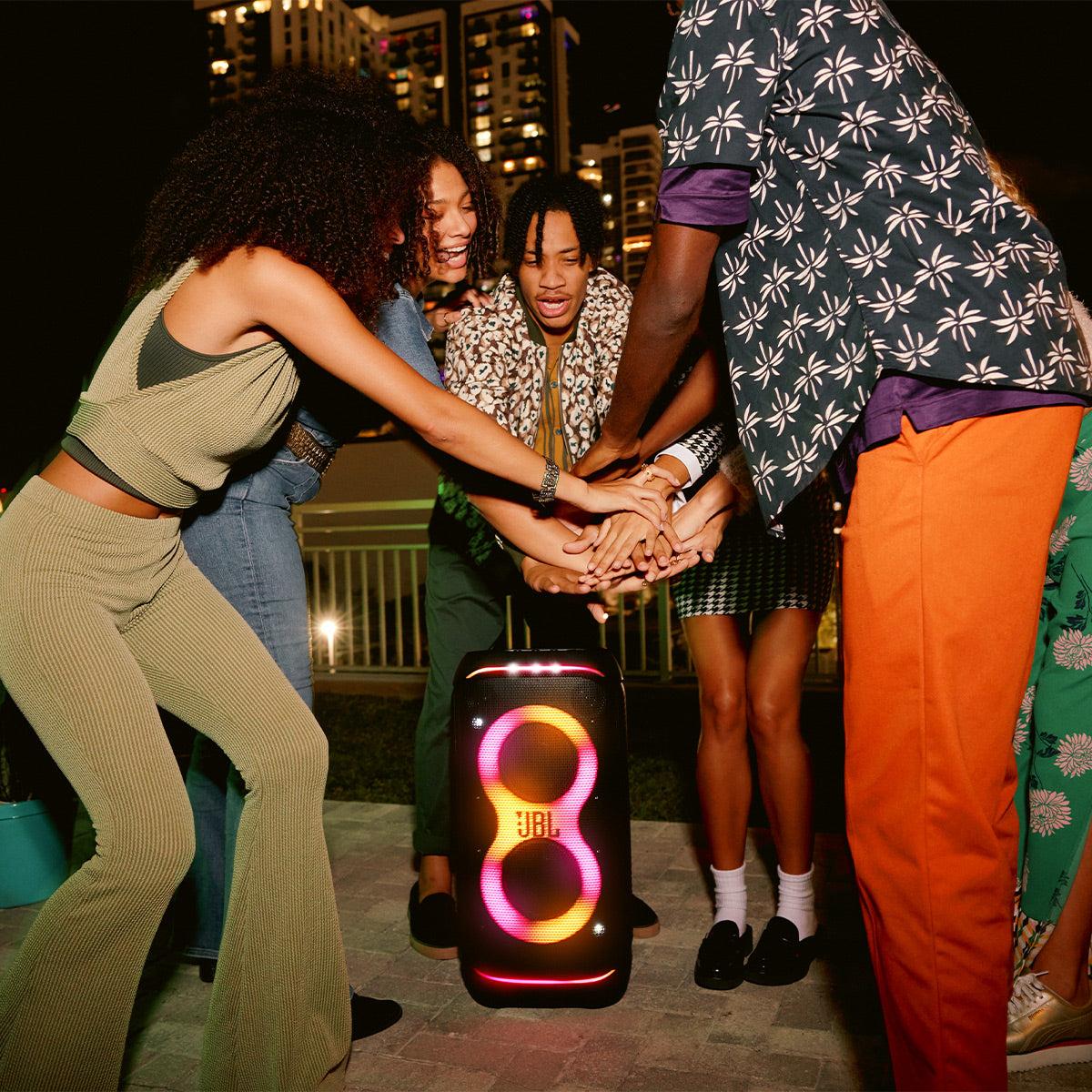
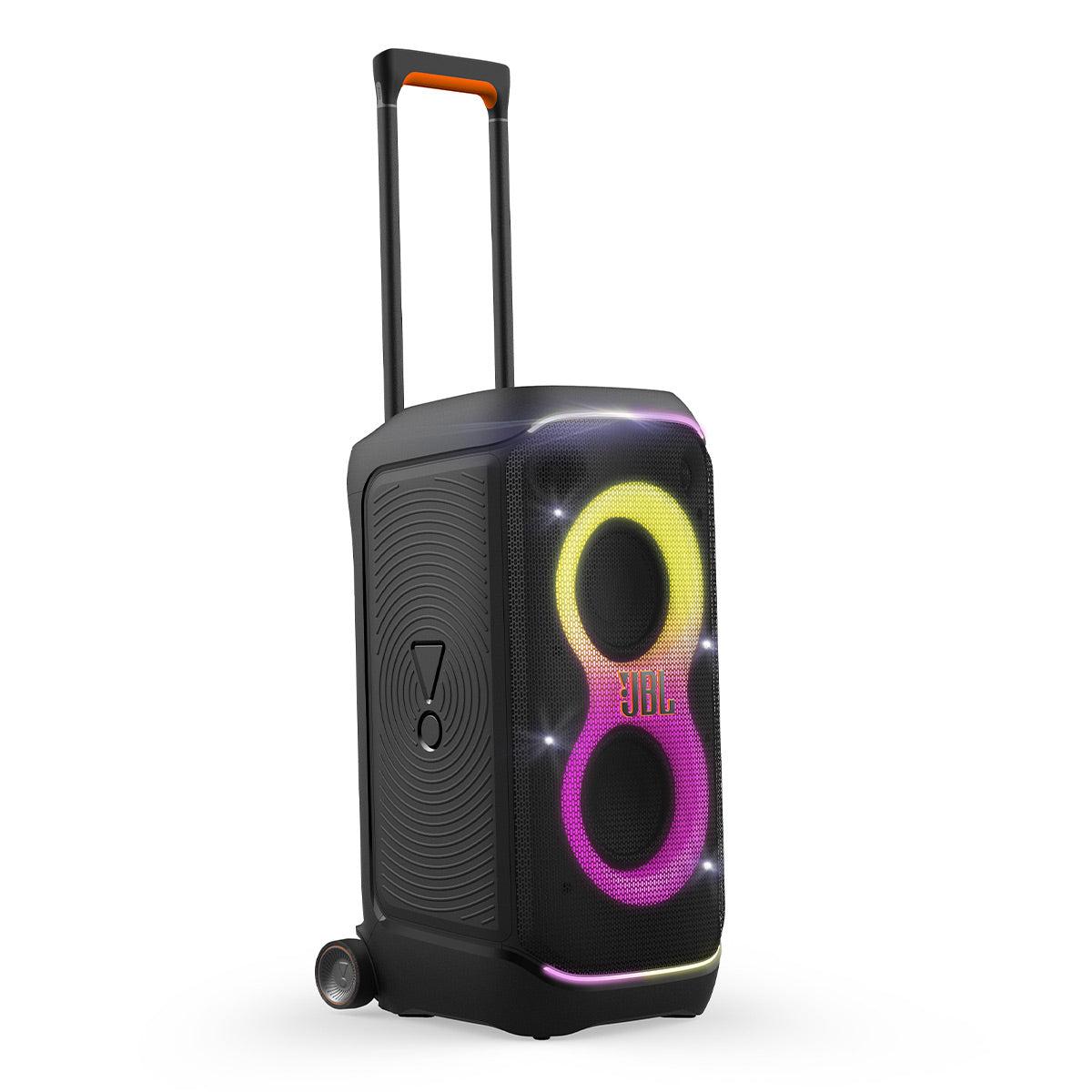
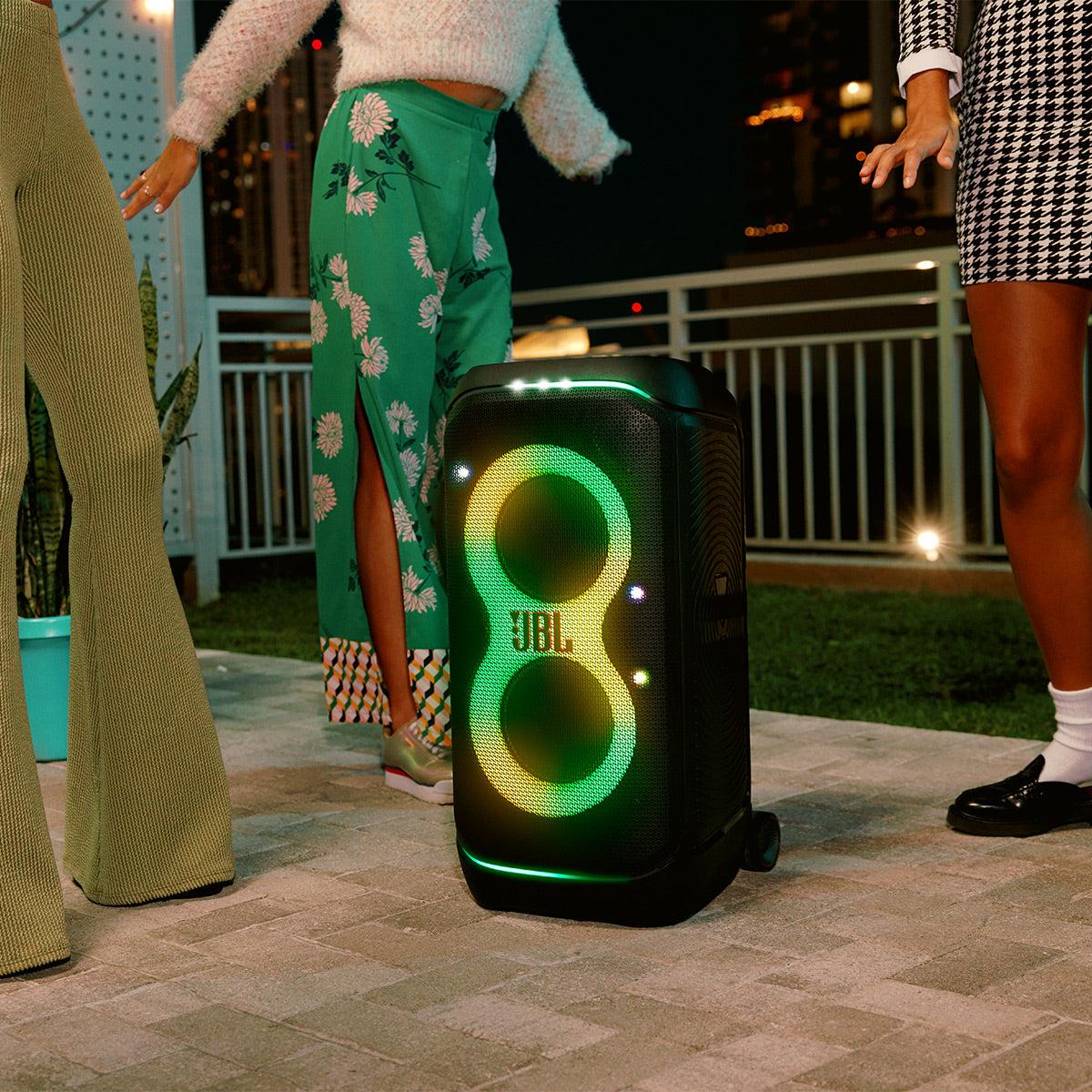
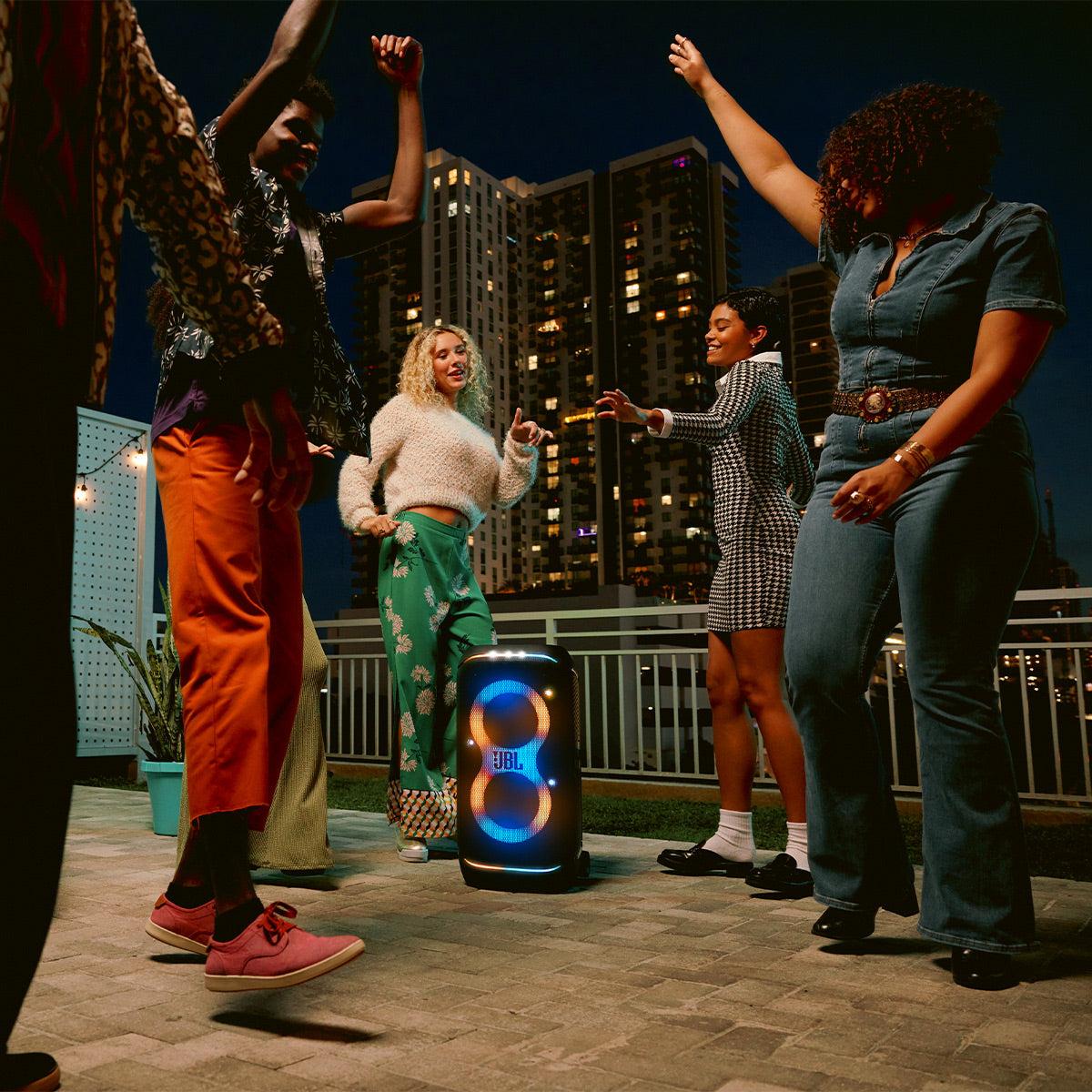
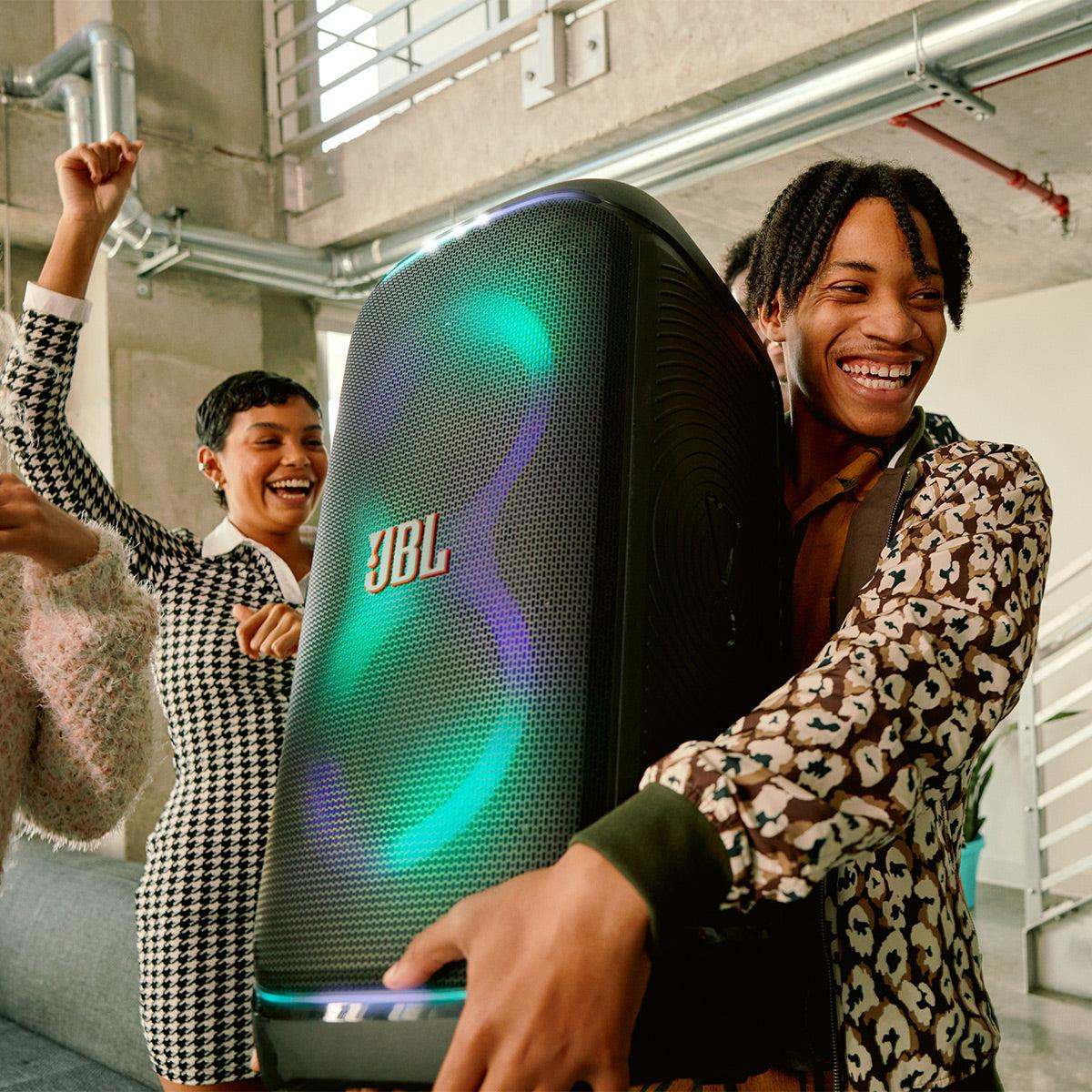
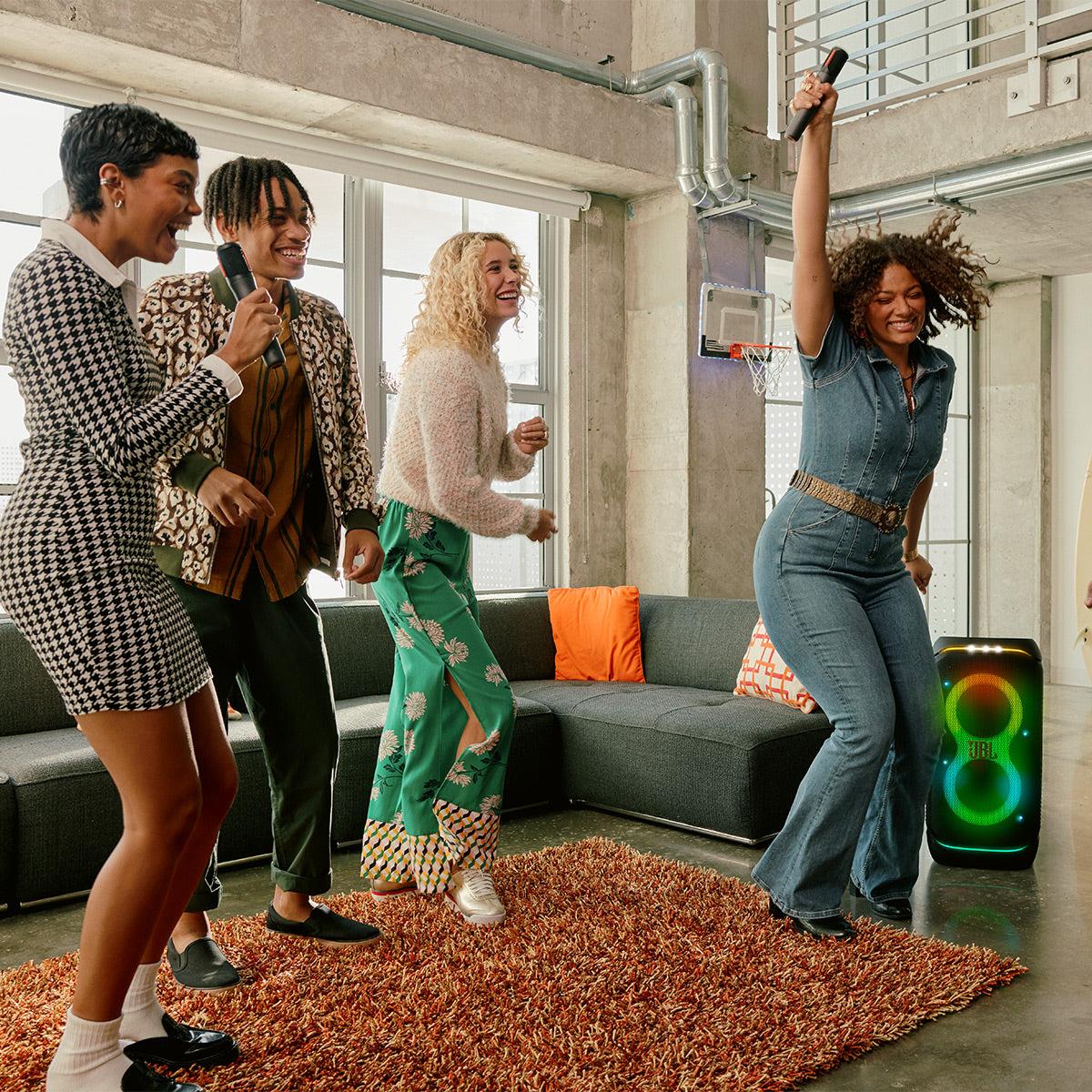
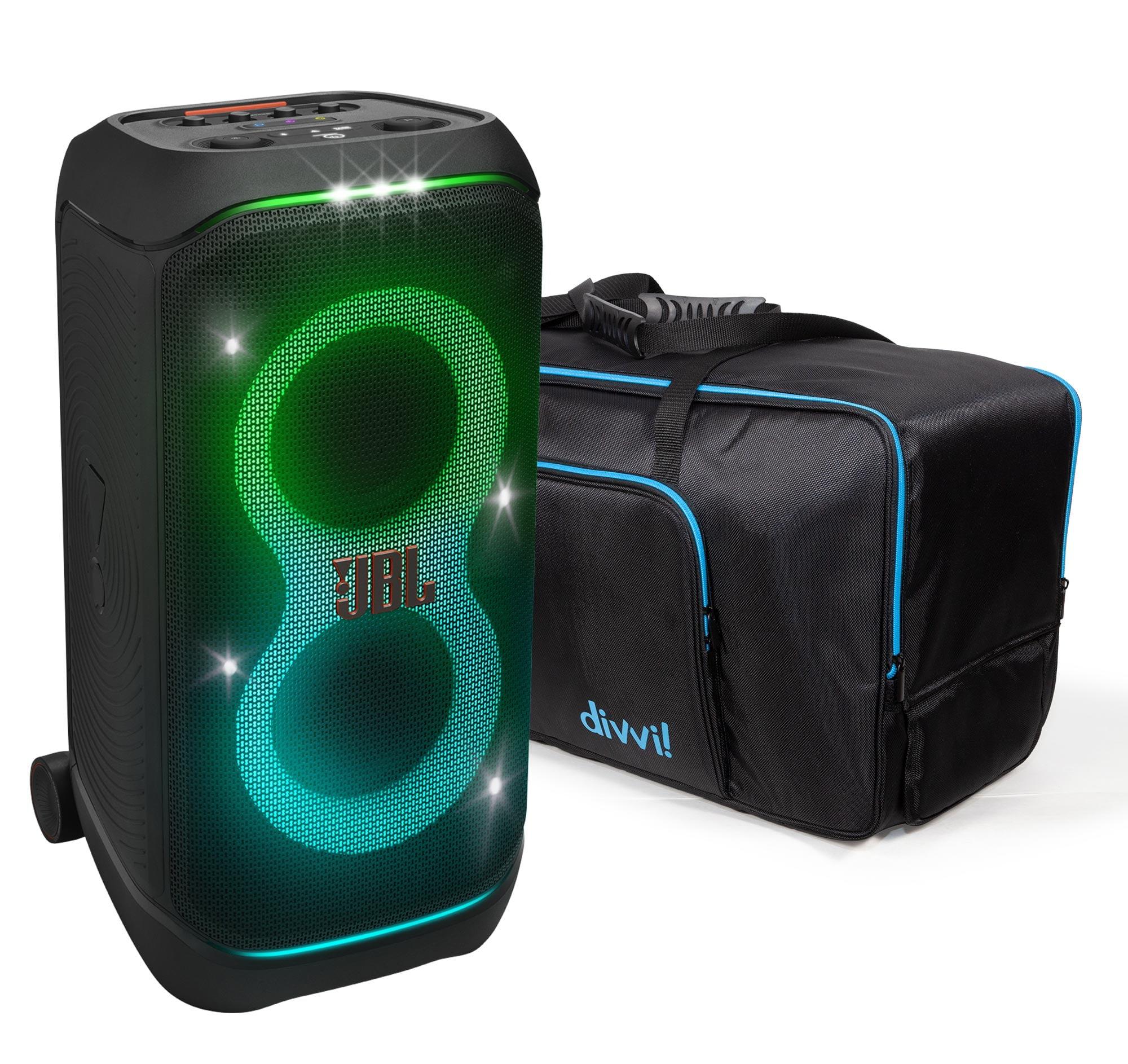
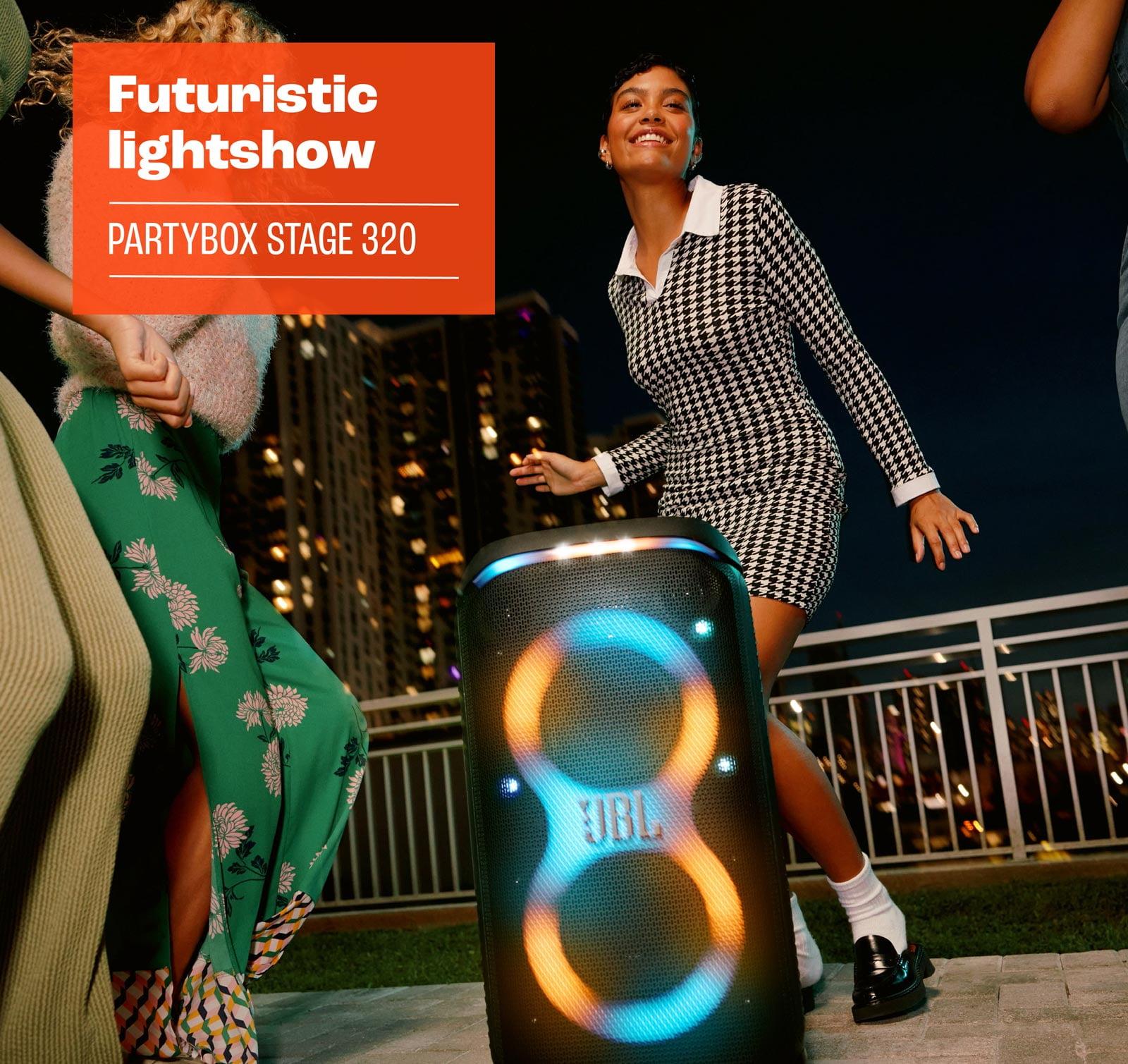
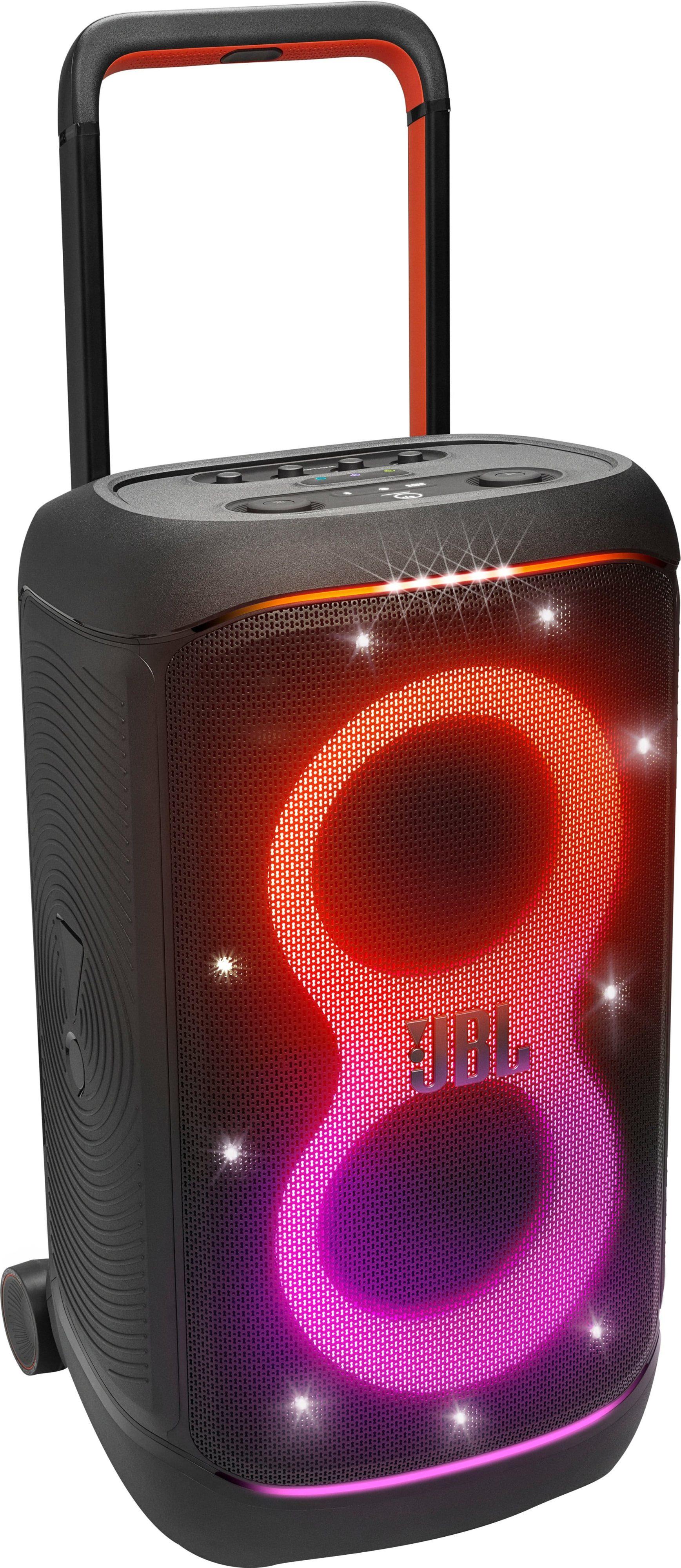
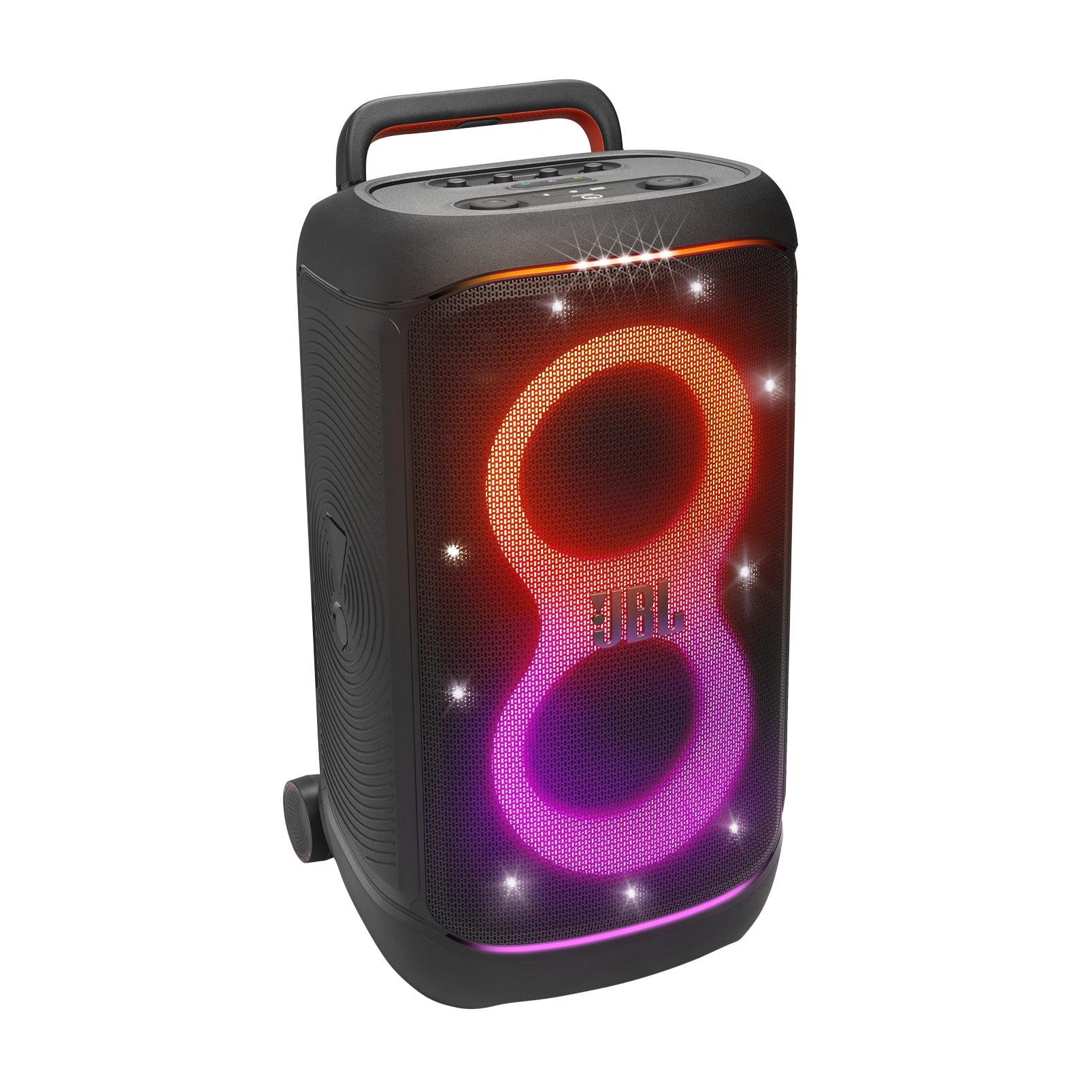
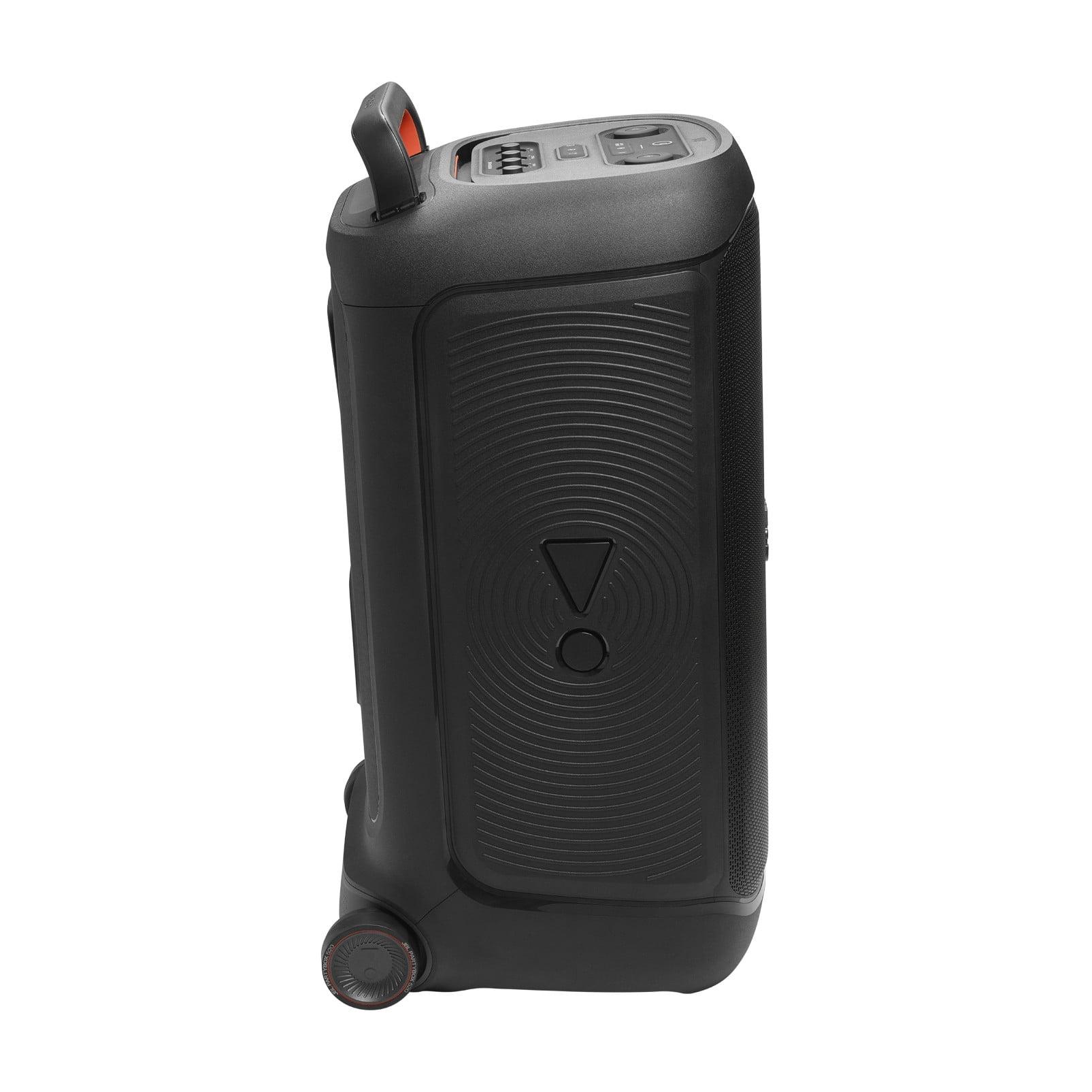
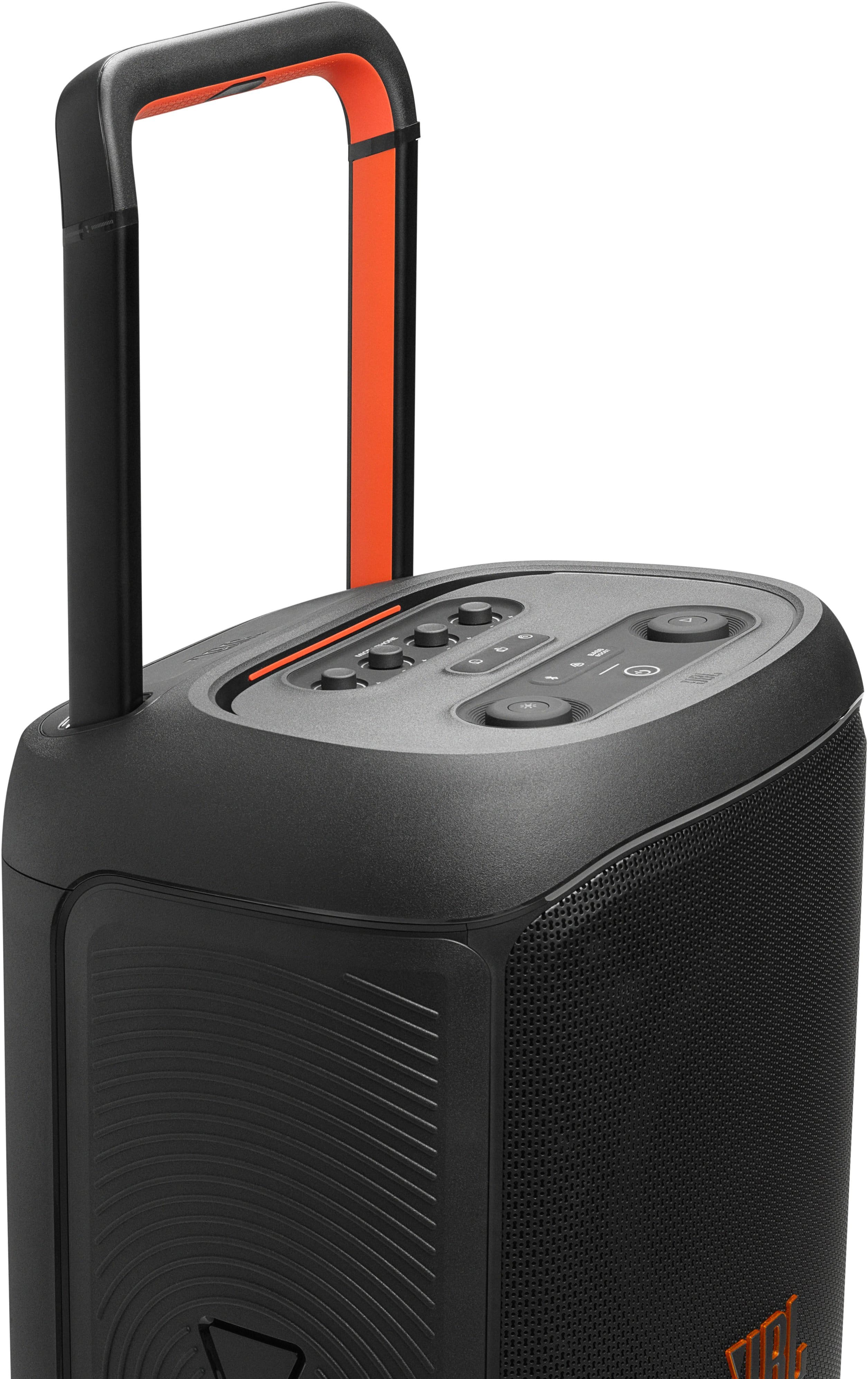
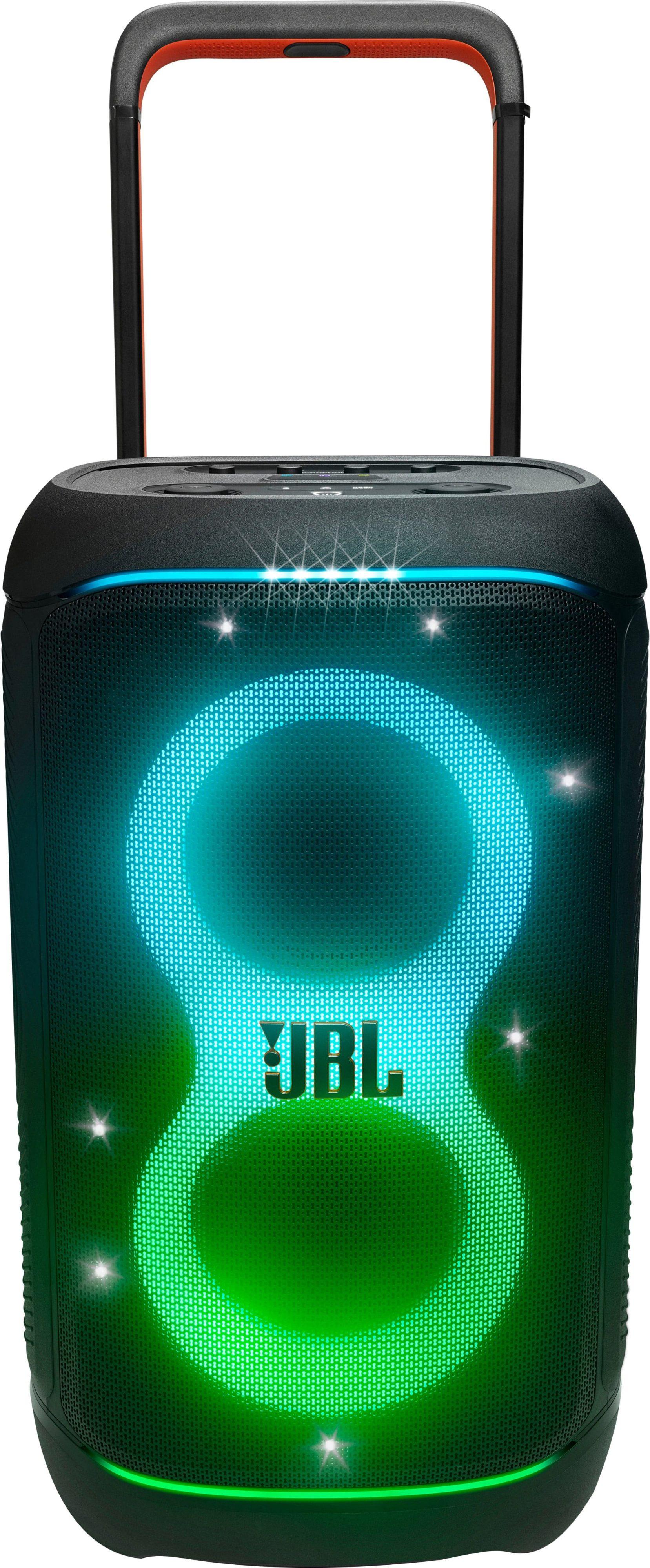
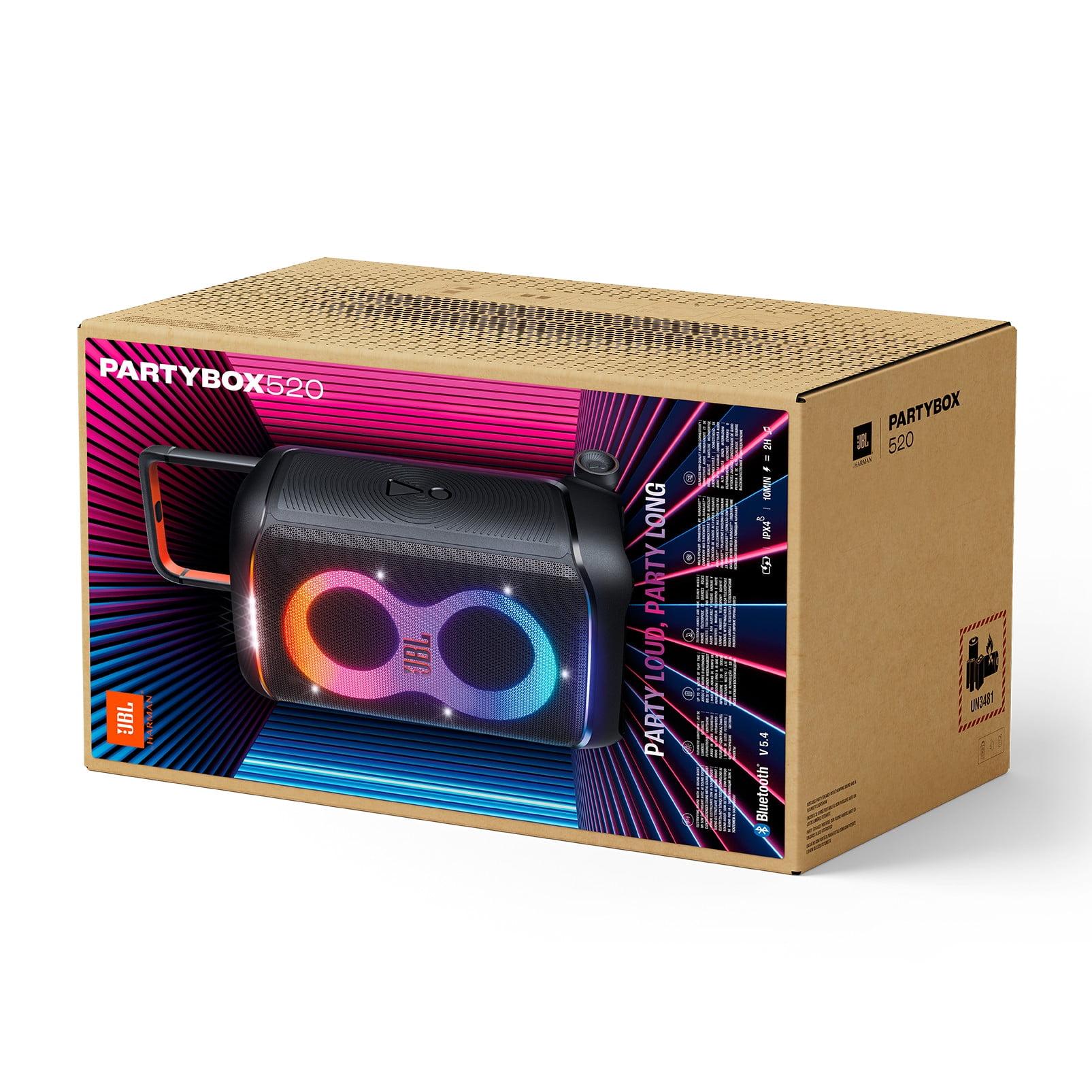
When it comes to throwing a memorable party, the right speaker can make or break the vibe. Both the JBL PartyBox Stage 320 and PartyBox 520 promise to deliver that club-quality sound you're after, but they take notably different approaches to get there. After diving deep into user reviews, professional tests, and technical specifications, it's clear these speakers serve different needs despite sharing the same family name.
Party speakers occupy a unique space in the audio world. Unlike studio monitors that prioritize accuracy or bookshelf speakers designed for intimate listening, party speakers are built for one primary mission: getting people moving. They need to pump out serious volume without falling apart, deliver bass that you feel in your chest, and keep going for hours on end.
The most critical performance metrics for party speakers are maximum volume capability (measured in watts RMS), frequency response (how well they reproduce different pitches), and dynamic range (the difference between quiet and loud sounds). A speaker that can hit 100 decibels cleanly will fill a backyard, while one that distorts at 95 decibels will leave your guests straining to hear the music.
Battery life becomes crucial since these speakers often venture away from power outlets. Weather resistance matters too – nobody wants their speaker dying from a splash of pool water or unexpected drizzle. Features like customizable lighting and microphone inputs separate party speakers from regular portable speakers, creating that full entertainment experience.
The JBL PartyBox Stage 320, released in 2024, represents JBL's attempt to balance serious performance with practical portability. At 36 pounds with 240 watts of power, it sits in that sweet spot where one person can reasonably move it around while still delivering enough volume for medium-sized gatherings.
The PartyBox 520, launched in 2025, takes a more aggressive approach. This 56-pound powerhouse cranks out 400 watts and includes professional-grade features that weren't available on earlier models. The year gap between releases shows – the 520 incorporates newer Bluetooth 5.4 technology, USB-C connectivity (instead of the older USB-A), and JBL's latest AI Sound Boost processing.
This technological evolution matters more than you might think. Bluetooth 5.4 offers better connection stability and lower power consumption compared to earlier versions. USB-C supports lossless audio transmission, meaning your music files play without compression artifacts that can muddy the sound. AI Sound Boost analyzes your music in real-time and adjusts the speaker's output to prevent distortion – essentially giving you a sound engineer built into the speaker.
The power difference between these speakers – 240 watts versus 400 watts – translates to real-world performance gaps that matter. In audio, every 3-decibel increase requires roughly double the power, so the PartyBox 520's 67% power advantage delivers noticeably louder maximum volume.
More importantly, the 520's larger 7.5-inch woofers (the drivers that produce bass) versus the Stage 320's 6.5-inch units create substantially deeper low-end response. Bass frequencies require moving more air, and larger drivers simply do this more efficiently. When testing electronic music or hip-hop tracks with deep sub-bass content, the difference becomes immediately apparent.
From our research into user experiences, the Stage 320 comfortably handles gatherings of 20-30 people in typical backyard settings. Push it beyond that, and you'll start noticing compression – that unpleasant squashing effect where loud passages lose their punch. The PartyBox 520, however, maintains its composure with crowds of 50+ people and can fill genuinely large outdoor spaces without breaking a sweat.
The 520's AI Sound Boost technology deserves special mention. Traditional speakers hit a wall where increasing volume just adds distortion. AI Sound Boost continuously analyzes the incoming audio signal and dynamically adjusts the speaker's response to maximize clean output. It's like having a skilled audio engineer constantly tweaking the sound to prevent overload – and it works surprisingly well based on professional reviews.
While both speakers share JBL's Pro Sound tuning philosophy, emphasizing punchy bass and clear highs, they execute this vision differently. The Stage 320 delivers what most would consider excellent sound quality for a party speaker. Its frequency response stays relatively balanced across the spectrum, meaning vocals remain clear even when the bass is thumping.
The PartyBox 520 takes this further with superior dynamic range and better instrument separation. When playing complex tracks with multiple instruments, the 520 maintains clarity between different elements rather than mashing everything together. This becomes particularly noticeable with genres like rock or jazz where you want to hear individual instruments clearly.
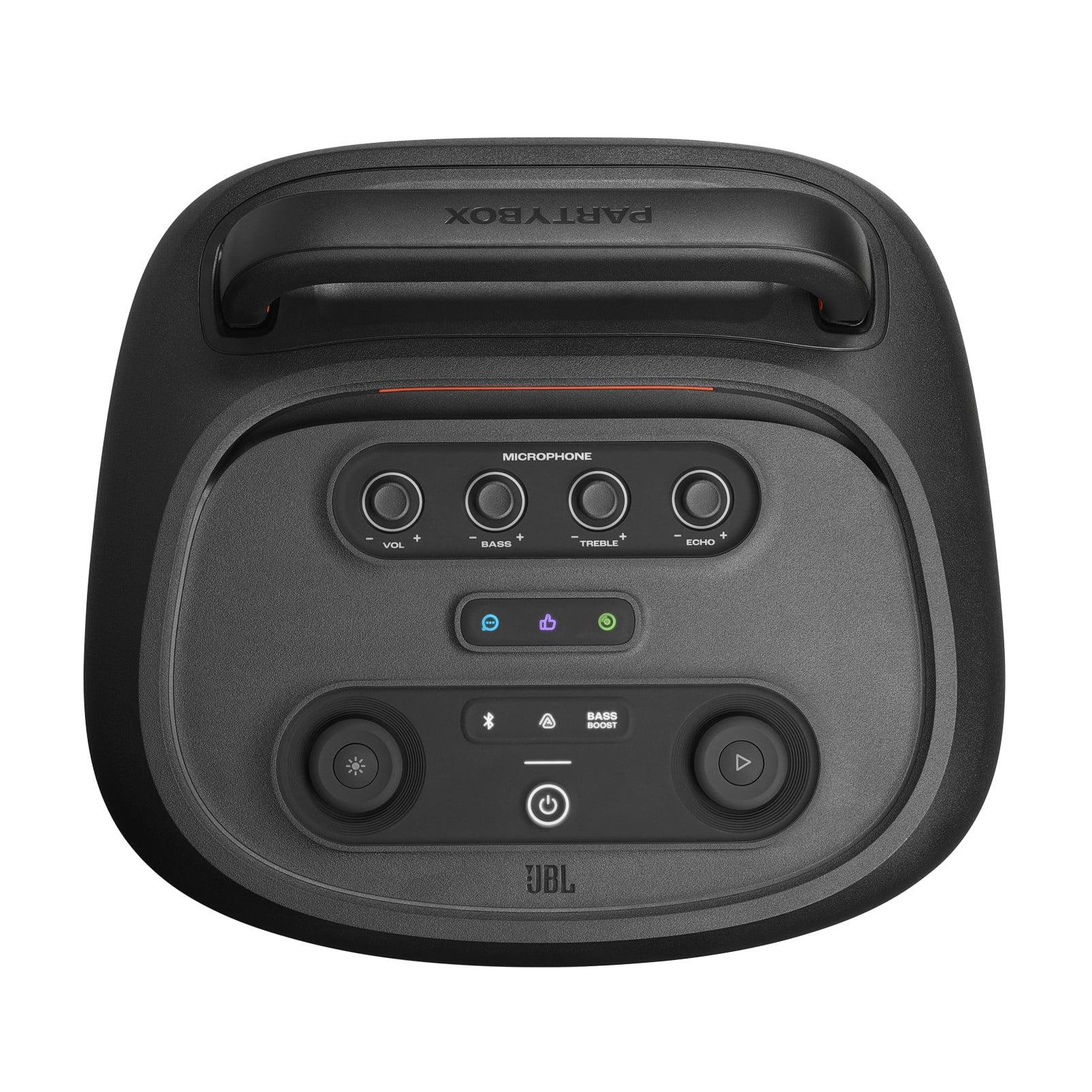
Both speakers include customizable EQ settings through JBL's PartyBox app, allowing you to adjust the sound signature to your preferences or room acoustics. The 520 offers a more sophisticated 7-band EQ compared to the 320's 5-band system, providing finer control over the sound profile.
For home theater use, neither speaker is specifically designed for this application, but the PartyBox 520 works reasonably well for casual movie watching thanks to its clearer dialogue reproduction and deeper bass extension. The 320 lacks the low-end depth needed for action movie soundtracks to feel truly immersive.
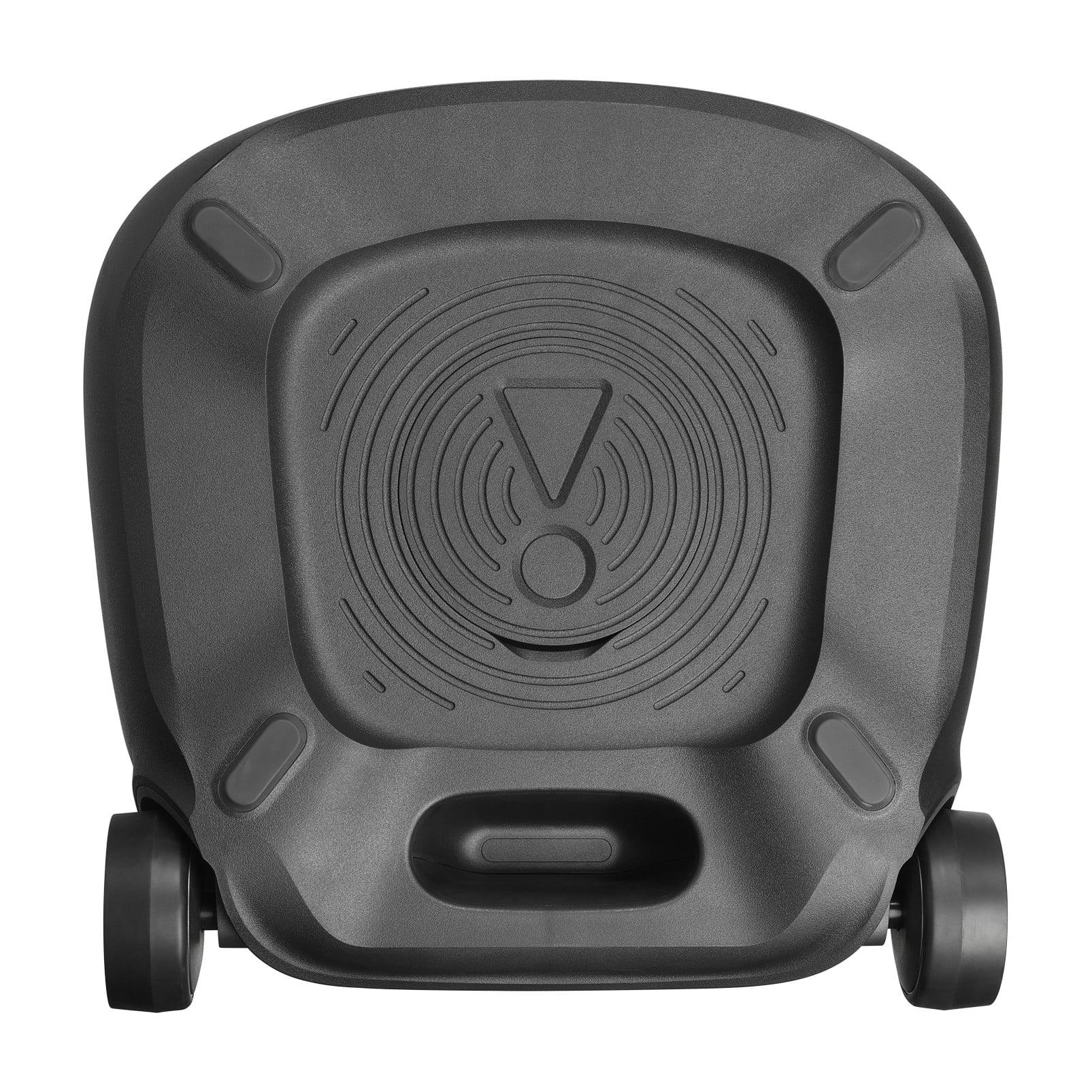
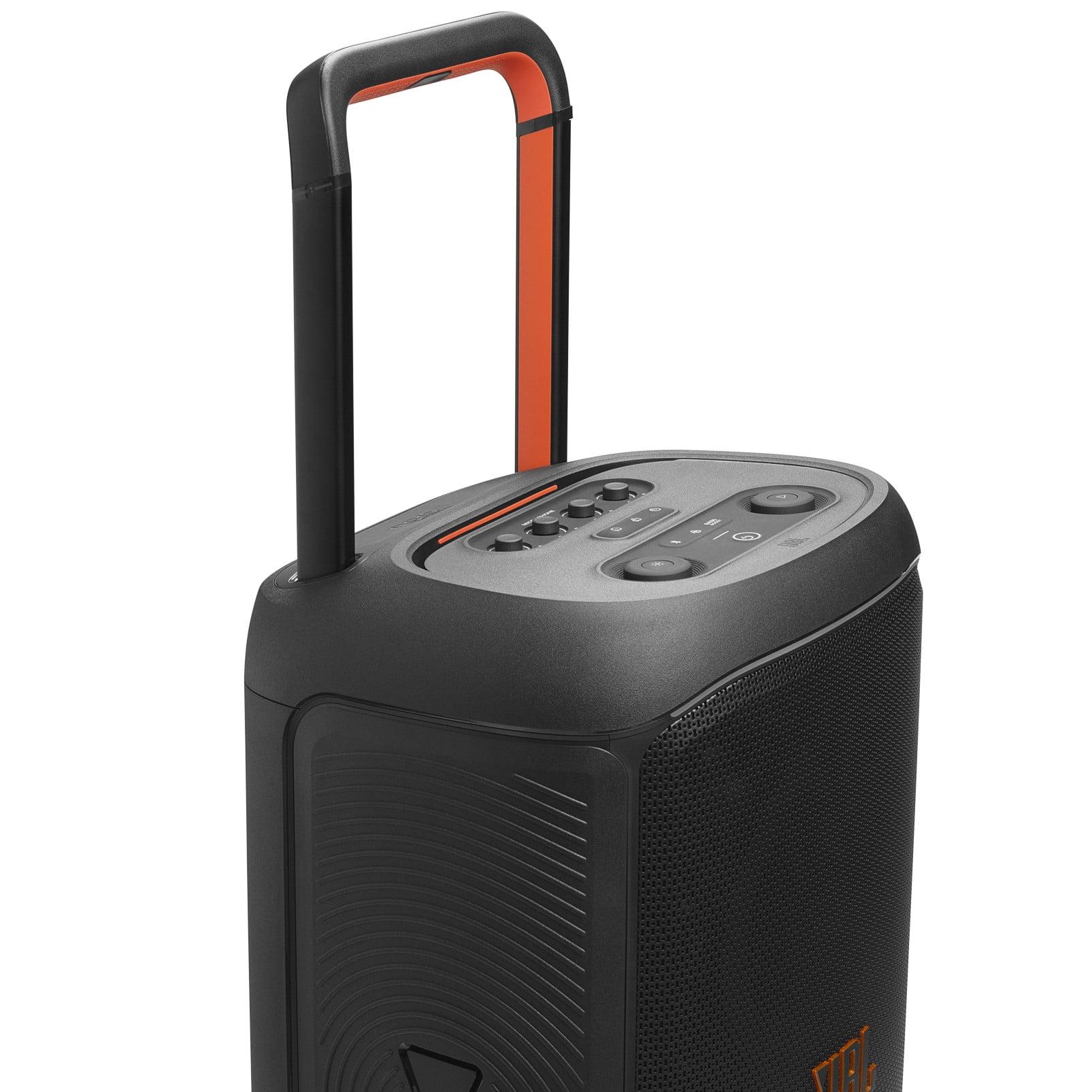
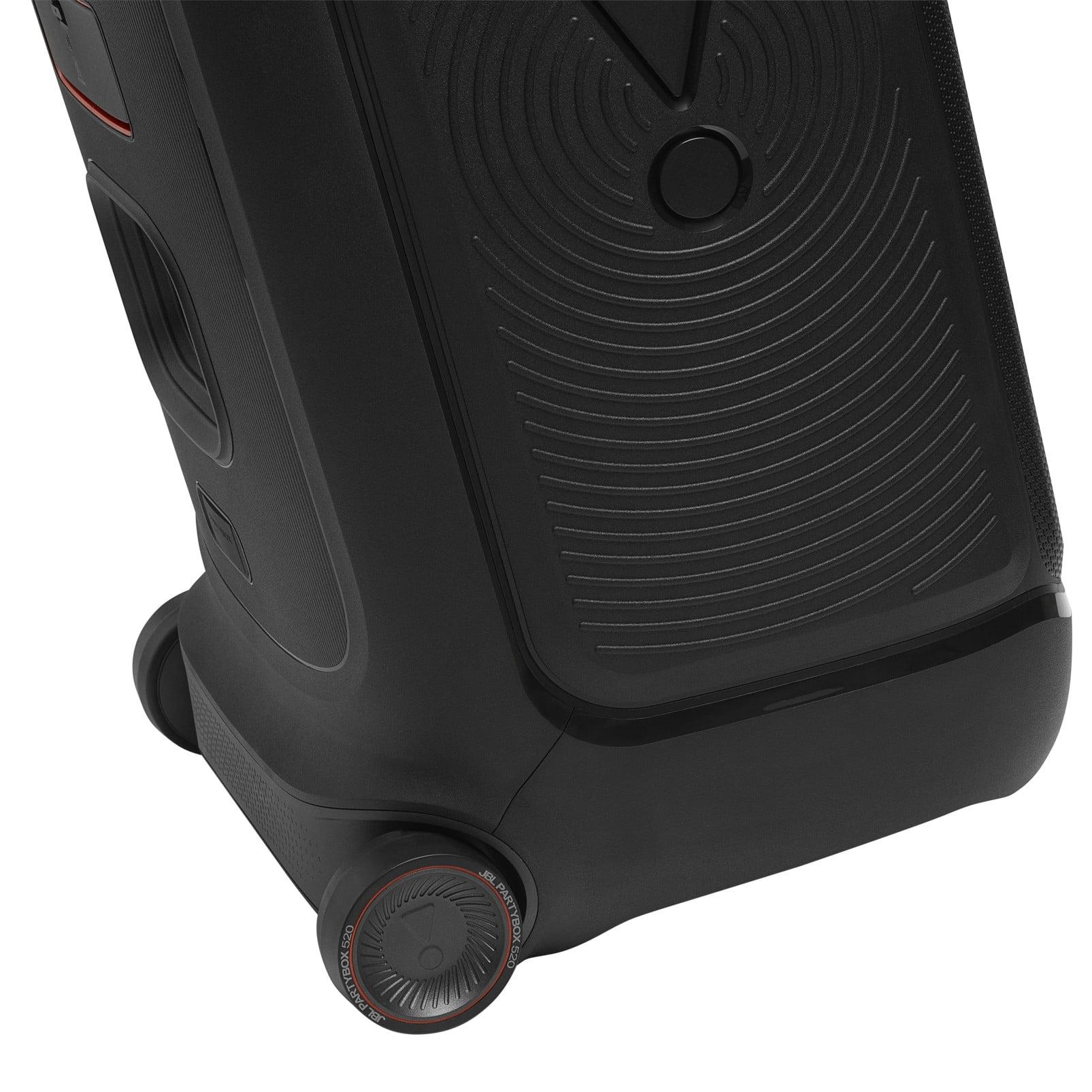
This is where personal priorities really matter. The Stage 320's 36-pound weight sits at the upper limit of what most people can comfortably carry for short distances. Combined with its telescopic handle and built-in wheels, it's genuinely portable for one person moving it from house to backyard or loading it into a car.
The PartyBox 520's 56 pounds crosses into "requires planning" territory. While it has the same wheel and handle system, you're essentially committed to rolling it rather than lifting it. This isn't necessarily a dealbreaker – many users treat it like a heavy rolling suitcase – but it does limit spontaneous relocation.
Battery life adds another wrinkle to the portability equation. The Stage 320 claims 18 hours of playback versus the 520's 15 hours, though real-world testing shows both deliver about 8-10 hours when using typical party settings (lights on, bass boost engaged, moderate to high volume). The 320's extra runtime comes from its more efficient lower-power design, while the 520's shorter life reflects its higher power consumption.
Both speakers feature replaceable battery packs, a smart design choice that extends their useful life and allows for continuous operation by swapping batteries. This replaceable system wasn't available on earlier JBL party speakers and represents a significant practical improvement.
The input options reveal each speaker's intended audience. The Stage 320 includes dual 1/4-inch inputs for microphones or guitars, which covers most casual karaoke or live performance needs. Its USB-A port handles music playback from flash drives and provides basic device charging.
The PartyBox 520 steps up with combo XLR-1/4-inch inputs that accept both professional microphones and standard guitar cables. XLR connections are the standard in professional audio because they're balanced (reducing interference) and locking (preventing accidental disconnection). If you're serious about live performance or plan to connect professional DJ equipment, these inputs matter.
The 520's USB-C port supports lossless audio playback, meaning high-quality music files play without compression. It also provides more powerful device charging – 30 watts versus the 320's 10 watts. While this might seem minor, it's enough to fast-charge most smartphones or power small devices during extended events.
Both speakers support Auracast, JBL's wireless speaker linking technology. This allows you to connect multiple compatible JBL speakers for synchronized playback across a larger area. It's genuinely useful for events where you need sound coverage across multiple zones.
Both speakers earn IPX4 splash-proof ratings, meaning they'll survive pool splashes, light rain, or spilled drinks without issue. They're not submersible or dust-proof, but they handle typical outdoor party conditions well. The construction feels solid on both models, with sturdy plastic shells and metal driver grilles that should withstand reasonable abuse.
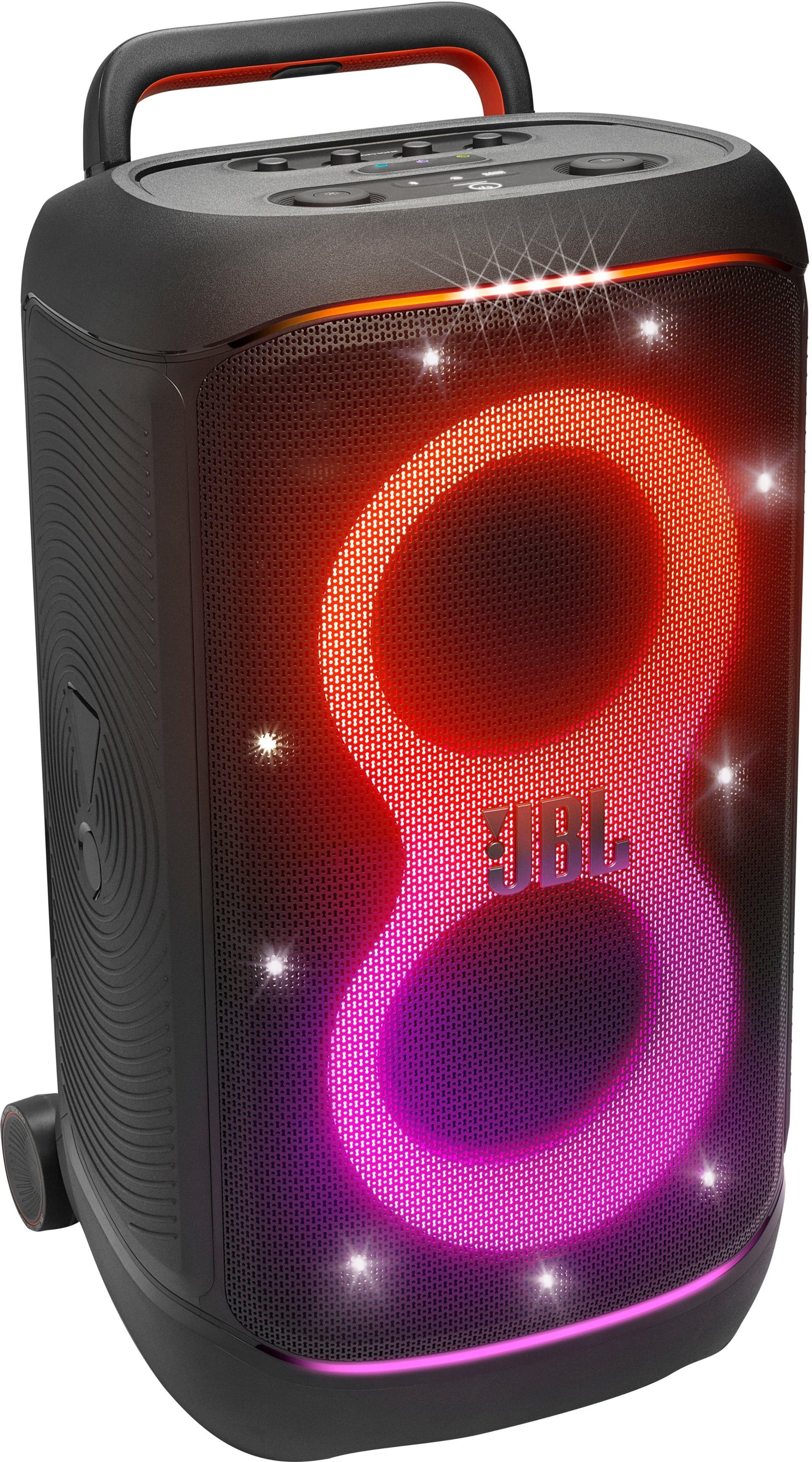
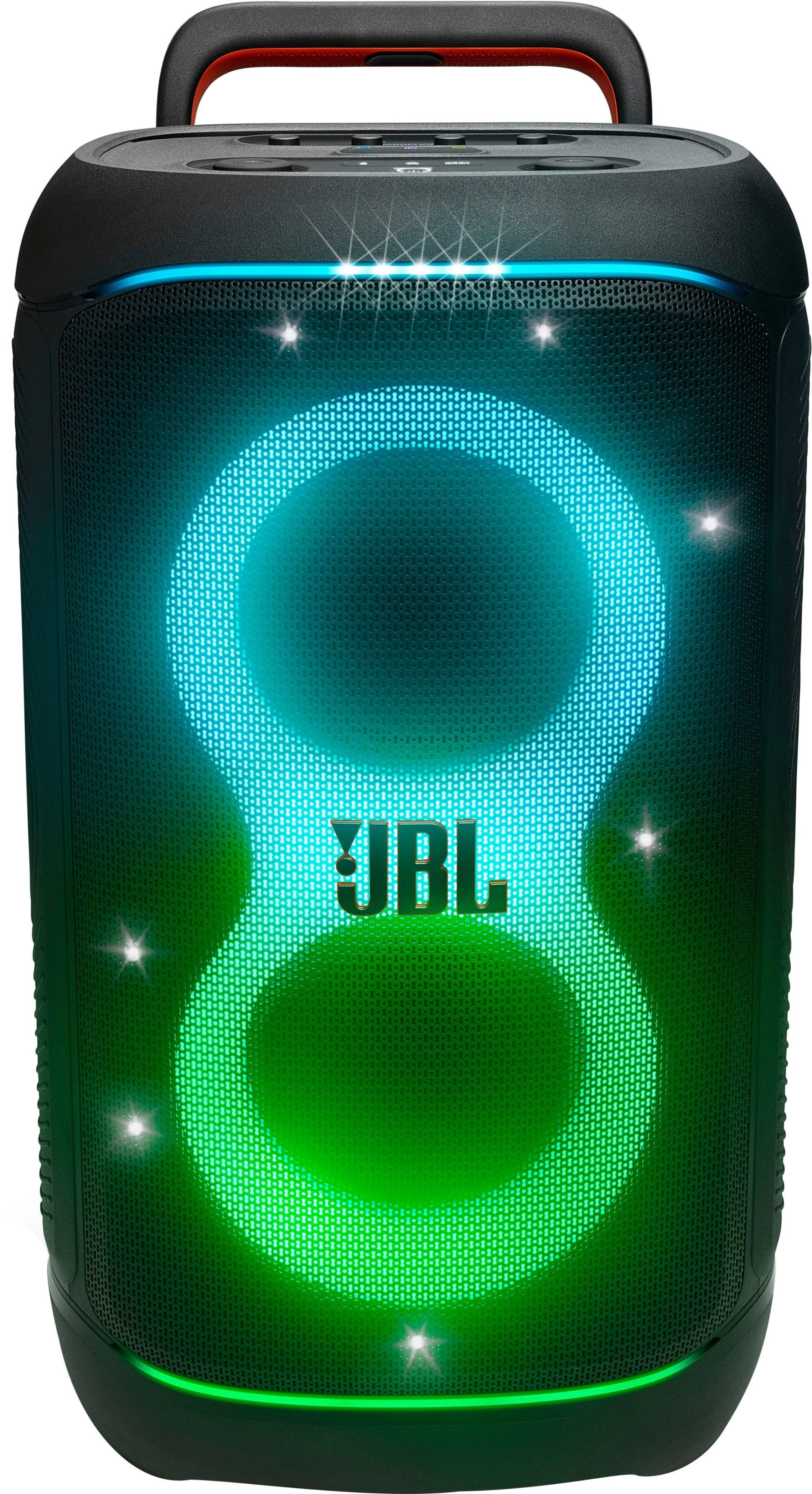
The lighting systems deserve mention since they're a key part of the party speaker experience. Both models offer customizable RGB lighting that syncs with your music's beat, creating that club atmosphere. The effects are surprisingly sophisticated, with multiple patterns and intensity levels controlled through the mobile app.
At the time of writing, the PartyBox 520 commands a significant premium over the Stage 320 – roughly 40-50% more expensive. This price gap reflects the newer technology, higher power output, and professional features, but it raises the question of whether the improvements justify the cost.
For most users throwing typical house parties or backyard gatherings, the Stage 320 offers genuinely impressive performance at a more accessible price point. You're getting about 80% of the 520's sound quality and volume capability while saving substantial money and gaining better portability.
The PartyBox 520 justifies its premium for users who truly need maximum volume, professional connectivity, or the latest technology. It's also worth considering total cost of ownership – if you plan to keep the speaker for many years, the 520's newer technology and superior performance might provide better long-term value.
The Stage 320 makes sense for most people. It's the speaker for suburban house parties, apartment gatherings that need to stay neighbor-friendly, and anyone who values the ability to easily move their speaker around. If your typical party involves 30 or fewer people and you don't need professional audio inputs, the 320 delivers excellent performance without breaking the bank.
The PartyBox 520 targets more demanding users. It's for people who host large outdoor events, aspiring DJs who need professional connectivity, or audio enthusiasts who want the absolute best performance available in a battery-powered speaker. The weight penalty makes it less suitable for frequent relocation, but if it's primarily staying put, the performance advantages become compelling.
For home theater supplementation, neither speaker is ideal, but the 520 works better thanks to its superior dialogue clarity and bass extension. However, you'd be better served by a dedicated soundbar or surround sound system for serious movie watching.
Consider your typical use cases honestly. If you're unsure whether you need the 520's extra power, you probably don't. The Stage 320 gets plenty loud for most applications and offers genuinely better portability for users who move their speaker regularly.
However, if you've ever found yourself wishing your current speaker could get louder or produce deeper bass, the PartyBox 520's additional capability might be worth the extra cost and weight. Its professional inputs also future-proof your setup if you decide to get more serious about live performance or DJing.
The technology differences favor the 520 for long-term ownership. USB-C connectivity, AI Sound Boost processing, and the more sophisticated app control represent meaningful advances that will age better than the 320's older standards.
Ultimately, both speakers deliver on their promise of bringing serious party sound anywhere you need it. The choice comes down to balancing performance, portability, and price based on your specific needs and priorities. Either way, you'll have a speaker that can transform any gathering into something memorable.
| JBL PartyBox Stage 320 | JBL PartyBox 520 |
|---|---|
| Power Output - Determines maximum volume and bass impact for large gatherings | |
| 240W RMS (suitable for 20-30 people) | 400W RMS (handles 50+ people in large spaces) |
| Driver Size - Larger woofers produce deeper, more powerful bass | |
| 2× 6.5" woofers + 2× 1" tweeters | 2× 7.5" woofers + 2× 1" tweeters |
| Weight - Critical for portability and ease of transport | |
| 36 lbs (manageable for one person to carry) | 56 lbs (requires rolling, difficult to lift alone) |
| Battery Life - How long you can party before recharging | |
| Up to 18 hours (8-10 hours real-world with lights) | Up to 15 hours (6-8 hours real-world with lights) |
| Connectivity - Professional features matter for serious users | |
| USB-A, dual 1/4" inputs, Bluetooth 5.4 | USB-C lossless audio, combo XLR-1/4" inputs, Bluetooth 5.4 |
| Audio Processing - Advanced features improve sound quality at high volumes | |
| Standard JBL Pro Sound tuning | AI Sound Boost real-time optimization |
| App Control - Customization options for sound and lighting | |
| 5-band EQ, customizable RGB lighting | 7-band EQ, advanced lighting controls |
| Release Year - Newer models include updated technology | |
| 2024 (current generation) | 2025 (latest generation with newest features) |
| Weather Resistance - Protection for outdoor events | |
| IPX4 splash-proof rating | IPX4 splash-proof rating |
| Best For - Who should choose each speaker | |
| Frequent movers, smaller parties, budget-conscious buyers | Large events, DJs, maximum performance priority |
The JBL PartyBox 520 is significantly louder with 400W RMS output compared to the JBL PartyBox Stage 320's 240W. This translates to noticeably higher maximum volume and better performance for large outdoor gatherings of 50+ people, while the Stage 320 works well for smaller parties of 20-30 people.
The PartyBox 520 delivers much deeper and more powerful bass thanks to its larger 7.5-inch woofers compared to the Stage 320's 6.5-inch drivers. This makes the 520 better for bass-heavy music genres like electronic and hip-hop, while the Stage 320 still provides solid bass for most music styles.
The JBL PartyBox Stage 320 is much more portable at 36 pounds versus the PartyBox 520's 56 pounds. The Stage 320 can be carried by one person for short distances, while the 520 really requires rolling on its wheels due to the significant weight difference.
The JBL PartyBox Stage 320 offers longer battery life with up to 18 hours advertised (8-10 hours real-world with lights and bass boost), while the PartyBox 520 provides up to 15 hours advertised (6-8 hours real-world). The Stage 320 lasts longer due to its lower power consumption.
The PartyBox 520 offers more professional connectivity with combo XLR-1/4" inputs and USB-C lossless audio, making it better for DJs and musicians. The Stage 320 has standard 1/4" inputs and USB-A connectivity, which works fine for casual karaoke and basic music playback needs.
For large outdoor events, the JBL PartyBox 520 is superior due to its higher power output and deeper bass that can fill larger spaces effectively. For smaller outdoor gatherings, the PartyBox Stage 320 provides excellent performance while being much easier to transport to different locations.
Neither speaker is specifically designed for home theater, but the PartyBox 520 works better for casual movie watching due to its clearer dialogue reproduction and deeper bass extension. However, a dedicated soundbar would be more appropriate for serious home theater use than either PartyBox model.
Both speakers share JBL's Pro Sound tuning, but the PartyBox 520 offers superior sound quality with better dynamic range, instrument separation, and AI Sound Boost technology that prevents distortion at high volumes. The Stage 320 still delivers excellent sound quality for most users at a lower price point.
The JBL PartyBox Stage 320 typically offers better value for most users, providing about 80% of the PartyBox 520's performance at a significantly lower cost. The 520 justifies its premium price for users who need maximum volume, professional features, or the latest technology.
Yes, both the JBL PartyBox Stage 320 and PartyBox 520 feature identical IPX4 splash-proof ratings. This means they can handle pool splashes, light rain, and spilled drinks without damage, making both suitable for outdoor parties and poolside events.
The PartyBox 520 is clearly better for professional use with its combo XLR-1/4" inputs that accept professional microphones and DJ equipment, plus USB-C lossless audio support. The Stage 320 works for casual performance but lacks the professional connectivity features serious musicians need.
The PartyBox 520 offers a more advanced mobile app experience with 7-band EQ controls and sophisticated lighting customization options. The Stage 320 provides a solid app with 5-band EQ and customizable RGB lighting controls. Both apps support the same core features like music control and Auracast speaker linking.
We've done our best to create useful and informative comparisons to help you decide what product to buy. Our research uses advanced automated methods to create this comparison and perfection is not possible - please contact us for corrections or questions. These are the sites we've researched in the creation of this article: stereoguide.com - soundguys.com - rtings.com - soundguys.com - soundguys.com - rtings.com - jbl.com - youtube.com - youtube.com - youtube.com - youtube.com - rtings.com - 9to5toys.com - versus.com - cdw.com - jbl.com - projectorscreenstore.com - projectorscreen.com - ro.harmanaudio.com - jbl.co.nz - bestbuy.com - youtube.com - rtings.com - rtings.com - rtings.com - letemsvetemapplem.eu - youtube.com - worldwidestereo.com - youtube.com - global.jbl.com - youtube.com - soundguys.com - youtube.com - youtube.com - comparisontabl.es - youtube.com - youtube.com - youtube.com - gzhls.at - sweetwater.com - static.pcrichard.com - brandsmartusa.com - news.harman.com - jbl.com - ro.harmanaudio.com - jbl.com - creativeaudio.net

Privacy Policy
Terms and Conditions - Affiliate Policy
Home Security
© Copyright 2008-2026.
11816 Inwood Rd #1211, Dallas, TX 75244