

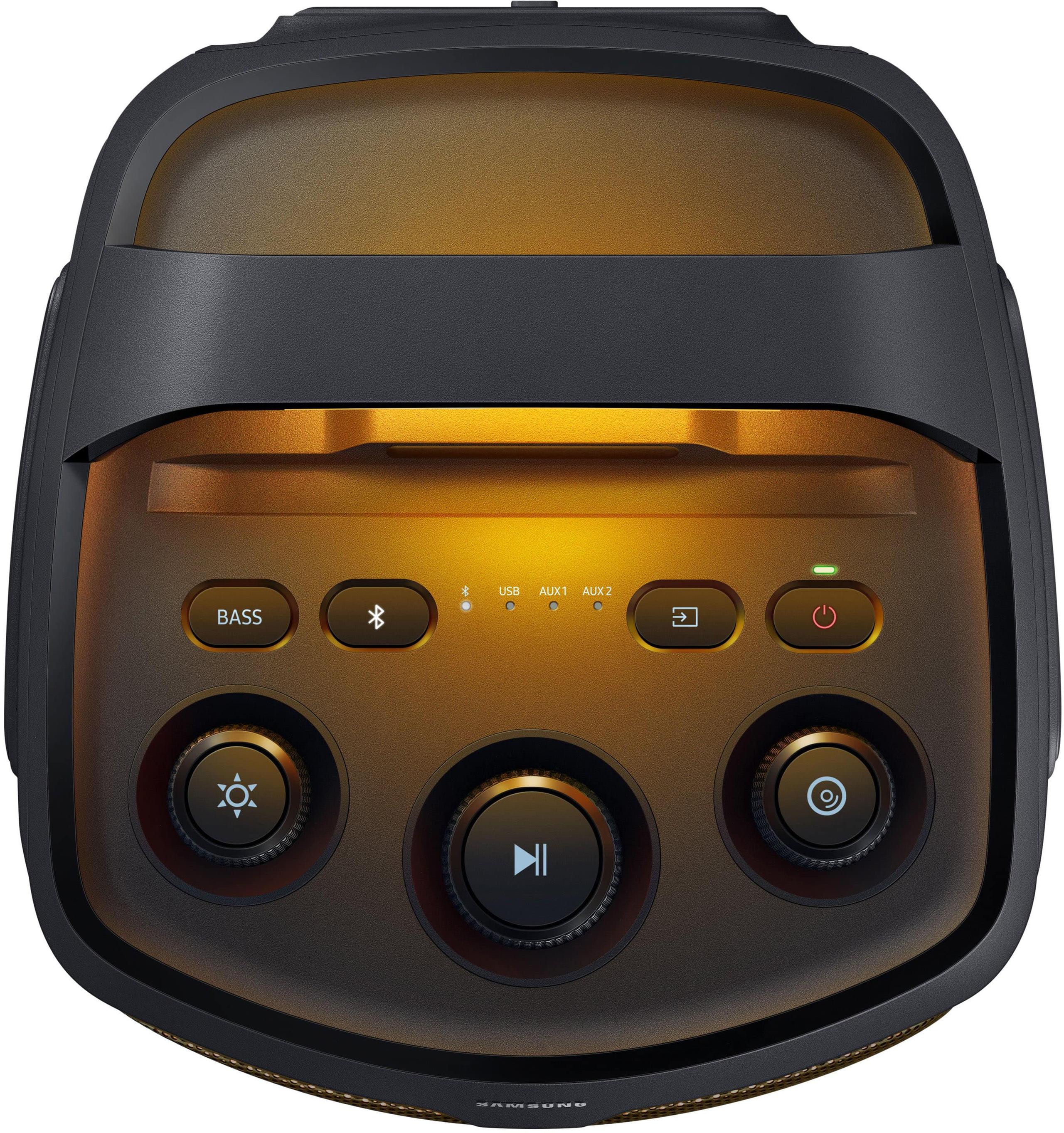
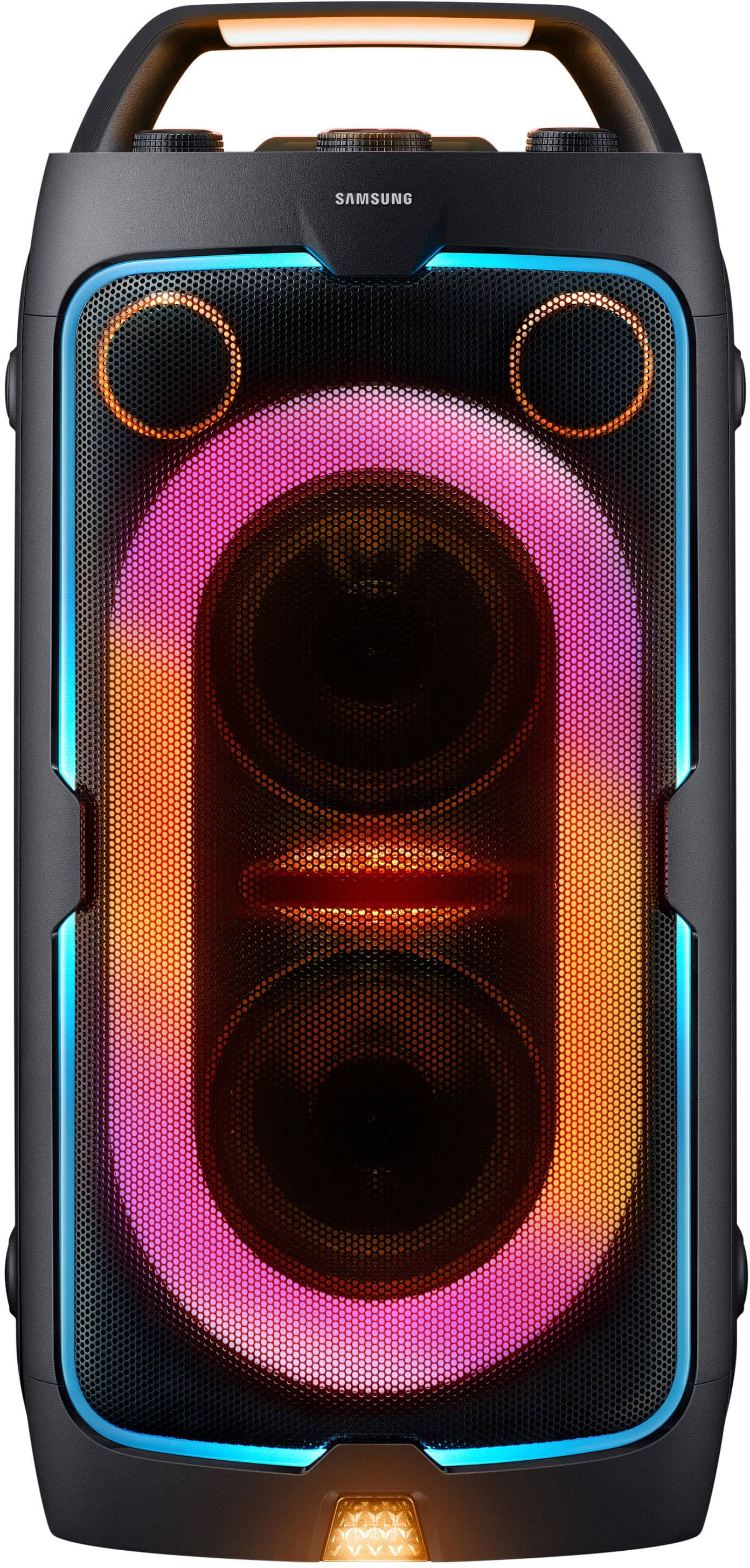
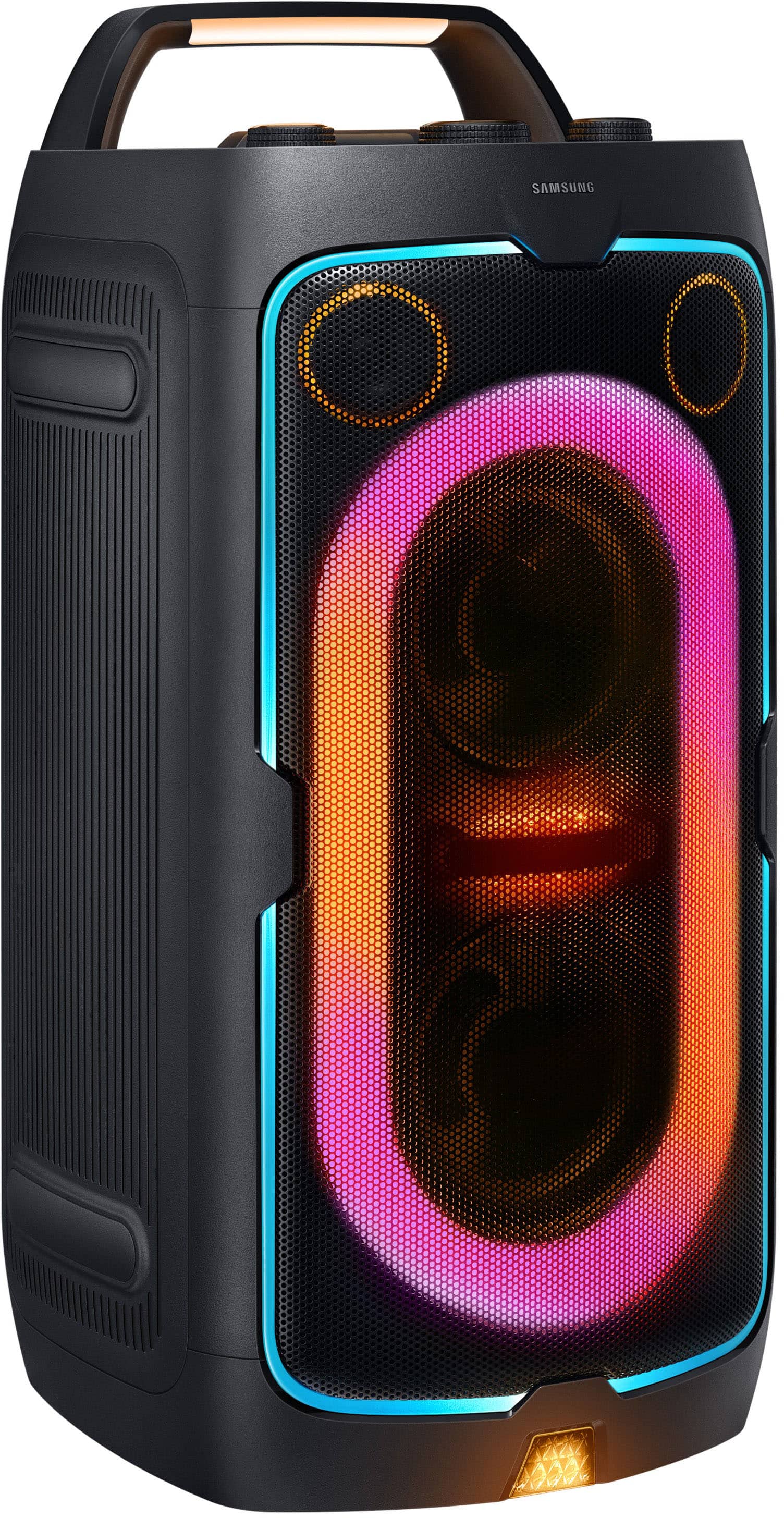
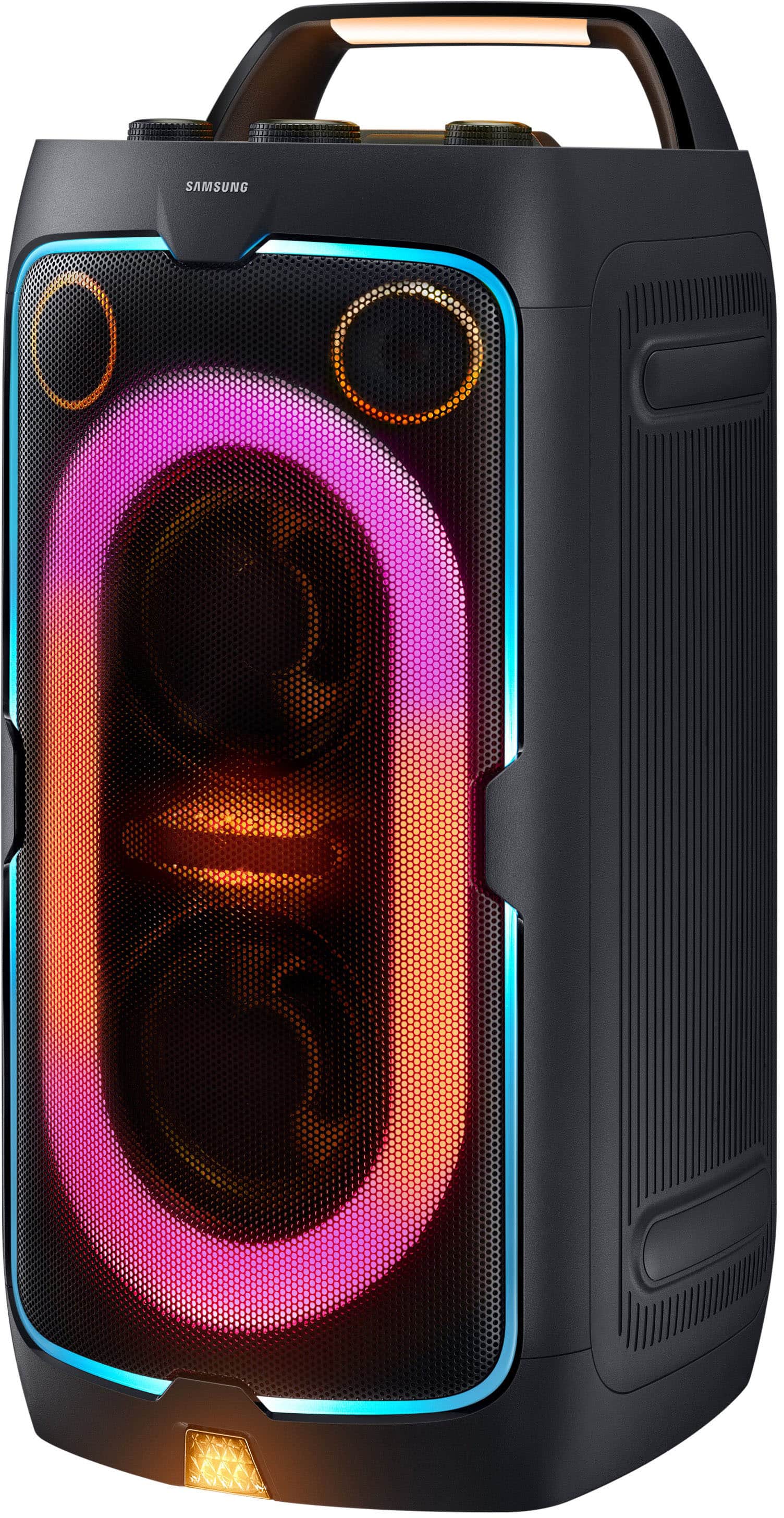
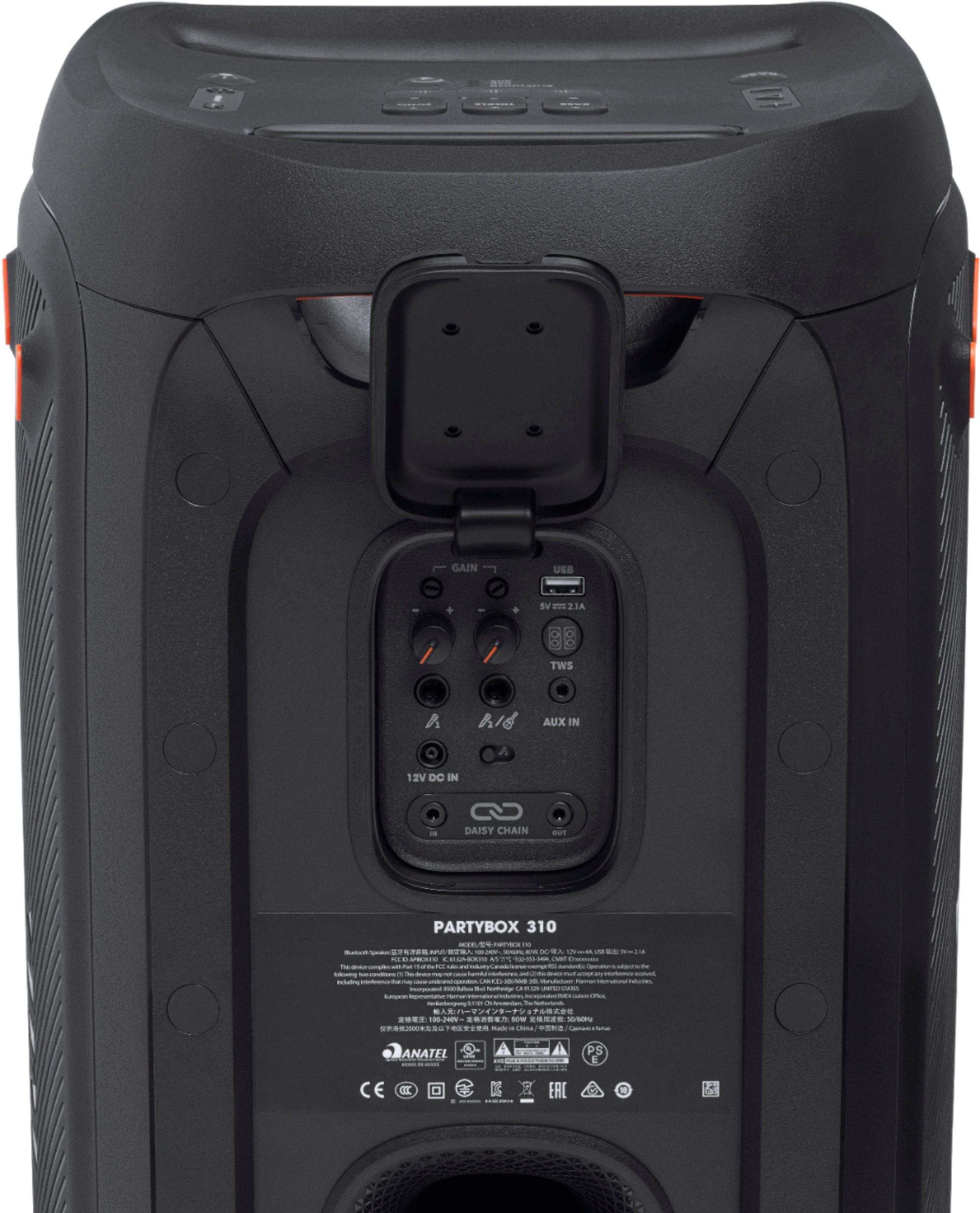
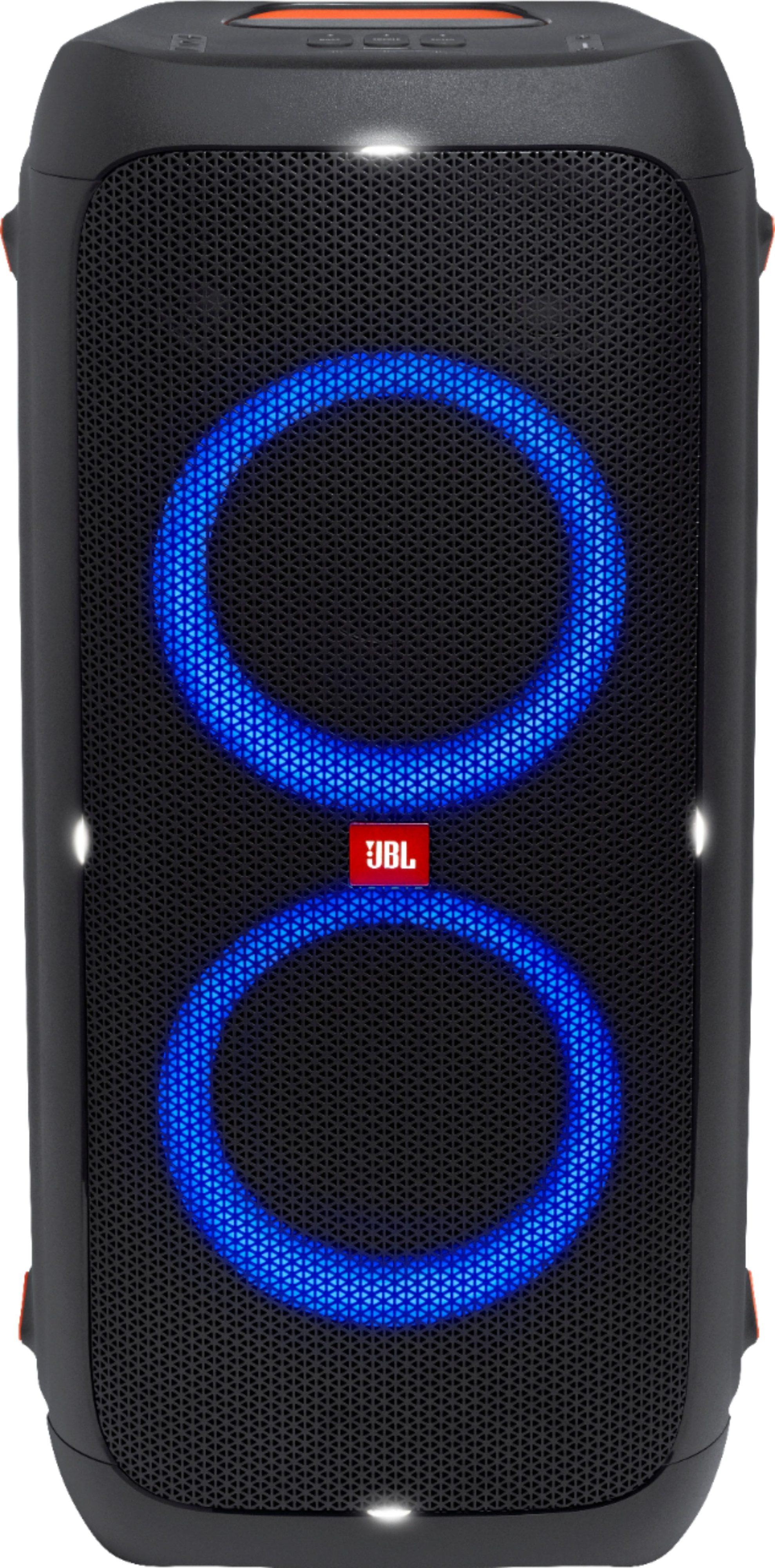
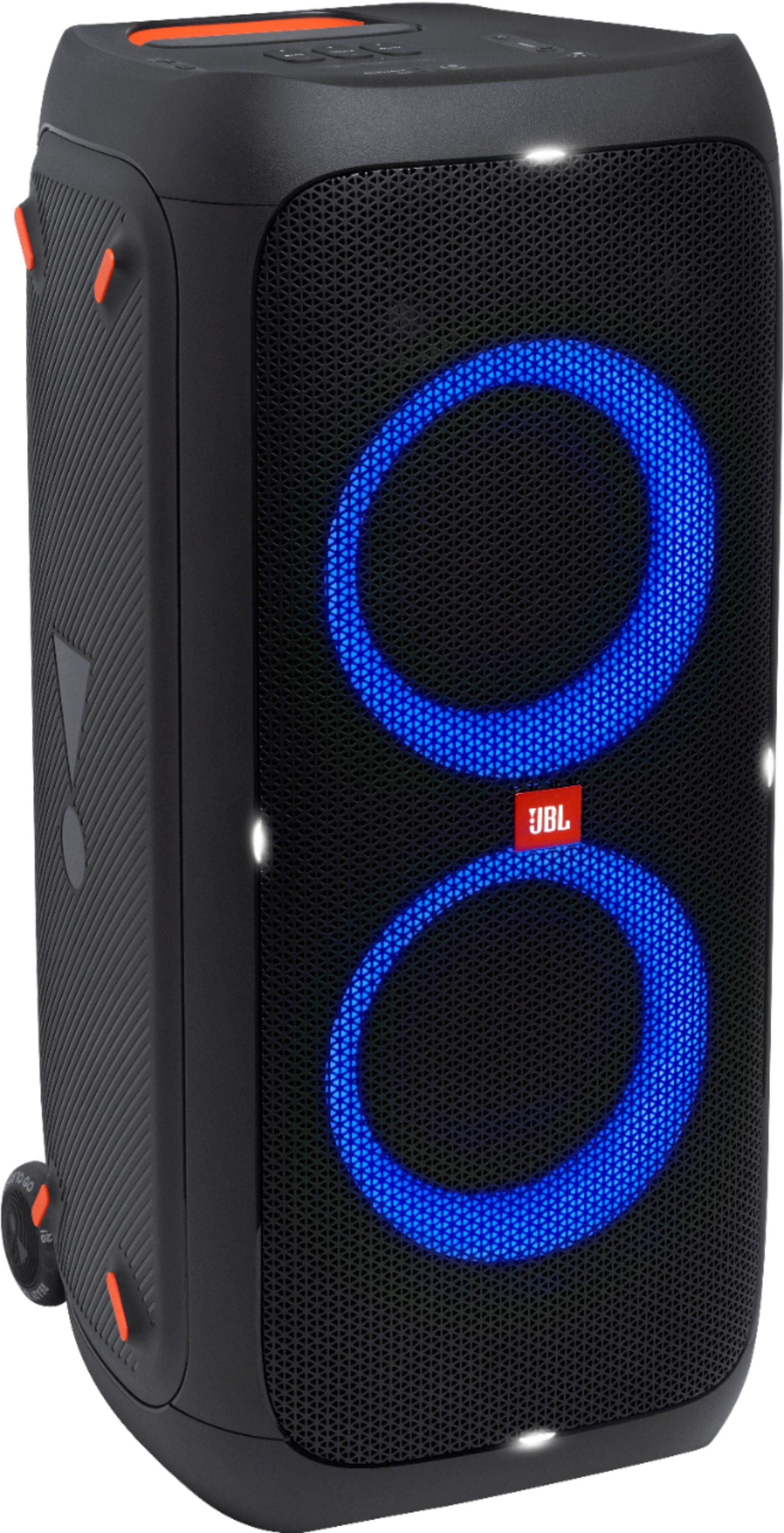
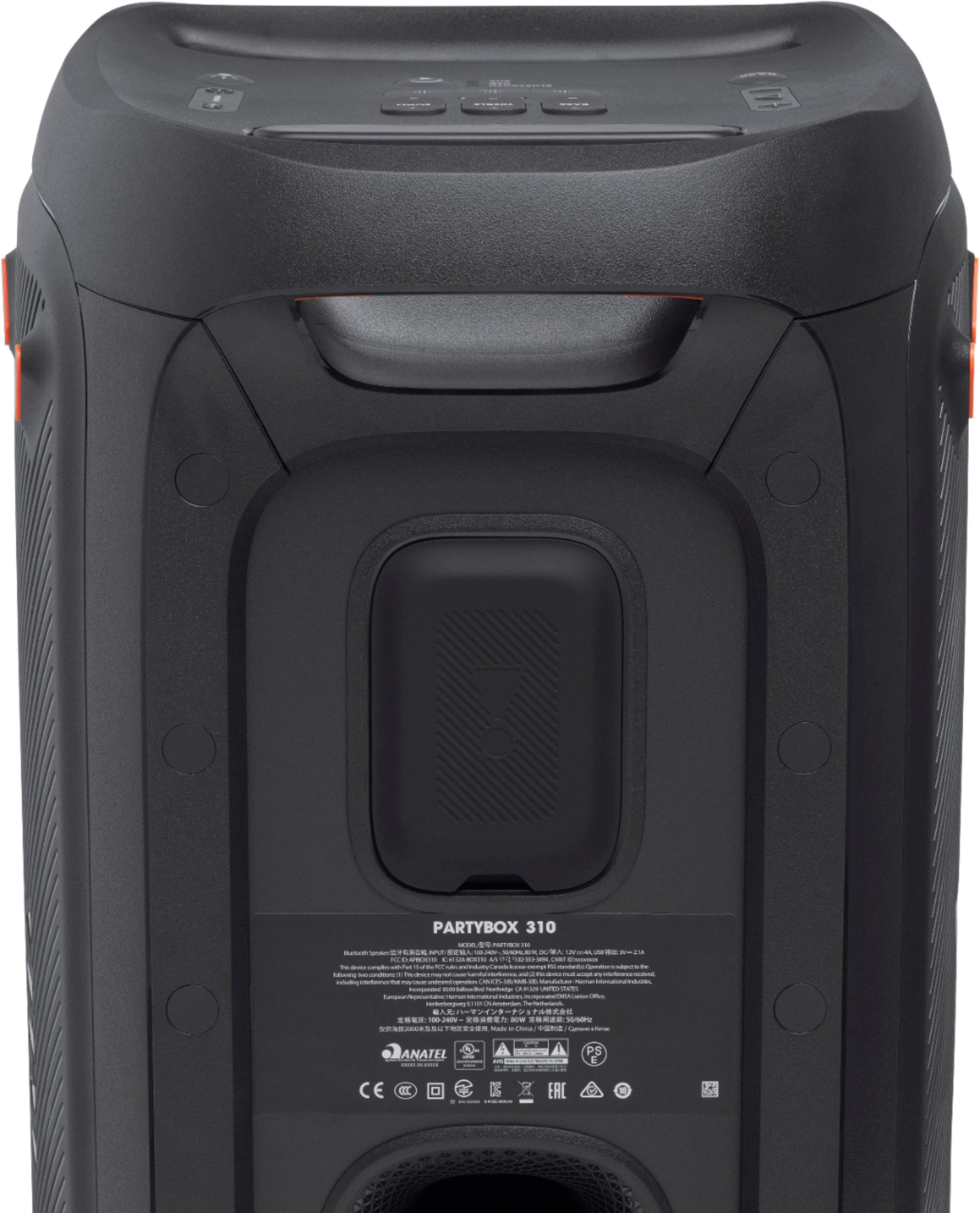
When it comes to throwing memorable parties, your music setup can make or break the entire event. Both the Samsung MX-ST40F and JBL PartyBox 310 promise to transform your gatherings with powerful sound and dazzling light shows, but they take notably different approaches to delivering the party experience. After researching user feedback, expert reviews, and technical specifications, I've found that while both speakers excel in their own ways, they serve distinctly different types of users and party scenarios.
Before diving into the comparison, it's crucial to understand what separates party speakers from regular portable speakers. These aren't designed for critical listening or studio-quality audio reproduction. Instead, they prioritize several key characteristics that matter most when you're trying to get a crowd moving.
Raw power output sits at the top of the list. Party speakers need to produce enough volume to cut through conversation, laughter, and ambient noise while maintaining clarity. This is measured in watts RMS (Root Mean Square), which represents continuous power output rather than brief peaks.
Bass response comes next because deep, punchy low frequencies are what people physically feel on the dance floor. The ability to move air and create that chest-thumping sensation separates party speakers from bookshelf speakers designed for balanced listening.
Battery life determines how long your party can last without finding an electrical outlet. The best party speakers offer 12-18 hours of continuous playback, ensuring your outdoor gatherings or camping trips won't suddenly go silent.
Portability features like wheels, handles, and weather resistance make the difference between a speaker you'll actually use for outdoor events and one that stays permanently in your living room. Weight distribution and ease of transport matter enormously when you're setting up for tailgate parties or beach gatherings.
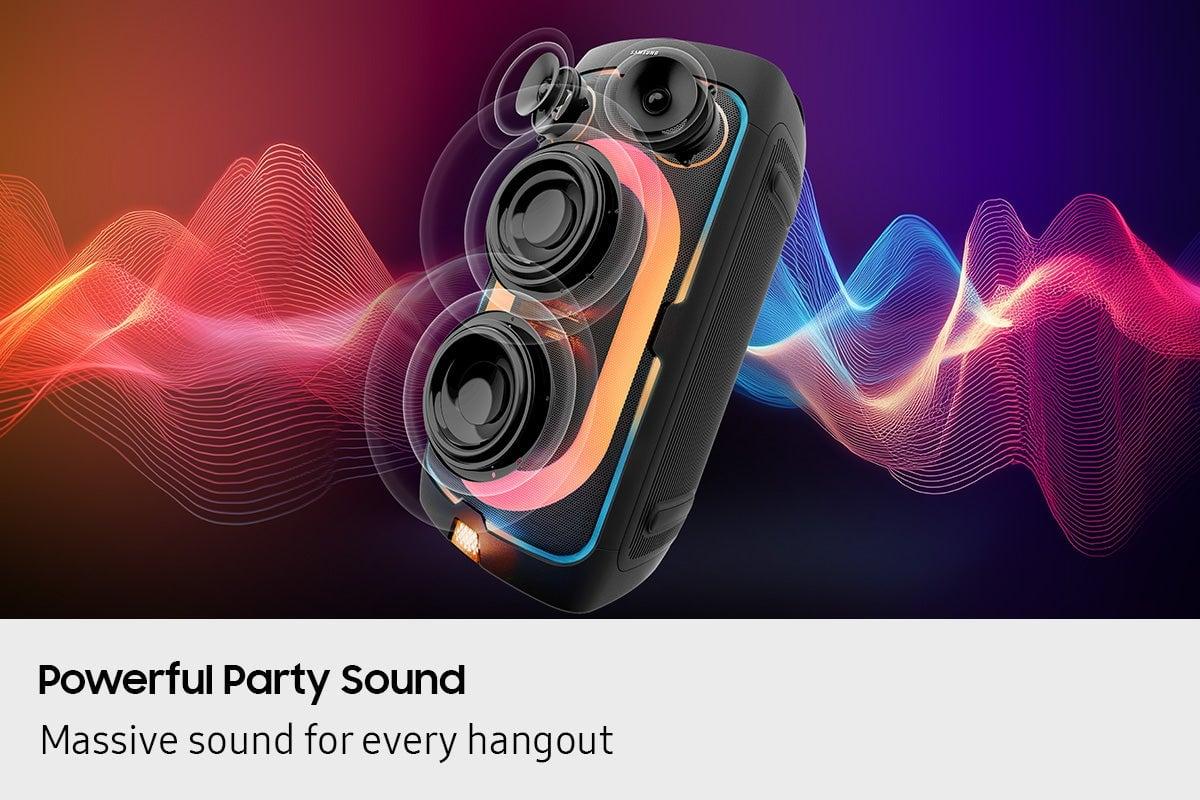
The Samsung MX-ST40F, released in 2025, represents Samsung's latest entry into the premium party speaker market. At the time of writing, it commands a higher price point that reflects its focus on advanced audio technology and sophisticated wireless features. Samsung has leveraged their ownership of Harman (which includes JBL) to develop waveguide tweeter technology that promises more even sound distribution across larger areas.
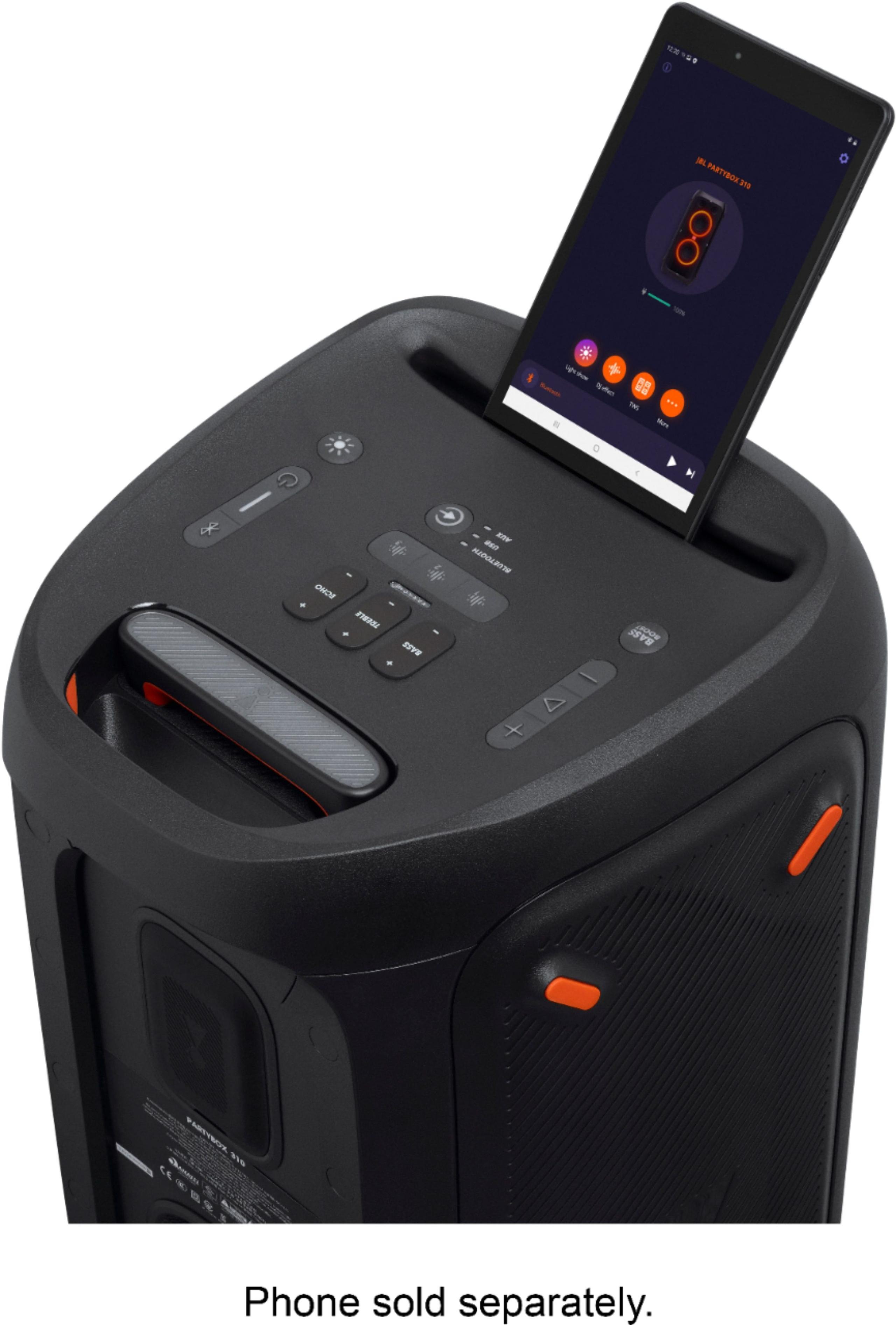
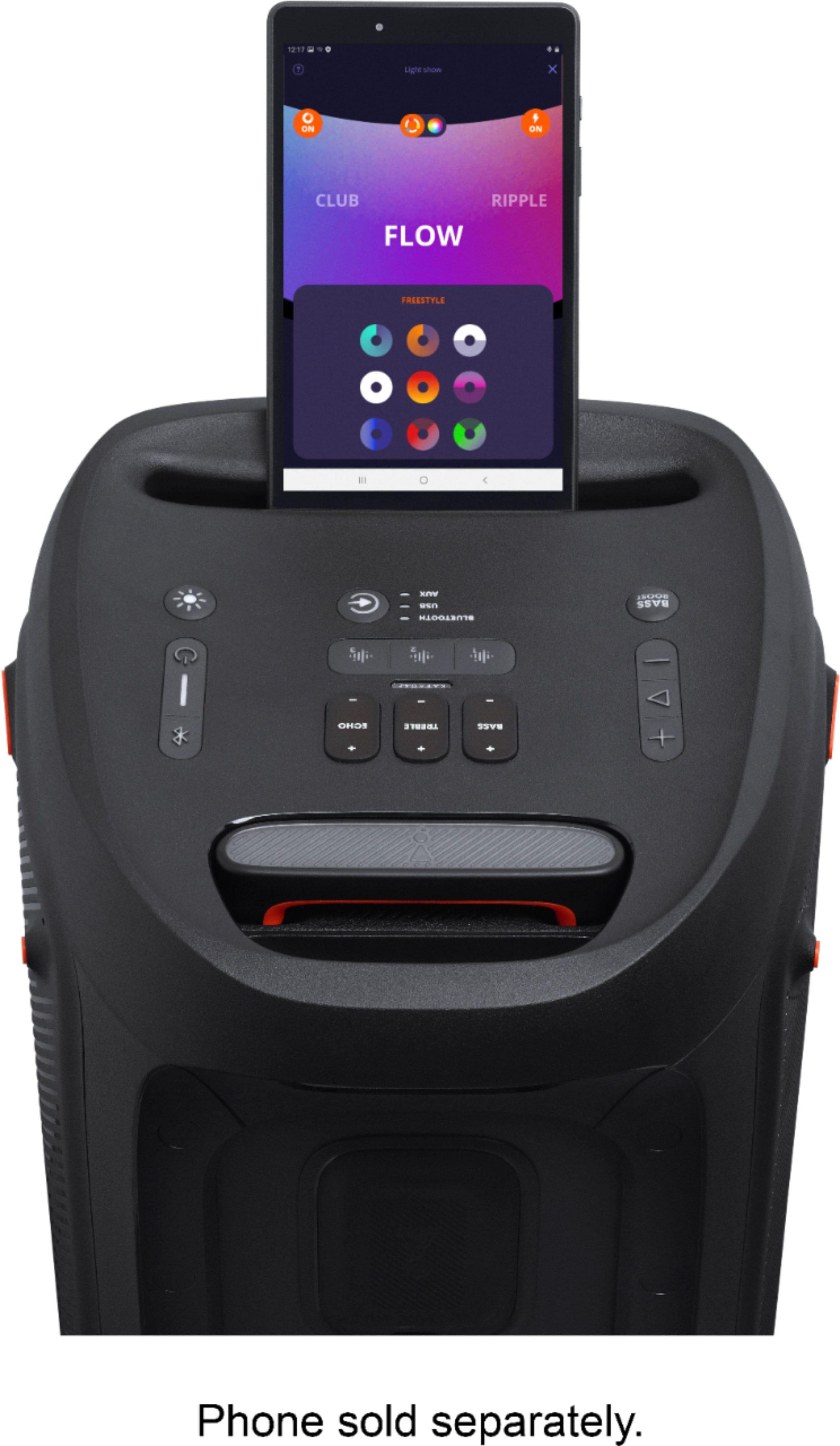
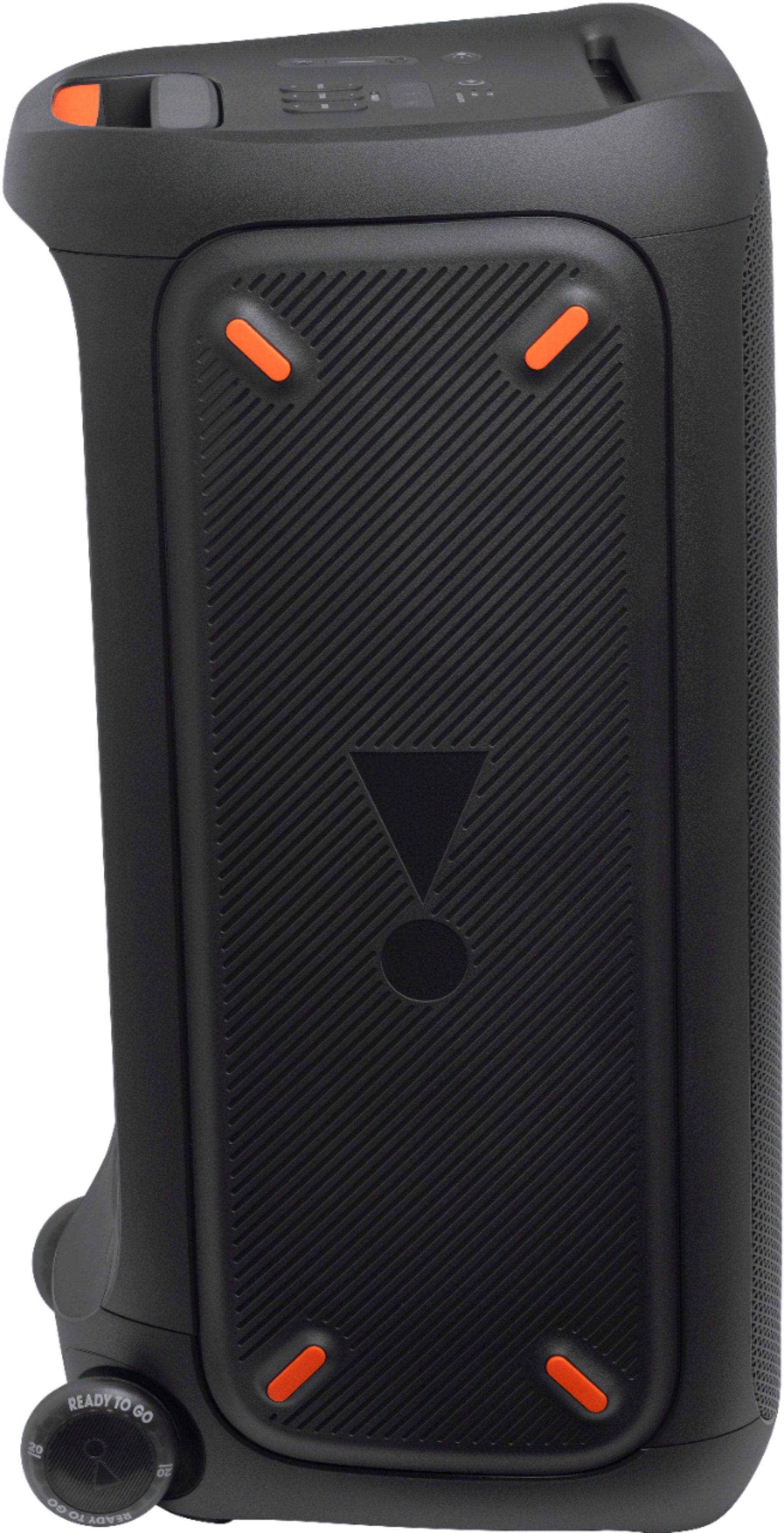
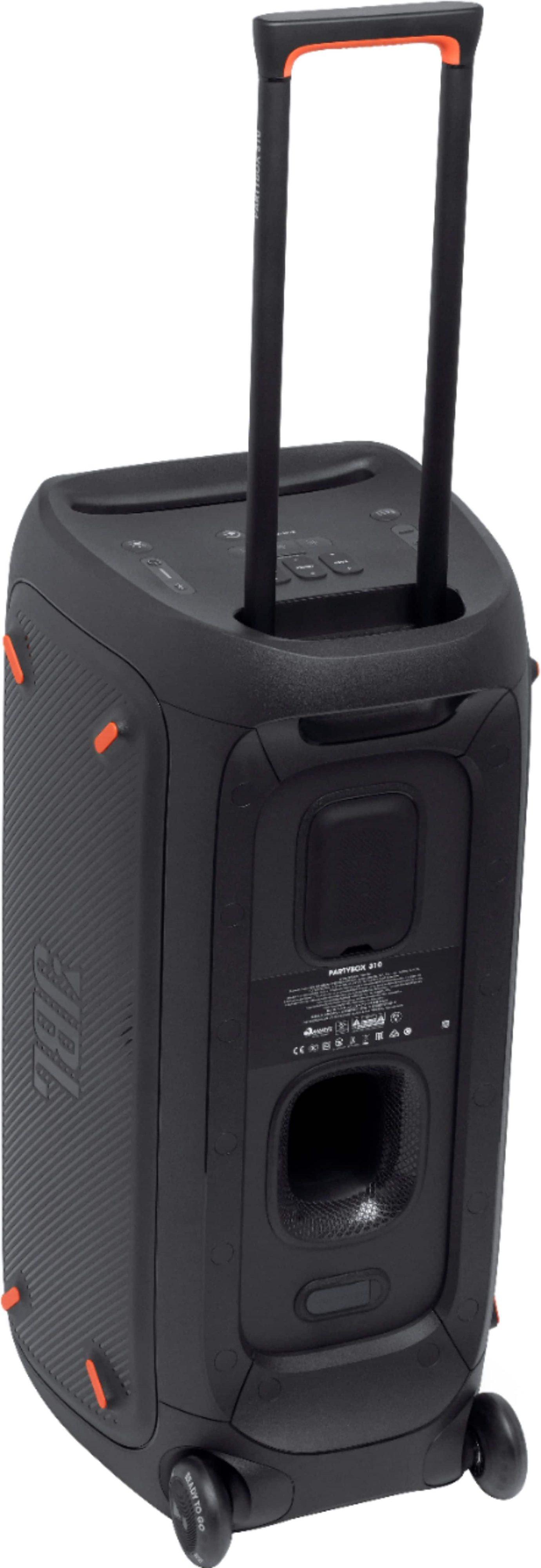
The JBL PartyBox 310, launched in 2024, takes a more straightforward approach emphasizing raw power, practical portability, and proven reliability. JBL priced it as a more accessible option while still delivering professional-level output that can satisfy serious party-throwers.
These release timelines matter because they show Samsung entering an established market with newer technology, while JBL refined an already successful formula. The question becomes whether Samsung's innovations justify the premium or if JBL's proven approach offers better value.
Here's where the fundamental difference between these speakers becomes apparent. The JBL PartyBox 310 delivers 240 watts RMS compared to the Samsung MX-ST40F's 160 watts in AC mode (dropping to just 80 watts on battery power). This isn't a small difference – it's a 50% advantage in raw power that translates to noticeably higher maximum volume levels.
In practical terms, this means the JBL can fill larger outdoor spaces and compete with more ambient noise. If you're hosting pool parties with 50+ people or outdoor events where sound needs to carry across significant distances, that extra 80 watts becomes crucial. User reviews consistently praise the PartyBox 310's ability to "shake the house" and maintain clarity even at maximum volume levels that would cause other speakers to distort.
However, the Samsung MX-ST40F fights back with smarter engineering. Its waveguide tweeter technology – essentially specially shaped acoustic lenses that control how high-frequency sounds spread – creates more even sound distribution. This means that while the Samsung might not get as loud, the sound quality remains more consistent whether you're standing directly in front of the speaker or off to the side.
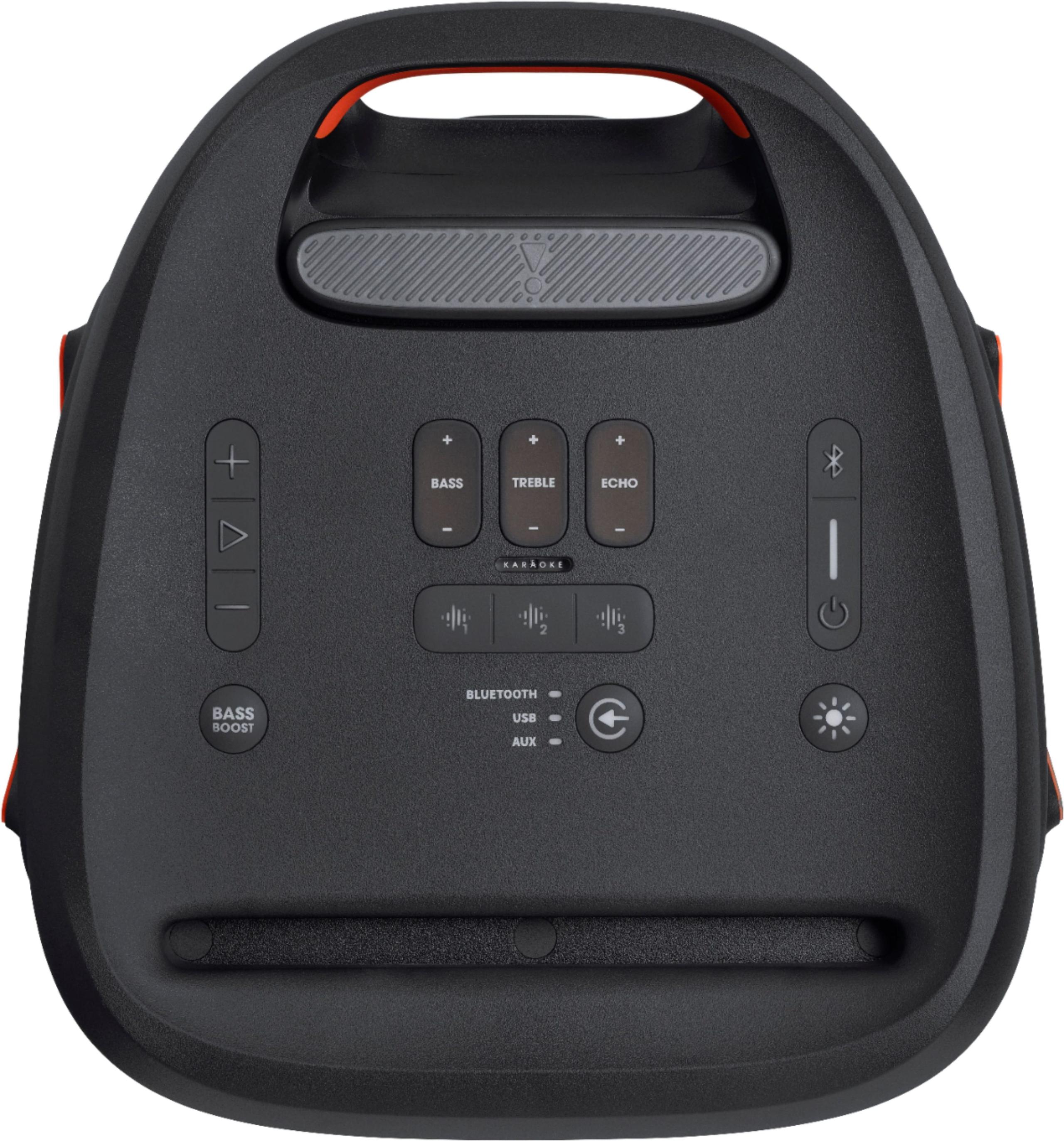
The Samsung also offers three distinct bass modes: Deep for electronic dance music, Punchy for hip-hop and rock, and Gentle for acoustic music and conversation. This level of customization allows users to optimize the sound signature for different music genres and social situations, something the JBL doesn't match.
The verdict: If maximum volume is your priority, the JBL PartyBox 310 wins decisively. For more refined sound quality with customization options, the Samsung MX-ST40F edges ahead.
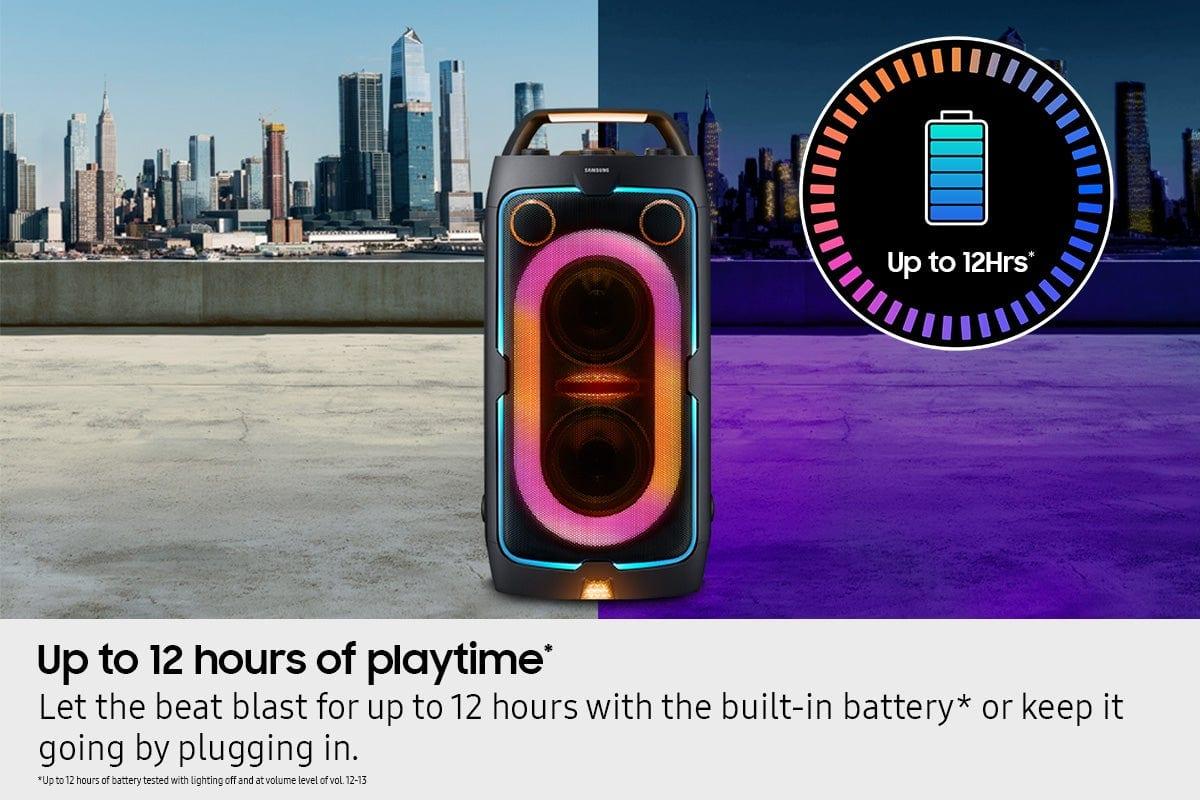
Battery performance reveals another clear winner. The JBL PartyBox 310 provides up to 18 hours of continuous playback compared to the Samsung MX-ST40F's 12-hour rating. That six-hour difference represents the gap between an all-day outdoor festival and having to scramble for a power outlet by evening.
What's particularly interesting is how the Samsung's power output drops significantly when running on battery – from 160 watts on AC power to just 80 watts on battery. The JBL maintains much more consistent performance regardless of power source, though it still delivers peak power only when plugged in.
The Samsung does offer one unique advantage: a replaceable battery system. While this doesn't help with day-to-day use, it means users can potentially swap in fresh battery packs for extended events. However, this requires purchasing additional batteries, which adds to the total cost of ownership.
From our research into user experiences, the JBL's 18-hour rating proves realistic in real-world conditions. Users report getting full-day usage at moderate volume levels, with battery life extending even further when the light show is disabled. The Samsung's 12-hour rating appears accurate but feels limiting for truly extended outdoor events.
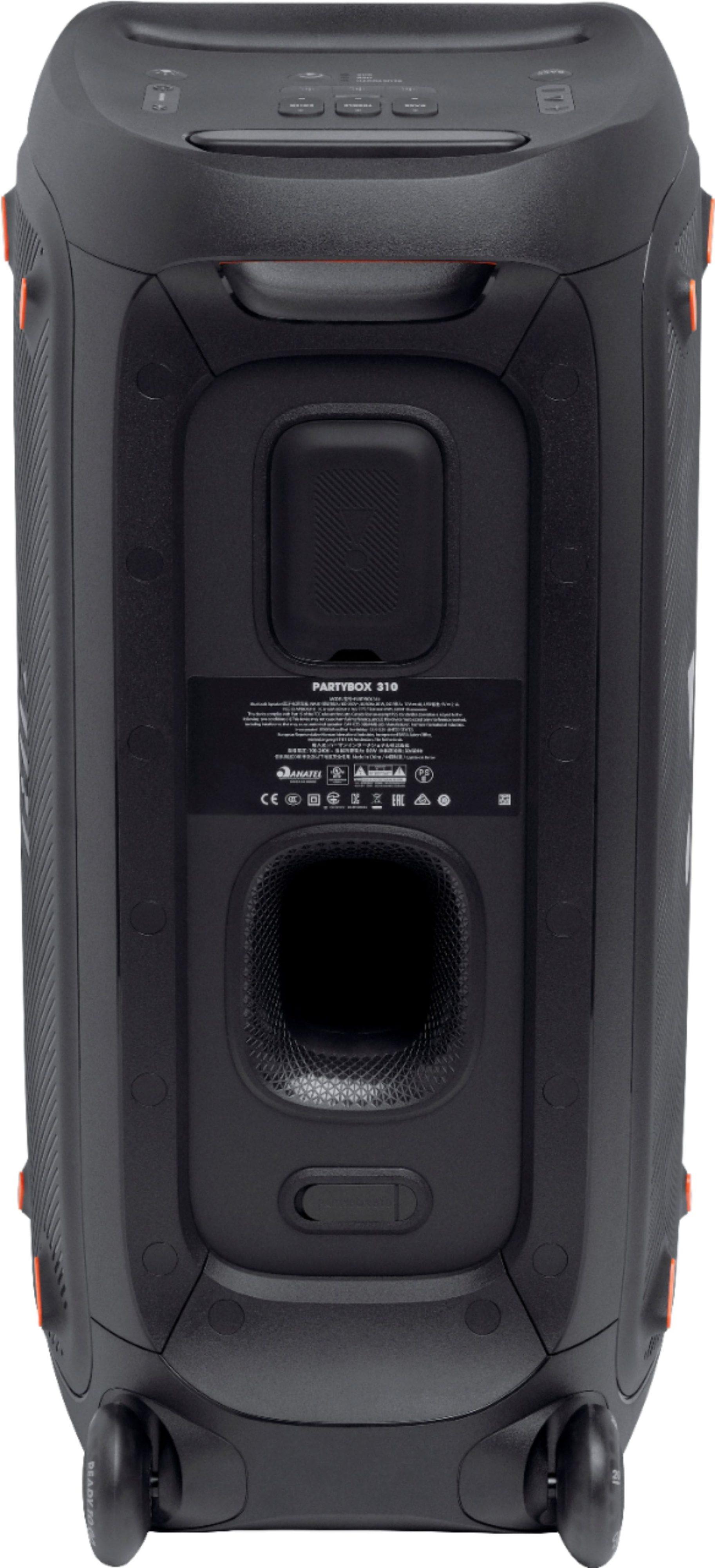
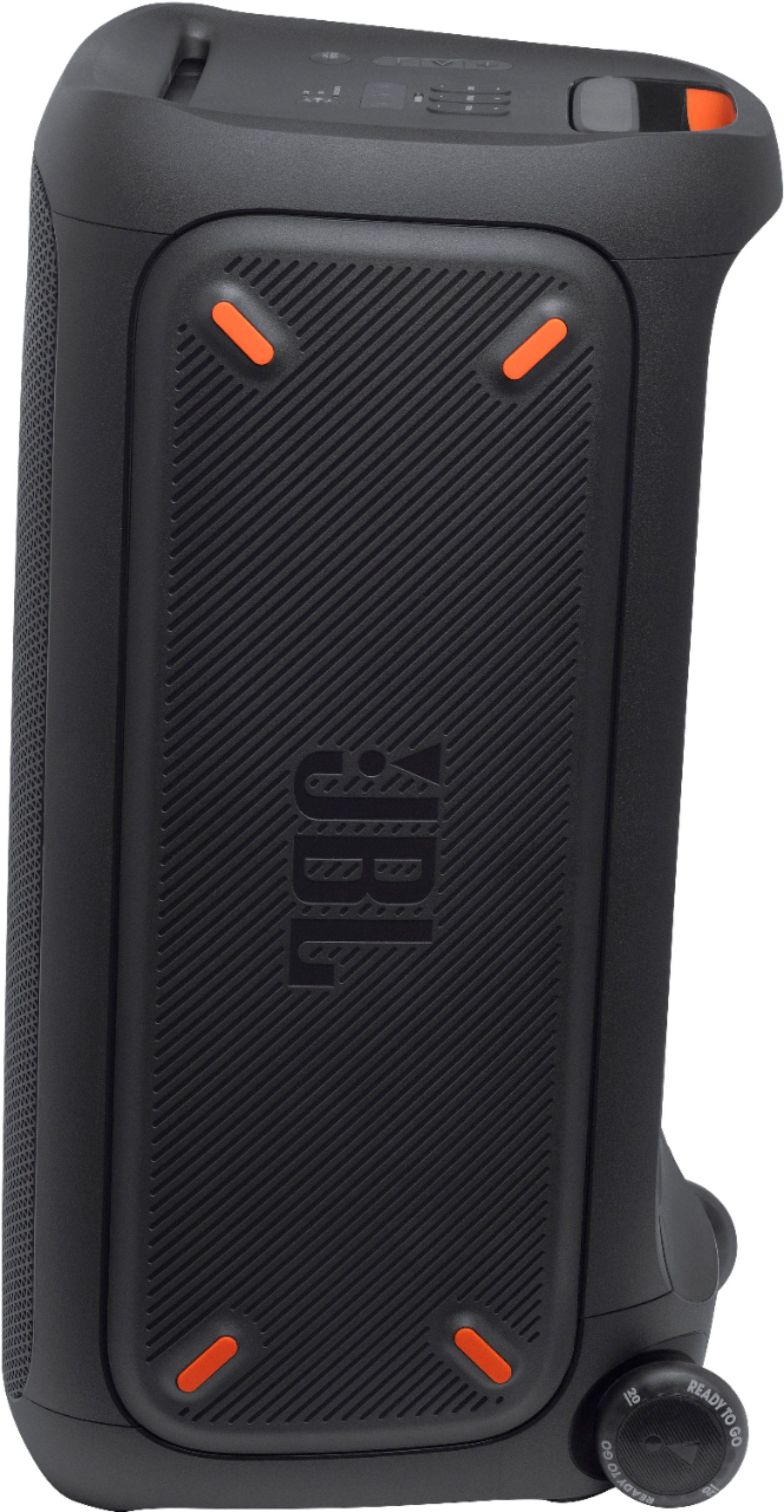
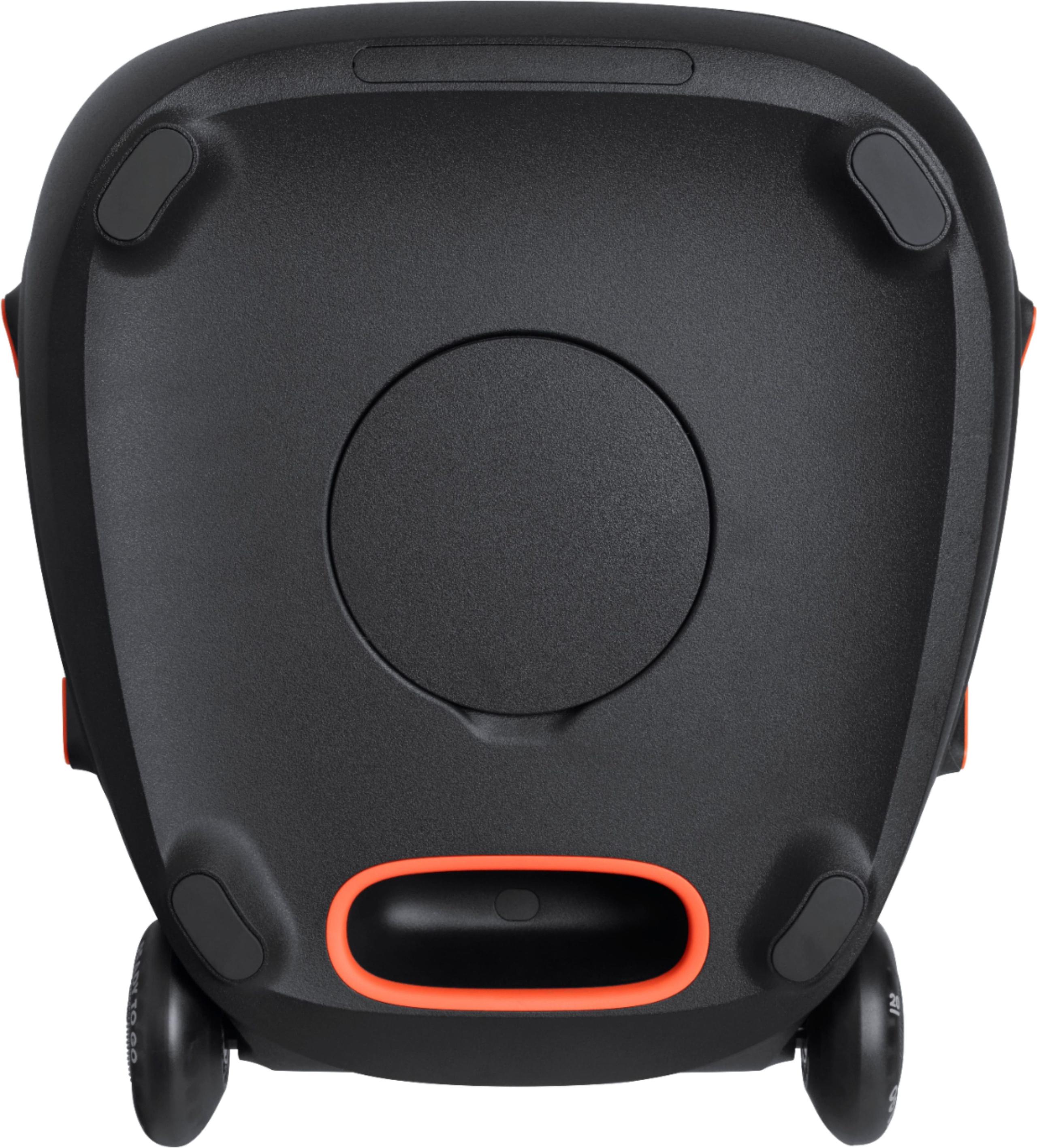
Here's where the JBL PartyBox 310 demonstrates superior practical design. It includes wheels and a telescoping handle that make transportation significantly easier despite weighing more than the Samsung. Anyone who has carried a 30+ pound speaker across a parking lot or beach understands why this matters enormously.
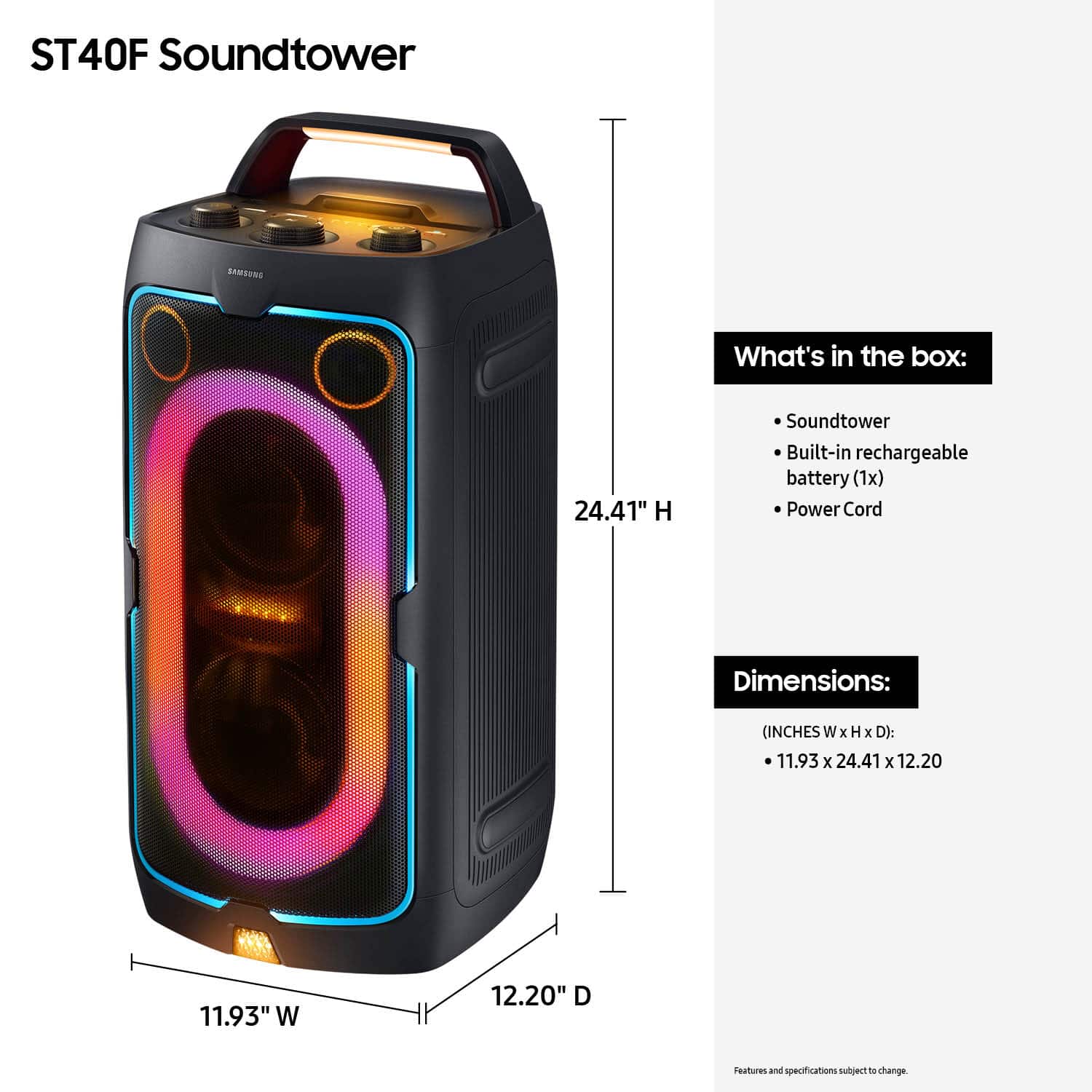
The Samsung MX-ST40F weighs less at approximately 28 pounds compared to the JBL's 38+ pounds, but it relies entirely on integrated handles for transport. While this works for short distances, it becomes impractical for extended carrying or navigating stairs, curbs, and uneven terrain.
Both speakers offer water resistance, but the JBL's IPX5 rating provides more protection than the Samsung's IPX4. In practical terms, IPX4 means the speaker can handle splashes from any direction but shouldn't be subjected to sustained water exposure. IPX5 allows for low-pressure water jets, making it more suitable for poolside placement where splashing is inevitable.
The consensus from user reviews strongly favors the JBL's wheels-and-handle design. Multiple reviewers mention that the portability advantage alone justifies choosing the PartyBox 310, particularly for users who frequently move their speaker between locations.
While party speakers prioritize volume over audiophile-quality reproduction, sound quality still matters significantly. The Samsung MX-ST40F employs more sophisticated acoustic engineering with its waveguide tweeters and multiple sound modes. This translates to clearer vocal reproduction, better stereo imaging (the sense of sounds coming from specific locations), and more controlled bass response.
The JBL PartyBox 310 takes a more traditional approach with what users describe as a "slightly boomy" sound signature that emphasizes bass impact. This tuning works exceptionally well for dance music, hip-hop, and electronic genres where deep bass drives the energy. The JBL's Bass Boost feature, which most users keep permanently enabled according to reviews, adds even more low-end punch.
For home theater use, neither speaker is ideal compared to dedicated surround sound systems, but the Samsung MX-ST40F performs better due to its superior dialogue clarity and more balanced frequency response. Its multiple sound modes include options optimized for different content types, making it more versatile for casual TV watching or movie nights.
The Samsung's four sound modes (Standard, Wide, Stadium/Concert, and Outdoor) provide meaningful differences in presentation. Stadium mode expands the soundstage for live music, while Outdoor mode boosts midrange frequencies to cut through ambient noise. These aren't just marketing features – users report noticeable improvements when matching modes to content and environment.
Modern party speakers succeed or fail based on how easily guests can connect their devices and control the experience. Both speakers handle the basics well, but the Samsung MX-ST40F offers more advanced wireless capabilities.
The Samsung's Bluetooth multi-connection feature allows two smartphones to connect simultaneously, enabling seamless transitions between different users' playlists without the awkward "disconnect and reconnect" dance that plagues most speakers. This seemingly small feature makes a huge difference at actual parties where multiple people want to share music.
More impressively, the Samsung's Auracast technology can wirelessly link up to 10 Sound Towers for massive distributed audio systems. While most users won't need this capability immediately, it provides incredible scalability for large events or users who might add additional speakers over time.
The JBL PartyBox 310 supports True Wireless Stereo (TWS) pairing with another identical unit, which works well for creating left-right stereo separation but doesn't offer the Samsung's extensive multi-speaker networking.
Both speakers include companion smartphone apps, but the Samsung Sound Tower app provides more comprehensive control over lighting patterns, sound customization, and speaker linking. The JBL PartyBox app covers the essentials but feels more basic in comparison.
Party speakers increasingly compete on entertainment features that enhance the overall experience. Both speakers include customizable LED lighting systems, but they take different approaches to implementation.
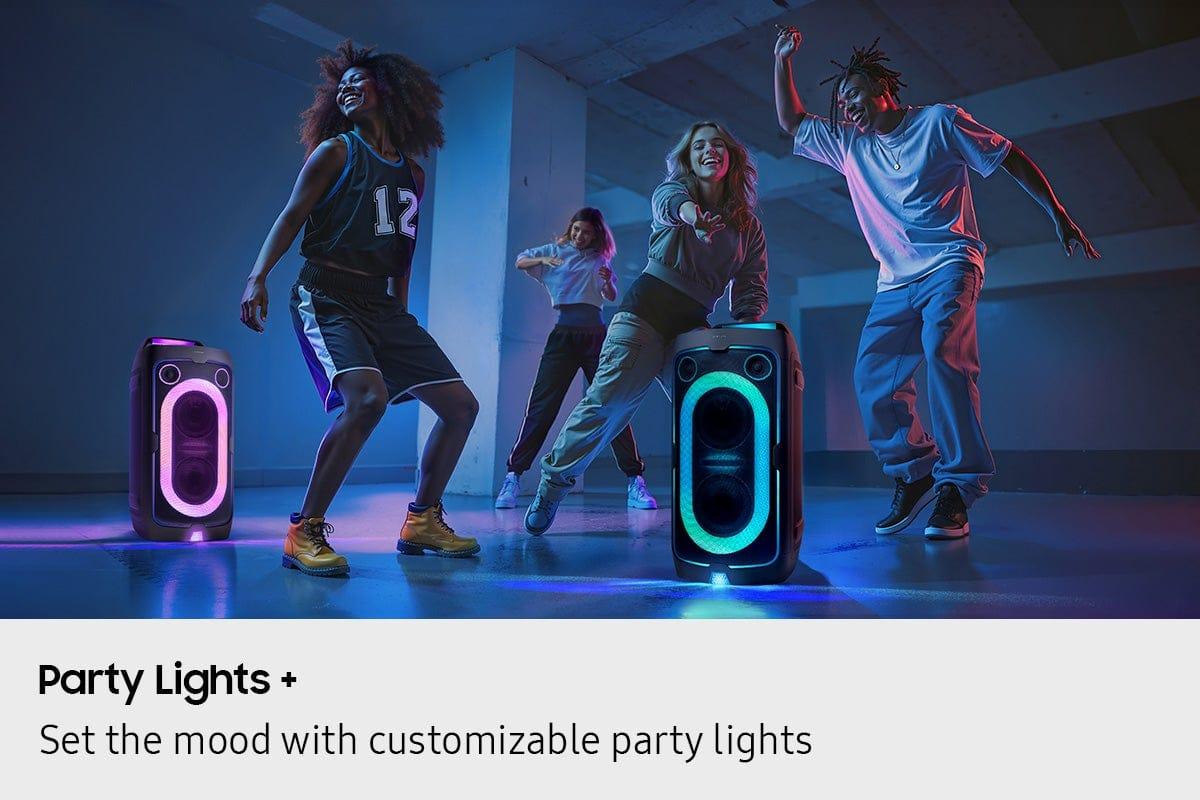
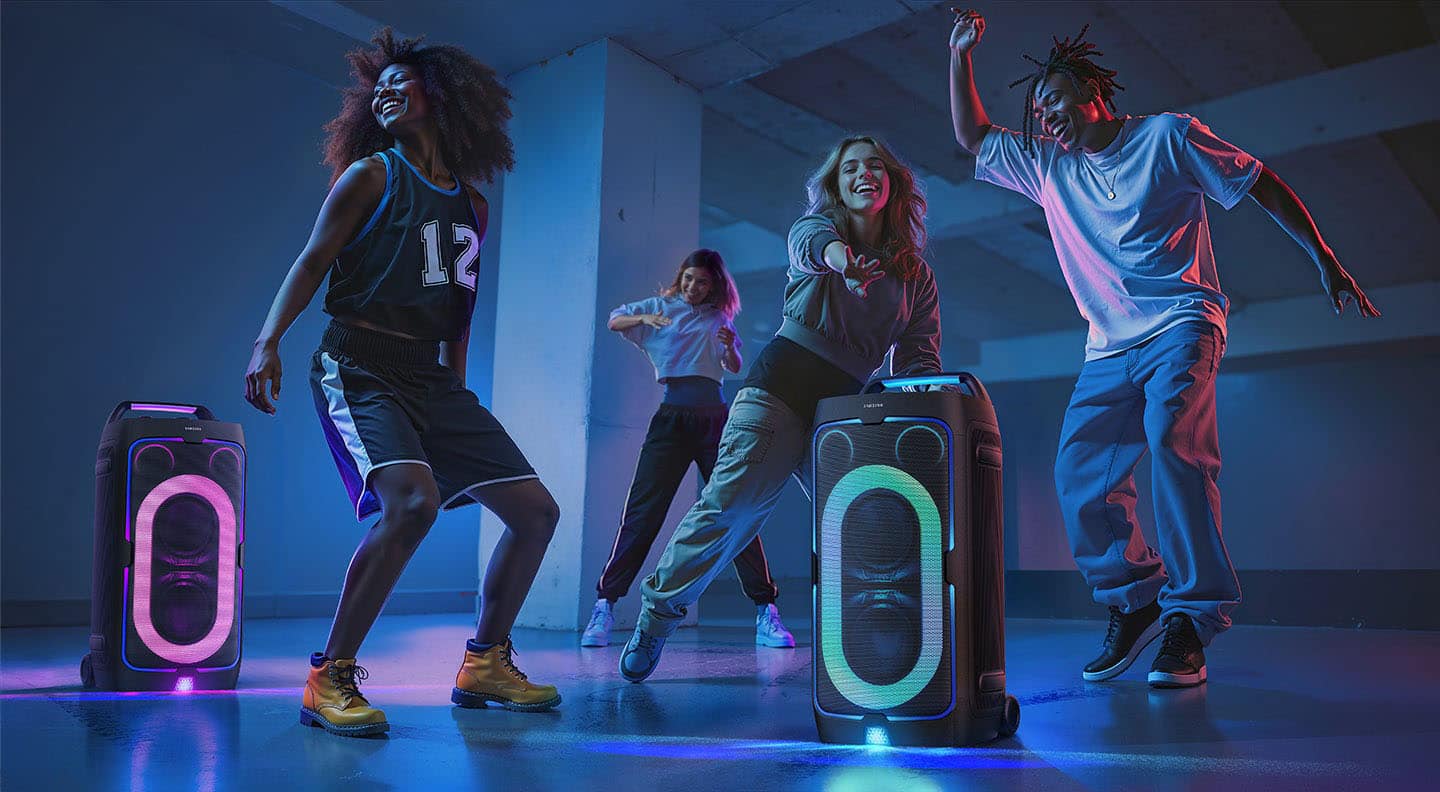
The Samsung MX-ST40F offers six distinct lighting patterns with five mood presets, all controllable through its smartphone app. The patterns can sync to music beats or run independently, and users can customize colors and intensity. Reviews praise the sophistication and smoothness of the Samsung's light show.
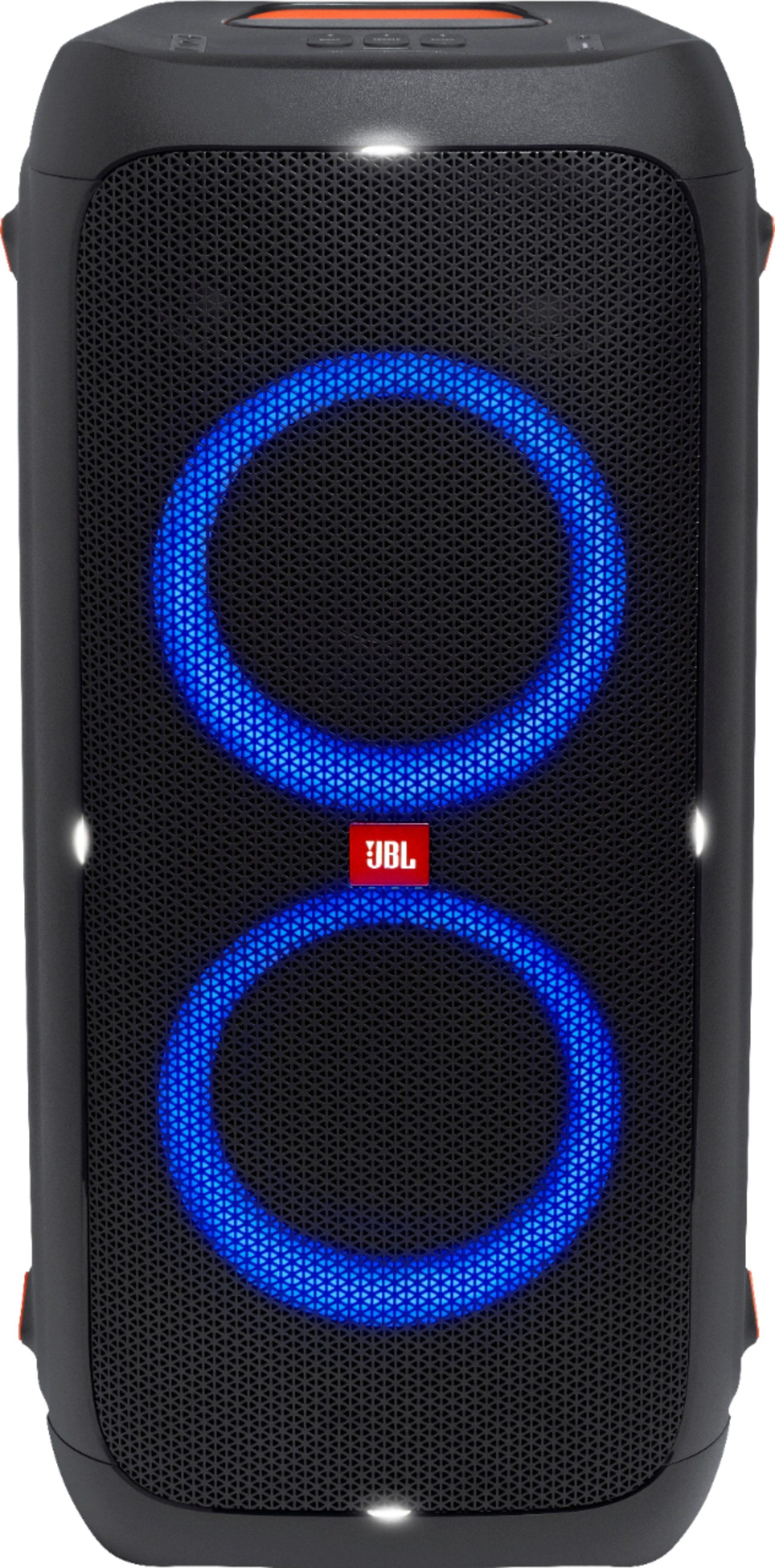
The JBL PartyBox 310 provides five lighting modes including strobe effects that create classic dance club atmospheres. While less sophisticated than the Samsung's system, the JBL's lights are described as more intense and attention-grabbing, which some users prefer for high-energy parties.
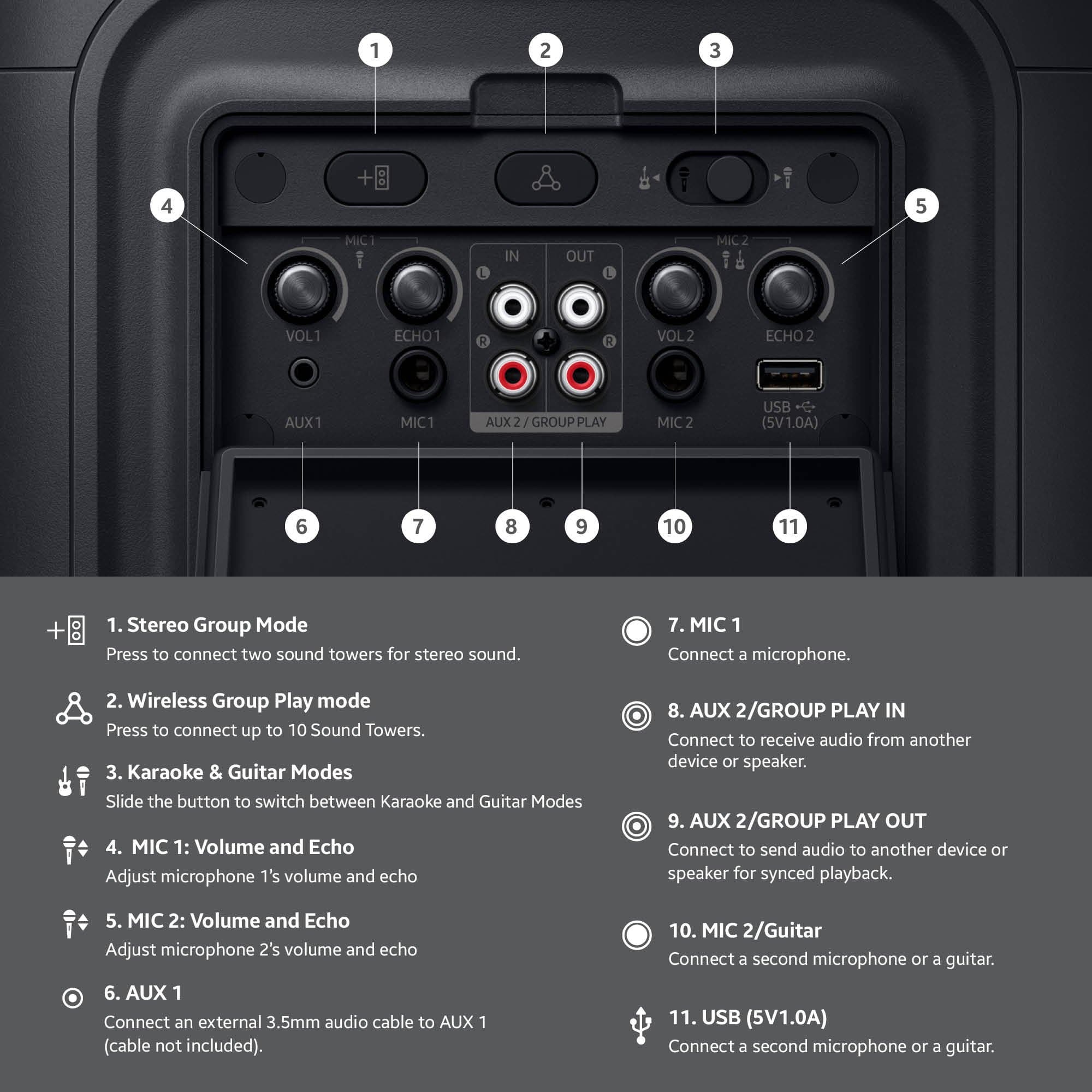
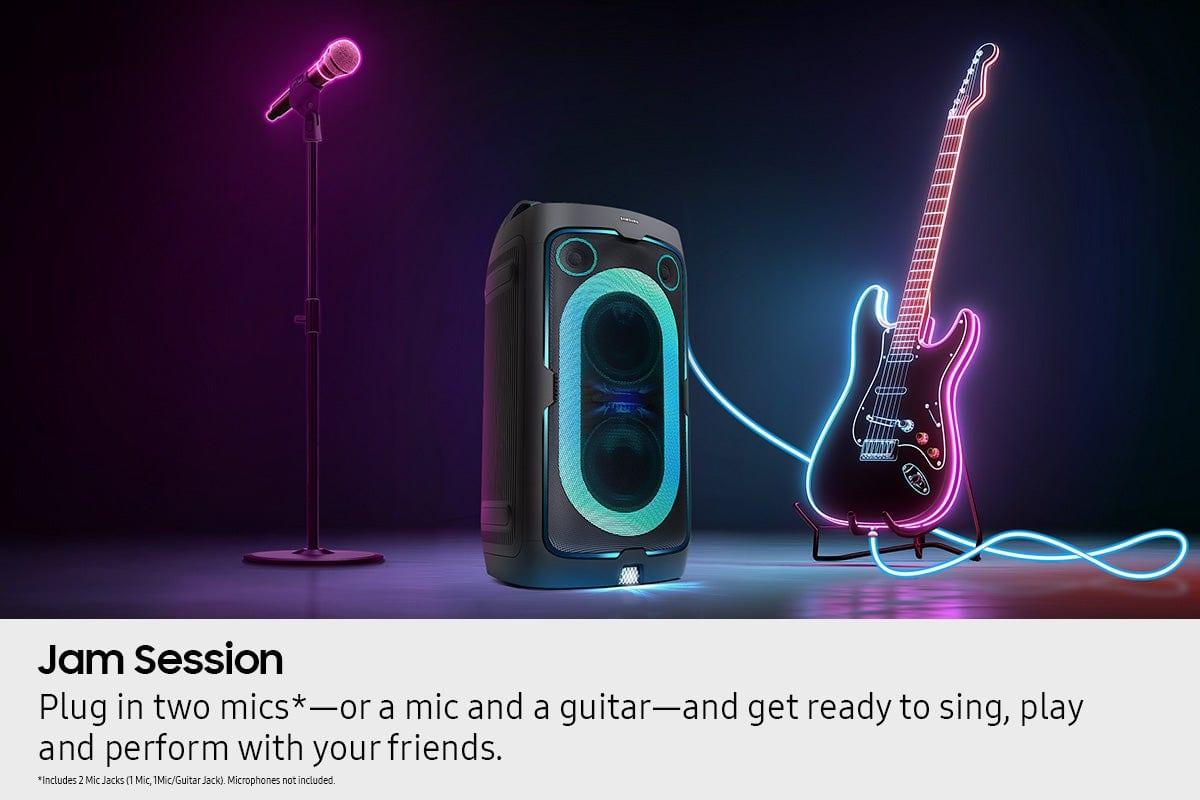
Both speakers support karaoke with microphone inputs, but the Samsung includes more advanced features like voice recording and DJ effects (5 different effects plus 12 sampler sounds). The JBL offers simpler karaoke functionality with built-in sound effects like air horns and applause.
For users who plan to use karaoke features regularly, the Samsung MX-ST40F provides more creative possibilities. However, the JBL PartyBox 310's simpler approach works perfectly well for occasional sing-alongs.
At the time of writing, the JBL PartyBox 310 costs significantly less than the Samsung MX-ST40F while delivering more raw power, longer battery life, and superior portability features. This creates a compelling value proposition that's hard to ignore.
The Samsung justifies its premium pricing with advanced acoustic technology, sophisticated wireless networking, more comprehensive app control, and newer engineering. However, whether these advantages matter depends entirely on how you plan to use the speaker.
For users who primarily want maximum volume for large outdoor gatherings, prioritize easy transportation, and value proven reliability, the JBL offers superior bang for the buck. The combination of 240 watts, 18-hour battery life, and wheels at the lower price point represents excellent value.
For users who appreciate audio refinement, plan to use advanced connectivity features, or want the latest technology regardless of cost, the Samsung's premium makes more sense. The waveguide tweeters, multi-speaker networking, and comprehensive customization options appeal to more technically-minded buyers.
The JBL PartyBox 310 is ideal for:
The Samsung MX-ST40F better serves:
Based on extensive research and user feedback analysis, the JBL PartyBox 310 emerges as the better choice for most party speaker buyers. Its combination of superior power output, practical portability, longer battery life, and lower cost creates a value proposition that's difficult to match.
The 240-watt power advantage translates to real-world benefits for outdoor events and large gatherings. The wheels and handle make it actually usable for frequent transport. The 18-hour battery life provides genuine all-day capability. Most importantly, JBL's reputation for reliability means you're unlikely to face technical issues when the party is in full swing.
However, the Samsung MX-ST40F deserves serious consideration from users who will actually utilize its advanced features. The waveguide tweeter technology produces noticeably better sound quality for critical listening. The multi-speaker networking capability offers genuine scalability advantages. The comprehensive app control and customization options appeal to users who enjoy fine-tuning their audio experience.
Ultimately, choose the JBL if you want the best overall party speaker for most situations. Choose the Samsung if you're specifically drawn to its advanced features and are willing to pay extra for the latest technology. Either way, you'll have a speaker that can transform your gatherings into memorable events.
| Samsung MX-ST40F Sound Tower Speaker | JBL PartyBox 310 Portable Speaker |
|---|---|
| Power Output - Determines maximum volume and ability to fill large spaces | |
| 160W (AC) / 80W (battery) - Good for medium gatherings | 240W RMS - 50% more power for larger outdoor events |
| Battery Life - How long your party can last without power | |
| 12 hours with replaceable battery option | 18 hours - 50% longer runtime for extended events |
| Portability Features - Critical for moving between locations | |
| 12.73 kg with handles only, requires lifting | Wheels and telescoping handle despite heavier weight |
| Water Resistance - Protection level for outdoor use | |
| IPX4 splash-resistant (light splashes only) | IPX5 water-resistant (sustained low-pressure water jets) |
| Speaker Configuration - Affects sound quality and dispersion | |
| 2x 5.25" woofers + 2x 20mm tweeters with waveguide technology | 2x 6.5" woofers + 2x 2.5" tweeters for bigger bass impact |
| Sound Customization - Ability to tailor audio to your preferences | |
| 3 bass modes + 4 sound modes + app EQ control | Bass boost feature with basic treble/bass controls |
| Multi-Speaker Connectivity - Expanding your sound system | |
| Auracast links up to 10 speakers wirelessly | TWS pairs with one identical unit for stereo |
| Bluetooth Features - Device connection capabilities | |
| Multi-connection (2 devices) + version 5.4 | Standard single connection + version 5.1 |
| Lighting Effects - Visual entertainment value | |
| 6 customizable patterns with smartphone app control | 5 modes with strobe effects, less customization |
| Karaoke Features - Entertainment options for parties | |
| 2 mic inputs, voice recording, 5 DJ effects, 12 samplers | 2 mic/guitar inputs with basic karaoke mode |
| Release Year - Technology generation and features | |
| 2025 - Latest waveguide and Auracast technology | 2024 - Proven reliable design with established features |
| Value Positioning - Price vs performance at time of writing | |
| Premium pricing for advanced features and newest tech | Lower cost with more raw power and practical portability |
The JBL PartyBox 310 is significantly louder with 240W of power compared to the Samsung MX-ST40F's 160W. This 50% power difference means the JBL can fill larger outdoor spaces and compete with more ambient noise at parties.
The JBL PartyBox 310 offers 18 hours of battery life versus 12 hours for the Samsung MX-ST40F. However, the Samsung features a replaceable battery system, allowing you to swap in fresh batteries for extended events.
The JBL PartyBox 310 is much easier to transport despite being heavier, thanks to its built-in wheels and telescoping handle. The Samsung MX-ST40F is lighter but only has handles, requiring you to carry the full weight.
The Samsung MX-ST40F offers more refined sound with waveguide tweeter technology and three customizable bass modes (Deep, Punchy, Gentle). The JBL PartyBox 310 delivers a "boomy" sound signature that's excellent for dance music with powerful bass impact.
The JBL PartyBox 310 has superior IPX5 water resistance that can handle sustained low-pressure water sprays. The Samsung MX-ST40F offers IPX4 rating, which protects against splashes but not continuous water exposure.
The Samsung MX-ST40F excels here with Auracast technology that can wirelessly link up to 10 speakers. The JBL PartyBox 310 only supports pairing with one identical unit for stereo sound using True Wireless Stereo.
The Samsung MX-ST40F provides 6 customizable LED patterns with smartphone app control and 5 mood presets. The JBL PartyBox 310 offers 5 lighting modes with strobe effects but less customization options.
Both speakers support karaoke with microphone inputs, but the Samsung MX-ST40F offers more advanced features including voice recording, 5 DJ effects, and 12 sampler sounds. The JBL PartyBox 310 provides simpler karaoke functionality with basic sound effects.
The Samsung MX-ST40F supports Bluetooth multi-connection, allowing two smartphones to connect simultaneously for seamless playlist transitions. The JBL PartyBox 310 only connects to one device at a time.
Neither speaker is ideal for home theater compared to dedicated surround systems, but the Samsung MX-ST40F performs better for TV watching due to clearer dialogue and multiple sound modes optimized for different content types.
The JBL PartyBox 310 typically offers better value with more power, longer battery life, and superior portability at a lower price point. The Samsung MX-ST40F commands a premium for its advanced features and newer technology.
Choose the JBL PartyBox 310 if you prioritize maximum volume, easy transport with wheels, and better value. Pick the Samsung MX-ST40F if you want advanced sound customization, multi-speaker networking, and the latest technology features.
We've done our best to create useful and informative comparisons to help you decide what product to buy. Our research uses advanced automated methods to create this comparison and perfection is not possible - please contact us for corrections or questions. These are the sites we've researched in the creation of this article: samsung.com - samsung.com - youtube.com - samsung.com - youtube.com - thefrogpadappliances.com - bestbuy.com - standardtvandappliance.com - samsung.com - youtube.com - youtube.com - youtube.com - news.samsung.com - videoandaudiocenter.com - arrowassociatedstores.com - shopjetson.com - rtings.com - comparisontabl.es - crutchfield.com - youtube.com - bestbuy.com - rtings.com - youtube.com - versus.com - youtube.com - youtube.com - jbl.com - youtube.com - crutchfield.com - manuals.plus - in.jbl.com - jbl.com.tw - mm.jbl.com - bestbuy.com - jbl.com - onward.ph - youtube.com - manuals.plus - harmanaudio.com - support.jbl.com - youtube.com - kh.jbl.com - bestbuy.com

Privacy Policy
Terms and Conditions - Affiliate Policy
Home Security
© Copyright 2008-2026.
11816 Inwood Rd #1211, Dallas, TX 75244