

Party speakers have evolved dramatically over the past decade, transforming from simple boom boxes into sophisticated entertainment systems that can power everything from backyard barbecues to small venue performances. These aren't your typical Bluetooth speakers—they're designed to fill large spaces with sound, survive outdoor conditions, and keep the energy flowing for hours without plugging into the wall.
When shopping for a party speaker, you're essentially choosing between two philosophies. Do you want maximum bang for your buck with crowd-pleasing features, or are you willing to invest more for premium audio engineering and professional capabilities? The JBL PartyBox 310 and Marshall Bromley 750 represent these two approaches perfectly.
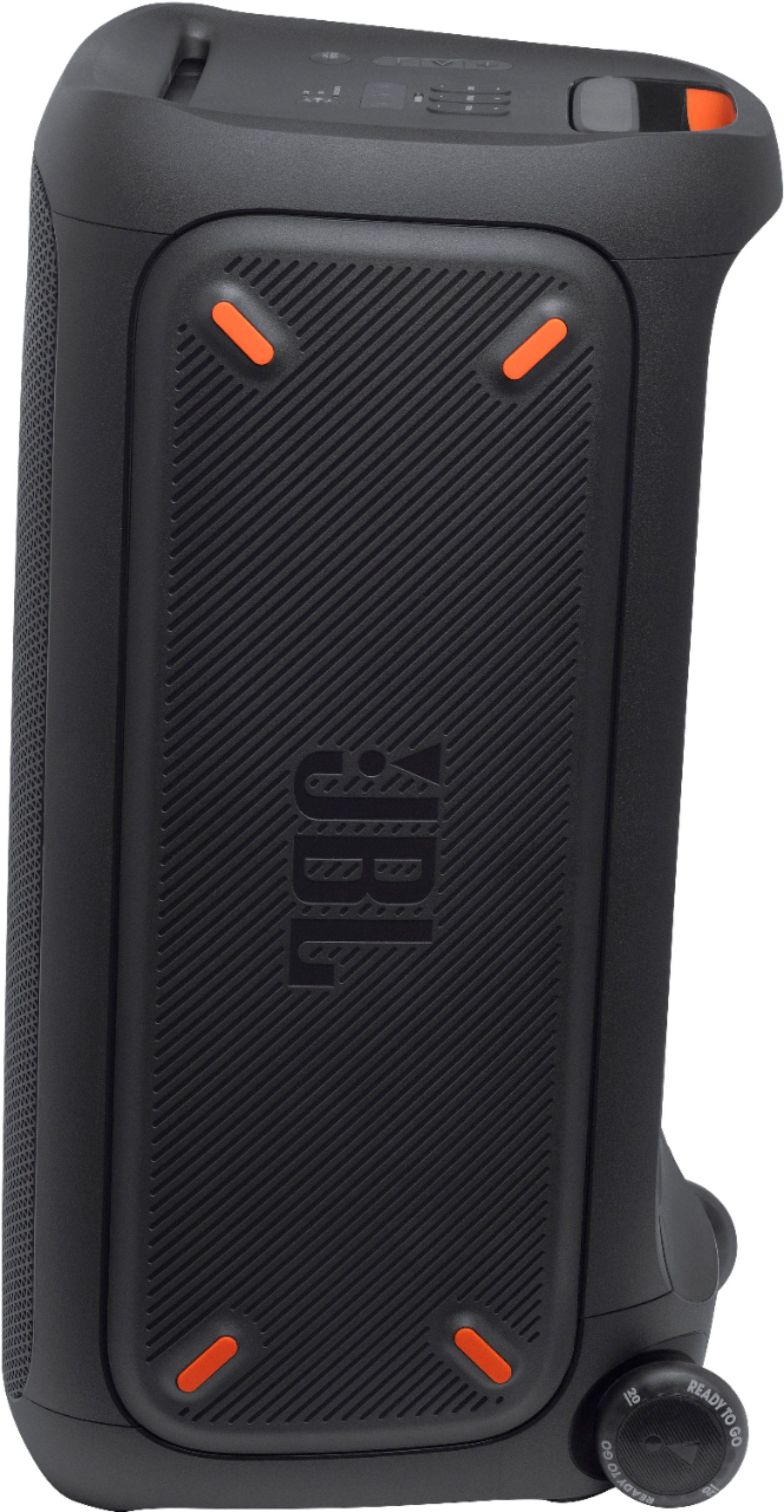
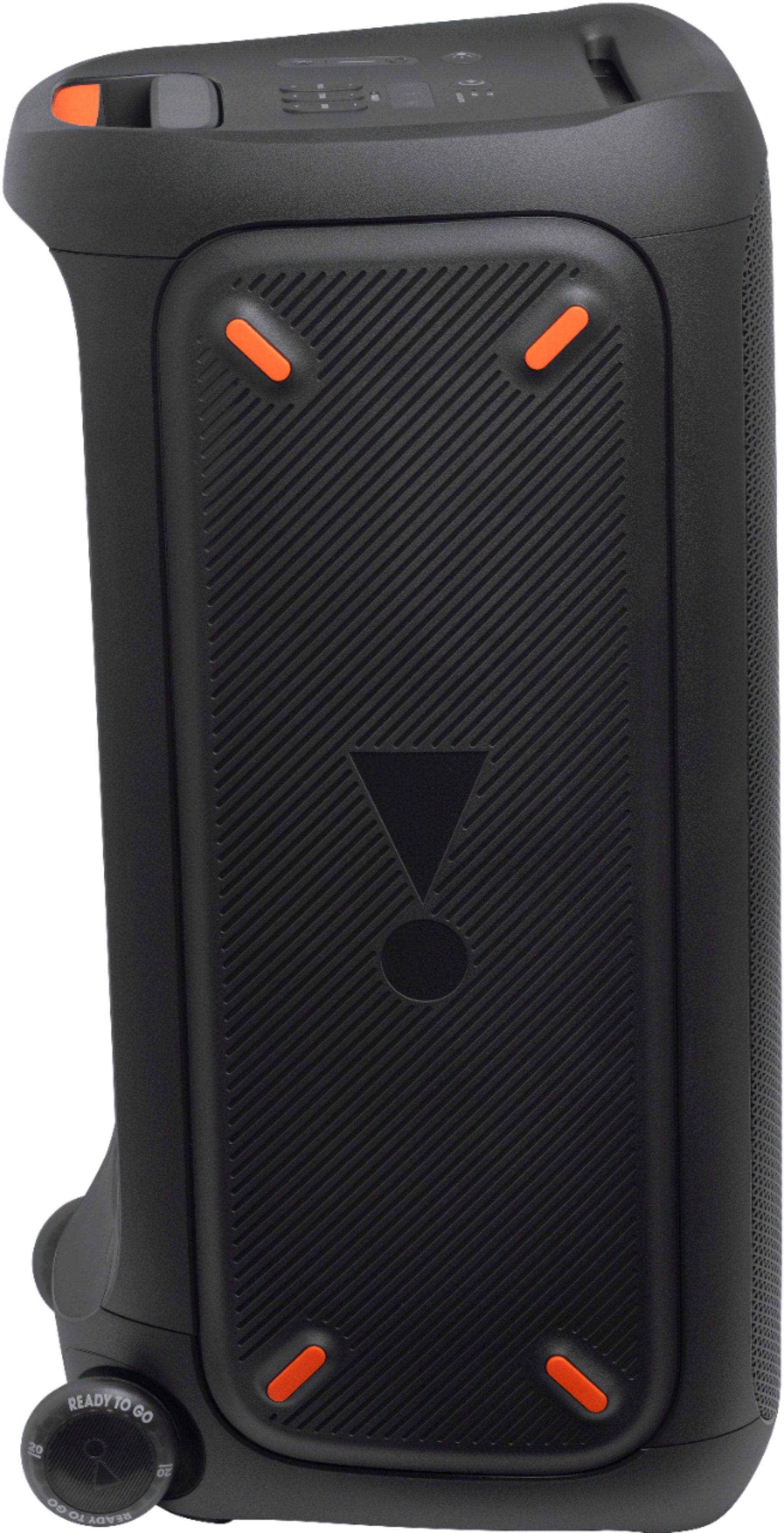
Released in 2021, the JBL PartyBox 310 continues JBL's established formula of delivering powerful, bass-heavy sound at accessible price points. Meanwhile, the Marshall Bromley 750, launched in 2024, marks Marshall's first serious entry into the party speaker market, bringing their legendary amplifier expertise to portable entertainment.
The party speaker category demands different priorities than traditional home audio. Volume capability matters more than audiophile-level detail, battery life trumps compact size, and durability often outweighs pristine aesthetics. These speakers need to project sound across large outdoor spaces, survive spilled drinks and weather, and provide enough runtime to outlast your guests' energy.
The most critical performance metrics include maximum volume output (measured in decibels or SPL—sound pressure level), bass response for dance music, battery endurance, and weather resistance ratings. Secondary considerations like lighting effects, microphone inputs for karaoke, and app connectivity can enhance the experience but shouldn't drive your primary decision.
The JBL PartyBox 310 delivers 240 watts RMS (root mean square—the continuous power output, not peak power) when plugged in, dropping to 140 watts on battery power. This approach prioritizes maximum volume output, capable of filling large outdoor spaces with sound. The speaker can reach ear-splitting levels, though our research indicates some compression artifacts—audio distortion that occurs when the amplifier is pushed beyond its clean limits—appear at maximum volume.
In contrast, the Marshall Bromley 750 takes a more sophisticated approach with 500 watts distributed across eight separate Class D amplifiers. Class D amplifiers are digital switching amplifiers that produce less heat and offer better efficiency than traditional analog designs. Despite higher total wattage, the Marshall's 360-degree sound distribution means it may not achieve the same forward-projection volume as the JBL's directional design.
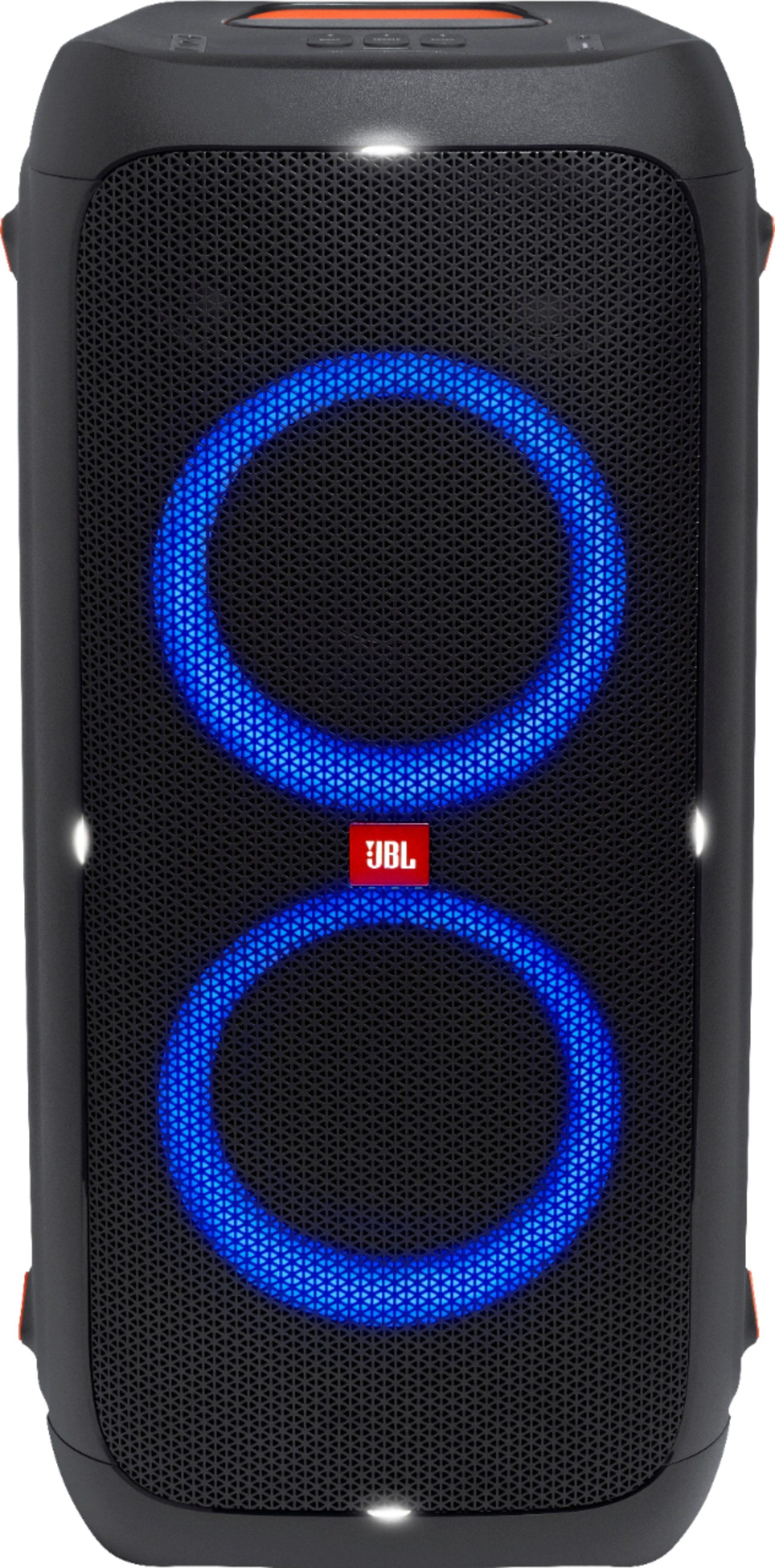
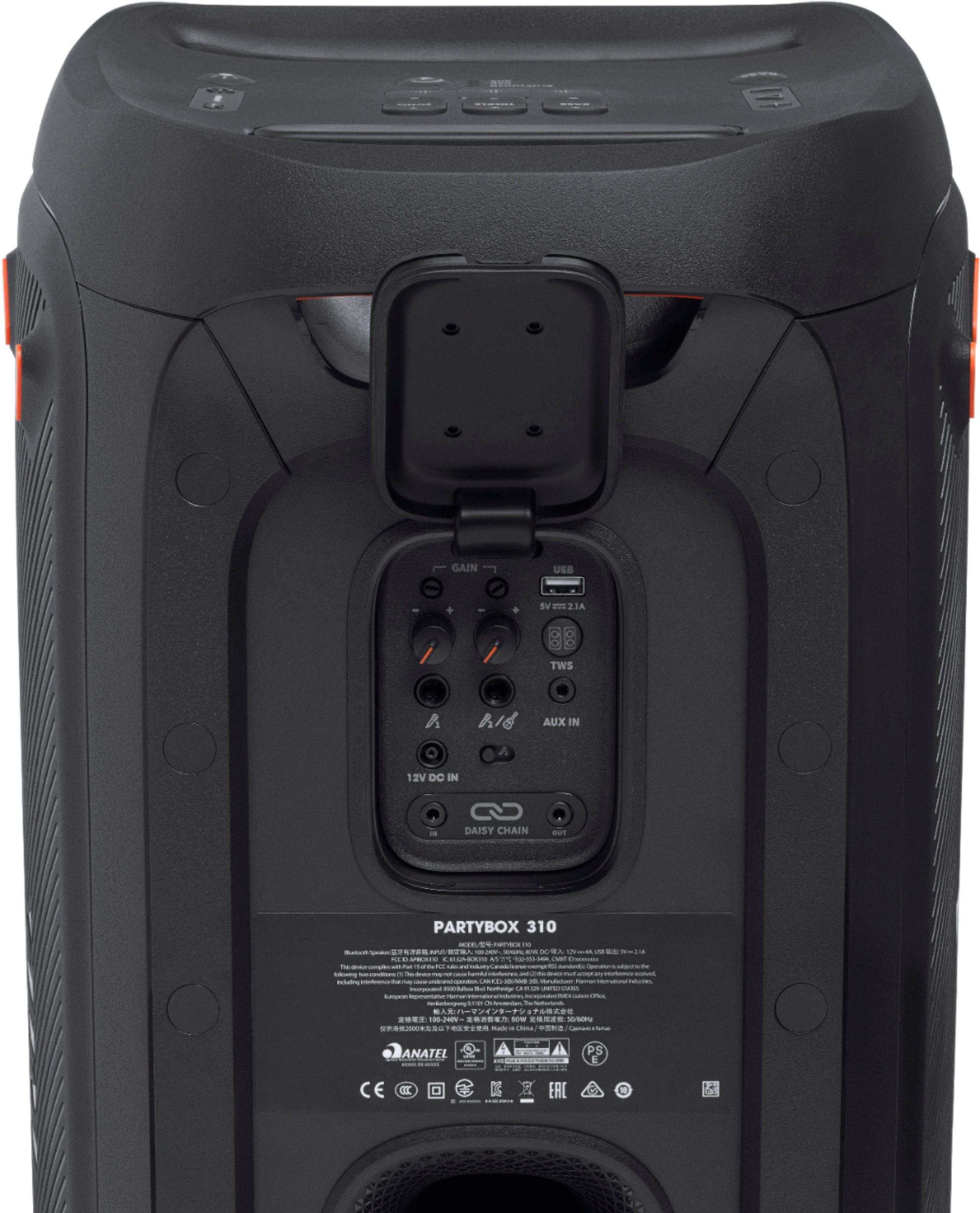
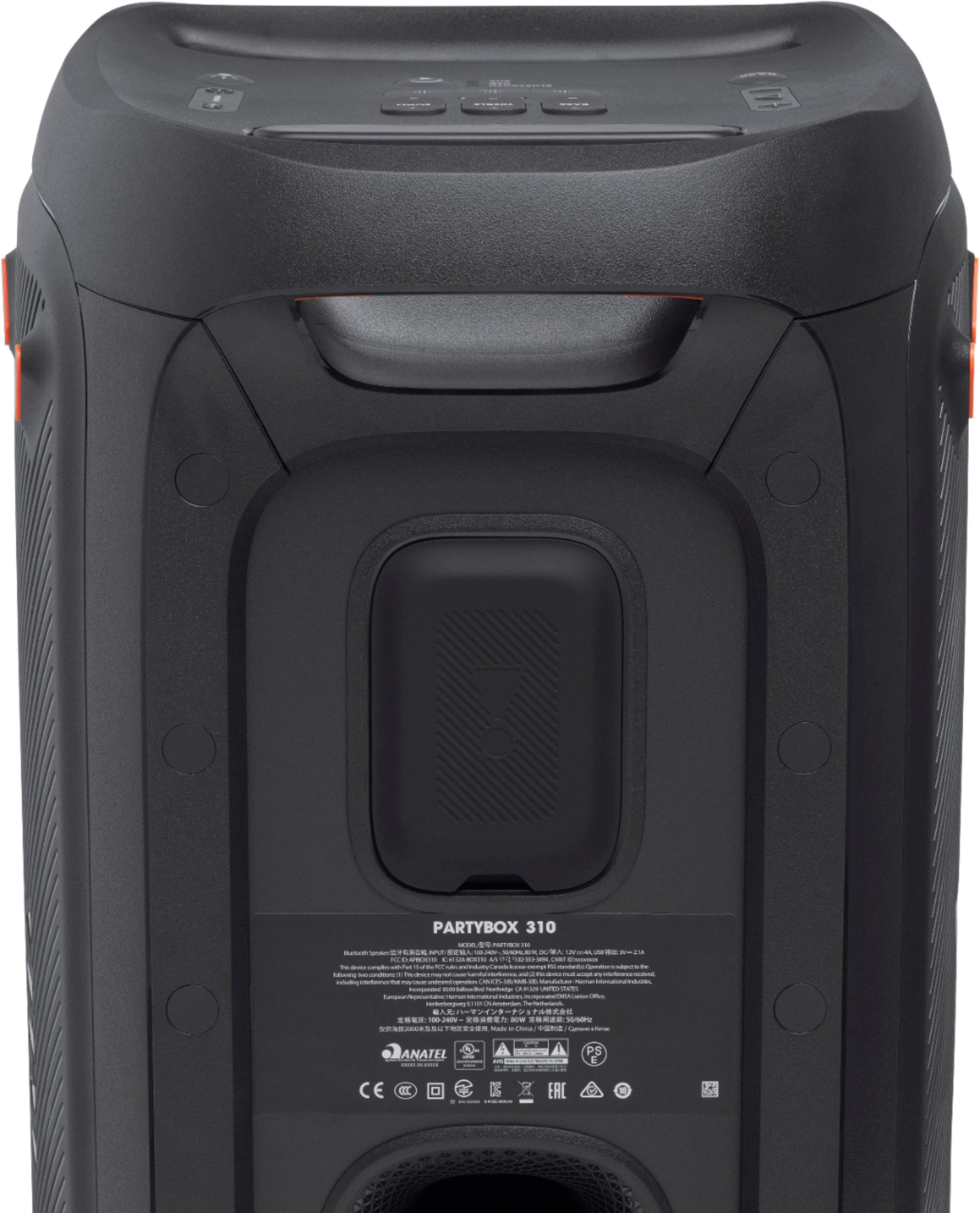
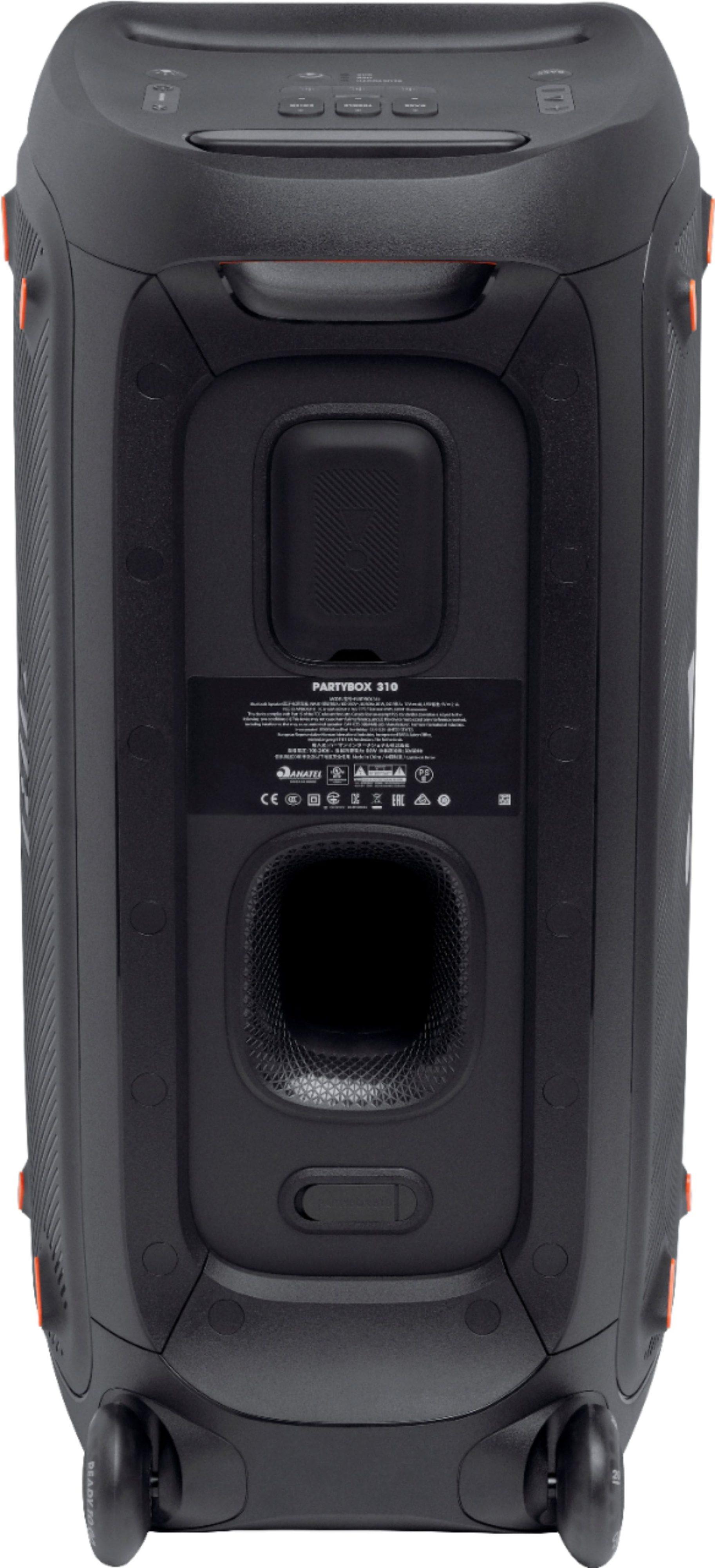
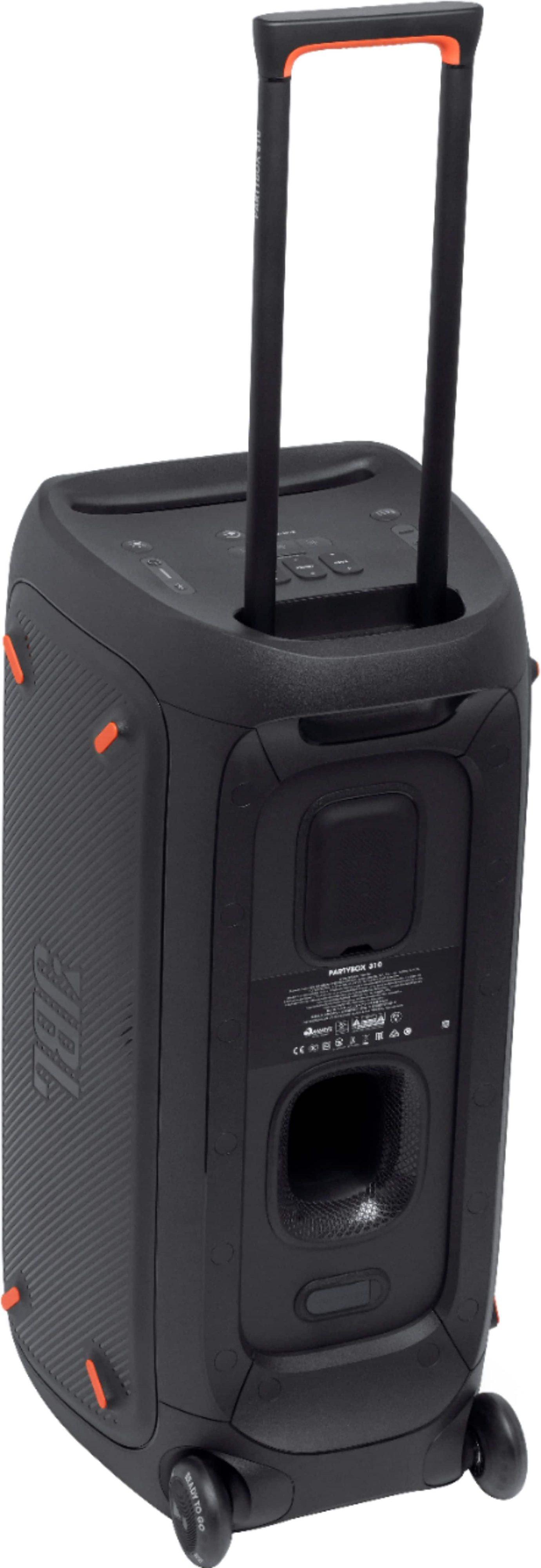
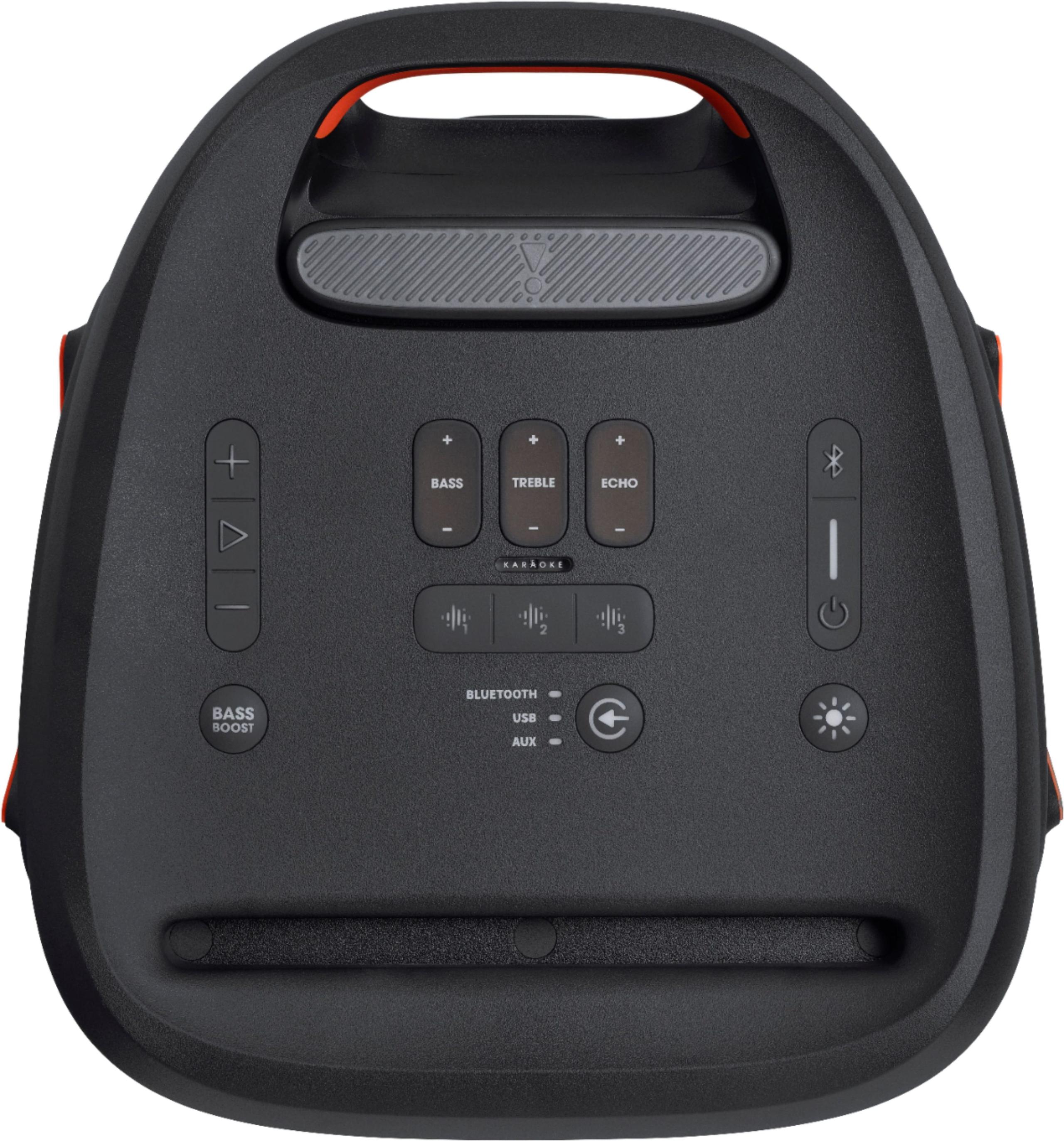
Here's where these speakers diverge significantly. The JBL PartyBox 310 employs a rear-firing port (a tuned opening that reinforces bass frequencies) combined with aggressive bass boost circuitry. This creates the punchy, boomy low-end that makes EDM, hip-hop, and dance music feel physical. The sound signature intentionally emphasizes bass impact over balanced frequency response—exactly what most party-goers expect.
The Marshall Bromley 750 uses a closed-box design instead of a ported enclosure. Sealed cabinets produce tighter, more controlled bass that doesn't extend quite as deep but sounds more natural and musical. The Marshall's dual 10-inch woofers provide substantial low-end, but it's refined rather than overwhelming. This approach better serves mixed musical genres and conversation-friendly volume levels.
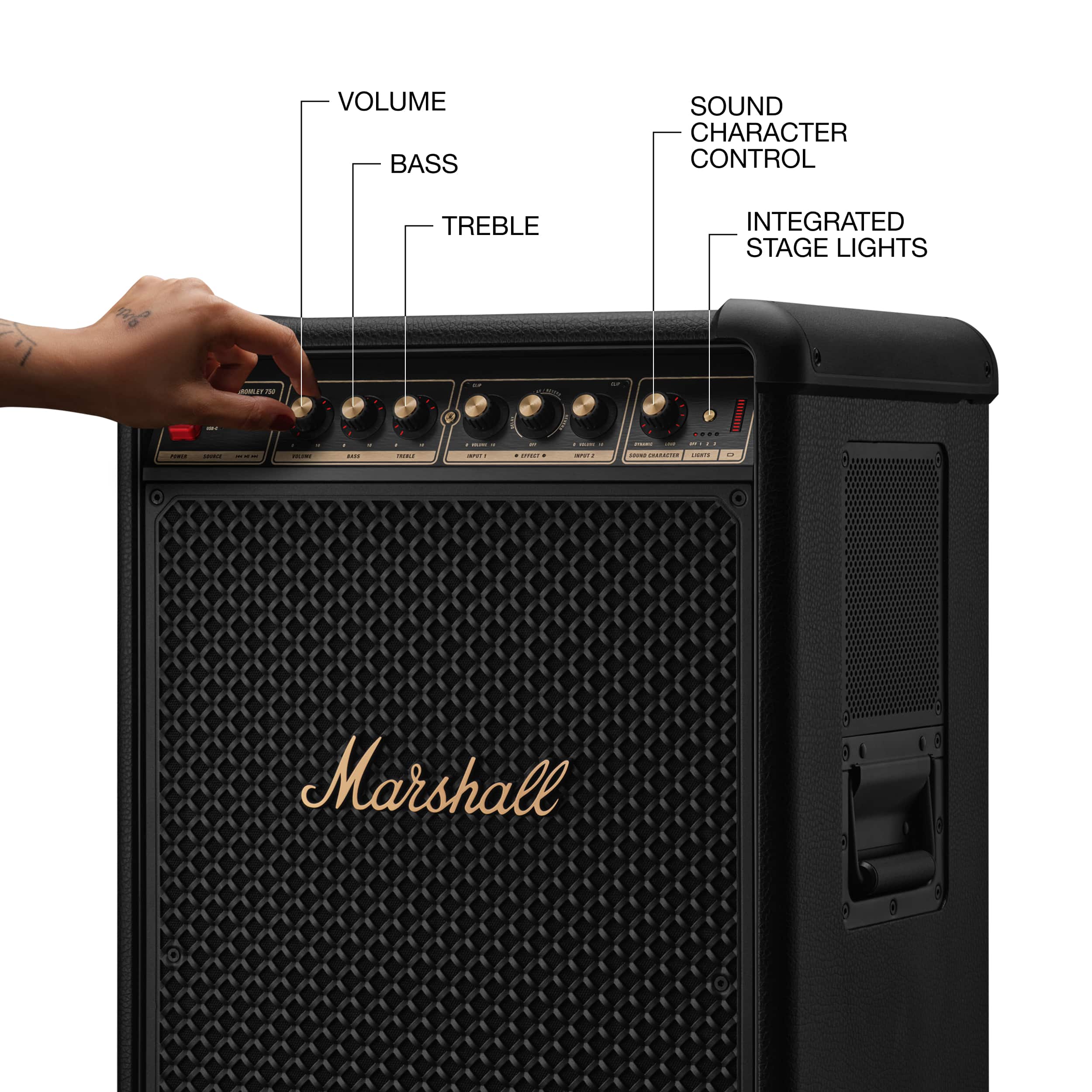
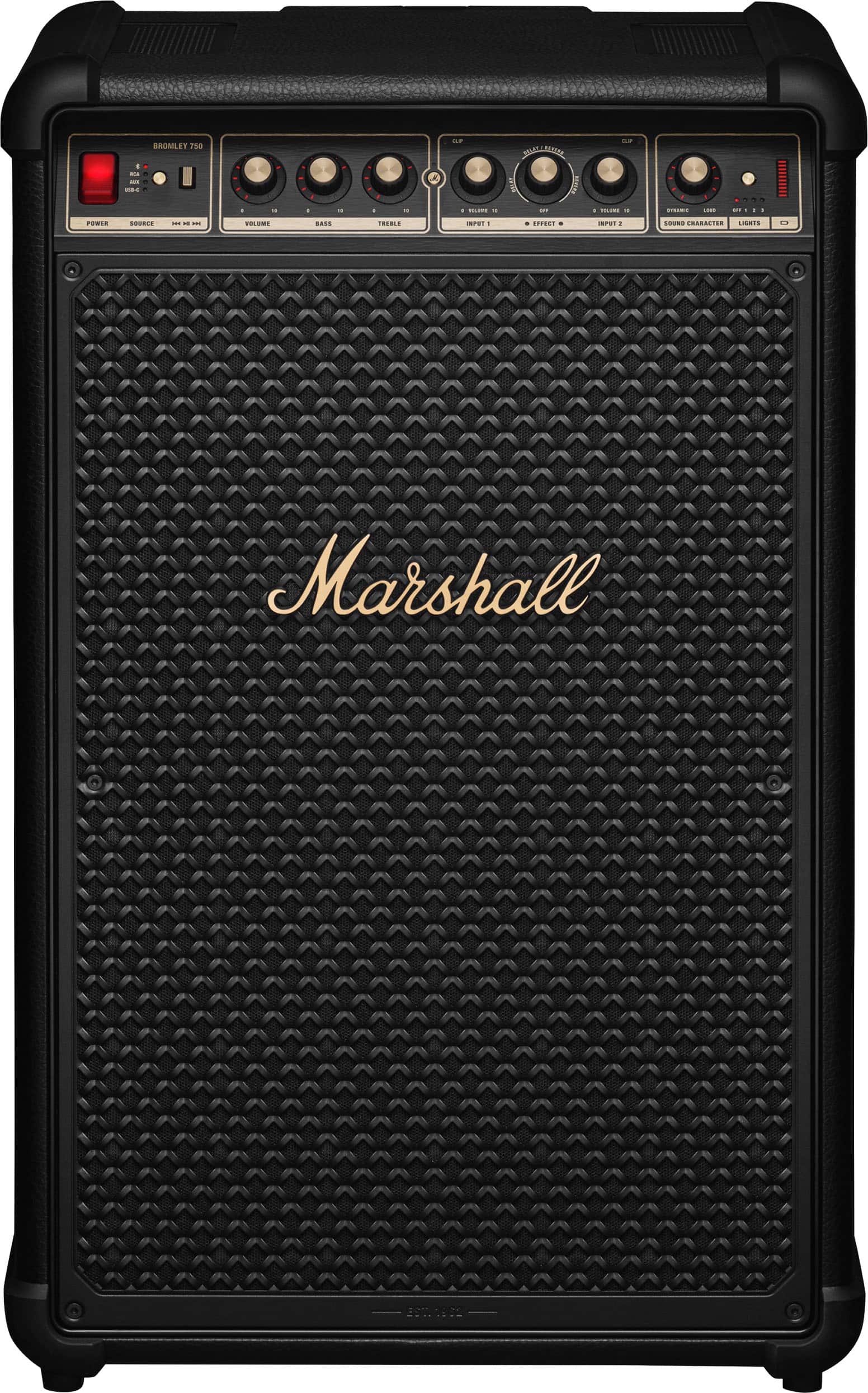
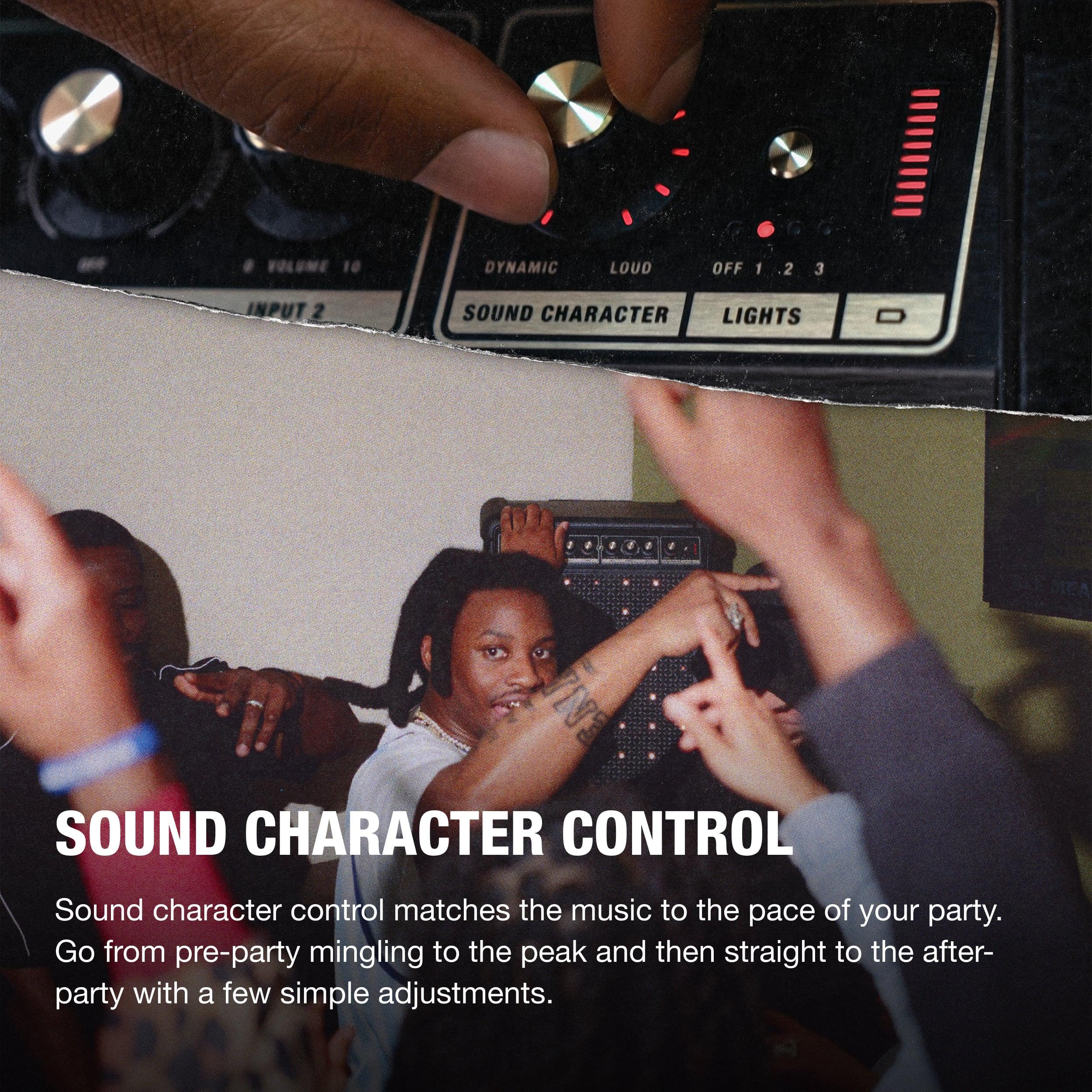
Particularly clever is Marshall's Sound Character control—a physical knob that switches between "Dynamic" and "Loud" modes. Dynamic mode optimizes the frequency response for detailed indoor listening, emphasizing midrange clarity where vocals and instruments live. Loud mode reconfigures the EQ (equalizer—circuitry that adjusts different frequency ranges) for outdoor use, boosting bass impact and upper midrange presence to cut through ambient noise.
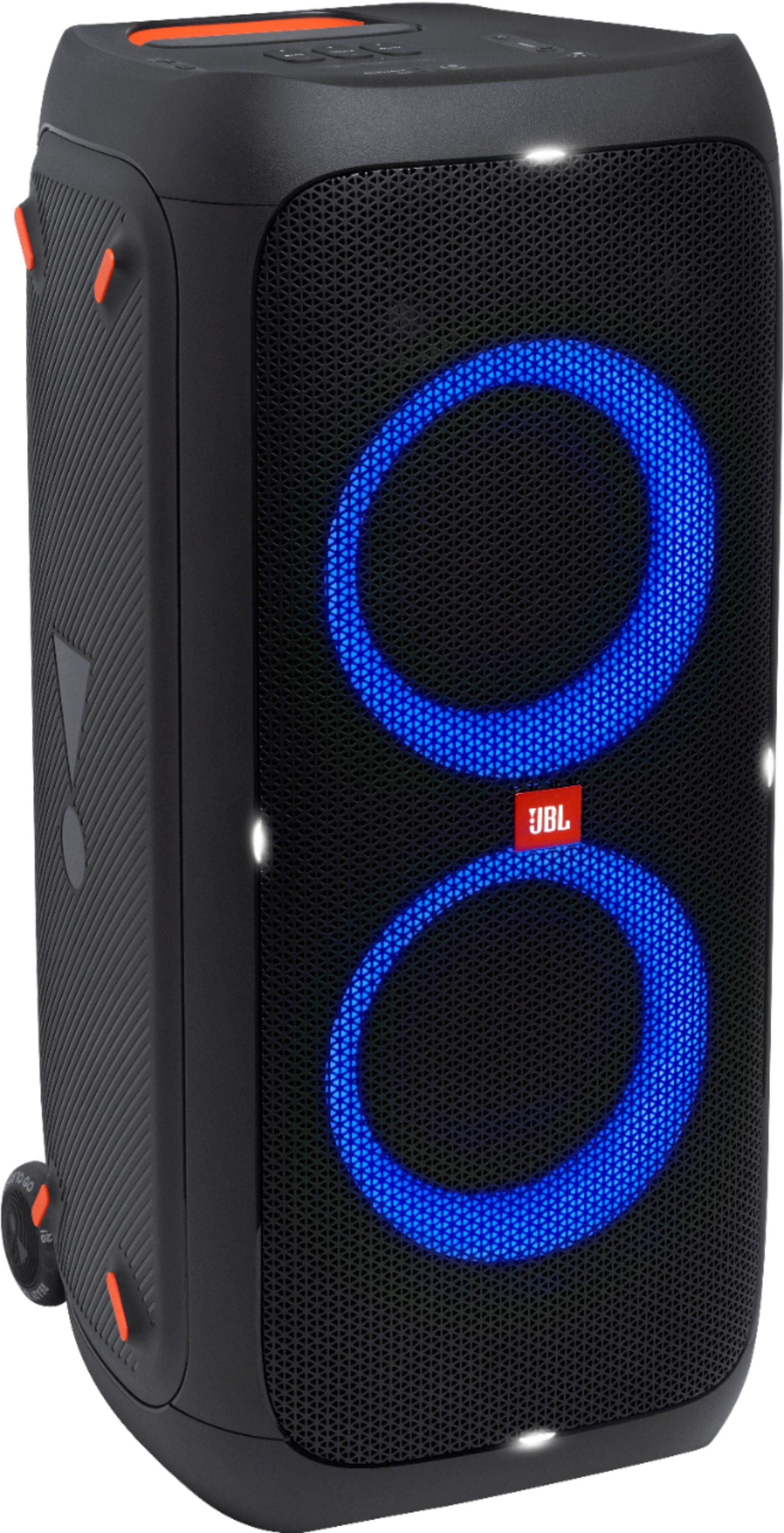
The JBL PartyBox 310 follows traditional speaker design with front-firing drivers that create a focused soundstage. This directional approach excels when your audience faces the speaker—perfect for poolside parties or outdoor events where people gather in front of the entertainment area. However, sound quality diminishes significantly when you move to the sides or behind the speaker.
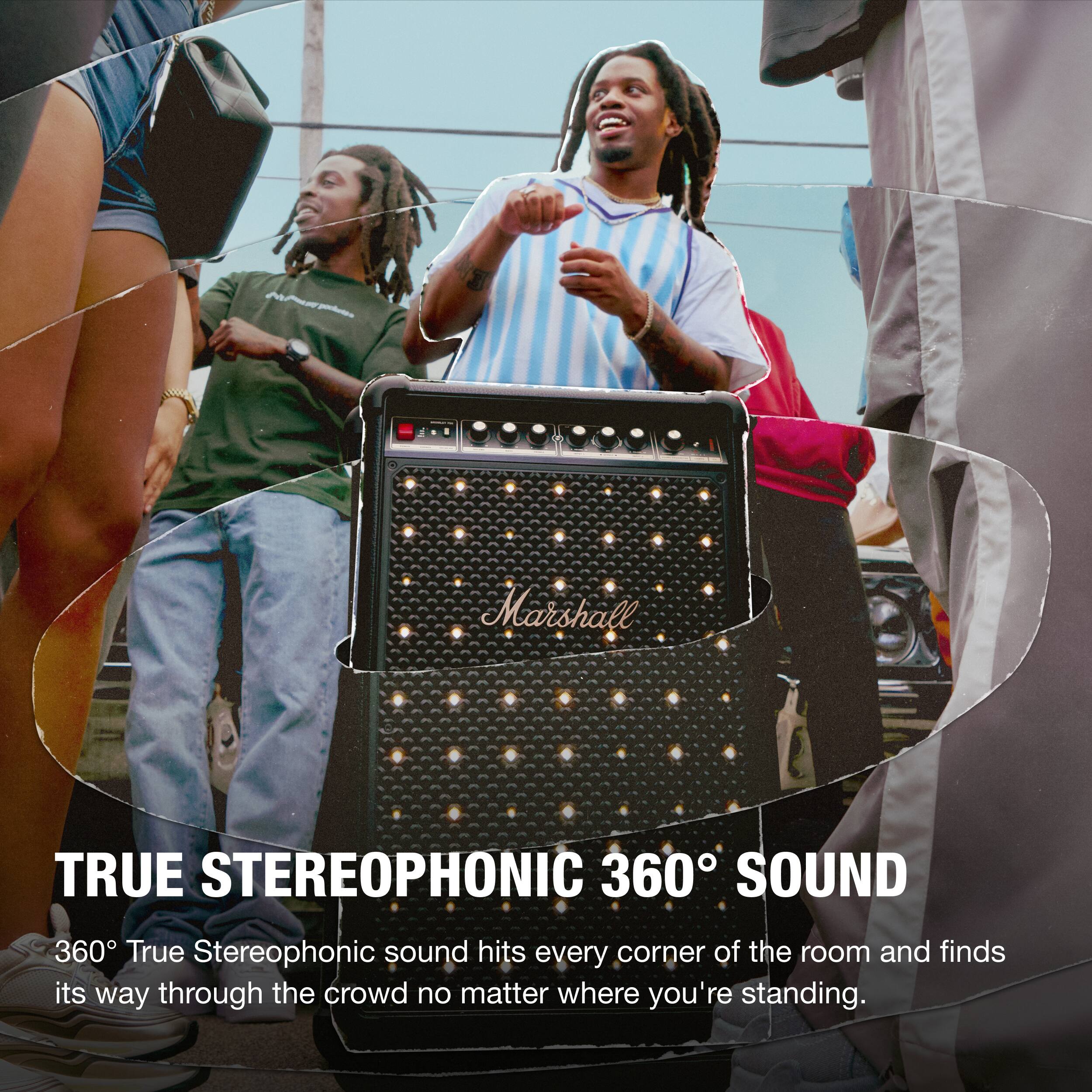
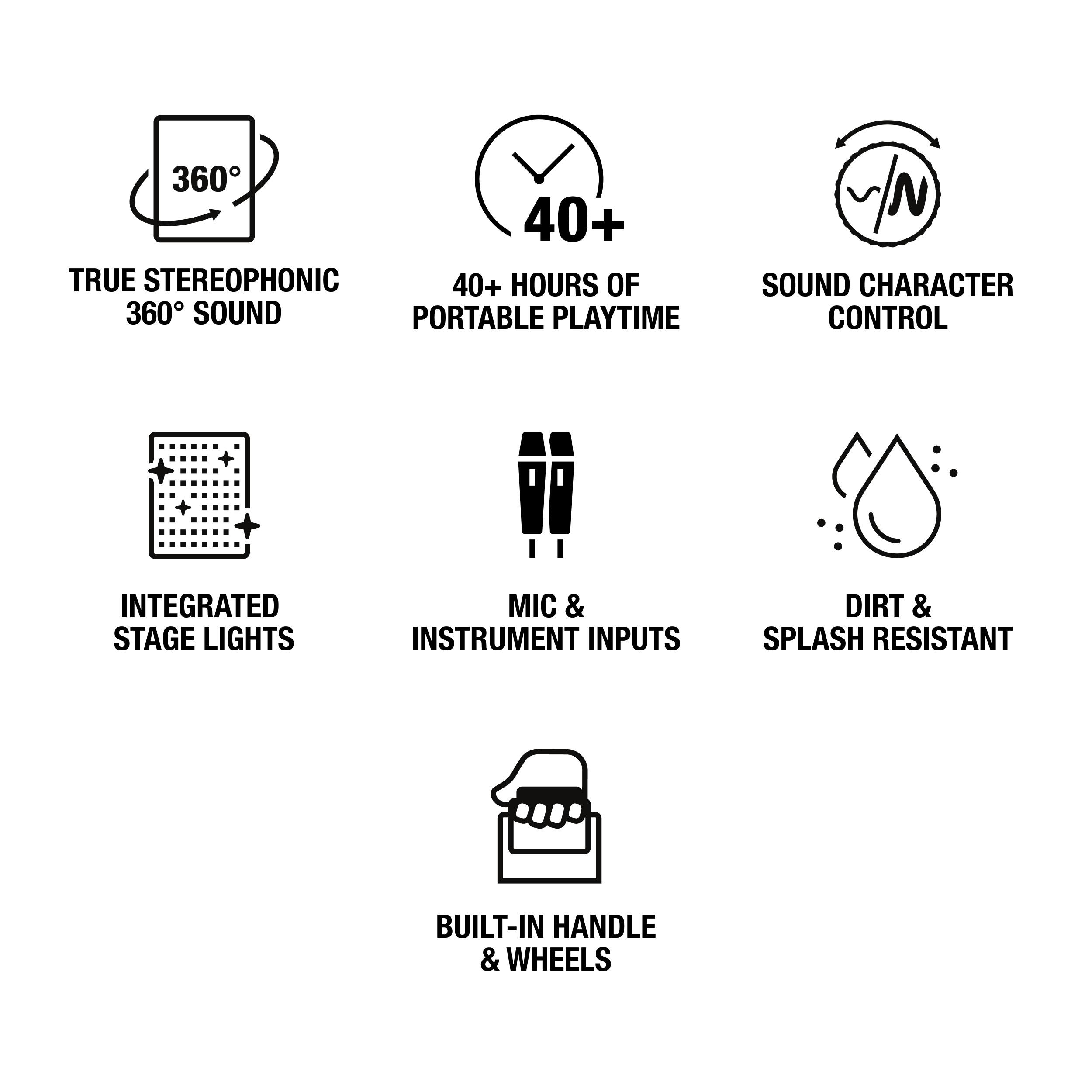
The Marshall Bromley 750 introduces True Stereophonic technology—Marshall's term for 360-degree sound distribution. Eight drivers positioned throughout the cabinet (front-firing, rear-firing, side-firing, and top-firing) create omnidirectional sound coverage. This means consistent audio quality regardless of your position around the speaker, making it ideal for parties where people move around the space freely.
Based on our research into user experiences, this fundamental difference affects party dynamics significantly. The JBL works better for structured gatherings, while the Marshall suits free-flowing social situations.
Battery performance often determines whether your speaker becomes the life of the party or the reason it ends early. The JBL PartyBox 310 provides 18 hours of playback from its built-in lithium-ion battery, with a 3.5-hour charging time. This represents solid performance for the category, though the non-removable battery means you're tethered to a power outlet once it depletes.
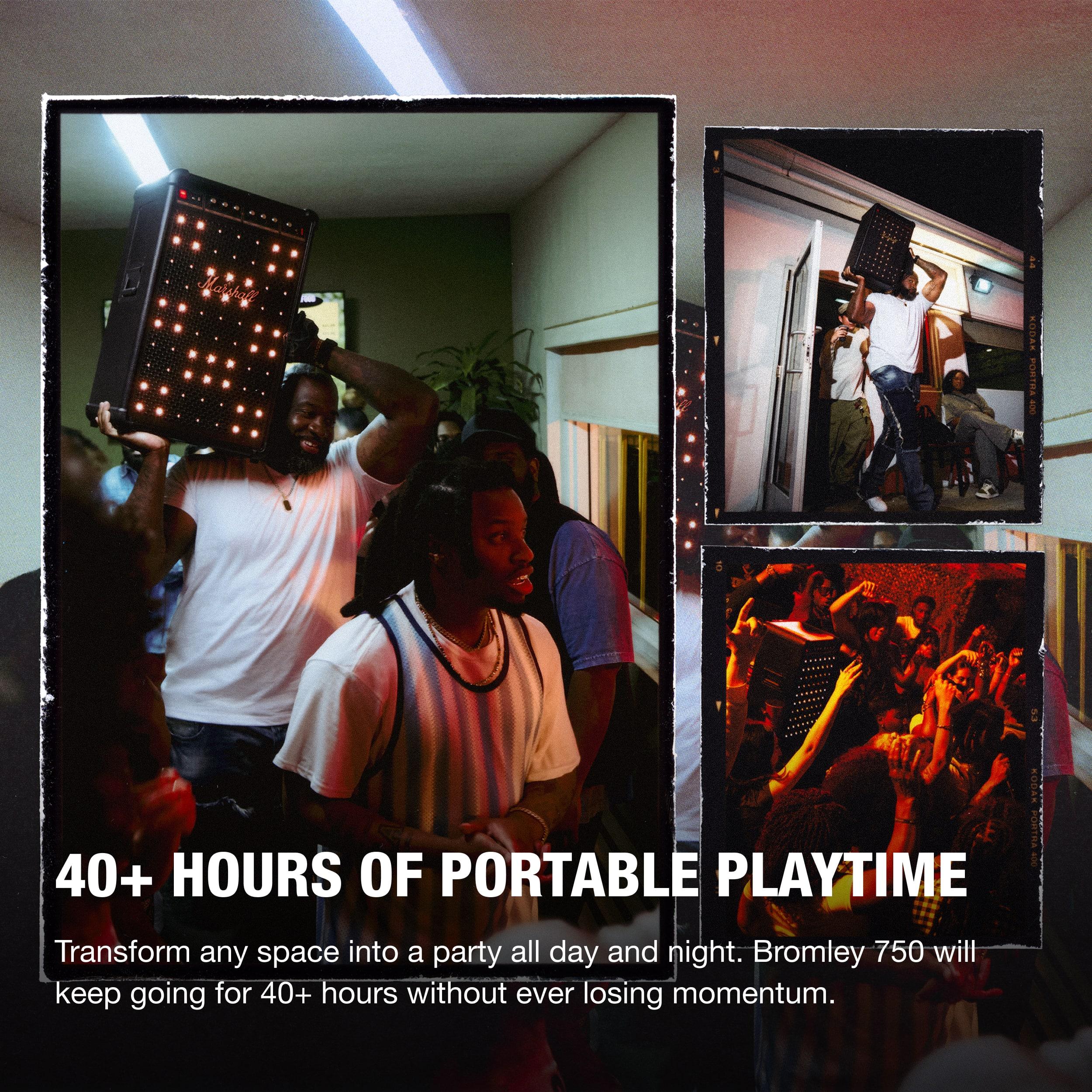
The Marshall Bromley 750 revolutionizes party speaker battery design with over 40 hours of runtime—more than double most competitors. Even more impressively, the battery is user-replaceable, functioning like a massive power bank that charges devices via USB-C. Twenty-minute quick charging provides five hours of playback, making brief charging breaks feasible during extended events.
This replaceable battery system offers strategic advantages beyond runtime. As lithium-ion batteries naturally degrade over 2-3 years, the Marshall's swappable design extends the speaker's lifespan significantly. You can also purchase additional batteries for theoretically unlimited runtime—invaluable for multi-day events or commercial applications.
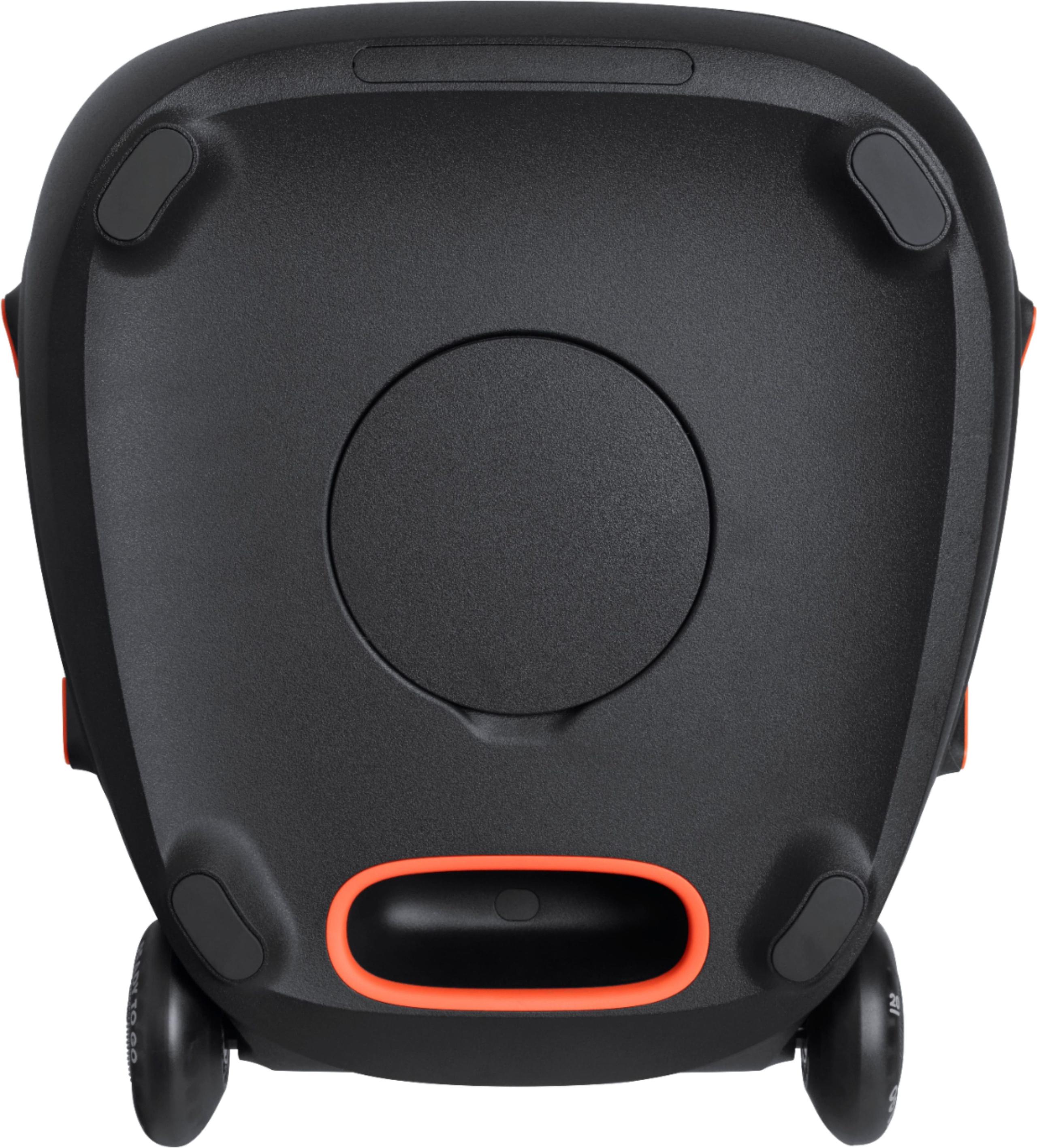
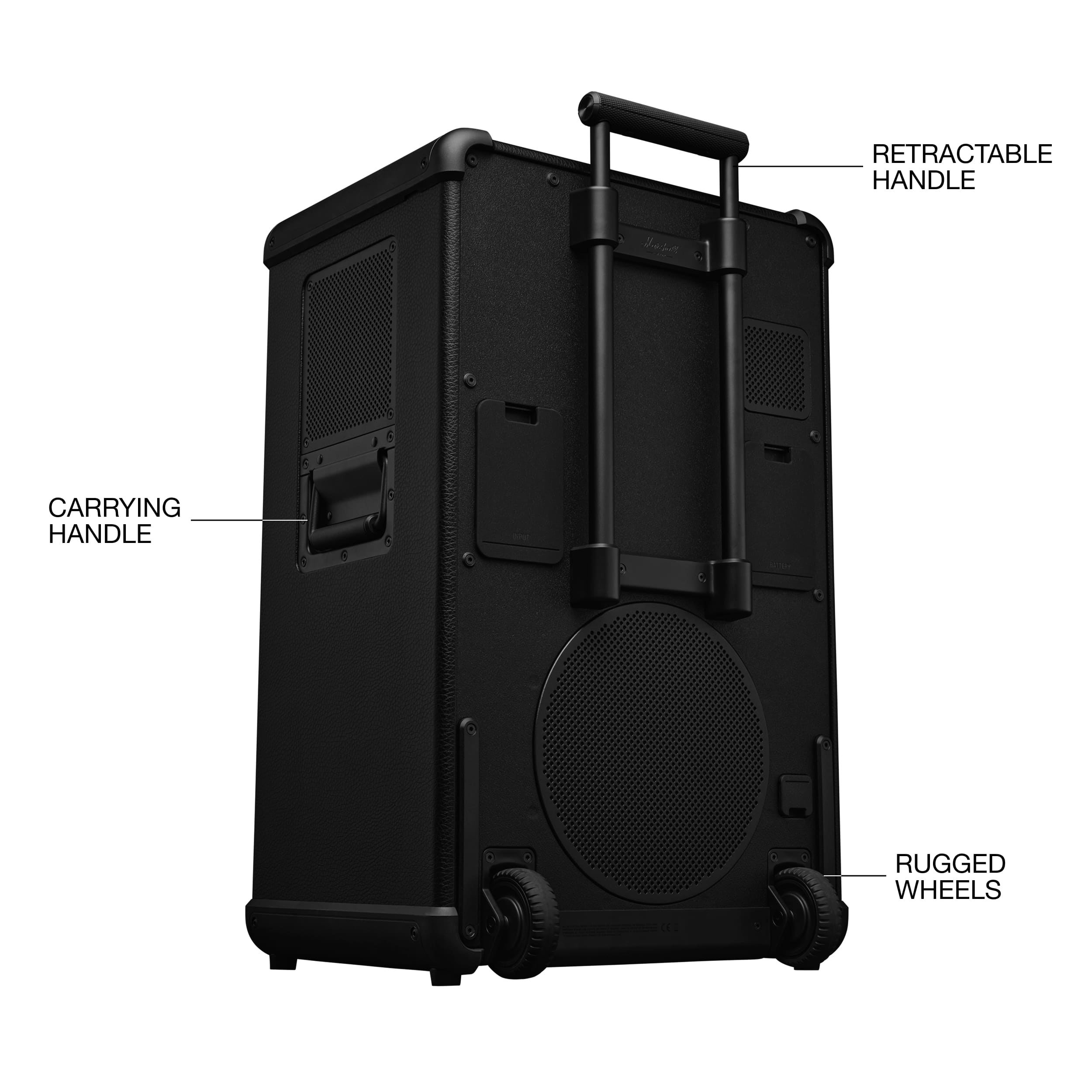
Both speakers acknowledge their substantial weight with built-in transport solutions. The JBL PartyBox 310 weighs 38.4 pounds with telescoping handle and smooth-rolling wheels, making it manageable for most users. Its IPX4 rating means it can handle water splashes from any direction but shouldn't be left in rain.
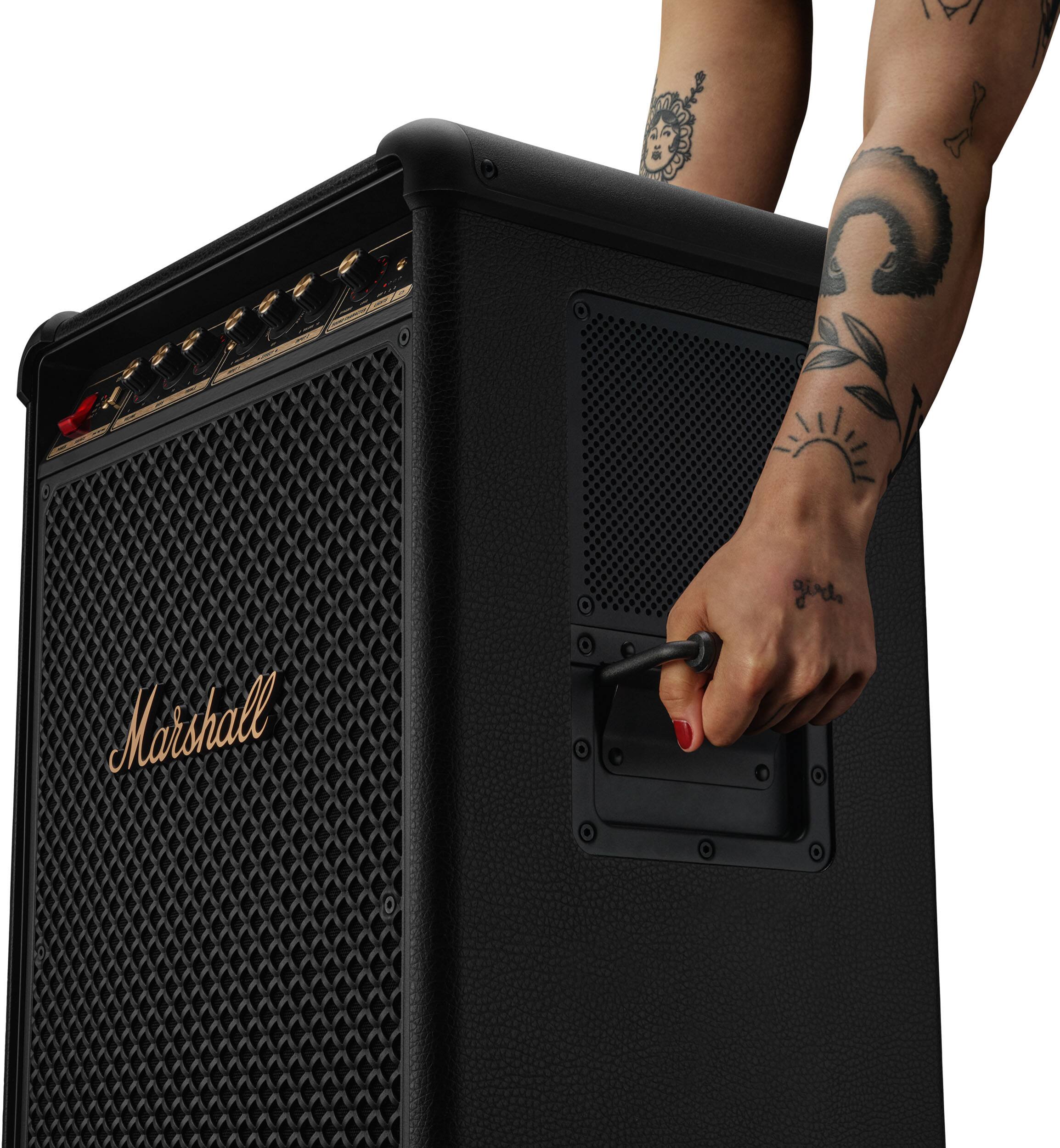
The Marshall Bromley 750 weighs 53 pounds—approaching the limits of what's reasonably portable—but includes similar wheels and handle systems. Its IP54 rating provides superior protection against both dust and water, with built-in drainage systems in the drivers themselves. This engineering allows continued operation even during light rain, making it genuinely outdoor-capable rather than just splash-resistant.
The Marshall's construction quality reflects its premium positioning. Water-based PU leather wrapping, brushed metal control panels, and stamped metal grilles create the aesthetic Marshall is known for. The JBL PartyBox 310 opts for functional plastic construction that prioritizes durability over luxury.
Modern party speakers serve multiple roles beyond music playback, and connectivity options determine their versatility. The JBL PartyBox 310 covers essential bases with Bluetooth 5.1, 3.5mm auxiliary input, USB port for direct music playback, and two 1/4-inch inputs for microphones and guitars. Built-in karaoke functionality with vocal effects and echo control makes it immediately party-ready.
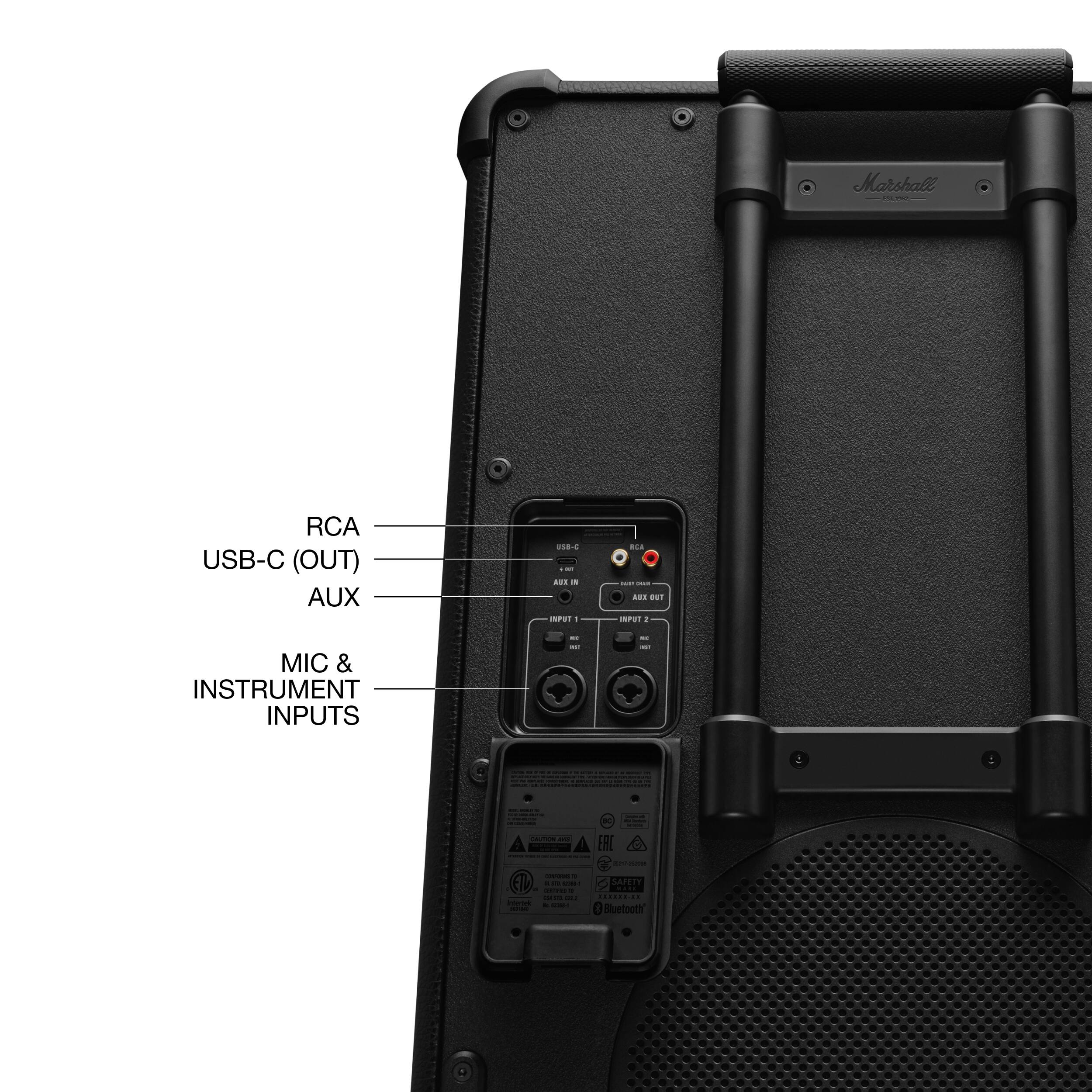
The Marshall Bromley 750 approaches connectivity from a professional audio perspective. Dual XLR/6.35mm combo jacks accept both microphones and line-level instruments, RCA inputs accommodate DJ mixers and CD players, and Bluetooth 5.3 includes Auracast technology for sharing audio between multiple compatible speakers. Auxiliary input and output jacks enable daisy-chaining multiple speakers together—essential for larger venues.
The Marshall's onboard reverb and delay effects processing represents genuine professional audio capabilities. These time-based effects add space and dimension to vocals and instruments, matching what you'd find in recording studios or live venues.
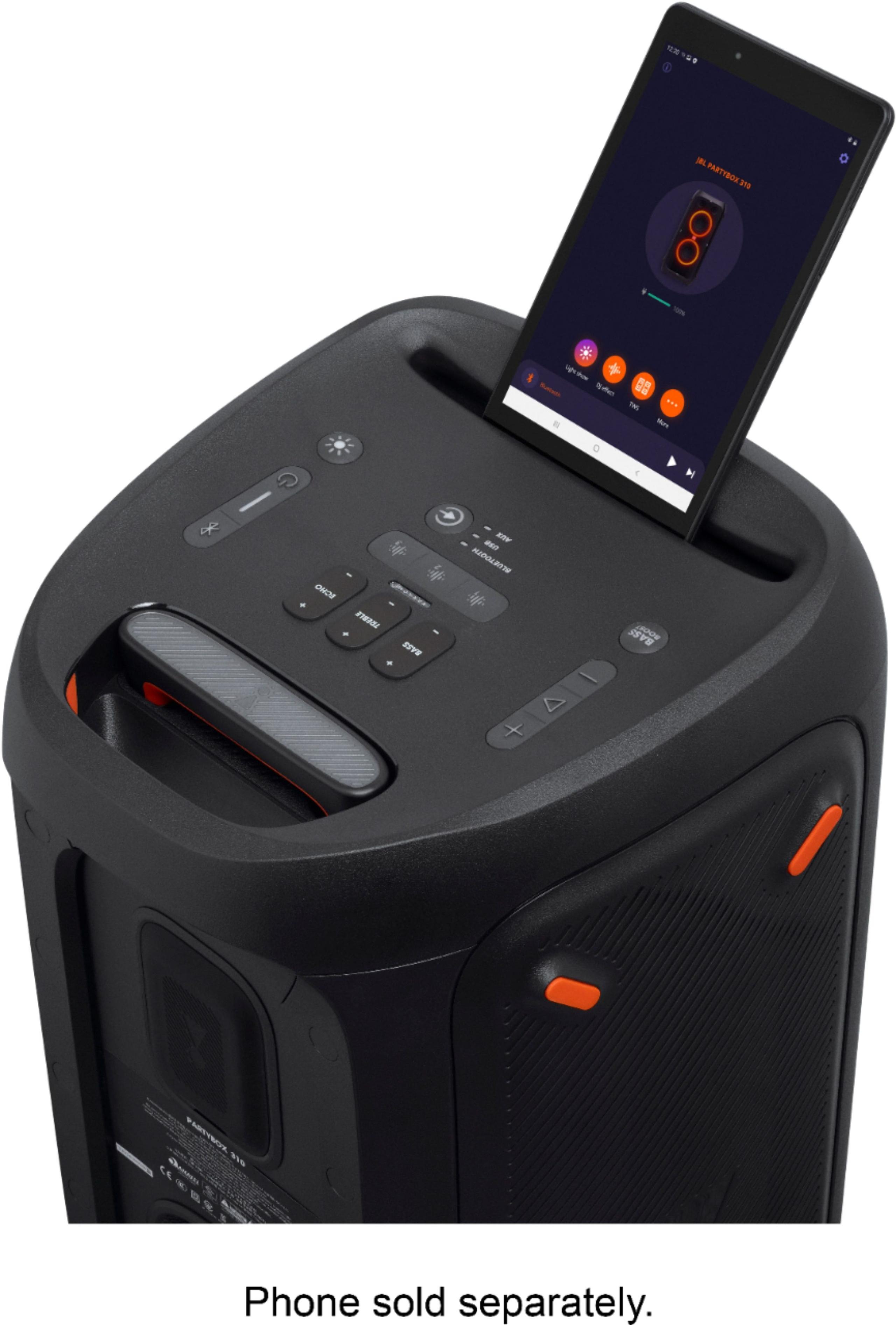
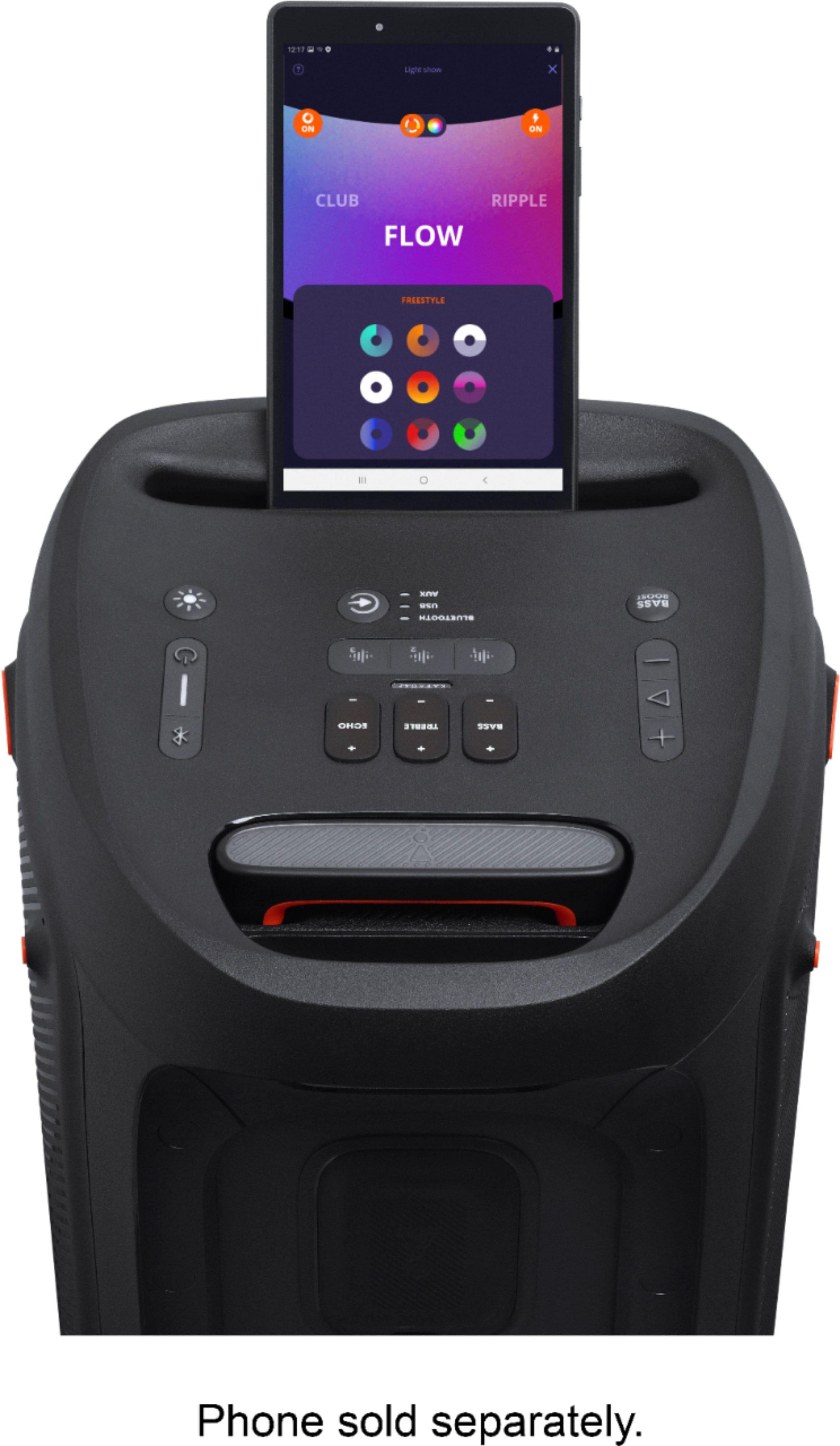
The JBL PartyBox app provides standard party speaker functionality: EQ adjustment, light show control, and stereo pairing with compatible speakers. However, it lacks PartyBoost compatibility with JBL's smaller Bluetooth speakers, limiting expansion options.
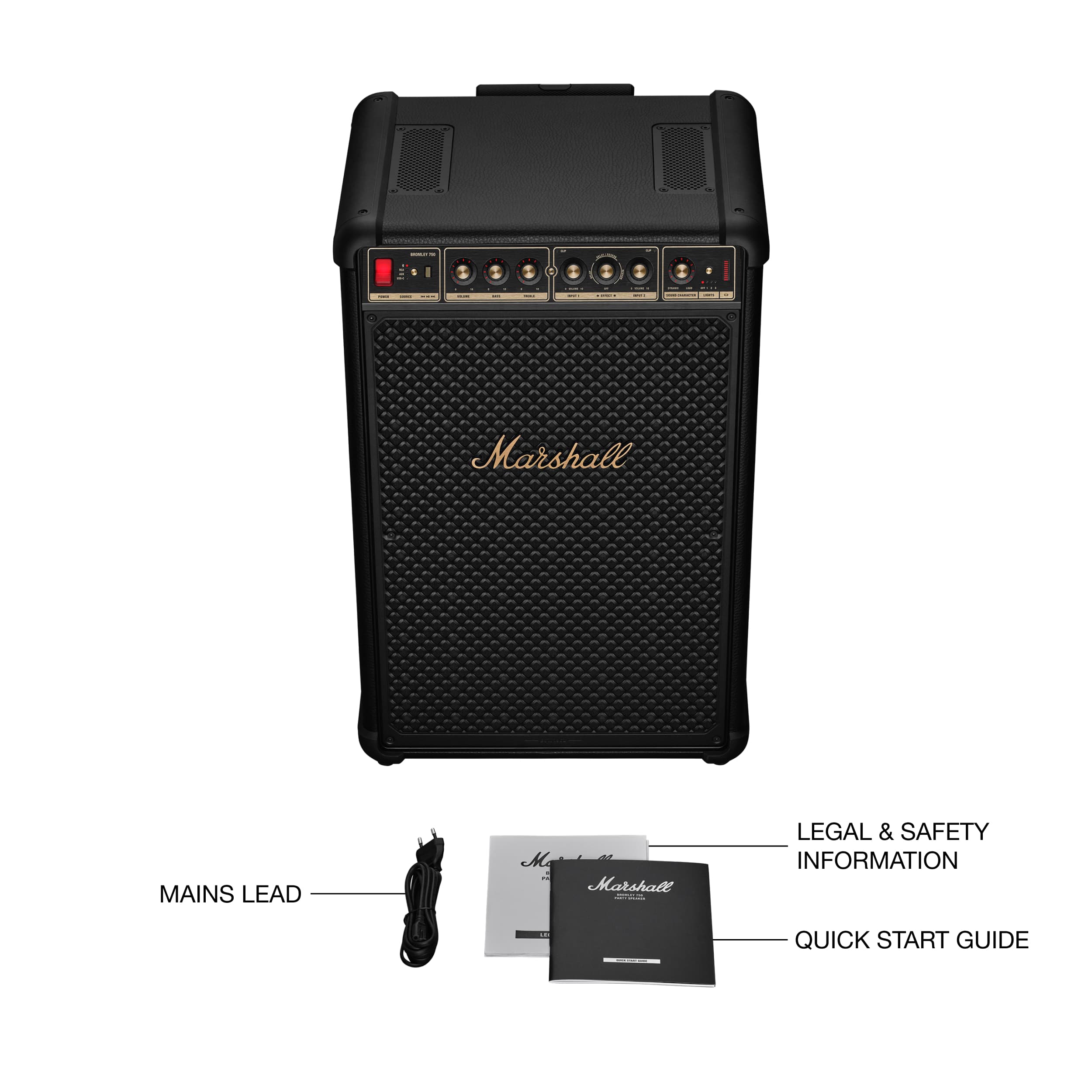
Marshall's approach focuses on physical controls rather than app dependency. The top-mounted control panel includes dedicated knobs for volume, bass, treble, effects, and sound character adjustment. This tactile interface works better in party environments where phone screens are difficult to see and navigate.
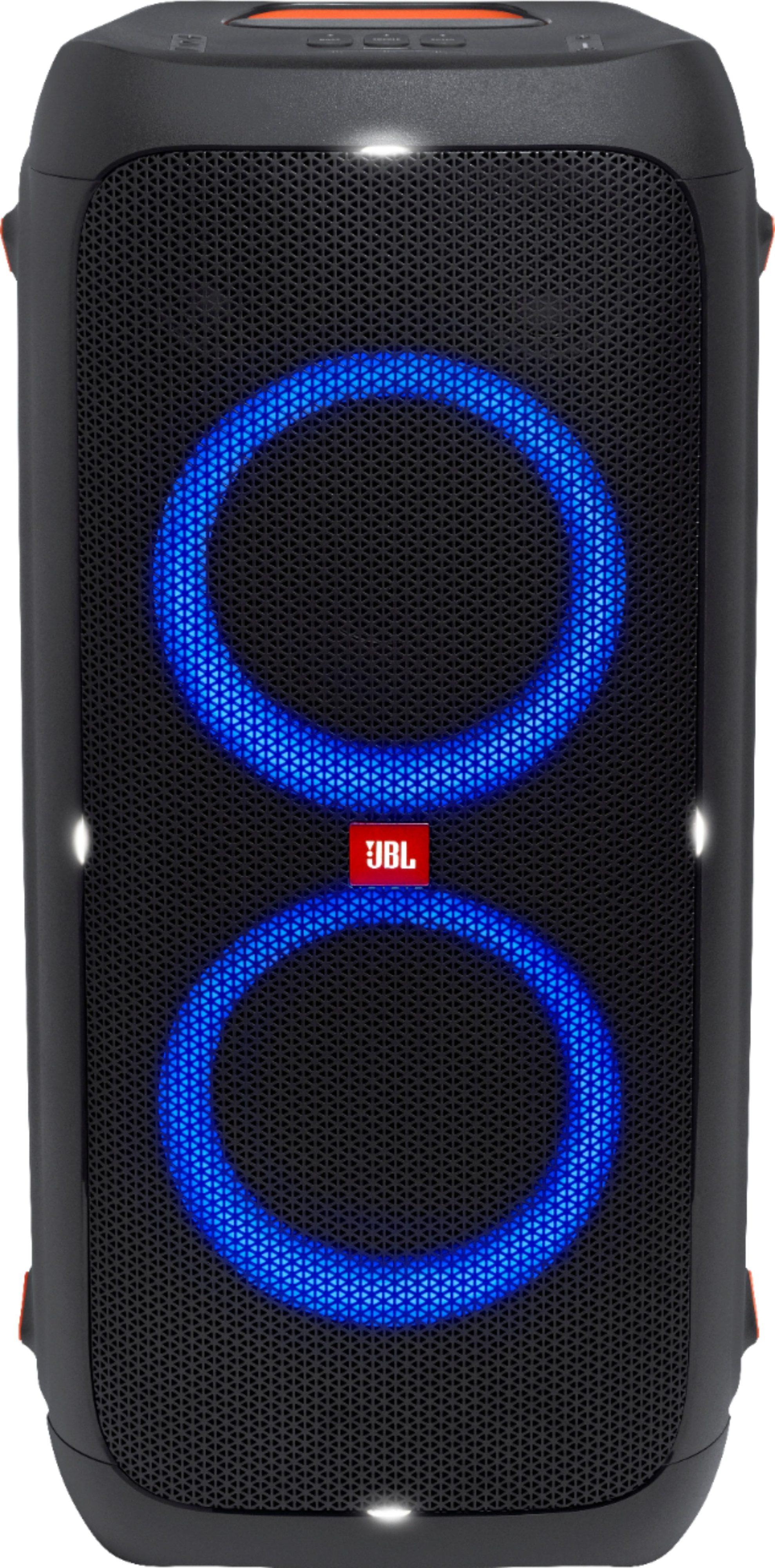
Party speaker lighting has evolved from simple colored LEDs to synchronized light shows that respond to music dynamics. The JBL PartyBox 310 features RGB lighting with five preset modes and strobe effects. The colorful display syncs with bass frequencies and creates the flashy, energetic atmosphere many associate with party environments.
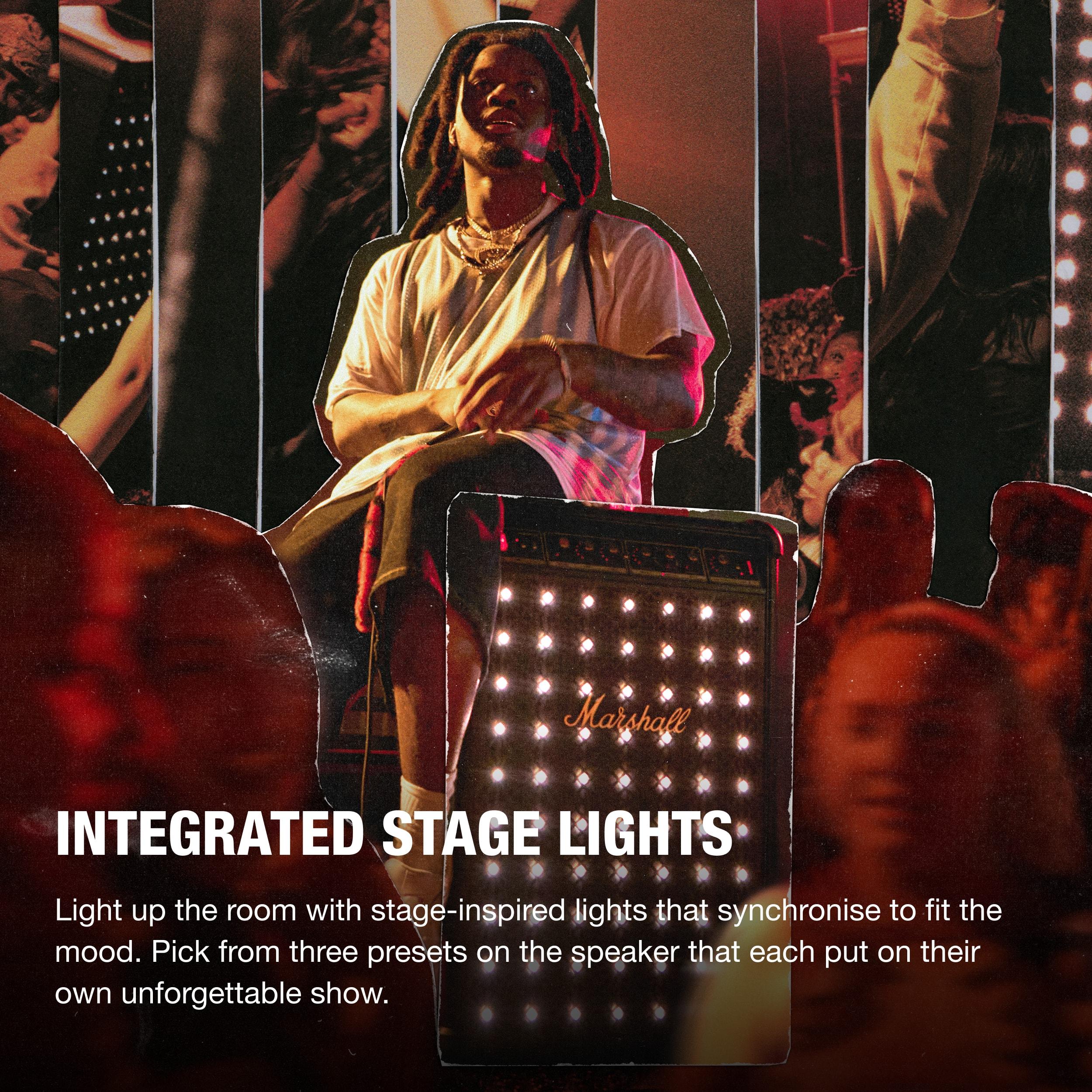
The Marshall Bromley 750 takes a sophisticated approach with stage-inspired LED arrays hidden behind the metal grille. The lighting produces warm, almost white illumination reminiscent of professional concert lighting rather than disco effects. Three preset modes include static ambient lighting and two music-reactive settings that pulse and breathe with the audio.
This represents a fundamental philosophical difference. JBL's lighting aims for immediate visual impact and energy, while Marshall's system creates atmosphere and mood. Your preference depends on whether you want your speaker to be the obvious center of attention or a more subtle presence that enhances the environment.
While primarily designed for parties, these speakers offer interesting home theater possibilities. The Marshall Bromley 750's 360-degree sound distribution could work well in open-concept living spaces where traditional forward-firing speakers create uneven coverage. Its sophisticated audio processing and professional inputs make it viable for serious home entertainment systems.
However, both speakers lack the precise imaging and soundstage depth that dedicated home theater speakers provide. Their emphasis on volume and bass over detail reproduction makes them better suited for action movies than dialogue-heavy content. The party-oriented sound signatures—especially the JBL's bass boost—may overwhelm more nuanced audio content.
For casual movie watching or gaming where impact matters more than accuracy, either speaker could serve well. The Marshall's Sound Character control would allow optimization for different content types.
Maximum volume capability often determines a party speaker's effectiveness, but clean volume matters more than absolute SPL numbers. Our research suggests both speakers achieve impressive maximum levels, but the JBL PartyBox 310 maintains better clarity at extreme volumes due to its directional design concentrating acoustic energy.
The Marshall Bromley 750 achieves 127dB SPL—genuinely impressive for any speaker—but distributes this energy omnidirectionally. In practical terms, this means the Marshall provides more consistent moderate-to-loud volume throughout a space, while the JBL delivers higher peak levels in its primary projection zone.
The JBL PartyBox 310 emphasizes the 40-80Hz bass region where electronic music and hip-hop fundamentals live, with boosted presence around 3-4kHz for vocal clarity. This tuning maximizes excitement and energy but can sound unnatural with acoustic music or jazz.
The Marshall Bromley 750 aims for more balanced frequency response across the audible spectrum. Its closed-box design extends bass down to approximately 40Hz with better control and less distortion. Midrange frequencies receive more attention, improving vocal reproduction and instrument separation.
The JBL PartyBox 310 launched in 2021 as part of JBL's established PartyBox series, building on years of refinement in portable party audio. Since release, firmware updates have improved Bluetooth connectivity and app functionality, though the core audio performance remains unchanged.
The Marshall Bromley 750 represents Marshall's 2024 entry into this market segment, incorporating recent advances in Class D amplifier technology, battery chemistry, and digital signal processing. Its design benefits from observing years of competitor products and user feedback, resulting in solutions to common party speaker limitations.
The three-year gap between releases shows in their approaches to common problems. Marshall's replaceable battery system addresses the non-serviceable batteries that plague older party speakers, while the 360-degree sound distribution solves coverage limitations that directional designs face.
Your budget prioritizes value over premium features. At roughly half the Marshall's price at time of writing, the JBL PartyBox 310 delivers impressive performance per dollar. You want maximum bass impact for electronic music, hip-hop, and dance genres. The aggressive low-end tuning matches these musical styles perfectly.
You frequently transport the speaker between locations. The lighter weight and proven durability make it ideal for active users who need reliable portable entertainment. Your typical gatherings involve people facing the speaker—poolside parties, outdoor movie nights, or structured events where directional sound projection works well.
You prefer simple operation without extensive customization. The straightforward controls and party-focused features minimize complexity while maximizing immediate entertainment value.
Prioritize audio quality and sophisticated engineering over maximum value. The premium price reflects genuine advances in speaker design and build quality that audiophiles will appreciate. Need professional connectivity for microphones, instruments, or DJ equipment. The XLR inputs, onboard effects, and daisy-chaining capability support serious performance applications.
Host parties where people move around freely rather than gathering in front of the speaker. The 360-degree sound distribution ensures consistent audio quality throughout the space. Value extremely long battery life and the flexibility of replaceable power systems. The 40+ hour runtime and swappable batteries provide operational advantages that justify higher initial cost.
Prefer sophisticated aesthetics over flashy party effects. Marshall's amplifier-inspired design and tasteful lighting create premium presence without calling excessive attention to the speaker itself.
These speakers serve different audiences despite competing in the same category. The JBL PartyBox 310 excels as a powerful, affordable party speaker that delivers crowd-pleasing performance without complexity or premium pricing. It represents the refined evolution of traditional party speaker design—louder, more durable, and more feature-rich than earlier generations.
The Marshall Bromley 750 functions more as a premium audio system that happens to be portable. Its professional features, sophisticated audio engineering, and luxury build quality target users who view their speaker as a long-term investment rather than disposable entertainment equipment.
Consider your primary use cases carefully. For traditional outdoor gatherings, budget-conscious buyers, and maximum impact per dollar, the JBL PartyBox 310 provides excellent value. For premium audio experiences, professional applications, and users who appreciate engineering sophistication, the Marshall Bromley 750 justifies its higher price through genuine performance advantages.
The best choice depends on whether you prioritize immediate value or long-term capability, simple operation or professional features, maximum volume or balanced sound quality. Both speakers excel within their intended market segments—the key is understanding which segment matches your needs and expectations.
| JBL PartyBox 310 | Marshall Bromley 750 |
|---|---|
| Power Output - Determines maximum volume and room-filling capability | |
| 240W RMS (AC) / 140W RMS (battery) | 500W total across 8 Class D amplifiers |
| Sound Design - Affects how sound reaches your audience | |
| Traditional front-firing directional | 360° True Stereophonic omnidirectional |
| Weight - Critical for portability and transport | |
| 38.4 lbs with wheels and telescoping handle | 53 lbs with wheels and telescoping handle |
| Battery Life - Determines how long your party can last | |
| 18 hours (non-removable battery) | 40+ hours (user-replaceable battery system) |
| Weather Resistance - Important for outdoor use | |
| IPX4 splashproof rating | IP54 dust/water protection with drainage system |
| Bass Response - Affects impact for dance music and hip-hop | |
| Ported design with aggressive bass boost | Closed-box design with controlled, natural bass |
| Professional Inputs - For microphones, instruments, and DJ equipment | |
| 2x 1/4" mic/guitar inputs with basic effects | 2x XLR/6.35mm combo jacks with reverb/delay |
| Connectivity Options - Determines device compatibility and flexibility | |
| Bluetooth 5.1, USB, 3.5mm aux | Bluetooth 5.3 (Auracast), USB-C, RCA, aux in/out |
| Lighting System - Adds visual entertainment element | |
| RGB disco lighting with 5 modes and strobes | Stage-inspired white LEDs with 3 atmospheric presets |
| Sound Customization - Ability to adapt to different environments | |
| Bass/treble controls and app EQ | Physical Sound Character control (Dynamic/Loud modes) |
| Price Positioning - Value consideration at time of writing | |
| Mid-range pricing for maximum value | Premium pricing reflecting professional features |
| Best For - Target user and use cases | |
| Budget-conscious buyers wanting maximum bass impact | Audio enthusiasts and professional users needing versatility |
The Marshall Bromley 750 produces higher total wattage at 500W compared to the JBL PartyBox 310's 240W RMS. However, the JBL PartyBox 310 may sound louder in front of the speaker due to its directional design that focuses sound forward, while the Marshall Bromley 750 distributes sound 360 degrees around the room.
The Marshall Bromley 750 offers exceptional 40+ hour battery life with a user-replaceable battery system. The JBL PartyBox 310 provides 18 hours of playback with a non-removable battery. The Marshall's replaceable battery design allows for unlimited runtime with backup batteries.
Both speakers work well outdoors, but serve different needs. The JBL PartyBox 310 excels for traditional outdoor setups where people face the speaker, offering punchy bass and directional sound projection. The Marshall Bromley 750 provides better weather protection (IP54 vs IPX4) and 360-degree sound coverage for free-flowing outdoor gatherings.
Yes, both support microphones, but with different capabilities. The JBL PartyBox 310 offers basic karaoke features with 1/4" mic inputs and simple effects. The Marshall Bromley 750 provides professional XLR/combo jack inputs with reverb and delay effects, making it better suited for serious performers and musicians.
The JBL PartyBox 310 delivers more aggressive, boomy bass that's specifically tuned for electronic music and hip-hop. Its ported design with bass boost creates the punchy low-end that dance music demands. The Marshall Bromley 750 offers more controlled, natural bass that works well across all music genres.
The JBL PartyBox 310 features colorful RGB disco lighting with strobes and party effects that sync with music. The Marshall Bromley 750 uses sophisticated white LED lighting inspired by stage lighting, creating atmospheric effects rather than flashy disco-style illumination. Choose based on whether you want energetic party vibes or elegant ambiance.
The JBL PartyBox 310 is significantly lighter at 38.4 lbs compared to the Marshall Bromley 750's 53 lbs. Both include wheels and telescoping handles, but the JBL's lower weight makes it more manageable for frequent transport between locations.
While primarily designed for parties, the Marshall Bromley 750 works better for home theater due to its 360-degree sound distribution and Sound Character control that optimizes audio for different content. Both speakers emphasize bass over dialogue clarity, making them better suited for action movies than detailed home theater systems.
The JBL PartyBox 310 provides standard connectivity with Bluetooth 5.1, USB playback, and 3.5mm aux input. The Marshall Bromley 750 offers more professional options including Bluetooth 5.3 with Auracast, XLR inputs, RCA connections, and aux in/out for daisy-chaining multiple speakers together.
The JBL PartyBox 310 provides excellent value for budget-conscious buyers, delivering impressive volume and party features at a lower price point. The Marshall Bromley 750 commands a premium price but justifies it with superior build quality, longer battery life, professional features, and sophisticated audio engineering.
Both speakers offer weather resistance, but at different levels. The JBL PartyBox 310 has IPX4 splashproof rating for basic water protection. The Marshall Bromley 750 features superior IP54 rating with built-in drainage systems in the drivers, allowing it to handle dust and heavier water exposure more effectively.
Choose the JBL PartyBox 310 if you want maximum value, aggressive bass for dance music, lighter weight for portability, and traditional party speaker features. Select the Marshall Bromley 750 if you prioritize audio quality, need professional inputs, want extremely long battery life, prefer 360-degree sound coverage, and don't mind paying premium pricing for superior engineering.
We've done our best to create useful and informative comparisons to help you decide what product to buy. Our research uses advanced automated methods to create this comparison and perfection is not possible - please contact us for corrections or questions. These are the sites we've researched in the creation of this article: rtings.com - comparisontabl.es - crutchfield.com - youtube.com - bestbuy.com - rtings.com - youtube.com - versus.com - youtube.com - youtube.com - jbl.com - youtube.com - crutchfield.com - manuals.plus - in.jbl.com - jbl.com.tw - mm.jbl.com - bestbuy.com - jbl.com - onward.ph - youtube.com - manuals.plus - harmanaudio.com - support.jbl.com - youtube.com - kh.jbl.com - bestbuy.com - theluxereview.com - techradar.com - whathifi.com - routenote.com - techradar.com - marshall.com - newatlas.com - marshall.com - youtube.com - wallpaper.com - sweetwater.com - soundguys.com - t3.com - bestbuy.com - hiconsumption.com - architeg-prints.com

Privacy Policy
Terms and Conditions - Affiliate Policy
Home Security
© Copyright 2008-2026.
11816 Inwood Rd #1211, Dallas, TX 75244