

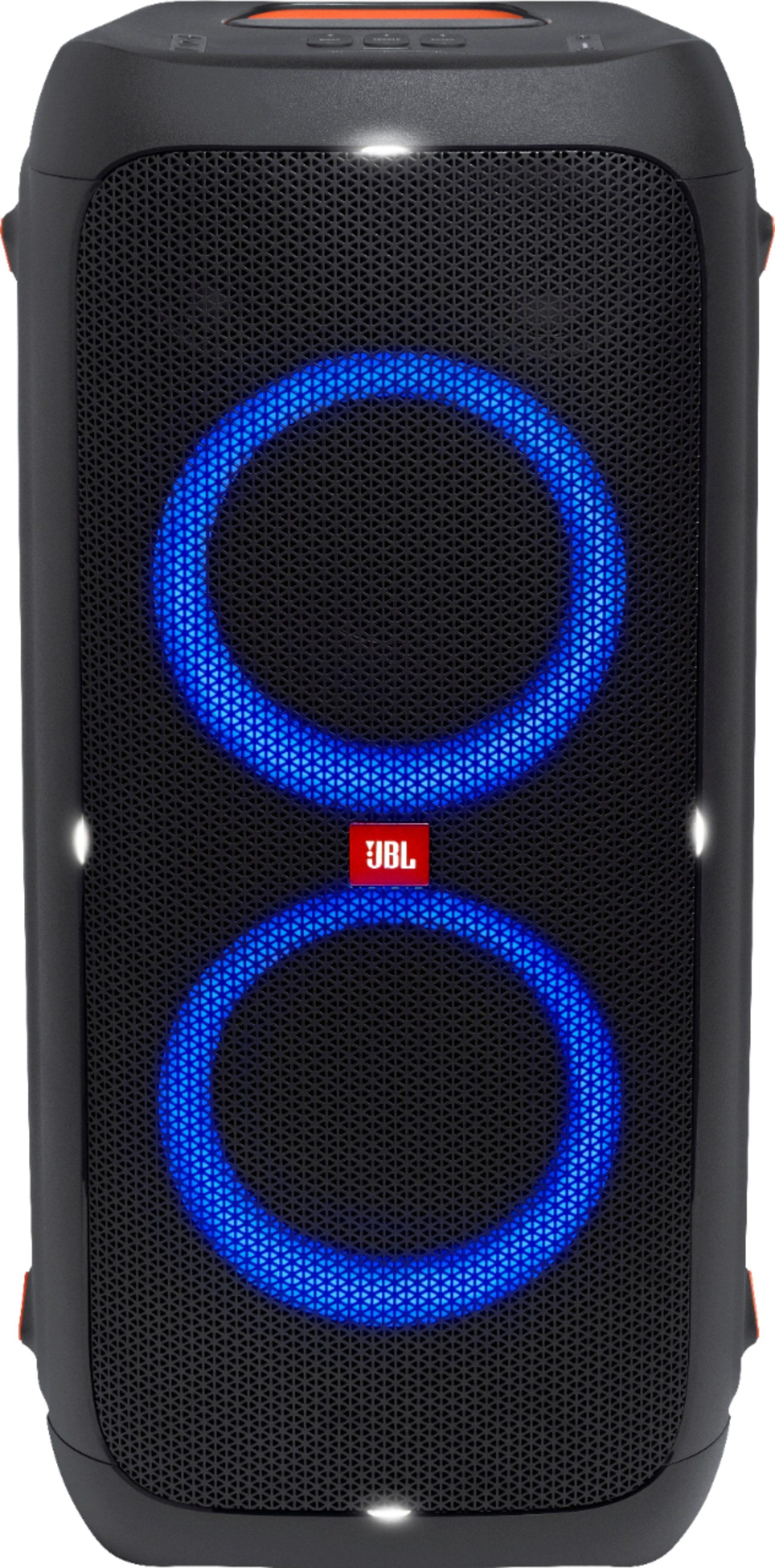
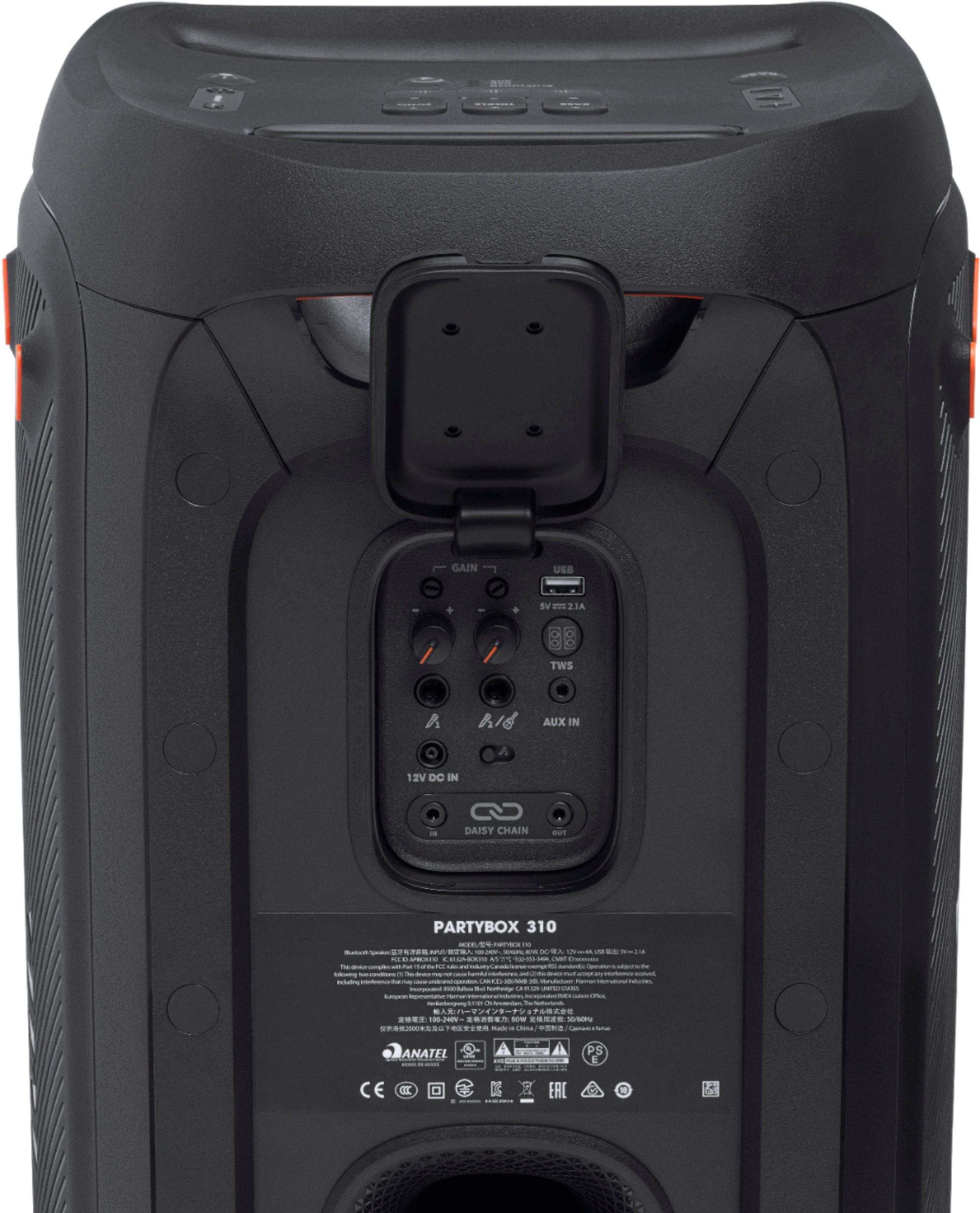
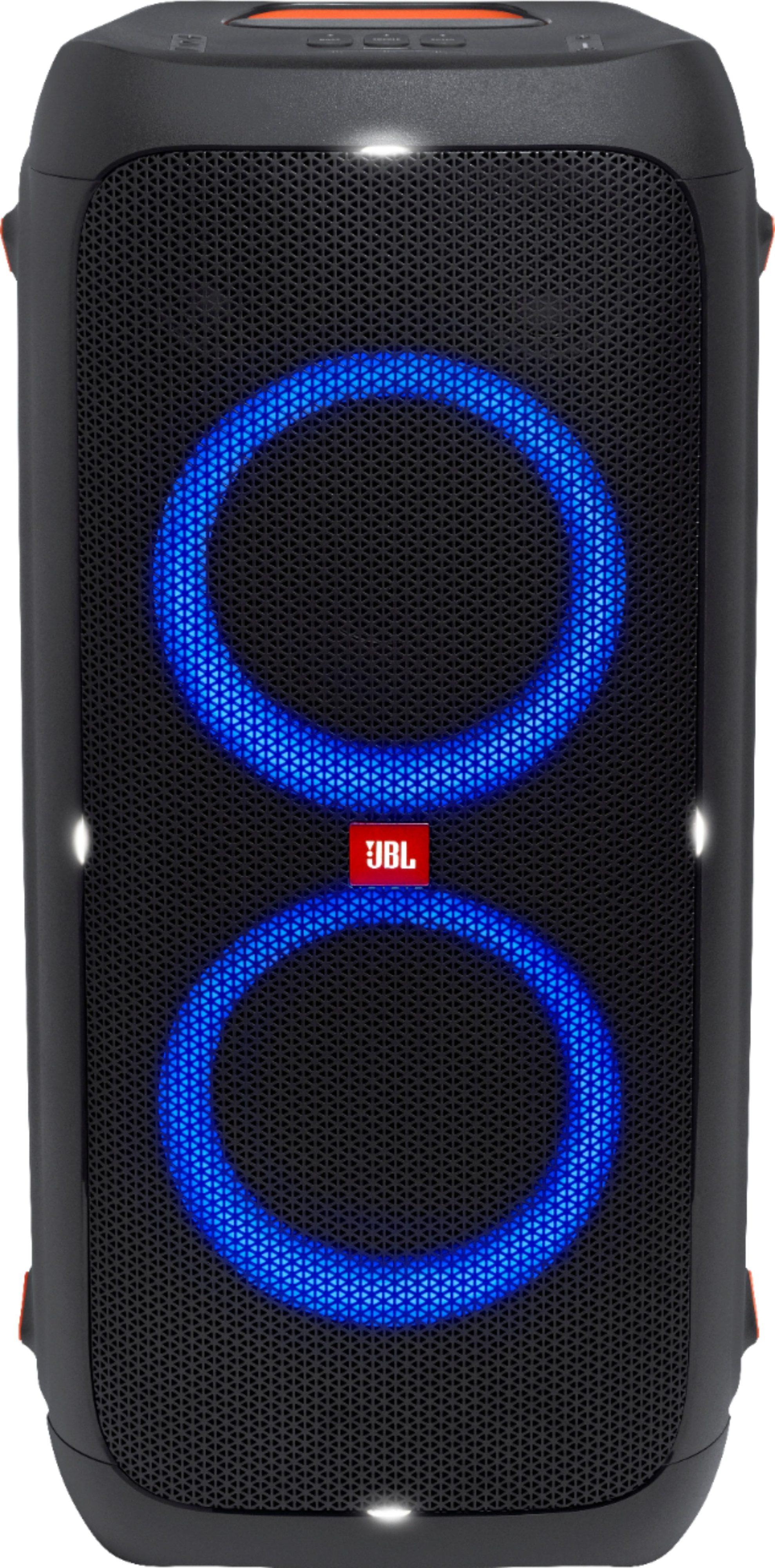
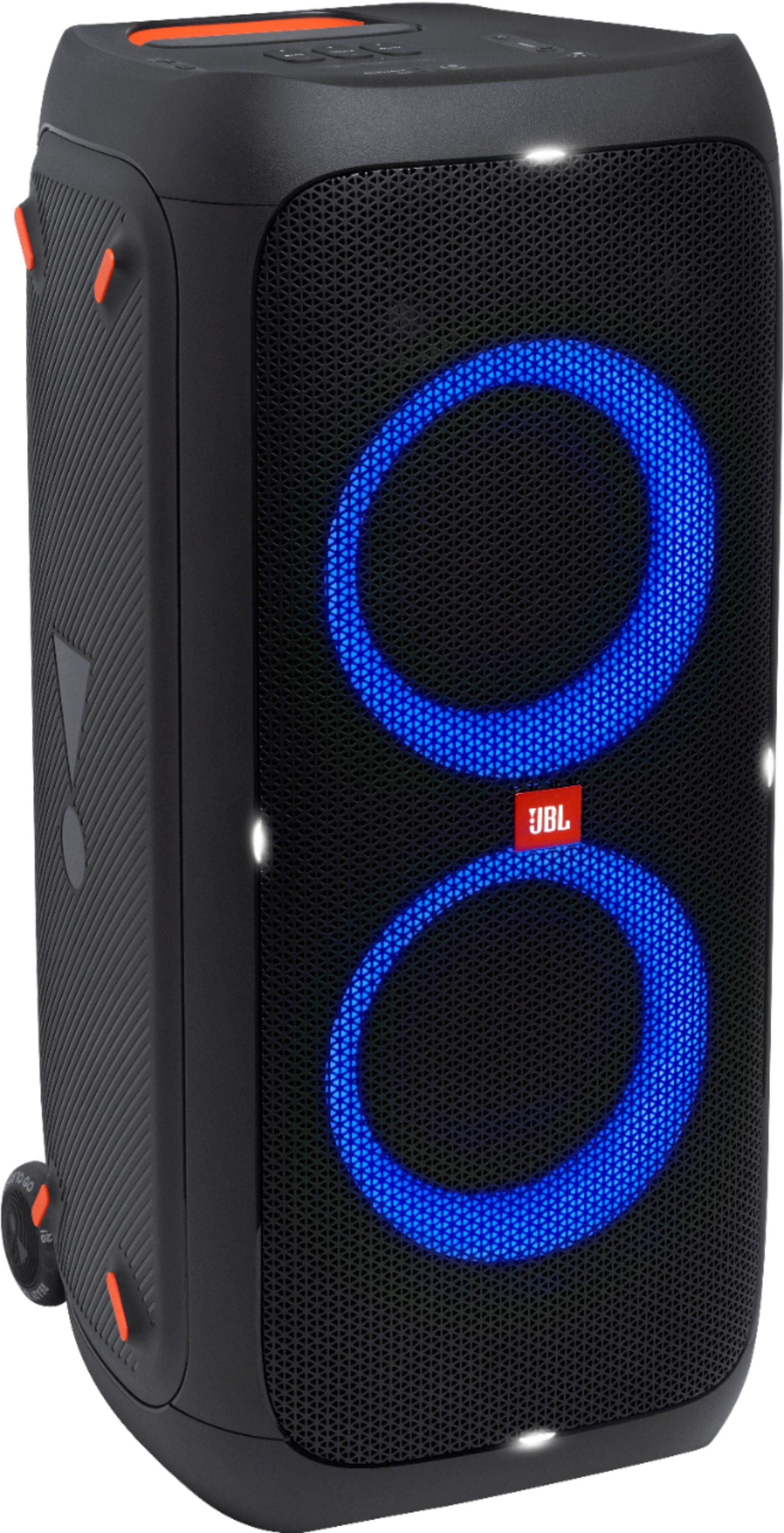
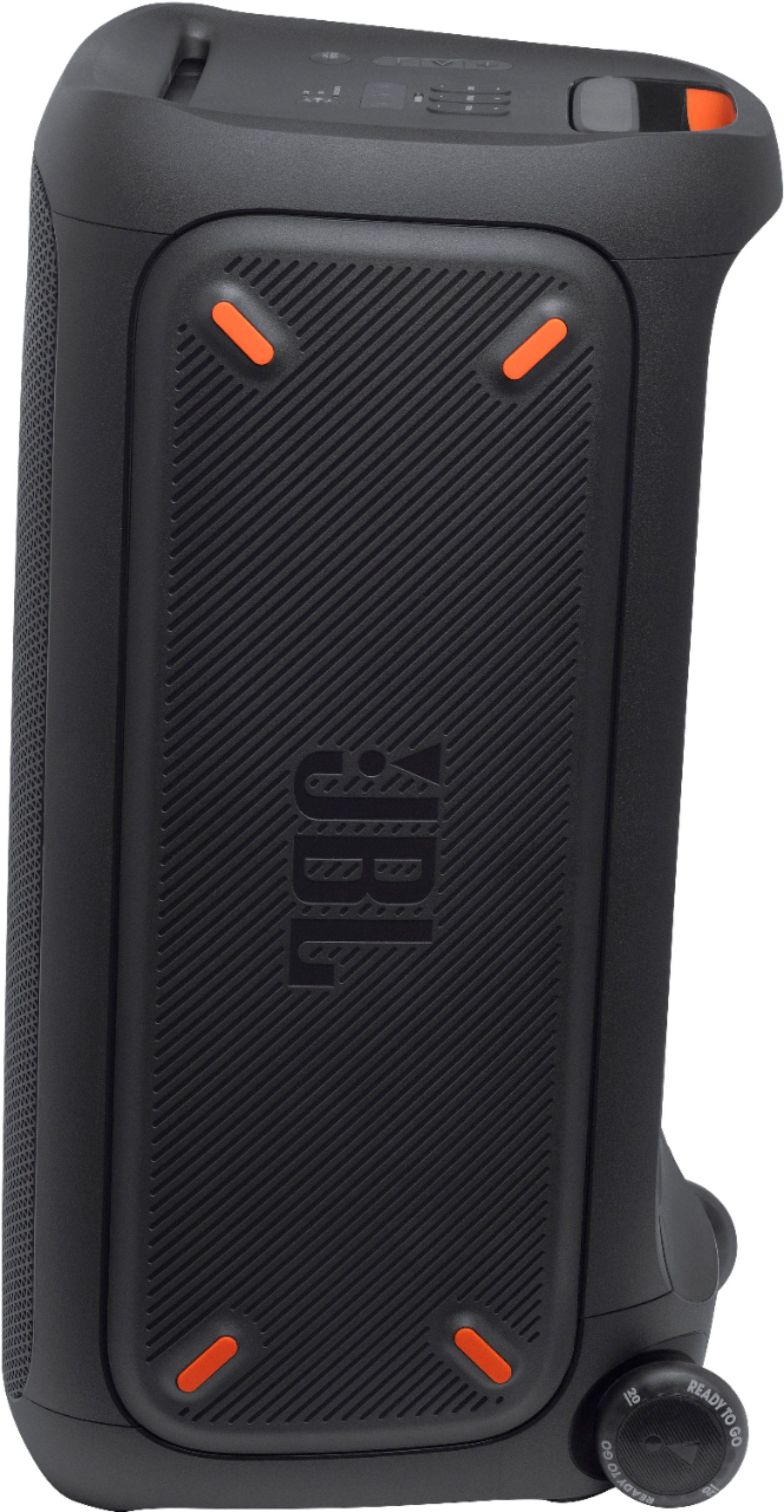
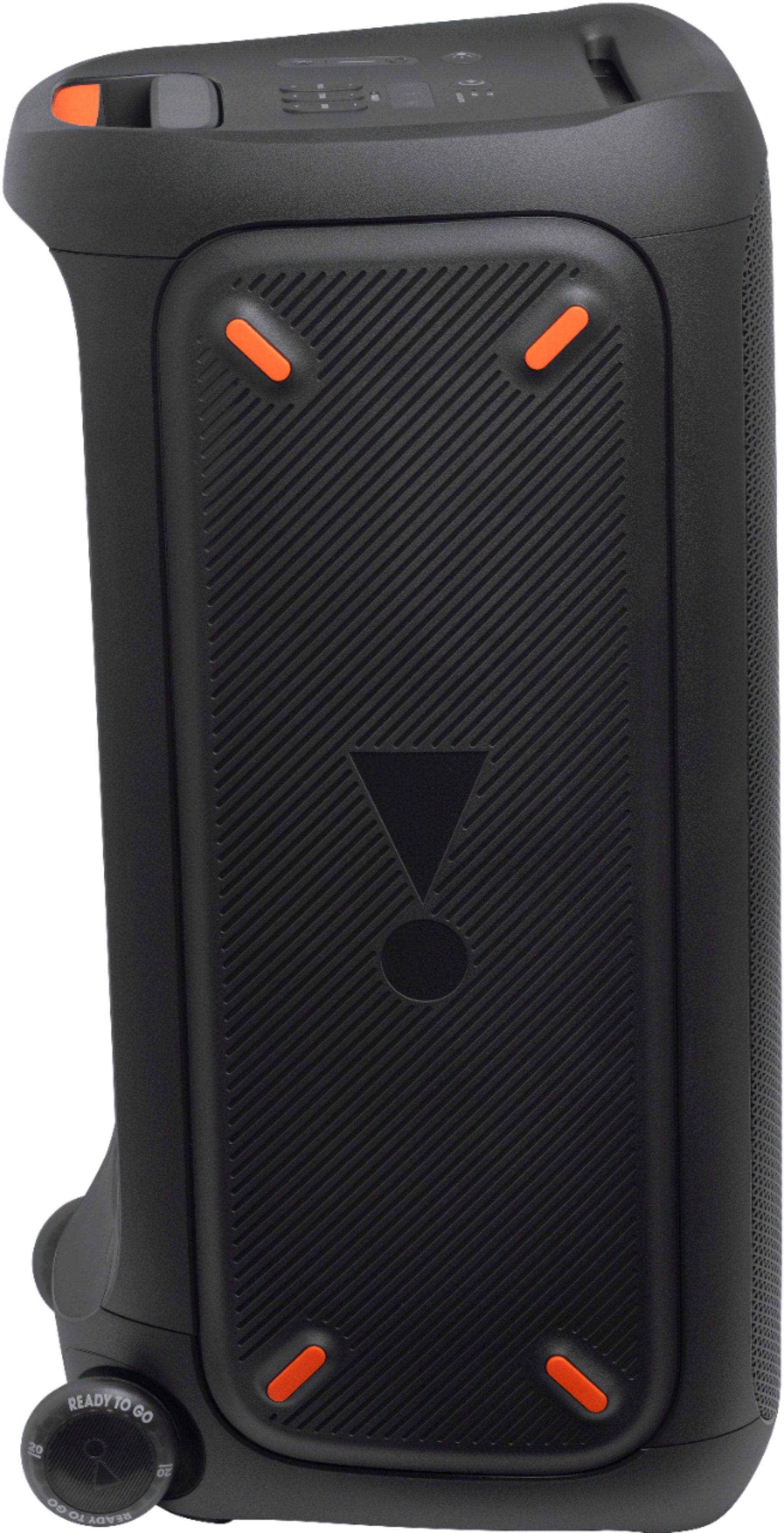
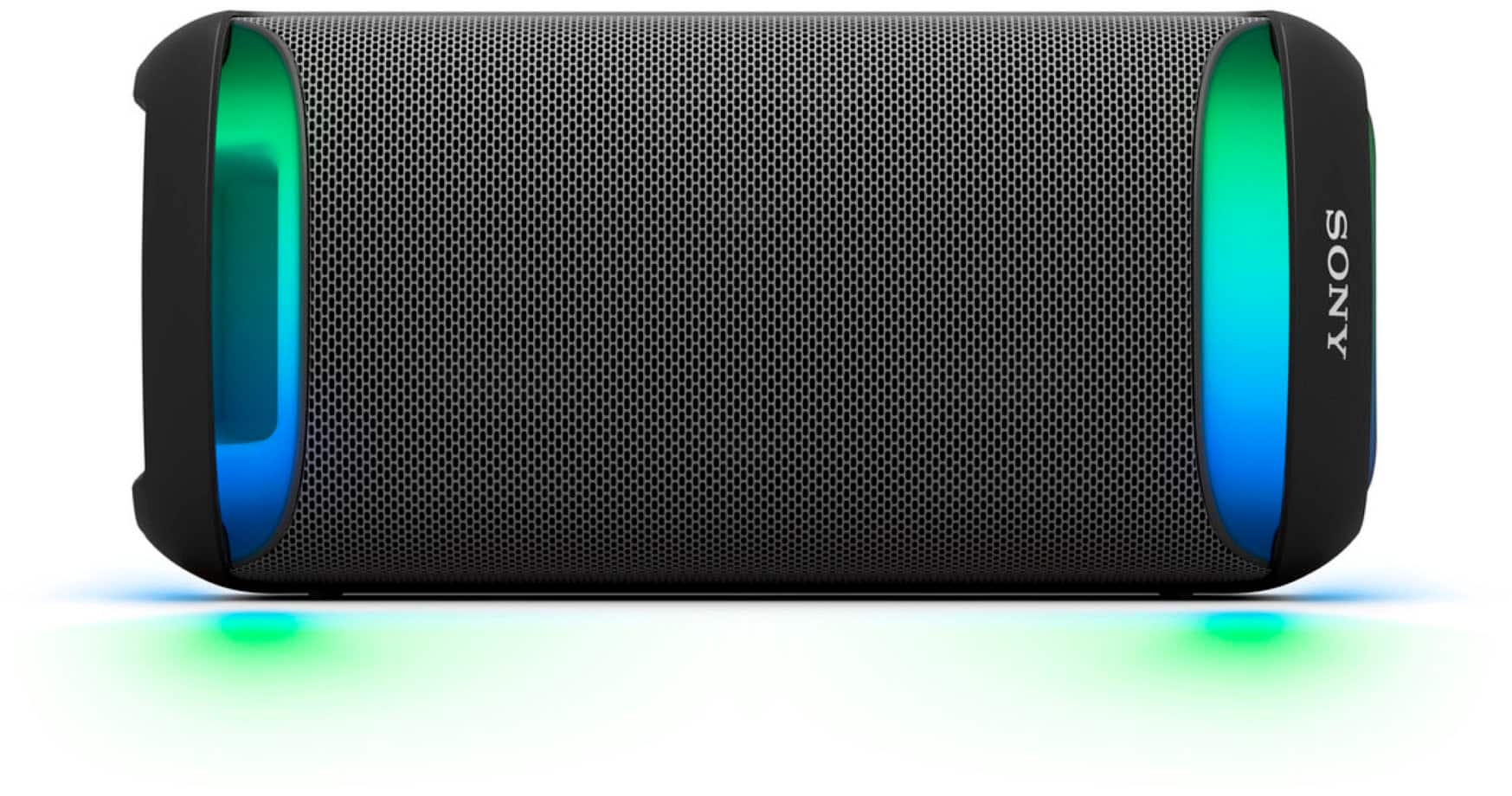
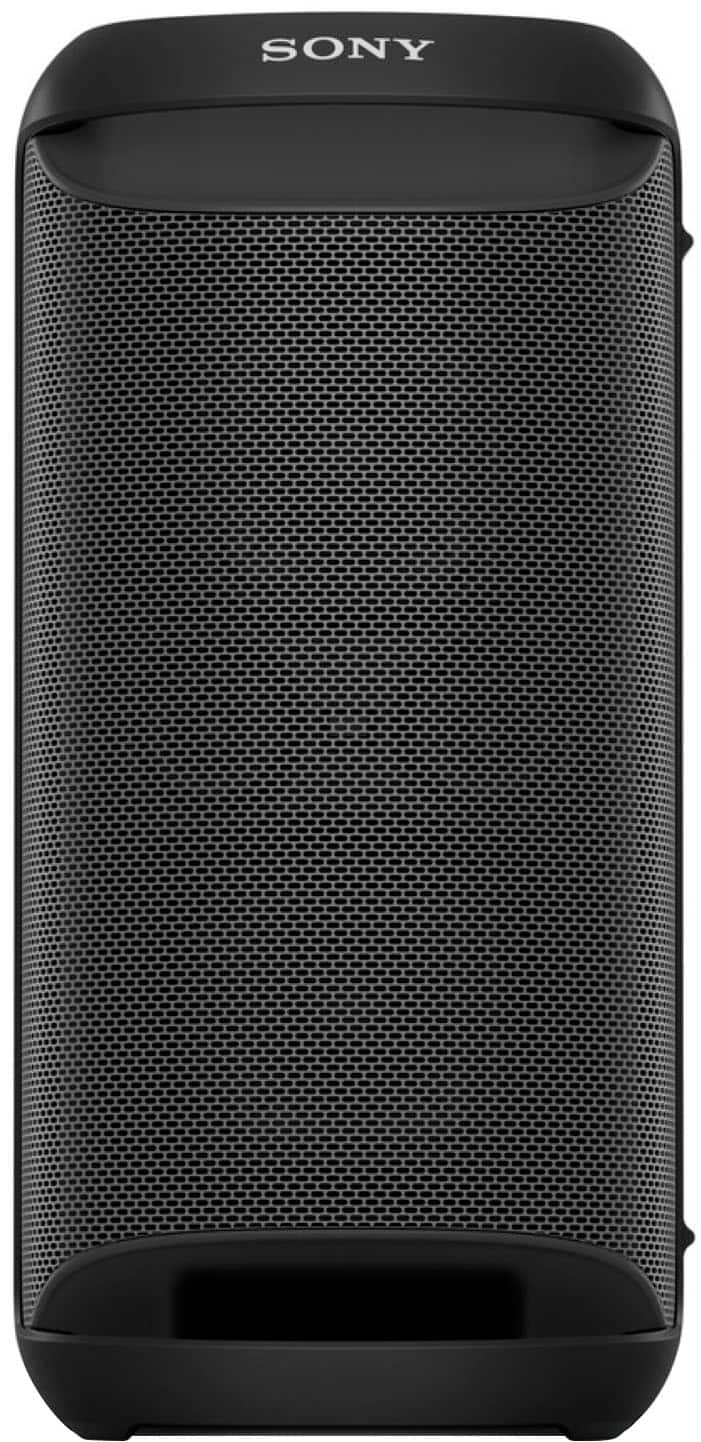
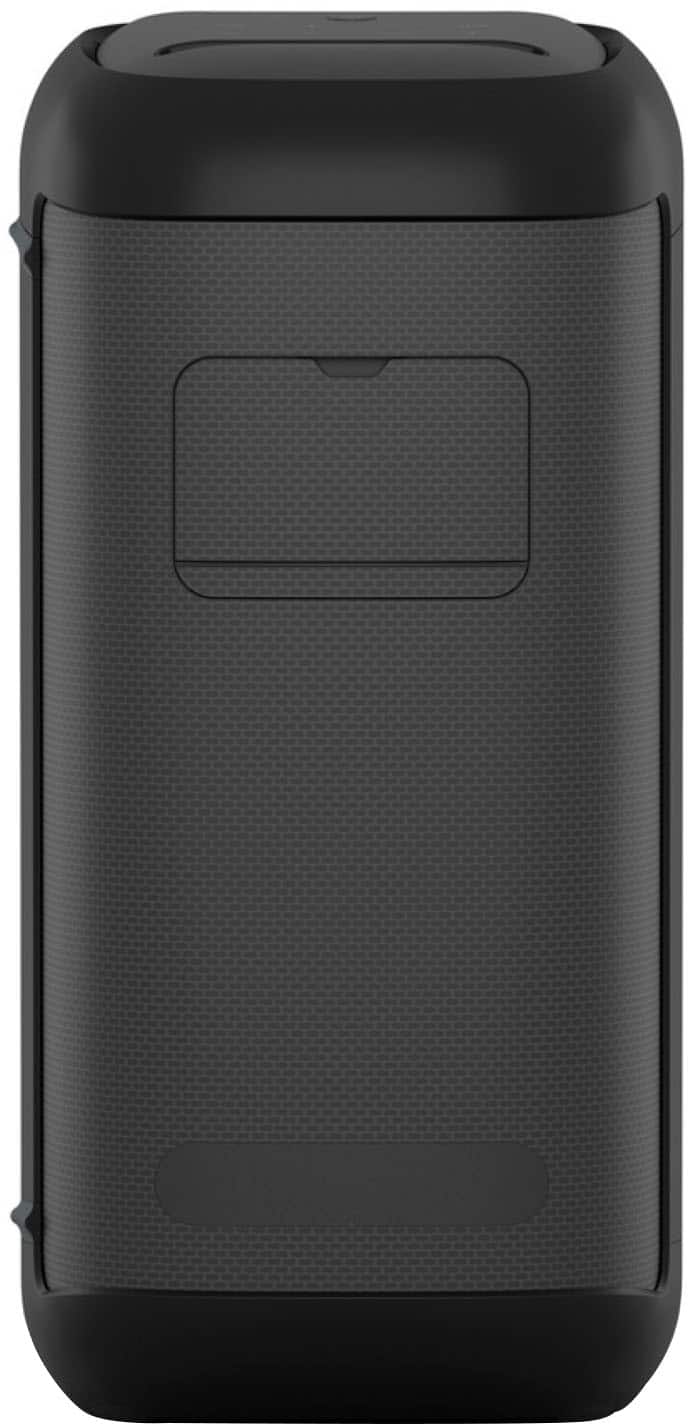
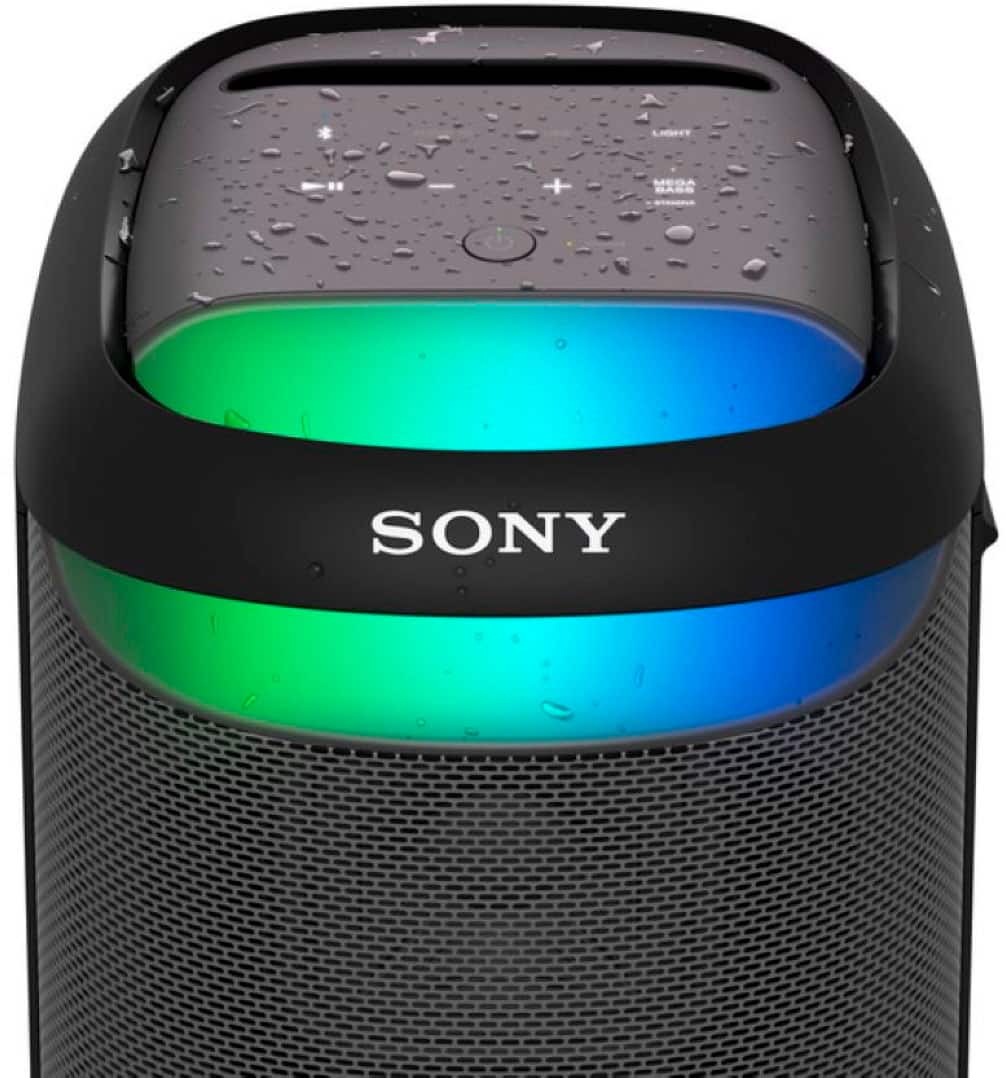

When your regular Bluetooth speaker just isn't cutting it for the backyard BBQ or basement party, you're looking at portable party speakers—the heavy-hitting audio systems designed to pump out serious volume with eye-catching light shows. Two standout options dominate this space: the JBL PartyBox 310 from 2020 and the newer Sony SRS-XV500 released in 2024. At the time of writing, there's roughly a $150 price difference between them, but that doesn't tell the whole story about value.
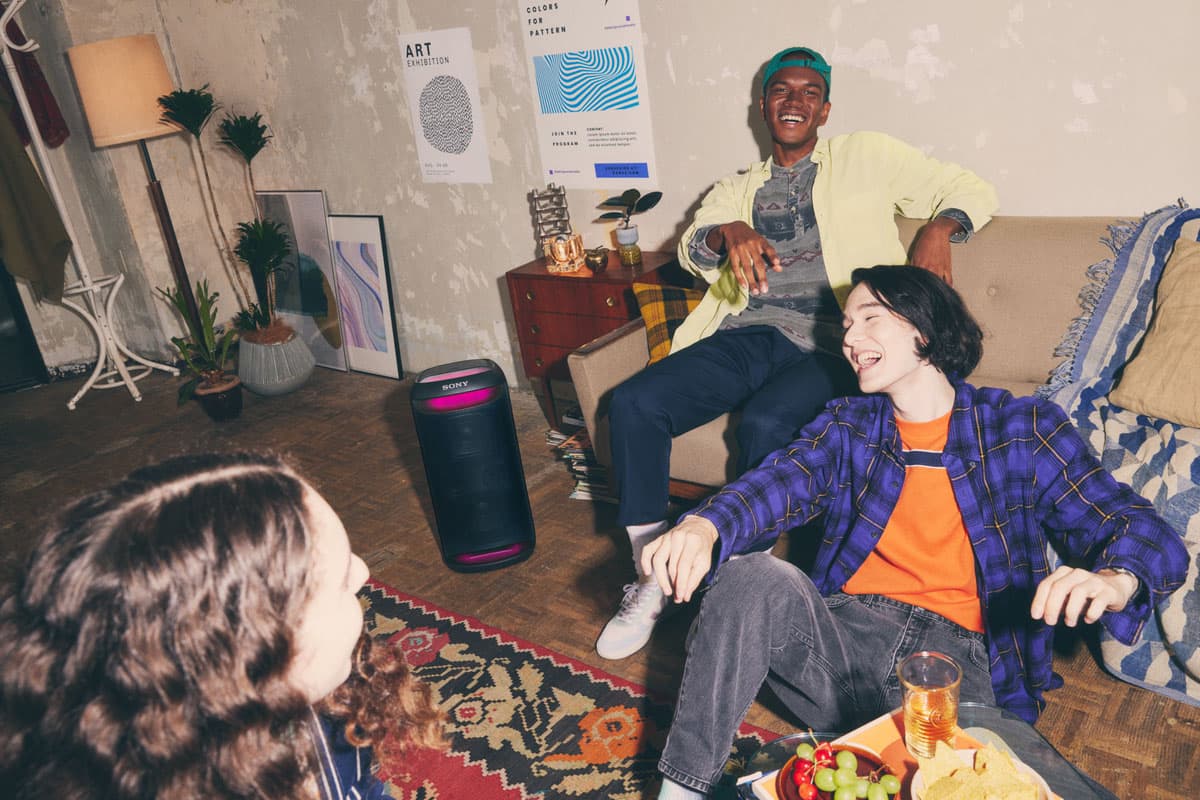
Portable party speakers occupy a unique space between regular Bluetooth speakers and professional PA systems. They're built to fill large spaces—think backyard gatherings, beach parties, or garage jam sessions—with powerful, bass-heavy sound that can compete with ambient noise and conversation. Unlike compact Bluetooth speakers that prioritize portability, these units embrace size and weight to deliver the acoustic punch needed for real parties.
The key considerations in this category center around a few critical areas. Audio performance means raw volume output, bass response that you can feel, and maintaining sound clarity even at party-level volumes. Portability versus power represents the eternal trade-off—bigger speakers generally sound better and louder, but they're harder to move around. Battery endurance becomes crucial when you're hosting all-day events without convenient power outlets. Entertainment features like synchronized lighting, microphone inputs for karaoke, and multi-speaker connectivity can make or break the party experience.
The JBL PartyBox 310 represents the "go big or go home" philosophy that JBL established in the party speaker market. Released in 2020, it's built like a portable PA system with serious power output and visual impact. The Sony SRS-XV500, launching four years later in 2024, takes a more refined approach, incorporating lessons learned from the party speaker market's evolution and focusing on balanced performance with modern conveniences.
This four-year gap matters more than you might think. The Sony benefits from newer Bluetooth technology, improved battery chemistry, and design refinements based on real-world user feedback from the party speaker market's early adopters.
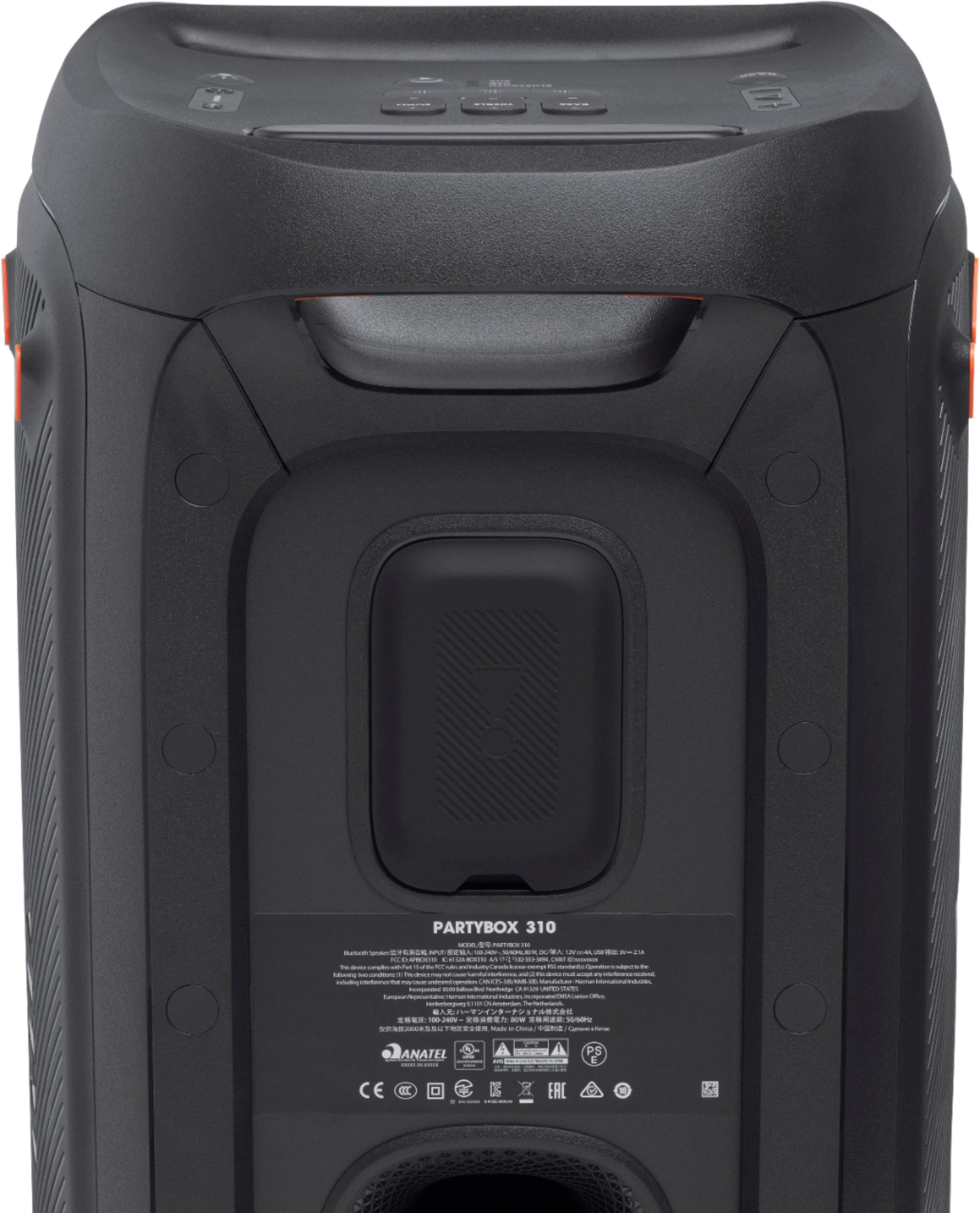
Let's address the elephant in the room—these aren't speakers you'll casually toss in a backpack. The JBL PartyBox 310 is substantially larger and heavier, tipping the scales at about 38 pounds compared to the Sony's more manageable 25 pounds. That's a significant difference when you're hauling gear up stairs or loading it into a car.
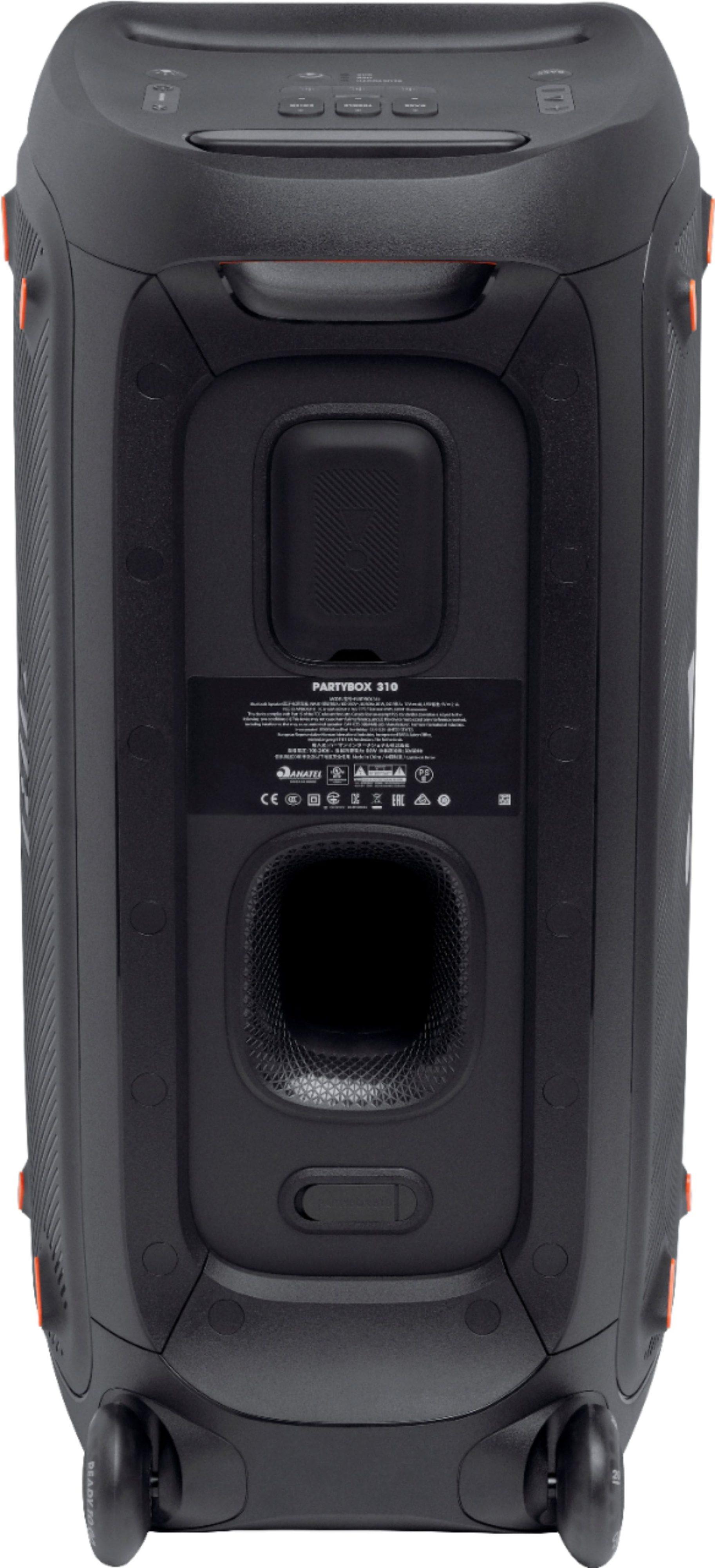
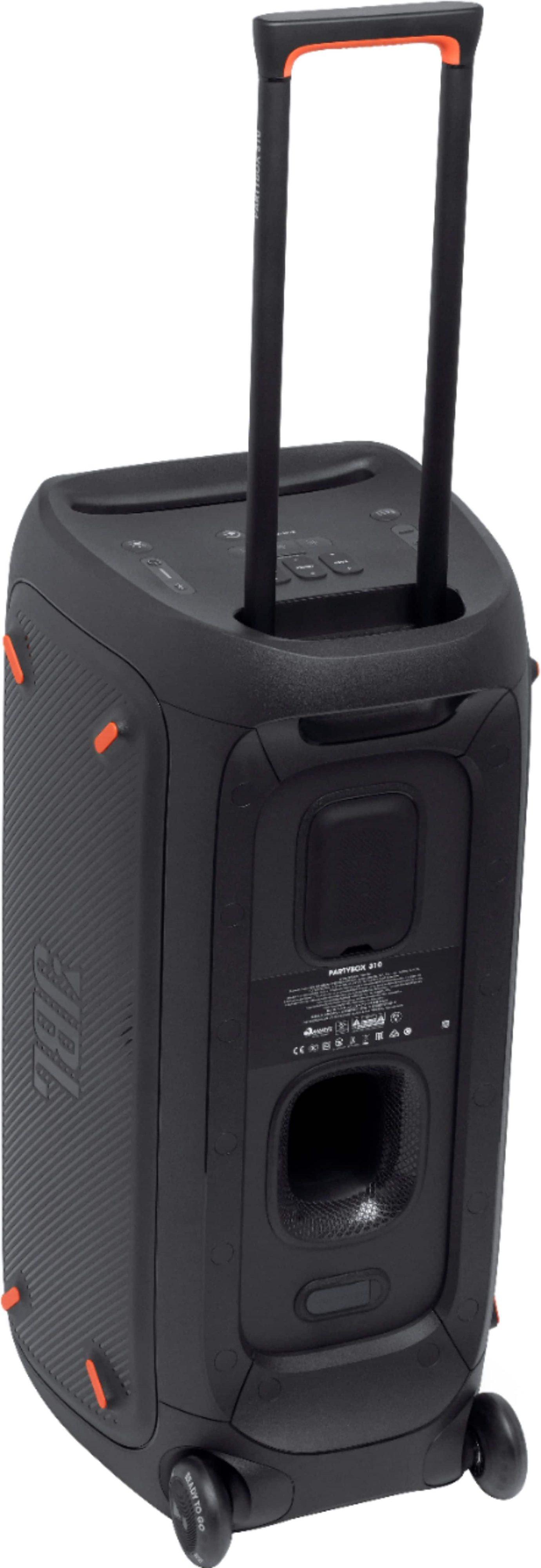
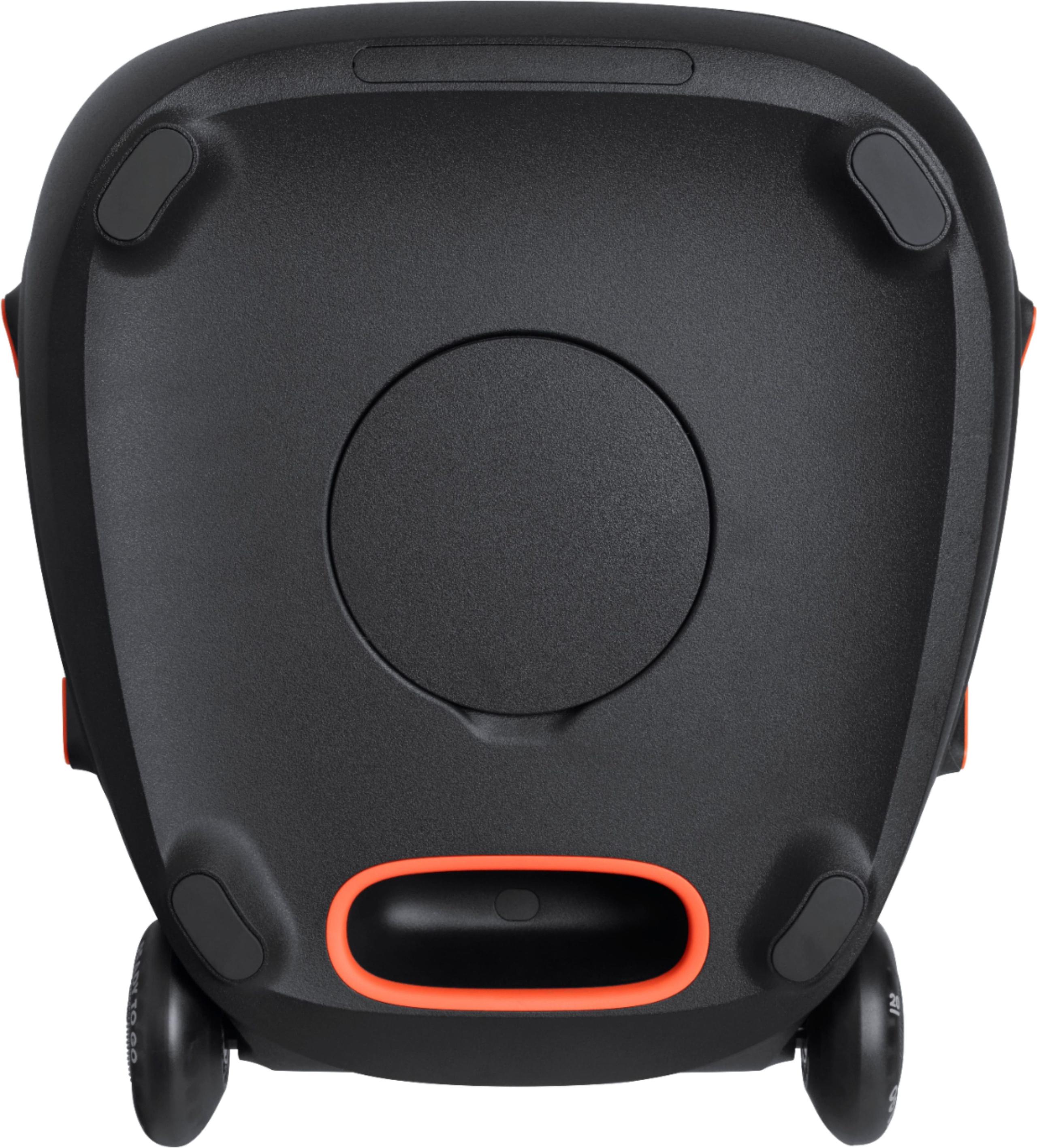
However, JBL engineered the PartyBox 310 with transport in mind. It features a telescoping handle and smooth-rolling wheels, essentially turning it into audio luggage. You can wheel it across parking lots, up ramps, and through doorways with minimal effort. The Sony SRS-XV500, despite being lighter, relies on traditional carry handles, meaning you're actually lifting and carrying those 25 pounds wherever it needs to go.
For frequent transport over longer distances, the JBL's wheeled design proves surprisingly practical. But if you're mainly moving between nearby locations or have multiple people to help, the Sony's reduced bulk makes more sense.
Here's where the philosophical differences become most apparent. The JBL PartyBox 310 delivers 240 watts RMS (Root Mean Square—essentially the continuous power output rather than peak bursts) and prioritizes raw acoustic impact. Its frequency response extends down to 45Hz, capturing those deep bass notes that you feel in your chest. When our research into user experiences consistently shows the JBL getting significantly louder with more pronounced bass response, it's clear this speaker was tuned for maximum impact.
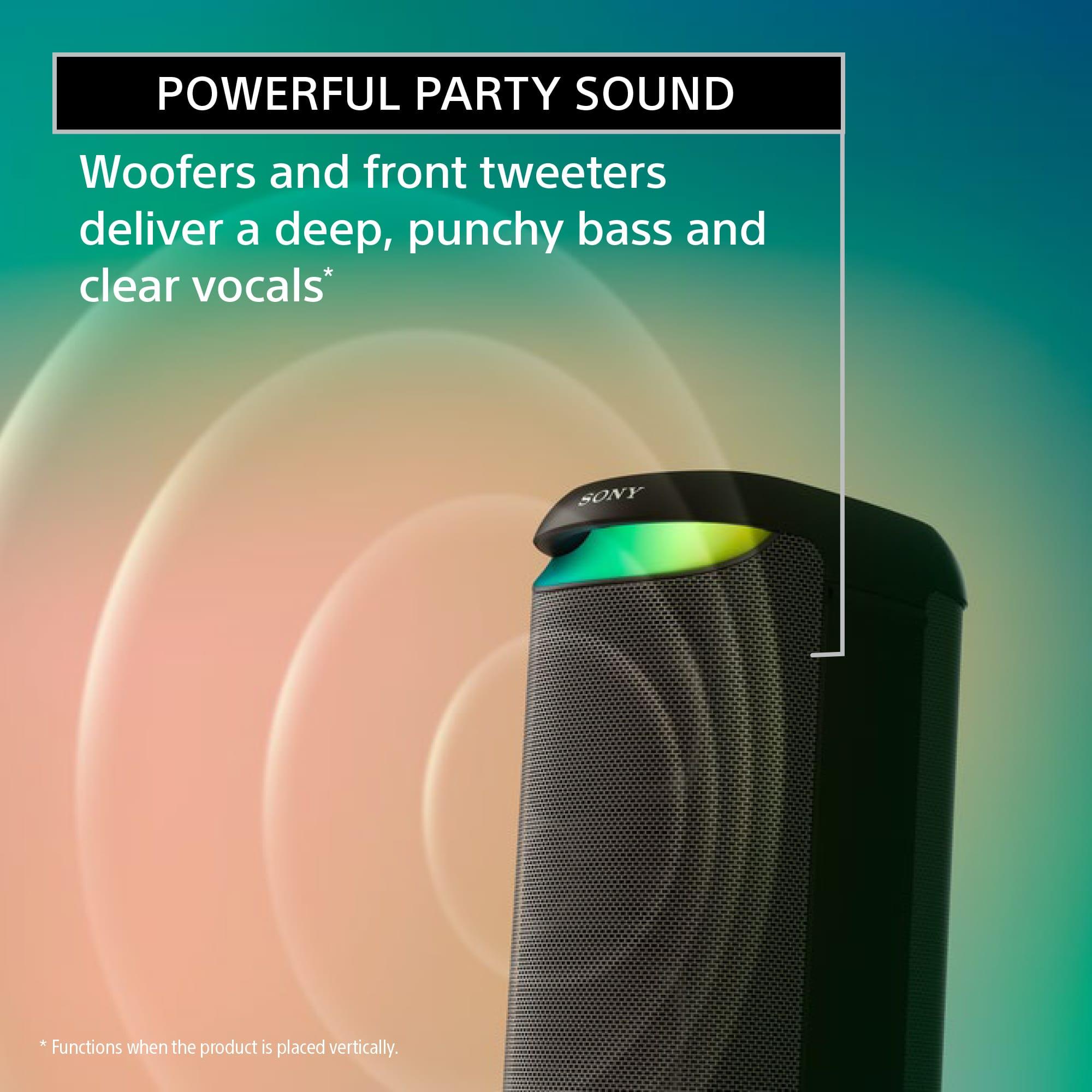
The Sony SRS-XV500 takes a different approach with its stereo 2.0 channel configuration versus the JBL's mono setup. While Sony doesn't publish wattage specifications (a frustrating trend among some manufacturers), the stereo design creates better soundstage—meaning instruments and vocals feel more separated and positioned in space rather than coming from a single point source.
User consensus from our research suggests the Sony produces more balanced, refined audio with clearer mids and highs, though at lower maximum volumes than the JBL. This matters depending on your use case. For intimate gatherings where sound quality matters more than sheer volume, the Sony's approach proves more enjoyable for extended listening. But when you need to fill a large backyard or compete with pool splash sounds and conversation, the JBL's raw power becomes essential.
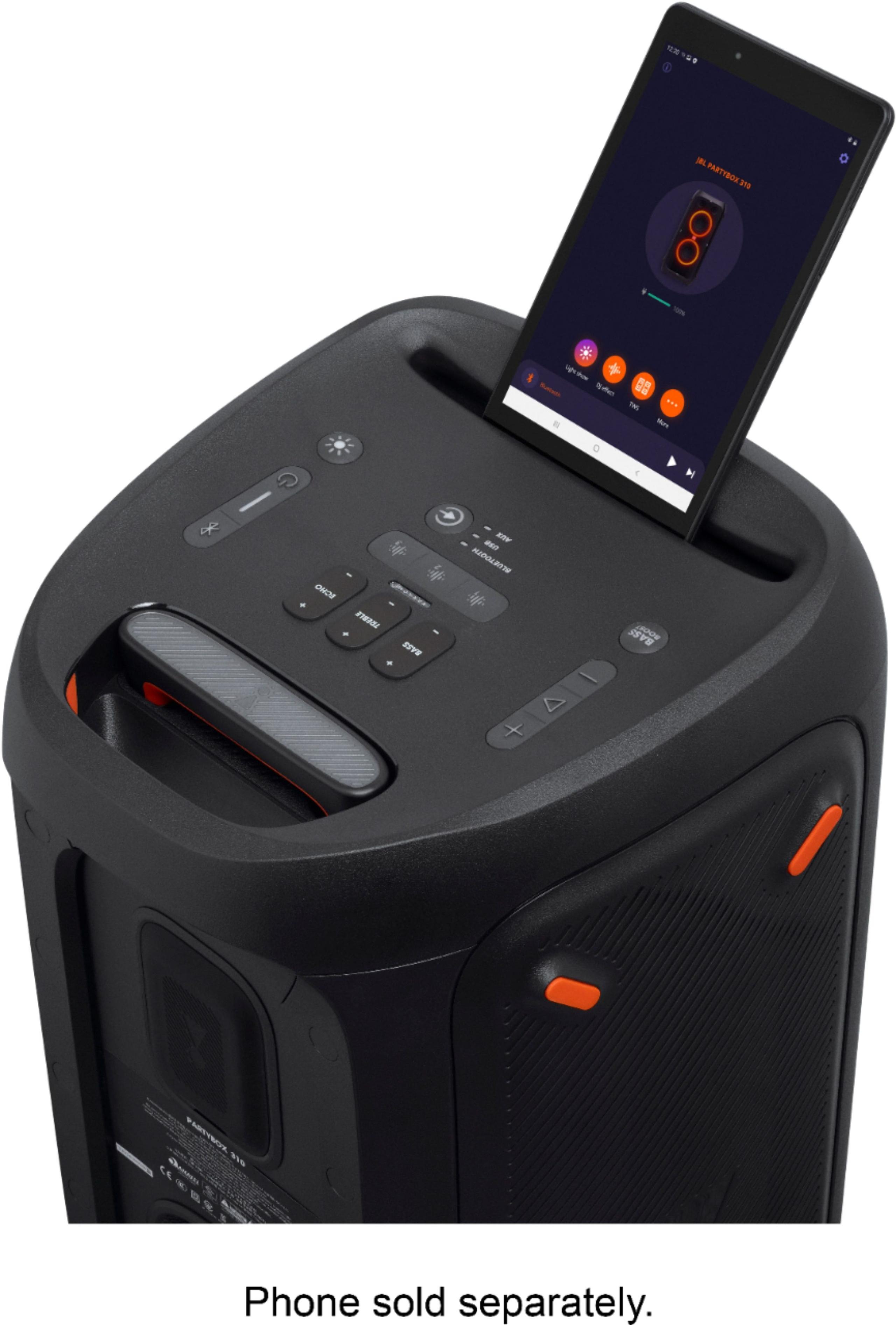
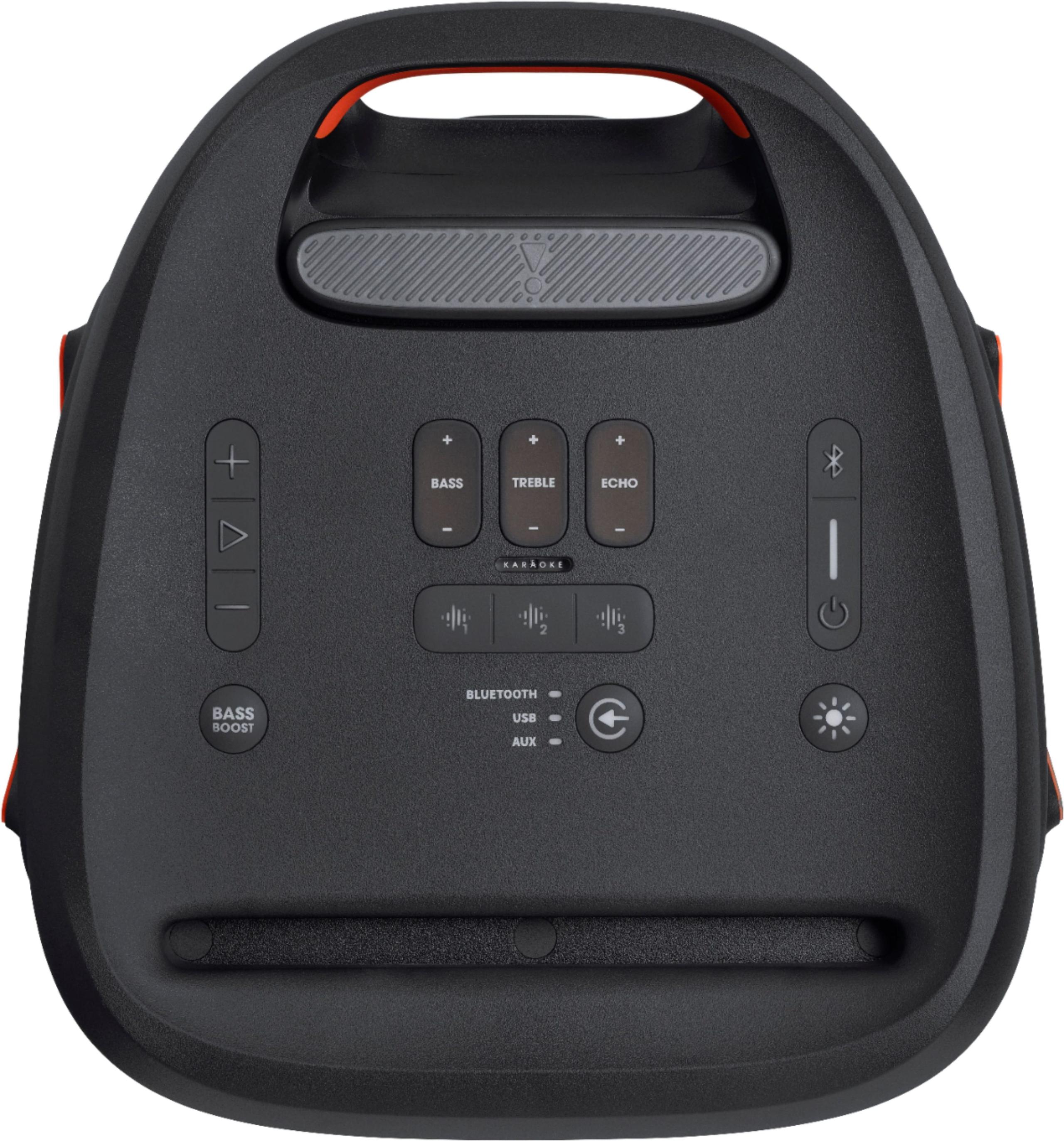
Bass response deserves special attention since it's crucial for party atmosphere. The JBL's bass boost feature can push low-end frequencies even further, creating that floor-shaking impact that gets people moving. The Sony's MEGA BASS feature provides similar enhancement, but the overall character remains more controlled and musical rather than purely impactful.
This is where the newer Sony technology shows its advantage clearly. The Sony SRS-XV500 delivers up to 25 hours of playback compared to the JBL PartyBox 310's 18-hour rating. Real-world testing by users consistently shows the Sony maintaining approximately 8 hours at 80% volume with lighting effects enabled, while the JBL achieves about 7 hours at 65% volume under similar conditions.
These aren't just numbers—they represent the difference between a speaker that lasts through an entire day-long event versus one that might need strategic power management or access to AC power. The Sony also charges faster at 3 hours versus the JBL's 3.5 hours, reducing downtime between events.
Both speakers can function while plugged in, and they actually perform better on AC power than battery power (a common characteristic in this category due to power delivery limitations from batteries). But for true portability and all-day events, the Sony's battery advantage proves significant.
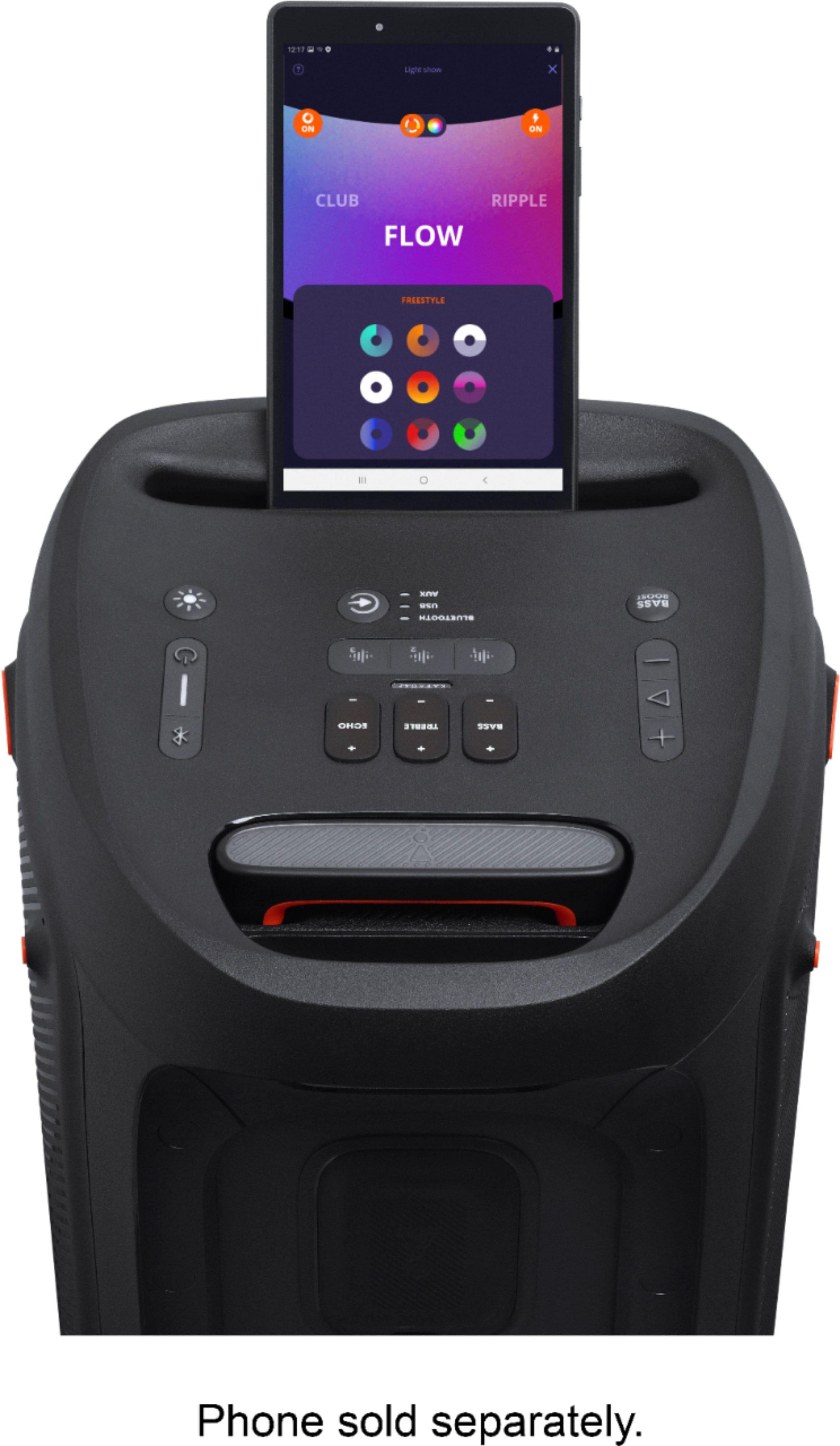
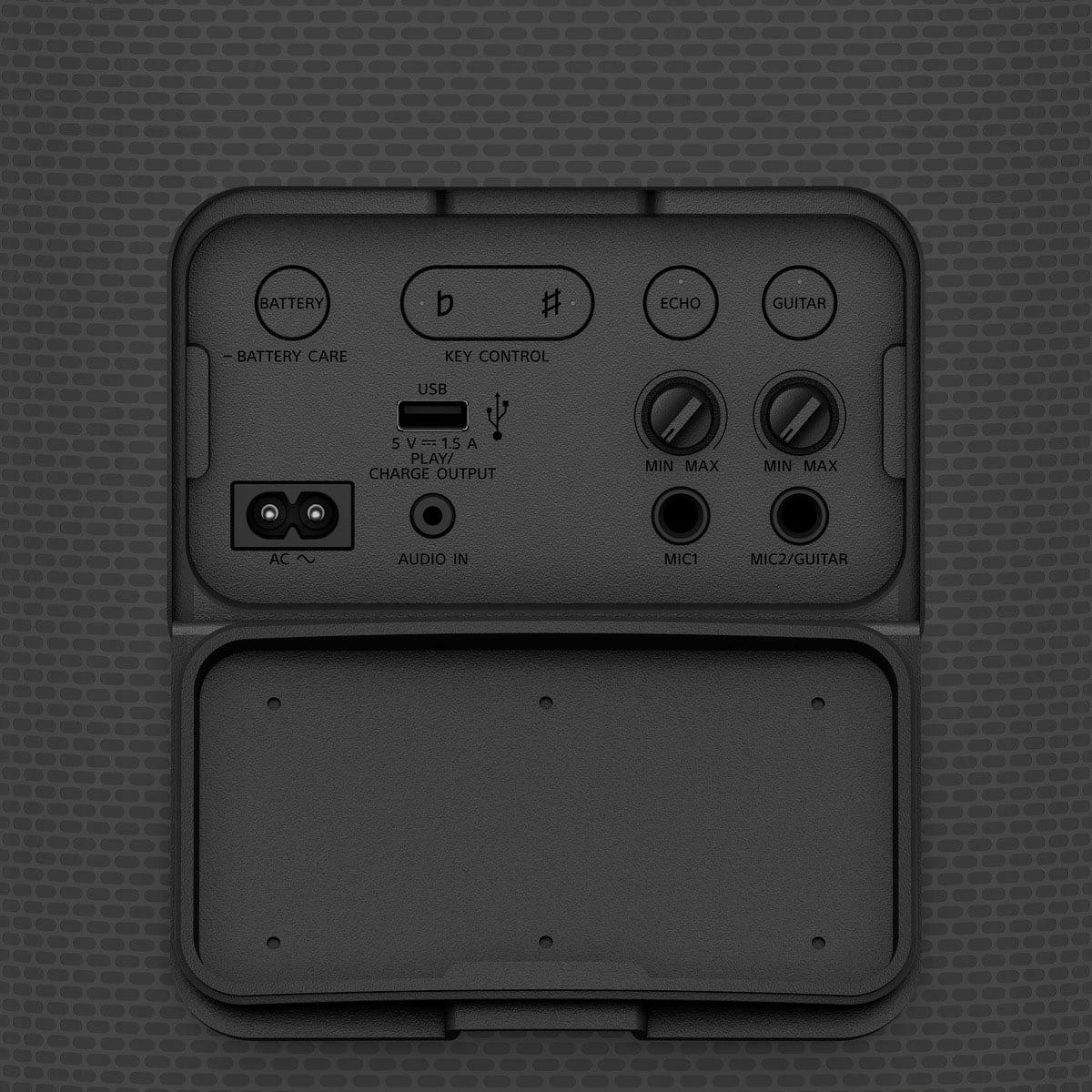
Both speakers recognize that party entertainment often involves more than just music playback. Each includes dual 1/4-inch microphone inputs—the professional-style connections used by dynamic microphones rather than the smaller plugs found on headphones.
The Sony SRS-XV500 pulls ahead in karaoke functionality with its key transposition feature, which lets you shift the pitch of background music up or down to match singers' vocal ranges. This is genuinely useful for karaoke enthusiasts who want to sing songs in more comfortable keys. The Sony also supports two microphones simultaneously with equal volume output, enabling duets or announcements while music continues.
The JBL PartyBox 310 includes microphone inputs but the second input produces significantly lower output, making it less practical for dual-microphone scenarios. However, JBL includes more dynamic visual elements with strobe LED effects and ring lights that create a more impressive light show. If you're after maximum visual impact—the kind that transforms a room's atmosphere—the JBL's lighting system proves more effective.
The Sony SRS-XV500 showcases its newer technology with support for multiple Bluetooth audio codecs. While both speakers handle the basic SBC codec that all Bluetooth devices use, the Sony adds AAC (preferred by iPhones) and LDAC (Sony's high-quality codec for Android devices). LDAC can transmit roughly three times more data than standard Bluetooth, resulting in noticeably better wireless audio quality when your source device supports it.
The Sony also integrates with Sony's Party Connect ecosystem, allowing wireless connection to other compatible Sony speakers for expanded sound coverage. This ecosystem approach reflects modern thinking about scalable audio systems.
The JBL PartyBox 310 takes a more direct approach with a 3.5mm audio output jack that allows daisy-chaining to additional speakers or sound systems. This wired connection method proves more reliable than wireless alternatives and doesn't suffer from the slight audio delays that can affect multi-speaker Bluetooth setups.
Both speakers support connecting two Bluetooth devices simultaneously, enabling seamless DJ handoffs between phones or tablets—a surprisingly useful feature for parties where music control gets passed around.
While neither speaker specifically targets home theater use, their capabilities extend beyond party applications. The Sony SRS-XV500's stereo configuration and balanced sound signature make it more suitable for movie watching or serious music listening in larger rooms where a soundbar might feel inadequate.
The LDAC codec support means Android users can achieve near-wired audio quality for streaming high-resolution music or movie soundtracks. The Sony's more refined midrange also handles dialogue better than the JBL's bass-forward tuning.
However, the JBL PartyBox 310's raw power proves useful for home theater scenarios requiring serious volume—perhaps in large basement entertainment areas or outdoor movie setups where ambient noise becomes a factor. Its ability to connect additional speakers via the audio output also enables simple surround sound expansion.
Neither replaces a dedicated home theater system, but both can serve as powerful single-point solutions for casual movie watching or music listening in larger spaces.
At the time of writing, the Sony SRS-XV500 commands roughly $150 less than the JBL PartyBox 310, representing exceptional value given its feature set and performance capabilities. The Sony delivers longer battery life, better portability, refined sound quality, modern codec support, and advanced karaoke features at the lower price point.
The JBL PartyBox 310's premium pricing reflects its superior maximum volume output, visual impact through lighting, and the practical transport features. For users who genuinely need maximum acoustic output—those hosting large outdoor events or competing with high ambient noise—the extra cost proves justified.
Consider total cost of ownership as well. The Sony's longer battery life means less frequent charging cycles, potentially extending overall battery lifespan. The JBL's proven track record since 2020 demonstrates durability, but both speakers offer comparable one-year warranties.
The JBL PartyBox 310 uses two 6.5-inch woofers and two 2.5-inch tweeters in a mono configuration with a rear-firing port for bass enhancement. This design maximizes low-frequency output and overall volume but sacrifices stereo imaging.
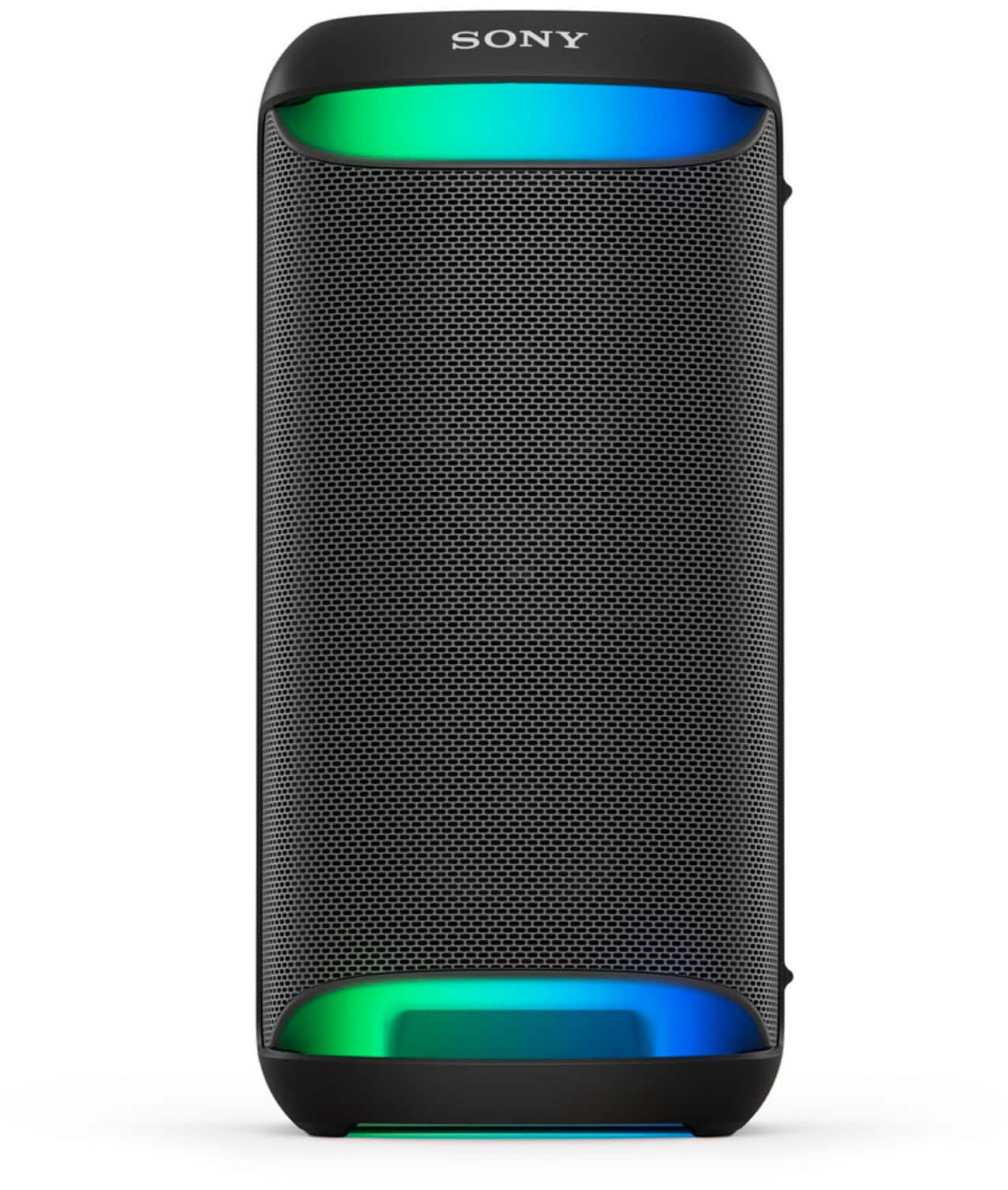
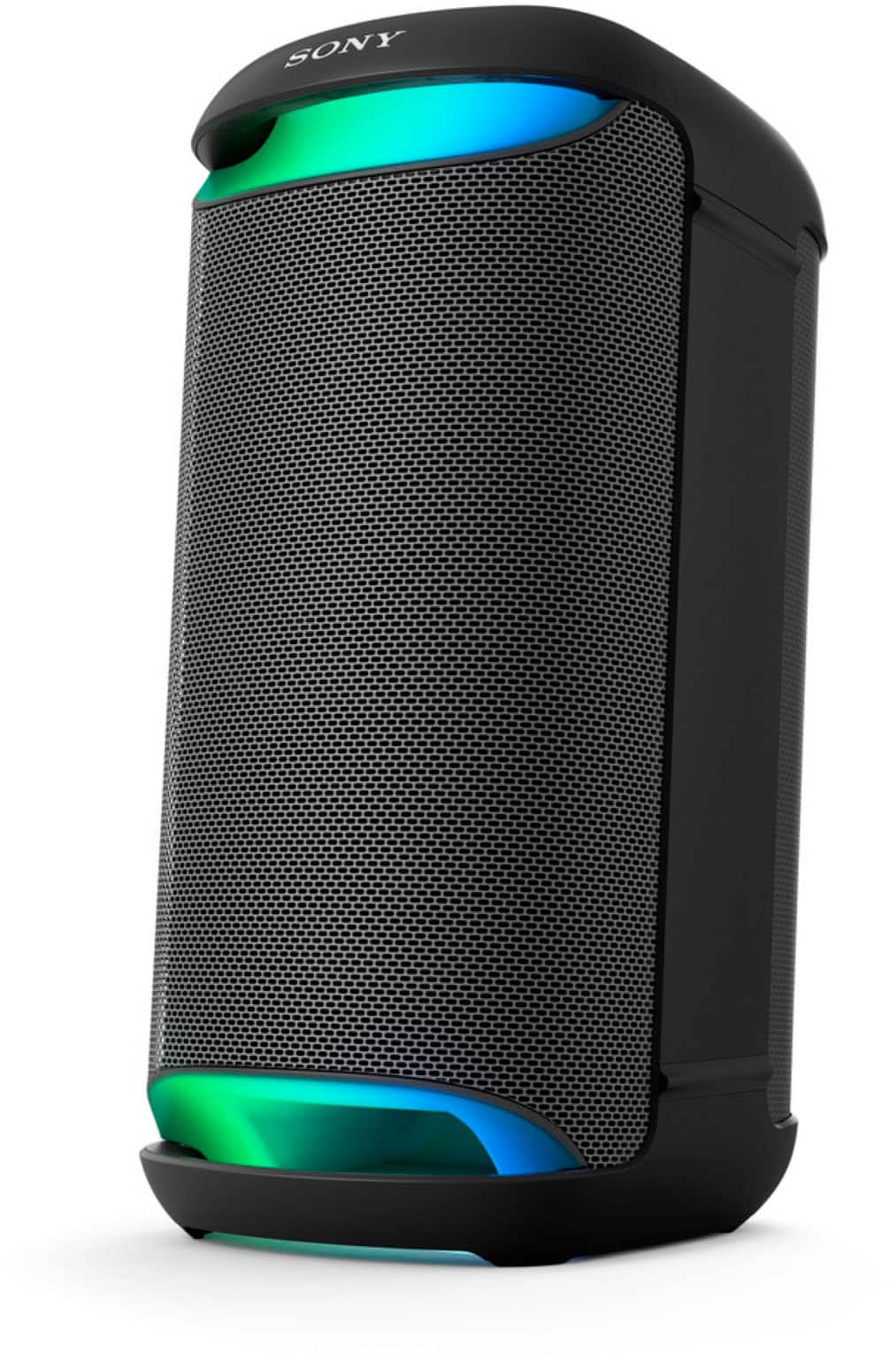
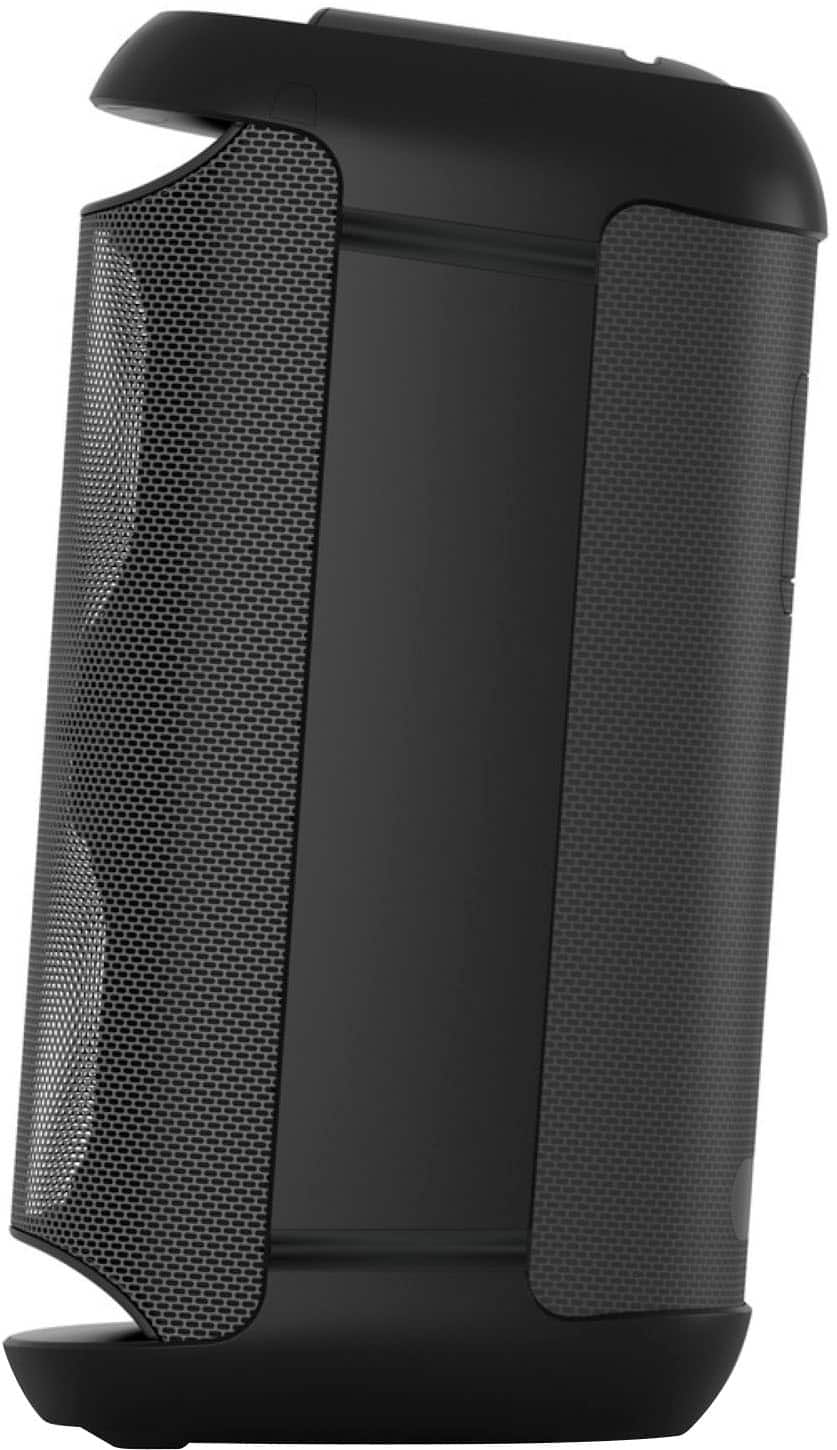
The Sony SRS-XV500 employs X-Balanced Speaker Units—rectangular drivers that maximize surface area within the available space, reducing distortion while maintaining output. The stereo configuration with separate left and right channels creates better spatial audio reproduction.
Both use Class D amplification, which provides high efficiency and reduced heat generation compared to older amplifier technologies. This efficiency proves crucial for battery-powered operation, where every watt counts toward playback duration.
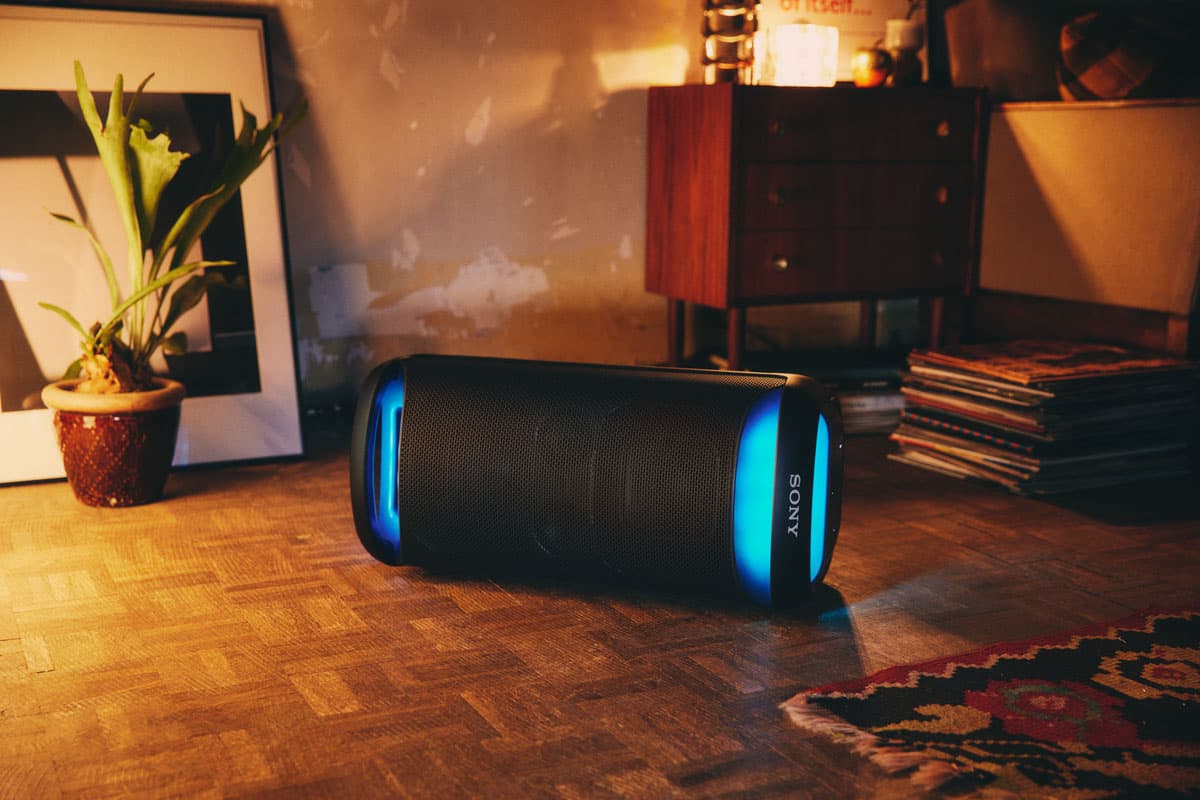
The lighting systems differ significantly in approach. JBL uses traditional LED arrays with strobe capabilities, creating dramatic effects but consuming more power. Sony's implementation focuses on synchronized lighting zones that complement rather than dominate the audio experience while preserving battery life.
Choose the JBL PartyBox 310 when you prioritize maximum acoustic impact over all other considerations. If you regularly host large outdoor gatherings, need to fill expansive spaces, or want lighting effects that serve as party centerpieces, the JBL's approach proves superior despite its higher cost. The wheeled transport system also makes sense if you frequently move the speaker longer distances or have mobility considerations.
The JBL makes particular sense for event organizers, DJs working smaller venues, or anyone who needs guaranteed volume output regardless of environment. Its proven reliability since 2020 also provides confidence for professional or semi-professional use.
Choose the Sony SRS-XV500 for better overall value and modern feature integration. The superior battery life alone justifies the choice for many users, while the refined sound quality proves more enjoyable for extended listening sessions. The karaoke features and ecosystem integration add genuine utility beyond basic music playback.
The Sony works better for users who value portability, host smaller to medium-sized gatherings, or prefer balanced audio reproduction over pure volume. Its lower price point also makes it accessible to more buyers while delivering genuinely competitive performance.
Both speakers serve their intended market well, but they target slightly different user priorities. The JBL PartyBox 310 remains the choice for maximum impact and proven performance, while the Sony SRS-XV500 represents better overall value with modern conveniences and refined execution.
For most users, the Sony's combination of features, performance, and pricing creates a more compelling package. However, if your events genuinely require maximum volume output or dramatic visual effects, the JBL's premium proves worthwhile. Consider your typical use cases, transport requirements, and whether you value raw power over refined performance—that decision will guide you to the right choice.
| JBL PartyBox 310 | Sony SRS-XV500 |
|---|---|
| Power Output - Determines maximum volume and bass impact | |
| 240W RMS (AC), 140W RMS (battery) | Not specified, but measured lower than JBL |
| Speaker Configuration - Affects sound quality and stereo imaging | |
| Mono (2x 6.5" woofers, 2x 2.5" tweeters) | Stereo 2.0 (2x X-Balanced woofers, 2x tweeters) |
| Battery Life - Critical for all-day events without power | |
| Up to 18 hours | Up to 25 hours (39% longer) |
| Weight & Dimensions - Impacts portability and setup effort | |
| 38.4 lbs, 13"W x 27"H x 14.5"D | 24.7 lbs, 10.6"W x 22.2"H x 11.6"D |
| Transport Design - How easy it is to move between locations | |
| Telescoping handle + smooth-glide wheels | Two carry handles only |
| Maximum Volume - Ability to fill large spaces and compete with noise | |
| Significantly louder with less compression | Lower max volume but cleaner sound |
| Audio Codecs - Wireless sound quality from your devices | |
| SBC only | SBC, AAC, LDAC (3x better quality on Android) |
| Karaoke Features - Performance and entertainment capabilities | |
| Dual mic inputs, echo control | Dual mic inputs, key transposition, echo control |
| Lighting Effects - Visual party atmosphere | |
| Dynamic strobes, ring lights, 5 modes | RGB zones, music sync (more subtle) |
| Multi-Speaker Connectivity - Expanding your sound system | |
| 3.5mm audio out for daisy chaining | Wireless Party Connect (up to 100 speakers) |
| Water Resistance - Outdoor and poolside durability | |
| IPX4 splashproof | IPX4 splashproof |
| Release Year - Technology generation and feature maturity | |
| 2020 (proven reliability) | 2024 (latest tech and refinements) |
| Charging Time - Downtime between events | |
| 3.5 hours | 3 hours |
| Price Positioning - Value for features and performance | |
| Higher cost for maximum power | Lower cost with modern features |
The JBL PartyBox 310 is significantly louder than the Sony SRS-XV500. With 240W RMS output, the JBL can reach much higher maximum volumes with less distortion, making it better for large outdoor events or filling expansive spaces. The Sony prioritizes sound quality over raw volume.
The Sony SRS-XV500 offers superior battery life with up to 25 hours of playback compared to the JBL PartyBox 310's 18 hours. In real-world use, the Sony provides about 8 hours at 80% volume with lights enabled, while the JBL achieves roughly 7 hours at 65% volume under similar conditions.
Both speakers support karaoke, but the Sony SRS-XV500 has better features including key transposition (pitch shifting) and dual microphone support with equal volume output. The JBL PartyBox 310 has microphone inputs but the second input produces lower output, making it less ideal for duets.
The Sony SRS-XV500 is more portable at 24.7 pounds versus the JBL PartyBox 310's 38.4 pounds. However, the JBL includes wheels and a telescoping handle for easier transport over longer distances, while the Sony relies on carry handles that require lifting the full weight.
The JBL PartyBox 310 delivers more powerful, impactful bass that you can feel, with a frequency response down to 45Hz and a dedicated Bass Boost feature. The Sony SRS-XV500 has good bass with its MEGA BASS feature, but it's more controlled and musical rather than purely impactful.
The Sony SRS-XV500 generally sounds better for extended music listening due to its stereo configuration and more balanced sound signature. It offers better instrument separation and clearer mids and highs. The JBL PartyBox 310 prioritizes volume and bass impact over refinement.
Yes, both support multi-speaker setups but differently. The Sony SRS-XV500 uses wireless Party Connect to link up to 100 compatible Sony speakers. The JBL PartyBox 310 has a 3.5mm audio output for daisy-chaining additional speakers with cables.
The JBL PartyBox 310 has more dramatic lighting with strobe effects, ring lights, and 5 different modes that create impressive visual displays. The Sony SRS-XV500 has RGB lighting that syncs with music but is more subtle and focused on complementing rather than dominating the experience.
Both the JBL PartyBox 310 and Sony SRS-XV500 have IPX4 water resistance, meaning they're splashproof and can handle light rain or poolside use. They're not fully waterproof and shouldn't be submerged or exposed to heavy rain.
The Sony SRS-XV500 typically offers better value with longer battery life, modern features like LDAC codec support, better portability, and advanced karaoke features at a lower price point. The JBL PartyBox 310 costs more but delivers superior maximum volume and visual impact.
The Sony SRS-XV500 works better for home theater due to its stereo configuration, balanced sound, and LDAC support for high-quality audio streaming. The JBL PartyBox 310 can work for large rooms requiring serious volume but its bass-heavy tuning isn't ideal for dialogue clarity.
For large outdoor parties requiring maximum volume, choose the JBL PartyBox 310 for its superior power output and ability to compete with ambient noise. For smaller gatherings or all-day events, the Sony SRS-XV500 offers better battery life and portability while still delivering party-level sound.
We've done our best to create useful and informative comparisons to help you decide what product to buy. Our research uses advanced automated methods to create this comparison and perfection is not possible - please contact us for corrections or questions. These are the sites we've researched in the creation of this article: rtings.com - comparisontabl.es - crutchfield.com - youtube.com - bestbuy.com - rtings.com - youtube.com - versus.com - youtube.com - youtube.com - jbl.com - youtube.com - crutchfield.com - manuals.plus - in.jbl.com - jbl.com.tw - mm.jbl.com - bestbuy.com - jbl.com - onward.ph - youtube.com - manuals.plus - harmanaudio.com - support.jbl.com - youtube.com - kh.jbl.com - bestbuy.com - bestbuy.com - rtings.com - bestbuy.com - youtube.com - rtings.com - versus.com - youtube.com - versus.com - youtube.com - youtube.com - guidingtech.com - crutchfield.com - sony.com - sony.com - bestbuy.com - helpguide.sony.net - smappliance.com - youtube.com - helpguide.sony.net - videoandaudiocenter.com - electronics.sony.com - linqcdn.avbportal.com

Privacy Policy
Terms and Conditions - Affiliate Policy
Home Security
© Copyright 2008-2026.
11816 Inwood Rd #1211, Dallas, TX 75244