

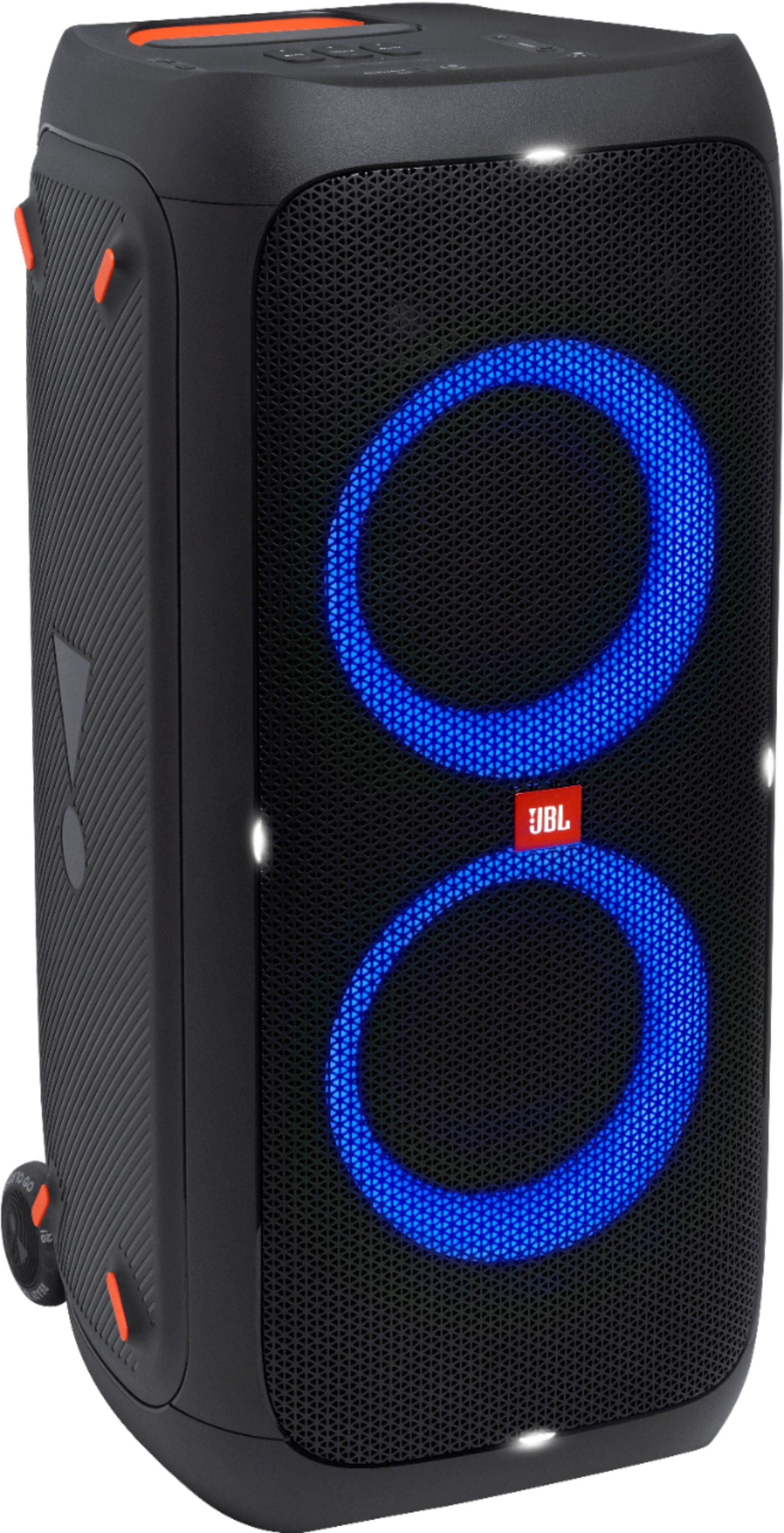
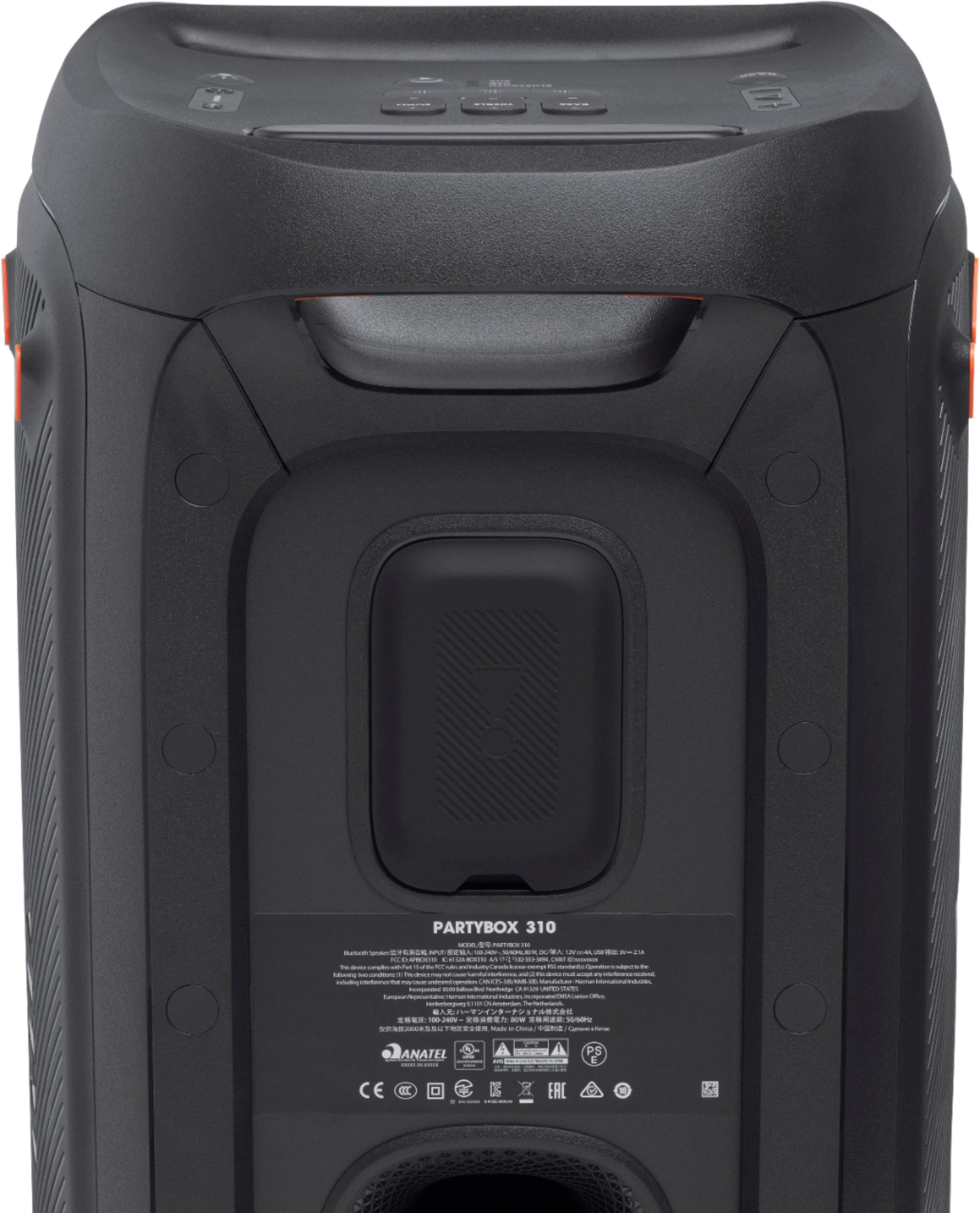
When it comes to portable party speakers, JBL has carved out a reputation for delivering powerful, feature-packed options that can transform any gathering into an unforgettable event. Today we're comparing two standout models from their PartyBox lineup: the newer PartyBox Club 120 and the established PartyBox 310. At the time of writing, these speakers are priced about $150 apart, making this comparison particularly relevant for anyone trying to decide where to invest their money.
Portable party speakers occupy a unique niche in the audio world. Unlike traditional speakers that prioritize neutral sound reproduction, these speakers are engineered specifically for high-energy environments where volume, bass response, and visual entertainment take center stage. They're built to pump out crowd-pleasing music at levels that can compete with ambient noise from conversations, outdoor environments, and the general chaos of parties.
The key factors that separate good party speakers from great ones include power output (measured in watts RMS, which tells you the continuous power the speaker can handle), frequency response (how well it reproduces different pitch ranges), connectivity options for various devices, battery life for untethered use, and increasingly, visual features like synchronized lighting effects.
What makes this comparison particularly interesting is that we're looking at speakers from different generations of JBL's design philosophy. The PartyBox 310, released in 2020, represents JBL's traditional approach to party speakers: maximize power and provide robust, straightforward functionality. The PartyBox Club 120, launched in 2024, embodies a more modern approach that balances power with portability while incorporating cutting-edge connectivity features.
The most significant difference between these speakers lies in their raw power output. The PartyBox 310 delivers 240 watts RMS (root mean square), which is the industry standard for measuring continuous power output, compared to the PartyBox Club 120's 160 watts RMS. This 50% power advantage translates directly into volume capability and overall sound pressure.
To put this in practical terms, the extra 80 watts means the PartyBox 310 can fill significantly larger spaces with sound. If you're hosting outdoor gatherings in spaces larger than a typical backyard, or indoor events in spacious venues, that power difference becomes immediately noticeable. The 310 can maintain clear, undistorted audio at volume levels where the Club 120 might start to show signs of strain.
However, raw power isn't everything. The PartyBox Club 120 incorporates JBL's AI Sound Boost technology, which uses real-time signal analysis to predict speaker movement and optimize power delivery. This means the Club 120 can punch above its weight class in terms of perceived loudness and clarity, especially at moderate-to-high volume levels where most listening actually happens.
From our research into user experiences and professional reviews, the consensus suggests that while the PartyBox 310 is noticeably louder at maximum volume, both speakers perform admirably for typical party scenarios. The Club 120 proves sufficient for most home gatherings, medium-sized outdoor events, and even some larger venues when positioned optimally.
The speakers' driver configurations—the actual components that convert electrical signals into sound waves—tell an important part of the performance story. The PartyBox 310 features dual 6.5-inch woofers (the drivers responsible for bass and midrange frequencies) paired with dual 2.25-inch tweeters (which handle high frequencies). The PartyBox Club 120 uses smaller 5.25-inch woofers with identical 2.25-inch tweeters.
Those larger woofers in the PartyBox 310 aren't just numbers on a spec sheet—they translate into more physical bass response and better low-frequency extension. Larger drivers can move more air, which creates that chest-thumping bass impact that defines great party speakers. The frequency response specifications support this: the Club 120 reaches down to 40Hz while the 310 extends to 45Hz, though both cover the essential bass range for dance music and modern pop.
What's particularly interesting is how these speakers handle different music genres. Based on extensive user feedback, the PartyBox 310 excels with bass-heavy electronic music, hip-hop, and modern pop where that extra low-end impact enhances the listening experience. The PartyBox Club 120, while still bass-forward, provides a more balanced presentation that works well across a broader range of musical styles.
Both speakers employ JBL's signature sound tuning, which emphasizes bass and treble while maintaining clear midrange reproduction. This "V-shaped" frequency response is intentionally designed for party environments where exciting, energetic sound reproduction takes priority over flat, analytical accuracy.
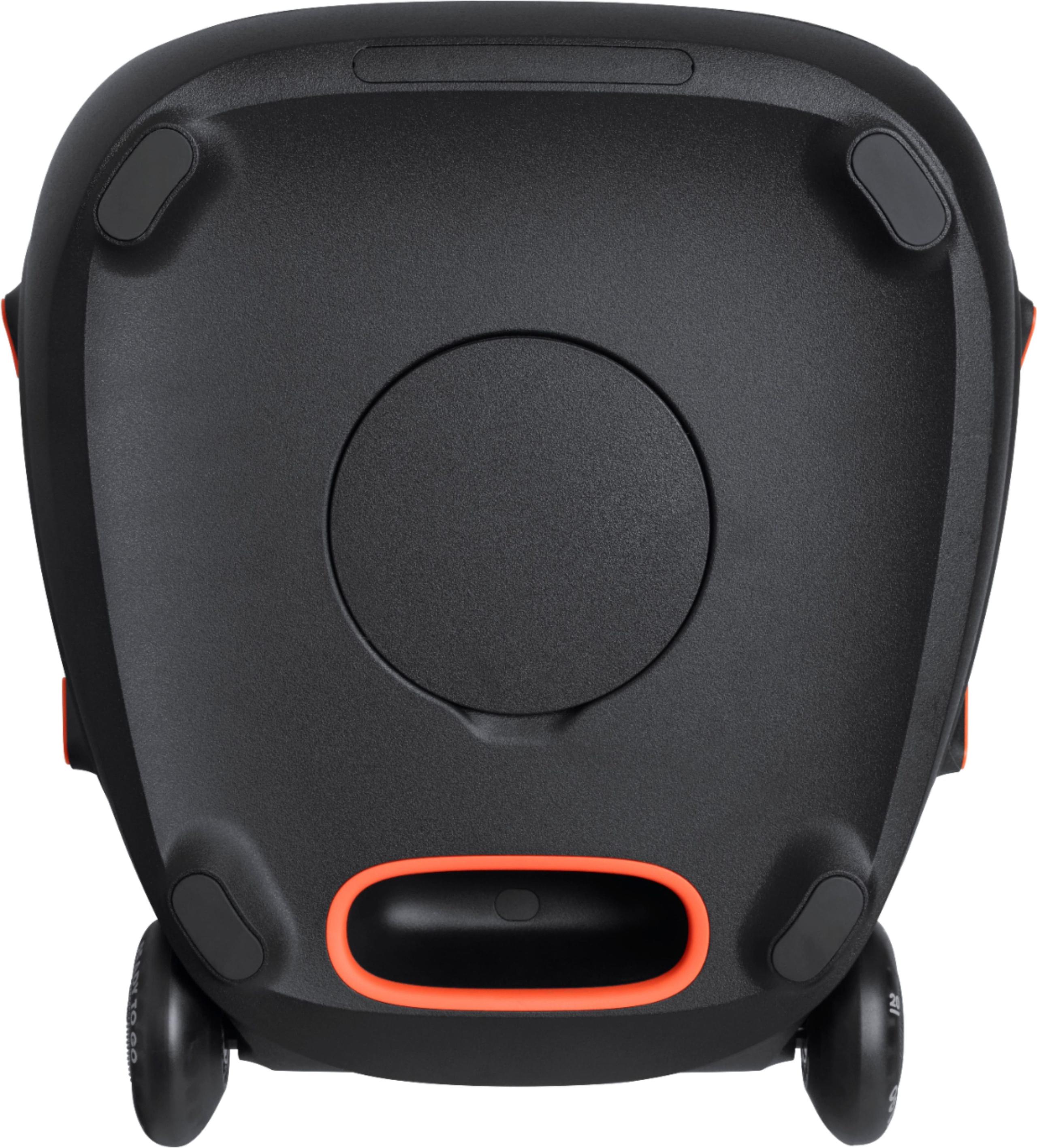
Here's where the generational difference between these speakers becomes most apparent. The PartyBox Club 120 weighs in at just over 24 pounds, while the PartyBox 310 tips the scales at nearly 38 pounds—a significant 35% weight difference that fundamentally changes how you interact with these speakers.
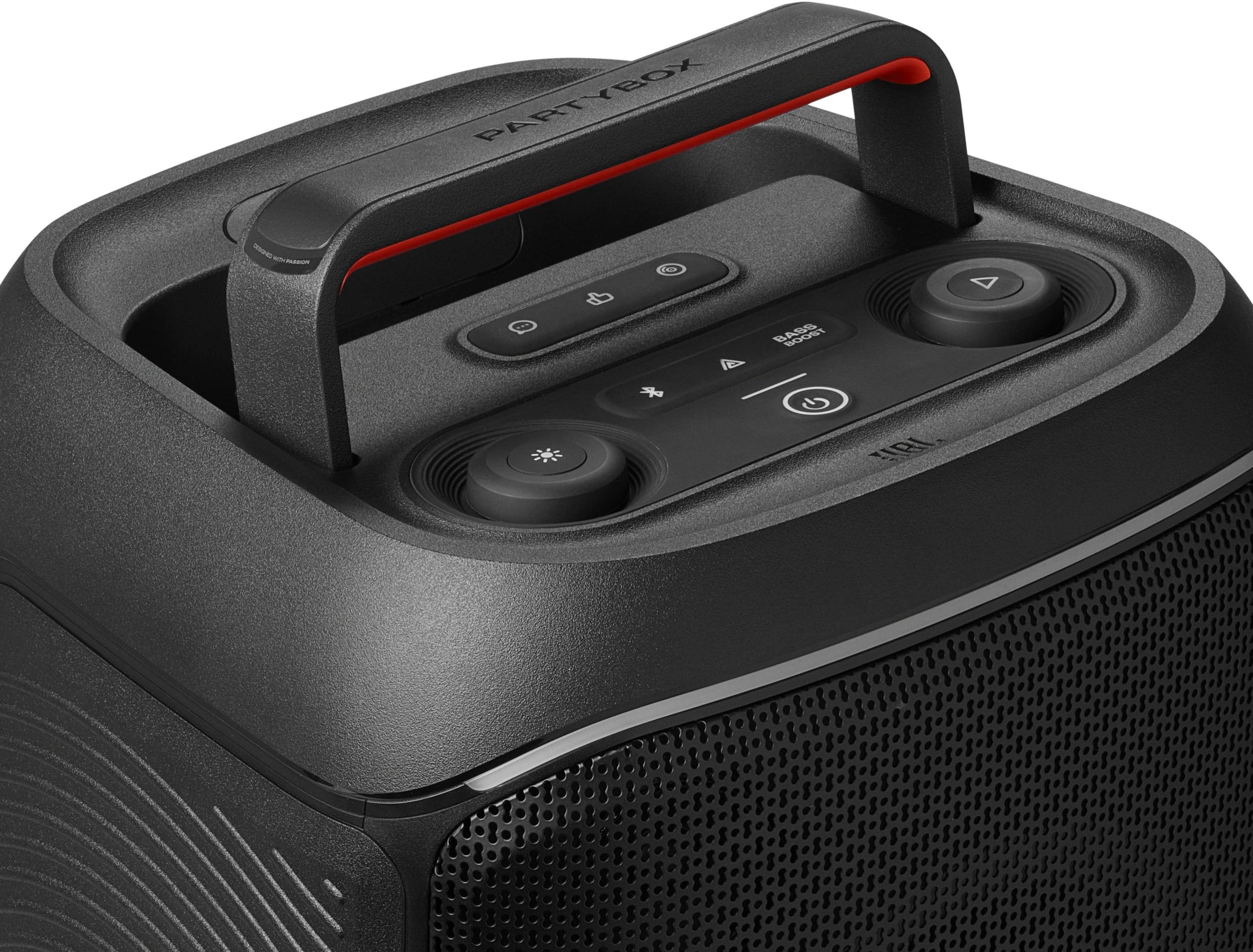
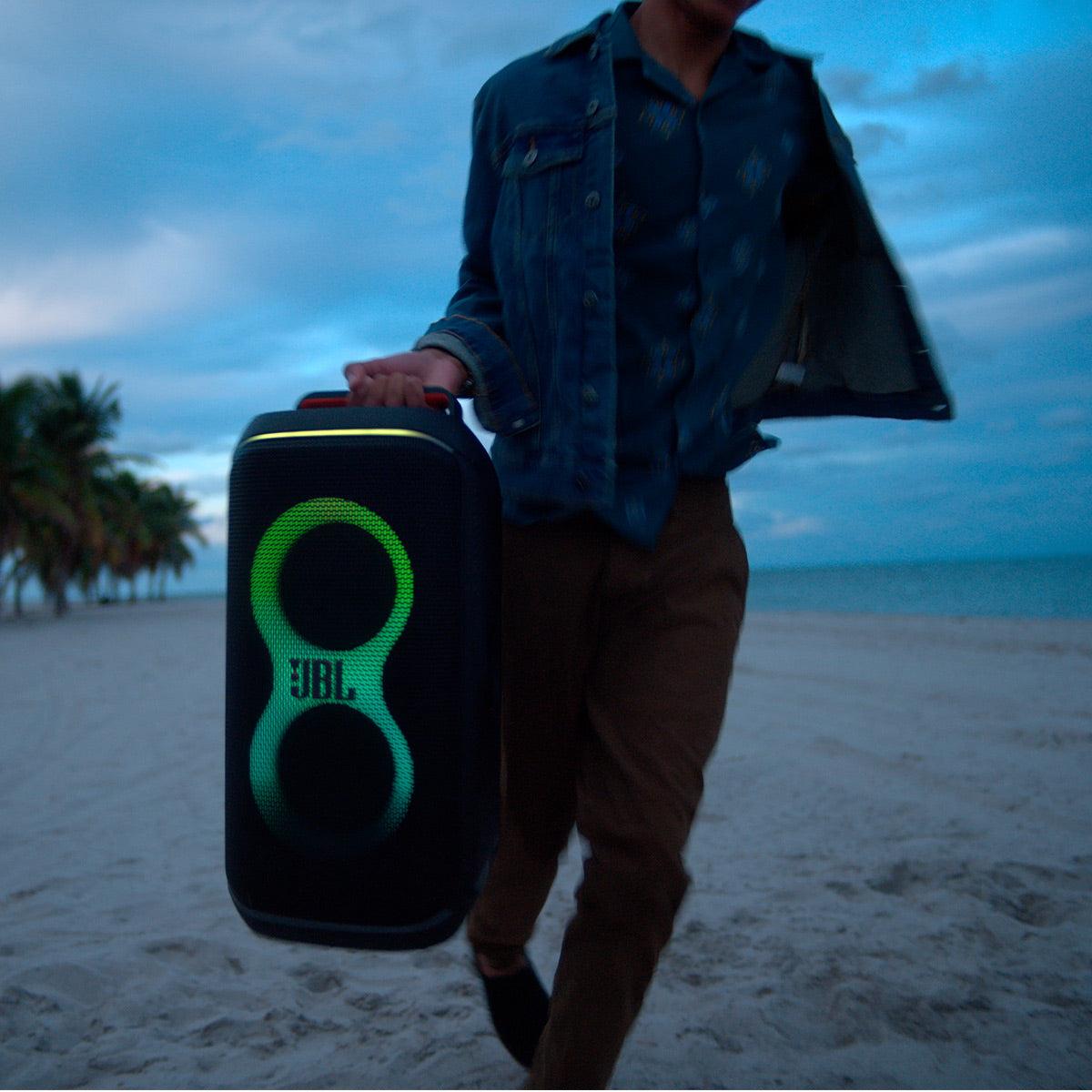
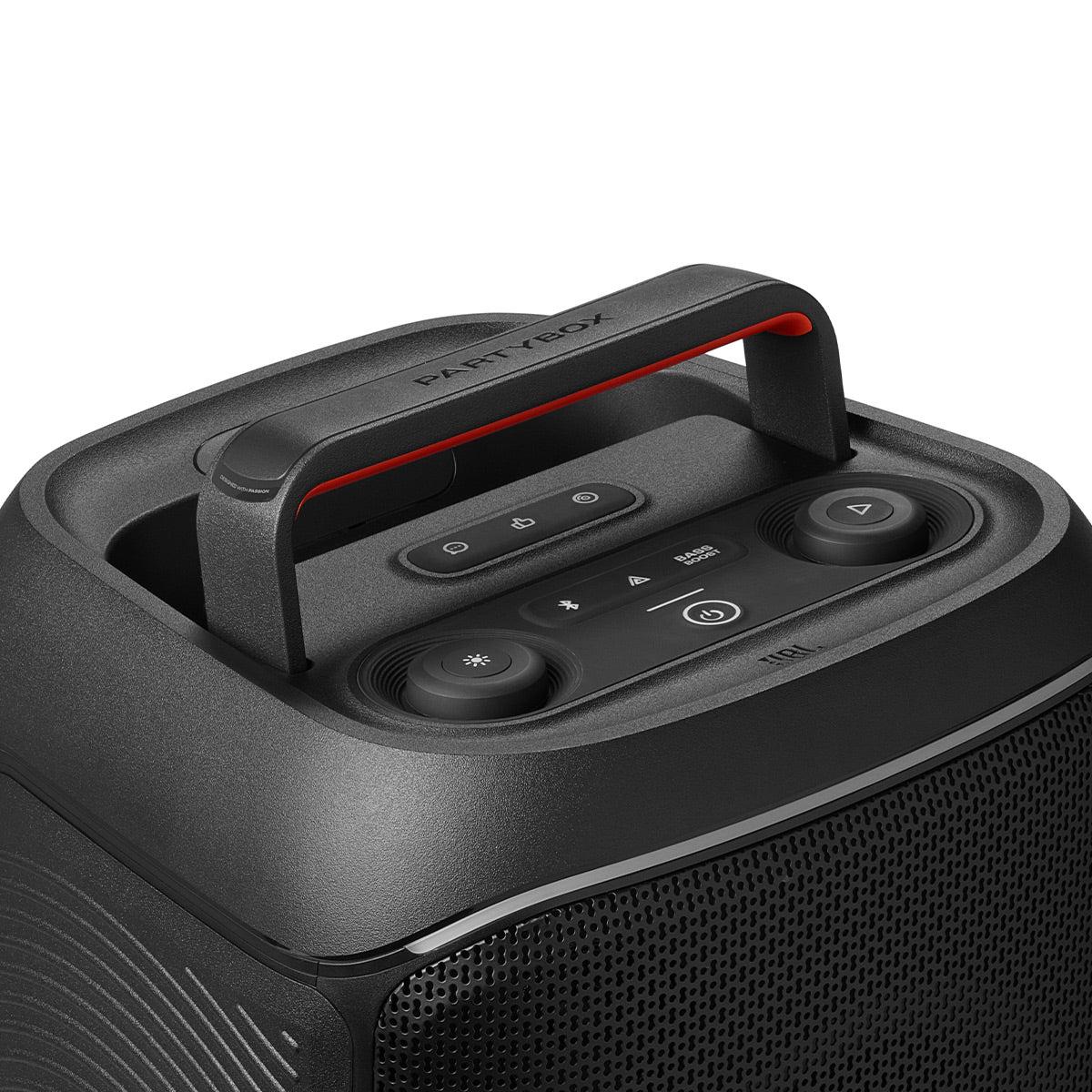
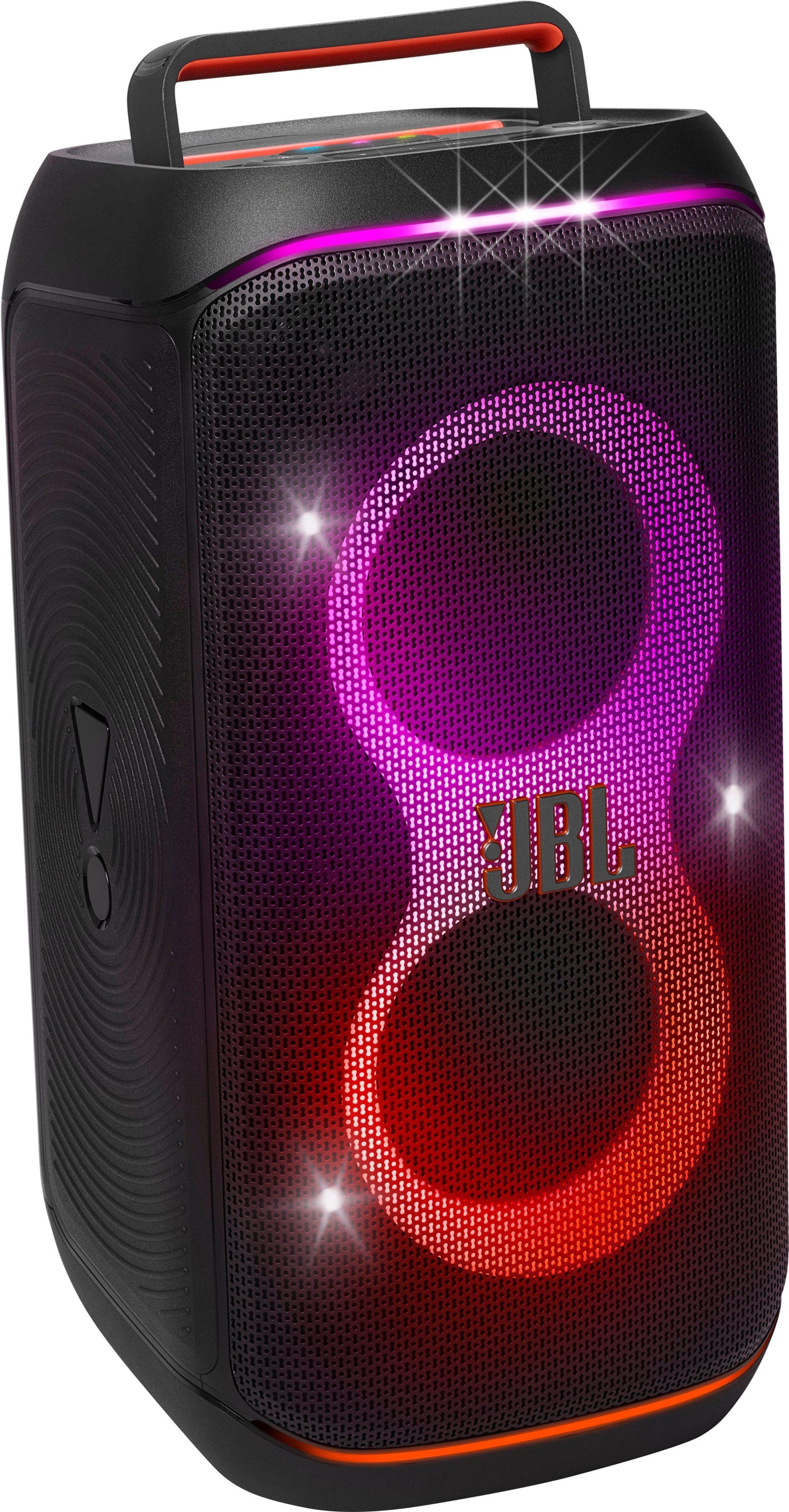
The Club 120 features a fold-up handle design that transforms it into something resembling a large briefcase for transport. This approach prioritizes ease of carrying, making it practical for one person to move the speaker between locations. If you're the type who brings speakers to friends' houses, takes them camping, or moves them between indoor and outdoor spaces regularly, this design philosophy makes a lot of sense.
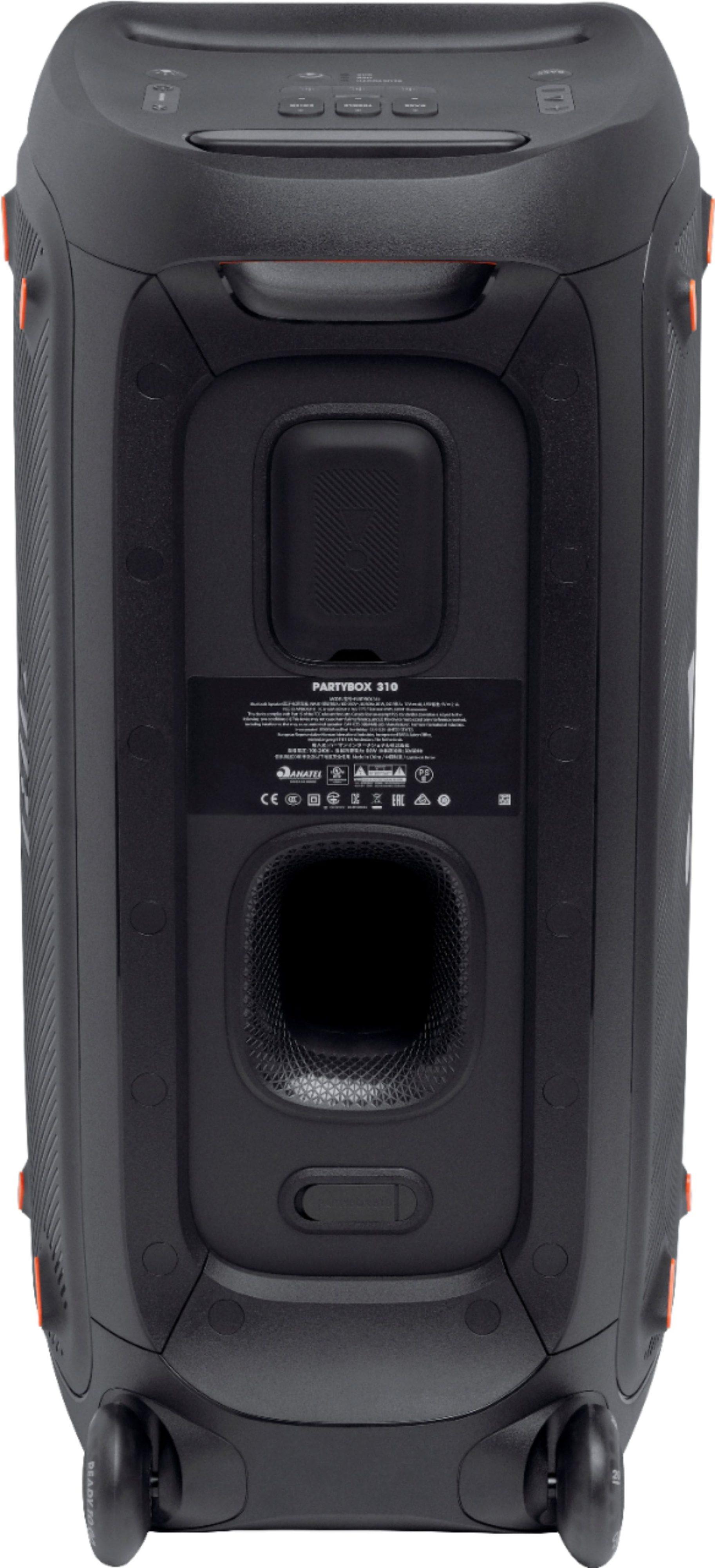
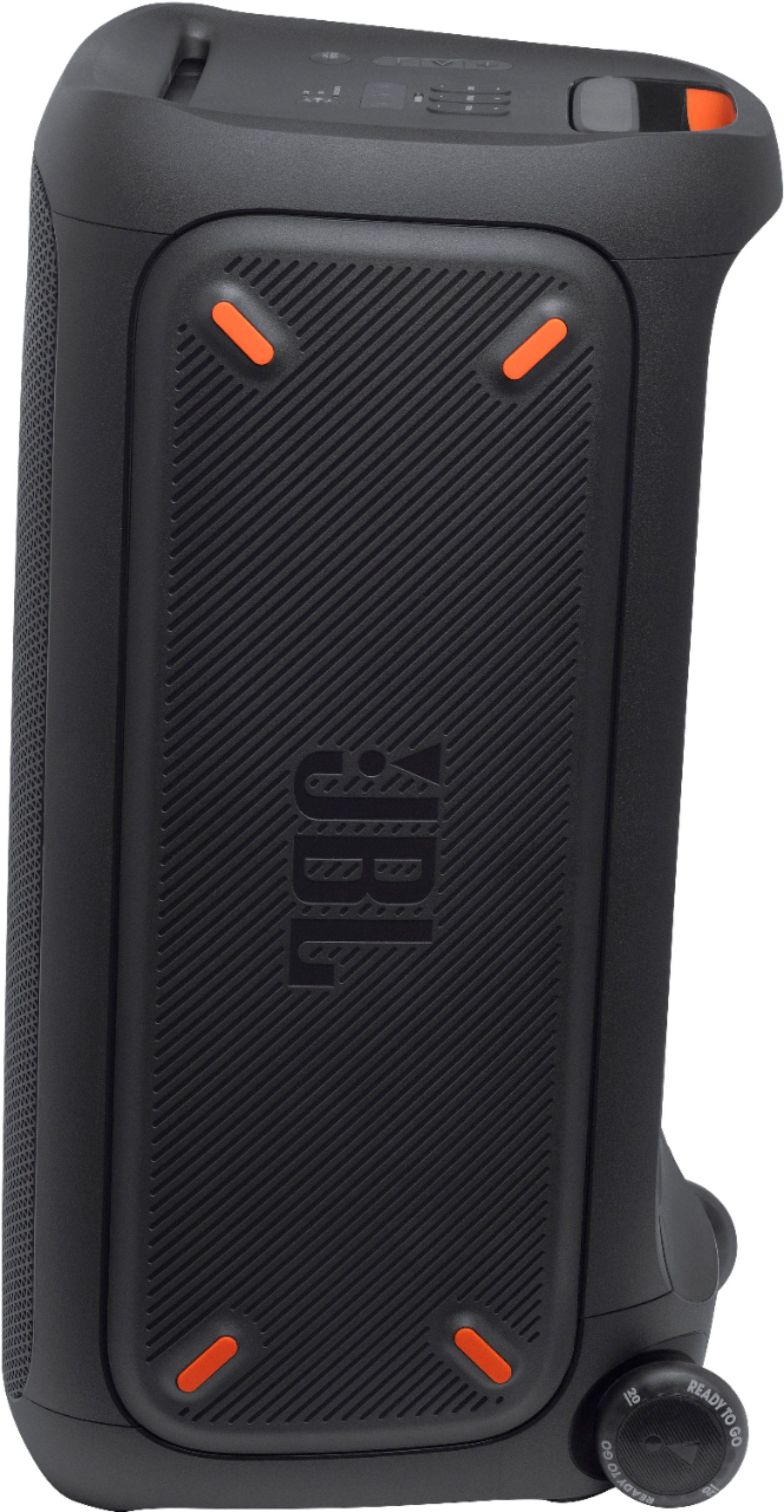
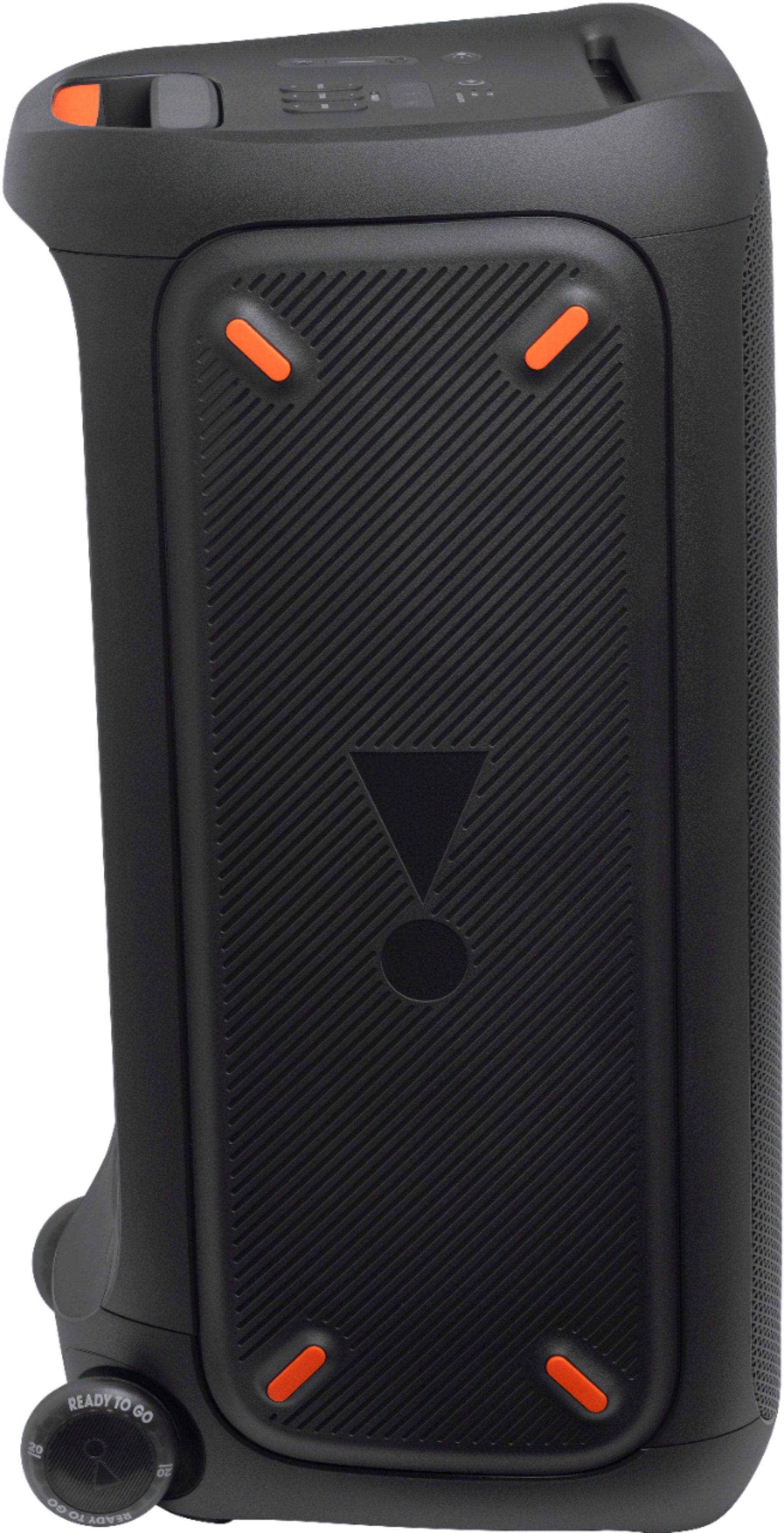
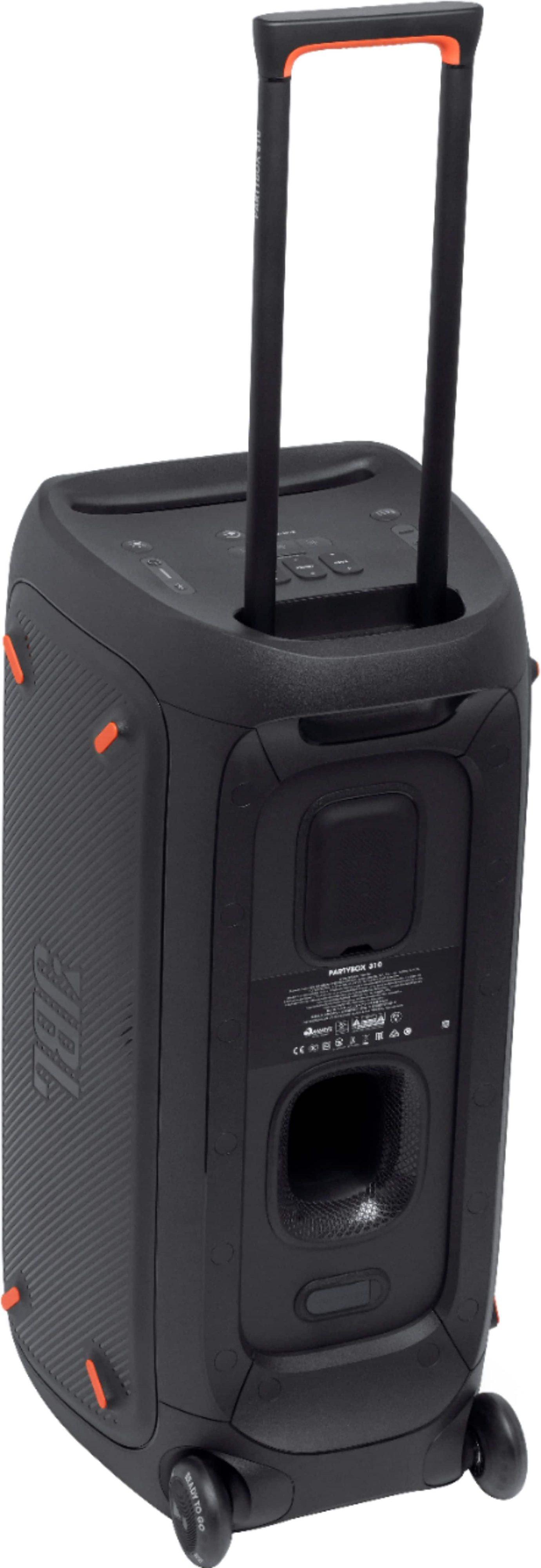
The PartyBox 310, recognizing its substantial weight, takes a different approach with integrated wheels and a telescoping handle—essentially turning the speaker into rolling luggage. This works well for moving the speaker over smooth surfaces and longer distances, but stairs, grass, sand, or gravel can quickly turn transport into a two-person job.
From a practical standpoint, the weight difference affects more than just transport. The lighter Club 120 is easier to position optimally during setup, simpler to mount on tripod stands if desired, and less likely to cause back strain during extended use. The 310's weight, while burdensome, does contribute to stability during high-volume playback and gives the speaker a solid, premium feel.
Battery technology represents another area where the four-year development gap between these speakers shows clearly. The PartyBox 310 uses a traditional fixed 72Wh lithium-ion battery that provides up to 18 hours of playback time. The PartyBox Club 120 takes a more innovative approach with a smaller 34Wh battery rated for 12 hours, but—and this is crucial—the battery is user-replaceable.
This swappable battery system in the Club 120 represents a significant practical advantage for certain users. Additional batteries can be purchased separately, allowing theoretically unlimited playback time by swapping batteries as needed. For event planners, DJs, or anyone hosting extended gatherings where AC power isn't available, this flexibility could prove invaluable.
The 310's longer single-charge battery life appeals to users who prefer simplicity and don't want to manage multiple battery packs. Eighteen hours covers most realistic use scenarios, from all-day outdoor events to evening parties that run late into the night.
Both speakers support simultaneous AC power operation while charging, meaning you can use them plugged in without depleting battery life. The Club 120 adds fast-charging capability, providing 80 minutes of playback from just 10 minutes of charging—useful for those "oh no, I forgot to charge it" moments before events.
The four-year gap between these speakers' release dates becomes particularly evident in their connectivity specifications. The PartyBox Club 120 features Bluetooth 5.4, the latest wireless standard, while the PartyBox 310 uses Bluetooth 5.1. While both versions provide stable wireless connections, the newer standard in the Club 120 offers improved power efficiency and better handling of multiple device connections.
More significantly, the Club 120 supports Auracast, a relatively new wireless audio technology that enables advanced multi-speaker setups without traditional pairing limitations. This future-looking feature allows for more sophisticated wireless audio configurations, though it requires compatible source devices and additional speakers to realize its full potential.
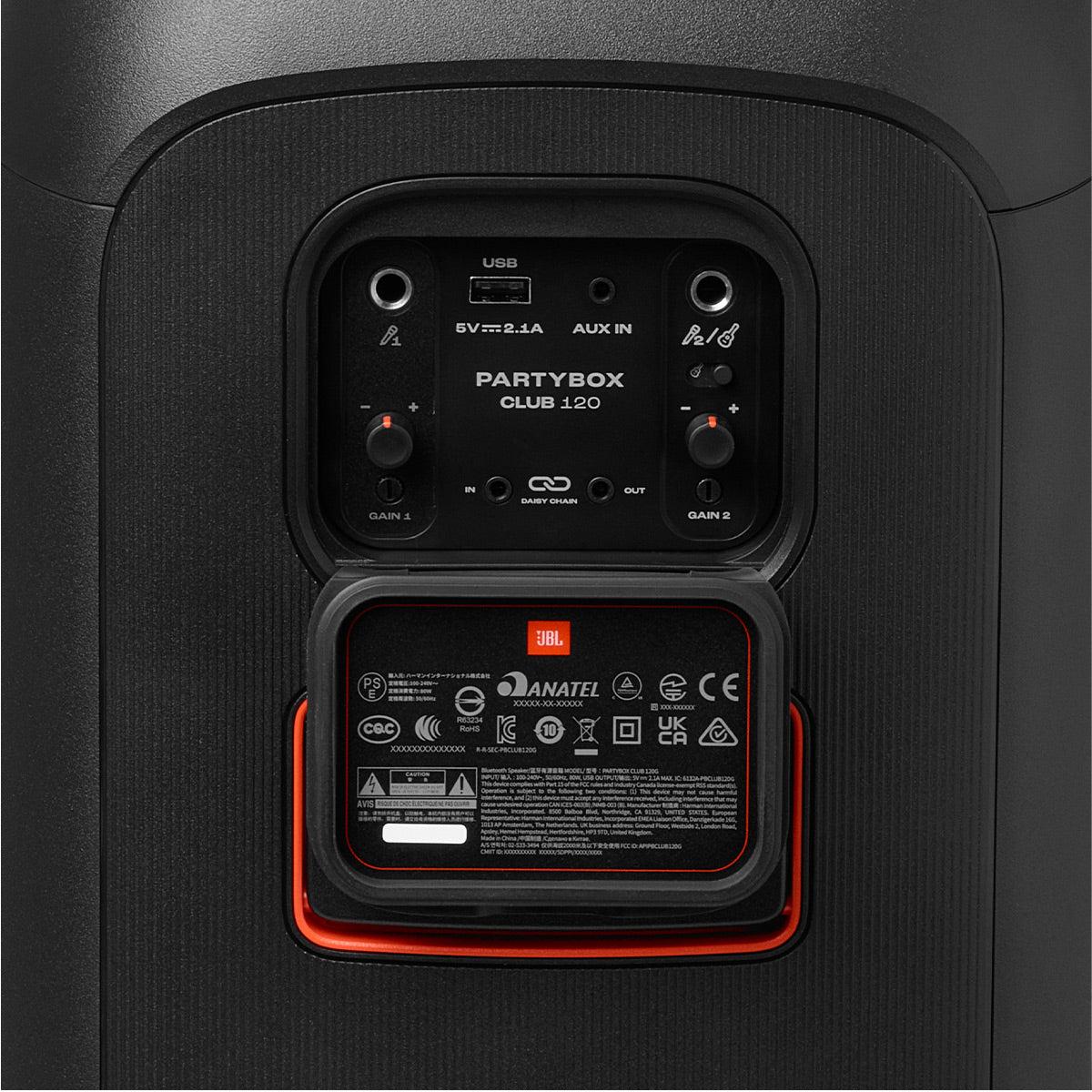
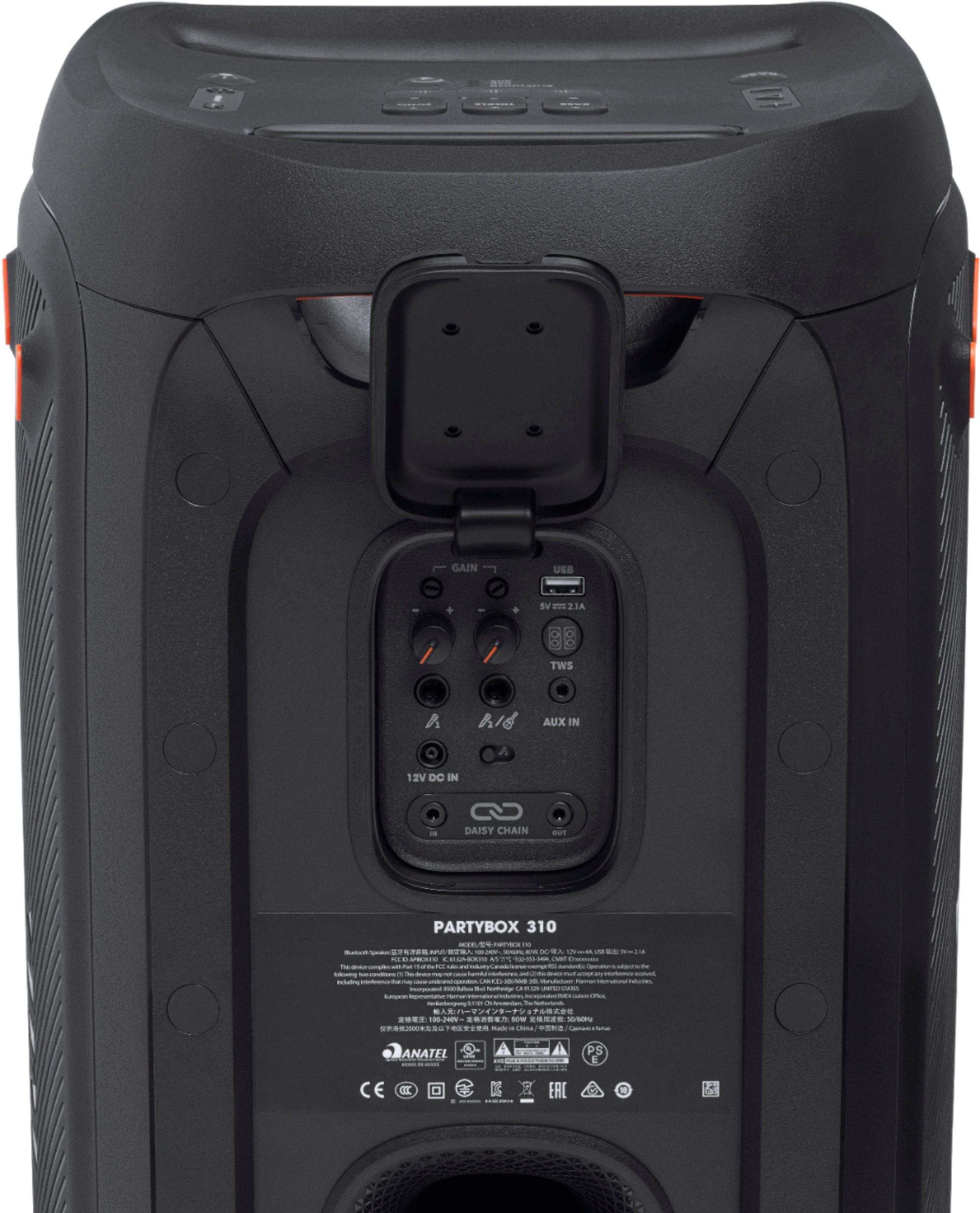
Both speakers provide comprehensive wired connectivity options including dual 1/4-inch inputs for microphones and guitars, 3.5mm auxiliary input for older devices, and USB-A ports for direct music playback and device charging. However, the PartyBox 310 includes a 3.5mm auxiliary output that the Club 120 lacks, allowing for daisy-chaining multiple speakers using wired connections.
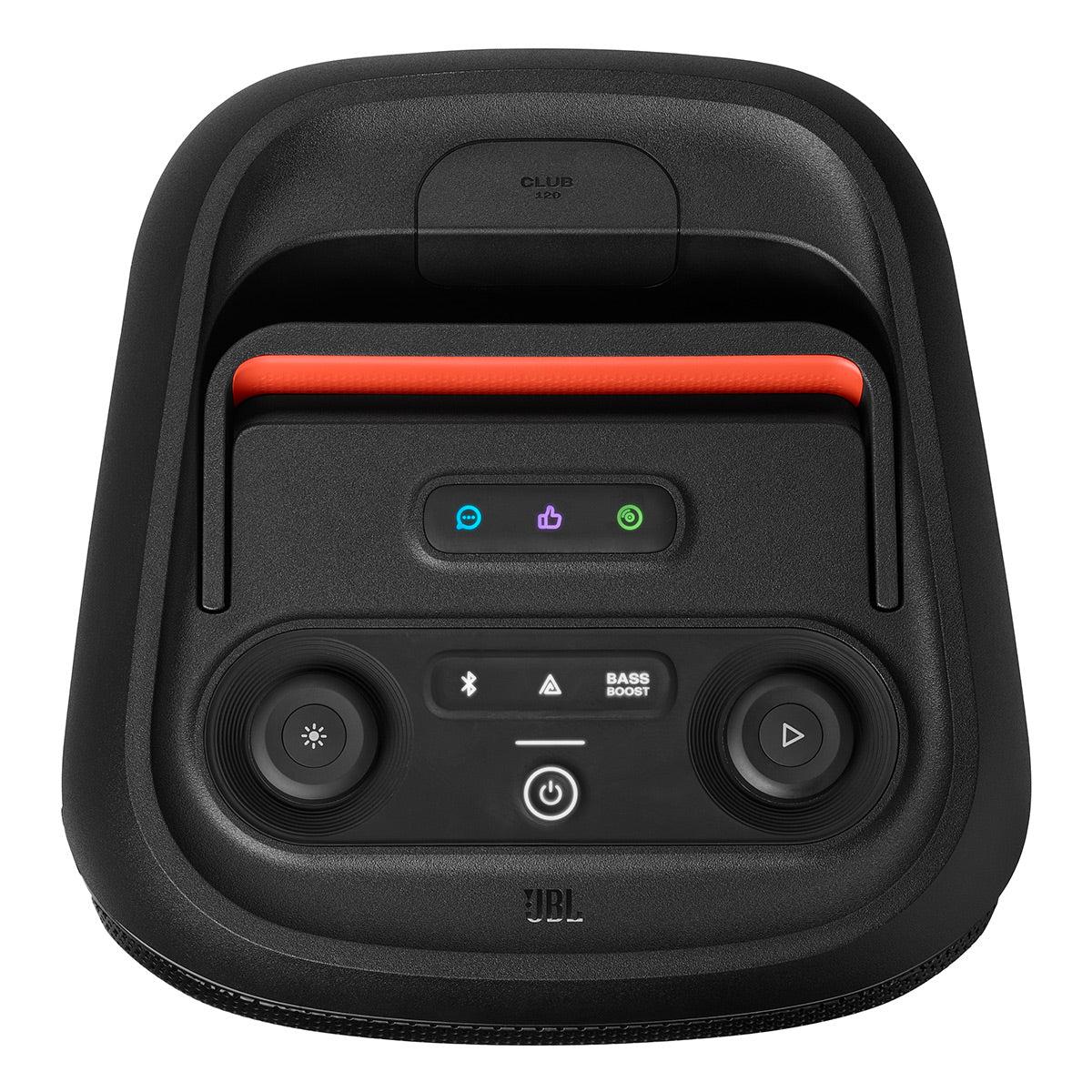
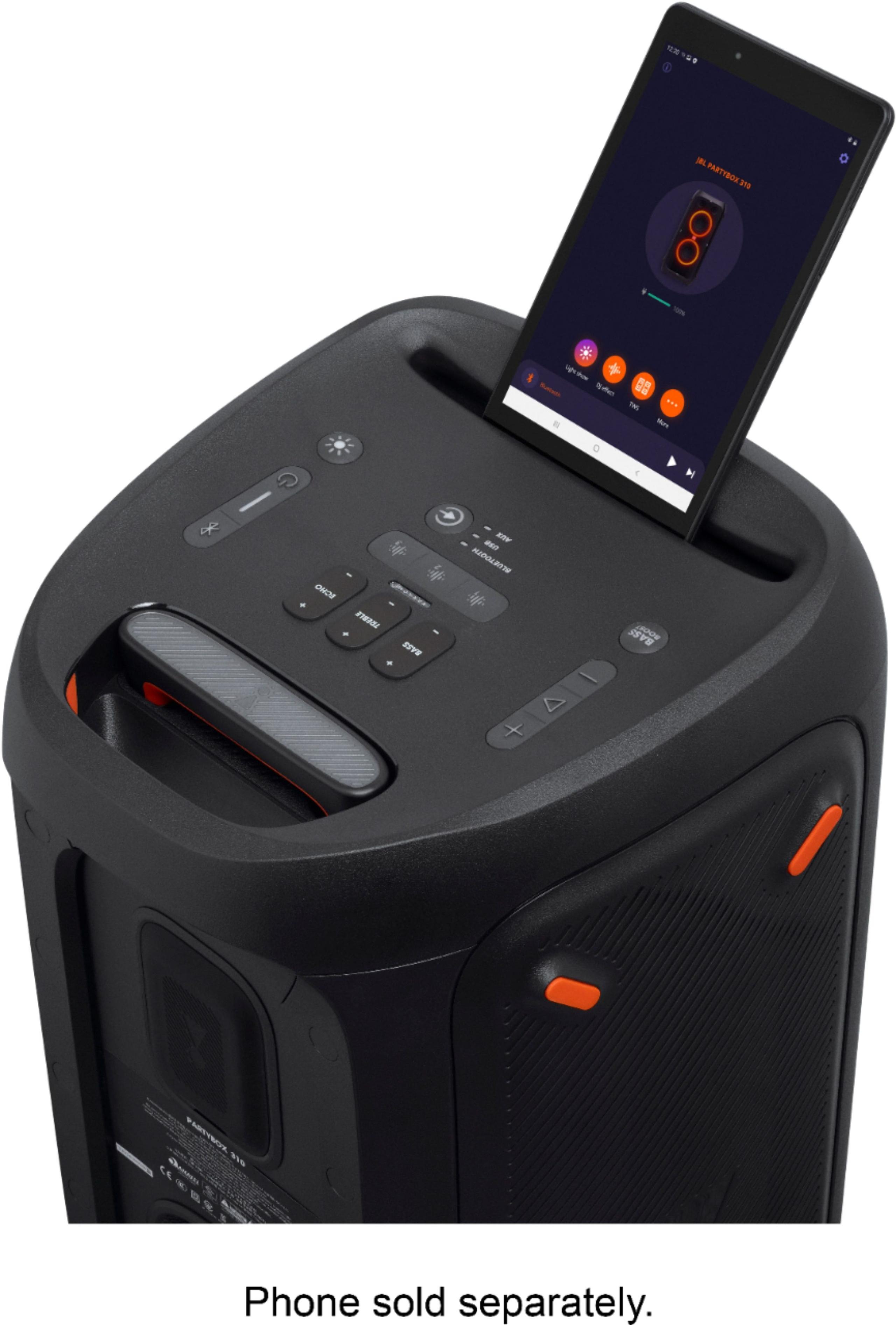
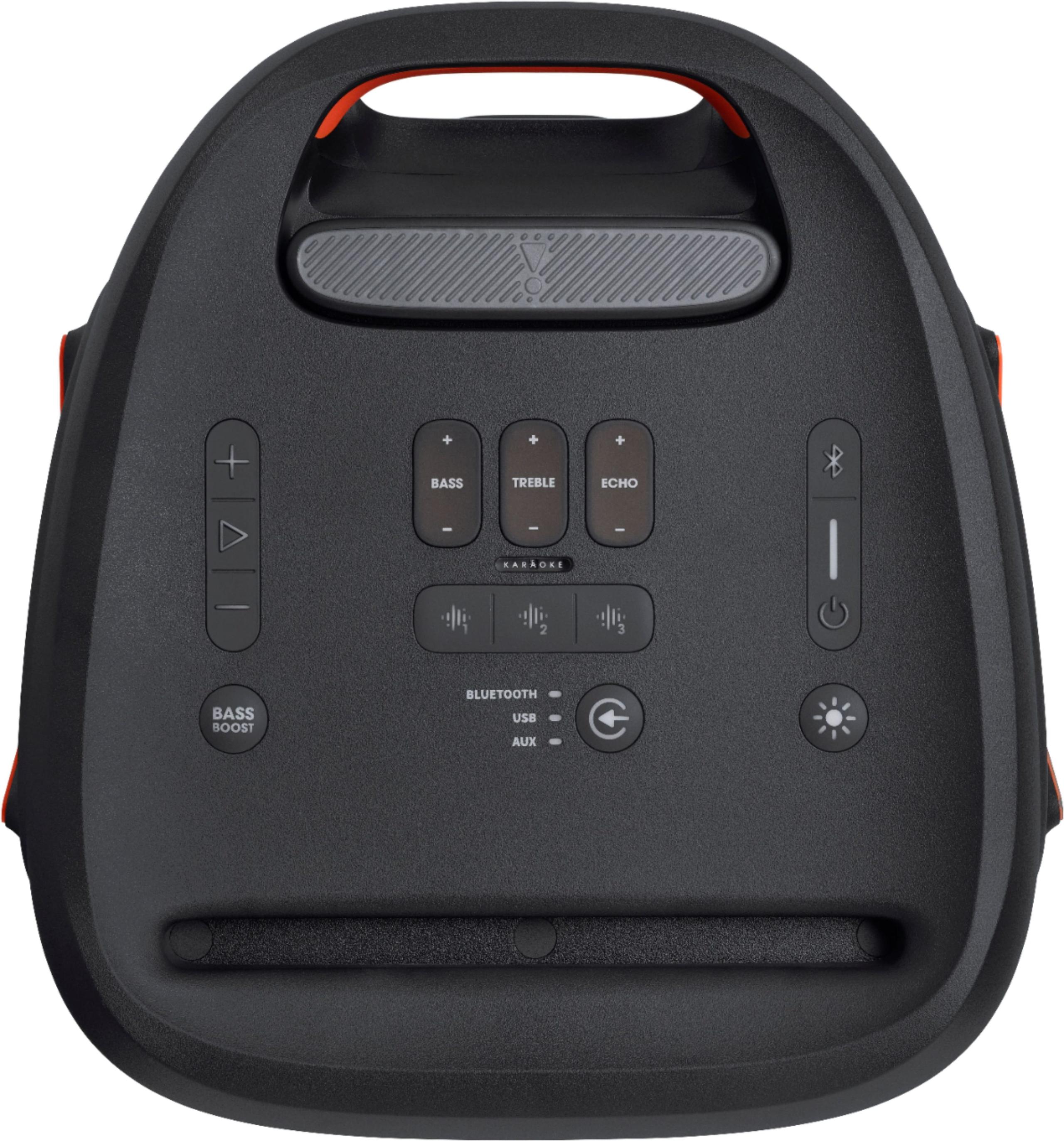
For live performance applications—karaoke, live music, public speaking—both speakers excel with their dual microphone inputs and independent volume controls. The 310 provides dedicated physical controls for microphone EQ and reverb effects, enabling quick adjustments during performances. The Club 120 requires using the JBL PartyBox app for these adjustments, which offers more precise control but may be less convenient during live use.
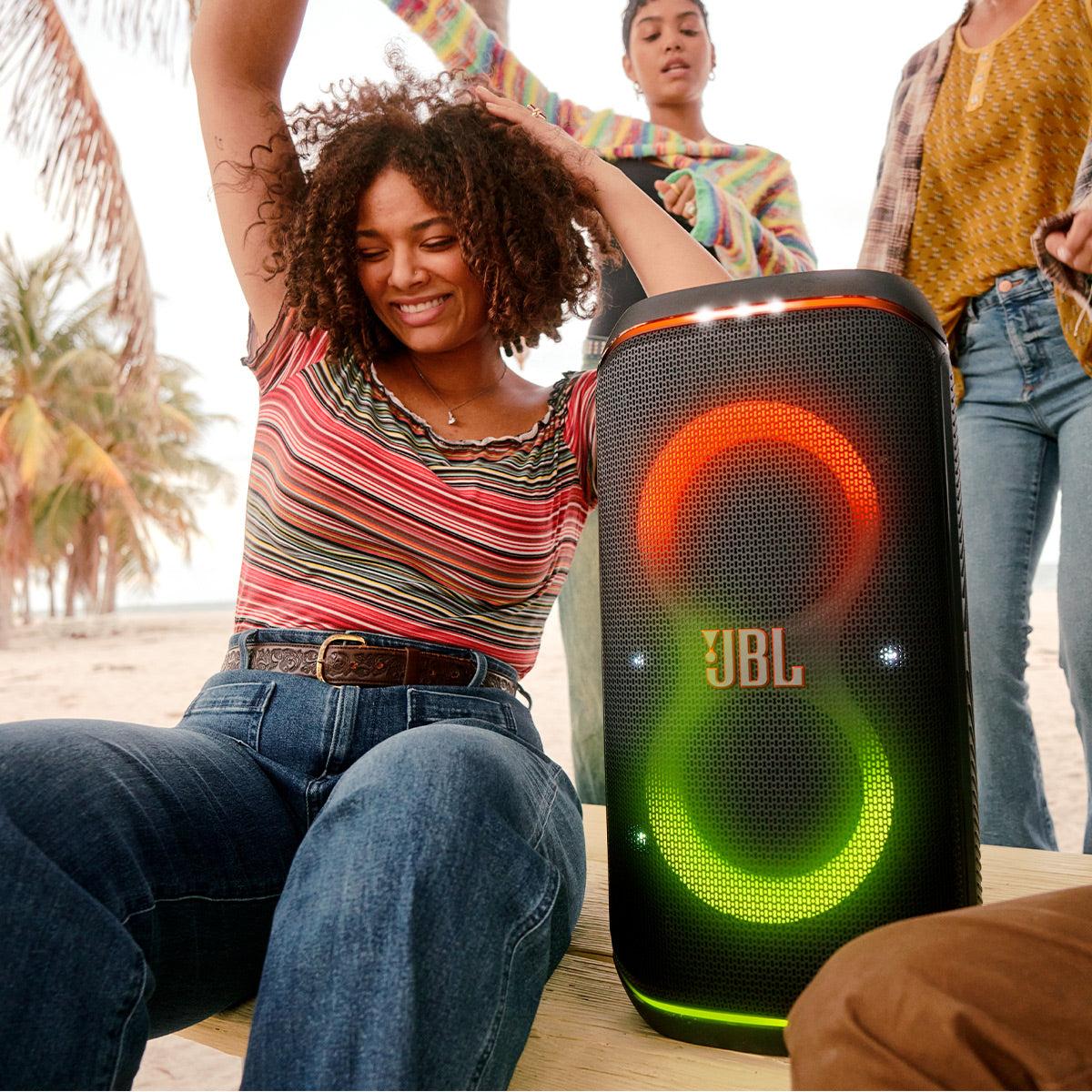
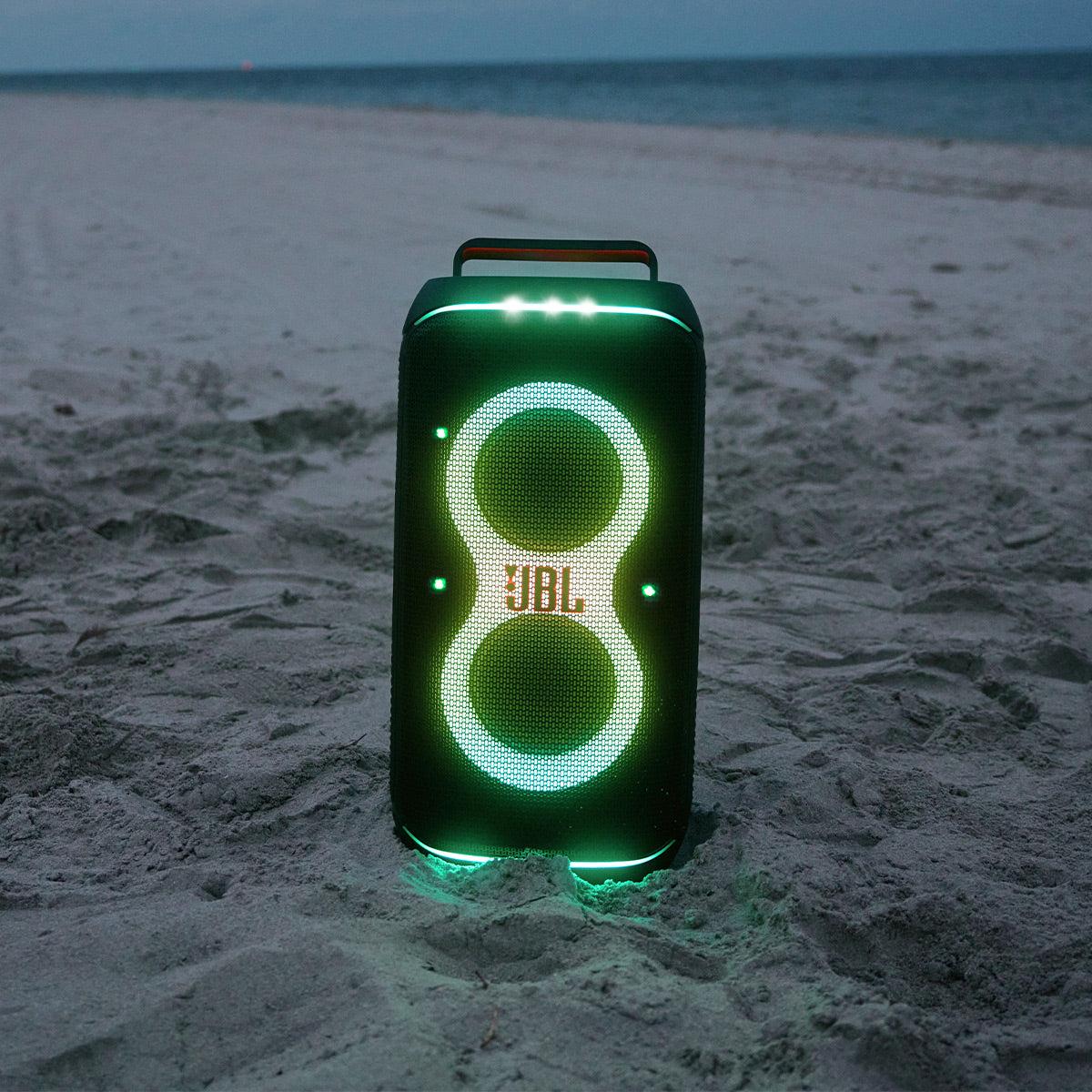
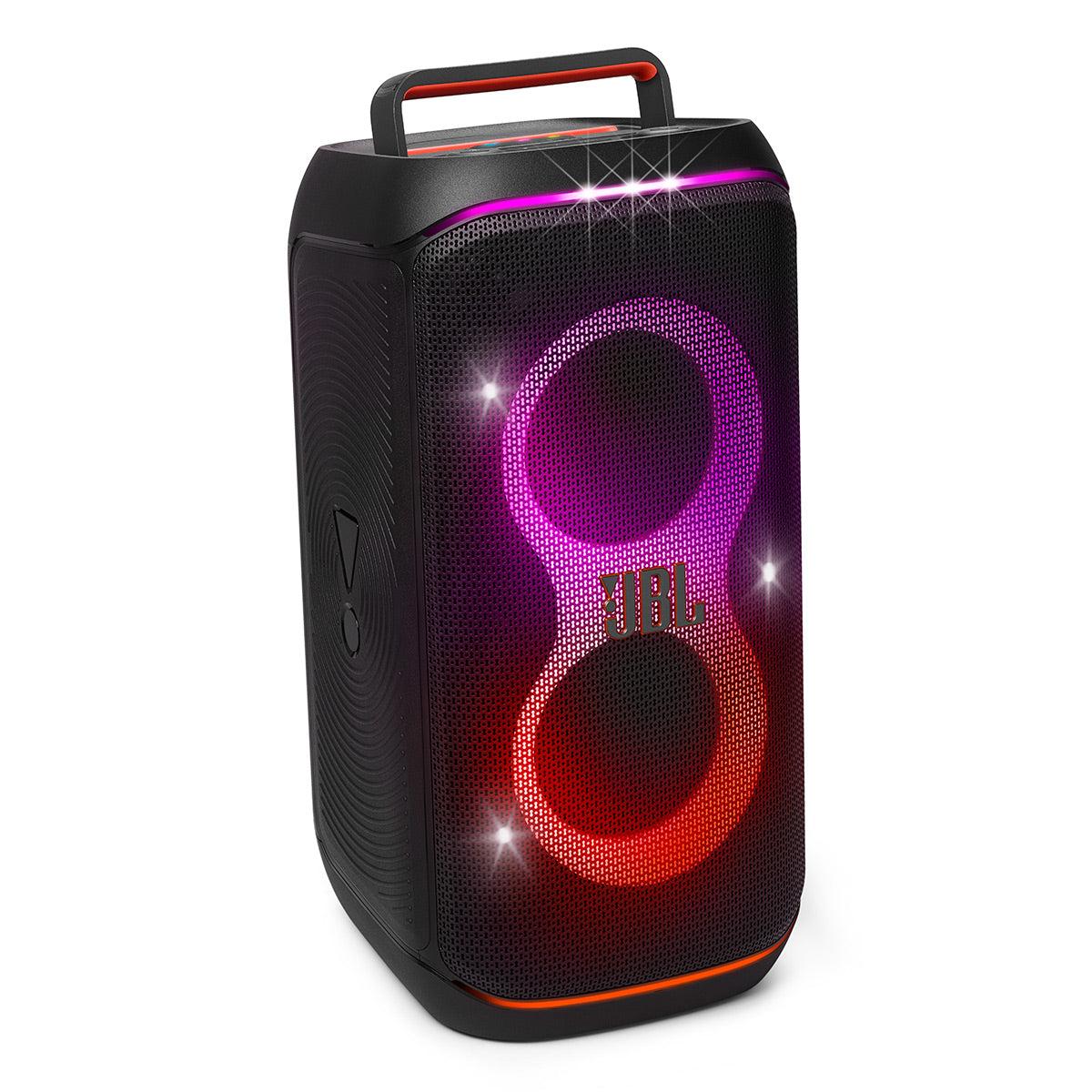
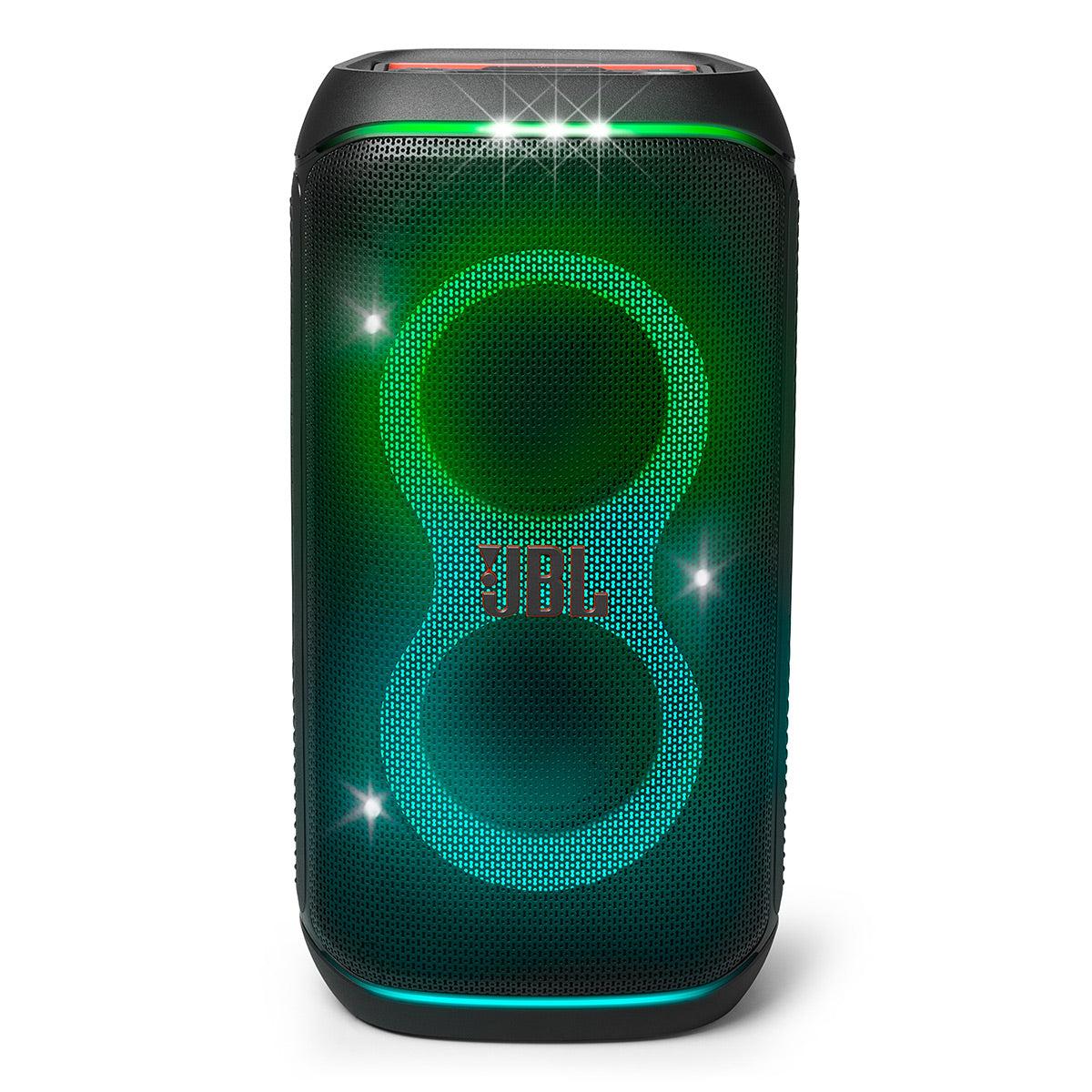
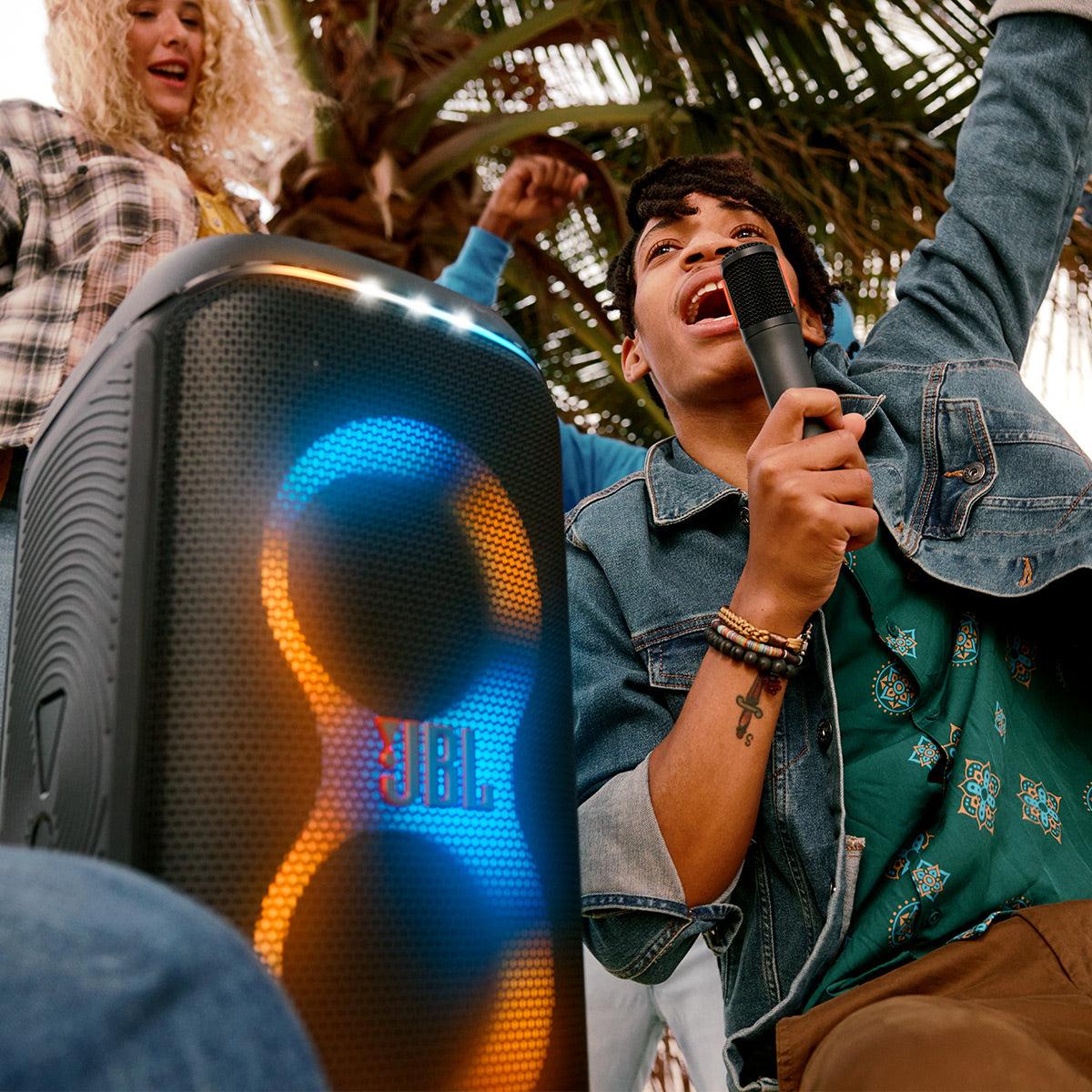
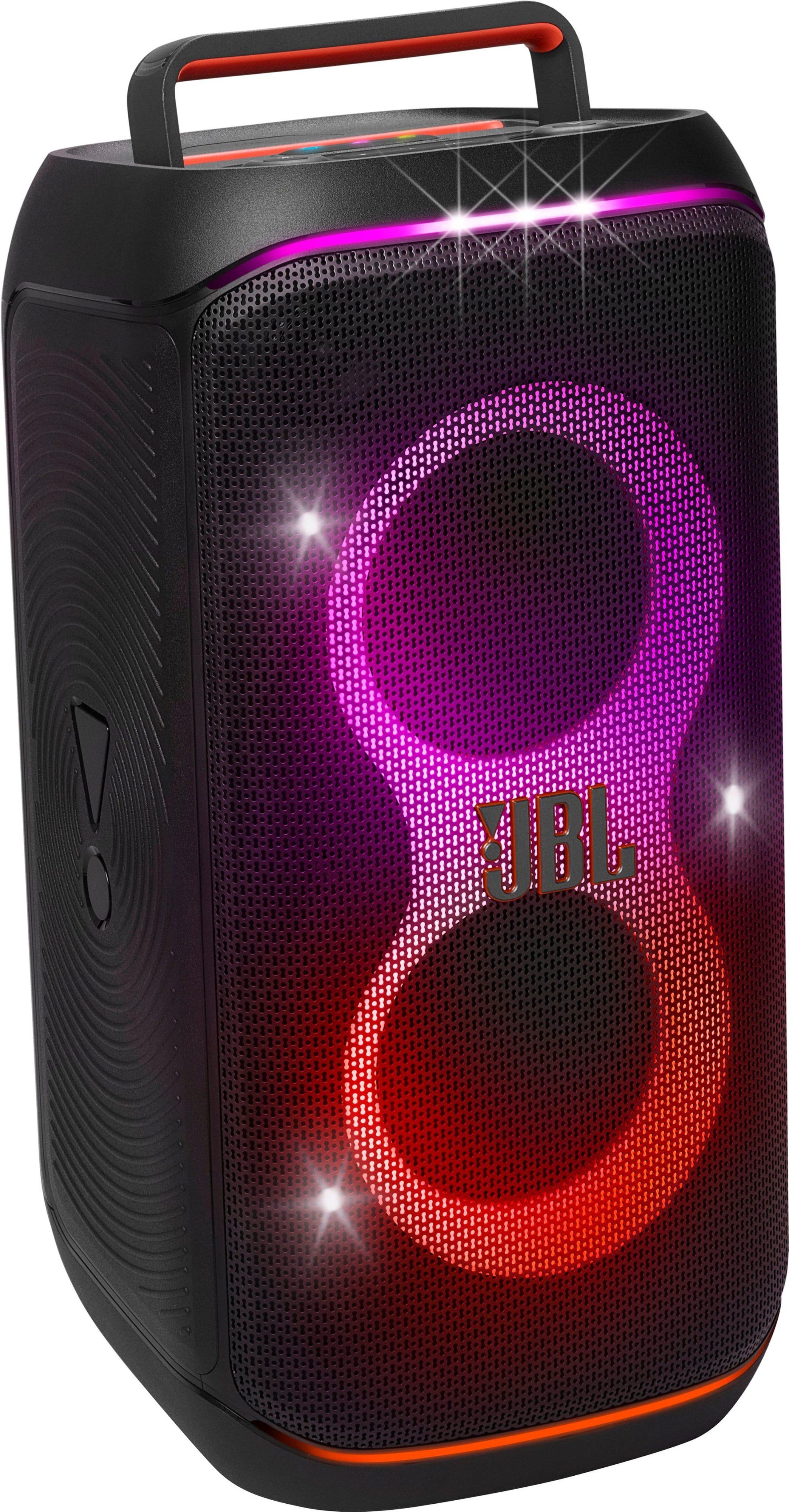
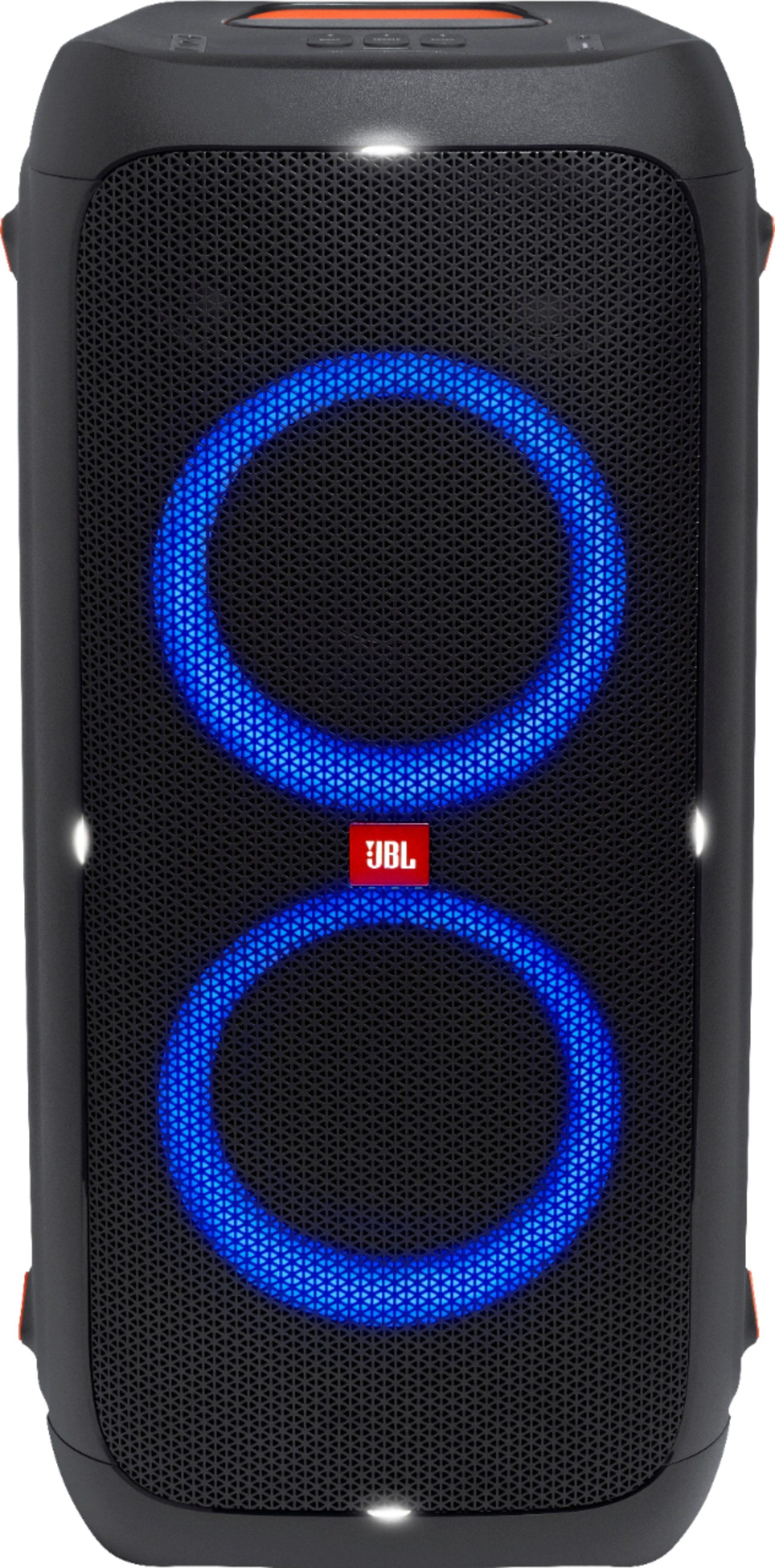
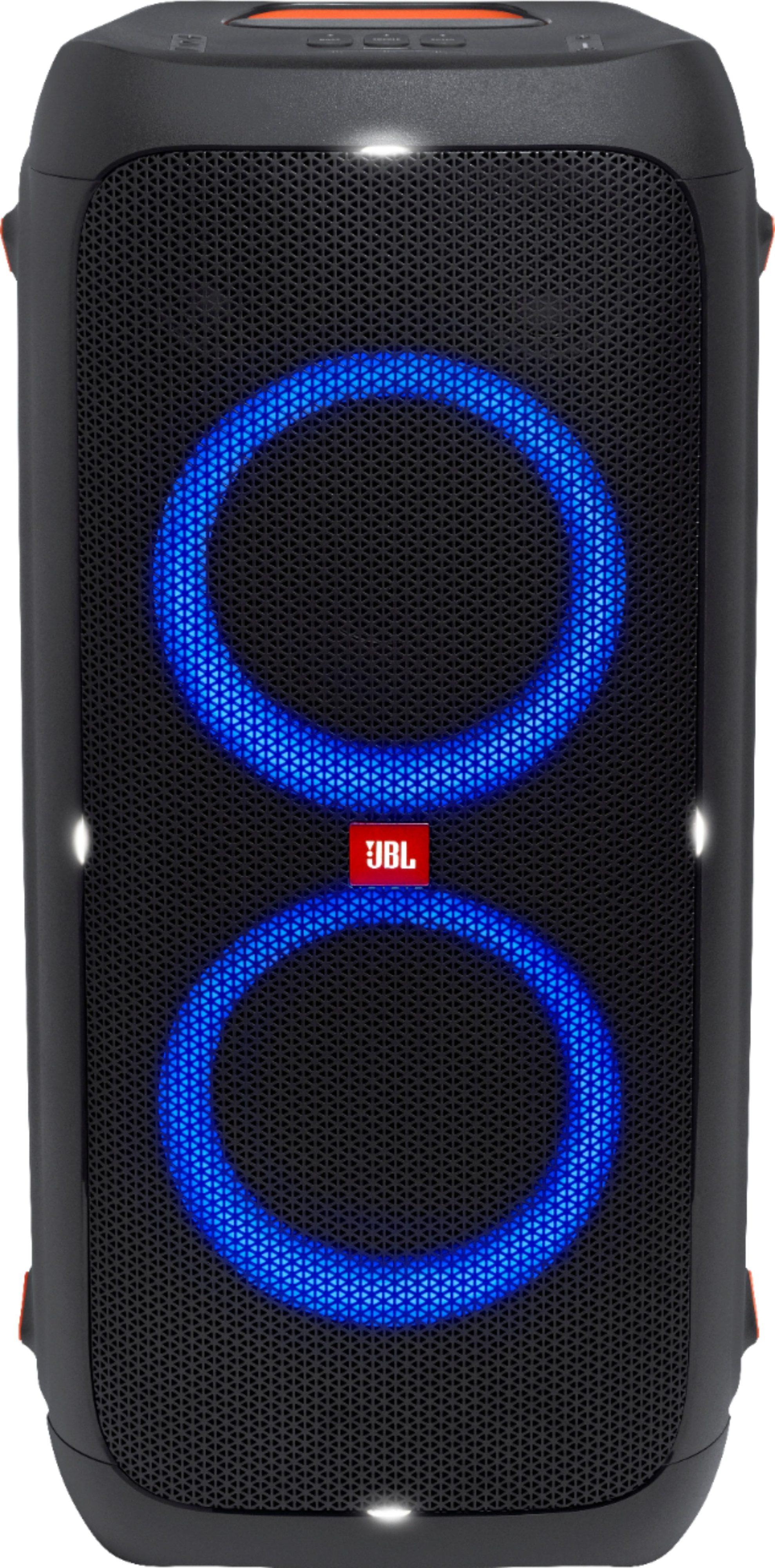
Modern party speakers increasingly compete on visual entertainment capabilities, and both JBL models deliver impressive lighting systems that synchronize with your music. However, the PartyBox Club 120 represents a clear evolution in this area with a more sophisticated LED array featuring ring LEDs, LED strips, and multiple strobe elements compared to the 310's more basic ring and strobe configuration.
The difference in lighting complexity becomes apparent during actual use. The Club 120's more varied LED elements create dynamic, multi-layered visual effects that respond more intuitively to different musical elements—bass hits trigger different responses than high-hat patterns or vocal sections. This creates a more immersive party atmosphere, particularly in darker environments where the lighting effects become more prominent.
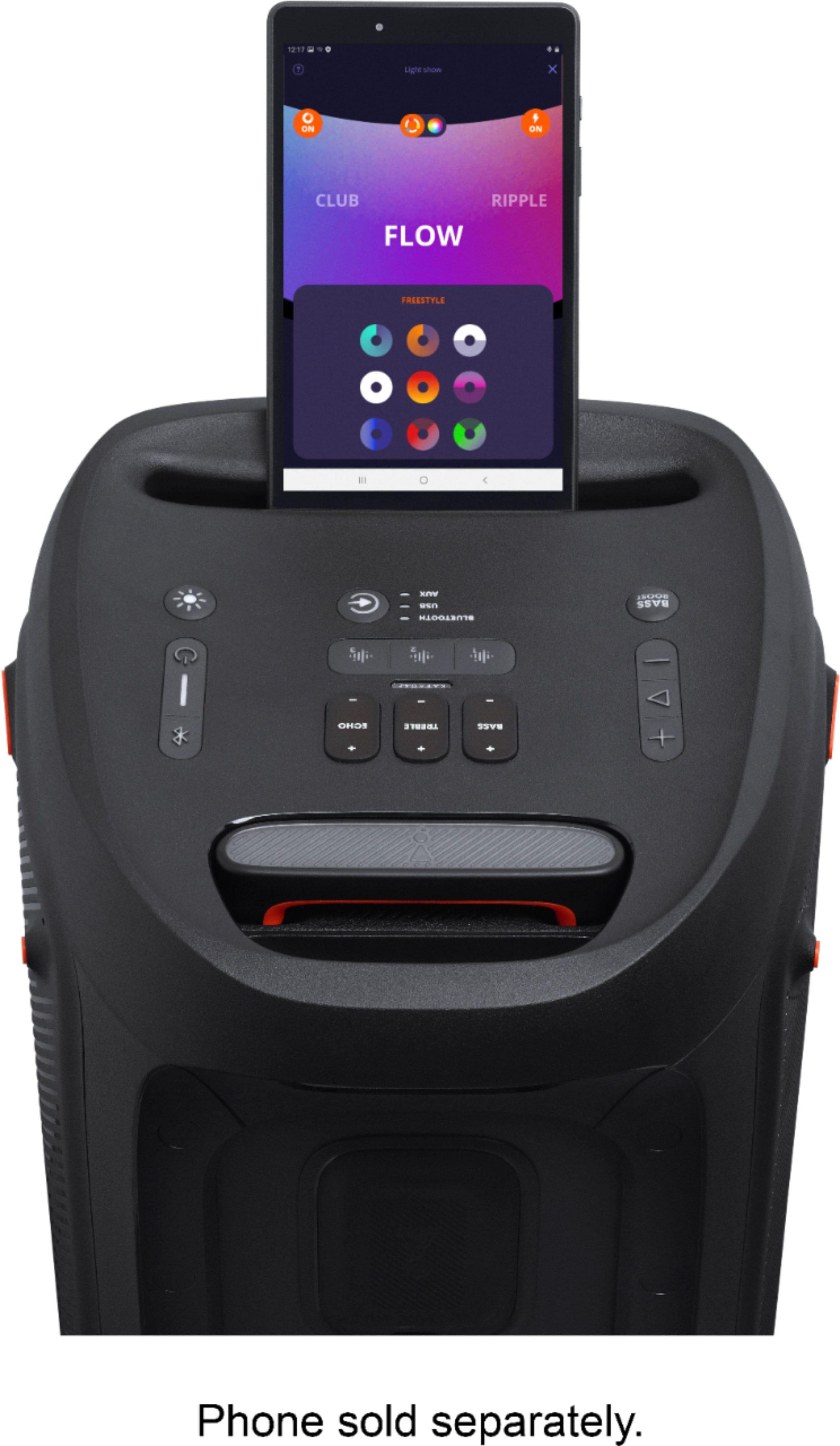
Both speakers allow lighting customization through the JBL PartyBox app, including various preset modes and the ability to disable lights entirely for situations where visual effects aren't desired. The app integration also enables beat synchronization adjustments, letting you fine-tune how aggressively the lights respond to musical dynamics.
The JBL PartyBox app serves as a central control hub for both speakers, offering features that significantly expand their capabilities beyond what physical controls alone provide. Both the Club 120 and 310 support comprehensive app-based control including 5-band graphic EQ adjustment, lighting customization, and speaker pairing for stereo or multi-speaker configurations.
Where the speakers differ is in their balance between app-based and physical controls. The PartyBox 310 provides dedicated hardware buttons for bass, treble, and microphone adjustments, allowing quick changes without reaching for your phone. The Club 120 relies more heavily on app-based control, which offers more precise adjustments but requires having your device handy.
This design philosophy difference reflects broader trends in audio equipment design. Newer products like the Club 120 tend to consolidate controls into comprehensive app interfaces, while older designs like the 310 prioritize immediate physical access to key functions. Neither approach is inherently superior—it depends on your usage patterns and preferences.
Based on extensive research into user experiences and professional reviews, several performance characteristics stand out as particularly important for different use scenarios.
For indoor house parties and gatherings, both speakers perform excellently, with the Club 120 often proving adequate despite its lower power rating. The AI Sound Boost technology helps it maintain clarity at party volumes, while its more compact size makes placement easier in typical home environments.
For larger outdoor events, the PartyBox 310's extra power becomes more apparent. Outdoor environments naturally absorb more sound energy, and competing with ambient noise requires the additional headroom that 240 watts provides. The larger drivers also help maintain bass response in open-air environments where low frequencies can dissipate more easily.
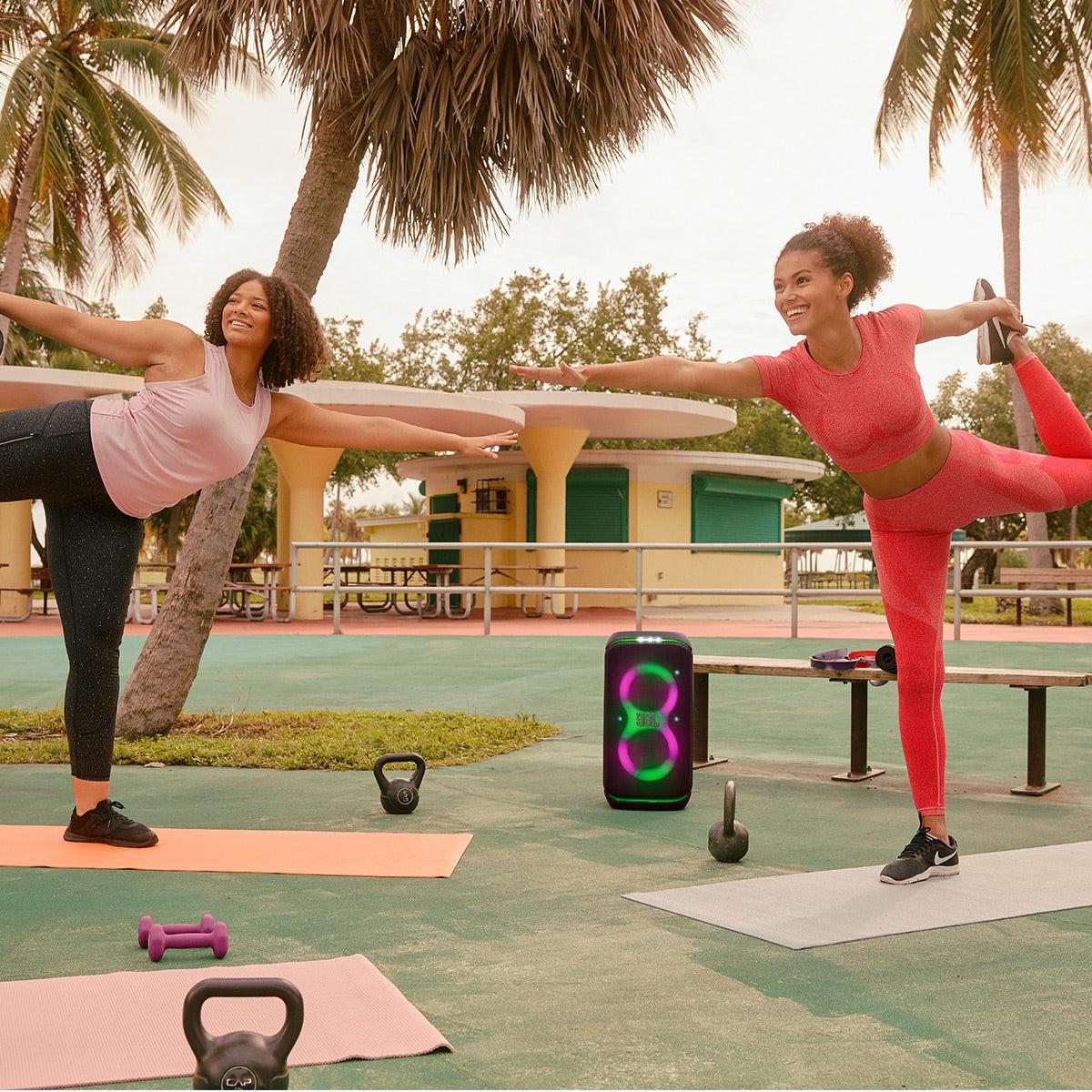
For portable applications—beach trips, camping, tailgating—the Club 120's weight advantage becomes crucial. The 14-pound difference might not seem dramatic on paper, but it becomes very real when carrying the speaker across sand, up stairs, or over uneven terrain. The swappable battery feature also proves valuable in scenarios where AC power isn't available for extended periods.
For semi-permanent installations—home patios, pool areas, workshop spaces—the PartyBox 310's larger size and higher power output make more sense. The wheels become less relevant when the speaker stays in one location, while the longer battery life and maximum output capability prove more valuable.
While neither speaker is specifically designed for home theater use, both can serve double duty for casual movie watching, particularly in scenarios where traditional surround sound systems aren't practical. The Club 120's more balanced frequency response makes it slightly better suited for dialog reproduction, while both speakers' bass emphasis can add excitement to action movies.
However, both speakers exhibit the typical party speaker characteristic of emphasized bass and treble with a slight midrange recession. This tuning, while excellent for music, can make dialog sound slightly hollow or distant compared to dedicated home theater speakers. For serious movie watching, traditional speakers or soundbars remain better choices.
At the time of writing, these speakers occupy different value propositions that appeal to distinct user priorities. The PartyBox Club 120 represents excellent value for users seeking modern features, enhanced portability, and comprehensive party capabilities without the premium pricing. The PartyBox 310 commands a higher price primarily for its power advantage and longer battery life.
Choose the PartyBox Club 120 if:
Choose the PartyBox 310 if:
From our analysis, the Club 120 represents better overall value for most users, offering approximately 80% of the 310's performance at roughly 75% of the price, with added benefits of enhanced portability and modern features. The 310 justifies its premium primarily when maximum power output is genuinely required for specific large-venue applications.
Both speakers excel in their respective roles, representing different approaches to portable party audio that reflect four years of technological evolution and changing user priorities. The choice ultimately depends on whether you prioritize raw power and extended battery life, or prefer modern features and enhanced portability.
| JBL PartyBox Club 120 | JBL PartyBox 310 |
|---|---|
| Power Output - Determines maximum volume and bass impact | |
| 160W RMS (sufficient for most parties) | 240W RMS (50% more power for larger venues) |
| Weight & Portability - Critical for frequent transport | |
| 24.4 lbs with fold-up handle (easy one-person carry) | 38.4 lbs with wheels and telescopic handle (requires rolling) |
| Driver Size - Affects bass depth and overall sound quality | |
| 2x 5.25" woofers + 2x 2.25" tweeters | 2x 6.5" woofers + 2x 2.25" tweeters (deeper bass) |
| Battery Life - Determines untethered runtime | |
| 12 hours with swappable battery system | 18 hours with fixed battery (no replacement option) |
| Release Year - Shows technology generation | |
| 2024 (latest features and connectivity) | 2020 (proven design, older tech standards) |
| Bluetooth Version - Affects connection stability and features | |
| 5.4 with Auracast multi-speaker support | 5.1 (older standard, no Auracast) |
| Dimensions - Impacts storage and placement flexibility | |
| 22.4" x 11.4" x 11.7" (more compact) | 27.1" x 12.8" x 14.5" (larger footprint) |
| Lighting System - Enhances party atmosphere | |
| Advanced: ring LEDs, strips, 9 strobes | Basic: ring LEDs, 4 strobes |
| AI Features - Modern sound processing technology | |
| AI Sound Boost for optimized performance | None (traditional amplification) |
| Physical Controls - Quick access without app | |
| Minimal (requires app for most adjustments) | Dedicated bass, treble, mic controls |
| AUX Output - Daisy-chaining capability | |
| None (wireless connections only) | 3.5mm output for wired speaker chaining |
| Fast Charging - Quick power-up capability | |
| 10 minutes = 80 minutes playback | Standard charging only |
| Water Resistance - Outdoor durability | |
| IPX4 splashproof | IPX4 splashproof |
The JBL PartyBox 310 is significantly louder with 240W RMS compared to the PartyBox Club 120's 160W RMS. This 50% power advantage means the PartyBox 310 can fill larger spaces and outdoor venues more effectively, while the Club 120 is sufficient for most home parties and medium-sized gatherings.
The JBL PartyBox Club 120 weighs 24.4 pounds with a fold-up handle for easy carrying, while the PartyBox 310 weighs 38.4 pounds and includes wheels with a telescopic handle. The Club 120 is 35% lighter, making it much more portable for frequent transport.
The JBL PartyBox 310 offers longer battery life at 18 hours compared to the PartyBox Club 120's 12 hours. However, the Club 120 features a unique swappable battery system, allowing you to purchase extra batteries for unlimited runtime, while the PartyBox 310 has a fixed battery.
Both the PartyBox Club 120 and PartyBox 310 can work for casual movie watching but aren't optimized for home theater use. Their bass-heavy tuning enhances music but can make dialog sound hollow. For serious home theater applications, dedicated soundbars or surround sound systems are better choices than either PartyBox speaker.
The JBL PartyBox 310 produces deeper, more impactful bass thanks to its larger 6.5-inch woofers compared to the Club 120's 5.25-inch drivers. The PartyBox 310 delivers more chest-thumping low-end response, making it better for bass-heavy music genres like EDM and hip-hop.
The JBL PartyBox Club 120 features newer Bluetooth 5.4 with Auracast support for advanced multi-speaker connections, while the PartyBox 310 uses Bluetooth 5.1. The Club 120 offers more modern wireless features and better connection stability with newer devices.
For large outdoor spaces, the JBL PartyBox 310 is superior due to its higher power output and deeper bass response. For smaller outdoor gatherings or frequent transport between locations, the PartyBox Club 120's lighter weight and modern features make it more practical despite lower power.
Yes, both the JBL PartyBox Club 120 and PartyBox 310 feature dual microphone inputs with independent volume controls, making them excellent for karaoke and live performances. The PartyBox 310 offers dedicated physical mic controls, while the Club 120 requires app-based adjustments.
The JBL PartyBox Club 120 has more advanced lighting with ring LEDs, LED strips, and 9 strobe lights compared to the PartyBox 310's simpler ring LEDs and 4 strobes. The Club 120 creates more dynamic, varied light shows that better sync with different musical elements.
The JBL PartyBox Club 120 is more compact at 22.4" x 11.4" x 11.7" compared to the PartyBox 310's 27.1" x 12.8" x 14.5" dimensions. The Club 120 takes up less storage space and fits more easily in vehicles, while the PartyBox 310 requires more substantial transportation planning.
The JBL PartyBox Club 120 typically offers better value with modern features like swappable batteries, Bluetooth 5.4, and AI Sound Boost technology. The PartyBox 310 costs more but justifies the premium only if you specifically need maximum power output for large venues or extended 18-hour battery life.
Both the JBL PartyBox Club 120 and PartyBox 310 are IPX4-rated, meaning they're splashproof but not fully waterproof. They can handle poolside use and light rain but shouldn't be submerged. Both PartyBox speakers offer the same level of water resistance for outdoor party use.
We've done our best to create useful and informative comparisons to help you decide what product to buy. Our research uses advanced automated methods to create this comparison and perfection is not possible - please contact us for corrections or questions. These are the sites we've researched in the creation of this article: stereoguide.com - armorsound.com - rtings.com - rtings.com - bestbuy.com - youtube.com - soundguys.com - youtube.com - lbtechreviews.com - youtube.com - youtube.com - versus.com - jbl.com - rtings.com - versus.com - ro.harmanaudio.com - dell.com - jbl.com - jbl.com - projectorscreenstore.com - rtings.com - comparisontabl.es - crutchfield.com - youtube.com - bestbuy.com - rtings.com - youtube.com - versus.com - youtube.com - youtube.com - jbl.com - youtube.com - crutchfield.com - manuals.plus - in.jbl.com - jbl.com.tw - mm.jbl.com - bestbuy.com - jbl.com - onward.ph - youtube.com - manuals.plus - harmanaudio.com - support.jbl.com - youtube.com - kh.jbl.com - bestbuy.com

Privacy Policy
Terms and Conditions - Affiliate Policy
Home Security
© Copyright 2008-2026.
11816 Inwood Rd #1211, Dallas, TX 75244