

Portable party speakers have become essential gear for anyone who loves hosting outdoor gatherings, pool parties, or backyard barbecues. These aren't your typical Bluetooth speakers—they're designed to pump out serious volume while lasting all day on battery power. Today we're comparing two popular options: the JBL PartyBox 310 and the Sony ULT FIELD 7. While both aim to get your party started, they take surprisingly different approaches to achieving that goal.
Before diving into specifics, it's worth understanding what makes a good party speaker. Unlike audiophile speakers that focus on perfect sound reproduction, party speakers prioritize getting loud, staying powered, and surviving the outdoors. The key factors that matter most are maximum volume output, battery life that lasts through extended events, weather resistance for poolside use, and enough connectivity options to handle microphones for karaoke or announcements.
Modern party speakers also include LED light shows that sync with your music, turning any gathering into a mini concert experience. These features distinguish them from regular portable speakers, which typically focus on balanced sound for personal listening rather than filling large outdoor spaces.
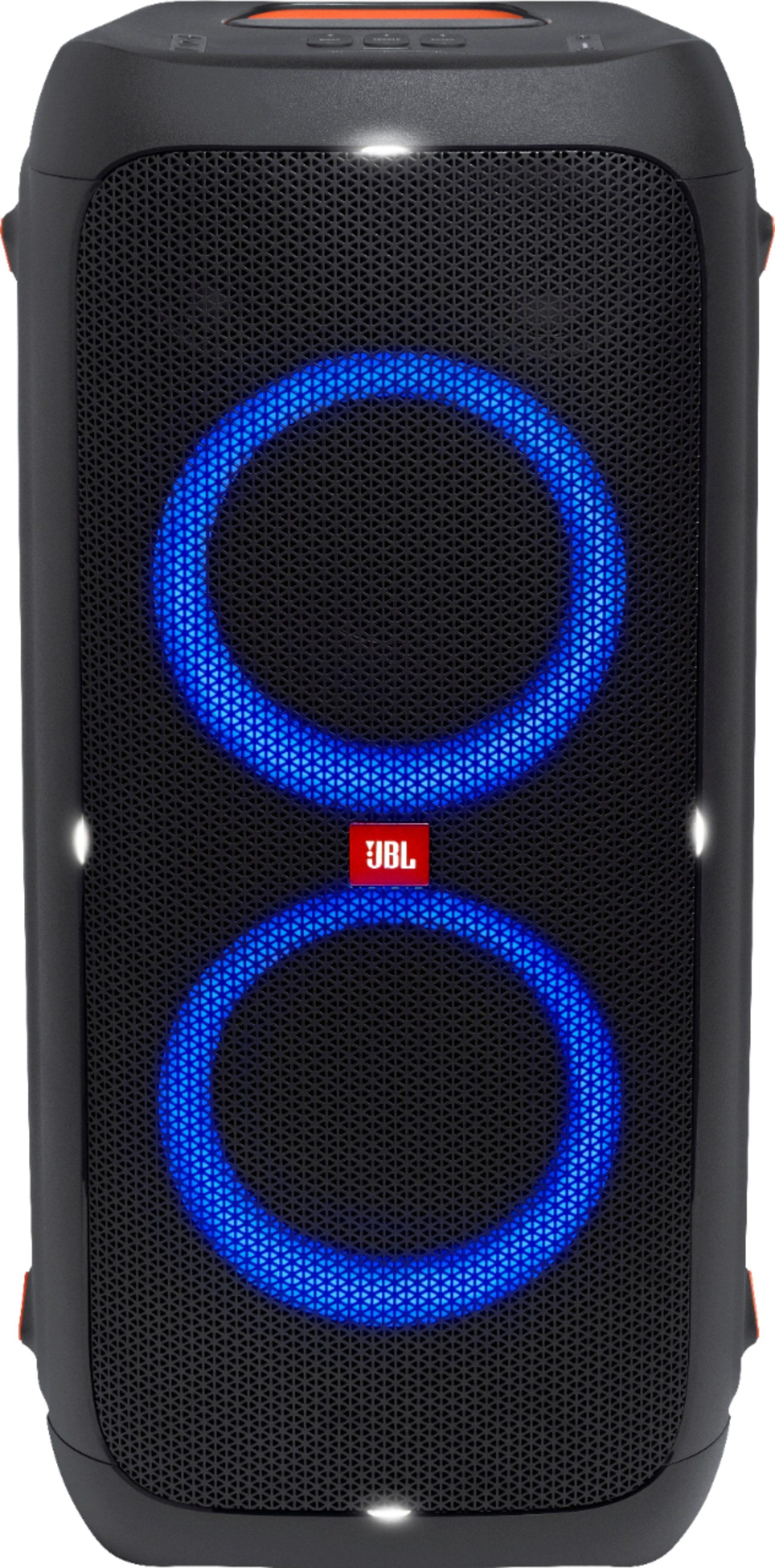
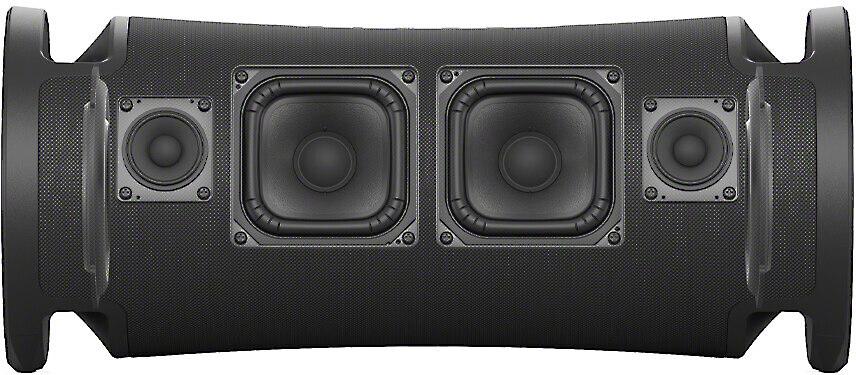
The most striking difference between the JBL PartyBox 310 and Sony ULT FIELD 7 is their approach to power output. The JBL delivers 240 watts RMS (Root Mean Square—a measurement of continuous power) through four drivers: two 6.5-inch woofers for bass and two 2.5-inch tweeters for high frequencies. This substantial power rating suggests it should absolutely dominate the Sony, which produces just 45 watts.
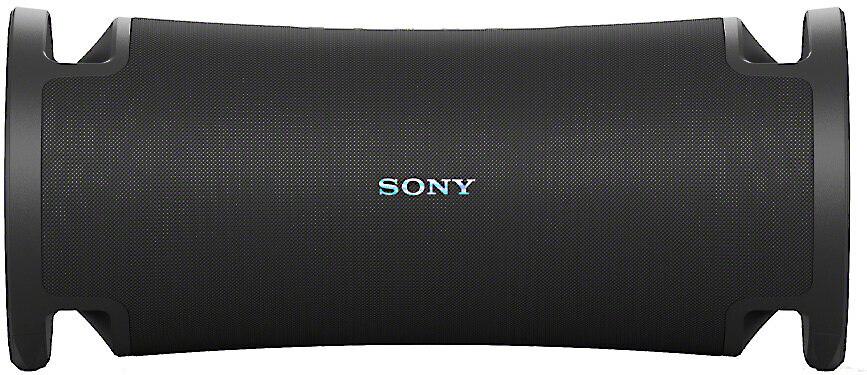
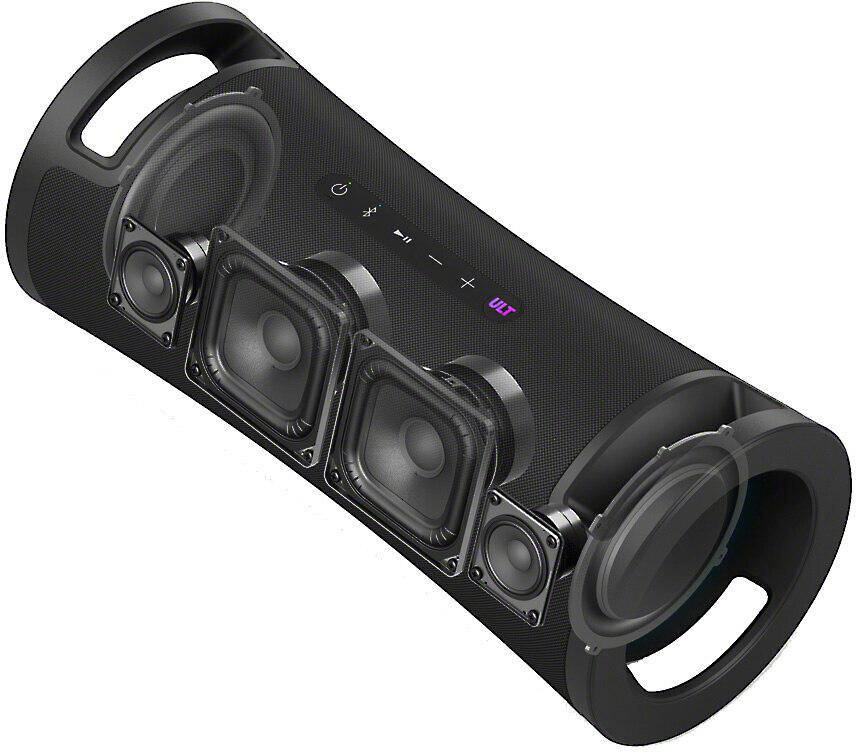
However, real-world performance tells a different story. Despite the massive wattage difference, both speakers actually reach similar maximum volume levels when tested side by side. This happens because the Sony uses more efficient driver designs and amplifier technology. Its X-Balanced Speaker Units feature non-circular diaphragms—the cone-shaped parts that move air to create sound—which increase surface area without increasing overall speaker size. This design reduces distortion while maintaining powerful bass output.
The JBL PartyBox 310 takes a more traditional approach with conventional round drivers but compensates with raw power. At moderate volumes, both speakers sound excellent, but push them to maximum and their differences become clear. The JBL starts showing compression—where the sound becomes muddy and loses clarity—while the Sony maintains cleaner audio reproduction throughout its volume range.
For most party scenarios, both speakers get plenty loud enough to energize a crowd of 50-100 people in an outdoor setting. The choice becomes more about sound quality at high volumes rather than pure loudness.
Battery performance represents one of the most significant practical differences between these speakers. The Sony ULT FIELD 7 delivers an impressive 30 hours of playback on a single charge, while the JBL PartyBox 310 provides 18 hours. That 12-hour difference is substantial—it's the gap between needing to recharge mid-party versus having power for an entire weekend camping trip.
Both speakers were released in 2024, incorporating modern lithium-ion battery technology that's more efficient than older battery designs. However, Sony has clearly prioritized energy efficiency throughout their design. The lower power consumption of their amplifier circuit, combined with intelligent power management, allows the smaller battery to last significantly longer.
For context, 18 hours was considered excellent battery life just a few years ago. But as battery technology improves and people expect their devices to last longer, Sony's 30-hour rating sets a new standard that makes the JBL's performance feel dated, despite being a current-generation product.
Here's where the speakers diverge dramatically in their intended use cases. The JBL PartyBox 310 carries an IPX4 rating, meaning it can handle light rain and accidental splashes but shouldn't get truly wet. The Sony ULT FIELD 7 boasts IP67 protection, making it fully waterproof—you could literally drop it in a swimming pool and it would keep playing underwater for up to 30 minutes.
IP ratings might seem like boring technical specifications, but they determine where you can actually use these speakers. IPX4 covers basic outdoor use where you might encounter some moisture, but you'd need to be careful around pools, beaches, or during heavy rain. IP67 opens up entirely new use scenarios: pool parties where the speaker sits on a floating device, beach gatherings where sand and saltwater are inevitable, or camping trips where morning dew and unexpected weather won't end your music.
This protection difference significantly impacts the value proposition. At the time of writing, both speakers are priced competitively within the premium party speaker market, but the Sony's superior water resistance adds functionality that could prevent costly damage in real-world use.
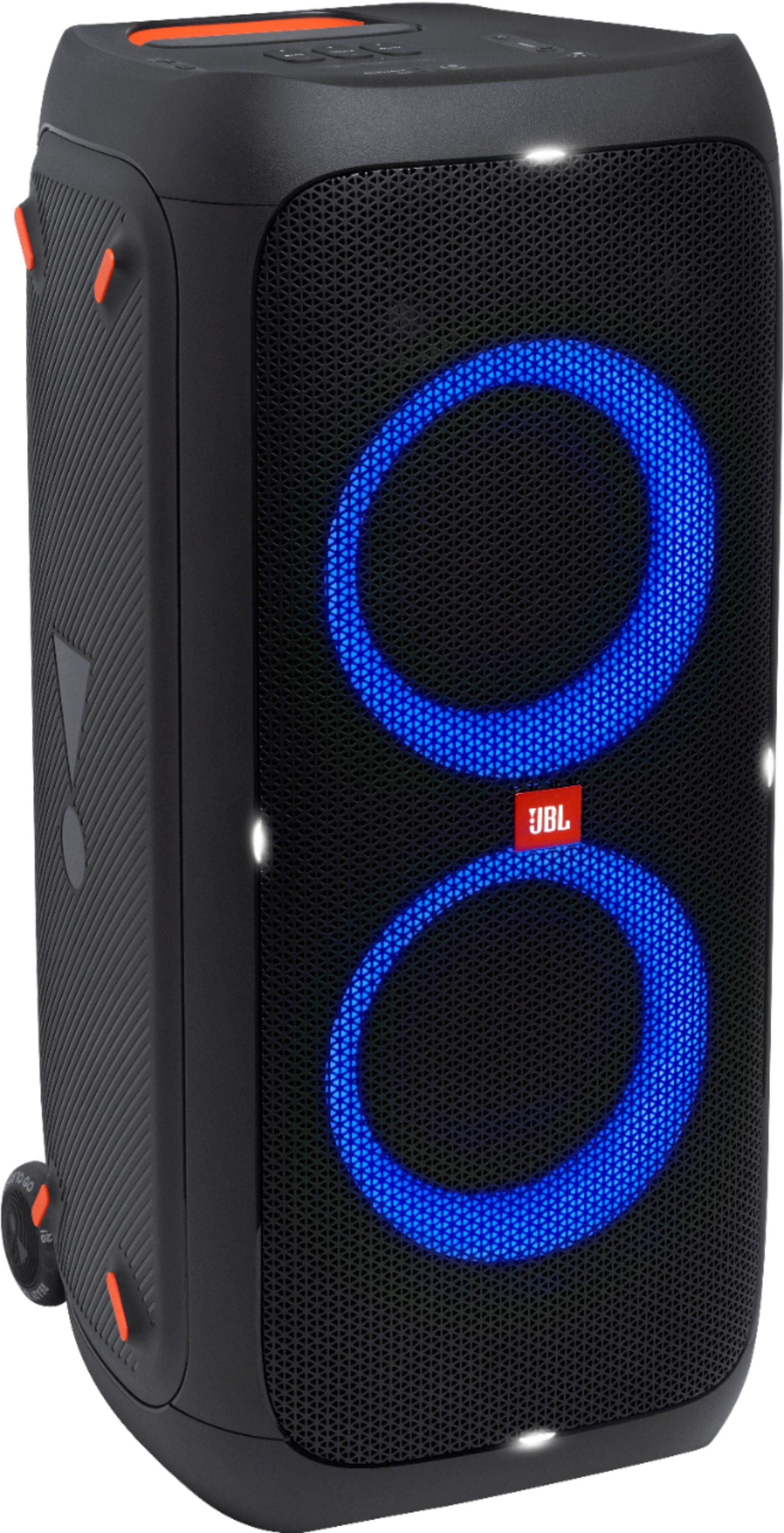
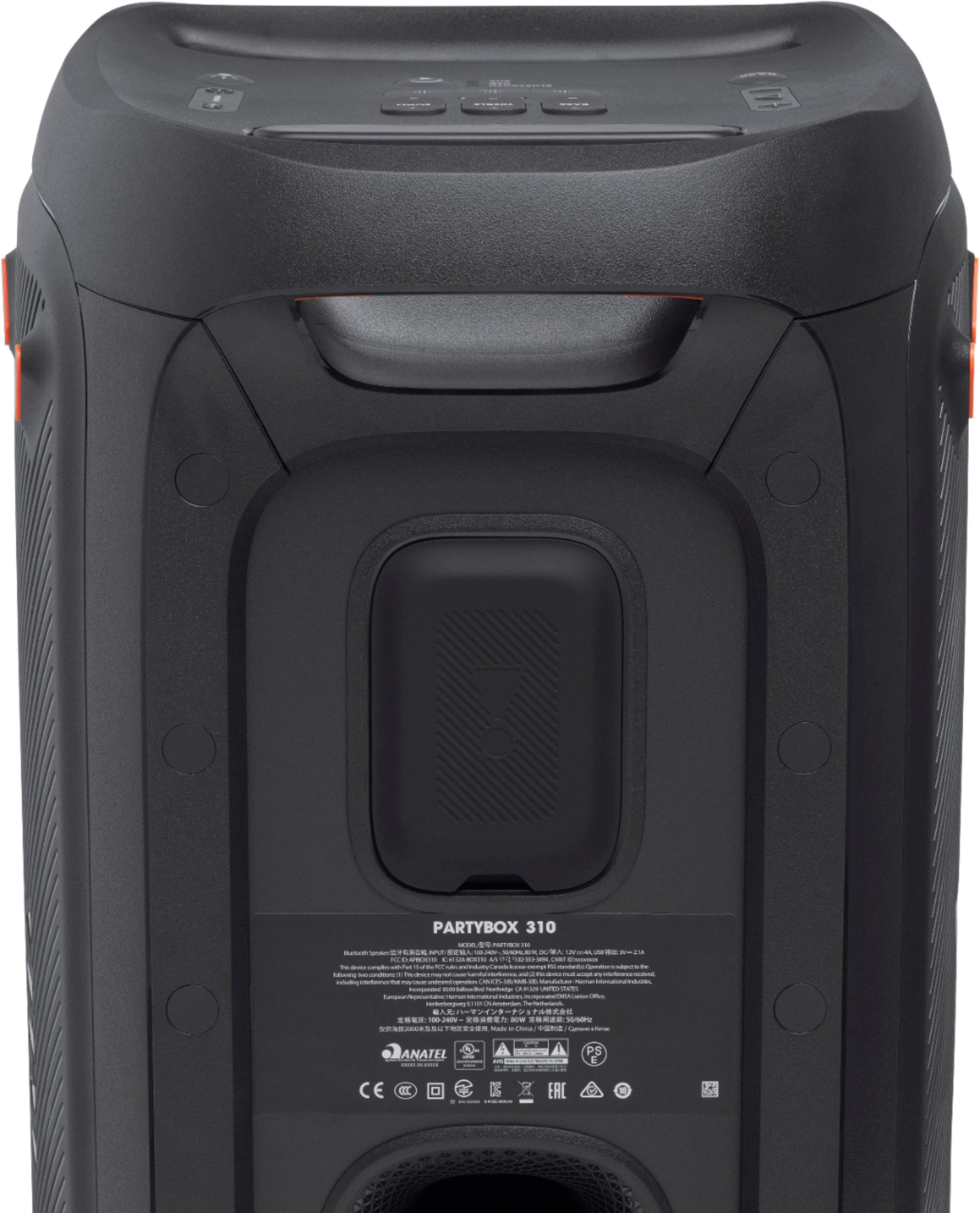
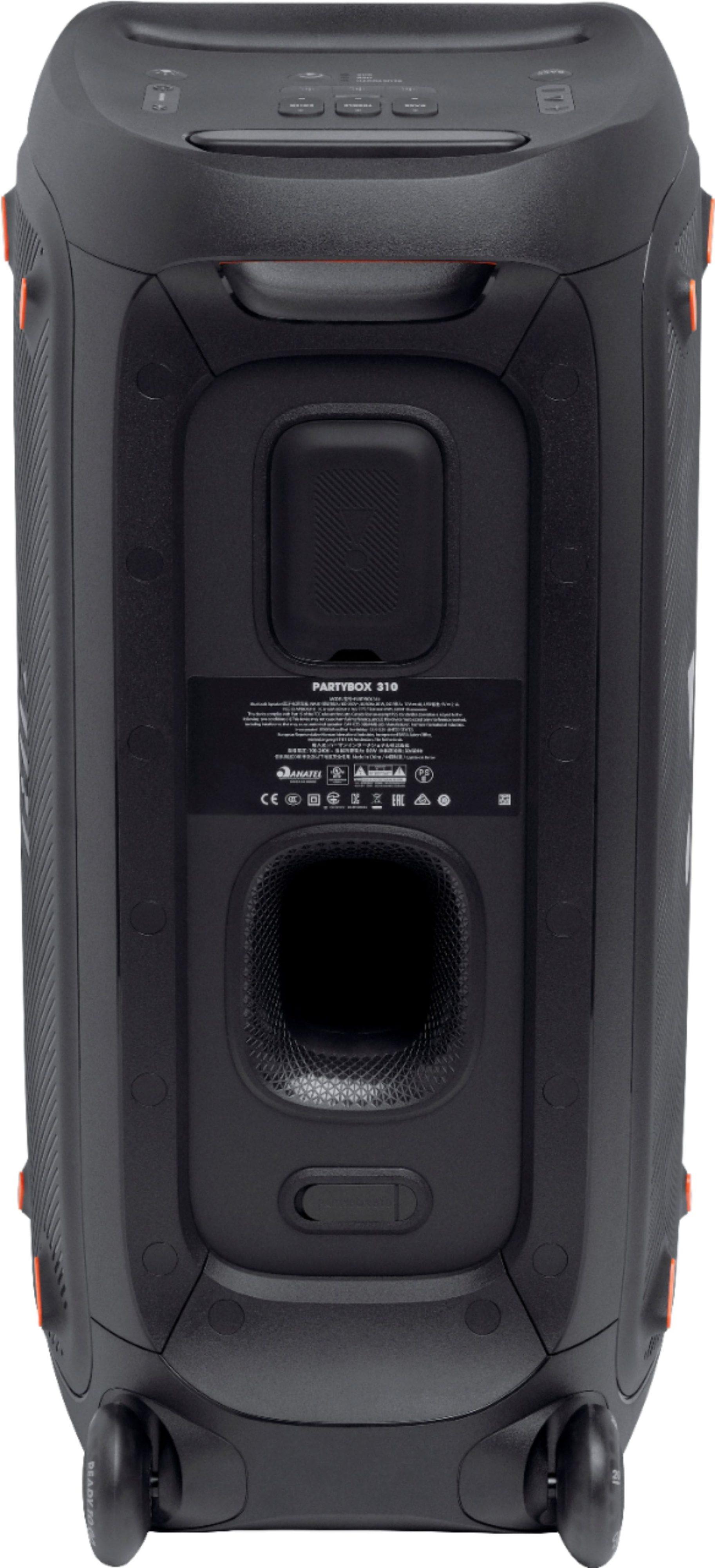
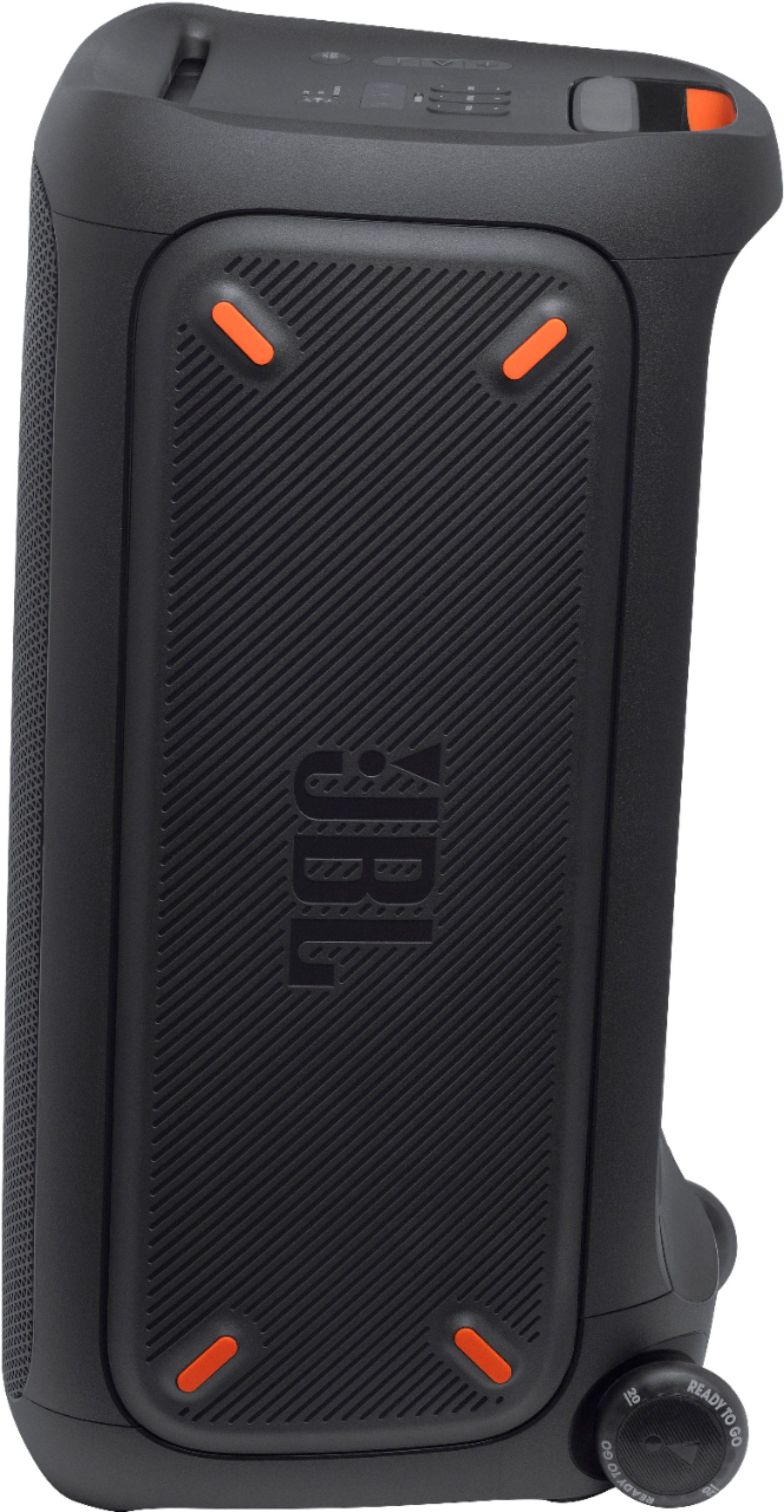
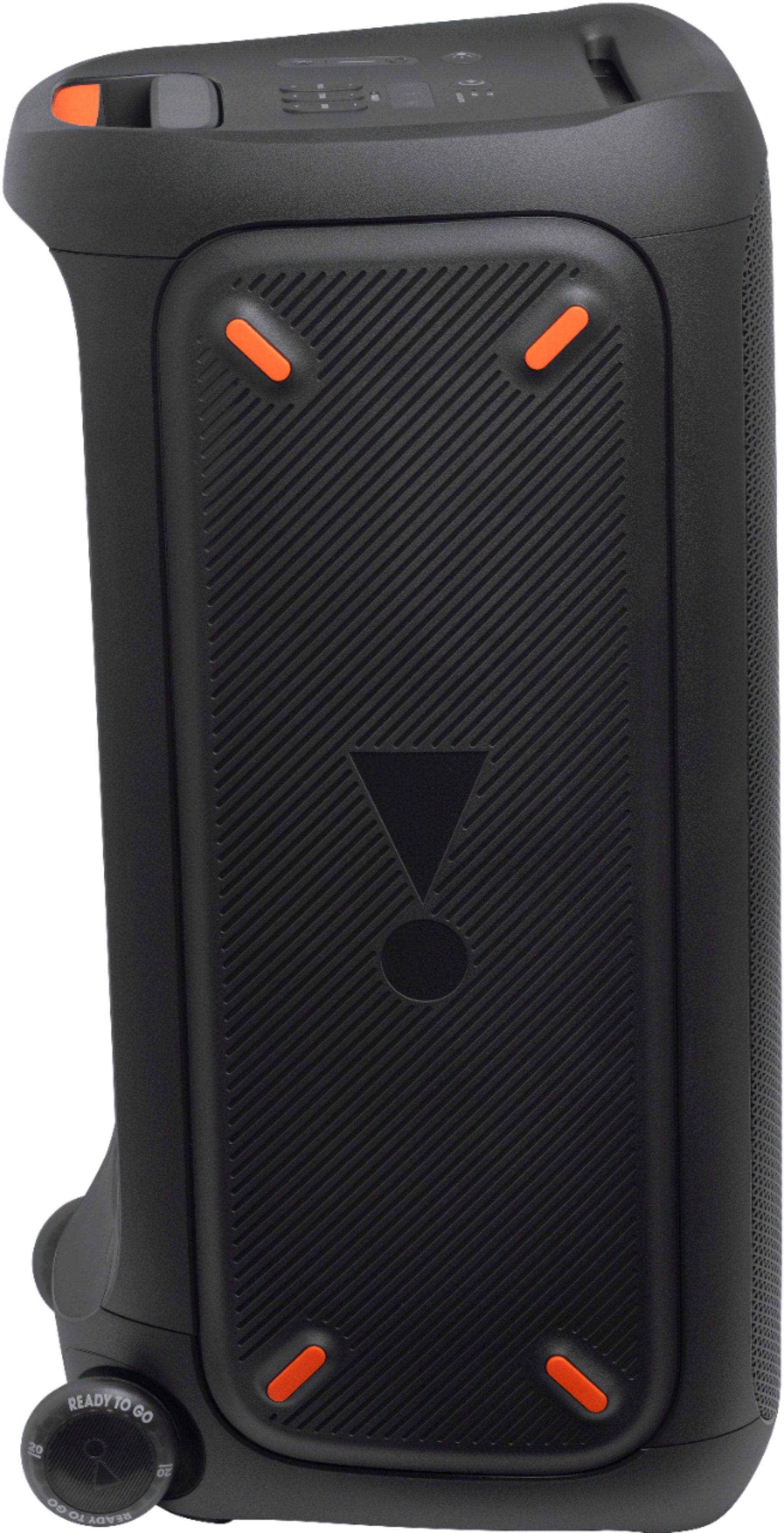
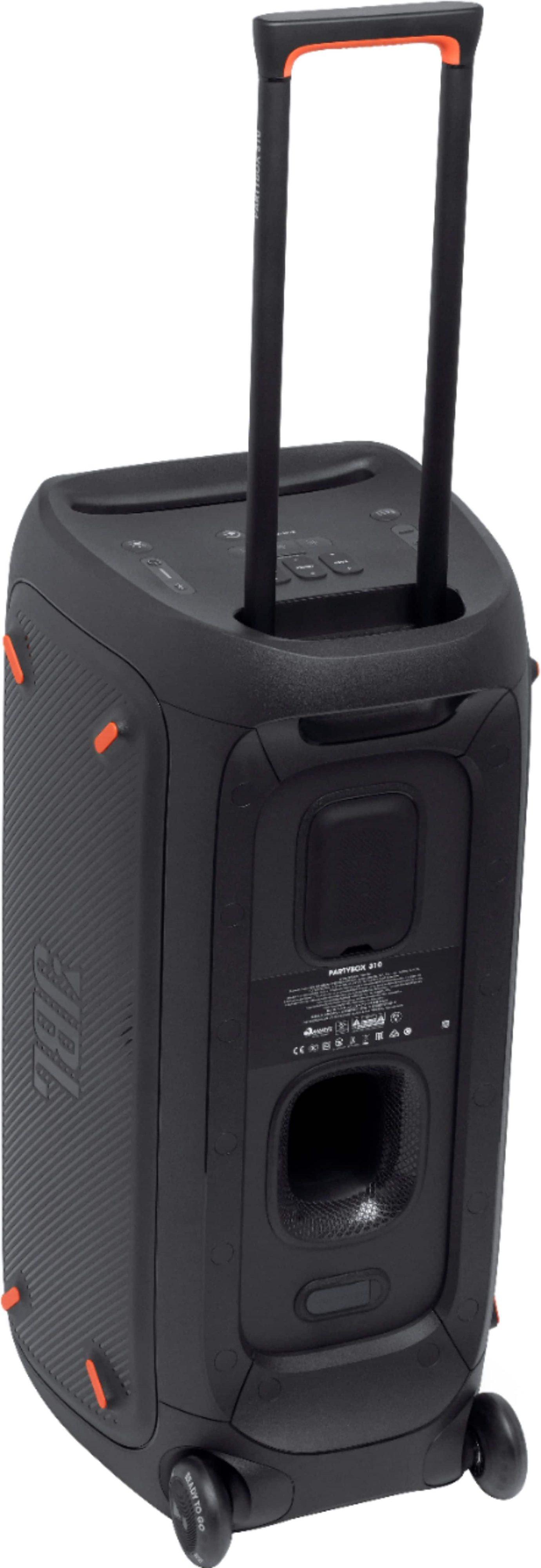
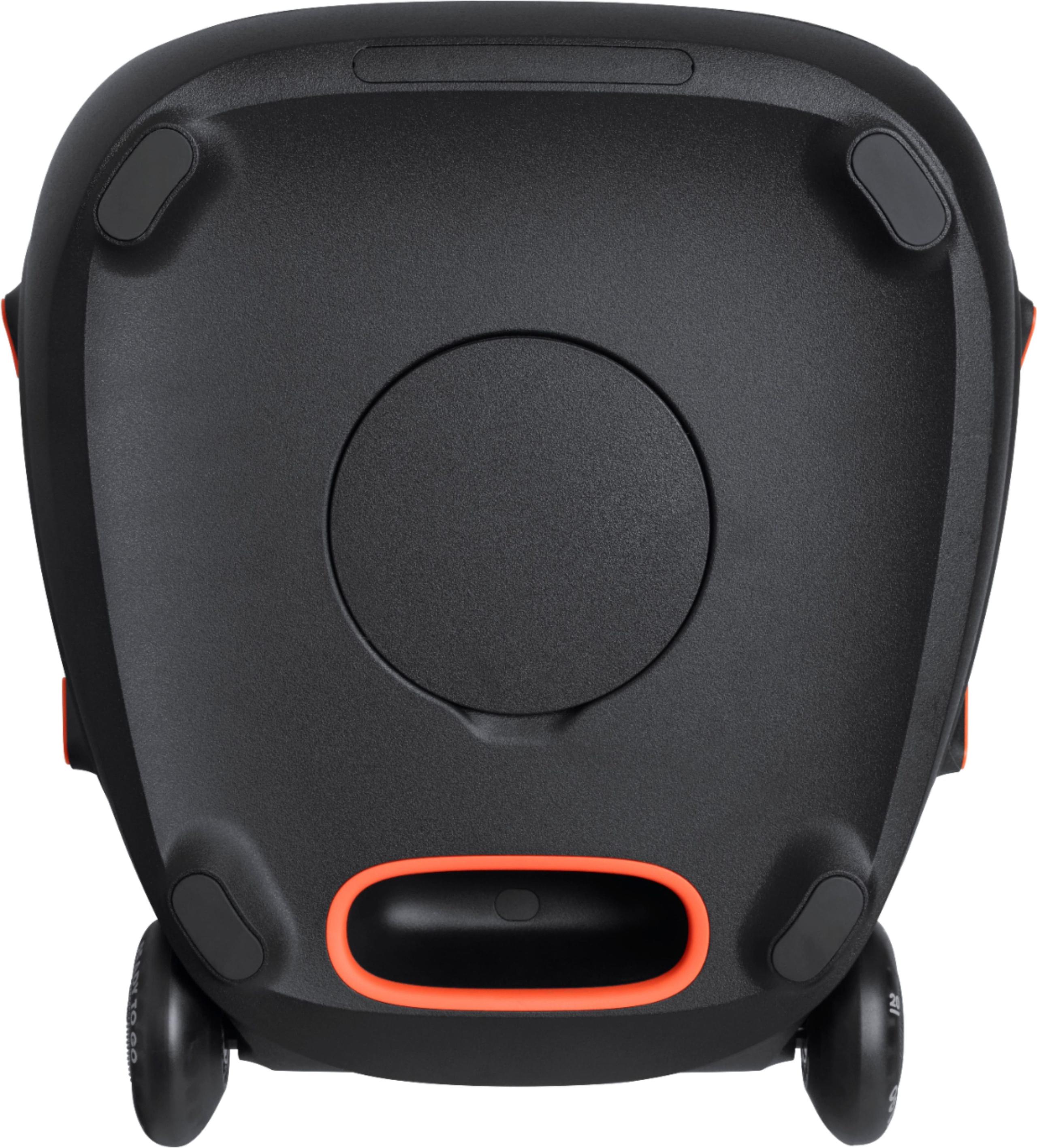
The JBL PartyBox 310 weighs 38.4 pounds and measures over two feet tall—it's genuinely hefty. JBL addresses this with a telescoping handle and smooth-rolling wheels, similar to rolling luggage. You can wheel it from your garage to the backyard or load it into a vehicle relatively easily, but it's not something you'd want to carry by hand for any distance.
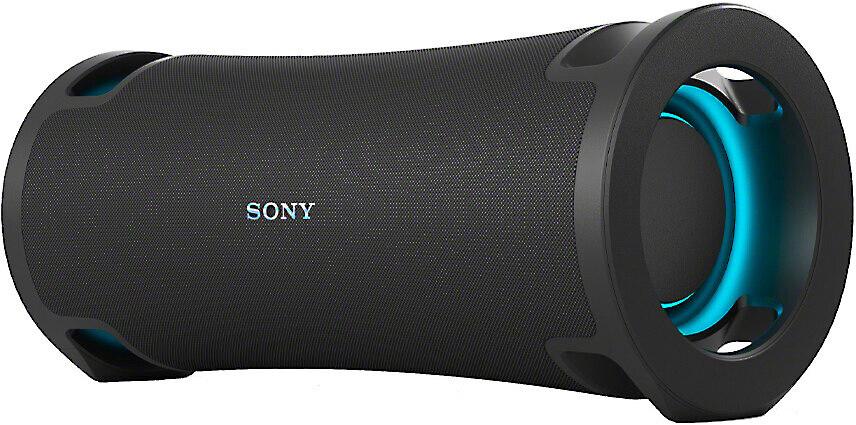
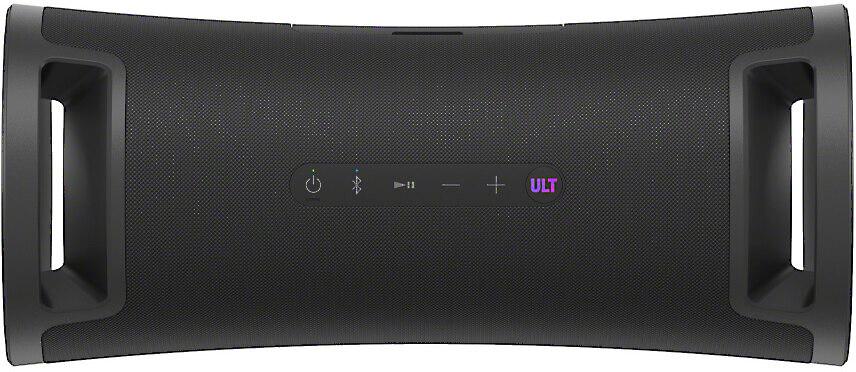
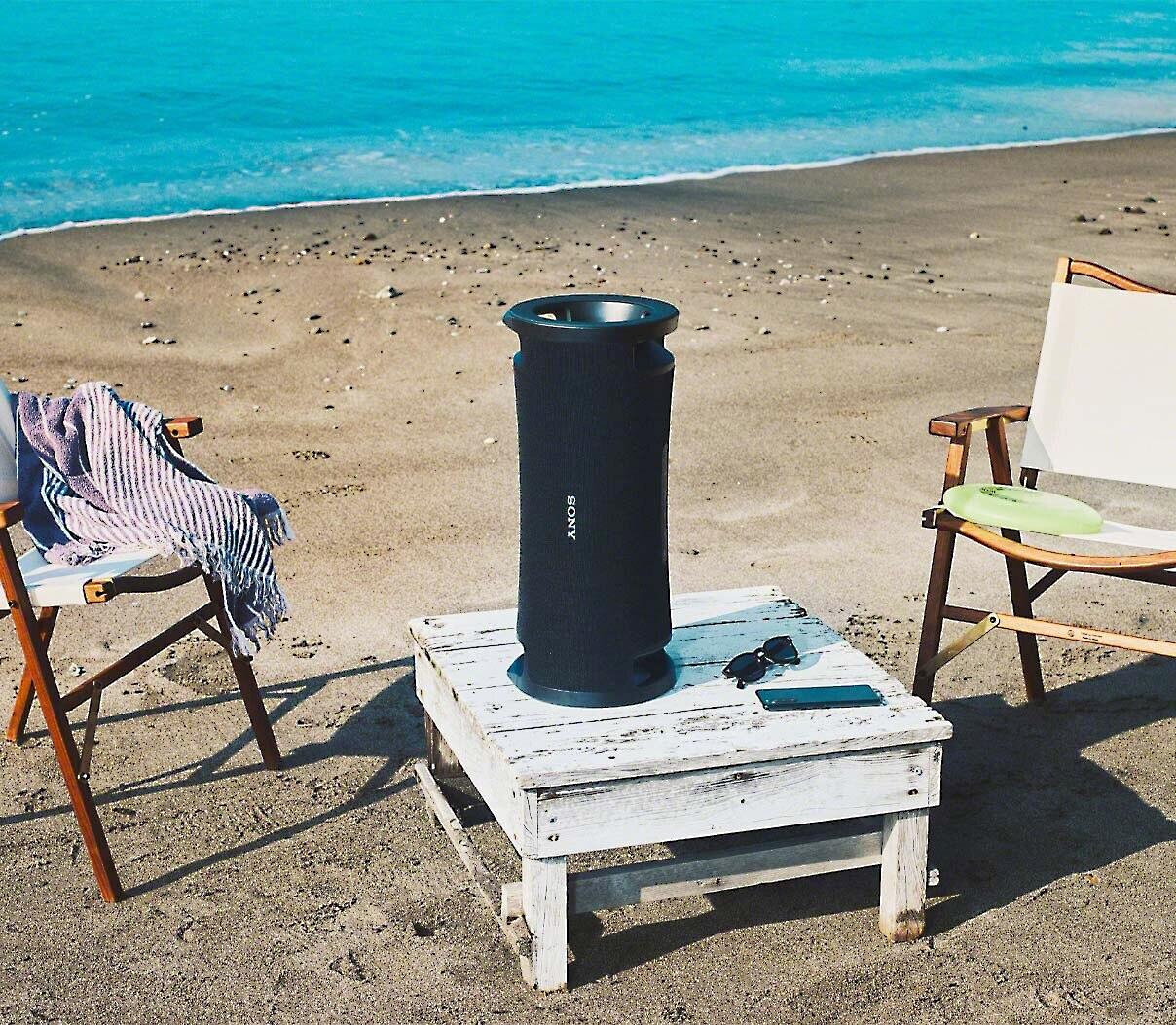
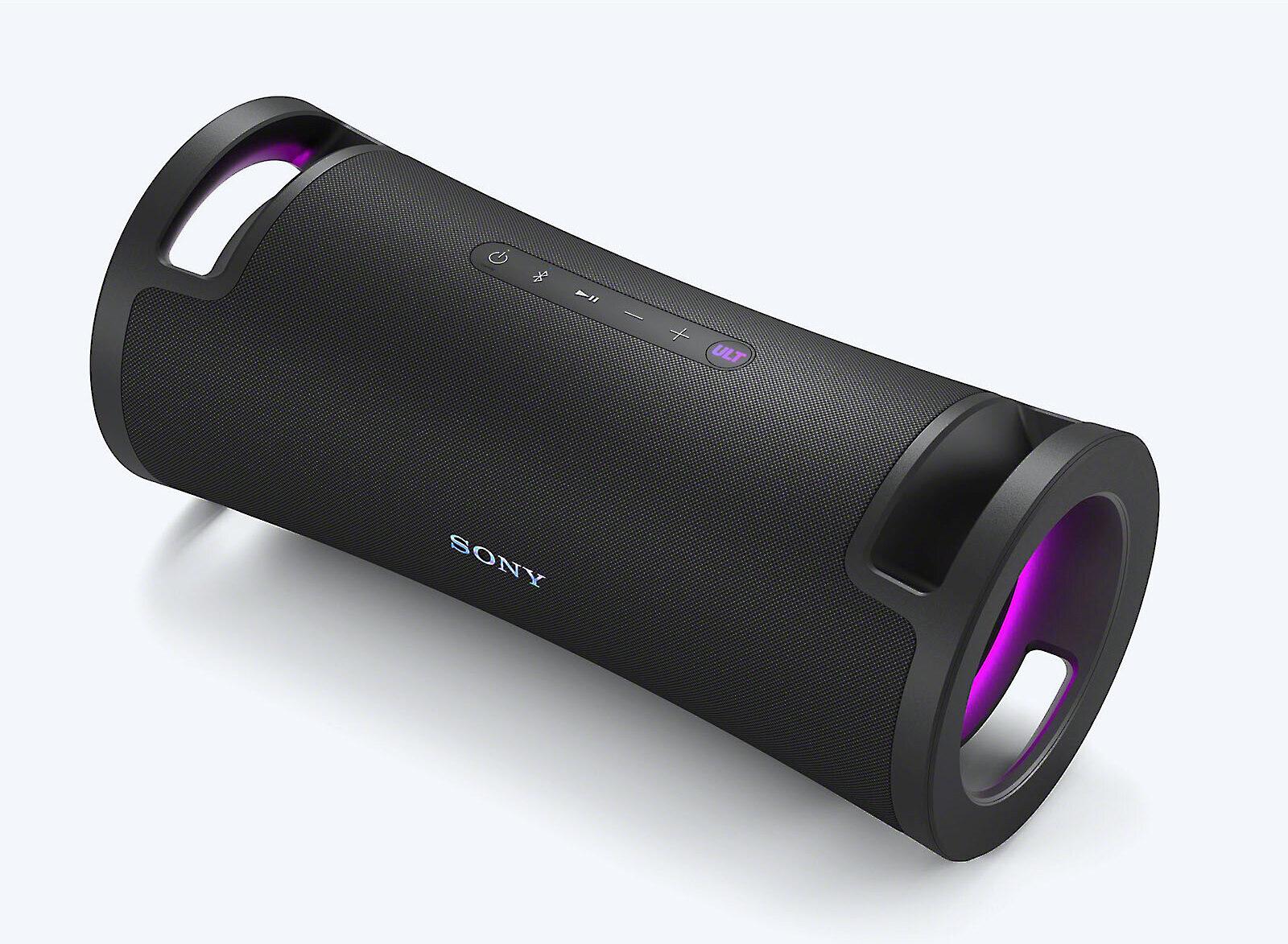
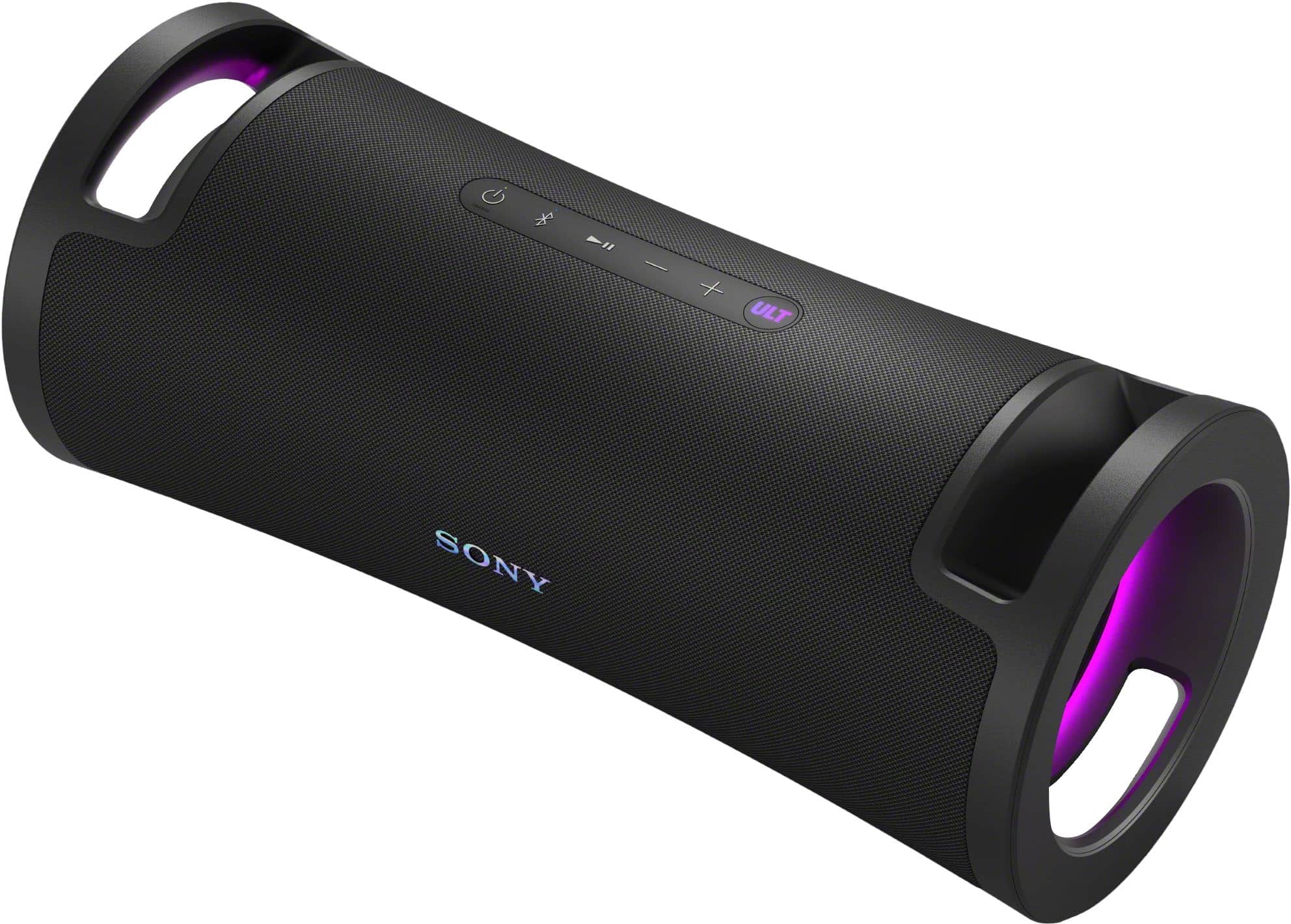
The Sony ULT FIELD 7, at 13.89 pounds, takes a completely different approach. It's designed for true portability with dual carrying handles that allow comfortable shoulder transport. You could realistically hike with this speaker, carry it to a beach, or move it around a party venue without assistance.
Both design philosophies make sense for their intended uses. The JBL optimizes for maximum impact at stationary events where its size enables bigger drivers and more impressive light shows. The Sony prioritizes versatility, allowing you to bring quality sound anywhere you can physically travel.
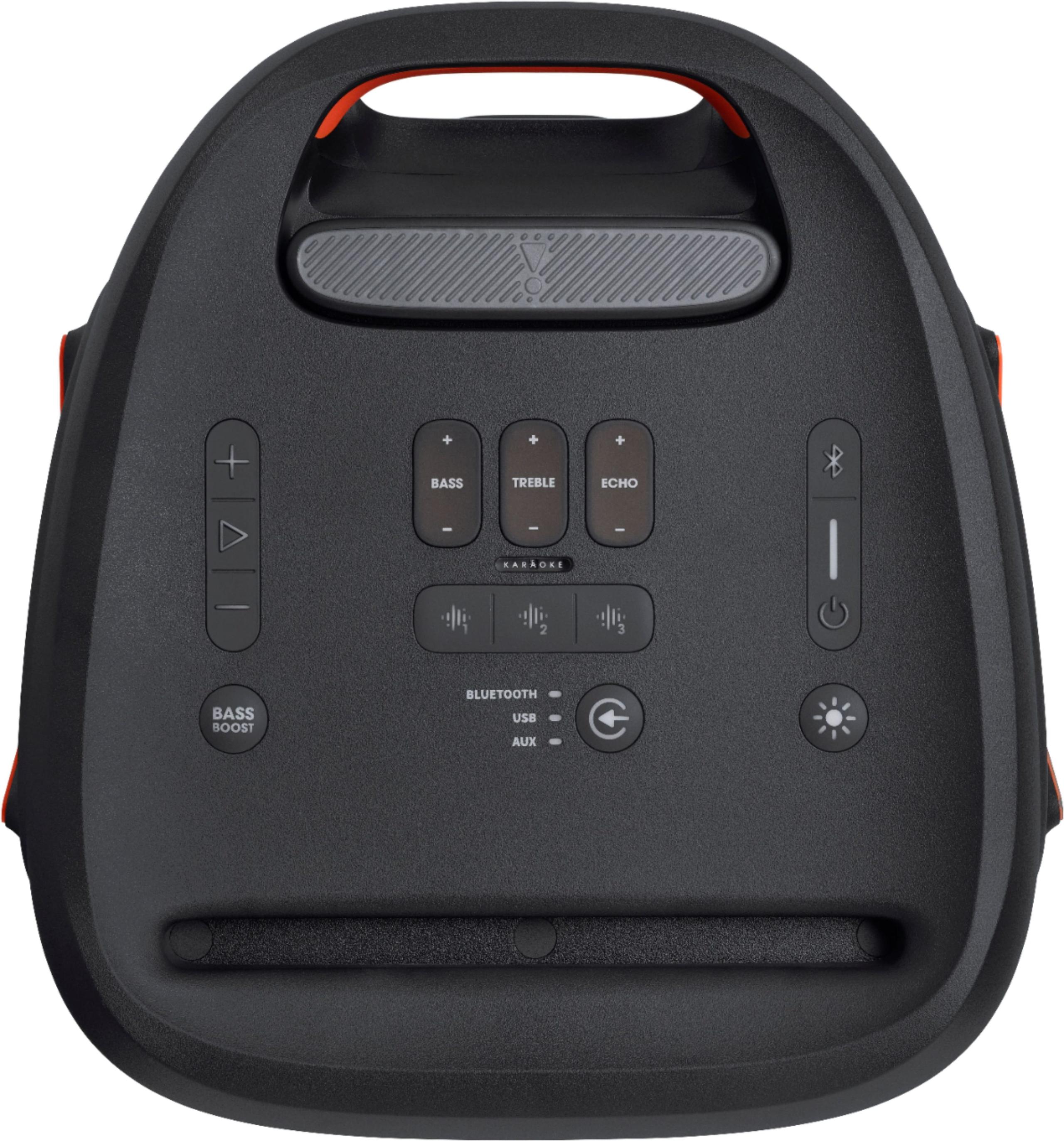
Sound quality comparison between these speakers reveals fascinating engineering choices. The JBL PartyBox 310 uses a rear-firing bass port—an opening that lets air move freely to enhance low-frequency response. This design, combined with dedicated bass boost controls, creates deep, impactful bass that's perfect for dance music and hip-hop. However, this bass-forward tuning can sometimes overshadow midrange details where vocals live.
The Sony ULT FIELD 7 takes a more balanced approach with its ULT POWER SOUND technology offering two distinct bass modes. "Deep Bass" emphasizes the lowest frequencies for that chest-thumping impact, while "Attack Bass" focuses on upper bass and lower midrange frequencies that add punch without overwhelming other elements. This flexibility lets you optimize the sound for different music styles or listening environments.
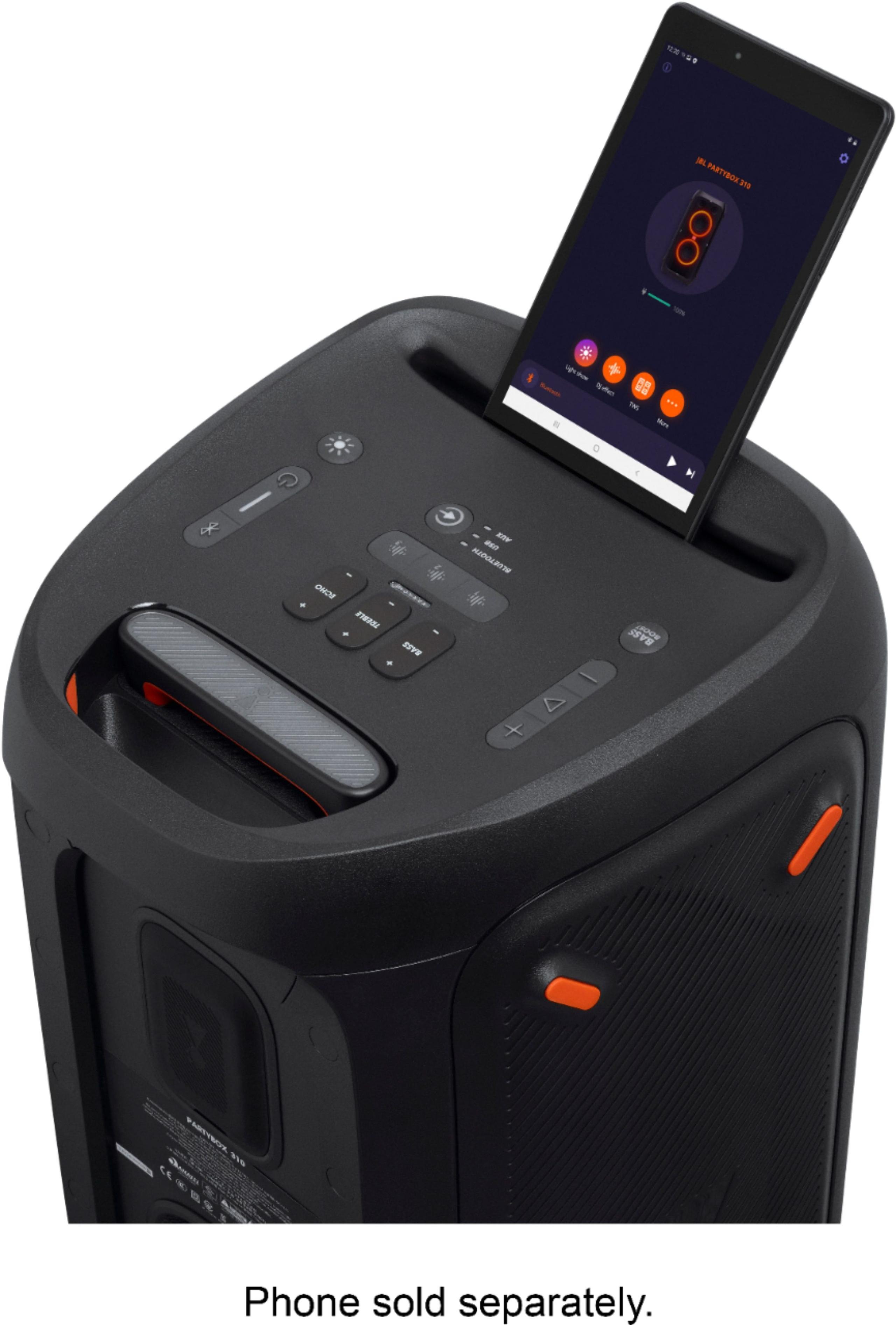
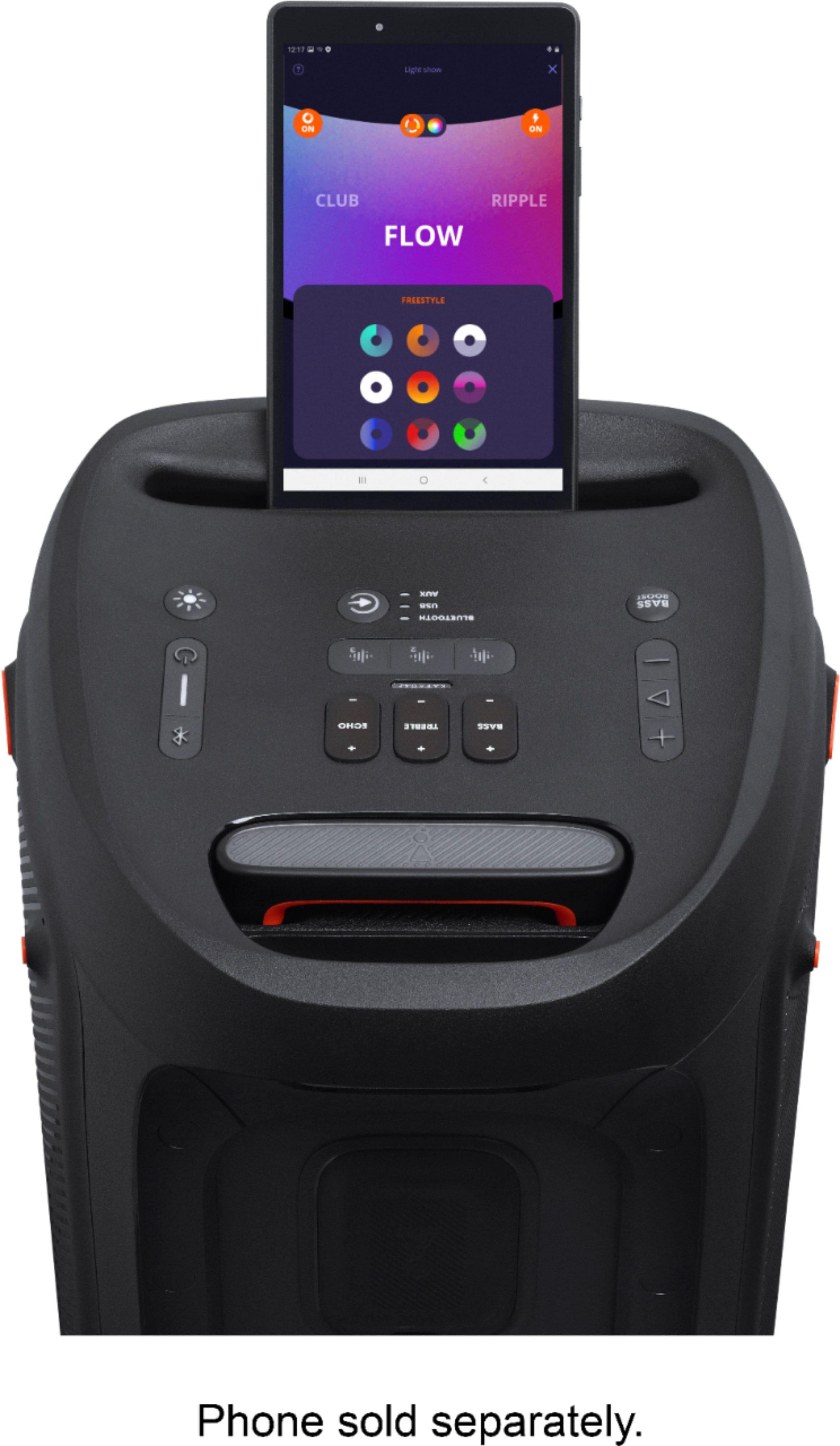
Both speakers support custom EQ adjustment through their respective smartphone apps, but Sony provides more granular control with a 7-band equalizer versus JBL's simpler bass and treble adjustments. Sony also includes Sound Field Optimization, which automatically adjusts the audio based on ambient noise levels—useful at outdoor parties where background noise varies throughout the event.
From our research into user and expert reviews, the consensus suggests the Sony delivers more consistent sound quality across different volume levels and music genres, while the JBL provides more dramatic bass impact that some users prefer for party environments.
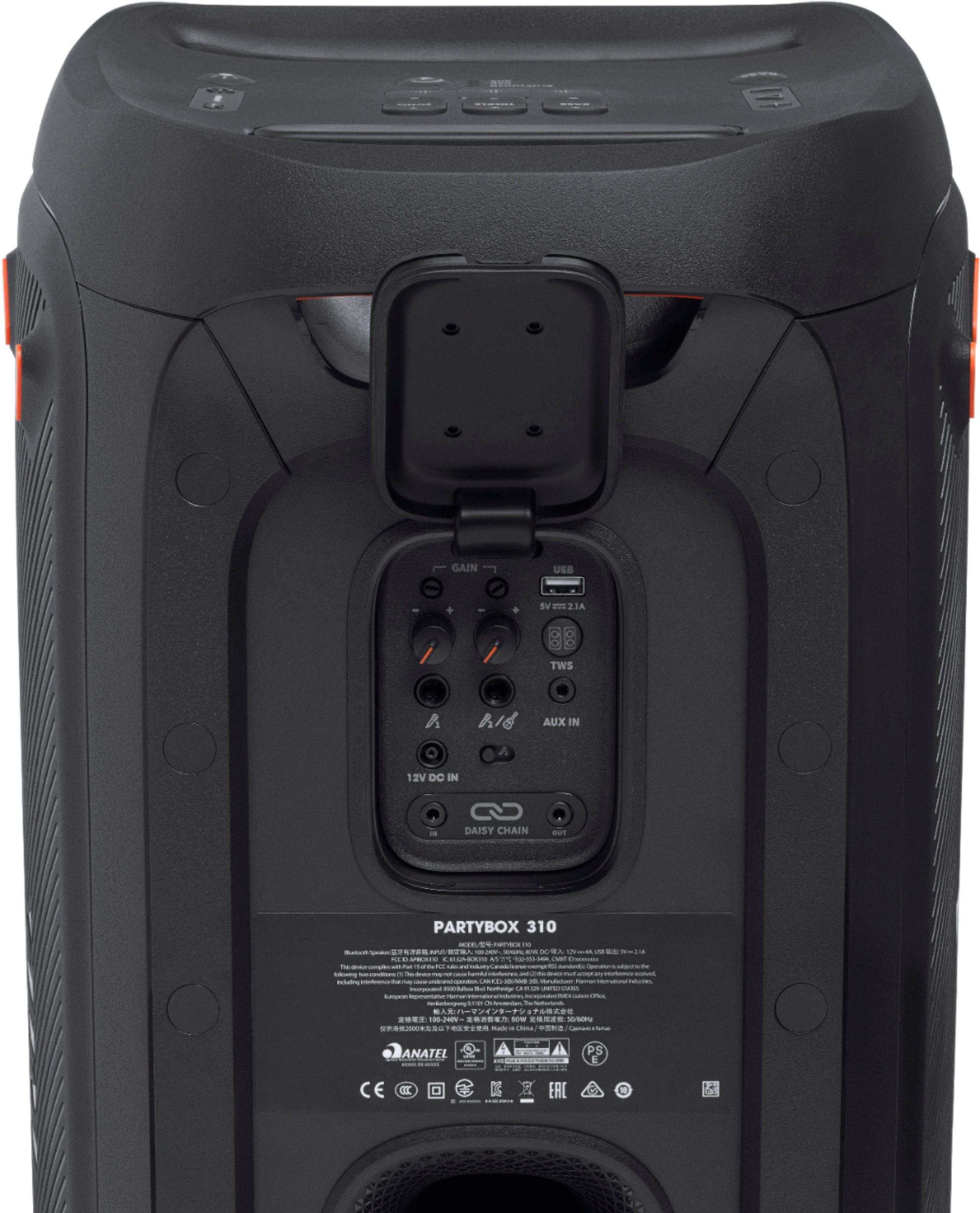
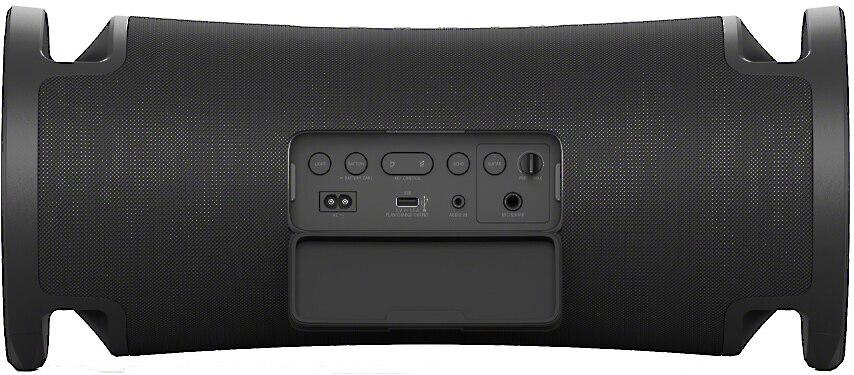
Input options represent another area where these speakers target different use cases. The JBL PartyBox 310 includes two quarter-inch inputs (the same size as professional microphone connections) with individual volume controls and EQ adjustment for each. This makes it genuinely ready for karaoke or live performance right out of the box—just plug in microphones and start singing.
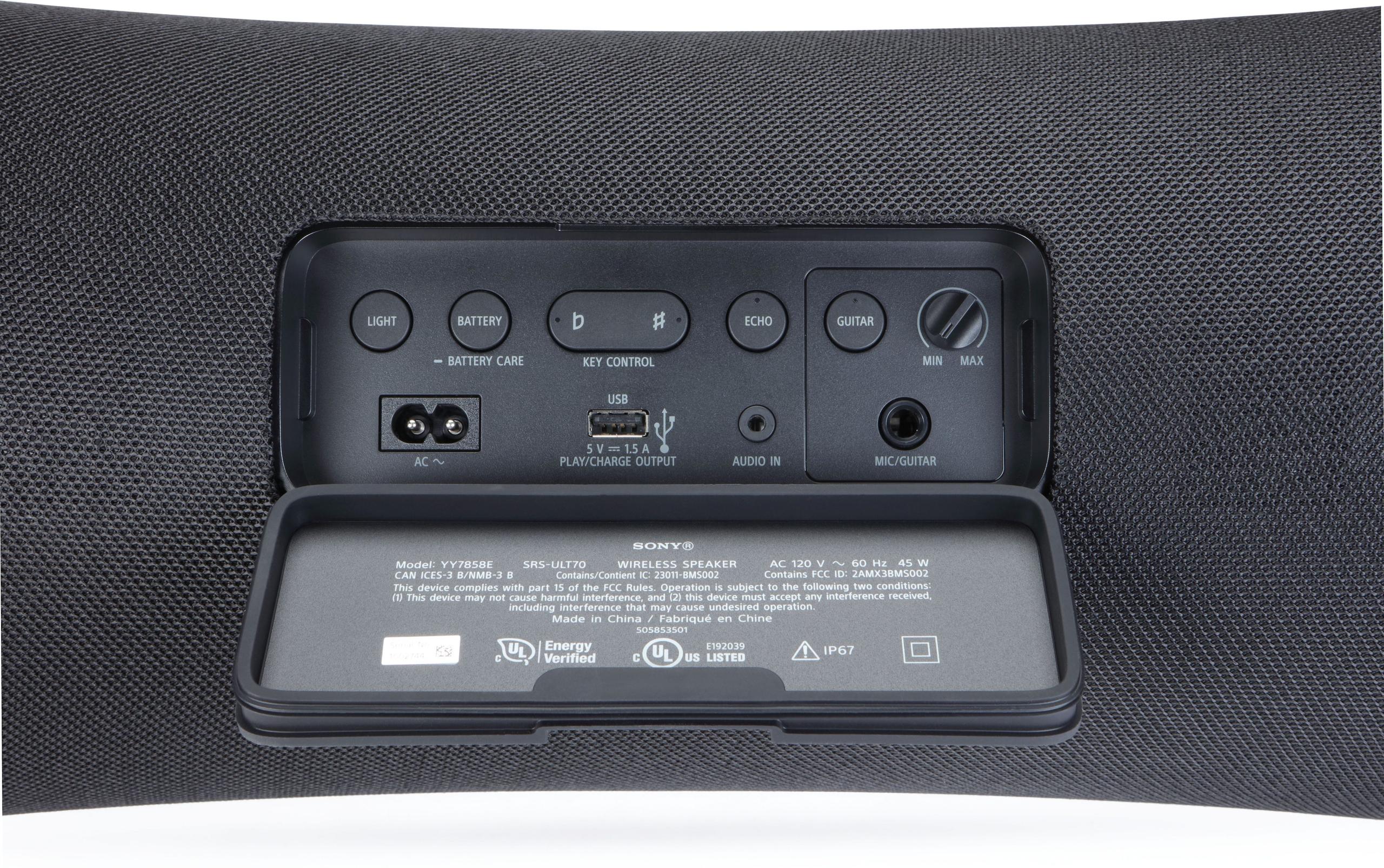
The Sony ULT FIELD 7 provides only one quarter-inch input, requiring you to purchase a separate microphone if karaoke is important to you. However, it compensates with superior Bluetooth technology. The Sony supports Bluetooth 5.2 with LDAC codec, which can transmit much higher quality audio than standard Bluetooth connections. LDAC maintains near CD-quality sound wirelessly, while most speakers compress Bluetooth audio significantly.
Both speakers include USB ports for playing music directly from flash drives and charging your phone, plus standard 3.5mm auxiliary inputs for connecting non-Bluetooth devices.
The JBL PartyBox 310 stands out with its 3.5mm output jack, allowing you to connect additional speakers or recording equipment—a feature the Sony lacks. This makes the JBL more versatile for complex audio setups.
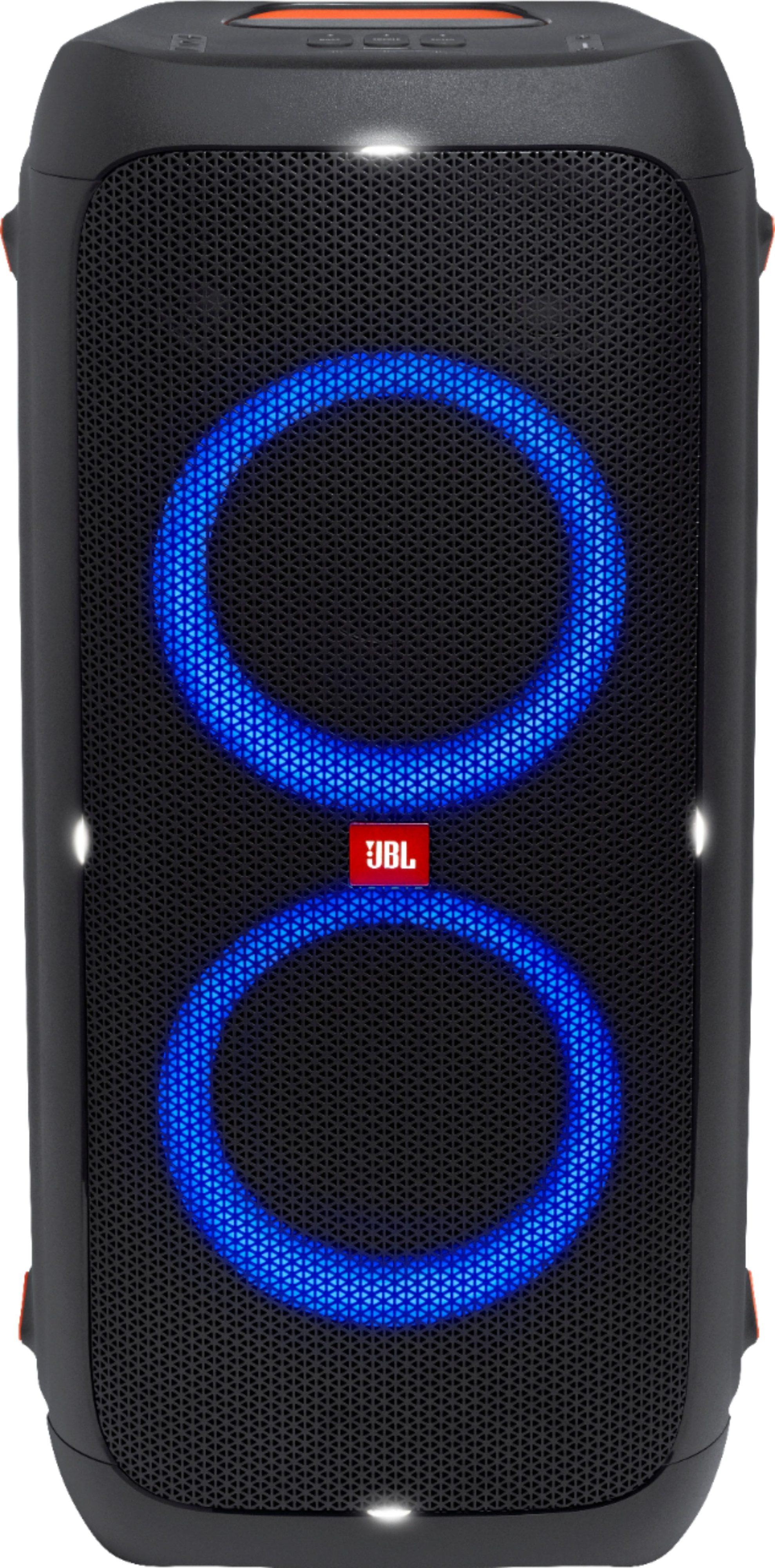
LED light shows have become signature features of modern party speakers, and both models deliver here, though with different approaches. The JBL PartyBox 310 creates more dramatic lighting effects due to its larger size, with lights visible from greater distances. Its app provides extensive customization options for different lighting patterns and synchronization with music beats.
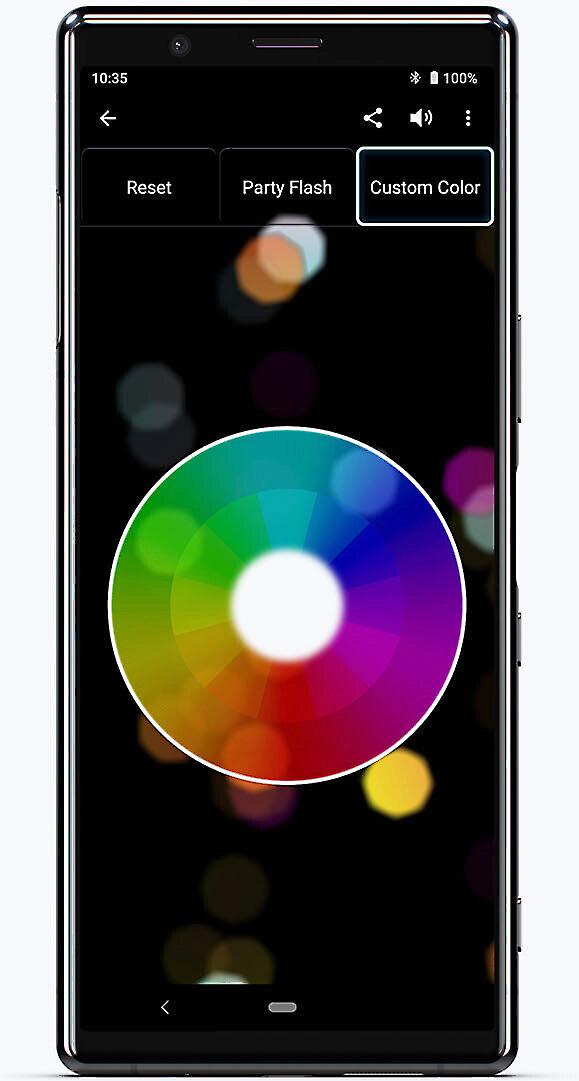
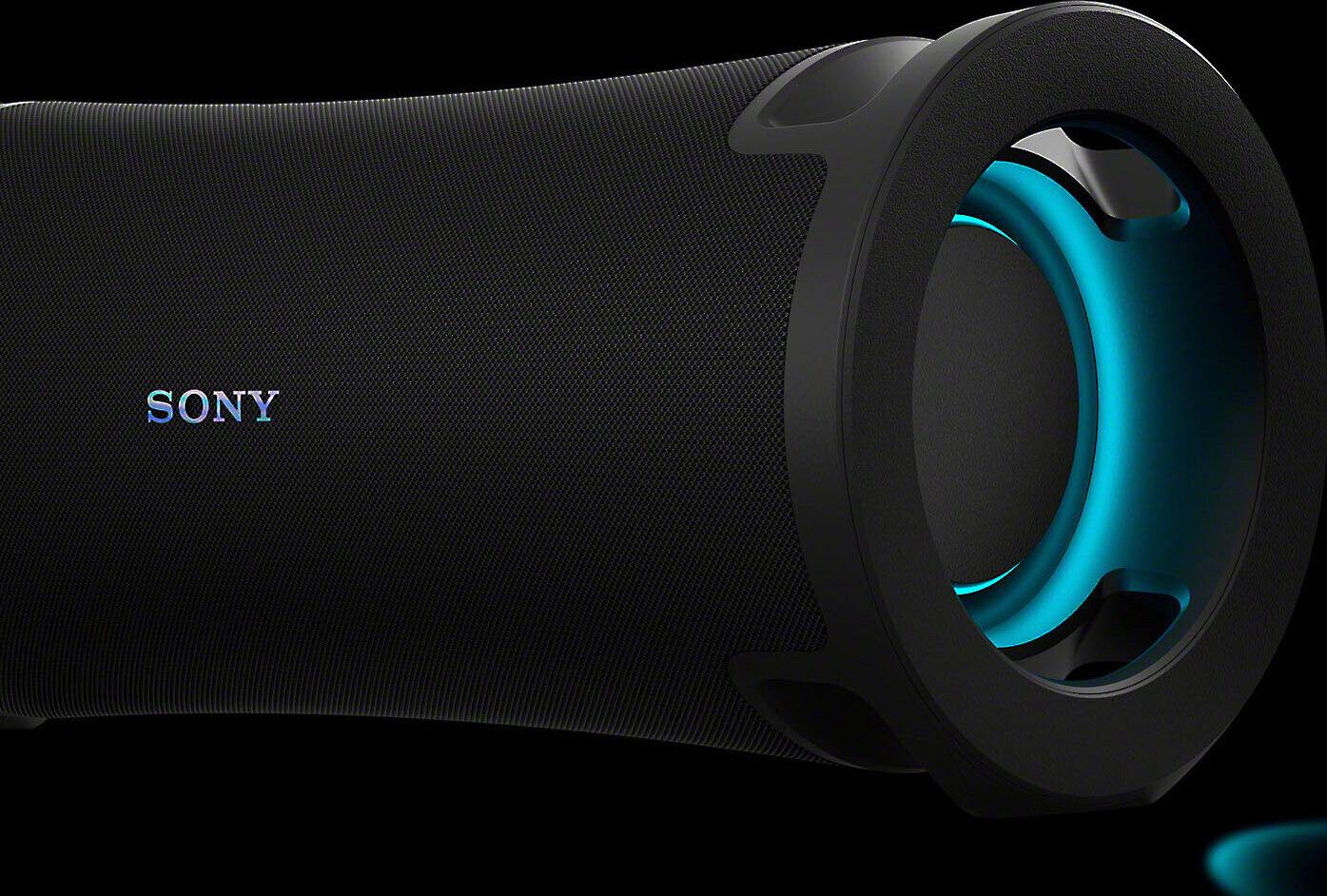
The Sony ULT FIELD 7 features dual LED rings that provide ambient lighting rather than dramatic light shows. The effect is more subtle but still adds visual energy to gatherings. Sony's app integration allows control through both their Music Center app and the party-specific Fiestable app.
Neither speaker includes voice assistant integration like Alexa or Google Assistant, focusing instead on music playback and party features. Both support connecting multiple speakers for larger events, though they use proprietary connection protocols that only work with other speakers from the same brand.
While neither speaker is primarily designed for home theater use, they both have characteristics that could make them useful in certain situations. The JBL PartyBox 310 includes that 3.5mm output jack, which could theoretically connect to a TV or receiver, though its bass-heavy tuning isn't ideal for dialogue clarity in movies.
The Sony ULT FIELD 7 offers better sound balance that would work reasonably well for casual movie watching, especially outdoors. Its compact size makes it more practical for moving between indoor and outdoor entertainment areas. However, both speakers lack the precise imaging and dialogue clarity that dedicated home theater speakers provide.
For outdoor movie nights or casual TV watching in spaces where permanent speakers aren't practical, either could work, but they're not replacements for proper home theater systems.
Based on extensive research into user experiences and expert evaluations, the most important performance characteristics for party speakers are:
Maximum Clean Volume: How loud they can play without significant distortion. Both speakers perform well here, with the Sony maintaining slightly cleaner sound at peak volumes.
Bass Response: The ability to reproduce low frequencies that make music feel energetic. The JBL provides more dramatic bass impact, while the Sony offers more controlled and adjustable bass response.
Battery Endurance: How long they actually play at real-world volumes. The Sony's 30-hour rating significantly outperforms the JBL's 18 hours.
Weather Resilience: Their ability to survive outdoor conditions. The Sony's IP67 rating makes it far more versatile than the JBL's IPX4 protection.
Connectivity Reliability: How well they maintain Bluetooth connections and support various input devices. Both perform well, with the Sony offering higher-quality Bluetooth audio codecs.
The JBL PartyBox 310 excels in scenarios where it can remain stationary and maximize impact. Think backyard graduation parties, wedding receptions, or any event where you want maximum visual and audio presence. Its dual microphone inputs make it ideal for speeches, announcements, or karaoke without additional equipment.
The Sony ULT FIELD 7 shines in active scenarios: beach trips, camping, pool parties, tailgating, or any situation where you need to transport the speaker regularly. Its waterproofing and extended battery life make it worry-free for outdoor adventures.
Choose the JBL PartyBox 310 if you primarily host stationary events where maximum impact matters more than portability. If karaoke is important and you want built-in dual microphone capability, the JBL is clearly superior. It's also the better choice if you need that 3.5mm output for connecting additional equipment.
Choose the Sony ULT FIELD 7 if you value versatility, need genuine waterproofing, or want the longest possible battery life. Its superior portability makes it better for people who take their music to various locations rather than hosting in one spot. The cleaner sound quality also makes it better for critical listening when volume levels are more moderate.
At the time of writing, both speakers represent solid value in the premium party speaker market, though they target different priorities. The Sony ULT FIELD 7 offers better overall value with its superior battery life, genuine waterproofing, and more balanced sound quality. The JBL PartyBox 310 justifies its typically higher price point only if you specifically need its dual microphone inputs or prefer its more dramatic bass presentation.
For most people, the Sony's combination of portability, durability, and extended battery life makes it the more practical choice. However, if your primary use case involves stationary parties where karaoke features matter, the JBL's specialized capabilities could be worth the trade-offs in portability and battery life.
Both speakers will successfully energize your gatherings, but understanding these fundamental differences ensures you'll choose the one that best fits your specific entertaining style and needs.
| JBL PartyBox 310 | Sony ULT FIELD 7 |
|---|---|
| Power Output - Determines maximum volume and bass impact | |
| 240W RMS (four drivers with dedicated woofers and tweeters) | 45W (X-Balanced Speaker Units with non-circular diaphragms) |
| Battery Life - Critical for all-day outdoor events | |
| 18 hours (good for most parties, may need recharging for extended events) | 30 hours (excellent for weekend trips and multi-day events) |
| Water Resistance - Determines where you can safely use the speaker | |
| IPX4 splash-resistant (light rain and splashes only) | IP67 waterproof (fully submersible for 30 minutes) |
| Weight and Portability - Affects how easily you can move the speaker | |
| 38.4 lbs with wheels and telescoping handle (stationary setup friendly) | 13.89 lbs with dual carrying handles (truly portable) |
| Microphone Inputs - Important for karaoke and announcements | |
| Two 1/4" inputs with individual volume controls (karaoke-ready) | One 1/4" input (requires separate microphone purchase) |
| Bluetooth Technology - Affects audio streaming quality | |
| Bluetooth 5.1 with standard codecs | Bluetooth 5.2 with LDAC high-quality codec support |
| Bass Customization - Lets you adjust sound for different music styles | |
| Bass Boost button plus app-based EQ controls | Two ULT modes (Deep Bass and Attack Bass) plus 7-band EQ |
| Additional Outputs - Useful for connecting other equipment | |
| 3.5mm output jack for daisy-chaining speakers | No audio output (input only) |
| LED Lighting - Adds visual energy to parties | |
| Large dramatic light show (visible from distance) | Dual LED rings (subtle ambient lighting) |
| Sound Quality Approach - Different philosophies for party audio | |
| Bass-forward with powerful low-end impact (some compression at max volume) | Balanced with cleaner sound throughout volume range |
Despite the JBL PartyBox 310 having 240W compared to the Sony ULT FIELD 7's 45W, both speakers reach similar maximum volume levels in real-world use. The JBL PartyBox 310 provides more aggressive bass impact, while the Sony ULT FIELD 7 maintains cleaner sound quality at high volumes.
The Sony ULT FIELD 7 offers significantly better battery life with 30 hours of playback compared to the JBL PartyBox 310's 18 hours. This 12-hour difference makes the Sony ULT FIELD 7 ideal for extended outdoor events and camping trips.
The Sony ULT FIELD 7 is fully waterproof with IP67 rating, meaning it can be submerged in water for up to 30 minutes. The JBL PartyBox 310 only has IPX4 splash resistance, so it can handle light rain but shouldn't be used near pools or in wet conditions.
The Sony ULT FIELD 7 weighs 13.89 lbs with dual carrying handles, making it truly portable for one person. The JBL PartyBox 310 weighs 38.4 lbs but includes wheels and a telescoping handle for easier transport, though it's better suited for stationary setups.
The JBL PartyBox 310 is superior for karaoke with two 1/4" microphone inputs and individual volume controls, making it ready to use out of the box. The Sony ULT FIELD 7 has only one microphone input and doesn't include a microphone.
The JBL PartyBox 310 delivers more dramatic bass impact with its bass-forward tuning, while the Sony ULT FIELD 7 offers more balanced sound with two customizable ULT bass modes and cleaner audio reproduction at all volume levels.
The Sony ULT FIELD 7 generally offers better value with superior battery life, waterproofing, and portability at a lower price point. The JBL PartyBox 310 justifies its higher cost only if you specifically need dual microphone inputs or maximum bass impact.
Neither speaker is designed for home theater use, but the JBL PartyBox 310 includes a 3.5mm output jack for connecting to other equipment. The Sony ULT FIELD 7 has more balanced sound that would work better for casual movie watching, especially outdoors.
The Sony ULT FIELD 7 features superior Bluetooth 5.2 with LDAC codec support for higher-quality wireless audio streaming. The JBL PartyBox 310 uses Bluetooth 5.1 with standard codecs, which is reliable but doesn't offer the same audio quality potential.
The JBL PartyBox 310 creates more dramatic, visible light shows due to its larger size, perfect for creating a concert-like atmosphere. The Sony ULT FIELD 7 features dual LED rings that provide subtle ambient lighting rather than dramatic effects.
The Sony ULT FIELD 7 is clearly better for outdoor adventures with its IP67 waterproofing, 30-hour battery life, and lightweight portability. The JBL PartyBox 310 is limited by its splash-only protection and shorter battery life for extended outdoor use.
Both the JBL PartyBox 310 and Sony ULT FIELD 7 support connecting multiple speakers of the same brand for larger events. The JBL PartyBox 310 also includes a 3.5mm output jack for daisy-chaining to other audio equipment, while the Sony ULT FIELD 7 relies on wireless Party Connect technology.
We've done our best to create useful and informative comparisons to help you decide what product to buy. Our research uses advanced automated methods to create this comparison and perfection is not possible - please contact us for corrections or questions. These are the sites we've researched in the creation of this article: rtings.com - comparisontabl.es - crutchfield.com - youtube.com - bestbuy.com - rtings.com - youtube.com - versus.com - youtube.com - youtube.com - jbl.com - youtube.com - crutchfield.com - manuals.plus - in.jbl.com - jbl.com.tw - mm.jbl.com - bestbuy.com - jbl.com - onward.ph - youtube.com - manuals.plus - harmanaudio.com - support.jbl.com - youtube.com - kh.jbl.com - bestbuy.com - rtings.com - hifipicks.com - thesonyshop.ca - techradar.com - rtings.com - sony-africa.com - videoandaudiocenter.com - sony.com - youtube.com - johnlewis.com

Privacy Policy
Terms and Conditions - Affiliate Policy
Home Security
© Copyright 2008-2026.
11816 Inwood Rd #1211, Dallas, TX 75244