

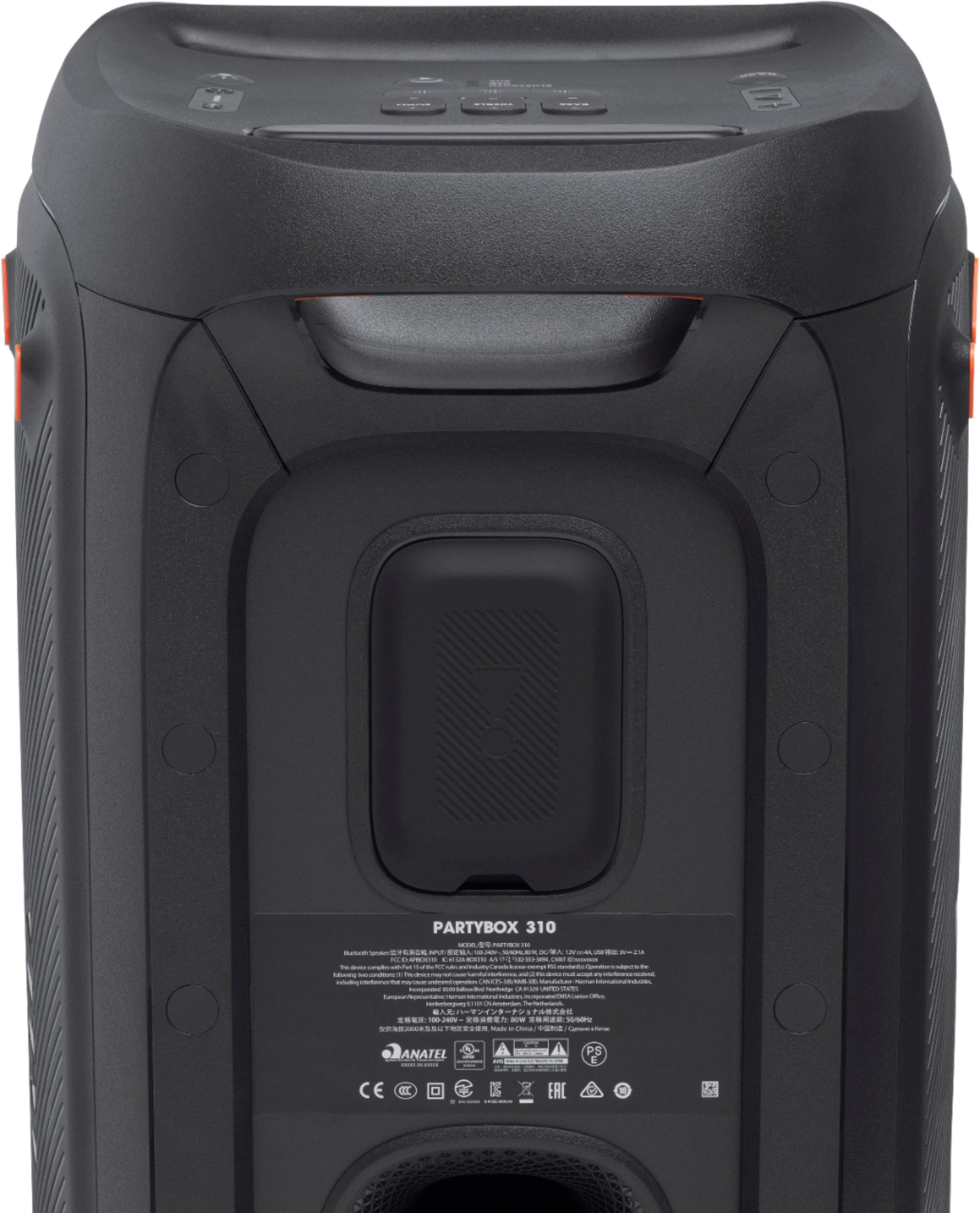
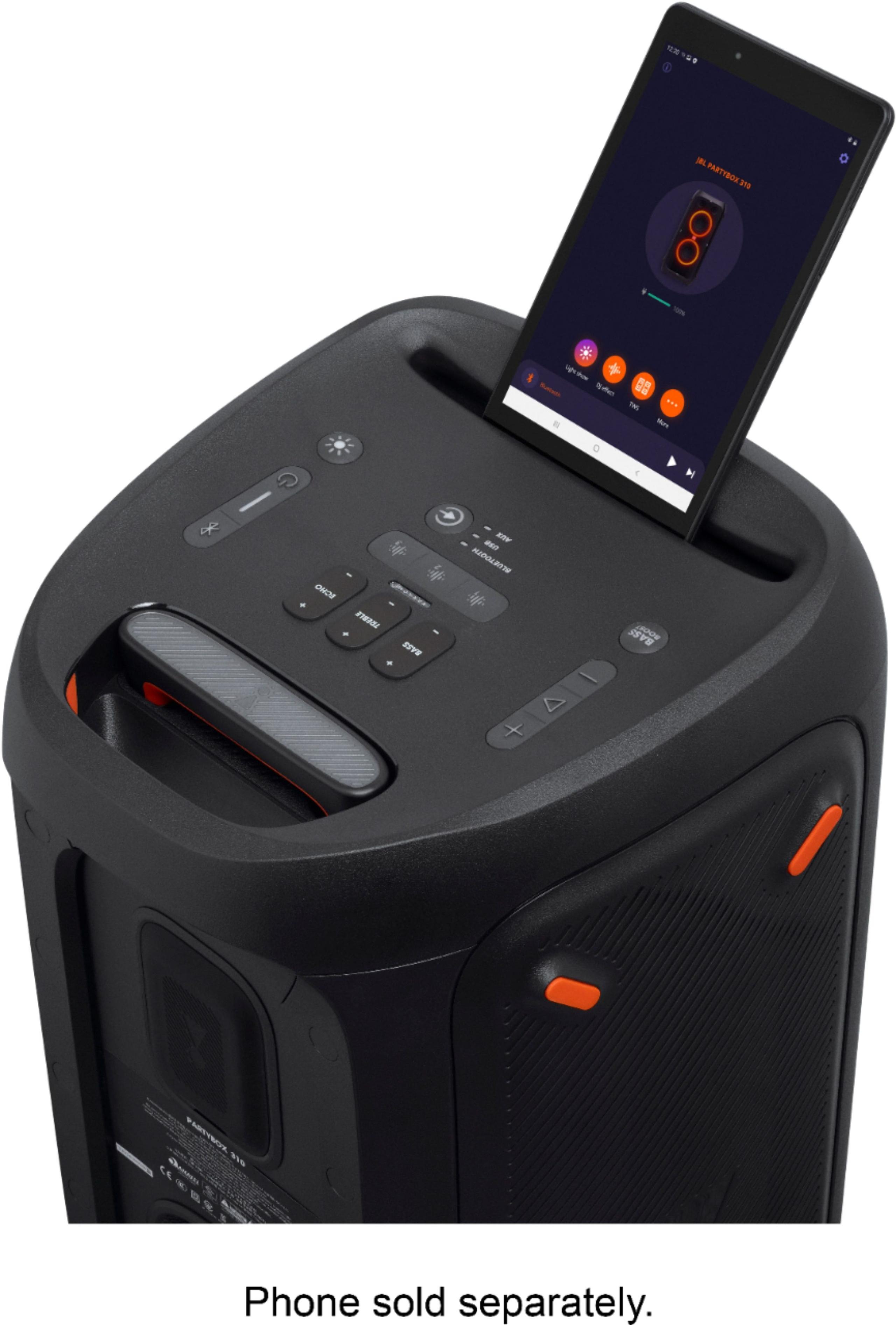
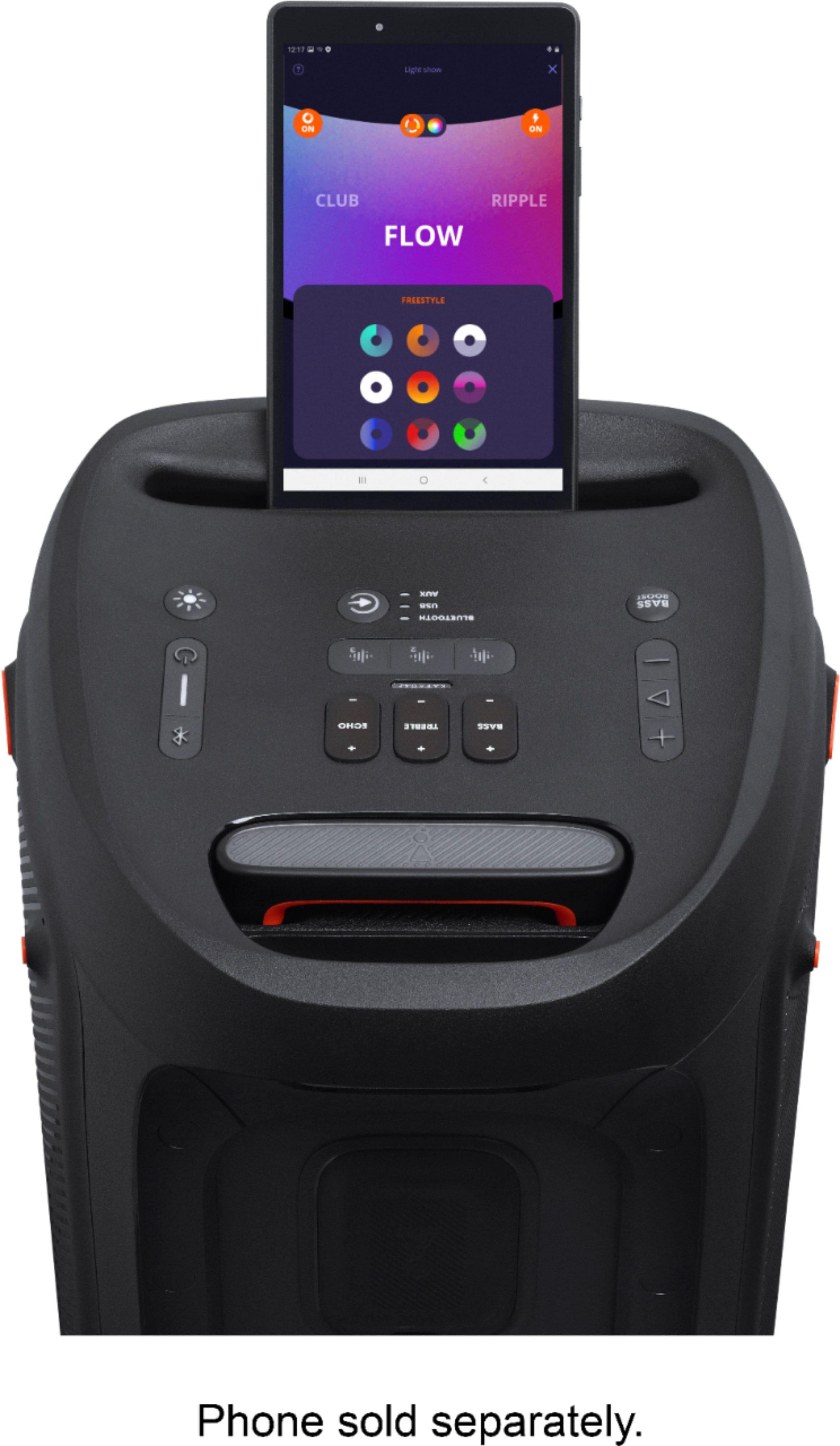
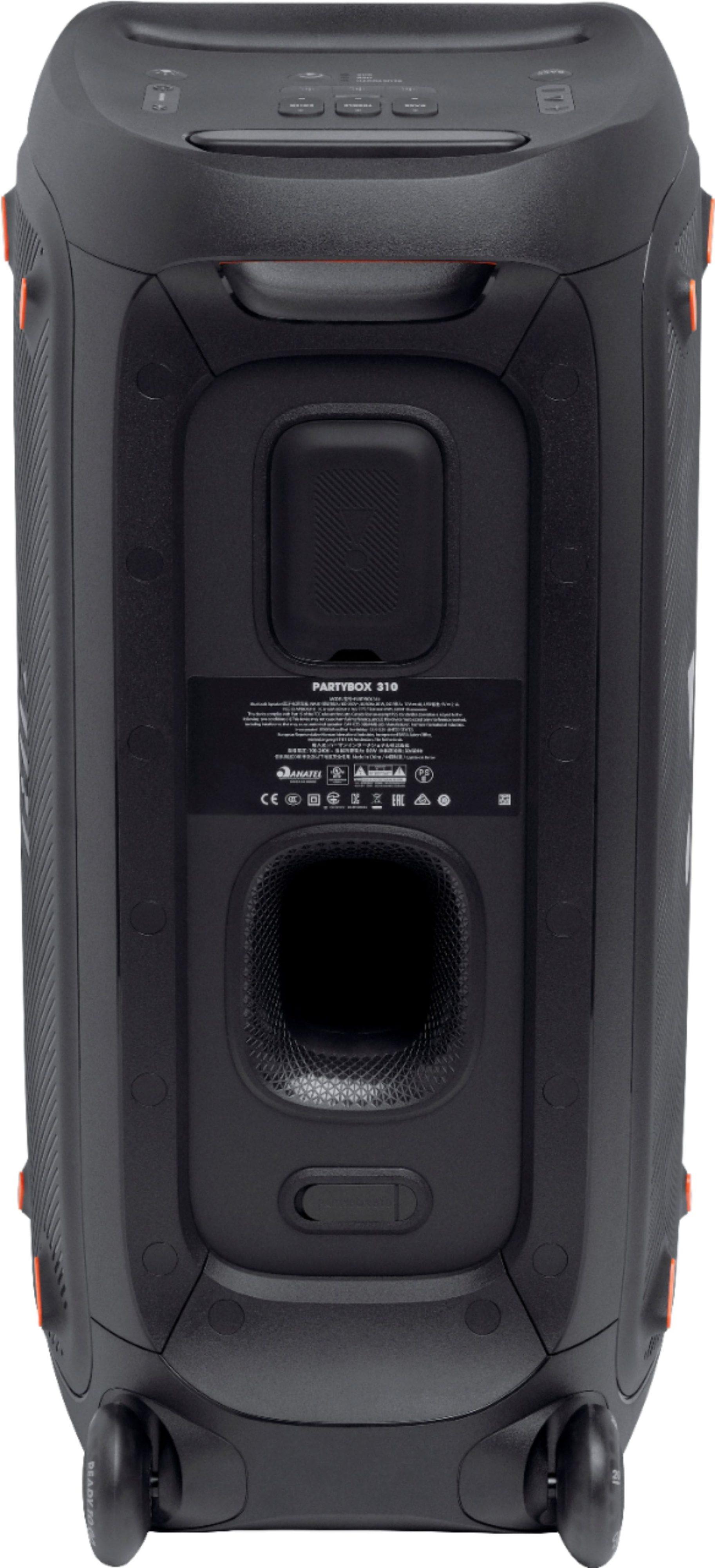
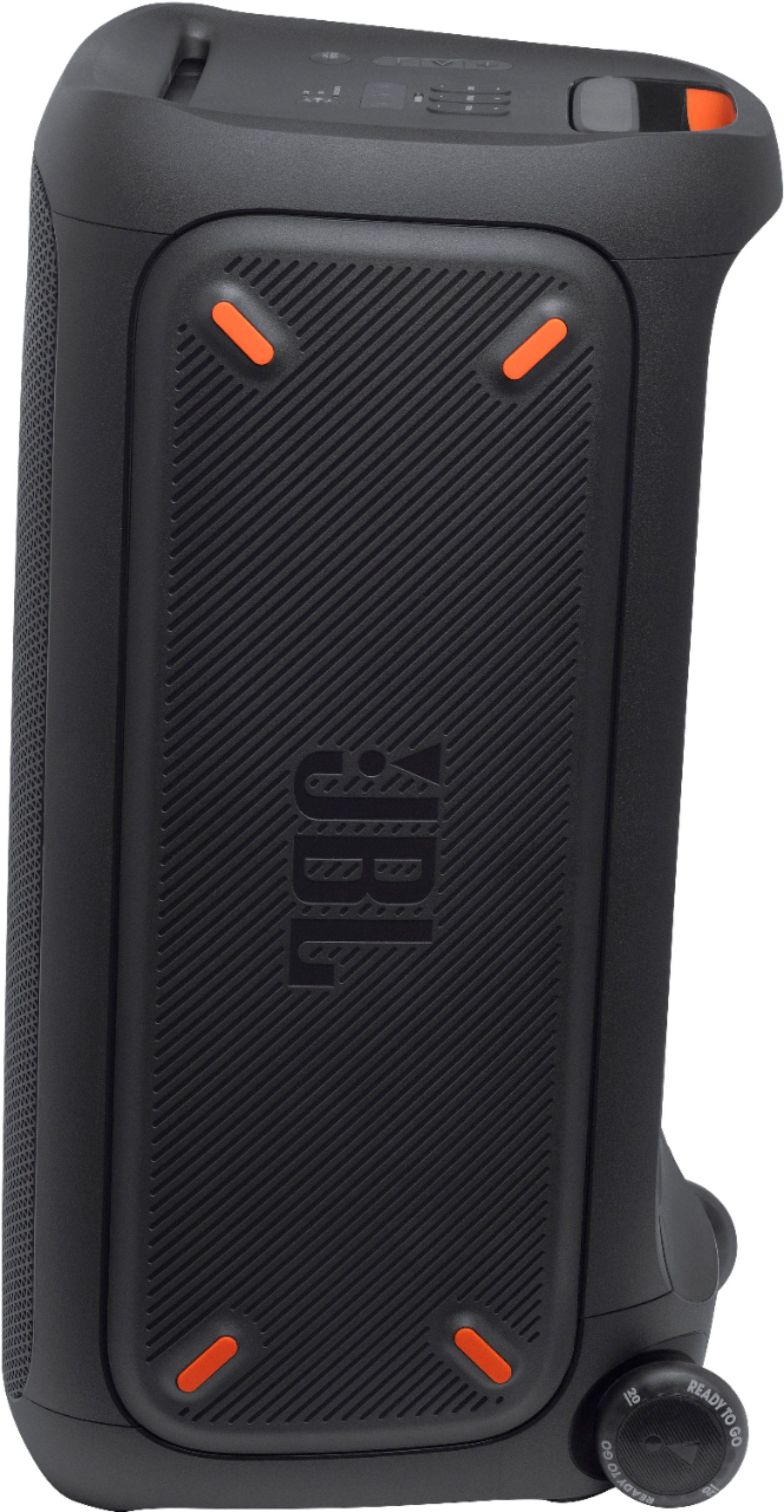
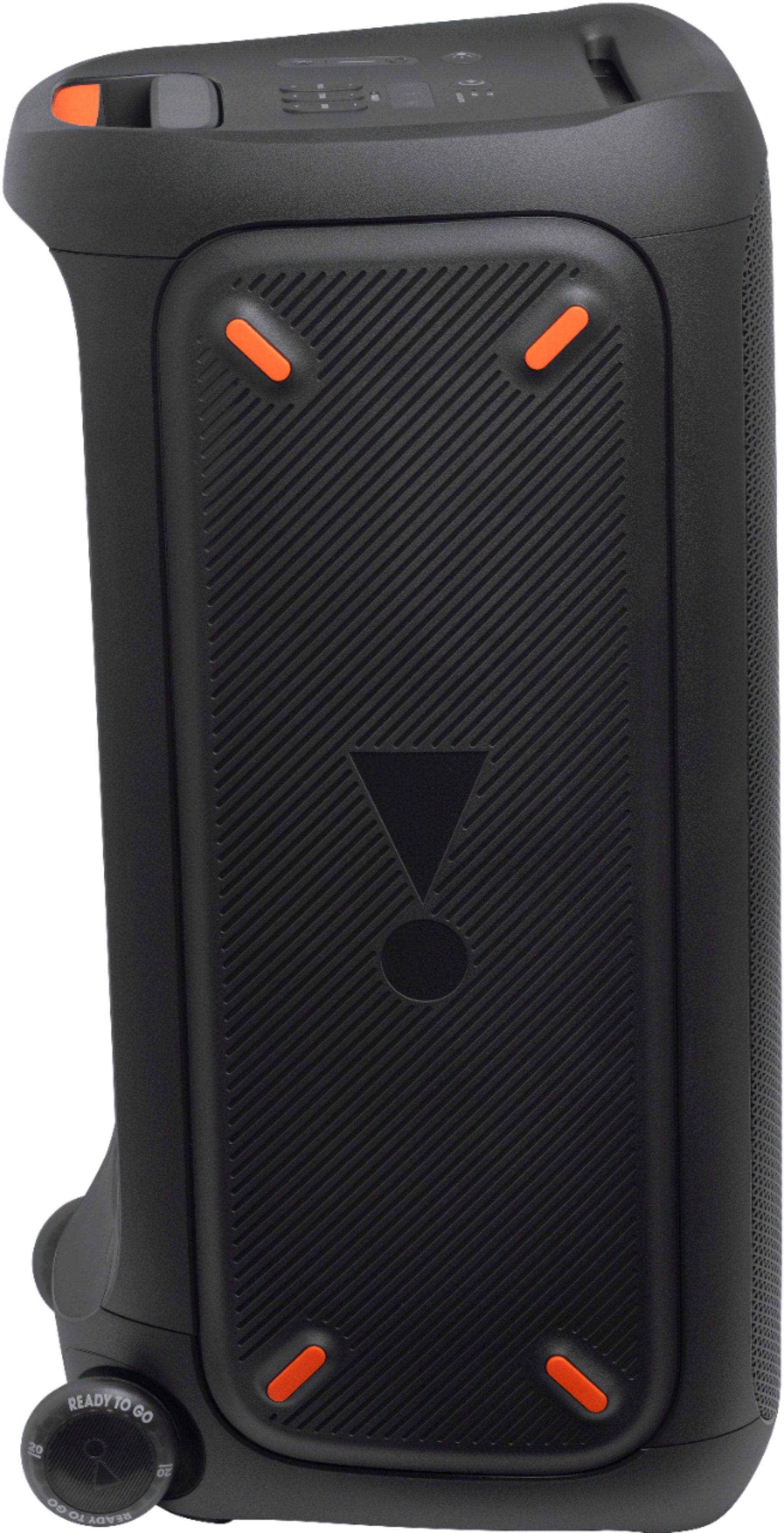
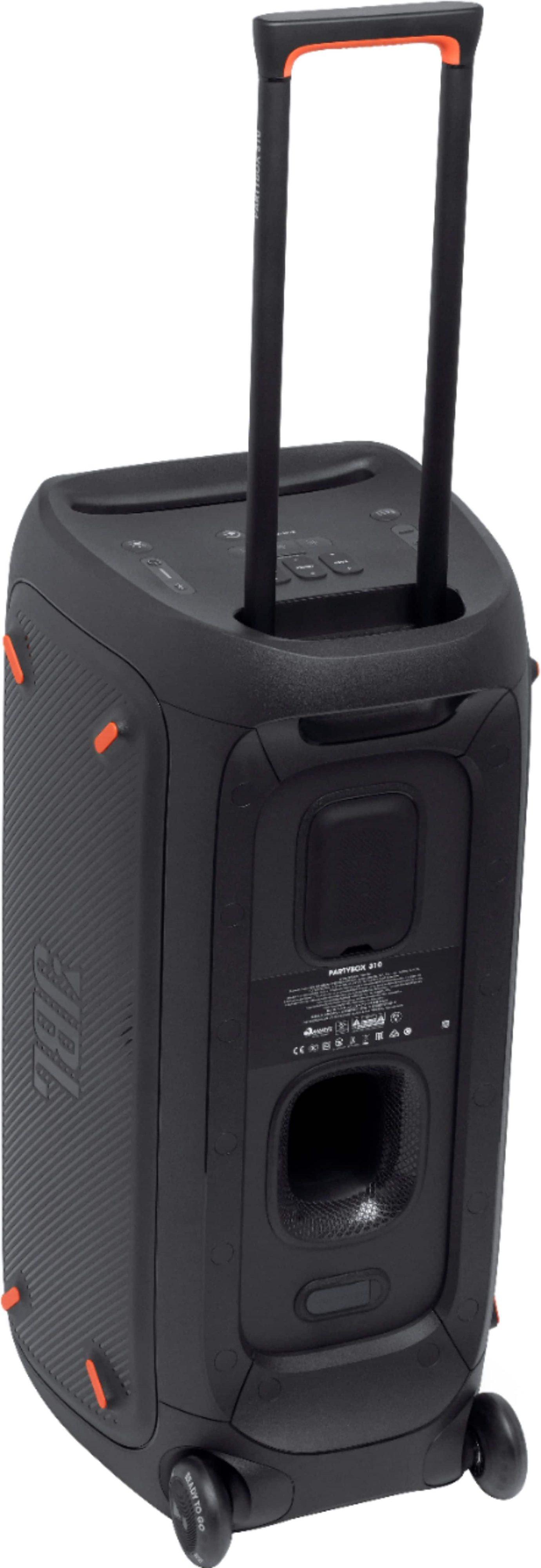
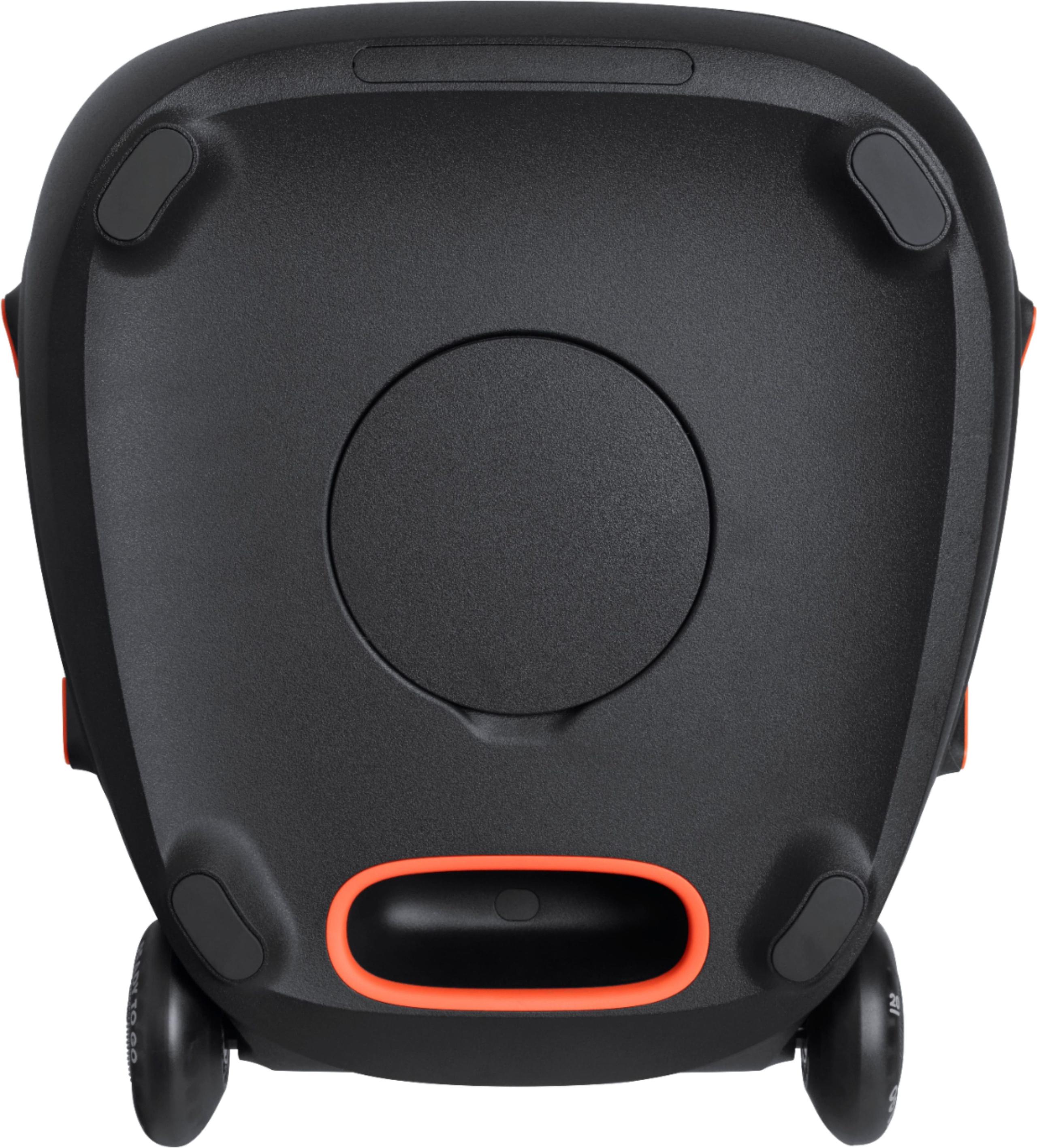
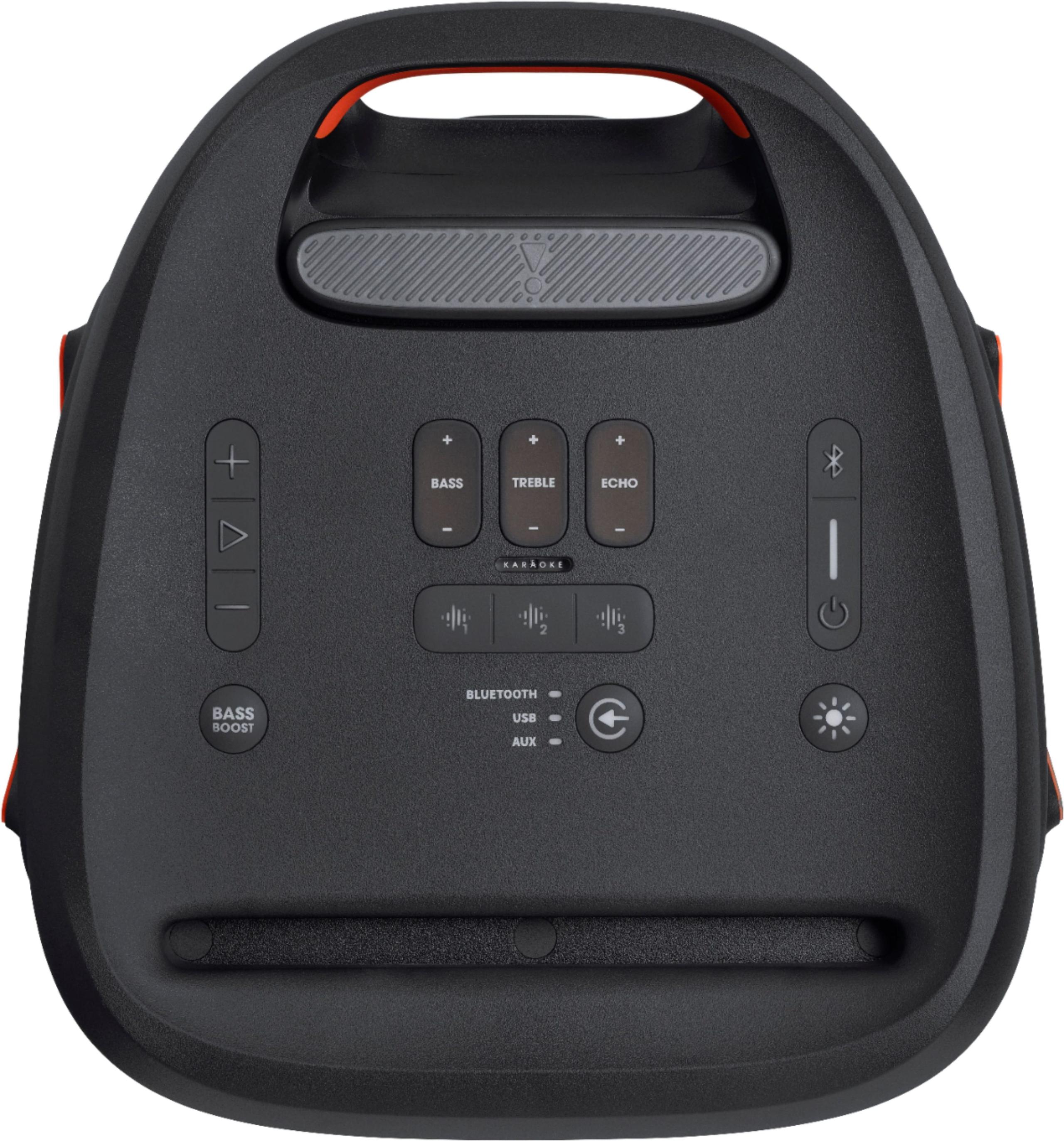
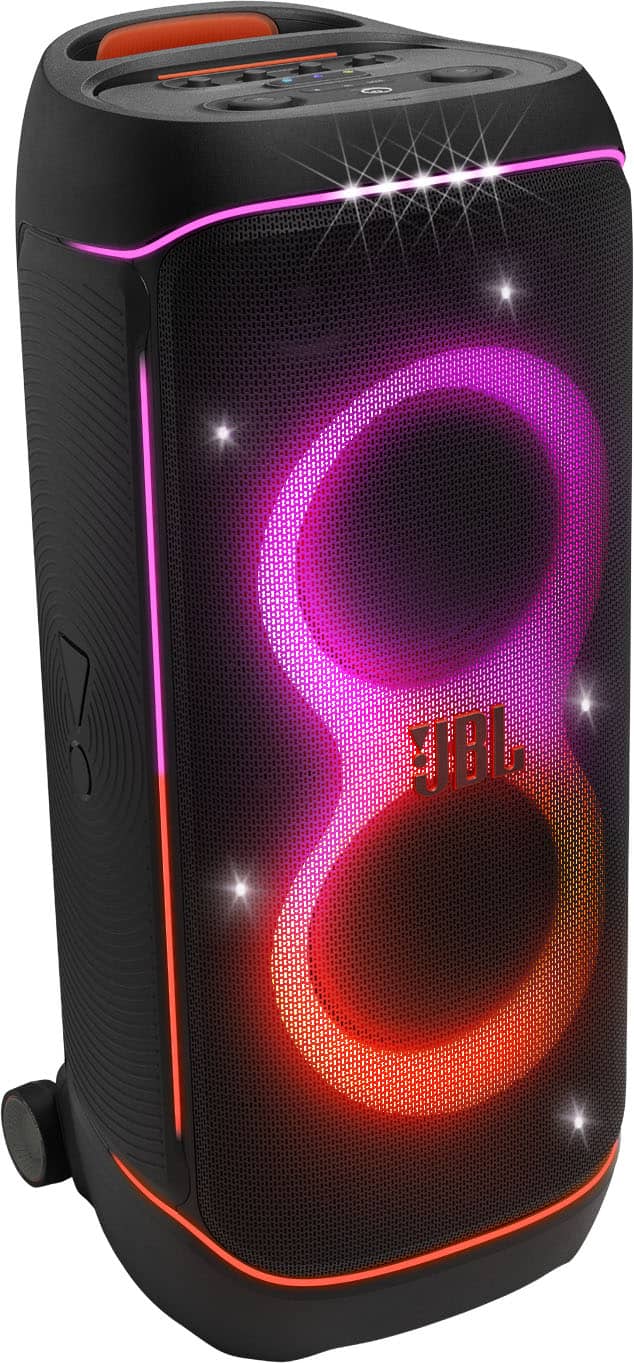
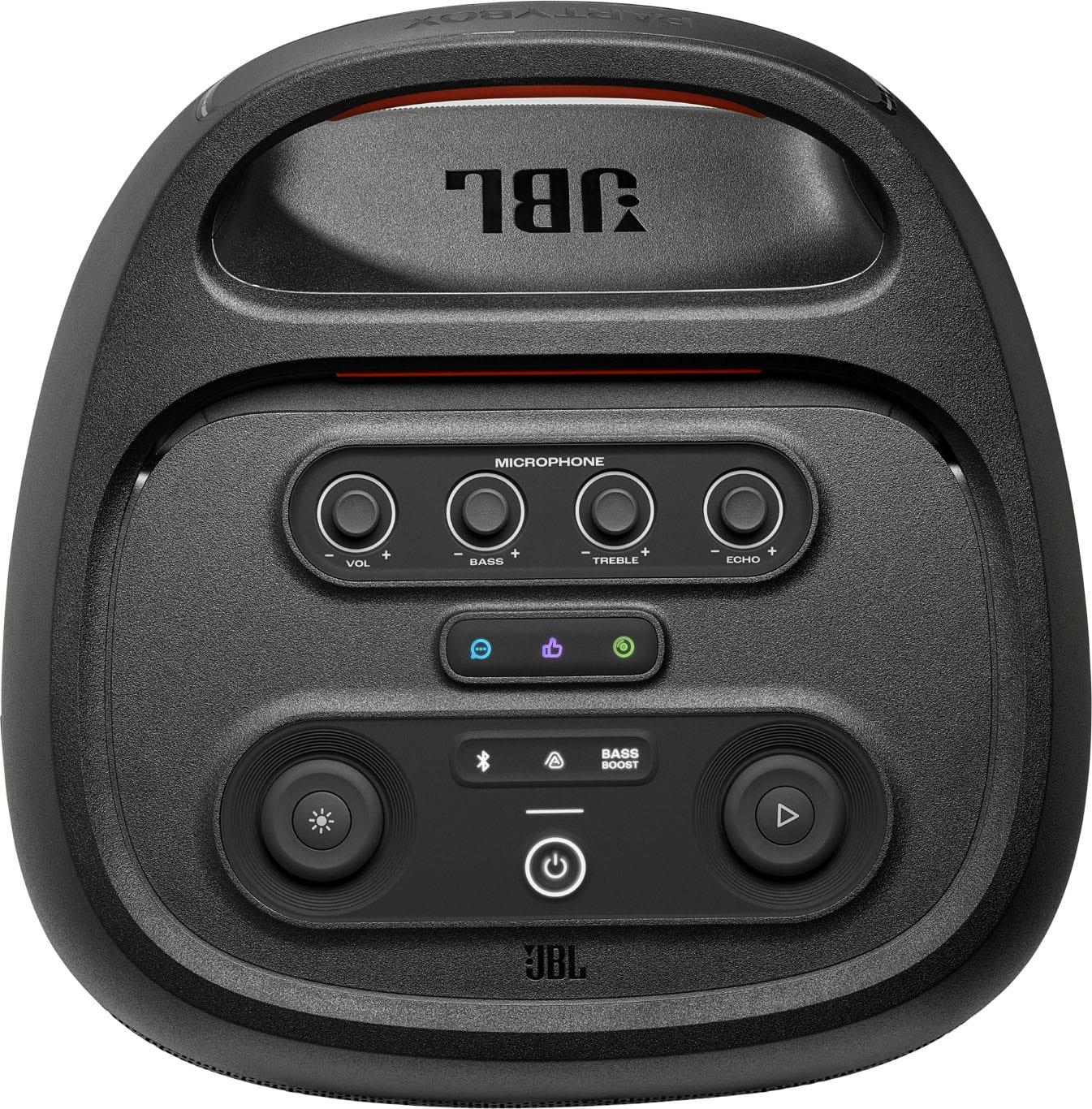
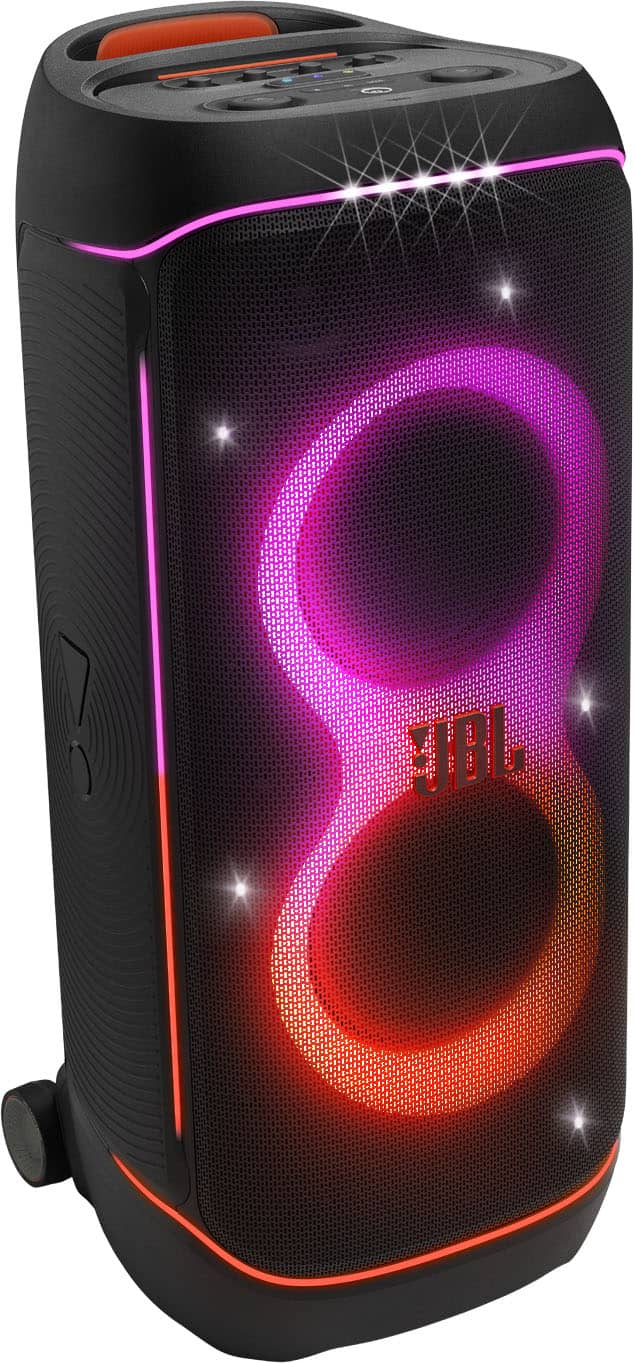
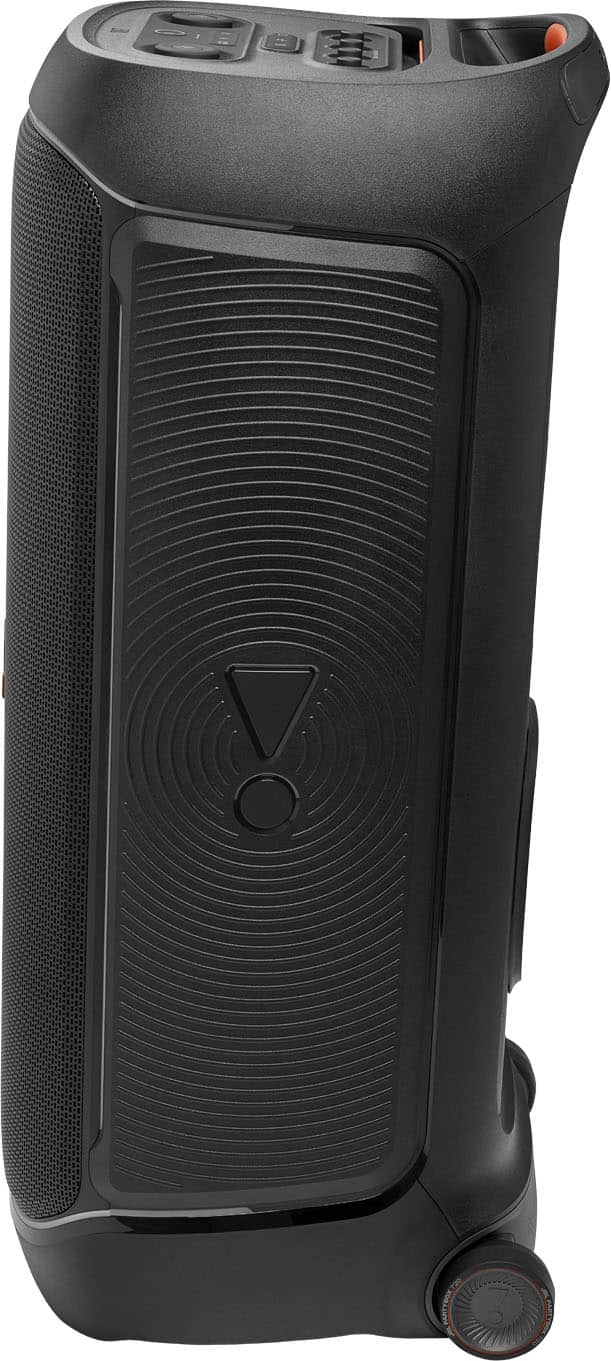
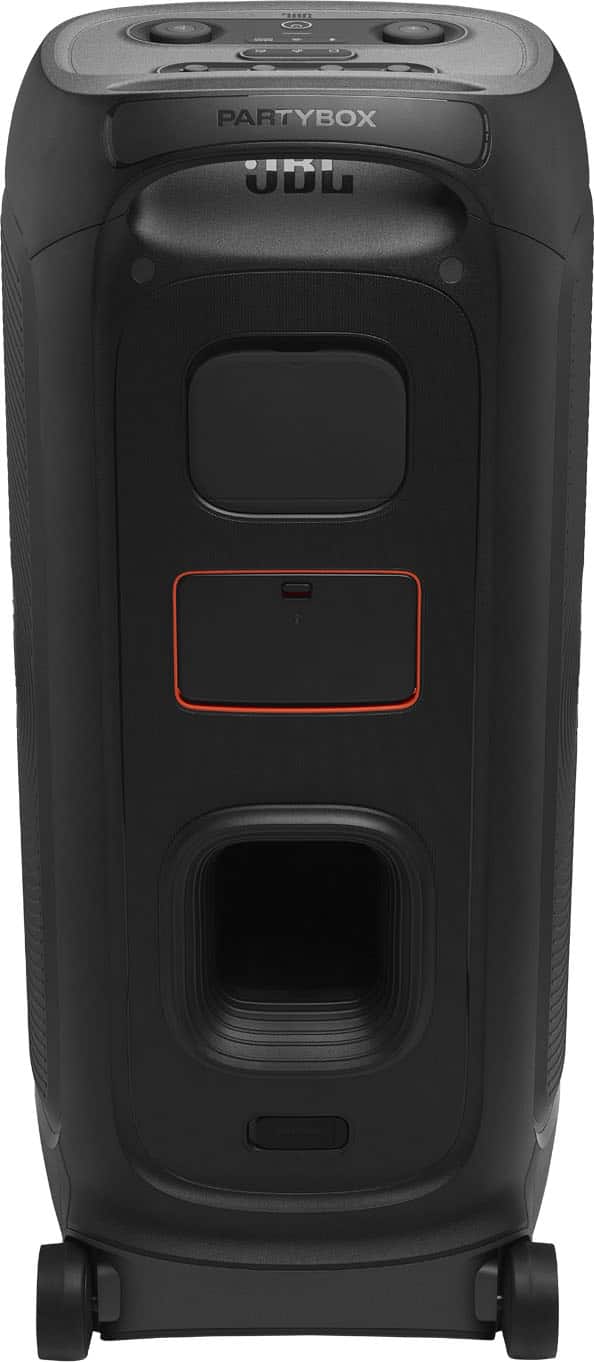
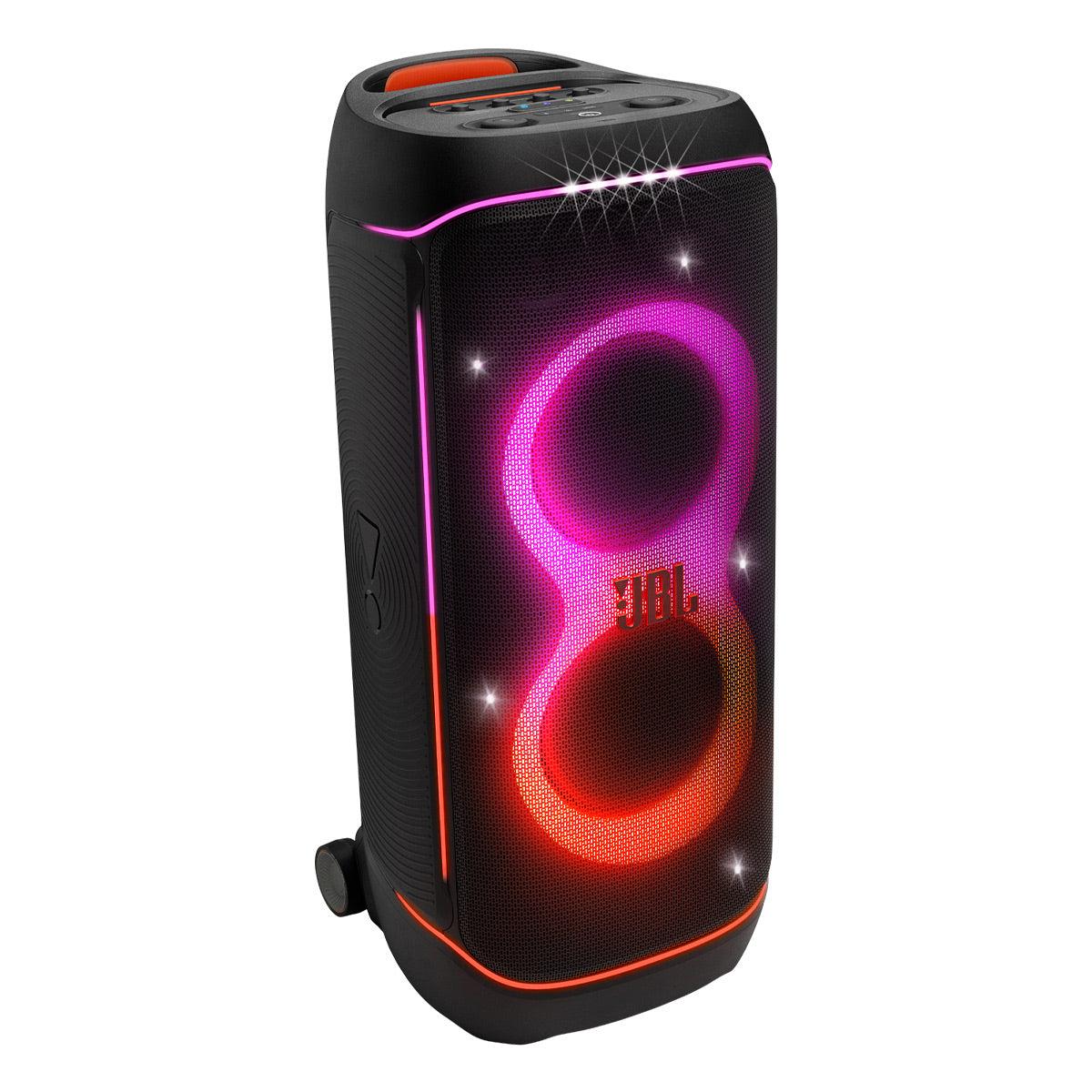
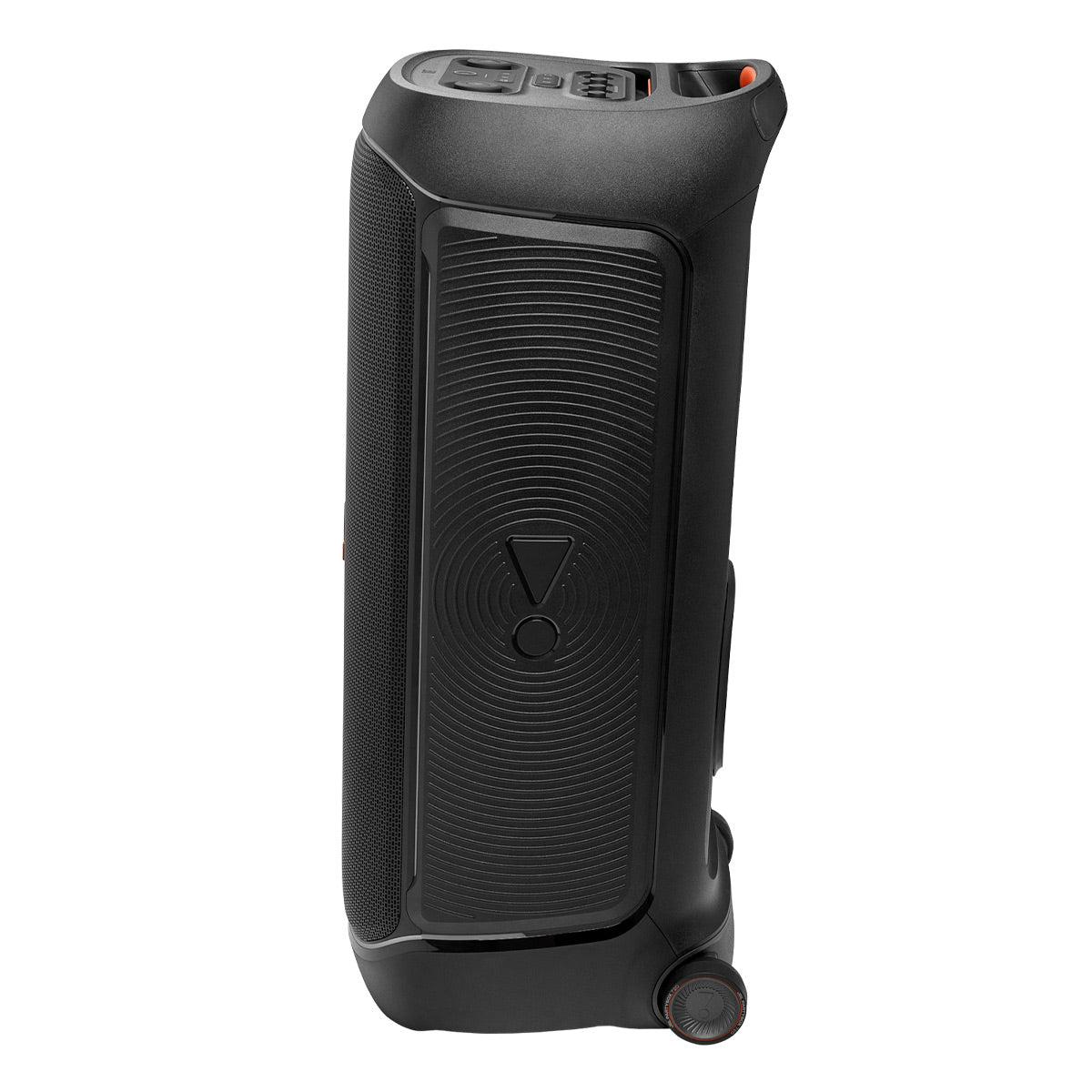
When you're planning a party, backyard BBQ, or outdoor event, your phone's built-in speaker just won't cut it. That's where portable party speakers come in – these powerhouse audio machines are designed to fill large spaces with booming sound while surviving the chaos of real-world celebrations. Two standout options from JBL's popular PartyBox lineup are the PartyBox 310 (released in 2020) and the newer PartyBox 720 (launched in 2025).
But here's the thing: these aren't just bigger versions of regular Bluetooth speakers. Party speakers prioritize raw volume output, extended battery life, and features that traditional speakers ignore – like built-in lighting effects, microphone inputs for karaoke, and rugged designs that can handle spilled drinks and outdoor conditions.
Before diving into specifics, it's worth understanding what sets party speakers apart from your typical home audio setup. These speakers are engineered with different priorities than bookshelf or soundbar speakers. Instead of focusing solely on audiophile-quality sound reproduction, party speakers emphasize maximum loudness, portability, and interactive features.
The most important performance metric for party speakers is their power output, measured in watts RMS (Root Mean Square). RMS gives you the continuous power a speaker can handle without distortion – think of it as the speaker's real-world strength rather than peak performance numbers that only last for seconds. Higher RMS typically means louder maximum volume and better performance in large spaces.
Frequency response – the range of sound frequencies a speaker can reproduce – also matters differently here. While home theater speakers might focus on precise midrange clarity for dialogue, party speakers often emphasize deep bass (low frequencies around 30-60 Hz) that you feel in your chest during dance music.
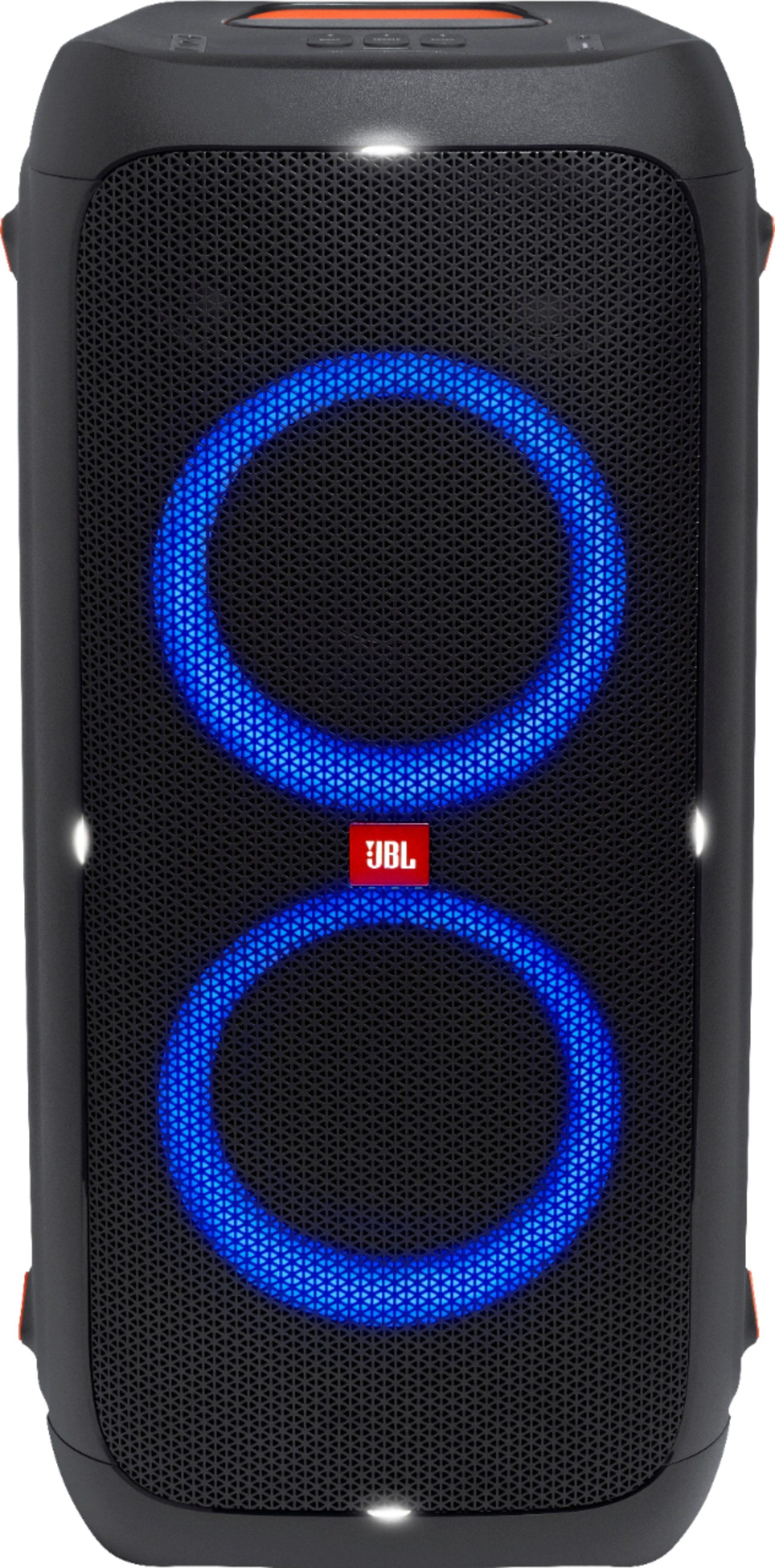
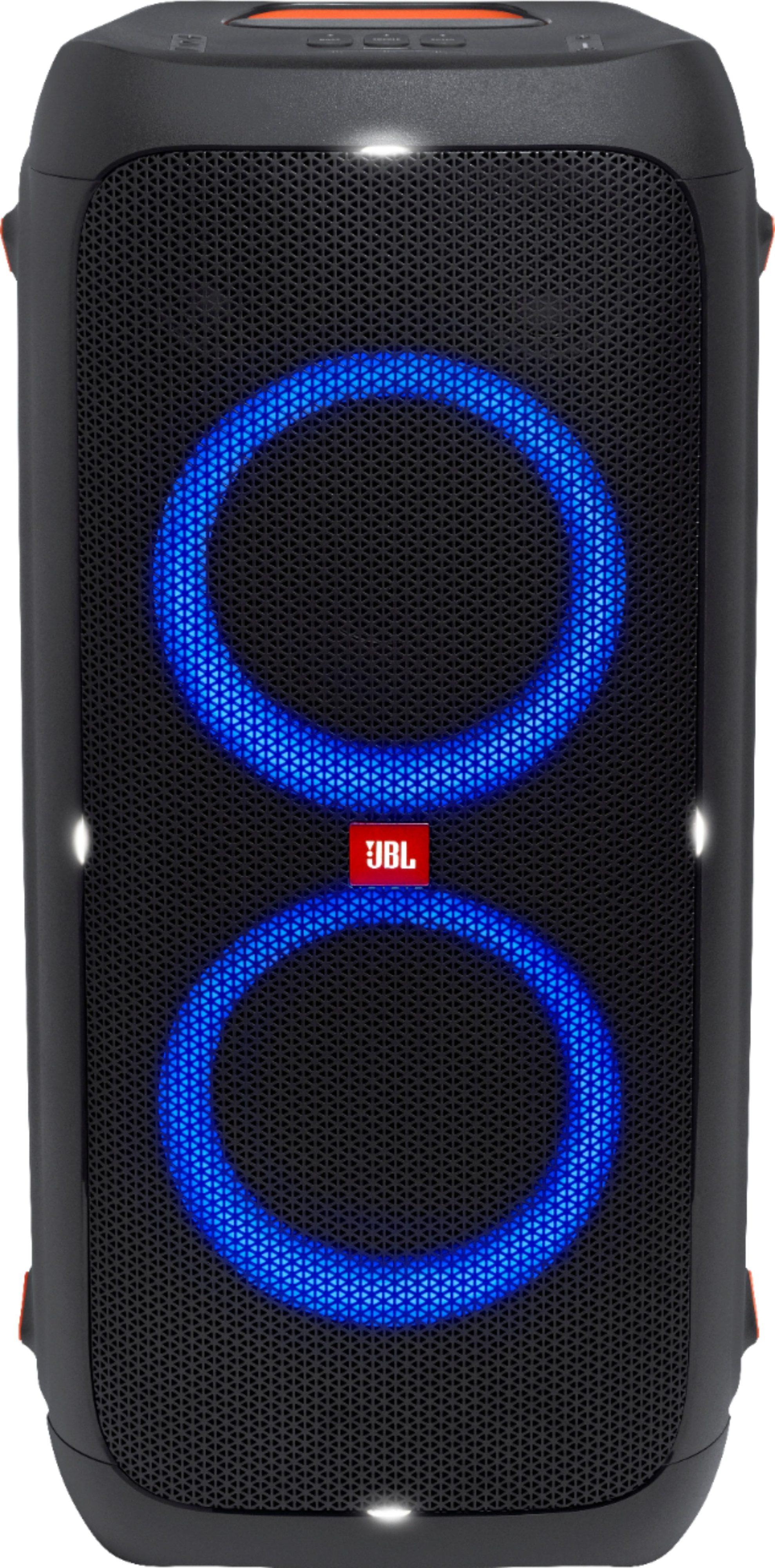
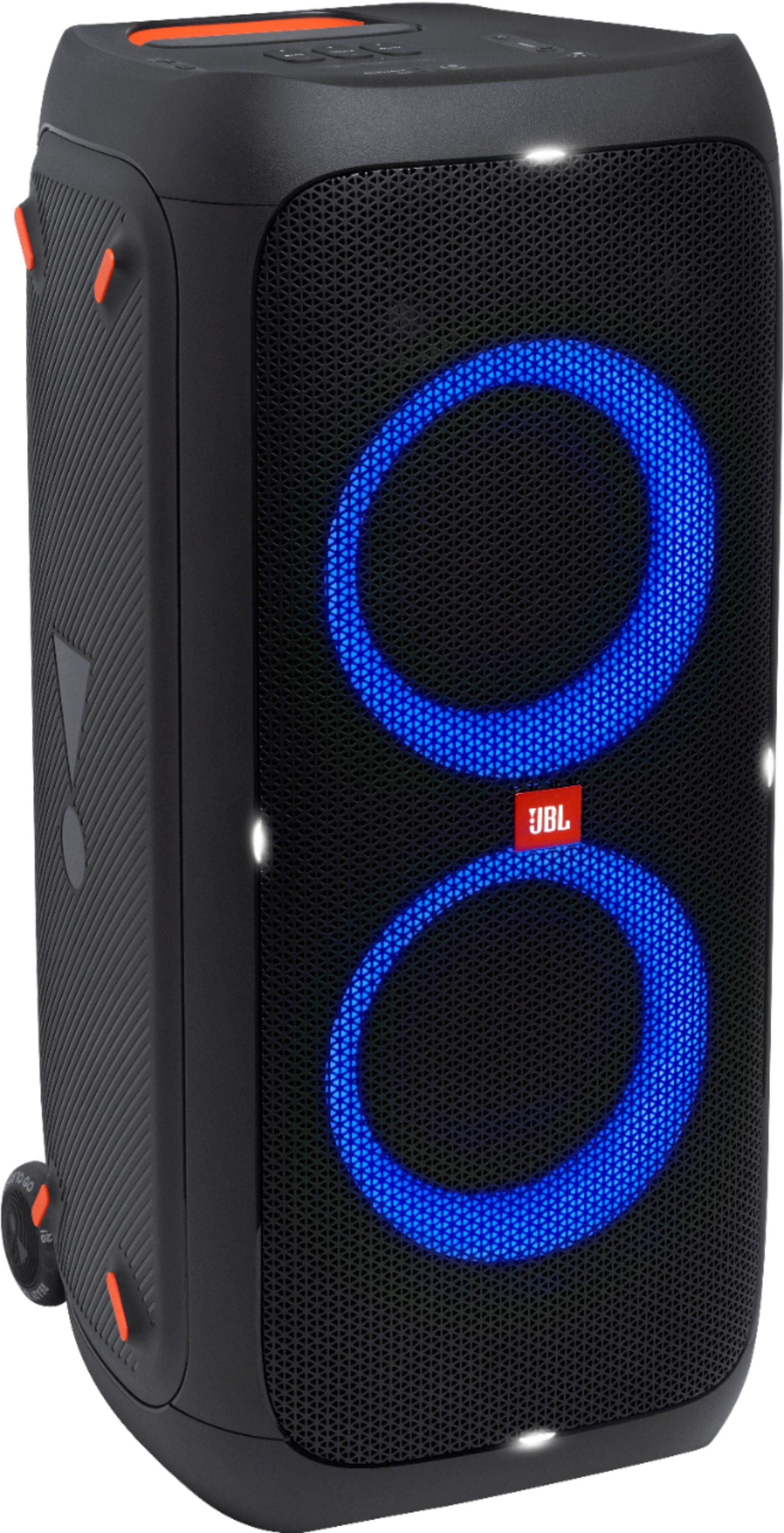
The JBL PartyBox 310 arrived in 2020 as a mid-tier option in JBL's party speaker lineup, offering 240 watts of power in a relatively portable 38-pound package. At the time of writing, it represents solid value for casual party hosts who want reliable performance without premium pricing.
Fast-forward to 2025, and the PartyBox 720 represents JBL's latest thinking on portable party audio. This isn't simply a refreshed 310 – it's a completely different class of speaker with 800 watts of power and advanced features that reflect five years of technological evolution. As you'd expect from a newer, more powerful model, it commands a significantly higher price point.
The most dramatic difference between these speakers lies in their power output. The PartyBox 310 delivers 240 watts RMS through two 6.5-inch woofers (the drivers that handle bass) and two 2.5-inch tweeters (for high frequencies). That's plenty of power for backyard gatherings or indoor parties with 20-50 people.
But the PartyBox 720 operates in a completely different league with 800 watts RMS – more than three times the power. This massive output comes from two enormous 9-inch woofers paired with two 1.25-inch dome tweeters. In practical terms, this means the 720 can reach maximum volumes around 111.7 decibels – loud enough to fill spaces the size of basketball courts while the 310 is better suited for more intimate gatherings.
Here's what this power difference means in real-world use: if you're hosting a pool party with 30 friends, the PartyBox 310 will provide plenty of volume with energy to spare. But if you're organizing an outdoor wedding reception or community event with 100+ attendees, you'll want the raw power of the PartyBox 720 to ensure everyone can hear the music clearly, even those mingling at the edges of your event space.
Bass response represents another significant divide between these speakers. The PartyBox 310 operates from 45 Hz to 20,000 Hz – a respectable range that covers most audible frequencies. Its 6.5-inch woofers deliver adequate low-end punch for pop, rock, and most electronic music.
The PartyBox 720, however, reaches down to 32 Hz – significantly deeper into bass territory. Those massive 9-inch woofers don't just play bass; they move enough air to create the chest-thumping sensation that defines great party audio. This deeper extension particularly benefits genres like hip-hop, EDM, and modern pop that rely heavily on sub-bass frequencies.
Based on user feedback and expert reviews, the 720's bass is consistently described as "punchy" and "extended," while the 310's bass, though adequate, doesn't achieve the same physical impact. If your music library skews toward bass-heavy genres, or if you want that nightclub-like feeling at your events, this difference becomes crucial.
Interestingly, raw power doesn't always equal better overall sound quality. Our research into user and expert reviews reveals an important trade-off between these models.
The PartyBox 310, with its more modest power output, delivers better overall balance across frequency ranges. Vocals come through clearly, instruments maintain proper separation, and the sound remains relatively natural even at higher volumes. This makes it more versatile for mixed content – everything from acoustic music to action movie soundtracks.
The PartyBox 720, while dramatically more powerful, exhibits what reviewers consistently describe as being "lacking in mids" – meaning the midrange frequencies where most vocals and many instruments live don't receive the same emphasis as the thunderous bass and crisp highs. This isn't necessarily a flaw – it's a deliberate tuning choice that prioritizes impact over precision, perfect for dance music but potentially less ideal for acoustic performances or spoken content.
Both speakers include EQ controls through JBL's PartyBox app, allowing some customization, but the fundamental character differences remain. If you prioritize sound quality for diverse music listening, the PartyBox 310 might serve you better. If you want maximum impact for party music, the PartyBox 720 delivers unmatched punch.
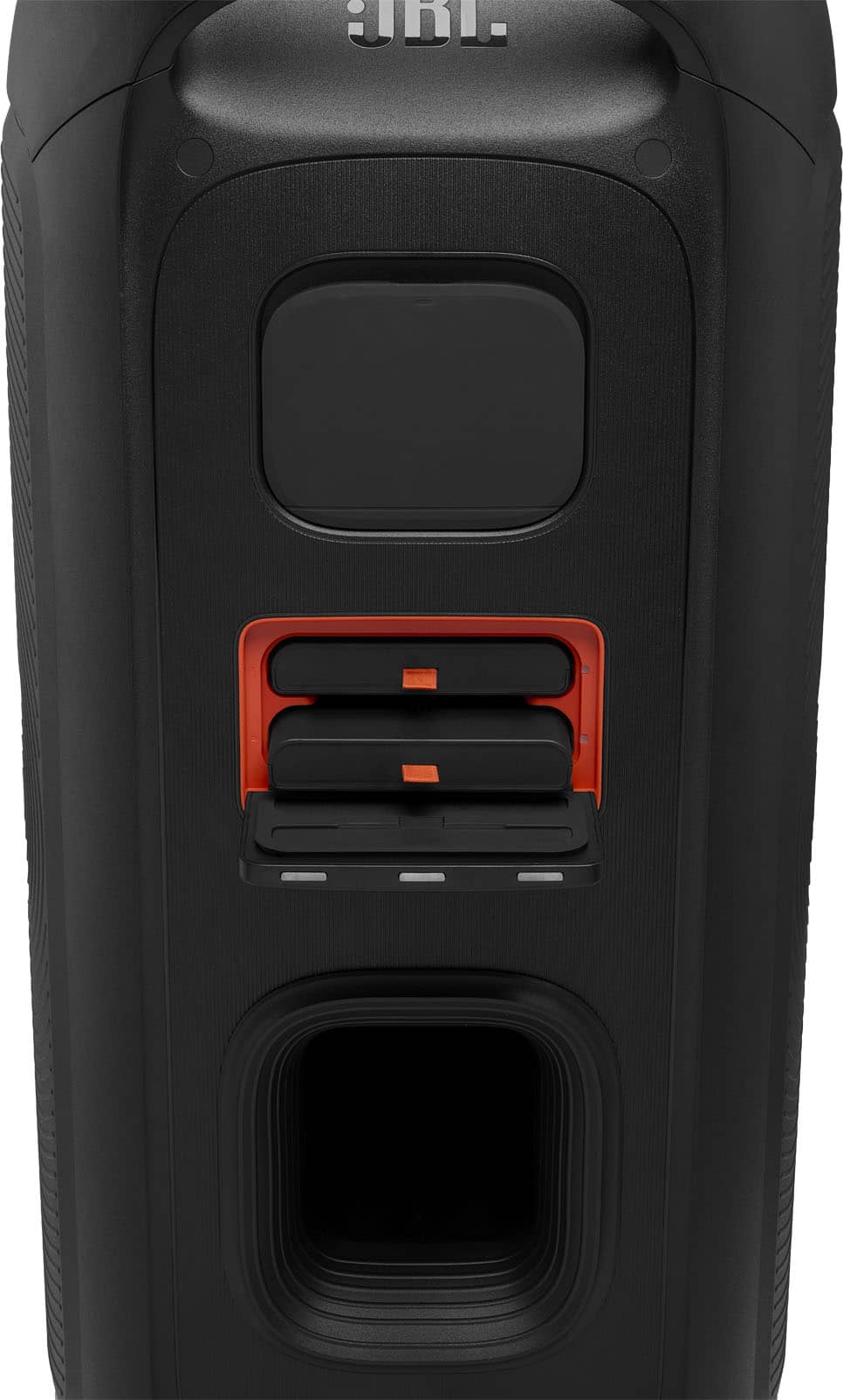
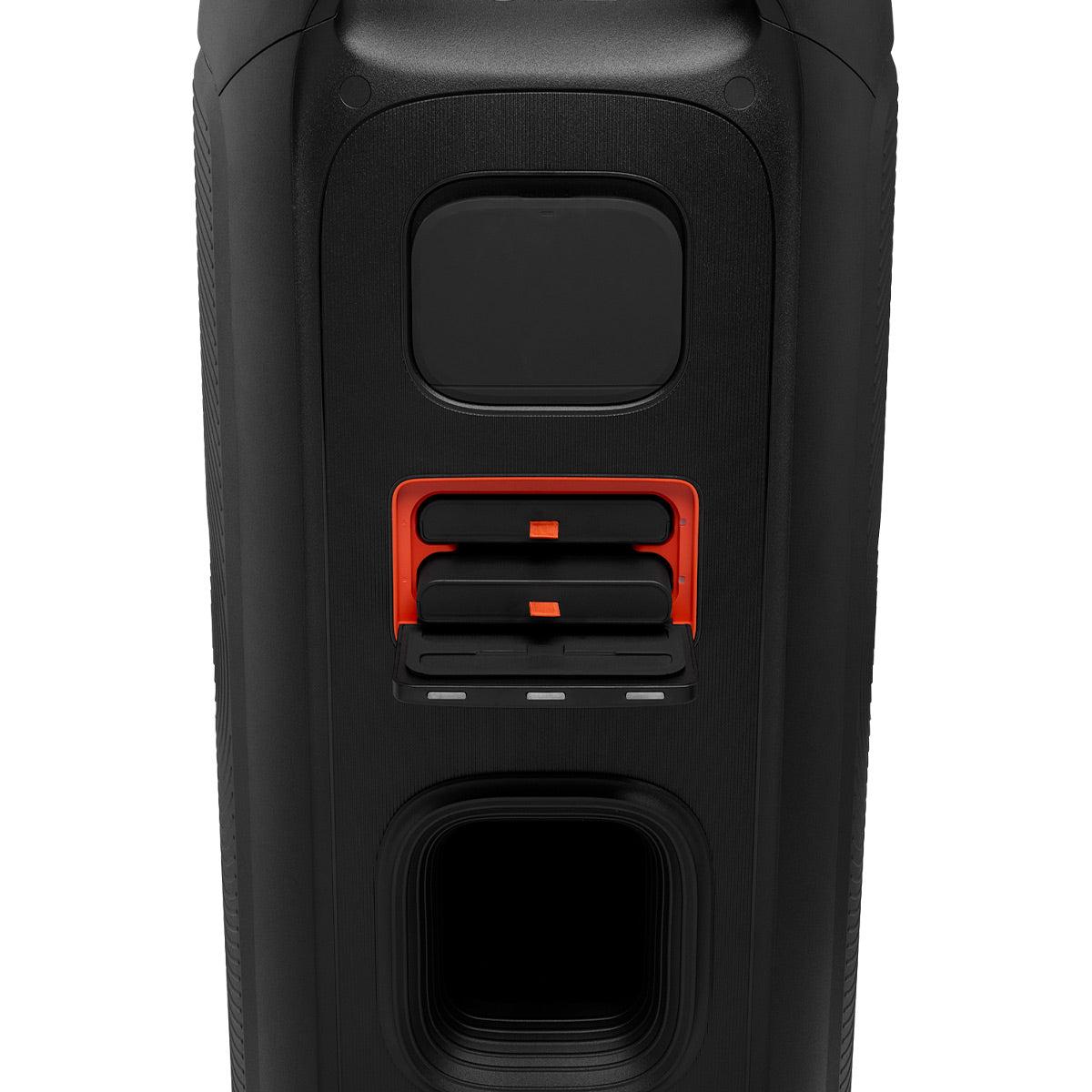
One of the most innovative aspects of the PartyBox 720 is its approach to battery power. While the PartyBox 310 uses a traditional built-in 72Wh lithium-ion battery that can't be removed, the 720 features two swappable JBL Battery 600 units with a combined capacity of 198Wh.
This swappable system represents a genuine breakthrough for portable party speakers. With the PartyBox 310, when the battery dies after its rated 18 hours of playback, you're stuck waiting for a 3.5-hour recharge. But with the PartyBox 720, you can swap in fresh batteries and immediately return to full power – crucial for events that run longer than expected.
However, there's a caveat with real-world battery performance. While the PartyBox 310 consistently delivers close to its 18-hour rating at moderate volumes, the PartyBox 720 faces more variable performance. At 60% volume with lighting effects and bass boost enabled – typical party settings – users report approximately 8 hours of playback rather than the advertised 15 hours. Still, the ability to hot-swap batteries makes this less problematic than it might seem.
The battery technology also reflects broader improvements in power management. The PartyBox 720 charges faster (3 hours versus 3.5 hours) and includes a more powerful USB-C port capable of 30W device charging, compared to the 310's USB-A port limited to standard charging speeds.
Despite both speakers including wheels and handles, portability represents a significant consideration. The PartyBox 310 weighs 38.4 pounds with a telescoping handle that makes solo transport manageable for most users. Its dimensions (13"W x 27"H x 14.5"D) fit comfortably in most vehicles.
The PartyBox 720 nearly doubles that weight at 68.3 pounds, measuring a substantial 16.38" x 37.1" x 16.0". While it includes improved wheels and an integrated handle, moving this speaker remains a two-person job for many users. The size also means you'll need a larger vehicle for transport.
This weight difference becomes crucial depending on your typical use cases. For someone who frequently moves their speaker between different locations – from home to friends' houses to outdoor events – the PartyBox 310 offers a significant advantage. But if your speaker mostly stays in one location or you have help with transport, the 720's additional weight becomes less problematic.
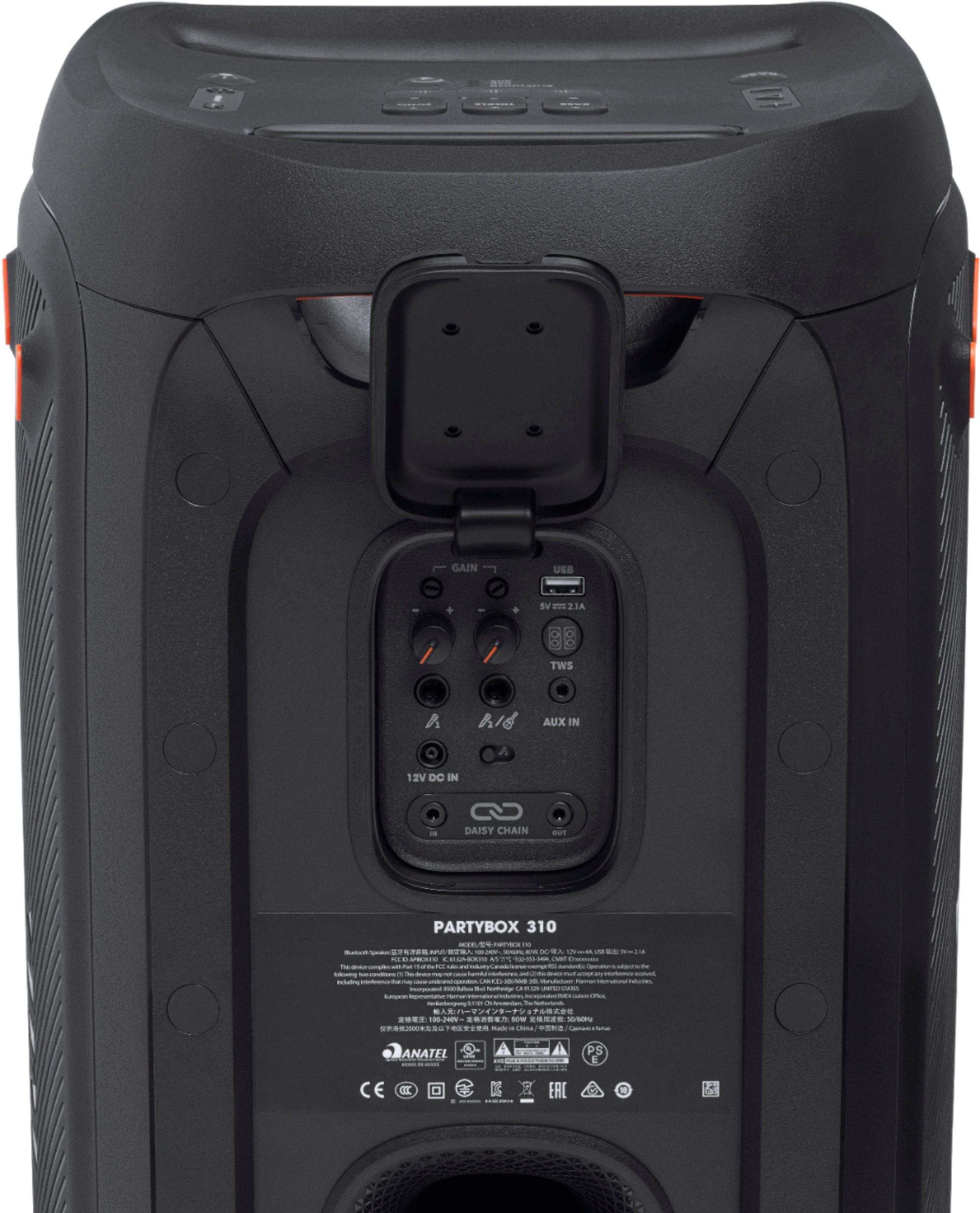
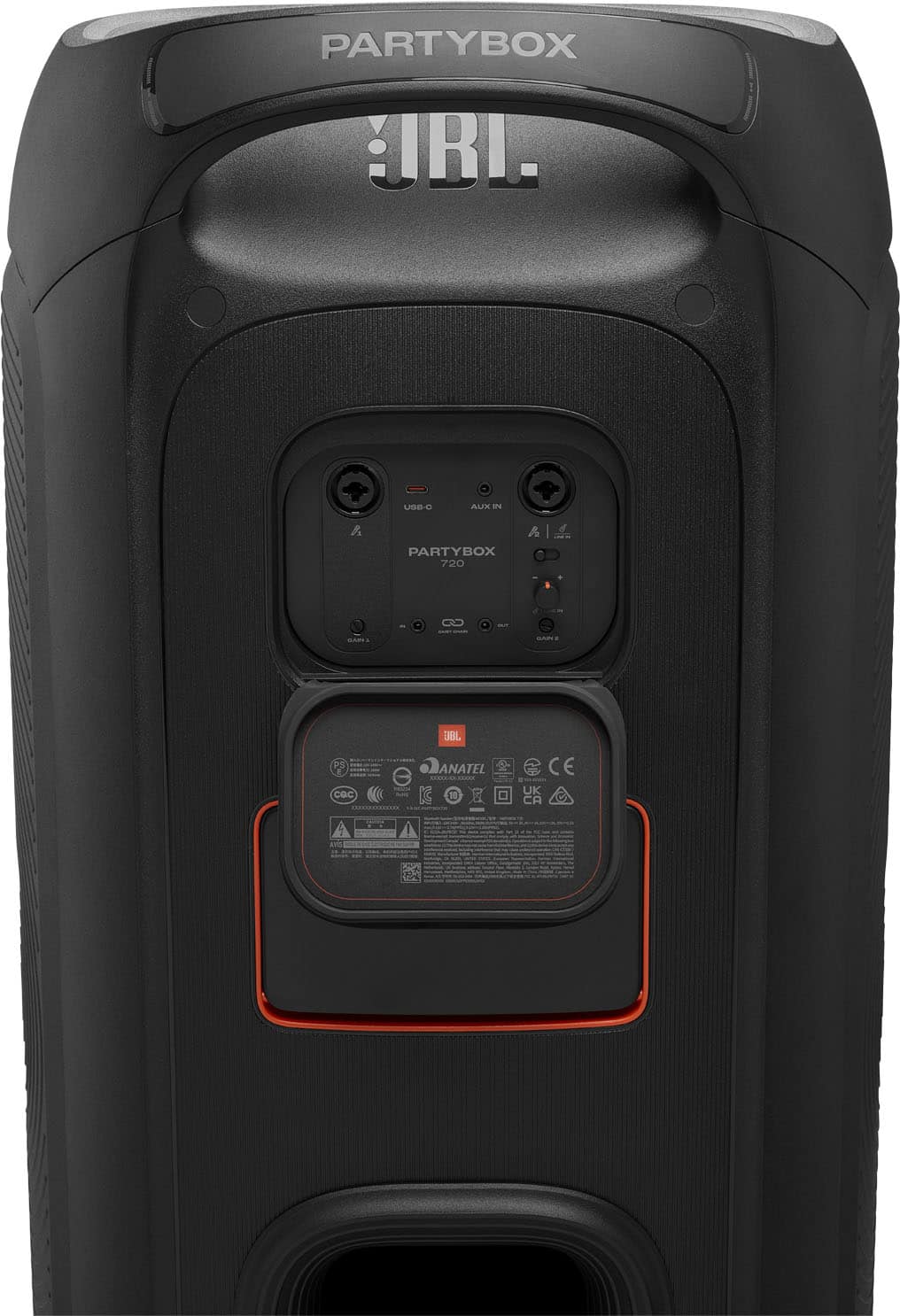
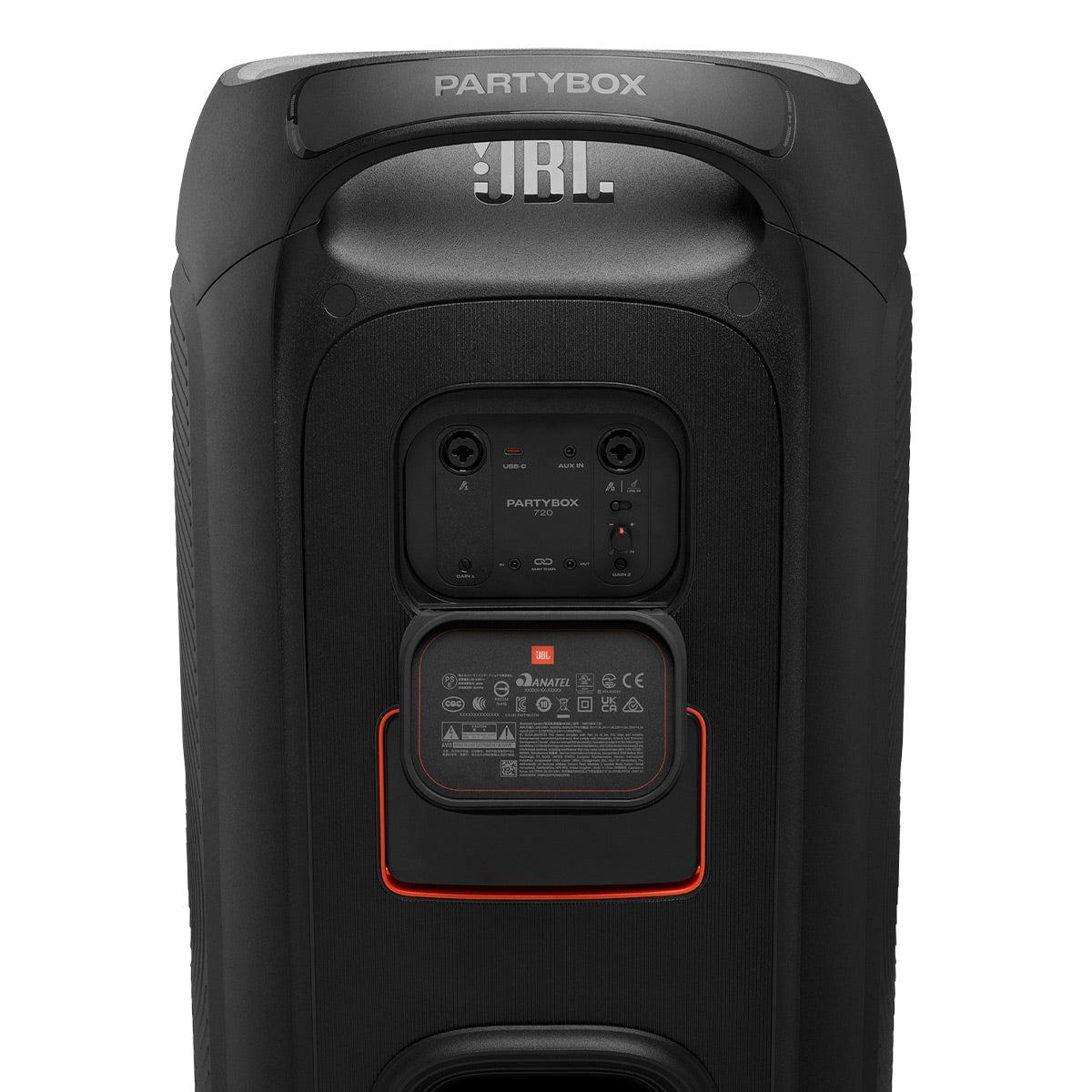
The five years between these speakers' releases shows clearly in their connectivity options. The PartyBox 310 includes standard party speaker features: two 1/4-inch TRS inputs for microphones and guitars, a 3.5mm auxiliary input, and USB-A playback for flash drives. Bluetooth 5.1 provides reliable wireless connectivity with True Wireless Stereo pairing to connect two speakers.
The PartyBox 720 represents a significant evolution with dual XLR/TRS combo inputs that accommodate both consumer and professional audio equipment. XLR connections are the gold standard for professional microphones and DJ equipment, offering better signal quality and more secure connections than standard 1/4-inch jacks.
The wireless technology also advanced substantially. Bluetooth 5.4 with Auracast support allows the 720 to broadcast audio to multiple compatible speakers simultaneously – creating a much more sophisticated multi-room or large-venue setup than the 310's simpler pairing system.
These connectivity improvements particularly benefit users who need professional-grade features: wedding DJs, event organizers, or serious karaoke enthusiasts who want the best possible audio quality from their microphones.
Both speakers include synchronized lighting effects, but the PartyBox 720 dramatically outclasses its predecessor. The PartyBox 310 features 2 colored LED rings plus 4 white strobe LEDs – enough to add visual interest to most gatherings.
The PartyBox 720 multiplies this impact with the same 2 LED rings but 20 white strobe LEDs – five times more strobing capability. The lighting system also provides 360-degree coverage with what JBL describes as "starry lights, flowing trails, and pulsing strobes" that create a more immersive visual experience.
While lighting might seem like a secondary consideration, our research suggests it significantly impacts user satisfaction with party speakers. The visual element helps create atmosphere and excitement that pure audio can't match, particularly for younger users and dance-focused events.
Though designed primarily for parties, both speakers can serve double duty in home theater applications, with important caveats.
The PartyBox 310 actually works better for casual movie watching due to its more balanced sound signature. Dialogue remains clear, and the speaker doesn't overwhelm smaller rooms with excessive bass. Its 3.5mm auxiliary output also allows connection to additional speakers or subwoofers.
The PartyBox 720 presents challenges for home theater use. Its bass-heavy tuning can muddy dialogue, and its sheer power output may prove overwhelming in typical living rooms. However, for users with large spaces who primarily watch action movies or music content, its impact can be thrilling.
Neither speaker includes dedicated center channels or surround processing, so they work best for casual viewing rather than serious home theater setups.
At the time of writing, the PartyBox 310 represents exceptional value for casual users. Originally priced as a mid-tier option when released in 2020, it now offers even better value as a mature product with proven reliability.
The PartyBox 720 costs significantly more but delivers substantially more performance per dollar spent. When calculating power output per purchase price, the 720 actually offers better efficiency despite its higher absolute cost. This makes it a compelling choice for users who need maximum performance and can utilize its advanced features.
The value equation heavily depends on your specific needs. For occasional use and smaller gatherings, the PartyBox 310 delivers everything most users need without premium pricing. For frequent entertainers or professional applications, the PartyBox 720 justifies its higher cost through superior performance and features.
After extensive research into user experiences and expert opinions, clear usage patterns emerge for each speaker.
Choose the PartyBox 310 if you host smaller gatherings (under 50 people), prioritize easy solo transport, or want the longest single-charge battery life. Its balanced sound works well for diverse music genres, and its moderate price point makes it accessible for casual party hosts. The 18-hour battery life and 38-pound weight make it ideal for beach trips, camping, or backyard gatherings where convenience matters most.
The PartyBox 720 makes sense for users who regularly host large events, need professional-grade audio inputs, or want maximum volume for outdoor festivals and big celebrations. Its swappable battery system benefits users who host extended events, and its advanced connectivity supports more sophisticated audio setups. Despite the weight and size challenges, the 720 delivers unmatched performance for serious entertainers.
For most users, the PartyBox 310 provides the sweet spot of performance, portability, and value. But if you're serious about party hosting and can benefit from the 720's advanced features, the additional investment pays dividends in performance and capabilities.
The bottom line: both speakers excel in their intended roles, but they serve distinctly different users and use cases. Understanding your specific needs – particularly regarding event size, transport requirements, and budget – will guide you to the right choice.
| JBL PartyBox 310 | JBL PartyBox 720 |
|---|---|
| Power Output - Determines maximum volume and ability to fill large spaces | |
| 240W RMS (suitable for gatherings up to 50 people) | 800W RMS (can fill basketball court-sized venues) |
| Speaker Drivers - Affects bass depth and overall sound quality | |
| 2x 6.5" woofers + 2x 2.5" tweeters | 2x 9" woofers + 2x 1.25" tweeters |
| Frequency Response - Lower numbers mean deeper, more powerful bass | |
| 45Hz - 20kHz (adequate bass for most music) | 32Hz - 20kHz (chest-thumping sub-bass) |
| Weight - Critical for portability and transport ease | |
| 38.4 lbs (manageable for solo transport) | 68.3 lbs (requires two people or significant effort) |
| Battery System - Affects event duration and flexibility | |
| Fixed 72Wh battery, 18 hours playbook | Swappable dual batteries, 15 hours (extendable with spare batteries) |
| Battery Charge Time - Downtime between events | |
| 3.5 hours to full charge | 3 hours to full charge |
| Lighting Effects - Visual impact for parties | |
| 2 LED rings + 4 white strobes | 2 LED rings + 20 white strobes (5x more impact) |
| Connectivity - Professional vs consumer inputs | |
| 2x 1/4" TRS, 3.5mm aux, USB-A playback | Dual XLR/TRS combo, USB-C charging, Bluetooth 5.4 |
| Wireless Features - Multi-speaker capabilities | |
| Bluetooth 5.1 with True Wireless Stereo pairing | Bluetooth 5.4 with Auracast multi-speaker linking |
| Water Resistance - Outdoor and poolside durability | |
| IPX4 splashproof | IPX4 splashproof |
| Release Year - Technology generation and current value | |
| 2020 (mature product with proven reliability) | 2025 (latest technology and features) |
| Best For - Ideal user and use cases | |
| Small-medium parties, easy transport, balanced sound | Large events, professional use, maximum impact |
The JBL PartyBox 720 is significantly louder than the PartyBox 310. The 720 delivers 800 watts RMS compared to the 310's 240 watts, making it more than three times more powerful. This translates to the ability to fill much larger spaces - the PartyBox 720 can handle basketball court-sized venues while the PartyBox 310 is better suited for backyard gatherings.
The JBL PartyBox 720 produces much deeper and more powerful bass than the PartyBox 310. The 720 features massive 9-inch woofers and reaches down to 32Hz, creating chest-thumping sub-bass that's perfect for EDM and hip-hop. The PartyBox 310 has 6.5-inch woofers with a 45Hz low-end response, which provides adequate bass but doesn't match the physical impact of the larger speaker.
The JBL PartyBox 310 offers longer single-charge battery life at 18 hours compared to the PartyBox 720's 15 hours. However, the 720 features swappable batteries, allowing unlimited playtime with spare battery packs. In real-world use with lights and bass boost enabled, the PartyBox 720 typically delivers around 8 hours while the PartyBox 310 maintains closer to its rated performance.
The JBL PartyBox 310 weighs 38.4 pounds, making it manageable for solo transport with its telescoping handle and wheels. The PartyBox 720 weighs 68.3 pounds - nearly double the weight - requiring more effort or two people for comfortable transport. Both include wheels and handles, but the weight difference significantly affects portability.
The JBL PartyBox 720 is definitively better for large outdoor parties. Its 800-watt output can easily fill large outdoor spaces and overcome ambient noise, while its deeper bass response ensures the music has proper impact in open air. The PartyBox 310 works well for smaller outdoor gatherings but may struggle to provide adequate volume for events with 100+ people.
No, the JBL PartyBox 720 has dramatically more impressive lighting than the PartyBox 310. While both feature 2 colored LED rings, the 720 includes 20 white strobe LEDs compared to just 4 on the 310. The PartyBox 720 also offers 360-degree lighting coverage with more advanced effects like starry lights and flowing trails.
The JBL PartyBox 720 offers superior connectivity with dual XLR/TRS combo inputs that accommodate professional microphones and DJ equipment. It also features Bluetooth 5.4 with Auracast for linking multiple speakers. The PartyBox 310 has standard 1/4-inch inputs and Bluetooth 5.1 with basic stereo pairing, which works fine for casual use but lacks professional capabilities.
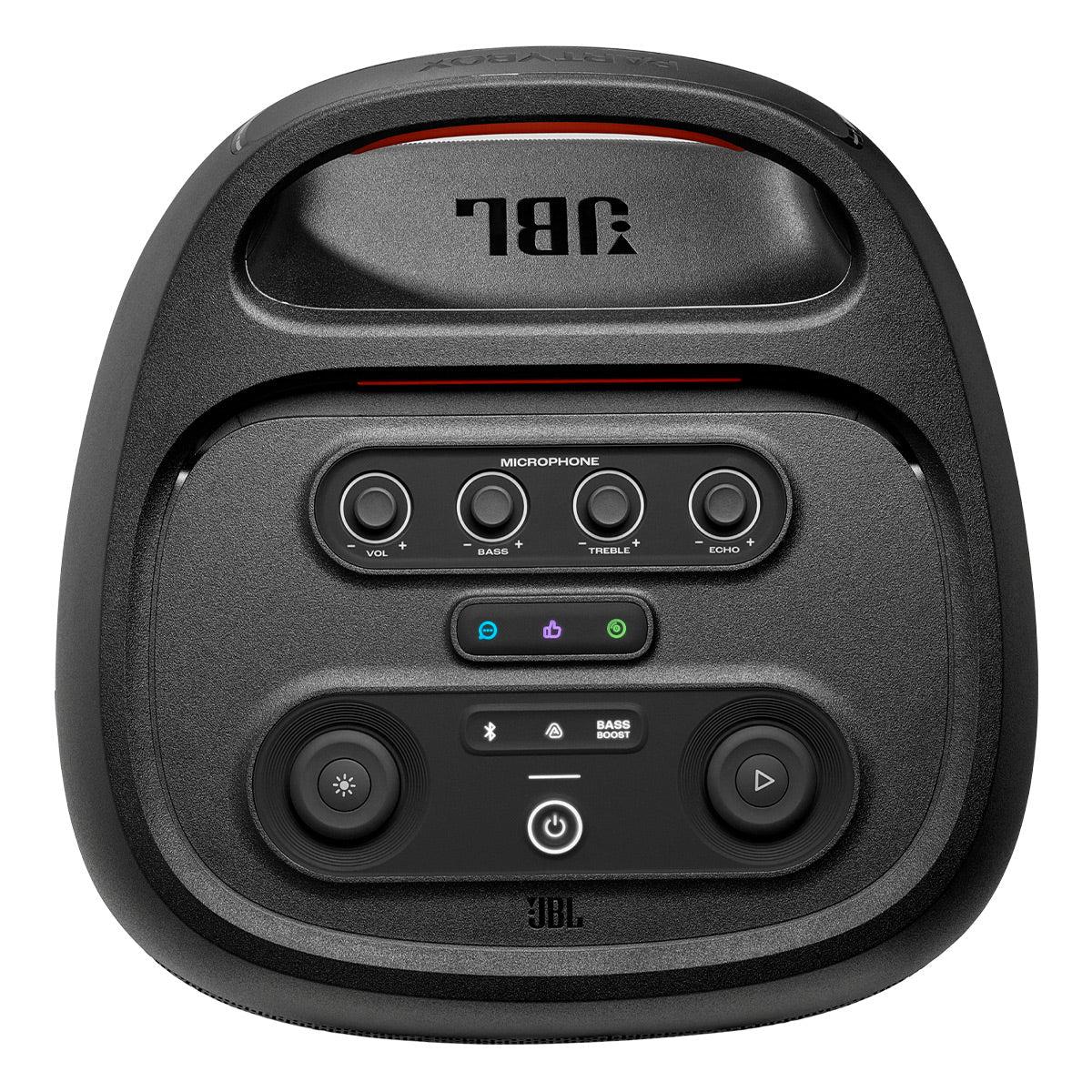
Yes, both the PartyBox 310 and PartyBox 720 support karaoke with microphone inputs and dedicated controls for mic volume, bass, treble, and echo effects. The PartyBox 720 provides better karaoke experience with its XLR inputs for professional microphones and more powerful output for larger groups, while the PartyBox 310 handles casual karaoke sessions perfectly well.
Sound quality depends on your priorities. The JBL PartyBox 310 delivers more balanced sound with better vocal clarity and instrument separation, making it more versatile for different music types. The PartyBox 720 emphasizes impact over precision with powerful bass and highs but less prominent midrange frequencies. For overall balance, choose the PartyBox 310; for maximum impact, go with the PartyBox 720.
Both the PartyBox 310 and PartyBox 720 are IPX4-rated, meaning they're splashproof but not fully waterproof. They can handle poolside splashing, light rain, and spilled drinks but shouldn't be submerged in water. This rating makes both speakers suitable for outdoor parties and poolside events with reasonable protection from moisture.
The JBL PartyBox 310 typically offers better value for casual users who host smaller gatherings and prioritize portability. However, the PartyBox 720 actually provides better price-per-watt performance despite its higher cost, making it worthwhile for users who need maximum power and professional features. Your choice depends on whether you need the 720's additional capabilities.
The JBL PartyBox 310 works better for casual home theater use due to its more balanced sound signature that keeps dialogue clear. The PartyBox 720 can be overwhelming in typical living rooms with its bass-heavy tuning that may muddy dialogue. Neither speaker includes surround processing, so they're best for casual movie watching rather than serious home theater setups, with the PartyBox 310 being the more practical choice for most homes.
We've done our best to create useful and informative comparisons to help you decide what product to buy. Our research uses advanced automated methods to create this comparison and perfection is not possible - please contact us for corrections or questions. These are the sites we've researched in the creation of this article: rtings.com - comparisontabl.es - crutchfield.com - youtube.com - bestbuy.com - rtings.com - youtube.com - versus.com - youtube.com - youtube.com - jbl.com - youtube.com - crutchfield.com - manuals.plus - in.jbl.com - jbl.com.tw - mm.jbl.com - bestbuy.com - jbl.com - onward.ph - youtube.com - manuals.plus - harmanaudio.com - support.jbl.com - youtube.com - kh.jbl.com - bestbuy.com - stereoindex.com - youtube.com - youtube.com - youtube.com - youtube.com - comparisontabl.es - jbl.com - youtube.com - youtube.com - youtube.com - bestbuy.com - versus.com - youtube.com - youtube.com - versus.com - youtube.com - jbl.com - news.jbl.com - engadget.com - news.harman.com - youtube.com - creativeaudio.net - jbl.com - skybygramophone.com - crutchfield.com - manuals.plus - youtube.com

Privacy Policy
Terms and Conditions - Affiliate Policy
Home Security
© Copyright 2008-2026.
11816 Inwood Rd #1211, Dallas, TX 75244