

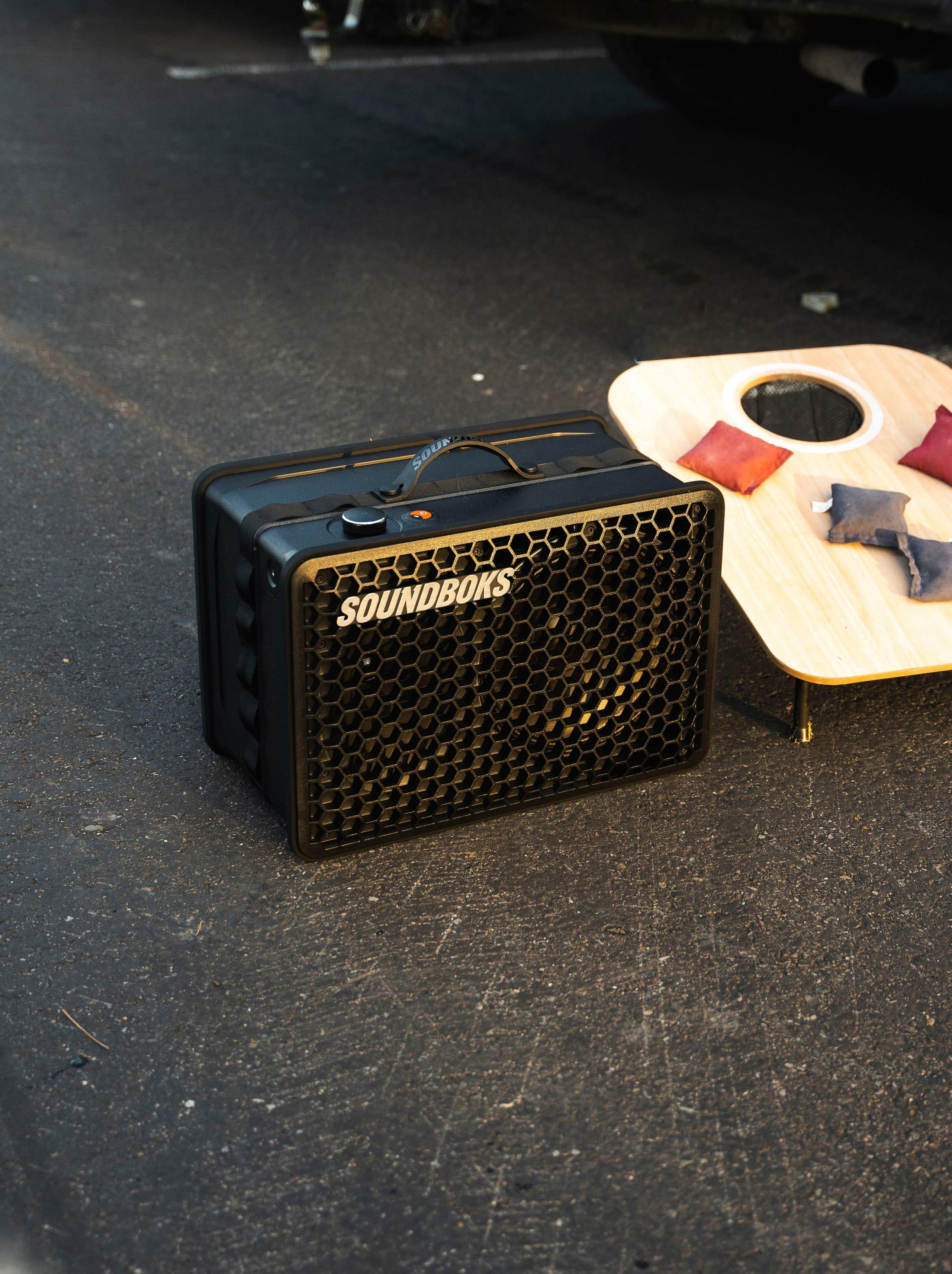
When your regular Bluetooth speaker just isn't cutting it for outdoor gatherings or house parties, you're looking at the world of portable party speakers. These powerhouse audio devices bridge the gap between tiny portable speakers and massive PA systems, delivering concert-level volume in packages you can actually move around. Today we're diving deep into two popular options that take very different approaches to the same goal: getting loud and keeping the party going.
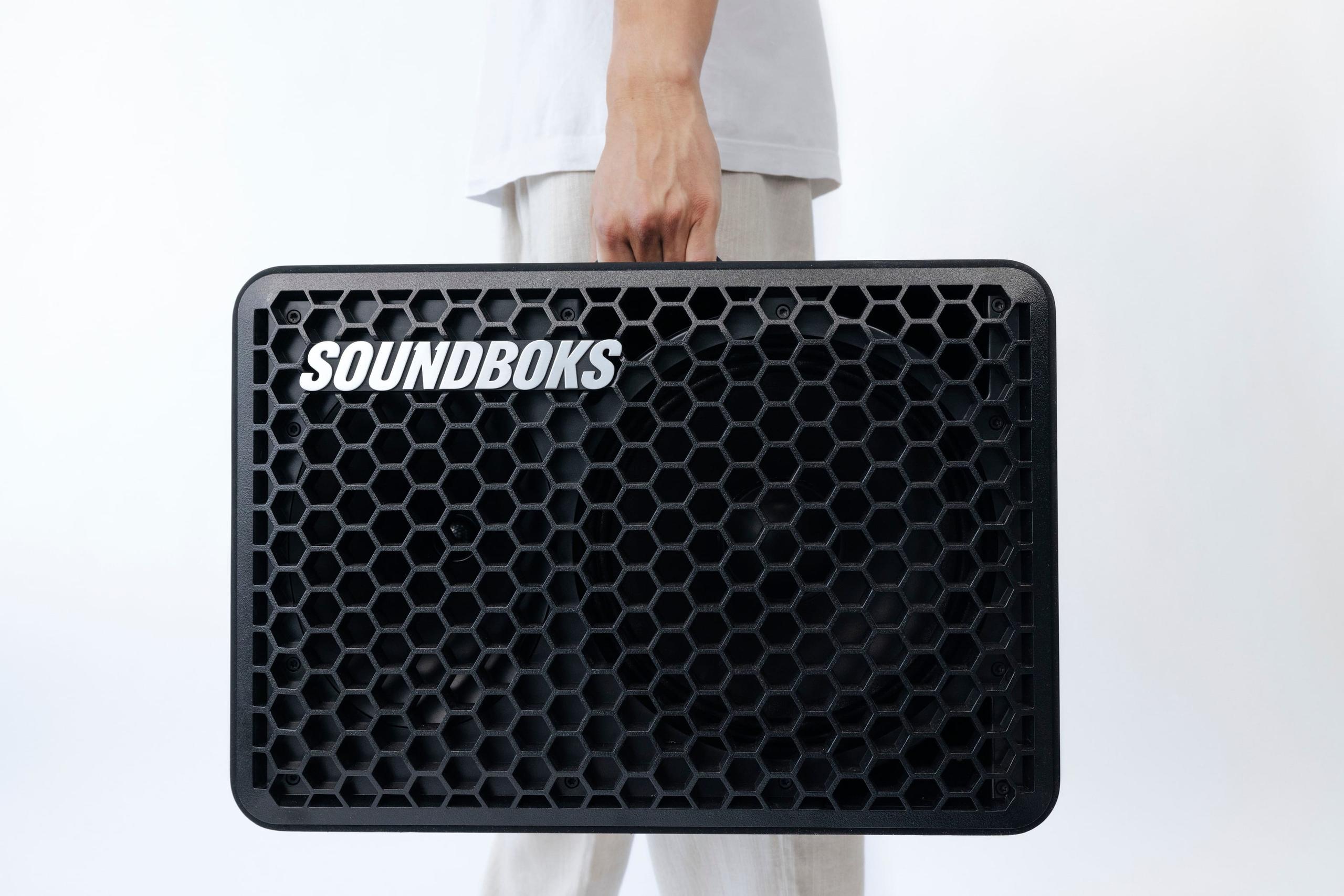
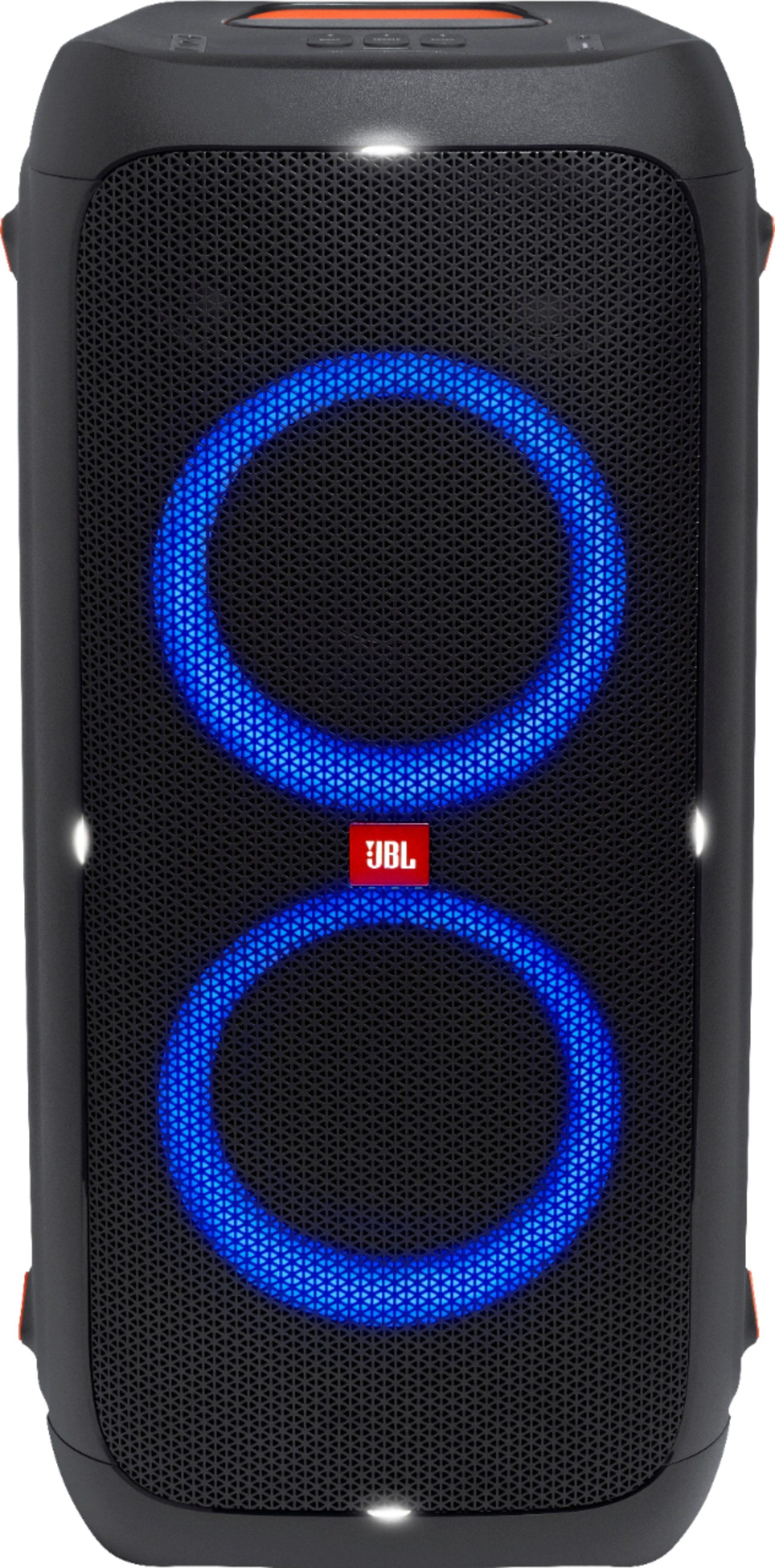
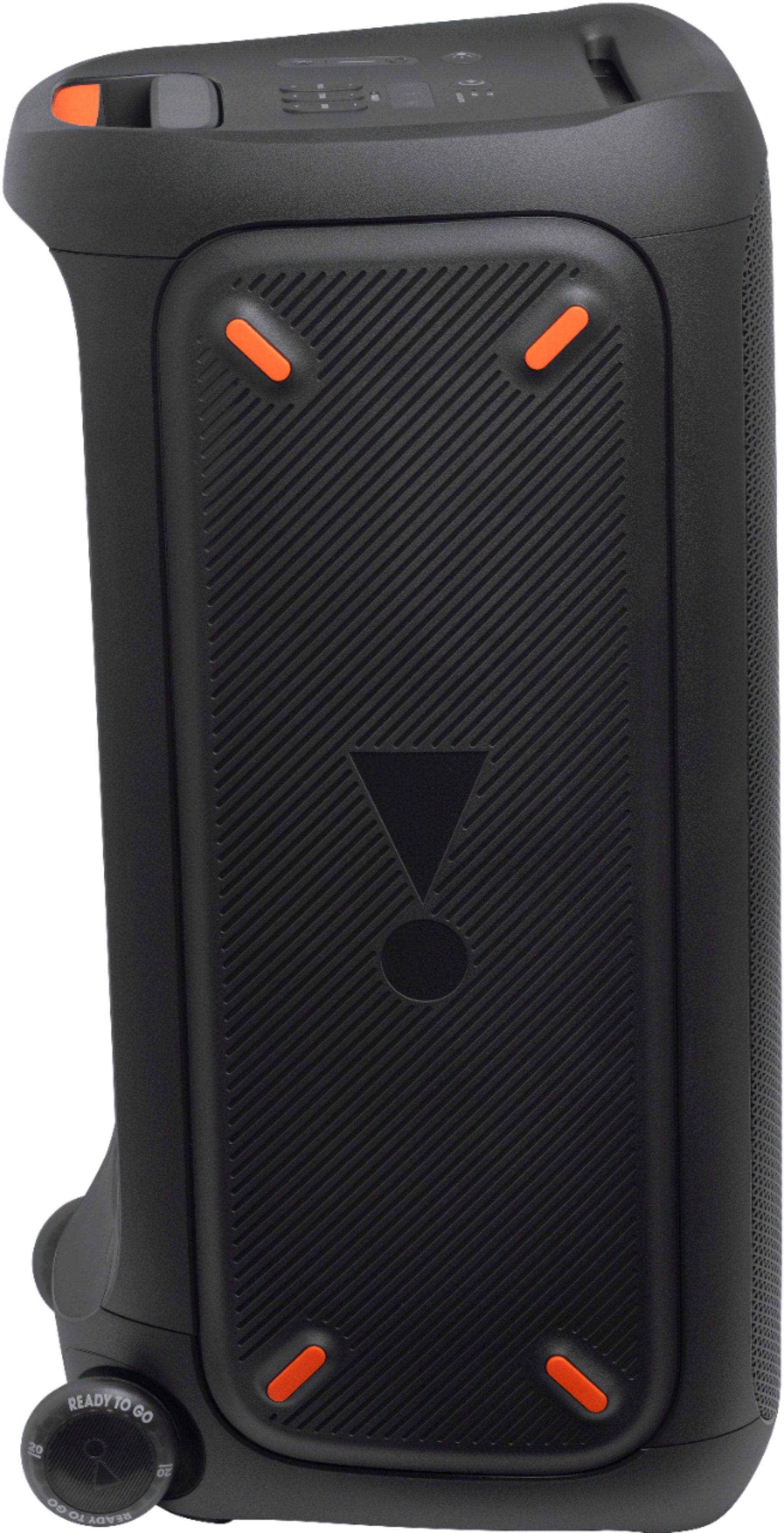
The Soundboks Go represents the extreme end of portable audio—built like a military case with volume levels that can fill a football stadium. Meanwhile, the JBL PartyBox 310 takes a more balanced approach, combining solid performance with party-friendly features like RGB lighting and karaoke capabilities. At the time of writing, these speakers sit in different price tiers, with the Soundboks commanding premium pricing while the JBL offers more accessible entry into serious party speaker territory.
Before we dive into the nitty-gritty, let's talk about what separates party speakers from everything else on the market. These aren't your typical Bluetooth speakers that you toss in a backpack. Party speakers are designed around three core principles: maximum volume output, extended battery life, and durability that can handle real-world abuse.
The volume capabilities are where things get interesting from a technical standpoint. Both speakers measure their output in SPL (Sound Pressure Level), expressed in decibels. To put this in perspective, normal conversation happens around 60 dB, while a lawnmower hits about 90 dB. These party speakers push well into the 110+ dB range, which is genuinely loud enough to cause hearing damage—and loud enough to power outdoor events for hundreds of people.
The Soundboks Go and JBL PartyBox 310 both emerged from the party speaker boom of the early 2020s, though they represent very different philosophies. The Soundboks Go, released in 2022, builds on the company's reputation for creating speakers that prioritize pure volume and ruggedness above all else. JBL's PartyBox 310, part of their popular PartyBox series launched in 2021, focuses more on creating a complete party experience with lighting effects and entertainment features.
Let's get straight to what most people care about first: how loud do these things actually get? This is where the technical specifications start telling a real story, and where the Soundboks Go shows its true colors.
The Soundboks Go delivers a maximum SPL of 121 dB, while the JBL PartyBox 310 reaches around 110+ dB. That 10+ dB difference might not sound like much, but decibels work on a logarithmic scale—meaning the Soundboks is actually delivering roughly twice the perceived loudness. In practical terms, this means the Soundboks can fill significantly larger outdoor spaces and compete with proper PA systems that cost thousands of dollars.
But raw wattage numbers tell a more complex story. The JBL PartyBox 310 actually claims higher power output at 240W RMS when plugged into AC power, compared to the Soundboks Go's 144W RMS. However, the Soundboks achieves its higher volume through more efficient drivers and amplification technology. It uses a Class D amplifier with Merus Audio eximo® switching technology—essentially a more sophisticated way of converting electrical power into sound waves with less energy waste and heat generation.
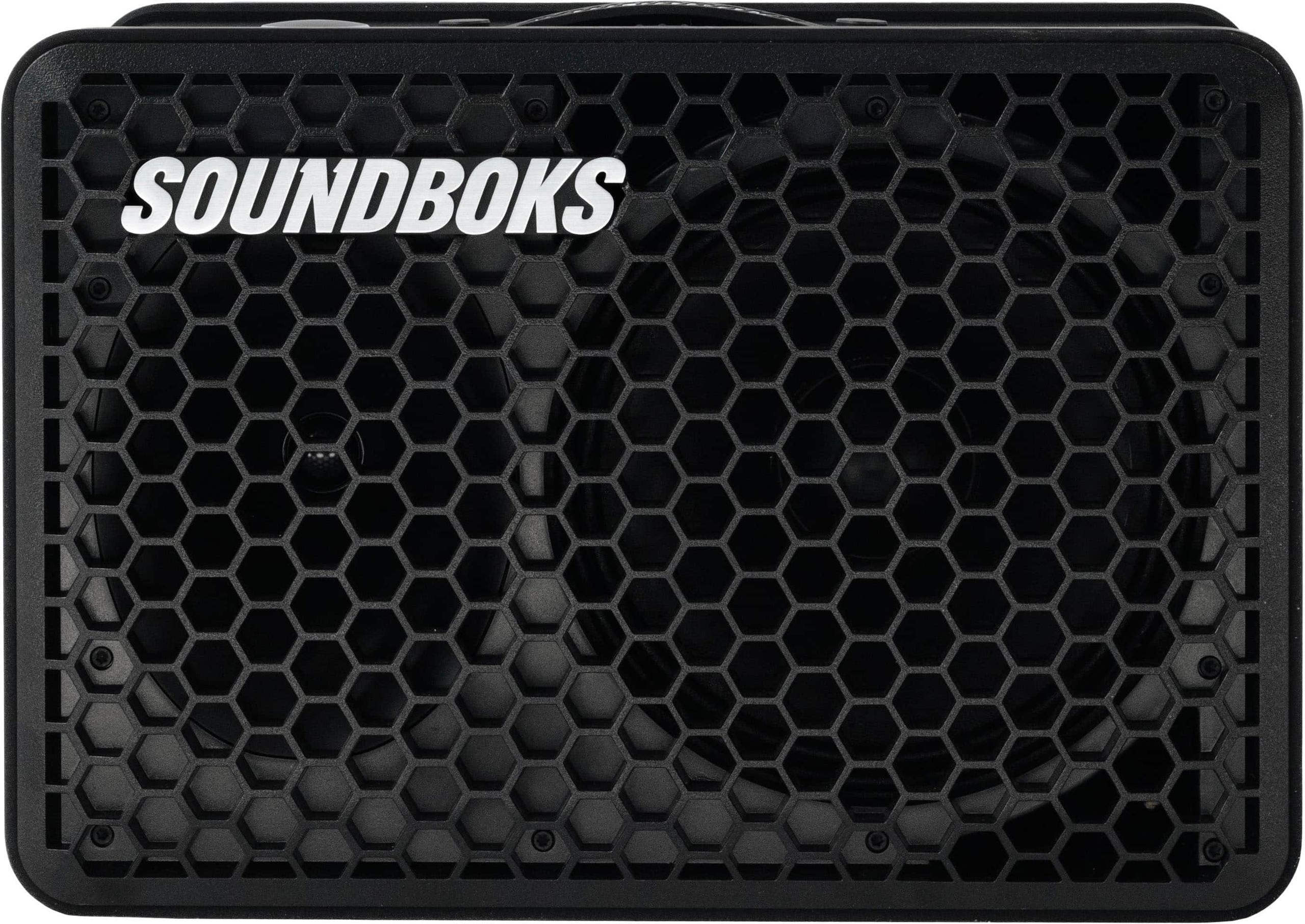
The driver configuration also plays a huge role in performance. The Soundboks Go uses a single 10-inch woofer paired with a 1-inch silk dome tweeter, while the JBL PartyBox 310 employs dual 6.5-inch woofers with dual 2.5-inch tweeters. The Soundboks's larger single woofer can move more air and produce deeper bass, but the JBL's dual-driver setup provides better stereo imaging and potentially cleaner sound at moderate volumes.
From our research into user experiences and expert reviews, the volume difference becomes most apparent in outdoor settings. Users consistently report that the Soundboks Go can power large outdoor gatherings where the JBL PartyBox 310 starts to struggle. However, many reviewers note that the JBL provides more pleasant listening at moderate volumes, with better vocal clarity and less harshness in the treble frequencies.
Volume is one thing, but sound quality is where these speakers reveal their different personalities. The Soundboks Go employs what's called a V-shaped frequency response—meaning it emphasizes bass and treble while de-emphasizing midrange frequencies. This creates a "fun" sound signature that makes music feel more exciting and punchy, but it can make vocals sound recessed and create fatigue during extended listening sessions.
The JBL PartyBox 310 takes a more balanced approach with its frequency response curve. Its dual tweeter setup provides clearer high-frequency reproduction, while the dual woofers create a more controlled bass response. The frequency range specs tell part of the story: the Soundboks reaches down to 40 Hz compared to the JBL's 45 Hz, meaning it can reproduce deeper bass frequencies that you feel in your chest.
Based on consensus from professional reviews, the sound quality preference often comes down to intended use. The Soundboks Go excels when you want maximum impact and don't mind sacrificing some refinement. It's the audio equivalent of a muscle car—all about raw power and excitement. The JBL PartyBox 310 is more like a well-rounded sports sedan—still plenty of performance, but with better comfort for everyday use.
Both speakers include EQ customization through their respective apps, but the approaches differ significantly. The Soundboks app provides detailed custom EQ controls along with preset sound profiles for different environments (Indoor, Power, and Bass+). The JBL app offers simpler graphic EQ adjustment but focuses more on controlling the speaker's lighting effects and party features.
Battery performance reveals perhaps the biggest philosophical difference between these speakers. The Soundboks Go uses a swappable 99.84Wh lithium iron phosphate (LiFePO4) battery that delivers 40 hours at moderate volume or 10 hours at maximum output. More importantly, when the battery dies, you can swap in a fresh one in seconds and keep the party going indefinitely.
The JBL PartyBox 310 takes the more conventional approach with a built-in 72Wh lithium-ion battery providing up to 18 hours of typical use. When it dies, you're looking at a 3.5-hour charging time before you can unplug again. The battery capacity is smaller, but the JBL's more efficient operation at moderate volumes helps it achieve respectable runtime.
The swappable battery system in the Soundboks Go represents a genuine innovation in the portable speaker market. LiFePO4 chemistry also offers advantages beyond capacity—these batteries handle temperature extremes better, have longer lifespans, and maintain performance characteristics longer than conventional lithium-ion batteries. For users who frequently host multi-day events or use their speaker professionally, the ability to hot-swap batteries eliminates the biggest limitation of portable speakers.
However, there's a cost consideration here. Spare batteries for the Soundboks add to the total investment, while the JBL PartyBox 310 includes everything you need out of the box. The JBL's 18-hour runtime handles most single-day events without issue, and many users never find themselves needing longer runtime.
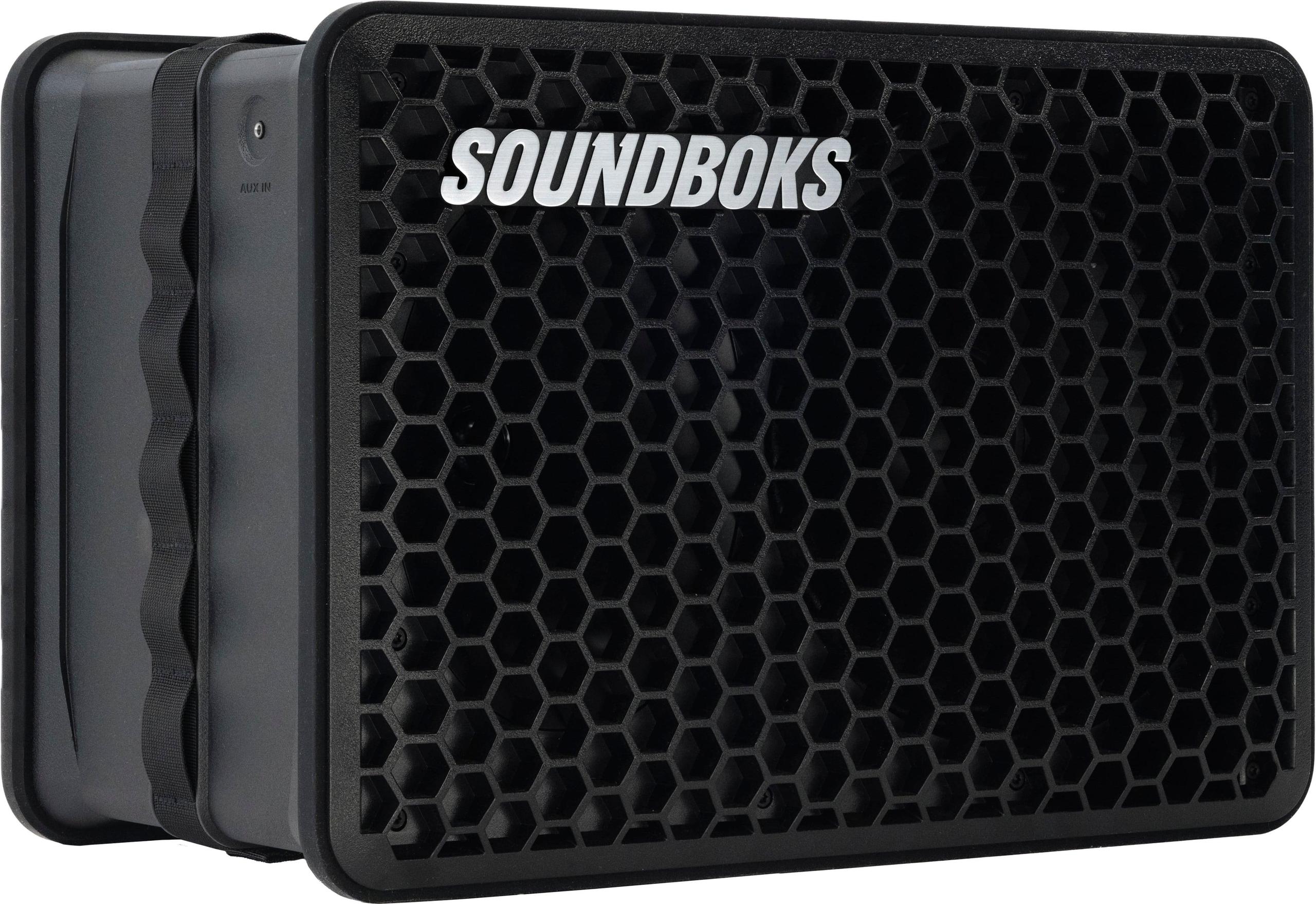
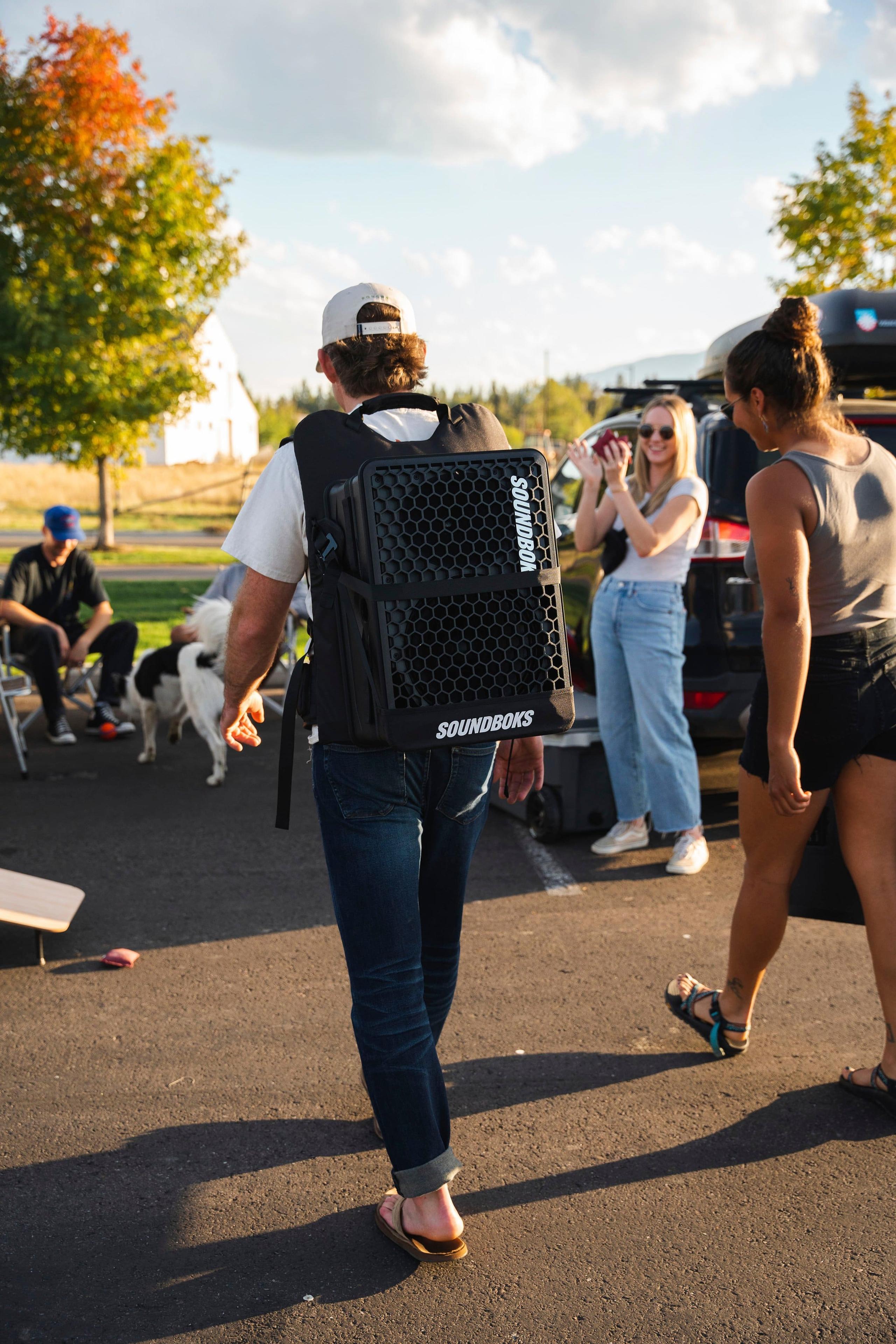
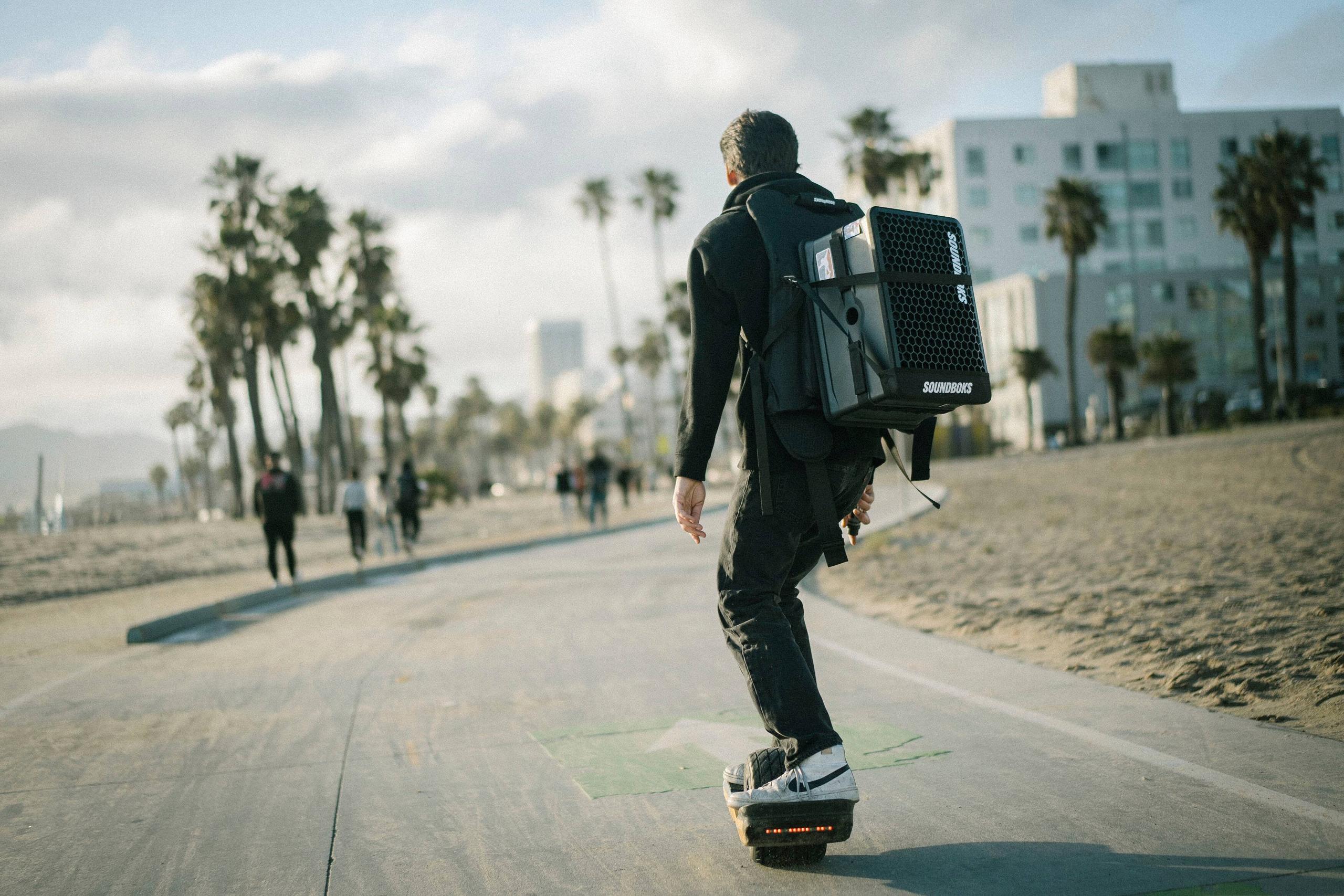
Both speakers need to be tough enough for outdoor use and portable enough to actually take places, but they solve this challenge in completely different ways. The Soundboks Go weighs 20.3 pounds and builds its portability around pure ruggedness. It features an IP65 rating, meaning it's completely dustproof and can handle water jets from any direction. The cabinet construction uses reinforced ABS and polycarbonate with silicone rubber bumpers—essentially building the speaker like a piece of military equipment.
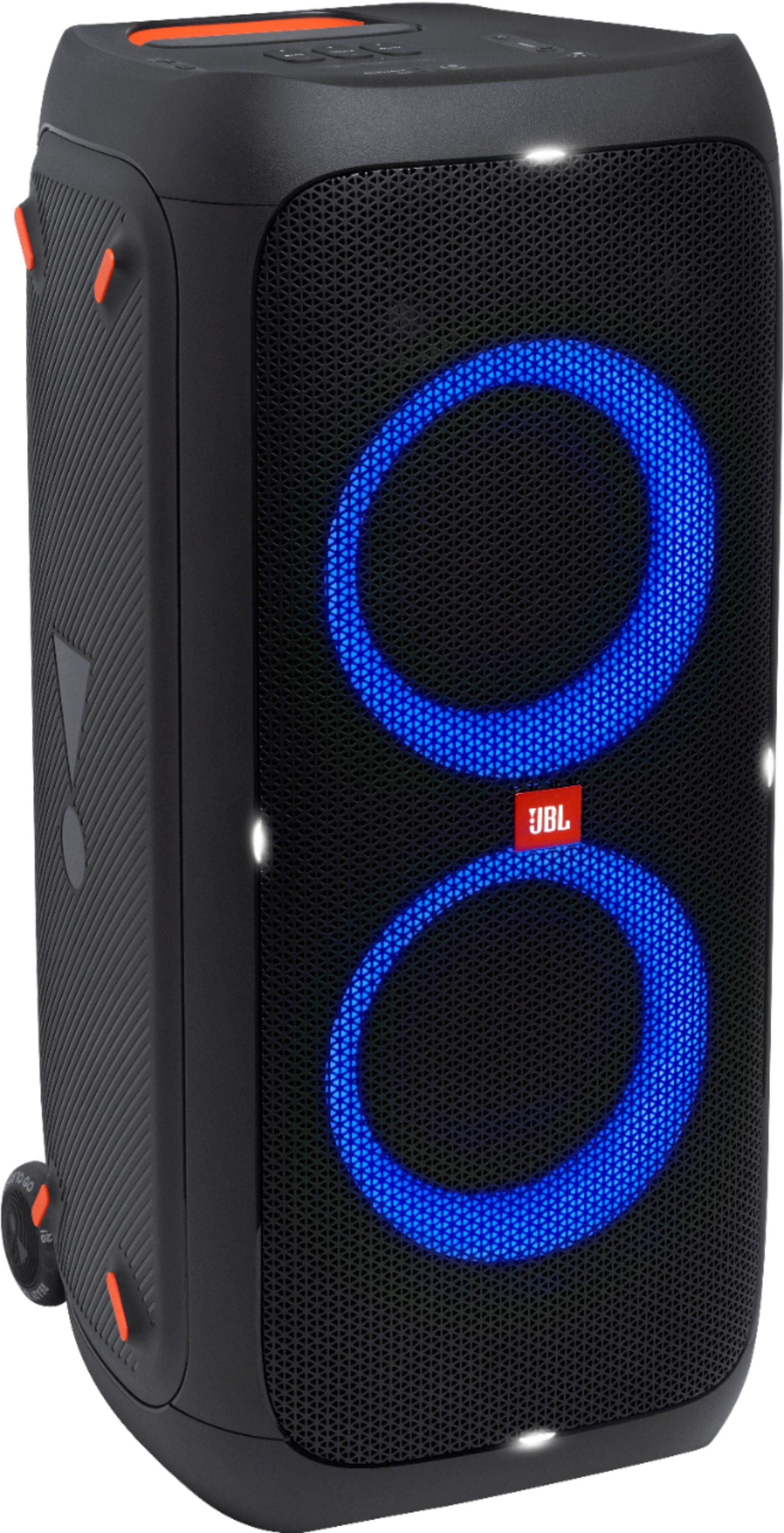
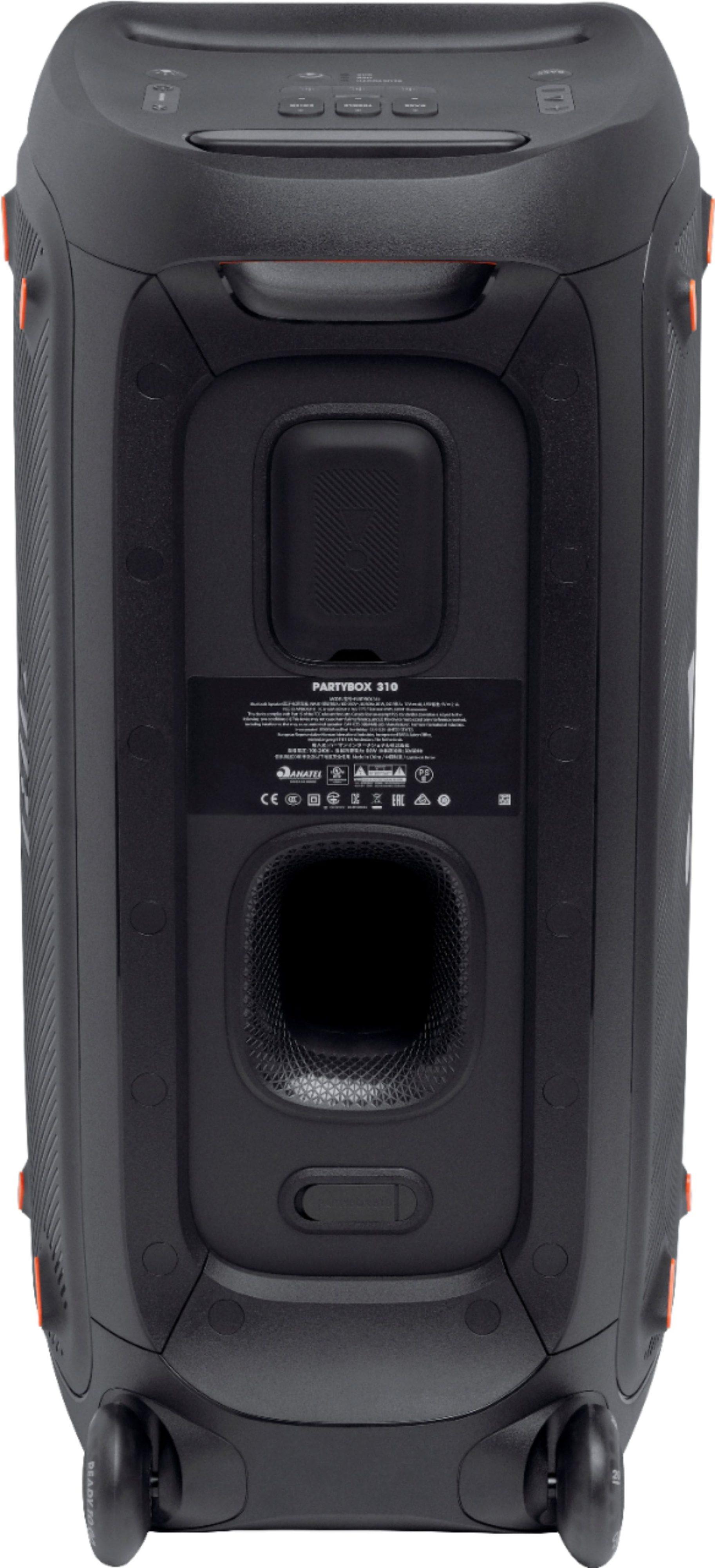
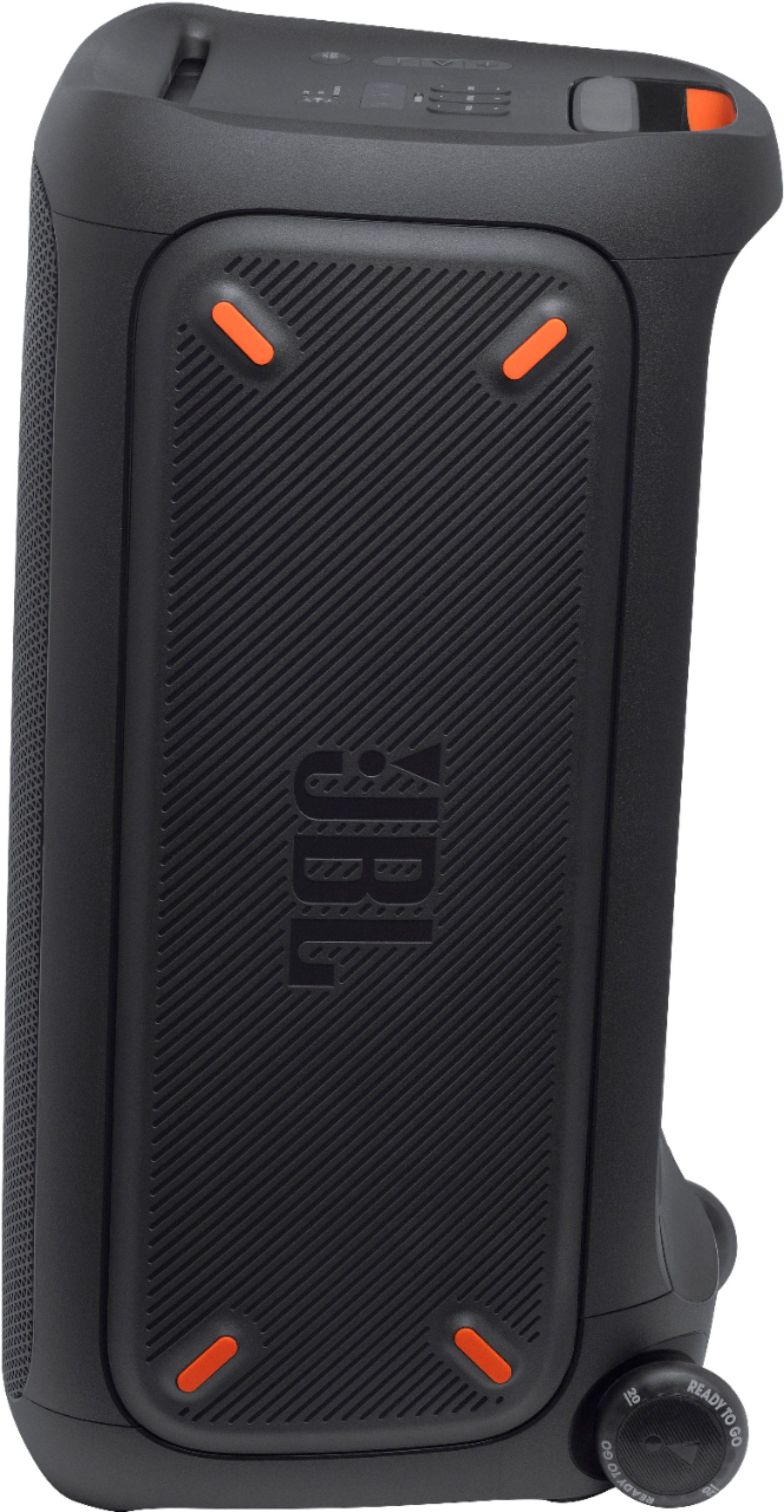
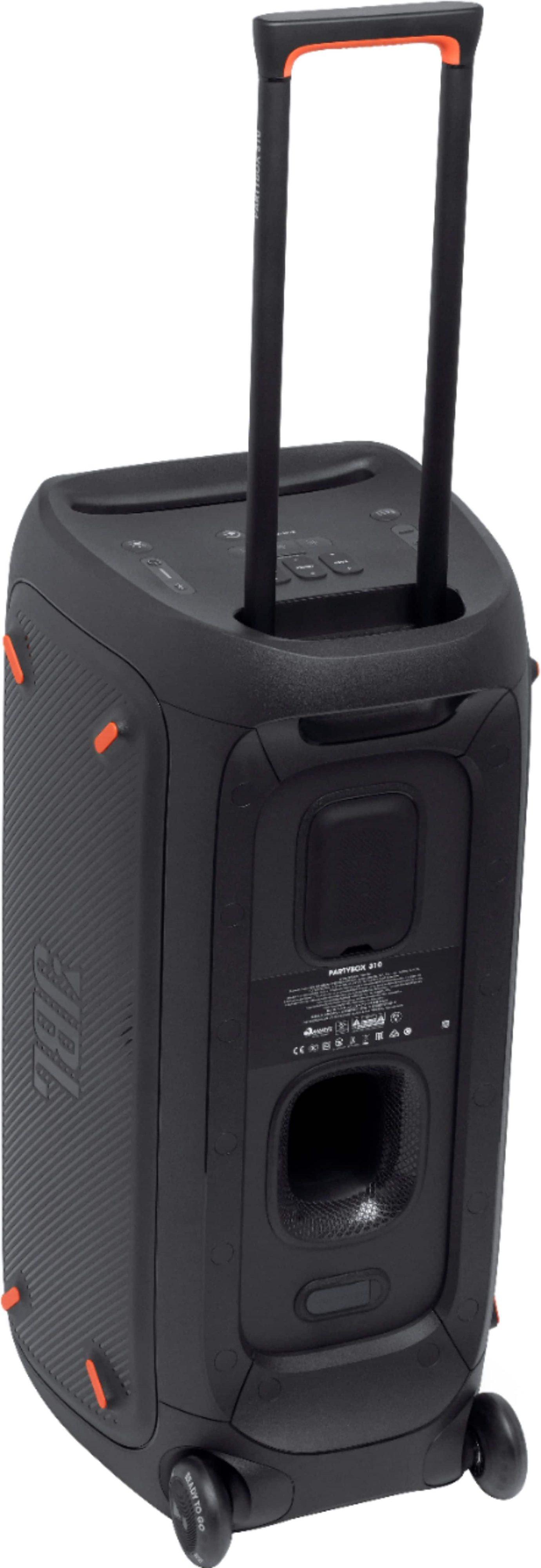
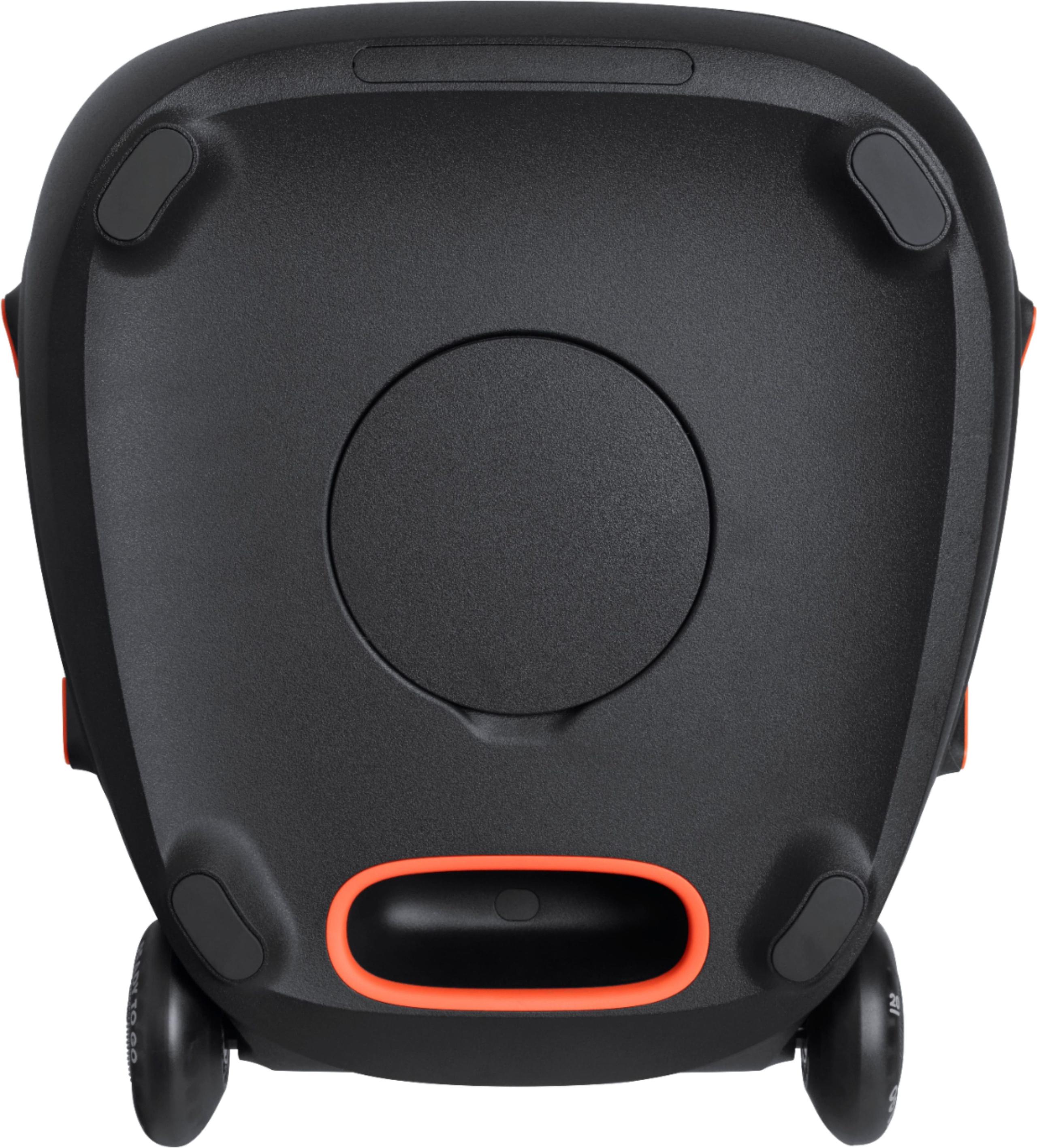
The JBL PartyBox 310 weighs significantly more at 38.4 pounds but incorporates wheels and a telescoping handle to make transport easier. Its IPX4 rating provides splash resistance but won't handle the abuse that the Soundboks can take. The JBL's approach prioritizes convenience over ultimate durability.
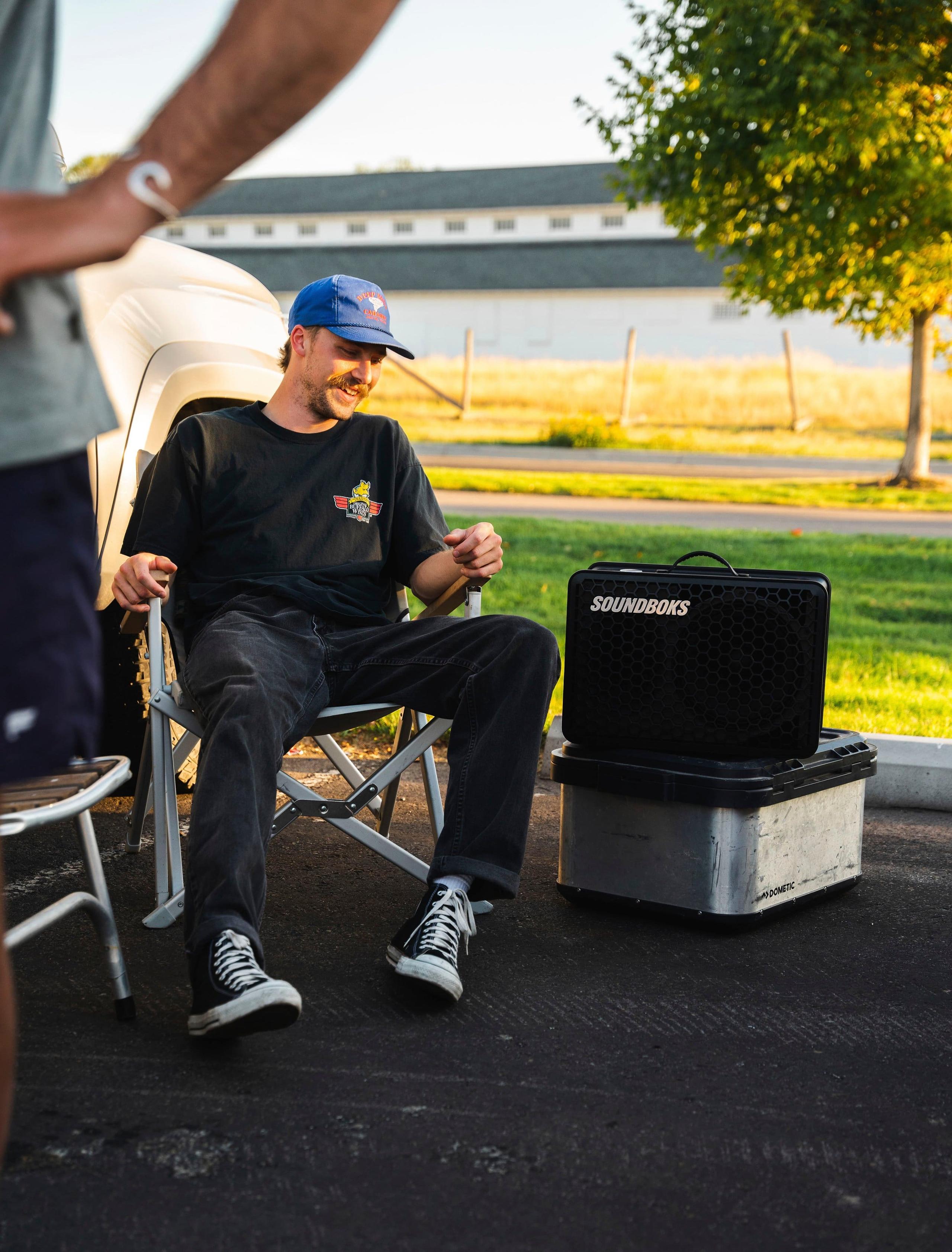
In real-world use, these different approaches create distinct advantages. The Soundboks Go excels when you need to carry the speaker over rough terrain, up stairs, or to locations where wheels won't help. Its temperature operating range of -14°F to 104°F means it can handle extreme conditions that would shut down most electronics. Users report successful operation in everything from winter ski trips to desert camping.
The JBL PartyBox 310 shines when you're moving over smooth surfaces and want to minimize physical effort. The wheeled design makes it genuinely easy to transport despite its weight, and the build quality, while not military-grade, is certainly robust enough for typical party use.
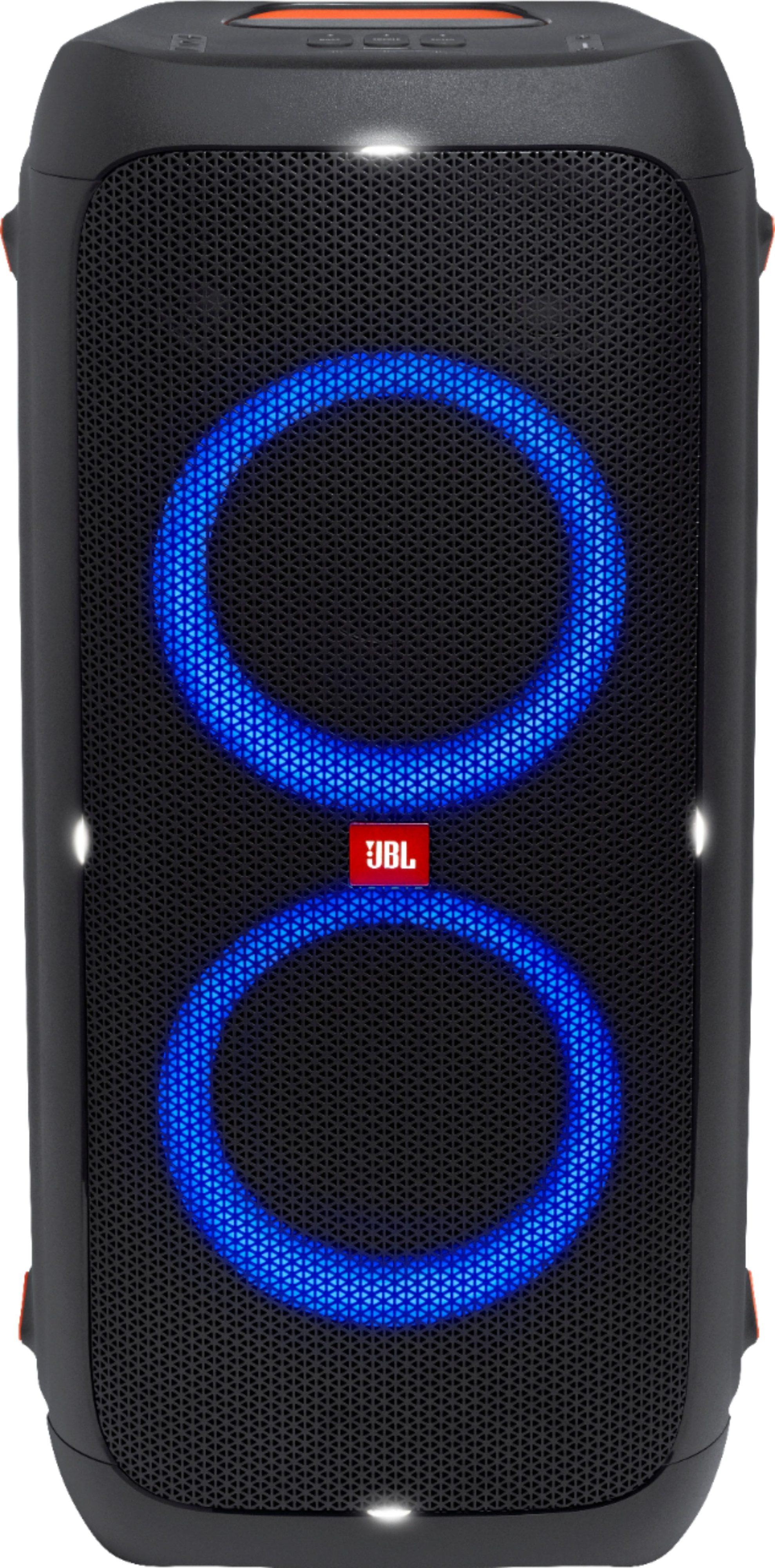
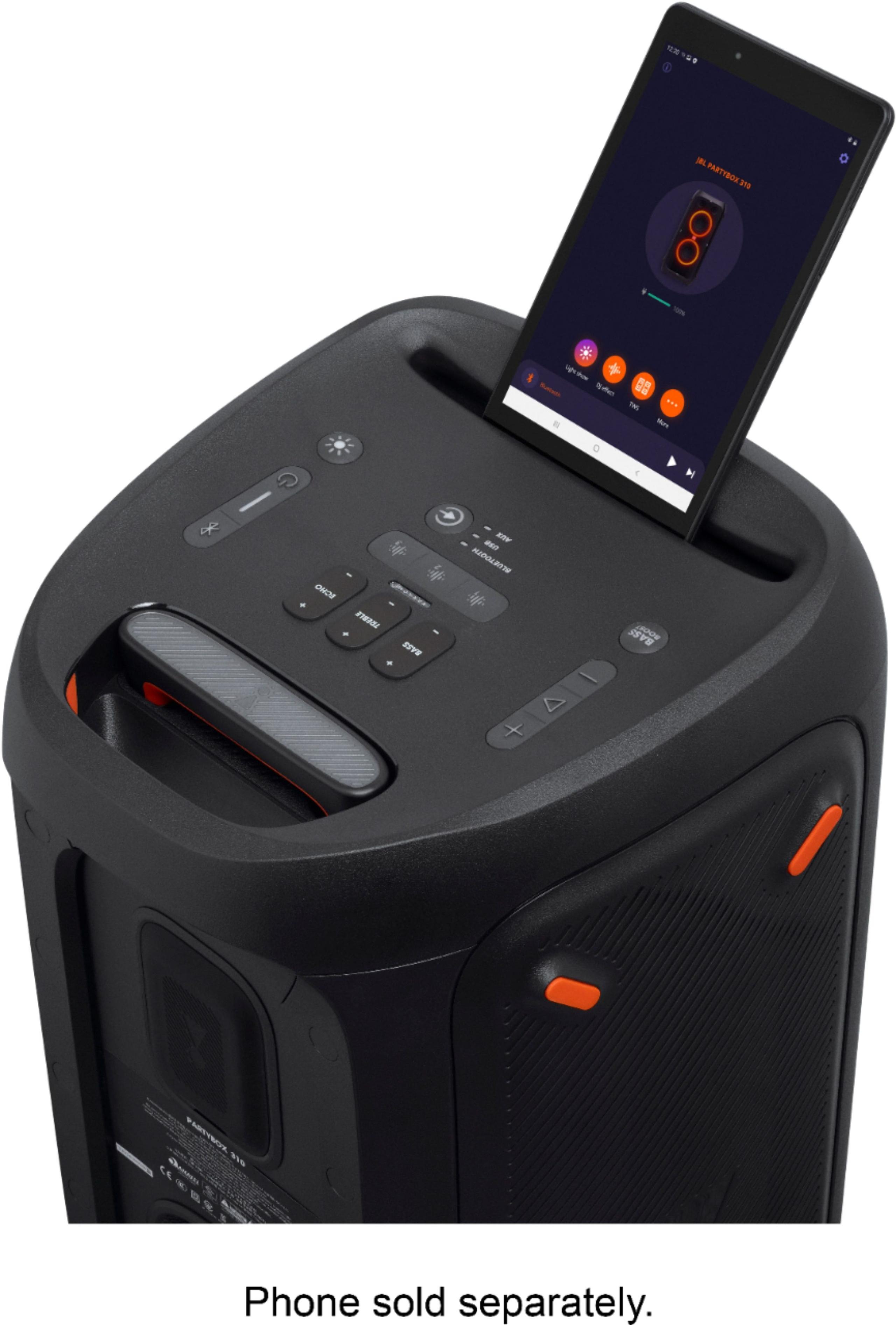
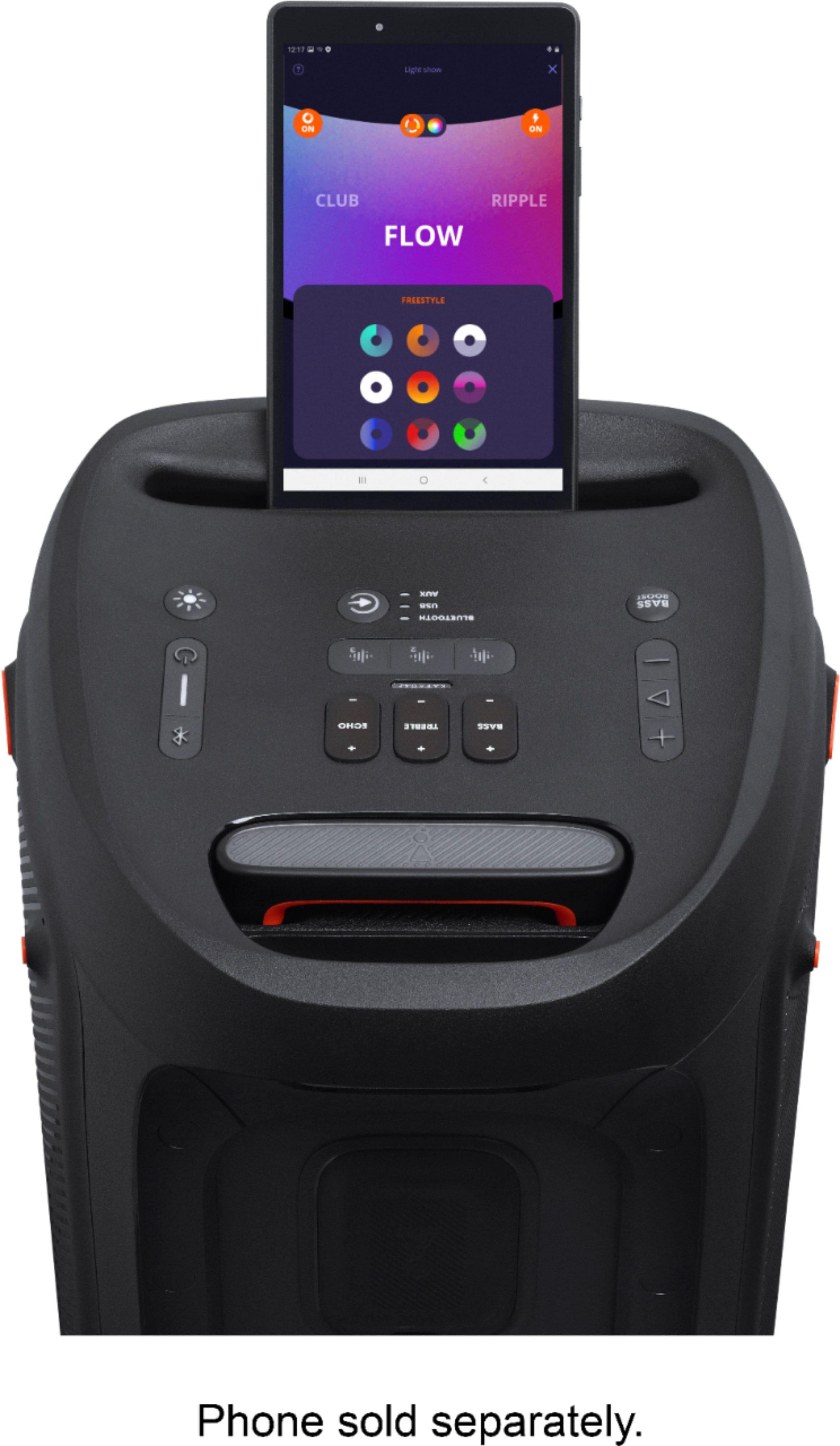
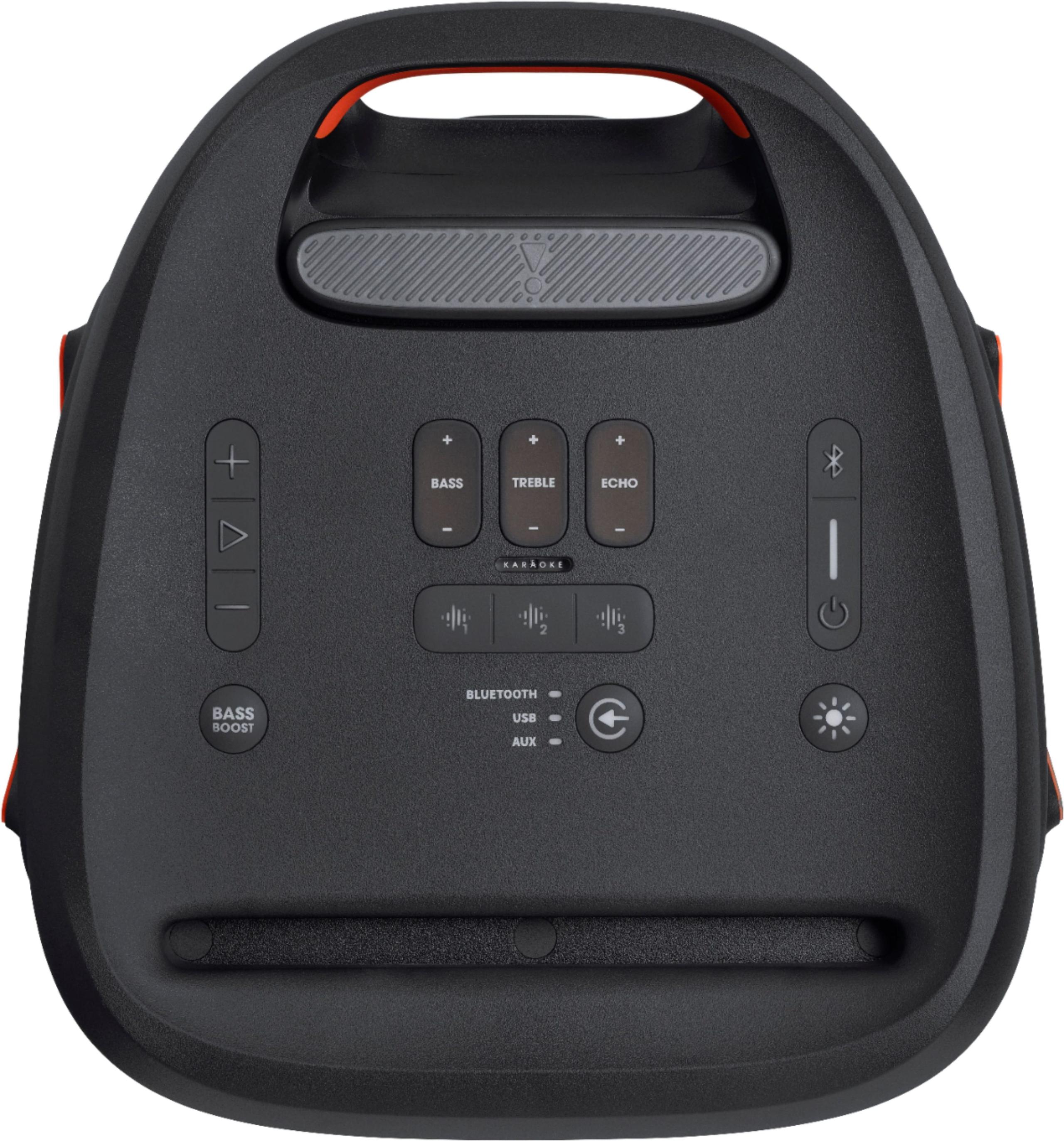
Here's where the speakers' different target audiences become most apparent. The JBL PartyBox 310 embraces its role as an entertainment center with RGB lighting effects that sync to the music, built-in sound effects, and dual microphone inputs for karaoke sessions. The lighting system offers five different modes and genuinely adds to the party atmosphere, especially in darker environments.
The Soundboks Go focuses on professional-grade features that enhance its core audio mission. Its TeamUP wireless linking system uses SKAA technology to connect up to five speakers with ultra-low latency—meaning no audio delay that would create echo effects. This capability transforms the speaker from a single unit into a distributed sound system for large venues or outdoor events.
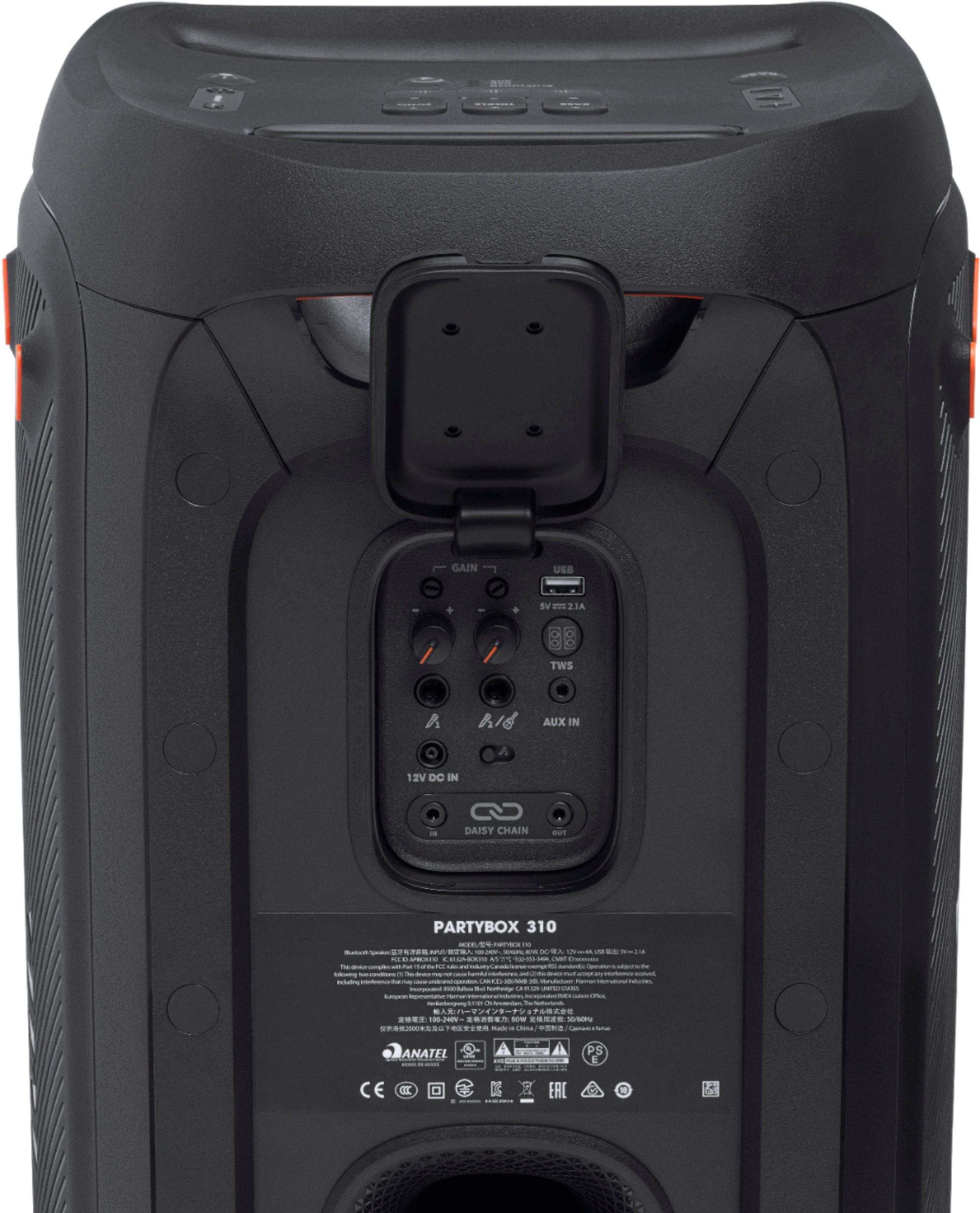
Both speakers offer comprehensive connectivity, but with different emphases. The JBL PartyBox 310 includes dual microphone inputs, making it genuinely useful for presentations, karaoke, or live performance. It also features an audio output jack that can chain to additional speakers or recording equipment.
The Soundboks Go focuses more on audio quality and system integration. Its 3.5mm aux input is designed for DJ use with minimal latency, and the speaker can function as a powerbank to charge other devices through its USB-C port. The included app provides security features like remote power-off and theft protection—features that make sense for expensive equipment used in public spaces.
Understanding how these speakers perform in actual use cases helps clarify which fits different needs. For outdoor gatherings, the volume difference between the speakers becomes most apparent. The Soundboks Go can effectively cover areas that would require multiple JBL PartyBox 310 units, making it more cost-effective for large events despite its higher upfront price.
In backyard party scenarios, the JBL PartyBox 310 often provides a better overall experience. Its lighting effects create ambiance, the karaoke features encourage participation, and the more balanced sound signature works better for mixed music and conversation. The speaker's lower profile also fits better in residential settings where extreme volume might upset neighbors.
For home theater use, neither speaker is ideal as a primary solution, but both can serve as powerful bluetooth speakers for casual movie watching. The JBL PartyBox 310 actually works better here due to its clearer vocal reproduction and less fatiguing sound signature during extended listening sessions.
Professional and semi-professional users gravitate toward the Soundboks Go for its reliability, linking capabilities, and pure output. DJs appreciate the low-latency aux input for monitoring, while event planners value the weather resistance and swappable batteries for outdoor installations.
The decision between these speakers ultimately comes down to matching their strengths to your specific requirements and priorities. Choose the Soundboks Go if maximum volume is non-negotiable, if you frequently use speakers in challenging outdoor environments, or if you value the flexibility of swappable batteries for extended events. Its premium pricing reflects genuine innovations in battery technology and build quality that justify the investment for heavy users.
The JBL PartyBox 310 represents better value for most users who want serious party speaker performance without paying for extreme capabilities they won't use. Its combination of good sound quality, party features, and reasonable pricing makes it accessible to casual users who still want impressive performance.
Consider your typical use cases honestly. If you're hosting backyard barbecues and indoor parties, the JBL PartyBox 310 likely provides everything you need with money left over for other party supplies. If you're powering outdoor festivals, beach parties, or professional events where failure isn't an option, the Soundboks Go justifies its premium through superior performance and reliability.
Both speakers represent the current state of the art in portable party audio, just optimized for different priorities. The technology in both continues evolving, with firmware updates adding new features and improving performance over time. Whichever you choose, you're getting a speaker that can genuinely transform your events and deliver the kind of audio experience that was impossible in portable form just a few years ago.
| Soundboks Go Portable Bluetooth Speaker | JBL PartyBox 310 Portable Speaker |
|---|---|
| Maximum Volume (SPL) - Critical for large outdoor events and party coverage | |
| 121 dB (rivals professional PA systems) | 110+ dB (excellent for most gatherings) |
| Power Output - Determines how loud and clear sound remains at high volumes | |
| 144W RMS (highly efficient Class D amplifier) | 240W AC / 140W battery (dual driver configuration) |
| Frequency Response - Shows bass depth and treble extension | |
| 40 Hz - 20 kHz (deeper bass extension) | 45 Hz - 20 kHz (balanced across range) |
| Driver Configuration - Affects sound quality and stereo imaging | |
| 1× 10" woofer + 1× 1" tweeter (mono, powerful bass) | 2× 6.5" woofers + 2× 2.5" tweeters (stereo sound) |
| Battery Life - Essential for all-day events without power access | |
| 40 hours mid-volume / 10 hours max (swappable LiFePO4) | 18 hours typical use (fixed lithium-ion) |
| Battery System - Impacts long-term usability and event flexibility | |
| Swappable 99.84Wh (unlimited runtime with spares) | Built-in 72Wh (3.5 hour recharge time) |
| Weight and Portability - Affects ease of transport to events | |
| 20.3 lbs with carry handle and strap points | 38.4 lbs with wheels and telescoping handle |
| Weather Resistance - Important for outdoor and poolside use | |
| IP65 (dustproof, water jet resistant) | IPX4 (splashproof only) |
| Operating Temperature - Shows durability in extreme conditions | |
| -14°F to 104°F (-10°C to 40°C) | Standard consumer electronics range |
| Connectivity Options - Determines versatility for different audio sources | |
| Bluetooth 5.0, 3.5mm aux, USB-C charging port | Bluetooth 5.1, 3.5mm aux in/out, USB-A, dual 1/4" mic inputs |
| Multi-Speaker Linking - Enables stereo setups and expanded coverage | |
| TeamUP (up to 5 speakers, ultra-low latency SKAA) | TWS pairing (2 speakers only) |
| Special Features - Extra functionality beyond basic audio playback | |
| Custom EQ, security features, powerbank function | RGB lighting (5 modes), karaoke mode, sound effects |
| Microphone Support - Important for presentations and karaoke | |
| None (focused on audio playback) | Dual 1/4" inputs with independent volume controls |
| App Features - Controls available beyond physical buttons | |
| Advanced: Custom EQ, stereo pairing, security, firmware updates | Party-focused: Lighting control, basic EQ, karaoke settings |
| Warranty Coverage - Protection for your investment | |
| 2-3 years (extended with registration) | 1 year standard |
The Soundboks Go is significantly louder, reaching 121 dB maximum volume compared to the JBL PartyBox 310's 110+ dB output. This 10+ dB difference means the Soundboks delivers roughly twice the perceived loudness and can fill much larger outdoor spaces effectively.
The Soundboks Go offers superior battery performance with 40 hours at mid-volume and features a swappable battery system for unlimited runtime. The JBL PartyBox 310 provides 18 hours of typical use but has a fixed battery that requires 3.5 hours to recharge when depleted.
The Soundboks Go is built for extreme outdoor use with IP65 weather resistance (dustproof and water jet resistant) and operates in temperatures from -14°F to 104°F. The JBL PartyBox 310 has basic IPX4 splashproof rating, making it suitable for poolside use but not harsh weather conditions.
Yes, they have distinct sound signatures. The Soundboks Go uses a V-shaped frequency response with emphasized bass and treble but recessed mids, creating punchy party sound. The JBL PartyBox 310 offers more balanced sound with clearer vocals and better overall music reproduction for casual listening.
The JBL PartyBox 310 is easier to transport despite being heavier (38.4 lbs) because it includes wheels and a telescoping handle. The Soundboks Go weighs only 20.3 lbs but requires carrying, though it's better for rough terrain and stairs where wheels won't help.
Both speakers support multi-speaker setups but differently. The Soundboks Go uses TeamUP technology to link up to 5 speakers with ultra-low latency, ideal for large venues. The JBL PartyBox 310 supports TWS pairing with one additional speaker for stereo sound.
The JBL PartyBox 310 is designed for entertainment with dual microphone inputs, built-in karaoke mode, RGB lighting effects with 5 modes, and sound effects. The Soundboks Go focuses purely on audio performance without microphone inputs or lighting features.
The Soundboks Go commands premium pricing for its extreme durability and performance capabilities. The JBL PartyBox 310 offers better value for most users, providing solid party speaker performance with entertainment features at a more accessible price point.
The Soundboks Go is better suited for professional use with its low-latency aux input, speaker linking capabilities, extreme volume output, and rugged construction. The JBL PartyBox 310 is more focused on consumer entertainment rather than professional audio applications.
Both offer Bluetooth and aux inputs, but with different focuses. The JBL PartyBox 310 includes dual microphone inputs, audio output jack, and USB-A playback. The Soundboks Go features a USB-C port for device charging and emphasizes low-latency audio connections for professional use.
The JBL PartyBox 310 is better for home use with its balanced sound quality, RGB lighting for ambiance, karaoke features, and wheeled design for easy indoor movement. The Soundboks Go may be too powerful and bass-heavy for typical indoor spaces and lacks entertainment features.
Choose the Soundboks Go if you need maximum volume, extreme durability, swappable batteries, or plan to use it professionally. Choose the JBL PartyBox 310 if you want better overall value, entertainment features like lighting and karaoke, easier transport with wheels, or primarily use it for home and casual parties.
We've done our best to create useful and informative comparisons to help you decide what product to buy. Our research uses advanced automated methods to create this comparison and perfection is not possible - please contact us for corrections or questions. These are the sites we've researched in the creation of this article: bestbuy.com - beachaudio.com - youtube.com - crutchfield.com - digitaldjtips.com - comparisontabl.es - eftm.com - sweetwater.com - bestbuy.com - compsource.com - sweetwater.com - store.djtechtools.com - youtube.com - scheels.com - soundboks.com - connection.com - scheels.com - skaastore.com - thomannmusic.com - soundboks.eu - gearjunkie.com - rtings.com - comparisontabl.es - crutchfield.com - youtube.com - bestbuy.com - rtings.com - youtube.com - versus.com - youtube.com - youtube.com - jbl.com - youtube.com - crutchfield.com - manuals.plus - in.jbl.com - jbl.com.tw - mm.jbl.com - bestbuy.com - jbl.com - onward.ph - youtube.com - manuals.plus - harmanaudio.com - support.jbl.com - youtube.com - kh.jbl.com - bestbuy.com

Privacy Policy
Terms and Conditions - Affiliate Policy
Home Security
© Copyright 2008-2026.
11816 Inwood Rd #1211, Dallas, TX 75244