

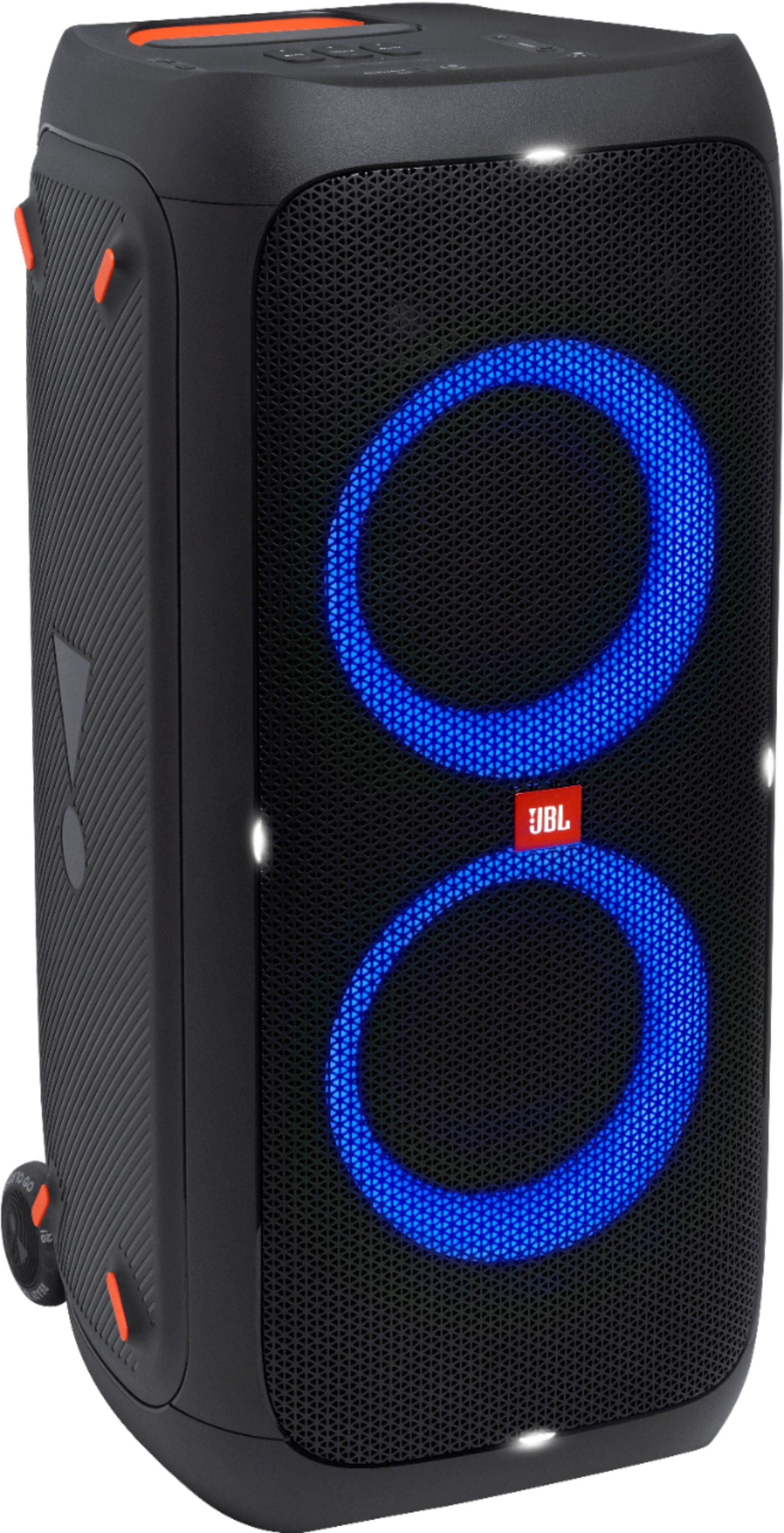
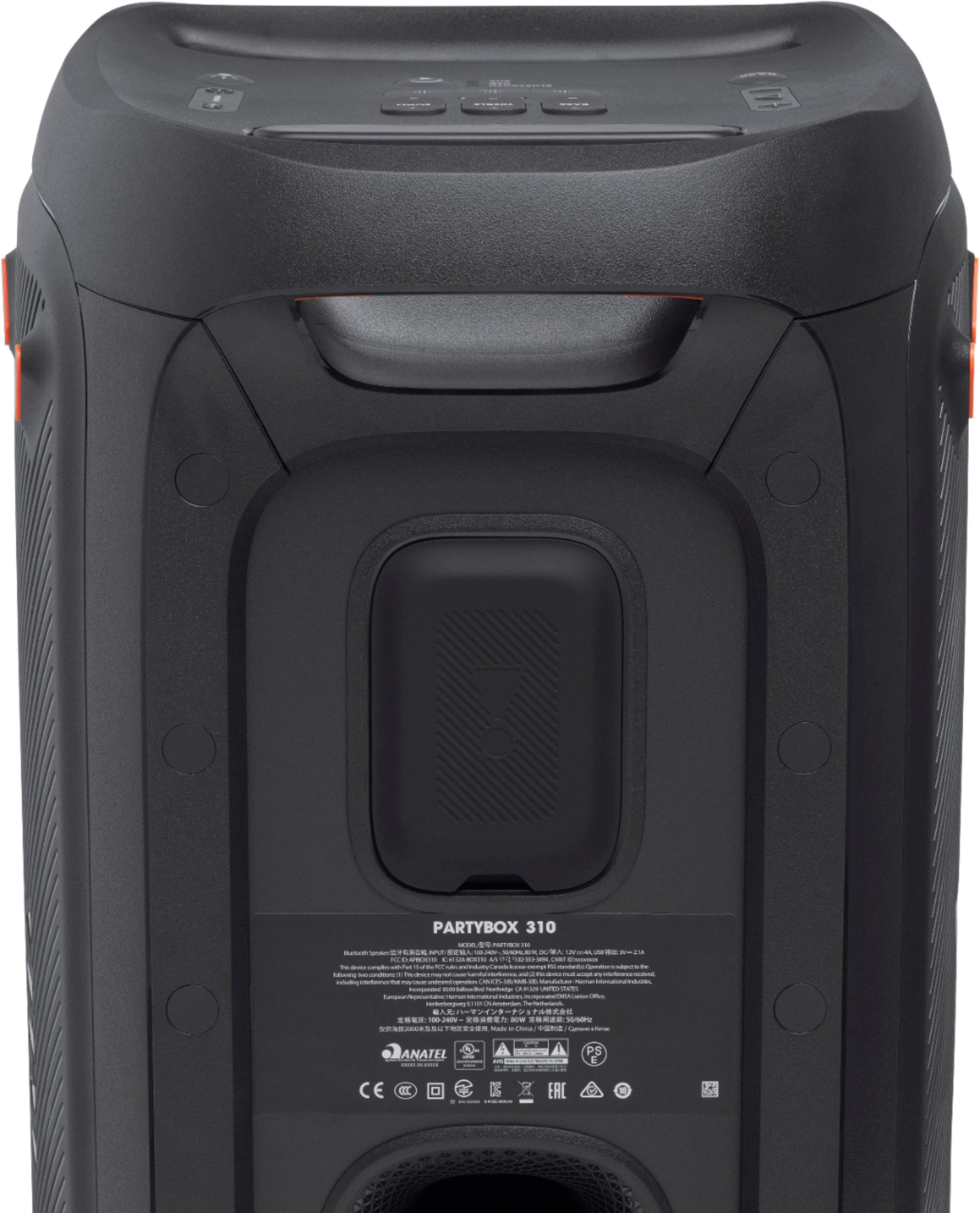
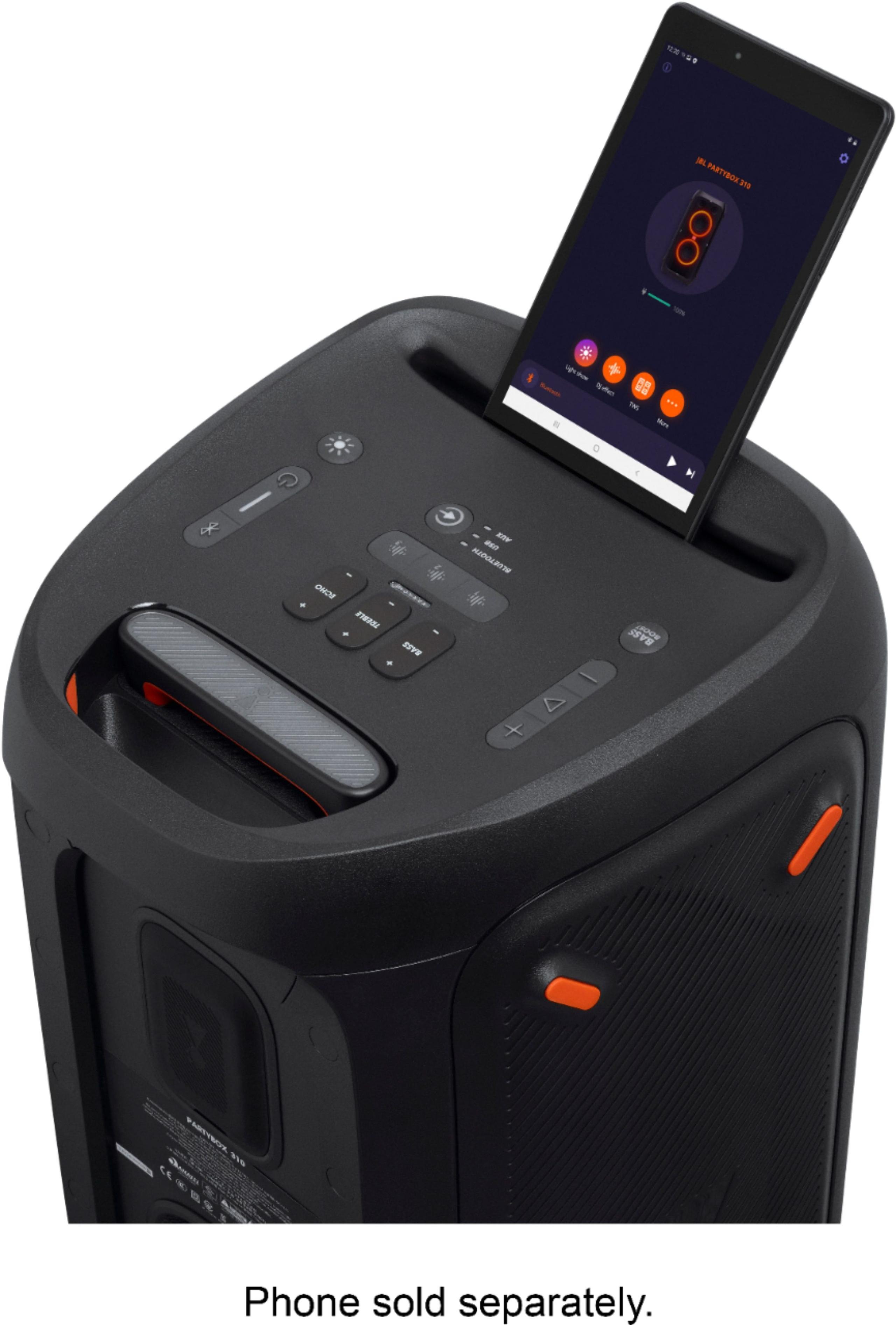
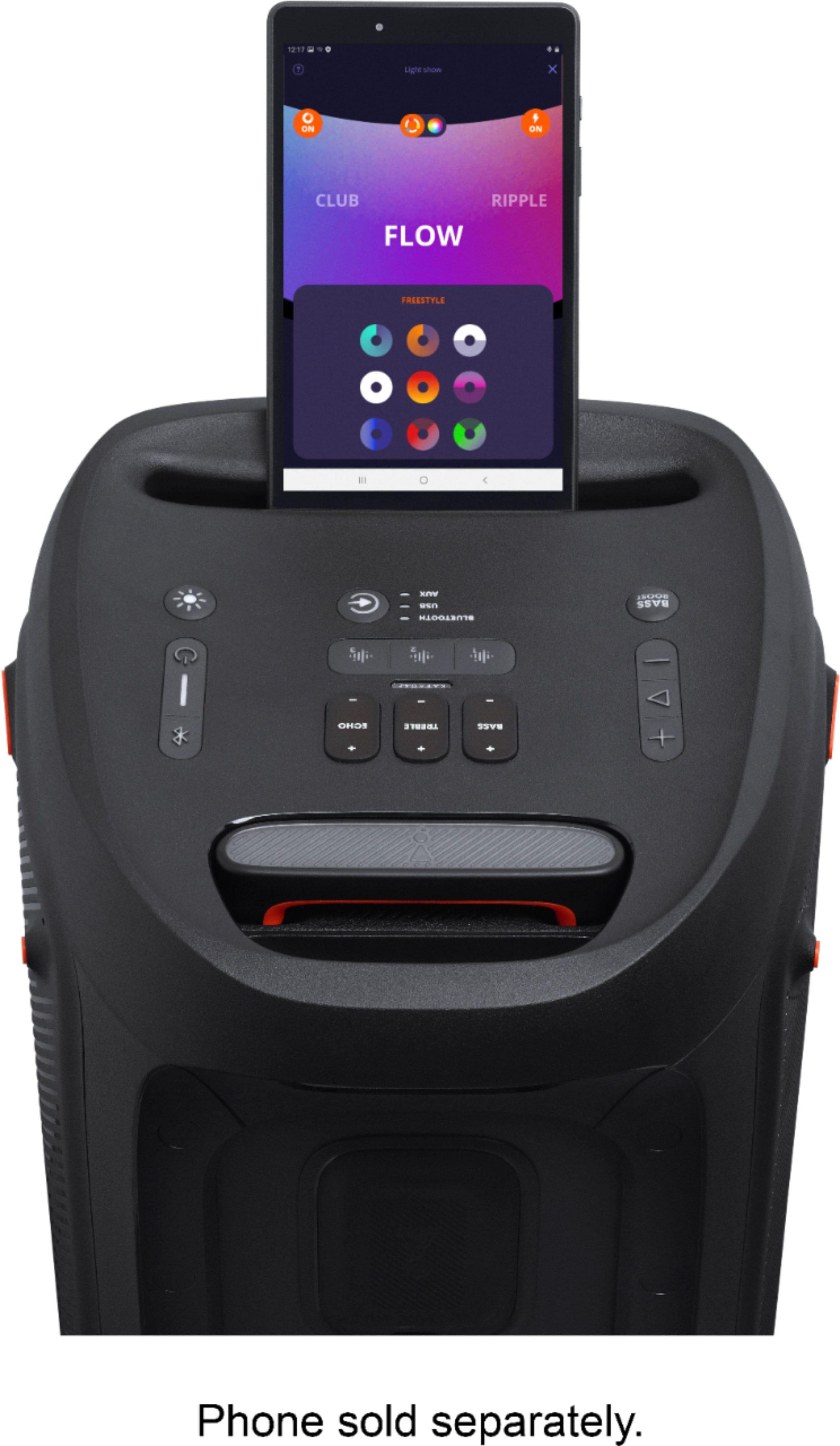
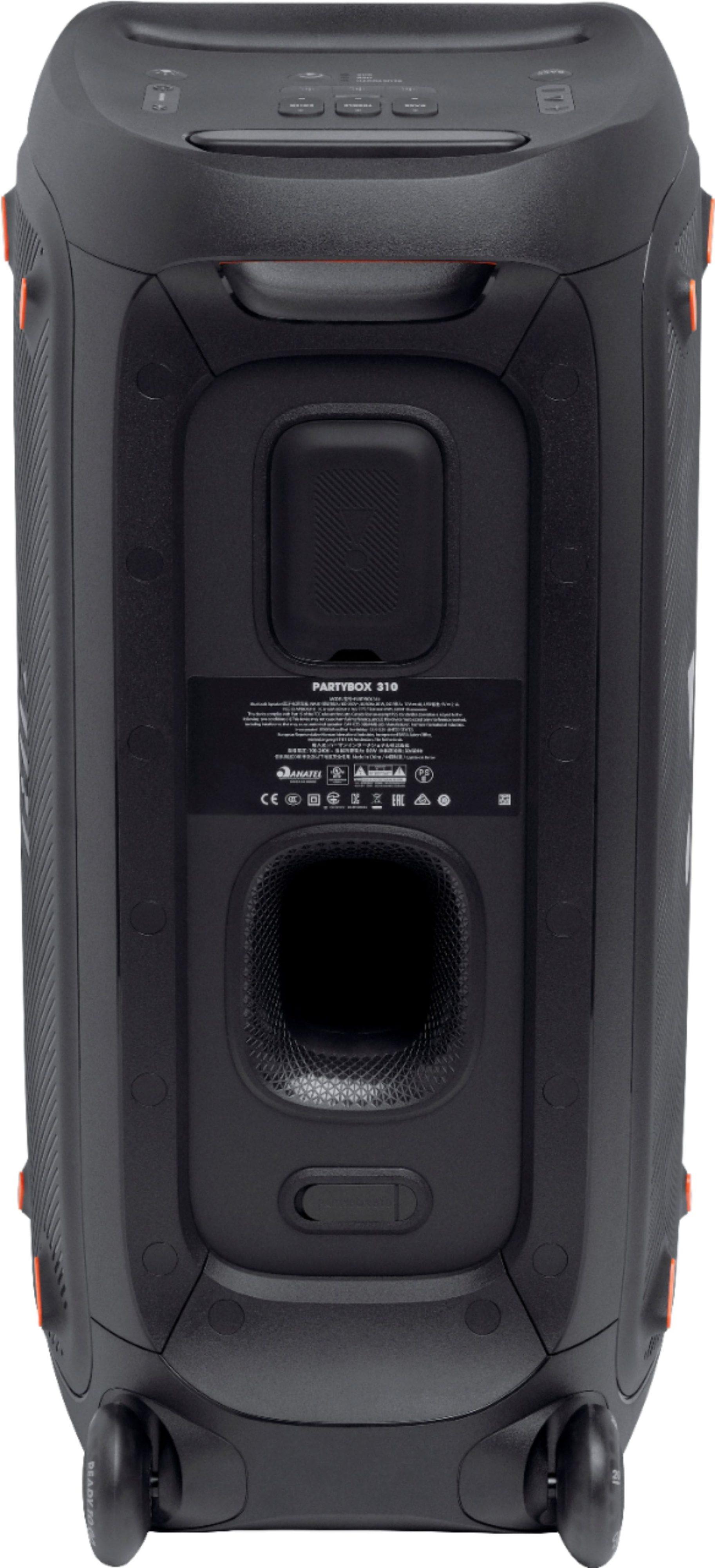
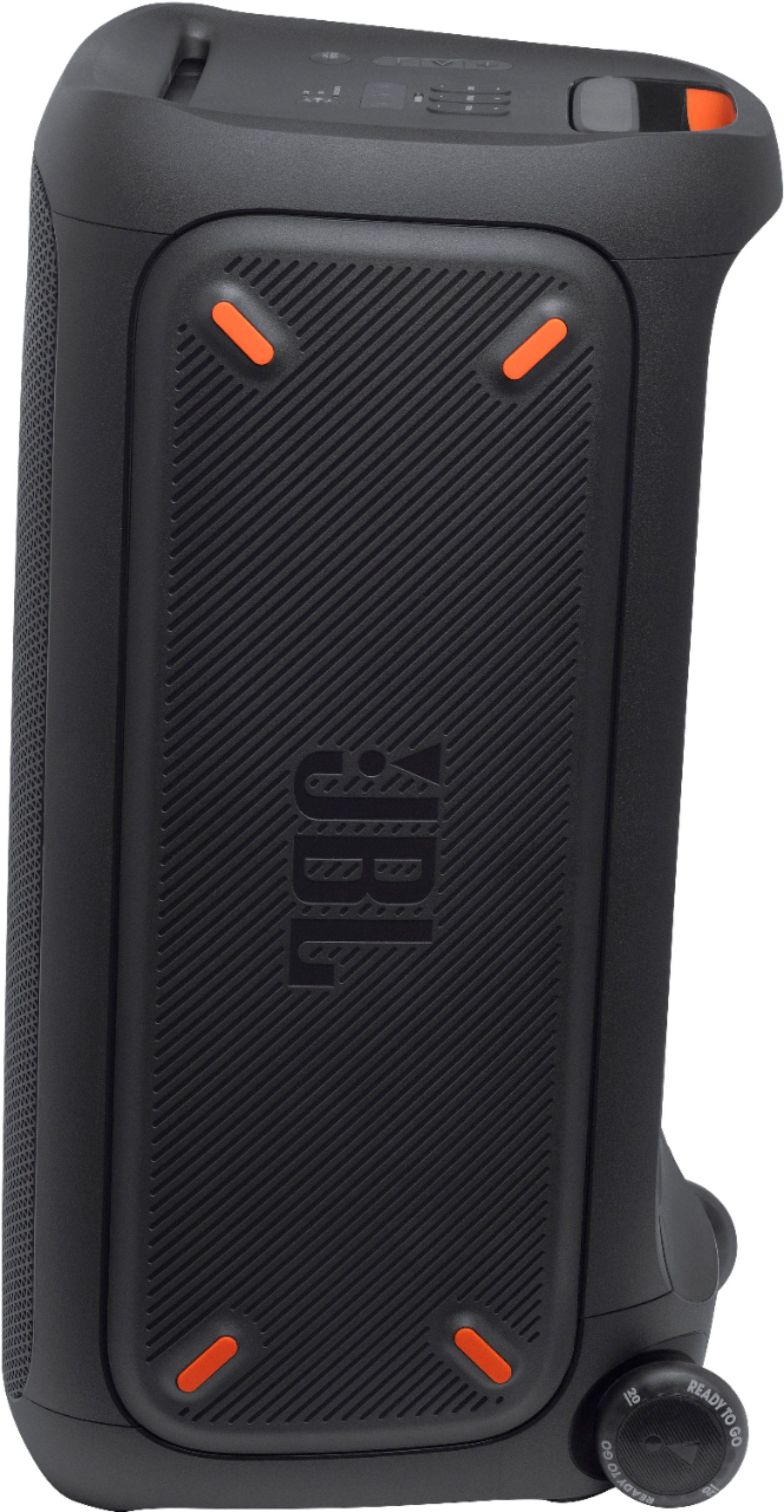
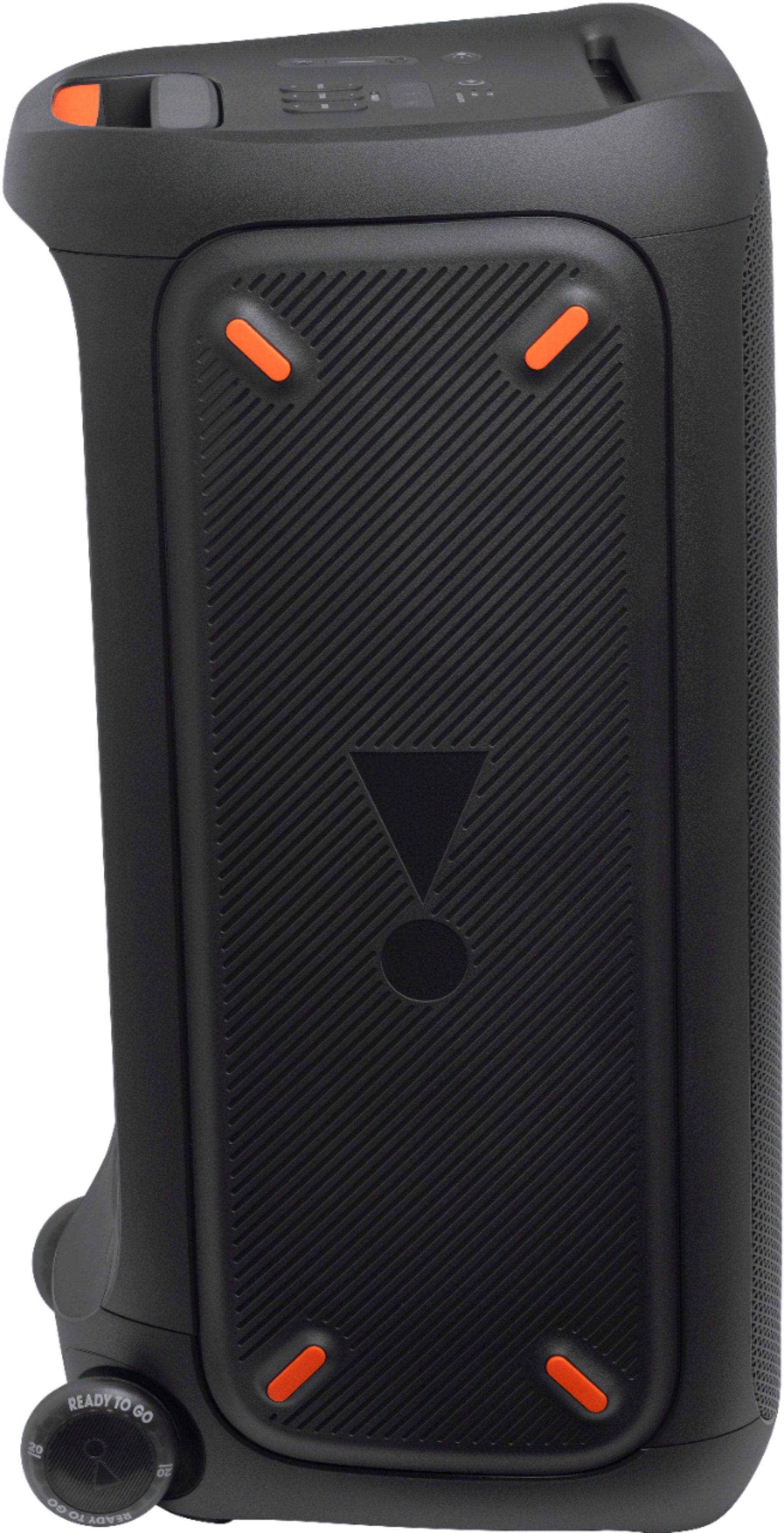
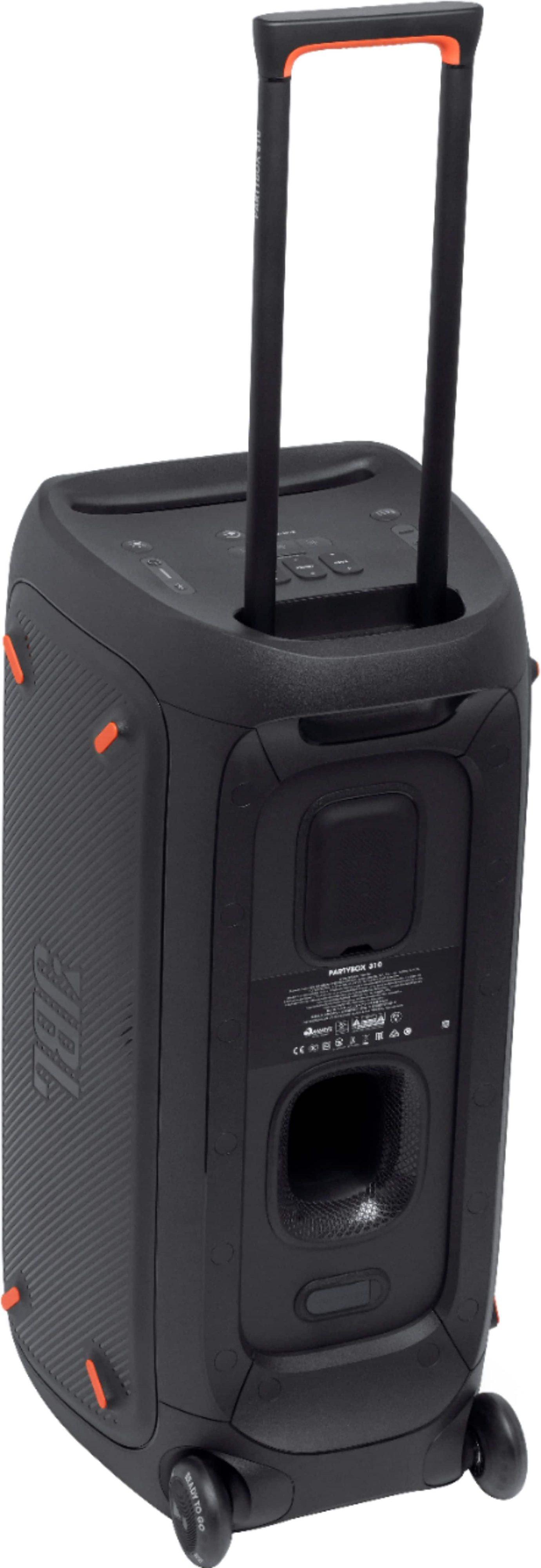
If you're shopping for a party speaker that can fill a room with sound, pump out deep bass, and keep everyone entertained, you've probably stumbled across two very different approaches to the same goal. The Philips TAX5206 and JBL PartyBox 310 both promise to transform your gatherings, but they take distinctly different paths to get there—and they're priced accordingly.
At the time of writing, the Philips TAX5206 costs roughly half what you'll pay for the JBL PartyBox 310. That significant price gap immediately raises questions: Is the JBL worth spending twice as much? Does the Philips punch above its weight class? The answer depends heavily on what you prioritize in a party speaker and how seriously you take your entertainment setup.
Before diving into specifics, it's worth understanding what separates party speakers from regular Bluetooth speakers or home audio systems. These aren't designed for critical listening or audiophile-grade reproduction. Instead, they prioritize getting loud, staying fun, and surviving the chaos of social gatherings.
The key metrics that matter most in this category include maximum volume output (measured in watts RMS, which tells you sustained power rather than peak bursts), bass response (how low the speaker can go in Hz), battery life for outdoor use, and what I call "party features"—things like karaoke inputs, light shows, and app connectivity that keep people engaged beyond just playing music.
Weather resistance has become increasingly important too, especially with an IPX4 rating that means the speaker can handle splashes and light rain. Many party speakers now include True Wireless Stereo (TWS) capability, letting you pair two identical speakers for wider sound coverage or genuine stereo separation.
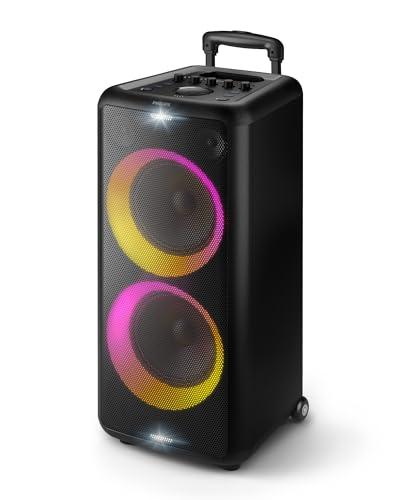
The Philips TAX5206, released in 2022, represents what I'd call the "karaoke-first" approach to party speakers. Every design decision seems centered around making vocal performances as engaging as possible, from dedicated voice changer effects to independent echo controls. It's the speaker equivalent of a home karaoke machine that happens to also play your Spotify playlists.
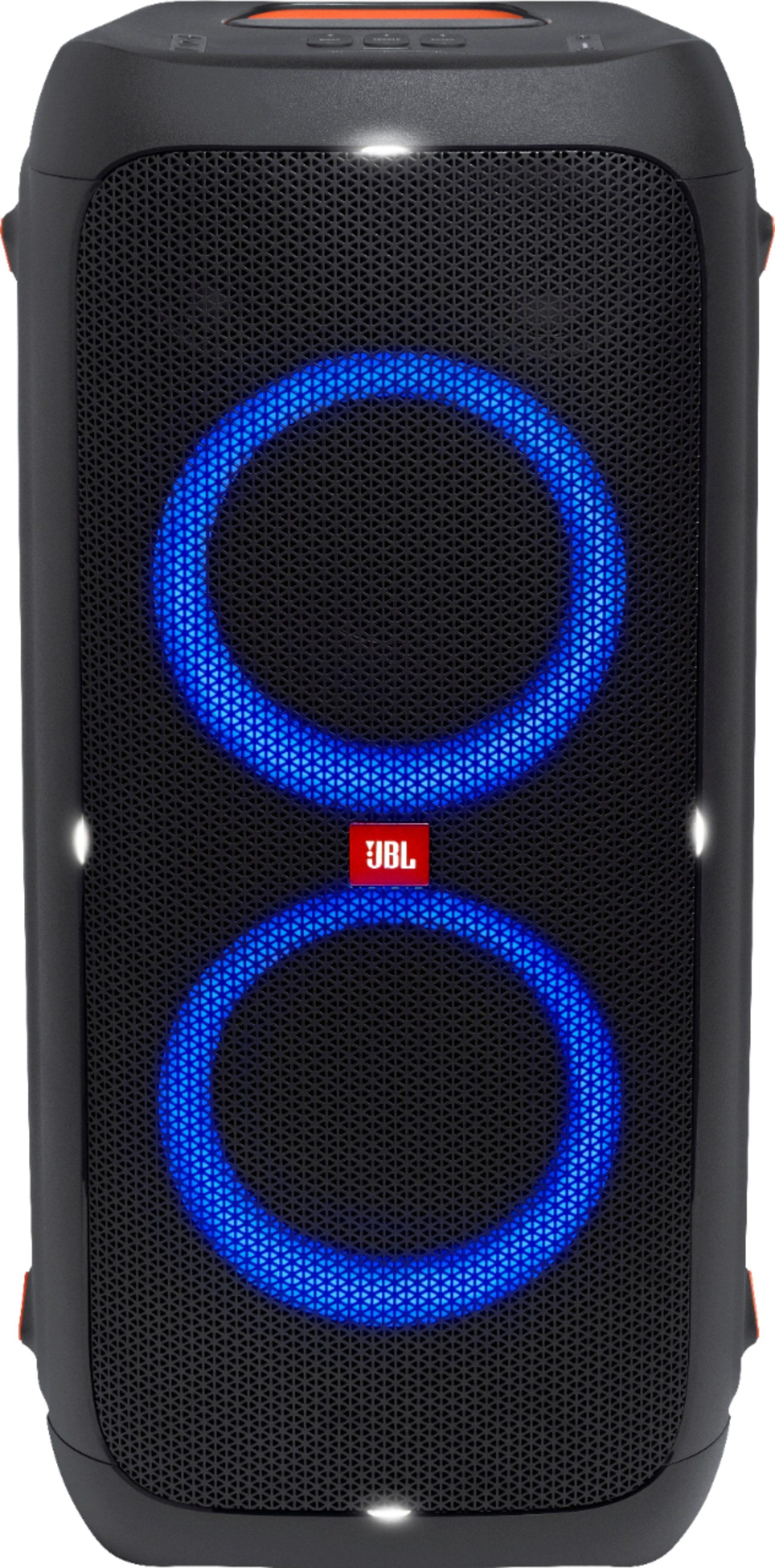
The JBL PartyBox 310, which launched in 2020, takes a more "audio-first" approach. JBL leveraged their professional audio expertise to create something that sounds legitimately good at party volumes while still including the interactive features people expect. It's essentially a portable PA system disguised as a consumer party speaker.
This philosophical difference shows up everywhere, from the driver configuration to the control interfaces. The Philips uses analog knobs and focuses on real-time vocal manipulation, while the JBL emphasizes digital sound processing and smartphone app integration.
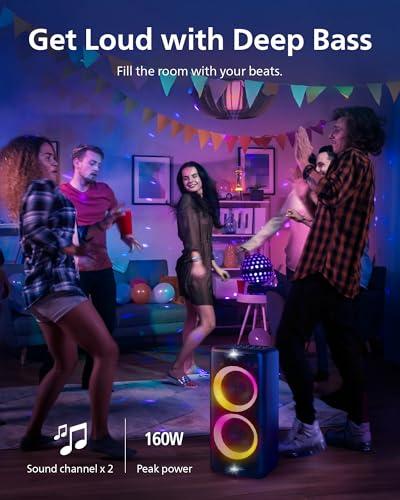
The most significant performance gap between these speakers lies in audio quality, and it's not subtle. The JBL PartyBox 310 delivers 240 watts RMS when plugged into AC power (dropping to 140W on battery), while the Philips TAX5206 maxes out at 80W RMS with a 160W peak rating. But raw wattage only tells part of the story.
The JBL's driver configuration includes two 6.5-inch woofers and two 2.5-inch tweeters in what's called a 2-way design. This means the woofers handle bass and midrange frequencies while the tweeters focus on high frequencies, creating cleaner separation across the audio spectrum. The rear-firing port (a tuned opening that extends bass response) helps the JBL reach down to 45Hz—deep enough to feel kick drums and bass lines in your chest.
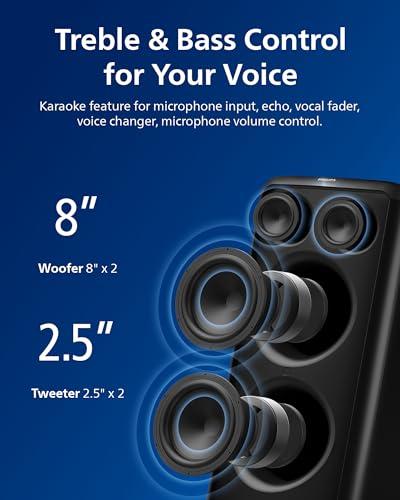
The Philips TAX5206 uses a similar 2-way setup with two 8-inch woofers and two 2.5-inch tweeters, but the larger woofers don't necessarily translate to better bass. Based on user feedback we've analyzed, the Philips struggles with what reviewers consistently describe as "mediocre" bass performance, even with bass settings maximized. The frequency response starts higher at around 40Hz, and the overall tuning seems optimized more for vocal clarity than deep bass reproduction.
Where the JBL really shines is volume headroom—the ability to play loudly without distortion. Professional reviews consistently note that the JBL PartyBox 310 maintains audio clarity even at maximum volume, while the Philips TAX5206 shows compression artifacts and strain when pushed hard. This matters significantly for actual party use, where you're competing with conversation and ambient noise.
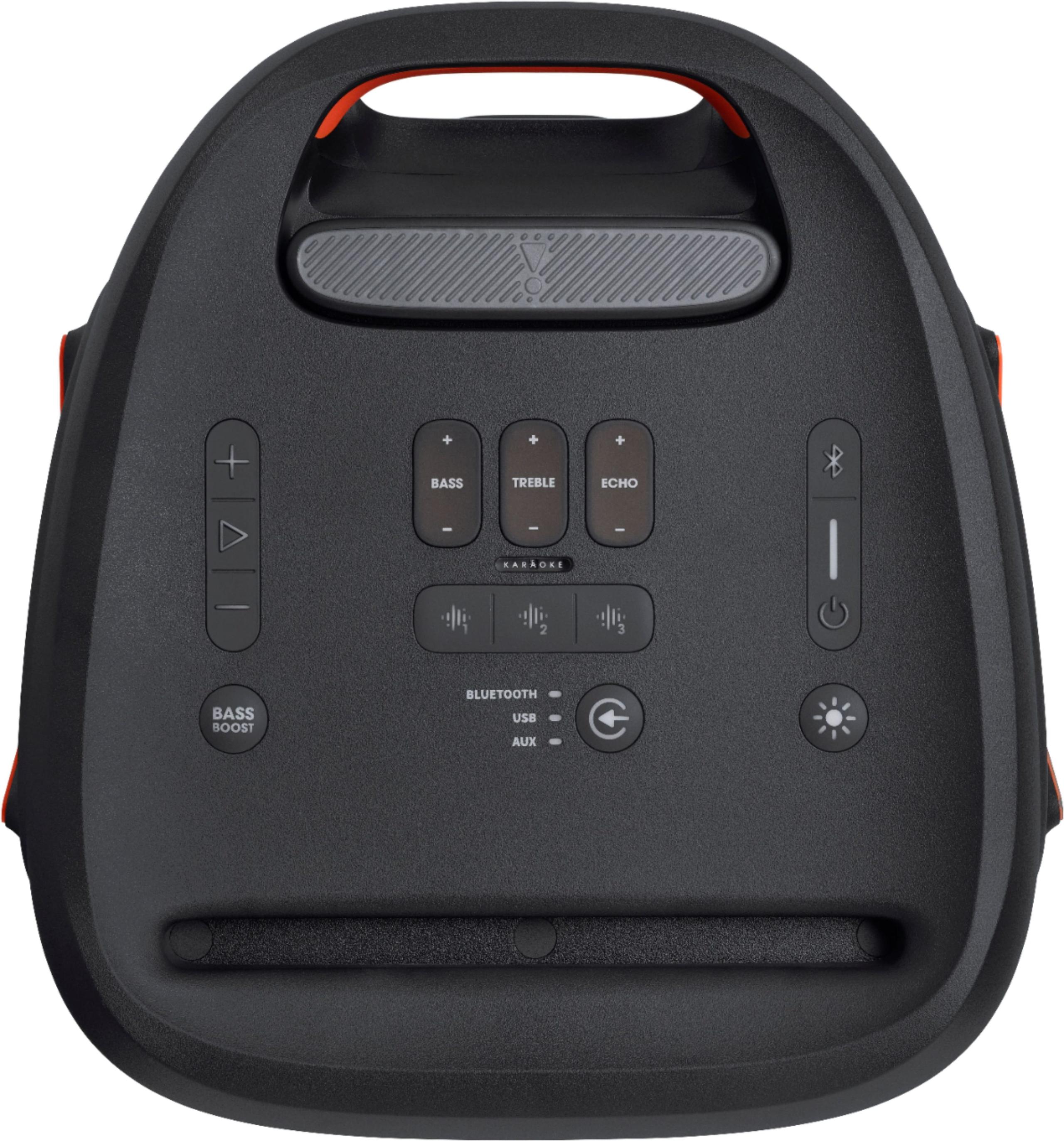
The JBL also includes a graphic EQ (equalizer) accessible through its smartphone app, allowing precise frequency adjustments. This level of customization simply isn't available on the Philips, which relies on basic bass and treble knobs.
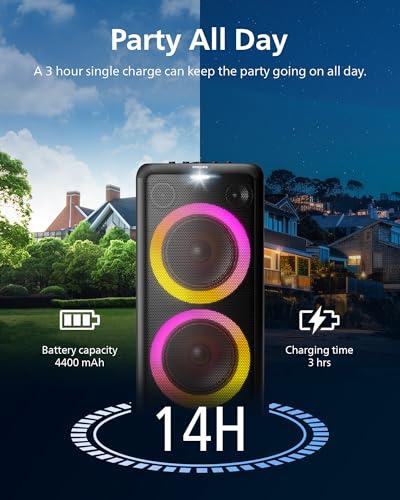
Both speakers offer impressive battery endurance, but with different trade-offs. The JBL PartyBox 310 promises up to 18 hours of playback from its lithium-ion battery, while the Philips TAX5206 claims 14 hours from its 4400mAh, 7.4V pack.
However, real-world performance varies significantly based on usage. The JBL maintains relatively consistent output whether plugged in or running on battery, though it does step down from 240W to 140W RMS on battery power. The Philips shows a more dramatic performance gap between AC and battery operation, with users noting noticeably weaker bass and overall output when unplugged.
Both speakers include power bank functionality, letting you charge phones or tablets through USB ports. This feature has become standard in the category, but it's worth noting that using your speaker as a charger will reduce music playback time accordingly.
Here's where the Philips TAX5206 justifies its design philosophy. The karaoke implementation goes well beyond basic microphone inputs, including voice changer effects that can alter pitch and tone in real-time. The vocal fader lets you reduce or eliminate existing vocals from songs, effectively creating karaoke tracks from regular music. Echo control adds reverb and delay effects that make amateur singers sound more polished.
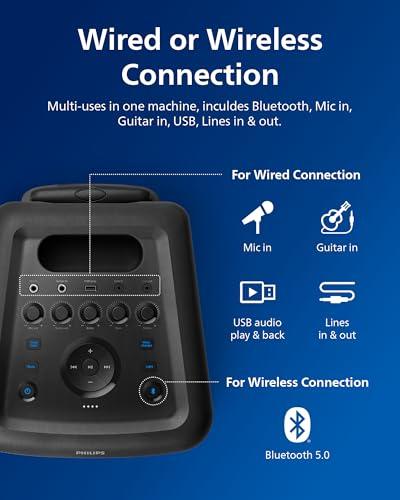
These features work through dedicated 6.3mm inputs (the professional standard for microphones) with independent volume controls. You can simultaneously connect a microphone and guitar, with separate processing chains for each input. The voice changer alone includes multiple preset modes that can transform voices in entertaining ways during party games or performances.
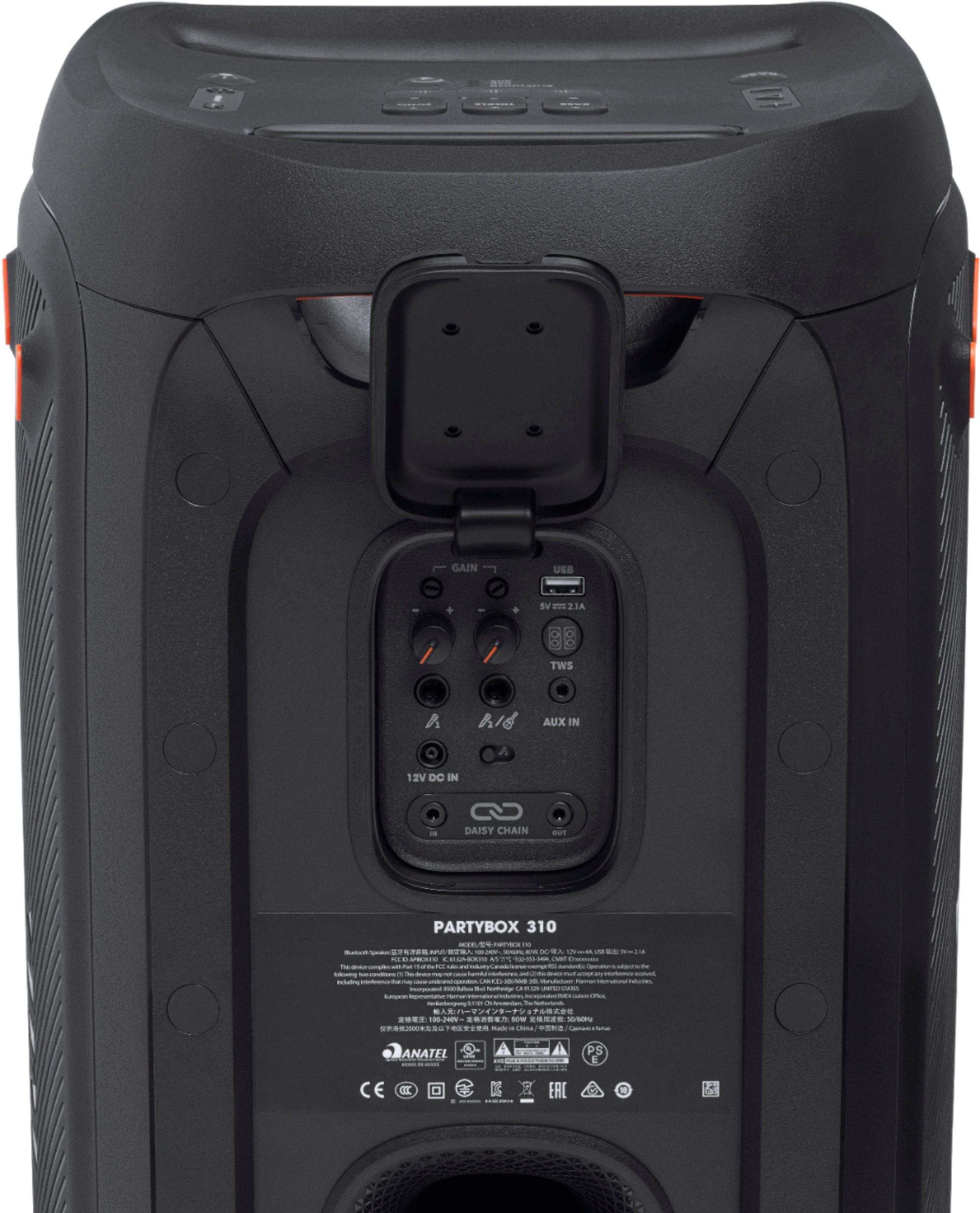
The JBL PartyBox 310 includes dual 1/4-inch inputs for microphones and guitars, but without the specialized vocal effects. What it lacks in karaoke creativity, it makes up for in audio quality—the mic inputs sound cleaner and more professional, making it better suited for serious acoustic performances or small venue use.
If karaoke is your primary use case, the Philips offers more entertainment value. If you occasionally use microphones but prioritize overall audio quality, the JBL makes more sense.
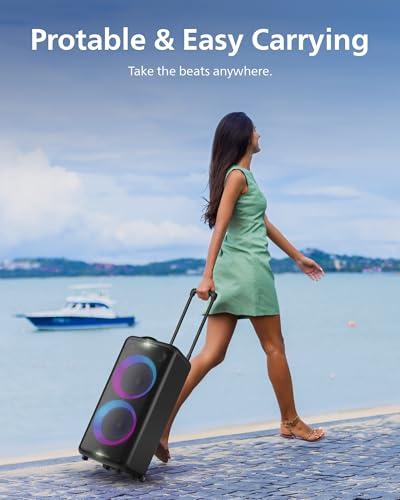
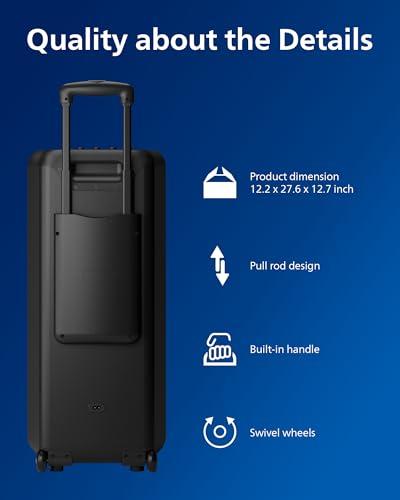
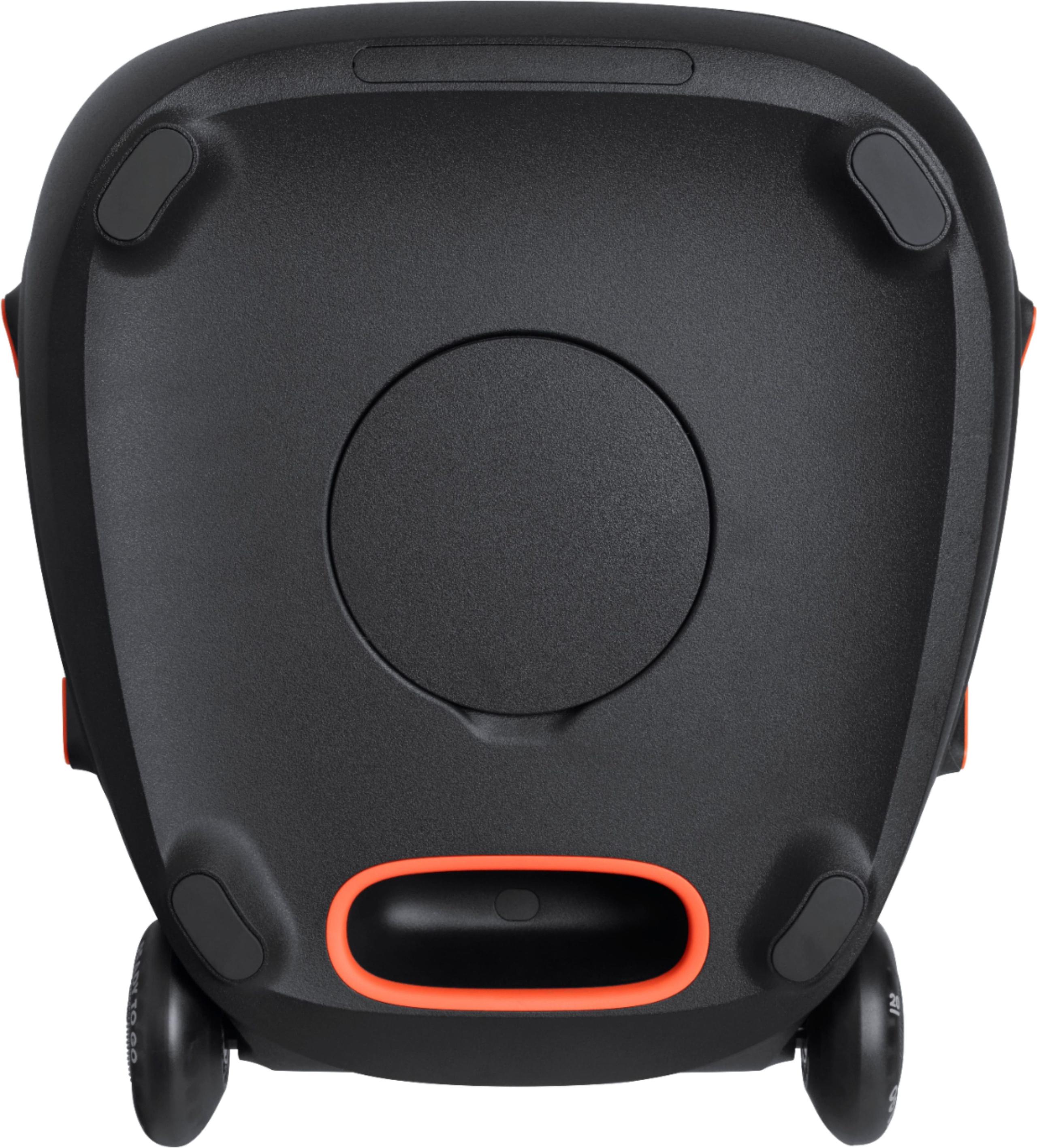
Both speakers acknowledge that party speakers need to move around, incorporating trolley-style designs with wheels and telescoping handles. However, the execution differs significantly.
The JBL PartyBox 310 weighs about 38 pounds, making it substantial but manageable with its well-designed handle and smooth-rolling wheels. More importantly, it includes IPX4 water resistance, meaning it can handle poolside splashes, light rain, or the occasional spilled drink without damage. The build quality feels professional-grade, with robust construction designed to survive frequent transport.
The Philips TAX5206 comes in lighter at around 23 pounds, which initially seems like an advantage. However, the construction feels less robust, and there's no weather resistance rating. This limits its outdoor utility and makes it more vulnerable to typical party hazards.
For outdoor events, poolside gatherings, or any situation where moisture might be a factor, the JBL's IPX4 rating becomes a significant practical advantage.
Party speakers live or die on their ability to create atmosphere, and both models include LED light shows, though with different levels of sophistication.
The JBL PartyBox 310 features five customizable lighting modes accessible through its smartphone app, including synchronized strobe effects that pulse with the music's beat. The lights use an ambient light sensor to adjust intensity based on room brightness, and the overall implementation feels premium with smooth color transitions and tight music synchronization.
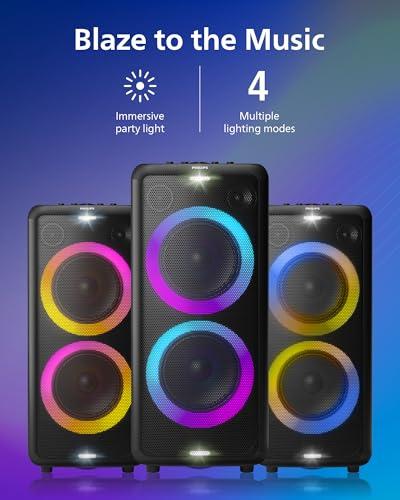
The Philips TAX5206 offers four lighting modes in a ring pattern around the speaker, with colors that pulse to the music. However, the customization is limited to cycling through preset modes without app control or fine-tuning options.
While lighting might seem like a secondary feature, it significantly impacts the party atmosphere. The JBL's more sophisticated implementation adds genuine visual interest, while the Philips' simpler approach provides basic ambiance without much customization.
Neither speaker is primarily designed for home theater use, but both can function as TV speakers in a pinch. The JBL PartyBox 310 includes a 3.5mm output jack that can feed a subwoofer or additional speakers, making it more flexible for home audio integration. Its superior sound quality also translates better to movie dialog and effects.
However, both speakers are quite large and visually dominant for most living rooms. The party-focused LED lights and bold styling might not blend well with home decor. For dedicated home theater use, you'd be better served by traditional soundbars or bookshelf speakers.
The JBL PartyBox 310 includes comprehensive app integration through the JBL PartyBox app, offering graphic EQ adjustment, lighting customization, and the ability to pair multiple JBL speakers for expanded coverage. This kind of ecosystem approach adds long-term value and flexibility.
The Philips TAX5206 lacks meaningful app integration, relying instead on physical controls. While this makes it simpler to operate, it also limits future functionality and customization options.
As smart home integration becomes more common, app-enabled speakers tend to receive feature updates and maintain relevance longer than purely hardware-based designs.
The JBL PartyBox 310 makes sense for users who prioritize audio quality and plan to use their speaker frequently. If you host regular outdoor gatherings, need weather resistance, or want the option to expand your setup with multiple speakers, the JBL justifies its premium pricing. It's also the better choice for anyone who occasionally uses their party speaker for more serious listening or small venue applications.
The Philips TAX5206 targets budget-conscious buyers who want party speaker functionality without premium pricing. It's particularly appealing for karaoke enthusiasts who value vocal effects over pure audio quality. If you primarily host smaller, indoor gatherings and want to test the party speaker category without major investment, the Philips offers solid value.
For most users, the decision comes down to budget versus performance expectations. The JBL costs roughly twice as much but delivers significantly better audio quality, build quality, and feature sophistication. The Philips provides adequate party functionality at a more accessible price point, with standout karaoke features that some users will find irresistible.
In my view, the JBL PartyBox 310 represents better long-term value despite its higher upfront cost. The superior build quality, weather resistance, and audio performance make it more likely to satisfy users as their expectations and usage patterns evolve. However, the Philips TAX5206 serves its target market well, offering genuine party speaker functionality at a price point that makes the category accessible to more buyers.
The choice ultimately depends on whether you're buying a party speaker as a lifestyle investment or testing the waters with a more affordable option. Both approaches have merit, but they serve distinctly different user priorities and budget realities.
| Philips TAX5206 | JBL PartyBox 310 |
|---|---|
| Power Output - Higher wattage means louder volume and better bass | |
| 80W RMS / 160W Max (adequate for medium gatherings) | 240W RMS AC / 140W RMS Battery (significantly louder, fills large spaces) |
| Battery Life - Critical for outdoor events and portability | |
| 14 hours (notable performance drop on battery vs AC) | 18 hours (consistent quality on battery power) |
| Weather Resistance - Essential for poolside and outdoor use | |
| No water resistance rating (indoor use only) | IPX4 splashproof (handles rain and poolside splashes) |
| Karaoke Features - Key differentiator for vocal entertainment | |
| Voice changer, vocal fader, echo control, dedicated effects | Basic mic/guitar inputs with volume control (no vocal effects) |
| Sound Customization - Affects long-term satisfaction with audio quality | |
| Manual bass/treble knobs only | Graphic EQ via smartphone app with multiple presets |
| Driver Configuration - Determines sound quality and frequency response | |
| 2x 8" woofers + 2x 2.5" tweeters (40Hz-20kHz) | 2x 6.5" woofers + 2x 2.5" tweeters with rear port (45Hz-20kHz) |
| Weight and Portability - Balance between power and ease of transport | |
| 23.2 lbs with trolley wheels (lighter but less robust) | 38.4 lbs with premium wheels and handle (heavier but professional build) |
| Lighting Effects - Visual entertainment value for parties | |
| 4 preset modes with ring lighting (basic customization) | 5 app-controlled modes with strobe effects (premium implementation) |
| Connectivity Options - Flexibility for different audio sources | |
| Bluetooth 5.0, USB, 3.5mm in/out, mic/guitar inputs | Bluetooth 5.1, USB, 3.5mm in/out, dual 1/4" pro inputs |
| Multi-Speaker Pairing - Expandability for larger venues | |
| No wireless pairing capability | True Wireless Stereo pairing with other JBL PartyBox speakers |
| Build Quality and Durability - Long-term investment consideration | |
| Basic construction for indoor use | Professional-grade build designed for frequent transport |
| App Integration - Modern features and future updates | |
| No smartphone app support | Comprehensive JBL PartyBox app for EQ, lights, and pairing |
The JBL PartyBox 310 is significantly louder, delivering 240W RMS compared to the Philips TAX5206's 80W RMS output. This means the JBL can fill larger spaces and maintain sound quality at higher volumes, making it better for big parties or outdoor events.
The JBL PartyBox 310 offers up to 18 hours of playback, while the Philips TAX5206 provides 14 hours. However, the Philips shows more noticeable performance degradation on battery power compared to when it's plugged in, whereas the JBL maintains more consistent quality.
The Philips TAX5206 excels in karaoke functionality with voice changer effects, vocal fader, and echo control. The JBL PartyBox 310 has professional microphone inputs but lacks specialized vocal effects, making the Philips the clear winner for karaoke enthusiasts.
Only the JBL PartyBox 310 is suitable for outdoor wet conditions with its IPX4 water resistance rating. The Philips TAX5206 has no weather protection and should be kept indoors or under cover to avoid damage from rain or splashes.
The JBL PartyBox 310 delivers superior sound quality with cleaner bass, better frequency response, and maintains clarity even at maximum volume. The Philips TAX5206 has adequate sound but reviewers consistently rate its bass performance as mediocre compared to the JBL.
The JBL PartyBox 310 includes comprehensive app integration for graphic EQ adjustment, lighting control, and speaker pairing. The Philips TAX5206 has no smartphone app support and relies entirely on physical controls on the speaker itself.
Both speakers feature trolley designs with wheels, but the Philips TAX5206 is lighter at 23 pounds versus the JBL PartyBox 310's 38 pounds. However, the JBL's professional-grade build quality and smooth-rolling wheels make it easier to transport despite the extra weight.
The JBL PartyBox 310 supports True Wireless Stereo pairing with other JBL PartyBox speakers for expanded coverage. The Philips TAX5206 doesn't offer wireless speaker pairing, limiting you to a single unit setup.
The JBL PartyBox 310 features more advanced lighting with five customizable modes, strobe effects, and smartphone app control. The Philips TAX5206 offers four basic lighting modes without app customization, making the JBL superior for visual party atmosphere.
Neither speaker is primarily designed for home theater, but the JBL PartyBox 310 is the better choice if needed, thanks to superior sound quality and a 3.5mm output for connecting additional speakers. Both are quite large and visually dominant for most living rooms.
The Philips TAX5206 offers better value for budget-conscious buyers, especially those prioritizing karaoke features. The JBL PartyBox 310 costs significantly more but justifies the premium with superior sound quality, weather resistance, and professional-grade features for serious users.
Both speakers offer Bluetooth, USB playback, and 3.5mm audio inputs. The Philips TAX5206 uses 6.3mm mic/guitar inputs, while the JBL PartyBox 310 features professional 1/4-inch inputs. The JBL also includes Bluetooth 5.1 versus the Philips' Bluetooth 5.0 for potentially better wireless performance.
We've done our best to create useful and informative comparisons to help you decide what product to buy. Our research uses advanced automated methods to create this comparison and perfection is not possible - please contact us for corrections or questions. These are the sites we've researched in the creation of this article: youtube.com - documents.philips.com - cutetechgadgets.com - odpbusiness.com - usa.philips.com - hitechers.com - youtube.com - documents.philips.com - youtube.com - walmart.com - walmart.com - device.report - flipkart.com - brightstarcomp.com - youtube.com - philips.co.in - documents.philips.com - fullspecs.net - documents.philips.com - rtings.com - comparisontabl.es - crutchfield.com - youtube.com - bestbuy.com - rtings.com - youtube.com - versus.com - youtube.com - youtube.com - jbl.com - youtube.com - crutchfield.com - manuals.plus - in.jbl.com - jbl.com.tw - mm.jbl.com - bestbuy.com - jbl.com - onward.ph - youtube.com - manuals.plus - harmanaudio.com - support.jbl.com - youtube.com - kh.jbl.com - bestbuy.com

Privacy Policy
Terms and Conditions - Affiliate Policy
Home Security
© Copyright 2008-2026.
11816 Inwood Rd #1211, Dallas, TX 75244