

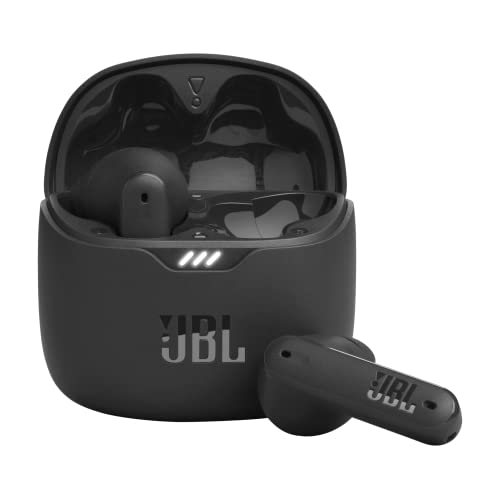
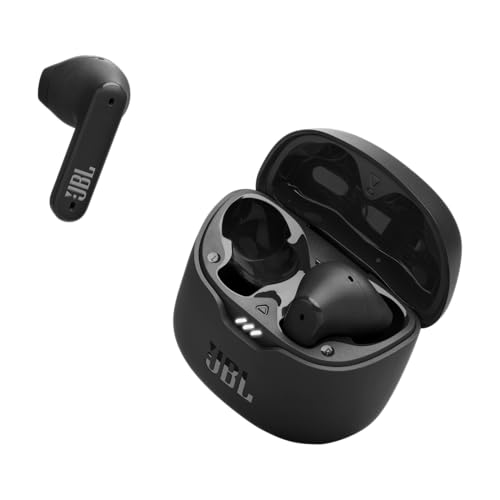
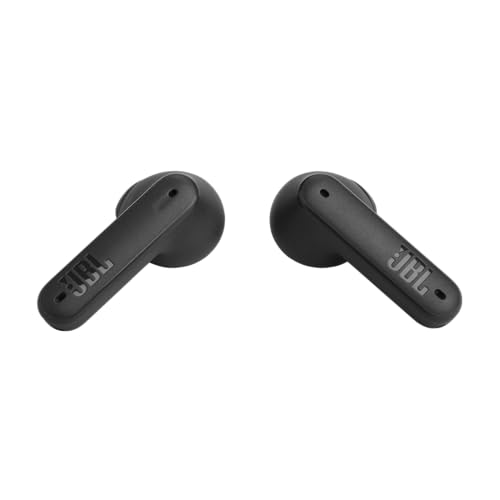
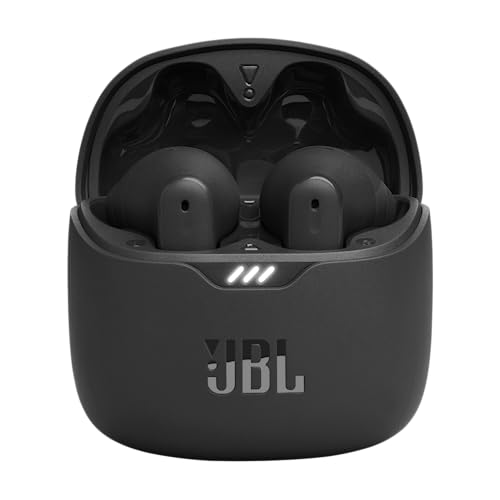
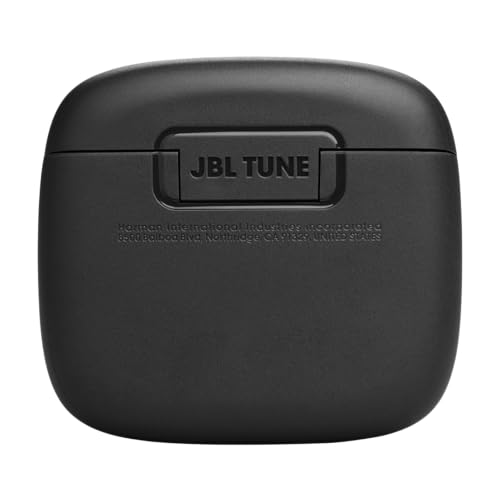
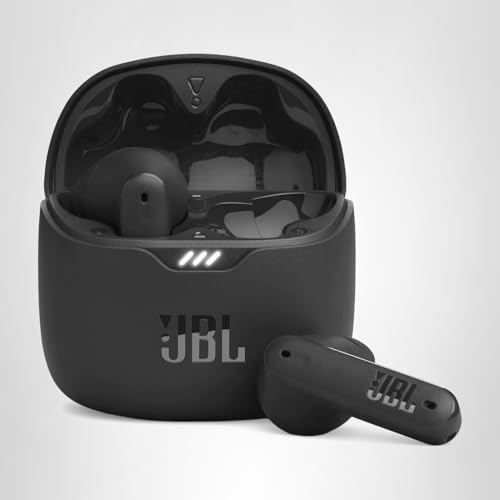
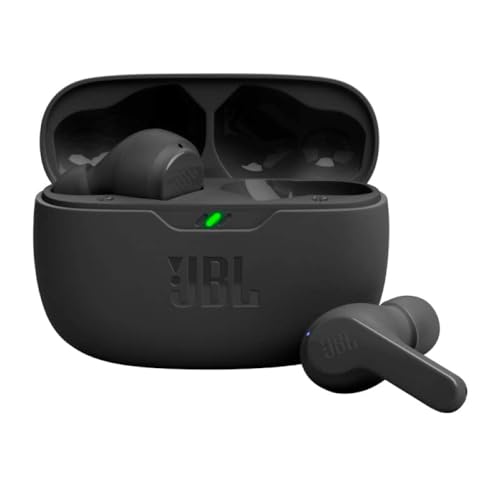

The world of true wireless earbuds has exploded over the past few years, and frankly, choosing between all the options can feel overwhelming. JBL has thrown two compelling mid-range contenders into the ring: the feature-packed JBL Tune Flex and the fundamentals-focused JBL Vibe Beam. Both hit the market around 2022-2023, riding the wave of improved Bluetooth 5.2 technology and better battery management systems that have made modern earbuds significantly more reliable than their early predecessors.
After diving deep into user reviews, professional evaluations, and technical specifications, we've found that these two models represent fundamentally different philosophies about what makes great earbuds. The Tune Flex goes all-in on features and flexibility, while the Vibe Beam focuses on nailing the basics at an accessible price point. Let's break down which approach works better for different types of users.
Before we dive into specifics, it's worth understanding what really matters in true wireless earbuds. At the most basic level, you want earbuds that sound good, stay comfortable for hours, last through your day, and won't die on you mid-call. But beyond those fundamentals, the feature wars have gotten intense.
Active noise cancellation (ANC) – technology that uses microphones to detect outside noise and creates opposing sound waves to cancel it out – has become increasingly common. Smart ambient modes let you hear your surroundings when needed. Multi-microphone arrays promise clearer calls. The question is: do you actually need all these features, or do they just drive up the price?
The JBL Tune Flex bets that you want these premium features without paying flagship prices. The Vibe Beam argues that getting the core experience right matters more than feature count. Both approaches have merit, and your choice depends on how you actually use earbuds day-to-day.
Here's where things get interesting. The Tune Flex packs larger 12mm dynamic drivers – the tiny speakers inside each earbud – compared to the Vibe Beam's 8mm drivers. In theory, bigger drivers should mean better sound, especially in the bass frequencies. But theory doesn't always match reality.
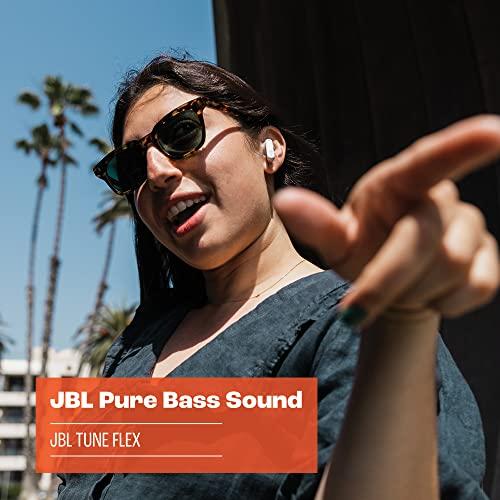
The Tune Flex delivers what reviewers consistently describe as a well-balanced, slightly V-shaped sound signature. That means the bass and treble get a bit of emphasis while the midrange stays relatively neutral. The JBL Pure Bass Sound technology adds that satisfying thump to hip-hop and electronic music without turning everything into a muddy mess. The frequency response spans the full 20Hz to 20kHz range that human ears can theoretically hear, though most of us lose some high-frequency sensitivity as we age.
What's particularly impressive about the Tune Flex is how those larger drivers handle different music genres. Classical pieces get the space they need for instruments to breathe, while bass-heavy tracks get the punch that makes them engaging. The imaging – how well you can pinpoint where different instruments sit in the stereo field – is reportedly excellent for earbuds in this price range.
The Vibe Beam, despite its smaller 8mm drivers, punches well above its weight class. Multiple reviews note that the sound quality rivals or even exceeds more expensive competitors. The JBL Deep Bass Sound tuning provides satisfying low-end response without overwhelming the mix. What really stands out is how clean and detailed the midrange sounds – voices in podcasts and vocals in music come through with impressive clarity.
The smaller drivers do limit the Vibe Beam's frequency response somewhat compared to the Tune Flex, but in practical terms, most users won't notice the difference unless they're specifically listening for it. Both earbuds benefit from the JBL Headphones app, which includes a customizable equalizer that lets you tailor the sound to your preferences.
For home theater use, neither earbud is ideal compared to dedicated surround sound systems, but both handle movie dialogue well. The Tune Flex might have a slight edge for action movies thanks to its more robust bass response, while the Vibe Beam excels with dialogue-heavy content thanks to its clear midrange.
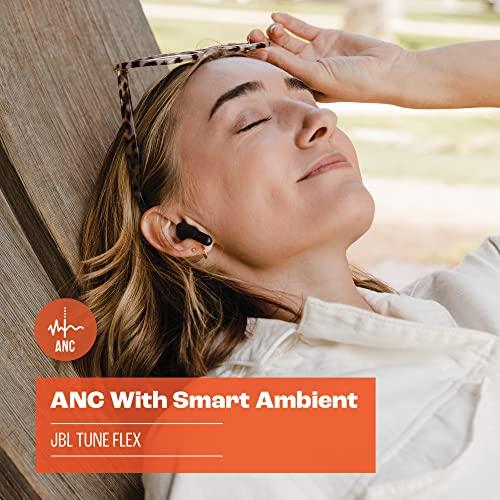
This is where the Tune Flex and Vibe Beam really diverge. The Tune Flex includes active noise cancellation powered by 4-6 microphones (sources vary, but multiple mics are definitely involved). ANC works by using external microphones to detect ambient noise, then generating inverse sound waves to cancel it out. It's particularly effective against consistent, low-frequency sounds like airplane engines, air conditioners, or train rumble.
However, our research shows the Tune Flex's ANC is what you'd call "good enough" rather than exceptional. It'll noticeably reduce background hum and make your commute more pleasant, but don't expect the room-silencing performance of premium models from Bose or Sony. Variable sounds like conversation, traffic noise, or gym chatter still bleed through significantly.
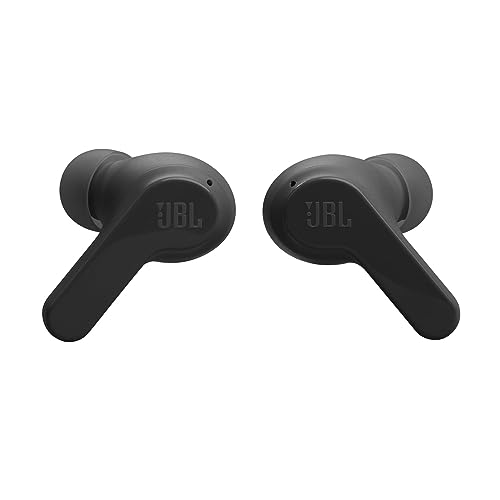
The Vibe Beam takes a different approach entirely – it skips ANC and relies purely on passive noise isolation. This means the physical seal of the ear tips in your ears is doing all the work of blocking outside sound. The stick-closed design actually does a decent job of this, effectively blocking mid and high-frequency sounds like chatter or air conditioning. But low-frequency rumble passes right through.
Both earbuds include Smart Ambient technology, which is genuinely useful. Ambient Aware mode lets outside sound in when you need to stay alert – crucial for running outdoors or navigating busy streets safely. TalkThru mode drops your music volume and amplifies voices, so you can have quick conversations without removing the earbuds. These features work well on both models and add real practical value.
The Tune Flex gets bonus points for including both sealing ear tips (for maximum isolation) and open ear tips (for natural sound awareness). This flexibility lets you choose your isolation level based on the situation, which is genuinely clever.
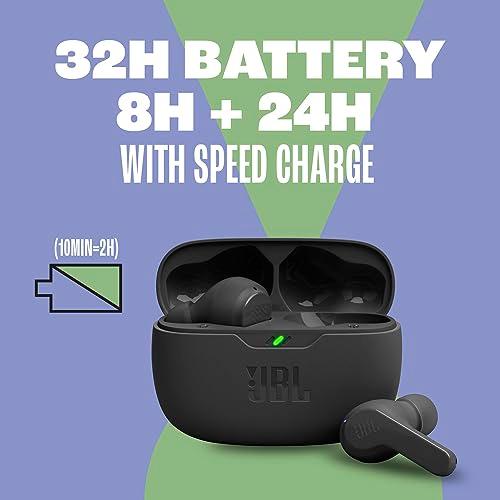
Battery life has improved dramatically across the earbud industry since 2020, and both JBL models benefit from these advances. The Vibe Beam edges out the Tune Flex here, delivering 8 hours of playback per charge compared to 6-8 hours for the Tune Flex (depending on whether ANC is active).
Both earbuds come with charging cases that extend total listening time to around 32 hours, which is excellent for this price range. That's enough for several days of typical use without needing to find a wall outlet. The 10-minute speed charge feature on both models provides 2 hours of additional playback, which is genuinely useful when you're rushing out the door with dead earbuds.
The Tune Flex's slightly shorter battery life makes sense – ANC requires additional power to run those noise-canceling microphones and processing circuits. If you're someone who forgets to charge devices regularly, the Vibe Beam's longer single-charge life might be worth considering.
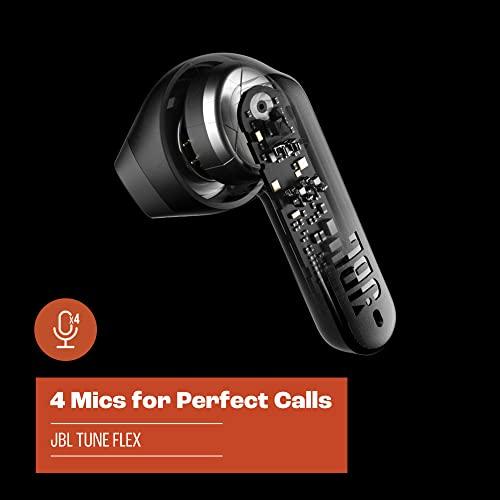
Both earbuds handle phone calls adequately, but the Tune Flex has a more sophisticated setup. Its multiple microphones use beamforming technology – essentially focusing on your voice while trying to ignore background noise – along with environmental noise cancellation. The VoiceAware feature lets you control how much of your own voice you hear during calls, which helps avoid that "talking in a tunnel" feeling some earbuds create.
That said, reviews consistently describe the Tune Flex's call quality as understandable but somewhat robotic and unnatural. It's functional for occasional calls but not ideal if you're on conference calls all day.
The Vibe Beam takes a simpler approach with fewer microphones, but reviews suggest the call quality is actually quite good for basic use. Voices come through clearly, though they may lack some depth compared to dedicated headsets.
For most users, both earbuds provide perfectly adequate call quality for staying in touch with family and handling the occasional work call. Neither replaces a good headset if you're doing hours of calls daily.
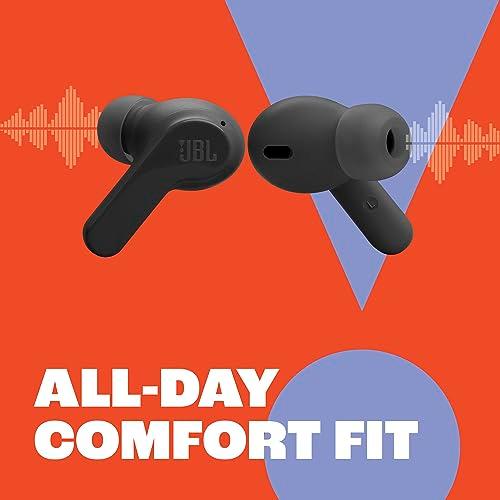
Comfort is deeply personal – ear shapes vary significantly between individuals – but both earbuds generally receive positive marks for extended wear. The Tune Flex weighs around 4.2-4.8g per earbud (sources vary slightly), while the Vibe Beam comes in at 4.4g per earbud. These are both lightweight enough that most people won't feel fatigue during normal use.
The Tune Flex's big advantage is fit flexibility. The multiple ear tip options (sealing tips in three sizes plus open tips) mean you can optimize for either maximum isolation or situational awareness. This is particularly valuable if you use earbuds in different contexts throughout the day – sealed tips for focused work, open tips for running outdoors.
The Vibe Beam's stick-closed design is comfortable for most users, though some reviews mention fit issues during vigorous exercise. The included three sizes of ear tips should accommodate most ear shapes, but if you have trouble with earbud fit generally, the Tune Flex's additional options might be worth the extra cost.
Both earbuds are rated IP54 for dust and water resistance, meaning they'll handle sweat, rain, and dusty conditions without issues. This is plenty of protection for gym workouts and outdoor activities.
The JBL Headphones app significantly enhances both earbuds, though the Tune Flex has access to more advanced features. Both models get customizable EQ settings, which is genuinely useful for tailoring the sound to your preferences. The app also includes preset modes for different music genres and the ability to adjust ambient sound settings.
The Tune Flex benefits from more sophisticated app integration, including detailed noise cancellation controls and the ability to switch between ear tip modes. The Personi-Fi 3.0 personalization feature attempts to optimize sound based on your hearing preferences, though results seem to vary by user.
Both earbuds include a "Find My Buds" feature that plays a tone to help locate missing earbuds – surprisingly useful given how easy these tiny devices are to misplace.
Since these earbuds hit the market in the 2022-2023 timeframe, they benefit from several key technological improvements over earlier generation models. Bluetooth 5.2 connectivity provides more stable connections and better power efficiency compared to older Bluetooth versions. Battery management systems have improved significantly, delivering the 30+ hour total battery life that would have been exceptional just a few years ago.
The processing power available for features like ANC and ambient sound has also increased while consuming less battery. This allows the Tune Flex to offer noise cancellation without completely destroying battery life, though it still impacts runtime.
Codec support has also improved, with both earbuds handling high-quality audio transmission over Bluetooth more reliably than earlier generation models.
At the time of writing, both earbuds occupy the competitive mid-range space, but they allocate their feature budgets differently. The Tune Flex commands a premium over the Vibe Beam but justifies it with ANC, more microphones, and additional ear tip options.
The Vibe Beam focuses budget on sound quality and battery life rather than advanced features. Based on our research, this strategy pays off – many reviewers note that the Vibe Beam sounds as good as or better than significantly more expensive competitors.
If you're comparing value strictly on features-per-dollar, the Tune Flex wins. If you're focused on core performance per dollar spent, the Vibe Beam is compelling.
While neither earbud is designed specifically for home theater use, both can serve as personal audio solutions for late-night viewing or apartment living. The Tune Flex's slightly more robust bass response might enhance action movies and TV shows, while both handle dialogue clearly enough for most content.
The wireless nature means no cord management issues, and both have enough battery life for extended viewing sessions. However, neither offers the spatial audio or advanced codec support you'd find in premium home theater-focused earbuds.
The Tune Flex makes sense if you want flexibility and don't mind paying for it. Commuters who need ANC for public transport, office workers who want multiple ambient sound options, and users who value having choices (sealing vs. open ear tips) will appreciate what it offers. The superior microphone array also makes it better for frequent phone calls.
The Vibe Beam is ideal for users who prioritize getting the fundamentals right. If you primarily listen to music, want excellent battery life, and don't need advanced features like ANC, it delivers exceptional value. It's also a great choice for budget-conscious buyers who don't want to compromise on sound quality.
Both earbuds succeed at their intended goals. The JBL Tune Flex brings premium features to the mid-range space and executes them well enough to justify the price premium. The JBL Vibe Beam focuses on core performance and delivers sound quality that punches well above its price class.
Your choice comes down to whether you value feature flexibility or optimized fundamentals. Either way, you're getting a solid pair of earbuds that should serve you well for years to come. In a crowded market full of compromised products, both the Tune Flex and Vibe Beam stand out as thoughtfully designed options that deliver on their promises.
| JBL Tune Flex True Wireless Earbuds | JBL Vibe Beam True Wireless Earbuds |
|---|---|
| Driver Size - Larger drivers typically deliver better bass and overall sound quality | |
| 12mm dynamic drivers | 8mm dynamic drivers |
| Active Noise Cancellation - Essential for commuting and noisy environments | |
| Yes, with 4-6 microphones and Smart Ambient modes | No ANC, passive isolation only with Smart Ambient modes |
| Battery Life Per Charge - Critical for all-day use without charging case | |
| 6-8 hours (varies with ANC usage) | 8 hours consistently |
| Total Battery Life - Determines how long you can go between wall charging | |
| 24-32 hours total (case + earbuds) | 32 hours total (case + earbuds) |
| Ear Tip Options - More options mean better fit for different ear shapes and use cases | |
| Multiple options: 3 sizes sealing tips + open tips | 3 sizes of standard sealing tips |
| Water Resistance - Important for workouts and weather protection | |
| IP54 (earbuds), dust and water resistant | IP54 (earbuds), IPX2 (case), dust and water resistant |
| Microphone Setup - More mics typically mean clearer calls in noisy environments | |
| 4-6 microphones with beamforming and VoiceAware | Standard microphones with VoiceAware |
| Weight Per Earbud - Lighter earbuds are more comfortable for extended wear | |
| 4.2-4.8g per earbud | 4.4g per earbud |
| Bluetooth Version - Newer versions offer better connectivity and power efficiency | |
| Bluetooth 5.2/5.3 | Bluetooth 5.2 |
| Frequency Response - Wider range captures more audio detail | |
| 20 Hz - 20 kHz | 20 Hz - 20 kHz |
| Target User - Who each product is designed for | |
| Feature-seekers wanting ANC and flexibility | Users prioritizing sound quality and value over advanced features |
Both the JBL Tune Flex and JBL Vibe Beam deliver excellent sound quality, but with different approaches. The Tune Flex uses larger 12mm drivers that provide broader frequency coverage and more robust bass response, making them ideal for bass-heavy music genres. The Vibe Beam features 8mm drivers that punch above their weight class, delivering impressively clear mids and well-controlled bass that many reviewers compare favorably to more expensive competitors. For pure sound quality per dollar, the Vibe Beam offers exceptional value.
Yes, the JBL Tune Flex features active noise cancellation (ANC) powered by multiple microphones, making them effective at reducing constant background noise like air conditioning, train rumble, or airplane engines. The JBL Vibe Beam does not include ANC and relies on passive noise isolation through ear tip seal. However, both models offer Smart Ambient technology with Ambient Aware and TalkThru modes, allowing you to hear your surroundings when needed for safety or quick conversations.
The JBL Vibe Beam provides up to 8 hours of playback on a single charge, while the JBL Tune Flex offers 6-8 hours depending on whether noise cancellation is active. Both earbuds come with charging cases that extend total listening time to approximately 32 hours. The Vibe Beam's slightly longer single-charge battery life makes it better for users who frequently forget to charge their devices or need extended listening sessions without access to the charging case.
Both models handle phone calls well, though the JBL Tune Flex has a more sophisticated microphone setup with 4-6 microphones using beamforming technology and VoiceAware features. However, reviews describe the call quality as somewhat robotic despite being understandable. The JBL Vibe Beam uses a simpler microphone arrangement but delivers clear, natural-sounding calls that many users prefer for everyday conversations. Both are adequate for occasional calls but not ideal for extensive business use.
Both the JBL Tune Flex and JBL Vibe Beam are lightweight and comfortable for extended wear, weighing around 4.4-4.8g per earbud. The Tune Flex offers superior fit flexibility with multiple ear tip options including both sealing and open tips in various sizes, allowing you to optimize for comfort and isolation based on your activity. The Vibe Beam features an ergonomic stick-closed design that most users find comfortable, though some report fit issues during vigorous exercise.
Yes, both earbuds are excellent for workouts. The JBL Tune Flex and JBL Vibe Beam both feature IP54 water and dust resistance, protecting against sweat and light rain. The Tune Flex's multiple ear tip options help ensure a secure fit during movement, while its open ear tips are particularly useful for outdoor running where situational awareness is important. The Vibe Beam provides reliable passive isolation and comfortable fit for most gym activities, though some users report occasional fit issues during intense movement.
Both the JBL Tune Flex and JBL Vibe Beam use Bluetooth 5.2 technology for reliable wireless connectivity with smartphones, tablets, computers, and other Bluetooth-enabled devices. Pairing is typically quick and straightforward, and both maintain stable connections within normal operating range. The Tune Flex may support additional Bluetooth profiles, but both earbuds provide excellent compatibility with iOS and Android devices for music streaming and hands-free calling.
The JBL Vibe Beam typically offers better value for users focused on core performance, delivering sound quality that rivals more expensive competitors at a lower price point. The JBL Tune Flex provides better value for feature-conscious buyers, offering active noise cancellation, multiple microphones, and flexible ear tip options that are usually found in premium models. Your best value depends on whether you prioritize advanced features (Tune Flex) or optimized fundamentals (Vibe Beam).
No, both the JBL Tune Flex and JBL Vibe Beam work perfectly without the app for basic music playback and calls. However, the JBL Headphones app significantly enhances both models by providing customizable EQ settings, ambient sound controls, firmware updates, and the useful "Find My Buds" feature. The app is free and recommended for getting the most out of either earbud model, especially if you want to personalize the sound signature to your preferences.
The JBL Tune Flex are generally better for commuting thanks to their active noise cancellation, which effectively reduces consistent transportation noise like train rumble, bus engines, and subway sounds. The multiple ear tip options also allow you to choose maximum isolation (sealing tips) or situational awareness (open tips) based on your commuting environment. The JBL Vibe Beam can work for commuting with good passive isolation, but they won't block low-frequency transportation noise as effectively as the Tune Flex's ANC system.
Both models offer solid build quality appropriate for their price range. The JBL Tune Flex and JBL Vibe Beam feature IP54-rated dust and water resistance on the earbuds themselves, with the Vibe Beam also including IPX2 rating on its charging case. This protection level handles sweat, rain, and dusty conditions effectively. While neither feels premium like flagship models, both are well-constructed for daily use and should provide reliable service with proper care and storage in their protective charging cases.
Your choice depends on your priorities and music preferences. The JBL Tune Flex with its larger 12mm drivers offers broader frequency response and more impactful bass, making it excellent for hip-hop, EDM, and bass-heavy genres. The JBL Vibe Beam delivers remarkably clear and balanced sound that excels with vocals, podcasts, and acoustic music, often punching above its price class. If you want active noise cancellation for distraction-free listening, choose the Tune Flex. If you prioritize pure sound quality value, the Vibe Beam is hard to beat.
We've done our best to create useful and informative comparisons to help you decide what product to buy. Our research uses advanced automated methods to create this comparison and perfection is not possible - please contact us for corrections or questions. These are the sites we've researched in the creation of this article: rtings.com - hometechnologyreview.com - youtube.com - bestbuy.com - soundguys.com - bestbuy.com - crutchfield.com - bgr.com - robbsutton.com - majorhifi.com - versus.com - crutchfield.com - youtube.com - versus.com - jbl.com - global.jbl.com - pcrichard.com - musicarts.com - scribd.com - global.jbl.com - robot-advance.com - gzhls.at - bestbuy.com - att.com - ro.harmanaudio.com - bestbuy.com - jbl.com - rtings.com - jbl.com - youtube.com - youtube.com - audio46.com - jbl.com - soundguys.com - bestbuy.com - walmart.com - uclastore.com - bestbuy.com - manuals.plus

Privacy Policy
Terms and Conditions - Affiliate Policy
Home Security
© Copyright 2008-2026.
11816 Inwood Rd #1211, Dallas, TX 75244