

When shopping for true wireless earbuds in 2024, you'll encounter a bewildering range of options spanning from budget-friendly picks under $50 to premium audiophile models that cost more than a decent laptop. This comparison between the JBL Vibe Beam and Devialet Gemini II perfectly illustrates this divide—and why understanding your needs matters more than following trends.
True wireless earbuds have evolved dramatically since Apple's AirPods kicked off the category in 2016. What started as a simple "cut the cord" solution has become a sophisticated audio category where tiny drivers (the speakers inside earbuds) can rival full-sized headphones, and computational audio processing happens in real-time to enhance your listening experience.
The most critical performance factors break down into several key areas. Sound quality depends on driver size and materials, frequency response (how wide a range of sounds the earbuds can reproduce), and digital signal processing. Battery life has become increasingly important as people use earbuds throughout their day. Build quality affects long-term durability and comfort during extended wear. Finally, smart features like noise cancellation and ambient modes have transformed earbuds from simple audio devices into sophisticated environmental control systems.
When evaluating any pair of earbuds, these factors create a complex value equation. A $40 pair might excel in battery life while a $400 pair focuses on audio fidelity. Understanding which factors matter most to your lifestyle determines whether you're getting great value or overpaying for features you won't use.
The JBL Vibe Beam, released in 2022, represents JBL's successful attempt to pack essential features into an affordable package. At the time of writing, these earbuds typically cost less than a nice dinner for two, making them accessible to students, casual listeners, and anyone wanting wireless convenience without breaking the bank.
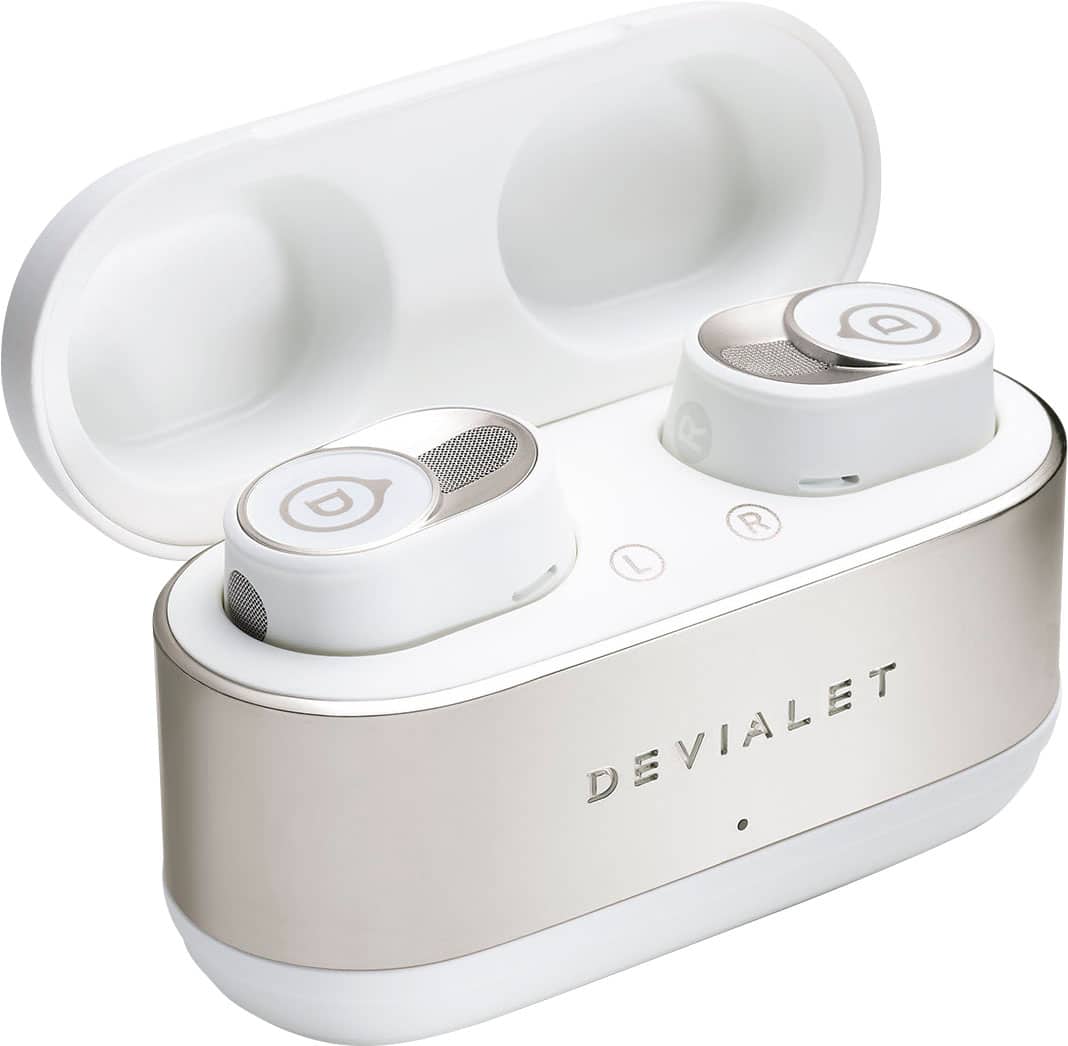
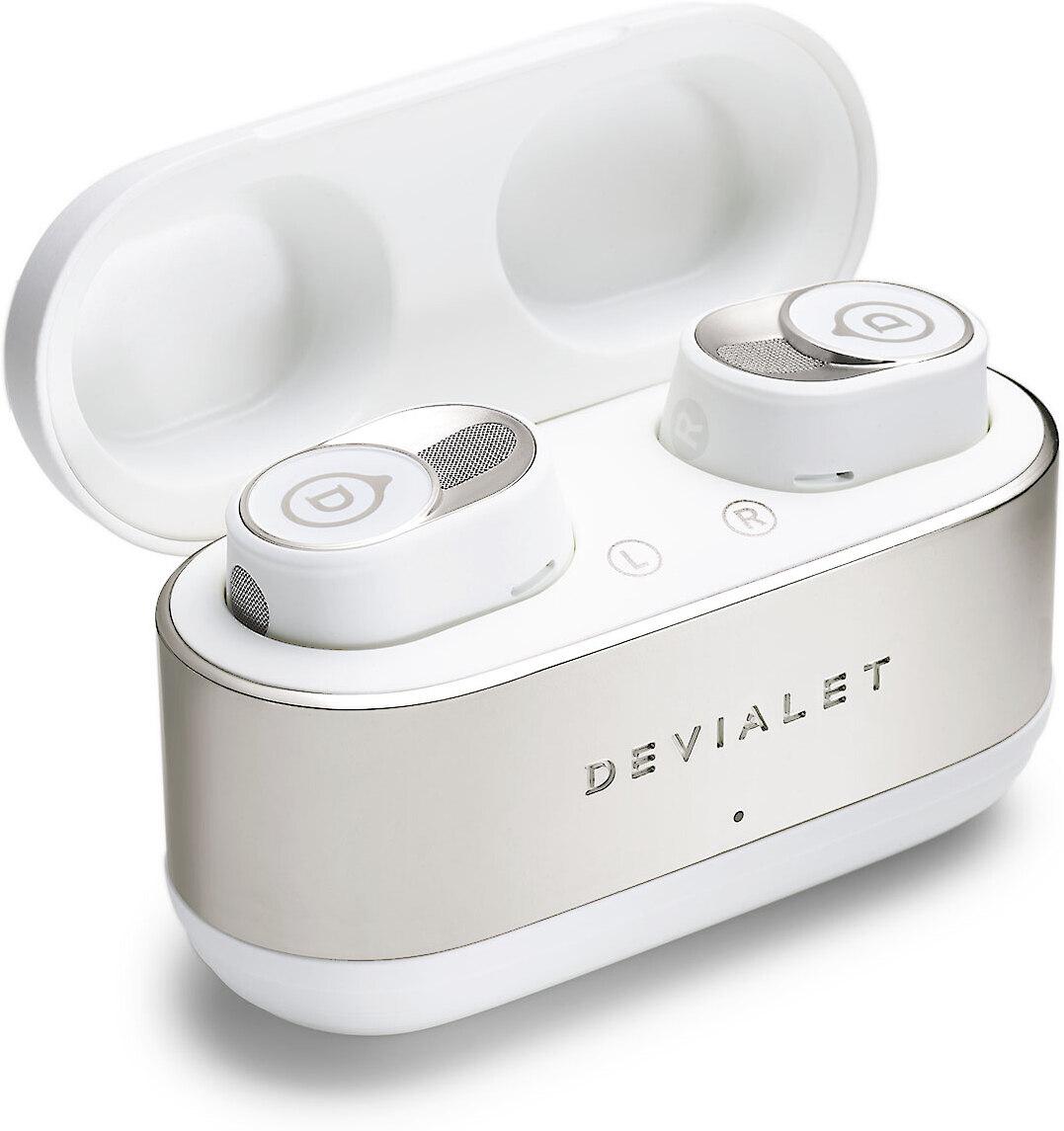
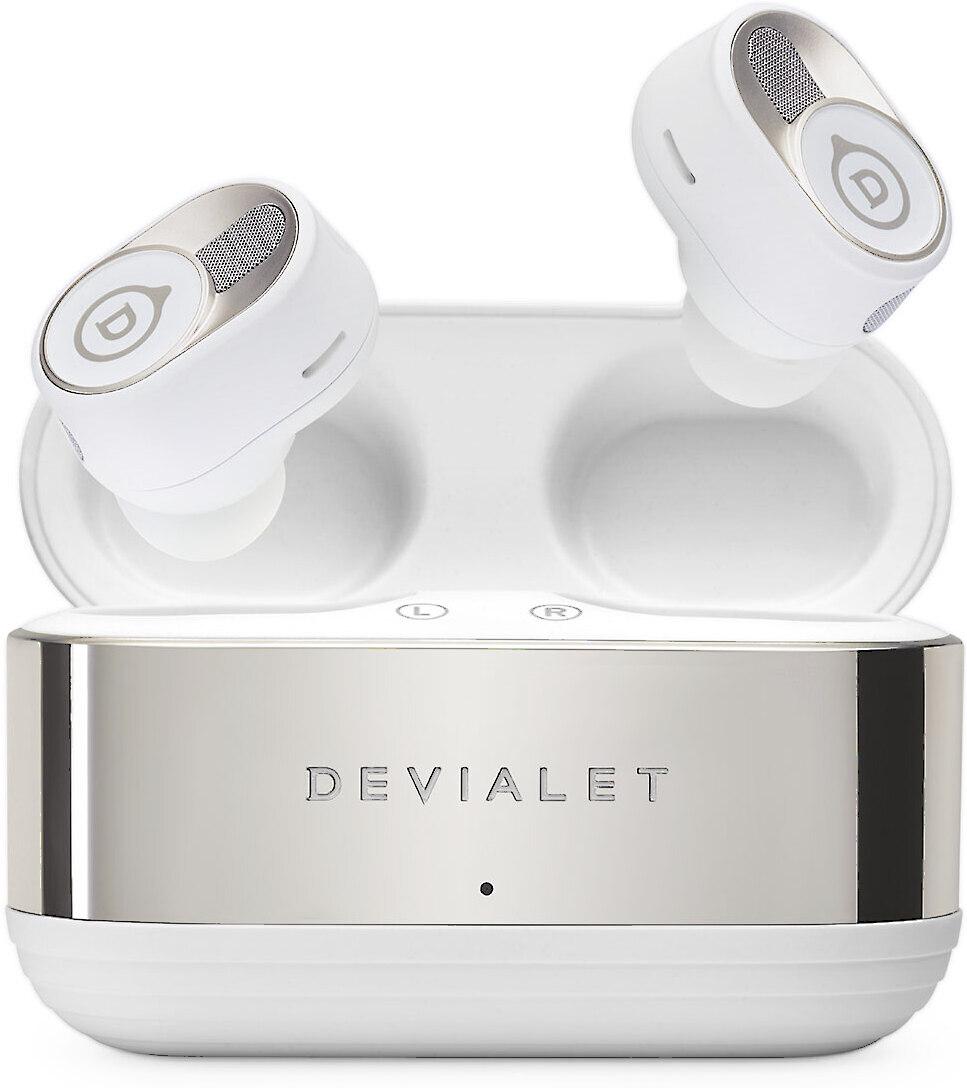
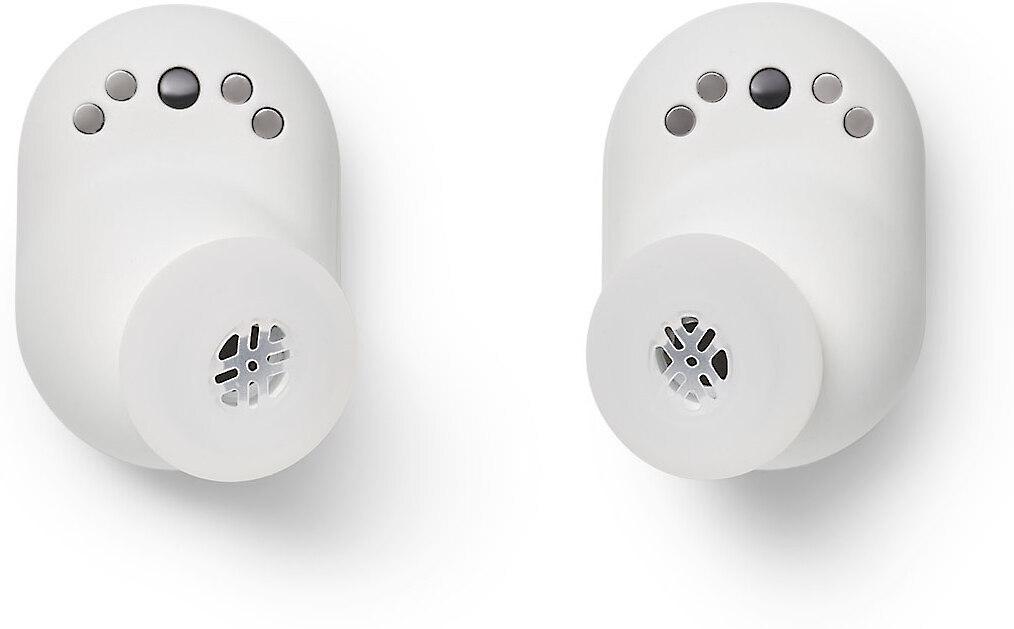
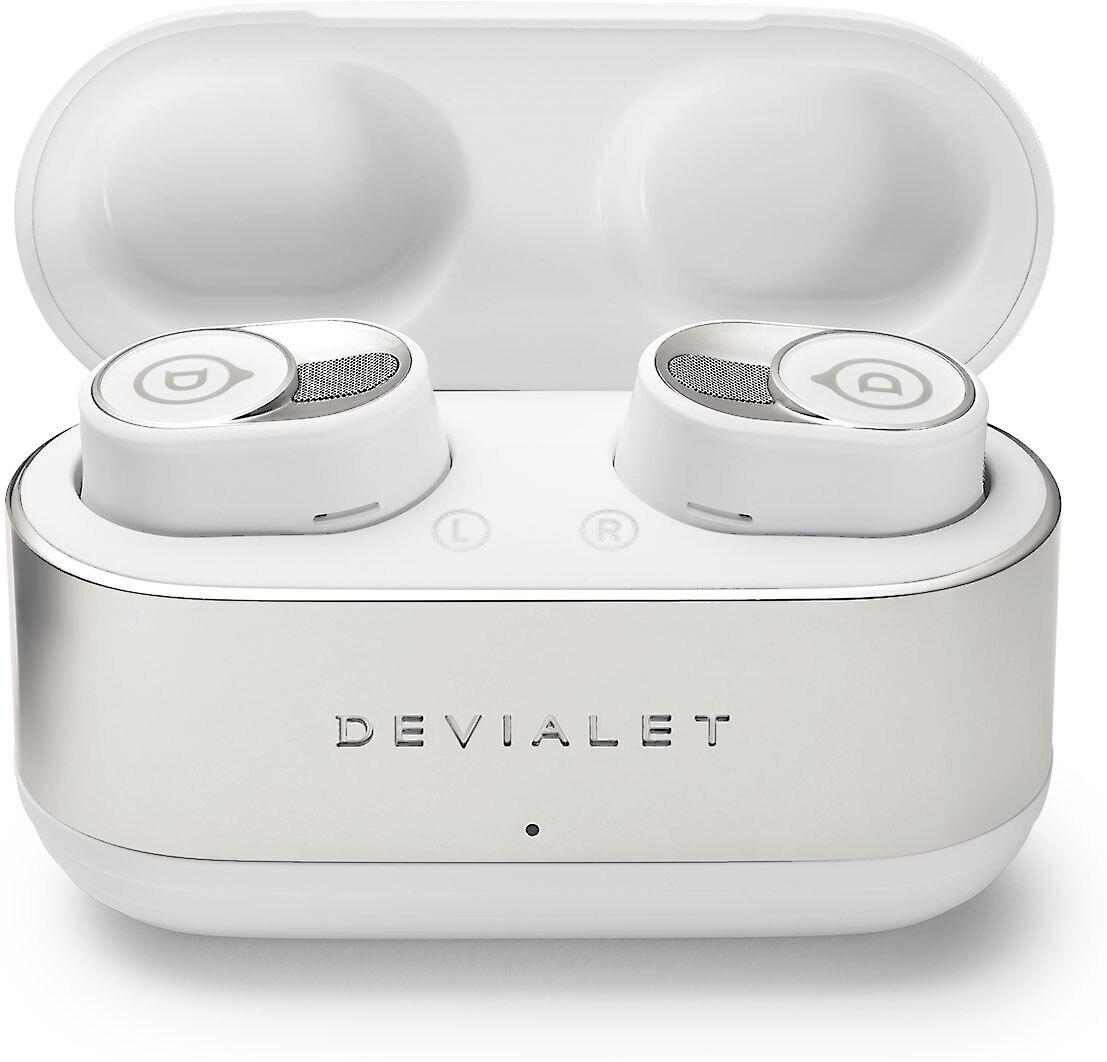
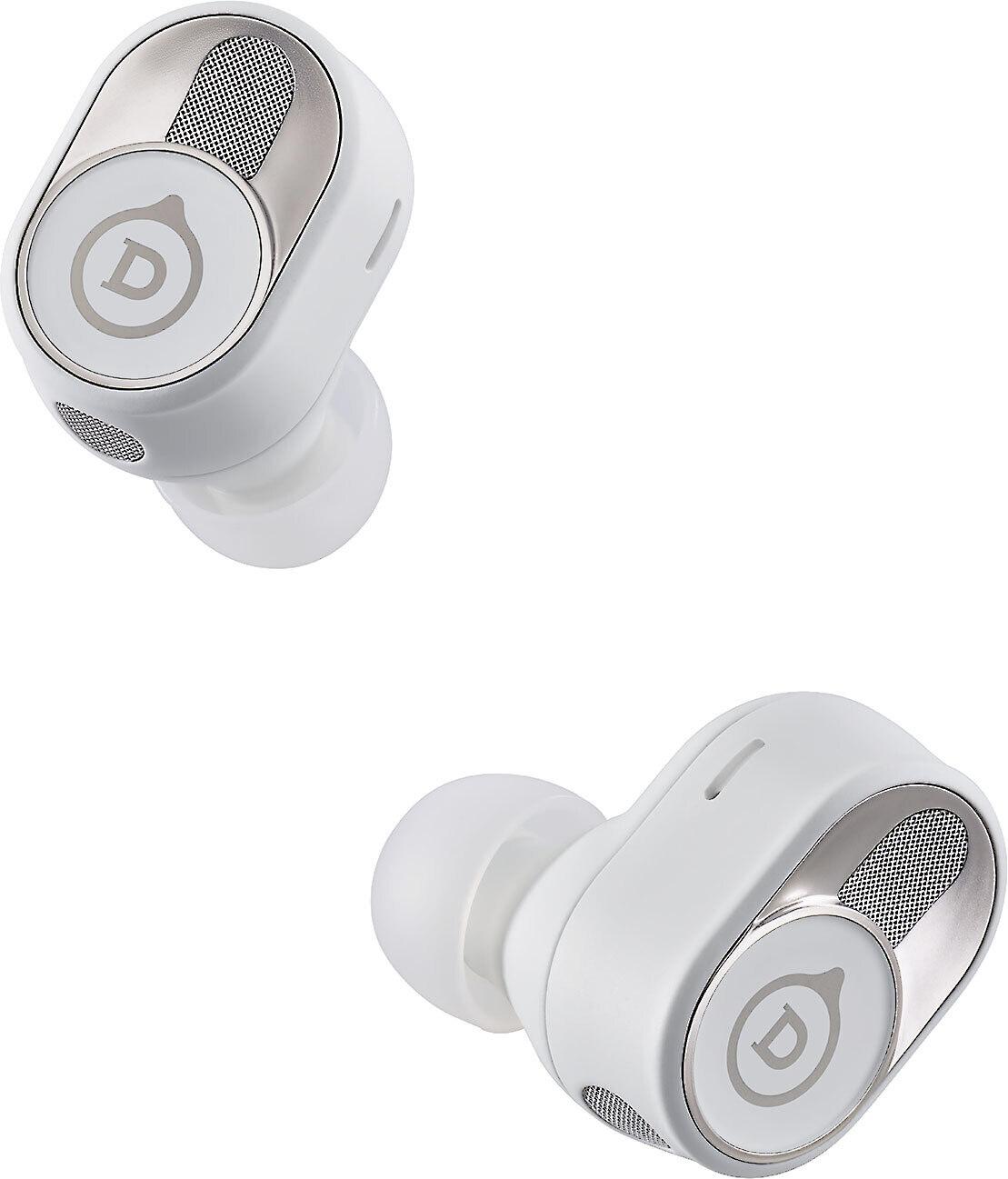
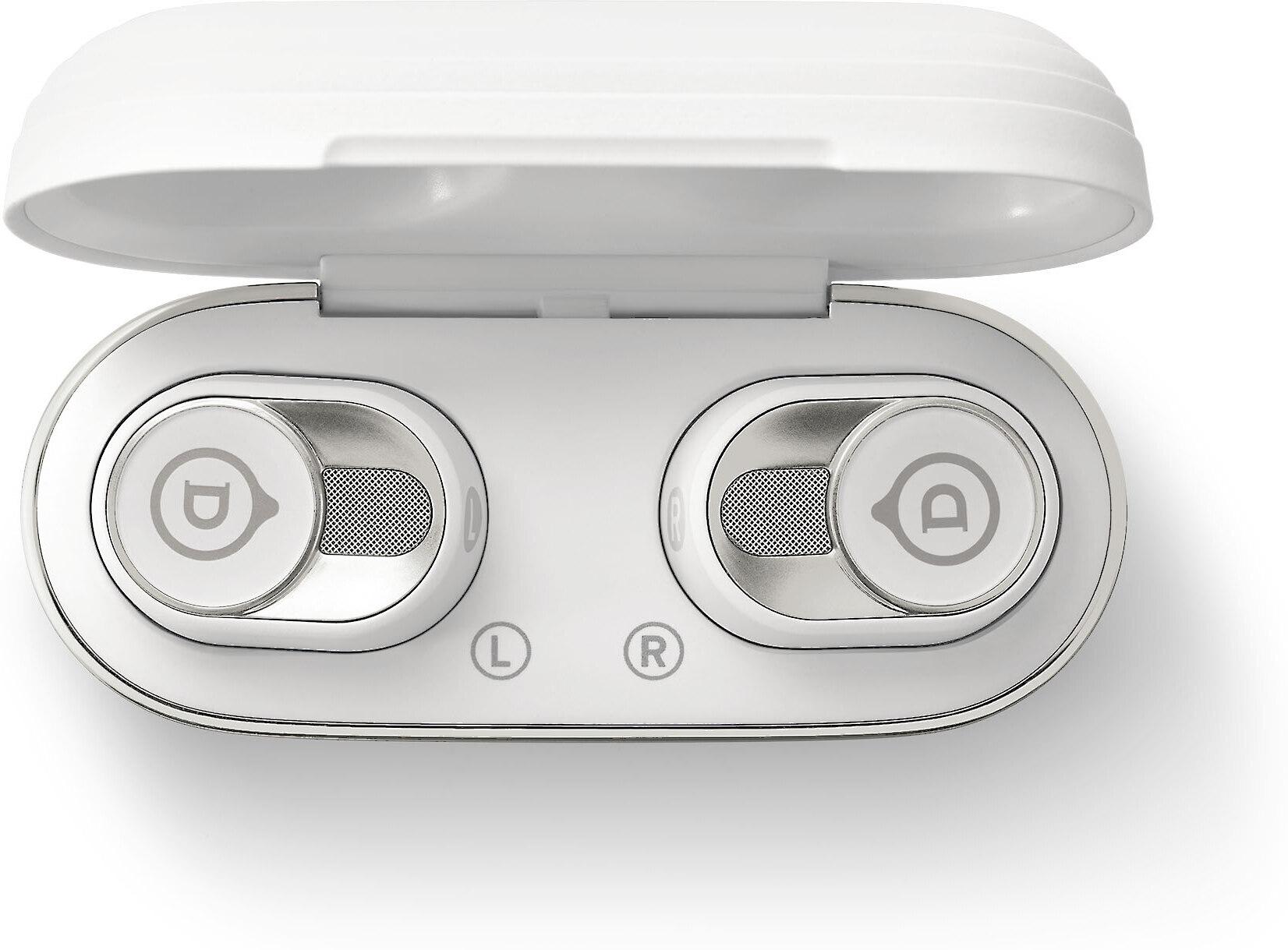
The Devialet Gemini II, launched in 2023, takes the opposite approach. This French audio company, known for high-end speakers that cost more than cars, applied their acoustic expertise to create earbuds for discerning listeners. These command premium pricing—roughly ten times the cost of the JBL model at the time of writing.
This price gap isn't arbitrary. It reflects fundamentally different design philosophies and target markets. The JBL Vibe Beam prioritizes practical features like exceptional battery life and reliable performance. The Devialet Gemini II pursues audio perfection through advanced materials and sophisticated processing.
Sound quality differences between these models are immediately apparent, though both deliver satisfying listening experiences within their respective price categories.
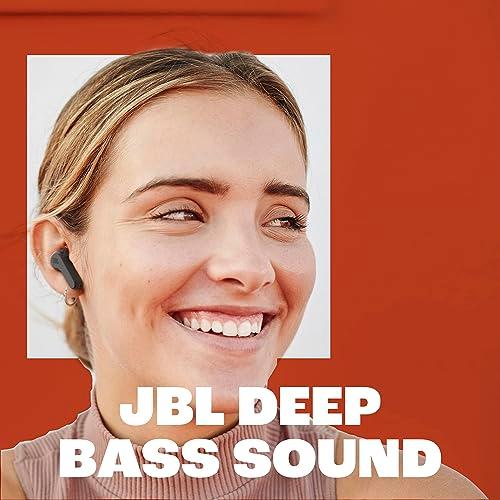
The JBL Vibe Beam employs 8mm dynamic drivers—the moving coil speakers that create sound waves—with JBL's signature Deep Bass Sound tuning. This means the frequency response curve (how loud different pitches sound) emphasizes low frequencies for more impactful bass without overwhelming vocals and instruments in the midrange. The frequency response spans 20Hz to 20kHz, covering the full range of human hearing.
During our research into user experiences, most listeners praise the JBL Vibe Beam's balanced approach. The bass provides satisfying thump for hip-hop and electronic music without making acoustic guitars sound muddy. Vocals remain clear and present, though the soundstage (how wide and dimensional music sounds) stays relatively narrow—typical for earbuds in this price range.
The Devialet Gemini II operates in a different league entirely. Custom 10mm drivers with titanium coating deliver extended frequency response down to 5Hz—well below what humans can consciously hear but felt as physical bass impact. More importantly, Devialet's Ear Active Matching technology continuously adjusts the sound signature up to 10,000 times per second, compensating for how your individual ear canal shape affects frequency response.
This isn't marketing hyperbole. Your ear canal acts as an acoustic filter, boosting some frequencies while attenuating others. The Devialet Gemini II measures these effects in real-time and adjusts accordingly, creating a more consistent listening experience regardless of fit variations. Combined with superior driver materials and acoustic engineering, the result is noticeably wider soundstage, better instrument separation, and more accurate frequency reproduction.
Expert reviews consistently rank the Devialet Gemini II among the best-sounding true wireless earbuds available. However, whether this justifies the price premium depends entirely on your sensitivity to audio quality differences and willingness to pay for incremental improvements.
Environmental noise management represents perhaps the largest feature gap between these models, reflecting different philosophies about user needs and technical implementation.
The JBL Vibe Beam relies entirely on passive noise isolation—physical blocking of external sounds through proper ear tip seal. This works reasonably well for consistent mid-to-high frequency noises like air conditioning, conversation, or keyboard typing. However, low-frequency rumble from engines, construction, or HVAC systems passes through relatively unimpeded.
JBL compensates with Smart Ambient technology, offering two useful modes. TalkThru reduces music volume while amplifying external voices, enabling quick conversations without removing earbuds. Ambient Aware maintains music playback while letting environmental sounds through—useful for situational awareness while walking or cycling.
The Devialet Gemini II takes a sophisticated approach with Adaptive Noise Cancellation capable of up to 40dB of noise reduction. Active noise cancellation (ANC) works by using external microphones to capture ambient sound, then generating inverse sound waves to cancel unwanted noise. The "adaptive" aspect means the system continuously adjusts to changing environments and individual ear canal characteristics.
Devialet's implementation includes Internal Delay Compensation technology, addressing a common ANC weakness. Sound processing introduces tiny delays that can reduce cancellation effectiveness. By compensating for these delays, the Devialet Gemini II achieves broader bandwidth noise reduction and more consistent performance.
The practical difference is substantial. While the JBL Vibe Beam might reduce airplane cabin noise by 10-15dB through passive isolation, the Devialet Gemini II can achieve 30-40dB reduction through active cancellation. This transforms long flights, commute comfort, and the ability to enjoy music in noisy environments.
However, ANC isn't universally superior. It consumes battery power, can create a subtle pressure sensation some find uncomfortable, and occasionally introduces artifacts with certain types of music. The JBL Vibe Beam's passive approach avoids these issues while still providing adequate isolation for many situations.
Battery performance showcases how different priorities create distinct user experiences, even when both products use similar Bluetooth 5.2 technology and lithium-ion batteries.
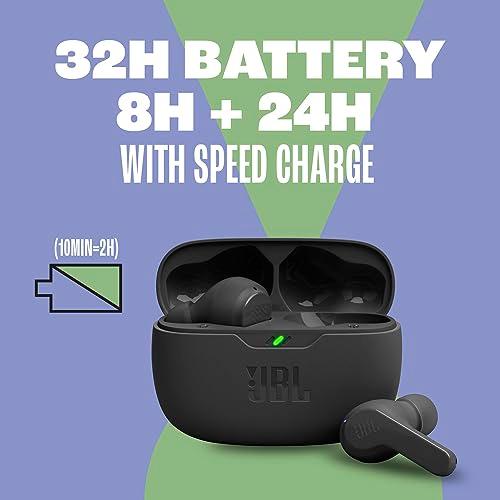
The JBL Vibe Beam delivers exceptional endurance with 8 hours of continuous playbook from the earbuds themselves, plus an additional 24 hours stored in the charging case. This 32-hour total runtime means most users can go an entire week between case charges, making them ideal for travel, long commutes, or simply reducing charging anxiety.
The speed charging implementation particularly impresses. Ten minutes of charging provides two additional hours of playback—perfect for those "battery almost dead" moments when you're rushing out the door. This fast charging capability relies on higher charging current to the small 48mAh batteries in each earbud, demonstrating effective power management engineering.
The Devialet Gemini II prioritizes different aspects, offering 5 hours from the earbuds plus 17 hours from the case, totaling 22 hours. While respectable, this represents roughly 30% less runtime than the JBL Vibe Beam. The shorter battery life reflects the power demands of sophisticated noise cancellation processing and premium driver amplification.
However, Devialet includes Qi wireless charging compatibility, allowing the case to charge on any wireless charging pad. This convenience feature appeals to users with wireless charging setups at home, office, or car, though it charges more slowly than the included USB-C cable.
For most users, the JBL Vibe Beam's superior battery life provides tangible daily benefits. Less frequent charging means more consistent availability, particularly important for people who frequently forget to charge devices or travel regularly.
Physical construction reveals different approaches to balancing cost, durability, and user comfort, with both models succeeding within their design constraints.
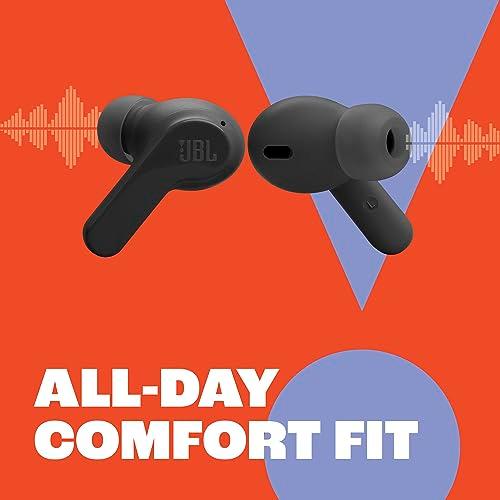
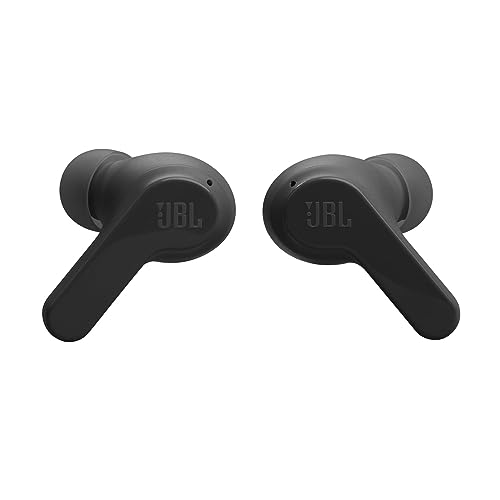
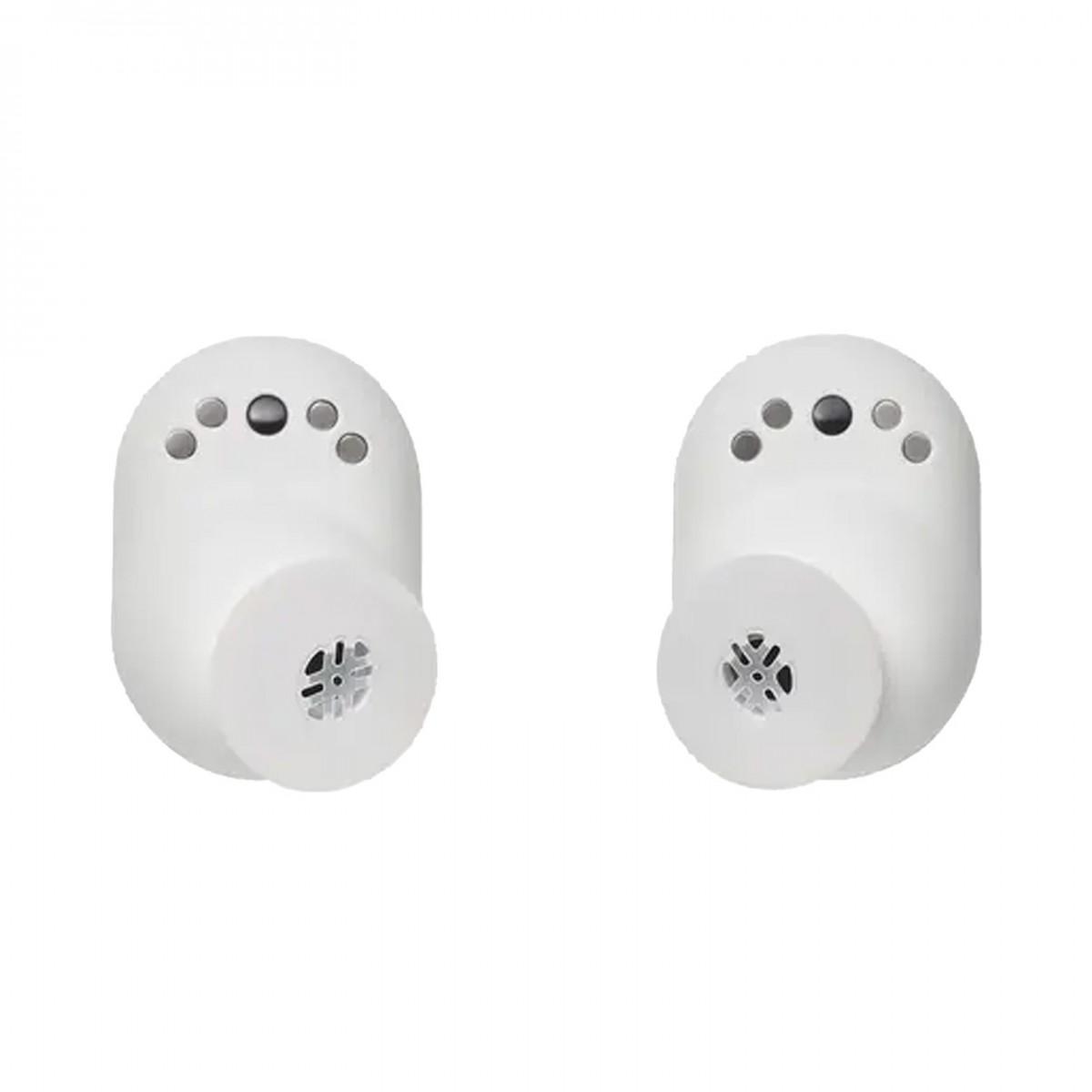
The JBL Vibe Beam employs an ergonomic stick-closed design weighing just 4.4 grams per earbud. This lightweight construction reduces ear fatigue during extended wear, while the stick design provides a larger surface for touch controls and better microphone positioning for calls. The IP54 water resistance rating means these earbuds can handle sweat, rain, and even brief submersion—useful for workouts or outdoor activities.
User feedback consistently praises the JBL Vibe Beam's comfort during multi-hour sessions. The lightweight design and three included ear tip sizes help achieve proper fit for most ear shapes. However, some users report difficulty achieving secure fit during vigorous exercise, as the smooth plastic construction and lightweight design can work against retention during movement.
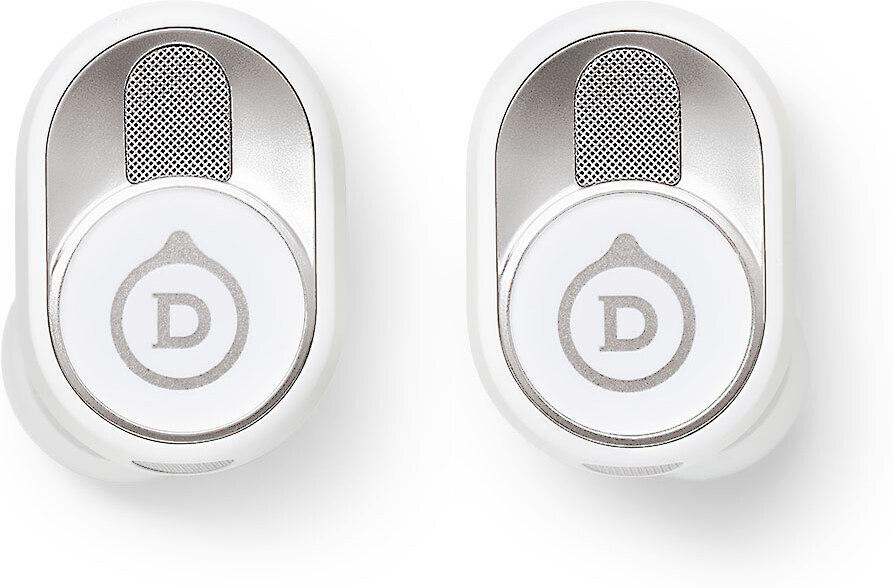
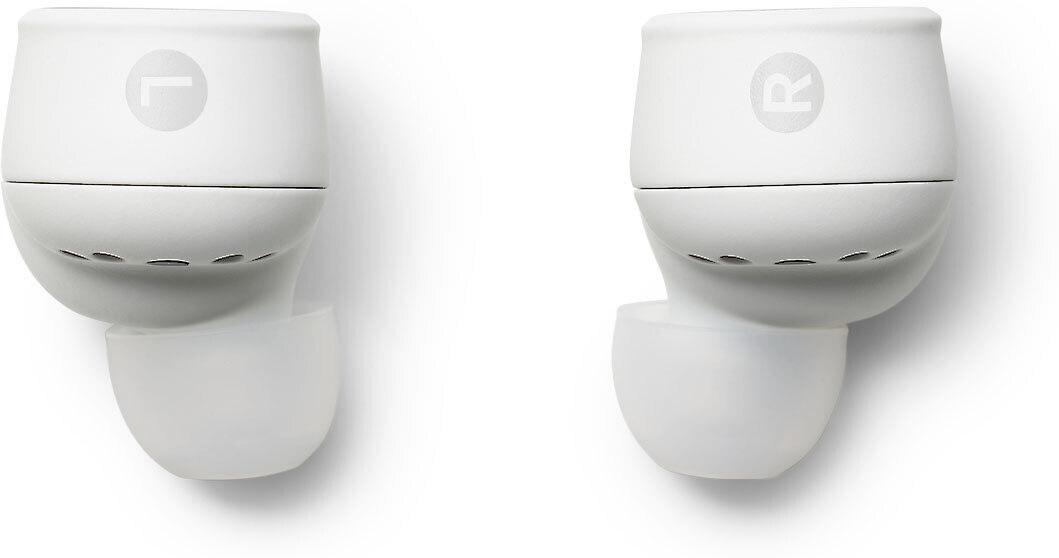
The Devialet Gemini II takes a premium approach with higher-quality materials and more sophisticated construction. At 6 grams per earbud, they feel more substantial while remaining comfortable for extended wear. The premium finish and attention to detail reflect the luxury positioning, though the IPX4 water resistance rating provides slightly less protection than JBL's offering.
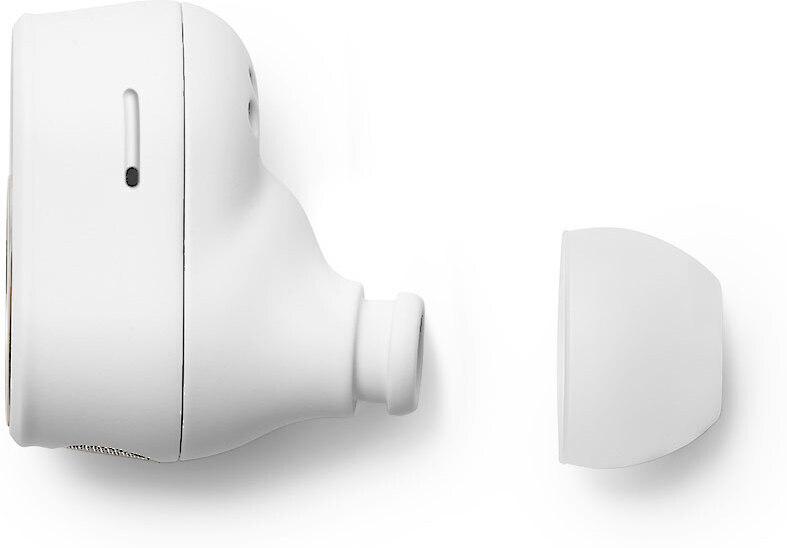
Devialet's Pressure Balance Architecture deserves particular mention. This three-vent decompression system equalizes air pressure between the inner and outer ear, reducing the "plugged ear" sensation that some experience with in-ear designs. Combined with four ear tip sizes (including XS), the Devialet Gemini II accommodates a wider range of ear shapes while maintaining comfort.
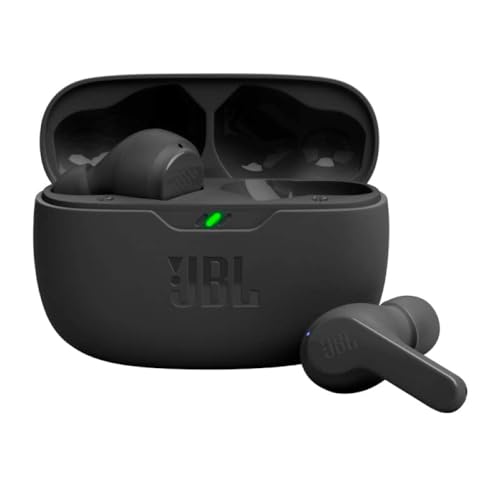
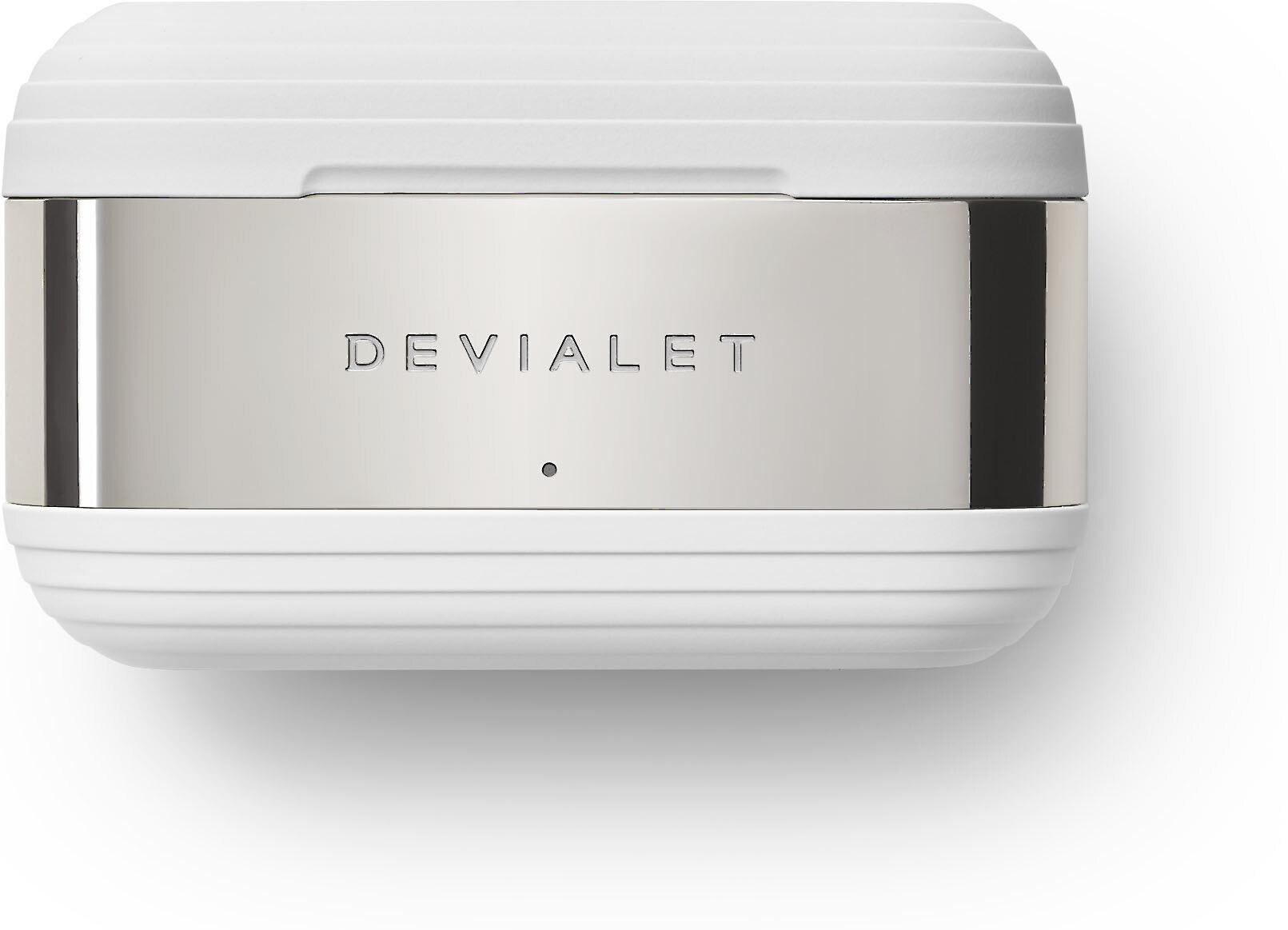
The charging cases reflect each product's philosophy. JBL's case emphasizes practicality with secure earbud retention and pocket-friendly size, though some users report difficulty removing earbuds from the tight-fitting slots. Devialet's case showcases premium materials and wireless charging capability, creating a more luxurious unboxing and daily use experience.
Modern wireless earbuds function as sophisticated computers, and the software features often determine long-term satisfaction beyond basic audio reproduction.
The JBL Vibe Beam covers essential smart features effectively. Bluetooth 5.2 provides reliable connection with most devices, while the JBL Headphones app enables EQ customization, firmware updates, and feature adjustments. Touch controls handle playbook, calls, and voice assistant activation, though some users find them occasionally oversensitive.
VoiceAware technology deserves highlighting as it addresses a common complaint with wireless earbuds: hearing your own voice during calls. This feature lets users adjust how much of their own voice plays back through the earbuds, creating more natural-feeling conversations. Combined with decent microphone quality, the JBL Vibe Beam handles voice calls adequately for most users.
The Devialet Gemini II incorporates more advanced connectivity features, including multipoint connection capability. This allows simultaneous connection to two devices—perhaps a laptop and smartphone—with automatic switching based on which device is actively playing audio. For professionals juggling work and personal devices, this eliminates the constant pairing and unpairing routine.
Codec support differs significantly between models. The JBL Vibe Beam supports standard SBC and AAC codecs, providing good quality with most devices. The Devialet Gemini II adds aptX support, which can deliver higher quality audio from compatible Android devices and computers, though the difference is subtle with most music sources.
Both models integrate with their respective smartphone apps, but Devialet's implementation offers more sophisticated controls for ANC intensity, EQ adjustment, and feature customization. The app also enables firmware updates that have historically added new features post-purchase—important for a premium product expected to remain current longer.
While neither earbud is primarily designed for home theater use, their capabilities in this context reveal interesting performance characteristics and use case scenarios.
The JBL Vibe Beam can function as wireless headphones for TV watching, particularly useful for late-night viewing without disturbing others. However, Bluetooth audio latency (the delay between video and audio) can create lip-sync issues with some TVs. The lack of low-latency codecs like aptX Low Latency means you'll need to check compatibility with your specific setup.
Battery life becomes a major advantage in home theater scenarios. The 8-hour runtime easily covers multiple movies or binge-watching sessions without interruption. For people who prefer earbuds over bulky headphones for extended home viewing, the JBL Vibe Beam provides a practical solution.
The Devialet Gemini II offers superior audio quality for home theater use, with better soundstage and more accurate frequency reproduction enhancing dialogue clarity and sound effect impact. The multipoint connectivity means you can maintain smartphone connection while watching TV, receiving call notifications without missing audio.
However, the 5-hour battery life limits extended viewing sessions, and the premium price makes little sense when dedicated home theater headphones could provide superior performance for the same cost. Both earbuds work acceptably for casual home theater use, but dedicated solutions serve this application better.
After researching extensive user feedback and expert reviews, clear usage patterns emerge for each product.
The JBL Vibe Beam excels for users prioritizing practical wireless audio without premium pricing. Students, commuters, casual fitness enthusiasts, and budget-conscious buyers get exceptional value from the outstanding battery life, reliable performance, and adequate sound quality. The superior water resistance benefits active users, while the simple feature set appeals to those wanting wireless convenience without complexity.
These earbuds particularly suit people upgrading from wired earbuds or basic wireless models. The sound quality improvement over generic options is immediately apparent, while the long battery life reduces a major wireless earbud frustration. For families needing multiple pairs or users who frequently lose or damage earbuds, the lower replacement cost makes practical sense.
The Devialet Gemini II targets audiophiles, frequent travelers, and premium device users who appreciate engineering excellence. Musicians, audio professionals, and discerning listeners will notice the superior sound quality, advanced noise cancellation, and sophisticated features. Business travelers benefit from effective ANC during flights and multipoint connectivity for managing multiple devices.
These earbuds make sense for users with high-end smartphones, premium laptops, and other quality audio equipment where the Devialet Gemini II's capabilities can be fully utilized. They also appeal to luxury consumers who value premium materials, sophisticated engineering, and brand prestige.
Choosing between the JBL Vibe Beam and Devialet Gemini II ultimately depends on your priorities, budget, and sensitivity to audio quality differences.
Select the JBL Vibe Beam if you want reliable wireless earbuds that excel at daily tasks without premium pricing. The exceptional battery life, decent sound quality, and practical features deliver outstanding value for most users. They're particularly suitable if you've never owned premium earbuds and want to experience wireless convenience without significant investment.
Choose the Devialet Gemini II if audio quality justifies the premium cost and you value sophisticated features like effective noise cancellation. These earbuds make sense for users who can genuinely appreciate the engineering differences and have compatible high-quality source devices.
The performance gap between these models is real but not necessarily proportional to the price difference. The JBL Vibe Beam delivers roughly 80% of the wireless earbud experience at roughly 10% of the premium cost, making it exceptional value for mainstream users. The Devialet Gemini II provides that final 20% of performance improvement, which matters tremendously to some users and not at all to others.
Consider your actual usage patterns, audio quality sensitivity, and budget constraints. Most users find the JBL Vibe Beam exceeds expectations for daily listening, while the Devialet Gemini II serves the smaller market of users who prioritize audio excellence above all other considerations.
| JBL Vibe Beam True Wireless Earbuds | Devialet Gemini II Wireless Earbuds |
|---|---|
| Driver Size - Larger drivers typically produce better bass and overall sound quality | |
| 8mm dynamic drivers with JBL Deep Bass Sound | 10mm titanium-coated custom drivers |
| Frequency Response - Wider range captures more musical detail, especially deep bass | |
| 20Hz - 20kHz (standard human hearing range) | 5Hz - 20kHz (extends below audible range for physical bass impact) |
| Active Noise Cancellation - Essential for travel and noisy environments | |
| None (passive isolation only) | Advanced Adaptive ANC with up to 40dB reduction |
| Battery Life - Critical for daily use without charging anxiety | |
| 8 hours earbuds + 24 hours case = 32 hours total | 5 hours earbuds + 17 hours case = 22 hours total |
| Fast Charging - Important for users who forget to charge regularly | |
| 10 minutes = 2 hours playback | Standard charging speed only |
| Water Resistance - Protects against sweat, rain, and accidental exposure | |
| IP54 earbuds, IPX2 case (superior protection) | IPX4 earbuds and case (good for sweat/light rain) |
| Weight Per Earbud - Affects comfort during extended wear | |
| 4.4g (ultralight for all-day comfort) | 6g (more substantial feel, premium materials) |
| Connectivity Features - Impacts convenience with multiple devices | |
| Bluetooth 5.2, single device connection | Bluetooth 5.2, multipoint (connects 2 devices simultaneously) |
| Audio Codecs - Higher quality codecs improve sound from compatible devices | |
| SBC, AAC (works well with all devices) | SBC, AAC, aptX (better quality with Android/Windows) |
| Smart Features - Enhance usability beyond basic music playback | |
| Smart Ambient (TalkThru, Ambient Aware), VoiceAware | Ear Active Matching, Transparency mode, Active Wind Reduction |
| Charging Case - Daily convenience and portability considerations | |
| USB-C only, compact design | USB-C + Qi wireless charging, premium materials |
| Target Market - Helps determine if the product matches your needs and budget | |
| Budget-conscious users wanting reliable wireless audio | Audiophiles and premium device users prioritizing sound quality |
The Devialet Gemini II delivers significantly superior sound quality with custom 10mm titanium-coated drivers and extended frequency response down to 5Hz. The JBL Vibe Beam offers good sound quality for its price range with 8mm drivers and JBL's Deep Bass Sound tuning, but can't match the audiophile-grade performance of the Devialet Gemini II.
Only the Devialet Gemini II features active noise cancellation with up to 40dB of noise reduction. The JBL Vibe Beam relies on passive noise isolation through ear tip seal and includes Smart Ambient features like TalkThru and Ambient Aware modes, but lacks active noise cancellation technology.
The JBL Vibe Beam provides exceptional battery life with 8 hours from the earbuds plus 24 hours from the charging case, totaling 32 hours. The Devialet Gemini II offers 5 hours from earbuds plus 17 hours from the case for 22 hours total - about 30% less runtime than the JBL Vibe Beam.
The JBL Vibe Beam is better suited for workouts with superior IP54 water resistance and lighter 4.4g weight per earbud. The Devialet Gemini II has IPX4 rating and weighs 6g per earbud, making it adequate for light exercise but the JBL Vibe Beam offers better sweat protection and comfort during vigorous activity.
Both handle calls well, but with different strengths. The JBL Vibe Beam features VoiceAware technology that lets you control how much of your own voice you hear during calls. The Devialet Gemini II offers superior microphone quality and Active Wind Reduction for clearer calls in windy conditions.
The Devialet Gemini II supports multipoint connectivity, allowing simultaneous connection to two devices with automatic switching. The JBL Vibe Beam only connects to one device at a time, requiring manual disconnection and reconnection when switching between devices.
The JBL Vibe Beam offers superior fast charging with 10 minutes providing 2 hours of playback time. The Devialet Gemini II charges at standard speeds but includes convenient Qi wireless charging capability for the case, while the JBL Vibe Beam uses USB-C charging only.
Both offer comfortable fits but with different approaches. The JBL Vibe Beam weighs just 4.4g per earbud with an ergonomic stick design for extended comfort. The Devialet Gemini II features Pressure Balance Architecture to reduce ear pressure sensation and includes four ear tip sizes (XS-L) versus three sizes with the JBL Vibe Beam.
The Devialet Gemini II offers more advanced app controls through the Devialet Gemini app with sophisticated EQ, ANC intensity adjustment, and feature customization. The JBL Vibe Beam uses the JBL Headphones app for basic EQ customization, firmware updates, and Smart Ambient controls - adequate but less comprehensive than the Devialet Gemini II.
Both work for casual TV watching, but with limitations. The JBL Vibe Beam offers 8-hour battery life perfect for binge-watching sessions, though potential audio delay may affect lip-sync. The Devialet Gemini II provides superior sound quality and multipoint connectivity but shorter 5-hour battery life limits extended viewing sessions.
The JBL Vibe Beam provides exceptional value with 80% of the wireless earbud experience at a fraction of premium pricing. The Devialet Gemini II justifies its premium cost only for audiophiles who can appreciate the advanced audio engineering and sophisticated features - most casual users find better value with the JBL Vibe Beam.
The fundamental difference is market positioning and priorities. The JBL Vibe Beam focuses on practical features like exceptional battery life, reliable performance, and affordable pricing for mainstream users. The Devialet Gemini II prioritizes audiophile-grade sound quality, advanced noise cancellation, and premium materials for discerning listeners willing to pay significantly more for superior audio performance.
We've done our best to create useful and informative comparisons to help you decide what product to buy. Our research uses advanced automated methods to create this comparison and perfection is not possible - please contact us for corrections or questions. These are the sites we've researched in the creation of this article: bestbuy.com - jbl.com - rtings.com - jbl.com - youtube.com - youtube.com - audio46.com - jbl.com - soundguys.com - bestbuy.com - walmart.com - uclastore.com - bestbuy.com - manuals.plus - t3.com - devialet.com - thebeat.asia - bestbuy.com - devialet.com - bestbuy.com - rtings.com - devialet.com - head-fi.org - devialetchat.com - worldradiohistory.com - loudnwireless.com - psv4.userapi.com - headfonia.com - techcrunch.com - bhphotovideo.com - audioadvice.com - youtube.com - bestbuy.com - youtube.com - help.devialet.com - headfonia.com - bestbuy.com - psv4.userapi.com - psv4.userapi.com - worldradiohistory.com

Privacy Policy
Terms and Conditions - Affiliate Policy
Home Security
© Copyright 2008-2026.
11816 Inwood Rd #1211, Dallas, TX 75244