

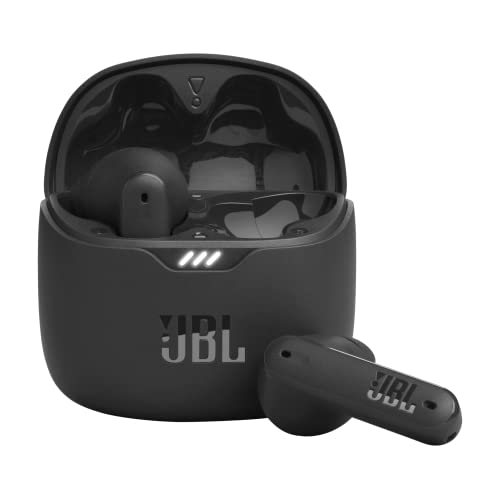


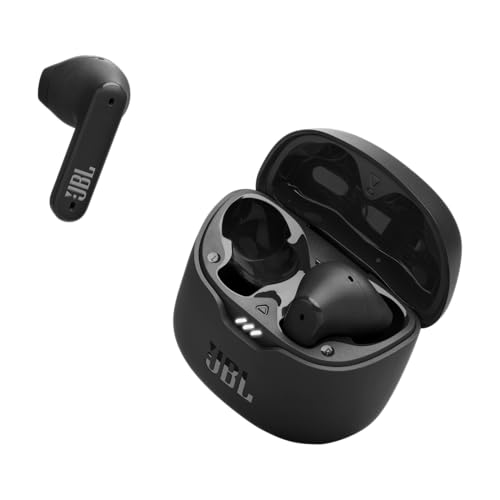
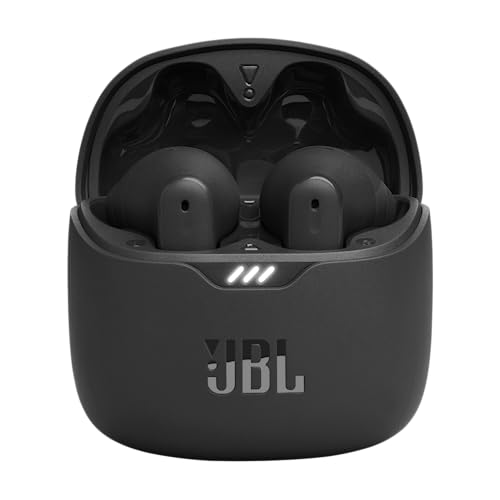
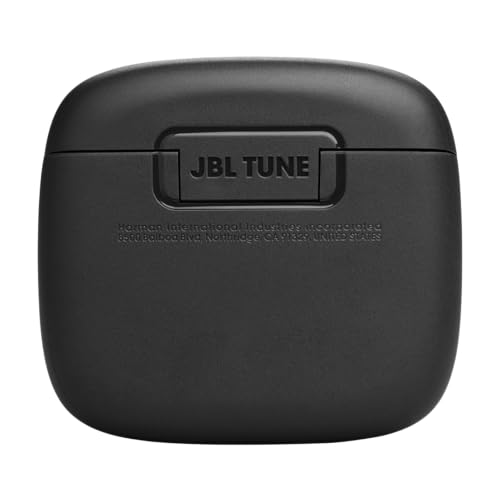
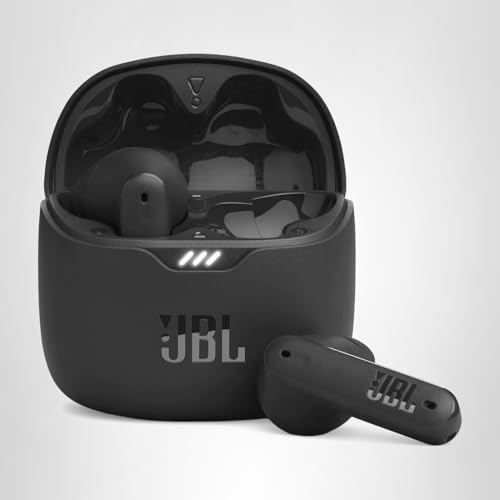
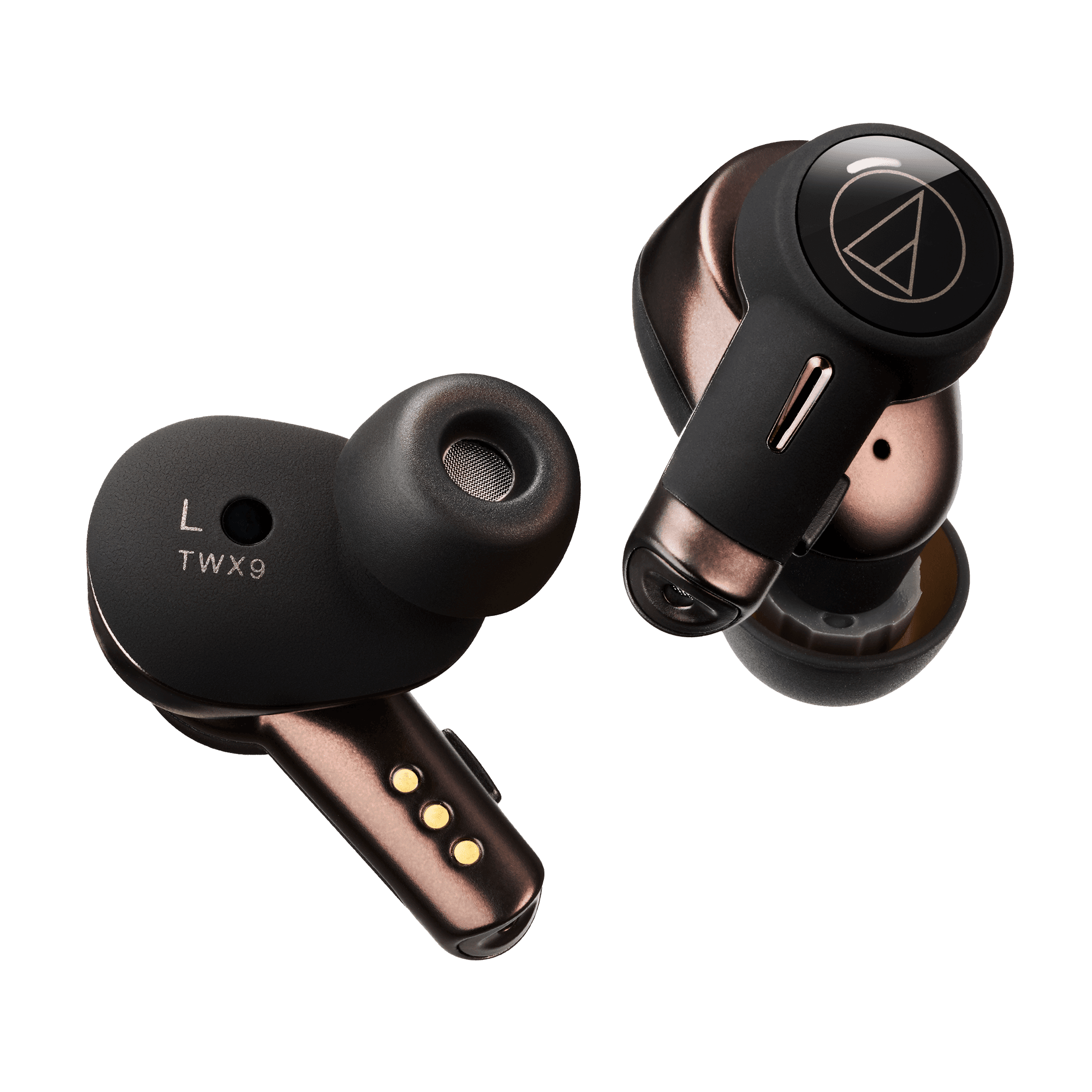
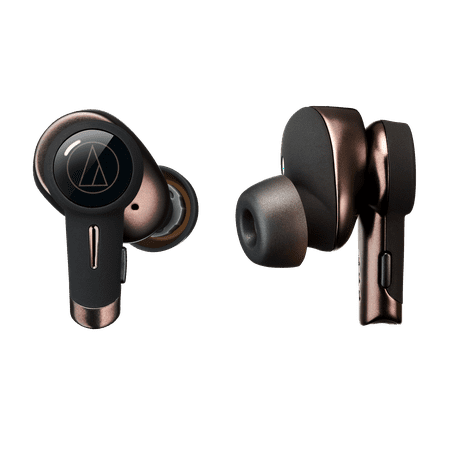
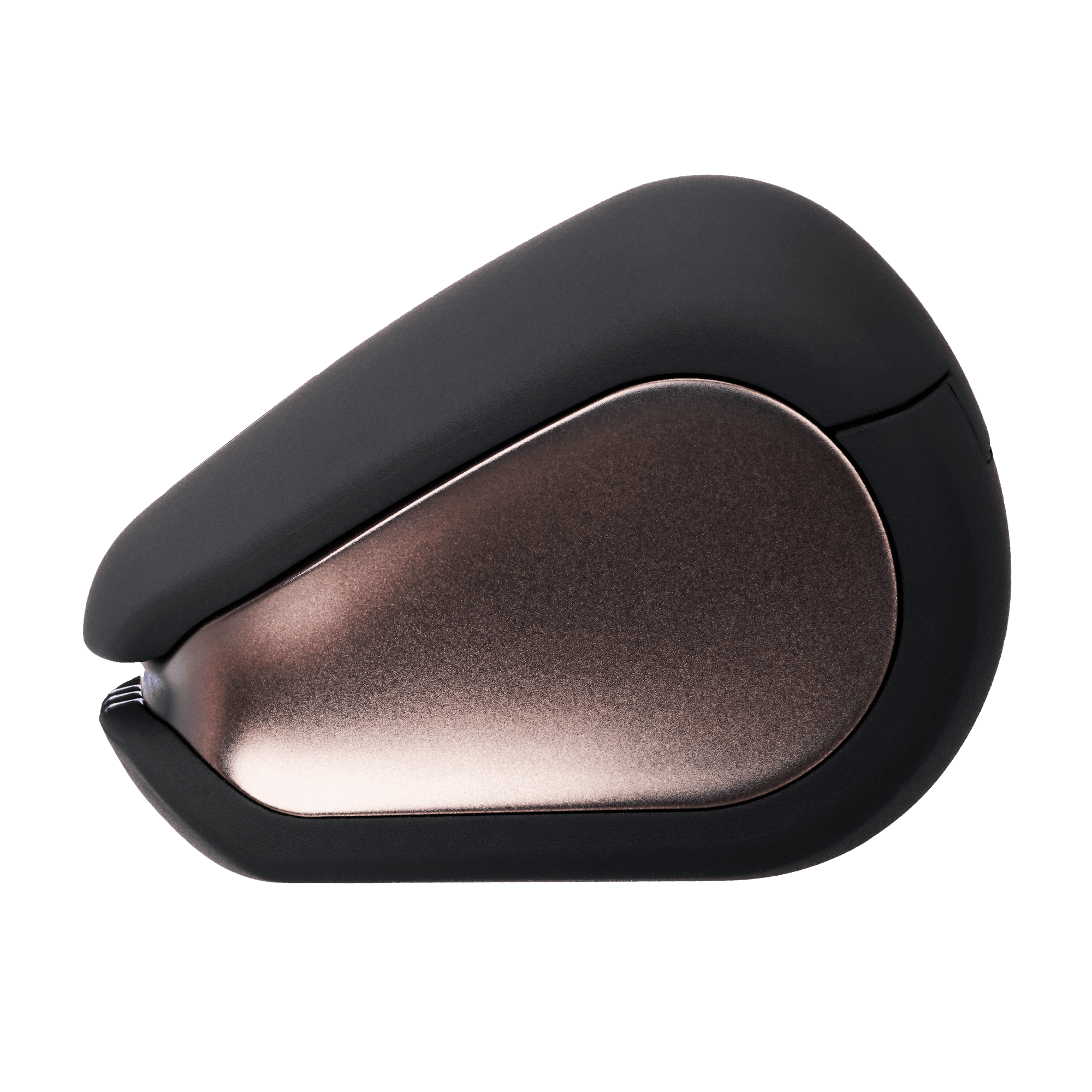

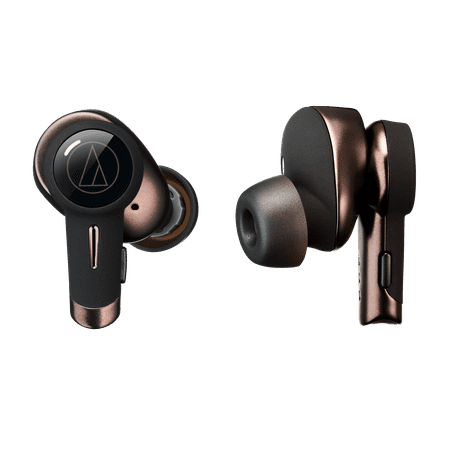
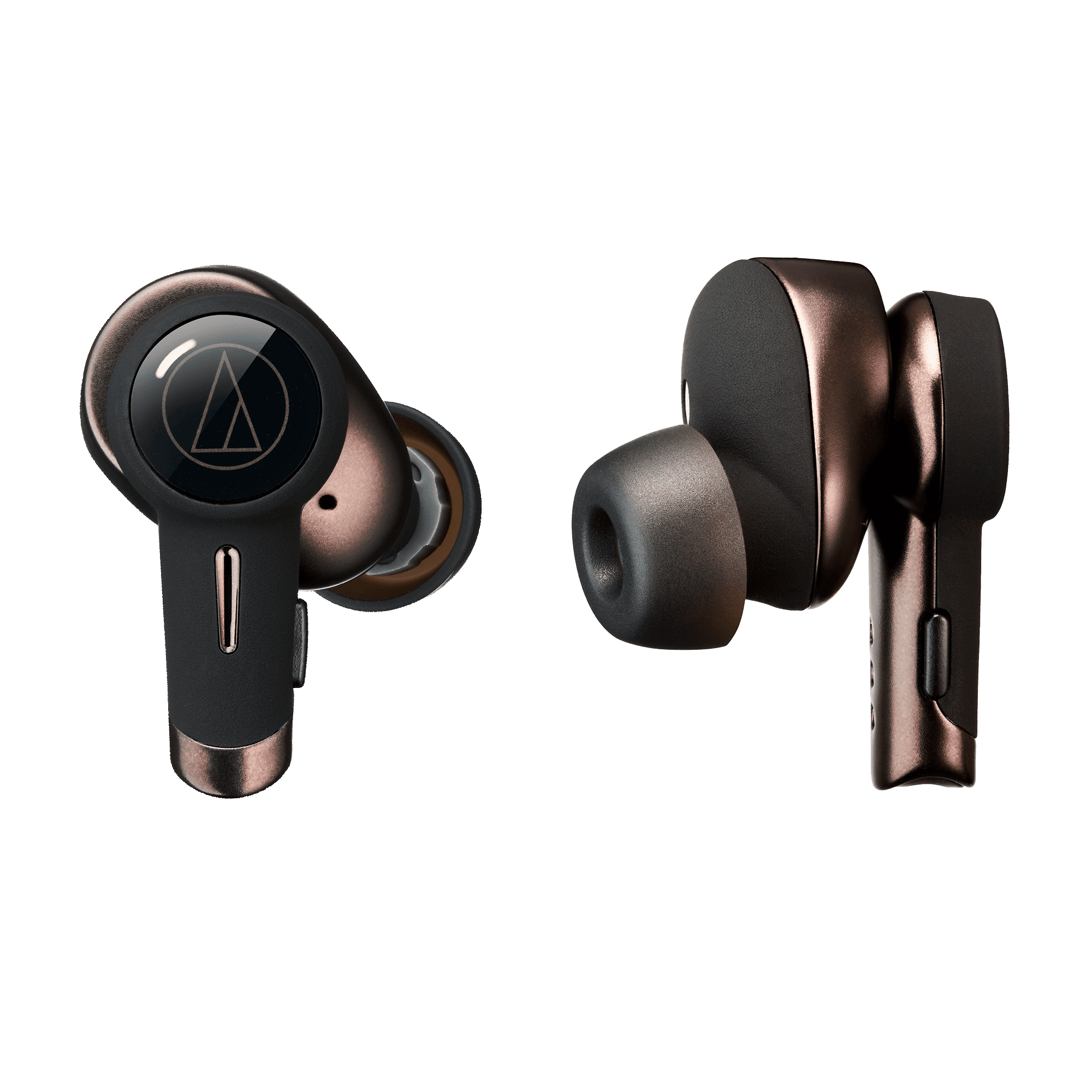
True wireless earbuds have revolutionized how we consume audio, evolving from novelty gadgets to essential daily companions. Whether you're commuting to work, hitting the gym, or settling in for a Netflix binge, the right earbuds can make or break your listening experience. Today, we're diving deep into two compelling options that represent different philosophies in earbud design: the mainstream-focused JBL Tune Flex and the audiophile-oriented Audio-Technica ATH-TWX9.
Released in 2022 and early 2023 respectively, both earbuds arrived during a particularly competitive period in the true wireless market. This timing is crucial because it means they incorporate several years' worth of technological refinements that earlier models lacked—better noise cancellation algorithms, more stable Bluetooth connections, and significantly improved battery life compared to the first generation of true wireless earbuds from 2016-2018.
Before we dive into specifics, let's establish what separates good earbuds from great ones. The most critical factors are audio quality, noise cancellation effectiveness, battery life, comfort, and overall value. However, these factors don't exist in isolation—they interact in complex ways that determine whether a particular pair of earbuds will work for your specific needs.
Audio quality isn't just about "sounding good"—it's about how well the earbuds reproduce the music as the artist intended. This involves driver size (the tiny speakers inside each earbud), frequency response (the range of sounds they can produce), and sound signature (whether they emphasize bass, treble, or maintain a neutral balance). Meanwhile, noise cancellation has become table stakes for any serious earbuds, but the implementation varies dramatically between basic noise blocking and sophisticated adaptive systems.
At the time of writing, the JBL Tune Flex typically costs about half as much as the Audio-Technica ATH-TWX9, positioning them in different market segments despite sharing core functionality. This price difference immediately raises questions about where that extra money goes and whether it translates to meaningfully better performance.
The most fundamental difference between these earbuds lies in their audio philosophy, starting with their drivers—the miniature speakers that actually produce sound. The JBL Tune Flex employs substantial 12mm dynamic drivers, which are quite large for true wireless earbuds. These drivers can move more air and typically produce more impactful bass response, which aligns with JBL's "Pure Bass Sound" marketing focus.
In contrast, the Audio-Technica ATH-TWX9 uses much smaller 5.8mm high-resolution drivers. This might seem like a disadvantage, but Audio-Technica has optimized these tiny drivers for accuracy and detail rather than sheer impact. The smaller size allows for more precise control over frequency response, particularly in the critical midrange frequencies where vocals and most instruments live.
These different approaches create distinctly different listening experiences. The JBL Tune Flex delivers what audio enthusiasts call a "V-shaped" sound signature—boosted bass and treble with slightly recessed mids. This tuning makes hip-hop, electronic music, and pop sound exciting and engaging, with punchy beats and crisp vocals cutting through the mix. However, it can sometimes make complex classical pieces or jazz recordings sound less natural, as the artificial emphasis can mask subtle details.
The Audio-Technica ATH-TWX9 pursues a more neutral approach, prioritizing accuracy across all frequencies. Its extended frequency response reaches up to 40,000Hz—well beyond human hearing but indicating the driver's capability to reproduce subtle harmonic details. This technical specification translates to more realistic reproduction of acoustic instruments, better separation between different elements in complex recordings, and a more "audiophile-friendly" presentation that reveals details you might miss with more colored tuning.
One area where the Audio-Technica ATH-TWX9 clearly outclasses the JBL Tune Flex is codec support. Codecs are compression algorithms that determine how audio gets transmitted wirelessly from your phone to your earbuds. Basic Bluetooth audio uses the SBC codec, which heavily compresses audio and can introduce latency (delay) between video and audio.
The Audio-Technica ATH-TWX9 supports aptX Adaptive, a premium codec that provides near CD-quality wireless audio transmission and dramatically reduces latency. This matters most when watching videos or gaming, where audio-video sync is crucial. The earbuds also support Snapdragon Sound and Sony's 360 Reality Audio, both of which can provide more immersive listening experiences with compatible content.
The JBL Tune Flex appears limited to standard Bluetooth codecs, which is adequate for most users but represents a technical limitation for those with high-quality source material or latency-sensitive applications.
Both earbuds offer active noise cancellation (ANC), but their implementations differ significantly. Active noise cancellation works by using microphones to detect external noise, then generating "anti-noise" signals that cancel out unwanted sounds. The effectiveness depends on microphone placement, processing algorithms, and how well the system adapts to different environments.
The JBL Tune Flex uses a straightforward two-microphone ANC system with what JBL calls "Smart Ambient" technology. This allows users to choose between complete noise isolation or ambient awareness modes. The Ambient Aware feature lets you hear important environmental sounds for safety, while TalkThru mode enables quick conversations without removing the earbuds. Based on user feedback, this system effectively handles consistent background noise like air conditioners, fans, or steady traffic, but struggles with intermittent sounds like conversations or sudden noises.
The Audio-Technica ATH-TWX9 employs what they term "digital hybrid noise-cancelling" with five preset modes tailored for specific environments: Home, Office/Study, On The Go, Train, and Airplane. Additionally, an "optimized" mode automatically measures surrounding noise levels and adjusts the cancellation accordingly. This sounds impressive on paper, but real-world performance reports suggest the practical difference isn't dramatic compared to the simpler JBL system.
This illustrates an important principle in audio technology: more complex doesn't always mean better. Sometimes a well-tuned simple system outperforms an overly complicated one, especially when the fundamental limitations (like earbud size and power consumption) constrain what's possible regardless of algorithmic sophistication.
Battery performance represents perhaps the most significant practical difference between these earbuds. The JBL Tune Flex delivers exceptional endurance with up to 32 hours of total playback time (8 hours from the earbuds plus 24 additional hours from the charging case) when noise cancellation is disabled. Even with ANC engaged, you still get 24 total hours of listening time.
The Audio-Technica ATH-TWX9 manages only 6 hours per charge with an additional 18.5 hours from the case, totaling around 24.5 hours. This difference is substantial in daily use—the JBL requires charging roughly half as often as the Audio-Technica, which can be the difference between weekly and bi-weekly charging cycles.
Both earbuds support fast charging, with the JBL providing 2 hours of playback from a 10-minute charge. However, the Audio-Technica's shorter baseline battery life means you'll be using fast charging more frequently, which can be inconvenient during busy periods.
The battery life advantage extends beyond mere convenience. Longer battery life typically indicates more efficient power management, which often correlates with more stable Bluetooth connections and consistent performance over time. It also reduces the frequency of battery charge cycles, potentially extending the earbuds' useful lifespan before the batteries degrade significantly.
Comfort might seem subjective, but it's actually quite technical. Earbud comfort depends on weight distribution, contact pressure, shape matching with ear anatomy, and how well the design accommodates jaw movement and other facial expressions that can shift ear canal shape.
The JBL Tune Flex incorporates a unique dual-mode design philosophy. You can use them with traditional silicone ear tips that seal your ear canal for maximum noise isolation and bass response, or switch to "open" ear tips that allow ambient sound to pass through naturally. This versatility is particularly valuable for activities where situational awareness matters, like running outdoors or working in environments where you need to hear colleagues.
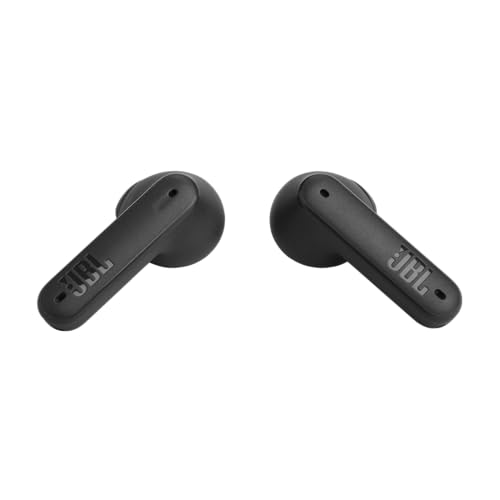
Each JBL earbud weighs just 4.8 grams, making them among the lighter options available. The stick-style form factor (similar to AirPods) provides multiple contact points for stability, which helps during physical activity. However, some users with smaller ears report difficulty achieving a secure fit despite the multiple tip options.
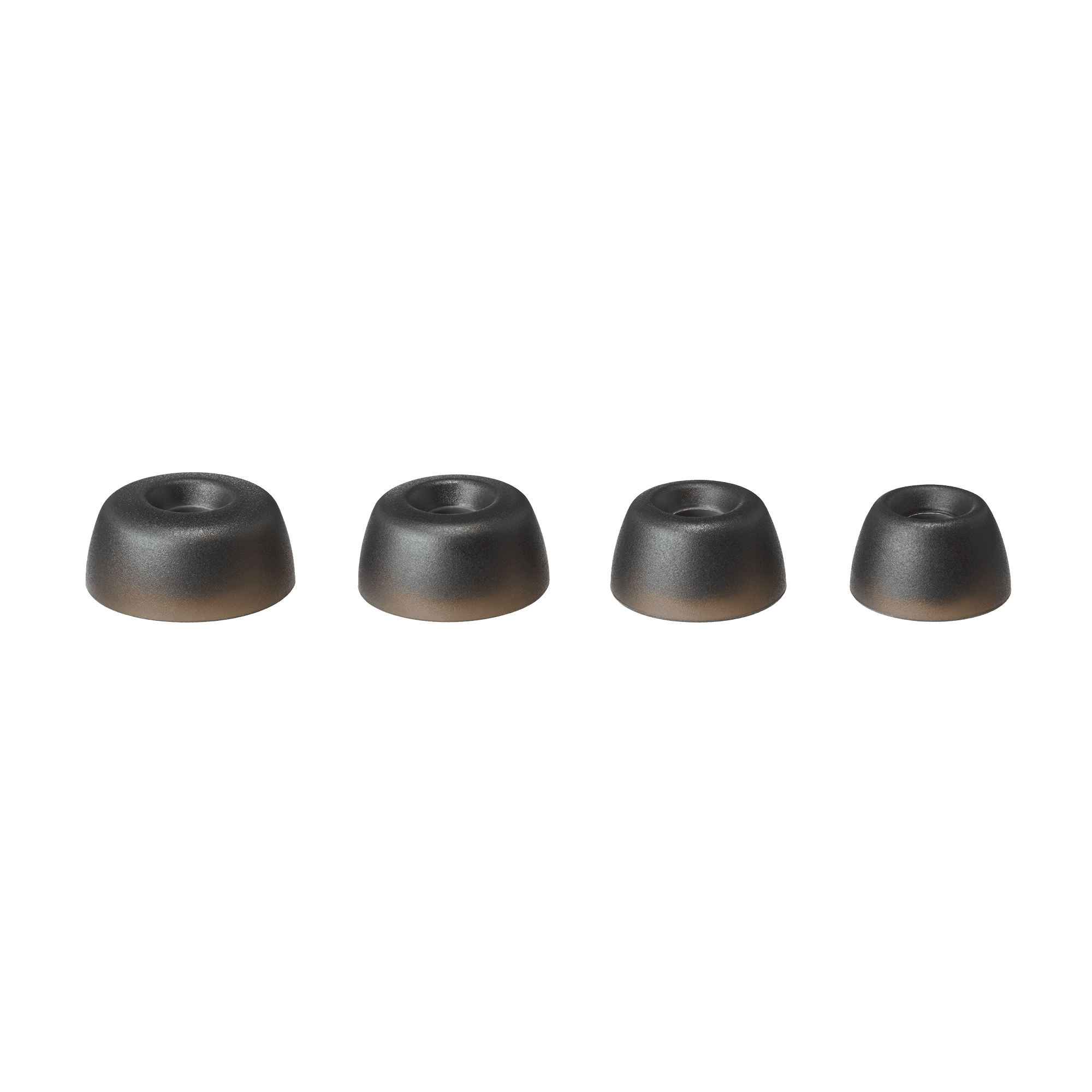
The Audio-Technica ATH-TWX9 takes a more traditional but highly refined approach. Instead of offering different tip styles, Audio-Technica provides an extensive selection of hybrid silicone ear tips in multiple sizes (XS through L) and three different lengths for each size. This level of customization is unusual and addresses a common problem—many people can find tips that fit their ear opening but struggle with the depth insertion that feels comfortable.
This attention to fit detail reflects Audio-Technica's professional audio heritage. In studio environments, comfort during long sessions is crucial, and this design philosophy carries over to their consumer products. The result is often superior long-term comfort for users who take time to find their optimal tip combination.
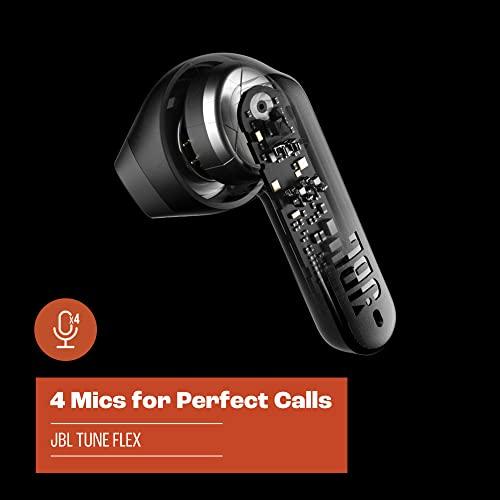
Both earbuds include multiple microphones for calls, but their implementations target different user needs. The JBL Tune Flex features four microphones with beamforming technology, which focuses on your voice while reducing background noise pickup. The VoiceAware feature lets you hear your own voice during calls, preventing the "talking into a pillow" effect common with heavily noise-cancelled microphones.
The Audio-Technica ATH-TWX9 uses dual MEMS microphones (Micro-Electro-Mechanical Systems, which are more precise than traditional electret microphones) combined with Qualcomm's cVc Generation 8.0 processing. This system provides superior wind noise reduction and clearer voice transmission in challenging acoustic environments.
For most users, both systems provide adequate call quality for casual phone conversations. However, if you regularly take important business calls or participate in lengthy conference calls, the Audio-Technica's professional-grade processing offers measurably better performance in noisy environments like busy streets or crowded offices.
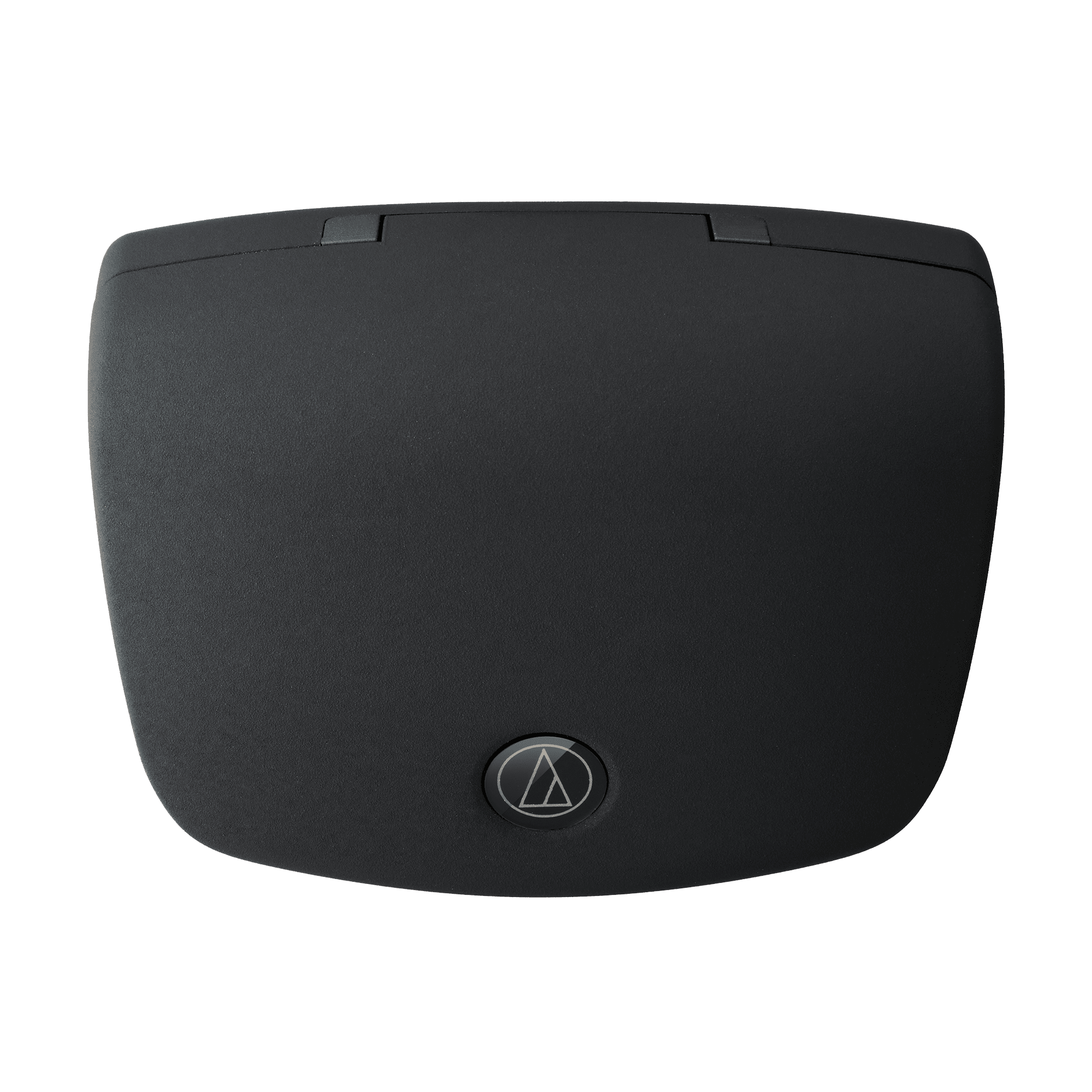
The Audio-Technica ATH-TWX9 includes several unique features that justify part of its premium pricing. The charging case incorporates UV sterilization technology, using deep-UV LED lights to eliminate bacteria and viruses from the earbud surfaces. While this might seem like a marketing gimmick, UV sterilization is proven effective and could be valuable for users who share earbuds or are particularly concerned about hygiene.
The case also supports wireless charging, eliminating the need to fumble with cables. Combined with the sterilization feature, this creates a more premium user experience that extends beyond just audio quality.
The JBL Tune Flex focuses on practical innovations rather than premium features. The dual-tip system (sealing and open) provides functionality that no other major earbud manufacturer offers at this price point. This versatility can replace multiple audio devices for users who need both isolation and awareness in different situations.
While neither product is specifically designed for home theater use, their different characteristics make them suitable for different entertainment scenarios. The JBL Tune Flex's longer battery life makes them practical for movie marathons or extended gaming sessions without charging interruptions.
However, the Audio-Technica ATH-TWX9's superior codec support provides better audio-video synchronization, which is crucial for an immersive viewing experience. The latency reduction from aptX Adaptive means dialogue stays properly synced with actors' lip movements, preventing the distracting delay that can occur with basic Bluetooth audio.
For gaming, the Audio-Technica's lower latency becomes even more important, as audio cues need to align precisely with visual events for competitive advantage. However, the shorter battery life could be limiting for extended gaming sessions.
At the time of writing, these earbuds occupy distinctly different value positions. The JBL Tune Flex delivers remarkable feature density for its price point, including active noise cancellation, exceptional battery life, water resistance, and unique dual-tip versatility. It represents what the industry calls "democratization of premium features"—bringing capabilities that were once exclusive to expensive products down to mainstream pricing.
The Audio-Technica ATH-TWX9 positions itself as a premium alternative that justifies higher pricing through superior audio quality, advanced codec support, professional-grade call processing, and luxury features like UV sterilization. The question becomes whether these improvements provide sufficient value over the more affordable option.
Based on our research into user reviews and professional evaluations, the performance gap between these products is smaller than their price difference might suggest. The Audio-Technica provides measurably better audio quality and some unique features, but the JBL delivers roughly 80% of the performance at approximately 50% of the cost.
The JBL Tune Flex makes sense for the majority of users, particularly those who:
The Audio-Technica ATH-TWX9 justifies its premium for users who:
After extensive research into user experiences and professional reviews, the JBL Tune Flex emerges as the better choice for most people. Its combination of long battery life, versatile design, solid audio quality, and competitive pricing creates exceptional overall value. The dual-tip system alone provides functionality that justifies choosing it over many competitors.
However, the Audio-Technica ATH-TWX9 serves an important niche for users who prioritize audio fidelity above all other considerations. Its superior sound quality, advanced features, and premium build justify the higher price for listeners who can appreciate and utilize these advantages.
The key insight is that both products succeed within their intended market segments. The JBL doesn't try to compete on absolute audio quality—instead, it maximizes practical utility and value. The Audio-Technica doesn't prioritize battery life or pricing—it focuses on delivering the best possible audio experience within the constraints of true wireless design.
Your choice should align with your priorities and usage patterns. If you want earbuds that "just work" reliably with great battery life and solid performance across all categories, the JBL Tune Flex is hard to beat. If you're willing to sacrifice some convenience for notably better audio quality and premium features, the Audio-Technica ATH-TWX9 delivers on its promises.
Either way, both represent significant improvements over earlier generations of true wireless earbuds, benefiting from years of technological refinement that have made truly great wireless audio accessible to mainstream consumers. The future of personal audio is wireless, and these products demonstrate how far the technology has advanced in just a few short years.
| JBL Tune Flex True Wireless Earbuds | Audio-Technica ATH-TWX9 Noise-Canceling Wireless Earbuds |
|---|---|
| Driver Size - Larger drivers typically produce better bass and overall impact | |
| 12mm dynamic drivers (excellent bass response) | 5.8mm high-resolution drivers (prioritizes clarity over impact) |
| Sound Signature - Determines which music genres sound best | |
| V-shaped with JBL Pure Bass (great for pop, hip-hop, EDM) | Neutral/balanced (ideal for classical, jazz, acoustic music) |
| Frequency Response - Higher numbers mean better detail reproduction | |
| 20 Hz - 20 kHz (standard range covers all audible sound) | 10 Hz - 40 kHz (extended range reveals more musical details) |
| Codec Support - Advanced codecs reduce delay and improve quality | |
| Standard Bluetooth (adequate for most users) | aptX Adaptive, Snapdragon Sound, 360 Reality Audio (premium wireless audio) |
| Active Noise Cancellation - Essential for commuting and focus | |
| 2-microphone ANC with Smart Ambient modes (effective for consistent noise) | Digital hybrid ANC with 5 preset modes + adaptive optimization (more features, similar real-world performance) |
| Battery Life - Most practical daily consideration for wireless earbuds | |
| Up to 32 hours total (8 + 24 from case, ANC off) | Up to 24.5 hours total (6 + 18.5 from case) |
| Charging Features - Convenience factors that matter for daily use | |
| USB-C, 10-minute speed charge for 2 hours playback | Wireless charging case with UV sterilization system |
| Water Resistance - Protection for workouts and weather | |
| IPX4 (sweat and splash resistant) | IPX4 (sweat and splash resistant) |
| Fit Options - Critical for comfort and staying secure during activity | |
| Dual-mode: sealing tips (3 sizes) + open tips for ambient awareness | Hybrid tips in 4 sizes with 3 different lengths each (extensive customization) |
| Weight Per Earbud - Affects long-term comfort | |
| 4.8g each (lightweight for extended wear) | 5.4g each (slightly heavier but still comfortable) |
| Microphone System - Important for call quality and voice commands | |
| 4 microphones with beamforming and VoiceAware | Dual MEMS mics with Qualcomm cVc 8.0 (professional-grade processing) |
| App Features - Customization options through smartphone apps | |
| JBL Headphones App with EQ, controls, find-my-earbuds | Audio-Technica Connect with advanced EQ, low-latency mode |
| Unique Features - Standout capabilities that differentiate each product | |
| Open ear tip mode for ambient awareness, exceptional battery life | UV sterilization case, premium codec support, audiophile-focused tuning |
The Audio-Technica ATH-TWX9 offers superior sound quality with more accurate, detailed audio reproduction thanks to its high-resolution 5.8mm drivers and extended frequency response up to 40kHz. The JBL Tune Flex provides excellent sound for the price with punchy bass from its larger 12mm drivers, making it better for bass-heavy music genres like hip-hop and EDM.
The JBL Tune Flex significantly outperforms with up to 32 hours total battery life (8 hours earbuds + 24 hours case) when noise canceling is off. The Audio-Technica ATH-TWX9 provides 24.5 hours total (6 hours earbuds + 18.5 hours case), requiring more frequent charging.
Both offer good call quality, but the Audio-Technica ATH-TWX9 has superior microphone technology with dual MEMS microphones and Qualcomm cVc 8.0 processing for clearer calls in noisy environments. The JBL Tune Flex uses 4 microphones with beamforming, which is adequate for most users but not as advanced.
Yes, both the JBL Tune Flex and Audio-Technica ATH-TWX9 feature active noise canceling. The JBL uses a simpler 2-microphone system with Smart Ambient modes, while the Audio-Technica employs digital hybrid noise canceling with 5 preset modes and adaptive optimization.
The JBL Tune Flex is slightly lighter at 4.8g per earbud and offers unique dual-mode ear tips (sealing and open options). The Audio-Technica ATH-TWX9 provides superior fit customization with hybrid ear tips in 4 sizes and 3 different lengths each, accommodating more ear shapes effectively.
Both earbuds offer IPX4 water resistance for sweat protection. The JBL Tune Flex is better for workouts due to its lighter weight, longer battery life, and unique open ear tip mode that allows ambient awareness for outdoor activities. The Audio-Technica ATH-TWX9 is suitable but may require more frequent charging during long training sessions.
The JBL Tune Flex provides exceptional value with active noise canceling, 32-hour battery life, water resistance, and unique features at a significantly lower price point. The Audio-Technica ATH-TWX9 justifies its premium pricing with superior audio quality, advanced codecs, and luxury features like wireless charging and UV sterilization.
Both work well for entertainment, but the Audio-Technica ATH-TWX9 is better for serious movie watching due to its aptX Adaptive codec support, which reduces audio-video sync issues. The JBL Tune Flex offers longer battery life for movie marathons but may have slight audio delay with standard Bluetooth codecs.
Despite the Audio-Technica ATH-TWX9 having more advanced noise canceling features with 5 preset modes, real-world performance is similar between both models. The JBL Tune Flex effectively handles consistent background noise, while neither matches premium options like Bose or Sony for noise canceling strength.
The Audio-Technica ATH-TWX9 supports premium audio codecs including aptX Adaptive, Snapdragon Sound, and Sony 360 Reality Audio for enhanced sound quality. The JBL Tune Flex uses standard Bluetooth codecs, which are adequate for most users but don't support high-resolution wireless audio formats.
The Audio-Technica ATH-TWX9 is superior for gaming due to its low-latency aptX Adaptive codec and app-based low-latency mode, ensuring audio stays synchronized with visual action. The JBL Tune Flex may experience slight audio delay but offers much longer battery life for extended gaming sessions.
The Audio-Technica ATH-TWX9 features a premium charging case with wireless charging and UV sterilization technology to eliminate bacteria. The JBL Tune Flex uses standard USB-C charging but provides significantly more battery capacity, extending total listening time by about 8 hours compared to the Audio-Technica ATH-TWX9.
We've done our best to create useful and informative comparisons to help you decide what product to buy. Our research uses advanced automated methods to create this comparison and perfection is not possible - please contact us for corrections or questions. These are the sites we've researched in the creation of this article: rtings.com - hometechnologyreview.com - youtube.com - bestbuy.com - soundguys.com - bestbuy.com - crutchfield.com - bgr.com - robbsutton.com - majorhifi.com - versus.com - crutchfield.com - youtube.com - versus.com - jbl.com - global.jbl.com - pcrichard.com - musicarts.com - scribd.com - global.jbl.com - robot-advance.com - gzhls.at - bestbuy.com - att.com - ro.harmanaudio.com - digitaltrends.com - audio-technica.com - dhrme.nl - youtube.com - stereonet.com - youtube.com - youtube.com - audio-technica.com - soundguys.com - audio-technica.com - thomannmusic.com - soundguys.com - majorhifi.com - 9to5toys.com - audio-technica.com - loudnwireless.com - youtube.com - audio46.com - digitaltrends.com - voltmusicstore.com - houseofstereo.com - electronicexpress.com - newegg.com - youtube.com - sea.audio-technica.com - bhphotovideo.com - datavision.com - audio-technica.com - audioxpress.com - audiojunction.com.au - bestofhighend.com - techjioblog.com - audio-technica.co.jp - 9to5toys.com - audio-technica.com.hk - audio-technica.com - audio-technica.com - hiconsumption.com

Privacy Policy
Terms and Conditions - Affiliate Policy
Home Security
© Copyright 2008-2026.
11816 Inwood Rd #1211, Dallas, TX 75244