



The true wireless earbuds market has exploded in recent years, transforming from a luxury novelty to an essential piece of everyday tech. With options ranging from budget-friendly to premium, choosing the right pair can feel overwhelming. Today, we're diving deep into two compelling options that take very different approaches to the same goal: delivering excellent wireless audio. The JBL Tune Flex represents the democratization of premium features, while the Bose QuietComfort Earbuds II showcases what happens when a company focuses relentlessly on perfecting one key technology.
Before we jump into the specifics, it's crucial to understand what separates good earbuds from great ones. The most important factors include audio quality (how your music actually sounds), noise cancellation capabilities (blocking unwanted sounds), battery life, call quality, and overall comfort during extended use. At the time of writing, these features determine whether you'll love your earbuds or find them gathering dust in a drawer.
The challenge is that different users prioritize these features differently. A frequent business traveler might value noise cancellation above all else, while a fitness enthusiast needs secure fit and sweat resistance. Understanding your primary use cases is the first step to making the right choice.
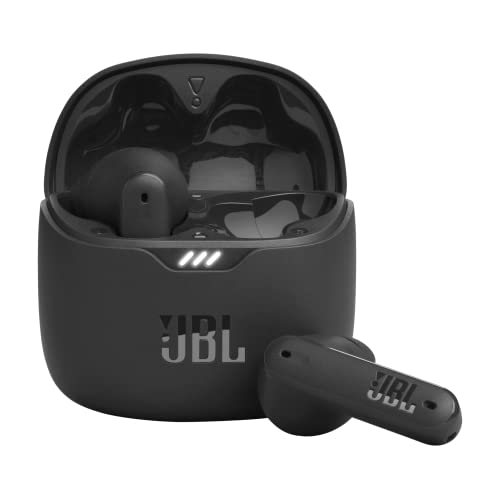
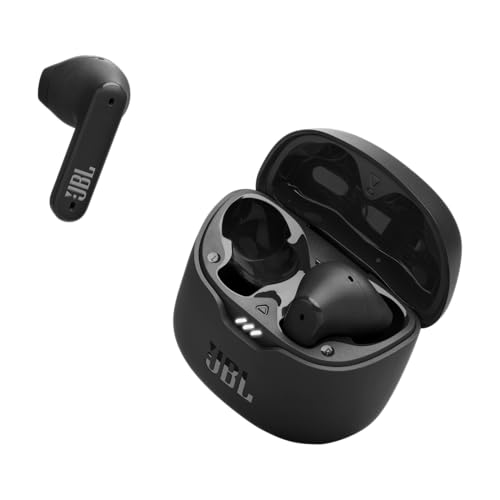
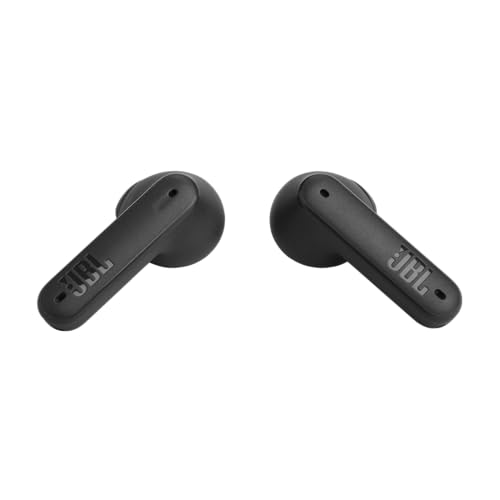
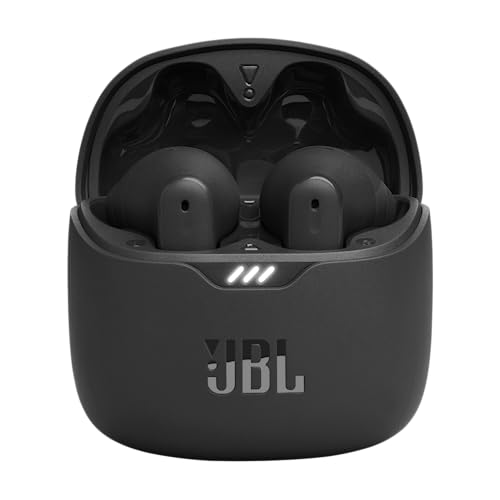
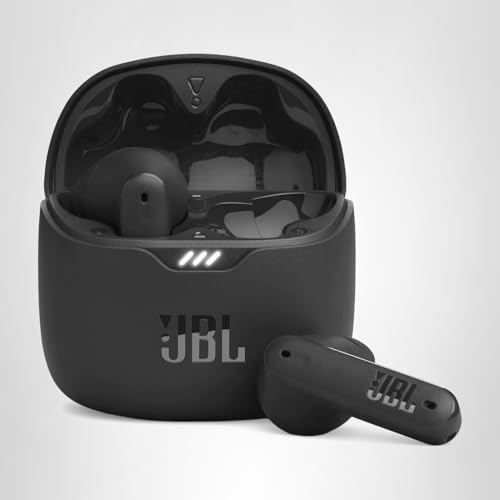
Released in 2023, the JBL Tune Flex takes a uniquely adaptable approach to earbud design. The most interesting feature is what JBL calls the "stick open design" – essentially, these earbuds can function in two completely different modes depending on your needs. You can wear them without any ear tips for an open, natural listening experience that lets you stay aware of your surroundings, or pop on the included sealing ear tips when you want to block out the world.
This dual-mode approach is genuinely innovative in a market where most manufacturers force you to choose one design philosophy or another. The engineering challenge here involved creating drivers (the tiny speakers inside the earbuds) that could deliver good sound quality in both configurations. JBL solved this with 12mm dynamic drivers – relatively large for earbuds – that can push enough air to sound full even in the open configuration.
The physical design reflects this flexibility. Each earbud weighs just 4.8 grams, making them among the lighter options available. The stick form factor (similar to Apple's AirPods) helps with both comfort and the acoustic engineering, as the longer body provides more space for components while keeping the weight away from the sensitive ear canal area.
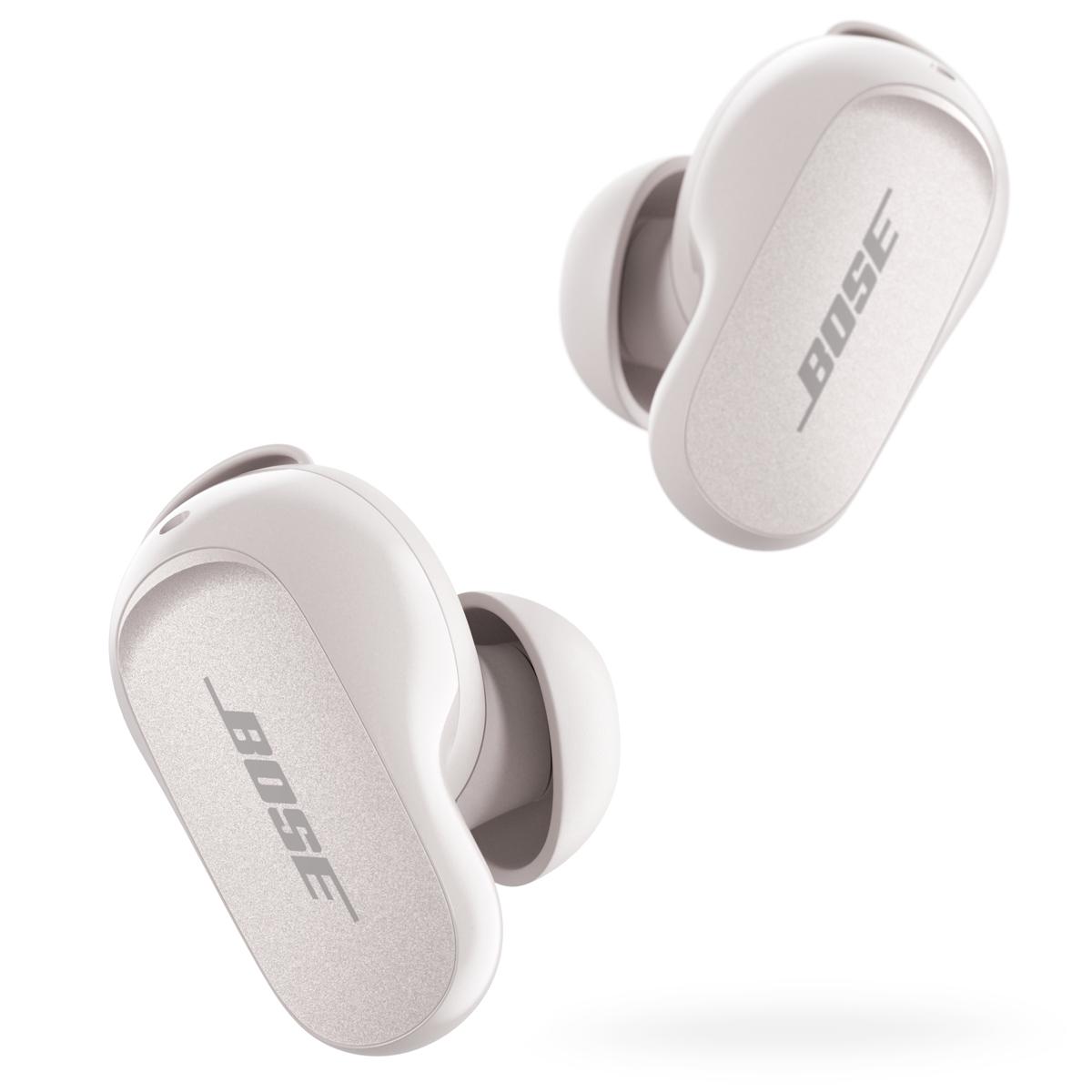
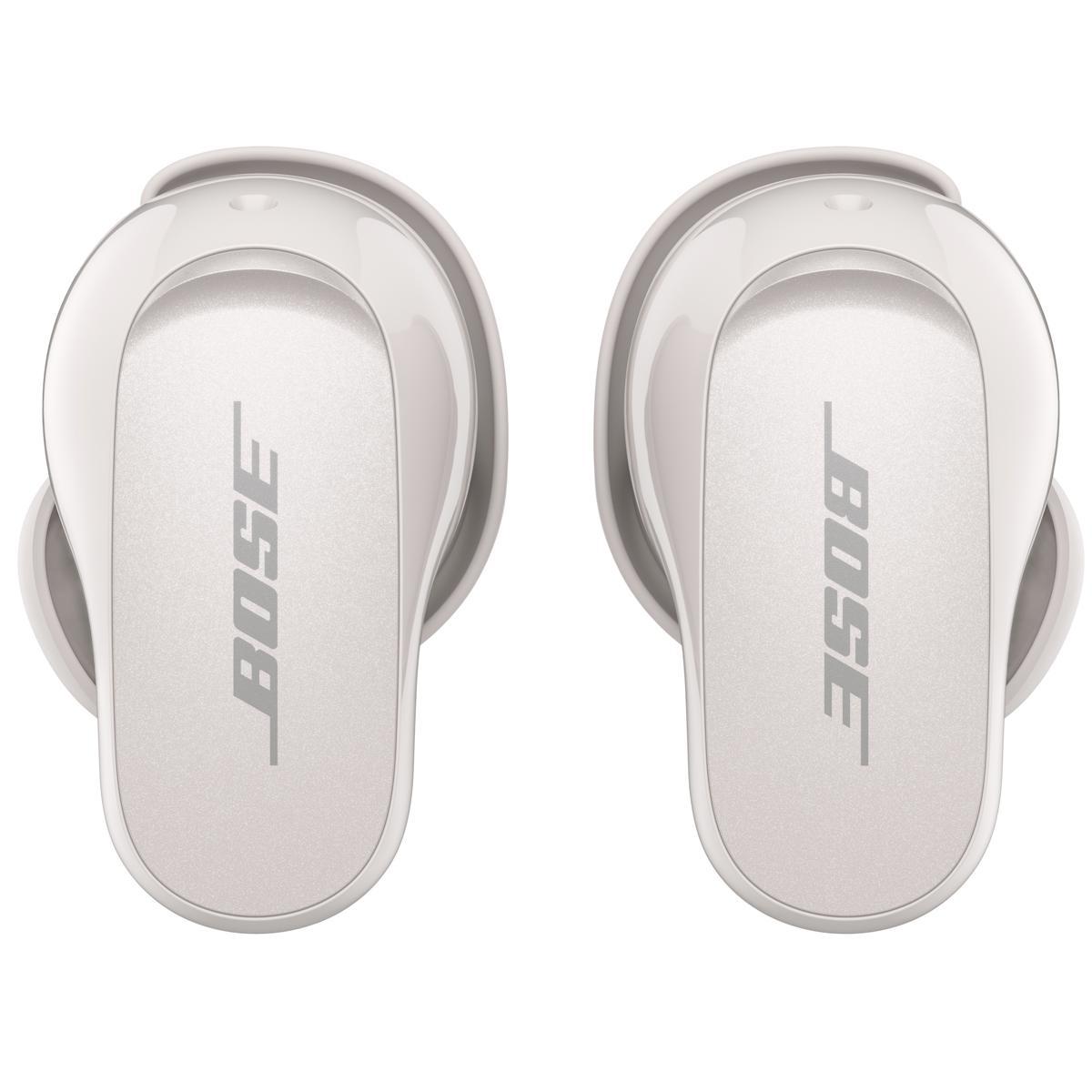
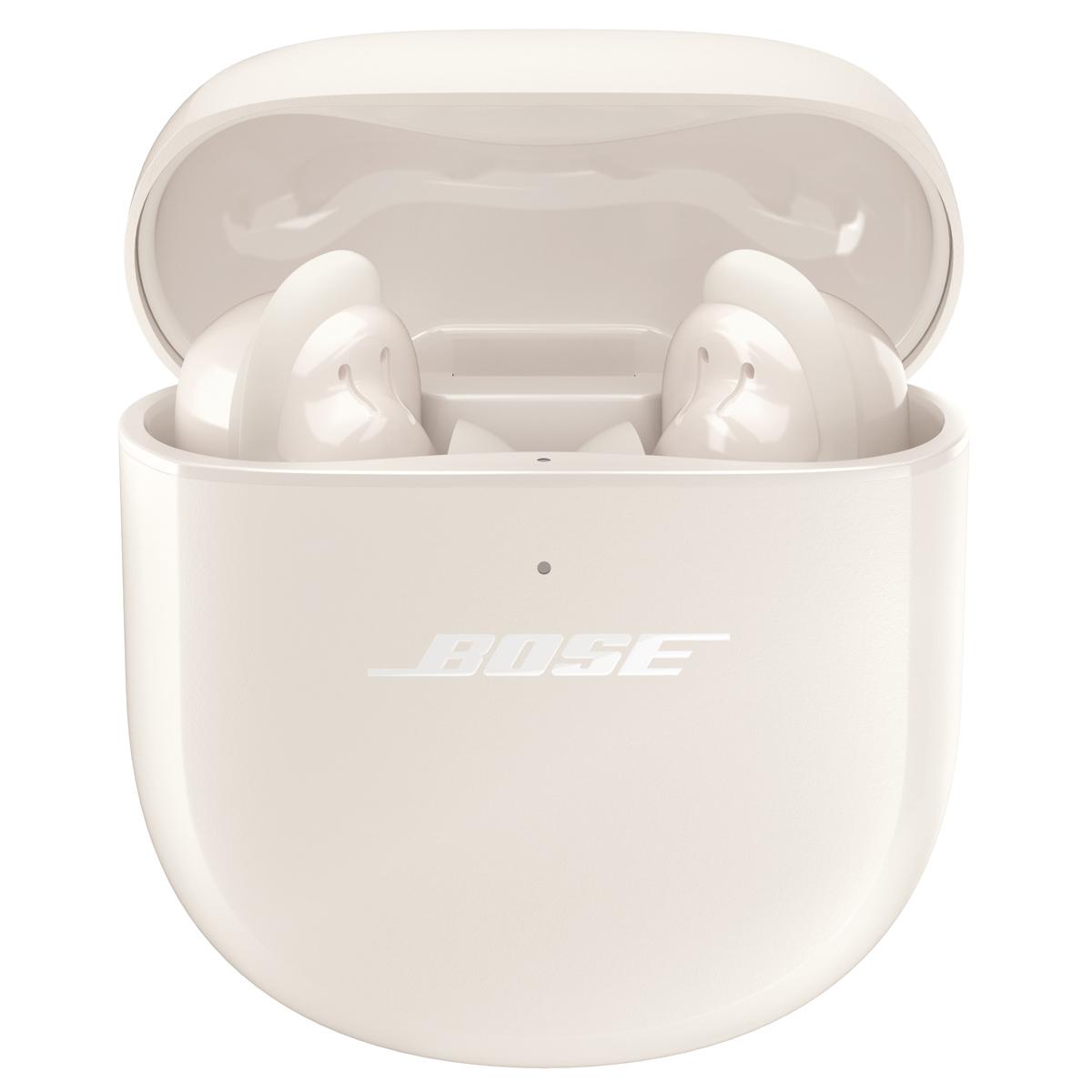
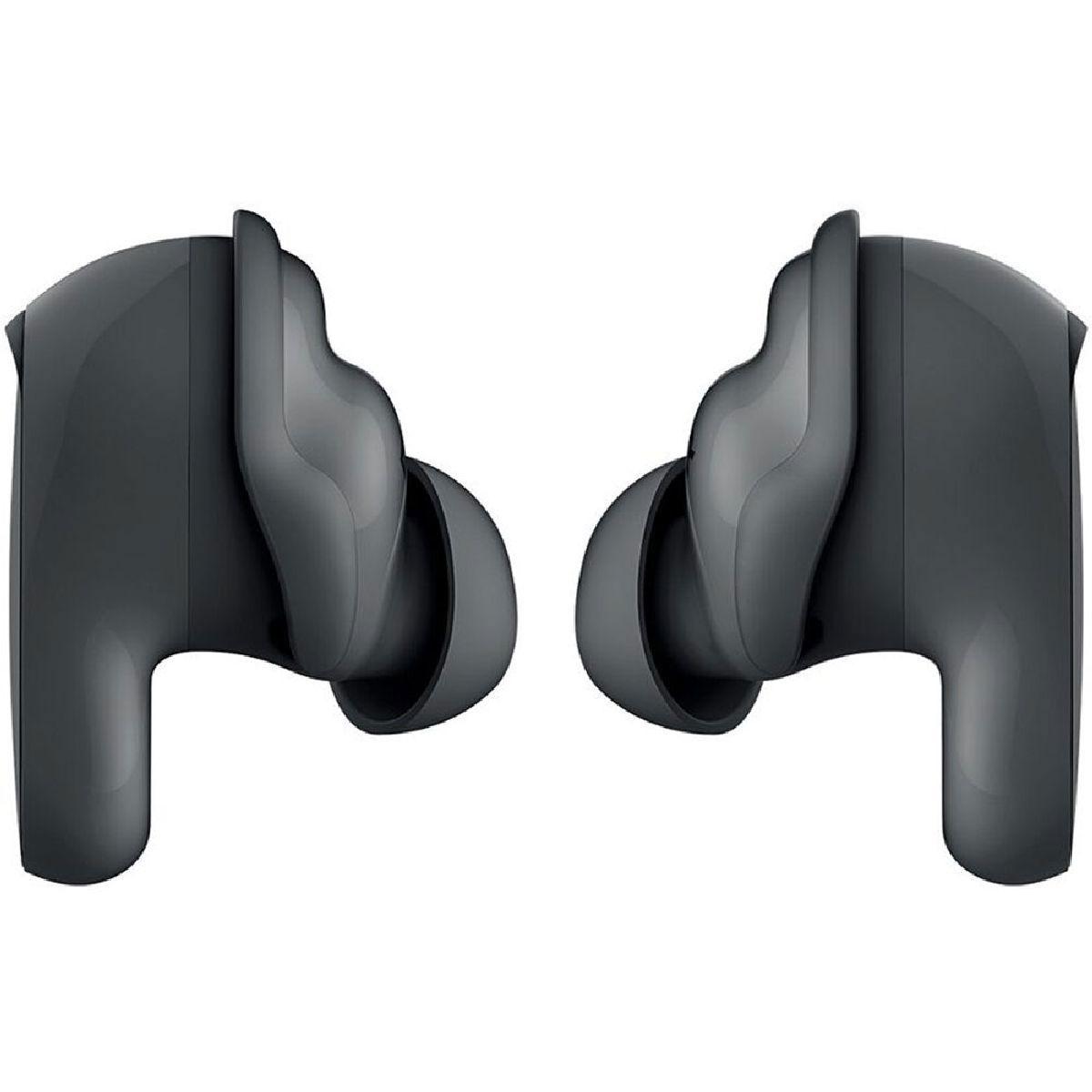
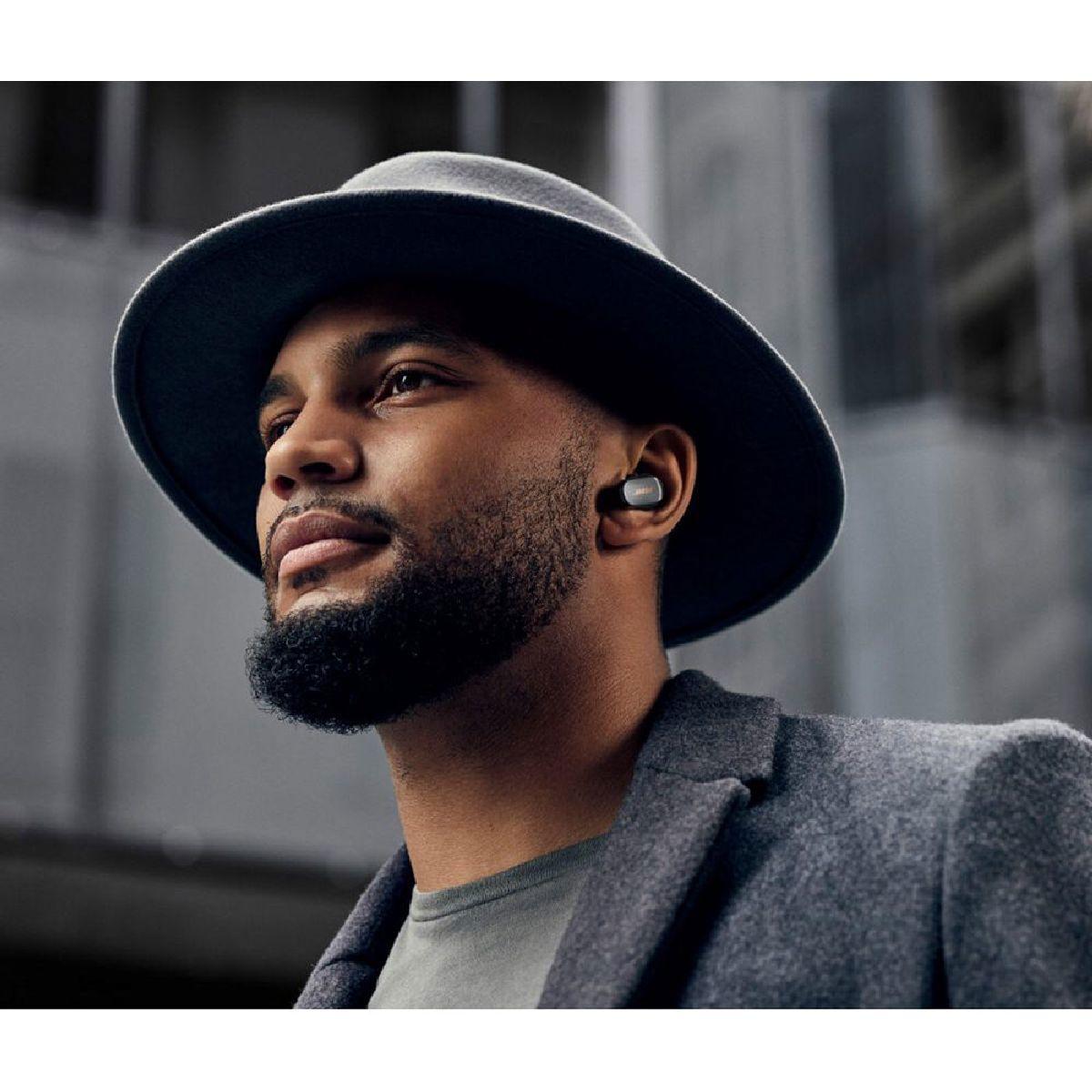
The Bose QuietComfort Earbuds II, also released in 2023, represents the opposite philosophy: instead of trying to be everything to everyone, Bose focused intensely on perfecting noise cancellation technology. These earbuds introduce CustomTune technology, which is genuinely cutting-edge stuff.
Here's how CustomTune works: every time you put the earbuds in your ears, they emit a proprietary tone (you can't hear it) that bounces around your unique ear canal shape. Microphones inside the earbuds measure how this sound reflects, and sophisticated algorithms use this data to customize both the audio tuning and noise cancellation settings for your specific ears. This happens in less than half a second, and it's remarkably effective.
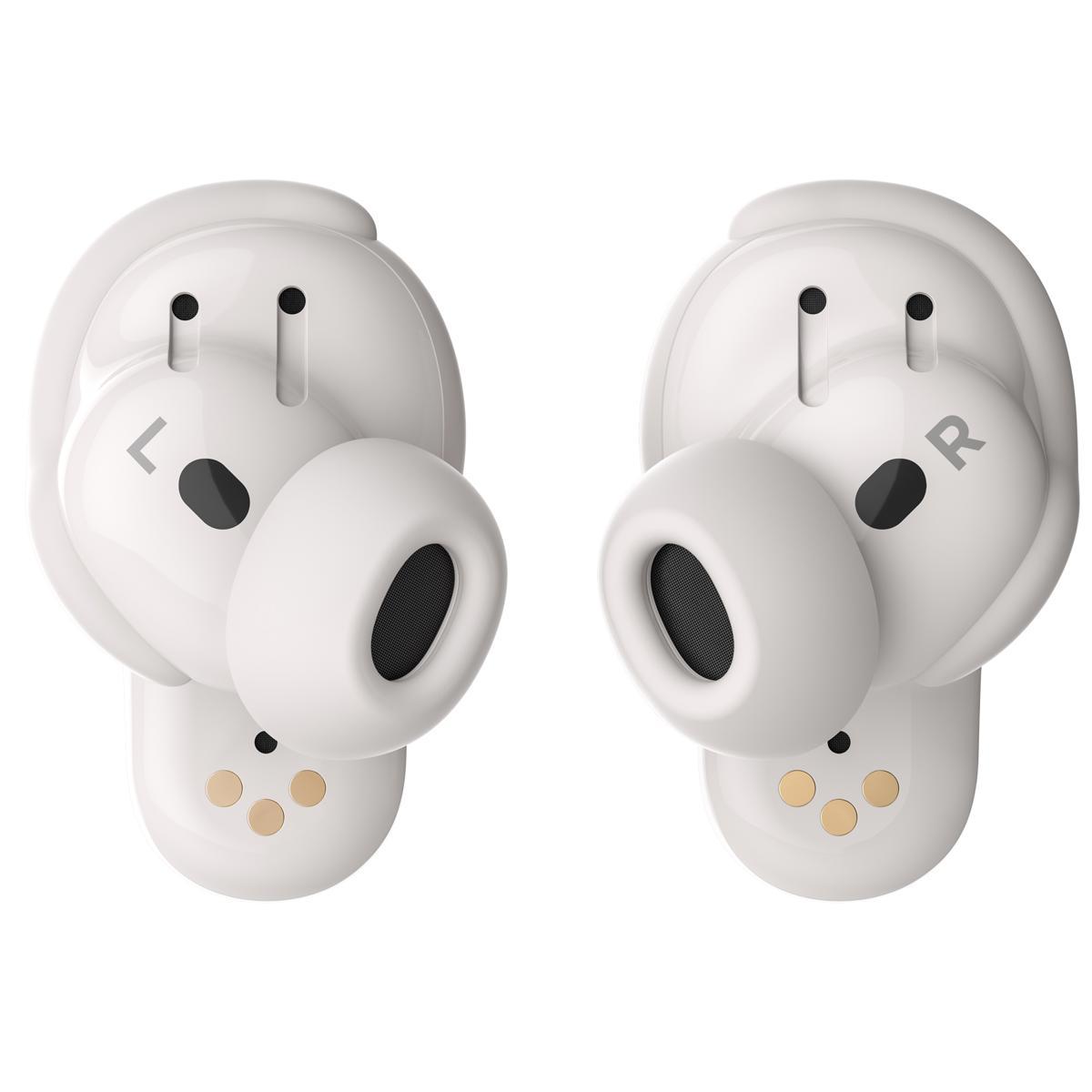
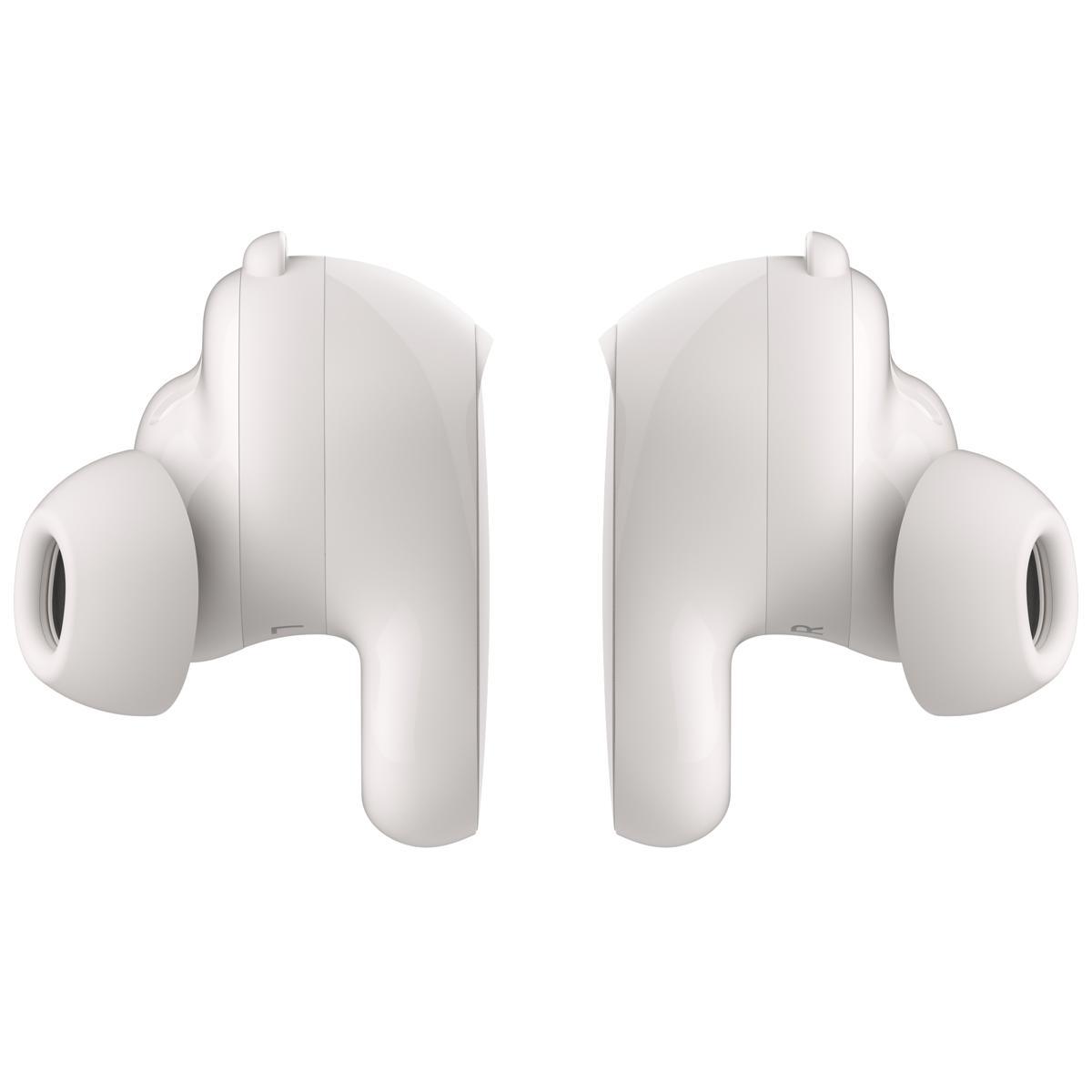
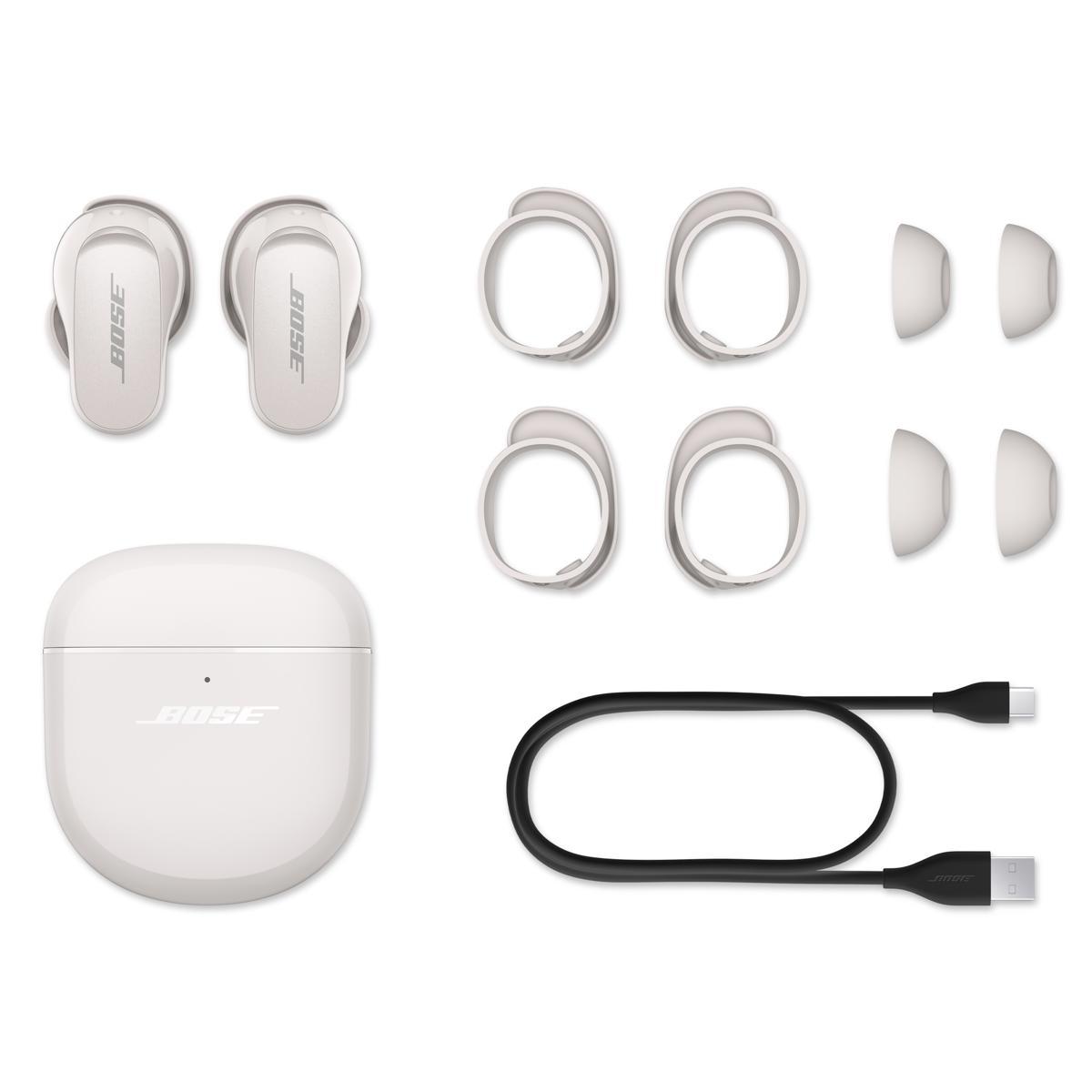
The physical design supports this technology focus. The Bose QuietComfort Earbuds II use a two-piece fitting system with separate stability bands and umbrella-shaped silicone tips. This might sound overly complex, but there's solid engineering behind it: the stability bands anchor the earbuds in your ear's contours, while the umbrella tips create an acoustic seal. This dual-component approach allows for better noise isolation than traditional single-piece tips.
Audio quality is where these two products really show their different personalities, and it's worth diving deep into what makes each approach work.
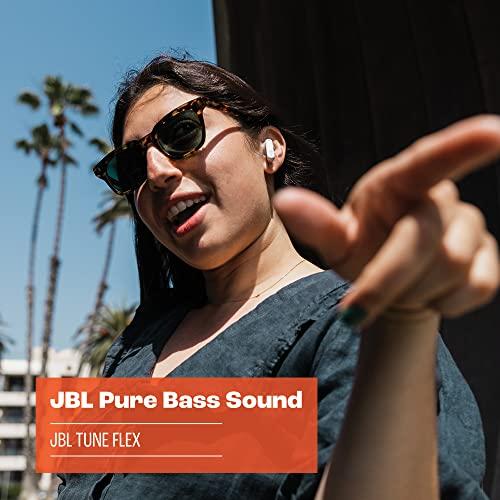
The JBL Tune Flex delivers JBL's signature "Pure Bass Sound," which translates to a V-shaped frequency response. In practical terms, this means the bass (low frequencies) and treble (high frequencies) are emphasized, while the midrange (where most vocals live) takes a slight backseat. This tuning works exceptionally well for genres like hip-hop, EDM, pop, and rock, where you want that extra punch and energy.
The 12mm drivers are genuinely impressive for earbuds in this price range. Most budget and mid-range earbuds use 6-8mm drivers, so the larger size allows for better bass extension and overall dynamics. When you're listening to something like Billie Eilish's "bad guy," you'll feel that sub-bass rumble that many smaller earbuds simply can't reproduce.
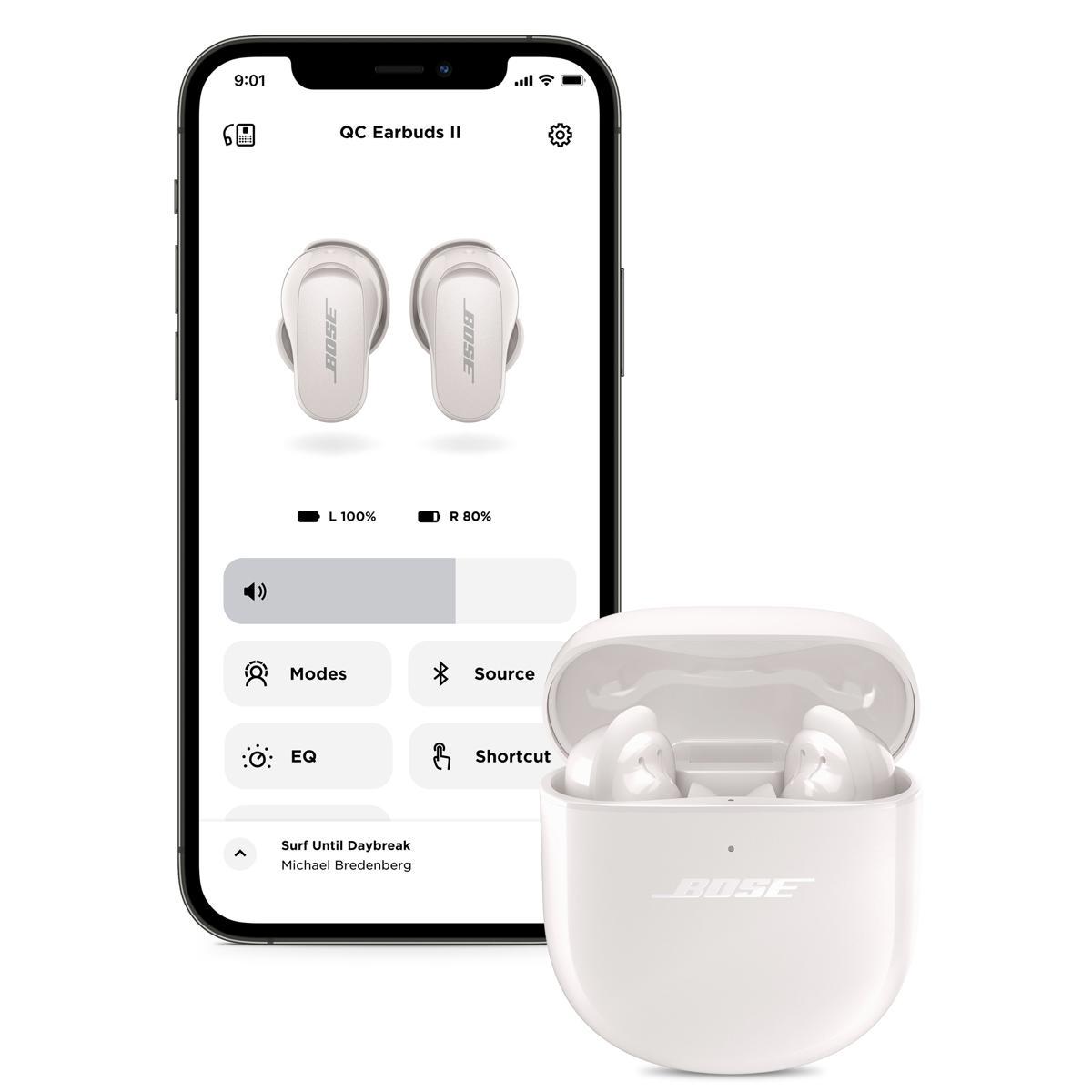
What's particularly smart about JBL's approach is the companion app's EQ customization. You get both preset options (Jazz, Vocal, Bass) and a full 10-band equalizer for detailed tuning. This level of customization was typically reserved for much more expensive earbuds just a few years ago. If you find the default bass emphasis too much for classical music or podcasts, you can easily dial it back.
However, the JBL Tune Flex does show some limitations when you push into more demanding content. Complex orchestral pieces or jazz recordings with lots of instrumental layering can sound somewhat congested compared to more expensive options. The soundstage (how spacious the music feels) is also limited, which is typical for earbuds but more noticeable here during critical listening.
The Bose QuietComfort Earbuds II takes a more sophisticated approach to audio tuning. Instead of emphasizing particular frequency ranges, Bose aims for accuracy and clarity across the entire spectrum. The CustomTune technology plays a crucial role here – by measuring your ear canal acoustics, the earbuds can compensate for how your unique ear shape affects sound reproduction.
This approach really shines with complex musical content. Piano recordings reveal subtle details like hammer strikes and string resonances that get lost on more colored-sounding earbuds. Vocal-centric music benefits from the natural midrange presentation, making artists sound more present and realistic. The treble is smooth and extended without the slight harshness that can creep in with the JBL Tune Flex on certain tracks.
Where the Bose earbuds really excel is in their ability to maintain composure at higher volumes. The CustomTune technology helps prevent the distortion and compression that typically occurs when you push earbuds hard. This makes them excellent for longer listening sessions where ear fatigue becomes a factor.
The downside? The Bose QuietComfort Earbuds II can sound somewhat restrained compared to the more exciting JBL signature. If you primarily listen to bass-heavy genres or want that "wow factor" punch, the Bose tuning might initially seem less impressive. However, this is where personal preference really matters – many listeners prefer the Bose approach once they adjust to the more neutral presentation.
Active Noise Cancellation (ANC) is where these earbuds show their biggest performance gap, and understanding how this technology works helps explain why.
Active noise cancellation uses microphones to detect incoming sound waves, then generates opposite-phase sound waves to cancel them out. Think of it like creating perfectly timed "anti-sound" that neutralizes unwanted noise before it reaches your ears. The effectiveness depends on microphone placement, processing power, and algorithm sophistication.
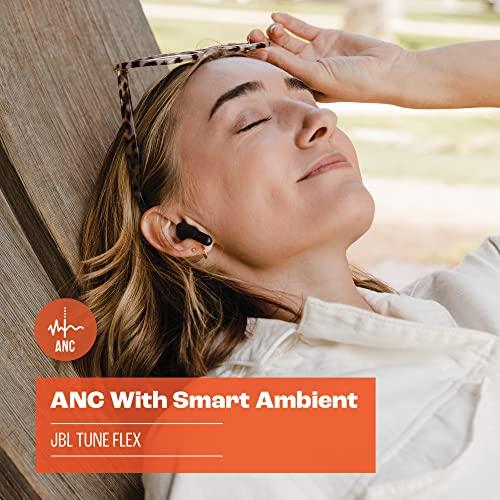
The JBL Tune Flex includes ANC as a value-add feature rather than a primary focus. With two microphones per earbud dedicated to noise cancellation, it can handle consistent, predictable sounds reasonably well. Air conditioning hum, train rumble, and other steady-state noise get noticeably reduced, making these earbuds useful for commuting and office environments.
However, the limitations become apparent with more complex sound environments. Conversations, traffic noise, and other variable sounds aren't handled as effectively. The processing isn't sophisticated enough to adapt quickly to changing acoustic conditions, so you'll still hear plenty of the outside world during busy periods.
The redeeming factor is the Smart Ambient technology, which includes Ambient Aware and TalkThru modes. These features let you blend outside sound back in when you need situational awareness, and they work well for scenarios like jogging outdoors or navigating busy areas.
The Bose QuietComfort Earbuds II represents Bose's decades of noise cancellation expertise distilled into earbud form. With four microphones per earbud (one inside, three outside), the system can create a much more detailed picture of the acoustic environment around you.
The real magic happens in the processing. Bose's proprietary algorithms can identify and cancel a much wider range of frequencies and adapt to changing conditions in real-time. The result is what many reviewers describe as "otherworldly" – a sense of being isolated in your own audio bubble even in challenging environments like airplanes or busy city streets.
CustomTune enhances this performance by optimizing the cancellation for your specific ear shape. Since everyone's ears are different, generic ANC algorithms can leave gaps in protection. By measuring your ear canal acoustics, the system can fine-tune the cancellation patterns for maximum effectiveness.
The Aware Mode with ActiveSense technology is also more sophisticated than JBL's implementation. Instead of simply mixing in outside sound, it can automatically adjust the level based on environmental conditions and even activate noise cancellation when sudden loud sounds occur nearby.
Battery performance has improved dramatically across the earbud category in recent years, but these two products take different approaches to power management.
The JBL Tune Flex delivers impressive battery life that often exceeds manufacturer claims in real-world use. With ANC disabled, you can expect around 8 hours of playback per charge, with the case providing an additional 24 hours for 32 hours total. Even with ANC enabled, you're looking at 6-6.5 hours per charge with 18 hours from the case.
The Speed Charge feature provides practical value – 10 minutes of charging delivers roughly 2 hours of playback time, which is perfect for those "oh no, dead battery" moments before a workout or commute. The earbuds charge from empty in about 2 hours, making overnight charging easy.
What's particularly noteworthy is how consistent these battery numbers are. Unlike some earbuds that achieve their rated life only under perfect conditions, the JBL Tune Flex delivers reliable performance across different volume levels and usage patterns.
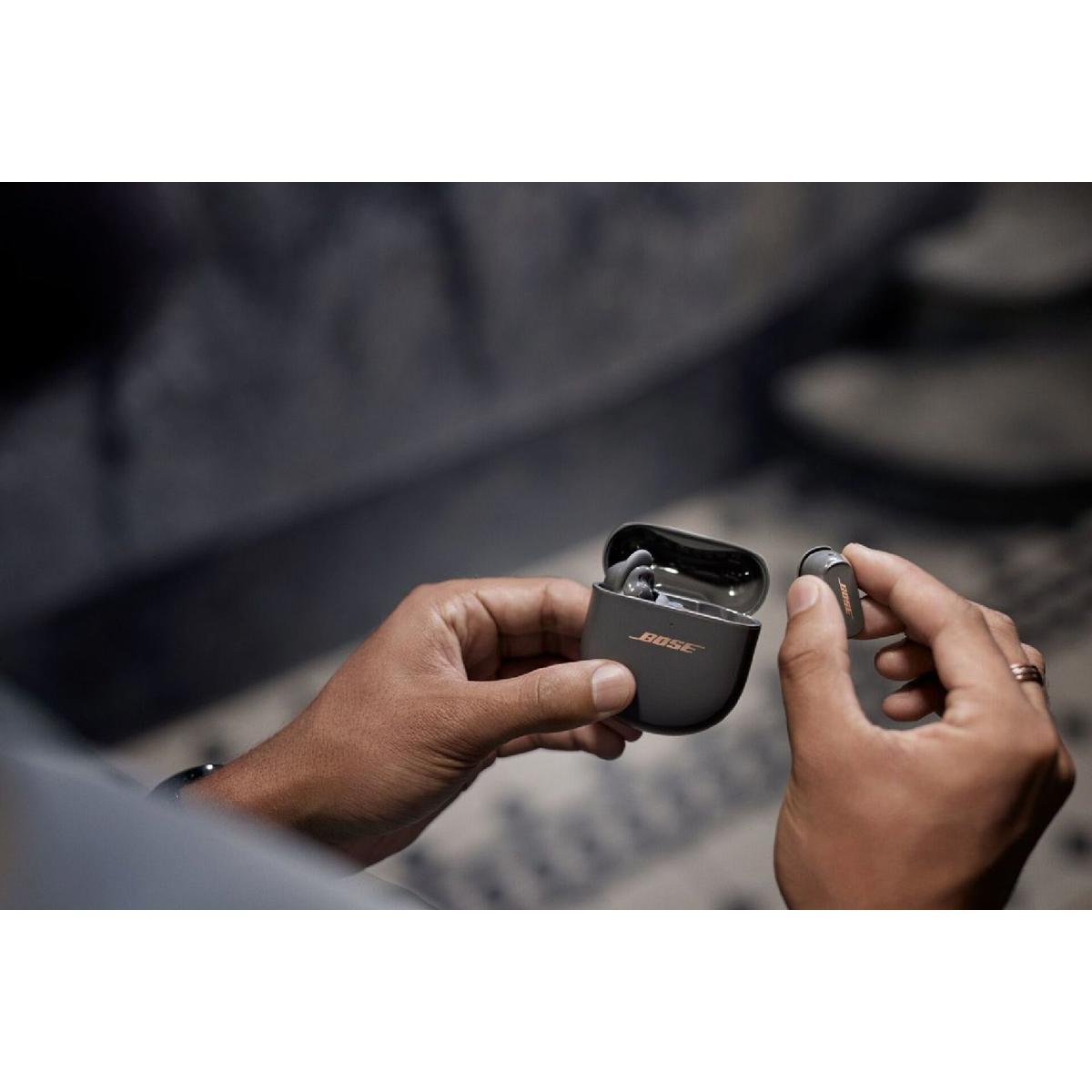
The Bose QuietComfort Earbuds II manages 6 hours per charge with ANC active, plus 18 hours from the case for 24 hours total. While this is shorter than the JBL's maximum performance, it's still competitive for premium earbuds and reflects the power demands of the sophisticated CustomTune and ANC processing.
The charging case fully recharges the earbuds in one hour, and a 20-minute quick charge provides up to 2 hours of playback. The case itself takes 3 hours to fully charge via USB-C. What's missing at this price point is wireless charging – a feature that's becoming standard in premium earbuds.
Video calls have become a bigger part of daily life, making microphone performance increasingly important. The differences here are quite significant.
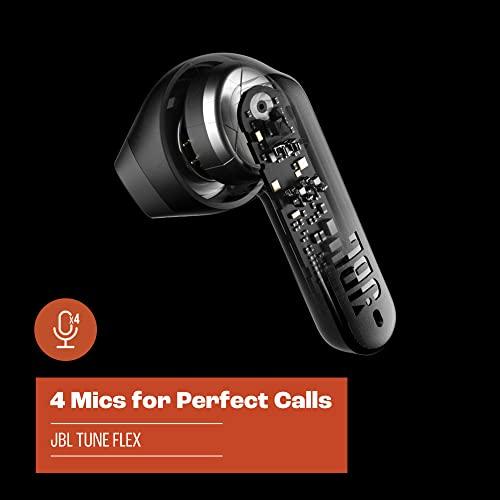
The JBL Tune Flex includes 4 microphones with beamforming technology, which focuses on capturing your voice while suppressing background noise. The VoiceAware feature lets you control how much of your own voice you hear during calls, which helps with the disconnected feeling that sometimes occurs with earbuds.
However, our research into user and expert reviews consistently points to one issue: voice quality sounds "unnatural and robotic." While you'll be understood during calls, the processing creates artifacts that make your voice sound artificial compared to the more natural reproduction from higher-end options.
The noise handling is adequate in moderate environments – office chatter or light street noise won't completely derail your calls – but challenging conditions like subway platforms or very windy areas can cause issues.
The Bose QuietComfort Earbuds II excels in call quality, which makes sense given Bose's expertise in professional audio equipment. The advanced microphone array and processing deliver much more natural voice reproduction, and the wind noise reduction is particularly impressive.
What sets these apart is their ability to maintain call quality even in challenging acoustic environments. The same technology that makes the noise cancellation so effective also helps isolate your voice from background distractions during calls. For professionals who spend significant time on calls, this difference is immediately apparent and worth the premium pricing.
Long-term comfort is crucial for earbuds, and these products take different approaches to achieving it.
At 4.8 grams per earbud, the JBL Tune Flex feels almost weightless during extended use. The multiple fit options (open tips for awareness, three sizes of sealing tips) mean you can optimize for different scenarios throughout your day.
The stick design distributes weight away from your ear canal, reducing pressure points that can cause discomfort during long sessions. The IPX4 water resistance handles sweat and light rain without issues, making these suitable for workouts and outdoor activities.
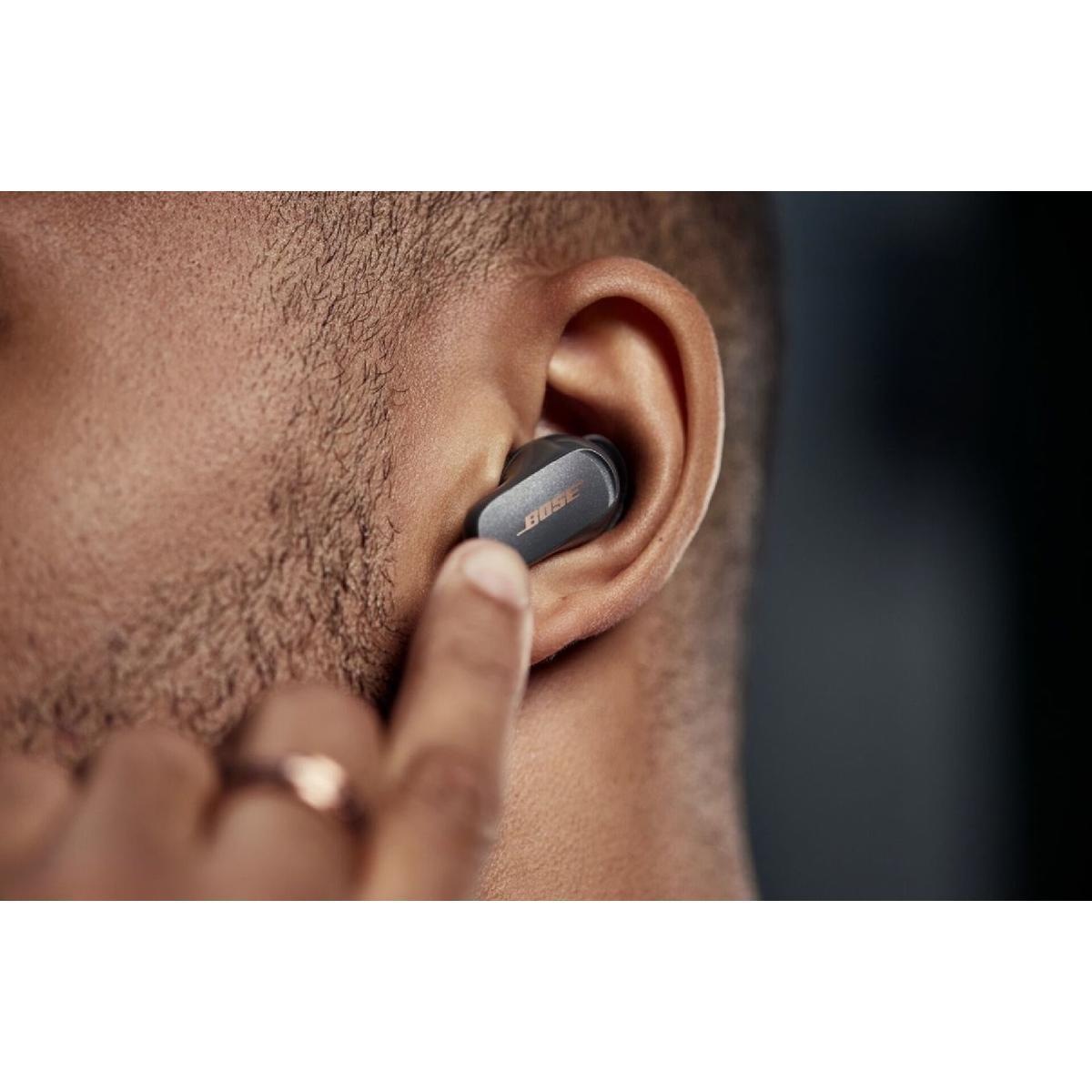
One common complaint involves the touch controls being overly sensitive – it's easy to accidentally trigger functions when adjusting the fit. However, the app allows you to customize these controls or disable them entirely if they become problematic.
The two-piece fit system of the Bose QuietComfort Earbuds II initially seems complex but proves effective in practice. The stability bands anchor the earbuds securely without creating pressure points, while the umbrella-shaped tips seal effectively without pushing too deeply into the ear canal.
The premium materials feel more refined than the JBL's, but the earbuds are noticeably bulkier. For users with smaller ears, the fit can become fatiguing during very long sessions. However, when the fit works well, the secure seal enhances both comfort and noise cancellation performance.
While earbuds aren't typically the first choice for home theater, both products have interesting applications in this space.
The JBL Tune Flex can work well for casual movie and TV watching, especially with their bass-forward signature that adds impact to action scenes. The long battery life means you won't need to worry about charging during extended binge-watching sessions. However, the limited soundstage doesn't create the immersive experience you'd get from dedicated home theater headphones.
The Bose QuietComfort Earbuds II offer a more refined experience for home entertainment. The superior noise cancellation can be valuable if you need to watch content without disturbing others, and the more balanced audio signature presents dialogue and music more naturally. The CustomTune technology ensures consistent performance even during long viewing sessions.
Neither product supports advanced features like spatial audio or low-latency gaming modes, so dedicated gaming headsets remain better choices for those applications.
At the time of writing, these products occupy very different price segments, which significantly impacts their value equations.
The JBL Tune Flex represents exceptional value in the mid-range segment. Features that were exclusive to premium earbuds just a few years ago – active noise cancellation, extensive app customization, long battery life, and solid build quality – are now accessible at a much lower price point. For users wanting to experience advanced earbud technology without premium pricing, these deliver impressive bang for the buck.
The Bose QuietComfort Earbuds II commands premium pricing but justifies it through market-leading noise cancellation technology and refined engineering. You're paying for Bose's decades of acoustic expertise, CustomTune innovation, and consistently superior performance across demanding use cases. For users where noise cancellation is a primary requirement, the premium is often worthwhile.
Versatility and value are your primary concerns. The JBL Tune Flex excels as an all-around option that handles multiple use cases well without breaking the bank. The dual-mode design makes them uniquely adaptable – use them open for office work where you need awareness, then switch to sealed mode for your commute home.
Bass-forward sound that makes your music exciting. If you primarily listen to pop, hip-hop, EDM, or other bass-heavy genres, the JBL tuning will likely sound more engaging than the neutral Bose signature.
Long battery life for extended use. Whether you're traveling, working long shifts, or just don't want to worry about charging, the JBL Tune Flex delivers marathon performance that reduces battery anxiety.
An entry point into premium features. If you're new to true wireless earbuds or upgrading from basic models, these provide an excellent introduction to advanced features like ANC and app customization.
Best-in-class noise cancellation for challenging environments. Frequent flyers, train commuters, or anyone regularly dealing with noisy environments will appreciate the superior isolation these provide. The difference in ANC performance is substantial and immediately noticeable.
Professional call quality for work requirements. If you spend significant time on video calls or phone meetings, the superior microphone performance and natural voice reproduction make these worth the investment.
Refined audio quality for diverse musical content. The more balanced tuning and CustomTune technology reveal details in complex recordings that get lost on more colored-sounding earbuds.
Premium build quality and engineering. While not everyone needs the absolute best, some users value the refined materials, precision fit system, and cutting-edge technology that Bose provides.
Both the JBL Tune Flex and Bose QuietComfort Earbuds II represent excellent earbuds that excel in their respective market segments. The JBL democratizes premium features and offers remarkable versatility at an accessible price point. The Bose justifies its premium positioning through industry-leading noise cancellation and refined engineering.
Your choice ultimately depends on your priorities and use cases. If you want one pair of earbuds to handle everything from workouts to commutes to office work, and value isn't negotiable, the JBL Tune Flex delivers impressive capability for the money. If noise cancellation is crucial to your daily routine and you're willing to pay for the best available technology, the Bose QuietComfort Earbuds II sets the standard that other manufacturers chase.
Either way, you're getting earbuds that would have been considered flagship products just a few years ago, showing how rapidly this category continues to evolve and improve.
| JBL Tune Flex | Bose QuietComfort Earbuds II |
|---|---|
| Driver Size - Larger drivers typically produce better bass and overall dynamics | |
| 12mm dynamic drivers (excellent for this price range) | Custom drivers with CustomTune technology (premium engineering) |
| Active Noise Cancellation - Essential for blocking distracting environments | |
| Basic ANC with 2 mics per earbud (good for steady noise like AC/trains) | Industry-leading ANC with 4 mics per earbud (blocks virtually all environmental noise) |
| Battery Life (Single Charge) - How long you can listen without the case | |
| 8 hours (ANC off) / 6 hours (ANC on) | 6 hours (ANC on) |
| Total Battery Life with Case - Critical for all-day and travel use | |
| 32 hours (ANC off) / 24 hours (ANC on) | 24 hours total |
| Water Resistance - Protection against sweat and weather | |
| IPX4 (sweat and splash resistant) | IPX4 (sweat and splash resistant) |
| Unique Design Feature - What sets each apart from competitors | |
| Dual-mode design: wear with or without ear tips for different situations | CustomTune technology: measures your ear shape and optimizes sound/ANC accordingly |
| Sound Signature - How your music will sound | |
| Bass-forward "Pure Bass Sound" with V-shaped tuning (exciting for pop/hip-hop) | Balanced, neutral tuning optimized for accuracy (better for diverse genres) |
| Call Quality - Important for work calls and video meetings | |
| 4 mics with adequate performance but "robotic" voice quality | Professional-grade call quality with natural voice reproduction |
| App Features - Customization and control options | |
| Full 10-band EQ, presets, touch control customization, find-my-earbuds | Basic controls and CustomTune calibration (less customization) |
| Weight Per Earbud - Affects all-day comfort | |
| 4.8g (very lightweight for extended wear) | Heavier but premium materials (exact weight varies by fit) |
| Best Use Cases - Who should choose each product | |
| Versatile daily use, fitness, budget-conscious buyers wanting premium features | Frequent travelers, professionals needing top ANC, audiophiles preferring neutral sound |
The Bose QuietComfort Earbuds II deliver more accurate, balanced sound that works well across all music genres, while the JBL Tune Flex offer a bass-forward signature that's more exciting for pop, hip-hop, and EDM. The Bose earbuds use CustomTune technology to optimize sound for your specific ear shape, resulting in clearer detail and better instrument separation. If you prefer neutral, audiophile-quality sound, choose the Bose QuietComfort Earbuds II. For bass lovers who want punchy, energetic sound, the JBL Tune Flex are the better choice.
The Bose QuietComfort Earbuds II have significantly superior noise cancellation compared to the JBL Tune Flex. Bose uses 4 microphones per earbud and decades of ANC expertise to block virtually all environmental noise, making them ideal for flights, trains, and busy offices. The JBL Tune Flex offer basic noise cancellation that works well for steady sounds like air conditioning but struggles with conversations and variable noise. For serious noise blocking, the Bose earbuds are worth the premium.
The JBL Tune Flex provide longer battery life with 8 hours per charge (ANC off) or 6 hours (ANC on), compared to the Bose QuietComfort Earbuds II which offer 6 hours with ANC active. Including the charging case, the JBL Tune Flex deliver up to 32 hours total playback versus 24 hours for the Bose. If battery life is a priority for long trips or all-day use, the JBL earbuds are the clear winner.
The Bose QuietComfort Earbuds II excel at call quality with professional-grade microphone performance and natural voice reproduction. The JBL Tune Flex have adequate call quality with 4 microphones but reviews consistently mention that voices sound "robotic" or unnatural. For business professionals who spend significant time on calls, the superior call quality of the Bose QuietComfort Earbuds II justifies the higher price.
Both earbuds are comfortable, but in different ways. The JBL Tune Flex are extremely lightweight at 4.8g per earbud and offer multiple fit options including the ability to wear them without ear tips. The Bose QuietComfort Earbuds II use a two-piece fit system with stability bands and ear tips for a secure seal. The JBL Tune Flex are better for extended casual wear, while the Bose earbuds provide better stability during active use.
The JBL Tune Flex provide exceptional value by offering premium features like active noise cancellation, long battery life, and app customization at a mid-range price point. The Bose QuietComfort Earbuds II command premium pricing but deliver industry-leading noise cancellation and refined audio quality. If you want advanced features without premium pricing, choose the JBL Tune Flex. If you need the absolute best noise cancellation and don't mind paying for it, the Bose earbuds are worth the investment.
The JBL Tune Flex are better suited for fitness activities due to their lightweight design, secure fit options, and IPX4 water resistance that handles sweat effectively. The dual-mode design lets you use them without ear tips for better situational awareness while running outdoors. The Bose QuietComfort Earbuds II also have IPX4 rating but are bulkier and designed more for stationary use with maximum noise isolation.
The Bose QuietComfort Earbuds II are dramatically better for noisy environments like airplanes, trains, and busy offices. Their industry-leading active noise cancellation blocks virtually all environmental noise, creating an isolated listening bubble. The JBL Tune Flex offer basic noise cancellation that helps with steady background noise but can't compete with the Bose technology in challenging acoustic environments.
The JBL Tune Flex offer more extensive customization through their companion app, including a full 10-band equalizer, multiple presets, touch control customization, and find-my-earbuds features. The Bose QuietComfort Earbuds II focus more on automatic optimization through CustomTune technology rather than manual customization options. For users who enjoy tweaking their audio settings, the JBL Tune Flex provide more control.
For casual movie watching, the JBL Tune Flex provide an engaging experience with their bass-forward sound that adds impact to action scenes, plus longer battery life for binge-watching sessions. The Bose QuietComfort Earbuds II offer more accurate dialogue reproduction and better noise isolation if you need to watch without disturbing others. Neither product offers advanced home theater features like spatial audio, so dedicated over-ear headphones remain better for serious movie watching.
Both earbuds offer similar quick-charge capabilities. The JBL Tune Flex provide 2 hours of playback from a 10-minute charge, while the Bose QuietComfort Earbuds II offer 2 hours from a 20-minute charge. The JBL Tune Flex have a slight edge in speed charging convenience. Both products charge fully in 1-2 hours, making overnight charging practical for either option.
The JBL Tune Flex are an excellent entry point into premium wireless earbuds, offering advanced features like active noise cancellation and extensive customization at an accessible price. Their versatile dual-mode design lets you experiment with different wearing styles to find what works best. The Bose QuietComfort Earbuds II are better for users who already know they need top-tier noise cancellation and are willing to pay premium prices for it.
We've done our best to create useful and informative comparisons to help you decide what product to buy. Our research uses advanced automated methods to create this comparison and perfection is not possible - please contact us for corrections or questions. These are the sites we've researched in the creation of this article: rtings.com - hometechnologyreview.com - youtube.com - bestbuy.com - soundguys.com - bestbuy.com - crutchfield.com - bgr.com - robbsutton.com - majorhifi.com - versus.com - crutchfield.com - youtube.com - versus.com - jbl.com - global.jbl.com - pcrichard.com - musicarts.com - scribd.com - global.jbl.com - robot-advance.com - gzhls.at - bestbuy.com - att.com - ro.harmanaudio.com - techradar.com - techgearlab.com - cnet.com - soundguys.com - rtings.com - soundstagesolo.com - forums.whathifi.com - youtube.com - cnet.com - bose.com - soundguys.com - youtube.com - rtings.com - soundguys.com - loudnwireless.com - head-fi.org - noisyworld.org - boseindia.com - global.bose.com - boselatam.com - bose.com - youtube.com - boselatam.com - support.bose.com - bhphotovideo.com - bestbuy.com - global.bose.com - bose.com - assets.bose.com - boseapac.com - bose.com - bose.com - bose.com

Privacy Policy
Terms and Conditions - Affiliate Policy
Home Security
© Copyright 2008-2026.
11816 Inwood Rd #1211, Dallas, TX 75244