

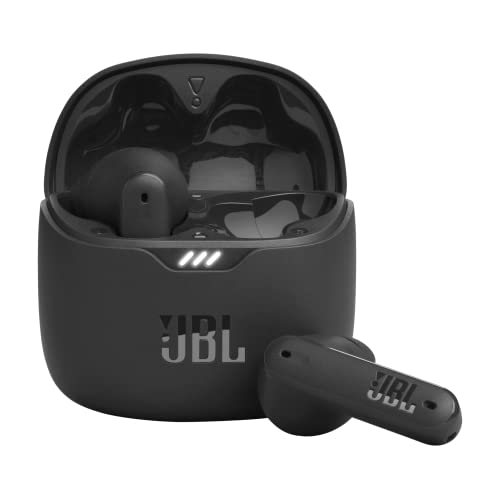


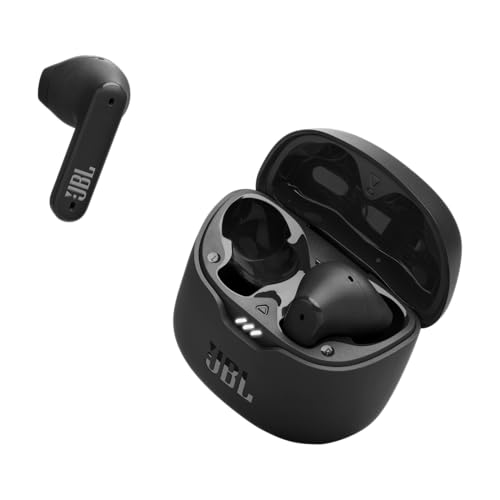
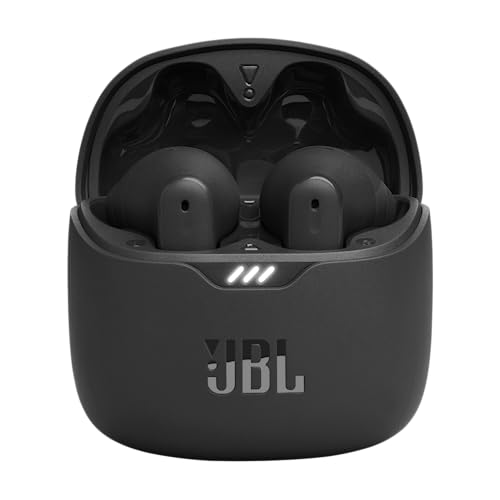
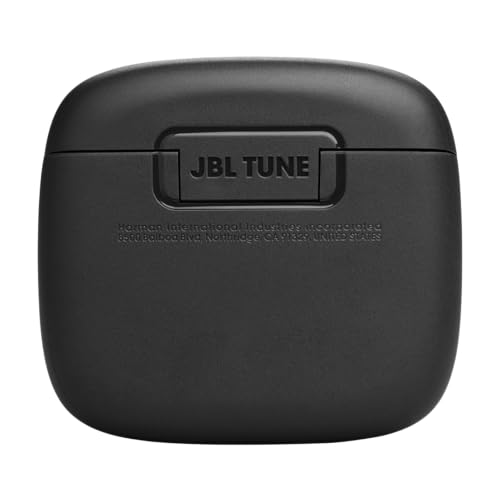
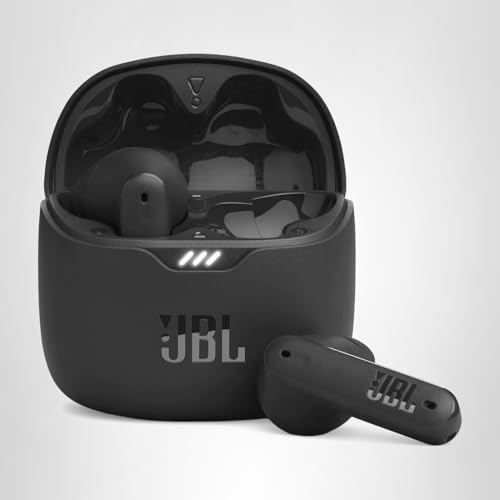
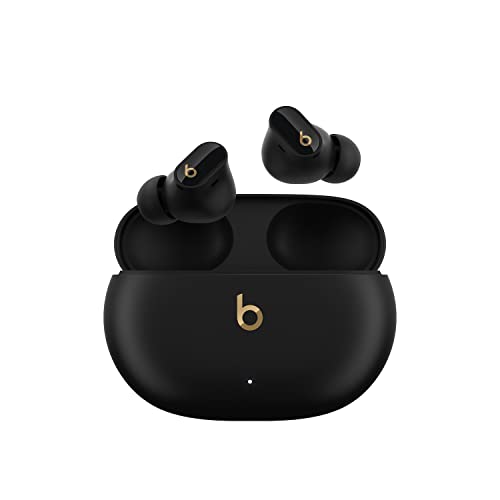

Choosing the right true wireless earbuds has become surprisingly complex. What started as simple Bluetooth headphones without wires has evolved into sophisticated audio devices that handle everything from noise cancellation to spatial audio processing. At the time of writing, the mid-range market offers compelling options like the JBL Tune Flex and Beats Studio Buds Plus, both delivering premium features at accessible price points.
The earbuds category moves fast—these models represent different generations of technology development. The JBL Tune Flex launched in 2022, while the Beats Studio Buds Plus arrived in 2023, giving Beats a full year to refine their approach and address previous model shortcomings. This timeline matters because it reflects meaningful improvements in noise cancellation algorithms, microphone technology, and battery efficiency that directly impact daily use.
Before diving into specifics, it's worth understanding what separates good earbuds from great ones. Sound quality obviously matters, but modern earbuds serve multiple roles. They're your phone headset during work calls, noise barriers during commutes, workout companions, and home theater alternatives for late-night viewing. The best models excel across these varied scenarios rather than just pumping out bass.
Key performance areas include sound reproduction (how accurately they play music), noise management (both blocking unwanted sounds and letting important ones through), battery longevity, comfort during extended wear, and call clarity. The magic happens when manufacturers balance these elements while keeping costs reasonable.
The JBL Tune Flex follow JBL's "Pure Bass Sound" philosophy, built around 12mm dynamic drivers—those are the speaker components that actually move air to create sound. Larger drivers typically handle bass frequencies better, which explains why these earbuds deliver such pronounced low-end response. The sound signature follows what audio engineers call a "V-shaped" profile: boosted bass, slightly recessed midrange, and enhanced treble. This creates an exciting, energetic sound that makes electronic music, hip-hop, and modern pop feel more impactful.
What sets the JBL Tune Flex apart is their commitment to customization. Through the JBL Headphones app, you get full graphic equalizer control—essentially a set of digital volume knobs for different frequency ranges. Want more vocal clarity? Boost the midrange. Prefer tighter bass? Pull down the low frequencies. This level of control was once exclusive to expensive audiophile equipment, but JBL includes it as standard.
The practical impact is significant. Based on our research into user experiences, people consistently praise the JBL Tune Flex for their adaptability. Classical music lovers can tame the bass emphasis, while EDM fans can push it even further. The EQ isn't just marketing—it fundamentally changes how these earbuds sound.
The Beats Studio Buds Plus take a more traditional audiophile approach. Their custom two-layer transducers (a fancy term for specially designed drivers with multiple components) focus on accuracy rather than excitement. Each earbud also features three acoustic vents—tiny openings that help manage air pressure and improve both sound quality and comfort.
This isn't the old Beats sound that emphasized bass above everything else. The 2023 Beats Studio Buds Plus deliver what audio reviewers consistently describe as balanced, refined reproduction. Vocals sit naturally in the mix, instruments maintain their distinct character, and bass provides foundation without overwhelming other elements. The soundstage—how spacious and three-dimensional music feels—receives particular praise for orchestral and jazz recordings.
The trade-off? Zero customization options. No EQ, no presets, no sound adjustments beyond basic volume. You get Beats' tuning decisions, which work well for most music but may frustrate listeners with specific preferences. This philosophy assumes Beats knows best, which increasingly seems accurate based on professional reviews, but it removes user control entirely.
When evaluating sound quality, several measurements prove most telling. Frequency response shows how evenly earbuds reproduce different musical ranges—perfectly flat response sounds neutral, while peaks and valleys create emphasis or de-emphasis. Our research indicates the JBL Tune Flex show pronounced bass elevation with minor treble peaks, while the Beats Studio Buds Plus demonstrate more linear response across most frequencies.
Harmonic distortion measures how cleanly earbuds handle loud passages. Both models perform well here, though professional measurements suggest the Beats Studio Buds Plus maintain slightly better composure during dynamic peaks. For most listeners, both offer sufficient clarity for everyday use.
The imaging quality—how precisely sounds appear to come from specific locations—favors the Beats Studio Buds Plus according to expert consensus. This matters particularly for spatial audio content and creates more convincing left-right separation during music playback.
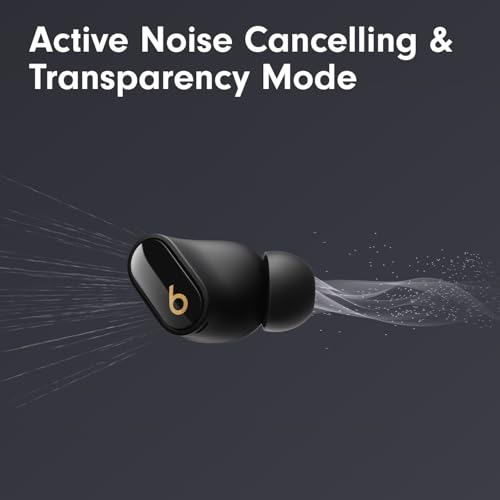
Active Noise Cancellation (ANC) uses microphones to detect outside noise, then generates opposing sound waves to cancel unwanted audio. It's like noise-canceling math happening in real-time. The effectiveness depends on microphone placement, processing power, and algorithm sophistication.
The Beats Studio Buds Plus represent a significant advancement here. Their three microphones per earbud are reportedly three times larger than the previous generation, which means better noise detection sensitivity. The updated algorithms adapt to your specific ear shape and fit, optimizing cancellation for your unique situation. Professional reviews consistently rank their ANC performance well above the price point, particularly effective against steady sounds like airplane engines, air conditioning, or traffic noise.
The JBL Tune Flex offer more basic ANC implementation. While present and functional, user experiences suggest it handles constant background hum reasonably well but struggles with more complex noise environments. Office chatter, gym sounds, and variable outdoor noise tend to leak through more noticeably.
Both models recognize that complete isolation isn't always desirable. The Beats Studio Buds Plus include Transparency Mode, which uses those same microphones to pipe in outside audio, blended naturally with your music. Based on user feedback, this mode sounds convincingly natural—useful for hearing announcements, conversations, or traffic safety cues.
The JBL Tune Flex take a more innovative approach with their dual ear tip system. Beyond standard silicone tips for maximum seal, they include "open" tips that naturally allow ambient sound through. This creates a semi-open listening experience—you remain aware of your environment without electronic processing. For runners, office workers, or anyone needing constant situational awareness, this proves genuinely useful.
The Smart Ambient feature adds electronic ambient awareness similar to Beats' approach, with separate Ambient Aware and TalkThru modes for different scenarios. While not as refined as Beats' implementation, it provides flexibility that many users appreciate.
Battery performance directly impacts daily usability. Dead earbuds are useless earbuds, regardless of sound quality. Both models deliver solid endurance, but with different strengths.
The JBL Tune Flex provide up to 8 hours of playback per charge with noise cancellation disabled, dropping to around 6 hours with ANC active. The charging case adds approximately 24 additional hours, bringing total capacity to 32 hours without ANC. Their "Speed Charge" feature delivers 2 hours of playback from a 10-minute charge—helpful when rushing out the door.
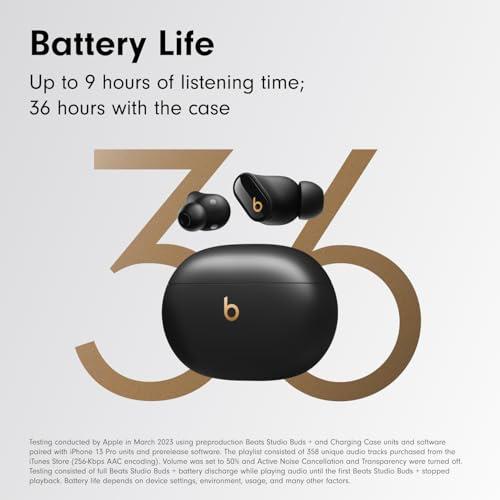
The Beats Studio Buds Plus offer slightly longer single-charge endurance at up to 9 hours without ANC, or 6 hours with noise cancellation enabled. The case provides roughly 27 additional hours (ANC off) or 24 hours (ANC on), totaling 36 hours maximum. Their "Fast Fuel" charging gives 1 hour of playback from a 5-minute charge.
Real-world performance often falls short of manufacturer claims, but both models consistently deliver day-long use in actual testing scenarios. The Beats Studio Buds Plus edge ahead in total capacity, while the JBL Tune Flex provide more emergency power from quick charging sessions.
Modern battery management includes features like automatic case charging when earbuds are stored and power-saving modes during extended non-use. Both models handle these basics competently, though some users report slight battery drain variations between left and right earbuds over time.
Physical comfort becomes crucial during extended listening sessions. Poor fit leads to ear fatigue, reduced sound quality, and unstable positioning during movement.
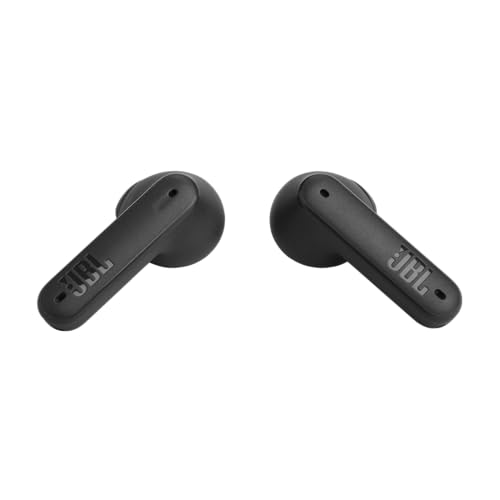
The JBL Tune Flex weigh 4.8 grams per earbud with a stick-style design extending from your ear. This distributes weight effectively and provides stable positioning, though the longer profile may not suit everyone's aesthetic preferences. The included ear tip variety—three sealing sizes plus open tips—offers unusual fitting flexibility.
The Beats Studio Buds Plus adopt a more compact, rounded approach at 5 grams per earbud. The shorter profile sits flush with your ear, creating a more discreet appearance. Four ear tip sizes (XS through L) ensure most people find secure, comfortable fit. User experiences consistently praise their long-session comfort, with many reporting successful 6+ hour wear periods.
Both models carry IPX4 water resistance ratings, meaning they handle sweat and light rain without issues. This protection covers workout sessions and unexpected weather but won't survive swimming or heavy downpours.
The charging cases reflect different design priorities. JBL's case emphasizes portability with compact dimensions, while Beats provides slightly larger capacity with premium materials and build quality that feels more substantial.
Modern earbuds serve as phone headsets, making microphone performance increasingly important. Both models include multiple microphones for noise reduction and voice pickup, but with varying effectiveness.
The Beats Studio Buds Plus feature three microphones per earbud with significantly larger sensors than previous generations. This hardware upgrade translates to clearer voice transmission and better background noise suppression. Professional call quality testing suggests performance approaching premium models like AirPods Pro, with natural voice reproduction and effective environmental noise filtering.
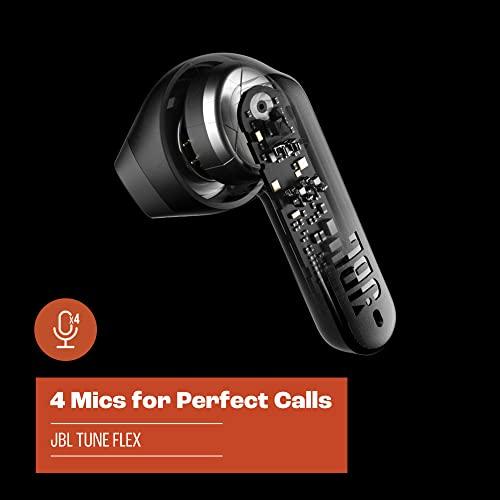
The JBL Tune Flex include 4-6 microphones total (specifications vary by source) with VoiceAware technology that lets you control how much of your own voice you hear during calls—useful for loud environments where you might otherwise speak too loudly. While adequate for daily calling, user feedback suggests less consistent performance in challenging acoustic environments compared to the Beats option.
Wind noise handling represents another consideration for outdoor calls. Both models struggle somewhat with strong wind, though the Beats Studio Buds Plus generally maintain better voice clarity in moderate breezy conditions.
Ecosystem compatibility affects daily usability, particularly for device switching and advanced features. Both models work with any Bluetooth device, but platform-specific features vary significantly.
The JBL Tune Flex offer platform-neutral functionality—the same feature set regardless of whether you use iPhone or Android. The JBL Headphones app provides consistent customization options across platforms, including that crucial EQ control. Multi-point connectivity lets you connect to multiple devices simultaneously, automatically switching between your phone and laptop as needed.
The Beats Studio Buds Plus excel at cross-platform compatibility despite their Apple ownership. iOS users get instant pairing, automatic device switching, and Find My integration for tracking lost earbuds. Android users receive similar functionality through the Beats app, including Find My Device support—unusual for Apple-owned products.
However, some Apple-exclusive features like Headphone Accommodations (which adjusts sound for hearing differences) aren't fully supported. The Beats Studio Buds Plus also lack multi-point connectivity, requiring manual device switching.
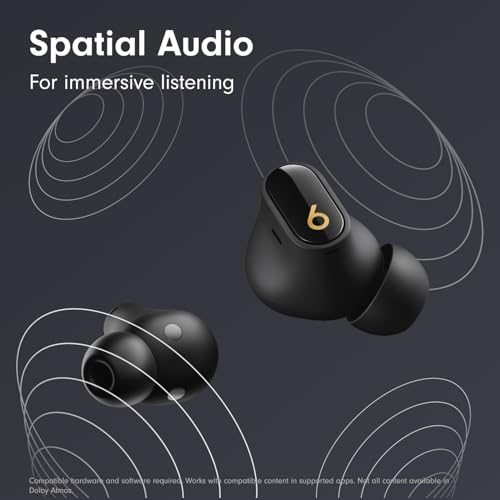
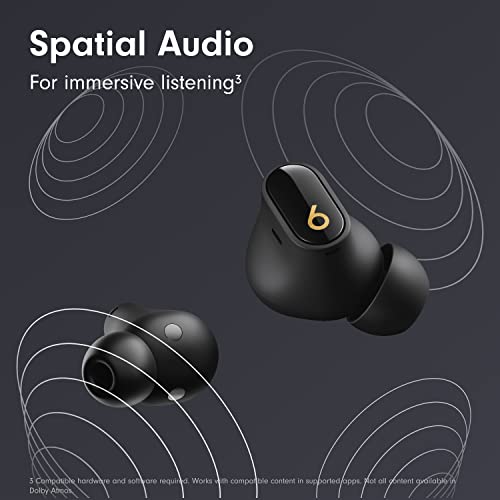
For home entertainment, both earbuds offer distinct advantages depending on your setup and preferences. The Beats Studio Buds Plus support spatial audio with Dolby Atmos content, creating more immersive experiences with compatible streaming services. This three-dimensional audio processing makes movie soundtracks feel more enveloping and helps separate dialogue from background music.
The JBL Tune Flex compensate with superior customization—you can EQ optimize them for specific content types. Dialog-heavy shows benefit from midrange emphasis, while action movies might warrant enhanced bass response. The flexibility proves particularly valuable for late-night viewing when you need to hear whispered dialogue without disturbing others.
Battery life considerations become more important for extended viewing sessions. Both models provide sufficient endurance for most movies, but the Beats Studio Buds Plus slight advantage in single-charge duration helps during marathon viewing sessions.
Comfort also factors significantly during multi-hour use. Based on user experiences, both models handle extended wear reasonably well, though individual ear shape preferences ultimately determine long-term comfort.
At the time of writing, these models occupy different price segments within the mid-range category. The JBL Tune Flex represent exceptional value, offering features once exclusive to premium models—full EQ control, multi-point connectivity, dual ear tip designs, and solid performance across key areas. Their main compromises appear in noise cancellation effectiveness and call quality refinement.
The Beats Studio Buds Plus command a price premium but justify it through superior noise cancellation, refined sound quality, better call clarity, and longer battery life. The spatial audio support and cross-platform integration add value for specific users, though the lack of customization options may frustrate some buyers.
For budget-conscious users seeking maximum features per dollar, the JBL Tune Flex offer compelling value. Those prioritizing refinement, noise cancellation, and call quality will find the Beats Studio Buds Plus premium worthwhile.
Choose the JBL Tune Flex if you:
Choose the Beats Studio Buds Plus if you:
For most users, the decision ultimately comes down to priorities: customization and value (JBL Tune Flex) versus refinement and advanced features (Beats Studio Buds Plus). Both represent solid choices that will satisfy their intended audiences, making this a rare situation where you truly can't go wrong—just different approaches to achieving audio satisfaction.
The rapid evolution in this category means both models will eventually face newer competition, but at the time of writing, each offers compelling arguments for their respective market positions. Your specific needs, listening habits, and platform preferences should guide the final decision more than any single review or recommendation.
| JBL Tune Flex True Wireless Earbuds | Beats Studio Buds Plus True Wireless Earbuds |
|---|---|
| Driver Size - Larger drivers typically produce better bass and overall sound quality | |
| 12mm dynamic drivers (excellent bass reproduction) | Custom two-layer transducers with 3 acoustic vents (more refined sound) |
| Active Noise Cancellation - Essential for commuting and focus | |
| Basic ANC with 2 microphones (adequate for light noise) | Advanced adaptive ANC with 3x larger mics (significantly better noise blocking) |
| Sound Customization - Ability to tune audio to your preferences | |
| Full graphic EQ with presets via app (extensive customization) | No EQ or sound adjustments (fixed tuning only) |
| Battery Life (Single Charge) - How long you can listen without recharging | |
| 8 hours (ANC off), 6 hours (ANC on) | 9 hours (ANC off), 6 hours (ANC on) |
| Total Battery Life - Complete listening time with charging case | |
| 32 hours (ANC off), 24 hours (ANC on) | 36 hours (ANC off), 30 hours (ANC on) |
| Fast Charging - Emergency power when you're in a hurry | |
| 10 minutes = 2 hours playback | 5 minutes = 1 hour playback |
| Microphones - More mics generally mean clearer calls | |
| 4-6 microphones total with VoiceAware | 3 per earbud (3x larger than previous gen) |
| Water Resistance - Protection during workouts and weather | |
| IPX4 (splash and sweat resistant) | IPX4 (splash and sweat resistant) |
| Weight Per Earbud - Affects long-term comfort | |
| 4.8g each (lightweight stick design) | 5g each (compact rounded design) |
| Ear Tip Options - More sizes mean better fit for more people | |
| 3 sealing sizes + 1 open tip design | 4 sizes (XS, S, M, L) silicone tips |
| Bluetooth Connectivity - Modern versions offer better stability | |
| Bluetooth 5.2/5.3 with multi-point connection | Bluetooth 5.3 (no multi-point) |
| Spatial Audio - Creates immersive 3D sound experience | |
| Not supported | Dolby Atmos spatial audio support |
| Platform Integration - How well they work with your devices | |
| Platform-neutral with consistent app features | Excellent cross-platform support (iOS and Android) |
| Release Year - Newer models often have improved technology | |
| 2022 (established technology) | 2023 (latest generation improvements) |
The Beats Studio Buds Plus offer more balanced, refined sound quality with custom two-layer transducers that work well across all music genres. The JBL Tune Flex deliver a bass-forward "Pure Bass Sound" signature that's exciting for hip-hop and EDM but comes with full EQ customization through their app. If you want to tune your sound, choose JBL Tune Flex. For consistent, refined audio without tweaking, go with Beats Studio Buds Plus.
The Beats Studio Buds Plus have significantly better active noise cancellation with adaptive processing and 3x larger microphones than previous generations. They effectively block airplane engines, traffic, and office noise. The JBL Tune Flex offer basic ANC that handles constant background sounds but struggles with complex noise environments. For serious noise blocking, Beats Studio Buds Plus are the clear winner.
The Beats Studio Buds Plus edge out the JBL Tune Flex with up to 9 hours per charge (ANC off) versus 8 hours. With noise cancellation enabled, both provide around 6 hours of playback. However, the JBL Tune Flex offer better emergency charging with 2 hours of playback from a 10-minute charge compared to 1 hour from 5 minutes with the Beats Studio Buds Plus.
The Beats Studio Buds Plus have superior call quality with three microphones per earbud that are 3x larger and more sensitive than previous generations. They provide clearer voice pickup and better background noise reduction. The JBL Tune Flex include VoiceAware technology and adequate call quality, but don't match the clarity and noise handling of the Beats Studio Buds Plus.
Both models offer good comfort, but with different approaches. The Beats Studio Buds Plus have a compact, rounded design with four ear tip sizes (XS-L) and consistently receive praise for all-day comfort during 6+ hour sessions. The JBL Tune Flex use a stick design with three sealing tip sizes plus unique open tips for ambient awareness. Comfort preference depends on your ear shape and whether you prefer the stick or compact style.
The Beats Studio Buds Plus excel at cross-platform compatibility with one-touch pairing, device switching, and Find My support on both iOS and Android—unusual for Apple-owned products. The JBL Tune Flex offer platform-neutral functionality with consistent app features across iOS and Android, plus multi-point connectivity for connecting to multiple devices simultaneously. Both work great regardless of your phone choice.
The JBL Tune Flex win decisively with full graphic EQ control, multiple presets, and extensive customization through the JBL Headphones App. You can completely reshape the sound signature for different music genres. The Beats Studio Buds Plus offer virtually no sound customization—no EQ, no presets, just the default tuning. Choose JBL Tune Flex if you like tweaking your audio settings.
Both feature IPX4 water resistance for sweat and splash protection. The JBL Tune Flex offer unique open ear tips for natural ambient awareness during runs, plus their stick design provides stable positioning. The Beats Studio Buds Plus have a more secure, compact fit that won't catch on clothing. For outdoor running where you need environmental awareness, choose JBL Tune Flex. For gym workouts, either works well.
The Beats Studio Buds Plus provide up to 36 hours total (9 hours earbuds + 27 hours case) with ANC off, compared to 32 hours total for the JBL Tune Flex (8 hours + 24 hours case). With noise cancellation enabled, Beats Studio Buds Plus deliver 30 hours total versus 24 hours for JBL Tune Flex. The difference isn't dramatic, but Beats Studio Buds Plus have the edge.
Only the Beats Studio Buds Plus support spatial audio with Dolby Atmos for compatible content, creating a more immersive 3D listening experience with services like Apple Music and Netflix. The JBL Tune Flex don't offer spatial audio but compensate with EQ customization that lets you optimize sound for movies and shows. For built-in immersive audio, choose Beats Studio Buds Plus.
The JBL Tune Flex support multi-point connectivity, allowing simultaneous connection to multiple devices with automatic switching between your phone and laptop. The Beats Studio Buds Plus don't support multi-point connection and require manual device switching. If you frequently switch between devices, the JBL Tune Flex offer much more convenient connectivity.
The JBL Tune Flex offer exceptional value with premium features like full EQ control, multi-point connectivity, dual ear tip designs, and solid performance at a lower price point. The Beats Studio Buds Plus cost more but justify the premium with superior noise cancellation, refined sound quality, better call clarity, and longer battery life. Choose JBL Tune Flex for maximum features per dollar, or Beats Studio Buds Plus for refined performance worth the extra cost.
We've done our best to create useful and informative comparisons to help you decide what product to buy. Our research uses advanced automated methods to create this comparison and perfection is not possible - please contact us for corrections or questions. These are the sites we've researched in the creation of this article: rtings.com - hometechnologyreview.com - youtube.com - bestbuy.com - soundguys.com - bestbuy.com - crutchfield.com - bgr.com - robbsutton.com - majorhifi.com - versus.com - crutchfield.com - youtube.com - versus.com - jbl.com - global.jbl.com - pcrichard.com - musicarts.com - scribd.com - global.jbl.com - robot-advance.com - gzhls.at - bestbuy.com - att.com - ro.harmanaudio.com - soundguys.com - loudnwireless.com - beatsbydre.com - rtings.com - soundguys.com - youtube.com - cnet.com - soundguys.com - recordingnow.com - youtube.com - cornellstore.com - youtube.com - beatsbydre.com.cn - soundguys.com - techradar.com - youtube.com - techgearlab.com - beatsbydre.com - youtube.com - apple.com - electronics.woot.com

Privacy Policy
Terms and Conditions - Affiliate Policy
Home Security
© Copyright 2008-2026.
11816 Inwood Rd #1211, Dallas, TX 75244