



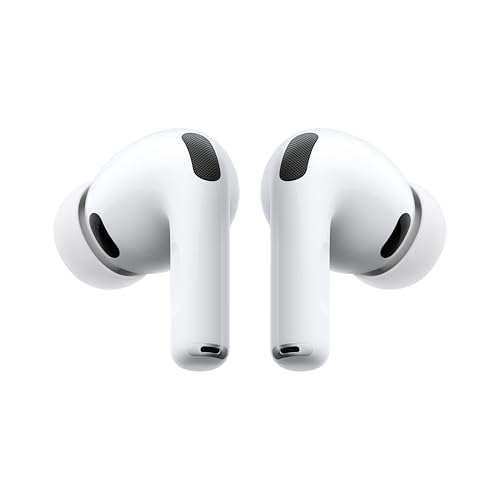



True wireless earbuds have revolutionized how we listen to music, take calls, and consume media. Gone are the days when you needed to untangle wires or worry about one earbud getting yanked out. Today's market offers everything from budget-friendly options under $100 to premium models that cost more than some laptops. The challenge? Figuring out which pair delivers the best value for your specific needs.
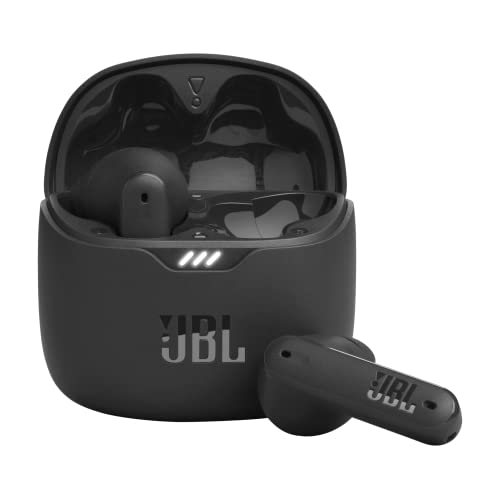
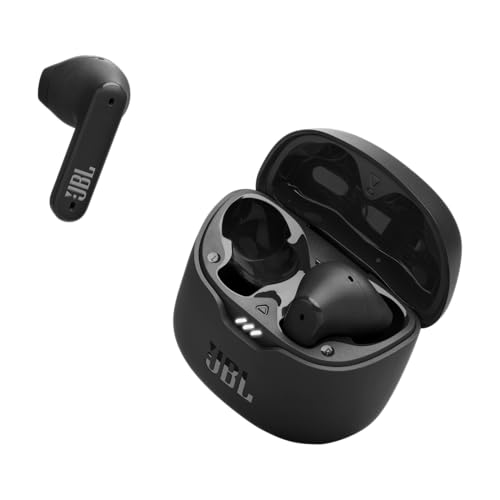
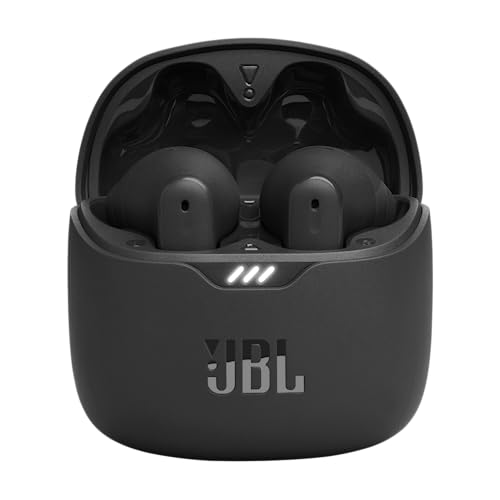
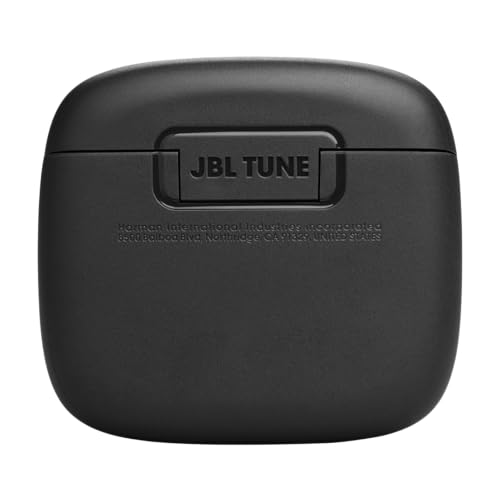
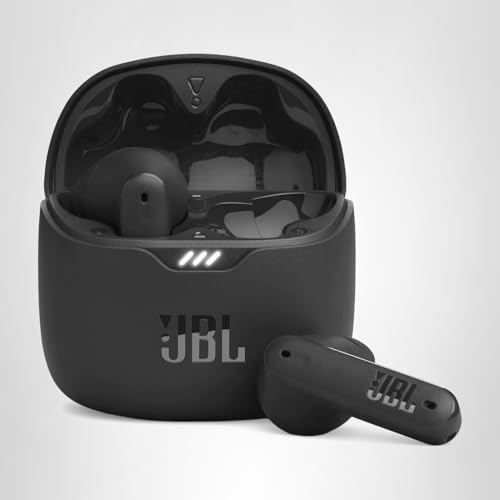
Two standout options represent different philosophies in this crowded market: the JBL Tune Flex, which launched in 2022 as a value-focused option with surprisingly premium features, and the Apple AirPods Pro 3, released in 2024 as Apple's flagship audio product with cutting-edge technology. Understanding their differences will help you make the right choice for your ears and wallet.
Before diving into specifics, it's worth understanding what separates good earbuds from great ones. The most important factors include audio quality (how music actually sounds), active noise cancellation or ANC (technology that uses microphones to cancel out background noise), battery life, fit and comfort, and call quality.
Modern earbuds also compete on smart features like spatial audio (technology that makes sound feel like it's coming from specific directions around you), ecosystem integration (how well they work with your other devices), and durability. The best earbuds excel in multiple areas rather than just one.
At the time of writing, you can expect to pay anywhere from $50 for basic true wireless earbuds to over $300 for flagship models. The JBL Tune Flex sits comfortably in the value segment, while the Apple AirPods Pro 3 commands premium pricing that reflects its advanced feature set.
The most fundamental difference between these earbuds lies in their audio philosophy. The JBL Tune Flex uses 12mm dynamic drivers—the component that actually creates sound waves—with what's called a V-shaped tuning. This means the bass (low frequencies) and treble (high frequencies) are emphasized while the midrange (where most vocals sit) remains more neutral. It's a signature that makes electronic music, hip-hop, and pop sound exciting and energetic.
JBL's Pure Bass Sound technology enhances this effect, delivering the kind of punchy, rumbling bass that makes you feel the kick drum in your chest. The stick-form design of the earbuds helps achieve this by creating a sealed chamber that enhances low-frequency response. For genres that benefit from enhanced bass presence, this tuning works wonderfully.
The Apple AirPods Pro 3 takes a fundamentally different approach. Apple uses custom high-excursion drivers paired with a high dynamic range amplifier—technical terms that basically mean the drivers can move more air while maintaining precise control over sound reproduction. The result is a more balanced, reference-quality sound signature that doesn't artificially boost any particular frequency range.
What makes the AirPods Pro 3 special is Adaptive EQ, a feature that uses inward-facing microphones to measure how sound bounces around inside your ear canal. Everyone's ears are shaped differently, which affects how we hear sound. The earbuds automatically adjust their frequency response in real-time to compensate for these individual differences, ensuring consistent audio quality regardless of your ear shape.
The AirPods Pro 3 also feature Personalized Spatial Audio with dynamic head tracking. Using your iPhone's TrueDepth camera, Apple creates a custom audio profile that makes music and movies feel like they're happening around you in three-dimensional space. When you turn your head, the soundstage moves naturally, creating an almost surreal listening experience.
Based on extensive research and consensus from professional reviews, the AirPods Pro 3 deliver superior overall audio quality. They offer better detail retrieval, wider soundstage, and more accurate instrument separation. However, the JBL Tune Flex provides more immediately exciting sound for certain genres, and their customizable EQ through the companion app lets you tune the sound to your exact preferences.
Active Noise Cancellation represents one of the biggest performance gaps between these earbuds. ANC works by using external microphones to detect ambient noise, then generating "anti-noise" sound waves to cancel out unwanted sounds. It's most effective against constant, low-frequency sounds like airplane engines, air conditioning, or train rumble.
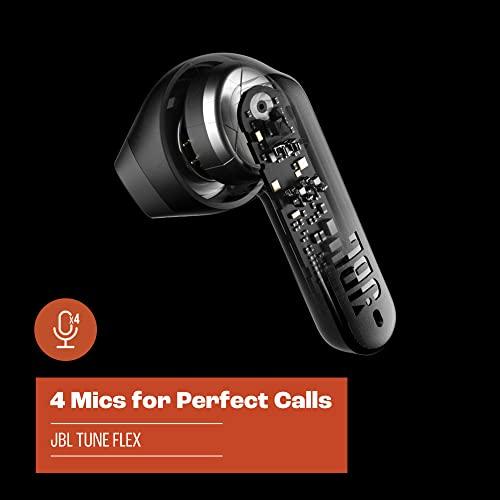
The JBL Tune Flex includes basic ANC with two microphones per earbud. It provides noticeable improvement over passive isolation (the physical blocking that comes from ear tips sealing your ear canal), but the effect is modest. You'll notice less air conditioning hum and reduced road noise during commutes, but conversations, office chatter, and variable sounds will still come through clearly.
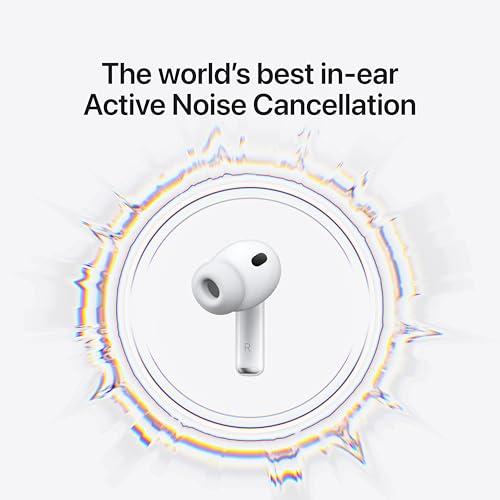
The Apple AirPods Pro 3 features what Apple claims is "the world's best ANC of any in-ear wireless headphones." This isn't just marketing speak—the technology removes up to twice as much noise as the previous generation and four times more than the original AirPods Pro. The earbuds use ultra-low noise microphones combined with advanced computational audio processing to achieve this performance.
What makes the difference isn't just the hardware but the foam-infused ear tips that come with the AirPods Pro 3. These tips create a better acoustic seal than traditional silicone tips, enhancing both passive isolation and ANC effectiveness. The result is comprehensive noise blocking that works across a broader frequency range, including mid and high-frequency sounds that cheaper ANC systems can't touch.
For frequent flyers, commuters using public transportation, or anyone working in noisy environments, this difference is substantial. The AirPods Pro 3 can transform a noisy airplane cabin into a peaceful listening environment, while the JBL Tune Flex provides more modest noise reduction.
Battery performance reveals an interesting trade-off between these models. The JBL Tune Flex excels in pure endurance, delivering up to 8 hours of playback per charge with ANC disabled, or 6 hours with noise cancellation active. The charging case adds another 24 hours of playback time, bringing total battery life to an impressive 32 hours without ANC or 24 hours with it enabled.
This extended battery life proves particularly valuable for people who travel frequently, work long shifts, or simply prefer not to worry about charging their earbuds every day. The 10-minute Speed Charge feature provides 2 hours of additional playback time, which can save you when you're rushing out the door with dead earbuds.
The Apple AirPods Pro 3 offers 8 hours per charge with ANC enabled—a 33% improvement over the previous generation—but total battery life with the case drops to 24 hours. While this still exceeds most people's daily usage, it means more frequent case charging for heavy users.
However, the AirPods Pro 3 case supports both MagSafe and Qi wireless charging, adding convenience that partially offsets the shorter total battery life. You can simply drop the case on a wireless charging pad rather than hunting for cables.
For most users, both options provide adequate battery life for daily use. The JBL Tune Flex wins on raw endurance, while the AirPods Pro 3 offers more charging flexibility.
The difference in call quality represents another significant performance gap. The JBL Tune Flex uses a 4-microphone array with basic beamforming technology, which focuses on your voice while reducing some background noise. They include VoiceAware, a feature that lets you hear your own voice during calls to avoid accidentally shouting.
For casual phone calls in relatively quiet environments, the JBL Tune Flex performs adequately. However, they struggle with background noise separation and wind rejection, making them less suitable for professional use or calls in challenging acoustic environments.
The Apple AirPods Pro 3 employs a more sophisticated microphone array with advanced computational audio processing. The Voice Isolation technology actively separates your speech from background noise using machine learning algorithms, while superior wind noise reduction keeps calls clear even outdoors.
Based on professional reviews and user feedback, the difference is substantial enough that many users specifically choose the AirPods Pro 3 for business calls and professional communications. If call quality matters for your work or personal life, this factor alone might justify the premium pricing.
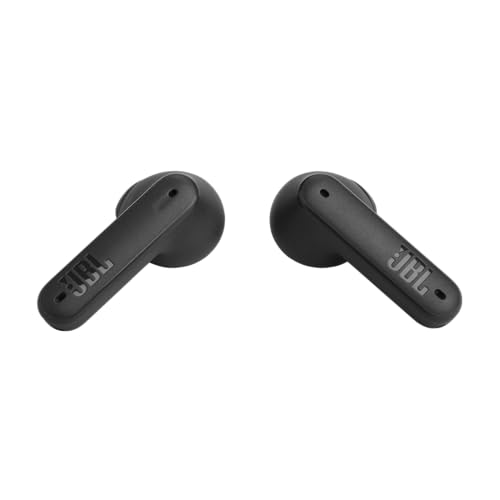
Both earbuds prioritize comfort, but they take different approaches. The JBL Tune Flex weighs just 4.8 grams per earbud and features an ergonomic oval tube design that adapts to different ear shapes. They include three standard ear tip sizes plus unique "open" tips that allow environmental awareness without removing the earbuds—useful for runners or cyclists who need to hear traffic.
The Apple AirPods Pro 3 underwent a complete redesign for improved fit and stability. Apple now includes five ear tip sizes, including a new XXS option for smaller ears, and uses foam-infused tips that create a better seal while remaining comfortable. The internal architecture is smaller despite housing more technology, contributing to better all-day comfort.
Durability favors the AirPods Pro 3 with their IP57 rating, meaning they're protected against dust ingress and can withstand immersion in water up to one meter deep for 30 minutes. The JBL Tune Flex carries an IPX4 rating, which protects against water splashes and sweat but won't survive accidental submersion.
For active users who exercise regularly or work in challenging environments, this durability difference could prevent costly replacements.
This category showcases the biggest philosophical differences between these products. The JBL Tune Flex focuses on practical features that enhance daily usability. Multipoint Bluetooth connectivity lets you connect to two devices simultaneously—answer calls on your phone while music from your laptop fades automatically. This works across all platforms without restrictions, making them equally functional with Android, Windows, iOS, or any other Bluetooth device.
The customizable EQ in JBL's companion app provides extensive sound tuning options, letting you create profiles for different music genres or listening scenarios. This level of customization appeals to users who want control over their audio experience.
The Apple AirPods Pro 3 introduces features that sound like science fiction. Heart rate monitoring uses photoplethysmography (PPG) technology, pulsing invisible infrared light 256 times per second to measure blood flow through your ears. Combined with accelerometers and gyroscope data, this enables comprehensive fitness tracking for up to 50 workout types through Apple's Fitness app.
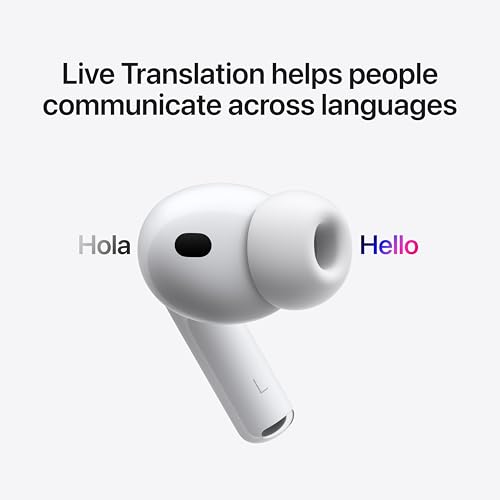
Live Translation provides real-time language translation during conversations, displaying transcripts on your iPhone screen. This feature could prove invaluable for international travel or multicultural workplaces.
The earbuds also include FDA-authorized hearing aid functionality and hearing protection features, positioning them as genuine health devices rather than just entertainment products. Advanced Siri integration includes head gesture controls—nod to answer calls or shake your head to decline them.
These features represent genuine innovation, but they're primarily valuable within Apple's ecosystem. Android users won't benefit from most advanced features, limiting their appeal for multi-platform users.
While neither product is designed primarily for home theater use, their performance in this scenario reveals interesting capabilities. The Apple AirPods Pro 3 with Personalized Spatial Audio creates a surprisingly immersive experience when watching movies or TV shows on Apple devices. The dynamic head tracking makes dialogue and sound effects feel positioned in space, approaching the experience of a proper surround sound system.
The low latency (delay between video and audio) when connected to Apple TV makes them suitable for extended viewing sessions without the lip-sync issues that plague many Bluetooth audio devices. However, this optimal performance is limited to Apple's ecosystem.
The JBL Tune Flex provides adequate performance for casual viewing but lacks the spatial audio processing that makes the AirPods Pro 3 special. Their longer battery life could be advantageous for movie marathons, but the overall experience is more traditional stereo rather than immersive surround sound.
The decision between these earbuds often comes down to your priorities, ecosystem preference, and budget flexibility.
Choose the JBL Tune Flex if you want maximum value per dollar spent. They deliver about 70% of premium earbud features at roughly 40% of flagship pricing (at the time of writing). Their universal compatibility makes them equally functional across all devices, and the longer battery life suits extended use scenarios. The customizable sound profile and multipoint connectivity add practical value that many premium earbuds lack.
These earbuds excel for students, budget-conscious consumers, multi-platform users, and anyone who prioritizes bass-heavy music genres. They're also ideal if you frequently switch between different devices or operating systems throughout your day.
The Apple AirPods Pro 3 justify their premium pricing through cutting-edge technology and superior performance. The world-class noise cancellation makes them invaluable for frequent travelers or anyone working in noisy environments. Professional-grade call quality suits business users, while the innovative health and translation features provide unique value that no other earbuds offer.
Choose them if you're invested in Apple's ecosystem and want seamless integration across your devices. They're also the clear choice for audiophiles seeking reference-quality sound, fitness enthusiasts who want integrated health tracking, and professionals who need reliable performance for important calls.
The AirPods Pro 3 represent a long-term investment in advanced technology that will likely remain relevant for years. However, that investment only makes sense if you can utilize their ecosystem-dependent features and justify the significant price premium.
Both earbuds succeed in their intended markets, but they serve different needs and users. The JBL Tune Flex proves that you don't need to spend flagship money to get premium features, delivering impressive performance and practical functionality at an accessible price point.
The Apple AirPods Pro 3 pushes the boundaries of what earbuds can do, incorporating health monitoring, translation capabilities, and audio quality that approaches professional studio equipment. They're as much innovative health and productivity devices as they are audio products.
Your choice should align with how you plan to use the earbuds, which devices you own, and how much you're willing to spend for cutting-edge features versus proven functionality. Either way, both represent significant improvements over basic earbuds and will transform your daily audio experience.
| JBL Tune Flex True Wireless Earbuds | Apple AirPods Pro 3 Wireless Earbuds |
|---|---|
| Active Noise Cancellation - Critical for commuting and noisy environments | |
| Basic ANC with 2 mics (modest improvement over passive isolation) | Industry-leading ANC with ultra-low noise mics (up to 2x more effective than previous generation) |
| Audio Quality - Determines your overall listening experience | |
| 12mm drivers with V-shaped tuning, JBL Pure Bass Sound (exciting for bass-heavy genres) | Custom high-excursion drivers with Adaptive EQ and Personalized Spatial Audio (balanced, reference-quality sound) |
| Battery Life - Affects how often you need to charge | |
| 8 hours + 24 case hours (32 total), 6+18 with ANC (excellent endurance) | 8 hours + 16 case hours (24 total) with ANC (good but requires more frequent case charging) |
| Call Quality - Important for work and personal communications | |
| 4-mic array with basic beamforming (adequate for casual calls) | Advanced mic array with Voice Isolation technology (professional-grade performance) |
| Fit and Comfort - Determines all-day wearability | |
| 4.8g per earbud, 3 tip sizes + open tips (lightweight, good for environmental awareness) | Redesigned architecture, 5 tip sizes including XXS, foam-infused tips (superior seal and comfort) |
| Water Resistance - Protection during workouts and weather | |
| IPX4 (splash and sweat resistant) | IP57 (dust and water resistant up to 1 meter submersion) |
| Smart Features - Added functionality beyond basic audio | |
| Multipoint Bluetooth, customizable EQ, universal device compatibility | Heart rate monitoring, Live Translation, hearing aid functionality, Siri head gestures |
| Platform Compatibility - Which devices get full features | |
| Full functionality across all Bluetooth devices (Android, iOS, Windows) | Full features limited to Apple ecosystem (basic functionality on Android) |
| Charging Options - Convenience and flexibility | |
| USB-C wired charging, 10-min Speed Charge for 2 hours playback | USB-C, MagSafe wireless, Qi wireless charging support |
| Price Category - Value proposition at time of writing | |
| Value segment (premium features at accessible pricing) | Premium segment (flagship pricing for cutting-edge technology) |
The Apple AirPods Pro 3 deliver superior overall sound quality with custom high-excursion drivers, Adaptive EQ that adjusts to your ear shape, and Personalized Spatial Audio. The JBL Tune Flex offers a V-shaped sound signature with enhanced bass that's exciting for hip-hop and EDM, plus customizable EQ through the app. For balanced, reference-quality audio across all genres, the AirPods Pro 3 are the clear winner.
The Apple AirPods Pro 3 feature industry-leading Active Noise Cancellation that removes up to 2x more noise than previous generations, making them excellent for flights and commuting. The JBL Tune Flex provide basic ANC that helps with constant sounds like air conditioning but won't block conversations or variable noise as effectively. For serious noise blocking, the AirPods Pro 3 are significantly better.
Both the JBL Tune Flex and Apple AirPods Pro 3 offer 8 hours of playback per charge with ANC enabled. However, the JBL Tune Flex provide 32 total hours with the charging case compared to 24 hours for the AirPods Pro 3. If you want to charge your case less frequently, the JBL Tune Flex have the advantage.
The Apple AirPods Pro 3 excel at call quality with advanced Voice Isolation technology and superior background noise rejection, making them ideal for business calls. The JBL Tune Flex handle casual calls adequately in quiet environments but struggle with wind and background noise. For professional use or challenging acoustic conditions, choose the AirPods Pro 3.
Both earbuds work well for fitness, but they offer different advantages. The JBL Tune Flex are lighter and include "open" ear tips for environmental awareness during outdoor runs. The Apple AirPods Pro 3 feature superior IP57 water resistance, heart rate monitoring, and fitness tracking integration. For comprehensive workout tracking, the AirPods Pro 3 are better, while the JBL Tune Flex suit basic exercise needs.
The JBL Tune Flex provide full functionality across all platforms, including multipoint Bluetooth connectivity and complete app features on Android. The Apple AirPods Pro 3 work with Android for basic audio playback but lose advanced features like spatial audio, heart rate monitoring, and seamless device switching. Android users should strongly consider the JBL Tune Flex for unrestricted functionality.
Both earbuds prioritize comfort but take different approaches. The JBL Tune Flex are lighter at 4.8g per earbud with an ergonomic design, while the Apple AirPods Pro 3 feature a redesigned architecture with five ear tip sizes including XXS and foam-infused tips for better sealing. Most users find the AirPods Pro 3 more comfortable due to the improved fit options and advanced tip design.
The Apple AirPods Pro 3 excel for video content with Personalized Spatial Audio that creates an immersive surround sound experience and low latency on Apple devices. The JBL Tune Flex provide adequate performance for casual viewing with longer battery life for movie marathons. For the best home theater experience, especially with Apple TV, the AirPods Pro 3 are significantly better.
The JBL Tune Flex provide exceptional value, delivering about 70% of premium features at roughly 40% of flagship pricing. They include ANC, long battery life, and multipoint connectivity at an accessible price point. The Apple AirPods Pro 3 justify their premium cost with cutting-edge features like heart rate monitoring and superior audio quality. Budget-conscious buyers should choose the JBL Tune Flex.
The JBL Tune Flex support true multipoint Bluetooth connectivity, allowing connection to two devices simultaneously with automatic switching between them. The Apple AirPods Pro 3 offer seamless switching between Apple devices but don't support traditional multipoint connectivity with non-Apple devices. For users with multiple platforms, the JBL Tune Flex are more versatile.
The Apple AirPods Pro 3 feature superior IP57 rating, protecting against dust and water submersion up to 1 meter deep. The JBL Tune Flex carry IPX4 rating for splash and sweat resistance but won't survive accidental drops in water. For active users or challenging environments, the AirPods Pro 3 offer better protection and peace of mind.
The JBL Tune Flex stand out with multipoint connectivity, customizable EQ, universal platform compatibility, and unique "open" ear tips for environmental awareness. The Apple AirPods Pro 3 offer groundbreaking features like heart rate monitoring, Live Translation, FDA-authorized hearing aid functionality, and Siri head gesture controls. The AirPods Pro 3 are more innovative, while the JBL Tune Flex focus on practical everyday features.
We've done our best to create useful and informative comparisons to help you decide what product to buy. Our research uses advanced automated methods to create this comparison and perfection is not possible - please contact us for corrections or questions. These are the sites we've researched in the creation of this article: rtings.com - hometechnologyreview.com - youtube.com - bestbuy.com - soundguys.com - bestbuy.com - crutchfield.com - bgr.com - robbsutton.com - majorhifi.com - versus.com - crutchfield.com - youtube.com - versus.com - jbl.com - global.jbl.com - pcrichard.com - musicarts.com - scribd.com - global.jbl.com - robot-advance.com - gzhls.at - bestbuy.com - att.com - ro.harmanaudio.com - 9to5mac.com - youtube.com - apple.com - youtube.com - youtube.com - whathifi.com - head-fi.org - forums.macrumors.com - soundguys.com - apple.com - apple.com - phonearena.com - forum.headphones.com - macrumors.com - youtube.com - t-mobile.com - apple.com - youtube.com - support.apple.com - media.distrelec.com - support.apple.com - en.wikipedia.org

Privacy Policy
Terms and Conditions - Affiliate Policy
Home Security
© Copyright 2008-2026.
11816 Inwood Rd #1211, Dallas, TX 75244