





The true wireless earbud market has exploded over the past few years, transforming from a luxury novelty to an essential daily companion for millions. What started as simple Bluetooth earbuds has evolved into sophisticated audio devices packed with features like active noise cancellation, biometric sensors, and computational audio processing that would have seemed like science fiction just a decade ago.
At the time of writing, you'll find true wireless earbuds spanning from budget options under $50 to premium models exceeding $300. The challenge isn't finding earbuds—it's finding the right ones for your needs and budget. Today we're comparing two compelling options that represent different philosophies in earbud design: the versatile JBL Tune Flex and the fitness-focused Beats Powerbeats Pro 2.
Before diving into our comparison, let's establish what makes true wireless earbuds successful. Unlike traditional wired headphones where you mainly worry about sound quality, wireless earbuds must excel across multiple dimensions simultaneously.
Sound quality remains fundamental, but it's more complex than you might think. The tiny drivers (the speakers inside each earbud) must fit in your ear while delivering full-range audio. Most earbuds use dynamic drivers—essentially miniature versions of traditional speakers—ranging from 5mm to 15mm in diameter. Larger drivers generally produce better bass response and overall volume, but they also make earbuds bulkier.
Battery life becomes critical because dead earbuds are useless earbuds. Modern true wireless earbuds typically offer 4-10 hours of continuous playback, with the charging case providing additional charges for total listening times of 20-50 hours. Fast charging has become essential—the ability to get hours of playback from just minutes of charging can save your day.
Fit and comfort determine whether you'll actually want to wear your earbuds. Poor fit leads to discomfort, reduced sound quality, and earbuds falling out during activity. This is where ear tip design and overall earbud shape become crucial.
Active Noise Cancellation (ANC) uses microphones to detect external noise and generates opposing sound waves to cancel it out. Think of it as audio interference—when two identical sound waves meet in opposite phases, they cancel each other out, creating silence. However, ANC works best on consistent, low-frequency sounds like airplane engines or air conditioning, and struggles with sudden, high-frequency noises like conversations.
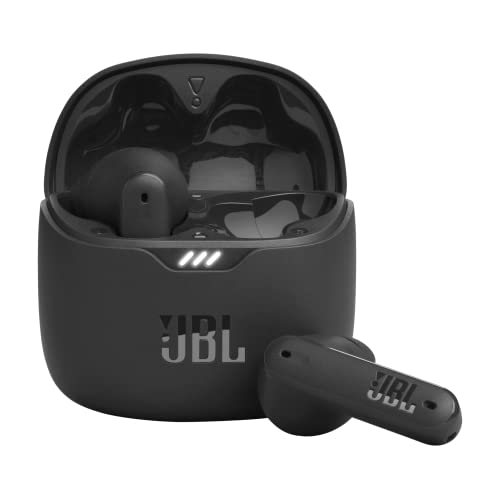
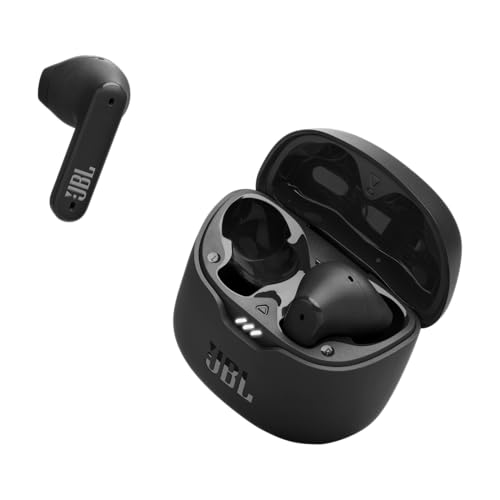
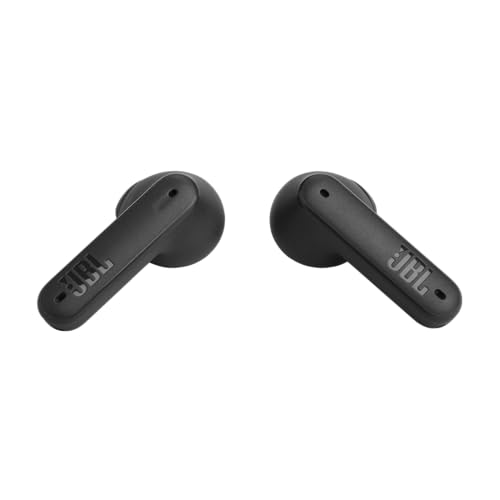
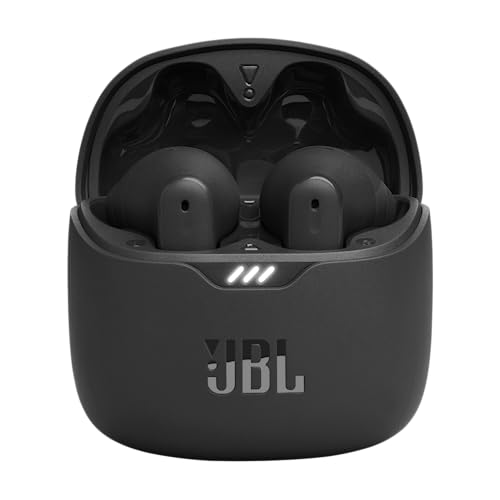
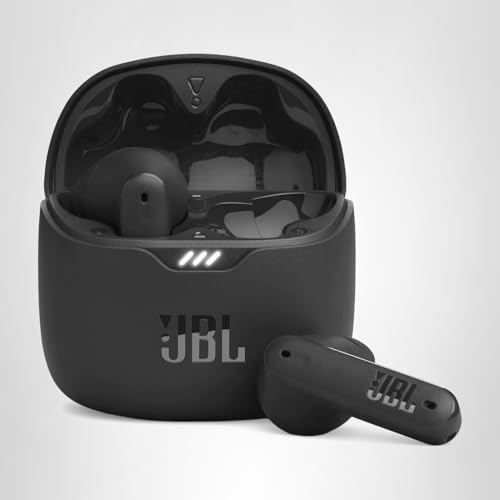
Released in 2022, the JBL Tune Flex represents JBL's attempt to create truly versatile earbuds that adapt to different listening scenarios. The key innovation here is the dual ear tip system—something you won't find on most competitors.
The Tune Flex comes with traditional silicone ear tips in three sizes for a sealed fit, plus unique "open" ear tips that allow ambient sound to pass through naturally. This means you can switch between isolated listening for focus or commuting, and open listening for situations where you need to stay aware of your surroundings, like running outdoors or working in an office where you need to hear colleagues.
JBL equipped these earbuds with 12mm dynamic drivers—relatively large for true wireless earbuds. Larger drivers typically mean better bass response and overall sound quality, though they also make the earbuds slightly bulkier. The Tune Flex delivers JBL's signature "Pure Bass Sound," which emphasizes low-end frequencies without completely overwhelming the mids and highs.
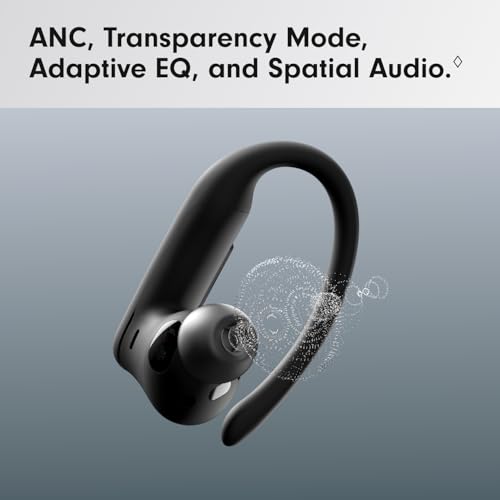
The Beats Powerbeats Pro 2, released in 2024, takes a fundamentally different approach. While the original Powerbeats Pro from 2019 focused purely on secure fit and energetic sound, this second generation introduces genuine innovation with built-in heart rate monitoring—making it the first mainstream true wireless earbud to include biometric sensors.
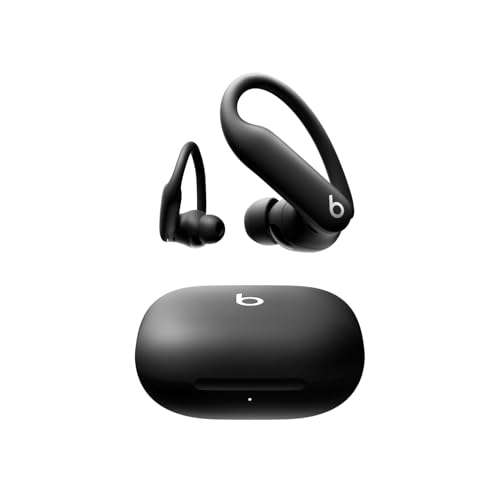
The over-ear hook design immediately sets the Powerbeats Pro 2 apart visually. These aren't earbuds trying to disappear; they're engineered specifically for active use. The hooks are made from a nickel-titanium alloy that provides shape memory—they'll bend and flex during activity but return to their original form. This ensures a secure fit even during intense workouts.
Inside each earbud, you'll find custom dual-element dynamic diaphragm transducers with 9.5mm dual-layer drivers. While smaller than the JBL's drivers, Beats has focused on acoustic engineering to maximize performance within the available space. The real technological leap comes from the Apple H2 chip, which enables advanced computational audio features like Adaptive EQ and sophisticated noise cancellation algorithms.
When evaluating sound quality, we need to consider both technical performance and subjective preference. Based on comprehensive analysis of user reviews and expert evaluations, these earbuds take notably different approaches to audio reproduction.
The JBL Tune Flex delivers what most would consider a crowd-pleasing sound signature. The 12mm drivers provide substantial bass presence without completely overpowering other frequencies. The sound profile follows a slight V-shape—enhanced bass and treble with slightly recessed mids—which creates an exciting, energetic listening experience. Vocals remain clear and detailed, while instruments maintain good separation. The companion app includes a graphic equalizer, allowing you to customize the sound to your preference.
What makes the Tune Flex particularly interesting is how the open ear tips change the sound character. With sealed tips, you get typical isolated listening with strong bass and clear detail. Switch to open tips, and the sound becomes more natural and spacious, though you'll lose some bass impact. This adaptability is genuinely useful—sealed tips for focused listening to music or podcasts, open tips for staying aware during exercise or work.
The Beats Powerbeats Pro 2 takes a more sophisticated approach to sound reproduction. The Adaptive EQ feature uses inward-facing microphones to continuously monitor what you're actually hearing and adjusts the frequency response in real-time. This compensates for variations in fit and ear canal shape that can dramatically affect sound quality.
The sound signature is energetic and motivating, optimized for the genres most people listen to during workouts—pop, hip-hop, electronic music. Bass response is substantial and punchy, designed to keep you moving during exercise. However, the Powerbeats Pro 2 also handles more nuanced content well, with good detail in the midrange and crisp highs that don't become harsh at higher volumes.
One significant advantage of the Powerbeats Pro 2 is Personalized Spatial Audio. This creates a three-dimensional soundstage that tracks your head movement, making music feel like it's coming from around you rather than directly inside your head. It's particularly effective with compatible content and can make your listening experience more immersive, whether you're enjoying music or watching videos.
For home theater use, both earbuds can connect to modern TVs via Bluetooth, though you'll want to check your TV's audio delay settings. The Powerbeats Pro 2 offers ultra-low latency when connected to Apple devices, making it better suited for watching video content without annoying audio sync issues.
This is where we see the most significant performance difference between our contenders, and it largely comes down to engineering resources and priorities.
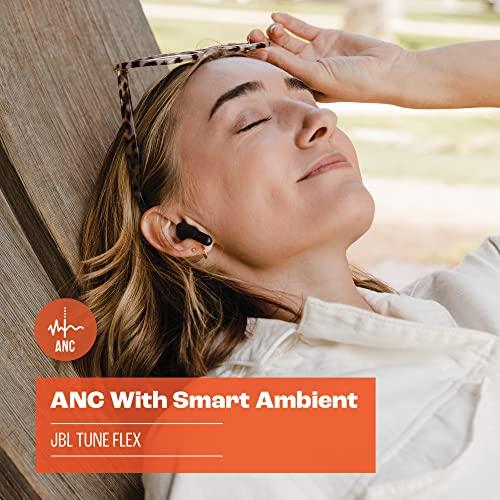
The JBL Tune Flex's ANC system represents what you'd expect from earbuds in this price category. It uses two microphones to detect external noise and generates canceling frequencies, but the implementation is fairly basic. You'll notice a definite reduction in constant, low-frequency sounds like air conditioning, train noise, or airplane engines. However, it struggles with more dynamic sounds like conversations, traffic noise, or sudden sounds.
The Smart Ambient features partially compensate for this limitation. Ambient Aware mode lets external sound through so you can hear what's happening around you, while TalkThru reduces your music volume and emphasizes voices so you can have conversations without removing the earbuds. Combined with the open ear tip option, the Tune Flex offers more flexibility in managing your awareness of surroundings than most earbuds.
The Beats Powerbeats Pro 2 represents a significant step up in ANC performance. The system updates its noise cancellation algorithm 200 times per second, constantly adapting to changing acoustic environments. This adaptive approach makes it much more effective across a broader range of noise types. You'll experience substantial reduction in airplane noise, busy gym sounds, and even some higher-frequency noises that the JBL struggles with.
The Transparency mode on the Powerbeats Pro 2 also feels more natural than the JBL's ambient features. Instead of just letting outside sound through, it actively processes external audio to maintain natural sound quality while keeping you aware of important environmental cues.
For commuting or travel, the Powerbeats Pro 2's superior ANC makes a meaningful difference in listening comfort and the ability to enjoy content at lower, safer volumes.
Battery performance often reveals a manufacturer's engineering priorities, and here we see clear differences in approach.
The JBL Tune Flex provides solid but not exceptional battery life. You'll get about 8 hours of continuous playbook with ANC disabled, dropping to around 6 hours with noise cancellation active. The charging case adds another 24 hours of listening time, bringing total capacity to 32 hours without ANC or 24 hours with it enabled. The 10-minute quick charge feature provides about 2 hours of playback, which can be a lifesaver when you're rushing out the door.
The Beats Powerbeats Pro 2 demonstrates what's possible when battery life becomes a primary design consideration. Each earbud delivers up to 10 hours of continuous playback with ANC disabled—that's enough for most people's entire waking day. Even with noise cancellation active, you'll get 8 hours per charge. The charging case extends total listening time to an impressive 45 hours without ANC or 36 hours with it enabled.
This battery advantage becomes particularly important for active users who might go on long runs, spend entire days traveling, or simply prefer not to worry about charging frequently. The 5-minute Fast Fuel charging provides 1.5 hours of playbook, slightly less than the JBL's quick charge but still very practical.
Both earbuds support wireless charging, though the Powerbeats Pro 2 includes this feature in a case that's actually 33% smaller than the previous generation—an impressive engineering achievement.
The philosophical differences between these earbuds become most apparent in their physical design and how they prioritize different use cases.
The JBL Tune Flex follows conventional true wireless earbud design principles. They're lightweight at 4.8 grams per earbud, with a shape that fits flush in most ears. The multiple silicone tip sizes help ensure a good seal for most users, and the overall design works well for extended listening sessions without causing fatigue.
The touch controls are responsive and customizable through the app, though some users report occasional accidental activations. The IPX4 water resistance rating means they'll handle sweat and light rain without issues, making them suitable for moderate exercise and daily use.
However, the Tune Flex isn't specifically engineered for intense activity. While they'll stay in place during casual exercise, you might find them shifting or falling out during more vigorous movement.
The Beats Powerbeats Pro 2 makes no apologies for prioritizing secure fit above all else. The over-ear hooks might look bulky compared to traditional earbuds, but they serve a crucial function. The nickel-titanium alloy construction provides both flexibility and memory—the hooks will bend during activity but spring back to their original shape.
At 8.7 grams per earbud, they're heavier than the JBL, but the weight is distributed across the ear hook rather than hanging entirely from your ear canal. Many users find this actually more comfortable during extended wear, especially during physical activity.
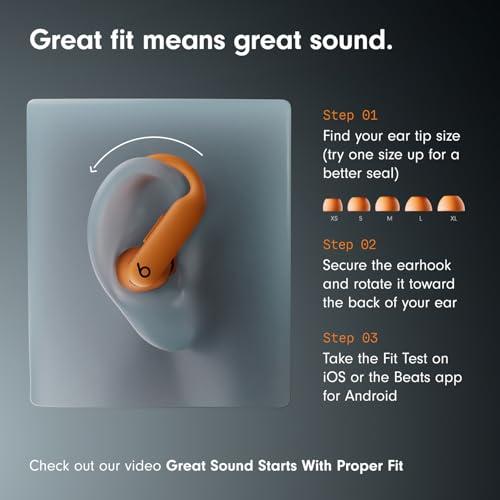
The five ear tip sizes, including an extra-small option, help ensure optimal fit across a wider range of ear shapes. The physical controls—actual buttons rather than touch surfaces—work reliably even with sweaty or gloved hands, which matters during workouts.
For home theater use, comfort during extended viewing sessions becomes important. The Tune Flex's lighter weight gives it an advantage for long movie marathons, while the Powerbeats Pro 2's secure fit might feel unnecessary when you're sitting still for hours.
This is where these earbuds really diverge in their value propositions and target audiences.
The JBL Tune Flex's special features focus on versatility and user control. The dual ear tip system remains unique in the market—you simply won't find this level of adaptability in other earbuds. The ability to quickly switch between isolated and open listening makes these earbuds suitable for a broader range of situations than typical sealed designs.
The Personi-Fi 3.0 personalization through the companion app goes beyond simple EQ adjustment. It analyzes your hearing and preferences to create a customized sound profile. Multi-point connection lets you stay connected to multiple devices simultaneously, so you can listen to music on your laptop while remaining connected to your phone for calls.
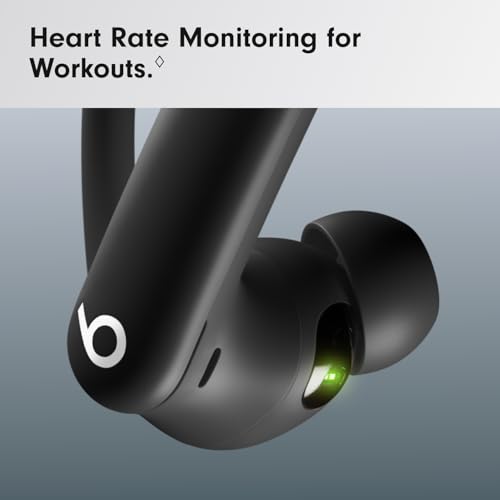
The Beats Powerbeats Pro 2 introduces genuinely cutting-edge features that weren't available in consumer earbuds before 2024. The heart rate monitoring capability uses optical sensors to track your pulse during workouts, measuring blood flow over 100 times per second. This data integrates with fitness apps to provide real-time heart rate zones, calorie burn estimates, and workout intensity metrics.
The Apple H2 chip enables computational audio features that simply weren't possible in earlier generations. The Adaptive EQ doesn't just apply preset frequency curves—it actively monitors what you're hearing and makes real-time adjustments. The advanced noise cancellation algorithms require significant processing power to update 200 times per second.
For Apple ecosystem users, the integration goes far beyond simple Bluetooth connection. The earbuds support hands-free Siri activation, automatic device switching between your iPhone, iPad, and Mac, and Find My integration that can help locate lost earbuds.
At the time of writing, these earbuds occupy different price tiers, with the Beats Powerbeats Pro 2 commanding a significant premium over the JBL Tune Flex. Understanding whether that premium is justified depends heavily on your priorities and use cases.
The JBL Tune Flex represents exceptional value for users who want premium features without premium pricing. You get effective (if not class-leading) noise cancellation, solid battery life, excellent customization options, and the unique adaptability of the dual ear tip system. The sound quality easily competes with earbuds costing significantly more, and the versatility makes them suitable for more situations than most alternatives.
The main value limitations center on performance rather than features. The ANC system works but isn't best-in-class. Battery life is competitive but not exceptional. The fit is comfortable but not specifically optimized for intense activity.
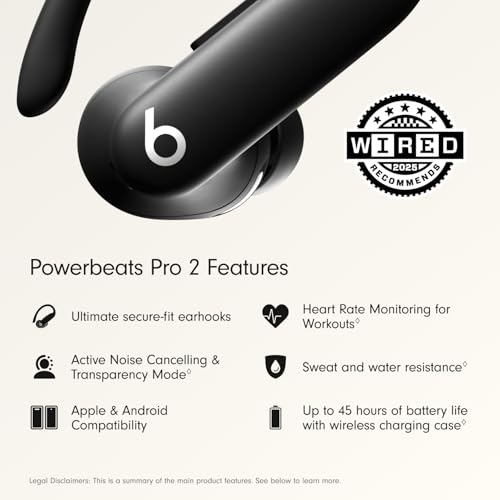
The Beats Powerbeats Pro 2 justifies its premium pricing through genuine innovation and superior performance metrics. The heart rate monitoring alone represents technology that wasn't available in consumer earbuds before this generation. The superior battery life, advanced noise cancellation, and secure fit engineering provide tangible benefits that matter to the target audience.
However, you're paying for specialized capabilities that may not add value for all users. If you don't exercise regularly, the secure fit and heart rate monitoring become less relevant. If you're not deeply invested in the Apple ecosystem, some of the advanced integration features won't benefit you.
The decision between these earbuds should ultimately come down to how you plan to use them and what features matter most in your daily life.
Choose the JBL Tune Flex if:
You want versatile earbuds that adapt to different situations throughout your day. The dual ear tip system makes these ideal for people who need to switch between focused listening and environmental awareness regularly. If you work in an office where you need to stay available for conversations, exercise outdoors where safety requires hearing traffic, or simply prefer having options, the Tune Flex provides flexibility you won't find elsewhere.
They're also perfect for budget-conscious buyers who still want premium features. You get effective noise cancellation, solid battery life, excellent customization options, and good sound quality at a price that won't strain most budgets. The multi-point connection capability makes them particularly valuable for users who regularly switch between devices.
The Tune Flex works well for casual exercisers who want good sound quality and basic sweat resistance without paying for specialized athletic features they won't fully utilize.
Choose the Beats Powerbeats Pro 2 if:
Fitness and active use are primary considerations. The secure fit engineering, extended battery life, and integrated heart rate monitoring make these genuinely superior for athletic activities. If you run regularly, do intense workouts, or participate in activities where earbuds falling out would be frustrating or dangerous, the over-ear hook design provides security that traditional earbuds simply can't match.
The heart rate monitoring adds genuine value for fitness enthusiasts who want to track workout intensity without wearing additional devices. The ability to monitor heart rate zones during exercise and sync that data with fitness apps provides insights that can improve training effectiveness.
Apple ecosystem users will appreciate the seamless integration, automatic device switching, and advanced features like Personalized Spatial Audio. If you own multiple Apple devices, the Powerbeats Pro 2 provides a level of integration that third-party alternatives can't match.
The superior noise cancellation and exceptional battery life also make these earbuds excellent for frequent travelers who need reliable performance during long flights or commutes.
Both the JBL Tune Flex and Beats Powerbeats Pro 2 represent genuine excellence in their respective approaches to true wireless earbud design. The Tune Flex achieves remarkable versatility and value, offering premium features and adaptability at an accessible price point. The Powerbeats Pro 2 pushes the boundaries of what's possible in true wireless earbuds, introducing innovative biometric features and delivering best-in-class performance for active users.
Your choice should align with your lifestyle, priorities, and budget. If you value flexibility, customization, and getting the most features for your money, the JBL Tune Flex delivers exceptional value. If you prioritize cutting-edge technology, superior performance metrics, and features specifically designed for active lifestyles, the Beats Powerbeats Pro 2 justifies its premium positioning.
Either way, you're getting earbuds that represent the current state of the art in true wireless audio—a remarkable achievement considering where this technology stood just a few years ago.
| JBL Tune Flex True Wireless Earbuds | Beats Powerbeats Pro 2 Wireless Earbuds |
|---|---|
| Driver Size - Larger drivers typically produce better bass and overall sound quality | |
| 12mm dynamic drivers (excellent bass for the price) | 9.5mm dual-layer drivers (smaller but premium engineering) |
| Battery Life - Critical for daily use without frequent charging | |
| 8 hours + 24 hours case (32 total, ANC off) | 10 hours + 35 hours case (45 total, ANC off) |
| Active Noise Cancellation - Essential for commuting and focus | |
| Basic ANC, effective for constant noise only | Advanced adaptive ANC, updates 200x/second |
| Design & Fit - Determines comfort and security during activity | |
| Traditional earbud design with dual ear tip system | Over-ear hook with nickel-titanium alloy for sports |
| Water Resistance - Protection against sweat and weather | |
| IPX4 (basic sweat/splash protection) | IPX4 (basic sweat/splash protection) |
| Special Features - Unique capabilities that justify the price | |
| Open/sealed ear tip modes, multi-point connection | Heart rate monitoring, Apple H2 chip integration |
| Call Quality - Important for work and daily communication | |
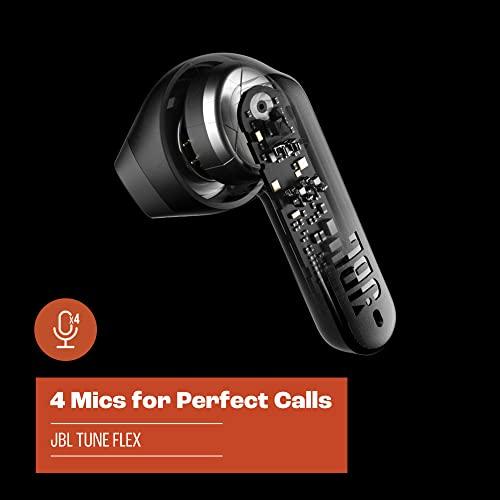
| 4 microphones with basic noise suppression | 6 microphones with voice accelerometer |
| Charging Speed - Convenience when battery runs low | |
| 10 minutes = 2 hours playback | 5 minutes = 1.5 hours playback |
| Weight Per Earbud - Affects long-term comfort | |
| 4.8g (lightweight for extended wear) | 8.7g (heavier but weight distributed via ear hooks) |
| Connectivity - Determines device compatibility and features | |
| Bluetooth 5.2/5.3, universal compatibility | Bluetooth 5.3 + Apple H2 chip (best with Apple devices) |
| Sound Customization - Ability to personalize audio experience | |
| Full graphic EQ and Personi-Fi 3.0 personalization | Adaptive EQ only (automatic, no manual control) |
| Ecosystem Integration - Seamless connection with your devices | |
| Works equally well with all platforms | Optimized for Apple ecosystem with advanced features |
The Beats Powerbeats Pro 2 delivers more sophisticated audio with its custom dual-element drivers and Adaptive EQ that automatically adjusts sound based on your ear fit. However, the JBL Tune Flex offers excellent sound quality with larger 12mm drivers and full customizable EQ through the app, making it better for users who want to personalize their audio experience.
The Beats Powerbeats Pro 2 significantly outperforms with 10 hours per charge plus 35 additional hours from the case (45 hours total). The JBL Tune Flex provides 8 hours per charge with 24 hours from the case (32 hours total), which is still competitive but notably less than the Beats option.
The Beats Powerbeats Pro 2 is specifically designed for fitness with over-ear hooks that ensure a secure fit during intense activity, plus unique heart rate monitoring sensors. The JBL Tune Flex works for casual exercise but isn't optimized for vigorous workouts where secure fit is critical.
Yes, but with significant performance differences. The Beats Powerbeats Pro 2 features advanced adaptive ANC that updates 200 times per second for superior noise blocking. The JBL Tune Flex has basic ANC that works well for constant sounds like air conditioning but struggles with dynamic noise like conversations.
The JBL Tune Flex is lighter at 4.8g per earbud and sits flush in your ear, making it more comfortable for extended casual listening. The Beats Powerbeats Pro 2 weighs more at 8.7g but distributes weight via ear hooks, which some find more comfortable during active use despite the bulk.
Both work with Android and other devices, but the JBL Tune Flex offers truly universal compatibility with full features across all platforms. The Beats Powerbeats Pro 2 works with Android through the Beats app but is optimized for Apple devices with advanced features like seamless device switching.
The Beats Powerbeats Pro 2 excels with 6 microphones and voice accelerometer technology for superior call clarity and noise suppression. The JBL Tune Flex provides adequate call quality with 4 microphones but isn't as advanced for challenging calling environments.
The JBL Tune Flex features a unique dual ear tip system allowing you to switch between sealed and open listening modes, plus multi-point connection to multiple devices. The Beats Powerbeats Pro 2 includes revolutionary heart rate monitoring sensors and Apple H2 chip for advanced computational audio features.
Both work well for entertainment, but the Beats Powerbeats Pro 2 offers superior performance with Personalized Spatial Audio and ultra-low latency when connected to Apple devices. The JBL Tune Flex provides good audio quality for movies but lacks the advanced spatial features that enhance the viewing experience.
The JBL Tune Flex provides exceptional value with premium features like ANC, wireless charging, and extensive customization at a more accessible price point. The Beats Powerbeats Pro 2 costs significantly more but justifies the premium with cutting-edge features like heart rate monitoring and superior battery life.
Both the JBL Tune Flex and Beats Powerbeats Pro 2 feature IPX4 water resistance, providing adequate protection against sweat and light rain. Neither is designed for swimming or submersion, but both handle typical workout moisture and weather exposure without issues.
Choose the JBL Tune Flex if you want versatile earbuds with great customization options and the unique ability to switch between open and sealed listening modes at an excellent price. Pick the Beats Powerbeats Pro 2 if you prioritize fitness features, need the most secure fit for active use, want cutting-edge technology like heart rate monitoring, or are deeply integrated into the Apple ecosystem.
We've done our best to create useful and informative comparisons to help you decide what product to buy. Our research uses advanced automated methods to create this comparison and perfection is not possible - please contact us for corrections or questions. These are the sites we've researched in the creation of this article: rtings.com - hometechnologyreview.com - youtube.com - bestbuy.com - soundguys.com - bestbuy.com - crutchfield.com - bgr.com - robbsutton.com - majorhifi.com - versus.com - crutchfield.com - youtube.com - versus.com - jbl.com - global.jbl.com - pcrichard.com - musicarts.com - scribd.com - global.jbl.com - robot-advance.com - gzhls.at - bestbuy.com - att.com - ro.harmanaudio.com - rtings.com - soundguys.com - soundguys.com - soundguys.com - bestbuy.com - tomsguide.com - techradar.com - youtube.com - slatepad.org - appleinsider.com - cnet.com - techradar.com - apple.com - bestbuy.com - panthertech.fiu.edu - beatsbydre.com - beatsbydre.com - youtube.com - beatsbydre.com - apple.com - gsmarena.com - alexreviewstech.com

Privacy Policy
Terms and Conditions - Affiliate Policy
Home Security
© Copyright 2008-2026.
11816 Inwood Rd #1211, Dallas, TX 75244