

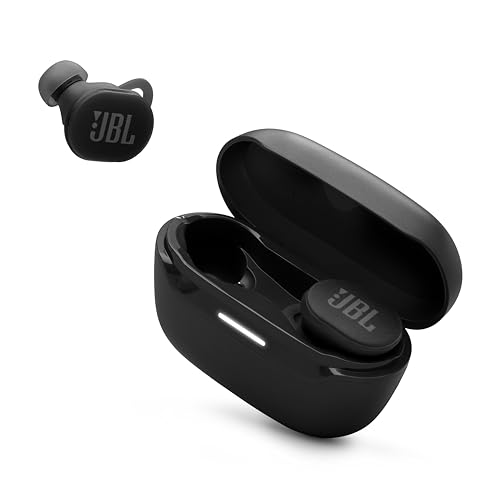
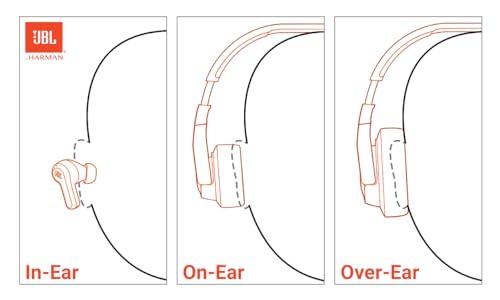

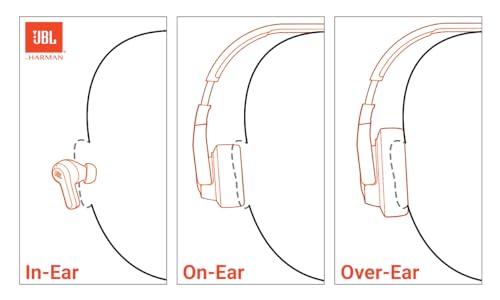
True wireless earbuds have completely transformed how we listen to music, take calls, and stay connected throughout our day. Unlike traditional wired earbuds or even those with a connecting cable, true wireless means each earbud operates independently—no wires at all. This freedom has made them incredibly popular, but it's also created a crowded market with products targeting very different needs.
The category essentially splits into two camps: specialized earbuds designed for specific activities like sports, and general-purpose models that try to do everything well. Today we're comparing two excellent examples from JBL that represent these different philosophies: the JBL Endurance Race 2, a sports-focused powerhouse released in 2024, and the JBL Vibe Beam, an all-purpose value champion that hit the market in 2022.
Both products showcase how much the true wireless category has evolved. The Vibe Beam benefits from the mature Bluetooth 5.2 standard that became widespread around 2021, offering stable connections and efficient power usage. The newer Endurance Race 2 takes advantage of Bluetooth 5.3 improvements, including better multipoint connection (connecting to two devices simultaneously) and enhanced call quality—features that have become increasingly important as people use earbuds for work calls and media consumption.
When choosing true wireless earbuds, several key factors determine your satisfaction. Fit security affects whether they'll stay in your ears during movement—crucial for sports but also important for daily wear. Battery life determines how often you'll be tethered to a charging cable. Sound quality encompasses everything from bass response to vocal clarity. Durability includes both build quality and weather resistance, measured by IP ratings (we'll explain these). Finally, value considers what features you get for your money.
The JBL Endurance Race 2 and JBL Vibe Beam take dramatically different approaches to these priorities, making them interesting case studies in product philosophy.
At the time of writing, the Endurance Race 2 typically costs about twice as much as the Vibe Beam, positioning them in different market segments entirely. The Endurance Race 2 represents JBL's premium sports offering, while the Vibe Beam targets budget-conscious users who still want quality audio.
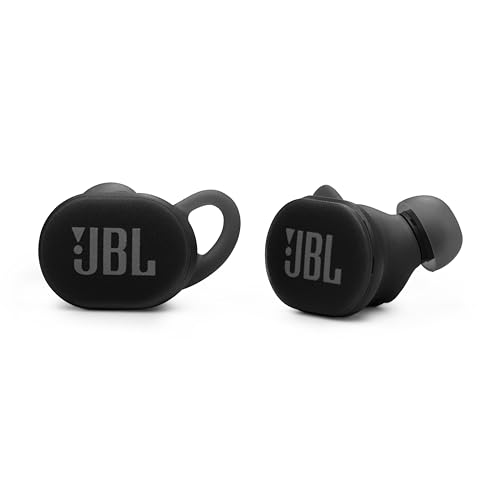
The Endurance Race 2 launched in early 2024 with several technological improvements over its predecessor. Most notably, it introduced what JBL calls TwistLock technology—a proprietary system that combines the earbud shape with ergonomic wing enhancers to create an incredibly secure fit. The wings literally twist and lock into your ear's natural contours, making them nearly impossible to dislodge during intense activity.
This sports-first design philosophy extends to its IP68 rating. IP stands for "Ingress Protection," and the numbers tell you exactly what the device can handle. The first digit (6) means complete protection against dust—no particles can get inside. The second digit (8) indicates the device can be submerged deeper than one meter in water indefinitely. For comparison, most "waterproof" phones are only rated IP67, meaning they can handle brief submersion up to one meter. The Endurance Race 2 can literally go swimming with you.
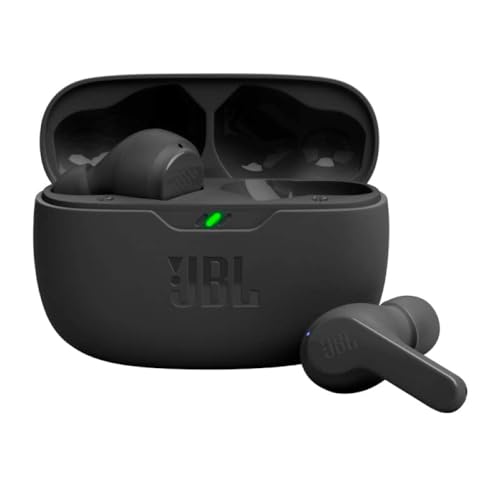
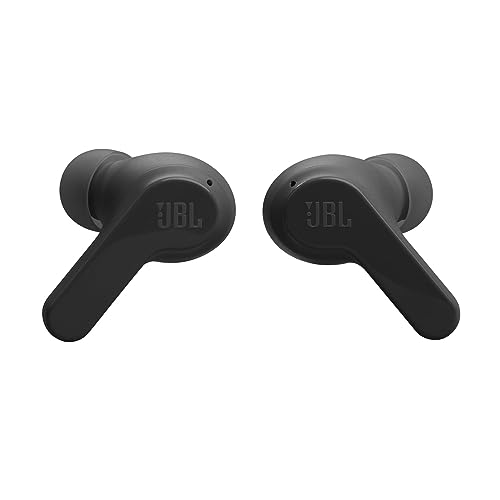
The Vibe Beam, released in 2022, takes a completely different approach. Instead of specialized sports features, it focuses on delivering premium audio quality and versatility at an accessible price point. Its stick-closed design prioritizes comfort for extended wear rather than athletic retention. The IP54 rating provides dust resistance and splash protection—perfect for gym sessions or caught-in-the-rain scenarios, but not swimming.
Here's where things get interesting from a technical standpoint. The Vibe Beam actually uses larger 8mm dynamic drivers compared to the Endurance Race 2's 6.8mm drivers. In audio, driver size often correlates with sound quality—larger drivers can move more air, potentially creating deeper bass and a wider soundstage (the sense of space in your music).
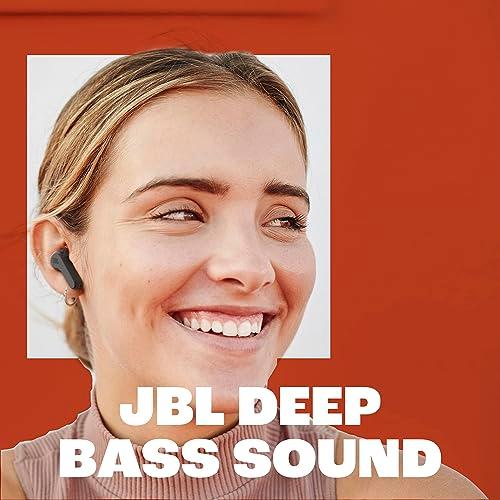
Our research into user and expert consensus suggests the Vibe Beam does indeed deliver richer, more detailed sound for pure music listening. Users consistently praise its JBL Deep Bass Sound, which emphasizes low-frequency response without overwhelming the mix. The larger drivers create what audiophiles call "slam"—that physical feeling of bass hitting your eardrums.
The Endurance Race 2, however, uses smaller drivers by design. Sports earbuds need to balance sound quality with other priorities like secure fit and durability. The 6.8mm drivers still deliver JBL's signature Pure Bass Sound, but they're tuned specifically for motivation and energy during workouts. The sound signature emphasizes punch and clarity over nuanced detail—exactly what you want when focusing on your next rep or mile.
Both earbuds cover the full human hearing range of 20Hz to 20kHz (20 Hertz to 20 kilohertz), but they interpret that range differently. Based on reviewer feedback, the Vibe Beam provides a more balanced, natural sound that works well across all music genres. The Endurance Race 2 deliberately boosts certain frequencies to cut through wind noise and ambient gym sounds.
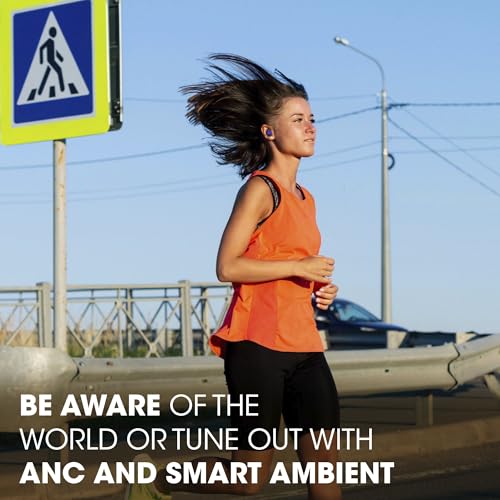
The Endurance Race 2 also includes Active Noise Cancelling (ANC), a feature the Vibe Beam lacks. ANC uses microphones to detect external sounds and creates opposing sound waves to cancel them out. It's particularly effective against constant noises like air conditioning or airplane engines, helping you focus during workouts or calls.
Battery technology in earbuds involves careful trade-offs between size, weight, and capacity. The Endurance Race 2 makes this trade-off aggressively in favor of longevity. Each earbud houses a 70mAh lithium-ion battery compared to the Vibe Beam's 48mAh cells.
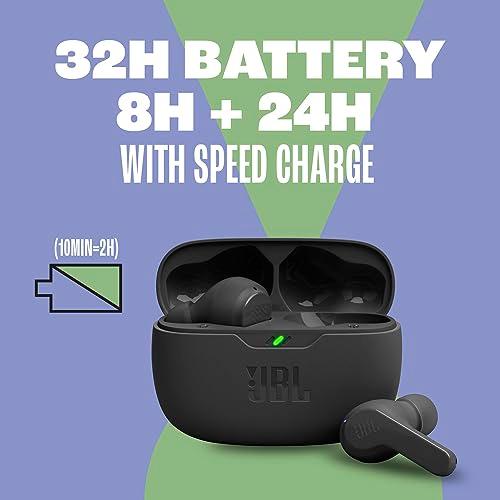
This difference translates to real-world performance that matters enormously to users. The Endurance Race 2 delivers up to 12 hours of playback per charge (10 hours with ANC enabled), while the Vibe Beam provides 8 hours. When you factor in the charging cases—600mAh for the Endurance Race 2 versus 530mAh for the Vibe Beam—the total listening time gap becomes substantial: 48 hours versus 32 hours.
For perspective, 48 hours means you could listen to music for your entire workweek without plugging in. The Endurance Race 2 also charges faster, providing 4 hours of playback from just 10 minutes of charging compared to the Vibe Beam's 2 hours from the same 10-minute boost.
Battery life matters differently depending on your usage patterns. If you're a casual listener using earbuds for commuting or occasional calls, the Vibe Beam's 32 hours might last you weeks. But if you're training for a marathon or working long days with lots of calls, the Endurance Race 2's extended battery becomes essential.
The difference in fit philosophy between these earbuds is probably the most important factor in your decision. The Endurance Race 2's TwistLock system creates what users describe as an almost permanent attachment to your ears. Reviews consistently mention being able to shake your head vigorously, do jumping jacks, or even headbang to music without the slightest shift.
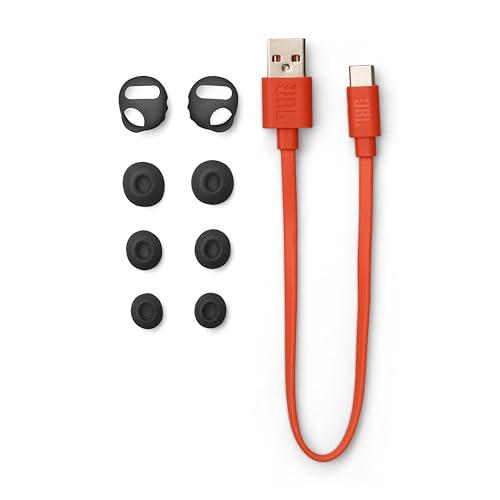
This security comes from the combination of the earbud shape and wing enhancers that literally hook into your ear's antihelix—the curved ridge of cartilage in your outer ear. Once twisted into place, the earbuds become part of your ear anatomy. Multiple wing sizes ensure most people can achieve this lock, though some users with unusually shaped ears might struggle.
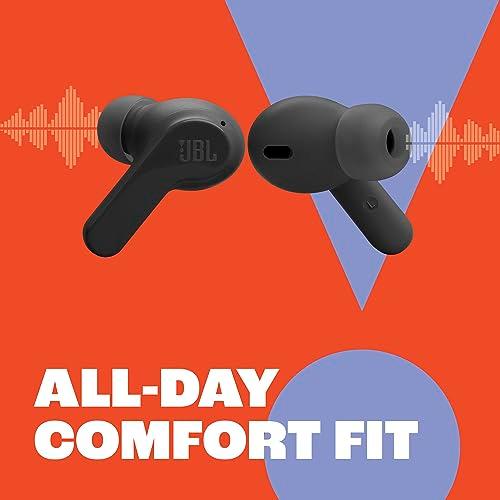
The Vibe Beam takes the opposite approach with its stick-closed design that prioritizes comfort over security. At 4.4 grams per earbud compared to the Endurance Race 2's 6.4 grams, they're noticeably lighter and less intrusive. Users report being able to wear them for hours without the ear fatigue that heavier earbuds can cause.
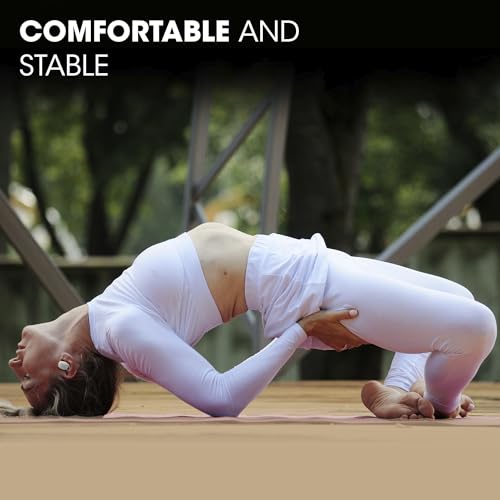
However, this comfort comes with trade-offs. While the Vibe Beam stays in place during normal daily activities, vigorous movement can cause them to shift or fall out. They're perfectly fine for walking, light exercise, or desk work, but they're not designed for high-impact activities.
For home theater use, comfort becomes crucial since you might wear earbuds for entire movie sessions. The Vibe Beam's lighter weight and ergonomic design make it more suitable for extended viewing, while the Endurance Race 2's secure fit might become uncomfortable during long periods of stationary use.
Modern earbuds serve double duty as communication devices, making microphone quality increasingly important. The Endurance Race 2 employs four beamforming microphones—two per earbud—that use advanced signal processing to focus on your voice while filtering out background noise.
Beamforming works by comparing the audio signal received by multiple microphones and using algorithms to determine which sounds are coming from your mouth versus the environment. This technology, borrowed from professional audio equipment, allows the Endurance Race 2 to deliver clear calls even in windy outdoor conditions or noisy gyms.
The Vibe Beam uses a more traditional microphone setup but includes VoiceAware technology, which lets you control how much of your own voice you hear during calls. This feature helps eliminate the "talking in a tunnel" sensation that some users experience with noise-isolating earbuds.
Based on reviewer feedback, the Endurance Race 2 provides superior call quality in challenging environments, while the Vibe Beam offers more natural-sounding conversations in quiet settings.
Both earbuds connect to JBL's Headphones app, but they offer different smart features reflecting their target audiences. The Endurance Race 2 includes Sports Mode, which provides six preset EQ profiles tailored to different workout intensities, plus the ability to create custom settings. This goes beyond simple bass boost—different presets adjust mid-range frequencies to help vocals cut through heavy breathing, or enhance high frequencies to maintain clarity when wearing over-ear protection.
Uniquely, the Endurance Race 2 also includes Relax Mode, featuring five nature soundscapes like ocean waves or crackling fire. This recovery-focused feature acknowledges that serious athletes need downtime as much as motivation.
The Vibe Beam offers more comprehensive audio customization through a full parametric equalizer. Unlike simple presets, parametric EQ lets you adjust specific frequency bands with surgical precision. This appeals to audio enthusiasts who want complete control over their sound signature.
Both models include Smart Ambient features, but they implement them differently. The Endurance Race 2's Smart Ambient works in conjunction with ANC to provide situational awareness during outdoor activities. The Vibe Beam's Ambient Aware and TalkThru modes focus on social situations—letting you have conversations without removing the earbuds.
The durability gap between these products is enormous and reflects their intended use cases. The Endurance Race 2's IP68 rating represents the highest level of protection available in consumer earbuds. The "6" means they're completely sealed against dust—you could literally bury them in sand and they'd keep working. The "8" indicates they can withstand continuous submersion under water pressure.
This isn't marketing hyperbole. Users report wearing the Endurance Race 2 while swimming laps, surfing, and even showering. The waterproofing extends to both fresh and salt water, making them suitable for ocean activities that would destroy most electronics.
The Vibe Beam's IP54 rating is more typical for general-use earbuds. The "5" indicates dust resistance (not complete protection), and the "4" means protection against splashing water from any direction. They'll handle sweat, rain, and accidental spills, but submersion will likely damage them.
For most users, IP54 provides adequate protection for daily life and light exercise. But if your activities involve water sports, extreme weather, or dusty environments, the IP68 rating of the Endurance Race 2 justifies its higher cost.
At the time of writing, the price difference between these earbuds reflects their different target markets and feature sets. The Vibe Beam represents exceptional value for general users, delivering sound quality that competes with products costing significantly more. The larger drivers, comprehensive EQ controls, and solid battery life make it a standout choice for budget-conscious audio enthusiasts.
The Endurance Race 2 costs more because it includes specialized technology that's expensive to implement. The IP68 rating requires precision sealing and waterproof components. TwistLock technology involves custom molding and testing. The extended battery life demands larger, more expensive cells and sophisticated power management.
For its target audience—serious athletes and outdoor enthusiasts—this premium is justified. If you've ever lost expensive earbuds during a workout or had them fail due to sweat damage, the Endurance Race 2's reliability becomes cost-effective. But for users who primarily listen at desks or during commutes, these features add unnecessary cost.
The decision between the JBL Endurance Race 2 and JBL Vibe Beam ultimately depends on your primary use cases and priorities.
Choose the Endurance Race 2 if you're an active person who needs earbuds that can keep up with intense workouts, outdoor adventures, or challenging environments. The secure fit ensures they won't fall out during mountain biking or weightlifting. The waterproof rating means you can wear them swimming or in heavy rain. The extended battery life supports all-day use without anxiety about finding a charger.
The Endurance Race 2 also makes sense if you frequently take calls in noisy environments. The four-microphone beamforming system provides professional-quality audio that standard earbuds can't match. Construction workers, outdoor guides, and fitness instructors particularly benefit from this clarity.
However, choose the Vibe Beam if your priority is pure audio enjoyment and value. The larger drivers and comprehensive EQ controls create a more satisfying listening experience for music, podcasts, and video content. The comfortable fit supports extended wear for work calls, movie watching, or long study sessions.
The Vibe Beam excels for home theater use, where the lighter weight and balanced sound signature provide a more enjoyable experience during lengthy content consumption. The lower cost also makes it easier to justify having multiple pairs—one for home, one for work, one for travel.
Both earbuds represent excellent engineering within their respective categories. The Endurance Race 2 succeeds as a specialized tool for active lifestyles, while the Vibe Beam delivers remarkable value as a versatile daily driver. Understanding which philosophy matches your needs will lead you to the right choice—and likely years of satisfied listening.
| JBL Endurance Race 2 | JBL Vibe Beam |
|---|---|
| Driver Size - Larger drivers typically produce richer, more detailed sound | |
| 6.8mm dynamic drivers (optimized for sports clarity) | 8mm dynamic drivers (delivers fuller bass and soundstage) |
| Battery Life - Total listening time before needing to recharge | |
| 48 hours total (12h buds + 36h case) | 32 hours total (8h buds + 24h case) |
| Quick Charge - Emergency power when you're running late | |
| 10 minutes = 4 hours playback | 10 minutes = 2 hours playback |
| Water Resistance - Protection level against sweat, rain, and submersion | |
| IP68 (submersion-proof, swim-safe) | IP54 (splash-resistant, gym-safe) |
| Weight Per Earbud - Affects comfort during extended wear | |
| 6.4g (heavier but includes more battery) | 4.4g (lighter for all-day comfort) |
| Fit Technology - How securely they stay in your ears during movement | |
| TwistLock with wing enhancers (locks into ear contours) | Stick-closed ergonomic design (comfortable but less secure) |
| Active Noise Cancelling - Blocks external distractions | |
| Yes (helps focus during workouts) | No (relies on passive isolation only) |
| Bluetooth Version - Affects connection stability and features | |
| 5.3 with multipoint connection | 5.2 (mature, stable standard) |
| Microphones - Call quality and voice pickup | |
| 4 beamforming mics (excellent wind/noise rejection) | Standard setup with VoiceAware control |
| Special Features - Unique capabilities that set each apart | |
| Sports Mode (6 presets) + Relax Mode (nature sounds) | Smart Ambient (TalkThru/Ambient Aware) + full parametric EQ |
| Target Use Case - Who each product serves best | |
| Athletes, outdoor enthusiasts, water sports | General users, commuters, music lovers, budget-conscious buyers |
The JBL Endurance Race 2 is specifically designed for sports with TwistLock technology that secures the earbuds in your ears during intense movement. It features IP68 waterproofing for swimming and sweaty workouts, plus 48 hours of battery life for long training sessions. The JBL Vibe Beam has a more casual fit that may shift during vigorous exercise and only offers IP54 splash resistance.
Only the JBL Endurance Race 2 includes Active Noise Cancelling (ANC) to block distractions during workouts. The JBL Vibe Beam relies on passive noise isolation from the ear seal but offers Smart Ambient features like TalkThru mode for conversations without removing the earbuds.
The JBL Vibe Beam typically delivers richer sound quality with larger 8mm drivers that produce fuller bass and better detail for music listening. The JBL Endurance Race 2 uses smaller 6.8mm drivers optimized for clarity during sports activities rather than audiophile-level detail.
The JBL Endurance Race 2 offers superior battery life with 48 total hours (12 hours per earbud plus 36 hours from the case). The JBL Vibe Beam provides 32 total hours (8 hours per earbud plus 24 hours from the case). Both support quick charging for emergency power boosts.
Only the JBL Endurance Race 2 is safe for swimming with its IP68 waterproof rating that handles submersion in fresh or salt water. The JBL Vibe Beam has IP54 rating for splash resistance but should not be submerged as it could cause permanent damage.
The JBL Vibe Beam is more comfortable for extended wear, weighing just 4.4g per earbud with an ergonomic design ideal for all-day use. The JBL Endurance Race 2 weighs 6.4g per earbud and prioritizes secure sports fit over long-term comfort, which some users find less suitable for hours of continuous wear.
The JBL Endurance Race 2 excels at call quality with four beamforming microphones that filter wind and background noise effectively. The JBL Vibe Beam offers good call quality for indoor use with VoiceAware technology that lets you control how much of your own voice you hear during conversations.
The JBL Vibe Beam provides exceptional value with premium features like 8mm drivers, comprehensive EQ controls, and solid battery life at a budget-friendly price point. The JBL Endurance Race 2 costs more but justifies the premium with specialized sports features like waterproofing and secure fit technology.
Both models support customization through the JBL Headphones app, but differently. The JBL Vibe Beam offers full parametric EQ for precise audio tuning, while the JBL Endurance Race 2 provides Sports Mode with six workout-optimized presets and unique Relax Mode with nature sounds for recovery.
The JBL Endurance Race 2 supports multipoint connection via Bluetooth 5.3, allowing simultaneous pairing with two devices for seamless switching between phone and tablet. The JBL Vibe Beam uses Bluetooth 5.2 without multipoint capability, requiring manual switching between devices.
The JBL Vibe Beam works better for home theater use due to its lighter weight, comfortable fit for extended viewing, and balanced sound signature that handles dialogue and sound effects well. The JBL Endurance Race 2 may become uncomfortable during long movies due to its heavier, sports-focused design.
For general daily use, the JBL Vibe Beam is the better choice with superior sound quality, all-day comfort, excellent value, and features like TalkThru mode for conversations. Choose the JBL Endurance Race 2 only if you prioritize sports performance, waterproofing, or maximum battery life over general versatility and comfort.
We've done our best to create useful and informative comparisons to help you decide what product to buy. Our research uses advanced automated methods to create this comparison and perfection is not possible - please contact us for corrections or questions. These are the sites we've researched in the creation of this article: youtube.com - runnersworld.com - cashify.in - youtube.com - theruntesters.com - bestbuy.com - thegardensnowboard.com - versus.com - versus.com - jbl.com - adaytrip.com - youtube.com - bhphotovideo.com - target.com - crutchfield.com - jbl.com - bhphotovideo.com - bestbuy.com - nfm.com - walmart.com - bestbuy.com - jbl.com - rtings.com - jbl.com - youtube.com - youtube.com - audio46.com - jbl.com - soundguys.com - bestbuy.com - walmart.com - uclastore.com - bestbuy.com - manuals.plus

Privacy Policy
Terms and Conditions - Affiliate Policy
Home Security
© Copyright 2008-2026.
11816 Inwood Rd #1211, Dallas, TX 75244